
Team Leader Courses: Build Accountable Leaders in 2026

The gap between managing tasks and leading teams has never been more visible. Organizations investing in team leader courses recognize that technical expertise alone won't drive results. Mid-market companies need leaders who make faster decisions, communicate clearly, and hold themselves accountable to measurable outcomes. The right training transforms managers into coaches who elevate performance rather than simply monitor it.

What Makes Team Leader Courses Effective in 2026

Traditional leadership programs often prioritize theory over application. Effective team leader courses focus on practical skills tied directly to business metrics. Modern programs must address real-world challenges including remote team dynamics, cross-functional collaboration, and data-driven decision making.

Organizations should evaluate programs based on three critical factors:

  • Application during live work scenarios rather than classroom simulations
  • Measurable KPIs linking training to business outcomes
  • Flexibility allowing month-to-month engagement without long-term contracts

The most successful programs incorporate skills for impactful leadership that participants apply immediately within their teams. This approach ensures training investment translates into visible performance improvements.

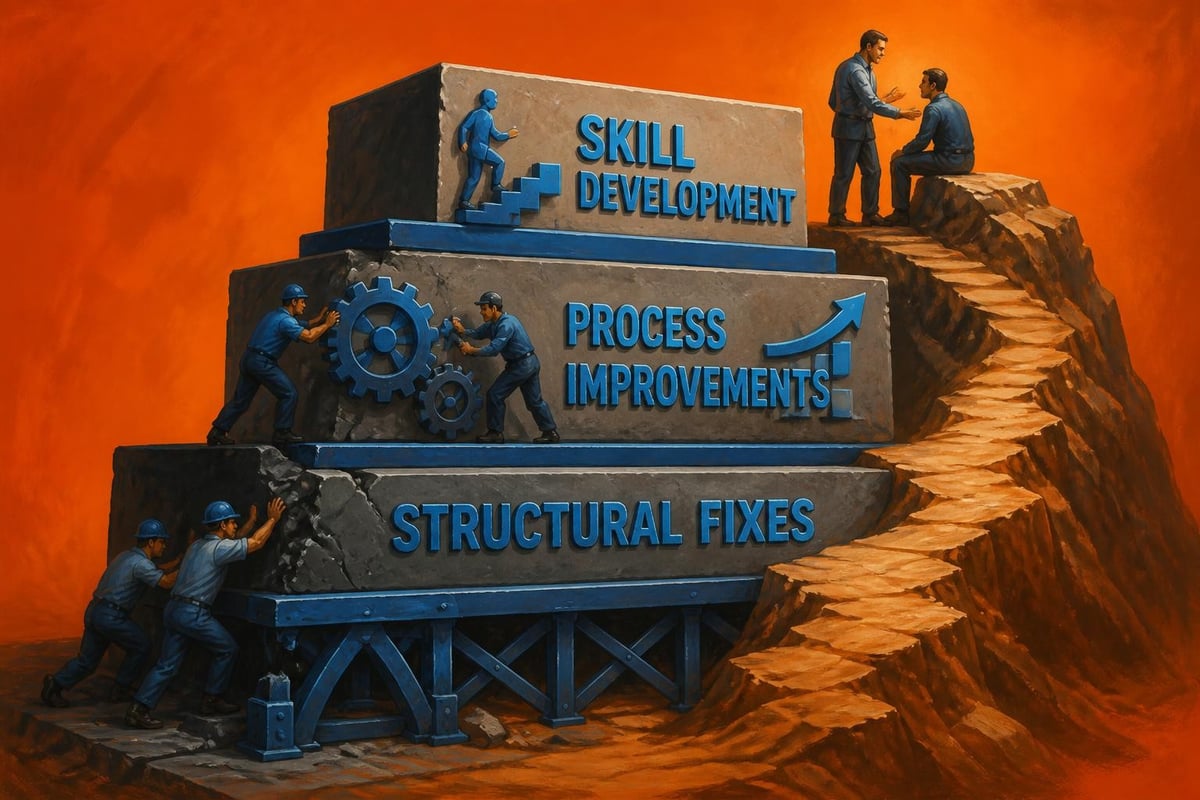
Team leader development components

Core Competencies Covered in Modern Team Leader Training

Communication and Influence

Strong team leaders articulate vision and expectations clearly. Courses must develop skills in difficult conversations, feedback delivery, and transparent communication across all levels. Leaders need practice, not just principles.

Training should include:

  1. Running effective one-on-one meetings with direct reports
  2. Facilitating team discussions that drive decisions
  3. Presenting updates to senior leadership with clarity
  4. Managing conflict before it escalates

Decision-Making and Accountability

Hesitation costs organizations momentum. Team leader courses should teach structured decision-making frameworks that balance speed with quality. Leaders learn to gather input efficiently, commit to choices, and own the outcomes.

Decision Framework Application Benefit
Data-driven analysis Complex strategic choices Reduces bias, improves accuracy
Rapid consensus building Time-sensitive situations Maintains momentum
Delegation with oversight Routine operational decisions Develops team capability

Working with leadership coaches provides personalized support as managers practice these frameworks in real business scenarios.

Performance Management and Coaching

The shift from task manager to performance coach represents the most significant leadership evolution. Effective programs teach leaders to identify capability gaps, set development goals, and provide ongoing coaching rather than annual reviews.

Coaching skills include observing work patterns, asking powerful questions, and creating accountability through clear expectations. Leaders who master this transition drive higher engagement and retention across their teams.

Choosing Between Self-Paced and Live Coaching Formats

Online Courses and Certifications

Self-paced team leader courses offer convenience and breadth of content. Platforms provide structured curricula covering leadership theory, case studies, and assessment tools. However, knowledge acquisition doesn't guarantee behavior change.

These formats work best when:

  • Leaders need foundational knowledge quickly
  • Budget constraints limit live coaching options
  • Participants have strong self-discipline and application skills

Live Coaching and Facilitation

Real transformation happens through application. Live coaching embedded in actual work situations creates immediate impact. Coaches observe team meetings, provide real-time feedback, and help leaders adjust their approach based on what's working.

This format delivers superior results because coaches tie progress to specific KPIs. Organizations see measurable improvements in decision speed, communication quality, and team performance. Programs from performance coaches focus on this practical application rather than theoretical frameworks.

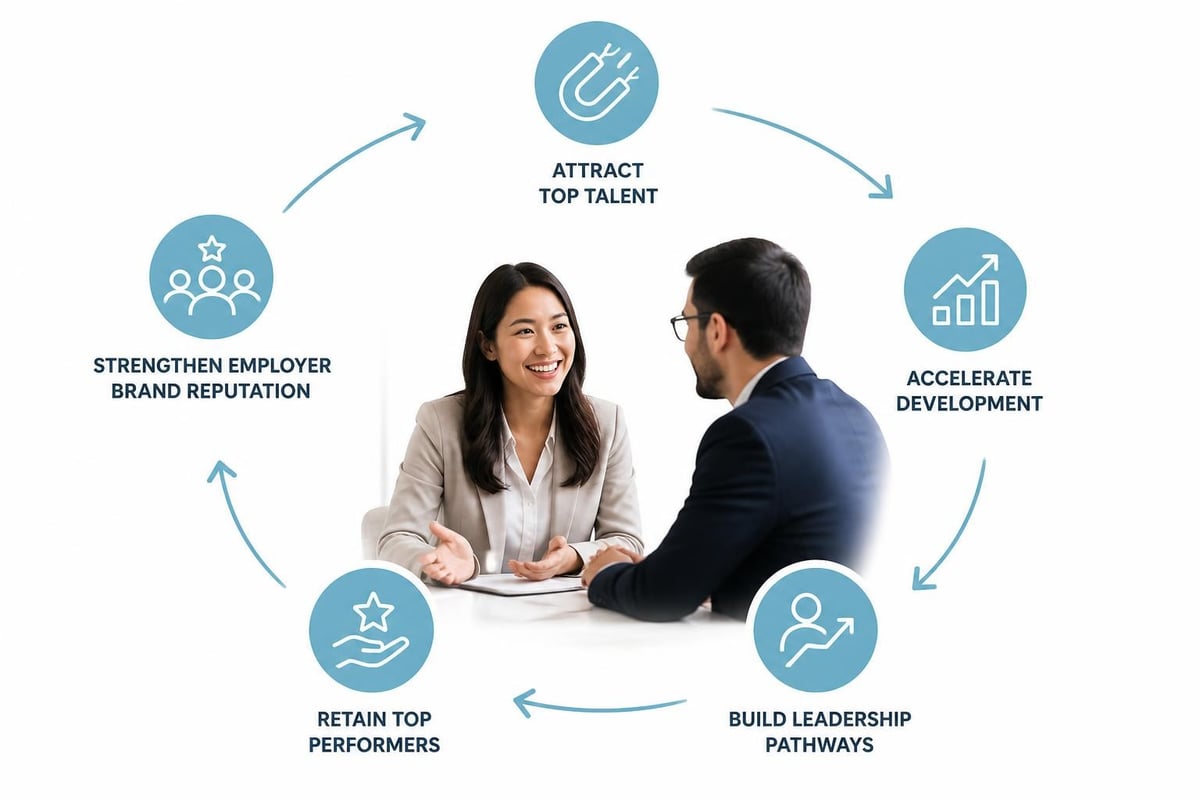
Coaching format comparison

Measuring ROI from Team Leader Development

Establishing Baseline Metrics

Before investing in team leader courses, organizations must define success metrics. Common indicators include employee engagement scores, decision cycle time, project completion rates, and voluntary turnover within teams.

Baseline measurement enables clear before-and-after comparisons. Companies can calculate actual ROI rather than relying on satisfaction surveys or completion certificates.

Tracking Progress and Adjusting Approach

Monthly check-ins against established KPIs reveal whether training drives results. Effective programs adjust content and focus based on these metrics rather than following rigid curricula.

For example, if engagement scores improve but decision speed lags, coaching shifts emphasis to decision-making frameworks and delegation practices. This responsiveness ensures training investment addresses actual performance gaps. Understanding executive coaching cost helps organizations budget appropriately for this level of customization.

Addressing Common Leadership Challenges Through Training

Managing Remote and Hybrid Teams

Team leader courses in 2026 must address distributed workforce realities. Leaders need specific techniques for building trust without in-person interaction, running productive virtual meetings, and maintaining team cohesion across locations.

Training should cover asynchronous communication best practices, digital collaboration tools, and methods for reading team dynamics through video interactions. Leaders who excel in these areas create high-performing remote teams rather than settling for reduced productivity.

Navigating Organizational Politics and Influence

Technical expertise won't advance without political savvy. Effective programs teach leaders to build alliances, navigate conflicting priorities, and influence without authority. This includes understanding different leadership styles and approaches and when to apply each.

Building Accountability Systems

Leaders must create structures that drive accountability without micromanagement. This involves establishing clear operating cadences, defining ownership, and implementing scorecards that make performance visible.

Accountability systems include:

  • Weekly team scorecards tracking leading and lagging indicators
  • Clear decision rights preventing ownership ambiguity
  • Regular retrospectives identifying process improvements
  • Transparent communication of priorities and trade-offs

Resources like AccountabilityNow complement formal training by providing frameworks teams can implement immediately.

Selecting the Right Program for Your Organization

Assessing Organizational Needs

Start by identifying specific performance gaps. Are managers avoiding difficult conversations? Do decisions stall in committee? Is turnover concentrated under particular leaders? Clear problem definition guides program selection.

Survey both leaders and their direct reports to understand perception gaps. Often, leaders believe they communicate effectively while teams report confusion about priorities and expectations.

Evaluating Program Providers

Look beyond credentials and certifications. The best team leader courses emphasize measurable business results over theoretical knowledge.

Evaluation Criteria What to Look For Red Flags
Track record Specific KPI improvements from past clients Vague testimonials without metrics
Approach Live coaching during real work Pure classroom or video content
Flexibility Month-to-month terms Long-term contracts required
Accountability Shared risk or incentive alignment Fixed fees regardless of outcomes

Programs offering comprehensive specializations in team leadership provide depth across multiple competencies but may lack customization to your specific business context.

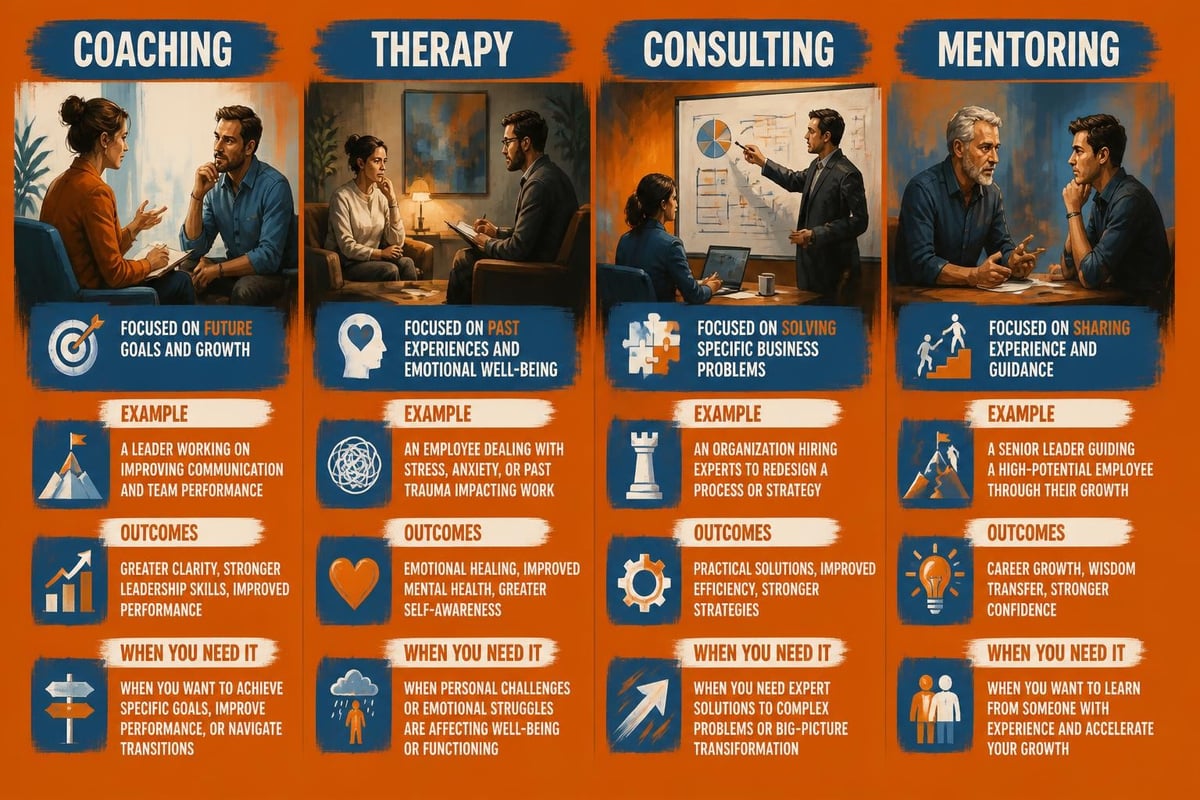
Program selection framework

Implementation Strategies That Drive Adoption

Creating Leadership Cohorts

Train leaders in groups rather than individually. Cohort-based learning creates peer accountability and allows leaders to share challenges and solutions. This approach also ensures consistent leadership practices across the organization.

Cohorts should meet monthly to review progress on specific KPIs, discuss application challenges, and receive group coaching. This ongoing support prevents regression to old habits.

Integrating Training Into Operating Rhythm

Rather than treating team leader courses as separate events, embed development into regular business operations. Coaches attend leadership team meetings, provide feedback on real interactions, and help leaders apply techniques immediately.

This integration ensures training addresses actual situations rather than hypothetical scenarios. Leaders develop muscle memory through repeated practice in consequential moments.

Reinforcing New Behaviors

Leadership development requires sustained effort beyond initial training. Organizations should establish mechanisms reinforcing new behaviors including peer feedback, leader shadowing programs, and ongoing measurement against development goals.

Managers who demonstrate coaching capabilities should mentor emerging leaders. This creates a self-sustaining leadership culture rather than dependence on external training.


Investing in team leader courses delivers measurable business results when programs focus on practical application rather than theoretical knowledge. The most effective approach combines structured skill development with live coaching during real work situations, tied directly to KPIs that matter to your organization. Noomii Corporate Coaching helps mid-market companies build accountable leaders through month-to-month coaching embedded in your actual operations, ensuring you see visible results before committing to long-term contracts. If you're ready to develop leaders who drive faster decisions, stronger communication, and cleaner execution, connect with Noomii today.

Executive Presence Coaching for Leaders in Cologne

Leaders in Cologne face unique challenges navigating Germany's competitive business landscape while maintaining the authority and influence required to drive organizational success. Executive presence coaching for leaders in Cologne has become essential for professionals who need to command respect, inspire teams, and make strategic decisions with confidence. This targeted development approach addresses the critical gap between technical competence and leadership impact, enabling executives to project the gravitas necessary for high-stakes environments.

The Strategic Imperative of Executive Presence in Cologne's Business Environment

Cologne's economic ecosystem demands leaders who can bridge cultural expectations, manage multinational teams, and represent their organizations with compelling authority. The city's position as a major media and insurance hub creates intense pressure for executives to demonstrate confidence, decisiveness, and authentic leadership presence.

Executive presence comprises three interconnected dimensions that determine leadership effectiveness. Gravitas forms the foundation, encompassing confidence, decisiveness, and the ability to maintain composure under pressure. Communication excellence builds on this foundation, requiring leaders to articulate vision clearly while adapting their message to diverse stakeholders. Appearance and emotional intelligence complete the triad, ensuring leaders project professionalism while remaining attuned to organizational dynamics.

Research from the Center for Creative Leadership demonstrates that authentic leadership presence directly correlates with team engagement, organizational trust, and bottom-line performance. Leaders who invest in developing these capabilities see measurable improvements in their influence and career trajectory.

Why German Business Culture Requires Specialized Coaching Approaches

German corporate environments emphasize precision, expertise, and methodical decision-making. Leaders in Cologne must balance these cultural expectations with the agility required in 2026's rapidly evolving business landscape. Executive presence coaching for leaders in Cologne addresses these specific requirements through culturally informed interventions.

The coaching process begins with comprehensive behavioral diagnostics that identify specific gaps between current performance and desired leadership impact. This evidence-based approach ensures interventions target the actual constraints limiting executive effectiveness rather than generic development areas.

Executive presence assessment dimensions

Evidence-Based Assessment Tools That Drive Precision Interventions

Effective coaching programs leverage validated assessment instruments to establish baseline measurements and track development progress. Multi-rater feedback tools capture how leaders are perceived across organizational levels, revealing blind spots that self-assessment cannot identify.

Assessment Type Key Metrics Application
Behavioral Analysis Decision-making patterns, stress responses, conflict approaches Identifies unconscious behaviors limiting executive impact
Communication Audit Clarity, persuasiveness, stakeholder adaptation Measures message effectiveness across contexts
Presence Inventory Confidence projection, authority signals, authenticity Evaluates how leaders are perceived in critical moments
Emotional Intelligence Self-awareness, empathy, relationship management Assesses interpersonal effectiveness and team dynamics

These diagnostic tools provide the foundation for targeted development plans that address specific competency gaps. Rather than applying generic leadership frameworks, precision assessment enables coaches to design interventions addressing each executive's unique combination of strengths and development opportunities.

Organizations implementing these evidence-based approaches report significant improvements in leadership effectiveness within 90-180 days. The key lies in combining rigorous assessment with experienced coaching support tailored to individual needs.

The Coach Matching Process: Pairing Leaders with Specialized Expertise

The quality of coach-client pairing fundamentally determines program outcomes. Executive presence coaching for leaders in Cologne requires coaches who understand both universal leadership principles and the specific dynamics of German business culture.

Precision matching considers multiple factors beyond basic credentials:

  • Industry expertise ensuring coaches understand sector-specific leadership challenges
  • Cultural competency in German business norms and communication styles
  • Specialized skills in areas like conflict resolution, strategic communication, or organizational politics
  • Coaching methodology alignment with learning preferences and developmental goals
  • Track record addressing similar challenges in comparable organizational contexts

Finding executive coaches in Germany involves evaluating these dimensions systematically rather than relying on referrals alone. Advanced matching algorithms analyze coach capabilities against leadership development requirements, identifying optimal pairings that maximize intervention effectiveness.

The matching process also accounts for personality dynamics and working style preferences. Some executives thrive with direct, challenging feedback while others respond better to collaborative exploration. Effective matching ensures coaching relationships generate productive tension without damaging trust.

Building the Coach-Client Alliance

The initial coaching sessions establish the foundation for transformative work. Coaches skilled in executive presence development focus first on building rapport and psychological safety, creating an environment where leaders can examine vulnerabilities without defensive reactions.

This alliance enables coaches to deliver high-impact feedback that challenges limiting behaviors. Leaders receive specific observations about how their communication patterns, body language, and decision-making approaches either reinforce or undermine their executive presence.

Targeted Intervention Strategies for Common Presence Challenges

Leaders seek executive presence coaching for leaders in Cologne to address specific capability gaps that constrain their effectiveness. The most common challenges include managing executive visibility, projecting confidence during uncertainty, and maintaining composure under pressure.

Mastering High-Stakes Communication

Many technically competent leaders struggle when presenting to boards, leading town halls, or representing their organization externally. These high-visibility moments demand communication excellence that transcends subject matter expertise.

Targeted interventions focus on:

  1. Structuring messages for maximum clarity and impact
  2. Managing vocal delivery to project authority and engagement
  3. Reading audience dynamics and adapting in real-time
  4. Handling challenging questions without defensiveness
  5. Using strategic silence to emphasize key points

Practical application exercises simulate authentic pressure situations, allowing leaders to practice new behaviors in controlled environments before deploying them in consequential contexts. This rehearsal process builds muscle memory and confidence.

Developing Authentic Authority

Executive presence requires projecting confidence without arrogance, strength without rigidity. Leaders must demonstrate conviction in their vision while remaining open to diverse perspectives. This balance proves particularly challenging for professionals promoted based on technical expertise rather than interpersonal skills.

Eve Coaching and Consulting emphasizes that authentic authority stems from self-awareness and emotional intelligence rather than power displays. Coaching interventions help leaders identify and eliminate behaviors that signal insecurity or compensation, replacing them with grounded confidence.

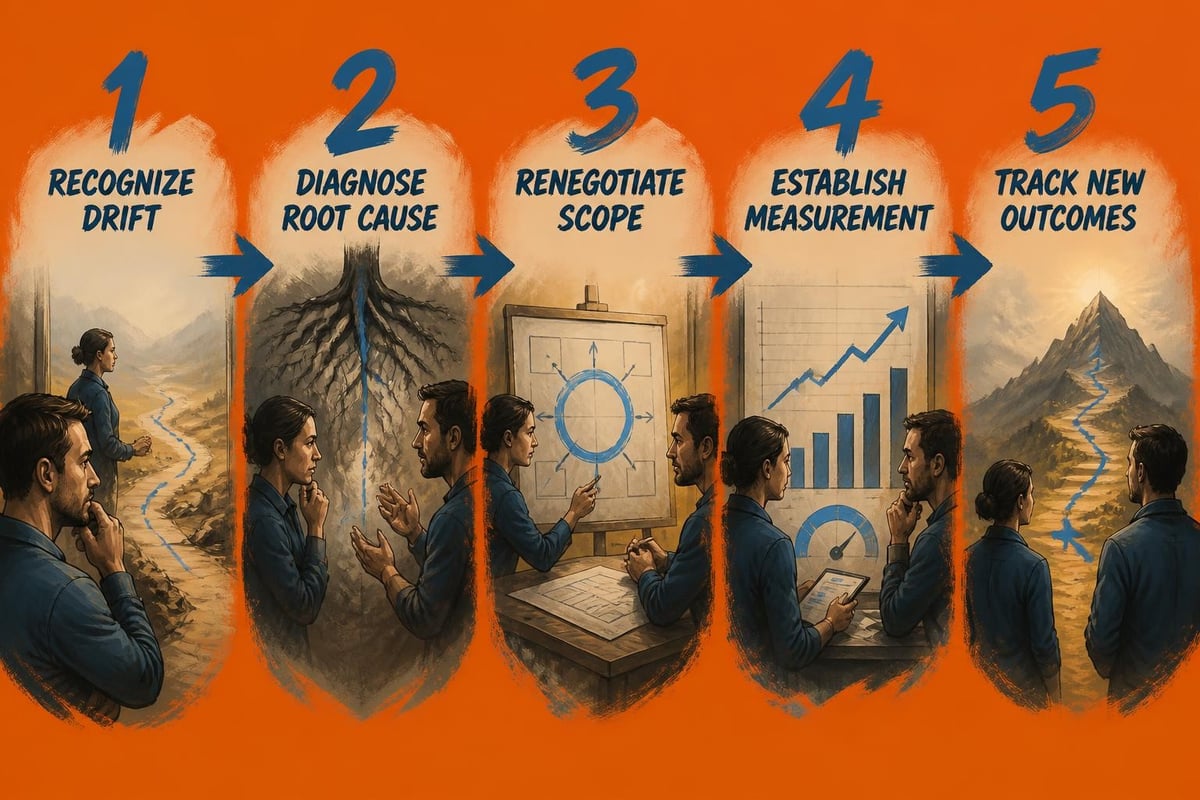
Leadership presence development path

Addressing Toxic Leadership Patterns Through Presence Coaching

Some organizations seek coaching to remediate problematic leadership behaviors before they escalate into cultural damage or compliance issues. Executive presence coaching for leaders in Cologne plays a critical role in these corrective interventions.

Toxic leadership patterns manifest through various behaviors including micromanagement, inconsistent decision-making, public criticism of team members, or failure to acknowledge contributions. These patterns erode trust, suppress innovation, and drive talent attrition.

Coaching interventions address these issues through a structured approach:

  • Behavioral awareness development using video feedback and stakeholder input
  • Root cause analysis examining the fears and insecurities driving dysfunctional behaviors
  • Alternative strategy development providing healthier approaches to achieve desired outcomes
  • Accountability mechanisms ensuring sustained behavior change
  • Relationship repair rebuilding trust with affected team members

This remediation work requires coaches with specialized expertise in behavioral change and organizational dynamics. The intervention must balance compassion with accountability, supporting leaders through difficult self-examination while maintaining clear performance expectations.

Integrating Mental Health Awareness into Leadership Development

The pressures facing executives in 2026 make mental health literacy essential for sustainable leadership. Organizations increasingly recognize that leaders who understand psychological wellbeing create healthier, more productive work environments.

The Workplace Mental Health Institute provides comprehensive training programs that equip leaders with the knowledge and skills to recognize mental health challenges, respond appropriately, and create psychologically safe team cultures. Integrating these capabilities into executive presence development ensures leaders project not just authority but also genuine care for their teams.

This integration proves particularly valuable in addressing the stress and uncertainty inherent in leadership roles. Coaches help executives develop resilience practices that enable them to maintain presence and composure during organizational turbulence.

Building Resilience Without Sacrificing Authenticity

Many leaders believe executive presence requires projecting unwavering confidence regardless of internal experience. This misconception leads to exhausting performance anxiety and disconnection from authentic self-expression.

Effective coaching reframes presence as the ability to acknowledge challenges while maintaining confidence in the path forward. Leaders learn to communicate uncertainty honestly while demonstrating commitment to finding solutions. This authentic approach builds deeper trust than false certainty ever could.

Measuring Executive Presence Development Through Defined KPIs

Organizations investing in executive presence coaching for leaders in Cologne rightfully expect measurable returns. Tracking development requires defining specific indicators that capture changes in leadership effectiveness.

Performance Indicator Measurement Method Target Improvement
Team Engagement Scores Quarterly pulse surveys 15-25% increase
Stakeholder Confidence Ratings 360-degree feedback Movement from lower to upper quartile
Communication Effectiveness Message clarity assessments 30% improvement in comprehension metrics
Decision Quality Outcome tracking and analysis Reduced decision reversal rates
Cultural Health Indicators Turnover, collaboration metrics 20% improvement in key measures

These quantitative measures combine with qualitative feedback from peers, direct reports, and supervisors to create comprehensive pictures of leadership development. The most sophisticated programs track these indicators monthly, enabling rapid course corrections when interventions prove ineffective.

Understanding coaching ROI requires establishing clear baseline measurements before interventions begin. This pre-post comparison demonstrates the specific value coaching delivers rather than attributing general performance improvements to the program.

Scalable Solutions for Organizations of All Sizes

While individual coaching provides intensive development support, organizations need scalable approaches that build leadership capacity across multiple levels simultaneously. Executive presence coaching for leaders in Cologne extends beyond C-suite executives to include emerging leaders and middle management.

Group coaching formats deliver core presence concepts efficiently while preserving space for individual application. These sessions combine instruction on universal principles with peer learning opportunities where leaders observe and provide feedback on each other's presence.

Designing Cohort-Based Leadership Programs

Cohort programs create shared learning experiences that build organizational leadership culture. Participants develop presence capabilities while forming peer networks that provide ongoing support beyond formal programming.

Effective cohort designs include:

  • Foundational workshops covering presence principles and self-assessment
  • Individual coaching sessions addressing participant-specific development areas
  • Peer practice groups enabling skill application in supportive environments
  • Real-world application projects requiring presence deployment in authentic contexts
  • Progress reviews tracking development and celebrating growth

These structured programs typically run 6-9 months, providing sufficient time for behavior change while maintaining momentum. Organizations report that cohort graduates become presence advocates, modeling desired behaviors and coaching emerging leaders informally.

Scalable coaching program structure

Aligning Executive Presence Development with Compliance and Governance Standards

Organizations operating in regulated industries or government sectors must ensure leadership development initiatives meet compliance requirements. Executive presence coaching for leaders in Cologne serving these contexts integrates governance considerations throughout program design.

This alignment includes maintaining appropriate documentation of coaching objectives, progress, and outcomes. Programs establish clear boundaries around confidentiality while preserving organizational rights to verify coaching addresses identified development needs.

Coaches working in these environments maintain awareness of relevant regulations and ethical standards, ensuring their interventions support rather than undermine compliance objectives. This specialized expertise proves particularly valuable when addressing behavioral issues with legal or regulatory implications.

Creating Audit-Ready Development Records

Organizations subject to external oversight need coaching programs that generate appropriate documentation without compromising the trust essential for effective development work. This balance requires clearly defined protocols established before coaching begins.

Best practices include structured intake processes that define specific behavioral objectives, regular progress documentation that captures development without exposing confidential content, and outcome verification through objective performance indicators rather than subjective coaching reports.

Adapting Executive Presence for Global Leadership Roles

Leaders in Cologne increasingly operate in international contexts requiring cultural agility beyond German business norms. Executive presence coaching for leaders in Cologne preparing executives for global roles addresses how presence translates across cultural boundaries.

What projects confidence in German business culture may signal arrogance in Asian contexts. Communication directness valued in Northern Europe can damage relationships in cultures prioritizing face-saving. Effective global leaders adapt their presence to honor diverse cultural expectations while maintaining authentic leadership identity.

Coaching interventions develop this cultural intelligence through:

  1. Cultural frameworks education building awareness of value differences
  2. Cross-cultural case analysis examining presence challenges in specific contexts
  3. Simulated interactions practicing adaptation in controlled environments
  4. Expatriate leader interviews learning from those navigating cultural transitions
  5. Ongoing cultural mentorship providing support during international assignments

This preparation proves essential for leaders taking international roles or managing globally distributed teams from Cologne-based positions.

The Future of Executive Presence Development in 2026 and Beyond

Leadership development continues evolving as organizational contexts become more complex and ambiguous. Executive presence coaching for leaders in Cologne increasingly incorporates emerging challenges including remote leadership, digital communication, and accelerating organizational change.

Virtual presence requires different skills than physical presence. Leaders must project authority and build connection through screens, managing the attention challenges inherent in digital environments. IMD Business School’s executive presence research emphasizes adapting traditional presence capabilities to these new contexts.

Artificial intelligence tools now support coaching through behavioral analysis, communication pattern recognition, and personalized development recommendations. These technologies augment rather than replace human coaching, providing data-driven insights that inform more precise interventions.

Preparing Leaders for Continuous Adaptation

The accelerating pace of business transformation means executive presence development must extend beyond one-time programs to continuous capability building. Leaders need frameworks for ongoing self-assessment and adjustment as contexts evolve.

Coaching programs increasingly incorporate meta-learning skills that enable leaders to diagnose presence challenges independently and design appropriate responses. This self-directed development capacity ensures leaders maintain effectiveness as they navigate career transitions and organizational changes.

Organizations implementing these forward-looking approaches report sustained leadership effectiveness despite increasing environmental complexity. The investment in adaptable presence capabilities pays dividends across leader tenures rather than addressing only immediate challenges.

Building Integrated Development Ecosystems

The most successful organizations treat executive presence coaching for leaders in Cologne as one component within comprehensive leadership development ecosystems. These integrated systems combine coaching with mentorship, stretch assignments, formal education, and peer learning.

HR leaders designing these ecosystems ensure each component addresses distinct development needs while reinforcing common leadership expectations. Coaching provides personalized skill building, mentorship offers wisdom from experienced leaders, stretch assignments create application opportunities, and formal education builds conceptual frameworks.

This integration prevents the fragmentation common when development initiatives operate independently. Leaders experience coherent development journeys aligned with organizational leadership models and values.

Leveraging Technology for Enhanced Development Delivery

Digital platforms enable more sophisticated coaching delivery combining live sessions with asynchronous learning resources. Leaders access micro-learning modules addressing specific presence challenges, apply concepts through structured exercises, and receive feedback during coaching conversations.

These technology-enhanced approaches increase development efficiency without sacrificing the relationship quality essential for transformative coaching. Leaders appreciate the flexibility to engage development work around operational demands while maintaining accountability through scheduled coaching sessions.


Executive presence coaching delivers transformative results for leaders willing to examine their impact honestly and commit to sustained development. Organizations seeking to build leadership capacity benefit from structured approaches that combine evidence-based assessment, precision coach matching, and measurable accountability. Noomii Leadership Coaching provides comprehensive corporate leadership programs designed to develop executive presence alongside broader leadership capabilities, delivering scalable solutions tailored to organizational goals. For additional insights on leadership performance and accountability, explore resources at AccountabilityNow to complement your development journey.

SafeServ Manager: Building Food Safety Leadership

Food safety represents one of the most critical responsibilities in any restaurant or food service operation. Managers who hold a safeserv manager certification demonstrate their commitment to protecting public health while building operational excellence. This credential signals more than regulatory compliance; it reflects a leader's ability to create systems, train teams, and maintain standards that prevent contamination and foodborne illness. For mid-market restaurant groups and hospitality companies, investing in certified managers translates directly to reduced liability, improved customer trust, and stronger operational performance.

Understanding the SafeServ Manager Certification

The safeserv manager credential validates expertise in food safety principles, hazard analysis, and critical control points throughout food preparation and service. Penn State Extension offers structured courses that prepare food service professionals for certification exams, covering topics from receiving and storage to cooking temperatures and employee hygiene.

Key certification components include:

  • Foodborne illness prevention and contamination control
  • Time and temperature management protocols
  • Cross-contamination prevention strategies
  • Cleaning, sanitizing, and pest control procedures
  • Employee health and personal hygiene standards
  • Facility design and equipment maintenance

Certification typically requires passing a comprehensive exam after completing an approved training program. The North Carolina Restaurant & Lodging Association details the ServSafe Manager Certification process, which has become the industry standard across most states.

Food safety certification components

Why Manager Certification Matters Beyond Compliance

While many jurisdictions require at least one certified food protection manager on staff, smart operators recognize certification as a leadership development tool. Certified managers make faster decisions during health inspections, train hourly employees more effectively, and identify operational gaps before they become violations.

This parallels the accountability focus that leadership coaches bring to corporate environments. Both certified food safety managers and executive coaches focus on building systems that drive consistent execution and measurable results.

Training Pathways and Exam Preparation

Aspiring safeserv manager candidates can choose from multiple training formats to fit their schedules and learning preferences. Options range from intensive two-day workshops to self-paced online modules spread across several weeks.

Training Format Duration Best For Cost Range
In-Person Workshop 2 days Visual learners, team training $150-250
Online Self-Paced 8-12 hours Busy schedules, remote staff $125-200
Hybrid Model 1 day + online Mixed learning preferences $175-225
Instructor-Led Virtual 2 sessions Multi-location operations $140-210

Study materials typically include practice exams, video demonstrations, and reference guides. ProProfs offers SafeServ food handling quizzes that help candidates assess their readiness and identify knowledge gaps before attempting the formal certification exam.

Successful candidates often study 10-15 hours beyond structured coursework, reviewing critical temperature ranges, proper thawing methods, and sanitation schedules. This investment mirrors the preparation required for performance coaching engagements, where leaders commit to deliberate practice and skill development.

Building a Culture of Food Safety

A safeserv manager does more than pass an exam. They establish operating standards, conduct regular training, and create accountability systems that ensure every team member follows protocols consistently. This requires the same coaching mindset that transforms managers into effective leaders who develop their people.

Effective food safety managers:

  1. Conduct daily temperature logs and equipment checks
  2. Lead pre-shift meetings covering safety priorities
  3. Provide immediate corrective feedback when violations occur
  4. Document training sessions and certification status for all staff
  5. Review incident reports to identify root causes and prevention strategies

The best certified managers understand that compliance comes from culture, not fear. They coach employees on the "why" behind procedures, making food safety personal and meaningful rather than bureaucratic. This approach creates engagement and ownership, similar to how leadership development programs transform directive managers into developmental coaches.

Manager coaching team on safety

Maintaining Certification and Continuous Improvement

SafeServ manager credentials typically expire every five years, requiring recertification through updated coursework and examination. This renewal cycle ensures managers stay current with evolving food safety science, regulatory changes, and emerging pathogens.

Progressive operators treat recertification as an opportunity to assess gaps and upgrade systems. They audit their HACCP plans, review violation trends, and benchmark against competitors. Resources like SafeServ Instructors provide ongoing training beyond initial certification, helping managers sharpen skills and address specific operational challenges.

Linking Food Safety to Business Performance

Companies that view their safeserv manager as a strategic asset rather than a compliance checkbox gain competitive advantages. Certified managers reduce food waste through proper rotation systems, lower insurance premiums by minimizing incidents, and protect brand reputation by preventing outbreaks.

The ROI parallels what organizations experience through executive coaching investments. Both initiatives deliver measurable returns through improved decision-making, reduced risk, and enhanced team performance. As detailed at AccountabilityNow.net, accountability systems transform good intentions into consistent execution.

Metric Before Certification After Implementation
Health Inspection Score 82 average 94 average
Food Cost Variance 4.2% 2.8%
Employee Turnover 87% annually 64% annually
Customer Complaints 12 per quarter 4 per quarter

Selecting the Right Training Provider

Not all safeserv manager programs deliver equal value. Operators should evaluate providers based on pass rates, instructor expertise, and post-certification support. Look for programs that include practice exams, reference materials, and access to instructors for questions after the course ends.

Regional associations often offer the most relevant training, addressing local health codes and inspection priorities alongside national standards. Multi-unit operators benefit from providers who offer group discounts and on-site training options that minimize operational disruption.

Training provider evaluation criteria

The investment in quality training mirrors the importance of selecting the right corporate coaching partner for leadership development. Both decisions require evaluating methodology, track record, and cultural fit to ensure sustainable results.


SafeServ manager certification creates immediate compliance value while building long-term operational capability through trained, accountable leaders. Just as food safety requires systems that drive daily execution, corporate performance depends on leaders who coach their teams toward measurable results. Noomii Corporate Coaching helps mid-market companies transform managers into coaches who deliver faster decisions, stronger communication, and cleaner execution across priorities. Connect with Noomii to build the accountable leadership your organization needs to thrive.

Executive Strategy and Leadership in Hamburg 2026

Hamburg stands as Germany's second-largest city and a powerhouse of international business, logistics, and innovation. In this dynamic metropolitan environment, organizations face increasingly complex leadership challenges that demand sophisticated solutions. Executive strategy and leadership improvement in Hamburg has evolved beyond traditional training programs into a precision-driven discipline that combines behavioral science, strategic thinking, and measurable outcomes to transform organizational performance at every level.

The Hamburg Business Landscape and Leadership Demands

Hamburg's economy encompasses diverse sectors from maritime trade and logistics to media, technology, and renewable energy. This diversity creates unique leadership requirements that differ significantly from other German business centers.

Organizations operating in Hamburg must navigate multiple challenges simultaneously. Leaders balance global competition with regional talent retention, digital transformation with traditional business relationships, and rapid innovation cycles with compliance requirements. The Hamburg School of Business Administration’s Department of Strategy & Leadership addresses these contemporary corporate management challenges through research and education focused on digitalization and strategic leadership.

Key leadership competencies required in Hamburg's market include:

  • Strategic agility in volatile international markets
  • Cross-cultural team management across European operations
  • Data-driven decision-making frameworks
  • Stakeholder alignment in complex organizational structures
  • Change management during digital transformation initiatives

Hamburg business challenges

Why Traditional Leadership Development Falls Short

Standard leadership training programs typically deliver generic content that fails to address organization-specific challenges. A two-day seminar on communication skills cannot resolve entrenched toxic leadership patterns or strengthen executive decision-making in high-stakes situations.

Hamburg organizations increasingly recognize that sustainable leadership improvement requires individualized intervention. This realization drives demand for executive strategy and leadership improvement in Hamburg that delivers measurable results rather than surface-level engagement.

Evidence-Based Diagnostic Approaches

Effective leadership development begins with comprehensive assessment. Organizations cannot improve what they cannot measure accurately.

Advanced diagnostic tools identify specific behavioral patterns, decision-making tendencies, and interpersonal dynamics that impact organizational performance. These assessments move beyond personality inventories to examine actual leadership behaviors in real workplace contexts.

Assessment Type What It Measures Business Application
360-Degree Feedback Leadership effectiveness from multiple perspectives Identifies blind spots and perception gaps
Behavioral Analysis Decision-making patterns and stress responses Improves executive judgment under pressure
Team Dynamics Mapping Collaboration effectiveness and communication flows Enhances cross-functional performance
Cultural Health Indicators Organizational climate and engagement levels Predicts retention and innovation capacity

The diagnostic phase establishes baseline metrics that enable organizations to track improvement over time. Without this foundation, leadership development becomes subjective and difficult to justify from an ROI perspective.

Precision Matching for Maximum Impact

Generic coach assignment undermines program effectiveness. A coach specializing in conflict resolution brings different value than one focused on strategic thinking or operational excellence.

Executive strategy and leadership improvement in Hamburg demands sophisticated matching algorithms that consider industry experience, leadership challenges, personality compatibility, and organizational culture. This precision approach ensures leaders work with coaches who understand their specific context and can address their unique development needs.

Organizations addressing toxic leadership patterns require coaches experienced in behavioral intervention and organizational psychology. Companies focused on strategic transformation need coaches with proven track records in change management and competitive positioning. The Henley Business School’s Executive Certificate in Leadership program emphasizes strategic thinking and effective decision-making, demonstrating how targeted development enhances leadership capabilities in rapidly changing organizations.

Strategic Leadership Development in Practice

Implementation separates successful programs from expensive experiments. Executive strategy and leadership improvement in Hamburg requires structured intervention plans that integrate with daily business operations rather than existing as separate activities.

Effective programs incorporate:

  1. Clear developmental objectives aligned with organizational strategy and individual career trajectories
  2. Structured coaching sessions scheduled consistently to build momentum and accountability
  3. Real-world application projects where leaders practice new skills in actual business situations
  4. Progress measurement systems that track behavioral changes and business outcomes
  5. Stakeholder communication protocols ensuring organizational support and reinforcement

Leadership coaching process

Addressing Complex Leadership Challenges

Hamburg organizations frequently encounter leadership situations that resist simple solutions. A senior executive demonstrating micromanagement tendencies may be responding to legitimate governance concerns while simultaneously undermining team autonomy. A leadership team struggling with strategic alignment may reflect deeper organizational structure issues rather than interpersonal conflict.

Sophisticated executive strategy and leadership improvement in Hamburg recognizes these complexities and develops multi-layered intervention strategies. Leadership coaching services tailored to organizational context deliver superior results compared to off-the-shelf programs.

Coaches work with leaders to identify root causes rather than treating symptoms. This diagnostic rigor prevents wasted effort on superficial fixes that fail to create lasting change. When organizations invest in understanding whether executive coaching actually works, they discover that methodology and implementation quality determine outcomes far more than program duration or intensity.

Building Organizational Leadership Capacity

Individual executive development creates limited impact unless embedded within broader organizational systems. Executive strategy and leadership improvement in Hamburg increasingly focuses on building collective leadership capacity across management levels.

Organizations achieve sustainable results by developing leadership pipelines rather than isolated high-performers. This systems approach ensures consistent leadership quality as executives advance, transition, or depart.

Scalable Solutions for Enterprise Organizations

Fortune 500 companies and large government agencies require leadership development solutions that scale across geographic regions, business units, and organizational levels. Managing executive coaching packages for hundreds of leaders demands robust program management infrastructure.

Technology platforms enable consistent delivery while maintaining personalization. Automated matching algorithms process complex criteria to pair each leader with appropriate coaching resources. Progress tracking systems aggregate individual data into organizational dashboards that inform strategic decisions.

Digital workplace solutions like those provided by workcentrix GmbH support collaborative leadership development by creating integrated platforms where coaching resources, assessment tools, and progress documentation remain accessible and secure. Their expertise in digital workplace optimization and document management helps organizations implement leadership development infrastructure that scales efficiently.

The Management Centre Europe’s program on Managing People & Strategic Planning demonstrates how structured curricula combined with practical application develops strategic planning and team management capabilities essential for leadership in complex environments.

Measuring Leadership Development ROI

Executive development represents significant organizational investment. CFOs and boards increasingly demand evidence that leadership programs deliver quantifiable returns.

Measurement frameworks must capture both direct and indirect value creation:

  • Direct metrics include promotion rates, retention of high-potential leaders, reduced turnover costs, and faster time-to-productivity for new executives
  • Indirect metrics encompass team engagement scores, innovation output, strategic initiative success rates, and cultural health indicators

Organizations tracking business coaching ROI discover that well-designed programs generate returns of 3-7x within 18 months. These returns manifest through improved decision quality, enhanced team performance, reduced conflict-related productivity loss, and accelerated strategic execution.

Compliance and Governance Alignment

Hamburg organizations operating in regulated industries face additional leadership development requirements. Financial services firms must ensure executive coaching aligns with conduct risk frameworks. Healthcare organizations need leadership development that reinforces patient safety cultures. Government agencies require coaching that supports public service values and accountability standards.

Executive strategy and leadership improvement in Hamburg addresses these compliance dimensions through:

  • Coach credentialing and background verification processes
  • Program documentation that satisfies audit requirements
  • Content frameworks aligned with regulatory expectations
  • Confidentiality protocols that balance development needs with organizational oversight

Emerging Trends in Executive Development

The leadership development field continues evolving rapidly. Organizations implementing executive strategy and leadership improvement in Hamburg must stay current with emerging methodologies and technologies.

Artificial intelligence and data analytics now enable more sophisticated assessment and personalization. AI tools for business coaching analyze communication patterns, meeting effectiveness, and decision-making tendencies to provide coaches with deeper insights into leader behavior.

Virtual and hybrid coaching formats expanded dramatically since 2020 and now represent standard delivery options. These formats increase accessibility while reducing travel costs and scheduling friction. The effectiveness of virtual coaching, when properly implemented, matches or exceeds in-person alternatives for many leadership development objectives.

Integrated development ecosystems combine coaching with peer learning, microlearning modules, and on-demand resources. Leaders access support precisely when needed rather than waiting for scheduled sessions. This just-in-time approach accelerates skill application and reinforces behavioral change.

Future of leadership development

The Hamburg Advantage in Leadership Development

Hamburg's position as a business and education hub creates unique advantages for executive strategy and leadership improvement in Hamburg. The concentration of business schools, consulting firms, and international organizations fosters innovation in leadership methodologies.

Local institutions like Halane Consultancy’s leadership development programs combine executive coaching with practical training tailored for the European business landscape, emphasizing strategic thinking and emotional intelligence critical for modern leadership success.

Organizations benefit from Hamburg's international orientation. Leaders develop cross-cultural competencies essential for global business operations. The city's diversity provides natural laboratory conditions for practicing inclusive leadership and navigating complex stakeholder environments.

Selecting the Right Leadership Development Partner

Organizations face overwhelming choices when evaluating leadership development providers. Marketing claims often exceed delivery capabilities, making vendor selection challenging.

Due diligence should examine several critical factors:

Evaluation Criteria Why It Matters Questions to Ask
Coach network quality Expertise depth determines program effectiveness What are coach credentials, experience levels, and specializations?
Matching methodology Appropriate pairing maximizes development impact How are coaches matched to specific leader needs?
Measurement systems ROI justification requires robust tracking What metrics are tracked and how is progress reported?
Scalability infrastructure Enterprise programs need reliable delivery How does the provider manage programs across multiple locations?
Cultural alignment Provider values should match organizational culture What is the provider's philosophy on leadership development?

References from similar organizations provide valuable insights. Asking specifically about challenges encountered and how the provider responded reveals more than polished case studies.

Understanding executive coaching costs helps organizations budget appropriately and compare value propositions across providers. Price variation reflects differences in coach experience, program structure, and support infrastructure rather than arbitrary pricing strategies.

For organizations specifically finding coaches in Germany, understanding local market dynamics and provider capabilities proves essential for successful partnerships. The top executive coaches in Germany bring specialized expertise in the German business context that international providers may lack.

Integrating Leadership Development With Strategic Planning

Executive strategy and leadership improvement in Hamburg delivers maximum value when integrated with broader organizational strategy. Leadership development isolated from business priorities becomes academic rather than practical.

Strategic alignment requires clear connections between individual development objectives and organizational goals. If the company pursues market expansion in Asia, leadership development should build cross-cultural competencies and international business acumen. If digital transformation drives strategic priorities, leaders need skills in change management and technology adoption.

Integration touchpoints include:

  • Quarterly business reviews where leadership development metrics appear alongside financial and operational KPIs
  • Succession planning processes that identify development needs for high-potential leaders
  • Strategic initiative teams where leaders apply new skills in real business contexts
  • Performance management systems that reinforce leadership competencies aligned with organizational values

Programs like Harvard’s Strategic Leadership focus specifically on improving problem-solving through strategic insight, demonstrating how leadership development directly enhances business decision-making capabilities.

Building High-Performance Leadership Teams

Individual executive coaching creates foundation-level improvement. Team coaching amplifies results by addressing collective dynamics, decision-making processes, and collaboration patterns that determine organizational performance.

Leadership teams often struggle with unstated assumptions, role ambiguity, and misaligned priorities that undermine strategic execution. Team-level interventions surface these issues and develop shared frameworks for more effective collaboration.

Executive strategy and leadership improvement in Hamburg increasingly incorporates team dimensions alongside individual development. This dual focus creates reinforcing improvement loops where individual growth enhances team effectiveness, which in turn supports continued individual development.

Brand positioning and communication strategies developed by agencies like von Buchholtz GmbH complement internal leadership development by ensuring executive messaging aligns with organizational brand values. Their expertise in corporate identity and strategic communication helps leaders articulate vision and direction effectively across stakeholder groups.

Creating Sustainable Leadership Cultures

Short-term programs produce short-term results. Organizations seeking lasting impact from executive strategy and leadership improvement in Hamburg must build sustainable leadership cultures that continuously develop capabilities.

Cultural sustainability requires embedding leadership development into organizational DNA:

  1. Make development expectations explicit in role definitions and performance criteria
  2. Allocate time and resources consistently rather than as discretionary spending
  3. Celebrate and communicate development successes to reinforce organizational values
  4. Hold leaders accountable for their own development and team member growth
  5. Refresh and evolve programs based on changing business needs and emerging best practices

Organizations embracing these practices transform leadership development from periodic intervention into continuous improvement. New leaders entering the organization inherit strong developmental cultures that accelerate their effectiveness and integration.

The Strategic Leadership Group emphasizes aligning leadership development with strategic goals through integrated programs blending various methodologies, demonstrating how comprehensive approaches create sustainable leadership excellence.

Learning From Global Best Practices

Hamburg organizations benefit from studying leadership development approaches globally. Harvard Business School’s Strategy Programs provide leaders with frameworks for identifying competitive advantages through strategic planning. These methodologies translate across industries and geographies while requiring adaptation to local contexts.

Even research from unexpected domains offers insights. Studies exploring leadership dynamics in complex systems through mathematical models reveal patterns applicable to organizational leadership, demonstrating how interdisciplinary perspectives enrich leadership development understanding.

Programs like those delivered in Montreal and Ottawa showcase how coaching approaches adapt to regional business cultures while maintaining core effectiveness principles. Similarly, executive performance coaching in Frankfurt demonstrates German-specific applications relevant to Hamburg organizations.


Executive strategy and leadership improvement in Hamburg represents a strategic imperative for organizations competing in increasingly complex business environments. The combination of evidence-based diagnostics, precision coaching, measurable outcomes, and cultural integration creates sustainable competitive advantage through leadership excellence. Organizations ready to transform leadership effectiveness can explore how Noomii Leadership Coaching delivers precision-matched coaching solutions tailored to organizational goals and compliance standards. For additional accountability frameworks that complement leadership development initiatives, Accountability Now provides resources that strengthen executive commitment to measurable improvement.

Presence Coaching: Building Authentic Leadership in 2026

In today's fast-paced corporate environment, leaders face constant distractions that pull them away from what matters most: genuine connection with their teams. Presence coaching addresses this fundamental challenge by teaching leaders to show up fully, listen deeply, and engage authentically in every interaction. This approach doesn't rely on theory or certifications alone; it transforms how managers communicate, make decisions, and build trust across their organizations. For mid-market companies seeking measurable outcomes, understanding and implementing presence coaching can unlock breakthrough performance in leadership development and team execution.

What Presence Coaching Actually Means

Presence coaching refers to the practice of being completely engaged, attentive, and authentic during coaching conversations and leadership interactions. It combines mindfulness, somatic awareness, and developmental psychology to create moments of genuine connection that drive meaningful change.

Unlike traditional coaching methods that follow rigid frameworks, presence coaching emphasizes the quality of attention coaches and leaders bring to each moment. When a coach demonstrates true presence, they notice subtle shifts in energy, read unspoken concerns, and respond with precision to what's actually happening rather than following a predetermined script.

This matters because employees can instantly detect whether their leader is truly listening or simply waiting to speak. That split-second judgment shapes trust, engagement, and willingness to embrace accountability.

The Core Components of Coaching Presence

Effective presence coaching requires several interconnected elements:

  • Full sensory attention focused on the person and conversation
  • Suspension of judgment and personal agenda
  • Awareness of both verbal and non-verbal communication
  • Ability to tolerate silence and discomfort
  • Grounding in the present moment rather than past or future

Research shows that presence serves as a core competency in coaching, enhancing skills like active listening, questioning, and ethical awareness. When coaches master this competency, they create safe environments where leaders can explore challenges honestly and develop practical solutions.

Presence coaching framework showing attention, awareness, and authentic engagement

Why Presence Matters for Corporate Performance

Mid-market companies cannot afford coaching that sounds impressive but delivers no ROI. Presence coaching directly impacts business metrics by improving the quality of leadership conversations that happen daily across organizations.

When managers learn to be fully present during one-on-ones, performance reviews, and team meetings, several outcomes emerge immediately. Direct reports feel heard and valued, reducing turnover risk. Problems surface earlier because people trust their leader will actually listen. Decisions accelerate because leaders gather better information through attentive dialogue.

The importance of presence in coaching extends beyond individual sessions. It creates a ripple effect throughout company culture, teaching everyone to engage more authentically.

Business Impact Without Presence With Presence
Decision Speed Delayed by politics and hidden concerns Faster through honest dialogue
Manager Effectiveness Relies on authority and process Builds trust and accountability
Employee Retention High turnover in key roles Stronger engagement and loyalty
Execution Quality Misalignment and rework Cleaner delivery on priorities

Companies working with leadership coaches who emphasize presence report tangible improvements in team dynamics within the first quarter. This happens because presence-based approaches address the root cause of many performance issues: disconnected, distracted, or inauthentic leadership communication.

Implementing Presence Coaching in Your Organization

Rolling out presence coaching requires more than sending managers to a workshop. It demands integration into daily operating rhythms and accountability structures. For organizations exploring leadership coaching services, the implementation process should tie directly to KPIs and visible business outcomes.

A Practical Implementation Framework

Step 1: Baseline Assessment

Begin with 360 leadership assessments that measure current presence levels. Ask direct reports specific questions about their manager's listening quality, responsiveness to concerns, and engagement during conversations. This creates measurable starting points.

Step 2: Live Coaching in Real Meetings

Theory falls flat without application. Coaches should join actual team meetings, one-on-ones, and strategic sessions to model presence and provide real-time feedback. This approach, emphasized in executive coaching for C-suite professionals, demonstrates techniques in context.

Step 3: Daily Practice Protocols

Leaders need simple practices they can execute consistently:

  1. Two-minute grounding exercise before important conversations
  2. Phone and laptop closed during one-on-ones
  3. Reflection journal tracking presence quality after key meetings
  4. Peer feedback sessions on listening and engagement

Step 4: KPI Integration

Connect presence improvements to scorecards tracking engagement scores, retention rates, and decision velocity. When leaders see direct correlation between their presence and team performance, behavior change accelerates.

Implementation roadmap for presence coaching

Research on presence in executive coaching shows that sustainable change requires ongoing practice rather than one-time training. The C2 Model demonstrates how coaches must dynamically adjust their presence based on client needs and contextual factors.

Measuring Results and Maintaining Momentum

Presence coaching only matters if it produces measurable business outcomes. Forward-thinking companies track specific metrics before, during, and after coaching engagements to validate ROI.

Key Performance Indicators for Presence Coaching:

  • Employee engagement scores (quarterly pulse surveys)
  • Manager effectiveness ratings from direct reports
  • Time from problem identification to decision
  • Voluntary turnover among high performers
  • Team collaboration scores in cross-functional projects

Organizations should also monitor qualitative indicators through interviews and focus groups. Ask team members whether their leaders listen better, respond more thoughtfully, and create safer environments for honest dialogue.

Performance coaches who integrate presence techniques help clients establish these measurement systems from day one. When coaching agreements include clear KPIs tied to compensation or retention, both coaches and leaders stay accountable for producing results.

The most successful implementations pair presence coaching with broader cultural initiatives. When senior executives model presence in town halls and strategy sessions, it signals organizational commitment. When operating cadences build in reflection time rather than back-to-back meetings, presence becomes sustainable rather than aspirational.

Organizations seeking coaching support can explore platforms like Noomii to find qualified professionals who emphasize measurable outcomes alongside skill development. Additionally, resources like AccountabilityNow provide complementary frameworks for building accountability systems that reinforce presence-based leadership.

Presence coaching metrics dashboard

Overcoming Common Implementation Challenges

Despite clear benefits, organizations encounter predictable obstacles when introducing presence coaching. Understanding these challenges upfront enables proactive mitigation strategies.

Resistance from time-pressed executives represents the most common barrier. Leaders claim they lack time for presence practices or that operational demands require constant multitasking. The solution involves demonstrating how presence actually saves time by reducing miscommunication, rework, and conflict.

Skepticism about soft skills emerges in data-driven cultures that prioritize hard metrics. Counter this by framing presence as a performance multiplier with direct P&L impact. Share case studies showing revenue gains and cost reductions tied to improved leadership presence.

Inconsistent practice undermines results when leaders engage intensely during coaching sessions but revert to old patterns immediately after. Build accountability through manager training programs that include peer observation, regular check-ins, and public commitments to specific presence practices.

Lack of executive sponsorship dooms initiatives when senior leaders talk about presence but model distracted, rushed behavior. Secure visible commitment from the C-suite before launching broader programs, ensuring executives participate in coaching themselves.

Research examining how presence builds rapport and creates forward movement emphasizes that overcoming these challenges requires patience and systemic thinking. Quick fixes produce superficial compliance; sustained cultural change demands months of consistent reinforcement.


Presence coaching transforms leadership from a position of authority into a practice of authentic connection and accountability. When implemented with clear KPIs and integrated into daily operating rhythms, it produces faster decisions, stronger team engagement, and cleaner execution across priorities. Noomii Corporate Coaching delivers presence-based approaches through live meeting facilitation, real-time feedback, and month-to-month engagements tied to measurable business outcomes. If you're ready to build accountable leaders who drive visible results, explore how Noomii can support your organization's growth.

Executive Performance and Accountability Coaching Frankfurt

Frankfurt's position as Europe's financial powerhouse demands exceptional leadership at every organizational level. As global corporations, mid-market firms, and government agencies navigate increasingly complex challenges, the need for executive performance and accountability coaching in Frankfurt has reached unprecedented levels. The city's unique business ecosystem requires leaders who can balance strategic vision with operational excellence while maintaining accountability to stakeholders across multiple markets and cultures.

The Frankfurt Executive Landscape and Its Unique Demands

Frankfurt serves as headquarters to the European Central Bank, Deutsche Bundesbank, and numerous multinational corporations. This concentration of financial and corporate power creates specific leadership challenges that generic coaching programs often fail to address.

Executives operating in Frankfurt face distinctive pressures. They must navigate stringent regulatory environments, manage culturally diverse teams spanning multiple time zones, and deliver results that satisfy both local stakeholders and international boards. The traditional German business culture emphasizes precision, reliability, and structured decision-making, yet global integration demands agility and innovation.

Frankfurt business ecosystem challenges

Performance Metrics That Matter in 2026

Modern executive performance measurement has evolved far beyond quarterly revenue targets. Organizations implementing executive performance and accountability coaching in Frankfurt now track multidimensional indicators that reflect true leadership effectiveness.

Performance Category Key Indicators Measurement Frequency
Strategic Execution Initiative completion rate, ROI on strategic projects Quarterly
Team Development Employee engagement scores, retention rates, succession readiness Bi-annually
Stakeholder Impact Board confidence ratings, client satisfaction, regulatory compliance Quarterly
Innovation Leadership New initiatives launched, market adaptation speed Annually
Personal Accountability 360-degree feedback scores, commitment fulfillment rate Bi-annually

The shift toward comprehensive metrics reflects a broader understanding that sustainable executive performance requires accountability across multiple dimensions. Leaders who excel in Frankfurt's competitive environment demonstrate consistent results across all these categories rather than excelling in isolation.

Accountability Systems That Drive Sustainable Change

Executive accountability extends beyond meeting performance targets. It encompasses ethical leadership, transparent communication, and consistent follow-through on commitments. Many organizations struggle when their accountability systems focus solely on outcomes while ignoring the behaviors and decisions that produce those results.

Effective executive performance and accountability coaching in Frankfurt establishes clear frameworks that connect daily actions to strategic objectives. This approach requires structured accountability partners, regular check-ins, and predetermined consequences for both achievement and deviation from agreed-upon standards.

The accountability framework includes:

  • Weekly progress reviews against specific commitments
  • Transparent reporting mechanisms to key stakeholders
  • Documented decision-making processes for strategic choices
  • Regular assessment of leadership behaviors and their organizational impact
  • Structured feedback loops from direct reports and peers

Leaders who embrace these accountability systems consistently outperform those who rely solely on self-regulation. The external perspective provided through professional coaching creates objectivity that internal processes cannot replicate.

Building Accountability Into Organizational Culture

Individual executive accountability creates limited impact without supportive organizational systems. The most successful implementations of professional coaching programs integrate accountability principles throughout leadership teams and eventually across entire organizations.

This cultural transformation begins with senior leaders modeling accountability behaviors. When C-suite executives demonstrate transparent communication about challenges, acknowledge mistakes openly, and follow through consistently on commitments, these behaviors cascade through organizational levels.

Diagnostic Precision: Understanding Before Intervening

Generic leadership development programs frequently fail because they apply standardized solutions to unique organizational contexts. Executive performance and accountability coaching in Frankfurt succeeds when it begins with comprehensive diagnostic assessment rather than predetermined interventions.

Advanced leadership diagnostics evaluate multiple dimensions simultaneously:

  1. Individual competency mapping across technical, interpersonal, and strategic domains
  2. Behavioral pattern analysis identifying productive and counterproductive habits
  3. Team dynamic assessment revealing collaboration effectiveness and conflict patterns
  4. Organizational alignment evaluation measuring coherence between individual actions and institutional goals
  5. Stakeholder perception analysis capturing 360-degree feedback from multiple organizational levels

These assessments create baseline data that enables precise intervention design. Rather than implementing generic leadership training, organizations can address specific gaps identified through evidence-based evaluation.

Executive diagnostic process

Matching Precision With Specialized Expertise

The Frankfurt market offers numerous coaching options, yet quality varies dramatically. Organizations seeking executive performance and accountability coaching in Frankfurt must evaluate coaches based on specific expertise relevant to their challenges rather than general credentials alone.

Specialized matching considers:

  • Industry-specific experience in banking, manufacturing, technology, or professional services
  • Cultural competency for managing international teams
  • Proven track record addressing similar leadership challenges
  • Coaching methodology alignment with organizational culture
  • Language capabilities beyond basic English proficiency

When selecting executive coaching services, many organizations overlook the importance of methodology alignment. A coach's approach must complement rather than conflict with existing organizational development frameworks. This integration ensures coaching reinforces internal initiatives rather than creating competing priorities.

Addressing Toxic Leadership Patterns

Frankfurt's competitive business environment sometimes cultivates leadership behaviors that deliver short-term results while creating long-term organizational damage. Identifying and addressing these toxic patterns requires courage and specialized intervention strategies.

Common toxic leadership manifestations include:

  • Command-and-control micromanagement that stifles innovation and reduces team autonomy
  • Results-at-any-cost mentality that ignores ethical boundaries and employee wellbeing
  • Information hoarding that concentrates power and prevents organizational learning
  • Favoritism and inconsistent standards that undermine team cohesion
  • Blame deflection that prevents accountability and organizational improvement

Effective executive performance and accountability coaching in Frankfurt addresses these patterns through structured intervention rather than mere awareness-building. This includes establishing clear behavioral standards, implementing accountability mechanisms, and sometimes involving specialized support for toxic leadership transformation.

The ROI of Behavioral Intervention

Organizations often hesitate to invest in behavioral coaching, viewing it as soft skill development with unclear returns. This perspective ignores substantial research demonstrating measurable ROI from effective executive coaching interventions.

Intervention Area Typical ROI Range Measurement Timeline
Leadership effectiveness improvement 300-700% 12-18 months
Team productivity enhancement 200-400% 6-12 months
Employee retention improvement 150-300% 12-24 months
Innovation acceleration 250-500% 18-36 months

These returns reflect comprehensive program implementation rather than isolated coaching sessions. The investment in executive performance and accountability coaching in Frankfurt generates returns through multiple channels: reduced turnover costs, improved team productivity, faster strategic execution, and enhanced organizational reputation.

Structured Coaching Programs Versus Ad Hoc Sessions

Many executives engage coaches reactively, seeking support during crises or transitions. While situational coaching provides value, structured programs deliver significantly greater impact through consistent engagement and cumulative skill development.

Structured programs typically include:

  1. Initial diagnostic assessment establishing baseline performance and identifying priority development areas
  2. Goal-setting sessions defining specific, measurable objectives aligned with organizational needs
  3. Regular coaching conversations scheduled weekly or bi-weekly for sustained momentum
  4. Skills practice and application between sessions with accountability for implementation
  5. Progress evaluation and adjustment at predetermined intervals to optimize effectiveness
  6. Stakeholder involvement including feedback from supervisors, peers, and direct reports

Organizations implementing these comprehensive executive coaching packages report significantly higher satisfaction and measurable impact compared to reactive coaching engagements. The structure creates accountability that casual arrangements cannot replicate.

Structured coaching timeline

Integration With Broader Leadership Development

Executive performance and accountability coaching in Frankfurt achieves maximum impact when integrated with broader organizational development initiatives. Isolated coaching creates individual growth that organizational systems may not support or utilize effectively.

Strategic integration involves coordination between coaching programs, leadership training initiatives, succession planning, and performance management systems. This holistic approach, often supported by specialized training partners who deliver complementary skills development, ensures that individual executive growth aligns with and reinforces institutional objectives.

Navigating Cultural Complexity in Frankfurt's International Environment

Frankfurt's position as a global financial hub creates unique cultural dynamics that influence executive effectiveness. Leaders must navigate traditional German business practices while managing teams that include professionals from dozens of nationalities with divergent communication styles and decision-making preferences.

Effective intercultural leadership coaching addresses these complexities by developing cultural intelligence alongside traditional executive competencies. This includes understanding how communication preferences vary across cultures, adapting leadership styles to diverse team compositions, and creating inclusive decision-making processes that leverage multicultural perspectives.

Cultural competency development focuses on:

  • Recognizing implicit cultural assumptions that influence leadership decisions
  • Adapting communication approaches for diverse audiences
  • Managing conflict across cultural boundaries
  • Leveraging diversity for innovation and problem-solving
  • Building trust in multicultural team environments

Leaders who develop these capabilities report significantly improved team performance and higher engagement scores from international colleagues. The investment in cultural competency yields particularly strong returns in Frankfurt's globally integrated business environment.

Compliance and Governance Alignment

Frankfurt's regulatory environment demands rigorous compliance across financial services, manufacturing, and professional services sectors. Executive performance and accountability coaching in Frankfurt must incorporate governance considerations rather than treating them as separate from leadership development.

Modern compliance extends beyond rule-following to encompass ethical decision-making, transparent communication, and proactive risk management. Executives operating under frameworks like MiFID II, GDPR, and industry-specific regulations require coaching that integrates compliance awareness into daily leadership practices.

This integration involves developing judgment capabilities that enable leaders to identify regulatory implications of business decisions before implementation. It also requires establishing accountability systems that document decision-making processes and create audit trails demonstrating compliance with governance standards.

Building Ethical Leadership Capacity

Compliance represents minimum standards, while ethical leadership encompasses broader responsibility to stakeholders. Organizations implementing executive performance and accountability coaching in Frankfurt increasingly emphasize ethical reasoning alongside technical compliance knowledge.

This development includes scenario-based learning where executives analyze complex situations involving competing stakeholder interests, ambiguous information, and time pressure. The coaching process helps leaders develop frameworks for ethical decision-making that function effectively under real-world conditions rather than only in classroom discussions.

Measuring Coaching Impact Through KPIs

Organizations investing in executive development rightfully demand evidence of program effectiveness. Comprehensive measurement systems track both individual executive progress and organizational-level impact resulting from coaching interventions.

Individual-level metrics include:

  • Competency improvement across assessed dimensions
  • Goal achievement rates for coaching objectives
  • 360-degree feedback score changes
  • Behavioral consistency as observed by stakeholders
  • Self-awareness and emotional intelligence development

Organizational-level metrics include:

  • Team engagement and satisfaction scores
  • Productivity and efficiency improvements
  • Innovation metrics and strategic initiative success
  • Retention rates for high-potential talent
  • Cultural health indicators

The most sophisticated programs establish causal links between individual coaching and organizational outcomes. This requires longitudinal tracking and controlled comparison rather than simple before-after measurement. Organizations working with providers who offer evidence-based leadership diagnostics gain access to measurement systems that demonstrate clear ROI.

The Evolution of Executive Coaching Methodologies

Executive performance and accountability coaching in Frankfurt has evolved significantly beyond its origins in sports performance and therapeutic counseling. Modern approaches integrate insights from neuroscience, behavioral economics, organizational psychology, and leadership research to create evidence-based interventions.

Current methodologies emphasize:

  1. Neuroplasticity-informed skill development using repetition and reflection to build new leadership habits
  2. Behavioral economics applications addressing cognitive biases that compromise decision quality
  3. Systemic thinking recognizing how individual leaders influence and are influenced by organizational systems
  4. Strengths-based development building on existing capabilities rather than only addressing deficits
  5. Action learning principles emphasizing real-world application over theoretical knowledge

These approaches reflect growing sophistication in understanding how adults develop leadership capabilities. Programs incorporating these methodologies deliver measurably superior results compared to traditional coaching focused primarily on conversation and reflection without structured application.

Technology Enhancement of Coaching Delivery

Digital tools increasingly augment traditional coaching relationships, enabling more frequent touchpoints, better progress tracking, and enhanced accountability between sessions. While technology cannot replace human coaching relationships, it significantly enhances program effectiveness when properly integrated.

Platforms supporting executive performance and accountability coaching in Frankfurt now offer:

  • Micro-learning modules addressing specific skill gaps
  • Progress tracking dashboards visible to coaches and clients
  • Automated reminders for commitment follow-through
  • Digital 360-feedback collection and analysis
  • Virtual coaching sessions enabling geographic flexibility
  • AI-supported reflection prompts and goal tracking

Organizations evaluating coaching programs should assess technology integration as a program differentiator. The combination of human expertise with digital support creates more comprehensive and effective development experiences.

Sector-Specific Coaching Considerations

While leadership principles apply broadly, effective executive performance and accountability coaching in Frankfurt addresses sector-specific challenges that generic programs overlook. Financial services executives face different pressures than manufacturing leaders or professional services partners.

Financial services considerations:

  • Regulatory compliance complexity across multiple jurisdictions
  • Risk management decision-making under uncertainty
  • Stakeholder communication during market volatility
  • Board relationship management and governance
  • Balancing innovation with regulatory constraints

Manufacturing sector priorities:

  • Operational excellence and continuous improvement leadership
  • Global supply chain management
  • Technology transformation and Industry 4.0 adoption
  • Union relations and workforce engagement
  • Sustainability integration into business strategy

Professional services focus areas:

  • Client relationship management and business development
  • Partnership dynamics and governance
  • Knowledge management and organizational learning
  • Talent retention in competitive markets
  • Brand building and thought leadership

Coaches with deep sector expertise, like those available through specialized coaching services, understand these nuances and design interventions addressing real challenges rather than generic leadership concepts.

Government and Public Sector Applications

Executive performance and accountability coaching in Frankfurt extends beyond corporate applications to government agencies and public sector organizations. These entities face unique challenges requiring specialized coaching approaches that honor public service missions while improving operational effectiveness.

Public sector leaders must balance political accountability, regulatory constraints, budget limitations, and public scrutiny while delivering services to diverse populations. Traditional private sector coaching often overlooks these distinctive pressures, creating programs that fail to address public leaders' actual challenges.

Effective public sector coaching addresses:

  • Stakeholder management across political, bureaucratic, and public constituencies
  • Resource optimization under budget constraints
  • Change management in risk-averse cultures
  • Public communication and crisis management
  • Ethical leadership under intense scrutiny
  • Collaboration across agency boundaries

Organizations supporting public sector clients require coaches who understand governmental operations, regulatory environments, and the unique motivations driving public service professionals. This specialization ensures coaching relevance and maximizes program impact.

Building Resilient Leadership Teams

Individual executive development creates limited organizational impact without cohesive leadership team functionality. Executive performance and accountability coaching in Frankfurt increasingly emphasizes team-level interventions alongside individual coaching.

Team coaching addresses collective capabilities:

  • Strategic alignment across leadership team members
  • Decision-making processes and governance structures
  • Conflict resolution and productive disagreement
  • Communication patterns and information sharing
  • Trust building and psychological safety
  • Collective accountability for organizational outcomes

This approach recognizes that organizational performance depends on leadership team coherence as much as individual executive capability. Team coaching interventions create shared understanding, aligned priorities, and collaborative problem-solving that individual coaching alone cannot achieve.

Succession Planning Integration

Forward-thinking organizations integrate executive coaching with succession planning initiatives, developing leadership bench strength while supporting current executives. This dual focus ensures continuity while enabling organizational evolution.

Succession-focused coaching includes:

  1. High-potential identification using validated assessment methodologies
  2. Targeted development addressing gaps between current and future role requirements
  3. Exposure opportunities providing stretch assignments with coaching support
  4. Knowledge transfer facilitating learning from experienced leaders
  5. Transition coaching supporting both departing and incoming executives

This integration creates leadership pipelines that reduce organizational vulnerability while supporting individual career development. Organizations implementing these approaches report significantly reduced transition disruption and faster time-to-productivity for newly promoted executives.

The German Market Context for Executive Coaching

Germany's coaching market differs significantly from Anglo-American markets in both structure and cultural expectations. Understanding these differences helps organizations implement executive performance and accountability coaching in Frankfurt more effectively.

German business culture emphasizes:

  • Formal credentials and systematic training over informal experience
  • Structured methodologies and proven frameworks
  • Long-term relationships rather than transactional engagements
  • Discretion and confidentiality in professional relationships
  • Evidence-based approaches grounded in research

Coaches operating successfully in Frankfurt typically hold advanced degrees, professional certifications, and demonstrated expertise in specific domains. The market values substance over marketing, preferring coaches who demonstrate deep knowledge through publications, speaking engagements, and professional recognition rather than those who emphasize personal brand building.

Organizations can explore executive coaching options in Frankfurt that align with these cultural expectations while delivering measurable results. The emphasis on structured, evidence-based approaches creates natural alignment with sophisticated coaching methodologies that track progress and demonstrate ROI.


Executive performance and accountability coaching in Frankfurt addresses the unique demands of Europe's financial capital while incorporating global best practices in leadership development. Organizations that invest in comprehensive, evidence-based coaching programs create sustainable competitive advantages through enhanced leadership capability at all levels. When you're ready to transform leadership challenges into measurable organizational results, Noomii Leadership Coaching offers precision coach matching, advanced diagnostics, and scalable solutions tailored to your specific needs. For additional accountability frameworks that support sustained change, exploring resources like accountability systems and methodologies can complement your coaching investment with structured support mechanisms that ensure lasting impact.

Certified Dietary Manager Classes Near Me: 2026 Guide

Finding certified dietary manager classes near me has become increasingly important for healthcare professionals seeking to advance their careers in nutrition and food service management. As healthcare facilities expand their focus on nutrition quality and regulatory compliance, the demand for credentialed dietary managers continues to grow. Whether you're transitioning from a food service role or pursuing advanced credentials, understanding the certification pathway helps you make informed decisions about your professional development.

Understanding the Certified Dietary Manager Credential

The CDM, CFPP (Certified Dietary Manager, Certified Food Protection Professional) credential represents the gold standard for dietary management professionals. The Association of Nutrition and Foodservice Professionals provides comprehensive details about this dual credential, which validates expertise in both nutrition care and food safety management.

This certification opens doors across multiple healthcare settings, including hospitals, long-term care facilities, schools, and correctional institutions. Professionals holding this credential manage patient meal services, ensure regulatory compliance, supervise food service staff, and collaborate with registered dietitians on patient nutrition care plans.

Eligibility Requirements for Certification

Before searching for certified dietary manager classes near me, candidates must verify they meet specific prerequisites. The Certifying Board for Dietary Managers outlines detailed eligibility pathways based on education and experience combinations.

Standard eligibility pathways include:

  • High school diploma plus completion of an approved 90-clock-hour course
  • Associate degree in food service management or related field
  • Four-year degree in hospitality, nutrition, or related discipline
  • Five years of progressive food service management experience

These flexible pathways accommodate professionals entering from various backgrounds, whether they're culinary school graduates or experienced managers seeking formal credentials.

CDM certification eligibility pathways

Online and Hybrid Training Options

Geographic barriers no longer limit access to quality training. Many institutions now deliver certified dietary manager classes through online platforms, making certification accessible regardless of location.

Northern Maine Community College offers a fully online program designed for working professionals. Their flexible schedule accommodates students maintaining full-time employment while completing coursework.

Similarly, Parkland College delivers a six-month online course with an impressive exam pass rate exceeding national averages. Their ANFP-approved curriculum covers nutrition care, food safety, human resources management, financial operations, and regulatory compliance.

Program Feature Northern Maine CC Parkland College College of Western Idaho
Format Fully online Online Online/Hybrid
Duration Self-paced 6 months Varies
ANFP Approved Yes Yes Yes
Support Services Dedicated advisor Instructor access Career services

Curriculum and Course Content

When evaluating certified dietary manager classes near me, understanding curriculum comprehensiveness ensures you receive adequate preparation. Accredited programs cover seven core competency areas tested on the national certification exam.

Core curriculum domains include:

  1. Nutrition care and menu planning
  2. Food safety and sanitation protocols
  3. Procurement and financial management
  4. Human resource supervision
  5. Regulatory compliance and documentation
  6. Quality improvement processes
  7. Customer service and communication

Programs approved by ANFP maintain rigorous standards, ensuring graduates possess job-ready skills. Many institutions integrate case studies, simulations, and practical applications that mirror real-world dietary management scenarios.

Exam Preparation Resources

Beyond formal coursework, successful candidates supplement their studies with targeted exam preparation. The Certifying Board for Dietary Managers provides official resources including study guides, practice questions, and exam content outlines.

Additional preparation tools like practice tests from Mometrix help candidates identify knowledge gaps and build test-taking confidence. These resources prove particularly valuable for professionals who have been out of academic settings for extended periods.

CDM exam preparation strategy

Investment and Financial Considerations

Program costs vary significantly based on institution type, delivery format, and included resources. When researching certified dietary manager classes near me, budget for tuition, examination fees, textbooks, and initial credentialing costs.

Community colleges typically offer the most affordable options, with programs ranging from $2,000 to $4,500. Private institutions and specialized training centers may charge higher rates but often include comprehensive support services and guaranteed exam preparation.

Total certification investment typically includes:

  • Course tuition and registration fees
  • Required textbooks and study materials
  • National certification exam fee ($300-$400)
  • Initial credential processing
  • Background check and verification costs

Many employers in healthcare settings offer tuition assistance or reimbursement for employees pursuing CDM certification. This benefit significantly reduces out-of-pocket expenses while demonstrating organizational commitment to professional development. Similar to how organizations invest in leadership development through coaching, healthcare facilities recognize that credentialed dietary managers deliver measurable improvements in patient satisfaction and regulatory compliance.

Career Advancement and Professional Growth

Earning the CDM credential positions professionals for advancement into supervisory and management roles. Certified dietary managers command higher salaries, receive priority consideration for promotions, and enjoy greater career mobility across healthcare sectors.

Beyond immediate career benefits, certification establishes a foundation for continued professional growth. The credential maintenance requirements mandate ongoing education, ensuring practitioners stay current with evolving nutrition science, food safety protocols, and regulatory changes.

Leadership Development Post-Certification

Newly certified dietary managers often discover gaps between technical knowledge and leadership execution. Managing multi-shift teams, navigating interpersonal conflicts, and driving operational improvements require skills beyond nutrition expertise.

Progressive organizations recognize this challenge and invest in complementary leadership development. Just as companies engage performance coaching to accelerate professional growth, dietary managers benefit from targeted coaching on communication, delegation, and strategic thinking. This investment amplifies the value of technical credentials by developing the soft skills that distinguish exceptional leaders from competent technicians. For those looking to build sustainable accountability systems, resources like AccountabilityNow provide frameworks that complement technical dietary management skills.

Post-certification leadership development

Selecting the Right Program

Choosing among available certified dietary manager classes near me requires evaluating multiple factors beyond geographic convenience. Accreditation status, instructor credentials, student support services, and outcome metrics all influence program quality.

Request information about graduation rates, exam pass percentages, and job placement statistics. Programs transparent about these metrics demonstrate confidence in their curriculum effectiveness. Additionally, speak with recent graduates about their experiences, course rigor, and preparation adequacy for both the exam and professional practice.

Consider whether your learning style aligns with program delivery methods. Self-directed learners thrive in asynchronous online formats, while others benefit from structured schedules with regular instructor interaction. Some programs offer hybrid models combining online coursework with periodic in-person labs or workshops, providing flexibility without sacrificing hands-on learning opportunities.

Key program selection criteria:

  • ANFP approval and accreditation status
  • Instructor qualifications and industry experience
  • Student support availability (tutoring, advising, technical help)
  • Exam pass rates compared to national averages
  • Career services and job placement assistance
  • Schedule flexibility and completion timelines

The right program balances rigor with accessibility, providing comprehensive preparation while accommodating your professional and personal obligations.


Pursuing certified dietary manager certification represents a strategic career investment that opens doors across healthcare nutrition management. The combination of accessible online programs, flexible eligibility pathways, and strong employment demand makes 2026 an opportune time to advance your credentials. Once credentialed, complementing technical expertise with leadership development accelerates career progression and organizational impact. Noomii Corporate Coaching helps mid-market healthcare organizations build accountable leaders who deliver measurable results through practical, KPI-driven coaching that ties directly to operational excellence and team performance.

Executive Coaching for Senior Managers in Munich 2026

Senior managers in Munich face unprecedented leadership challenges in 2026. The convergence of digital transformation, shifting workforce expectations, and global competition demands a sophisticated approach to leadership development. Executive coaching for senior managers in Munich has evolved from a luxury reserved for C-suite executives into a strategic necessity for organizations committed to sustained competitive advantage.

The Strategic Imperative for Leadership Development in Munich's Business Landscape

Munich stands as Germany's economic powerhouse, hosting headquarters for global corporations, innovative mid-sized enterprises, and cutting-edge technology firms. This concentration of business excellence creates intense pressure on senior managers to deliver results while navigating complex organizational dynamics.

The leadership challenges facing Munich's senior managers extend far beyond traditional management competencies. Modern executives must balance stakeholder demands, drive digital innovation, manage cross-cultural teams, and maintain organizational resilience during periods of rapid change.

Munich business challenges

Why Traditional Training Falls Short

Classroom training and generic leadership programs cannot address the nuanced challenges senior managers encounter daily. These standardized approaches fail to account for individual leadership styles, specific organizational contexts, or the complex interpersonal dynamics that define executive effectiveness.

Executive coaching for senior managers in Munich provides the personalized support necessary to bridge this gap. Through targeted one-on-one interventions, senior leaders develop capabilities aligned with both personal development goals and organizational imperatives.

Evidence-Based Diagnostics: The Foundation of Effective Coaching

Scientific assessment tools form the bedrock of impactful executive coaching programs. Rather than relying on subjective observations or generic feedback, modern coaching engagements utilize validated psychometric instruments to identify leadership strengths, developmental opportunities, and behavioral patterns.

These diagnostic assessments measure multiple dimensions of leadership effectiveness:

  • Decision-making patterns under pressure and uncertainty
  • Communication styles across different stakeholder groups
  • Emotional intelligence and self-awareness levels
  • Strategic thinking capabilities and innovation orientation
  • Team dynamics and interpersonal influence patterns
Assessment Category Business Impact Development Timeline
Strategic Leadership Revenue growth, market positioning 6-9 months
Communication Excellence Stakeholder alignment, team engagement 3-6 months
Decision-Making Quality Risk mitigation, opportunity capture 4-8 months
Emotional Intelligence Culture building, retention rates 6-12 months

Organizations that invest in evidence-based leadership diagnostics gain quantifiable insights into leadership capabilities. This data-driven foundation enables precise intervention planning and meaningful progress tracking.

Measuring What Matters

The transition from subjective feedback to objective measurement represents a paradigm shift in leadership development. Senior managers receive concrete data about their leadership effectiveness, creating accountability and enabling focused improvement efforts.

Programs like HHL Leipzig’s Executive Coaching Program demonstrate how structured assessments integrated with personalized coaching accelerate leadership transformation. This combination of rigor and customization delivers measurable organizational impact.

Precision Coach Matching: Beyond Generic Pairings

The coaching relationship represents the most critical success factor in any executive development initiative. Mismatched pairings result in wasted resources, limited progress, and frustrated executives. Executive coaching for senior managers in Munich requires sophisticated matching processes that consider multiple compatibility factors.

Effective coach matching evaluates:

  1. Industry expertise and sector-specific knowledge
  2. Leadership challenges the coach has successfully addressed
  3. Coaching methodologies aligned with learning preferences
  4. Cultural competencies relevant to the organizational context
  5. Personality compatibility and communication styles
  6. Geographic accessibility and scheduling flexibility

Senior managers benefit most from coaches who understand their specific business context. A coach experienced in automotive industry dynamics brings different value than one specialized in technology sector leadership, even though both may be highly skilled professionals.

AltoPartners Germany emphasizes adapting management behaviors to meet corporate requirements, recognizing that generic coaching approaches cannot deliver the precision modern organizations demand.

Targeted Intervention Plans: Addressing Real Leadership Challenges

Executive coaching for senior managers in Munich must address tangible business challenges rather than abstract leadership concepts. The most impactful coaching engagements focus on specific, measurable outcomes tied directly to organizational priorities.

Common Senior Management Challenges

Navigating Organizational Politics

Senior managers operate in environments where formal authority alone proves insufficient. Building influence across organizational boundaries, managing competing stakeholder interests, and navigating complex power dynamics require sophisticated interpersonal skills.

Altitude Shift specializes in helping senior managers build authority and influence without relying solely on formal power, addressing one of the most challenging aspects of senior leadership.

Managing High-Stakes Communication

Every senior management communication carries significant weight. Whether addressing boards, leading town halls, or negotiating with external partners, communication mistakes create lasting consequences. Coaching interventions focused on executive leadership and communication help leaders develop the clarity and presence required for high-stakes situations.

Senior manager challenges

Addressing Toxic Leadership Patterns

Organizations increasingly recognize the damage caused by toxic leadership behaviors. Senior managers who demonstrate even subtle toxic patterns undermine team performance, drive talent attrition, and create compliance risks. Coaching interventions identify these patterns early and support behavioral transformation before organizational damage becomes irreversible.

Building Customized Development Roadmaps

Generic development plans deliver generic results. Executive coaching for senior managers in Munich succeeds when coaches and clients collaboratively design intervention strategies addressing specific leadership gaps while leveraging existing strengths.

A customized roadmap includes:

  • Baseline assessment results establishing current leadership effectiveness
  • Priority development areas aligned with business objectives
  • Specific behavioral targets with clear success criteria
  • Progress milestones at 30, 60, and 90-day intervals
  • Accountability mechanisms ensuring sustained focus
  • ROI metrics demonstrating organizational impact

Höchsmann & Company combines scientific methods with practical support, creating the balance between rigorous assessment and actionable intervention that drives measurable improvement.

The Munich Advantage: Local Expertise Meets Global Standards

Munich's unique business ecosystem demands coaches who understand both local market dynamics and international business realities. The city's position as a global business hub means senior managers regularly engage with diverse stakeholders across cultural and geographic boundaries.

Executive coaching for senior managers in Munich benefits from coaches who navigate this complexity naturally. They understand the formal business culture prevalent in German corporations while appreciating the innovative, collaborative approaches required in technology and startup environments.

Sector-Specific Coaching Requirements

Munich's economy spans traditional industries and emerging sectors, each with distinct leadership requirements:

Sector Leadership Priorities Coaching Focus Areas
Automotive Innovation management, sustainability Change leadership, strategic vision
Technology Talent retention, rapid scaling Team building, organizational design
Finance Regulatory compliance, risk management Decision-making, governance alignment
Consulting Client relationships, thought leadership Communication, business development

EICKE Leadership Academy offers brain-based executive coaching that addresses these sector-specific challenges through scientifically grounded interventions tailored to individual leadership contexts.

Compliance and Governance: Non-Negotiable Standards

Senior managers bear responsibility for organizational compliance and governance. Leadership development initiatives must align with regulatory requirements, ethical standards, and corporate governance frameworks. This alignment protects both the individual executive and the organization.

Executive coaching for senior managers in Munich incorporates compliance awareness throughout the development process. Coaches help leaders understand:

  • Regulatory obligations specific to their industry and role
  • Ethical decision-making frameworks for complex situations
  • Governance requirements affecting leadership behavior
  • Risk management considerations in strategic decisions

Organizations increasingly face scrutiny regarding leadership development investments. Understanding whether executive coaching works from a compliance and governance perspective requires demonstrable alignment with organizational standards and measurable impact on leadership effectiveness.

Measuring Impact: From Engagement to ROI

Leadership development initiatives justify investment through measurable organizational impact. Executive coaching for senior managers in Munich must demonstrate value through quantifiable improvements in leadership effectiveness and business results.

Key Performance Indicators for Executive Coaching

Individual Leadership Metrics

  • 360-degree feedback score improvements
  • Goal achievement rates
  • Decision-making quality assessments
  • Stakeholder satisfaction ratings
  • Time-to-decision reductions

Team Performance Indicators

  • Employee engagement scores
  • Team productivity metrics
  • Talent retention rates
  • Innovation output measurements
  • Cross-functional collaboration effectiveness

Organizational Impact Measures

  • Strategic initiative success rates
  • Market performance improvements
  • Cultural health indicators
  • Compliance incident reductions
  • Leadership pipeline strength

Evaluating executive coaching ROI requires establishing clear baseline metrics before coaching begins, then tracking progress against defined targets throughout the engagement.

Coaching measurement framework

The Business Case for Coaching Investment

Organizations invest in executive coaching when they recognize the multiplier effect of senior management effectiveness. A single senior manager influences dozens or hundreds of employees, affecting culture, performance, and organizational capability.

Kaspar Consulting draws parallels between top athletes and managers, highlighting how coaching enables peak performance. This comparison resonates in Munich's competitive business environment, where marginal improvements in leadership effectiveness translate into significant competitive advantages.

Flexible Delivery Models for Modern Executives

Senior managers balance demanding schedules with development needs. Executive coaching for senior managers in Munich has evolved to accommodate these realities through flexible delivery models that maintain coaching effectiveness while respecting time constraints.

Hybrid Coaching Approaches

Modern coaching engagements blend in-person and virtual interactions, optimizing for both relationship depth and scheduling flexibility. This hybrid approach enables:

  1. Initial in-person sessions establishing trust and rapport
  2. Regular virtual check-ins maintaining momentum
  3. Periodic in-person strategy sessions addressing complex challenges
  4. On-demand support during critical leadership moments
  5. Digital tools facilitating progress tracking and accountability

Wistor GmbH provides certified coaching with flexible online options, recognizing that effectiveness trumps format when coaching relationships are properly structured.

Selecting the Right Coaching Partner

Organizations seeking executive coaching for senior managers in Munich face numerous provider options. Making informed selection decisions requires evaluating multiple factors beyond coach credentials and experience.

Critical Selection Criteria

Demonstrated Expertise in Your Context

Generic coaching expertise proves insufficient for senior management challenges. Seek coaches with proven track records addressing leadership issues similar to those your organization faces. Review case studies, client testimonials, and specific outcomes achieved in comparable situations.

Rigorous Assessment Capabilities

Effective coaching begins with accurate diagnosis. Evaluate the assessment tools and methodologies coaches employ. Validated instruments provide superior insights compared to informal feedback processes.

Clear Methodology and Process

Professional coaches articulate clear methodologies explaining how coaching drives behavior change and skill development. Avoid coaches who rely on vague promises or proprietary "secret" approaches that cannot be explained transparently.

Measurable Outcomes Focus

Results-oriented coaches establish clear success criteria at engagement outset. They commit to measurable outcomes and implement tracking mechanisms demonstrating progress throughout the coaching relationship.

Organizations can explore executive coaching options in Munich through directories that provide transparent information about coach specializations, methodologies, and client success stories.

Integration with Organizational Development Initiatives

Executive coaching for senior managers in Munich delivers maximum value when integrated with broader leadership development frameworks. Isolated coaching engagements risk creating capability islands that fail to transform organizational leadership culture.

Systemic Coaching Approaches

Leadership Pipeline Development

Organizations benefit most when coaching supports systematic leadership development across multiple levels. Senior managers who receive coaching often become more effective coaches themselves, creating cascading leadership capability improvements.

Cultural Transformation Support

Coaching interventions aligned with cultural change initiatives accelerate transformation. Senior managers develop the capabilities required to model new behaviors, communicate cultural expectations, and hold teams accountable for cultural alignment.

Succession Planning Integration

Executive coaching supports succession planning by preparing high-potential leaders for senior roles. This integration ensures organizational continuity and reduces risks associated with leadership transitions.

Executive coaching packages designed for organizational deployment create economies of scale while maintaining the personalization essential for individual effectiveness.

The Future of Executive Coaching in Munich

Leadership development continues evolving as organizational challenges become more complex and the pace of change accelerates. Executive coaching for senior managers in Munich must adapt to emerging trends while maintaining focus on fundamental leadership effectiveness.

Emerging Coaching Trends

Technology-Enhanced Coaching

Digital platforms enable more frequent touchpoints, better progress tracking, and enhanced accountability without increasing coaching costs. These tools augment rather than replace the human coaching relationship that remains central to effectiveness.

Neuroscience-Based Interventions

Brain science provides increasingly sophisticated understanding of behavior change mechanisms. Coaches incorporating neuroscience principles design interventions aligned with how leaders actually learn and develop new capabilities.

Team Coaching Integration

Individual coaching combined with team coaching interventions addresses both personal leadership development and collective team effectiveness. This dual focus maximizes organizational impact by improving both individual and collaborative performance.

Organizations seeking how to find an executive coach in Germany benefit from understanding these emerging trends while maintaining focus on proven coaching fundamentals that drive results.

Building Sustainable Leadership Capability

Executive coaching for senior managers in Munich creates lasting value only when development becomes self-sustaining. The ultimate coaching success measure involves leaders who continue developing after formal coaching concludes.

Effective coaching builds metacognitive awareness that enables ongoing self-directed development. Senior managers learn to:

  • Recognize their own behavioral patterns and triggers
  • Seek feedback proactively from diverse sources
  • Adjust leadership approaches based on situational requirements
  • Build personal development plans addressing emerging challenges
  • Leverage peer relationships for mutual development support

This self-sustaining development capability represents the highest ROI coaching outcome. Organizations gain leaders who continuously adapt and grow rather than requiring constant external intervention.

Shivani Buchner’s approach to building strategic clarity and high-trust teams exemplifies how coaching creates sustainable leadership capability extending far beyond the formal coaching engagement.


Executive coaching for senior managers in Munich transforms leadership effectiveness through evidence-based diagnostics, precision coach matching, and targeted interventions addressing real business challenges. Organizations that invest strategically in senior management development gain competitive advantages through enhanced decision-making, stronger cultures, and improved business results. The Noomii Corporate Leadership Program delivers precision coach matching and measurable leadership development aligned with your organizational goals, while accountability frameworks ensure sustained progress. Discover how Noomii Leadership Coaching can transform your senior management team's effectiveness and drive measurable organizational impact.

Adobe Experience Manager Training for Leadership Teams

Enterprise content management platforms have become critical infrastructure for mid-market companies navigating digital transformation. Adobe Experience Manager training equips leadership teams with the skills to orchestrate content workflows, accelerate time-to-market, and drive measurable business outcomes. For organizations between 25 and 500 employees, mastering these platforms isn't just about technology adoption-it's about building operational excellence and accountability across teams.

Why Leadership Teams Need Technical Platform Fluency

Modern executives face mounting pressure to deliver digital experiences while maintaining operational efficiency. Adobe experience manager training bridges the gap between strategic vision and tactical execution, enabling leaders to make informed decisions about content operations, resource allocation, and team structure.

Leadership fluency in content platforms drives three critical outcomes:

  • Faster decision cycles when evaluating vendor proposals and platform capabilities
  • Clearer communication between technical teams and business stakeholders
  • Better resource planning for content operations and digital initiatives

The Pennsylvania state government’s AEM guide demonstrates how structured training programs help diverse teams adopt enterprise platforms effectively. This model proves particularly valuable for mid-market companies lacking dedicated training budgets.

Aligning Platform Skills with Business KPIs

Training programs succeed when they connect platform capabilities directly to business metrics. Rather than focusing solely on features and functionality, effective adobe experience manager training emphasizes how specific workflows impact revenue, customer retention, and operational efficiency.

Content workflow efficiency

Business Outcome Platform Capability Leadership Action
Faster campaigns Component libraries Standardize templates
Brand consistency Governance workflows Define approval chains
Cost reduction Asset reuse Audit content inventory
Team productivity Collaboration tools Optimize handoffs

Organizations implementing leadership coaching services alongside technical training report 40% faster platform adoption. This combined approach addresses both the technical and cultural dimensions of digital transformation.

Building Manager Capability Through Structured Learning

Mid-market companies often struggle with the gap between executive vision and frontline execution. Adobe experience manager training designed for managers creates a critical bridge, enabling them to coach their teams effectively while maintaining accountability to business objectives.

Three-Tier Training Architecture

Executive Overview (4 hours): Strategic capabilities, vendor management, ROI frameworks, and budget planning. Leaders learn to evaluate platform investments against business priorities and communicate value to stakeholders.

Manager Bootcamp (2 days): Workflow design, team coordination, quality assurance, and performance metrics. This tier focuses on operational leadership-how managers guide teams through daily content operations while maintaining standards.

Practitioner Certification (4 weeks): Hands-on implementation, troubleshooting, optimization techniques, and advanced features. Frontline team members develop deep technical expertise through interactive eLearning courses that include quizzes and multimedia elements.

Research from AccountabilityNow.net demonstrates that tiered training programs produce 60% higher retention rates compared to one-size-fits-all approaches. The key lies in matching content depth to decision-making responsibility.

Integrating Training with Operating Cadence

Platform training delivers maximum value when synchronized with existing management rhythms. Organizations already running weekly leadership meetings, monthly business reviews, and quarterly planning cycles can embed adobe experience manager training into these established patterns.

Consider this integration framework:

  1. Week 1: Introduce one platform capability during team meetings
  2. Week 2: Assign hands-on practice aligned with current projects
  3. Week 3: Review results and troubleshoot blockers
  4. Week 4: Document learnings and update standard operating procedures

This approach mirrors how team coaching and facilitation embeds development into workflow rather than treating it as separate activity. Organizations see 3x higher skill application when training connects directly to active projects.

Measuring Training ROI Through KPI Scorecards

Platform training investments demand the same accountability as other business initiatives. Effective measurement tracks both capability development and business impact:

  • Capability metrics: Certification completion rates, platform usage statistics, support ticket volume
  • Business metrics: Content velocity, campaign ROI, error rates, team satisfaction scores

Companies using 360 leadership assessments alongside technical training identify skill gaps 50% faster. This combination provides complete visibility into both what teams know and how effectively they apply knowledge.

Overcoming Common Training Barriers in Mid-Market Companies

Budget constraints, competing priorities, and rapid turnover create unique challenges for organizations below enterprise scale. Successful adobe experience manager training programs address these realities with flexible, outcome-focused approaches.

Time scarcity: Deliver training in 30-minute modules that fit between meetings. The course creation process emphasizes modular content that teams can consume asynchronously.

Budget limitations: Focus investments on manager training, then cascade knowledge through peer coaching. One trained manager can effectively coach 5-7 team members.

Competing priorities: Tie every training session to active business initiatives. When teams see immediate application, engagement increases dramatically.

Challenge Traditional Approach High-Performance Approach
Limited time Multi-day offsite workshops 30-minute weekly modules
Tight budgets Universal certification programs Tiered manager-led cascade
Low engagement Generic feature training Project-specific skill building
Knowledge retention Annual refresher courses Monthly practice integrated into work

Customizing Training for Your Content Operations Model

Every organization orchestrates content differently based on industry, customer base, and internal capabilities. Adobe experience manager training must reflect these operational realities rather than imposing generic best practices.

Manufacturing companies prioritize product documentation workflows. Service businesses emphasize customer portal management. Each requires distinct platform configurations and corresponding training emphasis.

The template-driven learning approach enables organizations to create customized courses reflecting their specific workflows, brand standards, and approval processes. This customization dramatically increases relevance and application rates.

Training customization

Organizations working with performance coaches report 70% higher training customization success. External facilitation helps teams identify the operational patterns that truly matter rather than getting lost in platform features.


Effective platform training transforms technology investments into competitive advantages by building leadership capability at every level. When executives understand strategic possibilities, managers can coach their teams effectively, and practitioners execute with confidence, organizations achieve faster decisions and cleaner execution. Noomii delivers practical corporate coaching that integrates with your platform initiatives, working month-to-month with no long contracts, coaching live in your meetings, and tying progress to clear KPIs that demonstrate measurable business results.

Executive Leadership Coaching Berlin: Career Growth Guide

Berlin has emerged as a powerhouse for business innovation and leadership excellence in 2026, attracting executives from across Europe and beyond who seek to elevate their careers and organizational impact. The demand for executive leadership and career progression coaching in Berlin reflects the city's unique position as a hub for startups, established corporations, and multinational enterprises. Leaders who invest in structured coaching programs gain the strategic clarity, behavioral insights, and practical tools needed to navigate complex organizational challenges while accelerating their career trajectories in one of Europe's most competitive markets.

Why Berlin Demands Advanced Leadership Capabilities

Berlin's business ecosystem presents distinctive challenges that require sophisticated leadership approaches. The city hosts over 200,000 registered businesses, ranging from agile tech startups to multinational corporations with regional headquarters. This diversity creates a leadership landscape where executives must balance innovation with operational excellence, cultural sensitivity with decisive action, and rapid growth with sustainable practices.

The competitive talent market intensifies these pressures. Berlin attracts professionals from over 190 countries, creating multicultural teams that require nuanced leadership skills. Executives who master cross-cultural communication, inclusive decision-making, and adaptive management styles position themselves for advancement in organizations that value global perspectives.

Market Conditions Driving Coaching Demand

Several factors have accelerated the need for executive leadership and career progression coaching in Berlin:

  • Digital transformation requirements forcing leaders to develop technical literacy alongside strategic vision
  • Remote and hybrid work models demanding new approaches to team engagement and performance management
  • Regulatory complexity requiring leaders to navigate EU compliance frameworks while maintaining agility
  • Talent retention challenges pushing executives to develop authentic leadership styles that inspire loyalty
  • Succession planning gaps creating urgency for accelerated leadership development programs

Organizations recognize that traditional management training no longer addresses the sophisticated challenges their leaders face. Leadership coaching services deliver personalized interventions that align individual growth with organizational priorities, producing measurable improvements in executive performance and career advancement.

The Evidence-Based Approach to Leadership Development

Effective executive leadership and career progression coaching in Berlin starts with rigorous diagnostics that identify specific strengths, development areas, and behavioral patterns. Validated assessment tools measure leadership competencies across multiple dimensions, from strategic thinking and emotional intelligence to decision-making under pressure and change management capabilities.

Leadership assessment framework

Organizations implementing structured assessment programs gain objective data that informs targeted development plans. ESMT Berlin offers executive leadership programs that emphasize practical application and peer learning, demonstrating how assessment-driven approaches enhance leadership effectiveness.

Precision Matching for Optimal Results

The coach-client relationship determines coaching success more than any other factor. Precision matching algorithms consider industry expertise, leadership challenges, communication styles, and developmental goals to pair executives with coaches who possess relevant experience and specialized skills.

Matching Criterion Impact on Outcomes Priority Level
Industry Experience Enables contextual insights and relevant examples Critical
Leadership Challenge Alignment Ensures coach has addressed similar issues Critical
Communication Style Compatibility Facilitates trust and open dialogue High
Cultural Competency Supports cross-cultural leadership development High
Developmental Stage Match Aligns coaching approach with career phase Medium

This systematic approach eliminates the trial-and-error process that wastes time and resources. Executives receive coaching from professionals who understand their specific context, whether they're navigating toxic leadership patterns in their organization or preparing for C-suite transitions.

Career Progression Strategies for Berlin Executives

Career advancement in Berlin's competitive market requires strategic positioning that extends beyond technical competence. Executives must develop distinct leadership brands that communicate their unique value propositions while building networks that open doors to opportunities.

Successful career progression coaching addresses multiple dimensions simultaneously:

  1. Strategic Visibility: Creating opportunities to demonstrate leadership capabilities to decision-makers and stakeholders
  2. Executive Presence: Developing the communication skills, confidence, and gravitas that inspire trust and respect
  3. Political Acumen: Understanding organizational dynamics and navigating power structures effectively
  4. Value Articulation: Translating achievements into business impact metrics that resonate with senior leadership
  5. Network Architecture: Building relationships that provide information, influence, and advocacy

Coachingwerk Berlin provides executive and leadership coaching that focuses on real-world applications, helping leaders translate insights into actionable career strategies.

Addressing Career Transition Challenges

Mid-career executives frequently encounter plateaus that require intentional intervention. These transitions demand both internal shifts in mindset and external changes in behavior and positioning. Executive leadership and career progression coaching in Berlin helps leaders navigate critical junctures, from first-time leadership roles to executive committee positions.

The transition from functional expert to strategic leader represents one of the most challenging career passages. Leaders must shift from personal contribution to organizational impact, developing capabilities in delegation, strategic thinking, and stakeholder management. Coaching accelerates this transition by providing frameworks, feedback, and accountability that support behavioral change.

Organizational Benefits of Executive Coaching Programs

Organizations investing in executive leadership and career progression coaching in Berlin achieve measurable returns across multiple dimensions. Research demonstrates that organizations with structured coaching programs experience 25-35% improvements in leadership effectiveness scores, 18-22% increases in team engagement metrics, and 12-15% reductions in executive turnover.

Organizational coaching impact

These outcomes stem from targeted interventions that address specific organizational challenges. Whether resolving conflict within executive teams, strengthening decision-making processes, or building succession pipelines, coaching delivers precision solutions that align with business objectives.

Compliance and Governance Alignment

Government agencies and highly regulated industries face unique requirements when implementing leadership development programs. Executive coaching must align with compliance frameworks, ethical standards, and governance protocols while maintaining effectiveness and confidentiality.

Structured programs ensure documentation meets organizational standards, coaching relationships respect regulatory boundaries, and development plans support institutional priorities. This alignment enables public sector organizations and regulated industries to leverage coaching benefits while maintaining accountability.

The integration of coaching with existing talent management systems creates seamless development pathways. HR leaders appreciate programs that complement performance management processes, succession planning initiatives, and competency frameworks rather than operating as isolated interventions.

Berlin's Leadership Coaching Ecosystem

Berlin hosts a diverse community of executive coaches with varied approaches, specializations, and methodologies. This variety enables executives to find coaches whose philosophies align with their needs, from Caspar Leadership’s emphasis on inner leadership to more traditional executive coaching focused on behavioral change and skill development.

Understanding the coaching landscape helps executives make informed decisions about their development investments. Key considerations include:

  • Coach credentials and certifications validating professional training and ethical standards
  • Industry specialization and experience ensuring relevant context and insights
  • Methodology and approach aligning with learning preferences and developmental needs
  • Track record and references providing evidence of coaching effectiveness
  • Cultural fit and chemistry supporting authentic dialogue and trust

SEQUOYA offers coaching services focused on change management and organizational development, illustrating how specialized expertise addresses specific leadership challenges. Similarly, Persona Coaching merges business insights with coaching practices to serve CEOs and founders, demonstrating the value of sector-specific expertise.

Selecting the Right Coaching Partner

The selection process determines coaching success. Executives should evaluate potential coaches through structured conversations that explore coaching philosophy, relevant experience, and approach to specific challenges. Trial sessions reveal chemistry and communication compatibility before committing to long-term engagements.
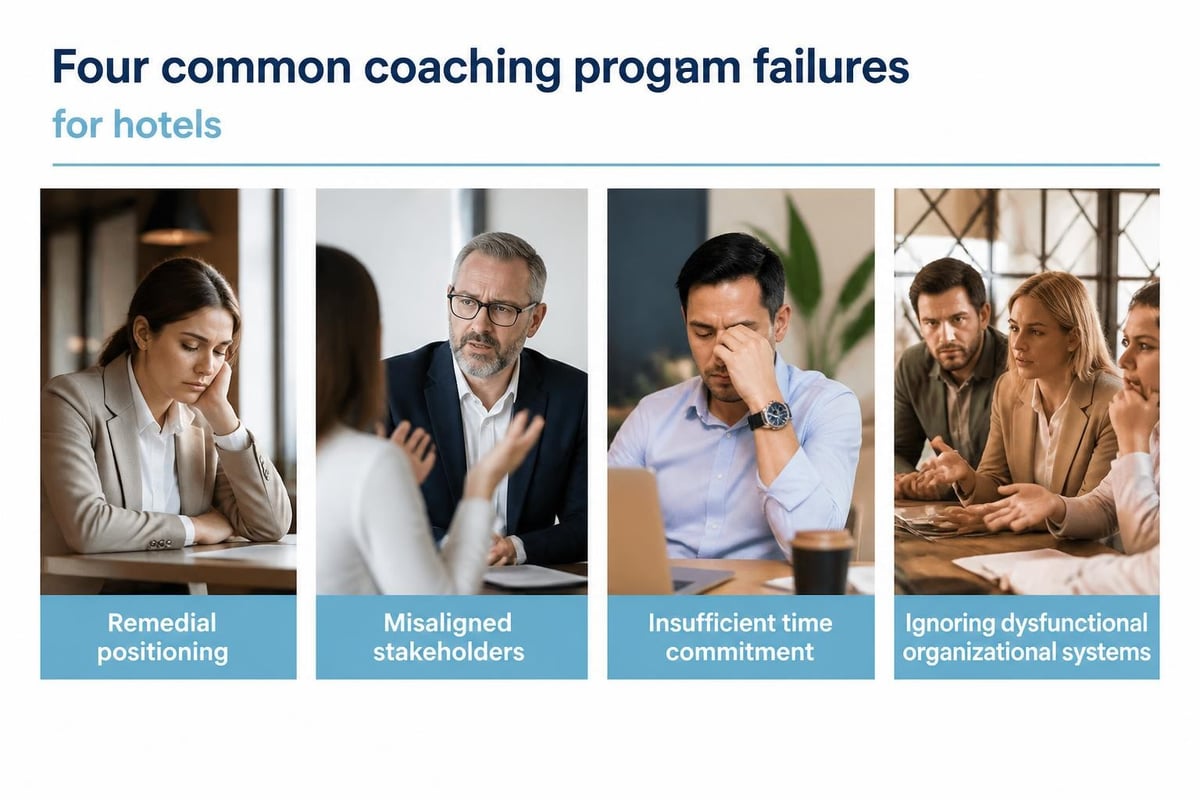
Questions that illuminate coach suitability include:

  • What experience do you have coaching leaders in similar industries or roles?
  • How do you measure progress and success in coaching relationships?
  • What approaches do you use when clients encounter resistance or setbacks?
  • How do you balance support with challenge in your coaching style?
  • What confidentiality protocols guide your practice?

Understanding how to find an executive coach in Germany provides additional guidance for executives navigating the selection process.

Measuring Coaching Impact and ROI

Organizations implementing executive leadership and career progression coaching in Berlin demand evidence that programs deliver value. Measurement frameworks track progress across individual, team, and organizational levels, providing data that demonstrates return on investment and informs program refinement.

Individual-level metrics capture behavioral changes, skill development, and goal achievement. Leaders establish specific objectives at program initiation, then track progress through self-assessment, 360-degree feedback, and performance indicators. Common metrics include:

Metric Category Example Measurements Data Sources
Leadership Effectiveness Decision quality, strategic thinking, influence 360 feedback, stakeholder interviews
Team Performance Engagement scores, productivity metrics, retention Employee surveys, HR analytics
Business Impact Project outcomes, revenue influence, cost savings Business metrics, attribution analysis
Career Progression Promotions, role expansions, compensation growth HR records, career trajectory analysis
Cultural Contribution Values alignment, collaboration, innovation support Culture surveys, peer feedback

Team-level assessments measure how individual coaching translates into collective improvements. Engagement surveys, collaboration metrics, and team performance indicators reveal whether coaching produces ripple effects beyond the individual leader.

Understanding whether executive coaching works requires examining both quantitative metrics and qualitative outcomes. Financial ROI calculations compare program costs against measurable business benefits, while qualitative assessments capture leadership growth that may not translate directly into financial metrics.

Building Sustainable Development Cultures

Organizations that maximize coaching value embed development into their cultural DNA rather than treating it as episodic intervention. Leaders who experience effective coaching become advocates for development, creating cascading effects throughout their organizations.

This cultural shift requires leadership commitment, resource allocation, and integration with talent management systems. When executives model continuous learning, seek feedback actively, and invest in team development, they create environments where coaching becomes normalized rather than stigmatized.

Technology-Enhanced Coaching Delivery

The evolution of executive leadership and career progression coaching in Berlin includes technology platforms that enhance access, measurement, and program management. Digital tools enable flexible scheduling, virtual sessions, and data integration that supports global organizations with distributed leadership teams.

Technology-enabled coaching ecosystem

However, technology serves coaching rather than replacing human connection. The most effective programs balance digital efficiency with relationship depth, using platforms to handle administrative tasks while preserving coaching session intimacy and psychological safety.

Dave Bailey offers executive coaching for Berlin-based tech founders, demonstrating how specialized coaches address sector-specific challenges in the technology ecosystem. Similarly, Kostadinowa Consulting focuses on helping leaders develop unique leadership styles, illustrating the personalization that distinguishes effective coaching from generic training.

Virtual and Hybrid Coaching Models

Post-pandemic leadership development has embraced flexible delivery models that accommodate diverse needs and constraints. Virtual coaching eliminates geographical barriers, enabling Berlin-based executives to access specialized coaches globally while international leaders can work with Berlin-based coaches who understand the local market.

Hybrid models combine virtual sessions for regular coaching with in-person intensive for relationship building and immersive experiences. This flexibility supports busy executives while maintaining coaching effectiveness.
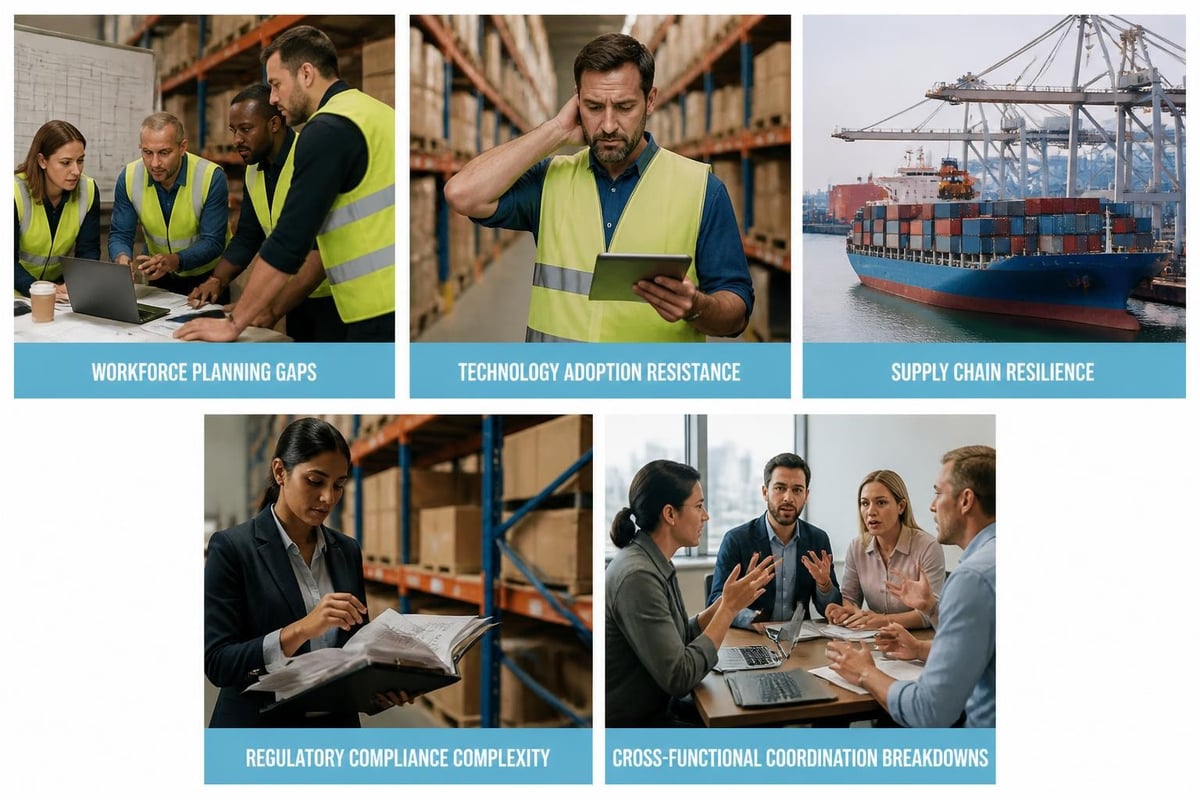
The choice between virtual, in-person, and hybrid delivery depends on individual preferences, organizational culture, and development objectives. Some leaders prefer the convenience and efficiency of virtual coaching, while others value the presence and focus of face-to-face sessions.

Integrating Coaching with Leadership Development Frameworks

Executive leadership and career progression coaching in Berlin achieves maximum impact when integrated with comprehensive leadership development frameworks. Organizations benefit from aligning coaching with competency models, succession planning, and talent management systems that create coherent development pathways.

This integration ensures coaching addresses organizational priorities rather than operating as isolated personal development. Leaders work on capabilities that advance both individual careers and institutional objectives, creating alignment that benefits all stakeholders.

Structured frameworks define leadership expectations at each organizational level, providing clear targets for coaching interventions. Leaders understand which capabilities enable advancement, while coaches design programs that develop those specific competencies.

The coordination between leadership executive coaching and organizational development initiatives eliminates contradictions that undermine both. When coaching reinforces organizational values, strategic priorities, and cultural norms, leaders experience consistent messages that accelerate development.

Scaling Coaching Across Organizations

Large organizations implementing executive leadership and career progression coaching in Berlin require scalable approaches that maintain quality while serving multiple leaders simultaneously. Tiered programs address different leadership levels with appropriate intensity and focus, from high-touch executive coaching for C-suite leaders to group coaching for emerging leaders.

Program management systems track coach assignments, session completion, progress metrics, and satisfaction scores across the coaching population. This infrastructure enables HR leaders to monitor program health, identify issues early, and demonstrate value to organizational stakeholders.

Quality assurance protocols maintain coaching standards as programs scale. Regular coach evaluations, outcome assessments, and continuous improvement processes ensure consistency and effectiveness across the coaching network.

Future Trends Shaping Executive Coaching

The executive coaching profession continues evolving in response to changing business conditions, leadership challenges, and client expectations. Several trends will shape executive leadership and career progression coaching in Berlin through 2026 and beyond:

Increased focus on systemic coaching that addresses organizational dynamics rather than solely individual behavior represents a significant shift. Coaches who understand how organizational systems influence leadership effectiveness deliver more sustainable results than those focused exclusively on personal development.

Integration of neuroscience and psychology research provides evidence-based approaches that enhance coaching effectiveness. Understanding how brains process information, form habits, and respond to stress enables coaches to design interventions that work with rather than against neurological realities.

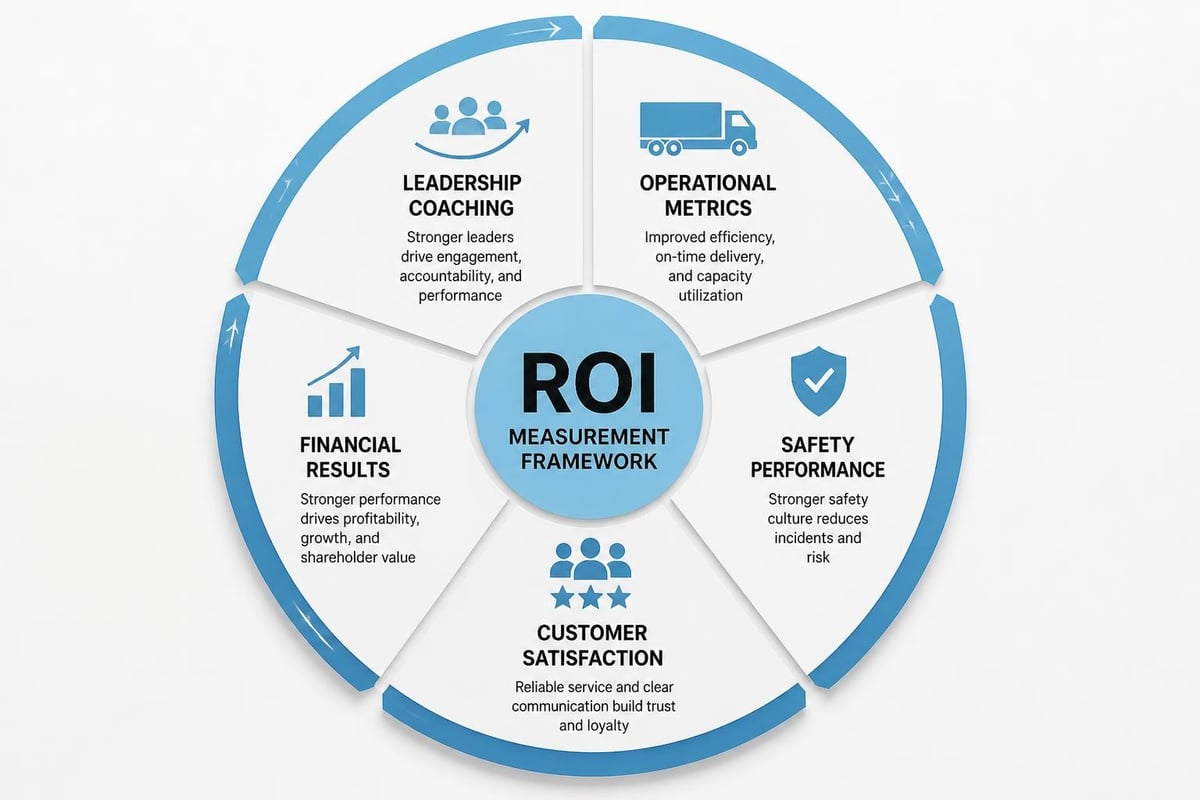
Emphasis on diversity, equity, and inclusion competencies reflects organizational priorities and societal expectations. Leaders must develop capabilities in inclusive leadership, bias recognition, and equitable decision-making to succeed in diverse environments.

Sustainability and purpose-driven leadership address stakeholder demands for corporate responsibility. Executives increasingly seek coaching that helps them align business objectives with environmental and social impact.

Artificial intelligence and data analytics enhance assessment accuracy, personalize development recommendations, and track progress with unprecedented precision. However, the human relationship remains central to coaching effectiveness, with technology serving as enabler rather than replacement.

Organizations investing in executive leadership and career progression coaching in Berlin position themselves to attract, develop, and retain the leadership talent required for sustained competitive advantage. The combination of rigorous assessment, precision matching, targeted intervention, and measurable outcomes creates development programs that deliver tangible business results while accelerating individual careers.

Programs like Leadership Experts’ personalized coaching approach demonstrate how tailored interventions address unique leadership challenges while supporting organizational effectiveness. The integration of coaching with talent management systems, strategic priorities, and cultural initiatives creates comprehensive development ecosystems that transform leadership capacity at scale.


Executive leadership and career progression coaching in Berlin delivers measurable results for organizations committed to developing their leadership talent systematically and strategically. By combining evidence-based assessments, precision coach matching, and targeted interventions, structured programs address specific challenges while accelerating career advancement. Noomii Leadership Coaching provides organizations with the diagnostic tools, coach network, and measurement frameworks needed to transform leadership effectiveness across all levels. For leaders seeking accountability frameworks that complement coaching, AccountabilityNow offers additional resources that support sustained behavioral change and goal achievement.