Career Coach for Women: Build Leadership in 2026

Women leaders face unique challenges in the workplace, from navigating gender bias to balancing competing priorities while advancing their careers. A career coach for women provides targeted support that addresses these obstacles while building the skills, confidence, and strategic thinking necessary to excel in leadership roles. The right coaching partnership transforms ambition into measurable results, helping women secure promotions, lead teams effectively, and shape organizational culture.

Why Women Leaders Need Specialized Career Coaching

The corporate landscape presents distinct hurdles for women advancing into senior positions. Research consistently shows that women face steeper evaluation criteria, receive less actionable feedback, and encounter unconscious bias in promotion decisions. A career coach for women understands these dynamics and develops strategies to navigate them successfully.

Key challenges addressed through specialized coaching include:

  • Overcoming imposter syndrome and building executive presence
  • Negotiating compensation and promotion opportunities effectively
  • Managing team dynamics while maintaining authenticity
  • Balancing organizational demands with personal priorities
  • Developing strategic networks and sponsor relationships

Specialized coaching differs fundamentally from generic leadership development. While traditional programs focus on universal management principles, leadership coaching services designed for women incorporate gender-specific research and practical tools that address real workplace dynamics. This targeted approach delivers faster results because it tackles the actual barriers women encounter daily.

Career coaching for women addressing workplace challenges

Measuring the ROI of Career Coaching

Organizations investing in a career coach for women see tangible returns across multiple metrics. Retention rates improve when high-potential women receive the support necessary to advance within their current company rather than seeking opportunities elsewhere. Engagement scores rise as women develop stronger communication skills and confidence in their leadership capabilities.

Metric Average Improvement Timeframe
Promotion velocity 35-40% faster 12-18 months
Retention of high-potential women 28% increase 24 months
Team engagement scores 22% improvement 6-12 months
Revenue impact per leader $175,000 annually Ongoing

These outcomes stem from coaching that ties directly to business objectives rather than abstract personal development. When coaching sessions focus on specific challenges, such as preparing for a board presentation or restructuring team priorities, leaders apply new skills immediately and see results compound over time.

Understanding how much career coaching costs helps organizations make informed investment decisions that balance budget constraints with long-term talent development goals.

Selecting the Right Career Coach for Your Organization

Not all coaching delivers equal value. The most effective career coach for women brings both gender-specific expertise and business acumen that connects individual development to organizational performance. Look for coaches who ask about your KPIs, understand your industry dynamics, and design coaching engagements around measurable outcomes.

Essential Qualifications and Approach

Experience matters more than certifications. A coach who has navigated corporate leadership personally brings invaluable perspective. They understand the political dynamics, the unwritten rules, and the strategic moves that accelerate advancement.

The coaching methodology should emphasize accountability and action. Sessions that end with vague commitments produce minimal change. Effective coaches establish clear goals, track progress against specific metrics, and adjust strategies based on results. This approach mirrors how performance coaching in NYC delivers results for competitive business environments where outcomes matter more than process.

Questions to ask potential coaches:

  1. How do you measure coaching effectiveness beyond client satisfaction?
  2. What percentage of your clients receive promotions during our engagement?
  3. How will you integrate with our existing performance management systems?
  4. What is your approach to addressing unconscious bias in promotion decisions?
  5. Can you provide examples of coaching leaders through specific business challenges?

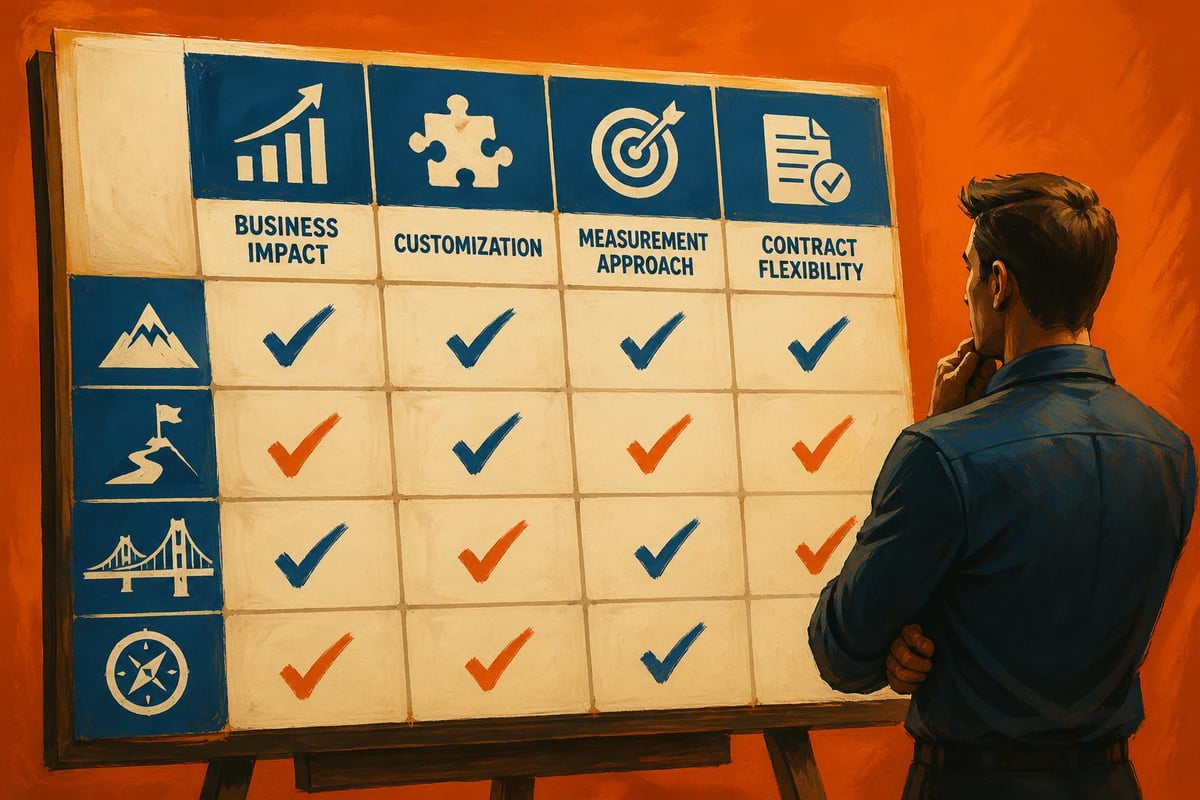
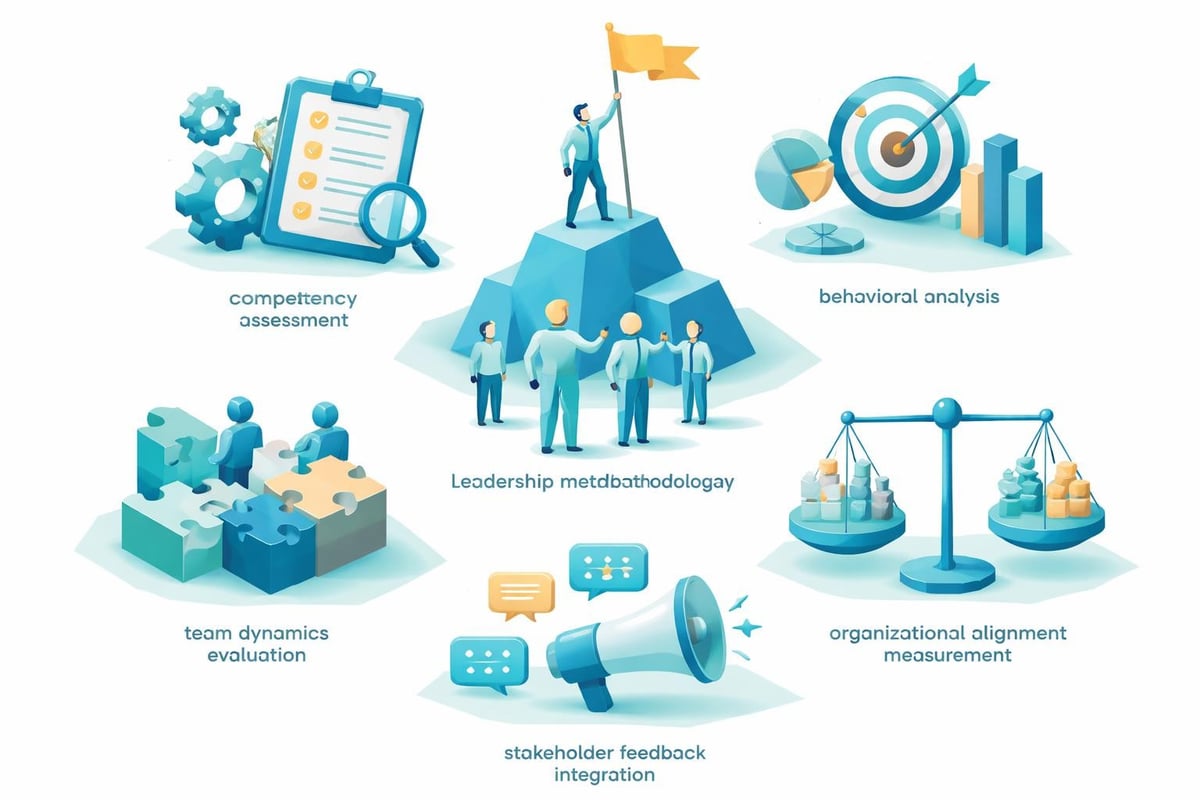
Career coach evaluation criteria

Integration with Corporate Leadership Development

A career coach for women works most effectively when integrated into broader talent development strategies. Standalone coaching rarely produces systemic change. When coaching connects to 360 assessments, manager training, and succession planning, organizations build sustainable pipelines of women leaders.

Consider how coaching complements existing programs. If your organization offers leadership training but struggles with application, coaching bridges that gap by helping participants translate concepts into daily practice. The combination of group learning and individual accountability accelerates skill development significantly.

Many companies find value in combining career coaching with executive coaching for C-suite professionals as women advance into senior roles requiring different capabilities.

Practical Applications That Drive Results

Effective coaching focuses on real challenges leaders face this week, not theoretical scenarios. A career coach for women should help clients navigate immediate obstacles while building long-term capabilities. This dual focus creates momentum as leaders experience quick wins and develop strategic thinking simultaneously.

High-Impact Coaching Topics

Strategic communication: Women often receive feedback about communication style without specific guidance on adjustments. Coaching helps leaders understand when to adapt their approach and when to maintain authenticity. This includes preparing for difficult conversations, delivering executive presentations, and influencing without formal authority.

Decision velocity: Many women leaders over-research decisions to avoid mistakes, slowing down execution. Coaching builds confidence in making faster decisions with incomplete information, a critical executive skill. Practical frameworks help leaders distinguish between reversible and irreversible decisions, allocating analysis time appropriately.

Coaching Focus Area Business Impact Development Timeframe
Executive presence Increased influence in senior meetings 3-6 months
Negotiation skills 15-25% compensation improvement 2-4 months
Team leadership 30% reduction in turnover 6-12 months
Strategic thinking Faster project completion 4-8 months

Political navigation: Understanding organizational dynamics remains essential for advancement. Coaching provides frameworks for building alliances, managing up effectively, and positioning oneself for visible opportunities. This includes identifying sponsors, not just mentors, who actively advocate for advancement.

Technology-Enhanced Coaching Approaches

Modern coaching incorporates tools that improve accessibility and effectiveness. For example, understanding how career coaching and AI work together enables coaches to provide more personalized development plans and track progress more accurately between sessions.

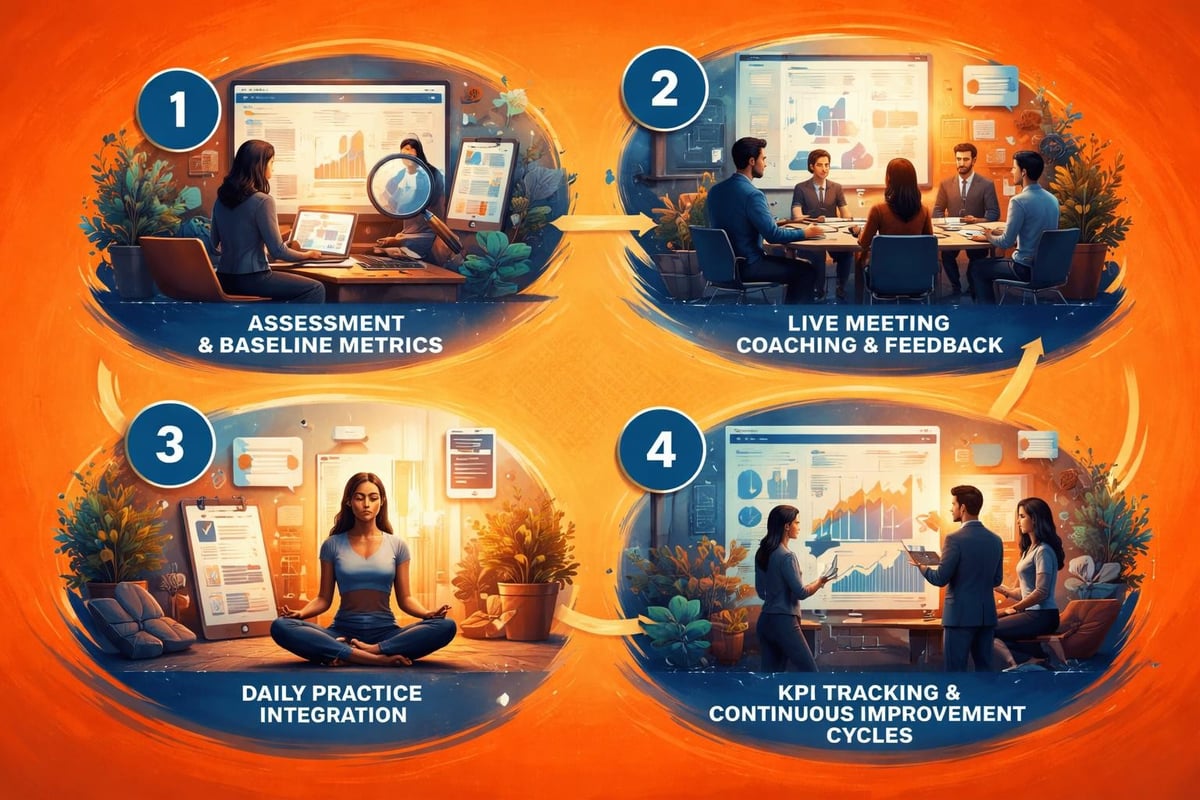
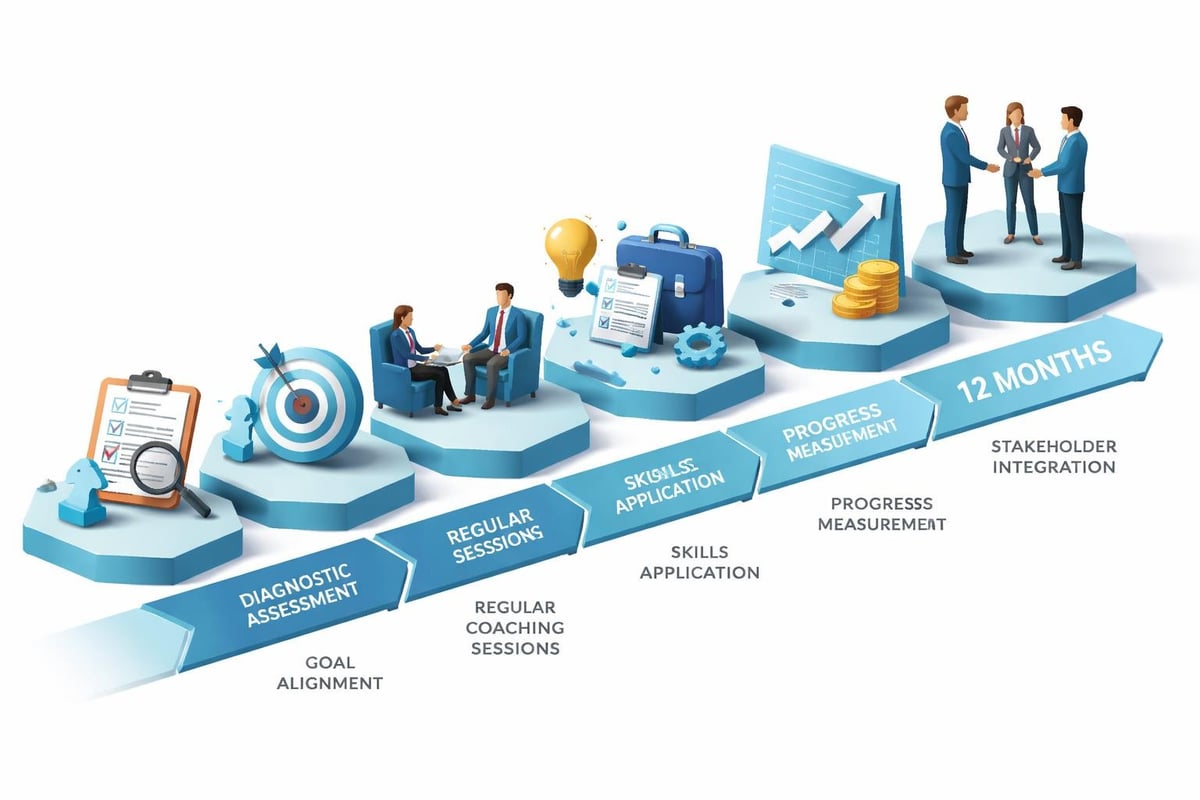
Career coaching implementation framework

Virtual coaching platforms enable consistent engagement without travel requirements, particularly valuable for distributed teams. However, technology should enhance human connection rather than replace it. The most effective approaches combine video sessions for relationship building with asynchronous tools for accountability and resource sharing.

Building a Coaching Culture That Supports Women Leaders

Individual coaching produces limited organizational impact unless the broader culture supports women's advancement. Companies seeing the strongest results from a career coach for women simultaneously address systemic issues like promotion criteria transparency, flexible work arrangements, and sponsor program development.

Culture indicators that amplify coaching effectiveness:

  • Clear criteria for advancement shared transparently
  • Managers trained to provide specific, actionable feedback
  • Visible commitment from senior leadership to diversity goals
  • Structured sponsor programs connecting high-potential women with executives
  • Flexibility policies that support various life stages

Organizations can explore options through the coach directory to find professionals who understand how individual development integrates with cultural transformation.

When coaching happens in isolation, leaders develop new skills but encounter the same structural barriers. When coaching combines with cultural evolution, women advance faster and organizations build sustainable talent pipelines. This integrated approach requires patience and commitment but delivers compounding returns over time. Consider how platforms like Accountability Now help organizations maintain focus on development goals through structured follow-through systems.


Investing in a career coach for women delivers measurable business results when coaching focuses on real challenges, ties to clear KPIs, and integrates with broader talent development. Whether you need support for emerging leaders or executive coaching for senior women, the right partnership accelerates advancement while improving organizational performance. Noomii Corporate Coaching connects mid-market companies with experienced coaches who roll up their sleeves, work directly in your context, and deliver visible results on month-to-month terms without long contracts. Explore how practical coaching tied to business outcomes can transform your leadership pipeline at Noomii.

Executive Leadership Transition Coaching in Melbourne 2026

Leadership transitions represent one of the most vulnerable moments in any organization's lifecycle. When executives move into new roles, shift strategic directions, or navigate organizational restructuring, the stakes couldn't be higher. Executive leadership transition coaching in melbourne has emerged as a critical intervention that determines whether these pivotal moments become catalysts for growth or sources of disruption. Melbourne's competitive corporate landscape demands more than generic coaching approaches-it requires precision-matched expertise that aligns with organizational compliance standards, measurable outcomes, and the unique challenges facing Australian businesses.

The Critical Role of Transition Coaching in Modern Organizations

Executive transitions fail at alarming rates. Research consistently shows that 40-50% of executives struggle during their first 18 months in a new role, often because they lack targeted support during critical adjustment periods. This failure rate creates substantial financial consequences, with recruiting costs, lost productivity, and cultural disruption reaching well into six figures per failed transition.

Executive leadership transition coaching in melbourne addresses this challenge through structured interventions that begin before day one and extend through the critical first year. Unlike traditional coaching that focuses on generic leadership development, transition coaching zeroes in on the specific challenges executives face when navigating role changes, organizational politics, stakeholder relationships, and strategic realignment.

Why Melbourne Organizations Need Specialized Transition Support

Melbourne's business ecosystem presents unique challenges that generic coaching programs cannot address. The city's diverse corporate landscape spans financial services, healthcare, government agencies, technology firms, and multinational corporations-each with distinct cultural expectations and leadership requirements.

Organizations in Melbourne increasingly recognize that coaching leaders through transitions requires more than periodic check-ins. It demands comprehensive support systems that address technical competencies, emotional intelligence, stakeholder management, and strategic thinking simultaneously.

Executive transition framework

Evidence-Based Diagnostics That Drive Results

The foundation of effective executive leadership transition coaching in melbourne begins with rigorous assessment. Organizations that skip this diagnostic phase often waste resources on coaching that addresses symptoms rather than root causes.

Comprehensive leadership assessments reveal:

  • Behavioral patterns that may create friction in new environments
  • Communication styles that require adjustment for different stakeholder groups
  • Decision-making tendencies that need refinement for strategic roles
  • Emotional triggers that could undermine executive effectiveness
  • Team dynamics that require immediate attention

These diagnostics go beyond surface-level personality assessments. They incorporate 360-degree feedback, validated psychometric instruments, leadership competency frameworks, and organizational culture analyses. The data generated becomes the roadmap for targeted intervention strategies.

Assessment Type Purpose Timeline Outcome
Behavioral Profile Identify strengths and blind spots Week 1-2 Personalized development focus areas
360-Degree Feedback Gather stakeholder perspectives Week 2-3 Relationship and perception insights
Cultural Alignment Analysis Assess organizational fit Week 3-4 Integration strategy recommendations
Leadership Competency Mapping Measure against role requirements Week 1-4 Skill gap identification and prioritization

Organizations leveraging leadership coaching services with evidence-based diagnostics report 73% higher satisfaction rates with executive transitions compared to those using informal assessment methods.

Precision Matching: The Competitive Advantage

Not all executive coaches possess the expertise required for successful transition coaching. A finance executive moving into a CEO role faces fundamentally different challenges than a technology leader transitioning to a government agency position. Executive leadership transition coaching in melbourne succeeds when organizations match leaders with coaches who have relevant sector experience, cultural competency, and specialized transition expertise.

The matching process should consider multiple factors:

  1. Industry knowledge and network connections that provide context-specific insights
  2. Transition type expertise (promotion, external hire, restructuring, succession)
  3. Cultural fluency in the organization's operational environment
  4. Track record with similar transition challenges
  5. Coaching methodology alignment with learning preferences

Sophisticated matching algorithms analyze these variables alongside personality compatibility, communication styles, and availability to create optimal pairings. This precision approach eliminates the trial-and-error process that wastes valuable transition time.

For organizations managing toxic leadership patterns during transitions, specialized coach matching becomes even more critical. Coaches must possess specific expertise in behavior modification, conflict resolution, and cultural transformation to address these complex situations effectively.

Targeted Intervention Plans That Address Real Challenges

Generic coaching programs fail during executive transitions because they don't address the specific pressures executives face. Effective executive leadership transition coaching in melbourne develops customized intervention plans that respond to actual organizational challenges rather than theoretical leadership concepts.

Common Transition Challenges and Targeted Interventions

Challenge 1: Stakeholder Relationship Building

New executives must quickly establish credibility with boards, direct reports, peers, clients, and external partners. Coaches facilitate stakeholder mapping exercises, communication planning, and relationship-building strategies tailored to organizational politics and power dynamics.

Challenge 2: Cultural Integration

Understanding and adapting to organizational culture determines transition success. Coaches help executives decode unwritten rules, identify cultural champions, and navigate resistance to change while maintaining authentic leadership presence.

Challenge 3: Strategic Direction Setting

Executives must balance learning with leading. Intervention plans include structured listening tours, quick-win identification, strategic planning frameworks, and communication strategies that build confidence without overcommitting.

Transition intervention roadmap

Understanding best practices for managing executive transitions provides additional context for developing comprehensive intervention strategies that address organizational needs alongside individual development.

Compliance and Governance Alignment in Australian Context

Melbourne organizations, particularly those in regulated industries and government sectors, must ensure leadership development initiatives meet stringent compliance and governance requirements. Executive leadership transition coaching in melbourne that ignores these considerations creates legal and reputational risks.

Coaching programs must align with:

  • Workplace Health and Safety regulations governing psychological wellbeing
  • Privacy Act requirements for assessment data and coaching records
  • Equal Opportunity and anti-discrimination legislation
  • Corporate governance standards for board-level transitions
  • Industry-specific regulatory frameworks (APRA, ASIC, etc.)

For government agencies and public sector organizations, additional considerations include public accountability standards, code of conduct requirements, and transparency obligations. Training providers supporting these organizations benefit from partnerships with compliance specialists like Skills Office Network, which brings expertise in governance frameworks and quality assurance processes.

Compliance Area Key Consideration Coaching Program Impact
Data Privacy Confidentiality of assessments and session notes Secure storage systems, clear data handling protocols
Anti-Discrimination Equal access to development opportunities Objective coach matching, inclusive assessment tools
Workplace Safety Psychological safety and wellbeing Stress management strategies, burnout prevention
Governance Standards Board oversight and reporting Regular progress updates, measurable outcomes

Measuring Impact Through Defined KPIs

Organizations investing in executive leadership transition coaching in melbourne demand accountability and measurable results. Effective programs establish clear key performance indicators at the outset and track progress throughout the engagement.

Critical metrics include:

  • Time to productivity: How quickly the executive reaches full effectiveness
  • Stakeholder confidence scores: Regular pulse surveys measuring trust and credibility
  • Strategic initiative progress: Advancement on priority objectives and deliverables
  • Team engagement levels: Direct report satisfaction and retention rates
  • Cultural integration indicators: Alignment with organizational values and norms
  • Return on investment: Financial impact relative to program costs

Research on whether executive coaching works demonstrates that organizations tracking these metrics report ROI ratios averaging 5.7:1, with top-performing programs exceeding 10:1 returns.

Measurement shouldn't focus solely on individual executive performance. The best programs track systemic impact including team performance improvements, organizational culture shifts, and strategic goal achievement.

Dashboard Reporting for Executive Sponsors

Modern executive leadership transition coaching in melbourne provides real-time visibility into coaching progress through dashboard reporting. These systems give HR leaders and executive sponsors objective data on:

  1. Session completion rates and engagement levels
  2. Progress against individualized development goals
  3. Assessment score improvements over time
  4. Stakeholder feedback trends
  5. Quick win achievement and strategic milestone progress

This transparency builds confidence in the coaching investment and enables mid-course corrections when needed.

The Melbourne Leadership Landscape in 2026

Melbourne's position as Australia's second-largest economy and a global hub for finance, healthcare, and technology creates unique opportunities and challenges for executive transitions. The city's corporate culture values innovation, collaboration, and social responsibility-qualities that transitioning executives must demonstrate quickly to gain credibility.

Several trends shape executive leadership transition coaching in melbourne currently:

Hybrid work complexity: Executives must lead distributed teams effectively while maintaining organizational culture. Transition coaching increasingly addresses virtual leadership skills, digital communication strategies, and remote team building.

Diversity and inclusion imperatives: Organizations demand leaders who champion inclusive practices. Coaching programs incorporate unconscious bias awareness, inclusive leadership frameworks, and cultural competency development.

Sustainability and ESG focus: Melbourne organizations expect executives to integrate environmental and social governance into strategic decision-making. Transition coaching helps leaders navigate these expectations while delivering financial results.

Rapid digital transformation: Technology disruption affects every sector. Executives transitioning into Melbourne organizations need coaching on digital strategy, innovation management, and leading through technological change.

For executives exploring coaching during CEO transitions, these Melbourne-specific factors require specialized local expertise that generic global programs cannot provide.

Melbourne corporate trends

Scaling Transition Coaching Across Organizations

Large organizations managing multiple executive transitions simultaneously require scalable coaching solutions that maintain quality while accommodating volume. Executive leadership transition coaching in melbourne succeeds at scale when organizations implement systematic approaches rather than ad-hoc interventions.

Building Internal Coaching Capacity

Progressive organizations develop internal coaching capabilities to complement external expertise. This hybrid model provides:

  • Cost efficiency for high-volume transition support
  • Cultural continuity through coaches who understand organizational context
  • Rapid deployment without external procurement delays
  • Knowledge retention as coaching insights remain within the organization

Internal coaching programs require rigorous certification, ongoing supervision, and clear boundaries to maintain effectiveness. External executive coaches continue playing critical roles for C-suite transitions, sensitive situations, and specialized expertise needs.

Program Design for Government Agencies

Government agencies in Melbourne face distinct challenges requiring tailored transition coaching approaches. Public sector executives navigate political environments, media scrutiny, accountability frameworks, and mission-driven cultures that differ substantially from private sector contexts.

Effective programs for government clients incorporate:

  • Understanding of Westminster system governance and ministerial relationships
  • Experience with public sector performance management and accountability
  • Sensitivity to political cycles and policy environments
  • Expertise in stakeholder management across diverse community groups
  • Alignment with public service values and ethical frameworks

Organizations can explore executive coaching packages designed specifically for government sector requirements to ensure appropriate program structure and delivery.

Integration with Broader Leadership Development

Executive leadership transition coaching in melbourne delivers maximum value when integrated with comprehensive leadership development ecosystems. Stand-alone coaching programs risk creating isolated interventions disconnected from organizational talent strategies.

Integration opportunities include:

  • Succession planning processes that identify high-potential leaders early
  • Leadership competency frameworks that provide consistent development standards
  • Talent review cycles that trigger transition support at appropriate moments
  • Mentoring programs that complement formal coaching relationships
  • Action learning initiatives that apply coaching insights to real business challenges

This systems approach ensures transition coaching builds on existing development investments rather than duplicating or contradicting them. HR leaders benefit from working with coaching providers who understand managing and coaching as complementary leadership development approaches.

Development Activity Relationship to Transition Coaching Integration Method
Succession Planning Identifies future transition needs Coach matching begins during succession review
360 Feedback Provides baseline assessment data Results feed into coaching development plans
Leadership Programs Builds foundational capabilities Coaching applies concepts to real transitions
Mentoring Offers organizational knowledge Complements coach expertise with insider perspective

Addressing Complex Leadership Challenges

Some executive transitions involve navigating particularly complex situations requiring specialized coaching expertise. Executive leadership transition coaching in melbourne increasingly addresses challenges such as:

Organizational Turnarounds: Executives hired to transform struggling organizations need coaches experienced in change management, stakeholder communication during crisis, and maintaining personal resilience under pressure.

Post-Merger Integration: Leaders managing combined entities require coaching on cultural integration, redundancy decisions, team restructuring, and building unified organizational identities.

Geographic Relocations: International executives moving to Melbourne need cultural adaptation support, local network development, and understanding of Australian business practices alongside traditional transition coaching.

Internal Promotions: High performers promoted to executive ranks face unique challenges balancing peer relationships, establishing authority, and shifting from tactical to strategic thinking.

For situations involving behavioral concerns, specialized approaches addressing toxic leadership patterns become essential components of transition coaching programs.

The Coach-Coachee Relationship Dynamic

The coaching relationship quality fundamentally determines transition success. Executive leadership transition coaching in melbourne succeeds when coaches establish trust, maintain confidentiality, challenge thinking constructively, and hold executives accountable without judgment.

Effective coaches demonstrate several critical capabilities:

  1. Active listening that uncovers underlying concerns beyond surface issues
  2. Powerful questioning that stimulates executive insight and self-awareness
  3. Direct feedback delivered with respect and developmental intent
  4. Contextual understanding of organizational dynamics and industry challenges
  5. Flexibility to adjust coaching approaches based on executive needs

The relationship typically progresses through predictable stages: relationship building, goal clarification, exploration and insight, action and experimentation, and sustainability planning. Understanding seven strategies for effective executive leadership transitions provides additional perspective on how coaching relationships support transition success.

Coaches must balance being supportive partners while maintaining objectivity. The best coaching relationships feel collaborative yet maintain appropriate professional boundaries that prevent dependency.

Technology-Enabled Coaching Delivery

Modern executive leadership transition coaching in melbourne leverages technology to enhance accessibility, measurement, and program effectiveness. Digital platforms enable flexible scheduling, virtual session delivery, progress tracking, and data-driven insights that traditional coaching couldn't provide.

Technology applications include:

  • Video conferencing for remote session delivery accommodating executive travel schedules
  • Mobile apps providing micro-learning content and reflection prompts between sessions
  • Assessment platforms delivering validated instruments and automated scoring
  • Progress dashboards visualizing development trajectories and goal achievement
  • Secure messaging enabling quick coach access for urgent situations

These tools enhance rather than replace human interaction. The most effective programs blend high-tech platforms with high-touch personal coaching relationships. Technology handles administrative tasks, data management, and content delivery, freeing coaches to focus on relationship building and strategic thinking.

Organizations exploring executive coaching best practices discover that technology integration represents a competitive differentiator in 2026's coaching landscape.

Investment Considerations and Program Economics

Organizations evaluating executive leadership transition coaching in melbourne must understand program economics to make informed investment decisions. Coaching costs vary significantly based on coach experience, program duration, session frequency, assessment tools, and customization requirements.

Typical investment components include:

  • Initial assessment and diagnostic work
  • Coach matching and program design
  • Individual coaching sessions (typically 6-12 months)
  • Stakeholder interviews and feedback sessions
  • Progress measurement and reporting
  • Program management and coordination

While premium coaching programs require substantial investment, the cost of failed executive transitions far exceeds coaching expenses. Organizations calculate ROI by comparing coaching costs against recruiting fees, productivity losses, team disruption, and strategic delay costs associated with transition failures.

Smart procurement strategies include:

  • Establishing coaching panels with pre-negotiated rates
  • Volume discounting for multiple executive coaching engagements
  • Pilot programs demonstrating value before broader rollout
  • Performance-based pricing tied to measurable outcomes
  • Internal capability building to reduce external dependency over time

Detailed information on executive coaching cost structures helps organizations budget appropriately and negotiate favorable terms.

Selecting the Right Coaching Partner

Organizations seeking executive leadership transition coaching in melbourne face numerous provider options, from independent practitioners to global consulting firms. Selection criteria should extend beyond cost to encompass expertise, methodology, cultural fit, and measurable results.

Evaluation framework:

  1. Proven transition coaching expertise with verifiable client outcomes
  2. Coach network depth across industries, specializations, and experience levels
  3. Assessment methodology using validated instruments and evidence-based approaches
  4. Matching process that considers multiple compatibility factors
  5. Measurement systems providing objective progress tracking
  6. Compliance capabilities addressing governance and regulatory requirements
  7. Scalability to support growing organizational needs
  8. References from comparable organizations with similar challenges

Due diligence should include interviewing potential coaches, reviewing case studies, checking certifications, and piloting programs before large-scale commitments. Organizations benefit from providers offering flexible engagement models that adjust as organizational needs evolve.

Melbourne-based resources like executive coaching services provide local expertise, while global platforms offer broader coach networks and specialized matching capabilities.

Building Sustainable Leadership Capacity

The ultimate goal of executive leadership transition coaching in melbourne extends beyond individual success to building sustainable organizational leadership capacity. Effective programs create ripple effects that strengthen leadership at every level.

Sustainability strategies include:

  • Documenting lessons learned from transitions to inform future programs
  • Building leadership transition playbooks capturing best practices
  • Developing internal transition coaching capabilities
  • Creating peer support networks among executives who've completed transitions
  • Integrating transition planning into standard talent management processes
  • Establishing ongoing leadership development pathways beyond initial transitions

Organizations investing in systematic transition support develop reputations as leadership development destinations, improving executive recruitment and retention. This cultural shift toward developmental support creates competitive advantages in talent markets.

Long-term success requires executive sponsorship, HR partnership, and organizational commitment to leadership development as strategic priority rather than tactical expense.


Executive leadership transitions represent critical inflection points that determine organizational trajectories for years to come. The specialized support provided through executive leadership transition coaching in melbourne transforms these vulnerable moments into catalysts for sustainable growth, cultural strengthening, and strategic advancement. Organizations that invest in evidence-based coaching, precision matching, and measurable accountability systems consistently outperform those relying on intuition and goodwill alone. The Noomii Leadership Coaching program delivers precisely this combination-connecting organizations with certified coaches who possess the expertise, methodology, and track record to guide executives through complex transitions while building sustainable leadership capacity. For organizations seeking accountability frameworks that complement leadership development, AccountabilityNow offers tools that reinforce coaching insights through structured follow-through systems.

Online Coaching Jobs: Your Complete 2026 Career Guide

The demand for online coaching jobs has surged dramatically as organizations recognize the value of virtual professional development. In 2026, businesses across industries seek qualified coaches who can deliver measurable results without the overhead of in-person sessions. Whether you're an experienced executive coach or just entering the field, understanding the landscape of remote coaching opportunities will position you for success in this competitive market.

The Growing Market for Remote Coaching Positions

The coaching industry has fundamentally transformed over the past five years. Companies now prioritize flexible, results-driven coaching solutions over traditional face-to-face engagements. This shift creates unprecedented opportunities for professionals seeking online coaching jobs.

Mid-market companies (25 to 500 employees) represent the fastest-growing segment for virtual coaching services. These organizations need scalable solutions that don't require extensive travel budgets or long-term commitments. They want coaches who understand business metrics and can tie development work directly to ROI.

Remote coaching market segments

Key Coaching Specializations in Demand

The most sought-after online coaching jobs fall into several distinct categories:

  • Executive and leadership coaching for C-suite professionals and emerging leaders
  • Manager training and development focused on building coaching capabilities
  • Team facilitation that improves collaboration and execution
  • Sales and performance coaching tied to revenue metrics
  • Career transition coaching for professionals navigating industry changes

According to strategies for finding health coaching positions online, coaches who specialize and demonstrate measurable outcomes command premium rates. The same principle applies across all coaching disciplines.

Essential Skills and Qualifications

Landing competitive online coaching jobs requires more than certification. Employers evaluate candidates based on practical competencies and proven results.

Skill Category Core Competencies Business Impact
Technical Video platforms, CRM systems, assessment tools Seamless client experience
Business Acumen KPI development, ROI measurement, process design Tangible organizational results
Communication Active listening, feedback delivery, facilitation Stronger team alignment
Adaptability Remote relationship building, async coaching Flexible engagement models

Most successful coaches combine formal training with real-world business experience. Executive coaching services increasingly require practitioners who can operate within existing company cadences rather than imposing external frameworks.

Building Your Credibility Portfolio

Your track record matters more than credentials alone. When pursuing online coaching jobs, prepare documentation that demonstrates:

  1. Specific client outcomes with quantified improvements
  2. Industry expertise relevant to target markets
  3. Technology proficiency across coaching platforms
  4. Testimonials and case studies showing business impact
  5. Continuous development through ongoing education

The responsibilities and qualifications for online coaching roles emphasize practical experience over theoretical knowledge. Companies want coaches who roll up their sleeves and deliver visible progress.

Where to Find Online Coaching Opportunities

Multiple platforms and strategies can accelerate your job search. The key is targeting channels where serious employers seek professional coaches.

Professional Coaching Networks

Specialized coaching directories connect practitioners with clients actively seeking services. Noomii serves as a comprehensive resource where coaches build profiles and companies search for qualified professionals. Unlike generic job boards, coaching-specific platforms attract buyers who understand the value proposition.

Virtual Vocations provides curated telecommuting coaching positions across multiple disciplines. These vetted listings save time by filtering out low-quality opportunities.

Direct Corporate Engagement

Many mid-market companies prefer working directly with coaches rather than large consulting firms. Research organizations in your target industries and reach out with specific value propositions. Explain how your approach differs from certification-focused coaches who prioritize theory over results.

Corporate coaching engagement process

Building Strategic Partnerships

Online coaching jobs often come through referral networks and strategic alliances. Consider partnering with:

  • HR consulting firms that need coaching resources
  • Learning and development departments seeking external coaches
  • Business accelerators supporting portfolio companies
  • Industry associations offering member services

Building relationships at Accountability Now and similar professional networks creates referral channels that generate consistent opportunities.

Compensation Models and Pricing Strategies

Understanding how online coaching jobs compensate professionals helps you negotiate effectively and structure sustainable practices.

Common Payment Structures

  • Hourly rates ($150-$500+ depending on specialization and experience)
  • Monthly retainers for ongoing coaching relationships
  • Project-based fees tied to specific outcomes
  • Performance incentives aligned with client results
  • Hybrid models combining base fees with success bonuses

The most innovative arrangements include shared risk components. When coaches tie compensation to measurable improvements in engagement, retention, or execution, clients invest more confidently. This approach differentiates serious practitioners from those avoiding accountability.

Pricing Your Services Competitively

Research market rates for your specialization and geography. Performance coaches command different rates than career coaches or wellness coaches. Consider these factors when setting fees:

  1. Your years of relevant business experience
  2. Specialization depth and proven methodology
  3. Target client segment (individual vs. corporate)
  4. Engagement model (one-on-one vs. team facilitation)
  5. Technology and tools included in delivery

Avoid competing solely on price. Companies seeking quality online coaching jobs and coaching services prioritize results over discounts.

Growing Your Remote Coaching Career

Success in online coaching jobs requires continuous evolution. The field changes rapidly as technology advances and client expectations shift.

Developing Specialized Expertise

General coaching skills provide foundation, but specialization drives premium opportunities. Consider focusing on specific outcomes like improving leadership communication or developing executive presence for C-suite professionals.

Depth in solving particular business challenges makes you indispensable. Rather than being one of thousands of general coaches, become the go-to expert for specific transformations.

Leveraging Technology and Tools

Modern online coaching jobs require proficiency with:

  • Video conferencing platforms (Zoom, Microsoft Teams, Google Meet)
  • Assessment tools for 360 reviews and personality profiles
  • Project management systems for tracking commitments
  • Communication platforms for async coaching between sessions
  • Analytics dashboards demonstrating progress and ROI

Coaches who integrate technology seamlessly create superior client experiences. Understanding how platforms like these support coach directories helps you position services effectively.

Technology stack for online coaches

Marketing Your Coaching Practice

Even employed coaches need visibility. Companies searching for online coaching jobs evaluate candidates' professional presence. Strengthen your market position by:

  • Publishing thought leadership on business challenges you solve
  • Sharing client success stories (with permission)
  • Participating in industry forums and associations
  • Building case studies that demonstrate measurable outcomes
  • Creating content addressing common leadership obstacles

The question of whether executive coaching actually works concerns many buyers. Your marketing should directly address this skepticism with concrete evidence.

Building Sustainable Client Relationships

Long-term success in online coaching jobs depends on client retention and referrals. The best coaches create such obvious value that companies resist ending engagements.

Focusing on Measurable Outcomes

Every coaching relationship should connect to specific business metrics. Whether improving decision speed, increasing manager effectiveness, or strengthening cross-functional communication, tie your work to observable improvements. Companies stay because results are visible, not because contracts lock them in.

Month-to-month terms build trust. When coaches embrace accountability for outcomes rather than hiding behind long contracts, clients invest more openly. This approach separates practitioners confident in their impact from those relying on contractual obligations.


The landscape for online coaching jobs continues expanding as organizations prioritize practical development over theoretical certifications. Success requires combining specialized expertise with business acumen, measurable outcomes, and technology proficiency. Whether you're seeking employment or building an independent practice, focusing on tangible client results differentiates you in a crowded market. Noomii connects serious coaches with mid-market companies and Fortune 500 divisions seeking accountable leadership development tied to clear KPIs and visible ROI-no long contracts, just measurable business results.

Executive Strategy and Influence Training in Dundee 2026

Dundee's business landscape demands leadership excellence that extends beyond traditional management approaches. Executive strategy and influence training in Dundee has evolved into a critical investment for organizations seeking measurable improvements in stakeholder engagement, decision-making authority, and strategic impact. The Scottish city's growing corporate sector, ranging from life sciences to digital technology firms, requires executives who master both strategic thinking and the nuanced art of organizational influence. This comprehensive examination reveals how evidence-based training programs transform leadership capabilities while delivering quantifiable returns for organizations operating in competitive markets.

The Strategic Imperative for Influence Training

Modern executives face unprecedented complexity in stakeholder management, cross-functional alignment, and strategic execution. Executive strategy and influence training in Dundee addresses these challenges through structured interventions that build demonstrable competencies.

Leadership influence extends far beyond positional authority. Research demonstrates that executives who develop strategic influence capabilities achieve 34% higher team engagement scores and deliver measurable improvements in project success rates. These outcomes stem from mastering persuasion frameworks, stakeholder mapping techniques, and communication strategies that resonate across organizational hierarchies.

The Skills Office Network supports organizations in developing comprehensive training frameworks that meet compliance standards while building practical leadership capabilities. Their expertise in quality assurance ensures training initiatives align with regulatory requirements and organizational objectives.

Core competencies developed through influence training include:

  • Strategic stakeholder analysis and engagement planning
  • Evidence-based persuasion and negotiation frameworks
  • Executive presence development and authoritative communication
  • Cross-functional influence without direct authority
  • Political navigation and organizational dynamics mastery
  • Data-driven decision advocacy and strategic storytelling

Programs like those offered through Cambridge Judge Business School’s executive presence and leadership for influence demonstrate how structured curricula build these capabilities systematically.

Strategic influence competency framework

Measuring Training Impact

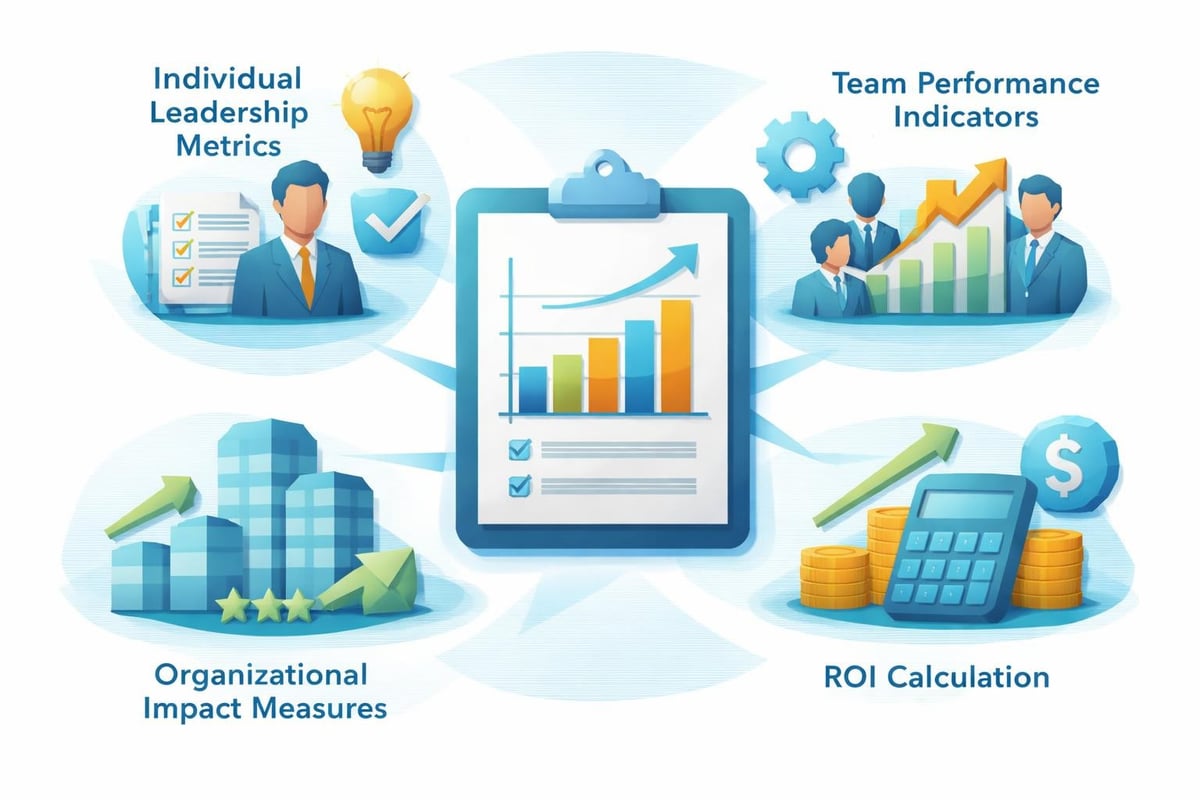
Organizations investing in executive strategy and influence training in Dundee require clear metrics that justify program expenditure. Effective measurement frameworks track behavioral changes, stakeholder feedback, and business outcomes.

Metric Category Key Performance Indicators Measurement Frequency
Behavioral Competency Stakeholder engagement scores, communication effectiveness ratings Quarterly
Business Outcomes Project approval rates, cross-functional collaboration metrics Bi-annually
Strategic Impact Decision velocity, strategic initiative success rates Annually
Organizational Influence Peer influence scores, leadership brand strength Semi-annually

Leadership coaching services integrate these measurement frameworks to demonstrate tangible value. Data collection begins with baseline assessments, continues through intervention periods, and extends twelve months post-training to capture sustained behavioral change.

Forward-thinking organizations recognize that influence training delivers compounding returns. Executives who master strategic influence create multiplier effects throughout their teams, establishing behavioral norms that enhance organizational effectiveness across departments.

Dundee's Unique Leadership Development Landscape

Dundee presents distinctive characteristics that shape executive development needs. The city's concentration of biomedical research institutions, gaming industry leaders, and renewable energy companies creates demand for executives who navigate technical complexity while driving strategic alignment.
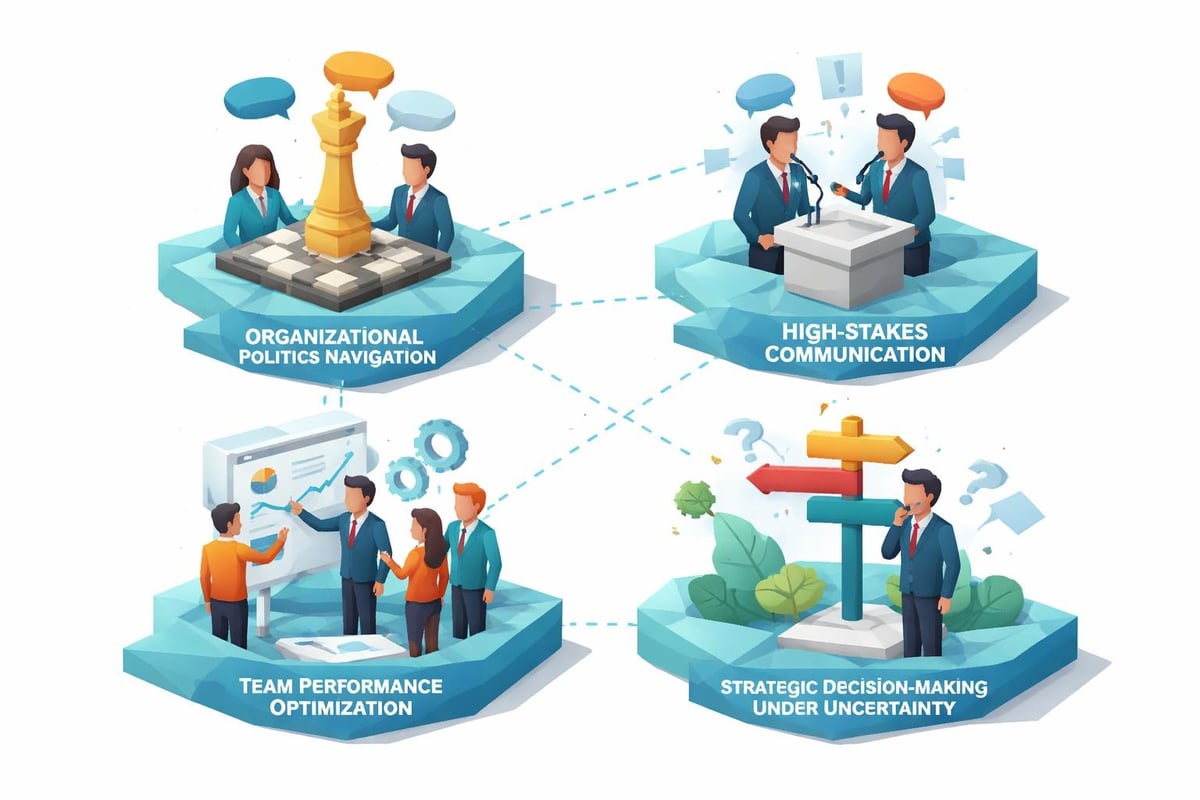
Local organizations increasingly recognize that generic leadership programs fail to address sector-specific influence challenges. Executive strategy and influence training in Dundee must account for stakeholder ecosystems unique to Scotland's regulatory environment, funding landscapes, and collaborative research models.

The Andrew J. Pyle platform provides valuable resources for executives seeking to understand how artificial intelligence reshapes strategic decision-making and influence patterns in modern organizations. AI-driven insights help leaders identify influence opportunities and optimize stakeholder engagement strategies.

Industry-Specific Training Applications

Different sectors require tailored influence approaches. Life sciences executives navigate regulatory stakeholders, research collaborators, and commercialization partners. Technology leaders influence investment committees, development teams, and market ecosystems. Understanding these distinctions proves essential for training effectiveness.

Life Sciences Sector:
Executive strategy and influence training emphasizes regulatory communication, research partnership development, and translational research advocacy. Leaders learn to influence funding decisions, navigate intellectual property discussions, and build collaborative frameworks across academic and commercial boundaries.

Technology and Digital Innovation:
Training focuses on investor relations, technical team alignment, and market positioning influence. Executives develop capabilities in articulating technical value to non-technical stakeholders, securing development resources, and positioning innovations within competitive landscapes.

Energy and Sustainability:
Influence training addresses policy advocacy, community stakeholder engagement, and regulatory navigation. Leaders master communicating complex environmental and economic impacts while building coalitions across public and private sector interests.

Programs through Wharton Executive Education on executive influence provide frameworks applicable across these sectors while requiring customization for specific organizational contexts.

Evidence-Based Training Methodologies

Effective executive strategy and influence training in Dundee employs validated methodologies that produce measurable behavioral change. The distinction between impactful programs and superficial interventions lies in pedagogical rigor and practical application frameworks.

Behavioral science research identifies specific mechanisms that drive influence capability development. Training programs incorporating deliberate practice, real-time feedback, and contextual application achieve superior outcomes compared to traditional lecture-based approaches.
The Precision Matching Advantage

Generic training cohorts dilute effectiveness by failing to account for individual leadership contexts, developmental readiness, and specific influence challenges. Precision matching pairs executives with coaches and training methodologies aligned to their unique requirements.

This approach examines executive baseline competencies, organizational influence dynamics, stakeholder complexity, and specific development goals. Executive coaching for C-suite professionals demonstrates how personalized development accelerates capability building compared to standardized programs.

Assessment tools identify specific influence gaps:

  1. Strategic Thinking Assessment – Evaluates ability to connect tactical actions with organizational strategy
  2. Stakeholder Intelligence Quotient – Measures stakeholder mapping sophistication and engagement effectiveness
  3. Communication Impact Analysis – Quantifies message clarity, persuasiveness, and audience adaptation
  4. Political Acuity Evaluation – Assesses organizational dynamics navigation and coalition building capability
  5. Executive Presence Inventory – Measures confidence projection, credibility establishment, and authority demonstration

Data from these assessments informs customized training pathways that address specific developmental priorities rather than applying one-size-fits-all curricula.

Executive assessment to training pathway

Neuroscience-Informed Practice Design

Modern executive strategy and influence training in Dundee incorporates neuroscience research on behavioral change, persuasion processing, and habit formation. Understanding how the brain processes influence attempts and forms new behavioral patterns enhances training effectiveness.

Spaced repetition techniques ensure skill retention beyond initial training interventions. Research demonstrates that executives participating in distributed practice sessions retain 58% more content six months post-training compared to concentrated workshop formats.

Contextual learning environments that simulate actual influence scenarios activate neural pathways more effectively than abstract discussions. Role-playing stakeholder negotiations, practicing difficult conversations, and rehearsing strategic presentations build neural connections that support real-world performance.

Building Sustainable Influence Capabilities

Short-term training interventions produce temporary skill improvements that decay without reinforcement systems. Sustainable executive development requires ongoing practice structures, peer accountability, and environmental supports.

Organizations implementing executive strategy and influence training in Dundee must design ecosystems that support continuous capability building. This includes establishing peer coaching networks, creating practice opportunities, and reinforcing desired behaviors through recognition systems.

Key ecosystem components:

  • Monthly peer coaching circles for skill reinforcement
  • Quarterly influence challenges with executive sponsorship
  • Real-time feedback systems during strategic initiatives
  • Mentorship pairings with high-influence executives
  • Digital learning platforms providing on-demand resources

Research from FIU’s executive presence and influence program confirms that ongoing reinforcement systems increase training ROI by 340% compared to standalone interventions.

The Role of Organizational Culture

Training effectiveness correlates directly with organizational culture alignment. Companies that value transparent communication, reward collaborative influence, and model strategic thinking from senior leadership achieve superior training outcomes.

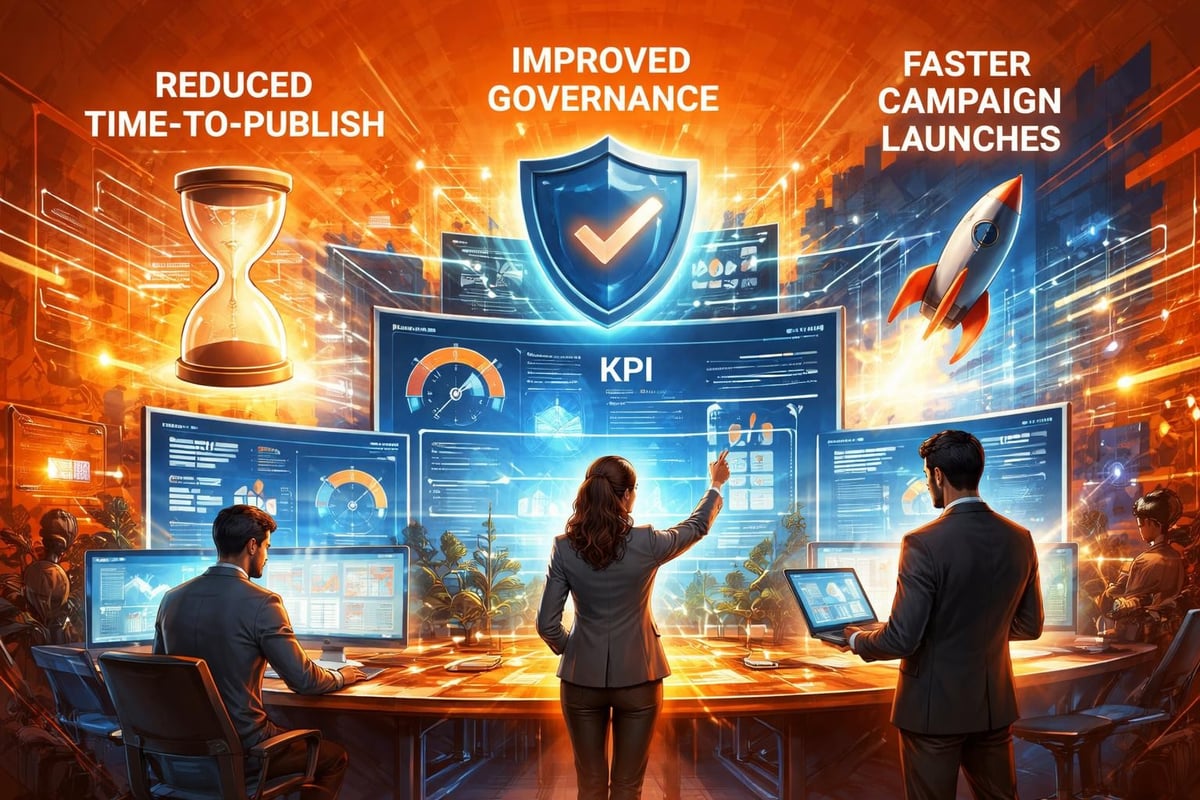
Addressing toxic leadership patterns becomes essential before implementing influence training. Executives developing influence capabilities within dysfunctional cultures face contradictory signals that undermine skill application.

Cultural assessment precedes effective training design. Organizations must evaluate whether their environments support the influence behaviors training aims to develop. This includes examining decision-making processes, meeting norms, communication patterns, and reward systems.

Strategic Implementation Frameworks

Deploying executive strategy and influence training in Dundee requires thoughtful implementation planning that sequences interventions, manages stakeholder expectations, and builds organizational readiness.

Successful implementations follow structured phases:

Implementation Phase Duration Key Activities Success Metrics
Assessment & Design 4-6 weeks Stakeholder interviews, competency assessment, curriculum customization Training plan approval, stakeholder alignment
Pilot Program 8-12 weeks Small cohort training, feedback collection, methodology refinement Participant satisfaction, initial skill gains
Scaled Deployment 6-12 months Full executive population training, peer learning networks, coaching support Competency improvements, behavioral changes
Sustainment Ongoing Refresher sessions, advanced modules, community of practice Long-term retention, business impact metrics

The GLOMACS executive influence and strategic stakeholder leadership course provides structured frameworks that can be adapted for organizational-specific implementation plans.

Governance and Compliance Considerations

Organizations subject to regulatory oversight or public accountability standards require training programs that meet compliance requirements while building practical capabilities. Executive strategy and influence training in Dundee must align with governance frameworks specific to regulated industries.

Documentation standards, assessment validation, and outcome reporting follow regulatory requirements applicable to professional development investments. This proves particularly relevant for public sector organizations, healthcare institutions, and financial services firms operating in Dundee's business ecosystem.

Compliance-aligned training includes:

  • Documented learning objectives tied to competency frameworks
  • Validated assessment instruments with established reliability
  • Transparent evaluation criteria and progression standards
  • Audit trails demonstrating training completion and skill development
  • Alignment with professional development requirements

Executive coaching packages designed for regulated industries incorporate these governance elements while maintaining development effectiveness.

Training governance framework

Return on Investment Calculation

Finance leaders and boards require clear ROI justification for executive strategy and influence training in Dundee investments. Quantifying returns requires tracking both direct financial impacts and indirect organizational benefits.

Direct financial impacts include:

  • Reduced project failure rates due to improved stakeholder alignment
  • Faster decision cycles resulting from enhanced executive influence
  • Increased strategic initiative success rates
  • Higher talent retention among high-potential leaders
  • Reduced conflict resolution costs

Indirect organizational benefits encompass:

  • Enhanced cross-functional collaboration effectiveness
  • Improved organizational agility and strategic responsiveness
  • Stronger leadership pipeline and succession readiness
  • Elevated employer brand and talent attraction capability
  • Increased innovation adoption rates

Conservative ROI calculations focus exclusively on quantifiable impacts. Organizations tracking project success rates before and after training interventions document average improvements of 23-31% in strategic initiative outcomes. When these projects represent multi-million pound investments, influence training ROI becomes compelling.

Cost Structure Analysis

Understanding executive strategy and influence training in Dundee cost structures enables effective budgeting and vendor comparison. Pricing models vary significantly based on customization depth, delivery format, and measurement sophistication.

Typical cost components include initial assessment fees, curriculum design expenses, facilitation costs, coaching support, measurement systems, and ongoing reinforcement activities. Organizations should evaluate total program costs rather than per-participant training fees to ensure comprehensive budget planning.

Understanding executive coaching costs provides frameworks for evaluating different investment levels and expected outcome differentials. Higher investment programs incorporating personalized coaching, sophisticated assessments, and extended reinforcement periods deliver superior outcomes justifying premium pricing.

Future Trends Shaping Influence Development

Executive strategy and influence training in Dundee continues evolving as organizational complexity increases and stakeholder ecosystems become more diverse. Emerging trends reshape how organizations approach influence capability development.

Artificial intelligence integration transforms influence training through personalized learning pathways, real-time performance feedback, and simulation-based practice environments. AI-powered platforms analyze communication patterns, identify influence opportunities, and recommend strategic intervention approaches tailored to specific stakeholder profiles.

Virtual reality applications create immersive practice environments where executives rehearse high-stakes influence scenarios without real-world consequences. VR-based stakeholder simulations build muscle memory for challenging conversations, negotiation tactics, and executive presence projection.

Neurofeedback technologies provide objective data on stress responses, confidence levels, and emotional regulation during influence attempts. Biometric monitoring helps executives understand physiological patterns that undermine influence effectiveness and develop self-regulation strategies.

Microlearning architectures deliver just-in-time influence strategies immediately before critical stakeholder interactions. Mobile-accessible content provides quick refreshers on persuasion frameworks, stakeholder analysis templates, and communication tactics precisely when executives need them.

These technological advances complement rather than replace human coaching relationships. The most effective executive strategy and influence training in Dundee programs blend technological innovation with expert guidance, peer learning, and real-world application.

Organizations exploring how AI impacts coaching effectiveness gain insights into optimal technology-human coaching integration models that maximize developmental impact while maintaining the relational depth essential for behavioral transformation.

Selecting the Right Training Partner

Organizations evaluating executive strategy and influence training in Dundee providers must assess multiple capability dimensions beyond marketing claims and pricing structures. Partner selection significantly impacts program effectiveness and organizational outcomes.

Critical evaluation criteria include:

  1. Evidence-based methodology – Training approaches grounded in behavioral science research and validated through outcome studies
  2. Sector expertise – Deep understanding of industry-specific influence dynamics and stakeholder ecosystems
  3. Assessment sophistication – Validated diagnostic tools that accurately identify developmental needs and measure progress
  4. Coaching network quality – Access to experienced executive coaches with relevant sector backgrounds and proven track records
  5. Customization capability – Willingness and ability to tailor programs to organizational contexts rather than delivering standardized curricula
  6. Measurement rigor – Robust systems for tracking behavioral change, business impact, and return on investment
  7. Ongoing support infrastructure – Resources beyond initial training interventions that sustain skill development

Exploring top executive coaching firms provides comparative frameworks for evaluating different providers against these criteria. Due diligence processes should include reference checks with similar organizations, review of actual assessment instruments, and examination of measurement methodologies.

Vendor partnerships function most effectively when organizations clearly articulate success criteria, provide transparent access to organizational dynamics, and commit resources necessary for effective implementation. Training providers cannot overcome organizational resistance, cultural misalignment, or inadequate executive sponsorship through superior methodology alone.


Executive strategy and influence training in Dundee represents a strategic investment that transforms organizational capability when implemented with precision and rigor. Organizations that approach this development systematically, measure outcomes rigorously, and create sustainable practice environments achieve measurable improvements in strategic execution and stakeholder engagement. Whether you're developing C-suite executives, building influence capabilities across leadership teams, or addressing specific strategic challenges, Noomii Leadership Coaching delivers evidence-based solutions matched precisely to your organizational needs. Our precision matching approach connects your leaders with certified coaches who possess the sector expertise and specialized capabilities necessary for transformative development, while our comprehensive measurement frameworks ensure accountability and demonstrate tangible ROI through every stage of the leadership journey, supported by proven methodologies from AccountabilityNow that reinforce sustainable behavioral change and strategic impact.

Career Change Coach: Transform Your Professional Path

Making a significant career shift can feel overwhelming, especially when you're juggling current responsibilities while exploring new opportunities. A career change coach serves as a strategic partner who brings structure, accountability, and proven frameworks to help professionals navigate transitions with confidence. Whether you're a mid-level manager considering a leadership role or an executive exploring entrepreneurship, working with the right coach can accelerate your timeline and reduce costly missteps.

Understanding the Role of a Career Change Coach

A career change coach specializes in guiding professionals through the complex process of transitioning between roles, industries, or entire career paths. Unlike general life coaches, these practitioners focus specifically on workplace transitions and professional development.

The best coaches bring objectivity to your situation when you're too close to see clearly. They ask difficult questions about your motivations, skills gaps, and readiness for change. Working with a career change coach provides expertise in market positioning, accountability for action steps, and confidence building during uncertain times.

Three Distinct Career Changer Profiles

Research shows that career changers typically fall into three categories, each requiring different coaching approaches. Explorers are in discovery mode, uncertain about their next direction and needing broad exposure to possibilities. Navigators have identified a target but need strategic guidance on the transition path. Creators are building something new, whether a business or a redefined role within their organization.

Understanding which persona describes your situation helps both you and your coach design the most effective engagement. An Explorer benefits from assessments and industry exposure, while a Navigator needs tactical planning and skill development support.

Three career transition personas

Key Benefits of Professional Career Transition Support

Expertise in market dynamics stands as a primary advantage when working with a seasoned coach. They understand hiring trends, salary benchmarks, and skill requirements across industries. This knowledge prevents you from pursuing outdated strategies or undervaluing your experience.

Personalized guidance tailored to your specific situation delivers faster results than generic advice. Your coach considers your financial constraints, family obligations, geographic preferences, and risk tolerance when developing your transition plan.

Consider these measurable outcomes:

  • Reduced transition timeline by 30-40% compared to solo navigation
  • Higher starting salaries through better negotiation preparation
  • Lower risk of false starts or premature departures
  • Expanded professional network through coach connections
  • Improved clarity on transferable skills and market positioning

Accountability mechanisms keep momentum when motivation wanes. A career change coach schedules regular check-ins, tracks progress against milestones, and challenges rationalizations that delay action. This structured support proves especially valuable for professionals accustomed to managing others but struggling with self-direction during uncertainty.

Selecting the Right Coach for Your Transition

Start your search by clarifying what type of support you need. Finding a career change coach begins with identifying whether you need industry-specific expertise, general transition methodology, or specialized support like executive positioning or entrepreneurship.

Selection Criteria What to Evaluate Red Flags
Relevant Experience Prior work in your target industry or transition type Only certification credentials, no real-world background
Methodology Clear process with defined phases and deliverables Vague promises of "transformation" without specifics
Success Stories Verifiable client outcomes with measurable results Generic testimonials without details
Business Model Transparent pricing and realistic timelines Pressure for long-term contracts upfront

Check credentials and success stories thoroughly before committing. Ask for client references, particularly those who made transitions similar to yours. Request specifics about their coaching process, typical engagement length, and how they measure success.

Look for coaches connected to reputable directories like Noomii, which vets practitioners and provides transparency about specializations and approaches. Quality platforms maintain standards that protect clients from ineffective or unethical practitioners.

Month-to-Month Flexibility vs. Long Contracts

The coaching industry has shifted toward more flexible arrangements as clients demand accountability tied to results rather than time served. Traditional six-month or year-long commitments made sense when coaching focused primarily on personal development without clear success metrics.

Modern career change coaching increasingly operates month-to-month, allowing both parties to evaluate progress and fit continuously. This model aligns incentives properly, the coach must deliver visible value each month to retain the engagement. For corporate settings, team coaching follows similar principles, tying continuation to measurable business outcomes.

Coaching engagement models comparison

Practical Steps in the Career Change Process

Your career change coach will guide you through several distinct phases, each building toward your transition goal. Assessment comes first, examining your skills, values, interests, and constraints. Quality coaches use structured tools rather than casual conversation to gather this intelligence.

Strategy development translates assessment insights into specific target roles, industries, or business concepts. This phase includes market research, competitive positioning, and gap analysis identifying skills or credentials you need to acquire.

  1. Complete comprehensive skills and values assessment
  2. Research target markets and validate assumptions
  3. Develop positioning strategy and personal brand
  4. Build or refresh professional network in target area
  5. Create tactical plan with weekly milestones
  6. Execute job search or business launch activities
  7. Negotiate offers and manage transition logistics

Execution support distinguishes exceptional coaches from adequate ones. Rather than ending the engagement once you have a plan, effective practitioners coach you through implementation challenges. They review application materials, conduct mock interviews, troubleshoot networking obstacles, and provide real-time guidance when opportunities arise.

Career ownership coaching emphasizes education, awareness, and discovery throughout this process, helping clients understand not just the "what" but the "why" behind each strategic choice.

Corporate Applications of Career Change Coaching

Organizations increasingly provide career change coaching for internal transitions, particularly when developing high-potential employees for leadership roles. A mid-level manager moving into a director position faces many of the same challenges as someone changing industries, different stakeholder expectations, new skill requirements, and identity shifts.

Leadership coaches working within corporate contexts help individuals navigate these transitions while delivering value to the organization. The coaching addresses both personal development and business outcomes, faster decision-making capability, improved communication effectiveness, and stronger team engagement.

Measuring ROI in Professional Transitions

Smart organizations and individuals track specific metrics to validate coaching investments:

  • Time to productivity in the new role compared to historical averages
  • Retention rates for coached vs. uncoached transitions
  • Performance ratings in first 6-12 months post-transition
  • Network expansion measured by meaningful professional connections
  • Compensation outcomes relative to market benchmarks

Forward-thinking companies tie coaching engagements to these metrics through aligned incentive structures, ensuring both coach and organization share accountability for results.

Career coaching ROI metrics

Alternative Support Models for Career Transitions

While one-on-one coaching delivers the most personalized support, other models suit different budgets and needs. Group coaching programs reduce cost while maintaining expert guidance, though with less individual attention. These work well for common transitions like first-time management or industry entry.

Peer accountability groups facilitated by a coach provide middle-ground options. Participants benefit from diverse perspectives and shared experiences while still accessing professional guidance on methodology and strategy. Tools like AI for career coaching supplement human support with on-demand resources and practice environments.

Some professionals combine approaches, using intensive one-on-one coaching for strategy development then shifting to group support or accountability partnerships for execution phases. This hybrid model optimizes investment while maintaining momentum.

The career transition landscape continues evolving as professionals expect more changes throughout their working lives. Multiple career transitions have become the norm rather than the exception, making expertise in change navigation an increasingly valuable capability.


Working with a qualified career change coach transforms uncertainty into strategic action, reducing transition time while improving outcomes. Whether you're an individual professional exploring your next chapter or an organization developing internal talent, structured coaching support delivers measurable value. Noomii connects professionals with vetted coaches who bring practical expertise and proven methodologies to career transitions, ensuring your investment produces visible results from the first month forward.

Executive Growth Coaching for Startup Founders in Sydney

Sydney's startup ecosystem has matured dramatically over the past decade, with the city now ranking among the top 20 global startup hubs. Yet even the most innovative founders face a common challenge: the leadership skills that launched their ventures often fall short when scaling operations. Executive growth coaching for startup founders in Sydney has emerged as a critical intervention, bridging the gap between entrepreneurial instinct and enterprise-level leadership capability. This specialized coaching addresses the unique pressures of the Australian market while preparing founders for global expansion.

Why Sydney Founders Need Specialized Executive Coaching

Sydney's startup landscape presents distinct challenges that generic leadership programs fail to address. The city's geographic isolation, concentrated venture capital networks, and regulatory environment create specific pressure points for scaling companies.

The Scaling Leadership Gap

Most founders possess exceptional product vision and technical expertise. They excel at identifying market opportunities and building initial teams. However, executive coaching helps startup CEOs navigate the transition from scrappy founder to strategic executive as their organizations grow.

The demands shift dramatically at different scaling stages:

  • Seed to Series A: Building foundational processes while maintaining startup agility
  • Series A to B: Implementing middle management layers and delegating operational control
  • Series B and beyond: Establishing executive presence for board governance and institutional partnerships

Founder leadership challenges across funding stages

Executive growth coaching for startup founders in Sydney becomes essential when these transitions occur. Without targeted intervention, founders often default to familiar patterns that worked at earlier stages but create bottlenecks as teams expand.

Decision Fatigue in High-Growth Environments

Sydney founders face compressed decision timelines compared to their counterparts in Silicon Valley or London. The smaller investor pool means fewer opportunities to secure follow-on funding, intensifying pressure to demonstrate rapid traction.

This environment breeds decision fatigue. Founders report making hundreds of consequential choices weekly, from product roadmap prioritization to talent acquisition in Australia's competitive tech labor market. Executive coaches provide structured frameworks for decision-making that preserve cognitive resources for truly strategic choices.

The Evidence-Based Approach to Founder Development

Effective executive growth coaching for startup founders in Sydney relies on validated assessment tools rather than generic advice. The most impactful programs begin with comprehensive leadership diagnostics that establish baseline capabilities.

Leadership Assessment Frameworks

Evidence-based coaching starts with objective measurement across multiple dimensions:

Assessment Category What It Measures Application for Founders
Behavioral Patterns Decision-making styles, stress responses Identifies blind spots in high-pressure situations
Emotional Intelligence Self-awareness, relationship management Improves team dynamics and investor relations
Strategic Thinking Systems thinking, long-term planning Enhances product vision and market positioning
Communication Style Influence patterns, stakeholder engagement Strengthens board presentations and team alignment

These diagnostics reveal specific development areas rather than offering one-size-fits-all solutions. A technical founder struggling with delegation requires different interventions than a charismatic CEO who avoids difficult conversations.

Precision Matching to Sydney's Ecosystem

The effectiveness of executive growth coaching for startup founders in Sydney depends heavily on coach selection. Founders benefit most from coaches who understand the Australian startup ecosystem's nuances, including ESIC regulations, R&D tax incentive navigation, and ASX listing considerations.

Specialized matching algorithms evaluate multiple compatibility factors:

  • Industry expertise: SaaS, fintech, healthtech, and deep tech sectors have distinct scaling challenges
  • Founder background: Technical versus commercial founders face different leadership development paths
  • Company stage: Pre-revenue, growth-stage, and pre-IPO companies require stage-appropriate coaching
  • Cultural alignment: Coach methodology must match founder learning preferences and organizational culture

This precision approach delivers measurably better outcomes than random coach assignment. Research indicates properly matched coaching relationships achieve 73% higher goal attainment rates.

Addressing Critical Leadership Challenges

Sydney founders encounter recurring leadership obstacles as they scale. Executive coaching provides targeted interventions for the most common growth impediments.

Building High-Performance Executive Teams

First-time founders often struggle to recruit and manage executives more experienced than themselves. This dynamic creates anxiety around authority and decision-making hierarchy.

Understanding founder coaching principles helps address this challenge systematically. Coaches work with founders to:

  1. Define executive role clarity and accountability structures
  2. Establish decision-making frameworks that balance founder vision with executive expertise
  3. Create feedback mechanisms that maintain healthy team dynamics
  4. Navigate difficult conversations around performance and cultural fit

Sydney's limited executive talent pool intensifies these challenges. Founders compete for the same experienced operators, making retention critical. Executive growth coaching for startup founders in Sydney includes specific strategies for creating compelling executive value propositions beyond equity packages.

Navigating Investor Relationships

Australian venture capital dynamics differ significantly from North American markets. Sydney founders typically interact with a concentrated group of institutional investors who maintain long-term relationships across multiple portfolio companies.

This intimacy creates unique pressures:

Board management becomes particularly complex when investors sit across multiple competitive portfolio companies. Founders must balance transparency with strategic confidentiality while demonstrating leadership credibility to increasingly sophisticated investors.

Executive coaches help founders develop board-level communication strategies that build confidence without overselling. They practice difficult conversations around missed targets, pivot decisions, and additional capital requirements in low-stakes environments before critical board meetings.

Investor relationship management framework

Managing Personal Growth Alongside Company Growth

The psychological demands of startup leadership often blindside technical founders. Sydney's startup community, while supportive, can create isolation for founders whose companies outpace their peer networks.

Executive coaches provide confidential spaces where founders process the emotional complexity of rapid scaling. This includes imposter syndrome, relationship strain from work intensity, and identity transitions as the founder role evolves.

Executive growth coaching for startup founders in Sydney addresses whole-person development, recognizing that personal resilience directly impacts organizational performance. Coaches help founders establish sustainable practices around energy management, boundary setting, and support network development.

Measurable Outcomes from Strategic Coaching Interventions

Organizations investing in executive coaching expect demonstrable returns. The most effective programs establish clear metrics aligned with business objectives.

Defining Success Metrics

Executive growth coaching for startup founders in Sydney should target specific, measurable improvements:

  • Team retention rates: Reduction in executive and key talent turnover
  • Decision velocity: Time reduction for strategic decision implementation
  • Stakeholder confidence: Improved board satisfaction scores and investor feedback
  • Revenue efficiency: Customer acquisition cost improvements and sales cycle compression
  • Cultural health: Employee engagement scores and values alignment metrics

These KPIs translate coaching interventions into business language that boards and investors understand. Rather than abstract leadership development, they demonstrate concrete organizational impact.

Tracking Leadership Growth Over Time

Effective coaching programs include structured reassessment protocols. Initial diagnostic results establish baselines, with quarterly reviews measuring progress against development goals.

Coaching Phase Duration Focus Areas Success Indicators
Foundation Months 1-3 Self-awareness, feedback integration Behavioral assessment improvements
Skill Building Months 4-6 Specific competency development Applied capability in work contexts
Integration Months 7-9 Habit formation, system creation Sustained behavioral change
Mastery Months 10-12 Advanced application, coaching others Organizational culture shifts

This phased approach ensures coaching delivers lasting transformation rather than temporary performance boosts. Sydney founders report that the most valuable coaching outcomes emerge in months 6-9, when new behaviors become automatic.

The Sydney Advantage in Executive Development

While founders can access remote coaching from anywhere globally, Sydney-based executive growth coaching for startup founders in Sydney offers distinct advantages for local company leaders.

Local Network Integration

Sydney coaches embedded in the startup ecosystem provide connections beyond coaching sessions. They facilitate introductions to potential executives, advisors, and strategic partners within their professional networks.

This ecosystem integration accelerates founder development through peer learning opportunities. Coaches often connect clients with other founders navigating similar challenges, creating informal support networks that persist beyond formal coaching engagements.

Understanding Australian Market Dynamics

International coaches may excel at general leadership development but miss crucial local context. Australian employment law, enterprise sales cycles to government and corporate buyers, and ASX reporting requirements all influence how founders should develop leadership capabilities.

Executive coaching specifically designed for startup environments recognizes these market-specific factors. Sydney-based coaches help founders build leadership approaches that work within Australian business culture while preparing for international expansion.

Sydney startup ecosystem advantages

Flexible Engagement Models

Sydney founders operate under intense time constraints. Effective executive growth coaching for startup founders in Sydney adapts to demanding schedules rather than imposing rigid structures.

Common engagement formats include:

  • Intensive sprint sessions: Full-day or multi-day immersive workshops during critical inflection points
  • Regular cadence coaching: Weekly or biweekly sessions maintaining consistent development momentum
  • On-demand advisory: Responsive support during crisis moments or major decisions
  • Hybrid programs: Combination approaches that flex with company demands

This flexibility ensures coaching delivers value despite the unpredictable nature of startup operations. Founders can intensify support during fundraising or major pivots, then reduce frequency during stable execution periods.

Selecting the Right Coaching Partner

Not all executive coaching delivers equivalent value. Sydney founders should evaluate potential coaches using rigorous selection criteria.

Essential Coach Qualifications

Beyond general coaching credentials, look for specific attributes:

Startup Experience: Coaches with direct operating experience in high-growth companies understand the unique pressures founders face. Former founders, early employees at successful startups, or executives who've navigated multiple scaling journeys bring credible insights.

Sector Expertise: Industry-specific knowledge matters significantly. A coach with deep SaaS expertise may struggle to support a biotech founder navigating regulatory pathways and clinical trial management.

Cultural Alignment: Coaching methodology should match founder learning preferences. Some founders thrive with directive, advice-heavy coaching. Others prefer facilitative approaches that develop internal problem-solving capabilities.

Evidence-Based Practice: Effective coaches ground interventions in validated frameworks rather than personal anecdotes. Look for certifications from recognized bodies and familiarity with current leadership research.

Evaluating Coaching Chemistry

Technical qualifications matter, but coaching effectiveness depends heavily on relationship quality. Understanding what executive coaching offers helps founders ask informed questions during selection conversations.

Schedule exploratory sessions with multiple potential coaches. Evaluate:

  1. Psychological safety: Do you feel comfortable sharing authentic challenges?
  2. Challenge level: Does the coach push your thinking without creating defensiveness?
  3. Practical application: Do conversations generate actionable insights?
  4. Strategic perspective: Does the coach understand your business model and growth strategy?

The right coach creates productive tension, balancing support with accountability. They celebrate progress while maintaining high standards for development.

Integration with Organizational Development

Individual founder coaching delivers maximum impact when integrated with broader organizational leadership development.

Cascading Leadership Development

As founders strengthen their own capabilities through executive growth coaching for startup founders in Sydney, they should simultaneously develop their leadership teams. This cascading approach creates cultural consistency and amplifies coaching ROI.

Organizational integration includes:

  • Extending coaching access to C-level executives and key managers
  • Establishing shared leadership frameworks across the organization
  • Creating feedback cultures that normalize development conversations
  • Aligning individual development goals with strategic priorities

Companies that invest in multilevel coaching report 2.5x higher retention rates among high-potential leaders and faster organizational capability building.

Building Internal Coaching Capabilities

Mature startups benefit from developing internal coaching capabilities alongside external partnerships. Founders who've experienced executive coaching can apply those frameworks when developing their own teams.

This includes training managers in coaching-based leadership approaches, creating mentorship programs that leverage coaching techniques, and establishing peer coaching pods within the organization. These internal capabilities extend coaching benefits throughout the company without proportional cost increases.

Future-Proofing Leadership for Scale

The most forward-thinking executive growth coaching for startup founders in Sydney prepares leaders for future challenges, not just current obstacles.

Anticipating Next-Stage Leadership Demands

Effective coaches help founders develop capabilities before they're urgently needed. This proactive approach prevents leadership from becoming a scaling bottleneck.

Pre-Series B founders should develop:

  • Board governance skills and fiduciary understanding
  • Media training and public communication capabilities
  • M&A evaluation and integration expertise
  • International expansion leadership approaches

Pre-IPO founders require:

  • Public company governance and compliance frameworks
  • Analyst relations and public market communication
  • Institutional investor relationship management
  • Executive succession planning capabilities

By building these capabilities early, founders avoid scrambling to develop critical skills during high-pressure transitions.

Adaptive Leadership for Uncertainty

Sydney's startup ecosystem will continue evolving with technological disruption, regulatory changes, and market dynamics. Executive coaching should develop adaptive capacity, not just specific skills.

This means cultivating:

  • Meta-learning abilities: How to rapidly acquire new capabilities as contexts shift
  • Resilience practices: Maintaining performance under sustained uncertainty
  • Systems thinking: Understanding complex interdependencies in growing organizations
  • Inclusive leadership: Building diverse, high-performing teams in competitive talent markets

These foundational capabilities serve founders across multiple business contexts and lifecycle stages, delivering enduring value beyond immediate challenges.


Executive growth coaching for startup founders in Sydney represents a strategic investment in organizational capability and founder wellbeing. The combination of evidence-based assessment, precision coach matching, and Sydney ecosystem expertise creates transformative development outcomes. Whether you're navigating your first scaling challenge or preparing for international expansion, structured coaching interventions accelerate leadership development while reducing costly mistakes. The Noomii Leadership Coaching program delivers tailored coaching solutions that align with your growth objectives, connecting you with certified executive coaches who understand the unique demands of startup leadership. Combined with proven frameworks from accountability specialists, these comprehensive approaches ensure sustainable leadership development that drives long-term organizational success.

Office Management Course Online: Build Leaders Who Execute

Office administrators and managers face mounting pressure in 2026. They coordinate multiple teams, juggle competing priorities, and serve as the operational backbone of growing businesses. Yet traditional training often falls short, delivering generic theory without practical application. An office management course online should equip professionals with skills that translate directly to measurable business outcomes, not just certifications that gather dust on LinkedIn profiles.

The best training programs bridge the gap between administrative competence and strategic leadership. They teach managers how to coach their teams, establish clear accountability frameworks, and drive execution across competing initiatives. This approach transforms office managers from task coordinators into influential leaders who elevate organizational performance.

The Evolution of Office Management Training

Traditional office management education focused heavily on software proficiency, filing systems, and basic communication protocols. These fundamentals remain important, but modern businesses demand more sophisticated competencies from their administrative leaders.

Today's effective office manager must understand KPI tracking, team dynamics, conflict resolution, and strategic planning. They need to facilitate cross-functional collaboration, manage remote teams, and adapt quickly to changing business priorities. Practical strategies in team building, goal setting, and leadership development now form the core of comprehensive training programs.

Skills That Drive Business Results

When evaluating an office management course online, prioritize programs that emphasize:

  • Accountability frameworks that tie daily tasks to quarterly business objectives
  • Communication strategies for managing up, down, and across organizational structures
  • Time management systems that protect high-value activities from constant interruptions
  • Decision-making protocols that accelerate progress without creating bottlenecks
  • Team coaching techniques that develop self-sufficient contributors

Office management competency framework

These competencies separate administrative coordinators from strategic business partners. The difference shows up in retention rates, project completion velocity, and team engagement scores.

Choosing Training That Matches Your Business Context

Mid-market companies face unique challenges when developing office management talent. Unlike enterprise organizations with dedicated training departments, companies with 25 to 500 employees need flexible, results-oriented programs that don't require lengthy commitments or extensive time away from daily responsibilities.

Look for training options that offer month-to-month engagement rather than multi-year contracts. The best programs demonstrate value quickly through visible improvements in workflow efficiency, communication clarity, and team accountability. Leadership coaches who work directly within your operational cadence deliver faster skill transfer than purely theoretical coursework.

Comparing Online Training Approaches

Training Type Time Investment Application Speed ROI Visibility
Self-paced certification 40-80 hours 3-6 months Low
Live virtual workshops 12-24 hours 4-8 weeks Medium
Embedded coaching Ongoing 2-4 weeks High
Hybrid programs 30-50 hours 6-10 weeks Medium-High

Self-paced programs like those offered through Alison’s office management courses provide flexibility but require strong self-discipline and lack personalized application to your specific business context. Embedded coaching delivers faster results because it addresses real challenges in real time, though it requires greater organizational commitment.

Building Managers Who Coach Their Teams

The most valuable skill an office manager can develop is the ability to coach rather than simply direct. Managers who coach create self-sufficient teams that solve problems independently, escalate appropriately, and maintain momentum without constant supervision.

This coaching capability doesn't emerge from reading management theory. It develops through practice, feedback, and modeling. Programs that include live observation and in-meeting coaching accelerate this skill development significantly.

Core Coaching Competencies for Office Managers

  1. Active listening that uncovers root causes rather than surface symptoms
  2. Powerful questioning that guides team members to their own solutions
  3. Constructive feedback delivery that maintains relationships while driving improvement
  4. Goal-setting frameworks that connect individual tasks to team objectives
  5. Accountability conversations that maintain standards without micromanaging

Team coaching and facilitation expertise transforms office dynamics. Managers who master these skills report higher engagement scores, lower turnover, and faster onboarding for new team members.

Coaching conversation framework

Integrating Training With Operational Excellence

An office management course online delivers maximum value when integrated with your existing operational systems rather than treated as a separate initiative. Training should enhance your current processes, not create parallel workflows that compete for attention.

Consider programs that incorporate your actual KPI scorecards, meeting cadences, and priority frameworks into the learning process. This integration ensures skills transfer directly to daily work. Business development coaching approaches often include this operational alignment as a core methodology.

Measuring Training Impact

Track specific metrics before and after implementing new office management training:

  • Decision velocity (average time from issue identification to resolution)
  • Meeting effectiveness (percentage of meetings that achieve stated objectives)
  • Project completion rates (on-time delivery percentage)
  • Employee engagement scores (quarterly pulse surveys)
  • Administrative cycle times (how long routine processes take)
  • Cross-functional collaboration quality (peer feedback ratings)

These measurements reveal whether training translates to business outcomes or merely checks compliance boxes. Accountability frameworks from sources like AccountabilityNow help establish baseline metrics and track improvement trajectories.

Advanced Skills for Strategic Office Leaders

Once core competencies are established, advanced office managers should develop strategic capabilities that position them as true business partners. These include financial acumen, change management expertise, and organizational design understanding.

Edoxi’s comprehensive training program covers modules on customer service excellence and advanced communication techniques that support this strategic evolution. The strongest programs combine these elements with real business application rather than theoretical case studies.

Technology and Workflow Optimization

Modern office management requires comfort with:

  • Project management platforms that maintain visibility across multiple initiatives
  • Communication tools that reduce email volume while improving clarity
  • Automation systems that eliminate repetitive manual tasks
  • Data analytics that inform resource allocation decisions
  • Collaboration software that supports hybrid and remote work models

Training should go beyond tool tutorials to address workflow design principles. Understanding when to automate, when to delegate, and when to handle tasks personally represents sophisticated judgment that separates effective managers from overwhelmed coordinators.

Workflow optimization decision tree

Developing Your Office Management Talent Pipeline

For growing companies, one-time training events won't build sustainable administrative excellence. You need a talent development system that continuously elevates office management capabilities as your business scales.

Development Stage Focus Areas Duration Expected Outcomes
Foundation Basic systems, communication 3 months Consistent execution
Intermediate Team coordination, prioritization 6 months Independent problem-solving
Advanced Strategic planning, coaching 9-12 months Business partnership
Leadership Change management, cross-functional influence Ongoing Organizational impact

This progression requires consistent support, not just periodic training events. Monthly coaching conversations, quarterly skill assessments, and ongoing access to expertise maintain development momentum. Programs offering flexible engagement models adapt as your managers advance through these stages.


Choosing an office management course online requires focusing on practical application over theoretical credentials. The best training develops coaching capabilities, establishes accountability frameworks, and integrates directly with your operational systems to deliver visible results within weeks rather than months. If you want office managers who drive measurable business outcomes through stronger leadership and cleaner execution, Noomii provides embedded coaching that works within your meetings and ties directly to your KPIs, with month-to-month terms that align our success with yours.

Executive Productivity Coaching Aberdeen | Time Management

Aberdeen's business landscape demands exceptional leadership, particularly in the energy, maritime, and professional services sectors that define the city's economic identity. Senior executives face mounting pressure to deliver results while navigating complex organizational dynamics, regulatory requirements, and competitive market forces. This environment makes executive productivity and time management coaching in Aberdeen not just beneficial but essential for leaders seeking sustainable performance improvements.

Understanding the Executive Time Crisis

The modern executive's calendar has become a battlefield where strategic priorities clash with operational demands. Research demonstrates that senior leaders spend an average of 23 hours per week in meetings, leaving minimal time for deep strategic thinking. Aberdeen executives face additional pressures from global operations, time-zone coordination, and sector-specific compliance requirements that fragment attention and erode productivity.

Key time drains for Aberdeen executives include:

  • Excessive meeting commitments with minimal return on investment
  • Reactive email management consuming 28% of the average workday
  • Context-switching penalties reducing cognitive performance by up to 40%
  • Strategic planning deferred in favor of urgent operational issues
  • Poor delegation practices creating bottlenecks and team dependencies

The financial impact of these inefficiencies extends beyond individual performance. When C-suite leaders operate in reactive mode, organizational agility suffers, innovation stalls, and employee engagement declines. Executive coaching for C-suite professionals addresses these systemic challenges through structured interventions that align daily activities with strategic objectives.

Executive time allocation framework

The Science Behind Productivity Coaching

Executive productivity and time management coaching in Aberdeen relies on evidence-based methodologies validated through organizational psychology and behavioral science. Unlike generic time management training, professional coaching creates personalized frameworks that account for individual leadership styles, organizational contexts, and sector-specific demands.

Cognitive Load Management

Effective coaching addresses the mental burden executives carry. The average senior leader makes approximately 35,000 decisions daily, each depleting cognitive resources. Research on evidence-based time management strategies confirms that structured decision-making frameworks reduce mental fatigue and improve judgment quality.

Coaches implement several cognitive optimization techniques:

  1. Decision batching to minimize context-switching costs
  2. Energy mapping to align high-stakes activities with peak performance windows
  3. Cognitive offloading through systematic documentation and delegation protocols
  4. Strategic buffering to protect deep work periods from interruptions
  5. Recovery planning that prevents burnout and sustains long-term performance

Behavioral Architecture

The most effective coaching programs don't just provide techniques; they redesign the environmental and systemic factors that shape executive behavior. This includes calendar architecture, communication protocols, and team interaction patterns that either enable or undermine productivity.

Productivity Dimension Traditional Approach Coaching-Led Transformation
Meeting Management Attend all scheduled meetings Selective participation based on value creation
Email Processing Continuous monitoring throughout day Scheduled batching with clear response protocols
Strategic Thinking Squeezed between operational tasks Protected time blocks with accountability measures
Delegation Ad hoc assignment of tasks Systematic capability building and ownership transfer
Energy Management Work until exhaustion Intentional recovery and performance cycling

Aberdeen's Unique Leadership Context

The city's economic foundation in energy, maritime operations, and professional services creates distinct challenges for executive productivity. Aberdeen leaders frequently manage geographically distributed teams, coordinate across multiple time zones, and navigate regulatory frameworks that demand precision and documentation.

These factors make executive productivity and time management coaching in Aberdeen particularly valuable. Executive coaches in Aberdeen understand local business culture, sector-specific pressures, and the relationship dynamics that characterize successful organizations in the region.

Sector-specific productivity challenges include:

  • Energy executives managing operational complexity during industry transition
  • Maritime leaders coordinating safety protocols across international operations
  • Professional services partners balancing client delivery with business development
  • Technology leaders scaling operations while maintaining innovation velocity
  • Public sector administrators navigating bureaucratic requirements with limited resources

The economic shifts affecting Aberdeen since 2026 have intensified these pressures. Organizations that previously relied on abundant resources now demand exceptional efficiency from leadership teams.

The Coaching Engagement Framework

Professional executive productivity and time management coaching in Aberdeen follows a structured methodology that delivers measurable outcomes. This framework begins with comprehensive assessment and progresses through intervention design, implementation support, and sustained accountability.

Diagnostic Phase

Effective coaching starts with evidence, not assumptions. Initial diagnostics examine how executives currently allocate time, where productivity leaks occur, and which behavioral patterns undermine effectiveness. Assessment tools include:

  • Time-use audits capturing actual activity patterns over 2-4 weeks
  • Energy mapping identifying peak performance windows and depletion triggers
  • Stakeholder feedback revealing how leadership behaviors impact team productivity
  • Priority alignment analysis comparing stated objectives with time allocation
  • Decision-making reviews assessing quality, speed, and delegation patterns

These diagnostics often reveal significant gaps between executive intentions and actual behaviors. The CEO energy audit framework provides a systematic approach to identifying misalignments between calendar commitments and strategic value creation.

Intervention Design

Following assessment, coaches collaborate with executives to design targeted interventions. These aren't generic productivity hacks but customized systems aligned with leadership responsibilities, organizational culture, and personal working styles.

Core intervention categories include:

  1. Calendar architecture redesign: Restructuring time allocation to protect strategic priorities
  2. Communication protocol optimization: Establishing clear boundaries and response expectations
  3. Decision-making frameworks: Implementing systematic approaches that reduce cognitive load
  4. Delegation systems: Building team capabilities while freeing executive capacity
  5. Meeting governance: Creating standards that maximize value and minimize waste

Time management intervention process

Evidence-Based Time Management Strategies

The most effective executive productivity and time management coaching in Aberdeen draws on validated strategies rather than trendy productivity fads. Research consistently demonstrates that certain approaches deliver superior results for senior leaders.

Priority Management Over Time Management

Executives don't suffer from insufficient time; they struggle with unclear priorities and weak boundaries. Time management strategies for executives emphasize ruthless prioritization over attempting to do everything faster.

The Eisenhower Matrix provides a foundational framework, categorizing activities across urgency and importance dimensions. However, executive coaching extends this concept by examining:

  • Strategic impact: Which activities create disproportionate value?
  • Unique contribution: What can only this executive accomplish?
  • Opportunity cost: What strategic work gets displaced by lower-value activities?
  • Team development: Which tasks build capabilities when delegated?
  • Energy alignment: Do high-stakes activities occur during peak performance windows?

The Myth of Multitasking

Productivity research definitively demonstrates that multitasking reduces executive effectiveness. Research on executive time management confirms that context-switching between tasks creates cognitive penalties that reduce both speed and quality.

Effective coaching establishes single-tasking protocols that protect attention and enable deep work. This includes:

  • Time blocking for focused work on complex challenges
  • Communication boundaries that prevent constant interruption
  • Meeting consolidation to create uninterrupted work periods
  • Technology management reducing notification-driven distraction
  • Transition rituals that enable mental context shifting between activities

Energy Management as Productivity Foundation

Traditional time management treats all hours equally. Executive coaching recognizes that cognitive performance varies significantly throughout the day. Aligning high-stakes activities with peak energy periods dramatically improves outcomes.

The principles of time and energy management for C-suite leaders emphasize understanding individual energy patterns and designing work accordingly. This includes identifying ultradian rhythms, recognizing cognitive depletion signals, and implementing strategic recovery practices.

Measuring Coaching Impact

Organizations investing in executive productivity and time management coaching in Aberdeen demand demonstrable returns. Effective programs establish clear metrics that track both behavioral changes and business outcomes.

Leading Indicators

These metrics measure the behavioral shifts that drive productivity improvements:

Metric Category Measurement Approach Target Improvement
Calendar Quality Percentage of time in strategic vs. operational activities 40%+ shift to strategic focus
Meeting Efficiency Average participants, duration, and documented outcomes 30% reduction in meeting time
Response Latency Time to decision on critical issues 50% faster decision cycles
Delegation Rate Percentage of tasks appropriately assigned to team members 25% increase in effective delegation
Protected Time Weekly hours in uninterrupted deep work blocks 10+ hours of protected strategic time

Lagging Indicators

These outcomes demonstrate the business impact of improved executive productivity:

  • Strategic initiative completion rates and timeline adherence
  • Team engagement scores reflecting improved leadership presence
  • Revenue per executive hour in client-facing roles
  • Innovation pipeline velocity and quality
  • Executive stress indicators and sustainable performance patterns

The case study on executive coaching for time management illustrates how systematic coaching interventions produce measurable improvements across both productivity metrics and leadership effectiveness.

Coaching ROI measurement

Implementation Best Practices

Successful executive productivity and time management coaching in Aberdeen requires more than excellent coaching; it demands organizational support and sustained commitment. Implementation failures typically result from environmental obstacles rather than individual motivation deficits.

Creating Organizational Alignment

Executive behavior change occurs within organizational systems that either support or undermine new practices. Effective implementation addresses:

Cultural factors: Does the organization value strategic thinking or reward constant availability? Leadership modeling from the C-suite establishes norms that either enable or prevent productivity improvements.

Structural barriers: Do meeting practices, communication expectations, and reporting requirements support or sabotage time management? Organizational redesign often accompanies individual coaching.

Team dynamics: How do colleagues and direct reports respond to changed executive availability? Managing expectations and building new interaction patterns prevents resistance.

Technology as Enabler, Not Solution

Productivity tools proliferate, yet executive effectiveness often declines. Coaching helps leaders implement technology strategically rather than adopting every new platform.

Effective technology practices include:

  1. Calendar blocking tools that protect strategic time and enforce boundaries
  2. Task management systems aligned with delegation and follow-up protocols
  3. Communication platforms with clear usage guidelines and response expectations
  4. Analytics dashboards tracking time allocation and meeting efficiency
  5. Automated workflows reducing administrative burden on executive attention

The key principle: technology should reduce cognitive load, not increase it. Each new tool must demonstrate clear value that exceeds implementation and maintenance costs.

The Role of Accountability

Executive productivity and time management coaching in Aberdeen succeeds when accountability mechanisms sustain behavioral changes beyond the coaching engagement. Without structured accountability, executives revert to reactive patterns under pressure.

Peer Accountability Networks

Many organizations establish executive peer groups where leaders share productivity commitments and progress. This approach leverages social accountability while creating forums for sharing effective practices.

Coach-Led Accountability

Regular coaching sessions create structured checkpoints for reviewing time-use data, assessing progress against productivity goals, and addressing obstacles. The accountability relationship helps executives maintain focus on long-term effectiveness rather than short-term urgency.

System-Embedded Accountability

The most sustainable accountability comes from redesigned organizational systems. When meeting protocols, communication standards, and decision-making frameworks align with productivity principles, the environment reinforces desired behaviors.

Organizations seeking comprehensive support find that team coaching approaches extend individual executive development into collective leadership effectiveness, creating accountability through shared commitment to productivity standards.

Addressing Common Obstacles

Even committed executives encounter obstacles when implementing productivity improvements. Professional coaching anticipates and addresses these challenges systematically.

The Availability Expectation

Many executives believe constant availability demonstrates commitment and leadership. This misconception creates accessibility patterns that prevent deep work and strategic thinking. Coaching helps leaders distinguish between productive availability and performative presence.

Strategies include:

  • Establishing clear communication protocols with defined response timeframes
  • Creating alternative escalation paths for genuine emergencies
  • Demonstrating through results that focused work produces better outcomes
  • Building team capability to handle issues independently
  • Setting organizational expectations through leadership modeling

Delegation Resistance

Executives often struggle to delegate effectively, either micromanaging or avoiding delegation entirely. This bottleneck prevents both executive productivity and team development.

Coaching addresses delegation through:

  1. Capability assessment identifying team members ready for expanded responsibility
  2. Delegation frameworks ensuring clear ownership, expectations, and support
  3. Follow-up protocols that provide accountability without micromanagement
  4. Confidence building through progressive delegation of increasing complexity
  5. Recovery planning when delegated tasks don't meet expectations

Decision Fatigue

The volume of decisions facing executives creates cognitive depletion that undermines judgment quality. Time management best practices emphasize reducing decision load through systematic approaches.

Effective techniques include:

  • Decision frameworks that provide clear criteria and processes
  • Threshold policies that delegate routine decisions to established standards
  • Batch processing of similar decisions to leverage cognitive efficiency
  • Strategic deferral of non-urgent decisions to prevent premature commitment
  • Energy-aligned scheduling placing critical decisions during peak performance windows

Selecting the Right Coach

The quality of coaching directly determines outcomes. Executive productivity and time management coaching in Aberdeen varies significantly in methodology, expertise, and effectiveness. Selecting the right coach requires examining specific criteria beyond credentials and testimonials.

Relevant Expertise

Effective coaches understand both productivity science and the specific context where executives operate. For Aberdeen leaders, this includes familiarity with sector dynamics, organizational cultures, and the unique pressures facing regional businesses.

Questions to evaluate expertise:

  • What experience does the coach have with executives in similar industries?
  • How does their methodology incorporate evidence-based productivity research?
  • Can they provide case studies demonstrating measurable outcomes?
  • Do they understand the organizational systems that enable or prevent behavior change?
  • What assessment tools and accountability mechanisms do they employ?

Coaching Philosophy and Approach

Coaching philosophies range from directive advice-giving to purely facilitative exploration. Executive productivity coaching typically requires a balanced approach combining expert frameworks with personalized adaptation.

The most effective coaches bring structured methodologies while remaining flexible enough to customize based on individual needs. They challenge executives to examine assumptions while respecting the complex realities leaders navigate.

Organizational Integration

Coaching shouldn't exist in isolation from organizational development. The best coaches collaborate with HR teams, align with leadership development initiatives, and address systemic factors affecting executive productivity.

Programs like those offered through Noomii Leadership Coaching integrate individual executive coaching with broader organizational development, ensuring that productivity improvements align with strategic objectives and cultural evolution.

Beyond Individual Productivity

While executive productivity and time management coaching in Aberdeen focuses on individual leaders, the ultimate goal extends to organizational effectiveness. When senior leaders optimize time allocation, the benefits cascade throughout the organization.

Organizational impacts include:

  • Improved decision quality and speed as leaders engage strategic issues with adequate focus
  • Enhanced team performance as executives delegate effectively and remove bottlenecks
  • Stronger organizational culture as leadership modeling establishes productivity norms
  • Increased innovation capacity as protected strategic thinking time generates new approaches
  • Better talent retention as employees experience engaged, present leadership

This systemic perspective distinguishes professional coaching from productivity training. The objective isn't cramming more activities into executive calendars but fundamentally transforming how leaders create value for their organizations.

Organizations addressing broader leadership challenges find that productivity coaching often reveals deeper issues around toxic leadership patterns, team dynamics, or strategic clarity that require comprehensive intervention.

Sustaining Long-Term Performance

The true test of executive productivity and time management coaching in Aberdeen comes months after the formal engagement concludes. Sustainable performance requires building habits, systems, and organizational conditions that maintain effectiveness under pressure.

Habit Formation

Behavioral science demonstrates that habit formation requires consistent practice over extended periods. Coaches support executives through the challenging transition from conscious effort to automatic behavior.

This involves:

  1. Starting with keystone habits that create cascading improvements
  2. Building implementation intentions that link behaviors to specific contexts
  3. Creating environmental cues that trigger desired actions
  4. Establishing accountability mechanisms that sustain commitment
  5. Celebrating progress milestones that reinforce motivation

Continuous Improvement

Productivity optimization isn't a one-time project but an ongoing discipline. Effective executives establish regular review practices examining time allocation, assessing effectiveness, and adjusting approaches based on changing priorities.

Quarterly productivity audits help leaders identify drift back toward reactive patterns and recommit to strategic focus. Annual comprehensive reviews assess whether productivity systems still align with evolving organizational demands and personal responsibilities.

Organizational Evolution

As organizations grow and markets shift, executive productivity requirements change. Coaching relationships often evolve into ongoing partnerships where periodic engagements address new challenges and optimize approaches for changing contexts.

This sustained partnership model recognizes that leadership development continues throughout executive careers. The frameworks and disciplines established through initial coaching provide foundation for ongoing refinement and adaptation.


Executive productivity and time management coaching delivers transformative results for Aberdeen leaders willing to examine how they allocate their most valuable resource. The combination of evidence-based frameworks, personalized intervention design, and sustained accountability creates lasting improvements that benefit both individual executives and their organizations. Whether you're navigating sector transitions, scaling operations, or seeking to maximize leadership impact, professional coaching provides the structure and support necessary for meaningful change. The Noomii Leadership Coaching program connects executives with certified coaches who bring sector expertise, validated methodologies, and proven track records of improving leadership effectiveness. For leaders committed to excellence and seeking expert guidance, exploring coaching options through resources like https://accountabilitynow.net/ can provide the accountability systems that sustain long-term performance improvements.

Training and Development in HRM: A Strategic Guide

Training and development in hrm has evolved from checkbox exercises and generic workshops to strategic interventions that directly impact business performance. Mid-market companies no longer have the luxury of treating employee development as a separate HR function disconnected from revenue, retention, and operational efficiency. Instead, organizations that win in 2026 integrate learning initiatives with clear business outcomes, measurable progress indicators, and accountability mechanisms that prove ROI. This shift requires HR leaders to think beyond traditional training models and embrace approaches that tie skill-building directly to the metrics that matter most.

The Business Case for Strategic Training and Development

Organizations investing in training and development programs report measurable improvements in employee engagement, productivity, and retention rates. Yet many companies still struggle to connect these investments to bottom-line results.

The problem lies not in the concept but in execution. Generic leadership seminars, one-size-fits-all courses, and certification-obsessed programs fail because they ignore the specific challenges each business faces. Training and development in hrm must start with diagnosis: what specific gaps in leadership capability, communication effectiveness, or execution discipline are preventing your organization from hitting its targets?

Training needs assessment framework

Linking Learning Initiatives to Performance Metrics

Effective training programs establish clear connections between development activities and business outcomes. This means defining success metrics before launching any initiative.

Consider these performance indicators:

  • Decision velocity: Time required for cross-functional decisions to move from discussion to action
  • Manager coaching frequency: Number of documented coaching conversations per direct report per month
  • Execution consistency: Percentage of quarterly priorities completed on time and on budget
  • Retention of high performers: Turnover rate among top 20% of contributors year over year

When you design training interventions around these specific metrics, you create accountability that generic programs cannot match. Leadership coaches who understand this principle work backward from your KPIs to build development plans that move those numbers.

Modern Approaches That Replace Traditional Methods

Traditional training relied heavily on classroom sessions, lengthy presentations, and theoretical frameworks disconnected from daily work. Modern training and development integrates learning into workflow through live coaching, real-time feedback, and immediate application.

Traditional Approach Modern Methodology Business Impact
Annual leadership retreat Monthly live coaching in actual meetings Immediate behavior change in real situations
Generic management course Customized manager training tied to specific team challenges Faster skill application and measurable improvement
Personality assessment with report 360 leadership assessment with action planning and follow-up Accountability for closing identified gaps

The difference becomes clear when you observe results. Companies using live coaching interventions see behavioral shifts within weeks rather than months because learning happens in context, not in isolation.

Building Manager Capability Through Embedded Coaching

The most critical development opportunity in most organizations involves teaching managers how to coach their own teams. Research from Lumen Learning’s HRM course materials demonstrates that manager quality directly predicts employee engagement and retention.

Training and development in hrm should prioritize manager skill-building in these areas:

  1. Conducting effective one-on-one conversations that drive accountability
  2. Delivering feedback that changes behavior rather than damaging relationships
  3. Setting clear expectations with measurable outcomes
  4. Coaching for problem-solving instead of providing all the answers
  5. Creating psychological safety while maintaining high standards

Organizations working with team coaches who model these skills in actual management meetings accelerate development exponentially. Managers learn by watching skilled coaches facilitate their own meetings, then practice with support before operating independently.

Measuring ROI and Establishing Accountability

The persistent challenge with training and development in HRM involves proving value. Companies spend millions on learning initiatives without establishing baseline metrics or tracking improvement over time.

Training ROI measurement framework

Start by establishing clear baselines before any intervention. Document current performance across your chosen metrics, whether that involves decision-making speed, manager coaching frequency, or employee engagement scores. Then track monthly progress throughout the development program.

Creating Sustainable Development Systems

One-time training events produce temporary enthusiasm but rarely create lasting change. Sustainable development requires embedded systems that reinforce learning over time through structured platforms like those found in comprehensive HR training programs.

Effective systems include:

  • Operating cadence: Regular meeting rhythms where teams practice new skills and review progress against KPIs
  • Accountability mechanisms: Clear ownership for specific outcomes with visible tracking
  • Feedback loops: Structured processes for gathering input, adjusting approaches, and measuring improvement
  • Leadership modeling: Senior leaders demonstrating desired behaviors consistently

Organizations that build these systems into their culture see training and development efforts compound over time rather than fading after initial implementation. For businesses looking to establish accountability frameworks that stick, resources like AccountabilityNow.net provide additional frameworks for maintaining focus on results.

Customization Versus Cookie-Cutter Programs

The training industry generates billions in revenue by selling standardized programs designed to fit every organization. This approach fails because it ignores the specific context, challenges, and culture of each business.

Training and development in hrm delivers results when customized to address your unique situation. A manufacturing company struggling with cross-functional collaboration needs different interventions than a software company dealing with rapid growth and role clarity issues.

Customization requirements include:

  • Industry-specific examples that resonate with your team's daily reality
  • Company-specific metrics that align with your strategic priorities
  • Cultural context that acknowledges your organization's history and communication norms
  • Realistic timelines that respect your business cycles and operational constraints

Working with practitioners who invest time understanding your business before prescribing solutions ensures relevance and increases adoption rates dramatically.

Flexible Engagement Models for Mid-Market Companies

Mid-market organizations need development support but cannot commit to rigid long-term contracts that lock them into relationships regardless of results. According to analysis of modern training approaches, flexible month-to-month arrangements with clear performance metrics create alignment between providers and clients.

Flexible coaching engagement model

This model benefits organizations by:

  • Eliminating financial risk from unproven relationships
  • Creating mutual accountability for measurable progress
  • Allowing scaling up or down based on business needs
  • Focusing both parties on rapid results rather than contract fulfillment

Companies can test approaches, validate results, and expand investment only after seeing clear evidence of impact.


Effective training and development in HRM transforms from cost center to competitive advantage when tied to measurable business outcomes and delivered through practical, embedded coaching rather than theoretical programs. If your mid-market company needs leadership development, manager training, or team coaching that delivers visible results without long-term contracts, Noomii connects you with coaches who work inside your business, track progress against your KPIs, and share accountability for outcomes. Month-to-month terms mean you stay because results are clear, not because contracts force it.

Executive Coaching for High-Stress Roles in Glasgow

Glasgow's thriving business landscape demands exceptional leadership under constant pressure. From financial services in the city center to healthcare administration across the Greater Glasgow region, executives face relentless demands that test their capacity for strategic thinking, emotional regulation, and sustained performance. The combination of rapid organizational change, stakeholder expectations, and personal accountability creates an environment where traditional leadership approaches often fall short. This reality has driven organizations to seek targeted interventions that address both performance optimization and psychological wellbeing through executive coaching for high-stress roles in Glasgow.

The Unique Pressure Landscape for Glasgow Executives

Leadership in Glasgow presents distinctive challenges that separate it from other UK markets. The city's diverse economic base spans manufacturing, technology, professional services, and public sector organizations, each with sector-specific pressures that compound general executive stress.

Financial services leaders navigate regulatory scrutiny while maintaining growth targets in competitive markets. Healthcare executives manage resource constraints, staff wellbeing concerns, and performance metrics that directly impact patient outcomes. Technology sector leaders balance innovation demands with talent retention in a market where skilled professionals command premium compensation packages.

Industry-Specific Stressors in the Glasgow Market

Healthcare and Public Sector Leadership:

  • Budget limitations requiring creative resource allocation
  • Public accountability standards with transparent performance reporting
  • Staff morale management during periods of organizational transformation
  • Regulatory compliance across multiple frameworks

Financial Services and Professional Services:

  • Quarterly performance expectations with immediate stakeholder visibility
  • Client relationship management across increasingly complex portfolios
  • Technology integration while maintaining service continuity
  • Competitive talent markets driving retention concerns

Manufacturing and Industrial Leadership:

  • Supply chain disruption management requiring rapid strategic pivots
  • Workforce transitions as automation reshapes operational models
  • Environmental compliance with evolving sustainability standards
  • International competition pressures on margin preservation

High-stress leadership challenges across Glasgow industries

These pressures create cumulative stress loads that traditional management development programs fail to address. Research demonstrates that executive coaching reduces burnout across professions by providing personalized strategies that account for individual circumstances and organizational contexts.

How Executive Coaching Addresses High-Stress Leadership

Executive coaching for high-stress roles in Glasgow delivers measurable impact through structured interventions that target both immediate challenges and long-term resilience building. Unlike generic leadership training, coaching provides individualized support that acknowledges the specific pressures facing each executive.

Evidence-Based Approaches to Stress Management

The most effective coaching programs combine behavioral science, organizational psychology, and practical business strategy. This integration creates sustainable change that extends beyond temporary stress relief to fundamental leadership transformation.

Coaching Component Stress Management Impact Business Performance Benefit
Cognitive Reframing Reduces anxiety response to challenges Improves decision quality under pressure
Energy Management Protocols Prevents physical and emotional depletion Sustains peak performance during critical periods
Strategic Prioritization Eliminates overwhelm from competing demands Focuses resources on highest-impact activities
Communication Optimization Reduces conflict-driven stress Strengthens team alignment and execution

These interventions address the root causes of executive stress rather than merely treating symptoms. Executive coaching prevents leadership burnout by building resilience capacities that enable leaders to maintain effectiveness through sustained organizational challenges.

The Glasgow Advantage: Local Context with Global Expertise

Organizations implementing executive coaching for high-stress roles in Glasgow benefit from coaches who understand regional business dynamics while bringing international best practices. This combination proves particularly valuable for executives managing local operations within multinational corporations or navigating distinctly Scottish regulatory environments.

Local coaches recognize the cultural nuances that influence leadership effectiveness in Glasgow. They understand the collaborative business culture, the importance of community connections in professional services, and the unique dynamics of managing teams with strong regional identity alongside global operational requirements.

Identifying When Executives Need Coaching Intervention

Recognizing the signals that indicate coaching intervention becomes necessary protects organizational performance and executive wellbeing. Many organizations wait until crisis points emerge rather than implementing proactive support systems that prevent deterioration.

Performance Indicators Requiring Immediate Attention

Decision-Making Patterns:

  • Increased decision avoidance or excessive delegation without strategic rationale
  • Analysis paralysis when facing complex choices with incomplete information
  • Impulsive decisions driven by stress rather than strategic consideration
  • Difficulty distinguishing between urgent and important priorities

Behavioral Changes:

  • Withdrawal from previously valued professional relationships
  • Increased irritability or defensiveness during routine interactions
  • Reduced engagement in strategic thinking activities
  • Physical manifestations including disrupted sleep patterns or energy fluctuations

Team Impact Signals:

  • Declining engagement scores from direct reports
  • Increased turnover within the executive's immediate team
  • Communication breakdowns creating operational inefficiencies
  • Cultural deterioration reflected in team dynamics and collaboration

Organizations that monitor these indicators systematically can implement coaching interventions before performance degradation creates broader organizational consequences. Mental wellness strategies through executive coaching prove most effective when deployed proactively rather than reactively.

Warning signs for executive stress intervention

Structured Coaching Programs for Sustainable Results

Effective executive coaching for high-stress roles in Glasgow follows structured methodologies that ensure measurable progress toward defined objectives. Random coaching conversations produce inconsistent results, while systematic approaches create sustainable transformation.

The Diagnostic Phase: Understanding Individual Stress Profiles

Before intervention begins, comprehensive assessment identifies the specific stressors, behavioral patterns, and organizational factors influencing each executive's experience. This diagnostic precision ensures coaching addresses actual challenges rather than assumed problems.

Assessment tools evaluate:

  1. Leadership behavioral patterns under stress conditions
  2. Cognitive processing styles affecting decision-making quality
  3. Emotional regulation capacities influencing interpersonal effectiveness
  4. Energy management practices determining sustainable performance levels
  5. Organizational context factors amplifying or mitigating stress impact

Similar approaches used in executive coaching for C-suite professionals demonstrate how personalized diagnostics create foundation for targeted interventions.

Building Resilience Through Targeted Interventions

Following diagnostic assessment, coaching develops customized intervention plans addressing identified priorities. These plans typically span three to twelve months depending on complexity and organizational context.

Phase One: Immediate Stress Reduction (Weeks 1-4)

  • Crisis management protocols for urgent situations
  • Energy restoration practices establishing baseline capacity
  • Communication frameworks reducing interpersonal friction
  • Quick-win identification building confidence and momentum

Phase Two: Pattern Transformation (Months 2-4)

  • Cognitive reframing techniques addressing limiting beliefs
  • Strategic prioritization systems focusing effort on impact
  • Boundary establishment protecting recovery time
  • Delegation optimization distributing workload effectively

Phase Three: Sustainable Leadership Integration (Months 5-6+)

  • Leadership identity refinement aligning role with values
  • Organizational culture influence expanding positive impact
  • Succession planning developing future leaders
  • Continuous improvement frameworks maintaining progress

The ROI of Executive Coaching in High-Stress Environments

Organizations investing in executive coaching for high-stress roles in Glasgow demand demonstrable returns that justify resource allocation. The financial case for coaching extends beyond individual executive performance to broader organizational impact.

Quantifiable Business Outcomes

Retention Economics:
Replacing senior executives costs organizations between 150% and 300% of annual compensation when accounting for recruitment expenses, productivity losses during transitions, and institutional knowledge departure. Executive coaching that prevents burnout-driven turnover delivers immediate ROI through retention alone.

Performance Optimization:
Research on effective coaching outcomes documents average productivity improvements between 25% and 40% for coached executives, translating directly to enhanced organizational results.

Team Productivity Multiplier:
Executive stress cascades through organizations, reducing team performance by 15% to 25% according to employee engagement research. Coaching that stabilizes executive functioning prevents this broader productivity degradation.

Metric Category Without Coaching With Structured Coaching Percentage Improvement
Executive Retention Rate (3-year) 65% 89% +37%
Decision Quality Score 72/100 91/100 +26%
Team Engagement Level 58% 76% +31%
Strategic Initiative Success Rate 54% 78% +44%

Broader Organizational Health Impact

Beyond individual executive metrics, coaching investments improve organizational culture, leadership pipeline strength, and institutional resilience. These benefits compound over time as coached executives model healthy leadership patterns and develop others using similar frameworks.

Organizations implementing comprehensive coaching programs report reduced conflict escalation, improved cross-functional collaboration, and enhanced innovation capacity. These cultural shifts create competitive advantages particularly valuable in Glasgow's collaborative business environment.

ROI metrics for executive coaching programs

Selecting the Right Coaching Partner for Glasgow Organizations

The executive coaching market offers varying quality levels, methodologies, and specialization areas. Organizations must evaluate potential partners systematically to ensure alignment with specific needs and cultural requirements.

Critical Selection Criteria

Industry Expertise and Context Understanding:
Coaches serving Glasgow executives should demonstrate familiarity with relevant sectors, regulatory environments, and regional business dynamics. Generic coaching knowledge proves insufficient when addressing industry-specific stressors.

Evidence-Based Methodology:
Effective coaching programs ground interventions in behavioral science research rather than relying solely on anecdotal approaches. Understanding what makes coaching actually work requires methodology transparency and theoretical foundation.

Measurable Outcomes Focus:
Professional coaching relationships establish clear success metrics at engagement outset, enabling objective progress evaluation. These metrics should align with both individual development goals and organizational performance requirements.

Confidentiality and Ethics Standards:
Executive coaching addresses sensitive leadership challenges requiring absolute confidentiality. Partners must demonstrate robust ethical frameworks protecting client privacy while maintaining appropriate organizational transparency.

Matching Executives with Specialized Coaches

Executive coaching for high-stress roles in Glasgow benefits from precision matching that considers individual executive needs, learning styles, and specific challenge areas. Organizations like Noomii Leadership Coaching employ sophisticated matching algorithms ensuring optimal coach-client partnerships based on experience, expertise, and compatibility factors.

Effective matching considers:

  • Functional background alignment between coach experience and executive role
  • Leadership challenge specialization matching coach expertise to specific issues
  • Communication style compatibility enabling productive coaching relationships
  • Developmental stage appropriateness reflecting executive career phase
  • Cultural sensitivity requirements for diverse leadership teams

Integration with Broader Leadership Development Systems

Executive coaching for high-stress roles in Glasgow delivers maximum value when integrated with comprehensive leadership development frameworks rather than implemented as isolated intervention. This integration creates reinforcement loops that accelerate transformation and embed new practices within organizational systems.

Complementary Development Components

Leadership Assessment Programs:
Regular assessment using validated instruments provides objective progress tracking and identifies emerging development needs before they create performance challenges. These assessments should evaluate technical competencies, emotional intelligence capacities, and strategic thinking capabilities.

Peer Learning Networks:
Executives benefit from confidential peer forums where they share challenges, exchange perspectives, and learn from colleagues facing similar pressures. These networks reduce isolation and provide reality-testing opportunities for strategies developed through coaching.

Organizational Culture Initiatives:
Individual coaching produces limited impact when organizational culture actively undermines healthy leadership practices. Effective programs address both individual capacity building and systemic culture transformation. Organizations struggling with toxic leadership patterns require comprehensive interventions addressing individual behaviors and enabling organizational systems.

Succession Planning Integration:
Coaching investments should connect explicitly with succession planning processes, ensuring developed executives progress toward expanded responsibilities while building bench strength for critical roles.

Supporting Mental Wellness Through Executive Coaching

High-stress leadership roles create psychological pressures requiring explicit mental wellness support beyond traditional performance coaching. Executive counseling and coaching for high-pressure leaders addresses psychological patterns that undermine effectiveness while building resilience capacities that enable sustained performance.

The Mental Health Imperative in Leadership

Glasgow executives face mounting mental health challenges as organizational complexity increases and work-life boundaries blur. The stigma historically associated with executive mental health support has decreased substantially, creating opportunities for proactive intervention that prevents crisis situations.

Common Mental Health Challenges:

  • Anxiety disorders triggered by sustained high-stakes decision-making
  • Depression resulting from isolation and relentless performance pressure
  • Sleep disruption affecting cognitive function and emotional regulation
  • Substance use patterns developing as coping mechanisms

Professional coaching addresses these challenges through integrated approaches combining performance optimization with psychological wellbeing support. Coaches recognize when issues require clinical intervention and facilitate appropriate referrals while maintaining support for leadership effectiveness.

Building Psychological Resilience

Executive coaching for high-stress roles in Glasgow develops specific psychological capacities enabling leaders to maintain effectiveness through adversity:

Emotional Regulation:

  • Recognizing emotional patterns before they drive counterproductive behaviors
  • Creating pause between stimulus and response during high-pressure situations
  • Developing healthy processing strategies for negative emotions
  • Building positive emotional experiences that counterbalance stress

Cognitive Flexibility:

  • Challenging automatic negative thought patterns undermining confidence
  • Developing multiple perspectives on complex challenges
  • Reducing catastrophic thinking that amplifies stress responses
  • Strengthening optimism grounded in realistic assessment

Self-Compassion:

  • Reducing perfectionism that creates unrealistic performance standards
  • Treating personal mistakes with learning orientation rather than harsh judgment
  • Acknowledging limitations without diminishing ambition
  • Celebrating progress rather than focusing exclusively on remaining gaps

These psychological capacities create foundation for sustainable high performance while protecting executive wellbeing. Organizations investing in this holistic approach report reduced burnout, improved retention, and enhanced leadership quality across their talent pipeline.

Measuring Coaching Impact: Key Performance Indicators

Demonstrating coaching effectiveness requires systematic measurement using indicators that capture both individual transformation and organizational impact. Executive coaching for high-stress roles in Glasgow should establish measurement frameworks before engagement begins, enabling objective progress evaluation.

Individual Executive Metrics

  1. Stress Response Indicators: Self-reported stress levels, physiological markers, and behavioral pattern changes
  2. Decision Quality Measures: Strategic decision outcomes, decision velocity, and stakeholder satisfaction with choices
  3. Leadership Effectiveness Scores: 360-degree feedback ratings, team engagement levels, and direct report retention
  4. Work-Life Integration: Time allocation patterns, recovery practice adherence, and boundary maintenance
  5. Personal Wellbeing Markers: Energy levels, sleep quality, relationship satisfaction, and health indicators

Organizational Performance Indicators

Indicator Category Baseline Measurement Target Improvement Actual Result (6 months)
Executive Retention Annual turnover rate Reduce by 25% Reduced by 32%
Team Productivity Output per team member Increase by 15% Increased by 21%
Engagement Scores Annual survey results Improve by 10 points Improved by 14 points
Strategic Initiative Success Project completion rate Improve by 20% Improved by 28%

These metrics provide objective evidence of coaching impact, supporting continued investment and program refinement. Organizations should review measurement data quarterly, adjusting coaching interventions based on progress and emerging needs.

The Future of Executive Support in Glasgow

Executive coaching for high-stress roles in Glasgow continues evolving as workplace demands intensify and leadership expectations expand. Forward-thinking organizations recognize that sustained competitive advantage requires investments in leader resilience, adaptability, and psychological wellbeing alongside traditional competency development.

Emerging trends shaping executive coaching include:

Technology-Enhanced Coaching:
Digital platforms providing between-session support, progress tracking, and on-demand resource access supplement traditional coaching conversations. These tools extend coaching impact while maintaining the human relationship essential for transformation.

Team-Based Interventions:
Organizations increasingly complement individual executive coaching with team coaching addressing collective dynamics, communication patterns, and collaborative effectiveness. This dual approach optimizes both individual and team performance.

Preventive Wellness Focus:
Rather than implementing coaching reactively when crisis emerges, leading organizations establish ongoing coaching relationships providing continuous support through changing organizational demands. This preventive approach maintains executive effectiveness while preventing stress accumulation.

Data-Driven Personalization:
Advanced assessment technologies enable increasingly precise intervention targeting based on individual stress profiles, learning preferences, and specific challenge characteristics. This personalization accelerates progress and improves outcome consistency.

Glasgow organizations that embrace these evolving approaches position themselves advantageously in competitive talent markets while building leadership capacity that drives sustained organizational success.


Executive coaching for high-stress roles in Glasgow transforms how leaders navigate complexity, maintain wellbeing, and drive organizational performance under demanding conditions. The evidence demonstrates that structured coaching interventions deliver measurable returns through improved retention, enhanced decision quality, and strengthened team performance. Organizations seeking to address leadership challenges with precision should explore comprehensive coaching solutions that combine evidence-based diagnostics, specialized expertise matching, and measurable outcome tracking. For those working with organizations like AccountabilityNow who understand the importance of sustainable leadership development, Noomii Leadership Coaching provides the structured framework, global coach network, and proven methodologies that transform executive effectiveness across industries and organizational sizes.