
Executive Strategy and Leadership in Hamburg 2026
Hamburg stands as Germany's second-largest city and a powerhouse of international business, logistics, and innovation. In this dynamic metropolitan environment, organizations face increasingly complex leadership challenges that demand sophisticated solutions. Executive strategy and leadership improvement in Hamburg has evolved beyond traditional training programs into a precision-driven discipline that combines behavioral science, strategic thinking, and measurable outcomes to transform organizational performance at every level.
The Hamburg Business Landscape and Leadership Demands
Hamburg's economy encompasses diverse sectors from maritime trade and logistics to media, technology, and renewable energy. This diversity creates unique leadership requirements that differ significantly from other German business centers.
Organizations operating in Hamburg must navigate multiple challenges simultaneously. Leaders balance global competition with regional talent retention, digital transformation with traditional business relationships, and rapid innovation cycles with compliance requirements. The Hamburg School of Business Administration’s Department of Strategy & Leadership addresses these contemporary corporate management challenges through research and education focused on digitalization and strategic leadership.
Key leadership competencies required in Hamburg's market include:
- Strategic agility in volatile international markets
- Cross-cultural team management across European operations
- Data-driven decision-making frameworks
- Stakeholder alignment in complex organizational structures
- Change management during digital transformation initiatives

Why Traditional Leadership Development Falls Short
Standard leadership training programs typically deliver generic content that fails to address organization-specific challenges. A two-day seminar on communication skills cannot resolve entrenched toxic leadership patterns or strengthen executive decision-making in high-stakes situations.
Hamburg organizations increasingly recognize that sustainable leadership improvement requires individualized intervention. This realization drives demand for executive strategy and leadership improvement in Hamburg that delivers measurable results rather than surface-level engagement.
Evidence-Based Diagnostic Approaches
Effective leadership development begins with comprehensive assessment. Organizations cannot improve what they cannot measure accurately.
Advanced diagnostic tools identify specific behavioral patterns, decision-making tendencies, and interpersonal dynamics that impact organizational performance. These assessments move beyond personality inventories to examine actual leadership behaviors in real workplace contexts.
| Assessment Type | What It Measures | Business Application |
|---|---|---|
| 360-Degree Feedback | Leadership effectiveness from multiple perspectives | Identifies blind spots and perception gaps |
| Behavioral Analysis | Decision-making patterns and stress responses | Improves executive judgment under pressure |
| Team Dynamics Mapping | Collaboration effectiveness and communication flows | Enhances cross-functional performance |
| Cultural Health Indicators | Organizational climate and engagement levels | Predicts retention and innovation capacity |
The diagnostic phase establishes baseline metrics that enable organizations to track improvement over time. Without this foundation, leadership development becomes subjective and difficult to justify from an ROI perspective.
Precision Matching for Maximum Impact
Generic coach assignment undermines program effectiveness. A coach specializing in conflict resolution brings different value than one focused on strategic thinking or operational excellence.
Executive strategy and leadership improvement in Hamburg demands sophisticated matching algorithms that consider industry experience, leadership challenges, personality compatibility, and organizational culture. This precision approach ensures leaders work with coaches who understand their specific context and can address their unique development needs.
Organizations addressing toxic leadership patterns require coaches experienced in behavioral intervention and organizational psychology. Companies focused on strategic transformation need coaches with proven track records in change management and competitive positioning. The Henley Business School’s Executive Certificate in Leadership program emphasizes strategic thinking and effective decision-making, demonstrating how targeted development enhances leadership capabilities in rapidly changing organizations.
Strategic Leadership Development in Practice
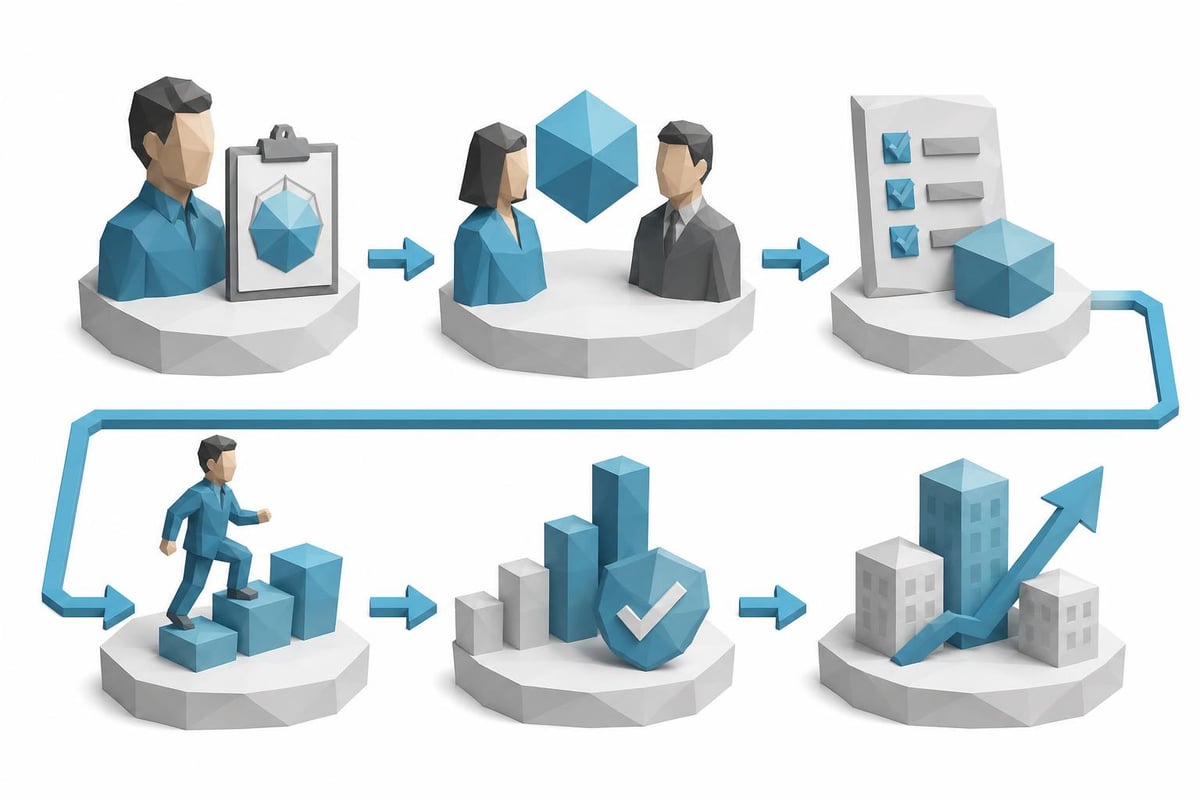
Implementation separates successful programs from expensive experiments. Executive strategy and leadership improvement in Hamburg requires structured intervention plans that integrate with daily business operations rather than existing as separate activities.
Effective programs incorporate:
- Clear developmental objectives aligned with organizational strategy and individual career trajectories
- Structured coaching sessions scheduled consistently to build momentum and accountability
- Real-world application projects where leaders practice new skills in actual business situations
- Progress measurement systems that track behavioral changes and business outcomes
- Stakeholder communication protocols ensuring organizational support and reinforcement
Addressing Complex Leadership Challenges
Hamburg organizations frequently encounter leadership situations that resist simple solutions. A senior executive demonstrating micromanagement tendencies may be responding to legitimate governance concerns while simultaneously undermining team autonomy. A leadership team struggling with strategic alignment may reflect deeper organizational structure issues rather than interpersonal conflict.
Sophisticated executive strategy and leadership improvement in Hamburg recognizes these complexities and develops multi-layered intervention strategies. Leadership coaching services tailored to organizational context deliver superior results compared to off-the-shelf programs.
Coaches work with leaders to identify root causes rather than treating symptoms. This diagnostic rigor prevents wasted effort on superficial fixes that fail to create lasting change. When organizations invest in understanding whether executive coaching actually works, they discover that methodology and implementation quality determine outcomes far more than program duration or intensity.
Building Organizational Leadership Capacity
Individual executive development creates limited impact unless embedded within broader organizational systems. Executive strategy and leadership improvement in Hamburg increasingly focuses on building collective leadership capacity across management levels.
Organizations achieve sustainable results by developing leadership pipelines rather than isolated high-performers. This systems approach ensures consistent leadership quality as executives advance, transition, or depart.
Scalable Solutions for Enterprise Organizations
Fortune 500 companies and large government agencies require leadership development solutions that scale across geographic regions, business units, and organizational levels. Managing executive coaching packages for hundreds of leaders demands robust program management infrastructure.
Technology platforms enable consistent delivery while maintaining personalization. Automated matching algorithms process complex criteria to pair each leader with appropriate coaching resources. Progress tracking systems aggregate individual data into organizational dashboards that inform strategic decisions.
Digital workplace solutions like those provided by workcentrix GmbH support collaborative leadership development by creating integrated platforms where coaching resources, assessment tools, and progress documentation remain accessible and secure. Their expertise in digital workplace optimization and document management helps organizations implement leadership development infrastructure that scales efficiently.
The Management Centre Europe’s program on Managing People & Strategic Planning demonstrates how structured curricula combined with practical application develops strategic planning and team management capabilities essential for leadership in complex environments.
Measuring Leadership Development ROI
Executive development represents significant organizational investment. CFOs and boards increasingly demand evidence that leadership programs deliver quantifiable returns.
Measurement frameworks must capture both direct and indirect value creation:
- Direct metrics include promotion rates, retention of high-potential leaders, reduced turnover costs, and faster time-to-productivity for new executives
- Indirect metrics encompass team engagement scores, innovation output, strategic initiative success rates, and cultural health indicators
Organizations tracking business coaching ROI discover that well-designed programs generate returns of 3-7x within 18 months. These returns manifest through improved decision quality, enhanced team performance, reduced conflict-related productivity loss, and accelerated strategic execution.
Compliance and Governance Alignment
Hamburg organizations operating in regulated industries face additional leadership development requirements. Financial services firms must ensure executive coaching aligns with conduct risk frameworks. Healthcare organizations need leadership development that reinforces patient safety cultures. Government agencies require coaching that supports public service values and accountability standards.
Executive strategy and leadership improvement in Hamburg addresses these compliance dimensions through:
- Coach credentialing and background verification processes
- Program documentation that satisfies audit requirements
- Content frameworks aligned with regulatory expectations
- Confidentiality protocols that balance development needs with organizational oversight
Emerging Trends in Executive Development
The leadership development field continues evolving rapidly. Organizations implementing executive strategy and leadership improvement in Hamburg must stay current with emerging methodologies and technologies.
Artificial intelligence and data analytics now enable more sophisticated assessment and personalization. AI tools for business coaching analyze communication patterns, meeting effectiveness, and decision-making tendencies to provide coaches with deeper insights into leader behavior.
Virtual and hybrid coaching formats expanded dramatically since 2020 and now represent standard delivery options. These formats increase accessibility while reducing travel costs and scheduling friction. The effectiveness of virtual coaching, when properly implemented, matches or exceeds in-person alternatives for many leadership development objectives.
Integrated development ecosystems combine coaching with peer learning, microlearning modules, and on-demand resources. Leaders access support precisely when needed rather than waiting for scheduled sessions. This just-in-time approach accelerates skill application and reinforces behavioral change.

The Hamburg Advantage in Leadership Development
Hamburg's position as a business and education hub creates unique advantages for executive strategy and leadership improvement in Hamburg. The concentration of business schools, consulting firms, and international organizations fosters innovation in leadership methodologies.
Local institutions like Halane Consultancy’s leadership development programs combine executive coaching with practical training tailored for the European business landscape, emphasizing strategic thinking and emotional intelligence critical for modern leadership success.
Organizations benefit from Hamburg's international orientation. Leaders develop cross-cultural competencies essential for global business operations. The city's diversity provides natural laboratory conditions for practicing inclusive leadership and navigating complex stakeholder environments.
Selecting the Right Leadership Development Partner
Organizations face overwhelming choices when evaluating leadership development providers. Marketing claims often exceed delivery capabilities, making vendor selection challenging.
Due diligence should examine several critical factors:
| Evaluation Criteria | Why It Matters | Questions to Ask |
|---|---|---|
| Coach network quality | Expertise depth determines program effectiveness | What are coach credentials, experience levels, and specializations? |
| Matching methodology | Appropriate pairing maximizes development impact | How are coaches matched to specific leader needs? |
| Measurement systems | ROI justification requires robust tracking | What metrics are tracked and how is progress reported? |
| Scalability infrastructure | Enterprise programs need reliable delivery | How does the provider manage programs across multiple locations? |
| Cultural alignment | Provider values should match organizational culture | What is the provider's philosophy on leadership development? |
References from similar organizations provide valuable insights. Asking specifically about challenges encountered and how the provider responded reveals more than polished case studies.
Understanding executive coaching costs helps organizations budget appropriately and compare value propositions across providers. Price variation reflects differences in coach experience, program structure, and support infrastructure rather than arbitrary pricing strategies.
For organizations specifically finding coaches in Germany, understanding local market dynamics and provider capabilities proves essential for successful partnerships. The top executive coaches in Germany bring specialized expertise in the German business context that international providers may lack.
Integrating Leadership Development With Strategic Planning
Executive strategy and leadership improvement in Hamburg delivers maximum value when integrated with broader organizational strategy. Leadership development isolated from business priorities becomes academic rather than practical.
Strategic alignment requires clear connections between individual development objectives and organizational goals. If the company pursues market expansion in Asia, leadership development should build cross-cultural competencies and international business acumen. If digital transformation drives strategic priorities, leaders need skills in change management and technology adoption.
Integration touchpoints include:
- Quarterly business reviews where leadership development metrics appear alongside financial and operational KPIs
- Succession planning processes that identify development needs for high-potential leaders
- Strategic initiative teams where leaders apply new skills in real business contexts
- Performance management systems that reinforce leadership competencies aligned with organizational values
Programs like Harvard’s Strategic Leadership focus specifically on improving problem-solving through strategic insight, demonstrating how leadership development directly enhances business decision-making capabilities.
Building High-Performance Leadership Teams
Individual executive coaching creates foundation-level improvement. Team coaching amplifies results by addressing collective dynamics, decision-making processes, and collaboration patterns that determine organizational performance.
Leadership teams often struggle with unstated assumptions, role ambiguity, and misaligned priorities that undermine strategic execution. Team-level interventions surface these issues and develop shared frameworks for more effective collaboration.
Executive strategy and leadership improvement in Hamburg increasingly incorporates team dimensions alongside individual development. This dual focus creates reinforcing improvement loops where individual growth enhances team effectiveness, which in turn supports continued individual development.
Brand positioning and communication strategies developed by agencies like von Buchholtz GmbH complement internal leadership development by ensuring executive messaging aligns with organizational brand values. Their expertise in corporate identity and strategic communication helps leaders articulate vision and direction effectively across stakeholder groups.
Creating Sustainable Leadership Cultures
Short-term programs produce short-term results. Organizations seeking lasting impact from executive strategy and leadership improvement in Hamburg must build sustainable leadership cultures that continuously develop capabilities.
Cultural sustainability requires embedding leadership development into organizational DNA:
- Make development expectations explicit in role definitions and performance criteria
- Allocate time and resources consistently rather than as discretionary spending
- Celebrate and communicate development successes to reinforce organizational values
- Hold leaders accountable for their own development and team member growth
- Refresh and evolve programs based on changing business needs and emerging best practices
Organizations embracing these practices transform leadership development from periodic intervention into continuous improvement. New leaders entering the organization inherit strong developmental cultures that accelerate their effectiveness and integration.
The Strategic Leadership Group emphasizes aligning leadership development with strategic goals through integrated programs blending various methodologies, demonstrating how comprehensive approaches create sustainable leadership excellence.
Learning From Global Best Practices
Hamburg organizations benefit from studying leadership development approaches globally. Harvard Business School’s Strategy Programs provide leaders with frameworks for identifying competitive advantages through strategic planning. These methodologies translate across industries and geographies while requiring adaptation to local contexts.
Even research from unexpected domains offers insights. Studies exploring leadership dynamics in complex systems through mathematical models reveal patterns applicable to organizational leadership, demonstrating how interdisciplinary perspectives enrich leadership development understanding.
Programs like those delivered in Montreal and Ottawa showcase how coaching approaches adapt to regional business cultures while maintaining core effectiveness principles. Similarly, executive performance coaching in Frankfurt demonstrates German-specific applications relevant to Hamburg organizations.
Executive strategy and leadership improvement in Hamburg represents a strategic imperative for organizations competing in increasingly complex business environments. The combination of evidence-based diagnostics, precision coaching, measurable outcomes, and cultural integration creates sustainable competitive advantage through leadership excellence. Organizations ready to transform leadership effectiveness can explore how Noomii Leadership Coaching delivers precision-matched coaching solutions tailored to organizational goals and compliance standards. For additional accountability frameworks that complement leadership development initiatives, Accountability Now provides resources that strengthen executive commitment to measurable improvement.


Leave a Reply
Want to join the discussion?Feel free to contribute!