

SafeServ Manager: Building Food Safety Leadership
Food safety represents one of the most critical responsibilities in any restaurant or food service operation. Managers who hold a safeserv manager certification demonstrate their commitment to protecting public health while building operational excellence. This credential signals more than regulatory compliance; it reflects a leader's ability to create systems, train teams, and maintain standards that prevent contamination and foodborne illness. For mid-market restaurant groups and hospitality companies, investing in certified managers translates directly to reduced liability, improved customer trust, and stronger operational performance.
Understanding the SafeServ Manager Certification
The safeserv manager credential validates expertise in food safety principles, hazard analysis, and critical control points throughout food preparation and service. Penn State Extension offers structured courses that prepare food service professionals for certification exams, covering topics from receiving and storage to cooking temperatures and employee hygiene.
Key certification components include:
- Foodborne illness prevention and contamination control
- Time and temperature management protocols
- Cross-contamination prevention strategies
- Cleaning, sanitizing, and pest control procedures
- Employee health and personal hygiene standards
- Facility design and equipment maintenance
Certification typically requires passing a comprehensive exam after completing an approved training program. The North Carolina Restaurant & Lodging Association details the ServSafe Manager Certification process, which has become the industry standard across most states.
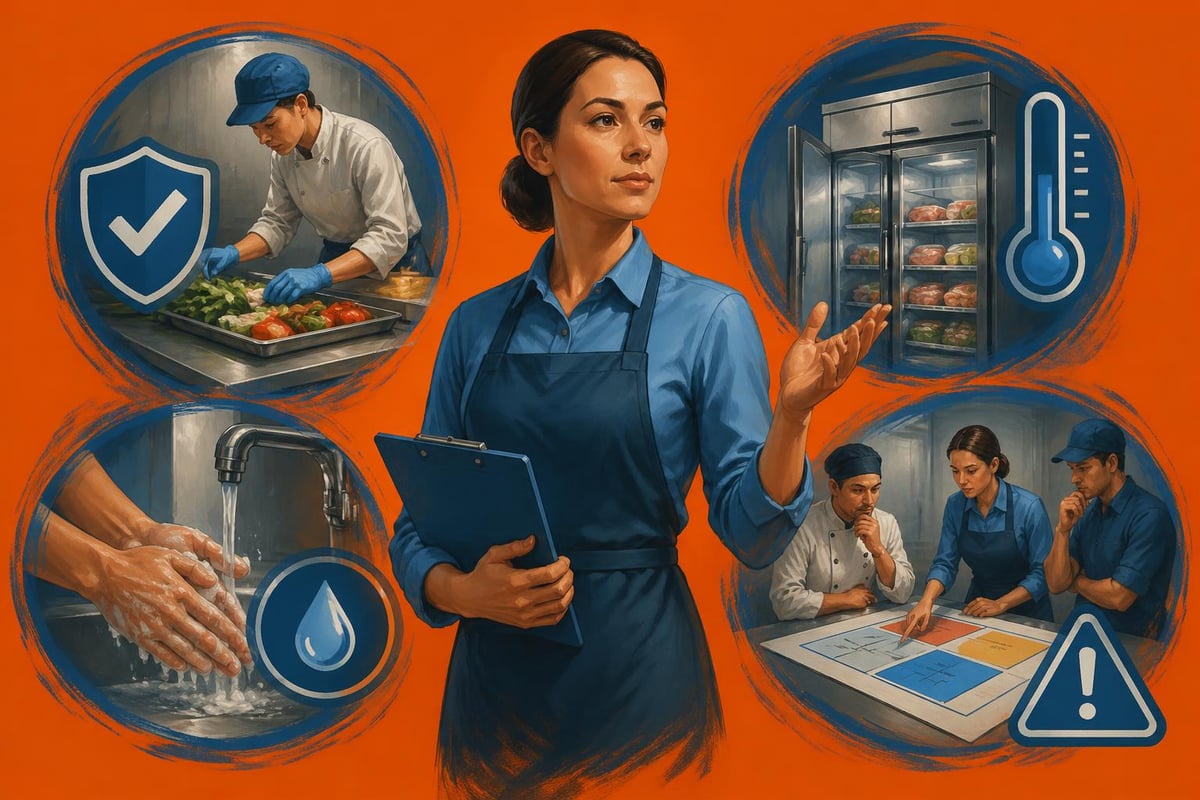
Why Manager Certification Matters Beyond Compliance
While many jurisdictions require at least one certified food protection manager on staff, smart operators recognize certification as a leadership development tool. Certified managers make faster decisions during health inspections, train hourly employees more effectively, and identify operational gaps before they become violations.
This parallels the accountability focus that leadership coaches bring to corporate environments. Both certified food safety managers and executive coaches focus on building systems that drive consistent execution and measurable results.
Training Pathways and Exam Preparation
Aspiring safeserv manager candidates can choose from multiple training formats to fit their schedules and learning preferences. Options range from intensive two-day workshops to self-paced online modules spread across several weeks.
| Training Format | Duration | Best For | Cost Range |
|---|---|---|---|
| In-Person Workshop | 2 days | Visual learners, team training | $150-250 |
| Online Self-Paced | 8-12 hours | Busy schedules, remote staff | $125-200 |
| Hybrid Model | 1 day + online | Mixed learning preferences | $175-225 |
| Instructor-Led Virtual | 2 sessions | Multi-location operations | $140-210 |
Study materials typically include practice exams, video demonstrations, and reference guides. ProProfs offers SafeServ food handling quizzes that help candidates assess their readiness and identify knowledge gaps before attempting the formal certification exam.
Successful candidates often study 10-15 hours beyond structured coursework, reviewing critical temperature ranges, proper thawing methods, and sanitation schedules. This investment mirrors the preparation required for performance coaching engagements, where leaders commit to deliberate practice and skill development.
Building a Culture of Food Safety
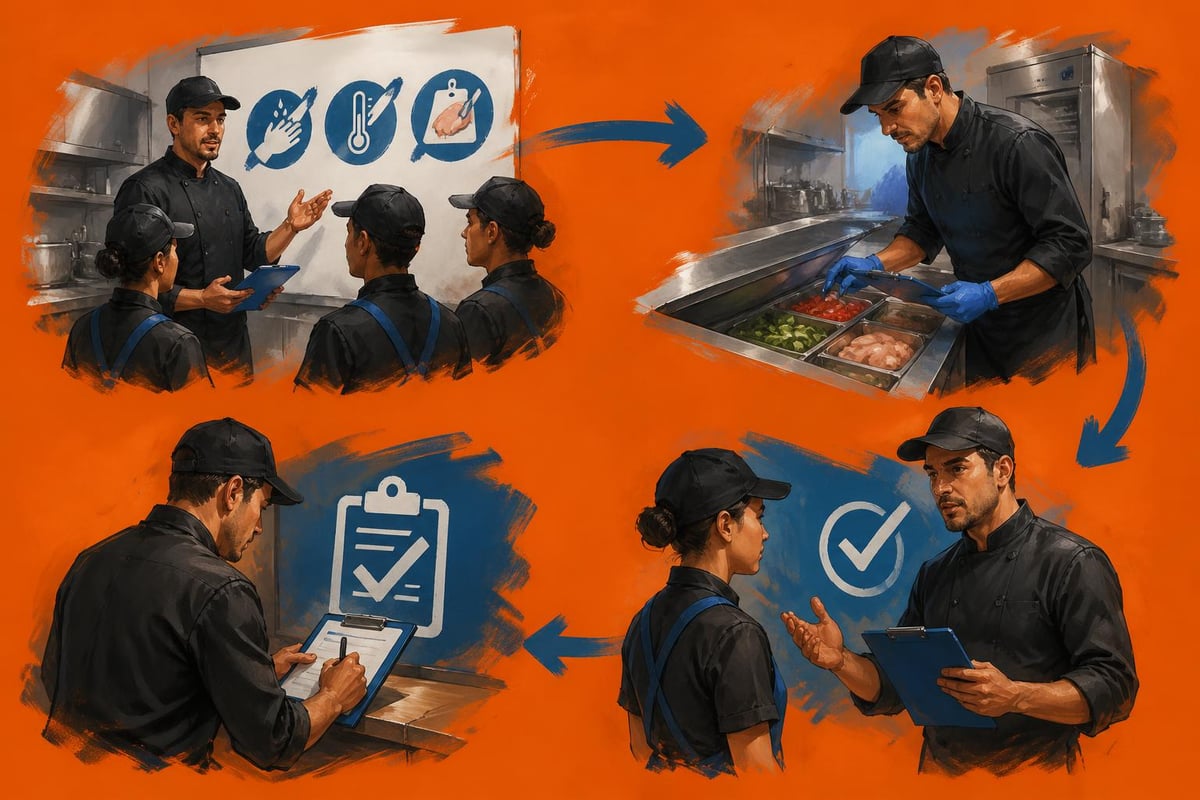
A safeserv manager does more than pass an exam. They establish operating standards, conduct regular training, and create accountability systems that ensure every team member follows protocols consistently. This requires the same coaching mindset that transforms managers into effective leaders who develop their people.
Effective food safety managers:
- Conduct daily temperature logs and equipment checks
- Lead pre-shift meetings covering safety priorities
- Provide immediate corrective feedback when violations occur
- Document training sessions and certification status for all staff
- Review incident reports to identify root causes and prevention strategies
The best certified managers understand that compliance comes from culture, not fear. They coach employees on the "why" behind procedures, making food safety personal and meaningful rather than bureaucratic. This approach creates engagement and ownership, similar to how leadership development programs transform directive managers into developmental coaches.
Maintaining Certification and Continuous Improvement
SafeServ manager credentials typically expire every five years, requiring recertification through updated coursework and examination. This renewal cycle ensures managers stay current with evolving food safety science, regulatory changes, and emerging pathogens.
Progressive operators treat recertification as an opportunity to assess gaps and upgrade systems. They audit their HACCP plans, review violation trends, and benchmark against competitors. Resources like SafeServ Instructors provide ongoing training beyond initial certification, helping managers sharpen skills and address specific operational challenges.
Linking Food Safety to Business Performance
Companies that view their safeserv manager as a strategic asset rather than a compliance checkbox gain competitive advantages. Certified managers reduce food waste through proper rotation systems, lower insurance premiums by minimizing incidents, and protect brand reputation by preventing outbreaks.
The ROI parallels what organizations experience through executive coaching investments. Both initiatives deliver measurable returns through improved decision-making, reduced risk, and enhanced team performance. As detailed at AccountabilityNow.net, accountability systems transform good intentions into consistent execution.
| Metric | Before Certification | After Implementation |
|---|---|---|
| Health Inspection Score | 82 average | 94 average |
| Food Cost Variance | 4.2% | 2.8% |
| Employee Turnover | 87% annually | 64% annually |
| Customer Complaints | 12 per quarter | 4 per quarter |
Selecting the Right Training Provider
Not all safeserv manager programs deliver equal value. Operators should evaluate providers based on pass rates, instructor expertise, and post-certification support. Look for programs that include practice exams, reference materials, and access to instructors for questions after the course ends.
Regional associations often offer the most relevant training, addressing local health codes and inspection priorities alongside national standards. Multi-unit operators benefit from providers who offer group discounts and on-site training options that minimize operational disruption.
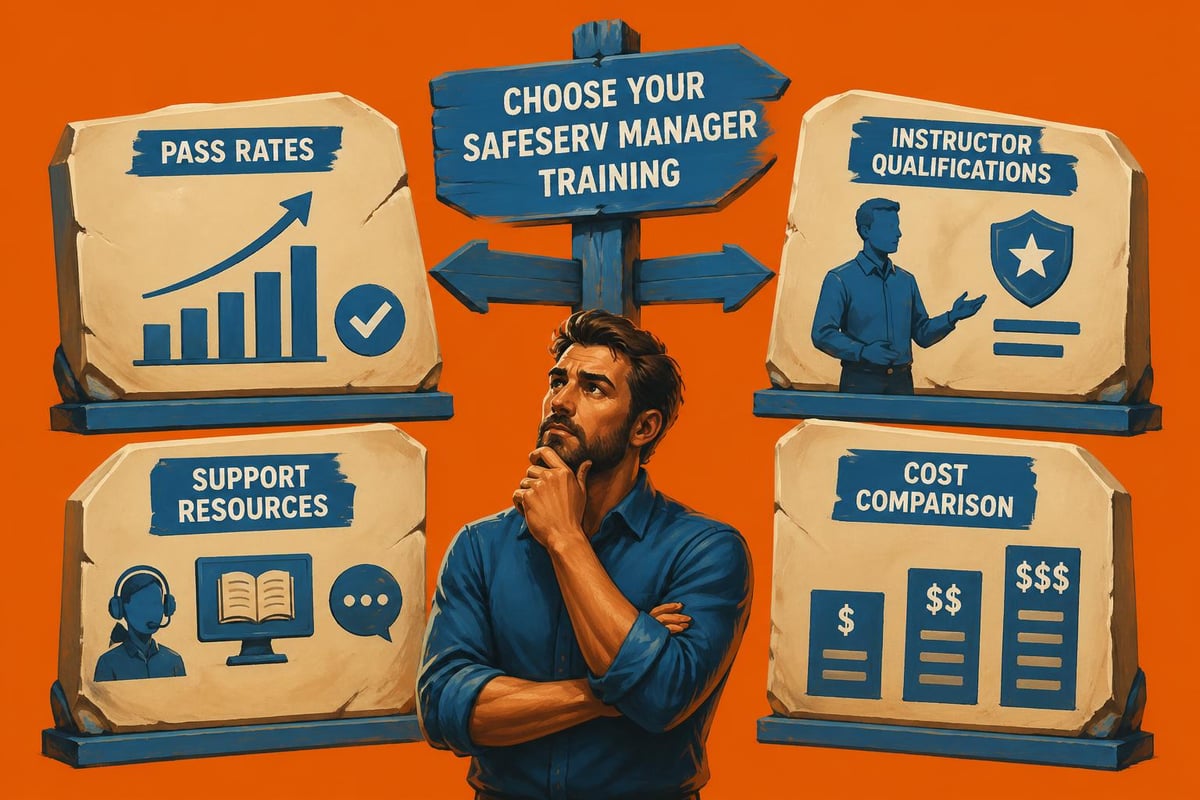
The investment in quality training mirrors the importance of selecting the right corporate coaching partner for leadership development. Both decisions require evaluating methodology, track record, and cultural fit to ensure sustainable results.
SafeServ manager certification creates immediate compliance value while building long-term operational capability through trained, accountable leaders. Just as food safety requires systems that drive daily execution, corporate performance depends on leaders who coach their teams toward measurable results. Noomii Corporate Coaching helps mid-market companies transform managers into coaches who deliver faster decisions, stronger communication, and cleaner execution across priorities. Connect with Noomii to build the accountable leadership your organization needs to thrive.



Leave a Reply
Want to join the discussion?Feel free to contribute!