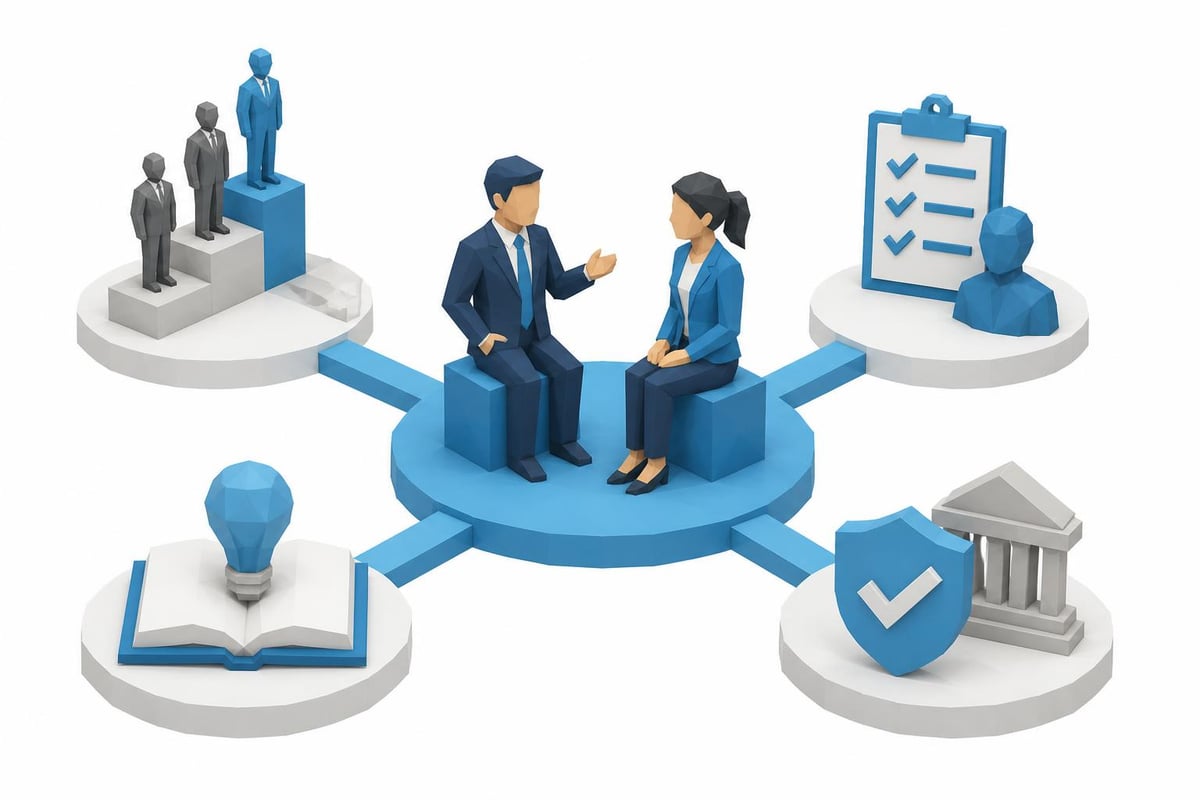
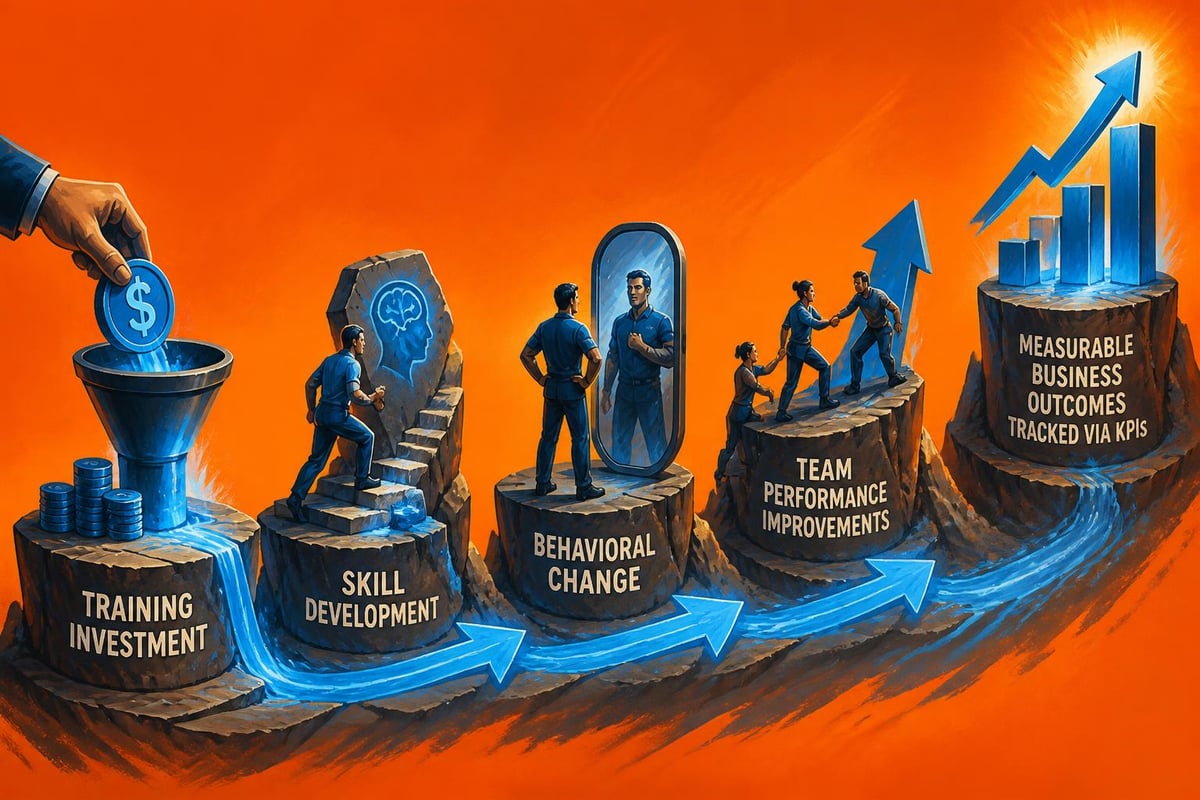
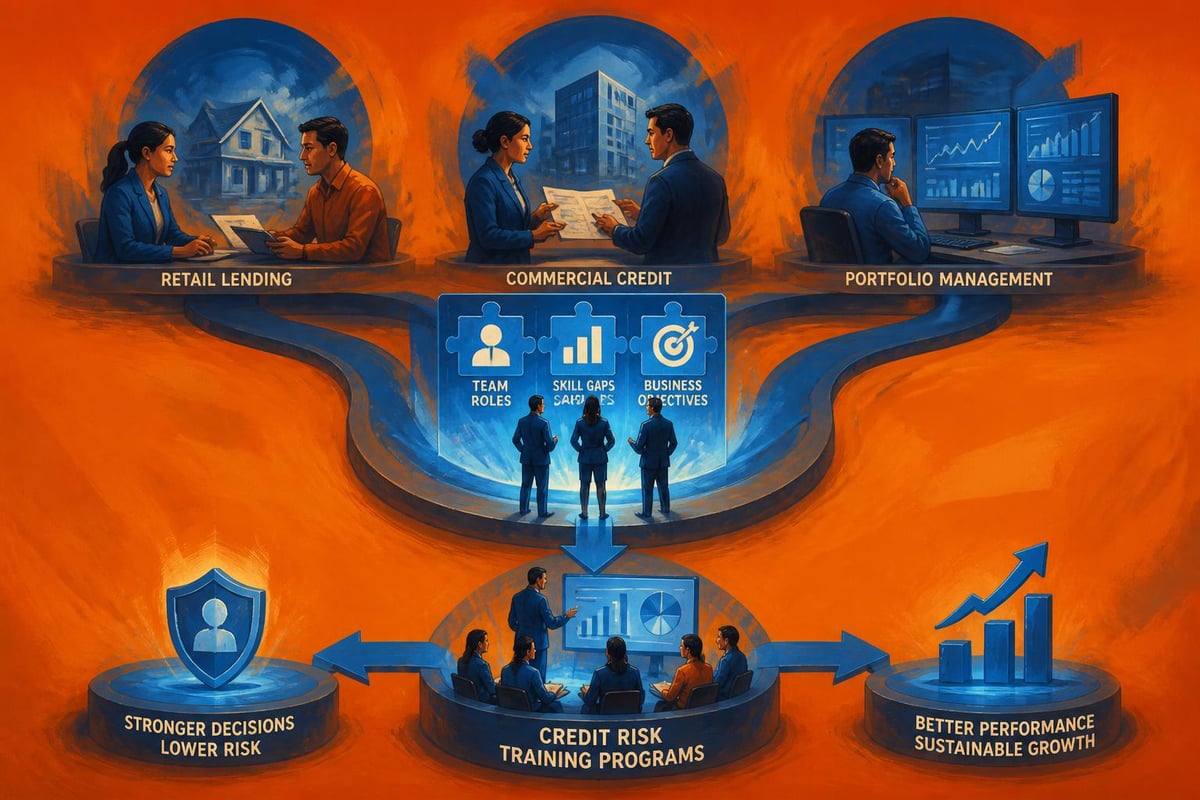
Finding the best business coach for your organization requires more than browsing online directories or accepting generic recommendations. The right coaching partnership transforms leadership effectiveness, strengthens organizational culture, and delivers quantifiable returns on investment. As leadership challenges grow more complex in 2026, selecting a coach who understands your industry context, organizational dynamics, and specific performance gaps becomes mission-critical for sustainable success.
What Defines the Best Business Coach
The best business coach brings far more than motivational speeches and theoretical frameworks. They deliver evidence-based methodologies, industry-specific expertise, and proven systems for measuring leadership development outcomes.
Specialized Industry Knowledge
Effective business coaching requires deep understanding of your sector's unique challenges. A coach working with Fortune 500 executives needs different competencies than one supporting government agency leaders or mid-market entrepreneurs. The best coaches maintain current knowledge of industry trends, regulatory requirements, and competitive dynamics that shape your leadership environment.
Key indicators of industry expertise include:
- Direct experience in your sector or adjacent markets
- Understanding of compliance frameworks and governance standards
- Recognition of industry-specific leadership challenges
- Network connections within your professional ecosystem
- Published thought leadership relevant to your field
Organizations waste valuable resources when coaches lack contextual understanding. Generic business advice rarely addresses the nuanced challenges facing healthcare administrators, technology executives, or public sector leaders.

Evidence-Based Assessment Capabilities
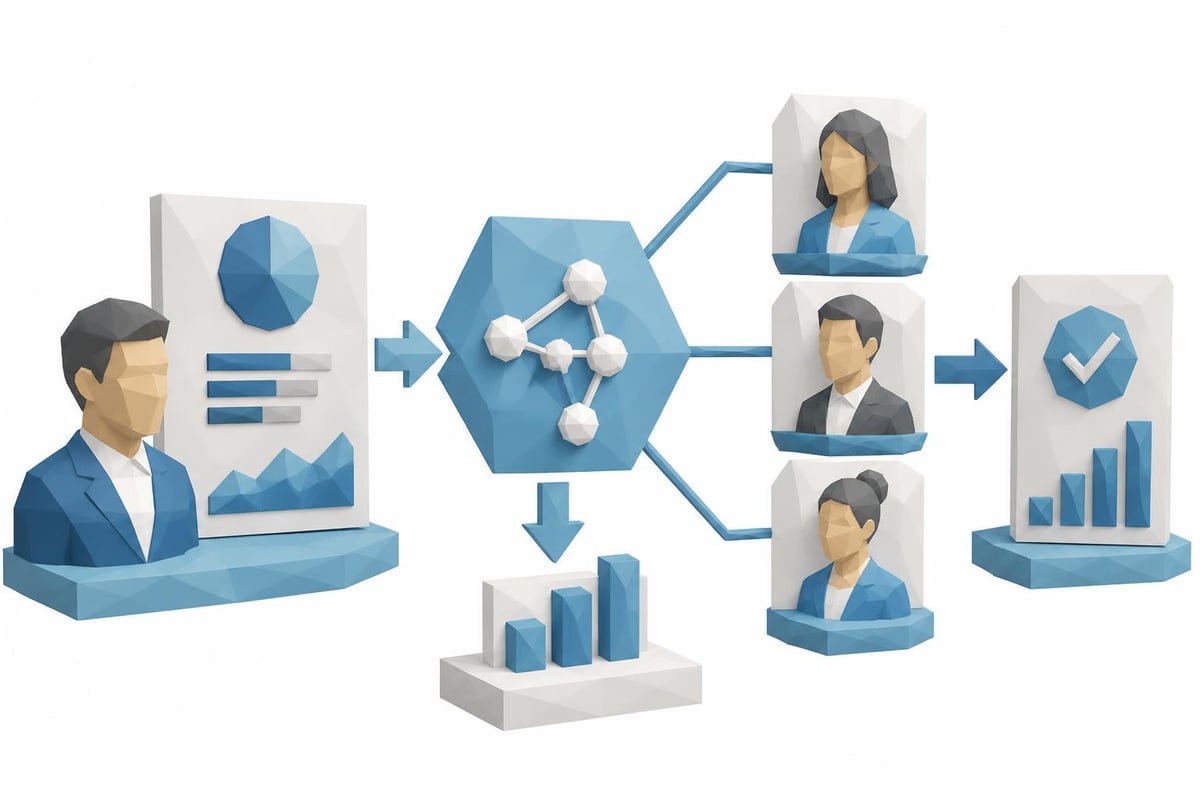
The best business coach uses validated diagnostic tools to establish baseline performance metrics and identify development opportunities. Subjective observations and gut feelings don't create measurable leadership transformation. Research on coaching effectiveness demonstrates that systematic assessment approaches produce superior outcomes compared to unstructured interventions.
Advanced coaches employ psychometric assessments, 360-degree feedback instruments, and behavioral analytics to create comprehensive leadership profiles. These data points inform customized development plans that target specific competency gaps rather than applying one-size-fits-all programs.
| Assessment Type |
Purpose |
Typical Duration |
| Leadership Style Inventory |
Identify natural tendencies and blind spots |
45-60 minutes |
| 360-Degree Feedback |
Gather multi-perspective performance data |
2-3 weeks |
| Emotional Intelligence Evaluation |
Measure self-awareness and relationship skills |
30-45 minutes |
| Strategic Thinking Assessment |
Evaluate decision-making patterns |
60-90 minutes |
Organizations seeking the best business coach should prioritize those who integrate assessment science into their methodology rather than relying solely on conversational coaching sessions.
How to Identify Coaching Quality and Credentials
Credentials matter, but they don't tell the complete story. The coaching industry includes numerous certification programs with varying rigor and relevance. Understanding which credentials signal genuine expertise helps organizations make informed selection decisions.
Professional Certifications That Matter
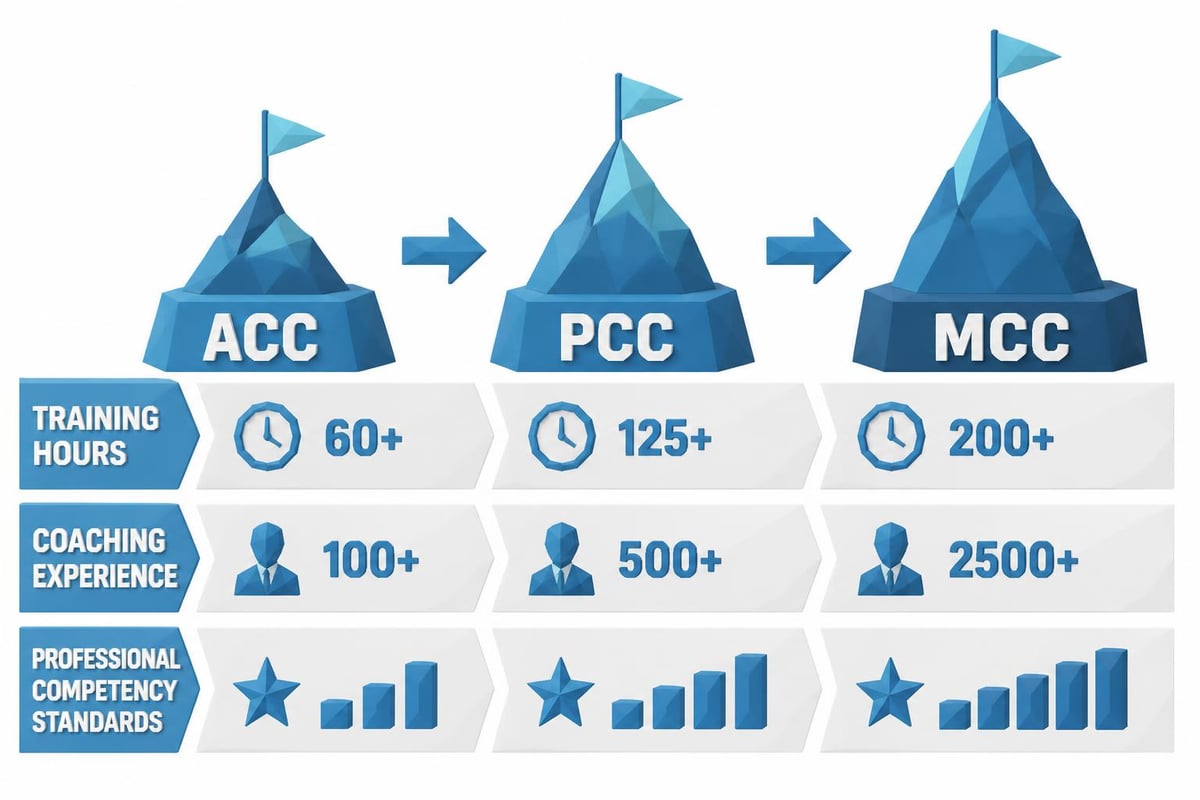
The International Coaching Federation (ICF) maintains the most recognized credentialing standards globally. ICF credentials require documented coaching hours, ongoing education, and demonstrated competency through examination. However, certification alone doesn't guarantee coaching effectiveness for your specific needs.
Valuable coaching credentials include:
- ICF Professional Certified Coach (PCC) or Master Certified Coach (MCC)
- Center for Creative Leadership certification
- Advanced degrees in organizational psychology or business administration
- Industry-specific certifications (SHRM, Project Management, etc.)
- Executive coaching program completion from recognized institutions
The best business coach combines formal credentials with practical experience. A newly certified coach, regardless of prestigious credentials, lacks the pattern recognition and situational wisdom that comes from thousands of coaching hours across diverse leadership challenges.
Track Record and Demonstrated Results
Request specific examples of coaching outcomes with measurable business impact. The best coaches readily share case studies demonstrating how their interventions improved team performance, reduced turnover, accelerated promotion readiness, or resolved toxic workplace dynamics.
Look beyond testimonials to examine quantifiable results. Did engagement scores improve? Were specific behavioral changes documented through follow-up assessments? Can the coach articulate their methodology for ensuring accountability and progress tracking?
Organizations should ask potential coaches about their approach to addressing toxic leadership patterns and other complex behavioral issues. Generic responses reveal superficial expertise, while detailed explanations of diagnostic processes, intervention strategies, and measurement frameworks indicate genuine capability.
The Matching Process: Finding Your Best Business Coach
Even highly credentialed coaches with impressive track records may not fit your organizational culture or leadership development objectives. The matching process determines coaching success as much as individual coach quality.
Alignment With Organizational Goals
The best business coach operates as a strategic partner rather than an external vendor. They invest time understanding your organizational priorities, cultural dynamics, and leadership development framework before proposing solutions.
Effective coaches ask probing questions about:
- Current leadership challenges and their business impact
- Desired outcomes with specific success metrics
- Organizational readiness for coaching interventions
- Budget parameters and timeline expectations
- Integration with existing development initiatives
Coaches who lead with their methodology rather than asking about your needs typically deliver generic programs that fail to address your unique situation. Business coaching programs vary significantly in their approach, and alignment between coach philosophy and organizational culture predicts coaching effectiveness.

Chemistry and Communication Style
Leadership development requires vulnerability and honest self-examination. Coaches must build sufficient trust for executives to explore blind spots, acknowledge weaknesses, and experiment with new behaviors. Chemistry between coach and client significantly influences coaching outcomes.
During initial consultations, assess whether the coach's communication style resonates with your leadership team. Some executives respond well to direct, challenging feedback, while others require more supportive, collaborative approaches. The best business coach adapts their style while maintaining developmental rigor.
Organizations implementing executive coaching packages should involve key stakeholders in the selection process. HR leaders, direct supervisors, and coaching participants all bring valuable perspectives on coach fit and program design.
Measuring Coaching Impact and Return on Investment
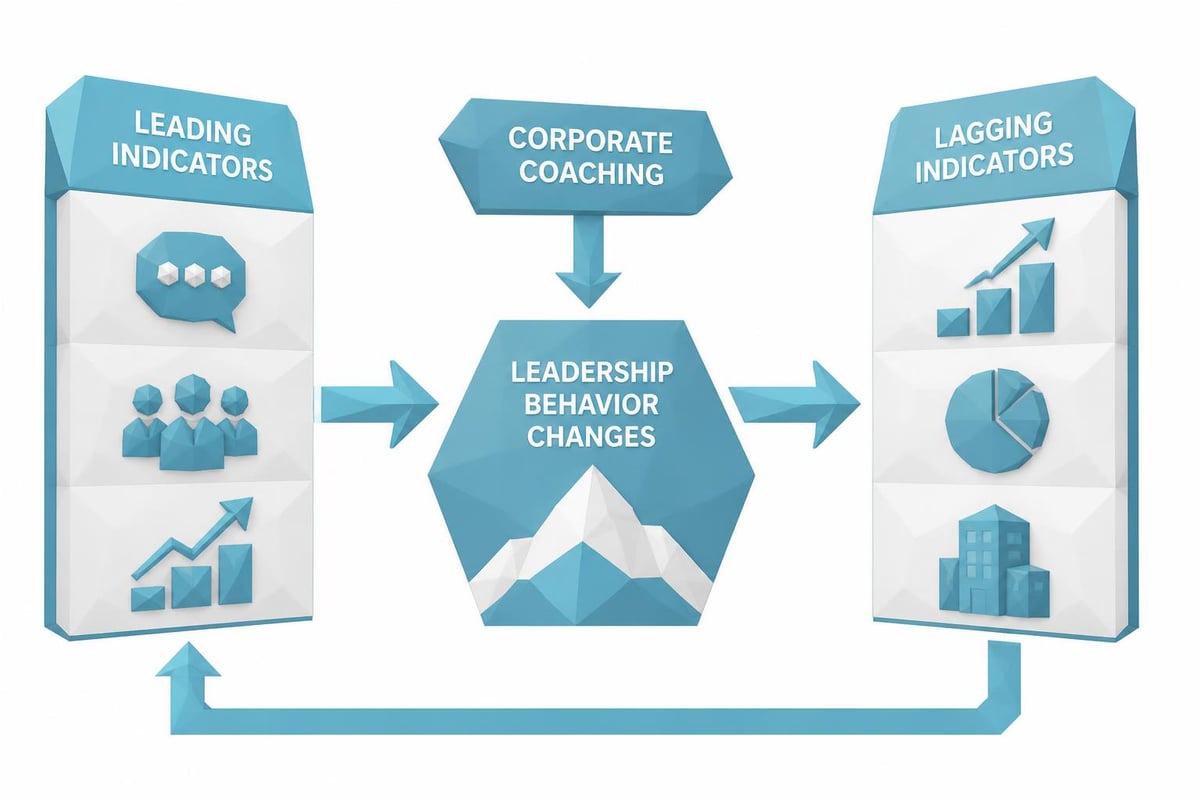
Organizations investing in leadership development rightfully expect demonstrable returns. The best business coach establishes clear metrics upfront and implements tracking systems that document progress throughout the engagement.
Defining Success Metrics Before Engagement
Vague goals like "improve leadership effectiveness" or "enhance team performance" provide insufficient measurement frameworks. Effective coaching engagements define specific, observable outcomes linked to organizational priorities.
Strong coaching metrics include:
- Percentage improvement in 360-degree feedback scores
- Reduction in direct report turnover rates
- Increased promotion readiness ratings
- Documented behavior changes in specific competency areas
- Improved team engagement or productivity indicators
- Enhanced strategic decision-making capabilities
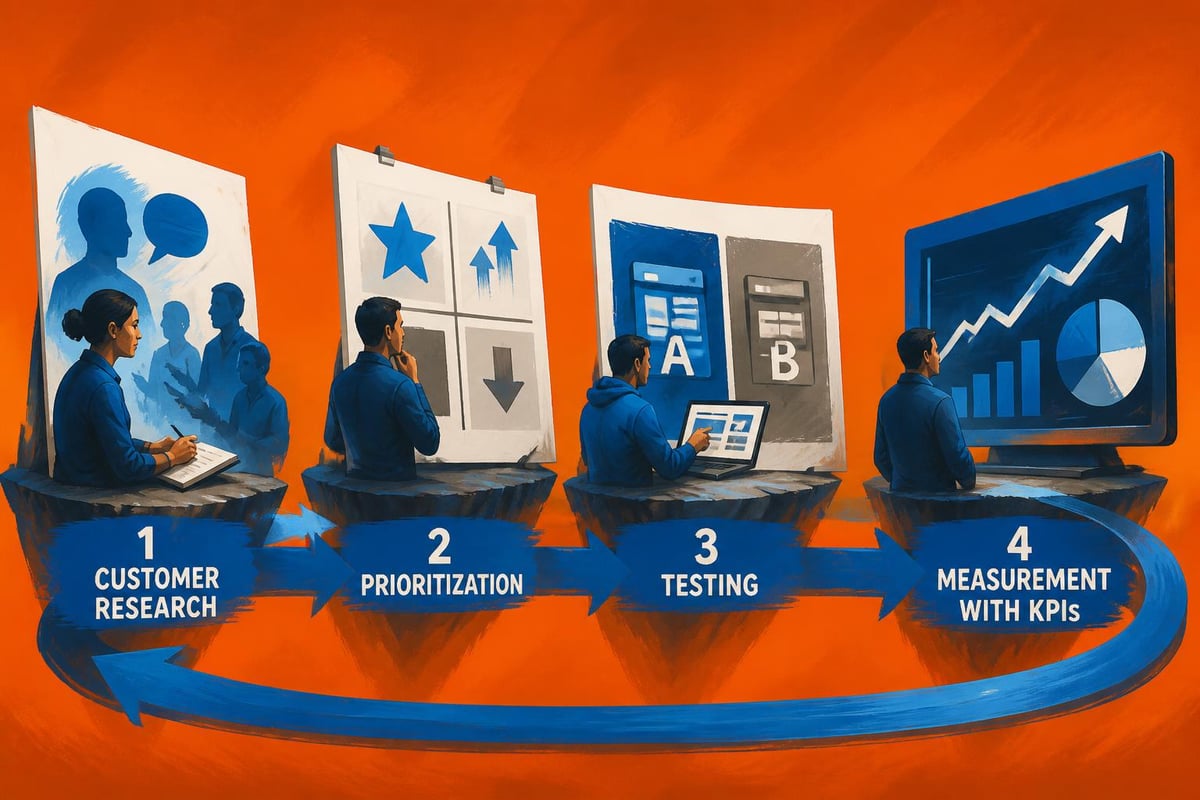
The best business coach collaborates with organizational stakeholders to establish relevant KPIs that connect individual development to business outcomes. They propose measurement approaches during the contracting phase rather than scrambling to demonstrate value after coaching concludes.
Long-Term Impact Assessment
Leadership development effects often emerge months after coaching engagements end. The best coaches build follow-up mechanisms into their programs, checking in on sustained behavior change and offering reinforcement sessions when needed.
Organizations should examine coaching impact across multiple timeframes:
| Timeframe |
Assessment Focus |
Measurement Approach |
| During Coaching |
Session engagement and homework completion |
Coach observations and participant self-reports |
| End of Engagement |
Immediate skill acquisition |
Post-coaching assessments and stakeholder feedback |
| 3-6 Months Post |
Behavior sustainability |
Follow-up 360-degree feedback or pulse surveys |
| 12+ Months Post |
Business impact |
Performance metrics, retention data, promotion rates |
Understanding whether executive coaching works requires rigorous evaluation frameworks that go beyond participant satisfaction surveys. The best business coach welcomes accountability and designs programs with built-in impact measurement.
Specialized Coaching for Different Organizational Contexts
Leadership development needs vary dramatically across organizational types. Government agencies face distinct challenges compared to venture-backed startups or established Fortune 500 enterprises. The best business coach recognizes these differences and tailors their approach accordingly.
Government and Public Sector Leadership
Public sector leaders navigate complex stakeholder environments, rigid regulatory frameworks, and mission-driven cultures that differ substantially from private enterprise. Coaching in these contexts requires understanding of governance structures, public accountability standards, and bureaucratic decision-making processes.
The best coaches for government organizations bring experience with:
- Competing stakeholder priorities and political dynamics
- Budget constraints and resource allocation challenges
- Mission alignment and public service motivation
- Change management within established hierarchies
- Compliance with civil service regulations
Generic business coaching approaches often fall flat in public sector environments. Coaches must appreciate the unique motivations driving public servants while addressing real performance gaps that impact service delivery.
Fortune 500 and Enterprise Environments
Large organizations require coaches who understand matrix structures, global operations, and the complexities of leading within established corporate cultures. Executive coaching at this level often focuses on strategic thinking, stakeholder management, and navigating organizational politics.
The best business coach for enterprise leaders addresses challenges like:
- Leading cross-functional teams with no direct authority
- Balancing short-term performance demands with long-term strategic initiatives
- Managing up effectively with C-suite executives and board members
- Driving cultural change across distributed organizations
- Developing executive presence and influencing skills
Top executive coaching firms maintain networks of coaches with specific Fortune 500 experience, understanding the unique pressures and opportunities in these environments.
Small to Mid-Market Organizations
Leaders in smaller organizations wear multiple hats and face resource constraints that larger enterprises don't experience. The best business coach for these contexts brings practical, immediately applicable strategies rather than theoretical frameworks requiring extensive infrastructure.
Effective coaching in mid-market companies addresses operational leadership alongside strategic thinking. These leaders need help prioritizing limited resources, building scalable systems, and developing leadership bench strength as their organizations grow.

Technology-Enhanced Coaching Approaches
The coaching landscape continues to evolve with technology integration. While human connection remains central to effective coaching, digital tools enhance assessment accuracy, improve accessibility, and provide data-driven insights that strengthen outcomes.
AI-Powered Assessment and Matching
Advanced platforms now use artificial intelligence to analyze leadership profiles and match executives with coaches who have relevant expertise. AI applications in business coaching extend beyond matching to include real-time feedback analysis, conversation pattern recognition, and developmental trend tracking.
The best business coach leverages technology thoughtfully, using digital tools to enhance rather than replace human interaction. AI-powered platforms can identify blind spots, track progress between sessions, and suggest targeted development resources, but they cannot substitute for the nuanced understanding and adaptive guidance that experienced coaches provide.
Virtual Coaching Delivery Models
Remote coaching expanded dramatically since 2020 and continues refining its effectiveness. Video-based coaching sessions offer convenience and accessibility while maintaining the relational depth required for meaningful development work. The best coaches have mastered virtual engagement techniques that keep participants focused and accountable despite physical distance.
Organizations implementing virtual coaching programs should ensure coaches demonstrate proficiency with:
- Video conferencing platforms and digital collaboration tools
- Techniques for maintaining engagement in virtual sessions
- Methods for building trust without in-person interaction
- Strategies for managing distractions and maintaining focus
- Digital assessment and progress tracking systems
Virtual delivery doesn't diminish coaching quality when coaches possess strong virtual facilitation skills and organizations provide appropriate technology infrastructure.
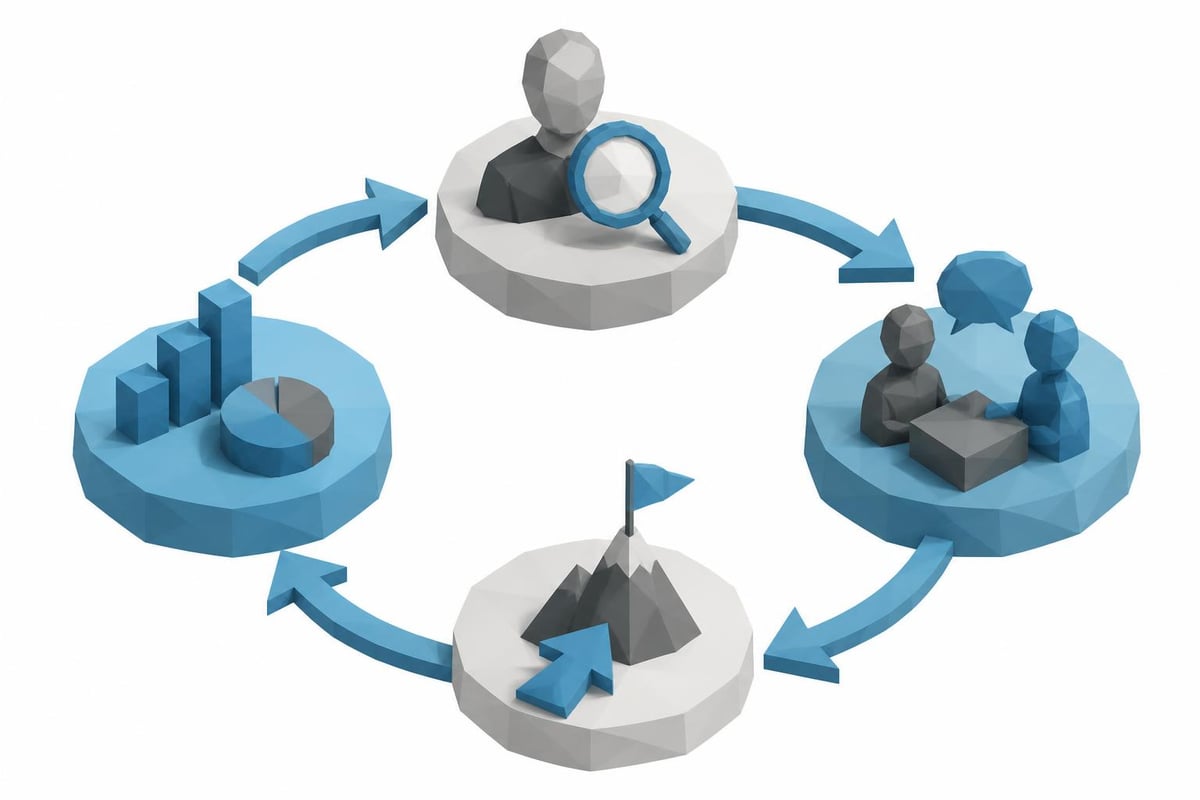
The Coaching Engagement Process
Understanding what to expect throughout a coaching engagement helps organizations and participants maximize value. The best business coach follows structured processes while maintaining flexibility to address emerging needs.
Initial Assessment and Goal Setting
Effective coaching begins with comprehensive assessment. Beyond standardized instruments, the best coaches conduct stakeholder interviews, review performance data, and observe leaders in action when possible. This discovery phase typically spans two to four weeks before formal coaching sessions begin.
During this period, coaches collaborate with participants and organizational sponsors to establish:
- Specific development objectives linked to business priorities
- Success metrics and evaluation methods
- Session frequency and duration
- Communication protocols with stakeholders
- Confidentiality parameters and information sharing agreements
Clear contracting prevents misunderstandings and ensures all parties share aligned expectations about coaching outcomes and processes.
Active Coaching Phase
Typical coaching engagements span six to twelve months with sessions occurring biweekly or monthly. The best business coach structures sessions around specific development objectives while remaining responsive to emerging challenges and opportunities.
Standard session components include:
- Progress review on previous commitments and action items
- Exploration of current leadership challenges and opportunities
- Skill building and practice with new behaviors or approaches
- Reflection on feedback and assessment data
- Action planning for application between sessions
Coaches should push participants beyond comfortable patterns while providing sufficient support to sustain engagement and prevent defensive reactions. This balance between challenge and support defines coaching artistry that separates exceptional coaches from merely competent ones.
Closure and Transition Planning
The best coaching engagements don't end abruptly. Effective coaches build transition processes that help participants sustain new behaviors after formal coaching concludes. Final sessions focus on:
- Reviewing progress against initial objectives
- Identifying ongoing development priorities
- Creating self-coaching practices for continued growth
- Establishing peer or mentor relationships for ongoing support
- Planning follow-up check-ins to assess sustained change
Organizations should schedule post-engagement assessments three to six months after coaching ends to evaluate whether behavioral changes persist and business impact materializes. The best business coach remains available for periodic check-ins even after formal engagements conclude.
Integration With Broader Leadership Development
Coaching delivers maximum impact when integrated with comprehensive leadership development strategies rather than operating as isolated intervention. The best business coach understands their role within larger organizational development frameworks.
Complementing Formal Training Programs
Coaching reinforces skills introduced through workshops, courses, and other formal development activities. When organizations implement new leadership models or competency frameworks, coaching helps executives apply theoretical concepts to their specific contexts.
Effective integration requires coordination between coaches, training facilitators, and HR leaders. Creating development plans that sequence training inputs with coaching applications accelerates skill acquisition and behavioral change.
Supporting Succession Planning
High-potential leaders preparing for expanded responsibilities benefit tremendously from targeted coaching. The best business coach accelerates promotion readiness by addressing specific gaps between current capabilities and role requirements.
Succession-focused coaching typically addresses:
- Strategic thinking and business acumen development
- Executive presence and communication skills
- Stakeholder management and organizational navigation
- Decision-making under ambiguity
- Leading organizational change initiatives
Organizations using coaching to support succession planning should involve both current role supervisors and future role stakeholders in goal setting to ensure development addresses actual requirements rather than assumed needs.
Creating Coaching Cultures
Organizations achieving greatest returns from coaching investments don't limit coaching to troubled leaders or high-potential executives. They build cultures where coaching conversations happen daily through peer interactions, manager-employee relationships, and cross-functional collaborations.
The best business coach helps organizations develop internal coaching capabilities through:
- Training managers in coaching skills and mindsets
- Establishing peer coaching programs and communities of practice
- Modeling coaching approaches during stakeholder interactions
- Creating systems that reward coaching behaviors
- Measuring and celebrating coaching culture indicators
When coaching becomes embedded in organizational DNA rather than reserved for formal engagements, leadership development accelerates across all levels. Organizations interested in business coaches for entrepreneurs and emerging leaders recognize that widespread coaching capability strengthens entire leadership pipelines.
Cost Considerations and Investment Models
Leadership coaching represents significant investment. Understanding typical cost structures and value propositions helps organizations make informed decisions about coaching expenditures.
Typical Pricing Models
Executive coaching fees vary based on coach experience, engagement scope, and organizational context. Exploring available coaches reveals wide pricing ranges from $200 to $1,000+ per hour for individual sessions.
Most coaching engagements use one of these pricing structures:
| Pricing Model |
Description |
Best For |
| Hourly Rate |
Per-session billing |
Short-term or exploratory engagements |
| Monthly Retainer |
Fixed monthly fee for agreed session frequency |
Ongoing development relationships |
| Project-Based |
Total engagement cost for defined scope |
Specific development objectives with clear endpoints |
| Per-Person Package |
Fixed cost per participant for group programs |
Cohort-based development initiatives |
The best business coach discusses pricing transparently during initial conversations and helps organizations understand total investment requirements including assessment costs, progress measurement, and stakeholder engagement time.
Maximizing Return on Coaching Investment
Cost justification requires connecting coaching expenditures to business outcomes. Organizations should calculate coaching ROI using formulas that account for both tangible and intangible benefits:
Tangible returns include:
- Reduced turnover costs for coached leaders and their teams
- Improved productivity metrics in areas influenced by coached leaders
- Faster promotion readiness reducing external hire costs
- Revenue impact from improved strategic decisions
Intangible returns include:
- Enhanced organizational culture and employee engagement
- Stronger leadership bench strength and succession readiness
- Improved conflict resolution and team dynamics
- Greater innovation and adaptive capacity
The best business coach helps organizations track these metrics throughout engagements, providing data for ongoing investment justification and program refinement.
Common Coaching Mistakes to Avoid
Even well-intentioned organizations make errors that undermine coaching effectiveness. Recognizing these pitfalls prevents wasted investment and disappointing outcomes.
Unclear Objectives and Success Criteria
Organizations that engage coaches without defining specific development goals rarely achieve satisfying results. Vague mandates like "help this leader improve" or "fix team dysfunction" provide insufficient direction for focused intervention.
The best business coach pushes back on ambiguous objectives, insisting on measurable outcomes before beginning work. They ask probing questions about desired behavior changes, business impact expectations, and stakeholder success criteria.
Insufficient Organizational Support
Individual coaching cannot overcome toxic organizational cultures or systemic dysfunction. When organizations expect coaches to "fix" leaders operating in broken systems, disappointment follows inevitably.
Effective coaching requires organizational commitment to:
- Providing time for coaching sessions and between-session work
- Reinforcing new behaviors rather than punishing experimentation
- Addressing systemic barriers to leadership effectiveness
- Sharing relevant context and performance data with coaches
- Holding leaders accountable for applying coaching insights
The best business coach assesses organizational readiness during initial conversations and declines engagements where systemic obstacles will prevent meaningful progress.
Treating Coaching as Punishment
Using coaching as remediation for poor performers sends problematic messages and reduces coaching effectiveness. Leaders perceive coaching assignments as career-limiting indicators rather than development opportunities.
Organizations should position coaching as investment in high-value talent rather than last-chance interventions. Profiles of respected business coaches demonstrate their focus on unlocking potential rather than fixing deficiencies.
When performance issues require formal remediation, organizations should clearly distinguish these processes from developmental coaching and consider alternative interventions like performance improvement plans with specific accountability measures.
Selecting Your Organization's Best Business Coach
Every organization faces unique leadership challenges requiring customized coaching solutions. Following systematic selection processes increases the likelihood of finding coaches who deliver meaningful, measurable impact.
Creating Selection Criteria
Develop specific criteria reflecting your organizational priorities, cultural values, and leadership development objectives. Generic coach selection processes produce mediocre matches and disappointing outcomes.
Essential selection criteria include:
- Relevant industry or sector experience
- Appropriate credentials and demonstrated expertise
- Cultural fit with organizational values and norms
- Methodology alignment with existing development frameworks
- Geographic availability or virtual delivery capability
- Pricing structure compatible with budget parameters
- References from similar organizational contexts
Weight these criteria based on your specific situation. Organizations addressing toxic workplace behaviors should prioritize coaches with proven expertise in behavioral change and organizational psychology. Those focused on strategic leadership development should seek coaches with executive experience in relevant industries.
Interview and Assessment Process
Conduct structured interviews with multiple coach candidates before making selection decisions. The best business coach welcomes thorough vetting and provides detailed responses to probing questions about their approach, experience, and expected outcomes.
Key interview questions include:
- How do you approach initial assessment and goal setting?
- Describe your typical coaching process and session structure
- How do you measure progress and demonstrate coaching impact?
- Share a specific example of coaching similar to our needs
- How do you handle situations where coaching isn't producing results?
- What role do you expect organizational stakeholders to play?
- How do you maintain confidentiality while keeping sponsors informed?
Request work samples like sample coaching plans, assessment reports, or progress tracking tools. Review these materials for professionalism, clarity, and alignment with evidence-based practices.
Pilot Programs Before Large-Scale Deployment
Organizations considering enterprise-wide coaching initiatives should test approaches with pilot cohorts before committing to extensive programs. Pilot engagements reveal implementation challenges, cultural fit issues, and measurement refinement needs.
Structure pilots to include:
- Small cohort of diverse leaders representing target population
- Defined timeline with clear milestones and check-ins
- Comprehensive measurement of coaching process and outcomes
- Structured feedback collection from participants and stakeholders
- Post-pilot assessment informing program refinement
The best business coach enthusiastically participates in pilot programs, viewing them as opportunities to demonstrate value and refine approaches for maximum organizational fit. Coaches resistant to pilots or unwilling to adapt based on feedback should raise concerns about their flexibility and client focus.
The Future of Business Coaching
As organizational challenges evolve and technology capabilities expand, business coaching continues transforming. Forward-thinking organizations anticipate these trends when building long-term leadership development strategies.
Increased Specialization and Niche Expertise
Generic business coaching gives way to highly specialized practices focused on specific industries, leadership levels, or challenge types. The best business coach in 2026 maintains deep expertise in particular domains rather than claiming universal competence.
Emerging specializations include coaches focused exclusively on:
- Healthcare executive leadership in value-based care environments
- Technology sector leaders managing rapid scaling and market disruption
- Nonprofit executive directors balancing mission and sustainability
- Government agency leaders navigating political and regulatory complexity
- Family business succession and multi-generational leadership transitions
This specialization trend benefits organizations by providing access to coaches who understand specific contextual challenges and speak relevant industry language. Organizations should seek coaches with proven track records in their particular context rather than settling for generalists.
Integration of Neuroscience and Behavioral Economics
Leading coaches increasingly incorporate insights from neuroscience, behavioral economics, and cognitive psychology into their methodologies. Understanding how leaders process information, make decisions, and form habits enables more targeted interventions.
The best business coach stays current with research on topics like:
- Decision-making under pressure and cognitive bias mitigation
- Habit formation and behavioral change sustainability
- Emotional regulation and stress management neuroscience
- Social connection and trust-building mechanisms
- Attention management in information-saturated environments
These scientific foundations distinguish evidence-based coaching from purely intuitive or experience-based approaches. Organizations should ask potential coaches about their use of research-backed methodologies and ongoing professional development.
Hybrid Delivery Models
The future of coaching blends in-person intensive sessions with ongoing virtual support, digital tools for between-session work, and AI-powered insights. The best business coach designs hybrid experiences optimizing each modality's strengths.
Effective hybrid models might include:
- Quarterly in-person sessions for deep work and relationship building
- Monthly virtual check-ins for progress review and course correction
- Weekly micro-coaching through messaging or brief video exchanges
- Continuous assessment through digital platforms tracking behavior patterns
- Peer learning communities facilitated through online platforms
These approaches increase coaching accessibility and frequency while managing costs and travel burdens. Organizations implementing hybrid coaching should ensure coaches possess both in-person facilitation skills and virtual engagement capabilities, maintaining consistent quality across delivery modes while partnering with platforms that prioritize accountability in leadership development.
Selecting the best business coach requires systematic evaluation of credentials, experience, methodology fit, and demonstrated results across contexts similar to your organizational challenges. The most effective coaching partnerships combine specialized expertise with evidence-based approaches, clear measurement frameworks, and deep alignment between coach capabilities and organizational development priorities. The Noomii Corporate Leadership Program connects organizations with precisely matched coaches who bring the sector knowledge, assessment rigor, and proven methodologies needed to transform leadership effectiveness at scale, delivering measurable outcomes aligned with your strategic objectives and compliance requirements through Noomii Leadership Coaching.