
How to Find a Career Coach: The Essential Guide 2026
Feeling stuck in your career or unsure of your next move? You are not alone. Millions of professionals are exploring how to find a career coach who can unlock their true potential and guide them toward success.
This essential 2026 guide is designed to empower you with a step-by-step approach to selecting the right career coach. You will learn how to avoid common pitfalls and maximize your coaching investment.
Discover the benefits of career coaching, where to search for top coaches, how to evaluate their credentials, which questions to ask, and how to measure your progress. Ready to take the next step?
Why Work with a Career Coach in 2026?
Navigating the evolving job market in 2026 can be overwhelming. With AI, automation, and emerging industries transforming roles at every level, many professionals wonder how to find a career coach who can help them adapt and thrive. Personalized coaching has become a powerful tool for those seeking clarity and direction.
Career coaching provides individualized guidance, accountability, and skill development tailored to your unique path. Recent studies reveal that working with a coach can boost job satisfaction and promotion rates by up to 20%. The United States Professional Coaching Industry Report 2025 highlights the rapid growth of this field, with more professionals than ever investing in coaching for measurable results.
Many individuals turn to coaching to tackle common challenges such as career stagnation, lack of clarity, and imposter syndrome. The benefits extend beyond promotions, often resulting in higher salaries, improved work-life balance, and renewed confidence. For those seeking an edge, learning how to find a career coach who aligns with your goals is a strategic move.
Consider career coaching if you are planning a major transition, aspiring to leadership, or feeling unfulfilled at work. To maximize your investment, seek out certified coaches who emphasize accountability—a proven driver of professional growth.

Step 1: Define Your Goals and Coaching Needs
Before you start your journey on how to find a career coach, take time to clarify what you want from the process. Are you aiming for a promotion, planning a career change, or seeking a better work-life balance? Identifying your core objectives upfront will help you focus your search and ensure a productive coaching experience.
Start by pinpointing your pain points. Do you struggle with interview anxiety, feel stuck in your current role, or want to develop stronger leadership skills? Understanding these challenges will make it easier to match with a coach who specializes in your areas of need.
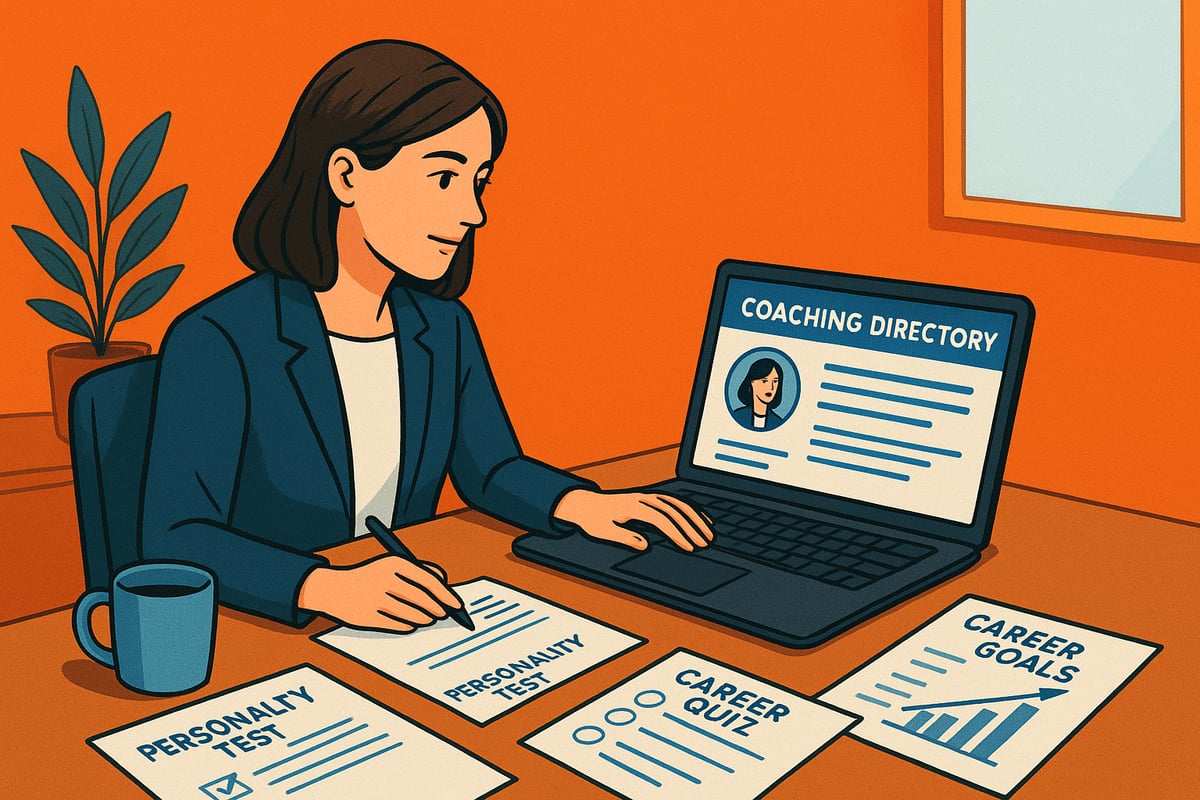
Career coaches come in many forms, including executive, transition, leadership, and industry-specific experts. To refine your search, consider using self-assessment tools such as Myers-Briggs, StrengthsFinder, or online career quizzes. These tools can provide valuable insights into your strengths and preferences.
Here is a quick comparison of coaching needs by career stage:
| Career Stage | Common Goals | Typical Coaching Needs |
|---|---|---|
| Recent Graduates | First job, clarity | Resume, interview prep |
| Mid-Career | Advancement, pivot | Leadership, skill building |
| Executives | Strategy, influence | Executive presence, vision |
As you progress, document your expectations. Think about your desired outcomes, the coaching style that fits you best, and your budget. Coaches are most effective when their expertise aligns with your clearly defined goals.
If you want to compare different coaching specialties and find one that matches your needs, you can Browse Life Coaches Directory for a comprehensive overview. This step ensures you make informed decisions on how to find a career coach who will support your unique journey.
Step 2: Where and How to Find Qualified Career Coaches
Searching for the right support can be overwhelming, but understanding how to find a career coach will streamline your journey. There are several proven avenues to explore, each catering to different preferences and needs.
Online Directories and Matching Platforms
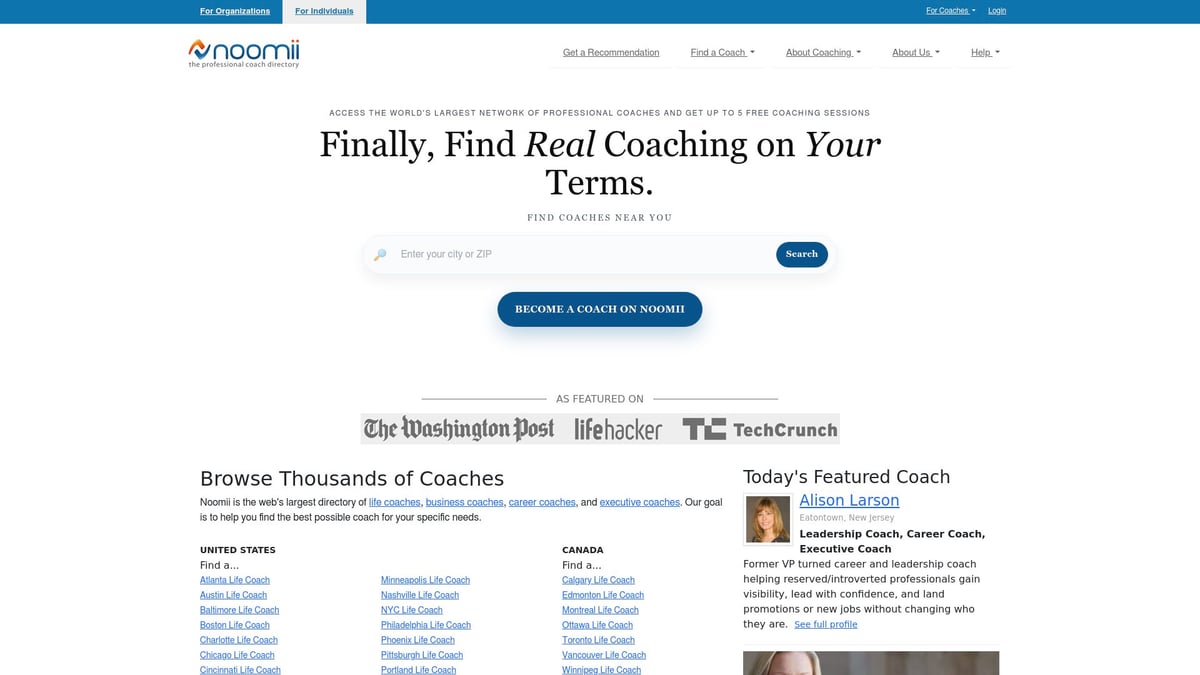
One of the most efficient ways to start is by searching reputable online directories. Platforms like Noomii, LinkedIn, and the International Coach Federation offer detailed profiles, verified credentials, and client testimonials. These tools make it easier to filter by specialty, experience, and location, streamlining how to find a career coach who matches your needs.
Recommendations and Networking
Personal referrals remain invaluable. Tap into professional networks, alumni groups, or HR departments for trusted suggestions. According to the LinkedIn Career Report, 65% of professionals prefer referrals over random searches. Networking can often reveal hidden gems and is a practical method for those wondering how to find a career coach with a proven track record.
Industry Events and Associations
Attending career fairs, webinars, and industry meetups enables face-to-face introductions with coaches. Association directories, such as ICF or EMCC, list vetted professionals. These events provide an opportunity to observe communication styles and coaching philosophies firsthand.
Find Career Coaches on Noomii
Noomii hosts the world’s largest directory of vetted career coaches, offering personalized matching and up to 5 free coaching sessions for new users. With coaches available worldwide, you can review verified credentials and client feedback, ensuring a strong fit for your goals.
Step 3: How to Vet and Compare Career Coaches
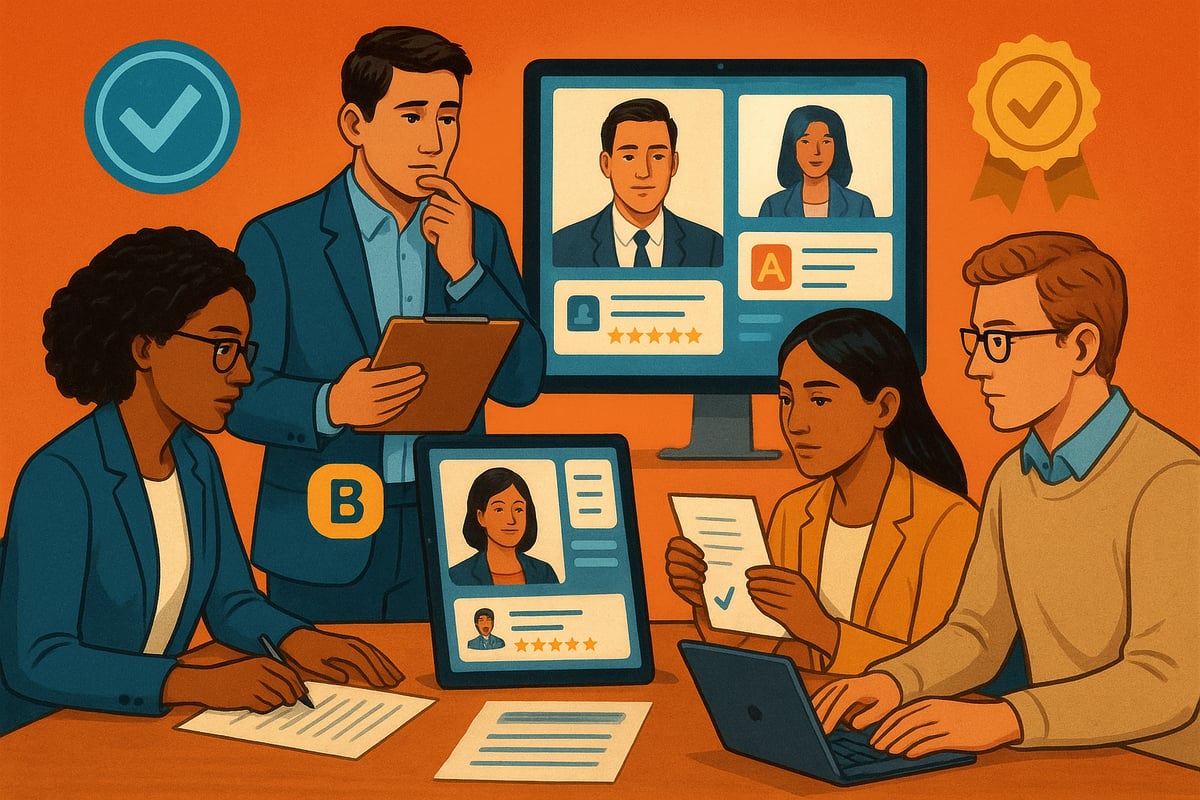
Selecting the right professional is essential when learning how to find a career coach who matches your needs. Vetting and comparing coaches ensures your investment leads to meaningful career growth.
Credentials and Experience
When considering how to find a career coach, start by evaluating their credentials. Look for certifications such as ICF or EMCC, which indicate high professional standards. Years of experience and relevant industry backgrounds are equally important.
For example, Leadership and Career Coach Sana Shah demonstrates the value of certified expertise and a track record of results. Always seek coaches who can provide case studies or measurable outcomes tailored to your goals.
| Credential | What to Look For | Why It Matters |
|---|---|---|
| ICF/EMCC Cert. | Verified by official bodies | Ensures quality |
| Experience | 5+ years or industry focus | Relevant guidance |
| Results | Measurable client outcomes | Proven effectiveness |
Coaching Approach and Methodology
A coach’s methodology should fit your personality and learning style. Some coaches use a directive approach with clear action steps, while others prefer a facilitative style, encouraging self-discovery.
Decide if you want individualized sessions or group coaching, and whether virtual or in-person meetings suit you best. Compare structured goal-setting models to holistic methods, and consider which will drive your progress efficiently.
Testimonials, Reviews, and Success Stories
Reading authentic client feedback is vital when you research how to find a career coach. Use platforms with independently verified testimonials to confirm a coach’s impact.
Watch out for red flags like inconsistent results, vague claims, or pushy sales tactics. Prioritize transparency and look for success stories similar to your situation. Quality reviews and proven outcomes ensure you are making the right decision.
Step 4: Key Questions to Ask Before Hiring a Career Coach
Selecting the right professional is crucial when considering how to find a career coach who will truly support your growth. Before committing, prepare thoughtful questions to ensure alignment and transparency.
Start your vetting process with these essential questions:
- What is your coaching process and underlying philosophy?
- Can you share client success stories, preferably similar to my situation?
- How do you measure client progress and outcomes?
- What is your availability, and how are sessions structured?
- How do you handle confidentiality and sensitive information?
- What are your fees, cancellation policies, and contract terms?
- What tools or assessments, such as StrengthsFinder or personality tests, do you use?
For example, reviewing a real coach profile, such as Executive Career Coach Liisa Freystaetter, can give you insight into what to expect in terms of qualifications, coaching style, and transparency.
Remember, the chemistry between you and your coach is just as important as their credentials. Schedule a discovery call to gauge communication style and mutual understanding. This step is fundamental in how to find a career coach who fits your personality and goals, ensuring a productive coaching relationship.
Step 5: Maximizing the Value of Your Career Coaching Investment
To truly get the best return from your coaching experience, start by setting clear, measurable goals with your coach. When you know how to find a career coach who aligns with your needs, you lay the groundwork for meaningful progress.
Break your objectives into actionable steps and agree on what success looks like. Regular check-ins and honest feedback loops will help you stay on track. Embrace feedback, even when it challenges your comfort zone. This is where lasting growth happens.
Use every resource your coach provides, from worksheets to assessments and action plans. Many professionals now benefit from AI-powered coaching tools, as highlighted in Augmenting Coaching with GenAI: Insights into Use, Effectiveness, and Future Potential. These innovations can accelerate your learning and accountability.
Commit fully to your action items between sessions. Track key outcomes such as promotions, salary increases, or new skills. If progress stalls, do not hesitate to revisit your approach or explore how to find a career coach with a different style.
How to Find a Corporate Career Coach for Organizations
Navigating how to find a career coach for your organization is crucial as businesses prioritize leadership development and talent retention. The corporate coaching landscape is evolving, with organizations seeking measurable results and industry-specific expertise. According to recent Career Coaching Service Market research, more companies are investing in coaching to drive engagement, succession planning, and decision-making.
When selecting a corporate career coach, consider their experience working with teams, group facilitation skills, and a proven record of impact. Effective coaches support leadership pipelines, foster stronger communication, and help organizations achieve faster promotions and higher employee engagement.
For scalable solutions, platforms like Noomii offer tailored coach matching for organizations, ensuring coaches meet your industry needs and deliver measurable outcomes.
| Criteria for Corporate Career Coach Selection | Why It Matters |
|---|---|
| Industry Experience | Relevant insights |
| Group Facilitation Skills | Effective team growth |
| Proven Measurable Impact | ROI and engagement |
A strategic approach to how to find a career coach can transform workplace culture and set your organization on a path to lasting success.



Leave a Reply
Want to join the discussion?Feel free to contribute!