
Marketing Coach for Small Business: Leadership Growth
Small businesses and emerging corporate teams face a unique challenge in 2026: the marketplace demands both leadership excellence and marketing sophistication. Organizations that invest in strategic coaching see measurable improvements in executive performance, team alignment, and revenue growth. A marketing coach for small business isn't just about promotional tactics-it's about building leadership capacity that drives sustainable competitive advantage. When leadership teams understand how to position their organization, communicate value, and build authentic market presence, every operational decision becomes more strategic.
The Strategic Role of Marketing Coaching in Leadership Development
Leadership development and marketing strategy have converged in ways that redefine organizational success. A marketing coach for small business brings specialized expertise that extends far beyond traditional advertising or digital campaigns. These professionals help leadership teams articulate vision, differentiate offerings, and build stakeholder confidence through evidence-based methodologies.
How Marketing Coaching Transforms Executive Decision-Making
Executive leaders who engage with marketing coaching develop competencies that directly impact organizational performance. They learn to:
- Translate complex organizational value into clear, compelling narratives that resonate with stakeholders
- Identify market positioning gaps that undermine leadership credibility and revenue potential
- Build communication frameworks that align internal teams with external brand promises
- Measure marketing effectiveness through data-driven KPIs linked to business outcomes
The most effective marketing coach for small business partnerships focus on developing leadership capabilities rather than simply executing tactical campaigns. This approach builds internal competency while delivering immediate business results.

Evidence-Based Approaches to Marketing Leadership
Organizations that adopt structured marketing coaching programs report significant improvements across multiple dimensions. Forbes Coaches Council research highlights content marketing strategies that build trust and establish thought leadership-critical components for any growing enterprise.
| Leadership Capability | Before Coaching | After Coaching | Impact Metric |
|---|---|---|---|
| Strategic Messaging | Inconsistent brand narrative | Unified value proposition | 43% improvement in stakeholder confidence |
| Market Positioning | Generic industry player | Differentiated specialist | 38% increase in qualified leads |
| Team Alignment | Siloed departmental efforts | Integrated growth strategy | 51% reduction in marketing waste |
| Executive Presence | Limited market visibility | Recognized thought leader | 67% growth in inbound opportunities |
These transformations don't happen through tactical workshops alone. They require sustained coaching relationships that address both strategic frameworks and behavioral patterns that limit organizational effectiveness.
Matching Small Business Needs with Corporate Coaching Expertise
The relationship between small business marketing and corporate leadership coaching creates powerful synergies. Organizations operating with limited resources benefit enormously from coaching approaches that maximize impact while building sustainable capabilities. A marketing coach for small business understands these constraints and designs interventions accordingly.
Precision Matching: Finding the Right Marketing Coach
Not all coaching relationships deliver equal results. The most successful partnerships match organizational needs with coach expertise across several critical dimensions:
Industry Experience and Sector Knowledge
Coaches with relevant industry backgrounds understand market dynamics, competitive pressures, and stakeholder expectations specific to your sector. This contextual knowledge accelerates impact and reduces learning curves.
Methodological Alignment
Organizations benefit when coaching methodologies align with existing frameworks and cultural values. Evidence-based approaches that incorporate validated assessment tools provide measurable benchmarks for progress.
Leadership Level and Complexity
Executive coaching for C-suite leaders requires different expertise than team-level development programs. Leadership executive coaching addresses strategic decision-making and organizational influence at the highest levels.
Outcome Orientation and Accountability
The best coaching relationships establish clear success metrics from the outset. Coaches who build accountability structures ensure that insights translate into behavioral change and measurable business results.
The ROI of Strategic Marketing Coaching
Forward-thinking organizations view marketing coaching as strategic investment rather than discretionary expense. When properly structured, these programs deliver returns that far exceed initial outlays.
- Reduced marketing waste through focused strategy and clear positioning
- Accelerated leadership development by building marketing competencies in existing teams
- Enhanced organizational reputation through consistent, authentic market presence
- Improved talent retention as leaders feel equipped to drive business growth
- Measurable revenue impact through stronger value articulation and stakeholder engagement
Organizations can explore business coaches for entrepreneurs to understand how specialized coaching accelerates growth trajectories while building internal capacity.
Building Marketing Capabilities That Scale Leadership Impact
A marketing coach for small business creates lasting value by developing capabilities that persist long after coaching engagements conclude. This sustainability principle distinguishes transformational coaching from transactional consulting.
Core Marketing Competencies for Leadership Teams
Effective coaching programs build specific competencies that enable leaders to drive marketing strategy independently:
-
Strategic Positioning Framework Development
Leaders learn to articulate unique organizational value in ways that differentiate from competitors and resonate with target audiences. -
Content Leadership and Thought Development
Content best practices for small businesses emphasize building trust through authentic expertise-a critical leadership skill in knowledge-based economies. -
Stakeholder Communication Architecture
Creating messaging frameworks that work across investor relations, customer engagement, talent acquisition, and partnership development. -
Performance Measurement and Analytics Literacy
Understanding which metrics matter and how to connect marketing activities to business outcomes through data-driven decision-making. -
Brand Stewardship and Cultural Alignment
Ensuring that marketing promises reflect operational realities and organizational values, preventing the disconnect that erodes stakeholder trust.

From Individual Development to Organizational Capability
The most sophisticated coaching programs create ripple effects throughout organizations. When senior leaders develop marketing competencies, they model behaviors that cascade through management layers. This multiplier effect transforms organizational culture and operational effectiveness.
Team-Level Implementation
Marketing coaching at the leadership level enables better guidance for marketing teams, clearer strategic direction, and more effective resource allocation.
Cross-Functional Integration
Leaders who understand marketing principles build stronger bridges between sales, product development, customer service, and operations-creating unified customer experiences.
Cultural Transformation
Organizations where leadership understands marketing become more externally focused, customer-centric, and market-responsive at every level.
Addressing Common Marketing Challenges Through Leadership Coaching
Small businesses and growing corporate entities face predictable marketing challenges that coaching interventions can systematically address. A marketing coach for small business brings frameworks that convert these obstacles into opportunities for competitive advantage.
Challenge One: Limited Resources and Budget Constraints
Resource limitations force strategic choices. Effective coaches help leadership teams:
- Identify highest-impact marketing activities based on organizational stage and market position
- Build internal capabilities that reduce dependence on external agencies
- Develop content strategies that leverage existing expertise rather than requiring new creation
- Create measurement frameworks that prevent wasted spending on ineffective channels
EMyth’s small business marketing resources provide frameworks for maximizing limited resources through strategic focus and systematic execution.
Challenge Two: Inconsistent Brand Experience and Messaging
Organizations without clear marketing leadership often create fragmented stakeholder experiences. Coaching addresses this through:
| Problem Pattern | Coaching Intervention | Measurable Outcome |
|---|---|---|
| Different messages across channels | Unified messaging architecture | 56% improvement in brand recall |
| Sales promises don't match delivery | Operational alignment workshops | 41% reduction in customer complaints |
| Leadership team sends mixed signals | Executive communication protocols | 63% increase in employee confidence |
| Market positioning shifts frequently | Strategic positioning framework | 47% improvement in customer acquisition cost |
Challenge Three: Difficulty Measuring Marketing Effectiveness
Many small businesses struggle to connect marketing activities with business results. A marketing coach for small business establishes:
- Clear KPI frameworks linked to organizational objectives
- Attribution models appropriate to business complexity and resources
- Regular review cadences that enable course correction
- Data interpretation skills that inform strategic decisions
Understanding how to find qualified coaches ensures organizations partner with professionals who bring both marketing expertise and measurement discipline.
Challenge Four: Leadership Team Marketing Skepticism
Executives who don't understand marketing often underinvest in brand development and stakeholder communication. Coaching converts skepticism into strategic advantage by:
- Demonstrating ROI through pilot programs with clear before/after metrics
- Connecting marketing to business outcomes leaders already value
- Building marketing literacy through executive education tailored to learning styles
- Creating quick wins that build confidence in marketing as strategic function
Integrating Marketing Coaching with Broader Leadership Development
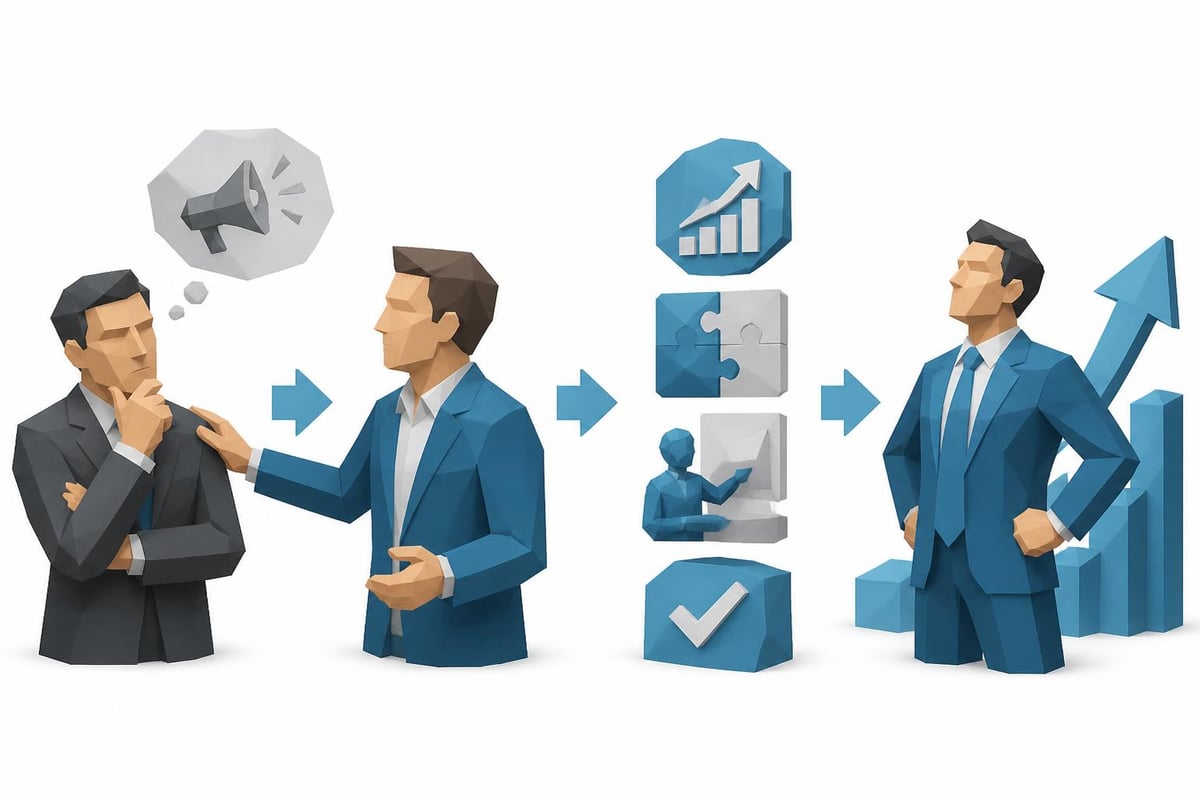
The most impactful organizations integrate marketing coaching within comprehensive leadership development frameworks. This integration ensures that marketing capabilities strengthen rather than compete with other leadership competencies.
Complementary Coaching Domains
Marketing coaching delivers maximum value when coordinated with related development areas:
Strategic Leadership and Business Acumen
Marketing decisions require business context. Coaches who integrate financial literacy, competitive strategy, and operational understanding create more sophisticated marketing leaders.
Communication and Executive Presence
Marketing skills enhance leadership communication naturally. Leaders who articulate value externally become more effective internal communicators, improving team alignment and cultural cohesion.
Change Management and Cultural Development
Marketing transformations require organizational change capabilities. Addressing toxic leadership patterns while building marketing competencies creates sustainable cultural shifts.
Innovation and Strategic Thinking
Marketing requires creative problem-solving and strategic foresight. Coaching that develops these capabilities creates leaders who drive innovation across all business functions.
Organizations exploring comprehensive programs should examine top executive coaching firms that offer integrated development approaches rather than isolated skill-building.
Creating Scalable Coaching Solutions
Growing organizations need coaching approaches that scale beyond individual leaders. A marketing coach for small business designs programs that build organizational capacity:
- Train-the-trainer models where coached leaders develop coaching capabilities for their teams
- Cohort-based programs that develop marketing competencies across leadership layers simultaneously
- Digital learning platforms that supplement live coaching with on-demand resources
- Assessment-driven prioritization that ensures coaching focuses on highest-impact development areas
Executive coaching packages often include scalable components that maximize organizational impact per coaching hour invested.
Selecting and Engaging Marketing Coaches for Maximum Impact
The coaching selection process determines program success before any actual coaching occurs. Organizations that invest time in proper vetting and matching achieve dramatically better outcomes than those taking convenience-based approaches.
Critical Selection Criteria
When evaluating potential marketing coaches for small business applications, assess these essential dimensions:
Demonstrated Business Results
Look for coaches with track records of measurable business impact, not just satisfied clients. Request case studies showing revenue growth, market share gains, or leadership capability improvements.
Industry-Specific Expertise
While general marketing principles apply broadly, coaches with relevant industry experience accelerate impact by understanding your competitive landscape, regulatory environment, and stakeholder expectations.
Coaching Methodology and Credentials
Verify professional certifications, training background, and coaching philosophy. Evidence-based approaches grounded in adult learning theory and behavioral science deliver more consistent results.
Cultural and Values Alignment
The coach-client relationship requires trust and mutual respect. Assess whether the coach's communication style, working approach, and values align with your organizational culture.
Flexibility and Customization Capability
Avoid coaches who apply identical programs to every client. The best professionals customize interventions based on thorough organizational assessment and specific development needs.
Structuring Effective Coaching Engagements
Once you've selected a marketing coach for small business, structure the engagement for maximum effectiveness:
-
Establish Clear Success Metrics
Define measurable outcomes before coaching begins. What specific capabilities, business results, or behavioral changes will indicate success? -
Create Accountability Structures
Regular check-ins, progress reviews, and milestone assessments keep coaching focused and ensure insights translate into action. -
Allocate Sufficient Time and Resources
Meaningful development requires sustained effort. Budget adequate coaching hours and protect leader time for reflection and implementation. -
Build Organizational Support Systems
Ensure direct reports, peers, and supervisors understand coaching objectives and can support behavioral changes and new initiatives. -
Plan for Sustainability Beyond the Engagement
How will developed capabilities persist after coaching concludes? Build internal reinforcement mechanisms and ongoing learning opportunities.
Professionals seeking coaching support can explore resources like Duct Tape Marketing’s coach network for insights into effective small business marketing coaching models.
Measuring Marketing Coaching Impact on Organizational Performance
Sophisticated organizations demand evidence that coaching investments deliver tangible returns. A marketing coach for small business should establish measurement frameworks that connect individual development to organizational outcomes.
Multi-Level Impact Assessment
Effective coaching measurement captures change across individual, team, and organizational dimensions:
Individual Leader Development Metrics
- Marketing competency assessments (before and after coaching)
- 360-degree feedback on communication effectiveness and strategic thinking
- Self-reported confidence in marketing decision-making
- Behavioral change observations from direct reports and peers
Team and Departmental Performance Indicators
- Marketing team productivity and campaign effectiveness improvements
- Cross-functional collaboration quality measures
- Speed of marketing strategy development and execution
- Innovation metrics in marketing approaches and messaging
Organizational Business Outcomes
- Revenue growth attributable to improved marketing effectiveness
- Customer acquisition cost reductions through better targeting and messaging
- Brand awareness and reputation metrics
- Stakeholder satisfaction scores across customer, employee, and investor groups
| Measurement Level | Sample Metrics | Assessment Methods |
|---|---|---|
| Individual Development | Strategic marketing competency, executive presence | Pre/post assessments, 360 feedback |
| Team Performance | Campaign ROI, cross-functional effectiveness | Performance data, collaboration surveys |
| Business Outcomes | Revenue growth, market share, brand value | Financial reports, market research |
| Cultural Impact | Marketing orientation, customer-centricity | Employee surveys, stakeholder feedback |
Longitudinal Tracking and Continuous Improvement
The most valuable coaching relationships extend beyond single engagements into ongoing development partnerships. Tracking impact over quarters and years reveals:
- Which coaching interventions deliver the most sustainable change
- How leadership marketing capabilities evolve with organizational growth
- Where additional development investments generate highest returns
- Which organizational factors enable or inhibit coaching effectiveness
Leaders interested in understanding coaching investment returns should review research on whether executive coaching works, which provides evidence-based perspectives on coaching ROI across organizational contexts.
Emerging Trends in Marketing Coaching for Leadership Development
The coaching profession evolves rapidly as business environments, technologies, and stakeholder expectations shift. A marketing coach for small business must stay current with emerging approaches that enhance coaching effectiveness and organizational impact.
Technology-Enhanced Coaching Methodologies
Digital tools are transforming how coaches work with leaders and measure development progress:
- AI-powered assessment platforms that provide real-time feedback on communication effectiveness and stakeholder resonance
- Virtual reality simulations for practicing high-stakes marketing presentations and stakeholder conversations
- Analytics dashboards that connect leadership behaviors to marketing performance metrics
- Digital learning ecosystems that supplement live coaching with on-demand skill-building resources
Organizations exploring technology integration can examine AI tools for business coaching to understand how these innovations complement human coaching relationships.
Integrated Wellness and Performance Approaches
Forward-thinking coaches recognize that marketing leadership effectiveness connects to broader leader well-being. Programs increasingly address:
Stress Management and Resilience Building
Marketing leadership creates unique pressures around public visibility, competitive performance, and stakeholder expectations. Stress management training helps leaders sustain high performance without burnout.
Authentic Leadership Development
Markets increasingly reward genuine, values-driven leadership over polished corporate personas. Coaching helps leaders find authentic voices that resonate with stakeholders while staying true to personal values.
Purpose-Driven Marketing Alignment
Leaders who connect organizational marketing to meaningful social impact report higher engagement and stakeholder loyalty. Coaches facilitate this alignment through values clarification and strategic positioning work.
Global and Cross-Cultural Marketing Leadership
As organizations expand across geographies and cultures, marketing coaching must address complexity around:
- Adapting brand messaging for diverse cultural contexts without losing core identity
- Leading marketing teams distributed across time zones and cultural backgrounds
- Understanding how marketing effectiveness metrics vary by market and stakeholder group
- Building inclusive marketing approaches that resonate across demographic diversity
The coaching profession itself is globalizing, with organizations accessing expertise worldwide. Resources like coaching directories help organizations find specialized coaches regardless of geographic constraints.
Strategic marketing coaching transforms how leadership teams position organizations, communicate value, and drive stakeholder engagement. By building internal capabilities rather than simply executing campaigns, the right marketing coach for small business creates sustainable competitive advantages that persist long after coaching relationships conclude. Organizations ready to elevate leadership marketing competencies while addressing broader executive development needs will find that Noomii Leadership Coaching delivers precision-matched coaching solutions backed by evidence-based methodologies, measurable results frameworks, and a global network of certified executive coaches. The integration of leadership development with marketing excellence, supported by resources like AccountabilityNow, creates the foundation for organizational transformation and long-term market success.



Leave a Reply
Want to join the discussion?Feel free to contribute!