
ISO 14001 Lead Auditor Course: Complete Training Guide
Environmental compliance has become a strategic imperative for mid-market companies seeking competitive advantage and operational excellence. An ISO 14001 lead auditor course equips professionals with the specialized knowledge to assess environmental management systems, identify improvement opportunities, and drive organizational accountability. For companies between 25 and 500 employees, investing in this certification enables internal teams to maintain rigorous environmental standards while building a culture of continuous improvement tied to measurable business outcomes.
Understanding ISO 14001 Lead Auditor Certification
The ISO 14001 Lead Auditor training offered by BSI provides comprehensive preparation for professionals who need to plan, conduct, and manage environmental management system audits. This certification goes beyond theoretical knowledge and focuses on practical application.
Core Competencies Developed
Participants in an iso 14001 lead auditor course master several critical skills:
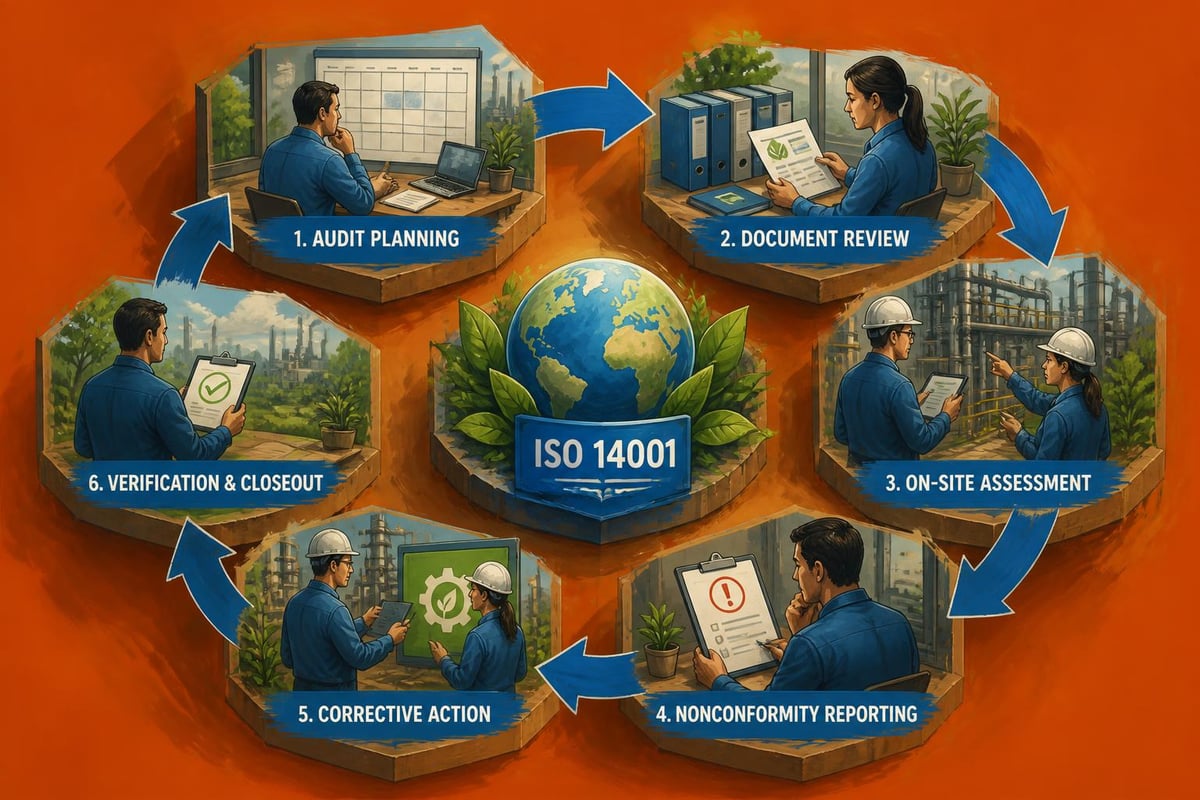
- Audit planning and preparation including risk assessment and scope definition
- Interview techniques for gathering objective evidence
- Nonconformity identification and classification methods
- Report writing that drives corrective action
- Follow-up verification to ensure sustainable improvements
The training mirrors real-world scenarios where auditors must balance technical rigor with effective communication. Similar to how performance coaches help leaders navigate complex organizational challenges, certified auditors guide companies through environmental compliance frameworks while maintaining operational efficiency.
Course Structure and Requirements
Most iso 14001 lead auditor course programs span five days of intensive instruction. Georgia Tech Professional Education structures their curriculum to meet IRCA and RABQSA certification standards, ensuring global recognition.
Prerequisites and Background
| Requirement | Description | Why It Matters |
|---|---|---|
| ISO 14001 Knowledge | Understanding of environmental management principles | Provides foundation for audit concepts |
| Business Experience | Minimum 2-3 years in quality or environmental roles | Ensures contextual understanding |
| Education | Bachelor's degree or equivalent work experience | Demonstrates analytical capability |
The DNV Environmental Management System Lead Auditor course emphasizes that candidates should possess strong analytical skills and attention to detail. These qualities align with the accountability standards required in effective leadership development programs where results must be measurable and transparent.
Training Methods and Learning Formats
Modern iso 14001 lead auditor course offerings combine multiple delivery methods to accommodate diverse learning preferences and schedules.
Delivery Options
Virtual instructor-led sessions allow professionals to maintain work commitments while completing certification. These formats typically include:
- Live interactive lectures with experienced auditors
- Breakout sessions for case study analysis
- Virtual role-playing exercises simulating audit scenarios
- Digital collaboration tools for group projects
In-person intensive programs provide immersive learning environments where participants engage in hands-on audit simulations. The iCertworks PECB Certified ISO 14001 Lead Auditor Training offers both formats, recognizing that different organizations have varying capacity for employee time away from operations.
Companies investing in environmental audit capability often discover that building internal expertise creates lasting value beyond the initial certification. This parallels the approach emphasized in psychological safety in the workplace initiatives, where sustainable culture change requires skill development at multiple organizational levels.
Business Impact and ROI Considerations
Completing an iso 14001 lead auditor course delivers quantifiable returns through multiple channels.
Measurable Benefits
Organizations with certified internal auditors typically experience:
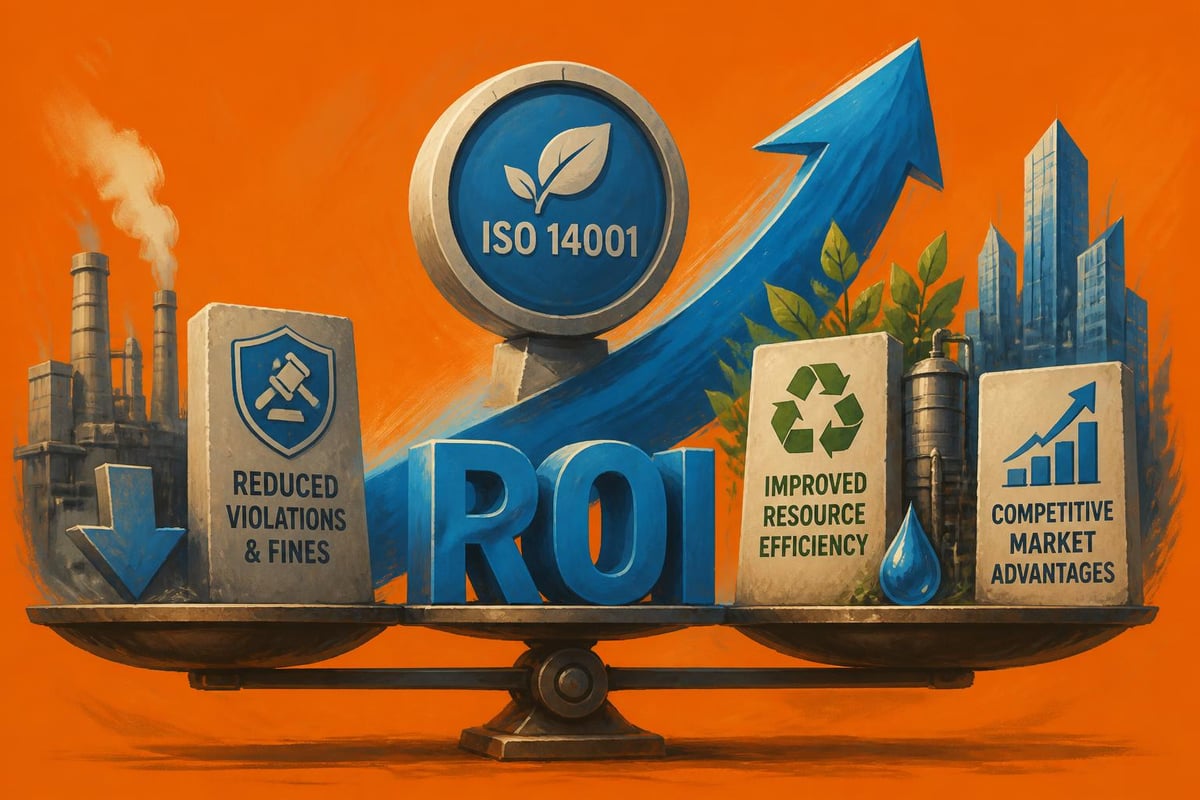
- Reduced third-party audit costs by conducting preliminary assessments internally
- Faster issue identification through regular systematic reviews
- Improved supplier relationships when auditing vendor environmental compliance
- Enhanced regulatory positioning reducing risk of penalties
- Competitive differentiation in sustainability-focused markets
The TÜV NORD IRCA-certified training emphasizes that certified auditors become change agents who translate compliance requirements into operational improvements. This transformation requires the same leadership skills developed through manager training programs that focus on accountability and execution.
Advanced Applications for Mid-Market Companies
For organizations with 25 to 500 employees, an iso 14001 lead auditor course serves as a catalyst for broader operational excellence initiatives.
Integration with Performance Systems
| Integration Point | Application | Business Outcome |
|---|---|---|
| KPI Scorecards | Environmental metrics in executive dashboards | Visibility and accountability |
| Operating Cadence | Monthly audit reviews in leadership meetings | Continuous improvement rhythm |
| Supplier Management | Vendor environmental assessments | Risk mitigation and quality assurance |
| Employee Engagement | Cross-functional audit teams | Ownership and problem-solving skills |
The PECB ISO 14001 Lead Auditor program includes modules on integrating environmental audits with quality management systems and occupational health and safety frameworks. This holistic approach mirrors effective team coaching and facilitation methodologies where multiple organizational functions align around shared objectives.
Companies serious about environmental performance often discover that audit capabilities enable faster decision-making. When managers understand how to identify root causes and verify corrective actions, they develop the same analytical rigor needed for executive coaching positions that drive strategic transformation.
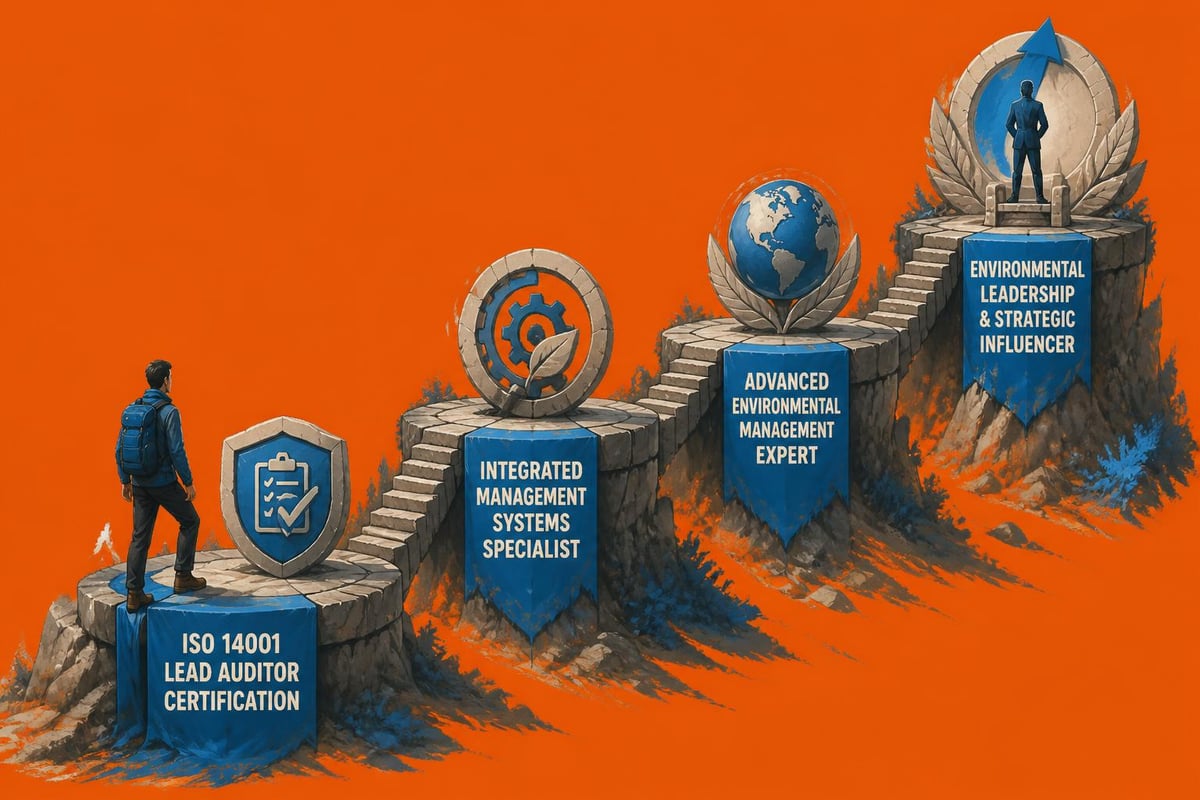
Certification Maintenance and Professional Development
Initial certification represents the beginning of an auditor's professional journey rather than the endpoint.
Ongoing Requirements
Certified lead auditors must maintain their credentials through:
- Annual continuing professional development with minimum contact hours
- Active audit participation demonstrating practical application
- Periodic recertification examinations ensuring current knowledge
- Professional membership in recognized auditor bodies
These maintenance requirements ensure auditors stay current with evolving environmental regulations and best practices. The accountability mirrors the month-to-month approach that characterizes results-focused coaching engagements where continued value must be demonstrated consistently.
Organizations should view auditor certification as part of a broader leadership development strategy. When environmental auditors also receive training in change management and stakeholder engagement through platforms like Accountability Now, they become more effective at driving sustainable organizational improvements.
Selecting the Right Training Provider
Not all iso 14001 lead auditor course offerings deliver equivalent value or business impact.
Evaluation Criteria
When comparing providers, prioritize these factors:
Accreditation and recognition from bodies like IRCA, RABQSA, or EXEMPLAR Global ensures the certification holds international credibility. Instructor experience matters significantly because practical audit wisdom comes from years of fieldwork across diverse industries. Post-training support including mentoring during initial audits accelerates competency development.
Class size and engagement affect learning depth. Smaller cohorts enable more personalized feedback and robust discussion. Industry relevance ensures case studies and examples reflect challenges specific to your operational context.
The investment in an iso 14001 lead auditor course should align with strategic priorities around compliance, operational excellence, and competitive positioning. Companies that integrate environmental audit capabilities with broader leadership development create synergies that amplify both initiatives' effectiveness.
Environmental audit capability represents a strategic asset for mid-market companies committed to operational excellence and regulatory leadership. When organizations invest in ISO 14001 lead auditor certification while simultaneously developing managers who coach, communicate clearly, and execute against priorities, they create sustainable competitive advantages. Noomii delivers practical corporate coaching that builds accountable leaders and high-performing teams through hands-on engagement, clear KPIs, and measurable business results. If you're ready to transform compliance capability into strategic advantage, connect with our team to explore how customized coaching solutions can accelerate your goals.



Leave a Reply
Want to join the discussion?Feel free to contribute!