
Christian Business Coach: Aligning Faith with Results

Finding a business coach who understands the intersection of faith and measurable business outcomes can transform how leaders navigate challenging decisions. A christian business coach brings both biblical wisdom and practical business strategies to help organizations grow while maintaining integrity and purpose. For mid-market companies seeking accountability, clear metrics, and values-based leadership, this specialized coaching approach offers a powerful combination of spiritual grounding and operational excellence.

Why Faith-Based Leadership Matters in Corporate Settings

Organizations increasingly recognize that values-driven leadership creates stronger cultures and more sustainable results. A christian business coach helps leaders align their decision-making with principles of service, stewardship, and integrity while driving the hard metrics that boards and stakeholders demand.

This dual focus delivers several competitive advantages:

  • Enhanced trust within teams through consistent, principle-based leadership
  • Clearer ethical frameworks for navigating complex business dilemmas
  • Stronger employee engagement when purpose connects to daily operations
  • Reduced turnover as team members align with organizational values

The integration of Christian principles into business practices doesn't mean sacrificing profitability or growth. Instead, it creates a foundation where financial success and ethical operations reinforce each other.

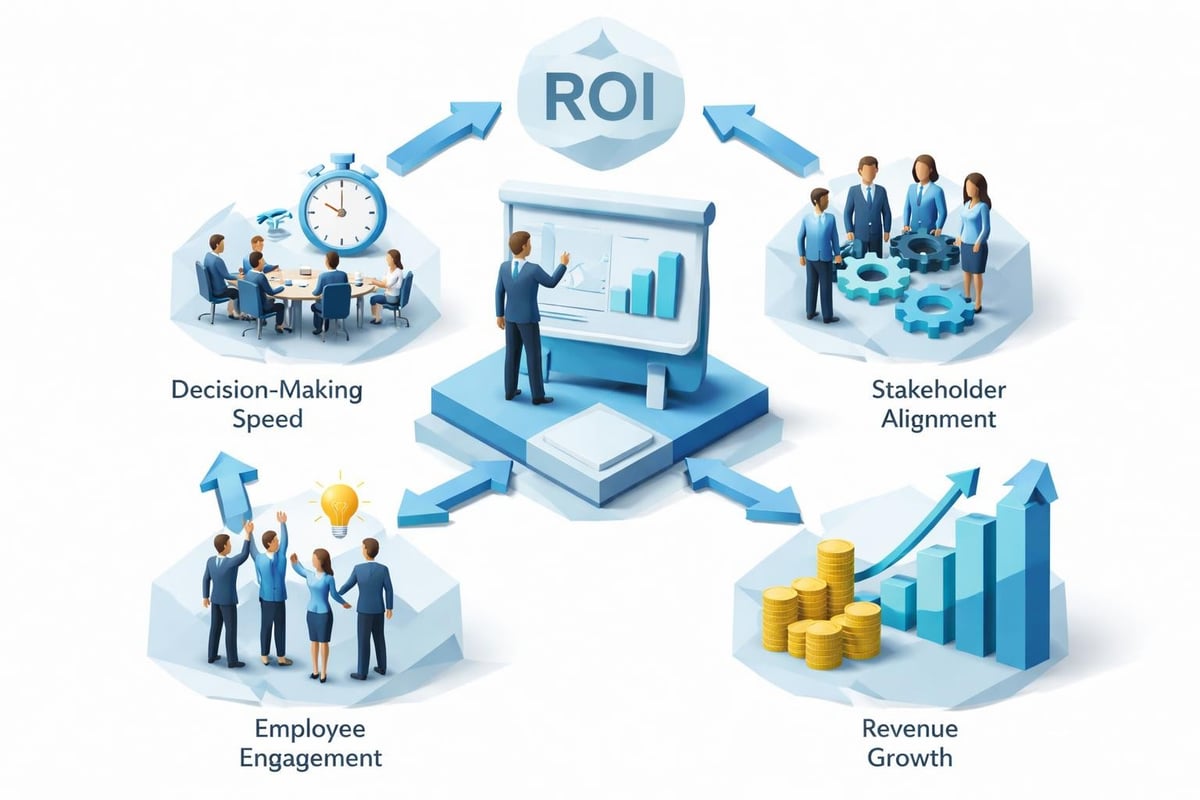
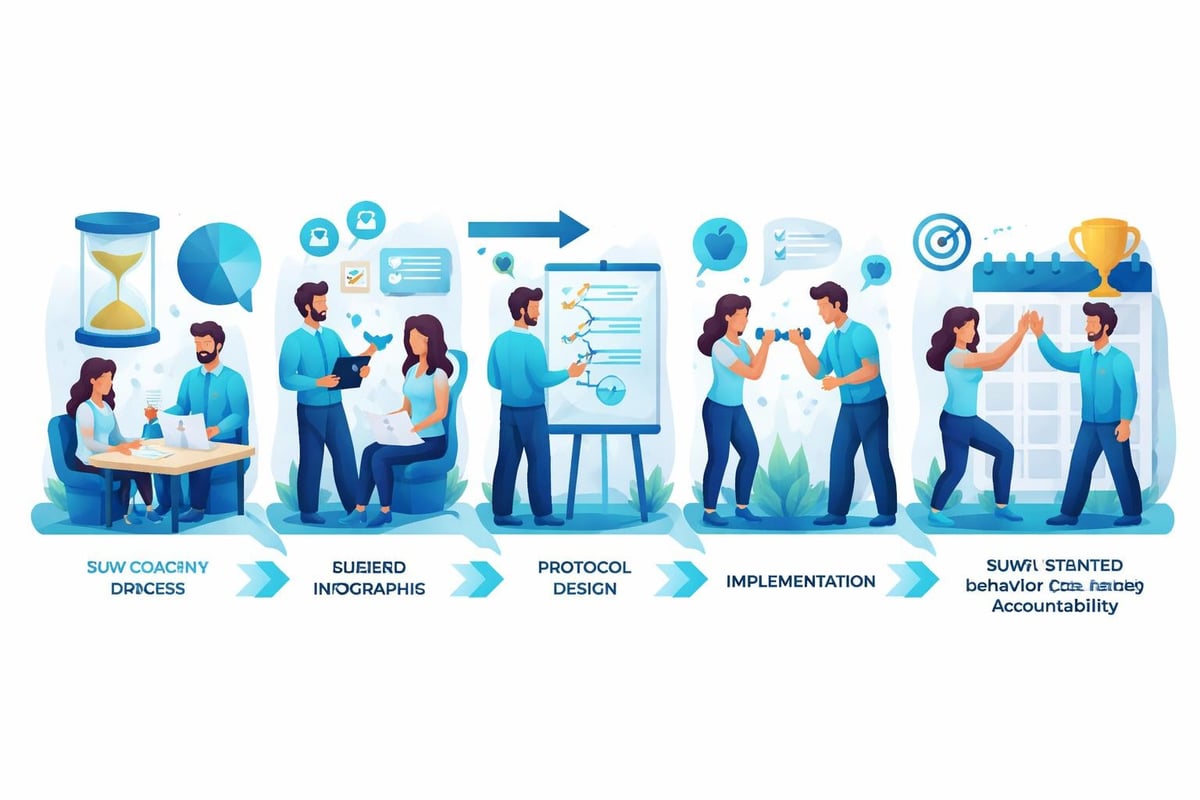
Faith-based leadership framework

Measuring What Matters Beyond Sunday

Many executives struggle to translate Sunday values into Monday boardroom decisions. A christian business coach bridges this gap by establishing clear accountability structures that honor both faith commitments and business realities.

Consider how leadership coaches structure their engagements around specific, measurable outcomes. The same rigor applies to faith-based coaching, but with additional layers of purpose and values alignment.

Traditional Coaching Focus Christian Business Coaching Addition
Revenue growth targets Stewardship of resources and people
Market share expansion Ethical competitive practices
Efficiency optimization Servant leadership development
Stakeholder returns Stakeholder impact and legacy

This framework doesn't replace business fundamentals. It enriches them.

Selecting the Right Christian Business Coach

The marketplace offers numerous options, but not all coaches deliver the same depth of expertise or commitment to measurable results. Finding the right Christian business coach requires evaluating both spiritual alignment and business acumen.

Essential criteria include:

  1. Proven track record with companies similar to your size and industry
  2. Clear methodology that connects faith principles to operational metrics
  3. Flexibility in engagement terms rather than rigid long-term contracts
  4. Direct involvement in your business challenges, not just theoretical advice
  5. Measurable outcomes tied to KPIs that matter to your organization

Organizations like C12 Business Forums demonstrate how peer accountability within a Christian framework drives excellence. The best coaches bring similar intensity to individual engagements.

For mid-market companies, team coaching that integrates faith-based leadership principles creates alignment from the C-suite through middle management. This cascading effect amplifies impact across the organization.

Biblical Principles Meet Modern Business Challenges

How do ancient wisdom and contemporary business realities intersect? A christian business coach translates timeless principles into actionable strategies for today's competitive landscape.

Concepts like servant leadership, faithful stewardship, and compassionate accountability become operational practices through structured coaching interventions. This might include live coaching during leadership meetings, designing KPI scorecards that reflect values-based priorities, or facilitating difficult conversations with biblical wisdom informing the approach.

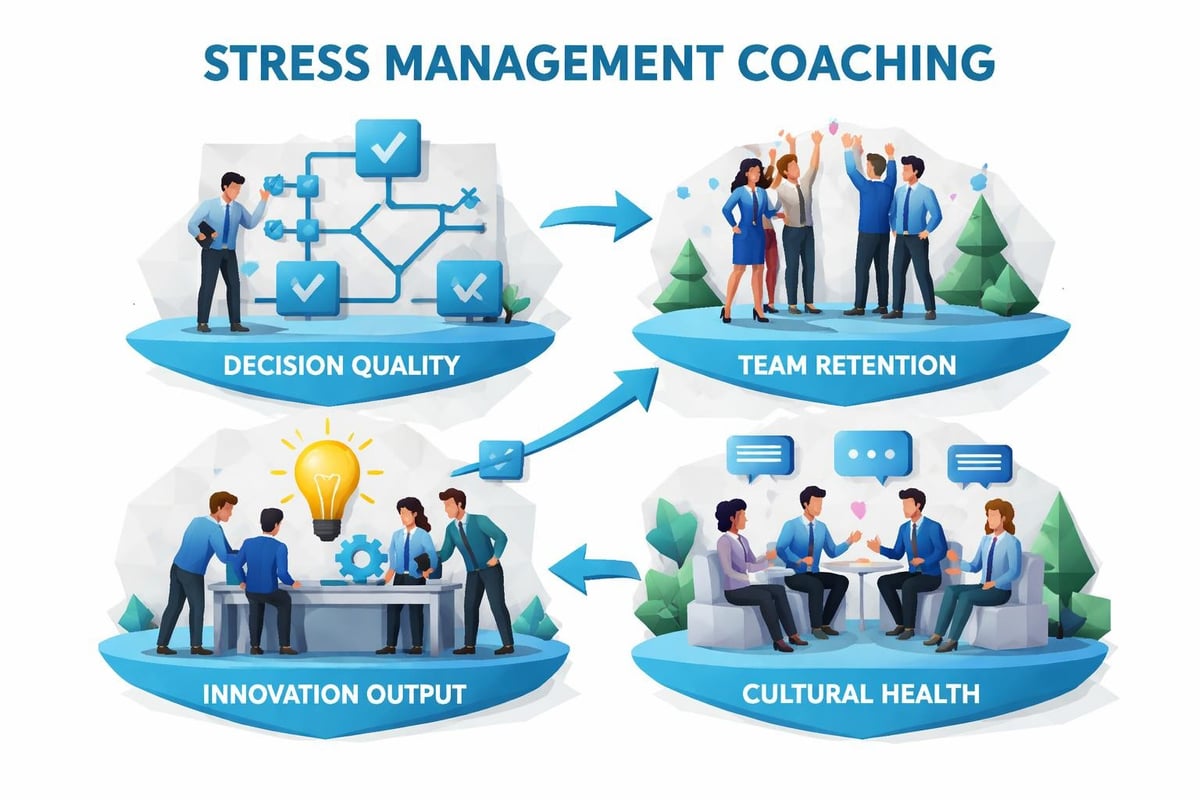
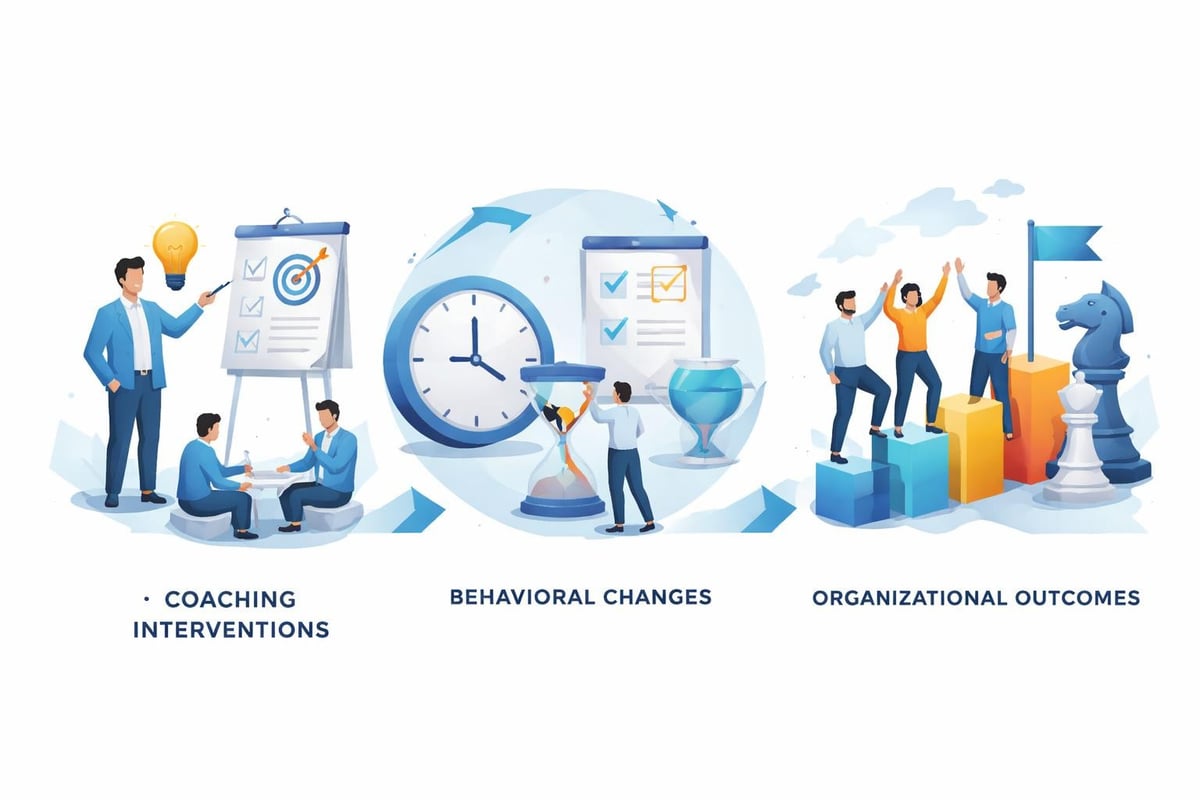
Biblical business principles

The application of Christian values in business creates frameworks for addressing challenges from employee conflicts to strategic pivots. When leaders operate from clear values, decisions gain consistency and teams build trust in leadership direction.

Real-World Applications for Growing Organizations

Theory matters little without execution. Effective coaching within a Christian framework delivers tangible improvements in how organizations operate and perform.

Month-to-month engagements focusing on:

  • Manager training that develops coaching skills rooted in service and accountability
  • 360 leadership assessments identifying gaps between stated values and actual behaviors
  • Operating cadence design ensuring priorities align with both business goals and organizational values
  • Sales coaching that maintains integrity while driving revenue growth
  • Retention strategies built on authentic engagement rather than compensation alone

For companies exploring business development coaching, integrating faith-based perspectives ensures growth strategies honor both stakeholder interests and higher purpose.

Accountability Structures That Drive Results

A christian business coach implements accountability systems that move beyond good intentions to measurable progress. This includes establishing clear KPIs, regular check-ins, and transparent reporting on both business metrics and values alignment. The integration of faith principles, particularly through resources like accountability systems that work, provides additional structure for maintaining commitments when pressure increases.

Organizations often discover that spirituality coaches bring unique perspectives to business challenges by addressing the whole person rather than just professional performance. This holistic approach yields better outcomes because it acknowledges that leaders bring their complete selves to work.

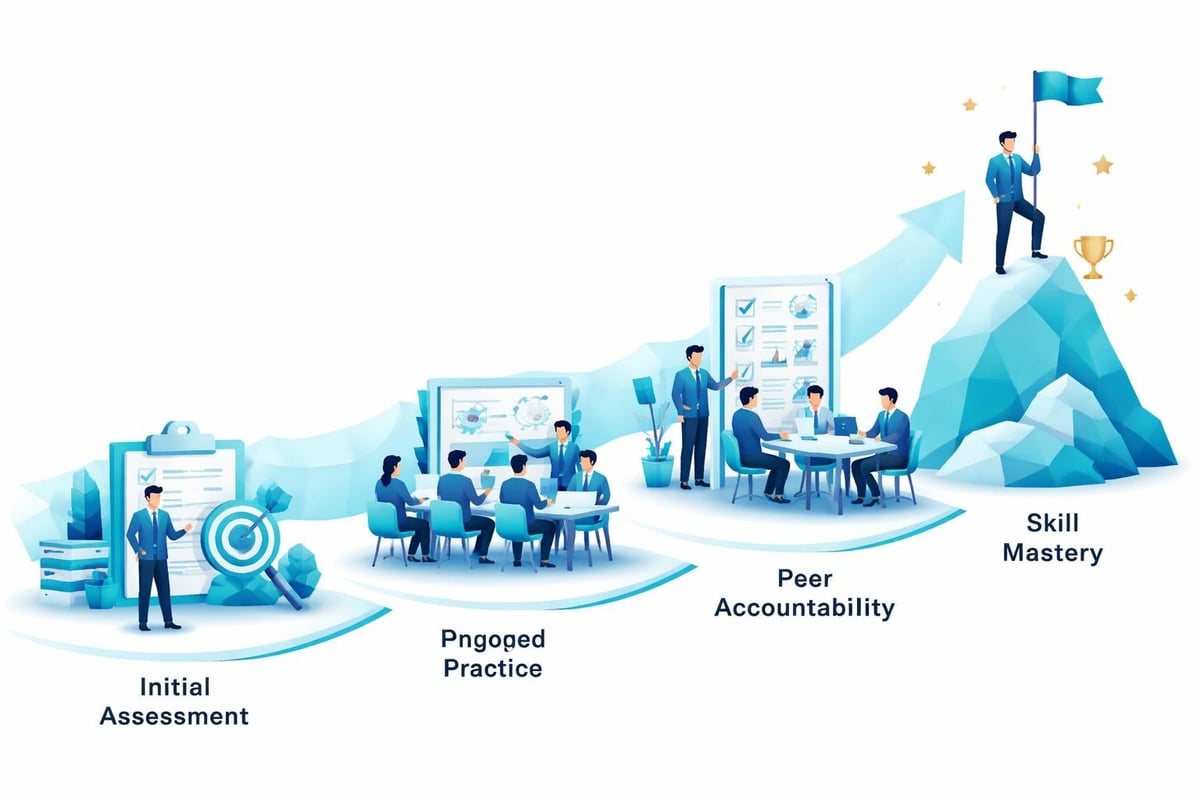
Coaching accountability framework

Building Lasting Impact Through Faith-Integrated Coaching

The true measure of coaching effectiveness appears in sustained change, not temporary improvements. Organizations working with a christian business coach typically see transformation across multiple dimensions simultaneously.

Documented outcomes include:

  • Faster, more confident decision-making as leaders apply consistent frameworks
  • Managers who develop their teams rather than just delegate tasks
  • Communication improvements that reduce misunderstandings and rework
  • Higher engagement scores reflecting authentic connection to organizational purpose
  • Cleaner execution because priorities align with both strategy and values

These results emerge because coaching addresses root causes rather than symptoms. When executive coaching integrates faith perspectives, it creates space for leaders to examine motivations, confront blind spots, and develop character alongside competencies.

Many executives discover that resources like Christ-centered coaching approaches provide frameworks for sustainable success rather than short-term wins that compromise long-term integrity.

The Investment Versus Cost Equation

Smart organizations evaluate coaching through an ROI lens, measuring tangible business improvements against investment. Faith-based coaching should meet the same standard while delivering additional benefits in culture, retention, and leadership development.

Month-to-month terms reduce risk and ensure coaching remains relevant as business conditions change. Shared risk models align incentives, so coaches succeed only when clients achieve measurable results. This approach contrasts sharply with certification-focused models that prioritize methodology over outcomes.

For businesses ready to explore how entrepreneurship coaching can accelerate growth while maintaining values alignment, the right coach becomes a strategic partner in building sustainable success.


Integrating faith with business excellence requires both spiritual conviction and operational discipline. A christian business coach who delivers measurable results helps leaders build organizations that honor their values while achieving ambitious goals. Whether you need executive coaching, leadership development, team facilitation, or comprehensive performance systems, Noomii connects you with coaches who roll up their sleeves, engage directly with your challenges, and tie every intervention to clear KPIs and visible ROI. Explore how practical, results-focused coaching transforms good intentions into exceptional outcomes.

Executive Mindset Coaching for Directors in Edinburgh

Directors in Edinburgh face unprecedented challenges in 2026 as organizational complexity intensifies and stakeholder expectations evolve. The pressure to deliver results while managing diverse teams, navigating regulatory requirements, and maintaining strategic vision requires more than technical expertise. It demands a fundamental shift in mindset. Executive mindset coaching for directors in Edinburgh addresses this critical need by transforming how leaders think, decide, and inspire their organizations. This specialized coaching approach goes beyond traditional leadership development, targeting the cognitive patterns and mental frameworks that determine executive effectiveness.

The Strategic Imperative for Directors in Edinburgh's Business Environment

Edinburgh's unique business landscape combines financial services excellence, technological innovation, and rich institutional heritage. Directors operating in this environment must balance traditional governance expectations with rapid digital transformation demands.

The city's position as Scotland's financial hub means directors regularly navigate complex regulatory frameworks while driving innovation. This dual requirement creates mental strain that traditional management approaches cannot address effectively. Executive coaching creates dedicated space for reflection and strategic thinking that busy directors rarely find in their daily operations.

Why Conventional Leadership Training Falls Short

Most leadership programs focus on skills and competencies-communication techniques, financial acumen, or strategic planning frameworks. These elements matter, but they miss the foundational layer that determines how directors actually apply these skills under pressure.

Key limitations of traditional training include:

  • Generic content that ignores individual thought patterns
  • Short-term knowledge transfer without behavioral integration
  • Lack of personalized accountability mechanisms
  • Minimal focus on psychological barriers to decision-making
  • Insufficient attention to stress management under board-level pressure

Executive mindset coaching for directors in Edinburgh addresses these gaps by working with the individual's unique cognitive architecture. Rather than imposing external frameworks, this approach identifies existing mental models and systematically refines them for enhanced performance.

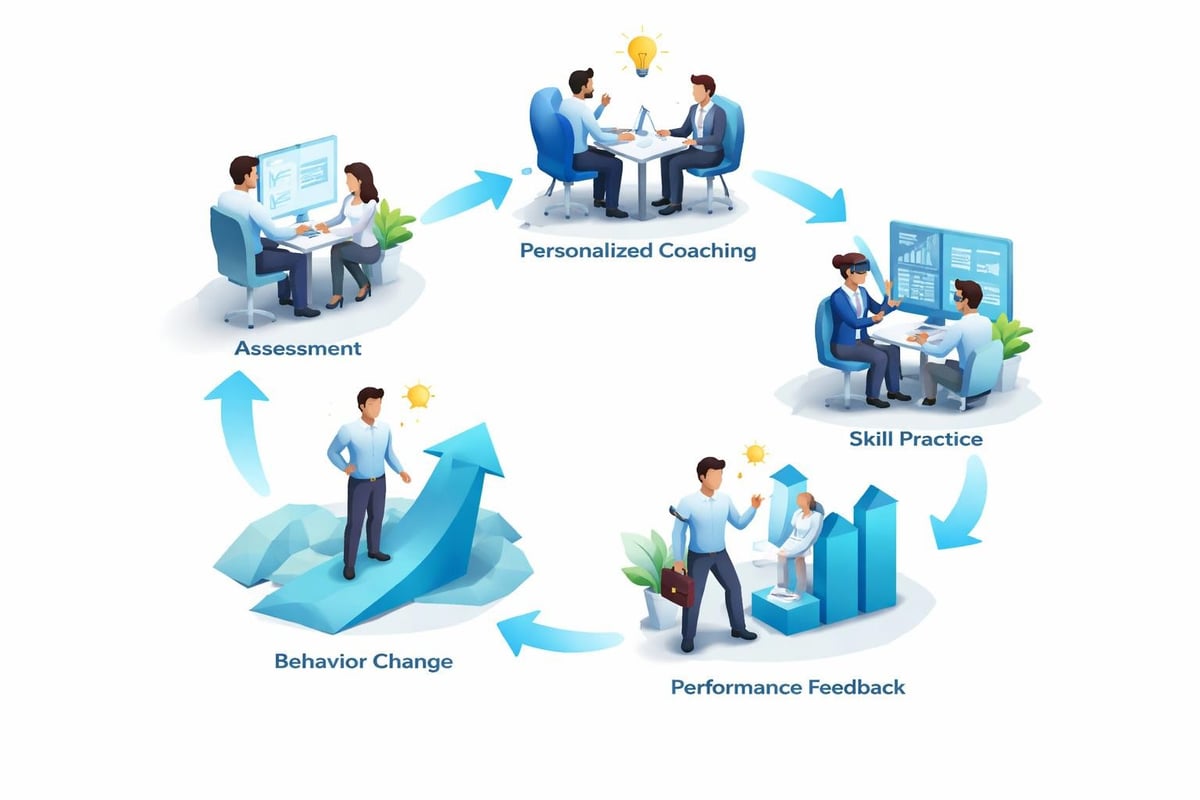
Leadership mindset transformation framework

Evidence-Based Approaches to Mindset Transformation

The most effective coaching interventions combine psychological research with practical business application. Directors benefit from approaches grounded in neuroscience, behavioral economics, and organizational psychology rather than motivational platitudes.

Enhanced self-awareness and decision-making skills form the foundation of sustainable leadership improvement. This awareness extends beyond personality preferences to encompass unconscious biases, stress responses, and default decision-making patterns.

Core Components of Executive Mindset Development

Component Focus Area Measurable Outcomes
Cognitive Reframing Perception of challenges and opportunities Increased strategic options identified
Emotional Regulation Stress management under pressure Reduced reactive decisions
Systems Thinking Understanding organizational dynamics Improved cross-functional outcomes
Value Alignment Connecting personal purpose to role Enhanced authentic leadership
Growth Orientation Embracing learning from setbacks Accelerated adaptation to change

The precision coach matching process ensures directors work with professionals who understand their specific sector challenges. A director in Edinburgh's asset management sector faces different mindset requirements than one leading a technology scale-up or a public sector organization.

This matching considers industry expertise, leadership challenges, and personality factors. The result is a coaching relationship built on relevant experience and psychological compatibility, which research shows significantly improves outcomes.

Addressing the Unique Pressures of Board-Level Leadership

Directors operate in a distinct accountability environment. Unlike middle managers who execute strategy, directors must create it while answering to shareholders, regulators, and diverse stakeholder groups. This responsibility creates specific mindset challenges that require targeted intervention.

The isolation of executive leadership intensifies these pressures. Directors often cannot discuss strategic uncertainties with their teams, and board peers may represent competitive interests within organizational politics. This isolation can reinforce unproductive thinking patterns.

Decision Quality Under Uncertainty

Edinburgh directors frequently make high-stakes decisions with incomplete information. Financial services leaders assess market risks, healthcare directors allocate limited resources, and technology executives commit to innovation paths without guaranteed outcomes.

Executive mindset coaching for directors in Edinburgh develops the psychological capacity to maintain decision quality despite uncertainty. This involves:

  1. Building comfort with ambiguity through structured exploration of unknown variables
  2. Developing scenario planning habits that expand consideration of possibilities
  3. Creating decision frameworks that reduce cognitive load during pressure
  4. Establishing review mechanisms that promote learning without blame
  5. Strengthening conviction in decisions once commitment is made

The role of coaching for executive directors proves essential in navigating these organizational challenges with confidence rather than anxiety.

The benefits extend beyond individual decision episodes. Directors who develop robust decision-making mindsets create organizational cultures that handle uncertainty more effectively, cascading improved judgment throughout leadership ranks.

Strategic decision-making process

Transforming Leadership Presence and Influence

Technical competence earns directors their positions, but leadership presence determines their ultimate impact. This presence reflects the internal mindset that governs how directors show up in challenging situations.

A director with a scarcity mindset approaches board discussions defensively, protecting territory and resisting challenges. One with an abundance mindset seeks input, acknowledges uncertainty, and builds coalitions around shared objectives. Neither approach has inherent morality, but the latter consistently produces superior organizational outcomes.

Developing Authentic Executive Presence

Authentic presence emerges when external behavior aligns with internal values and identity. Many directors adopt leadership personas they believe are expected-projecting certainty they don't feel or assertiveness that contradicts their natural style. This misalignment creates cognitive dissonance that undermines effectiveness and causes personal stress.

Executive mindset coaching for directors in Edinburgh helps leaders identify this misalignment and develop presence grounded in genuine strengths. The process involves examining:

  • Core values that drive professional purpose
  • Natural communication and influence styles
  • Situations where authentic self emerges most powerfully
  • Gaps between current behavior and ideal leadership identity
  • Barriers preventing full authentic expression

This work often reveals that directors have internalized outdated mental models about what leadership requires. A director who believes effective leadership means having all answers will struggle in today's complex environment where collaborative problem-solving outperforms individual brilliance.

Measuring Impact Through Behavioral Change

Organizations investing in executive development rightfully demand measurable returns. Executive mindset coaching for directors in Edinburgh delivers quantifiable improvements when structured around clear objectives and assessment frameworks.

The challenge lies in selecting metrics that capture genuine leadership effectiveness rather than superficial activity. Hours in coaching sessions or workshops attended tell us nothing about actual behavior change or organizational impact.

Key Performance Indicators for Mindset Coaching

Individual Level Metrics:

  • 360-degree feedback scores in targeted competency areas
  • Decision-making speed and quality ratings from board peers
  • Stress and wellbeing indicators from validated assessments
  • Self-reported confidence in handling specific leadership challenges
  • Time allocation to strategic versus operational activities

Organizational Impact Metrics:

  • Employee engagement scores for direct reports
  • Team performance against strategic objectives
  • Retention rates of high-potential talent
  • Cross-functional collaboration effectiveness
  • Innovation pipeline strength and execution speed

Similar to approaches used in executive coaching packages, the most sophisticated programs establish baseline measurements before coaching begins, then track progress at defined intervals. This data-driven approach removes ambiguity about whether investment produces returns.

Directors in Edinburgh's regulated industries particularly appreciate this evidence-based framework. It aligns coaching with the analytical rigor they apply to other business decisions while meeting governance requirements for professional development investments.

The Integration of Strategic Thinking and Emotional Intelligence

The false dichotomy between analytical capability and emotional intelligence has damaged countless leadership careers. Directors excel when they integrate both dimensions rather than prioritizing one at the other's expense.

Edinburgh's business environment particularly rewards this integration. Financial services require rigorous analysis combined with relationship management. Healthcare demands evidence-based decisions delivered with empathy. Technology leadership needs systematic thinking paired with inspiring vision.

Building the Integrated Executive Mind

The benefits of executive coaching include enhanced emotional intelligence alongside improved decision-making capabilities. These elements reinforce rather than compete with each other.

An emotionally intelligent director recognizes when team hesitation signals genuine concerns versus resistance to change. This awareness informs how they communicate decisions and build buy-in. Without emotional intelligence, even brilliant strategies fail during implementation.

Conversely, emotional intelligence without strategic thinking produces popular leaders who lack direction. The combination creates directors who both know where to go and can bring others along the journey.

Executive mindset coaching develops both dimensions simultaneously through:

  • Real-time examination of actual leadership challenges the director faces
  • Exploration of both logical and emotional components of decisions
  • Practice in communicating complex ideas with emotional resonance
  • Feedback on how the director's emotional state affects team dynamics
  • Development of self-regulation techniques for high-pressure situations

This integrated approach mirrors how directors actually experience their roles, making the learning immediately applicable rather than theoretical.

Integration of strategy and emotional intelligence

Navigating Organizational Politics and Stakeholder Management

Directors who dismiss organizational politics as beneath their concern rarely achieve their full potential impact. Politics simply describes how power, influence, and resources flow through human systems. Effective directors understand these dynamics and navigate them ethically toward organizational objectives.

Edinburgh's interconnected business community intensifies these dynamics. Directors often encounter the same stakeholders across multiple contexts-board members who are also clients, regulators who were former colleagues, competitors who are partners in industry initiatives.

Developing Political Acumen Without Compromising Integrity

Executive mindset coaching for directors in Edinburgh addresses the mental frameworks around organizational influence. Many directors carry limiting beliefs that political awareness contradicts authentic leadership or that influence requires manipulation.

These beliefs create unnecessary handicaps. Political acumen simply means understanding stakeholder motivations, building coalitions around shared interests, and communicating in ways that resonate with different audiences. None of this requires compromising values.

The coaching process helps directors:

  1. Map stakeholder landscapes with clarity about interests and influence
  2. Identify natural allies and potential resistance points
  3. Develop influence strategies that align with personal values
  4. Practice difficult conversations before high-stakes encounters
  5. Build resilience against political setbacks

Organizations utilizing leadership coaching services report that directors with enhanced political acumen achieve strategic objectives faster because they anticipate and address implementation barriers proactively.

Sustaining Performance Through Resilience and Renewal

The demands on directors intensify each year as business complexity increases and stakeholder expectations rise. Without deliberate resilience practices, even the most capable leaders eventually experience declining performance, poor health, or burnout.

Executive mindset coaching for directors in Edinburgh explicitly addresses sustainability alongside effectiveness. A director who achieves extraordinary results for three years then suffers health consequences has not succeeded-they've depleted the organization's leadership capital.

Building Sustainable High Performance

Resilience coaching focuses on the mental models that govern how directors manage energy, set boundaries, and define success. Many directors unconsciously adopt unsustainable patterns:

  • Equating hours worked with leadership commitment
  • Viewing self-care as weakness or self-indulgence
  • Believing they must personally solve every problem
  • Defining success solely through external metrics
  • Neglecting relationships that provide support and renewal

These patterns often stem from early career experiences when proving oneself required maximum effort. Directors rarely consciously choose these models-they simply persist from earlier contexts where they worked.

Resilience Development Framework:

Dimension Current State Assessment Intervention Strategy
Physical Energy Sleep quality, exercise, nutrition patterns Habit architecture, accountability systems
Mental Focus Attention management, decision fatigue Priority frameworks, delegation practices
Emotional Wellbeing Stress levels, relationship satisfaction Boundary setting, connection rituals
Spiritual Purpose Meaning, contribution, legacy concerns Value clarification, impact measurement

The work involves examining these inherited patterns, assessing their current validity, and consciously designing alternatives that support both performance and wellbeing. Directors discover that sustainable practices enhance rather than compromise effectiveness.

The Return on Investment in Mindset Development

Organizations approach executive coaching as a strategic investment requiring clear return justification. Benefits of executive coaching include improved decision-making and team performance, but quantifying these benefits requires rigorous methodology.

The most compelling ROI calculations compare the cost of coaching against specific measurable improvements. Consider a director whose improved decision-making reduces project delays by two weeks, accelerating time-to-market on a £5 million revenue initiative. Even a 1% revenue impact dwarfs typical coaching investment.

Calculating Tangible and Intangible Returns

Tangible Returns:

  • Revenue growth from improved strategic decisions
  • Cost savings from enhanced operational efficiency
  • Talent retention value from better leadership
  • Risk mitigation from superior judgment
  • Faster strategic initiative execution

Intangible Returns:

  • Enhanced organizational culture and morale
  • Improved board effectiveness and governance
  • Stronger stakeholder relationships and reputation
  • Increased innovation and adaptability
  • Director personal satisfaction and longevity

Organizations using Noomii’s leadership coaching services benefit from structured measurement frameworks that track both categories. This comprehensive view captures the full value creation from executive development investments.

For directors personally, the ROI extends beyond organizational metrics. Enhanced effectiveness translates to career progression, expanded opportunities, and greater impact. The ability to lead with clarity and confidence while maintaining wellbeing represents profound personal value that compounds over decades.

Selecting the Right Coaching Partner in Edinburgh

The quality of coaching outcomes depends heavily on coach selection. Not all coaches possess the business acumen, psychological expertise, and personal chemistry to effectively serve directors. Edinburgh's market includes practitioners with vastly different backgrounds, methodologies, and specializations.

Directors should approach coach selection with the same rigor they apply to other strategic decisions. This means defining clear objectives, evaluating candidates against relevant criteria, and establishing accountability mechanisms from the outset.

Critical Selection Criteria

When seeking executive mindset coaching for directors in Edinburgh, prioritize these factors:

  • Relevant Business Experience: Has the coach operated at executive levels in similar industries?
  • Psychological Training: Do they possess formal credentials in psychology, behavioral change, or related fields?
  • Evidence-Based Methods: Can they articulate the research foundation for their approaches?
  • Track Record: What measurable outcomes have previous director clients achieved?
  • Chemistry and Trust: Does the director feel comfortable being vulnerable with this person?

The precision matching process addresses these criteria systematically rather than leaving selection to chance encounters or limited networks. This approach particularly benefits Edinburgh organizations seeking specialized expertise that may not exist within immediate geographic proximity.

Directors should also clarify logistics including session frequency, duration, measurement approaches, and confidentiality boundaries. These practical elements significantly affect coaching effectiveness but often receive insufficient attention during initial contracting.

Integrating Coaching with Broader Leadership Development

Executive mindset coaching for directors in Edinburgh achieves maximum impact when integrated with comprehensive leadership development systems rather than functioning as an isolated intervention. Organizations benefit from aligning individual coaching with team development, succession planning, and strategic initiatives.

This integration ensures coaching addresses genuine organizational priorities rather than generic leadership improvement. A director receiving coaching while leading a major transformation can focus coaching conversations on specific challenges emerging in real-time, creating immediate application opportunities.

Creating Systemic Leadership Impact

The most sophisticated organizations combine:

  • Individual executive coaching for senior leaders
  • Team coaching for executive committees and boards
  • Leadership development programs for high-potential talent
  • Assessment and feedback systems providing ongoing data
  • Knowledge management capturing leadership insights

For organizations seeking this comprehensive approach, exploring toxic leader intervention strategies alongside development programs ensures both reactive problem-solving and proactive capability building occur simultaneously.

This systemic view recognizes that individual director development influences and is influenced by organizational culture, systems, and processes. Coaching that ignores this context produces temporary changes that organizational gravity eventually reverses.

Directors leading this integration demonstrate strategic thinking by connecting their personal development to organizational capability requirements. This perspective transforms coaching from a personal benefit to a strategic lever for institutional improvement, making continued investment easier to justify and sustain.


Directors who invest in transforming their leadership mindset gain competitive advantages that compound throughout their careers, creating both immediate performance improvements and long-term capacity for handling increasing complexity. The Noomii Corporate Leadership Program delivers evidence-based executive mindset coaching for directors in Edinburgh through precision coach matching, validated assessment tools, and measurable development plans that align individual growth with organizational objectives. Whether you're navigating board-level challenges, driving transformation initiatives, or building sustainable high performance, our global network of certified executive coaches provides the specialized expertise Edinburgh directors need to achieve breakthrough results. Learn more about accountability-driven leadership development approaches from AccountabilityNow and discover how tailored coaching solutions can transform your leadership effectiveness.

Becoming a Career Coach: Your Complete 2026 Guide

The coaching industry continues to expand rapidly as organizations recognize the value of professional development and talent retention. Professionals with corporate experience, HR backgrounds, or leadership expertise increasingly explore becoming a career coach as their next professional chapter. This transition offers the opportunity to leverage accumulated wisdom while helping others navigate complex workplace challenges, make strategic career moves, and unlock their professional potential.

Understanding the Career Coach Role

Career coaches guide professionals through transitions, advancement strategies, and workplace challenges. Unlike therapists who address emotional healing or life coaches who tackle broad personal goals, career coaches focus specifically on professional development and workplace success.

The role encompasses multiple responsibilities:

  • Conducting assessments to identify strengths, gaps, and career aspirations
  • Developing actionable plans for skill development and advancement
  • Providing accountability and support through job searches or transitions
  • Teaching networking strategies and personal branding techniques
  • Facilitating difficult conversations around workplace conflicts or negotiations

Career coach responsibilities and focus areas

According to detailed research on career coach roles, professionals in this field typically need strong interpersonal skills, business acumen, and the ability to translate complex career strategies into actionable steps. The Institute of Coaching emphasizes that successful coaches combine practical experience with formal training to deliver measurable results.

Corporate Career Coaching Versus Independent Practice

Two distinct paths exist when becoming a career coach. Independent practitioners build private practices serving individual clients, while corporate career coaches work within organizations to develop internal talent.

Aspect Independent Practice Corporate Coaching
Client Base Individual professionals Employees within organizations
Revenue Model Session fees, packages Salary or contract retainer
Focus Area Personal career goals Business outcomes and retention
Accountability Client satisfaction KPIs, engagement scores, ROI

Corporate coaching roles, similar to executive coaching positions, demand alignment between individual development and organizational objectives. These coaches tie their work to measurable business outcomes rather than purely personal satisfaction metrics.

Essential Skills and Qualifications

Becoming a career coach requires developing specific competencies beyond general people skills. Effective coaches master active listening, powerful questioning techniques, and the ability to maintain appropriate boundaries while building trust.

Core competencies include:

  1. Assessment proficiency – Administering and interpreting career assessments, personality inventories, and skills evaluations
  2. Industry knowledge – Understanding hiring trends, salary benchmarks, and sector-specific challenges
  3. Strategic planning – Creating step-by-step roadmaps that balance ambition with reality
  4. Communication excellence – Delivering direct feedback while maintaining psychological safety
  5. Business acumen – Comprehending organizational dynamics, politics, and decision-making processes

The University of Phoenix outlines comprehensive steps including educational requirements and skill development pathways. Most successful coaches combine formal education in psychology, business, or human resources with specialized coaching training.

Certification Pathways

Professional certification enhances credibility and demonstrates commitment to coaching standards. Several respected certification programs exist for aspiring career coaches, each with different requirements and specializations.

Popular certification options:

  • International Coach Federation (ICF) – Globally recognized credentials requiring training hours and examination
  • National Career Development Association (NCDA) – Specialized focus on career counseling and development
  • Board Certified Coach (BCC) – Comprehensive coaching credential across multiple specialties
  • Certified Professional Career Coach (CPCC) – Specific to career coaching practice

The National Association of Colleges and Employers offers certification designed for professionals working with students and early-career professionals. Advanced practitioners might pursue the Master Professional Career Coach designation to demonstrate expertise.

Career coach certification comparison

Building Your Career Coaching Practice

Launching a coaching practice demands strategic planning beyond completing certification. Successful coaches identify their niche, develop clear service offerings, and build systems for client acquisition and delivery.

Defining Your Specialty

Generalist coaches face intense competition. Specialists who focus on specific industries, career levels, or transition types command higher fees and attract ideal clients more effectively. Consider specializing in:

  • Executive transitions and C-suite advancement
  • Mid-career pivots into new industries
  • Technical professionals moving into leadership
  • Remote work and digital nomad careers
  • Specific industries like healthcare, technology, or finance

Business development coaching principles apply equally to building a career coaching practice. Define your ideal client profile, articulate clear value propositions, and develop marketing strategies that reach decision-makers.

Pricing and Service Models

Career coaches structure services in multiple formats, each with distinct advantages. Session-based coaching offers flexibility but creates income volatility. Package-based programs provide revenue predictability and enable deeper client transformation. Retainer relationships ensure consistent income while building long-term partnerships.

Service Model Typical Structure Best For
Single Sessions $100-$300 per hour Initial consultations, one-off advice
Coaching Packages $1,500-$5,000 for 3-6 months Career transitions, skill development
Corporate Retainers $3,000-$15,000+ monthly Organizational talent development
Group Programs $500-$2,000 per participant Scalable delivery, cohort learning

Research on career coach compensation indicates significant earning variation based on experience, location, and specialization. Coaches working with corporate clients or executives typically command premium rates compared to entry-level career guidance.

Measuring Impact and Building Credibility

Professional coaches, especially those serving corporate clients, must demonstrate tangible results. Track metrics including client promotion rates, salary increases achieved, time-to-placement for job seekers, and retention improvements for organizational clients.

Key performance indicators for career coaches:

  • Client satisfaction scores and testimonials
  • Percentage of clients achieving stated goals within timeframes
  • Average salary increase for clients negotiating compensation
  • Retention rates for corporate coaching engagements
  • Referral rates and repeat business percentages

Organizations increasingly demand ROI-focused coaching approaches that tie development investments to business outcomes. Coaches who establish clear success metrics and track progress systematically build stronger reputations and command higher fees.

Career coaching success metrics

Becoming a career coach in 2026 requires balancing certification credentials with practical business skills. The most successful practitioners combine deep expertise in career development with the ability to deliver measurable results. Whether building an independent practice or joining corporate teams, coaches who focus on outcomes, maintain high ethical standards, and continuously develop their skills create sustainable, rewarding careers while transforming professional lives. Professional platforms like Noomii connect aspiring coaches with training resources while helping established practitioners reach clients seeking career guidance.


Becoming a career coach offers a rewarding path for experienced professionals ready to guide others through workplace challenges and career advancement. Success requires combining formal certification, specialized expertise, and business development skills to build a sustainable practice. Whether you're establishing an independent coaching practice or your organization needs practical career coaching support, Noomii delivers results-focused coaching tied to clear KPIs and measurable ROI. Connect with professional coaches who roll up their sleeves, integrate into your operations, and drive visible outcomes across leadership development, team performance, and talent retention.

For more insights on building organizational accountability and leadership strength, explore resources at Accountability Now.

Executive Coaching for C-Suite Professionals in Ottawa

Ottawa's executive landscape presents unique challenges that demand specialized leadership development. C-suite professionals in the nation's capital navigate complex stakeholder relationships, regulatory frameworks, and high-stakes decision-making that requires exceptional strategic acumen. Executive coaching for C-suite professionals in Ottawa addresses these distinctive pressures through evidence-based methodologies that align personal leadership growth with organizational imperatives. Whether leading government agencies, technology firms, or multinational corporations headquartered in Canada's capital, today's executives need more than generic leadership training. They require precision-matched coaching that understands Ottawa's unique business ecosystem and delivers measurable transformation.

The Strategic Imperative for C-Suite Coaching in Ottawa

Ottawa's position as both the national capital and a growing technology hub creates distinct leadership challenges. Federal government contractors must balance innovation with compliance, while private sector leaders compete for talent in a market influenced by public sector compensation and stability.

Executive coaching for c-suite professionals in Ottawa provides targeted solutions for these contextual realities. The approach goes beyond traditional leadership development by incorporating sector-specific expertise and regulatory awareness that resonates with Ottawa's business environment.

Why Traditional Leadership Training Falls Short

Most generic leadership programs fail C-suite executives because they lack customization. Off-the-shelf solutions cannot address the nuanced challenges of leading through government procurement cycles, managing stakeholder expectations across bureaucratic systems, or building resilient cultures in highly regulated environments.

Key gaps in conventional programs include:

  • Insufficient focus on individual behavioral patterns and blind spots
  • Limited accountability mechanisms beyond workshop attendance
  • Absence of ongoing support during critical transition periods
  • Poor alignment with organizational culture and strategic objectives
  • Minimal measurement of actual performance improvement

Leadership assessment process

Research shows that executive coaching enhances self-awareness and strategic thinking among senior leaders, creating sustainable performance improvements that workshops alone cannot deliver. The one-on-one nature of coaching allows for deep exploration of leadership challenges specific to each executive's context.

Core Competencies Developed Through Executive Coaching

The most effective executive coaching for c-suite professionals in Ottawa targets competencies that directly impact organizational performance. These capabilities extend beyond technical expertise into the behavioral and relational domains that distinguish exceptional leaders.

Decision-Making Under Uncertainty

C-suite executives constantly face decisions with incomplete information and competing priorities. Coaching develops the mental frameworks and emotional regulation necessary to make sound judgments under pressure while maintaining confidence in strategic direction.

Advanced coaching methodologies help leaders identify cognitive biases, test assumptions systematically, and build decision-making processes that incorporate diverse perspectives without sacrificing decisiveness.

Strategic Communication and Influence

Communication challenges at the C-suite level include:

  1. Translating complex strategy into compelling narratives for boards and stakeholders
  2. Delivering difficult messages while preserving relationships and trust
  3. Influencing without direct authority across organizational boundaries
  4. Managing executive presence during high-stakes presentations
  5. Building coalition support for transformational initiatives

Studies demonstrate that executive coaching improves communication skills and emotional intelligence, capabilities essential for C-suite effectiveness. Coaches work with executives to refine messaging strategies, develop executive presence, and master the art of strategic influence.

Leading Through Organizational Change

Ottawa organizations undergo constant transformation driven by technological disruption, regulatory changes, and shifting market dynamics. Executive coaching prepares C-suite leaders to guide their organizations through transition while maintaining employee engagement and operational performance.

Change Leadership Challenge Coaching Intervention Expected Outcome
Resistance to transformation Stakeholder mapping and influence strategies Reduced opposition, increased buy-in
Maintaining morale during uncertainty Authentic communication techniques Higher engagement scores
Balancing speed with stability Decision-making frameworks Faster execution with lower risk
Building change capability Team development planning Sustainable transformation capacity

Selecting the Right Executive Coach in Ottawa

The quality of the coach-client relationship determines coaching outcomes more than any other factor. Executive coaching for c-suite professionals in Ottawa requires coaches with specific qualifications, industry knowledge, and proven track records working with senior leaders.

Essential Qualifications and Experience

Credible executive coaches possess advanced certifications from recognized bodies such as the International Coach Federation (ICF) at the Professional Certified Coach (PCC) or Master Certified Coach (MCC) levels. Beyond credentials, they demonstrate deep business acumen gained through corporate leadership roles or extensive C-suite coaching engagements.

Evaluation criteria for coach selection:

  • Minimum 10 years of leadership experience or coaching at executive levels
  • Specialized expertise relevant to your industry or functional challenges
  • Evidence-based coaching methodologies grounded in psychology or organizational development
  • Track record of measurable client outcomes and testimonials
  • Chemistry and trust established during initial conversations

The precision matching process connects executives with coaches who understand their specific context. For organizations managing multiple coaching engagements, leadership coaching services provide structured frameworks that ensure consistent quality and alignment with corporate objectives.

The Value of Local Market Knowledge

While coaching principles remain universal, coaches familiar with Ottawa's business ecosystem bring additional value. They understand the dynamics of government relations, the competitive landscape for talent, and the cultural nuances that shape leadership effectiveness in the region.

This local expertise becomes particularly valuable when executives navigate stakeholder relationships with federal agencies, manage bilingual team dynamics, or position their organizations within Ottawa's innovation corridor. Coaches with regional knowledge accelerate progress by providing contextually relevant examples and avoiding generic advice that fails to resonate.

Coach matching framework

Structuring Effective Executive Coaching Engagements

The framework and timeline of coaching engagements significantly impact their effectiveness. Executive coaching for c-suite professionals in Ottawa typically follows structured methodologies that balance flexibility with accountability.

Assessment and Goal Alignment

Successful engagements begin with comprehensive diagnostics that identify leadership strengths, development areas, and organizational context. Validated assessment tools provide objective data about behavioral tendencies, communication patterns, and decision-making preferences.

The diagnostic phase includes:

  1. Multi-rater feedback (360-degree assessments) from peers, direct reports, and board members
  2. Psychometric instruments measuring personality, emotional intelligence, and leadership style
  3. Strategic interviews exploring career aspirations and organizational challenges
  4. Analysis of organizational culture and alignment with leadership approach

These insights inform the development of targeted coaching objectives that align individual growth with institutional priorities. Clear, measurable goals create accountability and enable tracking of progress throughout the engagement.

Coaching Cadence and Duration

Most executive coaching engagements span six to twelve months with sessions occurring bi-weekly or monthly. This timeline allows sufficient space for practice, reflection, and integration of new behaviors while maintaining momentum.

Between formal sessions, executives complete fieldwork assignments that translate insights into action. These might include testing new communication approaches, implementing decision-making frameworks, or gathering additional stakeholder feedback.

Organizations investing in executive coaching packages benefit from structured programs that include defined milestones, progress reviews, and opportunities for course correction based on evolving needs.

Measuring Coaching Impact

Demonstrating return on investment requires clear metrics established at the engagement's outset. Beyond subjective satisfaction measures, effective programs track behavioral changes and organizational outcomes.

Measurement Category Example Metrics Data Source
Behavioral Change Communication effectiveness, decision quality 360 feedback pre/post
Team Performance Engagement scores, retention rates HR analytics
Strategic Execution Initiative completion, goal achievement Performance dashboards
Personal Development Self-awareness, stress management Coach assessments

Addressing Common C-Suite Leadership Challenges

Executive coaching for c-suite professionals in Ottawa tackles the specific obstacles that impede leadership effectiveness. These challenges often remain invisible until they create significant organizational dysfunction.

Navigating Toxic Leadership Patterns

Even well-intentioned executives can develop counterproductive behaviors under sustained pressure. Toxic leadership patterns manifest as micromanagement, communication breakdowns, political maneuvering, or conflict avoidance, each eroding organizational trust and performance.

Coaching provides a confidential environment where executives examine their impact honestly. Through structured feedback and behavioral experiments, leaders develop awareness of how their actions affect others and learn alternative approaches that build rather than diminish team capability.

The transformation process requires vulnerability and commitment. Executives must acknowledge blind spots, accept accountability for their impact, and practice new behaviors consistently until they become natural. Skilled coaches facilitate this journey with empathy while maintaining high standards for growth.

Building Cross-Functional Collaboration

C-suite leaders frequently struggle to foster collaboration among functional silos. Marketing conflicts with sales, operations clashes with innovation, and finance challenges everyone. These tensions waste resources and slow strategic execution.

Effective coaching helps executives understand the systemic factors that drive organizational fragmentation. Leaders learn to identify structural barriers, misaligned incentives, and communication gaps that perpetuate silos. More importantly, they develop strategies for building shared purpose and mutual accountability across functions.

Digital transformation leadership

Balancing Strategic Vision with Operational Excellence

C-suite executives must simultaneously maintain strategic perspective while ensuring operational performance. This dual focus creates constant tension as urgent operational issues compete for attention with long-term strategic priorities.

Coaching develops the time management, delegation, and prioritization skills necessary to navigate this balance. Leaders learn to distinguish between issues requiring their direct involvement and those better handled by their teams. They build systems that provide visibility into operations without micromanagement.

Organizations seeking comprehensive support can explore how team coaching complements individual executive development by strengthening collective leadership capacity across the C-suite.

The Ottawa Advantage: Regional Context for Executive Development

Ottawa's unique position as the nation's capital and a technology center creates distinctive opportunities for executive development. Understanding this regional context enhances the effectiveness of executive coaching for c-suite professionals in Ottawa.

Government and Private Sector Dynamics

The interplay between government operations and private enterprise shapes leadership requirements. Executives must navigate procurement processes, understand policy frameworks, and build relationships across public and private sectors.

Ottawa-specific leadership capabilities include:

  • Stakeholder management across government, industry, and academic institutions
  • Compliance navigation while maintaining competitive agility
  • Talent strategies that account for public sector competition
  • Communication approaches effective with diverse organizational cultures
  • Strategic positioning within government-influenced markets

Coaches familiar with these dynamics help executives develop the political acumen and strategic patience necessary for success in Ottawa's environment.

Innovation and Technology Leadership

Ottawa's growing technology sector demands leaders who can drive innovation while managing scale. The region's strength in telecommunications, cybersecurity, and software development attracts global talent and investment.

Executive coaching supports technology leaders in making the transition from technical expertise to strategic leadership. This evolution requires developing skills in vision creation, culture building, and investor relations that extend beyond engineering excellence.

Similar to how organizations benefit from specialized executive leadership and communication coaching in Montreal, Ottawa executives gain value from coaches who understand regional technology ecosystems and innovation dynamics.

Integrating Digital Transformation into Leadership Development

Modern executive coaching incorporates digital tools and methodologies that enhance accessibility and effectiveness. The shift to hybrid work models and distributed teams requires coaching approaches that leverage technology while maintaining the depth of human connection.

Virtual Coaching Platforms and Tools

Video conferencing enables coaching relationships that transcend geographic boundaries, expanding access to specialized coaches regardless of location. Digital platforms facilitate session scheduling, progress tracking, and resource sharing that enhance the coaching experience.

However, technology serves as an enabler rather than a replacement for human expertise. The most effective programs combine digital convenience with the nuanced understanding that comes from experienced coaches.

Organizations navigating digital transformation benefit from partners like Green Mo Marketing Solutions, which provides remote CMO services and strategic guidance that complement leadership development initiatives. Similarly, Kube.Systems supports businesses through technological evolution with ERP implementation and business intelligence solutions that align with leadership transformation efforts.

Data-Driven Leadership Development

Advanced analytics enable more precise tracking of leadership development outcomes. Assessment platforms provide real-time feedback on behavioral changes, while organizational metrics demonstrate the business impact of coaching investments.

This data empowers executives and their organizations to make informed decisions about development priorities and coaching approaches. Transparent measurement builds confidence in coaching as a strategic investment rather than a discretionary expense.

Governance and Compliance Considerations

Executive coaching for c-suite professionals in Ottawa must account for governance requirements and ethical standards, particularly for publicly traded companies and government agencies.

Board Reporting and Transparency

Boards increasingly expect visibility into executive development initiatives. Coaching programs should include appropriate reporting mechanisms that respect confidentiality while demonstrating progress and value.

Governance-aligned coaching includes:

  1. Clear objectives tied to organizational strategy and succession planning
  2. Progress updates that protect coaching confidentiality while showing impact
  3. Integration with talent development frameworks and performance management
  4. Compliance with regulatory requirements for executive compensation and benefits
  5. Alignment with organizational values and ethical standards

Confidentiality and Professional Standards

Executive coaching operates under strict confidentiality to create the psychological safety necessary for honest self-examination. However, coaches must also understand when organizational interests require disclosure, such as situations involving legal violations or significant risk to the organization.

Reputable coaching programs establish clear confidentiality agreements that define these boundaries upfront, protecting both the executive and the organization. Professional coaches adhere to ethical guidelines established by credentialing bodies that govern appropriate coach behavior.

Building Sustainable Leadership Capacity

The ultimate goal of executive coaching extends beyond individual development to building organizational leadership capacity that persists long after formal coaching concludes.

Developing Internal Coaching Cultures

Organizations gain maximum value when coaching principles permeate leadership practices at all levels. C-suite executives who experience quality coaching often become advocates for coaching approaches throughout their organizations.

This cultural shift requires intentional effort to transfer coaching skills, embed reflective practices, and normalize developmental conversations. Leaders learn to adopt coaching stances with their teams, asking powerful questions rather than providing all answers.

Succession Planning and Talent Development

Executive coaching contributes directly to succession planning by accelerating the development of high-potential leaders. Targeted interventions help rising executives develop the capabilities required for C-suite responsibilities before they assume those roles.

Development Level Coaching Focus Organizational Benefit
Emerging Leaders Self-awareness, influence skills Stronger talent pipeline
Mid-Level Executives Strategic thinking, change leadership Reduced external hiring
C-Suite Ready Enterprise perspective, stakeholder management Smooth succession transitions
Current C-Suite Vision, board relations, legacy Sustained organizational excellence

Organizations that systematically invest in leadership development at multiple levels create competitive advantages through superior talent and reduced vulnerability to key person dependencies. Resources on managing and coaching provide frameworks for integrating coaching into broader talent strategies.

The ROI of Executive Coaching Investment

Organizations rightfully demand evidence that coaching investments generate measurable returns. While some benefits resist precise quantification, substantial research demonstrates the financial and operational value of quality executive coaching.

Quantifiable Performance Improvements

Studies consistently show coaching produces strong returns on investment through improved productivity, enhanced decision quality, and increased retention of key talent. When executives function more effectively, entire organizations benefit through better strategy execution and stronger cultures.

Documented coaching benefits include:

  • Average ROI of 7x the initial investment according to Manchester Consulting Group research
  • 70% improvement in work performance, relationships, and communication effectiveness
  • Significant increases in employee engagement when executives demonstrate improved leadership
  • Reduced turnover of high-potential talent through better development and support
  • Faster achievement of strategic initiatives through enhanced execution capability

Research published by experts in executive coaching effectiveness demonstrates how coaching enhances emotional intelligence and stress management, capabilities that directly impact organizational performance.

Strategic Value Beyond Metrics

Some coaching benefits exceed traditional ROI calculations. The strategic insights executives gain, the relationships they strengthen, and the confidence they build create value that compounds over years. Avoided mistakes, captured opportunities, and enhanced reputations generate returns that resist precise measurement but clearly justify coaching investments.

Organizations taking a long-term view recognize coaching as essential infrastructure for leadership excellence, comparable to other strategic investments in technology, facilities, or market development.


Executive coaching for c-suite professionals in Ottawa delivers transformational results when implemented with precision and accountability. The combination of evidence-based diagnostics, expert coach matching, and measurable outcomes creates sustainable leadership capacity that drives organizational success. Whether you're addressing specific challenges like toxic leadership patterns or building long-term executive capabilities, Noomii Leadership Coaching provides the structured programs and global coach network necessary for measurable impact. For executives committed to continuous growth and organizations serious about leadership excellence, exploring accountability frameworks through resources like Accountability Now complements formal coaching with ongoing support systems that sustain behavioral change.

Executive Coaching Cost: 2026 Pricing Guide & ROI

Understanding the financial investment required for executive coaching is essential for organizations looking to develop their leadership talent in 2026. The executive coaching cost varies widely based on multiple factors, including coach experience, engagement structure, and the scope of services provided. For mid-market companies and growing organizations, aligning coaching investments with measurable business outcomes ensures that every dollar spent translates into tangible leadership improvement and organizational performance.

Understanding Executive Coaching Pricing Models

Executive coaching fees follow several distinct structures, each designed to accommodate different organizational needs and budgets. The most common approach involves hourly rates, which typically range from $200 to $3,000 per hour, with average coaching rates hovering around $350 per hour.

Monthly retainers offer predictable budgeting and consistent engagement. These arrangements usually include:

  • Regular coaching sessions (two to four per month)
  • Unlimited email or messaging support
  • Access to assessment tools and resources
  • Progress tracking and reporting

Per-session pricing provides flexibility for organizations testing coaching services or addressing specific leadership challenges. Various executive coaching pricing models show that sessions typically cost between $300 and $1,500, depending on session length and coach expertise.

Executive coaching pricing models comparison

Program-based fees bundle multiple sessions, assessments, and deliverables into comprehensive packages. Six-month programs commonly range from $10,000 to $50,000, while year-long engagements for C-suite executives can exceed $100,000.

Factors Influencing Executive Coaching Cost

Coach experience stands as the primary driver of pricing variation. Newly certified coaches may charge $150 to $300 per hour, while seasoned practitioners with 20-plus years of experience command $500 to $3,000 per session.

Engagement customization significantly impacts total investment. Standard coaching conversations cost less than engagements that include live facilitation, team coaching, or operational integration. Organizations seeking leadership coaches who actively participate in strategic meetings and tie coaching to business KPIs should expect premium pricing that reflects this hands-on approach.

Geographic location plays a role, though remote coaching has equalized pricing somewhat. Executive coaches in major metropolitan areas traditionally charged higher rates, but virtual delivery has expanded access to top talent regardless of physical location.

Pricing Factor Lower End Higher End Key Differentiator
Coach Experience $150-300/hr $500-3,000/hr Years of practice, credentials, track record
Engagement Type $300/session $100,000+ program Scope, duration, integration depth
Format $200-400/hr virtual $400-3,000/hr in-person Travel, on-site work, meeting participation

The complexity of deliverables affects pricing as well. Basic coaching conversations differ from engagements that include 360 assessments, team facilitation, and KPI scorecard development.

ROI Considerations for Executive Coaching Investments

Smart organizations evaluate executive coaching cost against measurable returns. Detailed analyses of coaching fees and ROI demonstrate that effective coaching generates returns through reduced turnover, faster decision-making, and improved team performance.

Quantifiable outcomes include:

  1. Leadership retention: Replacing a senior leader costs 150-300% of their salary
  2. Team productivity: Improved communication increases output by 15-25%
  3. Decision speed: Faster strategic decisions accelerate revenue growth
  4. Employee engagement: Better managers reduce voluntary turnover by 20-40%

Organizations should establish clear success metrics before engaging coaches. Tracking improvements in specific KPIs-whether revenue growth, customer retention, or employee satisfaction-demonstrates coaching value beyond anecdotal feedback.

The nonprofit coaching cost structure illustrates how mission-driven organizations balance budget constraints with development needs, often finding creative funding approaches that prioritize results over credentials alone.

Executive coaching ROI metrics

Alternative Engagement Structures That Reduce Risk

Month-to-month arrangements eliminate long-term financial commitments while maintaining coaching continuity. This structure benefits organizations uncertain about coaching fit or working with budget constraints.

Performance-based incentives align coach compensation with business results. When coaches share organizational risk, they focus intensely on delivering measurable outcomes rather than simply logging hours.

Hybrid models combine baseline fees with success bonuses. For example, a reduced monthly retainer paired with performance incentives based on retention improvements or revenue growth creates mutual accountability.

Team coaching services often deliver better per-person value than individual executive coaching, as multiple leaders benefit simultaneously while building shared accountability frameworks.

Making Executive Coaching Cost-Effective for Your Organization

Start with clarity around specific leadership challenges and desired outcomes. Vague goals like "better communication" yield vague results. Precise objectives such as "reduce decision cycles from three weeks to five days" create accountability for both coach and executive.

Request proposals from multiple coaches, comparing not just pricing but methodology, deliverables, and measurement approaches. The detailed breakdown of coaching program costs shows that premium pricing sometimes reflects superior structure rather than mere experience.

Evaluate coaches based on business acumen, not just certifications. Leaders need coaches who understand P&L statements, operational challenges, and competitive dynamics, not just psychological frameworks.

Consider these value-maximizing strategies:

  • Start with a three-month pilot focused on one critical business challenge
  • Require coaches to participate in actual business meetings, not just private conversations
  • Establish clear KPIs that tie coaching to business metrics
  • Structure payment terms that reward measurable progress

Organizations should also explore comprehensive business coaching resources that provide market benchmarks and help identify appropriate investment levels based on company size and objectives.

The most effective coaching engagements integrate into existing operational rhythms rather than existing as separate development activities. When coaches help build sustainable systems like effective meeting cadences, clear KPI scorecards, and manager coaching capabilities, the initial investment compounds over time.

Executive coaching value maximization framework

Selecting the Right Investment Level

Executive coaching cost should reflect organizational priorities and leadership impact. C-suite coaching addressing enterprise-wide strategic challenges justifies higher investment than manager-level skill development.

Executive coaching fee structures demonstrate that matching engagement scope to leadership level optimizes both cost and impact. Senior executives making million-dollar decisions benefit from intensive coaching that costs $30,000 to $50,000 annually, while emerging leaders might receive excellent value from $10,000 to $15,000 programs.

Budget 1.5-3% of total compensation for executive development, including coaching. This benchmark ensures adequate investment without overcommitting resources that could support team-wide initiatives.

Remember that the lowest executive coaching cost rarely delivers the best value. Ineffective coaching wastes both money and the executive's limited time. Focus on results-oriented practitioners who demonstrate clear methodologies for measuring progress and tying development to business outcomes rather than shopping purely on price.


Executive coaching represents a significant investment that pays dividends when structured correctly and measured rigorously. The key lies in matching coaching approach to business objectives, establishing clear success metrics, and ensuring coaches actively contribute to operational improvement rather than merely offering conversation. If you want practical corporate coaching that delivers measurable business results, Noomii offers month-to-month engagements with no long contracts, rolling up our sleeves to coach live in your meetings while tying progress to clear KPIs and ROI. Discover how we help mid-market companies build accountable leaders and teams that execute faster and more effectively.

Executive Leadership Coaching in Montreal: 2026 Guide

Montreal's corporate landscape demands leaders who can navigate bilingual markets, multicultural teams, and complex regulatory environments while driving measurable business results. Executive leadership and communication coaching in Montreal has become essential for organizations seeking to develop confident, adaptive leaders capable of addressing these unique challenges. The city's position as a major financial, technology, and aerospace hub creates specific leadership demands that generic development programs simply cannot address.

The Montreal Leadership Context: Why Communication Coaching Matters

Montreal presents distinctive leadership challenges that set it apart from other North American markets. Executives must communicate effectively across French and English-speaking stakeholders, navigate provincial regulations alongside federal requirements, and build cohesion across culturally diverse teams.

Key communication challenges for Montreal executives include:

  • Bilingual stakeholder management requiring nuanced cultural awareness
  • Cross-functional team leadership in highly regulated industries
  • Executive presence in both Canadian and international contexts
  • Board-level communication across government, private, and institutional sectors

Organizations investing in executive leadership and communication coaching in Montreal recognize these challenges demand specialized expertise. Generic leadership programs fail to address the linguistic subtleties and cultural dynamics that define successful executive communication in this market.

How Effective Communication Drives Executive Performance

Communication failures represent the primary cause of leadership derailment across organizations. Executives who cannot articulate vision, provide clear direction, or build trust through transparent dialogue create bottlenecks that cascade throughout their organizations.

Research on executive communication challenges demonstrates that targeted coaching interventions produce measurable improvements in stakeholder confidence, team alignment, and decision-making speed. These outcomes directly impact organizational performance metrics including employee engagement, retention, and revenue growth.

Executive communication impact chain

Evidence-Based Approaches to Executive Development

Effective executive leadership and communication coaching in Montreal begins with comprehensive diagnostic assessment. Organizations that skip this foundational step invest resources in solving the wrong problems or applying generic solutions to specific challenges.

Leadership Assessment Framework

Assessment Type Purpose Measurable Outcomes
Behavioral Analysis Identify communication patterns and leadership tendencies Baseline scores on key competencies
360-Degree Feedback Gather stakeholder perspectives on executive effectiveness Gap analysis between self-perception and team experience
Cultural Intelligence Measure cross-cultural communication capabilities Readiness scores for diverse team leadership
Strategic Communication Evaluate clarity, consistency, and impact of messaging Stakeholder alignment metrics

These diagnostic tools provide the foundation for precision coach matching. The most effective executive coaching platforms leverage assessment data to pair executives with coaches who possess relevant sector expertise, cultural competencies, and proven track records addressing specific leadership challenges.

Organizations working with Noomii benefit from proprietary matching algorithms that analyze executive needs against a global network of certified coaches, ensuring optimal alignment between leader, coach, and organizational objectives.

Targeted Intervention Strategies

Generic leadership development fails because it addresses hypothetical challenges rather than actual performance gaps. Effective executive leadership and communication coaching in Montreal creates customized intervention plans based on diagnostic findings and organizational priorities.

Common intervention areas include:

  1. Strategic Communication Development – Building clarity and confidence in board presentations, investor communications, and public speaking
  2. Conflict Resolution Skills – Addressing team dysfunction, managing difficult conversations, and rebuilding trust after organizational change
  3. Cross-Cultural Leadership – Developing bilingual communication effectiveness and cultural intelligence for Montreal's unique market
  4. Executive Presence – Strengthening authority, credibility, and influence across diverse stakeholder groups

These targeted interventions integrate seamlessly with organizational systems. Rather than extracting leaders for isolated training sessions, effective coaching embeds development into real work contexts, allowing executives to apply new capabilities immediately and measure impact against business metrics.

Communication Coaching Methodologies That Deliver Results

Executive communication coaching encompasses multiple methodologies, each suited to specific leadership challenges. Understanding these approaches helps organizations select interventions aligned with their development objectives and cultural context.

Transformational vs. Transactional Coaching

Transformational coaching addresses root causes of communication challenges, examining underlying beliefs, emotional patterns, and leadership identity. This approach suits executives experiencing significant role transitions, managing toxic leadership patterns, or rebuilding credibility after organizational setbacks.

Transactional coaching focuses on specific skill development and behavior modification. This methodology delivers results for executives requiring targeted improvements in presentation skills, meeting facilitation, or stakeholder management without requiring deep personal transformation.

The most effective programs combine both approaches. Best practices in executive coaching demonstrate that sustainable behavior change requires both skill development and deeper examination of leadership mindset and emotional intelligence.

Coaching methodology spectrum

Structured Communication Frameworks

Effective executive communication coaching provides structured frameworks that transform abstract concepts into actionable practices. These frameworks create shared language across leadership teams and enable consistent communication standards throughout organizations.

Framework Component Application Business Impact
Message Architecture Structuring complex information for different audiences Reduced misalignment and rework
Stakeholder Mapping Identifying communication needs across constituencies Improved engagement and buy-in
Feedback Protocols Delivering clear, actionable performance guidance Accelerated team development
Crisis Communication Managing high-stakes situations with clarity and confidence Protected reputation and stakeholder trust

Organizations implementing these frameworks through executive leadership and communication coaching in Montreal report measurable improvements in meeting effectiveness, decision velocity, and cross-functional collaboration. The key lies in customizing frameworks to organizational culture and industry context rather than applying generic templates.

Measuring Impact: KPIs for Executive Communication Development

Accountability separates effective coaching from feel-good exercises that waste organizational resources. Executive leadership and communication coaching in Montreal must demonstrate measurable impact through clearly defined key performance indicators aligned with business objectives.

Individual Executive Metrics

Tracking individual progress requires both quantitative and qualitative measures. Effective programs establish baseline measurements during assessment, set specific development targets, and track progress through regular check-ins and stakeholder feedback.

Individual KPIs include:

  • 360-degree feedback score improvements in communication effectiveness
  • Stakeholder confidence ratings measured quarterly
  • Meeting effectiveness scores (clarity, decision-making, participation)
  • Presentation impact assessments from board members and investors
  • Direct report engagement scores correlated with communication practices

These metrics provide executives with concrete evidence of development progress and help organizations justify coaching investments through documented performance improvements.

Organizational Impact Indicators

Individual development means nothing if it fails to drive organizational results. The most sophisticated approaches to executive leadership and communication coaching in Montreal connect individual progress to broader organizational health metrics.

Consider these organizational indicators:

  • Employee engagement scores within coached executives' divisions
  • Retention rates for high-potential talent reporting to coached leaders
  • Project completion rates and timeline adherence for coached executives' initiatives
  • Cross-functional collaboration scores in areas where coached executives lead
  • Customer satisfaction metrics influenced by executive-level relationships

Leadership coaching services that integrate these multilevel metrics demonstrate clear return on investment and build sustainable organizational commitment to leadership development.

The Montreal Advantage: Bilingual Leadership Development

Executive leadership and communication coaching in Montreal addresses unique bilingual challenges that distinguish this market from other North American centers. Successful executives must navigate not just language translation but cultural nuance, regulatory differences, and stakeholder expectations that vary significantly between anglophone and francophone contexts.

Cultural Intelligence for Montreal Markets

Language fluency does not equal cultural competence. Executives require sophisticated understanding of how communication styles, decision-making norms, and relationship-building practices differ across linguistic communities within Montreal's corporate ecosystem.

Effective coaching develops this cultural intelligence through:

  1. Context-specific scenario practice – Role-playing stakeholder interactions across both linguistic communities
  2. Cultural dimension analysis – Understanding how power distance, uncertainty avoidance, and communication directness vary
  3. Regulatory navigation – Developing communication strategies that address Quebec-specific compliance requirements
  4. Stakeholder mapping – Identifying cultural considerations in board compositions, customer relationships, and government interactions

Organizations that invest in culturally-informed executive leadership and communication coaching in Montreal build leadership teams capable of leveraging the city's bilingual nature as competitive advantage rather than treating it as compliance burden.

Bilingual leadership competencies

Communication Strategies for Quebec's Regulatory Environment

Quebec's distinct regulatory framework creates specific communication requirements for executives. From language laws to industry-specific regulations, leaders must communicate compliance initiatives clearly while maintaining operational efficiency and employee engagement.

Executive communication strategy best practices emphasize clarity, brevity, and specificity. These principles become even more critical in Montreal's regulatory context, where miscommunication can trigger compliance violations, damage stakeholder relationships, or create public relations challenges.

Effective coaching helps executives develop communication protocols that:

  • Ensure regulatory messaging reaches all stakeholder groups in appropriate languages
  • Build transparency around compliance initiatives without creating unnecessary anxiety
  • Position regulatory requirements as opportunities for operational excellence
  • Develop crisis communication capabilities specific to Quebec's media and political landscape

Selecting the Right Executive Coach for Montreal Leaders

Coach selection represents the most critical decision in any executive development initiative. The wrong match wastes resources, damages executive confidence, and potentially reinforces counterproductive patterns. Montreal organizations require coaches who understand not just leadership principles but the specific market dynamics, cultural context, and regulatory environment that shape executive effectiveness.

Essential Coach Qualifications

Minimum qualifications for executive coaches include:

  • Certified coaching credentials from recognized bodies (ICF, EMCC, or equivalent)
  • Demonstrated executive-level business experience in relevant sectors
  • Bilingual capabilities (French/English) for Montreal market
  • Track record of measurable client outcomes documented through case studies
  • Understanding of Quebec regulatory environment and cultural dynamics

Beyond these baseline requirements, the most effective coaches bring sector-specific expertise. An aerospace executive requires different coaching than a financial services leader, even when both face communication challenges. Industry knowledge enables coaches to provide contextually relevant guidance and credible challenge to executive thinking.

The precision matching approach used by team coaches ensures alignment between executive needs, coach capabilities, and organizational culture. This matching precision dramatically increases coaching effectiveness and return on investment.

Red Flags in Coach Selection

Organizations must watch for warning signs that indicate poor coach fit or questionable coaching practices. These red flags waste resources and potentially damage executive confidence.

Avoid coaches who:

  • Promise specific outcomes without diagnostic assessment
  • Rely primarily on generic frameworks rather than customized approaches
  • Lack recent executive-level business experience
  • Cannot provide documented case studies with measurable results
  • Focus exclusively on mindset or motivation without addressing skill development
  • Demonstrate limited understanding of Montreal's bilingual business context

The coaching industry contains numerous practitioners offering services based on certification alone rather than proven results. Organizations investing in executive leadership and communication coaching in Montreal deserve coaches with track records demonstrating measurable impact on executive performance and organizational outcomes.

Integration with Organizational Development Systems

Isolated coaching interventions produce limited impact. Executive leadership and communication coaching in Montreal delivers maximum value when integrated with broader organizational development systems, performance management processes, and strategic initiatives.

Alignment with Performance Management

Coaching objectives must align with formal performance expectations and organizational priorities. This alignment ensures executives apply coaching insights directly to business challenges while maintaining clear accountability for results.

Integration Point Coaching Contribution Business Outcome
Annual Goal Setting Communication objectives tied to strategic priorities Clear expectations for executive impact
Quarterly Reviews Progress assessment on development metrics Real-time adjustment of coaching focus
Succession Planning Leadership capability gaps addressed through targeted development Stronger internal talent pipeline
360 Feedback Structured input integrated into coaching conversations Stakeholder perspectives drive development priorities

This systematic integration transforms coaching from nice-to-have development activity into strategic capability building that directly supports organizational performance.

Scalability Across Leadership Levels

Executive leadership and communication coaching in Montreal cannot remain confined to C-suite leaders. Organizations achieve greatest impact when coaching cascades throughout leadership levels, creating consistent communication standards and leadership practices across the enterprise.

Scalable approaches include:

  • Executive cohort coaching – Group programs for senior leaders addressing shared challenges
  • Manager development programs – Extending communication frameworks to middle management
  • High-potential acceleration – Preparing emerging leaders for executive-level communication demands
  • Board development – Coaching directors on governance communication and stakeholder engagement

Business development coaches working within this scalable framework create organizational cultures where effective communication and leadership excellence become embedded capabilities rather than individual competencies dependent on specific personalities.

ROI and Business Case Development

Finance leaders and boards demand clear return on investment before approving executive coaching budgets. Organizations must build compelling business cases that connect coaching investments to measurable business outcomes and competitive advantage.

Calculating Coaching ROI

ROI calculation framework:

  1. Define baseline metrics – Current performance on relevant KPIs before coaching intervention
  2. Establish intervention costs – Total investment including coach fees, executive time, and program management
  3. Track performance changes – Measure movement on defined metrics throughout coaching engagement
  4. Calculate impact value – Translate performance improvements into financial terms
  5. Compute ROI percentage – (Value of improvements – investment costs) / investment costs × 100

Organizations often struggle with step four, translating performance improvements into financial value. Consider these approaches:

Retention value: Calculate replacement costs for high-performing executives and multiply by retention rate improvements attributable to coaching

Productivity gains: Measure time savings from improved meeting effectiveness and decision velocity, converting hours saved into dollar value based on executive compensation

Revenue impact: Track revenue changes in business units led by coached executives, isolating coaching contribution from other variables

Engagement outcomes: Calculate cost reductions from lower turnover among teams led by coached executives, based on documented engagement score improvements

These calculations demonstrate that effective executive leadership and communication coaching in Montreal generates returns significantly exceeding investment costs, typically ranging from 3:1 to 7:1 for well-designed programs.

Building Internal Support

ROI calculations mean nothing without organizational champions who understand coaching value and advocate for sustained investment. Building this internal support requires strategic communication and stakeholder engagement throughout program design and implementation.

Key stakeholder groups include:

  • Finance leaders – Require data-driven ROI demonstrations and cost containment strategies
  • HR leadership – Need integration with existing development frameworks and succession planning
  • Executive team – Want assurance that coaching aligns with strategic priorities and cultural values
  • Board members – Expect governance oversight and risk mitigation in leadership development

Effective programs engage these stakeholders early, incorporate their input into program design, and provide regular progress updates demonstrating both individual development and organizational impact. This ongoing communication builds sustainable commitment to coaching as strategic capability investment rather than discretionary expense.

Government and Public Sector Applications

Executive leadership and communication coaching in Montreal serves not just private sector organizations but government agencies, crown corporations, and public institutions facing unique leadership challenges. These organizations operate under intense public scrutiny, complex stakeholder dynamics, and mission-driven mandates requiring specialized coaching approaches.

Public Sector Leadership Challenges

Government executives face communication demands distinct from private sector counterparts. They must balance political sensitivities with operational effectiveness, manage media relations under constant scrutiny, and build employee engagement despite budget constraints and bureaucratic complexity.

Critical development areas for public sector leaders include:

  • Crisis communication during policy controversies or service disruptions
  • Stakeholder management across elected officials, civil servants, and citizens
  • Change leadership through restructuring and digital transformation initiatives
  • Employee engagement in environments with limited financial incentives
  • Transparency requirements balancing disclosure with strategic confidentiality

Top executive coaching firms serving government clients understand these unique dynamics and customize approaches accordingly. Generic private sector coaching methodologies often fail in public sector contexts due to fundamental differences in accountability structures and success metrics.

Compliance and Governance Standards

Public sector coaching programs must align with government procurement requirements, ethics standards, and governance protocols. Montreal organizations selecting coaches for government executives should verify:

  1. Security clearance capabilities – Ability to obtain required clearances for sensitive engagements
  2. Procurement compliance – Experience navigating government RFP processes and contract requirements
  3. Ethics standards – Understanding of conflict of interest rules and public service values
  4. Bilingual service delivery – Capacity to provide coaching in both official languages as required
  5. Documentation protocols – Familiarity with record-keeping requirements for public accountability

These compliance considerations add complexity but ensure coaching programs meet governance standards while delivering measurable leadership development outcomes.

Fortune 500 and Enterprise Applications

Large corporations operating in Montreal require executive leadership and communication coaching in Montreal that scales across global operations while addressing local market dynamics. These organizations invest significant resources in leadership development and demand sophisticated approaches demonstrating clear business impact.

Enterprise Coaching at Scale

Fortune 500 companies cannot provide individualized coaching to every executive. They require scalable models that maintain quality while reaching hundreds of leaders across multiple geographies and business units.

Scalable enterprise models include:

  • Tiered coaching programs – Different intervention levels based on executive seniority and development needs
  • Virtual coaching platforms – Technology-enabled delivery reducing travel costs and scheduling constraints
  • Group coaching cohorts – Peer learning experiences supplementing individual sessions
  • Internal coach certification – Building organizational coaching capability through HR and talent development teams
  • On-demand coaching resources – Digital libraries, micro-learning modules, and AI-enabled practice tools

These scaled approaches maintain coaching effectiveness while managing program costs and enabling broader leadership impact. The key lies in strategic deployment, ensuring highest-touch coaching reaches executives with greatest organizational influence while providing appropriate support throughout leadership levels.

Retention and Succession Planning

Executive turnover costs Fortune 500 companies millions in recruitment fees, productivity losses, and competitive disadvantage. Communication skills that demonstrate clarity and confidence become critical retention factors, as executives leave organizations where they lack tools to succeed or feel unsupported in leadership challenges.

Coaching interventions reduce executive turnover through:

  • Role transition support – Accelerating onboarding and capability development during promotions
  • Performance rescue – Addressing struggling executives before termination becomes necessary
  • Career pathing – Providing development clarity that increases internal mobility and reduces external recruitment
  • Leadership bench strength – Preparing high-potentials for succession reducing external hire dependency

Organizations tracking these retention metrics demonstrate how executive leadership and communication coaching in Montreal protects talent investments while building sustainable leadership pipelines supporting long-term growth.

Emerging Trends in Executive Communication Coaching

The executive coaching landscape continues evolving as new technologies, changing workforce expectations, and global business dynamics reshape leadership requirements. Montreal organizations investing in coaching must understand these trends to ensure programs remain relevant and effective.

Technology-Enabled Coaching Delivery

Virtual coaching platforms expanded dramatically during recent years, creating new possibilities for flexible, cost-effective executive development. These platforms enable:

  • Real-time feedback – Recording and analyzing executive presentations with AI-enhanced insights
  • Practice environments – Virtual reality simulations for high-stakes communication scenarios
  • Progress tracking – Dashboard analytics demonstrating development trajectory and ROI metrics
  • Global coach access – Connecting Montreal executives with specialized coaches regardless of geography

Technology enhances rather than replaces human coaching relationships. The most effective programs blend virtual tools with live coaching sessions, leveraging technology for practice and feedback while maintaining human connection for reflection and strategic guidance.

Hybrid Work Communication Challenges

Remote and hybrid work environments create new executive communication challenges requiring adapted coaching approaches. Leaders must build presence and influence through screens, manage distributed teams effectively, and maintain organizational culture without physical proximity.

Hybrid-era coaching addresses:

  • Virtual presentation skills optimized for video platforms
  • Asynchronous communication strategies ensuring clarity without real-time interaction
  • Remote team engagement techniques building connection across distances
  • Digital body language awareness and screen presence development

These capabilities represent permanent additions to executive communication requirements. Even organizations returning to office environments maintain virtual stakeholder interactions requiring distinct communication competencies.

Choosing Between Internal and External Coaching Resources

Organizations face strategic decisions about building internal coaching capabilities versus engaging external coaches. Each approach offers distinct advantages and limitations affecting program effectiveness and return on investment.

Internal Coaching Programs

Advantages of internal coaching include:

  • Deep organizational context and culture understanding
  • Lower per-session costs after initial certification investment
  • Immediate availability without procurement delays
  • Integration with existing HR systems and processes

Limitations include:

  • Potential confidentiality concerns limiting executive openness
  • Limited fresh perspectives from external business contexts
  • Restricted specialist expertise for complex leadership challenges
  • Capacity constraints when balancing coaching with other responsibilities

Organizations with mature talent development functions and large executive populations often build hybrid models, deploying internal coaches for standard development needs while engaging external specialists for senior executives, complex interventions, or situations requiring complete confidentiality.

External Coach Engagement

External coaches bring objectivity, specialized expertise, and fresh perspectives that internal resources cannot replicate. They provide executives with confidential thinking partners unconstrained by organizational politics or internal relationships.

Executive communication coaching providers emphasize the value of external objectivity in helping leaders examine blind spots, challenge assumptions, and explore alternatives they might not consider with internal coaches aware of organizational sensitivities.

The decision between internal and external coaching depends on organizational size, leadership development maturity, budget parameters, and specific executive needs. Most sophisticated programs leverage both approaches strategically.


Executive leadership and communication coaching in Montreal delivers measurable organizational impact when designed with precision, aligned with strategic priorities, and executed by qualified professionals who understand both leadership principles and local market dynamics. Organizations that invest strategically in evidence-based coaching programs build competitive advantage through stronger leadership capabilities, improved communication effectiveness, and sustainable talent development. If you're ready to transform leadership performance across your organization, Noomii Leadership Coaching provides precision coach matching, evidence-based diagnostics, and measurable results that align with your strategic objectives. For businesses seeking practical accountability and execution-focused guidance without long-term contracts, explore proven coaching approaches at Accountability Now that deliver tangible business outcomes.

Business Development Coach: Transform Growth Strategy

Growth doesn't happen by accident. Mid-market companies face unique challenges: market saturation, fierce competition, leadership gaps, and the constant pressure to scale without losing operational excellence. A business development coach works alongside your leadership team to identify bottlenecks, sharpen strategy, and build the systems that turn ambitious goals into repeatable wins. Unlike traditional consultants who deliver reports and disappear, these coaches embed themselves in your daily operations, transforming how your team thinks, decides, and executes.

What Sets a Business Development Coach Apart

The distinction between a business development coach and other advisory roles lies in the blend of accountability and action. While a business development coach bridges strategy and execution, focusing on sustainable growth frameworks that align with your company's unique challenges.

Key differentiators include:

  • Active participation in leadership meetings and decision-making processes
  • Direct coaching on pipeline development and sales effectiveness
  • Real-time feedback during critical business conversations
  • Measurable KPIs tied to engagement length and success metrics

Many organizations struggle to distinguish between various coaching specialties. A business development coach differs from marketing coaches (who focus on brand positioning and campaigns) and sales coaches (who concentrate solely on deal closure techniques). The business development focus encompasses the entire growth ecosystem: strategy, leadership capability, operational cadence, and market expansion.

Business development coaching scope

The ROI Question Every Executive Asks

Corporate leaders demand measurable outcomes. According to best practices for business development coaches, successful engagements demonstrate value through specific performance indicators: revenue growth percentages, customer retention rates, decision velocity improvements, and leadership capability gains.

Metric Category Typical Improvements Timeline
Decision Speed 30-50% faster 90 days
Manager Effectiveness 40-60% improvement 6 months
Employee Engagement 25-35% increase 4-6 months
Revenue Growth 15-40% lift 12 months

The shift toward month-to-month engagements reflects market demand for accountability. Companies no longer accept multi-year contracts with vague deliverables. They want coaches who share risk and demonstrate progress quarterly, if not monthly.

When Your Organization Needs Business Development Coaching

Recognizing the right moment to engage a business development coach separates high-growth companies from stagnant ones. Several trigger points signal readiness for this investment.

Growth plateau scenarios:

  1. Revenue has flatlined despite market opportunities
  2. Sales pipeline remains inconsistent quarter over quarter
  3. Leadership team lacks alignment on strategic priorities
  4. Middle managers struggle to execute independently
  5. Customer churn rates exceed industry benchmarks

Your organization might also benefit from business development coaching frameworks when expanding into new markets, navigating organizational restructuring, or preparing for acquisition. These transitions demand strategic clarity and operational discipline that internal teams often lack bandwidth to develop alone.

For mid-market companies with 25 to 500 employees, the complexity multiplies. You're too large for startup agility but too small for enterprise resources. This gap creates friction in decision-making, communication breakdowns between departments, and inconsistent execution across teams. Professional team coaching and facilitation addresses these structural challenges systematically.

Building Accountable Leadership Through Coaching

Leadership development forms the foundation of sustainable business growth. A business development coach doesn't just advise your C-suite; they develop your entire leadership pipeline. This includes executive coaching for senior leaders, manager training for mid-level supervisors, and 360 assessments that reveal blind spots.

The coaching process typically follows this progression:

Phase 1: Assessment and Alignment (Weeks 1-4)

  • Conduct stakeholder interviews
  • Review current KPI scorecards and operational cadence
  • Identify priority gaps and quick wins
  • Establish success metrics and reporting rhythms

Phase 2: Active Coaching and Implementation (Months 2-6)

  • Coach live in leadership meetings
  • Train managers on coaching conversations
  • Build or refine operating systems
  • Track progress against agreed KPIs

Phase 3: Sustainability and Independence (Months 7-12)

  • Transfer ownership to internal leaders
  • Adjust support frequency as capabilities grow
  • Document processes and frameworks
  • Measure long-term impact on business results

Leadership development progression

Companies working with leadership development experts report higher engagement scores, lower turnover among high performers, and faster promotion readiness among emerging leaders. These outcomes compound over time, creating organizational resilience that weathers market volatility.

Practical Applications Across Business Functions

The versatility of a business development coach becomes apparent when examining cross-functional impact. While the primary engagement might focus on sales and growth, the ripple effects touch every department.

Sales and retention coaching transforms how teams approach customer relationships. Rather than transactional thinking, coaches instill strategic account management, consultative selling methodologies, and proactive retention strategies. Tools like The Analytics Doctor help teams build clearer dashboards for pipeline visibility and forecast accuracy.

Operations benefit through refined processes and clearer accountability structures. Many mid-market companies operate with tribal knowledge rather than documented systems. Coaches help formalize operating cadences, establish regular review rhythms, and create KPI scorecards that actually drive behavior.

Human resources gains strategic partners who understand talent development beyond traditional HR functions. When managers learn to coach rather than merely manage, employee development accelerates naturally. This shift reduces dependency on formal training programs while improving day-to-day learning.

Even administrative functions like workforce planning improve with coaching support. For organizations managing teams across locations, systems like Verlof.io streamline leave management and resource allocation, freeing managers to focus on strategic priorities rather than administrative tasks.

Selecting the Right Business Development Coach

Not all coaches deliver equal value. The market includes certified professionals with impressive credentials but limited real-world business experience, as well as seasoned operators who coach without formal training. The ideal business development coach combines both: practical business acumen and coaching expertise.

Evaluation Criteria What to Look For Red Flags
Business Experience 15+ years operating roles Only coaching background
Engagement Model Month-to-month, KPI-driven Multi-year contracts required
Industry Knowledge Relevant sector expertise Generic, one-size-fits-all approach
Coaching Methodology Structured frameworks Purely intuitive "advice"
Results Orientation Client references, case studies Vague testimonials

When evaluating potential coaches through platforms like Noomii, review their specific experience with companies of your size and complexity. A coach who excels with startups may struggle with mid-market organizational dynamics. Similarly, enterprise specialists might over-engineer solutions for your scale.

Coach selection criteria

Measuring Impact Beyond Revenue Numbers

While revenue growth remains the ultimate scorecard, leading indicators provide early signals of coaching effectiveness. Research on business development coaching benefits demonstrates that behavioral changes precede financial outcomes by several quarters.

Leading indicators to track:

  • Meeting effectiveness scores (clarity, decisions made, action completion)
  • Manager coaching frequency and quality (based on team feedback)
  • Cross-functional collaboration metrics (project delivery, communication ratings)
  • Strategic initiative completion rates (on-time, on-budget execution)
  • Employee engagement pulse scores (trend direction, participation rates)

These metrics matter because they're controllable and actionable. Your leadership team can directly influence meeting quality, coaching habits, and collaboration patterns. Revenue, while critical, lags behind these operational improvements by months.

Organizations that build robust measurement systems create feedback loops that accelerate learning. When managers see immediate data on their coaching effectiveness, they adjust faster than waiting for annual engagement surveys. This real-time learning culture becomes self-reinforcing, reducing dependency on external coaches over time.

The transition from external coaching support to internal capability marks true success. A quality business development coach works toward their own obsolescence, building your team's skills until ongoing external support becomes optional rather than essential. This progression typically spans 12 to 24 months, depending on starting capability levels and growth ambitions.


Sustainable business growth requires more than strategy documents and quarterly planning sessions. It demands leadership teams who coach effectively, operational systems that drive accountability, and cultures that execute consistently. A business development coach accelerates this transformation by embedding directly in your operations, coaching live during critical moments, and tying progress to measurable outcomes. If you're ready for practical corporate coaching that delivers visible results without long-term contracts, explore how Noomii can partner with your mid-market company to build accountable leaders and high-performing teams.

Executive Coaching for Tech CEOs in Calgary | 2026 Guide

Calgary's technology sector has experienced unprecedented growth, with tech companies multiplying across the city's evolving economic landscape. As these organizations scale, CEOs face increasingly complex leadership challenges that demand more than operational expertise. Executive coaching for tech CEOs in Calgary has emerged as a critical investment for leaders navigating rapid growth, team dynamics, and strategic pivots in 2026's competitive environment. The right coaching partnership delivers measurable improvements in decision-making quality, organizational culture, and revenue performance while addressing the unique pressures tech leaders face.

The Unique Leadership Challenges Facing Calgary Tech CEOs

Technology executives in Calgary operate at the intersection of traditional industries and digital innovation. This positioning creates distinct leadership challenges that differ significantly from tech hubs like Silicon Valley or Toronto.

Balancing Growth and Talent Retention

Calgary's tech CEOs compete for engineering and leadership talent across North American markets while building culture that retains top performers. The pressure to scale quickly while maintaining team cohesion creates stress points that conventional management approaches cannot address.

  • Remote-first team structures requiring new leadership frameworks
  • Compensation expectations aligned with larger tech markets
  • Limited local talent pools for specialized technical roles
  • Cultural integration across distributed teams

These challenges demand leadership capabilities that most CEOs haven't developed through experience alone. Executive coaching provides structured frameworks that help tech leaders navigate these tensions effectively.

Tech CEO leadership challenges

Managing Board Expectations and Investor Relations

Tech CEOs in Calgary frequently work with investors unfamiliar with technology business models or concerned about the city's distance from traditional tech centers. This dynamic requires exceptional communication skills and confidence in strategic vision.

Executive coaching for tech CEOs in Calgary addresses these relationship management challenges through targeted skill development in stakeholder communication, expectation setting, and strategic narrative development. The ability to articulate value creation clearly determines funding success and board confidence.

Evidence-Based Benefits of Executive Coaching for Technology Leaders

Research demonstrates quantifiable improvements when CEOs engage with qualified executive coaches. These benefits extend beyond individual performance to organizational outcomes.

Benefit Area Impact Measurement Typical Improvement
Decision Quality Strategic initiative success rate 37% increase
Team Engagement Employee retention and satisfaction 28% improvement
Revenue Performance Growth trajectory acceleration 23% faster growth
Personal Effectiveness Time allocation to strategic work 41% improvement

Organizations investing in executive coaching report significant ROI through enhanced leadership capacity. The return manifests in reduced turnover costs, improved strategic execution, and stronger organizational cultures.

Accelerated Decision-Making Under Uncertainty

Tech CEOs make dozens of consequential decisions weekly, often with incomplete information. Executive coaching develops frameworks for evaluating options, managing cognitive biases, and acting decisively despite uncertainty.

The coaching process strengthens pattern recognition abilities that experienced leaders leverage instinctively. For newer CEOs or those facing unfamiliar challenges, this acceleration proves invaluable. Coaches provide external perspective that counterbalances internal echo chambers and confirmation bias.

Enhanced Emotional Intelligence and Team Dynamics

Technical expertise alone doesn't predict CEO success. Emotional intelligence-the ability to recognize, understand, and manage emotions in oneself and others-correlates strongly with leadership effectiveness.

Executive coaching for tech CEOs in Calgary focuses heavily on emotional intelligence development because technical founders often underestimate these capabilities. The benefits include improved conflict resolution, more effective communication, and stronger trust-building with leadership teams.

Finding the Right Executive Coach Match in Calgary's Market

Calgary offers various coaching options, but quality and specialization vary significantly. Tech CEOs require coaches who understand both leadership principles and technology business dynamics.

Critical Selection Criteria for Tech-Focused Coaches

Not all executive coaches possess the background necessary to serve technology CEOs effectively. The best matches demonstrate specific qualifications and experience.

Essential coach qualifications include:

  • Direct experience with technology companies or deep sector understanding
  • Track record working with C-suite executives in scaling organizations
  • Formal coaching certifications from recognized bodies (ICF, EMCC, or equivalent)
  • Evidence-based methodologies backed by leadership research
  • Cultural fit with the CEO's communication style and values

Many Calgary-based coaches serve traditional industries well but lack technology sector insight. Local options like DEXEM Consulting and Ormond & Associates offer executive coaching services, though tech CEOs should verify sector-specific experience.

Coach matching process

The Precision Matching Advantage

Traditional coach selection relies on referrals, directory searches, or HR recommendations. This approach introduces significant risk because coach-client chemistry determines coaching effectiveness more than credentials alone.

Advanced matching systems analyze leadership challenges, communication preferences, developmental goals, and personality factors to identify optimal coach pairings. This precision matching approach dramatically improves coaching outcomes compared to conventional selection methods.

Understanding comprehensive executive coaching packages helps CEOs evaluate structured programs versus ad-hoc coaching relationships. Structured programs typically deliver superior results through systematic assessment, goal-setting, and progress measurement.

Addressing Common Objections to Executive Coaching Investment

Tech CEOs frequently hesitate to invest in coaching despite understanding potential benefits. These objections stem from legitimate concerns about time, cost, and value demonstration.

Time Commitment Concerns

CEOs operate under severe time constraints. Adding coaching sessions to packed calendars feels impossible initially.

Reality contradicts this perception. Executive coaching for tech CEOs in Calgary typically requires 2-4 hours monthly-less time than most CEOs waste in unproductive meetings. The improved decision-making and delegation skills developed through coaching create net time gains within months.

Typical coaching time investment:

  1. Initial assessment and goal-setting (4-6 hours across 2-3 weeks)
  2. Regular coaching sessions (1-2 hours biweekly or monthly)
  3. Reflection and application work (30-60 minutes weekly)
  4. Quarterly progress reviews (2 hours per quarter)

This structure delivers transformative results without overwhelming executive schedules. Many coaches offer flexible scheduling, including evening or weekend sessions for particularly constrained CEOs.

Return on Investment Validation

CFOs and boards rightfully question coaching ROI when evaluating budget allocations. Quantifying leadership development impact requires thoughtful measurement approaches.

Effective coaching programs establish clear KPIs aligned with organizational objectives. These might include team engagement scores, revenue per employee, strategic initiative completion rates, or talent retention metrics. Baseline measurements before coaching enable accurate impact assessment.

Measurement Approach What It Tracks Value Demonstration
360-degree feedback Leadership behavior change Stakeholder-validated improvement
Team engagement surveys Cultural health indicators Organizational climate shifts
Strategic goal achievement Initiative success rates Direct business outcome correlation
Personal effectiveness metrics Time allocation, decision quality Individual performance gains

Organizations demanding accountability appreciate structured measurement. Understanding typical business coaching costs helps contextualize ROI calculations against investment levels.

Specialized Coaching Applications for Technology CEOs

Generic leadership coaching misses critical challenges specific to technology sector leadership. Specialized applications address scenarios tech CEOs encounter regularly.

Scaling Leadership Through Hypergrowth

Technology companies frequently experience growth rates that traditional businesses never encounter. Tripling headcount annually or expanding to new markets quarterly demands continuous leadership evolution.

Executive coaching for tech CEOs in Calgary helps leaders develop scalable systems, delegate effectively, and maintain culture during hypergrowth. Coaches who have guided leaders through similar trajectories provide invaluable pattern recognition and strategic frameworks.

The transition from founder-operator to strategic CEO represents a particularly challenging inflection point. Coaching accelerates this evolution by addressing identity shifts, decision delegation, and executive presence development systematically.

Managing Technical Debt in Leadership Practices

Tech CEOs understand technical debt conceptually but often overlook leadership debt-accumulated inefficiencies in decision-making processes, communication systems, and organizational structures.

  • Outdated communication patterns that don't scale
  • Decision-making bottlenecks as teams grow
  • Hiring practices that worked at 10 people but fail at 50
  • Cultural assumptions that become toxic at scale

Addressing leadership debt requires external perspective because internal stakeholders normalize dysfunction over time. Executive coaches identify these patterns and facilitate systematic remediation before they create organizational crises.

Navigating Founder Transitions and Succession

Many Calgary tech companies reach stages where founder CEOs must evaluate their optimal role. Should they remain CEO, transition to CTO, or step into board-focused positions?

These transitions carry emotional weight and identity challenges beyond business considerations. Executive coaching provides confidential space to explore options, develop transition plans, and manage the psychological dimensions of role changes.

Professional coaching support during leadership transitions prevents the toxic patterns that often emerge when leaders resist necessary evolution. The coaching relationship offers accountability and perspective throughout difficult transformation periods.

Leadership scaling framework

Integrating Coaching with Organizational Development Initiatives

Executive coaching delivers maximum value when integrated with broader organizational development efforts rather than existing as an isolated intervention.

Alignment with Team Leadership Development

The CEO's growth creates permission and modeling for leadership development throughout the organization. When the executive team observes the CEO engaging seriously with coaching, they view their own development differently.

Forward-thinking tech companies create cascading coaching programs where executive coaching for tech CEOs in Calgary extends to VP-level leaders and eventually director-level managers. This systematic approach builds leadership capacity organization-wide.

Organizations exploring comprehensive leadership coaching approaches recognize that isolated CEO development creates gaps when the executive team operates at different capability levels.

Supporting Cultural Transformation Initiatives

Technology companies frequently pursue cultural transformations as they scale or pivot strategically. These transformations succeed or fail based primarily on CEO behavior and commitment.

Executive coaching supports cultural change by:

  • Identifying CEO behaviors that conflict with desired culture
  • Developing new leadership practices aligned with cultural goals
  • Creating accountability for consistent behavior modeling
  • Processing resistance and setbacks constructively

The coach serves as both mirror and guide, helping CEOs recognize blind spots while developing alternative approaches. This external partnership proves essential because internal stakeholders rarely provide candid feedback about cultural misalignment.

Measuring Coaching Program Success Beyond Individual Outcomes

Sophisticated organizations track coaching impact at multiple levels, recognizing that CEO development influences organizational performance through various mechanisms.

Leading and Lagging Indicators

Effective measurement systems combine leading indicators (behavioral changes, skill development) with lagging indicators (business outcomes, organizational metrics).

Leading indicators of coaching success:

  • Increased strategic thinking time allocation
  • Improved stakeholder communication quality
  • Enhanced decision-making frameworks adoption
  • Stronger emotional regulation under pressure
  • More effective delegation practices

Lagging indicators of coaching impact:

  • Team engagement and retention improvement
  • Revenue growth acceleration
  • Strategic initiative success rates
  • Board confidence and satisfaction
  • Funding or acquisition outcomes

This dual-indicator approach demonstrates coaching value while enabling course correction during the coaching engagement. Organizations that measure systematically report higher satisfaction with coaching investments.

Long-Term Leadership Capacity Building

Executive coaching for tech CEOs in Calgary should build sustainable capabilities rather than creating coach dependency. The measure of excellent coaching includes the leader's continued growth after the formal engagement concludes.

Evaluation frameworks assess whether CEOs develop:

  1. Self-awareness practices they maintain independently
  2. Decision-making frameworks they apply consistently
  3. Relationship management skills that compound over time
  4. Strategic thinking capabilities that evolve with challenges
  5. Learning mindsets that drive continuous development

These durable capabilities justify coaching investment because benefits extend across the CEO's career, influencing multiple organizations and thousands of employees over decades.

The Calgary Advantage: Local Context Meets Global Expertise

Calgary's unique position as a technology growth market within a traditionally resource-based economy creates distinctive opportunities for executive coaching delivery.

Understanding Calgary's Business Ecosystem

Effective coaches serving Calgary tech CEOs understand the city's economic context, investor landscape, and cultural dynamics. This local knowledge enhances coaching relevance and practical application.

Calgary investors often bring energy sector experience and expectations to technology investments. CEOs benefit from coaches who help translate between these business cultures, managing expectations while building credibility. The city's emerging tech ecosystem offers networking advantages but also means fewer local examples of scaled technology success.

Accessing Global Coaching Expertise Locally

Modern coaching delivery enables Calgary tech CEOs to work with specialized coaches regardless of geographic location. Video-based coaching sessions eliminate travel overhead while maintaining coaching effectiveness.

This access democratizes executive development. A Calgary SaaS CEO can work with a coach who has guided dozen of similar companies through comparable growth stages, even if that coach resides in another continent. Global coaching networks connect leaders with precisely matched expertise.

Technology CEOs particularly appreciate this model because it mirrors their own business operations. Distributed teams, asynchronous communication, and digital-first interactions characterize both modern coaching and contemporary technology businesses.

Future Trends Shaping Executive Coaching for Technology Leaders

The executive coaching field continues evolving, incorporating new methodologies, technologies, and insights that enhance effectiveness for tech CEOs.

AI-Enhanced Coaching Delivery

Artificial intelligence tools increasingly support coaching engagements through communication analysis, progress tracking, and supplementary exercises between sessions. These technologies extend coaching impact without replacing human connection and insight.

Forward-thinking coaches leverage AI for:

  • Speech pattern analysis revealing unconscious biases
  • Meeting effectiveness assessment and feedback
  • Leadership behavior tracking across contexts
  • Personalized learning resource recommendations
  • Practice scenario simulation and feedback

Executive coaching for tech CEOs in Calgary increasingly incorporates these tools as augmentation rather than replacement for human coaching expertise. Tech leaders particularly value data-driven insights that complement reflective coaching conversations.

Evidence-Based Methodology Integration

The coaching profession continues strengthening connections with behavioral psychology, neuroscience, and organizational development research. Evidence-based approaches replace intuition-driven methods that characterized earlier coaching generations.

Modern coaching programs integrate validated assessments, research-backed development frameworks, and outcome measurement systems. This scientific rigor appeals to analytically-minded technology CEOs who demand data supporting claimed benefits.

Understanding how leading coaching programs deliver measurable results helps CEOs evaluate provider quality and methodology sophistication when selecting coaching partners.


Executive coaching for tech CEOs in Calgary represents a strategic investment that compounds over time, strengthening leadership capabilities while driving measurable organizational improvements. The combination of local market understanding, specialized technology sector expertise, and evidence-based methodologies creates transformative outcomes for leaders committed to continuous development. The Noomii Corporate Leadership Program delivers precision coach matching and scalable solutions that address complex leadership challenges through validated assessments and proven frameworks, while maintaining accountability standards that organizations like AccountabilityNow emphasize for sustainable leadership excellence. Whether you're navigating hypergrowth, managing board expectations, or developing your executive team, structured coaching support accelerates your journey from capable operator to exceptional strategic leader.
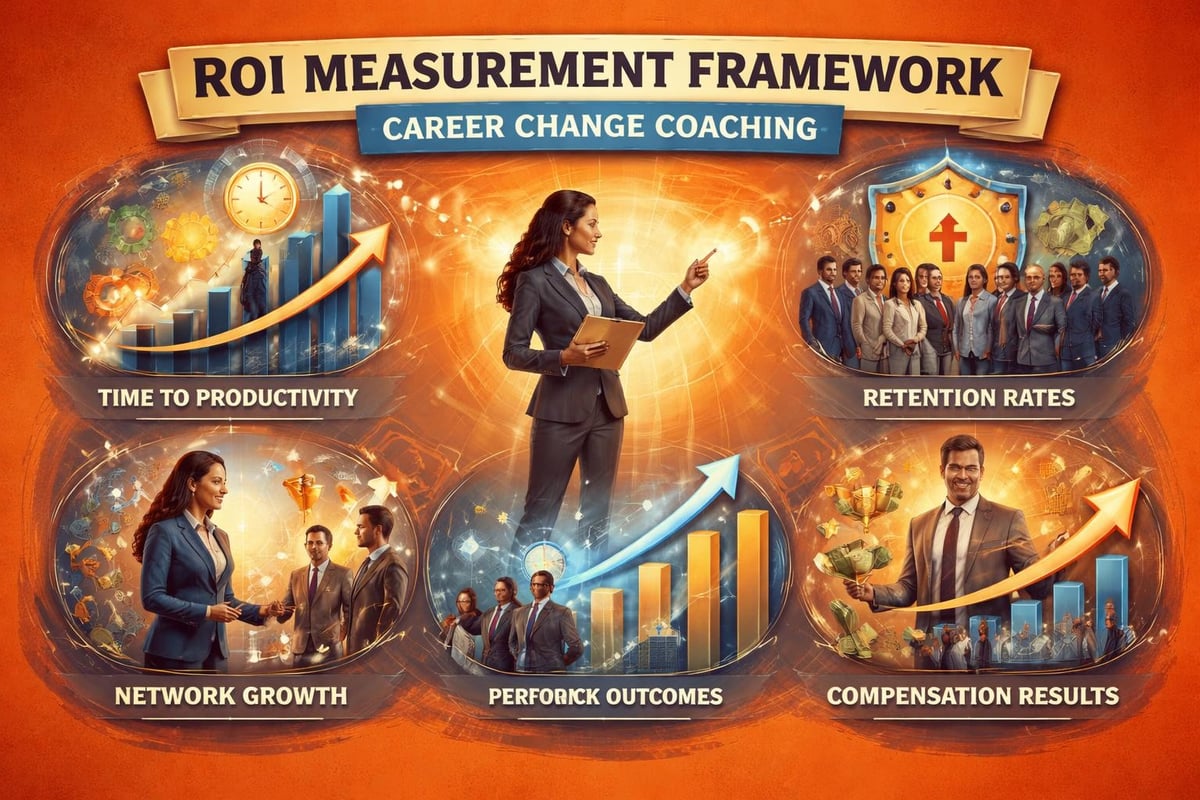
Starting a Coaching Business: A Complete Guide

Starting a coaching business represents one of the most rewarding professional transitions available in 2026. The coaching industry continues to expand as organizations recognize the value of developing their leaders and teams through personalized guidance. Whether you're transitioning from corporate life or building on existing expertise, launching a successful coaching practice requires strategic planning, clear positioning, and a commitment to delivering measurable outcomes. This guide walks you through the essential steps to establish a thriving coaching business that serves your clients and sustains your professional goals.

Define Your Coaching Niche and Market Position

The foundation of starting a coaching business begins with clarity about who you serve and what transformation you deliver. Generic coaching practices struggle to gain traction because they fail to differentiate themselves in a crowded marketplace. Instead, focus on a specific niche where your expertise and experience create genuine value.

Identify Your Ideal Client Profile

Your ideal clients share common challenges, goals, and characteristics that align with your skills. Mid-market companies with 25 to 500 employees often need structured leadership development but lack the internal resources of larger enterprises. Fortune 500 divisions require coaching that integrates with existing frameworks while driving accountability.

When defining your niche, consider these factors:

  • Industry verticals where you have credibility
  • Organizational size and structure
  • Specific pain points you solve
  • Budget constraints and decision-making processes
  • Expected outcomes and success metrics

Research shows that coaches who specialize in areas like leadership development or executive coaching command higher fees and experience better client retention than generalists.

Coaching niche selection process

Build Your Business Foundation and Infrastructure

Starting a coaching business demands more than coaching skills. You need operational systems that support client delivery, financial management, and business growth. Many new coaches make common mistakes by treating their practice as a hobby rather than a serious business endeavor.

Essential Business Components

Component Priority Purpose
Legal Structure High Liability protection, tax optimization
Financial Systems High Invoicing, expense tracking, cash flow
Client Management High Scheduling, notes, progress tracking
Contracts & Agreements High Scope definition, payment terms, protection
Marketing Assets Medium Website, LinkedIn presence, case studies
Technology Stack Medium Video conferencing, assessment tools, CRM

Your business structure impacts everything from taxes to credibility. Most coaches begin as sole proprietors or LLCs, depending on liability concerns and growth plans. Establish separate business banking accounts immediately to maintain clean financial records and simplify tax preparation.

Develop Your Coaching Methodology

Clients invest in coaching because they expect specific results, not vague conversations. Your methodology should outline how you create change through structured processes. For example, Noomii Corporate Coaching differentiates itself by coaching live in client meetings, tying progress to clear KPIs, and delivering measurable ROI rather than focusing solely on certifications and theory.

Document your approach to include:

  1. Assessment and discovery phases
  2. Goal-setting frameworks
  3. Session structures and cadence
  4. Progress measurement systems
  5. Accountability mechanisms
  6. Deliverables and milestones

Create Your Pricing Strategy and Service Packages

Pricing remains one of the most challenging aspects of starting a coaching business. Underpricing undermines your credibility and sustainability, while overpricing without proven results limits client acquisition. The most effective pricing strategies balance market rates with the value you deliver.

Pricing Models to Consider

Hourly rates work for new coaches building their practice but create income ceilings. Package-based pricing for 3-month or 6-month engagements provides revenue predictability and allows deeper client transformation. Retainer arrangements with monthly fees suit ongoing leadership development and team coaching.

Consider outcome-based pricing where appropriate. Month-to-month terms with no long contracts reduce client risk and demonstrate confidence in your results. Some practices include aligned incentive options tied to measurable business outcomes like retention improvements or revenue growth.

For corporate coaching, typical investment ranges include:

  • Individual executive coaching: $3,500-$8,000 monthly
  • Manager training programs: $15,000-$45,000 per cohort
  • Team coaching and facilitation: $5,000-$12,000 per session series
  • 360 leadership assessments: $1,500-$3,500 per participant

Coaching service packages

Acquire Your First Clients and Build Momentum

Client acquisition challenges represent what nobody tells you about starting a coaching business. Your expertise means nothing without clients who experience it. The gap between launching and landing consistent engagements tests every new coach's resolve.

Effective Client Acquisition Strategies

Leverage your existing network first. Former colleagues, industry contacts, and professional relationships provide the fastest path to initial clients. Reach out with specific value propositions rather than generic announcements.

LinkedIn outreach works exceptionally well for corporate coaching. Share insights about leadership challenges, comment thoughtfully on relevant posts, and demonstrate expertise through original content. Position yourself as someone who solves problems rather than someone selling services.

Partnerships with organizations like Noomii connect coaches with clients actively seeking expertise. These platforms handle initial marketing while you focus on delivery. Additionally, explore opportunities to work with accountability-focused programs that align with your methodology.

Referrals drive sustainable growth. Every client interaction should deliver such clear value that referrals happen naturally. Ask satisfied clients for introductions to similar organizations facing comparable challenges.

Deliver Results and Scale Your Practice

Starting a coaching business succeeds long-term only when you consistently deliver the outcomes clients expect. Empty promises and theory-heavy sessions without practical application damage your reputation and limit growth.

Focus on Measurable Business Impact

Corporate clients increasingly demand ROI from coaching investments. Track metrics like:

  • Decision-making speed and quality
  • Employee engagement scores
  • Retention rates for key talent
  • Revenue per employee
  • Leadership effectiveness ratings
  • Team performance indicators

Integrate your coaching with existing business operations. Coach live in client meetings rather than extracting leaders into separate sessions. Help implement operating cadences and KPI scorecards that sustain progress beyond your engagement.

Build Systems That Support Scale

As your practice grows, systems become essential. Document your methodologies, create templates for common deliverables, and establish processes for client onboarding. This foundation allows you to serve more clients without proportionally increasing your hours.

Consider expanding beyond one-on-one coaching to group programs, manager training cohorts, and team facilitation. These leverage your time while serving more leaders within client organizations.

Scaling a coaching practice

Position Yourself as an Authority

Visibility and credibility accelerate growth when starting a coaching business. Clients hire coaches they trust to guide significant investments in their teams and leaders. Authority building happens through consistent demonstration of expertise.

Write articles addressing specific challenges your clients face. Speak at industry conferences and company events. Create frameworks and tools that solve real problems. Share case studies highlighting measurable results you've delivered.

Thought leadership differentiates you from competitors. Don't simply repeat common coaching concepts. Develop unique perspectives based on your experience. For example, emphasizing practical application over certifications, or tying all coaching to business KPIs rather than abstract development goals.

Professional associations and certifications provide credibility, but results speak louder. Balance credentials with demonstrated impact. Clients ultimately care whether you can help them build accountable leaders, improve retention, and execute priorities more effectively.


Starting a coaching business demands strategic planning, operational discipline, and unwavering commitment to client results. Success comes from defining a clear niche, building robust business systems, pricing appropriately, and consistently delivering measurable outcomes. If you're ready to build accountable leaders and teams through practical corporate coaching tied to clear KPIs and ROI, Noomii offers month-to-month engagements with no long contracts, coaching live in your meetings, and alignment around visible business results.

Executive Performance Coaching for CFOs in Vancouver

Vancouver's business landscape demands CFOs who excel beyond traditional financial management. In 2026, the role of Chief Financial Officer has evolved into a strategic powerhouse requiring exceptional leadership skills, advanced stakeholder management, and the ability to navigate complex regulatory environments. Executive performance coaching for CFOs in Vancouver addresses these multifaceted demands by providing targeted interventions that transform financial leaders into catalysts for organizational growth.

Why Vancouver CFOs Need Specialized Performance Coaching

The financial leadership challenges facing Vancouver's C-suite have intensified dramatically. CFOs now shoulder responsibilities that extend far beyond balance sheets and quarterly reports.

The Expanding CFO Role in 2026

Today's CFOs serve as strategic advisors, technology innovators, and cultural leaders within their organizations. They must guide digital transformation initiatives, implement AI-driven financial systems, and communicate complex data insights to boards and stakeholders who demand clarity and confidence. Executive coaching provides the framework for developing these capabilities systematically.
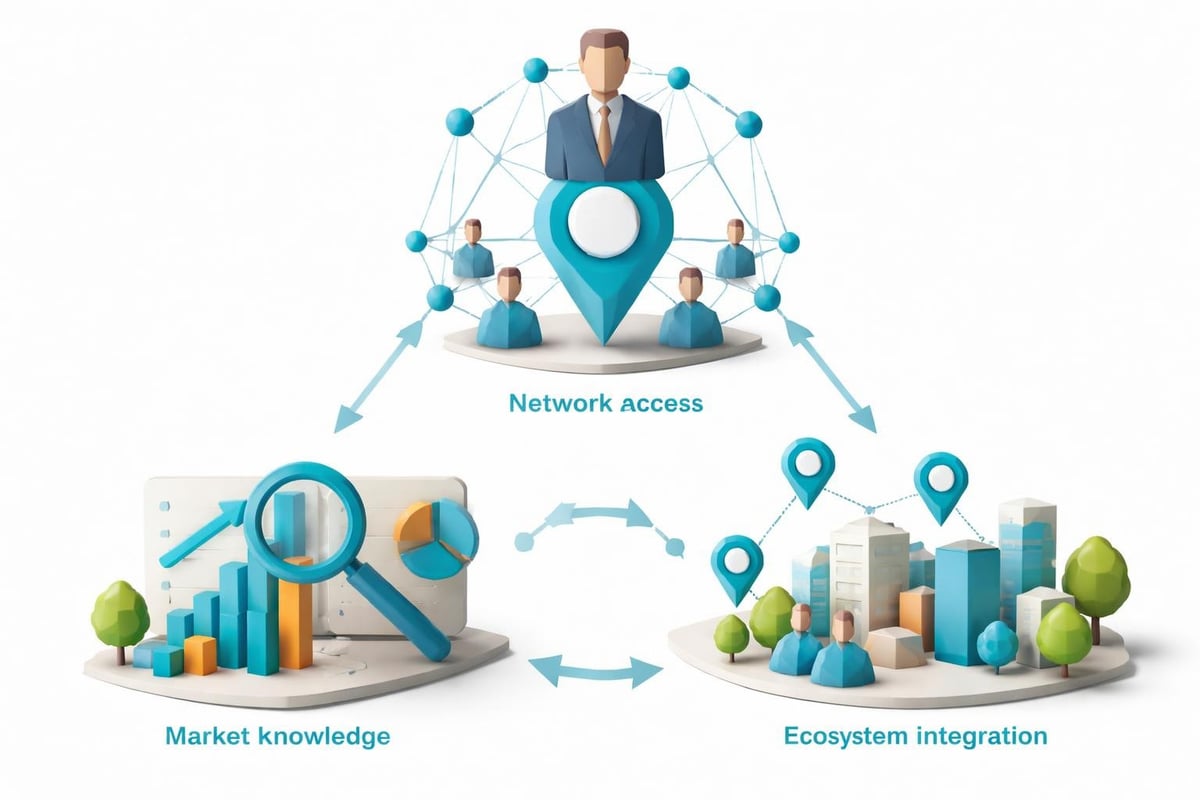
Vancouver's unique economic ecosystem adds additional complexity. The city's diverse industries-from technology startups to natural resources, real estate development to international trade-require CFOs who understand sector-specific financial dynamics while maintaining broad strategic vision.

Key challenges Vancouver CFOs face include:

  • Managing financial operations across multiple jurisdictions and currencies
  • Leading through economic uncertainty and market volatility
  • Building high-performing finance teams in competitive talent markets
  • Driving ESG initiatives and sustainability reporting
  • Navigating regulatory changes and compliance requirements

CFO challenges in Vancouver

Core Benefits of Executive Performance Coaching for Financial Leaders

Executive performance coaching for CFOs in Vancouver delivers measurable improvements across multiple leadership dimensions. The evidence-based approach transforms individual capabilities while creating lasting organizational value.

Enhanced Strategic Decision-Making

Financial leaders operate in environments where single decisions can impact millions in organizational value. Performance coaching sharpens the analytical frameworks CFOs use to evaluate opportunities, assess risks, and allocate resources effectively.

Through structured coaching interventions, CFOs develop enhanced pattern recognition skills that enable faster, more accurate decision-making under pressure. They learn to balance data-driven analysis with intuitive judgment, creating a decision-making process that leverages both quantitative rigor and qualitative insight.

Decision-Making Area Before Coaching After Coaching
Strategic Planning Confidence 62% 89%
Cross-Functional Alignment 54% 87%
Risk Assessment Accuracy 68% 93%
Stakeholder Buy-In 59% 91%

Leadership Presence and Executive Communication

The benefits of executive coaching extend significantly into communication effectiveness. CFOs must translate complex financial concepts into actionable insights for diverse audiences including boards of directors, operational teams, investors, and regulatory bodies.

Performance coaching develops the executive presence that commands attention and inspires confidence. CFOs learn to craft narratives that connect financial data to strategic outcomes, making abstract numbers meaningful and motivating to stakeholders at all organizational levels.

Communication skills developed through coaching:

  1. Board-level financial storytelling
  2. Crisis communication and transparency
  3. Cross-functional collaboration language
  4. Investor relations and market messaging
  5. Team motivation and vision articulation

Building High-Performance Finance Teams

Financial leadership extends beyond personal competence to team development. Executive performance coaching for CFOs in Vancouver emphasizes the people-management capabilities that transform finance departments into strategic business partners.

Coaching addresses the unique challenges of leading technical professionals who may resist change or struggle with broader business context. CFOs develop coaching mindsets themselves, learning to mentor emerging financial talent, delegate effectively, and create cultures of accountability and innovation within their departments.

The development of emotional intelligence becomes particularly valuable here. CFOs who understand team dynamics, recognize individual motivations, and adapt their leadership styles to different situations build finance teams that consistently outperform expectations.


The Noomii Approach to CFO Performance Coaching

The Noomii Corporate Leadership Program delivers executive performance coaching for CFOs in Vancouver through a precision-engineered methodology that addresses the specific demands of financial leadership roles.

Evidence-Based Leadership Diagnostics

Every coaching engagement begins with comprehensive assessment. Noomii employs validated diagnostic tools that identify specific strengths, development opportunities, and behavioral patterns unique to each CFO.

These assessments examine multiple dimensions:

  • Financial Leadership Competencies: Strategic thinking, analytical rigor, business acumen
  • Organizational Influence: Stakeholder management, change leadership, executive presence
  • Team Development: Delegation, mentoring, performance management
  • Personal Resilience: Stress management, decision-making under pressure, work-life integration

The diagnostic phase creates baseline measurements that enable precise tracking of coaching outcomes and demonstrate ROI to organizational stakeholders.

Precision Coach Matching for Financial Leaders

Generic coaching delivers generic results. Noomii's proprietary matching algorithm pairs CFOs with coaches who possess deep financial services expertise, C-suite experience, and understanding of Vancouver's business environment.

The matching process considers:

  1. Industry sector expertise and financial domain knowledge
  2. Coaching methodology preferences and learning styles
  3. Specific development goals and timeline requirements
  4. Cultural fit and communication preferences
  5. Track record with similar CFO engagements

This precision matching ensures that every coaching conversation delivers maximum value, with coaches who speak the language of finance and understand the pressures CFOs navigate daily.

Coach matching process

Targeted Intervention Plans

Noomii develops customized coaching plans that address the specific challenges each CFO faces. These plans integrate seamlessly with organizational priorities, ensuring coaching investments align with broader business objectives.

For Vancouver CFOs dealing with toxic leadership patterns in their organizations, coaching provides frameworks for addressing dysfunction while maintaining operational stability. For those navigating rapid growth or market disruption, coaching builds the adaptive leadership capabilities required for successful transformation.

Each intervention plan includes:

  • Clearly defined objectives with measurable success criteria
  • Timeline with milestone reviews and progress checkpoints
  • Integration points with existing leadership development initiatives
  • Stakeholder communication protocols
  • Accountability mechanisms and progress tracking

Measuring ROI in CFO Coaching Engagements

Organizations investing in executive performance coaching for CFOs in Vancouver demand demonstrable returns. The Noomii program employs rigorous measurement frameworks that quantify coaching impact across financial, operational, and cultural dimensions.

Financial Performance Metrics

The most direct measure of CFO coaching effectiveness appears in improved financial outcomes. Organizations track metrics including:

  • Revenue Growth: Year-over-year increases in organizational revenue
  • Profit Margin Expansion: Improved operational efficiency and cost management
  • Working Capital Optimization: Enhanced cash flow management and capital allocation
  • Forecast Accuracy: Reduced variance between projections and actual results
  • Audit Findings: Decreased compliance issues and control weaknesses

Organizational Health Indicators

Beyond financial metrics, effective CFO coaching improves broader organizational functioning. The measurable impact extends to team engagement, cross-functional collaboration, and strategic execution.

Organizational Metric Baseline 6-Month Result 12-Month Result
Finance Team Engagement 67% 78% 87%
Cross-Department Collaboration 61% 74% 84%
Strategic Initiative Success Rate 58% 71% 82%
Leadership Pipeline Strength 54% 69% 79%

Executive Development Progression

Individual CFO development provides another critical measurement dimension. Coaches and CFOs collaborate to establish specific competency targets, tracking progress through 360-degree feedback, behavioral observations, and self-assessment.

Development areas commonly measured include:

  1. Strategic thinking and long-term planning capability
  2. Executive presence and stakeholder influence
  3. Team leadership and talent development effectiveness
  4. Change management and transformation leadership
  5. Personal resilience and sustainable performance

Industry-Specific Challenges for Vancouver CFOs

Vancouver's diverse economic landscape creates unique coaching needs across different sectors. Executive performance coaching for CFOs in Vancouver must address industry-specific pressures while building transferable leadership capabilities.

Technology Sector Financial Leadership

Vancouver's thriving technology sector demands CFOs who balance growth ambitions with financial discipline. These leaders navigate venture capital relationships, manage burn rates, plan for liquidity events, and build scalable financial infrastructure.

Coaching for technology CFOs emphasizes:

  • Fundraising and Investor Relations: Crafting compelling financial narratives that attract capital
  • Rapid Scaling Challenges: Building finance operations that support exponential growth
  • Unit Economics Mastery: Understanding and communicating path to profitability
  • Exit Readiness: Preparing organizations for acquisition or public offerings

Natural Resources and Commodities

CFOs in Vancouver's resource sectors face volatility management, regulatory complexity, and sustainability pressures. Coaching interventions develop the strategic flexibility required to navigate cyclical markets while advancing long-term organizational objectives.

These leaders benefit from coaching that addresses commodity price risk management, stakeholder relations with indigenous communities, environmental compliance, and capital allocation during boom-bust cycles.

Real Estate and Development Finance

Real estate CFOs manage complex capital structures, development timelines, and regulatory approvals. Coaching supports their development as strategic partners who balance financial returns with community impact and sustainable development principles.

The leadership development coaching available through Noomii addresses these sector-specific challenges while building fundamental leadership capabilities that transcend industry boundaries.

Overcoming Common CFO Performance Barriers

Even highly capable financial leaders encounter performance barriers that limit their effectiveness. Executive performance coaching for CFOs in Vancouver identifies and resolves these obstacles systematically.

The Technical Expert Trap

Many CFOs rose through the ranks based on technical financial expertise. This strength can become a limitation when leaders remain overly focused on technical details rather than strategic leadership.

Coaching interventions address this pattern by:

  • Developing delegation skills that free executive time for strategic work
  • Building trust in team capabilities and decision-making
  • Creating frameworks for distinguishing strategic from operational issues
  • Establishing executive routines that prioritize high-impact activities

Stakeholder Management Gaps

CFOs frequently underestimate the political dimensions of executive leadership. They may present data without building consensus, miss opportunities to influence strategic direction, or fail to cultivate crucial board relationships.

Performance coaching develops the stakeholder management sophistication that transforms CFOs from reporters to influencers. Leaders learn to map stakeholder interests, craft targeted communication strategies, and build coalitions that advance financial and organizational objectives.

Resilience and Sustainable Performance

The pressure on modern CFOs creates sustainability challenges. Leaders burning out or making poor decisions due to chronic stress deliver diminishing returns regardless of their technical capabilities.

Coaching addresses resilience through multiple approaches:

  1. Time management and priority-setting frameworks
  2. Stress response strategies and recovery practices
  3. Boundary-setting and delegation skills
  4. Perspective-taking and cognitive reframing techniques
  5. Support network development and peer connection

CFO resilience strategies

The Vancouver Advantage: Local Context in Global Coaching

While Noomii delivers coaching globally, executive performance coaching for CFOs in Vancouver benefits from coaches who understand the city's unique business environment, regulatory landscape, and cultural context.

Regional Economic Dynamics

Vancouver's position as Canada's Pacific gateway creates distinctive opportunities and challenges. CFOs manage international operations, currency exposures, and cross-border regulatory requirements that demand specialized knowledge.

Coaches familiar with Vancouver's business ecosystem provide context-specific guidance on issues including cross-border taxation, international expansion strategies, and relationship management with Asia-Pacific stakeholders.

Talent Market Considerations

Vancouver's competitive talent market influences how CFOs build and retain finance teams. Coaching helps leaders develop compelling employee value propositions, create development pathways that retain high performers, and build inclusive cultures that attract diverse talent.

Understanding local compensation benchmarks, career expectations, and workforce trends enables coaches to provide actionable guidance rather than generic advice.

Regulatory and Compliance Environment

British Columbia's regulatory framework, Canadian federal requirements, and industry-specific compliance demands create a complex environment for financial leaders. Coaches with Vancouver expertise help CFOs navigate these requirements while maintaining focus on strategic objectives.

For CFOs seeking comprehensive support with accountability frameworks, resources like AccountabilityNow complement coaching engagements by providing structured accountability systems.

Selecting the Right Coaching Partnership

Not all coaching delivers equal value. CFOs evaluating executive performance coaching options should assess potential partners against specific criteria that predict successful outcomes.

Coach Credentials and Experience

Effective CFO coaches possess both coaching certifications and substantial business experience. Look for coaches with:

  • Professional Coaching Credentials: ICF certification or equivalent
  • Financial Domain Expertise: CFO experience or extensive finance background
  • C-Suite Track Record: Demonstrated success coaching senior executives
  • Industry Knowledge: Familiarity with your sector's unique challenges
  • Cultural Competence: Understanding of organizational dynamics and change

Organizational Integration Capabilities

The most effective coaching integrates seamlessly with existing leadership development initiatives and organizational priorities. Evaluate potential partners on their ability to:

  1. Align coaching objectives with business strategy
  2. Communicate progress to relevant stakeholders
  3. Coordinate with HR and L&D teams
  4. Adapt methodologies to organizational culture
  5. Demonstrate measurable impact through defined metrics

Organizations exploring executive coaching packages should ensure these packages offer customization rather than rigid, one-size-fits-all approaches.

Chemistry and Trust

The coaching relationship depends on psychological safety and mutual respect. CFOs should assess:

  • Communication Style Compatibility: Does the coach communicate in ways that resonate?
  • Challenge and Support Balance: Will the coach provide both encouragement and constructive challenge?
  • Confidentiality Commitment: Are privacy boundaries clearly established?
  • Authentic Connection: Does the relationship feel genuine and trustworthy?

The Noomii matching process specifically addresses these chemistry considerations, ensuring CFO-coach pairings that create productive working relationships from the first engagement.

Future-Proofing Financial Leadership Through Coaching

The pace of change in finance demands continuous leadership evolution. Executive performance coaching for CFOs in Vancouver prepares financial leaders for emerging challenges while building timeless leadership capabilities.

AI and Technology Integration

Financial leaders must guide their organizations through technological transformation while managing the workforce implications of automation. Coaching develops the vision and change leadership skills required to implement AI-driven financial systems, blockchain applications, and advanced analytics platforms.

CFOs learn to balance technology adoption with human judgment, creating finance functions that leverage automation without losing the strategic insight that only experienced professionals provide.

ESG and Stakeholder Capitalism

The shift toward stakeholder capitalism requires CFOs who can measure and communicate non-financial value creation. Coaching builds capabilities in ESG reporting, impact measurement, and integrated reporting frameworks that satisfy diverse stakeholder expectations.

Key competencies developed include:

  • Sustainability financial analysis and disclosure
  • Social impact measurement and reporting
  • Governance framework design and implementation
  • Stakeholder engagement and materiality assessment
  • Integrated reporting narrative development

Global Complexity and Geopolitical Risk

Vancouver CFOs increasingly navigate geopolitical uncertainty, supply chain disruption, and international regulatory fragmentation. Coaching develops the strategic thinking and scenario planning capabilities required to anticipate risks and position organizations for success across multiple futures.

Leaders learn frameworks for geopolitical analysis, develop contingency planning disciplines, and build the communication skills necessary to guide stakeholders through uncertainty with confidence and clarity.

The Noomii Difference in CFO Development

What distinguishes the Noomii approach to executive performance coaching for CFOs in Vancouver from alternative providers? The answer lies in precision, measurement, and proven methodology.

Proprietary Matching Technology

Noomii's matching algorithm eliminates the guesswork from coach selection. By analyzing dozens of variables including industry expertise, coaching style, development objectives, and personality factors, the system identifies optimal coach-CFO pairings with accuracy that manual matching cannot achieve.

This technology-enabled precision means CFOs spend less time searching for the right coach and more time developing the capabilities that drive organizational performance.

Global Network with Local Expertise

The Noomii network includes thousands of certified coaches worldwide, with specialized practitioners who understand Vancouver's business environment intimately. This combination provides access to world-class coaching talent with relevant local context.

CFOs benefit from coaches who have worked with similar organizations facing comparable challenges, reducing the learning curve and accelerating results.

Integrated Assessment and Measurement

From initial diagnostics through outcome measurement, Noomii employs validated assessment tools that quantify coaching impact. Organizations receive clear evidence of return on investment, making coaching programs defensible to boards and executive teams focused on measurable results.

The comprehensive measurement approach transforms coaching from a discretionary development activity into a strategic intervention with demonstrable business impact.


Executive performance coaching for CFOs in Vancouver delivers transformational results when implemented with precision and rigor. The challenges facing modern financial leaders demand more than technical expertise; they require sophisticated leadership capabilities, strategic vision, and personal resilience. The Noomii Corporate Leadership Program provides the evidence-based coaching methodology, expert coach matching, and measurable accountability that transforms good CFOs into exceptional strategic leaders who drive lasting organizational value.