

Executive Communication Training Adelaide | Expert Guide 2026
Executive leaders in Adelaide face unprecedented communication challenges in 2026. The ability to negotiate complex stakeholder relationships, articulate strategic vision, and influence cross-functional teams has become non-negotiable for C-suite success. Organizations investing in executive communication and negotiation training in Adelaide recognize that leadership effectiveness directly correlates with communication mastery, making this development area a strategic priority rather than a professional courtesy.
The Strategic Imperative for Executive Communication Excellence
Modern executives operate in environments where every interaction carries weight. Board presentations, stakeholder negotiations, media briefings, and team communications all demand precision and strategic intent. Leaders who master these communication domains create organizational alignment, accelerate decision-making, and build cultures of trust and accountability.
The landscape has shifted dramatically. Remote and hybrid work models have amplified the need for clear, concise communication that transcends physical boundaries. Leaders must now command attention in virtual boardrooms, negotiate complex agreements across time zones, and inspire teams they rarely see in person. Traditional communication approaches fall short in this environment.
Quantifiable Business Impact
Organizations that prioritize executive communication and negotiation training in Adelaide report measurable improvements across key performance indicators:
- 35% faster decision-making cycles when executives communicate strategic priorities with clarity
- 42% reduction in project delays attributed to improved stakeholder negotiation skills
- 28% increase in employee engagement when leaders demonstrate authentic communication competencies
- 51% improvement in cross-functional collaboration following targeted executive training interventions
These metrics demonstrate that communication excellence translates directly to bottom-line results. The investment in leadership coaching services delivers measurable returns through enhanced organizational performance and reduced friction in critical business processes.

Core Competencies in Executive Communication Training
Effective executive communication and negotiation training in Adelaide addresses multiple competency domains simultaneously. Leaders must develop integrated skillsets that function cohesively under pressure and across diverse contexts.
Strategic Messaging Architecture
Executives must craft messages that resonate across multiple audience segments simultaneously. This requires understanding stakeholder motivations, organizational politics, and the subtle art of framing complex information for maximum impact.
Key elements include:
- Developing executive presence through voice modulation, pacing, and strategic silence
- Constructing persuasive narratives that align with organizational objectives
- Adapting communication style to diverse cultural and professional contexts
- Managing difficult conversations with diplomacy and decisiveness
The University of Adelaide's executive education programs offer foundations in these areas, though comprehensive mastery requires sustained coaching interventions tailored to individual leadership contexts.
Advanced Negotiation Frameworks
Negotiation extends far beyond procurement discussions or contract terms. Executives negotiate constantly: securing resources for initiatives, building consensus around strategic direction, managing stakeholder expectations, and resolving organizational conflicts.
| Negotiation Context | Key Skills Required | Business Impact |
|---|---|---|
| Board-level strategy sessions | Influence without authority, data-driven persuasion | Strategic alignment, resource allocation |
| M&A discussions | Multi-party negotiation, value creation frameworks | Deal success, integration outcomes |
| Stakeholder management | Emotional intelligence, relationship building | Project approval, ongoing support |
| Internal resource allocation | Political acumen, win-win structuring | Team morale, operational efficiency |
The Australian Institute of Management’s negotiating skills course provides tactical frameworks, while executive coaching applies these principles to high-stakes organizational scenarios. Organizations seeking to address toxic leadership patterns often discover that negotiation skill deficits contribute to destructive behaviors.
Evidence-Based Training Methodologies
Executive communication and negotiation training in Adelaide has evolved beyond generic workshops and one-size-fits-all programs. Leading organizations now demand evidence-based methodologies that demonstrate measurable skill development and behavioral change.
Assessment-Driven Development
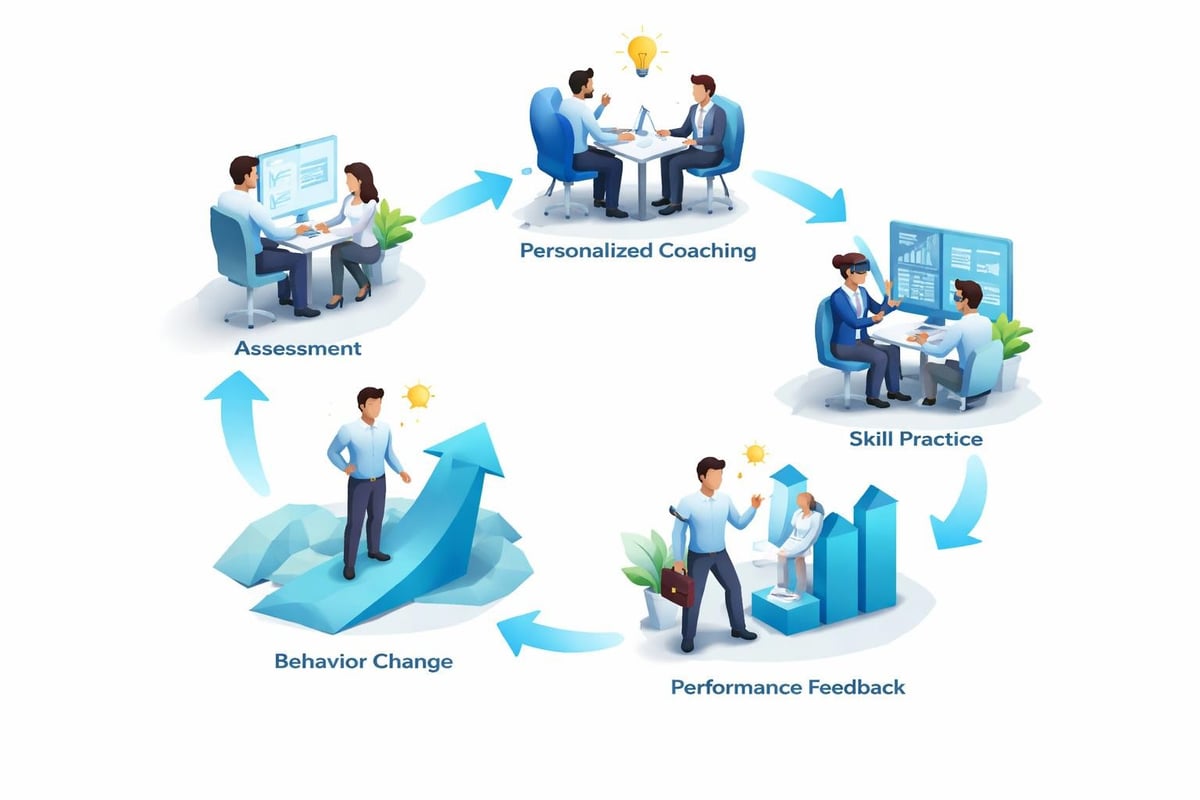
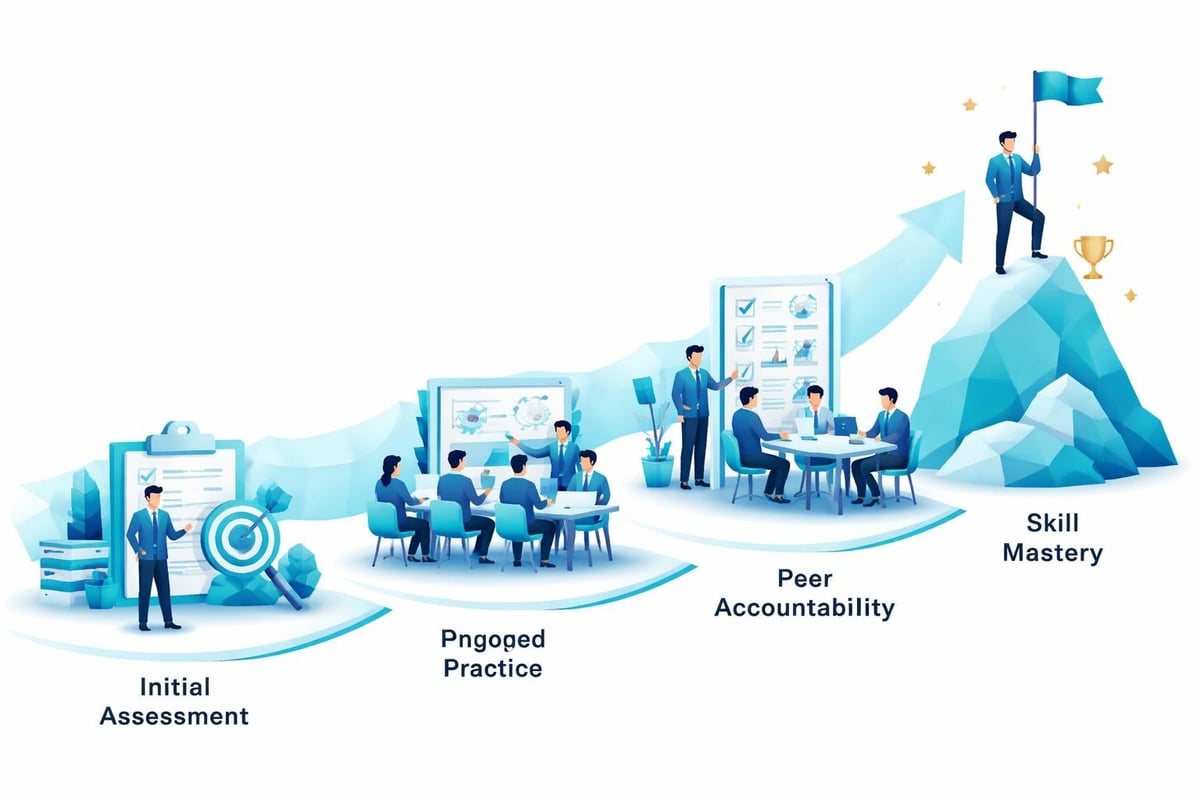
Effective training begins with comprehensive assessment. Leaders undergo diagnostic evaluations that identify specific communication strengths, blind spots, and development opportunities. These assessments examine:
- 360-degree feedback capturing peer, subordinate, and supervisor perspectives
- Communication style inventories revealing default patterns and adaptive capabilities
- Negotiation simulation performance demonstrating tactical application under pressure
- Emotional intelligence metrics measuring self-awareness and social perception
Data from these assessments informs personalized development plans that target high-impact skill gaps. The precision matching approach ensures leaders work with coaches who possess relevant sector expertise and proven track records in addressing specific communication challenges.
Experiential Learning Integration
Adults learn communication skills through practice, feedback, and reflection rather than passive information consumption. Advanced training programs incorporate:
- High-fidelity simulations replicating actual negotiation scenarios leaders face
- Video analysis revealing unconscious communication patterns and improvement opportunities
- Real-time coaching during actual business interactions and presentations
- Peer learning cohorts facilitating shared experiences and accountability
The University of Adelaide's negotiation and conflict resolution course demonstrates how academic rigor combines with practical application to build lasting competency.
Selecting the Right Training Partner in Adelaide
The executive communication and negotiation training landscape in Adelaide offers diverse options, from university programs to specialized consultancies. Selecting the optimal partner requires evaluating multiple criteria aligned with organizational objectives and individual development needs.
Evaluation Framework
Provider Expertise and Credentials
Verify coach certifications, industry experience, and track records with similar organizational contexts. Coaches working with government agencies require different expertise than those serving technology startups or manufacturing enterprises. Examine client testimonials, case studies, and verifiable outcomes from previous engagements.
Customization Capabilities
Generic programs deliver generic results. Effective training providers conduct thorough needs assessments, customize content to organizational contexts, and adapt methodologies to individual learning preferences. They integrate organizational language, industry examples, and relevant case studies that resonate with participants.
Measurement and Accountability
Demand clear metrics for success before engagement begins. Effective providers establish baseline measurements, define specific behavioral objectives, and track progress through validated assessment tools. They demonstrate commitment to outcomes rather than merely delivering training hours.
Scalability and Integration
Organizations requiring training for multiple executives benefit from providers offering cohort programs, peer learning structures, and integration with existing leadership development frameworks. The ability to scale interventions across leadership levels while maintaining quality separates exceptional providers from adequate ones.
Programs like those offered through executive coaching for C-suite professionals demonstrate how tailored interventions address unique challenges faced by senior leaders while aligning with organizational governance requirements.
Industry-Specific Communication Challenges
Executive communication and negotiation training in Adelaide must address sector-specific challenges that generic programs overlook. Different industries present unique communication contexts requiring specialized approaches.
Government and Public Sector
Public sector executives navigate complex stakeholder ecosystems including elected officials, regulatory bodies, community groups, and media organizations. Communication requires transparency, adherence to protocols, and sensitivity to political dynamics.
These leaders benefit from training that addresses:
- Managing media inquiries and public communications during crises
- Presenting complex policy initiatives to diverse constituencies
- Negotiating inter-agency collaborations with competing priorities
- Building trust with stakeholders skeptical of government initiatives
Corporate and Private Sector
Private sector executives face investor relations, competitive positioning, and rapid market adaptation. Their communication demands include:
- Articulating strategic vision that inspires boards and motivates teams
- Negotiating partnerships, acquisitions, and strategic alliances
- Managing organizational change and transformation communications
- Building executive presence in high-stakes presentations
The executive leadership and communication coaching available in Montreal showcases how geographic and cultural contexts shape communication strategies while fundamental principles remain consistent.
Building Sustainable Communication Excellence
Executive communication and negotiation training in Adelaide delivers maximum value when embedded within broader leadership development ecosystems. Isolated training events create temporary awareness without lasting behavioral change.
Integration Strategies
Embedding Communication Development in Leadership Frameworks
Organizations achieve sustainable results by integrating communication excellence into competency models, performance evaluations, and succession planning processes. This systemic approach signals that communication mastery represents a core leadership expectation rather than optional skill development.
- Include communication metrics in executive performance reviews
- Require negotiation proficiency demonstrations for promotion consideration
- Incorporate communication assessments in leadership pipeline evaluations
- Celebrate and recognize communication excellence through internal awards
Creating Practice Communities
Peer learning accelerates skill development and sustains momentum beyond formal training. Executive cohorts practicing communication skills together create accountability, share insights, and normalize ongoing development.
Monthly practice sessions focusing on upcoming presentations, negotiations, or difficult conversations provide safe environments for experimentation and feedback. These communities often generate more lasting impact than isolated training events.
Leveraging Technology for Reinforcement
Digital platforms enable ongoing skill reinforcement through micro-learning modules, virtual practice sessions, and AI-powered feedback tools. Video recording capabilities allow executives to review their communication patterns and track improvement over time.
Communication training providers like those featured in media training programs incorporate technology to extend learning beyond classroom sessions and create continuous development loops.
Measuring Training Effectiveness and ROI
Organizations investing in executive communication and negotiation training in Adelaide rightfully demand evidence of return on investment. Robust measurement frameworks capture both qualitative improvements and quantitative business impact.
Multi-Level Evaluation Model
| Evaluation Level | Metrics | Collection Methods |
|---|---|---|
| Reaction | Participant satisfaction, perceived relevance | Post-session surveys, engagement analytics |
| Learning | Knowledge acquisition, skill demonstration | Pre/post assessments, simulation performance |
| Behavior | On-the-job application, sustained change | 360-degree feedback, manager observations |
| Results | Business outcomes, organizational impact | KPI tracking, stakeholder interviews |
Leading Indicators of Success
Organizations typically observe early indicators within 30-60 days of training interventions:
- Increased confidence in high-stakes communication situations
- More strategic message framing in executive communications
- Reduced escalation of interpersonal conflicts
- Improved stakeholder feedback on executive interactions
Lagging Indicators and Business Impact
Sustainable business impact manifests over 6-12 months:
- Faster project approval cycles due to more persuasive stakeholder engagement
- Higher employee engagement scores reflecting improved leadership communication
- Successful negotiation outcomes generating measurable cost savings or revenue growth
- Reduced turnover in teams led by communication-competent executives
Understanding whether executive coaching works requires examining both immediate skill development and longer-term organizational transformation.
Advanced Negotiation Tactics for Complex Scenarios
Executive negotiations in 2026 involve unprecedented complexity. Multi-stakeholder environments, virtual negotiation contexts, and compressed decision timelines demand sophisticated tactical approaches beyond traditional positional bargaining.
Multi-Party Negotiation Mastery
Modern executives rarely negotiate in simple two-party scenarios. Board decisions involve multiple directors with competing priorities. Strategic initiatives require alignment across numerous departments and external partners. M&A discussions include legal teams, investors, integration specialists, and operational leaders.
Effective multi-party negotiation requires:
- Coalition building before formal negotiations begin
- Understanding hidden alliances and informal influence networks
- Managing information flow to prevent premature positions from hardening
- Creating value through creative problem-solving rather than resource division
- Sequencing discussions to build momentum toward agreement
Specialized training from providers like Swinburne University’s negotiation skills course addresses these complexities through scenario-based learning and expert facilitation.
Virtual Negotiation Competencies
Remote negotiation eliminates traditional relationship-building opportunities and non-verbal communication cues that experienced negotiators rely upon. Executives must develop compensatory strategies:
- Enhanced verbal clarity compensating for reduced visual connection
- Strategic use of camera positioning and virtual presence
- Managing silence and pacing in virtual environments
- Building rapport through intentional relationship investments outside formal negotiations
- Leveraging collaborative digital tools to create shared problem-solving spaces
Organizations investing in communication skills training workshops discover that virtual competency represents a distinct skillset requiring dedicated development attention.
Crisis Communication and High-Pressure Scenarios
Executive communication and negotiation training in Adelaide must prepare leaders for high-stakes, high-pressure scenarios where communication failures generate significant organizational risk.
Crisis Communication Protocols
When crises emerge, executives become organizational spokespersons managing internal and external stakeholders simultaneously. Effective crisis communication requires:
Immediate response capabilities:
- Rapid assessment of situation severity and stakeholder impact
- Clear, consistent messaging across all communication channels
- Transparent acknowledgment of known facts and unknown elements
- Demonstration of leadership accountability and action orientation
Sustained communication throughout crisis resolution:
- Regular stakeholder updates maintaining trust and confidence
- Coordinated messaging across leadership team preventing contradictions
- Empathetic acknowledgment of stakeholder concerns and impacts
- Strategic pivoting as situations evolve and new information emerges
Organizations benefit from simulation-based training that replicates crisis pressure and builds muscle memory for effective response patterns. Programs incorporating corporate communication workshops develop these competencies through realistic scenario practice.
Developing Executive Presence and Influence
Technical communication skills provide foundations, but executive presence transforms competent communicators into influential leaders. This intangible quality combines confidence, authenticity, gravitas, and strategic thinking into compelling leadership presence.
Components of Executive Presence
Authentic Confidence
Executives with presence demonstrate assurance without arrogance. They acknowledge uncertainty while maintaining decisiveness, admit mistakes while projecting competence, and show vulnerability while inspiring confidence.
Strategic Listening
Influential leaders listen for underlying interests, unstated concerns, and opportunity spaces within stakeholder communications. They demonstrate understanding before advancing positions, building credibility through genuine engagement.
Purposeful Communication
Every executive communication serves strategic intent. Presence emerges when leaders align words, tone, body language, and timing to maximize message impact and stakeholder receptivity.
Adaptive Flexibility
Executives with presence read rooms effectively and adjust approaches based on stakeholder responses. They demonstrate comfort across communication contexts from intimate one-on-one conversations to large-scale presentations.
Training programs addressing executive presence combine behavioral feedback, video analysis, and experiential practice to develop these integrated competencies. The investment in executive communication and negotiation training in Adelaide generates returns when presence development complements tactical skill building.
Future Trends Shaping Executive Communication
The executive communication landscape continues evolving rapidly. Leaders investing in development must anticipate emerging trends shaping communication effectiveness in coming years.
Artificial Intelligence Integration
AI tools increasingly support executive communication through real-time speech analysis, presentation coaching, negotiation preparation, and stakeholder sentiment analysis. Leaders must develop competencies leveraging these technologies while maintaining authentic human connection.
Cross-Cultural Competency Demands
Global business environments require executives to communicate effectively across diverse cultural contexts. Understanding cultural communication norms, adapting negotiation styles, and building trust across cultural boundaries represents essential competency for modern leaders.
Transparency and Authenticity Expectations
Stakeholders increasingly demand authentic, transparent communication from leaders. Generic corporate messaging generates cynicism while vulnerable, honest communication builds trust and engagement. Executives must develop comfort with appropriate transparency while maintaining strategic discretion.
Continuous Learning Mindsets
Communication excellence requires ongoing development rather than one-time training. Executives embracing continuous learning through coaching, peer feedback, and deliberate practice maintain competitive advantages in rapidly changing environments.
Organizations seeking comprehensive leadership development solutions benefit from providers offering integrated approaches addressing current challenges and future trends. The executive leadership transition coaching in Melbourne demonstrates how specialized interventions support leaders navigating complex career transitions requiring enhanced communication capabilities.
Mastering executive communication and negotiation represents strategic imperative for organizational success in 2026. Leaders developing these competencies through targeted training, evidence-based coaching, and sustained practice create measurable business impact while building cultures of clarity, trust, and accountability. For organizations seeking precision-matched coaching solutions that align individual development with institutional priorities, Noomii Leadership Coaching delivers comprehensive programs combining advanced assessments, global coach networks, and measurable results. Whether addressing communication challenges, strengthening negotiation capabilities, or transforming leadership effectiveness, accountability-focused development through partners like Accountability Now ensures sustained progress toward communication excellence.



Leave a Reply
Want to join the discussion?Feel free to contribute!