
Business Team Coaching: Transform Leadership Performance
Organizations face increasingly complex leadership challenges in 2026, from navigating hybrid work environments to addressing cultural dysfunction and retention crises. Business team coaching has emerged as a strategic solution that goes beyond traditional training programs, delivering measurable improvements in team performance, decision-making quality, and organizational culture. Unlike individual executive coaching, team-focused interventions address systemic issues, align collective priorities, and build the collaborative capabilities necessary for sustainable success.
The Strategic Value of Business Team Coaching
Business team coaching addresses the gap between individual leadership potential and collective team effectiveness. While talented executives may excel individually, their impact multiplies exponentially when they function as a cohesive unit with shared vision and mutual accountability.
Key organizational benefits include:
- Enhanced strategic alignment across leadership levels
- Improved decision-making speed and quality
- Stronger cross-functional collaboration
- Reduced leadership turnover and succession risks
- Measurable improvements in employee engagement scores
The transformation occurs when coaches work with intact teams to surface hidden dynamics, resolve long-standing conflicts, and establish new patterns of communication and decision-making. This approach proves particularly valuable during organizational transitions, mergers, or periods of rapid growth where leadership cohesion directly impacts outcomes.
Evidence-Based Assessment as Foundation
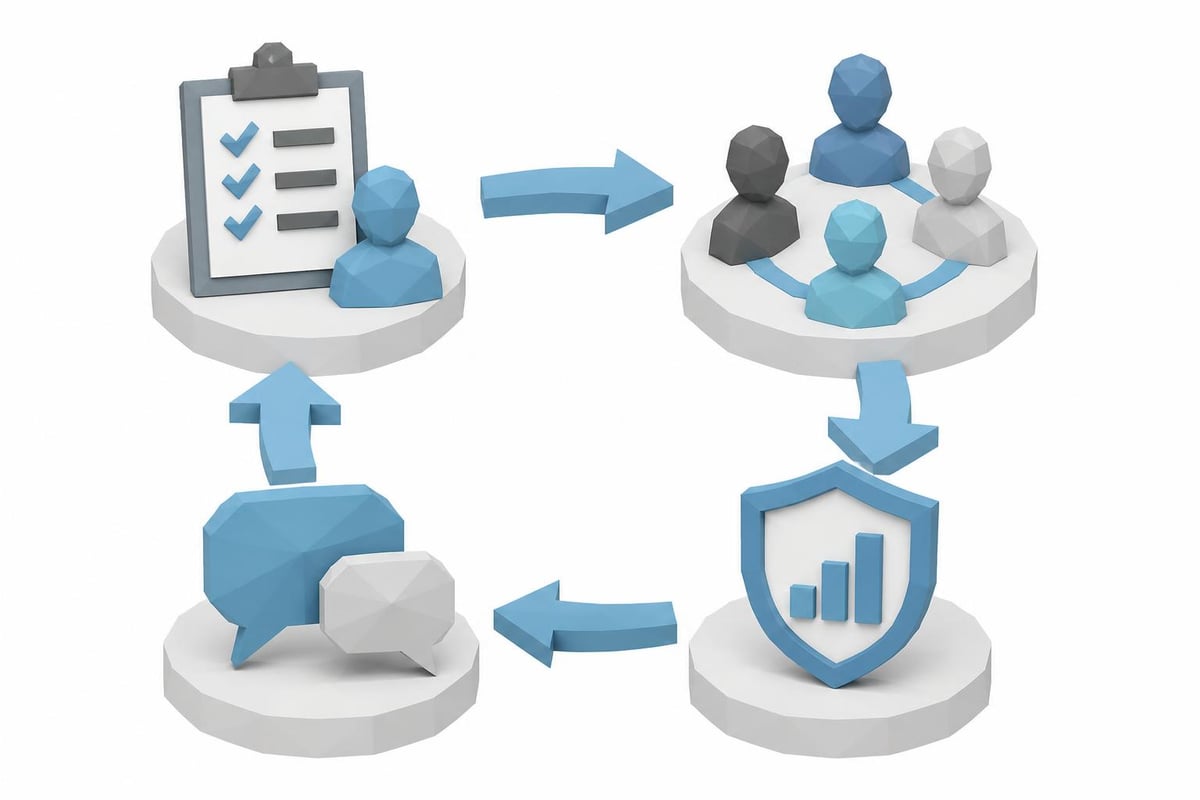
Effective business team coaching begins with comprehensive diagnostic work that goes beyond surface-level observations. Validated assessment tools measure individual leadership styles, team dynamics, communication patterns, and cultural health indicators to establish baseline metrics.
These assessments identify specific gaps between current performance and desired outcomes. For instance, a leadership team might score high on individual competence but low on collective decision-making efficiency, revealing the need for targeted intervention around governance processes and role clarity.
| Assessment Type | Measures | Application |
|---|---|---|
| Leadership Competency | Individual strengths and development areas | Coach matching and personalized development plans |
| Team Dynamics | Collaboration patterns, trust levels, conflict resolution | Systemic intervention design |
| Cultural Health | Engagement, psychological safety, alignment | Organizational impact tracking |
| 360-Degree Feedback | Multi-perspective performance data | Behavioral change priorities |
The data gathered through these assessments informs customized coaching strategies that address root causes rather than symptoms. Organizations implementing evidence-based business management coaching techniques report significantly higher ROI compared to generic leadership development programs.
Precision Matching for Maximum Impact
The effectiveness of business team coaching depends significantly on matching teams with coaches who possess relevant sector expertise, cultural competency, and specialized skills aligned with specific organizational challenges. Generic coaching rarely produces transformational results when teams face complex issues like toxic leadership patterns or strategic misalignment.
Critical matching criteria include:
- Industry-specific experience and regulatory knowledge
- Proven track record addressing similar challenges
- Cultural and communication style compatibility
- Specialized methodologies for team-level interventions
- Capacity for long-term engagement and follow-through
Organizations working with top executive coaching firms gain access to proprietary matching algorithms that consider dozens of variables to ensure optimal coach-team fit. This precision approach dramatically increases the likelihood of sustained behavioral change and measurable business outcomes.
Designing Targeted Intervention Plans
Once assessment data reveals priority areas and the right coach is matched, the intervention design phase begins. This involves creating a structured roadmap that addresses specific team dysfunctions while building capabilities for ongoing self-correction and improvement.
Effective intervention plans balance quick wins with long-term capability building. Early interventions might focus on establishing ground rules for meetings or clarifying decision rights, creating immediate improvements in team efficiency. Subsequent phases address deeper patterns around trust, vulnerability, and constructive conflict.
A team coaching case study focused on building trust and strategic focus demonstrates how structured interventions transformed a fragmented leadership team into a high-performing unit within six months, resulting in measurably improved employee engagement and faster strategic execution.
The intervention timeline typically spans six to twelve months, with intensive initial sessions followed by periodic check-ins and reinforcement activities. This duration allows new behaviors to become embedded in team routines and organizational culture.
Addressing Toxic Leadership Through Team Coaching
One of the most valuable applications of business team coaching involves addressing toxic leadership behaviors that undermine organizational performance and employee wellbeing. These patterns often persist because individual accountability mechanisms fail to address systemic enablers and team-level dynamics that perpetuate dysfunction.
Team coaching interventions create safe spaces for peer accountability, where leadership teams collectively address problematic behaviors rather than relying solely on HR enforcement. This approach proves particularly effective because toxic leader behaviors typically emerge from team systems that reward or tolerate them.
Common toxic patterns addressed through team coaching:
- Authoritarian decision-making that excludes input and stifles innovation
- Blame-shifting behaviors that erode trust and psychological safety
- Information hoarding that creates power imbalances and silos
- Inconsistent standards that breed cynicism and disengagement
- Conflict avoidance that allows issues to fester and escalate
Coaches facilitate difficult conversations that leadership teams often avoid, establishing new norms for feedback, accountability, and mutual support. This collective approach prevents the scapegoating that sometimes occurs in individual coaching scenarios while building team-wide ownership for cultural transformation.
Remote and Hybrid Team Considerations
The rise of distributed work models has introduced new complexity to business team coaching. Leadership teams operating across time zones and physical locations require different intervention strategies than co-located teams, particularly around trust-building and communication effectiveness.
Coaching remote and hybrid sales teams requires adapting traditional methodologies to virtual environments while leveraging technology to maintain connection and accountability. Video-based coaching sessions, digital collaboration tools, and asynchronous communication platforms enable continuous engagement despite geographic separation.
Effective coaches help distributed leadership teams establish explicit communication protocols, create virtual spaces for informal connection, and develop practices that ensure remote team members have equal voice and influence. These interventions prove critical for maintaining cohesion and preventing the formation of in-group/out-group dynamics based on physical location.

Measuring ROI and Demonstrating Value
Organizations investing in business team coaching require clear metrics demonstrating return on investment and progress toward strategic objectives. Comprehensive measurement frameworks track both leading indicators of behavioral change and lagging indicators of business impact.
Key performance indicators for team coaching programs:
- Leadership team alignment scores (quarterly assessment)
- Decision-making cycle time reduction
- Employee engagement and retention rates
- Cross-functional project success metrics
- Revenue per employee and productivity measures
- 360-degree feedback improvement trends
| Metric Category | Example Measures | Target Improvement |
|---|---|---|
| Team Effectiveness | Meeting efficiency, decision quality | 25-40% improvement |
| Cultural Health | Engagement scores, voluntary turnover | 15-30% improvement |
| Business Outcomes | Revenue growth, customer satisfaction | 10-20% improvement |
| Individual Development | Leadership competency assessments | 20-35% improvement |
Advanced organizations incorporate these metrics into executive dashboards, tracking coaching impact alongside other strategic initiatives. This data-driven approach enables continuous refinement of coaching strategies and provides compelling evidence for continued investment in leadership development.
The most sophisticated measurement systems establish clear causal links between coaching interventions and business outcomes, controlling for confounding variables and demonstrating attribution rather than mere correlation. This rigor proves essential for securing ongoing executive sponsorship and budget allocation.
Integrating Team Coaching with Leadership Development Frameworks
Business team coaching delivers maximum value when integrated with broader leadership development strategies rather than implemented as standalone intervention. Organizations with mature talent management systems embed team coaching within succession planning, high-potential development programs, and organizational change initiatives.
This integration ensures coaching interventions align with competency models, reinforces desired leadership behaviors through multiple channels, and creates clear pathways for applying new capabilities. HR leaders benefit from working with partners who understand existing frameworks and can seamlessly complement internal development efforts.
For organizations exploring comprehensive solutions, managing and coaching programs that combine individual and team-level interventions offer the most robust approach to leadership transformation. These integrated models address both personal development needs and collective team capabilities, creating sustainable change at multiple organizational levels.
Compliance and Governance Alignment
Organizations in regulated industries or government sectors face unique requirements around leadership development initiatives. Business team coaching programs must satisfy compliance standards, ethical guidelines, and governance protocols while maintaining confidentiality and psychological safety for participants.
Critical compliance considerations include:
- Documentation requirements for development activities
- Confidentiality boundaries between coaching and HR processes
- Ethical standards for coach credentials and methodologies
- Alignment with diversity, equity, and inclusion mandates
- Integration with performance management systems
Experienced coaches understand these requirements and design interventions that meet organizational obligations while preserving the trust necessary for meaningful development work. This balance proves particularly important when addressing sensitive issues like psychological safety in workplace environments where regulatory compliance and cultural transformation must advance simultaneously.
Scaling Team Coaching Across Organizations
Large enterprises and government agencies require scalable approaches that maintain quality while serving multiple leadership teams across divisions, geographies, and organizational levels. Effective scaling strategies combine standardized frameworks with customization capabilities that address unique team contexts.
Technology platforms enable consistent assessment administration, data aggregation, and progress tracking across hundreds of coaching engagements. These systems provide enterprise visibility into leadership development trends while preserving individual team privacy and autonomy in their specific coaching journeys.
| Scaling Strategy | Benefits | Implementation Considerations |
|---|---|---|
| Centralized Coaching Pool | Consistency, quality control, cost efficiency | Requires robust matching processes |
| Train-the-Trainer Programs | Scalability, internal capability building | Quality variability, credentialing needs |
| Technology-Enabled Delivery | Accessibility, data insights, cost reduction | Requires change management, digital adoption |
| Hybrid External-Internal Model | Flexibility, expertise access, cultural alignment | Coordination complexity, integration effort |
Organizations achieving successful scale maintain rigorous coach qualification standards, invest in technology infrastructure that supports distributed delivery, and establish clear governance models for program management. This systematic approach enables Fortune 500 companies and large government agencies to serve thousands of leaders while maintaining coaching quality and measurable impact.
Sector-Specific Applications and Case Studies
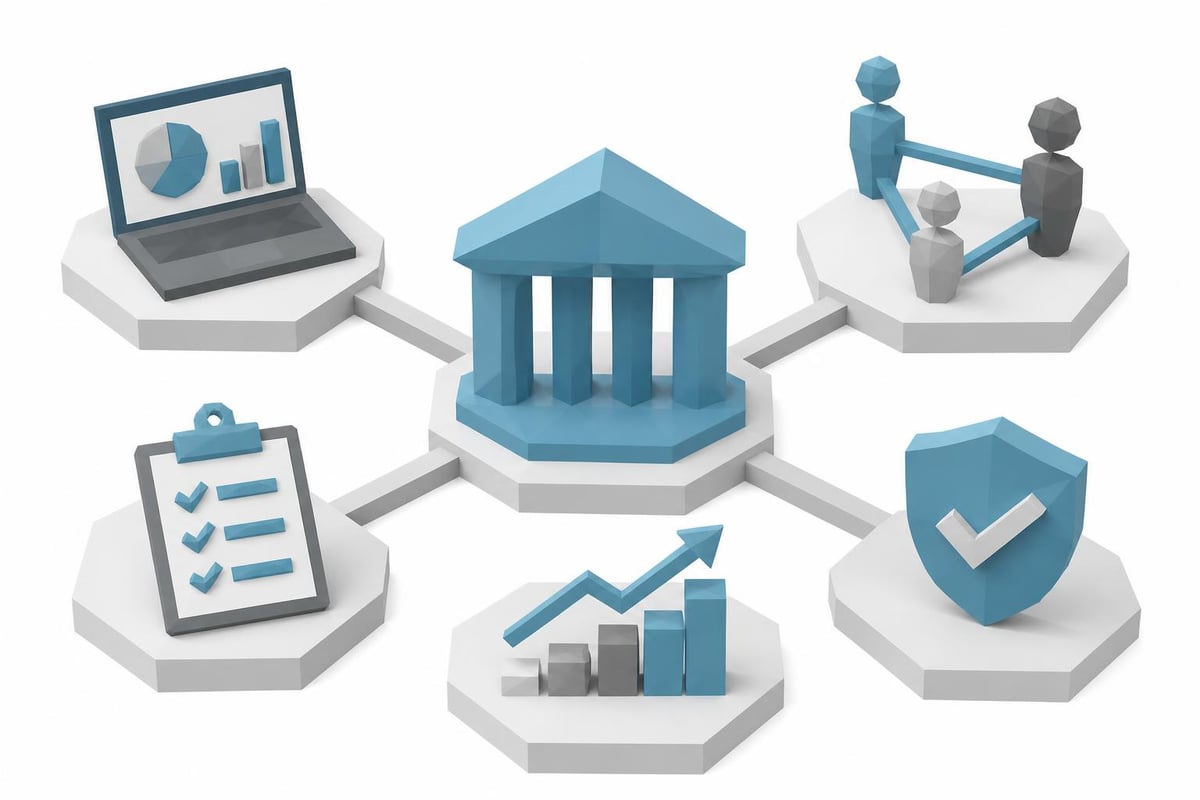
Business team coaching methodologies adapt to distinct sector requirements, competitive dynamics, and organizational cultures. Government agencies prioritize mission alignment and public service values, while technology companies emphasize innovation velocity and market responsiveness. Professional services firms focus on client delivery excellence and talent retention.
Coaching inter-dependent teams within pharmaceutical organizations demonstrates how sector-specific expertise enhances intervention effectiveness. Coaches familiar with regulatory constraints, scientific rigor requirements, and clinical development timelines design interventions that resonate with pharmaceutical leadership teams in ways generic business coaching cannot match.
Financial services organizations benefit from coaches who understand risk management frameworks, compliance pressures, and the unique stress dynamics of high-stakes decision-making. Manufacturing sector teams require coaches versed in operational excellence, supply chain complexity, and safety culture imperatives.
Addressing Strategic Transitions and Cultural Change
Business team coaching proves particularly valuable during periods of significant organizational change, including mergers and acquisitions, digital transformations, leadership succession, and strategic repositioning. These transitions create stress on leadership teams, expose previously hidden dysfunctions, and require rapid adaptation to new realities.
Coaches serve as stabilizing forces during turbulence, helping leadership teams maintain focus, make quality decisions under pressure, and model resilience for the broader organization. The external perspective coaches provide proves invaluable when internal dynamics become charged or teams struggle to see beyond entrenched patterns.
Change-specific coaching interventions address:
- Alignment around new strategic direction and priorities
- Integration of diverse leadership styles post-merger
- Navigation of power dynamics during reorganization
- Preservation of cultural strengths amid transformation
- Communication strategies for cascading change effectively
Organizations that harness the power of team coaching during major transitions report smoother implementation, higher employee confidence in leadership, and faster achievement of transformation objectives. The investment in team development pays dividends by preventing common change management failures.
Long-Term Sustainability and Capability Building
The ultimate goal of business team coaching extends beyond solving immediate problems to building enduring capabilities for self-correction and continuous improvement. Sustainable programs gradually transfer coaching methodologies to leadership teams, enabling them to facilitate their own development processes over time.
This capability building involves teaching teams diagnostic frameworks for assessing their own effectiveness, intervention strategies for addressing emerging dysfunctions, and facilitation skills for conducting productive team development sessions. As teams internalize these capabilities, they require less intensive external coaching support while maintaining momentum.
Sustainability indicators include:
- Team-initiated development sessions without coach prompting
- Peer coaching behaviors emerging naturally in team interactions
- Proactive identification and addressing of team effectiveness gaps
- Successful onboarding of new team members into established norms
- Adaptation of coaching principles to changing organizational contexts
Organizations achieving this level of capability maturity view business team coaching as an investment in organizational learning infrastructure rather than a temporary fix for specific problems. The coaching engagement becomes a catalyst for building a high-performance leadership culture that persists long after formal coaching concludes.
Business team coaching represents a strategic investment in organizational capability that delivers measurable returns through enhanced leadership effectiveness, improved team dynamics, and stronger business performance. Organizations that approach team coaching with rigorous assessment, precision matching, and comprehensive measurement systems achieve transformational results that ripple throughout their entire enterprise. Whether you're addressing urgent leadership challenges or building long-term capability for sustained excellence, partnering with an experienced provider ensures access to proven methodologies and certified coaches who understand your sector's unique demands. The Noomii Leadership Coaching program combines evidence-based diagnostics, proprietary matching technology, and a global network of executive coaches to deliver scalable solutions that transform leadership teams across government agencies, Fortune 500 companies, and organizations of every size. For organizations committed to accountability-driven results, exploring resources like AccountabilityNow alongside structured team coaching programs creates a comprehensive approach to leadership excellence and organizational transformation.



Leave a Reply
Want to join the discussion?Feel free to contribute!