The Process of Coaching: A Complete Guide for Leaders
The transformation of leadership talent within organizations depends on a structured, intentional approach that consistently produces measurable results. The process of coaching represents far more than casual conversations about performance. It encompasses systematic methodologies, evidence-based frameworks, and proven techniques that convert individual potential into organizational impact. For HR leaders, executives, and organizational development professionals, understanding this comprehensive process enables strategic deployment of coaching resources that align with institutional priorities while delivering quantifiable outcomes. When implemented correctly, the process of coaching becomes a powerful engine for leadership development, team effectiveness, and cultural transformation.
The Foundation of Effective Coaching Processes
The process of coaching begins long before the first conversation between coach and coachee. Organizations must establish clear objectives, identify specific leadership gaps, and determine desired outcomes before engaging coaching resources. This preparatory phase requires rigorous assessment of organizational needs, team dynamics, and individual performance patterns.
Leadership diagnostics form the cornerstone of this foundational work. Validated assessment tools measure behavioral tendencies, emotional intelligence capabilities, and leadership competencies across multiple dimensions. These instruments provide objective baselines that inform coaching priorities and enable meaningful progress tracking throughout the engagement.
Precision in coach matching represents another critical element. The wrong coach-client pairing undermines even the most sophisticated coaching frameworks. Organizations benefit from matching algorithms and expertise mapping that connect leaders with coaches who possess relevant sector experience, specialized knowledge, and proven track records addressing similar challenges.
Pre-Coaching Assessment and Goal Alignment
Before substantive coaching work begins, thorough assessment establishes the landscape for intervention. This phase typically includes:
- 360-degree feedback collection from peers, direct reports, and supervisors
- Behavioral assessments measuring personality traits and work styles
- Leadership competency evaluations identifying strengths and development areas
- Organizational context analysis examining team dynamics and business pressures
- Stakeholder expectations clarification ensuring alignment across all parties
The data gathered during assessment informs goal-setting conversations that anchor the coaching relationship. Effective goals within the process of coaching demonstrate specific, measurable characteristics tied directly to organizational outcomes. Rather than vague aspirations like "improve communication," well-constructed coaching goals specify measurable behaviors such as "reduce team conflict incidents by 40% within six months" or "increase direct report engagement scores from 62% to 78% by year-end."
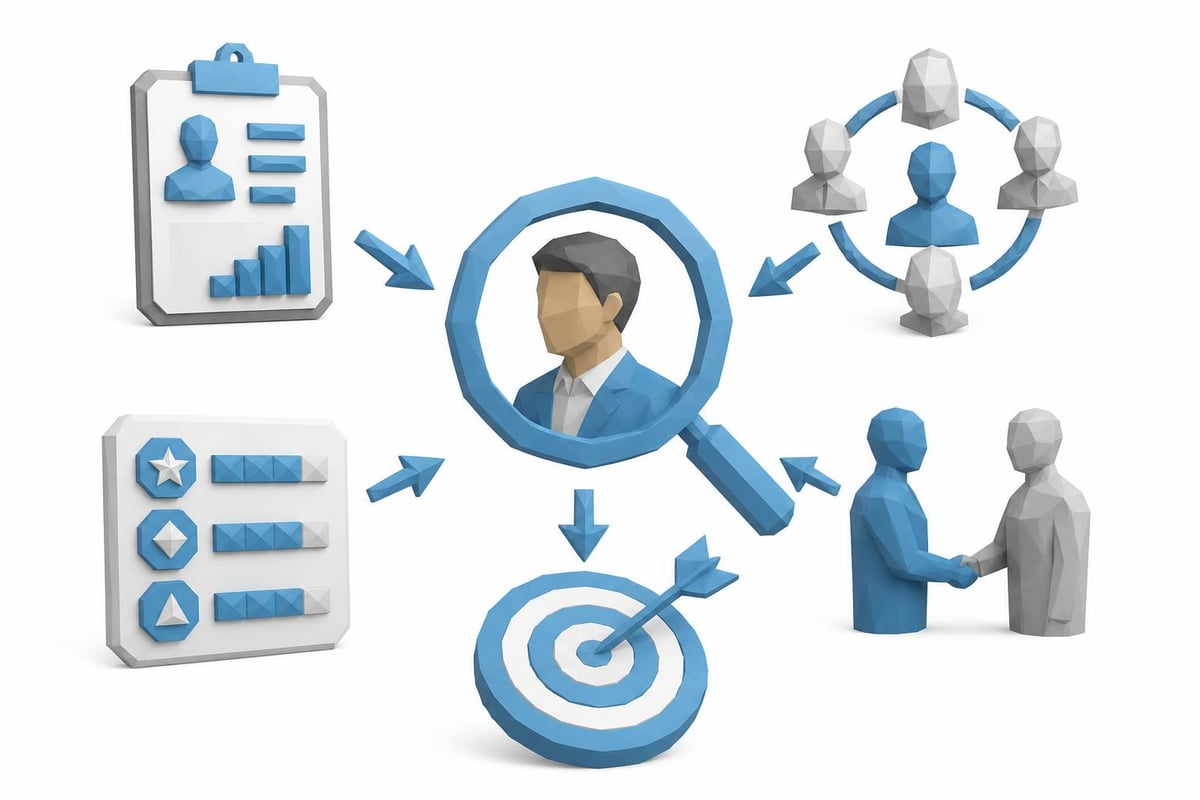
Goal alignment ensures all stakeholders share understanding of coaching purpose and expected outcomes. The executive receiving coaching, their direct supervisor, HR leadership, and the coach must achieve consensus regarding priorities, timelines, and success indicators. When implemented effectively through building an internal coaching program, this alignment prevents misunderstandings that derail coaching investments.
The Core Phases of the Coaching Process
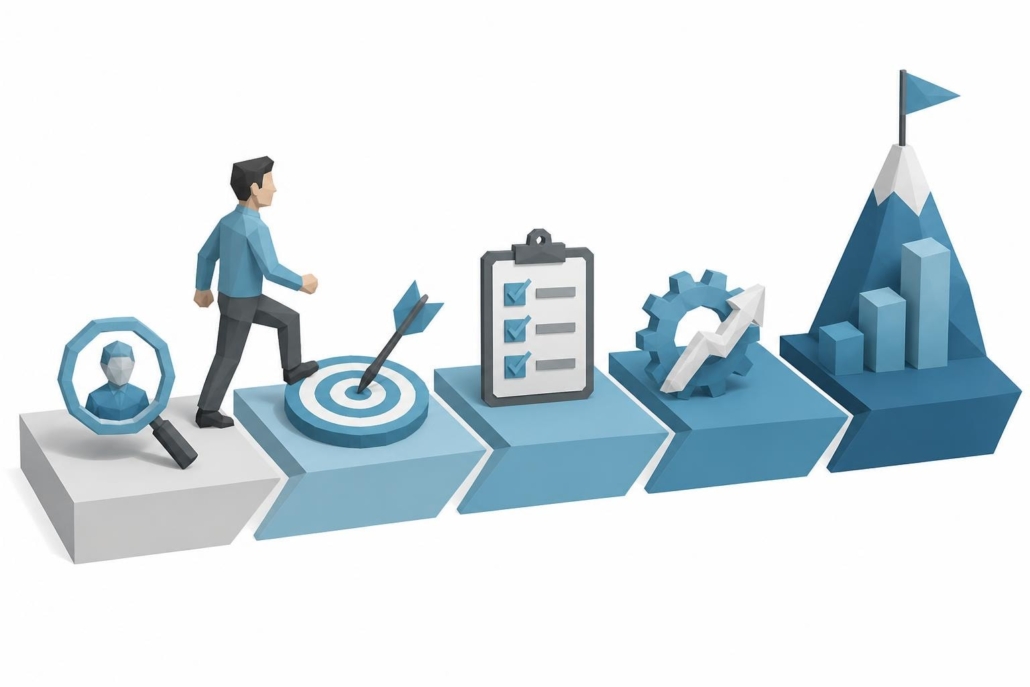
The process of coaching unfolds through distinct phases, each serving specific purposes while building toward comprehensive leadership transformation. Organizations that understand these phases can better support coaching initiatives and anticipate milestones throughout the engagement.
Phase One: Relationship Building and Trust Establishment
The initial coaching sessions focus on establishing psychological safety and rapport between coach and client. Without genuine trust, leaders withhold information about their authentic challenges, limiting coaching effectiveness. Skilled coaches create environments where vulnerability becomes strength and honest reflection drives growth.
This relationship-building phase typically spans two to three sessions. Coaches employ active listening, demonstrate non-judgmental presence, and establish confidentiality boundaries that encourage candid dialogue. The investment in trust establishment pays dividends throughout the coaching relationship, enabling deeper work on sensitive issues such as toxic leadership patterns or executive blind spots.
Phase Two: Exploration and Awareness Development
Once trust exists, the process of coaching shifts toward exploration of current reality. Coaches facilitate self-discovery through powerful questioning techniques that help leaders examine their assumptions, identify behavioral patterns, and recognize how their actions impact others.
Key exploration activities include:
- Pattern identification examining recurring challenges across situations
- Impact assessment understanding how leadership behaviors affect team performance
- Assumption questioning challenging beliefs that limit effectiveness
- Strengths leveraging recognizing existing capabilities to build upon
- Gap analysis identifying specific competencies requiring development
The six principles of leadership coaching emphasize creating supportive environments that advocate self-awareness during this critical exploration phase. Coaches serve as mirrors, reflecting observations without judgment while guiding leaders toward breakthrough insights about their leadership impact.
Phase Three: Strategy Development and Action Planning
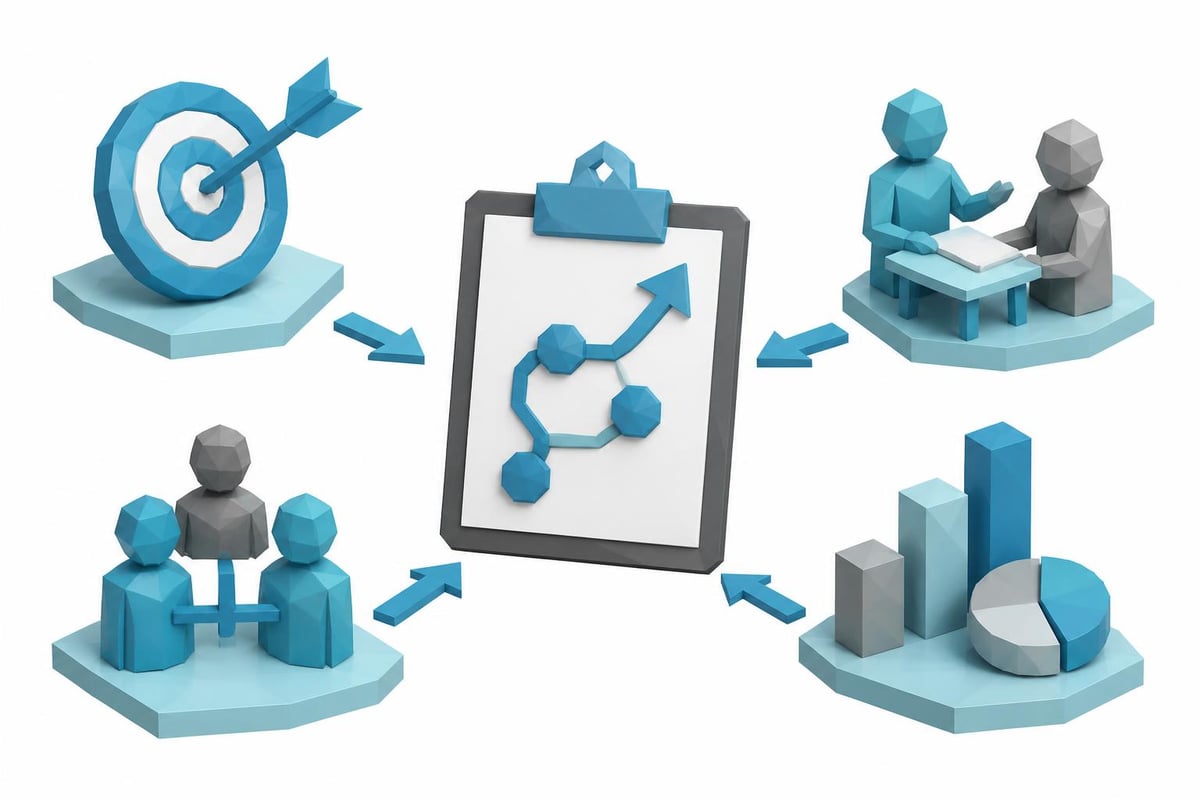
Awareness without action produces limited organizational value. The third phase of the process of coaching converts insights into concrete development plans with specific action steps, accountability mechanisms, and progress milestones.
Effective action plans demonstrate several characteristics:
| Plan Element | Description | Success Criteria |
|---|---|---|
| Specific Behaviors | Clearly defined actions to implement | Observable, measurable changes |
| Practice Opportunities | Situations to apply new approaches | Regular frequency, varied contexts |
| Support Structures | Resources and people to assist | Accessible, willing to provide feedback |
| Measurement Methods | How progress will be tracked | Objective data collection points |
| Adjustment Triggers | Conditions requiring plan modifications | Predetermined thresholds for change |
Coaches collaborate with leaders to design experiments and practice opportunities that stretch capabilities while maintaining psychological safety. The best action plans balance ambition with achievability, creating momentum through early wins while building toward more challenging behavioral shifts.
Phase Four: Implementation and Ongoing Support
The process of coaching gains traction during implementation when leaders apply new behaviors in real workplace situations. This phase typically extends across several months, with regular coaching sessions providing space for reflection, problem-solving, and course correction.
Implementation support includes:
- Between-session accountability through agreed-upon actions and commitments
- Real-time application coaching addressing challenges as they emerge
- Progress monitoring tracking behavioral changes and impact metrics
- Obstacle troubleshooting developing strategies when barriers appear
- Celebration of progress reinforcing positive changes and building confidence
Organizations maximize coaching value by creating supportive environments that encourage leaders to experiment with new approaches. Managers who receive coaching benefit when their supervisors and peers understand the developmental journey and provide constructive feedback on observed changes. Understanding effective coaching conversations helps create this supportive ecosystem.
Advanced Techniques Within the Coaching Process
Skilled coaches employ sophisticated techniques that accelerate leadership development and address complex organizational challenges. The process of coaching becomes increasingly powerful when coaches masterfully apply these evidence-based approaches.
Powerful Questioning Frameworks
Questions drive the coaching process by stimulating reflection, challenging assumptions, and generating insights. Different question types serve distinct purposes throughout coaching engagements:
- Open-ended questions encourage exploration without predetermined answers
- Scaling questions assess current state and desired future state quantitatively
- Circular questions examine situations from multiple stakeholder perspectives
- Hypothetical questions explore possibilities without commitment to action
- Challenging questions push beyond comfort zones into growth territory
The sequence and timing of questions matter as much as content. Coaches who rush to problem-solving questions before establishing thorough understanding of current reality produce superficial results. The process of coaching requires patience, allowing silence and reflection space that generates breakthrough thinking.
Feedback Integration and Processing
Leaders receiving coaching benefit from multiple feedback sources throughout the process. Coaches help clients integrate 360-degree feedback, performance reviews, team surveys, and informal observations into coherent development narratives. Organizations exploring executive coaching best practices recognize that data-driven approaches combined with psychological safety produce superior outcomes.
Processing feedback effectively requires emotional intelligence and perspective-taking capabilities. Coaches guide leaders through defensive reactions toward curious inquiry about how their behaviors land with others. This shift from defensiveness to curiosity represents transformational progress within the process of coaching.
Accountability Mechanisms and Progress Tracking
Accountability distinguishes coaching from mentoring or consulting relationships. The process of coaching includes structured accountability that transforms intentions into actions and actions into sustained behavioral change.
Effective accountability mechanisms include:
- Session-to-session commitments with specific action items and completion dates
- Progress journals documenting experiences, insights, and challenges
- Stakeholder check-ins gathering feedback from colleagues and team members
- Metric tracking monitoring KPIs related to coaching goals
- Reflection exercises encouraging continuous learning from experiences
Organizations measuring coaching ROI require robust tracking systems that capture both qualitative progress and quantitative outcomes. The process of coaching should integrate with broader leadership development frameworks and organizational performance management systems to maximize institutional learning.
Organizational Integration and Scaling
Individual coaching produces limited organizational impact without broader system integration. The process of coaching achieves greatest value when embedded within comprehensive leadership development strategies that align with institutional priorities.
Building Coaching Cultures
Forward-thinking organizations develop coaching cultures where leaders at all levels employ coaching approaches in daily interactions. This cultural transformation extends the process of coaching beyond formal engagements into everyday leadership practice. When managers routinely ask powerful questions, facilitate self-discovery, and empower team members to solve their own challenges, organizations build sustainable competitive advantages through enhanced human capital development.
Creating coaching cultures requires investment in manager training, modeling by senior executives, and reward systems that recognize coaching behaviors. Organizations benefit from top executive coaching firms that provide both individual coaching and organizational development consulting to support cultural transformation initiatives.
Measuring Coaching Impact and ROI
Demonstrating coaching value requires sophisticated measurement approaches that capture multiple impact dimensions. The process of coaching influences individual performance, team effectiveness, and organizational outcomes through various pathways.
| Impact Level | Measurement Approaches | Example Metrics |
|---|---|---|
| Individual | Behavioral assessments, 360-degree feedback, competency evaluations | Leadership effectiveness scores, behavioral change frequency |
| Team | Engagement surveys, productivity metrics, retention rates | Team engagement scores, project delivery success rates |
| Organizational | Culture surveys, business performance indicators, strategic goal achievement | Employee retention, revenue growth, customer satisfaction |
The most sophisticated organizations tracking coaching ROI employ control groups, longitudinal studies, and multi-factor analysis that isolates coaching impact from other development interventions. This rigor provides evidence justifying continued investment in coaching infrastructure and enables continuous improvement of the process of coaching itself.
Technology-Enabled Coaching Processes
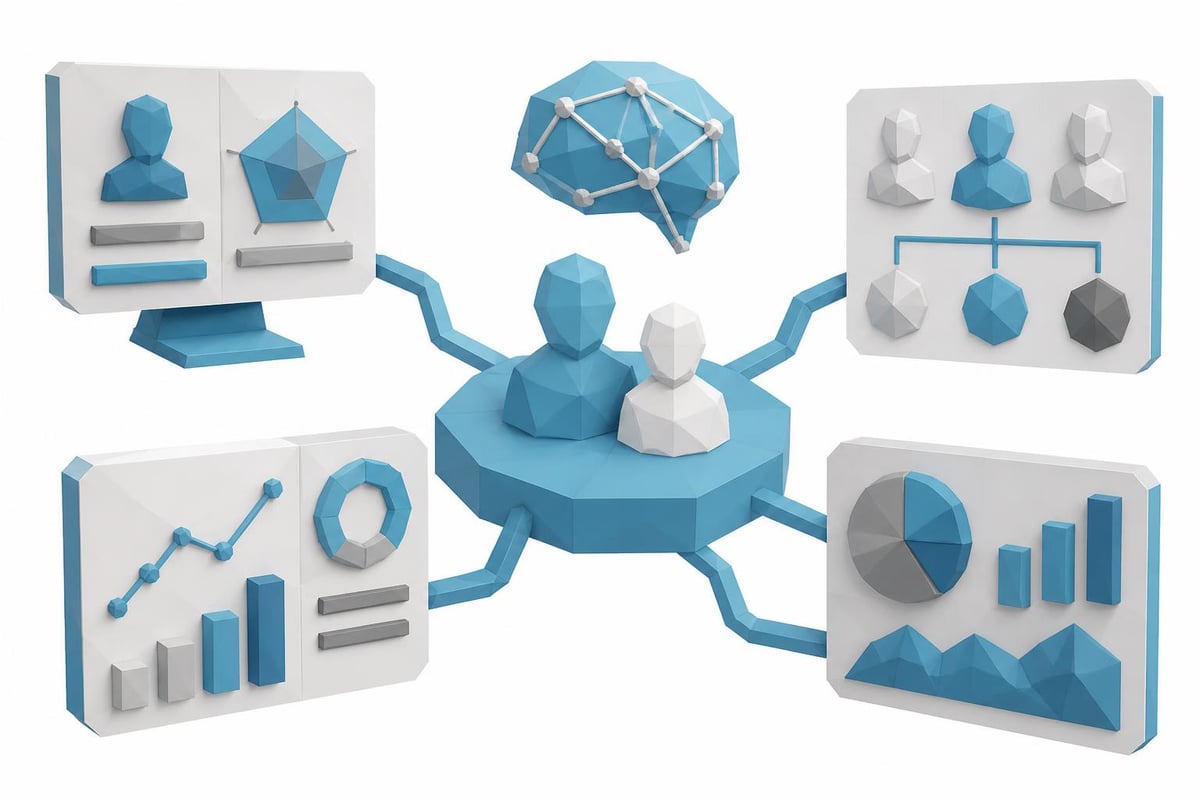
Digital platforms increasingly support and enhance traditional coaching methodologies. Technology enables scheduling efficiency, progress tracking, resource sharing, and outcome measurement at scale. Organizations deploying coaching across hundreds or thousands of leaders require technological infrastructure that maintains quality while managing complexity.
Technology applications within the process of coaching include:
- Matching platforms connecting leaders with appropriate coaches based on expertise and availability
- Progress dashboards providing real-time visibility into coaching activities and outcomes
- Assessment tools delivering validated diagnostics efficiently across large populations
- Communication platforms facilitating between-session connection and accountability
- Analytics systems aggregating coaching data to inform program optimization
Organizations exploring how AI enhances business coaching discover opportunities to augment human coaches with technology that personalizes learning pathways, provides practice simulations, and offers just-in-time resources addressing specific leadership challenges.
Specialized Applications of the Coaching Process
The fundamental process of coaching adapts to address specific organizational challenges while maintaining core principles. Understanding these specialized applications helps organizations deploy coaching resources strategically.
Executive Transition Coaching
Leaders assuming new executive roles face unique pressures requiring specialized coaching support. The process of coaching for executive transitions emphasizes rapid organizational assessment, stakeholder relationship building, and early wins that establish credibility. Transition coaching typically operates on compressed timelines, with intensive early engagement tapering as leaders gain traction in new roles.
Team Coaching for Collective Performance
While individual coaching targets personal leadership development, team coaching addresses collective dynamics, processes, and performance patterns. The process of coaching teams involves working with intact groups to improve collaboration, resolve conflicts, clarify roles, and strengthen collective capabilities. Team coaching proves particularly valuable when addressing challenges related to psychological safety in the workplace that limit team effectiveness.
Crisis Intervention and Performance Coaching
Organizations sometimes deploy coaching reactively to address performance crises or behavioral concerns. While preventive coaching proves more cost-effective, intervention coaching addresses urgent situations requiring immediate attention. The process of coaching in crisis situations demands clear performance expectations, shorter timelines, and explicit consequences for insufficient progress. These high-stakes engagements require coaches with specialized crisis intervention expertise and organizational support including HR partnership.
Quality Assurance and Ethical Standards
Professional coaching operates within ethical frameworks and quality standards that protect clients while ensuring coaching integrity. Organizations procuring coaching services must understand these standards and verify coach credentials.
Credentialing and Professional Standards
Reputable coaches hold credentials from recognized professional bodies such as the International Coaching Federation (ICF), Center for Credentialing and Education (CCE), or European Mentoring and Coaching Council (EMCC). These organizations establish competency standards, ethical guidelines, and continuing education requirements that maintain professional quality.
The process of coaching delivered by credentialed professionals demonstrates consistency with established best practices while adapting to unique client circumstances. Organizations benefit from specifying credential requirements in coaching procurement to ensure quality consistency.
Confidentiality and Ethical Boundaries
Coaching relationships depend on confidentiality that enables candid exploration of leadership challenges. Coaches maintain strict boundaries regarding information sharing, disclosing coaching content only with explicit client permission or when legally required. Organizations must respect these boundaries while establishing appropriate communication channels that provide coaching investment oversight without violating confidentiality.
Ethical coaching practices include:
- Clear contracting establishing expectations, boundaries, and communication protocols upfront
- Conflict of interest management identifying and addressing potential ethical dilemmas
- Scope limitation recognizing when issues require therapy or other interventions beyond coaching
- Cultural competence respecting diverse backgrounds, perspectives, and values
- Ongoing professional development maintaining current knowledge and skills
Understanding essential coaching techniques mapped to professional competencies helps organizations evaluate coach quality and ensure ethical practice standards.
Continuous Improvement and Program Evolution
The process of coaching within organizations should evolve based on outcome data, participant feedback, and changing institutional needs. Leading organizations treat coaching programs as dynamic systems requiring continuous assessment and refinement.
Feedback Loops and Program Assessment
Regular program evaluation captures multiple perspectives on coaching effectiveness. Surveys of coaching participants, their managers, HR leaders, and coaches themselves generate insights for program improvement. This feedback examines process elements including coach matching accuracy, administrative efficiency, outcome achievement, and overall satisfaction.
Organizations should establish quarterly or semi-annual review cycles that analyze coaching program data and identify optimization opportunities. This disciplined approach ensures coaching investments generate maximum organizational value.
Adapting to Organizational Change
As organizations evolve, coaching programs must adapt to support new strategic priorities, leadership competencies, and business challenges. The process of coaching that served organizational needs in 2024 may require significant modification by 2026 as market conditions, workforce demographics, and competitive landscapes shift.
Agile coaching programs maintain flexibility while preserving core quality standards. Organizations benefit from maintaining relationships with diverse coaching resources that provide specialized expertise as needs emerge rather than limiting options to rigid panel arrangements.
The structured process of coaching represents organizations' most powerful tool for developing leadership capabilities that drive engagement, innovation, and sustained competitive advantage. By understanding the distinct phases, employing evidence-based techniques, and integrating coaching with broader talent development strategies, organizations transform individual potential into measurable institutional impact. When you're ready to deploy coaching solutions that address your specific leadership challenges with precision and accountability, Noomii Leadership Coaching provides the expertise, infrastructure, and proven methodologies that Fortune 500 companies and government agencies trust. For additional accountability frameworks that complement coaching initiatives, explore resources at AccountabilityNow to strengthen your leadership development ecosystem.



Leave a Reply
Want to join the discussion?Feel free to contribute!