Managing Leader: Transform Your Leadership Approach in 2026
The role of the managing leader has evolved dramatically in recent years, shifting from traditional command-and-control models to more nuanced approaches that balance operational oversight with strategic vision. Today's managing leader must navigate complex organizational dynamics, inspire diverse teams, and deliver measurable results while maintaining compliance with evolving governance standards. This comprehensive guide examines the essential competencies, common challenges, and proven strategies that define successful managing leaders in 2026.
The Dual Nature of the Managing Leader Role
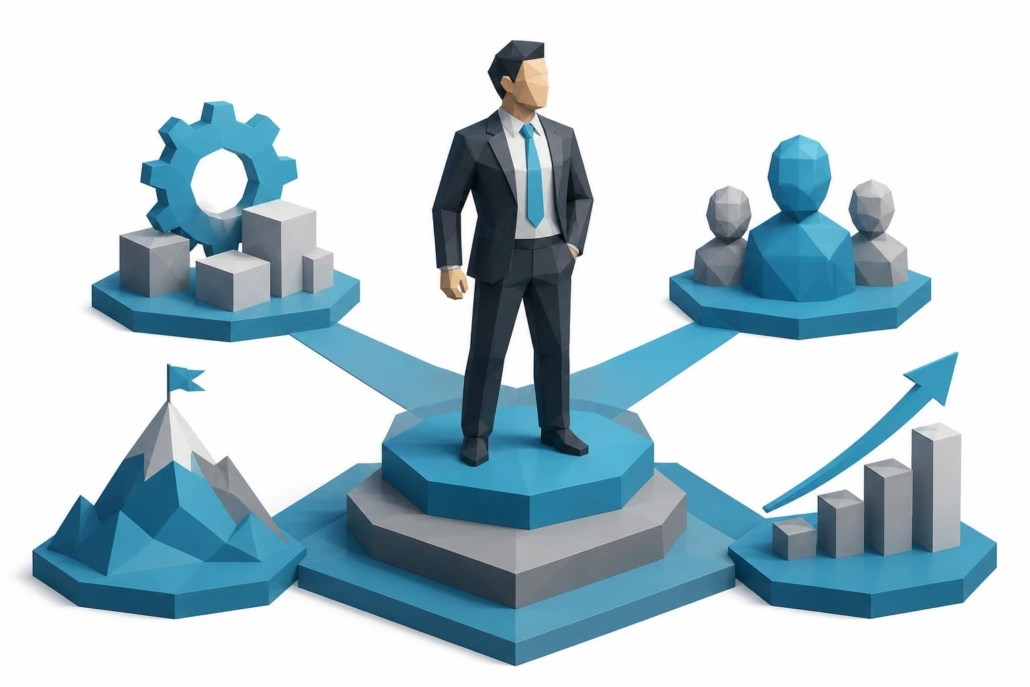
A managing leader occupies a unique position within organizational hierarchies, simultaneously responsible for hands-on management duties and strategic leadership initiatives. This dual mandate creates inherent tensions that require sophisticated skills and self-awareness to navigate effectively.
The operational dimension of the managing leader role involves direct oversight of team performance, resource allocation, and tactical execution. These responsibilities demand attention to detail, process optimization, and consistent accountability. Meanwhile, the leadership dimension requires vision-setting, culture-building, and the development of future capabilities within teams and individuals.
Understanding this duality represents the foundation for excellence. Many managing leaders struggle precisely because they overemphasize one dimension at the expense of the other. The fundamentals of effective management emphasize the importance of balancing these competing demands through self-awareness and intentional role design.
Key Competencies That Distinguish Effective Managing Leaders
Successful managing leaders master a specific set of competencies that enable them to excel in both dimensions of their role:
- Strategic Thinking: Connecting daily operations to broader organizational objectives and market realities
- Emotional Intelligence: Reading team dynamics, managing conflict, and building psychological safety
- Performance Management: Setting clear expectations, providing actionable feedback, and driving accountability
- Talent Development: Identifying potential, creating growth opportunities, and succession planning
- Change Leadership: Guiding teams through transitions while maintaining productivity and morale
These competencies don't emerge naturally. They require deliberate development through structured learning, coaching interventions, and reflective practice. Organizations that invest in building these capabilities within their managing leader population see measurable improvements in engagement, retention, and business outcomes.

Common Challenges Facing Managing Leaders in 2026
The pressures on managing leaders have intensified significantly, with research from Gallup documenting alarming rates of burnout and disengagement among this critical population. Understanding these challenges represents the first step toward addressing them systematically.
The Leadership Transition Trap
Many managing leaders receive promotions based on individual contributor success rather than demonstrated leadership ability. This creates what experts call the "leadership transition trap," where high-performing specialists struggle to adapt to roles requiring entirely different skill sets.
The challenges first-time managers face include leading former peers, delegating effectively, and thinking strategically rather than tactically. Without proper support, these new managing leaders often default to micromanagement or abdicate responsibility entirely.
Organizations must provide structured onboarding, mentorship, and coaching support during these critical transitions. The relationship between managing and coaching becomes particularly important as leaders learn to develop others rather than simply direct them.
Balancing Competing Priorities
A managing leader constantly juggles short-term operational demands against long-term strategic initiatives. This balancing act creates perpetual tension, especially when performance metrics emphasize immediate results over sustainable capability building.
| Priority Type | Time Horizon | Typical Focus Areas | Common Pitfalls |
|---|---|---|---|
| Operational | Daily/Weekly | Output, efficiency, problem-solving | Reactive firefighting, micromanagement |
| Tactical | Monthly/Quarterly | Project delivery, process improvement | Losing strategic perspective |
| Strategic | Annual/Multi-year | Capability development, innovation | Neglecting current performance |
Effective managing leaders establish systems that protect time for strategic work while maintaining operational excellence. This includes delegation frameworks, empowered teams, and clear decision-making authorities that prevent bottlenecks.
Navigating Toxic Leadership Patterns
One of the most challenging aspects of the managing leader role involves addressing problematic behaviors within the leadership chain. Whether inherited from predecessors or emerging within current teams, toxic leadership patterns can undermine culture, destroy trust, and drive away top talent.
The managing leader must identify these patterns early and intervene decisively. This requires courage, political acumen, and often external support from HR or executive coaches who can provide objective assessment and intervention strategies. Organizations that tolerate toxic behaviors at any level pay enormous costs in turnover, engagement, and reputation.
Evidence-Based Strategies for Managing Leader Development
The most successful organizations approach managing leader development as a continuous journey rather than a one-time event. This mindset shift enables sustained growth and adaptation as organizational needs evolve.
Diagnostic Assessment and Targeted Development Plans
Effective development begins with accurate diagnosis. Evidence-based leadership assessments identify specific strengths, gaps, and behavioral patterns that impact performance. These tools move beyond generic personality tests to measure competencies directly linked to leadership effectiveness.
A comprehensive assessment process examines multiple dimensions:
- Self-Awareness: Understanding personal triggers, blind spots, and impact on others
- Team Effectiveness: Measuring trust, collaboration, and collective performance
- Strategic Capabilities: Evaluating decision-making, vision-setting, and system thinking
- Execution Excellence: Assessing accountability, resource management, and results delivery
- Cultural Alignment: Determining fit with organizational values and leadership standards
Once assessment reveals development priorities, the managing leader works with coaches and mentors to create targeted intervention plans. These plans specify concrete behaviors to develop, metrics for measuring progress, and accountability structures that ensure follow-through.
The Power of Precision Coach Matching
Not all coaching relationships produce equal results. The quality of the coach-client match significantly influences outcomes, particularly when addressing complex leadership challenges or specialized industry contexts.
Precision matching considers multiple factors beyond basic credentials:
- Industry Experience: Deep familiarity with sector-specific challenges and dynamics
- Leadership Level: Understanding the unique pressures at different organizational levels
- Development Focus: Expertise in specific competencies like conflict resolution or strategic leadership
- Cultural Competence: Ability to navigate diverse organizational cultures and global contexts
- Chemistry: Personal rapport and communication style compatibility
Organizations that leverage top executive coaching firms with sophisticated matching capabilities report significantly higher satisfaction rates and measurable behavior change compared to random or convenience-based matching approaches.

Building Scalable Managing Leader Development Programs
Individual coaching interventions deliver powerful results, but organizations seeking transformation at scale require systematic approaches that reach managing leaders across all levels and functions.
Cohort-Based Learning Models
Bringing together cohorts of managing leaders for shared learning experiences creates multiple benefits beyond individual skill development. Participants build peer networks, share best practices, and develop common leadership language that strengthens organizational culture.
Effective cohort programs combine several elements:
- Structured Curriculum: Core content addressing universal leadership challenges
- Action Learning: Real-world projects that apply concepts to actual organizational issues
- Peer Coaching: Facilitated exchanges where managing leaders support each other's development
- Expert Input: Sessions with senior executives, external thought leaders, and specialized coaches
- Reflection Practice: Dedicated time for processing insights and planning application
These programs work particularly well when aligned with organizational strategic priorities, ensuring that leadership development directly supports business objectives rather than existing as isolated HR activity.
Measuring Leadership Development ROI
Executive stakeholders rightfully demand evidence that leadership development investments produce tangible returns. Managing leader programs must incorporate robust measurement frameworks that track both leading and lagging indicators of success.
| Metric Category | Example Measures | Data Sources |
|---|---|---|
| Engagement | Team satisfaction scores, retention rates | Surveys, HR analytics |
| Performance | Revenue per employee, productivity metrics | Business systems |
| Capability | 360-degree feedback improvements, promotion readiness | Assessment tools |
| Culture | Psychological safety, collaboration scores | Culture diagnostics |
| Business Impact | Market share, customer satisfaction, innovation rate | Corporate dashboards |
Organizations should establish baseline measurements before development interventions and track changes over defined periods. This data-driven approach enables continuous program refinement and demonstrates clear value to stakeholders who control development budgets.
Addressing Systemic Leadership Challenges
Individual managing leader development, while essential, cannot fully address challenges rooted in organizational systems and structures. The most effective approaches combine individual capability building with systemic interventions that remove barriers and create enabling conditions.
Organizational Culture and Leadership Effectiveness
The top leadership challenges documented across organizational levels often stem from cultural factors rather than individual competency gaps. A managing leader operating within a blame-oriented, politically charged, or micromanagement culture faces nearly impossible odds regardless of personal capability.
Transforming these environments requires executive commitment to cultural change, alignment of reward systems with desired behaviors, and consistent modeling of leadership standards at the highest levels. Managing leaders caught in toxic systems need both personal coaching support and organizational interventions that address root causes.
Creating psychological safety represents a particularly important cultural priority. When psychological safety exists, managing leaders can experiment, admit mistakes, and engage in authentic dialogue without fear of punishment. This foundation enables learning, innovation, and sustainable high performance.
Succession Planning and Leadership Pipeline Development
Forward-thinking organizations recognize that today's managing leader development directly shapes tomorrow's executive bench strength. Systematic succession planning ensures continuity, reduces transition risks, and creates clear pathways that motivate high-potential talent.
Effective succession planning for managing leaders includes:
- Talent Identification: Objective assessment of leadership potential across the organization
- Development Planning: Targeted experiences and coaching to build readiness for expanded roles
- Exposure Opportunities: Strategic projects, cross-functional assignments, and executive visibility
- Mentorship Connections: Pairing high-potential managing leaders with senior executives
- Progress Tracking: Regular reviews of development trajectories and readiness assessments
This systematic approach prevents the common pattern where organizations scramble to fill critical leadership roles through external hiring because internal talent wasn't adequately prepared. The continuity and cultural alignment that internal succession provides creates significant competitive advantage.
The Managing Leader in Complex Organizational Contexts
Different organizational contexts create unique demands on managing leaders that require adapted approaches and specialized support.
Government and Public Sector Leadership
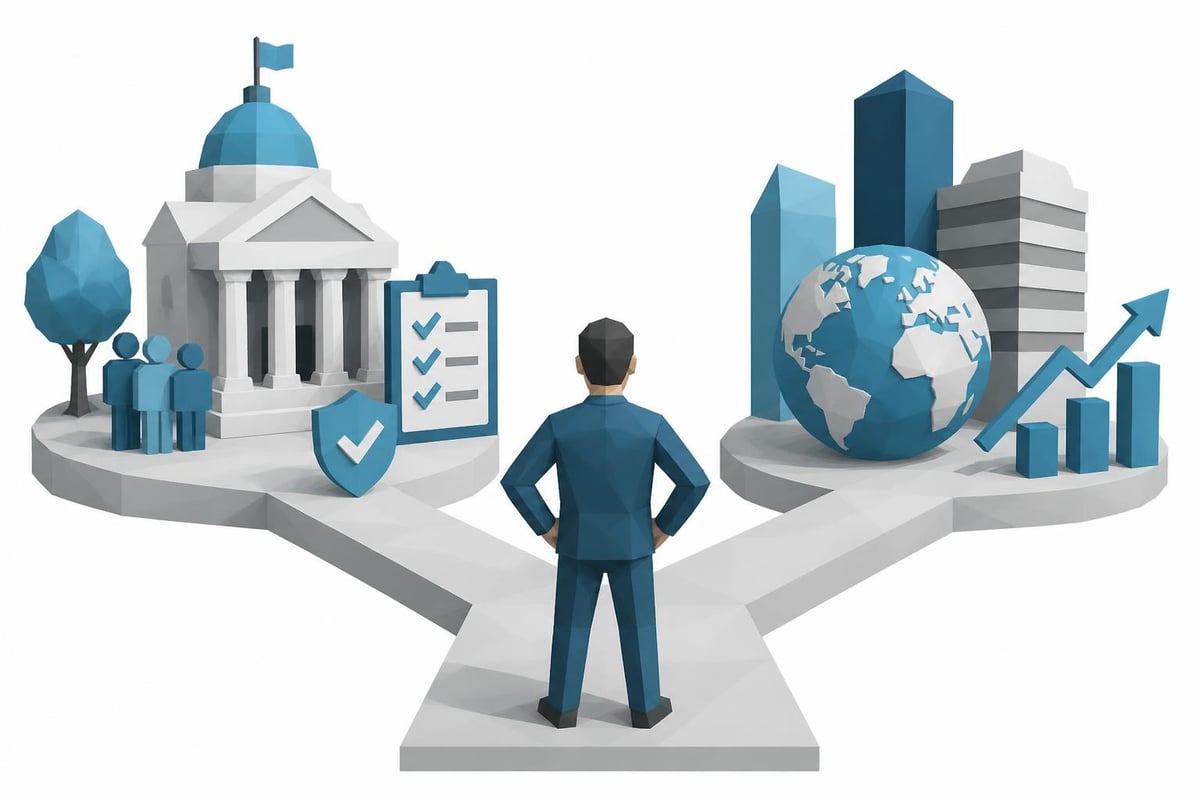
Managing leaders in government agencies navigate distinctive challenges including political oversight, regulatory constraints, union relationships, and public scrutiny. These factors require specialized skills in stakeholder management, compliance navigation, and mission-focused leadership.
The public service context also demands particular attention to ethics, transparency, and equity. Managing leaders must balance efficiency with democratic values, making decisions that serve broad public interests rather than narrow organizational goals. This complexity makes targeted coaching support particularly valuable for government managing leaders.
Fortune 500 and Enterprise Environments
Large corporate environments present different challenges including matrix reporting structures, global team management, and intense performance pressure. Managing leaders in these settings must excel at navigating organizational politics, influencing without direct authority, and maintaining team engagement amid constant restructuring.
The scale and complexity of enterprise organizations also create opportunities for managing leaders to drive significant impact. Small improvements in leadership effectiveness multiply across large teams and long value chains, generating substantial returns. This leverage makes enterprise leadership development investments particularly attractive from an ROI perspective.
Future-Focused Leadership Development
The managing leader role continues evolving as workplace dynamics, technology capabilities, and employee expectations shift. Organizations must prepare their managing leaders for emerging challenges while building foundational competencies that remain relevant across changing conditions.
Preparing for Tomorrow's Leadership Challenges
Future leadership challenges include artificial intelligence integration, distributed team management, accelerating change cycles, and intensifying social expectations around corporate responsibility. Managing leaders need both adaptive capacity and specific skills to navigate these dynamics.
Development programs should balance timeless leadership principles with emerging capabilities:
- Digital Fluency: Understanding technology's impact on work, talent, and competitive dynamics
- Inclusive Leadership: Building diverse teams and creating belonging across differences
- Agile Mindset: Leading through ambiguity with iterative approaches and rapid learning cycles
- Systems Thinking: Seeing interconnections and unintended consequences in complex environments
- Resilience Building: Maintaining personal effectiveness and team morale through sustained pressure
Organizations that invest proactively in these capabilities position their managing leaders for sustained success rather than perpetual catch-up as conditions evolve.
Integrating Managing Leader Development with Business Strategy
The most effective leadership development initiatives align tightly with strategic business priorities rather than following generic best practices. This alignment ensures that capability building directly supports organizational objectives and creates measurable value.
Strategic integration requires partnership between HR, learning and development functions, and business unit leaders. Together, these stakeholders identify the specific leadership capabilities required to execute strategy, assess current state against requirements, and design interventions that close gaps systematically.
When managing leader development connects clearly to business outcomes, executive sponsorship strengthens, participation increases, and accountability for results becomes natural rather than forced. This strategic approach transforms leadership development from cost center to competitive advantage.
Creating Sustainable Leadership Impact
Developing effective managing leaders represents ongoing work rather than a finite project. Organizations that achieve sustained excellence build comprehensive systems supporting continuous growth, adaptation, and renewal across their leadership populations.
Building a Coaching Culture
While formal coaching programs deliver significant value, embedding coaching mindsets and skills throughout the organization multiplies impact exponentially. When managing leaders routinely use coaching approaches with their teams, development becomes continuous rather than episodic.
A coaching culture shifts conversations from directing and evaluating to questioning and developing. Managing leaders ask powerful questions, listen actively, and help team members discover solutions rather than simply providing answers. This approach builds capability, engagement, and ownership while reducing dependency on the leader.
Organizations can accelerate coaching culture development through:
- Training managing leaders in core coaching competencies
- Modeling coaching behaviors at executive levels
- Recognizing and rewarding development-focused leadership
- Providing ongoing support through communities of practice
- Measuring coaching effectiveness through engagement and development metrics
Compliance, Governance, and Ethical Leadership
Managing leaders bear responsibility for ensuring their teams operate within appropriate legal, regulatory, and ethical boundaries. This accountability has intensified as stakeholder expectations around corporate responsibility expand and regulatory environments become more complex.
Effective compliance leadership requires more than policy enforcement. Managing leaders must create cultures where ethical considerations inform decision-making naturally, team members feel safe raising concerns, and organizational values guide behavior even when rules remain ambiguous.
Development programs should build managing leader capability in ethical reasoning, compliance risk management, and values-based leadership. These competencies protect organizations from legal exposure while building trust with employees, customers, and communities.
Transforming managing leader effectiveness requires a comprehensive approach that addresses individual capabilities, team dynamics, and organizational systems simultaneously. When organizations invest strategically in evidence-based diagnostics, precision coach matching, and targeted development interventions, they create leadership capacity that drives measurable business results while building sustainable competitive advantage. The Noomii Corporate Leadership Program delivers exactly this combination through advanced assessment tools, a global network of certified executive coaches, and proven methodologies that align leadership development with organizational priorities. Discover how Noomii Leadership Coaching can transform your managing leaders into confident, effective drivers of engagement and performance, while also exploring complementary resources on accountability systems that reinforce leadership development outcomes.



Leave a Reply
Want to join the discussion?Feel free to contribute!