
Life Coach: How to Find the Right Fit for Your Business
The professional coaching industry continues to expand rapidly, with over 109,200 life coaching businesses operating across the United States in 2026. For mid-market companies seeking to strengthen leadership capacity, understanding the distinction between generic life coaching and results-focused corporate coaching becomes essential. While traditional life coaching addresses personal development goals, organizations need practitioners who deliver measurable business outcomes tied to concrete KPIs and ROI.
Understanding the Life Coach Landscape
A life coach typically works with individuals to clarify goals, overcome obstacles, and create actionable plans for personal and professional growth. The profession has grown substantially, with the global coaching industry generating billions in annual revenue and attracting professionals from diverse backgrounds.
Key areas where life coaches typically focus:
- Career transitions and advancement strategies
- Work-life balance and stress management
- Communication skills and relationship building
- Goal setting and accountability frameworks
- Confidence development and mindset shifts
The challenge for corporate leaders lies in identifying practitioners who understand business context. Many life coaches bring valuable interpersonal skills but lack the operational rigor necessary to drive organizational change. Companies with 25 to 500 employees need coaching that integrates with existing management systems, not standalone personal development sessions.

Certifications and Credentials Matter Less Than Results
The coaching industry offers numerous certification pathways, from International Coaching Federation (ICF) credentials to specialized programs. While these certifications demonstrate commitment to professional development, they do not guarantee business results.
Organizations should evaluate potential coaches based on their track record with similar companies, their ability to speak the language of business metrics, and their willingness to tie compensation to outcomes. Month-to-month engagements with clear performance indicators reveal whether a life coach can deliver beyond theory.
| Evaluation Criteria | Traditional Approach | Results-Focused Approach |
|---|---|---|
| Engagement Terms | Long contracts, upfront fees | Month-to-month, shared risk |
| Success Metrics | Client satisfaction, session completion | KPI movement, retention rates, revenue impact |
| Methodology | Scheduled coaching calls | Live meeting facilitation, real-time feedback |
| Focus | Individual growth in isolation | Integrated team and organizational development |
Finding business coaches who understand this distinction separates transformative engagements from expensive time investments. The best practitioners integrate coaching into your existing operating cadence rather than creating parallel systems.
Matching Coaching Style to Business Needs
Different organizational challenges require different coaching approaches. A newly promoted manager struggling with delegation needs tactical skills coaching. An executive team experiencing communication breakdowns requires facilitation and conflict resolution expertise. A sales leader missing targets benefits from performance coaching tied to pipeline metrics.
Common business scenarios requiring specialized coaching:
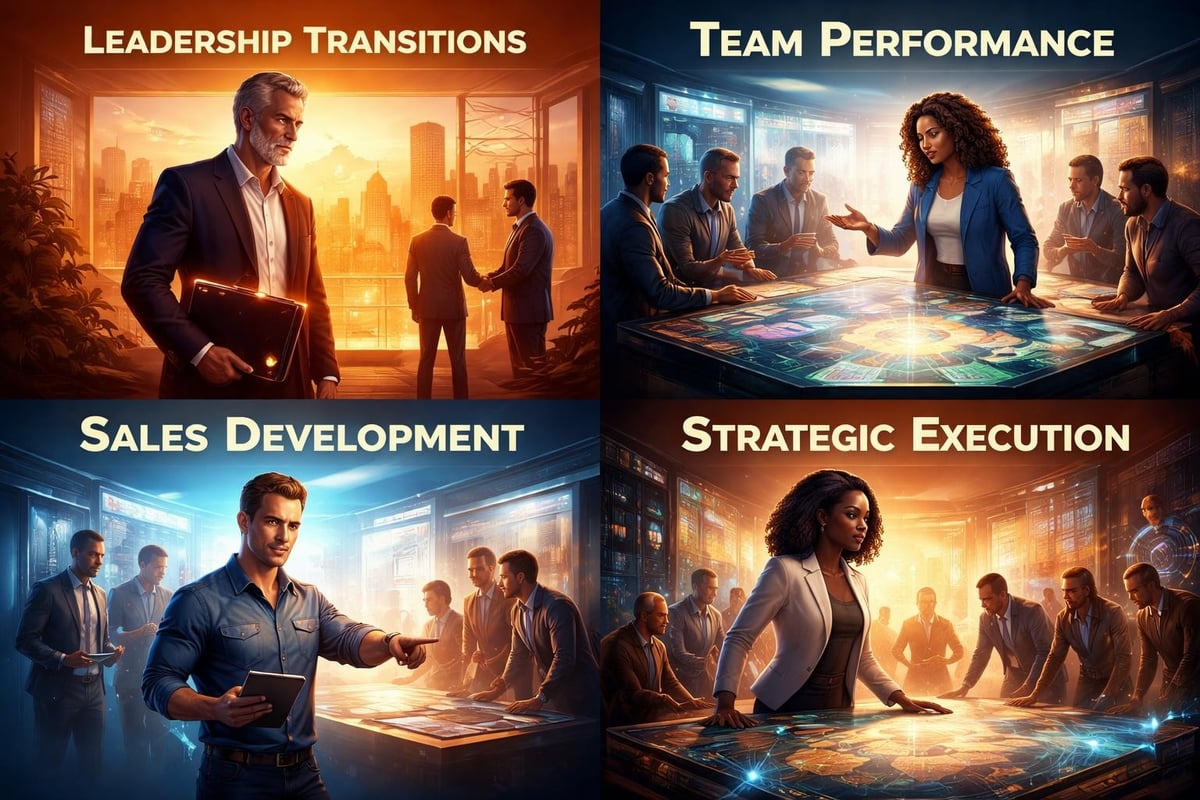
- Leadership transitions: New executives need rapid onboarding into company culture and stakeholder management
- Team dysfunction: Groups with trust issues or unclear accountability benefit from facilitated sessions
- Performance gaps: Individuals with skill deficits require structured development plans
- Strategic alignment: Leadership teams struggling with priority-setting need decision-making frameworks
- Retention challenges: Managers losing top talent require coaching on engagement and development
The Noomii Corporate Leadership Program addresses these scenarios through precision matching between organizational needs and coach expertise. Rather than applying generic frameworks, this approach diagnoses specific leadership gaps and pairs leaders with practitioners who have solved similar challenges.
The Role of Assessment in Effective Coaching
360-degree leadership assessments provide objective data about how leaders are perceived by direct reports, peers, and supervisors. This feedback forms the foundation for targeted development plans that address real behavioral gaps rather than assumed weaknesses.
Without assessment data, coaching conversations often focus on surface-level issues while deeper patterns remain unaddressed. Executive coaches who integrate structured assessments into their practice deliver faster results because they work from evidence rather than assumption.
Progressive organizations also track engagement scores, turnover rates, and decision velocity as coaching KPIs. These metrics demonstrate whether leadership development translates into organizational improvement or remains an isolated personal growth exercise.
Integrating Coaching with Operational Systems
The most effective coaching happens inside normal business operations, not in separate development sessions. When a life coach participates in actual management meetings, strategic planning sessions, or difficult conversations, they observe real behavior and provide immediate feedback that sticks.
This integration model requires coaches who understand business context. They must grasp your industry dynamics, competitive pressures, and operational constraints. Generic advice about “authentic leadership” or “emotional intelligence” falls flat without this grounding.
Practical integration approaches:
- Coach observes leadership team meetings and debriefs afterward on decision quality and communication patterns
- Practitioner reviews KPI scorecards with managers and coaches on accountability conversations
- Coach facilitates quarterly planning sessions and ensures clear ownership of priorities
- Expert shadows sales leaders during pipeline reviews and provides real-time feedback on coaching conversations
Month-to-month terms allow you to test this integration before committing long-term resources.
Building Manager Capability Through Coaching
The multiplier effect in organizational coaching comes from developing managers who can coach their own teams. Rather than creating dependency on external practitioners, effective programs transfer skills to internal leaders.
This requires explicit training on coaching frameworks, feedback delivery, and development planning. Managers learn to conduct effective one-on-ones, give performance feedback that drives improvement, and create accountability without micromanagement.
The life coach market includes many practitioners who excel at this capability-building model. They measure success not by hours delivered but by how many leaders no longer need external support because they have internalized coaching practices.

ROI and Measurement Frameworks
Corporate coaching investments require the same financial rigor as other business initiatives. Smart organizations establish baseline metrics before coaching begins and track improvement throughout the engagement.
| Metric Category | Sample Measurements | Tracking Frequency |
|---|---|---|
| People Outcomes | Engagement scores, voluntary turnover, promotion rates | Quarterly |
| Operational Results | Decision cycle time, meeting effectiveness, priority completion | Monthly |
| Financial Impact | Revenue per employee, customer retention, margin improvement | Quarterly |
| Leadership Behavior | 360 assessment scores, direct report feedback, peer ratings | Semi-annually |
Organizations working with business coaches in the United States should demand visibility into these metrics. Vague claims about “improved confidence” or “better relationships” do not justify ongoing investment without supporting data.
The shared risk model, where coaching fees partially depend on outcome achievement, aligns incentives between practitioner and organization. This approach remains rare in the coaching industry but delivers superior accountability.
Building accountable leaders and high-performing teams requires coaching that delivers measurable business results, not theoretical frameworks applied in isolation. The right approach integrates development into your operating rhythm, transfers capability to your managers, and ties success to clear KPIs. If you need practical corporate coaching that drives faster decisions, stronger communication, and cleaner execution across priorities, Noomii offers month-to-month partnerships with visible outcomes and shared accountability for results.



Leave a Reply
Want to join the discussion?Feel free to contribute!