
Cost Management Accounting Course: Build Better Leaders

Mid-market companies face a persistent challenge: managers promoted for technical expertise often lack the financial literacy to make informed decisions. A cost management accounting course bridges this gap, equipping leaders with the analytical skills to evaluate costs, allocate resources, and drive profitability. When managers understand cost behaviors, inventory valuation, and margin analysis, they move beyond gut instinct and build accountable teams anchored in measurable outcomes. For organizations seeking to strengthen leadership capability and tie coaching to clear KPIs, integrating financial literacy into manager training becomes a competitive advantage.

Why Managers Need Financial Literacy

Most leadership development programs emphasize soft skills while overlooking the financial foundation that enables strategic thinking. Managers who cannot interpret a P&L statement, assess cost-volume-profit relationships, or evaluate capital investments struggle to align team priorities with business goals.

A structured curriculum-such as a cost management accounting course from NASBA-provides hands-on training in job order costing, activity-based costing, and total quality management. These concepts translate directly into operational decisions: which products to prioritize, how to price services competitively, and where to reduce waste without sacrificing quality.

Bridging the Gap Between Finance and Operations

Operational managers often view finance as a separate function, but cost management reveals how every decision impacts the bottom line. When leaders grasp the relationship between variable costs, fixed overhead, and contribution margin, they can:

  • Forecast resource needs based on production volume
  • Identify cost drivers that inflate budgets
  • Negotiate supplier contracts with confidence
  • Evaluate make-versus-buy decisions with data

Cost management concepts

This financial fluency strengthens cross-functional collaboration. Teams that speak the same language as finance build credibility, secure budget approvals faster, and demonstrate ROI with precision.

Core Components of a Cost Management Accounting Course

Effective programs balance theory with application, ensuring participants can immediately apply concepts to real business scenarios.

Course Component Business Application Expected Outcome
Cost behavior analysis Predicting how expenses change with volume More accurate budgeting and forecasting
Inventory valuation methods Choosing FIFO, LIFO, or weighted average Optimized tax strategy and cash flow
Variance analysis Comparing actual costs to budgets Early detection of inefficiencies
Capital budgeting Evaluating long-term investments Data-driven expansion decisions

Practical Tools for Immediate Use

Courses from the American Management Association emphasize creating costing systems tailored to manufacturing environments, while UC San Diego’s cost accounting program blends textbook theory with Excel templates for collecting and analyzing data. These resources enable managers to build scorecards, track KPIs, and report progress in language executives understand.

A cost management accounting course also introduces benchmarking techniques. Comparing departmental efficiency ratios, cost per unit, or gross margin percentages against industry standards reveals where your team excels and where improvement is needed. This accountability becomes especially valuable when paired with 360 leadership assessments that identify behavioral patterns impacting financial performance.

Integrating Cost Management Into Leadership Development

For mid-market companies, standalone training rarely delivers lasting change. The most successful organizations embed financial literacy into ongoing coaching and development programs.

Consider a sales manager responsible for client retention. Without understanding customer acquisition costs, lifetime value, or gross margin by account, decisions become reactive. A cost management accounting course equips this leader to:

  1. Calculate the true cost of serving each client segment
  2. Identify high-margin accounts worth deeper investment
  3. Propose pricing adjustments backed by data
  4. Collaborate with finance on incentive structures tied to profitability

Live Application in Team Settings

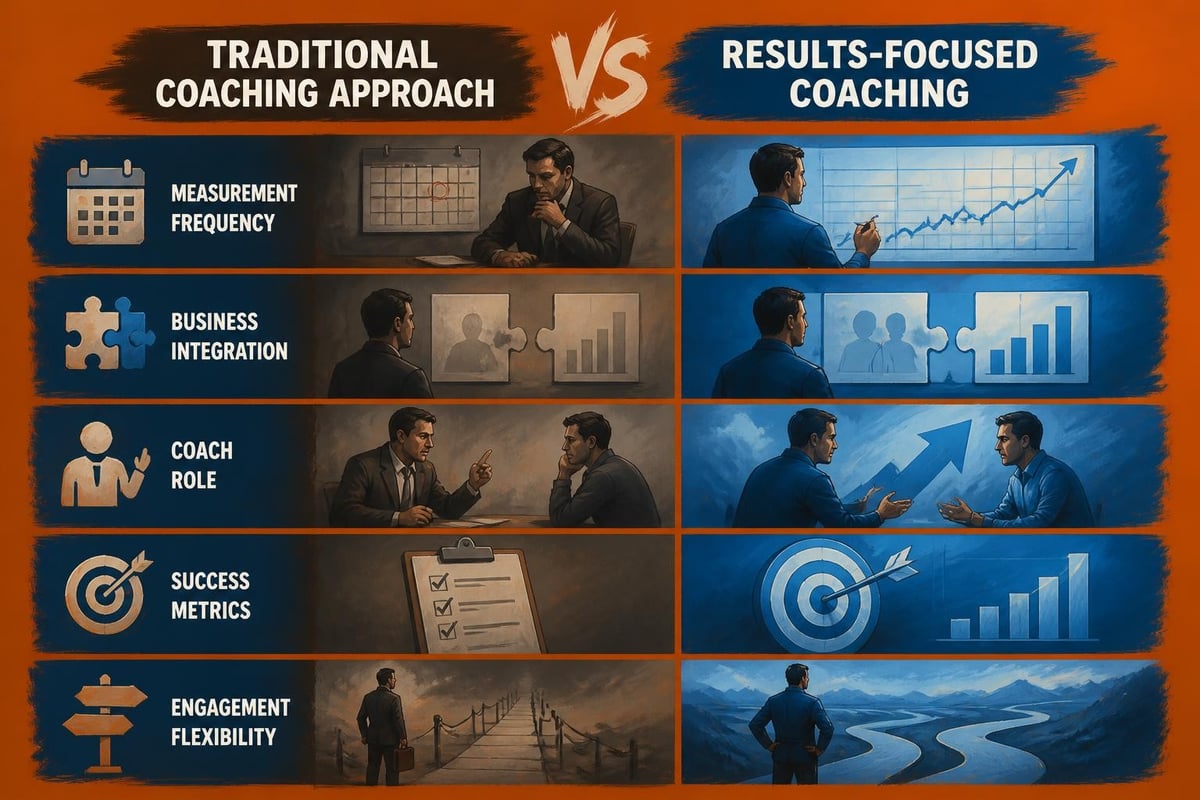
Traditional classroom training delivers concepts; coaching brings them to life. When executive coaching happens live in your meetings, coaches can guide managers through real-time financial analysis. A team debating whether to expand into a new market benefits from a facilitator who prompts cost-volume-profit discussions, challenges assumptions about fixed costs, and ensures ROI projections reflect realistic scenarios.

This approach aligns with how Noomii delivers measurable business results by coaching on the problems you're actually solving, not hypothetical case studies. Managers practice new skills in the moments that matter, receive immediate feedback, and see their decisions validated or adjusted based on financial impact.

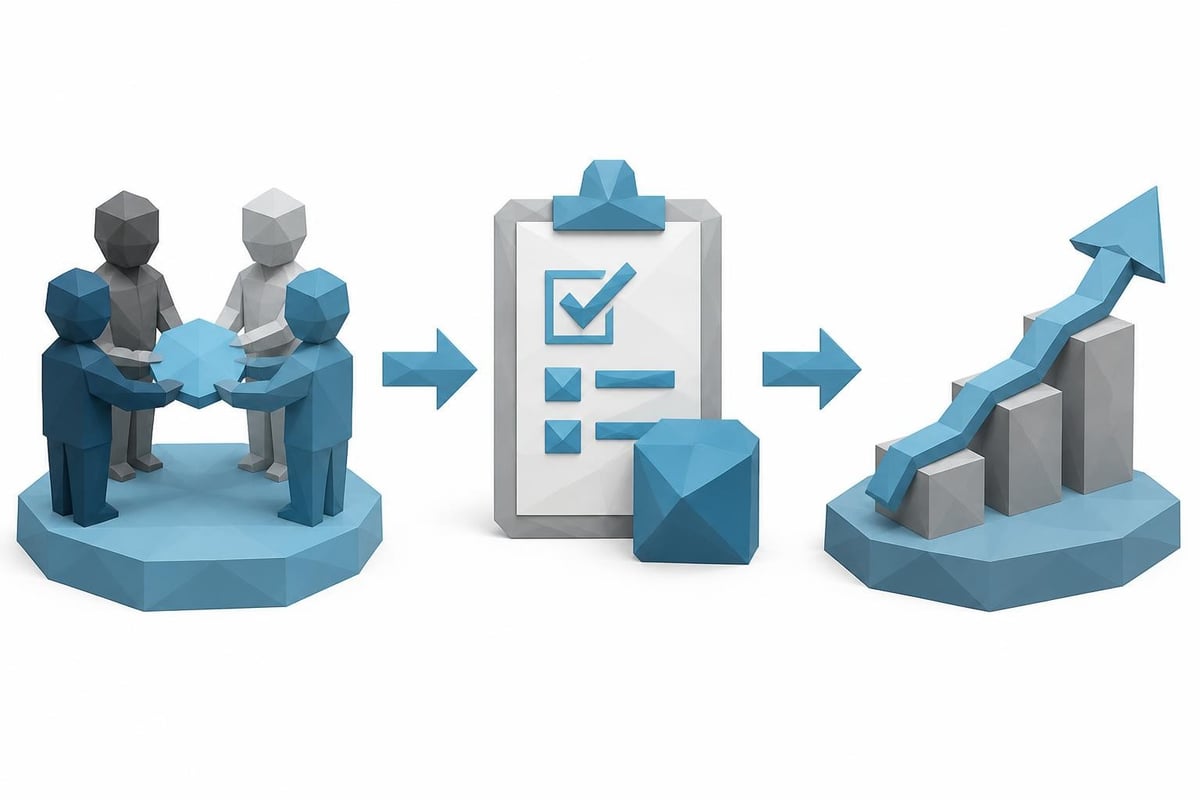
Leadership development workflow

Choosing the Right Program for Your Team

With dozens of options available-from university courses like those at University of Colorado Boulder to specialized programs from Becker CPE-selection depends on your team's baseline knowledge and business context.

Key Selection Criteria

  • Industry relevance: Manufacturing-focused courses emphasize inventory and production variances, while service businesses benefit from overhead allocation and capacity utilization topics
  • Time commitment: Self-paced online programs from providers like Coursera accommodate busy schedules, while intensive seminars deliver faster results
  • Certification value: Courses offering CPE credits appeal to accountants transitioning into management, but practical application matters more than credentials for operational leaders
  • Post-training support: Programs that include case studies, Excel templates, and peer discussion forums extend learning beyond the classroom
Provider Format Duration Best For
NASBA Online self-paced 8-12 hours CPE credit seekers
AMA In-person seminar 2-3 days Manufacturing managers
Coursera Video lectures + assignments 4 weeks Budget-conscious teams
Becker Online modules 2-4 hours Focused skill-building

Organizations serious about building financial literacy across multiple management levels often choose blended approaches: core content delivered through a cost management accounting course, followed by team-based coaching that applies concepts to strategic priorities. This combination ensures knowledge retention and behavioral change, not just certificate collection.

Measuring the Impact on Business Performance

Training investments must deliver visible ROI. The best way to evaluate a cost management accounting course is by tracking changes in decision-making speed, budget accuracy, and profitability.

Leading indicators of success include:

  • Reduction in budget variance percentages quarter over quarter
  • Increased manager participation in financial planning cycles
  • Faster approval timelines for capital requests due to stronger business cases
  • Improved gross margin through better pricing and cost control

ROI measurement framework

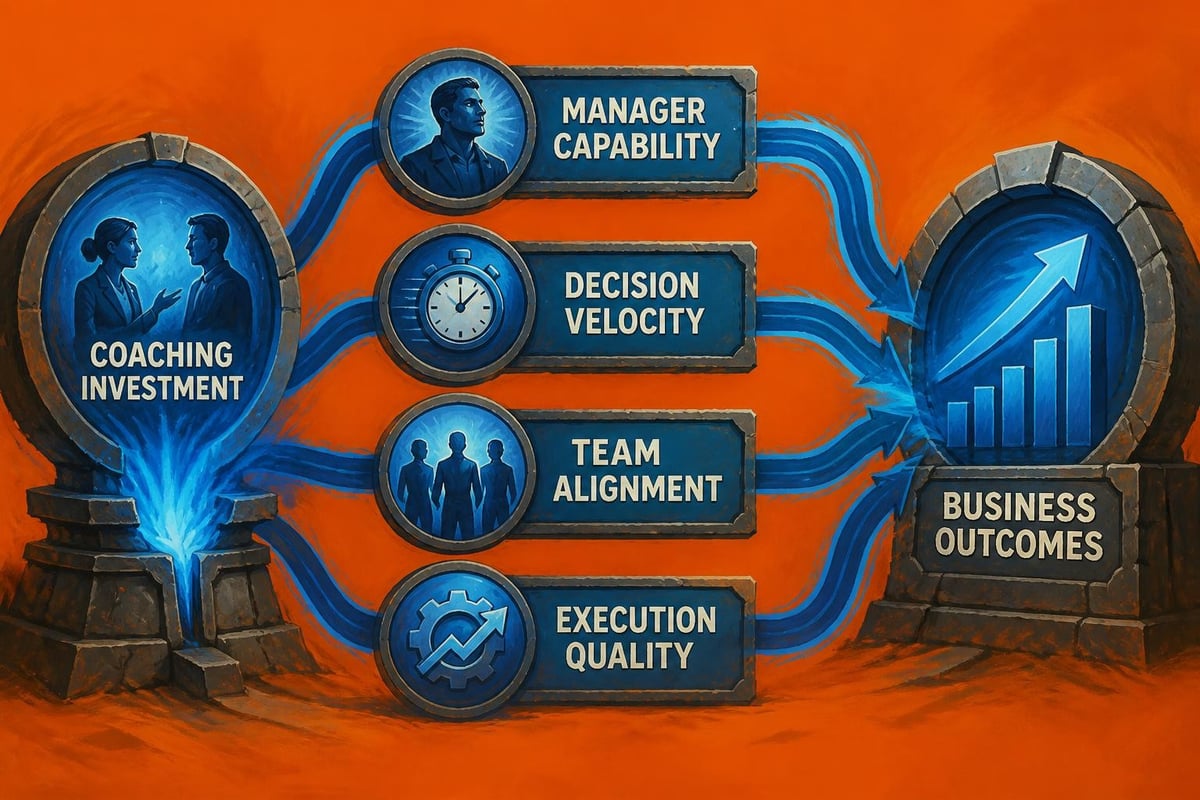
Lagging indicators confirm long-term value: higher employee engagement scores, lower turnover among managers who feel equipped to lead, and cleaner execution across priorities because teams understand how their work drives financial outcomes. When coupled with performance coaching that reinforces financial discipline, these programs transform company culture.

Linking Learning to Operating Cadence

Companies that integrate cost management principles into weekly scorecards and monthly business reviews see faster adoption. Instead of treating financial literacy as a one-time event, embed it into your operating rhythm. Review cost variances in team huddles, celebrate managers who identify savings opportunities, and make financial performance a standing agenda item.

This approach complements platforms like AccountabilityNow, which help teams track commitments and follow through on cost reduction initiatives. When managers know their cost management skills will be tested regularly through KPI reviews, they engage more deeply with training content and apply concepts immediately.


A cost management accounting course equips managers with the financial literacy to drive accountability, make data-backed decisions, and contribute to measurable business results. When organizations pair structured training with live coaching that ties progress to clear KPIs, leaders develop the confidence to execute cleanly across priorities. Noomii delivers this practical approach: rolling up our sleeves, coaching in your meetings, and ensuring every leadership development investment shows visible ROI. If you want manager training that builds accountable teams and strengthens execution, explore how Noomii can help.
Potential Coach: Finding Leadership Transformation in 2026

Finding the right leadership development solution can determine whether your organization thrives or stagnates in 2026. A potential coach represents more than just a consultant or advisor-they embody the catalyst for measurable transformation across every level of organizational leadership. When executives face complex challenges ranging from toxic workplace dynamics to strategic decision-making gaps, the ability to identify and engage a potential coach with precision expertise becomes paramount. This comprehensive exploration reveals how organizations can recognize, evaluate, and leverage the right coaching partnerships to drive sustainable results aligned with compliance standards and institutional priorities.

Understanding What Defines a Potential Coach

The concept of coaching has evolved dramatically from its traditional athletic roots into a sophisticated professional discipline. A potential coach in the corporate leadership context must demonstrate validated expertise across multiple dimensions that directly address organizational pain points.

Core competencies distinguish exceptional coaching candidates from general consultants:

  • Evidence-based diagnostic capabilities using validated assessment frameworks
  • Sector-specific experience aligned with organizational challenges
  • Proven track record of measurable leadership transformation
  • Compliance and governance understanding relevant to your industry
  • Ability to address sensitive issues including toxic leadership patterns

Evaluating Coaching Credentials and Expertise

Organizations frequently struggle to differentiate between qualified professionals and those lacking substantive credentials. The marketplace for life coaching and executive development has expanded significantly, making systematic evaluation essential.

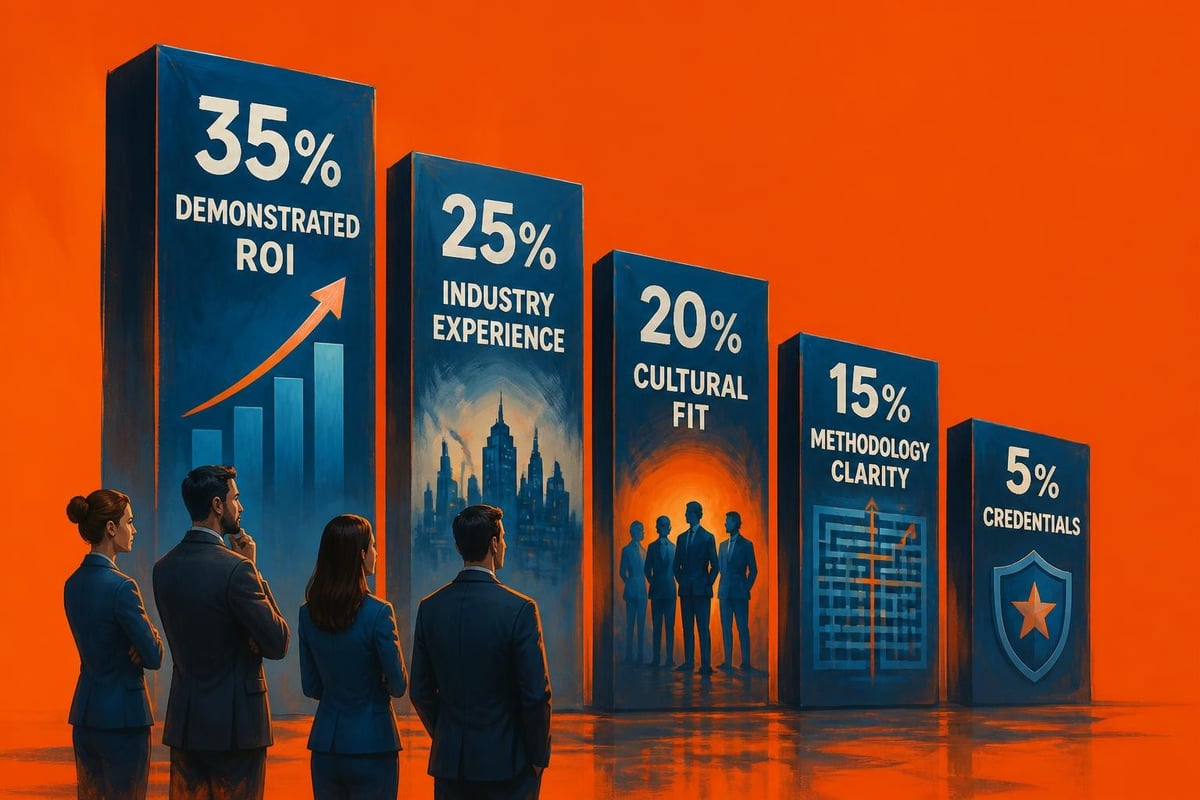
When assessing a potential coach, examine certification standards from recognized bodies. International Coach Federation (ICF), Center for Creative Leadership (CCL), and similar organizations maintain rigorous credentialing processes. Beyond certifications, investigate actual client outcomes, retention rates, and documented performance improvements.

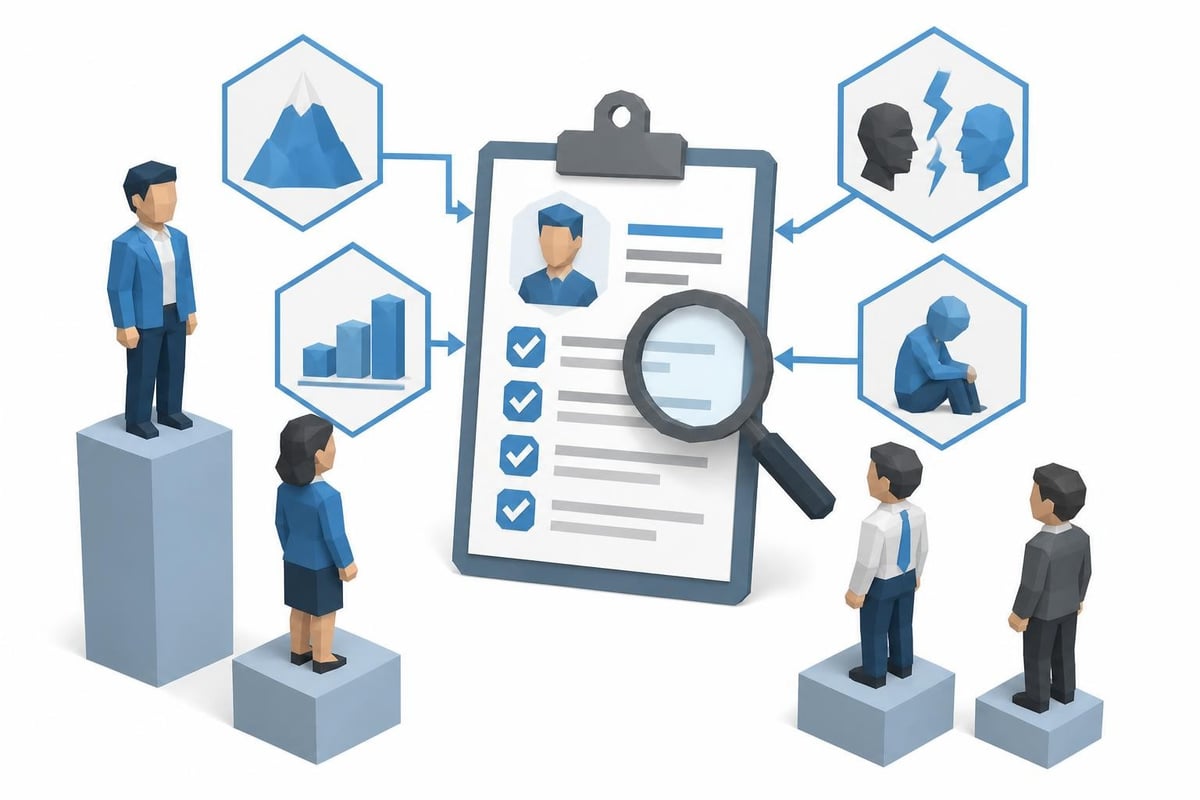
Coach evaluation framework

Industry specialization matters profoundly. A potential coach who has successfully addressed challenges within government agencies brings fundamentally different expertise than someone focused exclusively on startup environments. This specialization becomes critical when dealing with regulatory compliance, bureaucratic navigation, or mission-driven organizational cultures.

Matching Organizational Needs with Coaching Expertise

Precision matching between organizational challenges and coaching capabilities determines program success. Generic leadership development rarely addresses the nuanced issues facing modern enterprises, from toxic leader behaviors to cross-functional collaboration breakdowns.

Diagnostic Assessment as the Foundation

Before engaging any potential coach, comprehensive diagnostics must identify specific leadership gaps, behavioral patterns, and performance obstacles. This evidence-based approach replaces guesswork with measurable insights.

Assessment Category Key Indicators Measurement Tools
Executive Decision-Making Strategic clarity, risk assessment, stakeholder alignment 360-degree feedback, decision velocity metrics
Team Dynamics Psychological safety, collaboration effectiveness, conflict resolution Cultural health surveys, communication pattern analysis
Behavioral Patterns Emotional intelligence, adaptability, accountability Validated personality assessments, performance reviews
Strategic Leadership Vision articulation, change management, innovation capacity Strategic planning outcomes, implementation success rates

Organizations must understand potential analysis methodologies to properly evaluate both internal leadership capabilities and external coaching resources. This systematic examination reveals specific competencies requiring development and guides the selection of appropriately specialized coaching support.

Sector-Specific Coaching Requirements

Government agencies require coaching approaches fundamentally different from Fortune 500 corporations. Public sector organizations navigate mission complexity, political accountability, and public service standards that demand specialized understanding from any potential coach.

A potential coach working with federal agencies must comprehend bureaucratic decision-making processes, stakeholder management across political boundaries, and the unique pressures facing public servants. Understanding leadership potential requires recognizing how different organizational contexts shape development needs.

Fortune 500 companies face distinct challenges including shareholder expectations, market volatility, and competitive talent retention. Their potential coach must bring proven experience navigating corporate governance, board-level communication, and high-stakes executive performance issues.

Building Scalable Coaching Programs That Deliver Results

Individual coaching relationships provide value, but organizational transformation requires scalable frameworks that maintain quality across multiple leadership levels. Examining does executive coaching work reveals that success depends heavily on program structure and measurement rigor.

Scalability demands systematic processes for:

  1. Initial needs assessment across the leadership population
  2. Coach matching based on specific development requirements
  3. Intervention planning with clear milestones and accountability structures
  4. Progress tracking through defined KPIs and cultural indicators
  5. Outcome validation demonstrating ROI and organizational impact

Creating Targeted Intervention Plans

Generic development plans fail to address the specific behavioral changes necessary for leadership transformation. A potential coach must craft interventions addressing documented issues whether that involves toxic workplace behaviors, communication breakdowns, or strategic thinking deficits.

Effective intervention plans include:

  • Behavioral baselines establishing current performance metrics
  • Specific development objectives with measurable success criteria
  • Action steps with timeline accountability and resource requirements
  • Feedback mechanisms providing real-time adjustment capabilities
  • Success validation through 360-degree assessments and performance data

When addressing sensitive situations such as toxic leader transformation, interventions must balance organizational urgency with individual development realities. Rushing transformation creates superficial compliance rather than genuine behavioral change.

Measuring Coaching Impact and Demonstrating ROI

Organizations invest substantial resources in leadership development, making measurement non-negotiable. A potential coach who cannot demonstrate tangible results through data-driven metrics represents a questionable investment regardless of credentials or experience.

Establishing Key Performance Indicators

Leadership development KPIs must connect individual growth to organizational outcomes. Surface-level satisfaction scores fail to capture whether coaching actually improves decision-making quality, team performance, or business results.

Meaningful KPIs include:

  • Employee engagement scores within coached leaders' teams
  • Decision velocity and quality metrics for strategic initiatives
  • Talent retention rates among high-potential team members
  • Cultural health indicators including psychological safety measures
  • Revenue or mission delivery improvements correlated with leadership changes

Understanding human potential requires recognizing that development occurs along multiple dimensions simultaneously. Measurement frameworks must capture this complexity without becoming so elaborate they provide limited actionable insight.

Coaching ROI measurement

Tracking Cultural and Behavioral Shifts

Beyond individual performance metrics, organizational culture represents a critical outcome area for any potential coach engagement. Leadership behaviors cascade throughout organizations, creating ripple effects that either strengthen or undermine cultural health.

Cultural Indicator Baseline Measurement Progress Tracking Validation Method
Psychological Safety Anonymous survey, 1-5 scale across teams Quarterly reassessment Correlation with innovation metrics, error reporting
Trust and Transparency Communication pattern analysis Monthly pulse surveys Retention rates, internal promotion success
Accountability Culture Project delivery rates, goal achievement Quarterly performance reviews Strategic initiative completion rates
Collaboration Effectiveness Cross-functional project success Team feedback mechanisms Time-to-market improvements

Organizations exploring psychological safety in the workplace discover that coaching represents one of the most powerful levers for cultural transformation. A potential coach addressing executive behavior directly influences whether teams feel safe to innovate, challenge assumptions, and bring their full capabilities to work.

Navigating Coach Selection and Engagement Processes

The process of identifying and engaging the right potential coach determines program success before any actual coaching occurs. Organizations must approach this selection with the same rigor applied to other strategic vendor decisions.

Building Evaluation Criteria

Systematic evaluation begins with clear criteria aligned to organizational priorities. Generic questions about coaching philosophy provide limited useful information compared to specific inquiries about relevant experience and proven methodologies.

Essential evaluation questions for any potential coach:

  • What specific leadership challenges have you addressed in organizations similar to ours?
  • How do you measure coaching effectiveness and demonstrate ROI?
  • What assessment tools and diagnostic frameworks do you employ?
  • How do you handle situations where leaders resist development feedback?
  • What is your approach to maintaining confidentiality while ensuring organizational accountability?

The role of a coach extends beyond providing advice or encouragement. Professional coaching demands structured methodologies, evidence-based practices, and measurable accountability that distinguishes it from mentoring or consulting relationships.

Understanding Engagement Models and Pricing

Coaching engagement structures vary significantly across providers. Some potential coaches offer fixed packages with predetermined session counts, while others provide flexible arrangements adapting to emerging needs. Understanding executive coaching cost models helps organizations budget appropriately and avoid unexpected expenses.

Consider these engagement model variations:

  1. Retainer-based relationships providing ongoing access with flexible scheduling
  2. Project-specific engagements addressing defined challenges within fixed timeframes
  3. Hybrid models combining individual coaching with group development sessions
  4. Organizational partnerships offering multiple coach access across leadership levels

Pricing transparency matters critically. A potential coach should clearly articulate fee structures, additional costs for assessments or materials, and any performance-based components. Hidden fees or ambiguous pricing models indicate potential relationship challenges ahead.

Integrating Coaching with Broader Development Frameworks

Isolated coaching rarely delivers optimal results. Integration with existing leadership development infrastructure, performance management systems, and organizational strategy amplifies coaching impact dramatically.

Coaching integration framework

Aligning with Performance Management

When coaching exists separately from performance evaluation processes, leaders receive contradictory signals about development priorities. A potential coach should collaborate with HR leadership to ensure coaching objectives align with performance expectations and advancement criteria.

This alignment requires:

  • Sharing development plans (with appropriate confidentiality boundaries) with supervisors
  • Coordinating coaching focus areas with annual review priorities
  • Integrating coaching progress into talent review discussions
  • Using performance data to inform coaching interventions

Organizations investing in leadership executive coaching discover that integration with broader talent systems multiplies development effectiveness. Leaders understand that coaching supports career progression rather than indicating performance deficiency.

Supporting Succession Planning Initiatives

High-potential leader development represents one of the highest-value applications for coaching resources. Identifying and preparing future executives requires targeted development addressing specific capability gaps that could derail advancement.

A potential coach working with succession pipeline candidates must balance current role performance enhancement with future-state capability building. This dual focus requires sophisticated understanding of both individual development trajectories and organizational strategic needs.

Succession coaching priorities typically include:

  • Strategic thinking and enterprise-wide perspective development
  • Executive presence and stakeholder management capabilities
  • Complex decision-making under uncertainty and incomplete information
  • Leading through organizational change and transformation
  • Building and developing high-performing teams

Research on unleashing potential demonstrates that structured development dramatically accelerates readiness for expanded leadership responsibility. Organizations that systematically develop internal talent through coaching reduce external hiring needs and strengthen cultural continuity.

Addressing Complex Leadership Challenges Through Coaching

Certain leadership challenges require specialized coaching approaches that general practitioners cannot effectively address. Organizations facing toxic leadership, ethical violations, or severe team dysfunction need potential coaches with demonstrated expertise in these sensitive areas.

Toxic Leadership Transformation

Toxic leaders create measurable organizational damage including elevated turnover, reduced innovation, and deteriorated psychological safety. Addressing these behaviors requires a potential coach with specific expertise in behavioral change, emotional intelligence development, and accountability structures.

The transformation process typically involves:

  1. Comprehensive behavioral assessment documenting specific toxic patterns and organizational impact
  2. Individual awareness development helping leaders recognize their behavioral effects
  3. Alternative behavior modeling providing concrete practices replacing toxic approaches
  4. Accountability systems ensuring sustained behavioral change rather than superficial compliance
  5. Team rebuilding repairing relationships damaged by previous toxic interactions

Not every leader can successfully transform from toxic patterns. A qualified potential coach must honestly assess transformation likelihood and recommend alternatives when appropriate, including role changes or organizational separation. Organizations exploring how to present coaching to a toxic leader need strategies balancing development opportunity with organizational protection.

Navigating Ethical and Compliance Issues

Leaders facing ethical challenges or compliance violations require coaching approaches that address both behavioral change and organizational risk management. A potential coach in these situations must understand legal boundaries, regulatory requirements, and governance standards while maintaining coaching effectiveness.

This specialized work demands collaboration with legal counsel, HR compliance functions, and sometimes external regulators. The potential coach must navigate confidentiality limitations while ensuring organizational accountability and risk mitigation.

Leveraging Technology and Assessment Tools

Modern coaching effectiveness depends significantly on diagnostic tools and technology platforms that enhance insight quality and track progress systematically. A potential coach utilizing validated assessments and digital tracking systems delivers measurably better outcomes than those relying solely on conversational approaches.

Evidence-Based Assessment Instruments

Quality coaching begins with quality assessment. Validated instruments provide objective baselines eliminating subjective bias and establishing clear development targets.

Common assessment categories include:

  • Personality and behavioral style (MBTI, DiSC, Hogan assessments)
  • Emotional intelligence (EQ-i 2.0, MSCEIT)
  • Leadership competencies (360-degree feedback instruments)
  • Cognitive capabilities (Watson-Glaser, critical thinking assessments)
  • Values and motivation (Motivators assessment, values inventories)

A potential coach should explain assessment selection rationale, interpretation methodology, and how results inform coaching interventions. Generic assessments lacking validation research provide limited developmental value despite marketing claims.

Digital Coaching Platforms and Progress Tracking

Technology platforms enable consistent progress tracking, facilitate communication between sessions, and aggregate data demonstrating program-wide impact. Organizations implementing coaching at scale require these systems to maintain quality and measure effectiveness.

Platform capabilities supporting coaching effectiveness include:

  • Goal tracking with milestone documentation
  • Session scheduling and preparation materials
  • Progress dashboards visible to coaches, leaders, and HR partners
  • Resource libraries providing supplemental development materials
  • Aggregated analytics demonstrating organizational coaching impact

The integration of coaching platforms with existing HR systems creates seamless workflows reducing administrative burden while improving data quality. A potential coach comfortable with technology integration brings additional value beyond their direct coaching expertise.

Future-Proofing Leadership Through Strategic Coaching

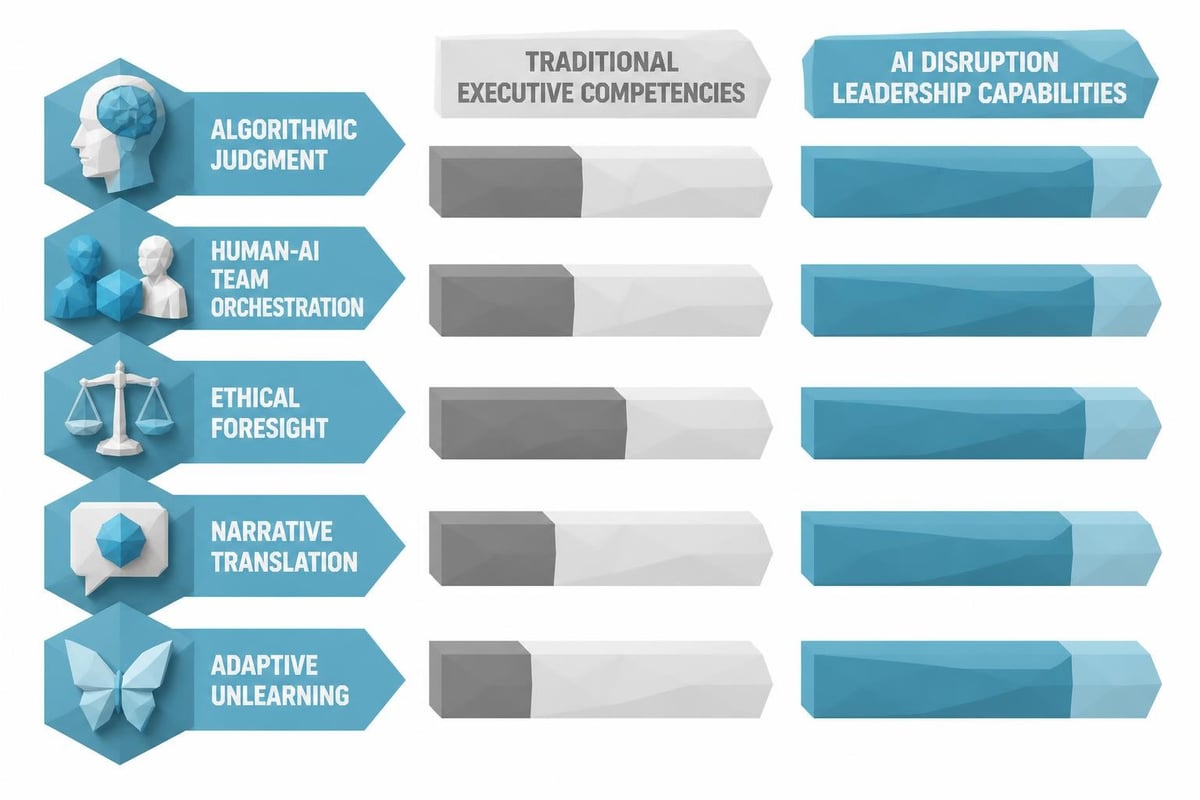
Leadership requirements continue evolving as organizational complexity, technological disruption, and workforce expectations shift. A potential coach must help leaders develop adaptive capabilities that remain relevant amid continuous change rather than solving only current challenges.

Building Adaptive Leadership Capabilities

Static skill development fails in rapidly changing environments. Leaders need meta-capabilities enabling continuous learning, perspective adaptation, and complexity navigation.

Adaptive leadership competencies include:

  • Learning agility across unfamiliar situations and contexts
  • Perspective-taking and stakeholder empathy development
  • Comfort with ambiguity and incomplete information
  • Experimental mindset treating initiatives as learning opportunities
  • Resilience and recovery from setbacks or failures

Understanding leadership potential requires recognizing that capacity for growth often matters more than current capability levels. A potential coach focusing on adaptive development creates lasting impact extending far beyond immediate coaching engagement.

Preparing for Emerging Leadership Challenges

Organizations in 2026 face leadership challenges that barely existed five years ago. Remote and hybrid workforce management, AI integration decisions, generational diversity navigation, and accelerated change cycles demand new leadership approaches.

A forward-thinking potential coach helps leaders anticipate emerging challenges and develop capabilities before they become urgent necessities. This proactive development approach positions organizations ahead of competitors still reacting to changes already underway.

The relationship between organizational success and leadership quality remains undeniable. Finding the right potential coach requires systematic evaluation of credentials, proven methodologies, sector expertise, and cultural alignment. Organizations that approach coaching strategically, integrating it with broader development frameworks and measuring impact rigorously, achieve measurable transformation across individual performance, team effectiveness, and cultural health. Whether addressing toxic leadership patterns, preparing succession candidates, or building adaptive capabilities for future challenges, precision coaching matching delivers returns that generic development programs cannot achieve. By partnering with coaches who demonstrate evidence-based practices, accountability for results, and deep understanding of organizational dynamics, companies position themselves for sustained competitive advantage through superior leadership at every level. Accountability frameworks ensure that coaching investments translate into documented performance improvements rather than expensive conversations with limited organizational impact, and organizations can verify this through platforms like AccountabilityNow that track development commitments systematically.


Identifying and engaging the right potential coach transforms leadership development from a hopeful investment into a strategic advantage with measurable returns. The Noomii Corporate Leadership Program eliminates guesswork through precision matching algorithms connecting your specific challenges with coaches possessing proven sector expertise and validated methodologies. Whether you're addressing toxic leadership patterns, developing executive decision-making capabilities, or building scalable leadership programs across your organization, Noomii Leadership Coaching delivers evidence-based solutions aligned with your compliance requirements and institutional priorities. Discover how precision coaching matching drives measurable leadership transformation and sustainable organizational results today.