
Coaching Platforms Versus Coaching Outcomes: What Works
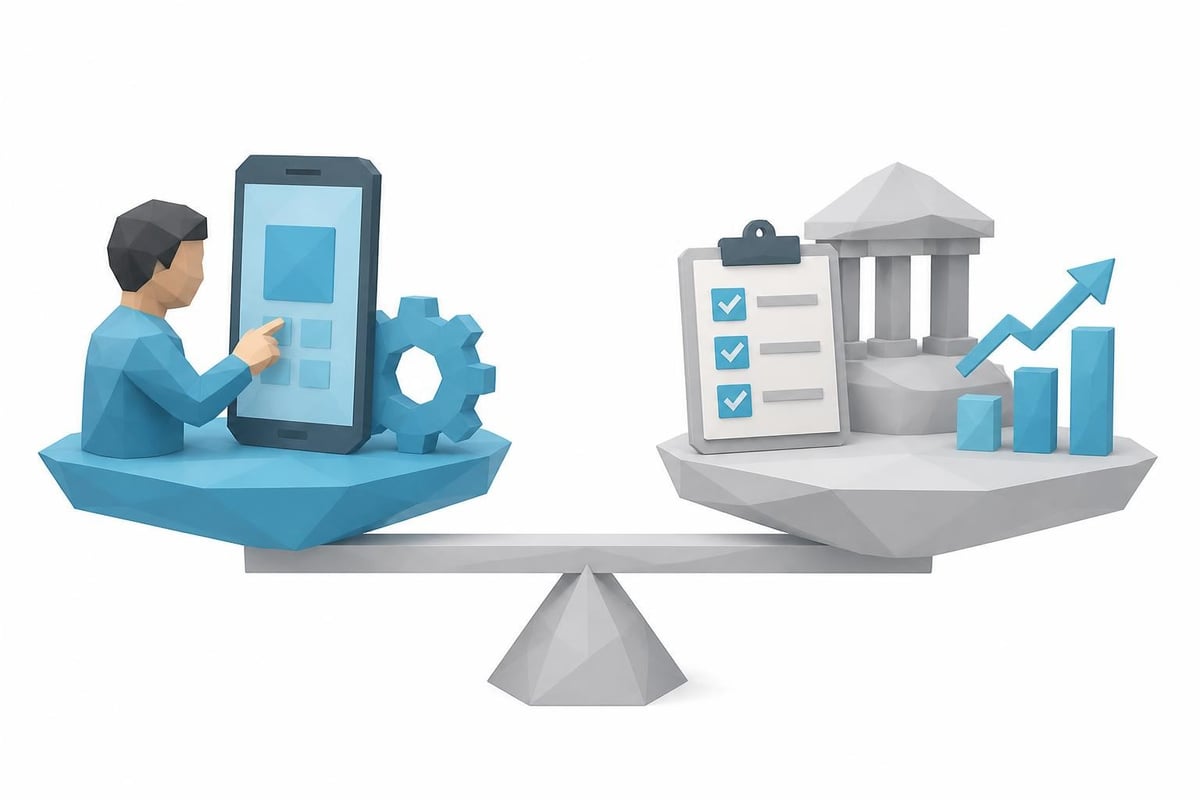
Most organizations make a critical mistake when evaluating leadership coaching: they focus on platform features instead of measurable outcomes. The trend accelerated during 2024-2025 as venture-backed coaching platforms flooded the market with promises of scalability, AI integration, and seamless user experiences. Yet leadership failures continue to drive turnover at record rates, particularly in government agencies and Fortune 500 companies where the stakes are highest. The fundamental question of coaching platforms versus coaching outcomes reveals a gap between what organizations buy and what they actually need.
Why Platform Selection Misses the Point
The coaching platform market grew 42% between 2024 and 2026, yet organizations struggle to demonstrate ROI on their investments. The problem is straightforward: companies evaluate coaching solutions based on technology features, vendor reputation, and implementation ease rather than proven methodologies for addressing specific leadership challenges.
Platform features that distract from outcomes:
- Mobile app functionality and user interface design
- Number of coaches in the network (without vetting depth)
- AI-powered matching algorithms that lack sector expertise
- Integration capabilities with existing HR systems
- Automated scheduling and session management tools
These features matter for operational efficiency, but they say nothing about whether the coaching will actually resolve toxic leadership patterns, improve decision-making quality, or strengthen team performance. A polished platform with 5,000 coaches means nothing if none have experience addressing the specific challenges your organization faces.
The Evidence Gap in Platform-Led Coaching
Research on workplace coaching effectiveness reveals that coaching quality depends on coach expertise, relationship strength, and intervention design, not platform sophistication. Yet most organizations spend more time evaluating software demos than assessing coach credentials or reviewing outcome data.
Here's what happens in practice: HR leaders select platforms based on vendor presentations, implementation timelines, and pricing models. The platform goes live, leaders get matched with coaches through automated algorithms, and sessions begin. Six months later, when asked about results, organizations point to utilization rates and satisfaction scores rather than behavioral changes or business outcomes.
The coaching platforms versus coaching outcomes debate centers on this measurement problem. Platforms track engagement metrics. Outcomes require different instrumentation entirely.
What Actually Drives Leadership Transformation
After analyzing hundreds of leadership coaching engagements across government and enterprise contexts, three factors consistently predict successful outcomes. None relate to platform features.
Evidence-Based Diagnostics Before Coach Assignment
Organizations that achieve measurable results start with validated assessments that identify specific behavioral patterns, decision-making gaps, and leadership challenges. Generic personality tests don't qualify. The diagnostic phase must reveal actionable insights about what needs to change and why current patterns persist.
| Traditional Approach | Outcome-Focused Approach |
|---|---|
| Personality assessment | Behavioral pattern analysis with workplace impact |
| Leader self-reports development goals | Multi-source feedback reveals blind spots and organizational impact |
| Generic leadership competency review | Context-specific challenge diagnosis (e.g., conflict escalation, decision avoidance, toxic leadership behaviors) |
| Platform assigns coach based on availability | Coach selected for proven expertise in diagnosed challenges |
The difference shows up immediately in coaching conversations. Coaches working from evidence-based diagnostics address real challenges from session one. Those working from self-reported goals spend months discovering what the assessment would have revealed upfront.
Precision Matching Based on Sector Expertise
The coaching platforms versus coaching outcomes distinction becomes stark in coach matching. Algorithms match based on surface criteria: industry, seniority level, geographic preference, language. They miss what matters most: has this coach successfully addressed this specific leadership challenge in similar organizational contexts?
A CFO struggling with board communication needs a coach who has worked with finance executives facing stakeholder pressure, understands regulatory constraints, and can navigate political dynamics in large organizations. A mid-level manager dealing with team conflict in a government agency needs someone who understands public sector culture, union environments, and the constraints of civil service systems.
Critical matching criteria platforms typically miss:
- Direct experience resolving the diagnosed leadership challenge
- Understanding of organizational culture and structural constraints
- Track record with similar leaders in comparable situations
- Familiarity with regulatory, compliance, or governance requirements
- Ability to operate within the organization's decision-making timeline
Most platforms cannot answer basic questions: Has this coach successfully helped leaders overcome decision paralysis in high-stakes environments? Do they understand how to address leadership failures that drive turnover in specific sectors? The algorithms lack this granularity.
Intervention Design Aligned to Organizational Goals
Here's where the coaching platforms versus coaching outcomes gap becomes unbridgeable through technology alone. Effective coaching requires customized intervention plans that align individual development with organizational priorities, compliance standards, and strategic objectives.
Standard platform coaching follows a generic arc: establish rapport, explore goals, identify obstacles, develop action plans, track progress. This works for general professional development. It fails for complex organizational challenges where coaching must integrate with team dynamics, reporting structures, and institutional constraints.
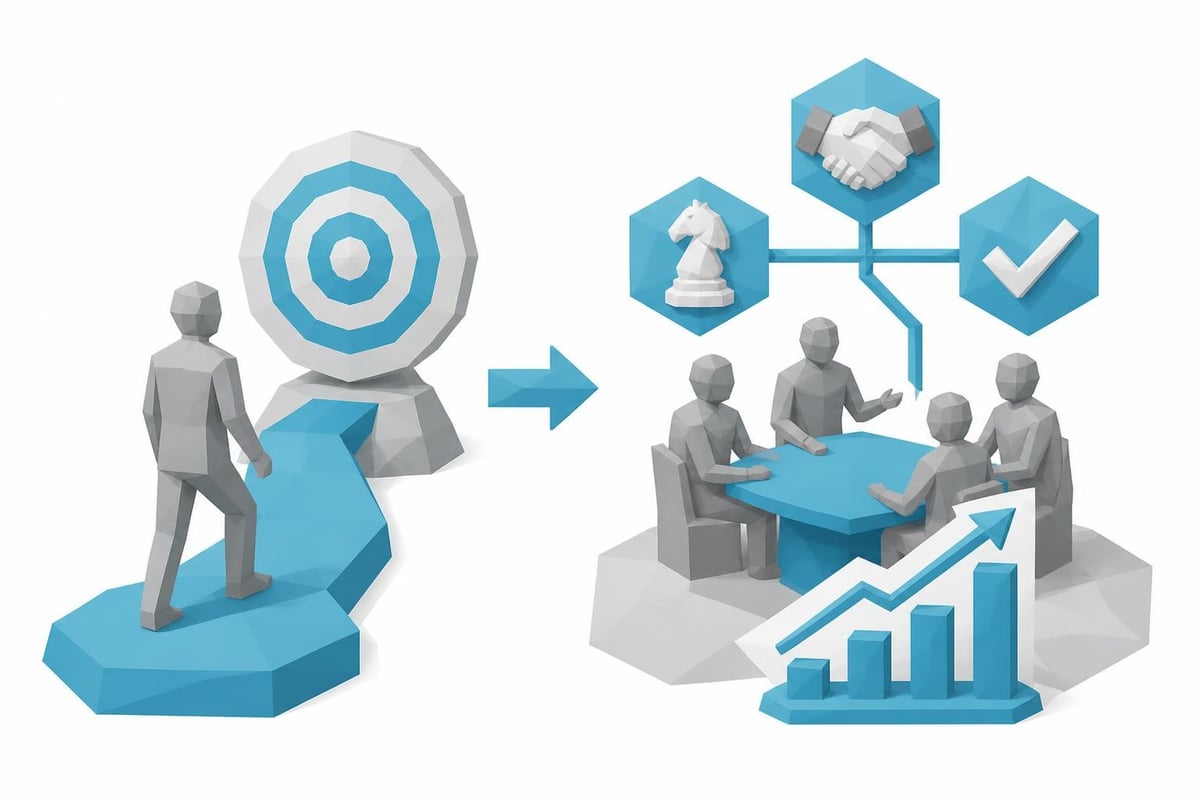
Consider a government agency dealing with low morale following leadership changes. Platform coaching would focus on individual leader development. Outcome-focused coaching would design interventions that address team trust, communication patterns, mission alignment, and psychological safety in the workplace while meeting public sector accountability standards.
The AI Integration Paradox
The 2025-2026 coaching market saw aggressive AI integration across platforms. Vendors promoted AI-powered insights, automated session summaries, and intelligent skill development recommendations. The integration of generative AI tools in coaching workflows shows promise for administrative efficiency and pattern recognition, but it amplifies the coaching platforms versus coaching outcomes problem when used incorrectly.
AI can analyze conversation patterns and suggest topics. It cannot diagnose why a particular leader's decision-making breaks down under pressure, understand the political dynamics blocking their effectiveness, or design interventions that account for organizational culture. Several Fortune 500 clients came to us after AI-powered platforms identified development areas but failed to produce behavioral change.
The issue isn't AI capability. Research on AI coaching for skill development demonstrates potential for adaptive learning support. The problem is substituting AI pattern-matching for human expertise in complex leadership challenges. An algorithm can identify that an executive struggles with delegation. It takes experienced human judgment to understand why, what's driving the pattern, and how to change it given the leader's context, organizational constraints, and stakeholder dynamics.
Where AI adds value in outcome-focused coaching:
- Processing multi-source feedback data to identify behavioral patterns
- Tracking progress on specific competencies across sessions
- Identifying conversation patterns that signal stalled progress
- Supporting coaches with research and preparation between sessions
Where AI creates false confidence:
- Diagnosing root causes of leadership challenges
- Matching coaches to complex organizational problems
- Designing interventions for politically sensitive situations
- Navigating cultural, regulatory, or compliance considerations
Organizations exploring best AI tools for leadership coaching should view technology as augmentation, not replacement, for human expertise.
Measuring What Actually Matters
The coaching platforms versus coaching outcomes distinction demands different measurement approaches. Platforms track engagement, completion rates, and satisfaction scores. These matter for vendor management but tell you nothing about leadership improvement or organizational impact.
Outcome Metrics That Predict Business Results
| Metric Category | Platform Measures | Outcome Measures |
|---|---|---|
| Engagement | Sessions completed, attendance rate | Behavioral change observed by direct reports, peers, supervisors |
| Satisfaction | Coach ratings, NPS scores | Reduction in conflict incidents, improvement in decision quality |
| Development | Skills practice logged in platform | Team performance indicators, retention of key talent |
| ROI | Cost per session, utilization rate | Leadership effectiveness scores, cultural health indicators, business KPIs |
One government agency measured coaching success through employee engagement scores in coached leaders' teams. They found that leaders who completed platform-based coaching showed a 3% engagement improvement. Leaders who received outcome-focused coaching with precision matching and targeted interventions showed 18% improvement. The difference: interventions designed specifically for public sector challenges, coaches with government experience, and measurement aligned to mission outcomes.
Another enterprise case involved addressing executive conflict that stalled product launches. Platform metrics showed high engagement and satisfaction. Business metrics showed continued delays and team dysfunction. Switching to an outcome-focused approach with conflict resolution expertise, specific intervention design, and stakeholder alignment changed team dynamics within eight weeks. Product velocity improved 34% over the following quarter.
Leading Versus Lagging Indicators
Smart organizations track both. Leading indicators predict whether coaching will succeed before completion. Lagging indicators confirm impact after the fact.
Leading indicators of coaching effectiveness:
- Coach expertise alignment with diagnosed challenges (assessed in first two sessions)
- Clarity of behavioral change goals tied to business outcomes
- Stakeholder visibility and support for the coaching engagement
- Early evidence of changed behaviors in low-stakes situations
- Leader's ability to articulate specific patterns they're addressing
Lagging indicators measured post-engagement:
- 360-degree feedback showing behavioral shifts
- Team performance improvements on specific metrics
- Reduced conflict incidents or escalations
- Improved decision-making quality rated by peers and supervisors
- Retention of coached leaders and their key team members
Organizations fixated on platform features rarely establish leading indicators because they focus on process compliance rather than outcome prediction. The coaching platforms versus coaching outcomes question forces clarity about what you're actually trying to achieve.
The Scalability Trap
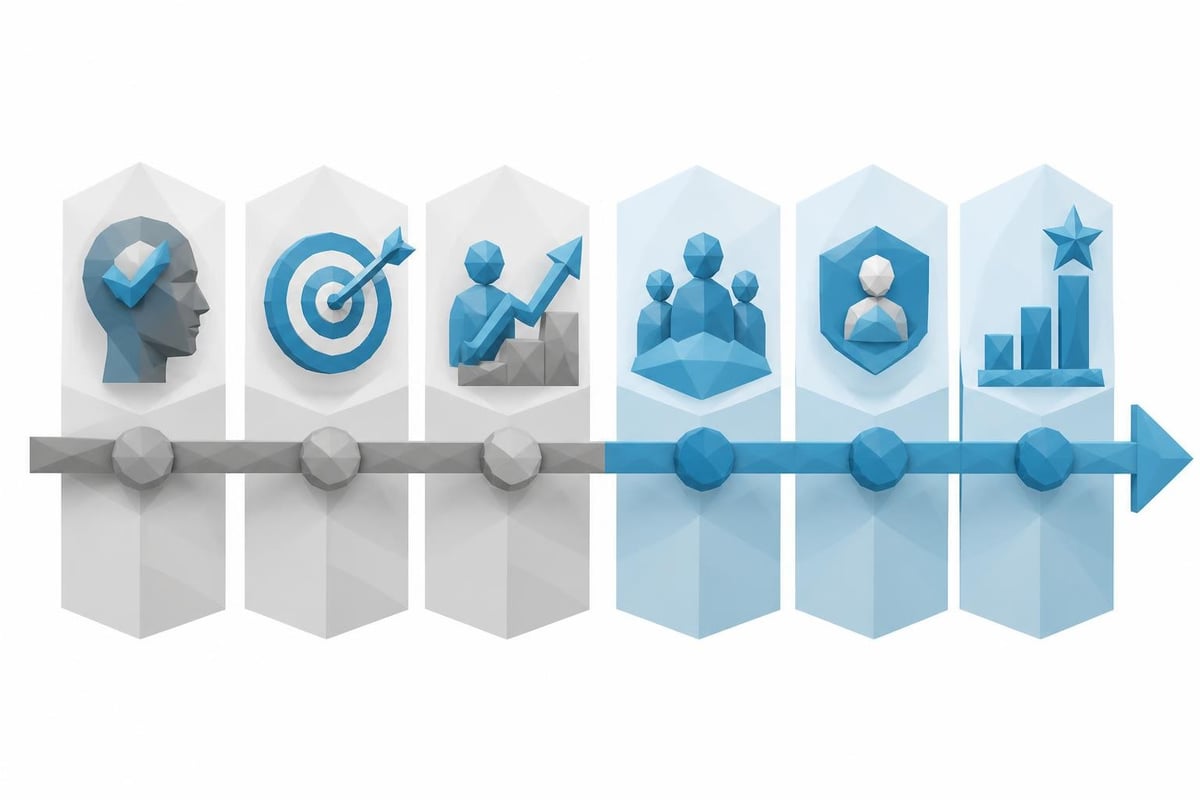
Platform vendors sell scalability as a primary benefit. You can coach hundreds or thousands of leaders simultaneously through a single platform. This appeals to CHROs managing enterprise-wide development programs, but it introduces a dangerous tradeoff.
Scalability in coaching means standardization. Standardization works for knowledge transfer and skill development. It fails for complex leadership challenges that require customization, context-specific interventions, and deep expertise. The question becomes: are you scaling coaching or scaling the appearance of coaching?
When Standardization Works
Some leadership development scales effectively:
- Foundational management skills for new supervisors
- Communication frameworks for technical leaders
- Time management and prioritization techniques
- Basic emotional intelligence concepts
- Standard feedback and delegation practices
Platform-based coaching handles these well. Content can be standardized, progress is measurable through behavior checklists, and coach expertise requirements are moderate.
When Customization Is Non-Negotiable
Other challenges demand precision:
- Addressing entrenched toxic leadership patterns
- Rebuilding trust after organizational trauma
- Navigating complex stakeholder conflicts
- Improving strategic decision-making under uncertainty
- Leading through organizational disruption or major change
These situations require coaches with specific expertise, customized interventions, deep understanding of context, and flexibility to adapt as circumstances evolve. Trying to scale these interventions through platform standardization dilutes effectiveness to the point of irrelevance.
The coaching platforms versus coaching outcomes debate intensifies here. Platforms promise to democratize access to coaching across the organization. Outcome-focused approaches prioritize impact over reach, deploying intensive resources where they'll drive disproportionate value. Both have merit depending on your objective.
What Organizations Get Wrong About Coach Quality
Platform networks advertise thousands of certified coaches as proof of quality and availability. This metric misleads in predictable ways. Certification demonstrates foundational competence. It says nothing about expertise in your specific challenges, organizational context, or industry dynamics.
We've analyzed coach selection across 40+ enterprise engagements over the past 18 months. Organizations that achieve superior outcomes apply radically different quality criteria than those focused on platform features. The gap explains much of the performance difference.
Platform approach to coach quality:
- Coaching certification from recognized body (ICF, EMCC, etc.)
- Minimum hours of coaching experience
- Background checks and professional references
- Client satisfaction ratings within the platform
- Availability and responsiveness scores
Outcome-focused approach to coach quality:
- Proven track record addressing the specific leadership challenge
- Direct experience in the client's industry or sector
- Understanding of organizational culture and structural constraints
- Ability to navigate political dynamics and stakeholder relationships
- Evidence of behavioral change and business impact in similar engagements
The difference shows up immediately. Platform-matched coaches often spend early sessions building context. Precisely matched coaches arrive with relevant mental models, ask better diagnostic questions, and design interventions faster because they've solved similar problems before.
The Real Cost of the Wrong Choice
Focusing on coaching platforms versus coaching outcomes isn't academic. The wrong approach wastes money, but more importantly, it wastes time during critical leadership transitions and allows problems to metastasize while leaders go through ineffective coaching.
One Fortune 500 client spent $840,000 on platform-based coaching for 120 mid-level managers over 18 months. Utilization hit 87%. Satisfaction scores averaged 4.2 out of 5. Yet leadership quality assessments showed minimal improvement, and voluntary turnover in these managers' teams remained elevated. The platform worked as designed. The outcomes didn't materialize.
After switching to outcome-focused coaching for their highest-priority 40 leaders, targeting specific behavioral changes with precisely matched coaches, they spent $620,000 over 12 months. Team engagement scores improved 23%, voluntary turnover decreased 31%, and leadership effectiveness ratings jumped significantly. The cost per leader tripled, but the cost per outcome dropped 70%.
Hidden costs of platform-first approaches:
- Repeated coaching engagements when initial interventions fail
- Turnover of talented team members who leave ineffective leaders
- Delayed resolution of conflicts and performance issues
- Lost productivity while problems persist
- Damage to organizational culture and employee trust
- Missed strategic opportunities due to leadership gaps
Government agencies face additional costs when coaching fails to address mission-critical leadership challenges. Public sector performance issues affect citizen services, regulatory effectiveness, and institutional credibility. The coaching platforms versus coaching outcomes question carries higher stakes in these contexts.
Building an Outcome-First Coaching Strategy
Organizations that consistently achieve strong coaching results follow similar patterns regardless of size or sector. They start with clarity about what needs to change and why it matters to the organization. Platform selection comes last, after defining success criteria and matching requirements.
Five-Step Framework for Outcome-Focused Coaching
1. Diagnose with precision using validated tools
Skip generic assessments. Use instruments that reveal specific behavioral patterns, decision-making gaps, and leadership challenges in organizational context. Multi-source feedback that identifies discrepancies between self-perception and stakeholder experience proves particularly valuable.
2. Define success in behavioral and business terms
Translate diagnosed challenges into specific behavioral changes and business outcomes. "Improve executive presence" is too vague. "Reduce decision reversal rate from 40% to under 15% and improve board confidence ratings from 3.1 to 4.0+ within six months" creates accountability.
3. Match coaches based on proven expertise
Select coaches who have successfully addressed similar challenges in comparable contexts. Interview candidates about their approach to your specific situation. Ask for examples of behavioral change they've achieved and how they measured impact.
4. Design interventions aligned to organizational realities
Work with coaches to customize intervention plans that account for reporting structures, stakeholder dynamics, cultural constraints, and strategic priorities. Ensure coaching integrates with rather than conflicts with organizational rhythms and requirements.
5. Measure leading and lagging indicators continuously
Track early evidence of behavioral change and stakeholder response. Adjust interventions based on what's working and what's not. Measure business outcomes after engagement completion to validate impact and inform future coaching investments.
This framework works whether you're addressing individual executives or developing cohorts of leaders. The coaching platforms versus coaching outcomes question becomes simpler: choose platforms that support this process rather than dictate it.
Frequently Asked Questions
How do you measure coaching outcomes beyond satisfaction scores?
Effective outcome measurement combines behavioral observation with business metrics. Use 360-degree feedback before and after coaching to assess behavioral change as perceived by direct reports, peers, and supervisors. Track team-level indicators like engagement scores, voluntary turnover, productivity metrics, and quality of decision-making. For executive coaching, measure strategic outcomes like board confidence ratings, stakeholder alignment, and progress on organizational priorities. The key is establishing baseline metrics before coaching begins and tracking changes over 6-12 months.
What's the difference between platform matching and precision matching for coaches?
Platform matching uses algorithms to pair coaches and clients based on surface criteria like industry, seniority level, and scheduling availability. Precision matching starts with diagnostic assessment to identify specific leadership challenges, then selects coaches based on proven expertise addressing those exact challenges in similar organizational contexts. A platform might match a finance executive with any coach who has worked in financial services. Precision matching would identify a coach who has specifically helped CFOs improve board communication under regulatory pressure in similar-sized organizations. The expertise depth makes the difference.
Can AI-powered coaching platforms deliver measurable leadership outcomes?
AI platforms excel at administrative efficiency, pattern recognition, and standardized skill development. They struggle with complex leadership challenges requiring contextual judgment, cultural navigation, and customized interventions. Research shows AI can support human coaches effectively through data analysis and progress tracking, but cannot replace human expertise for diagnosing root causes, designing interventions for politically sensitive situations, or adapting to organizational dynamics in real time. Organizations should view AI as augmentation for human coaching rather than replacement, particularly for high-stakes leadership development.
How long does it take to see measurable coaching outcomes?
Timeline depends on the challenge complexity and intervention intensity. For targeted behavioral changes like improving delegation or conflict management, early indicators appear within 4-6 weeks, with measurable impact on team dynamics visible at 3-4 months. More complex challenges like rebuilding trust after organizational trauma or transforming strategic decision-making typically require 6-9 months before significant business outcomes materialize. Leading indicators (stakeholder observations of changed behavior) should be visible within the first quarter. If you're not seeing behavioral evidence by week 8-10, the intervention likely needs adjustment.
What should organizations prioritize when evaluating coaching solutions?
Start with diagnostic capability. Can the solution identify specific behavioral patterns and organizational challenges, or does it rely on generic assessments? Second, evaluate coach expertise depth. How are coaches vetted for specialized knowledge, and what evidence exists of their effectiveness addressing similar challenges? Third, examine intervention customization. Can coaching plans adapt to organizational realities, or are they standardized programs? Fourth, assess measurement systems. What leading and lagging indicators does the solution track, and how do they connect to business outcomes? Platform features matter for operational efficiency but should never drive the evaluation.
Organizations that focus on coaching platforms versus coaching outcomes discover that technology selection matters far less than diagnostic precision, coach expertise, and intervention design. The fundamental question is whether you're buying software or buying leadership transformation. When you need measurable results addressing complex organizational challenges, Noomii Leadership Coaching combines evidence-based diagnostics, precision coach matching, and targeted intervention plans that align individual development with institutional priorities to drive demonstrable business impact.



Leave a Reply
Want to join the discussion?Feel free to contribute!