
Becoming a Career Coach: Your Complete 2026 Guide
The coaching industry continues to expand rapidly as organizations recognize the value of professional development and talent retention. Professionals with corporate experience, HR backgrounds, or leadership expertise increasingly explore becoming a career coach as their next professional chapter. This transition offers the opportunity to leverage accumulated wisdom while helping others navigate complex workplace challenges, make strategic career moves, and unlock their professional potential.
Understanding the Career Coach Role
Career coaches guide professionals through transitions, advancement strategies, and workplace challenges. Unlike therapists who address emotional healing or life coaches who tackle broad personal goals, career coaches focus specifically on professional development and workplace success.
The role encompasses multiple responsibilities:
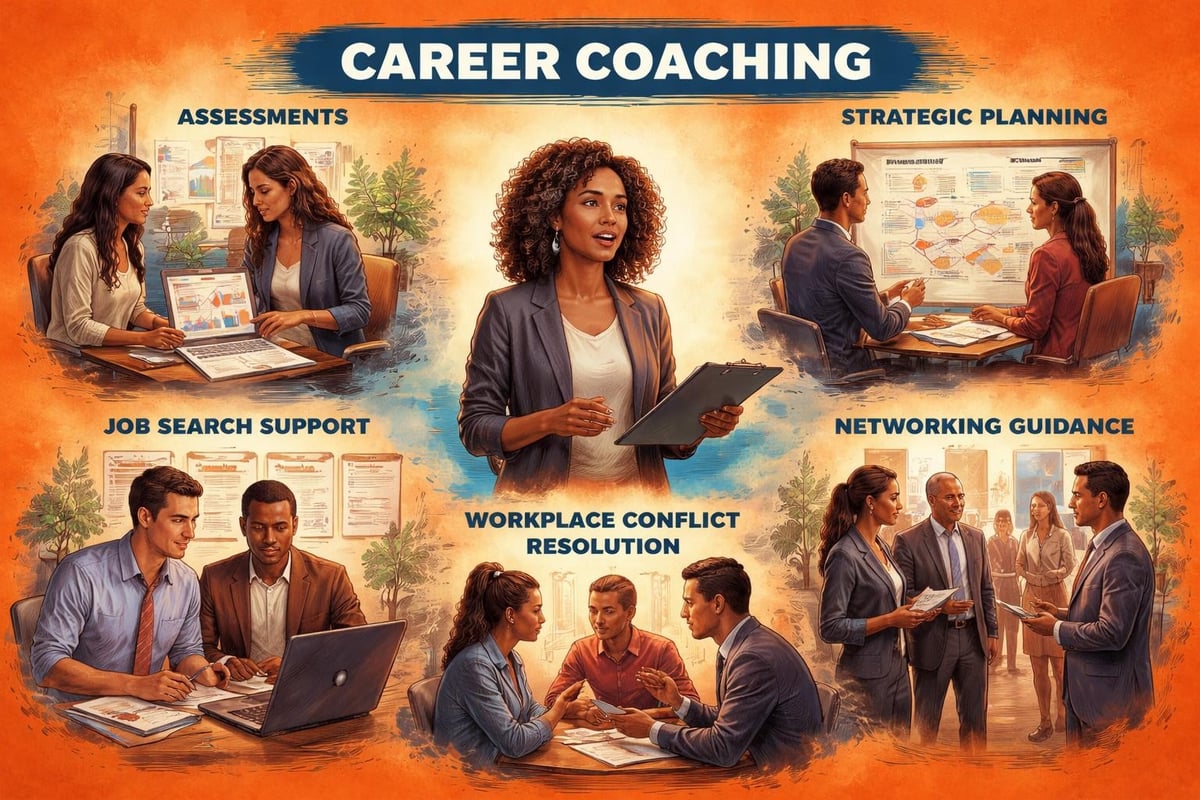
- Conducting assessments to identify strengths, gaps, and career aspirations
- Developing actionable plans for skill development and advancement
- Providing accountability and support through job searches or transitions
- Teaching networking strategies and personal branding techniques
- Facilitating difficult conversations around workplace conflicts or negotiations
According to detailed research on career coach roles, professionals in this field typically need strong interpersonal skills, business acumen, and the ability to translate complex career strategies into actionable steps. The Institute of Coaching emphasizes that successful coaches combine practical experience with formal training to deliver measurable results.
Corporate Career Coaching Versus Independent Practice
Two distinct paths exist when becoming a career coach. Independent practitioners build private practices serving individual clients, while corporate career coaches work within organizations to develop internal talent.
| Aspect | Independent Practice | Corporate Coaching |
|---|---|---|
| Client Base | Individual professionals | Employees within organizations |
| Revenue Model | Session fees, packages | Salary or contract retainer |
| Focus Area | Personal career goals | Business outcomes and retention |
| Accountability | Client satisfaction | KPIs, engagement scores, ROI |
Corporate coaching roles, similar to executive coaching positions, demand alignment between individual development and organizational objectives. These coaches tie their work to measurable business outcomes rather than purely personal satisfaction metrics.
Essential Skills and Qualifications
Becoming a career coach requires developing specific competencies beyond general people skills. Effective coaches master active listening, powerful questioning techniques, and the ability to maintain appropriate boundaries while building trust.
Core competencies include:
- Assessment proficiency – Administering and interpreting career assessments, personality inventories, and skills evaluations
- Industry knowledge – Understanding hiring trends, salary benchmarks, and sector-specific challenges
- Strategic planning – Creating step-by-step roadmaps that balance ambition with reality
- Communication excellence – Delivering direct feedback while maintaining psychological safety
- Business acumen – Comprehending organizational dynamics, politics, and decision-making processes
The University of Phoenix outlines comprehensive steps including educational requirements and skill development pathways. Most successful coaches combine formal education in psychology, business, or human resources with specialized coaching training.
Certification Pathways
Professional certification enhances credibility and demonstrates commitment to coaching standards. Several respected certification programs exist for aspiring career coaches, each with different requirements and specializations.
Popular certification options:
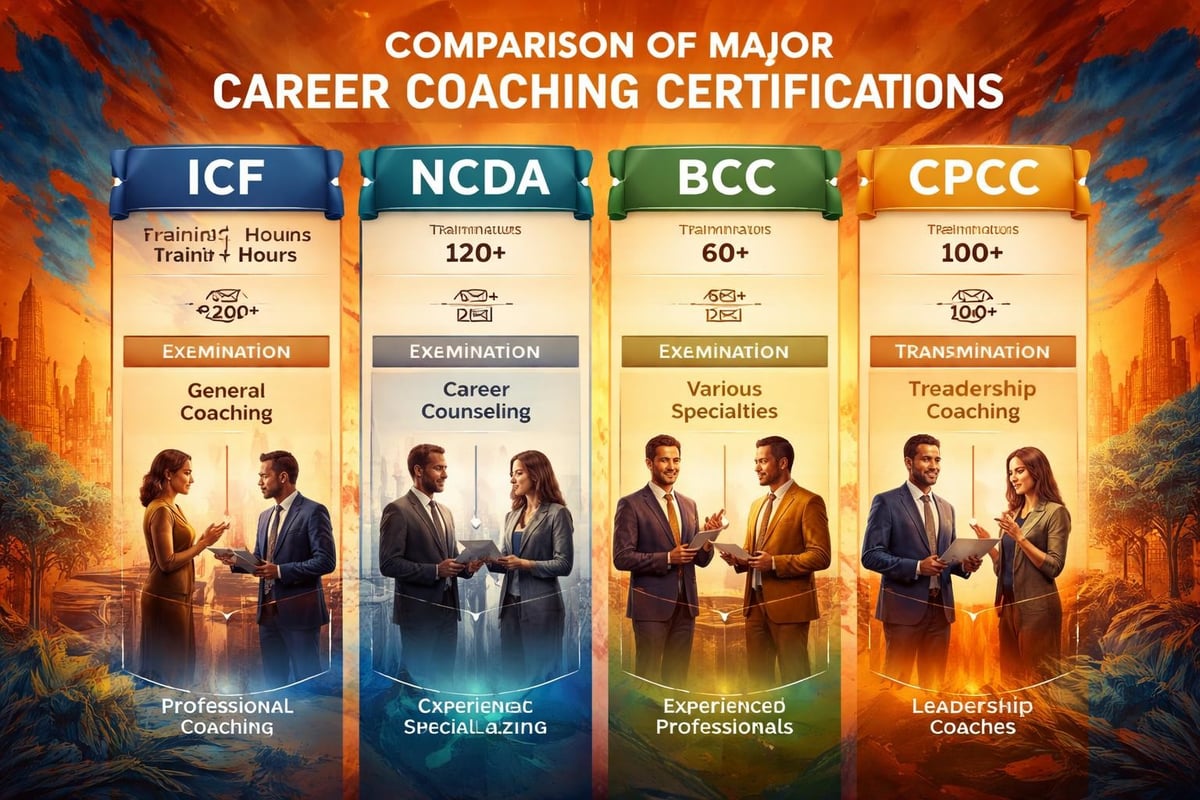
- International Coach Federation (ICF) – Globally recognized credentials requiring training hours and examination
- National Career Development Association (NCDA) – Specialized focus on career counseling and development
- Board Certified Coach (BCC) – Comprehensive coaching credential across multiple specialties
- Certified Professional Career Coach (CPCC) – Specific to career coaching practice
The National Association of Colleges and Employers offers certification designed for professionals working with students and early-career professionals. Advanced practitioners might pursue the Master Professional Career Coach designation to demonstrate expertise.
Building Your Career Coaching Practice
Launching a coaching practice demands strategic planning beyond completing certification. Successful coaches identify their niche, develop clear service offerings, and build systems for client acquisition and delivery.
Defining Your Specialty
Generalist coaches face intense competition. Specialists who focus on specific industries, career levels, or transition types command higher fees and attract ideal clients more effectively. Consider specializing in:
- Executive transitions and C-suite advancement
- Mid-career pivots into new industries
- Technical professionals moving into leadership
- Remote work and digital nomad careers
- Specific industries like healthcare, technology, or finance
Business development coaching principles apply equally to building a career coaching practice. Define your ideal client profile, articulate clear value propositions, and develop marketing strategies that reach decision-makers.
Pricing and Service Models
Career coaches structure services in multiple formats, each with distinct advantages. Session-based coaching offers flexibility but creates income volatility. Package-based programs provide revenue predictability and enable deeper client transformation. Retainer relationships ensure consistent income while building long-term partnerships.
| Service Model | Typical Structure | Best For |
|---|---|---|
| Single Sessions | $100-$300 per hour | Initial consultations, one-off advice |
| Coaching Packages | $1,500-$5,000 for 3-6 months | Career transitions, skill development |
| Corporate Retainers | $3,000-$15,000+ monthly | Organizational talent development |
| Group Programs | $500-$2,000 per participant | Scalable delivery, cohort learning |
Research on career coach compensation indicates significant earning variation based on experience, location, and specialization. Coaches working with corporate clients or executives typically command premium rates compared to entry-level career guidance.
Measuring Impact and Building Credibility
Professional coaches, especially those serving corporate clients, must demonstrate tangible results. Track metrics including client promotion rates, salary increases achieved, time-to-placement for job seekers, and retention improvements for organizational clients.
Key performance indicators for career coaches:
- Client satisfaction scores and testimonials
- Percentage of clients achieving stated goals within timeframes
- Average salary increase for clients negotiating compensation
- Retention rates for corporate coaching engagements
- Referral rates and repeat business percentages
Organizations increasingly demand ROI-focused coaching approaches that tie development investments to business outcomes. Coaches who establish clear success metrics and track progress systematically build stronger reputations and command higher fees.

Becoming a career coach in 2026 requires balancing certification credentials with practical business skills. The most successful practitioners combine deep expertise in career development with the ability to deliver measurable results. Whether building an independent practice or joining corporate teams, coaches who focus on outcomes, maintain high ethical standards, and continuously develop their skills create sustainable, rewarding careers while transforming professional lives. Professional platforms like Noomii connect aspiring coaches with training resources while helping established practitioners reach clients seeking career guidance.
Becoming a career coach offers a rewarding path for experienced professionals ready to guide others through workplace challenges and career advancement. Success requires combining formal certification, specialized expertise, and business development skills to build a sustainable practice. Whether you're establishing an independent coaching practice or your organization needs practical career coaching support, Noomii delivers results-focused coaching tied to clear KPIs and measurable ROI. Connect with professional coaches who roll up their sleeves, integrate into your operations, and drive visible outcomes across leadership development, team performance, and talent retention.
For more insights on building organizational accountability and leadership strength, explore resources at Accountability Now.



Leave a Reply
Want to join the discussion?Feel free to contribute!