
Leadership Resources: Essential Tools for Executive Growth
Effective leadership development requires access to proven frameworks, validated assessment tools, and expert guidance that drives measurable organizational change. The landscape of leadership resources has evolved dramatically, with modern approaches combining behavioral science, data analytics, and precision coaching to address complex challenges ranging from toxic workplace patterns to executive decision-making gaps. Organizations that invest strategically in comprehensive leadership resources gain competitive advantages through improved team performance, enhanced retention, and stronger alignment between individual growth and institutional objectives.
Evidence-Based Assessment Tools That Drive Results
Leadership diagnostics have transformed from subjective evaluations into sophisticated measurement systems that identify behavioral patterns, strengths, and developmental needs with precision. Modern assessment frameworks leverage validated psychometric instruments to provide actionable insights that inform targeted intervention strategies.
360-degree feedback platforms capture perspectives from peers, direct reports, and supervisors to create comprehensive leadership profiles. These tools reveal blind spots that self-assessment alone cannot uncover, particularly regarding interpersonal dynamics and communication effectiveness.
Behavioral competency assessments measure critical capabilities across dimensions such as strategic thinking, emotional intelligence, conflict resolution, and change management. Organizations use these evaluations to establish baseline metrics and track progress throughout coaching engagements.
Diagnostic Frameworks for Complex Challenges
Specialized assessment instruments address specific leadership dysfunctions that undermine organizational health. Tools designed to identify abrasive communication patterns, micromanagement tendencies, or poor delegation skills enable organizations to address toxic leadership behaviors before they escalate into larger cultural problems.
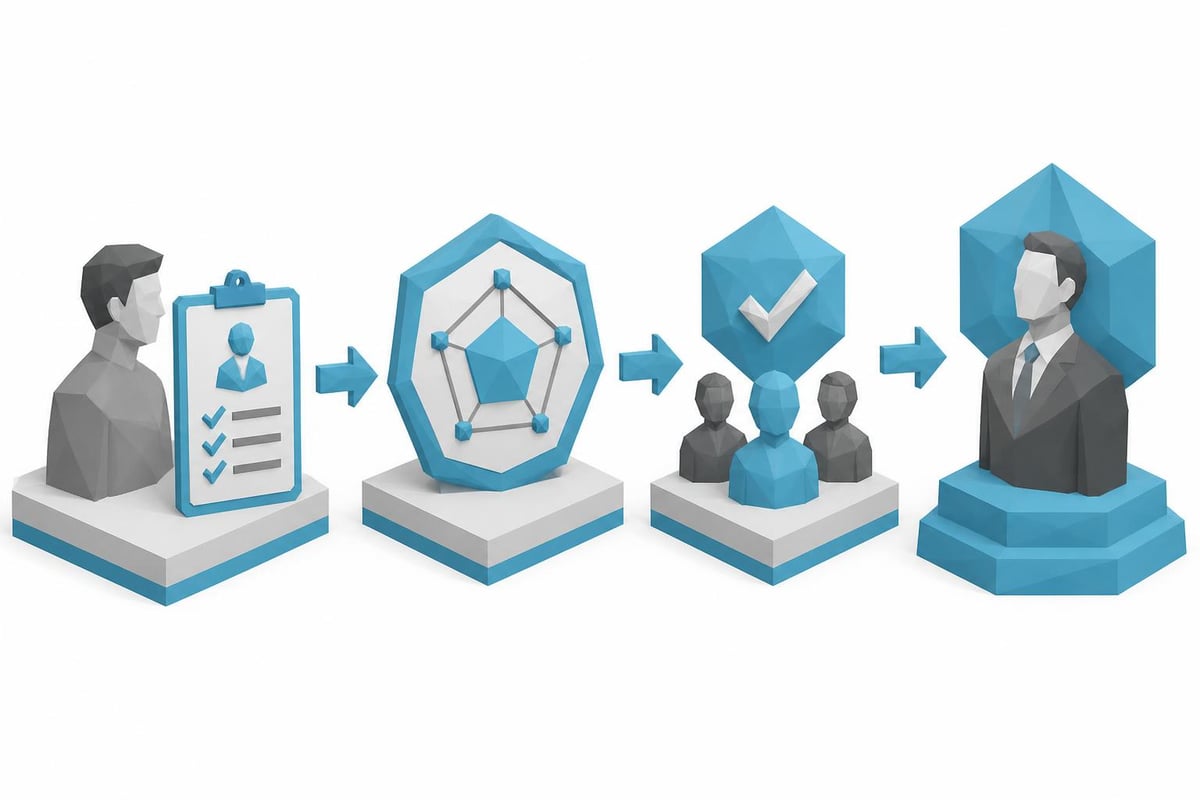
Advanced diagnostics also evaluate readiness for transformation, measuring factors like coachability, self-awareness, and commitment to behavioral change. These predictive indicators help organizations determine which leaders will benefit most from intensive coaching interventions versus those who require different developmental approaches.
| Assessment Type | Primary Use Case | Key Metrics Measured |
|---|---|---|
| 360-Degree Feedback | Comprehensive performance view | Communication, influence, strategic thinking |
| Behavioral Analysis | Identify dysfunction patterns | Decision-making style, conflict approach, delegation |
| Emotional Intelligence | Interpersonal effectiveness | Self-awareness, empathy, relationship management |
| Readiness Evaluation | Coaching ROI prediction | Coachability, openness, commitment level |
Strategic Learning Platforms and Academic Leadership Resources
Universities and research institutions provide foundational knowledge that informs effective leadership development strategies. Harvard Library’s comprehensive leadership research guide offers access to peer-reviewed studies, theoretical frameworks, and evidence-based practices that ground coaching interventions in validated research.
The depth of academic leadership resources enables organizations to differentiate between trending management fads and proven methodologies. The University of Southern Mississippi’s curated collection features seminal works from thought leaders like Brené Brown, Jim Collins, and Simon Sinek, providing frameworks for vulnerability-based leadership, organizational excellence, and purpose-driven management.
Organizations building internal leadership development programs benefit from consulting organizational leadership background research that covers theoretical foundations, practical applications, and sector-specific challenges. This academic grounding ensures coaching interventions align with established best practices rather than untested approaches.
Sector-Specific Leadership Development Resources
Different organizational contexts require tailored approaches to leadership development. Government agencies face unique challenges around mission alignment, public accountability, and regulatory compliance that corporate environments may not encounter. The Library of Congress nonprofit sector guide addresses leadership dynamics specific to mission-driven organizations, covering board governance, stakeholder management, and performance measurement in resource-constrained environments.
For organizations navigating ethical complexities, the Markkula Center’s leadership ethics resources provide case studies and frameworks applicable across business, government, and education sectors. These materials support leaders developing judgment capabilities around competing stakeholder interests, transparency obligations, and values-based decision-making.
- Government leadership frameworks emphasizing public service values and compliance requirements
- Corporate resources focusing on competitive advantage, innovation, and shareholder value
- Nonprofit tools addressing mission effectiveness, donor relations, and impact measurement
- Cross-sector applications building transferable skills applicable in multiple contexts
Precision Matching and Specialized Coaching Networks
The effectiveness of leadership development hinges on pairing leaders with coaches who possess relevant sector expertise, cultural competency, and specialized skills aligned with specific developmental needs. Generic coaching assignments produce mediocre results; precision matching drives transformational outcomes.
Organizations accessing specialized coach directories can filter by industry experience, geographic location, coaching methodologies, and areas of concentration. This granular matching ensures executives working through strategic planning challenges partner with coaches who have relevant business acumen, while leaders addressing interpersonal conflicts work with experts in relational dynamics and communication.
Geographic and Cultural Considerations
Global organizations require coaching resources that account for cultural nuances, regional business practices, and language capabilities. Leaders operating in international markets benefit from coaches with cross-cultural competency who understand how leadership effectiveness varies across contexts.
For European operations, access to top executive coaches in Germany ensures cultural alignment and business practice familiarity. Similarly, organizations with Middle Eastern presence leverage executive coaches in the UAE who navigate regional dynamics effectively.
Investment transparency represents another critical factor in leadership resource selection. Organizations evaluating coaching partnerships need clear information about career coaching costs and program pricing structures to make informed budgetary decisions and calculate potential ROI.
Building Psychological Safety Through Leadership Resources
Contemporary leadership development recognizes that technical competency alone does not drive team performance. The most effective leaders create environments where team members feel safe taking interpersonal risks, voicing dissenting opinions, and admitting mistakes without fear of punishment or embarrassment.
Psychological safety in the workplace has emerged as a critical metric correlated with innovation, employee engagement, and organizational learning. Leadership resources addressing this dimension equip executives with frameworks for building trust, modeling vulnerability, and responding constructively to failure.
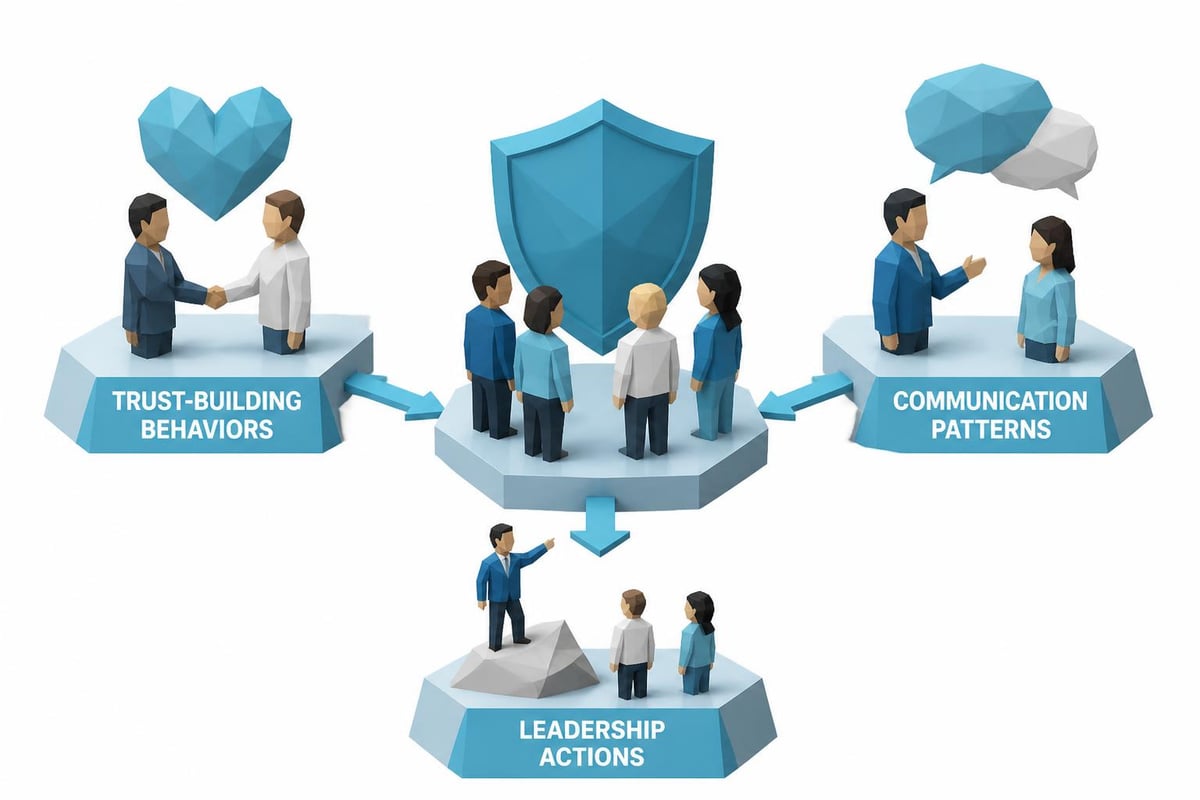
Research by Amy Edmondson demonstrates that teams with high psychological safety outperform peers across multiple dimensions, from problem-solving effectiveness to adaptation speed. Resources exploring Edmondson’s psychological safety framework provide practical tools for assessing current team dynamics and implementing interventions that increase openness and collaborative learning.
Measuring Cultural Health Indicators
Leadership resources must include mechanisms for tracking cultural transformation beyond individual behavioral change. Organizations implement pulse surveys, engagement metrics, and retention analytics to evaluate whether leadership development investments translate into improved organizational health.
Key performance indicators worth monitoring include:
- Employee engagement scores measured through validated instruments
- Voluntary turnover rates particularly among high performers and underrepresented groups
- Internal promotion velocity tracking development pipeline effectiveness
- Innovation metrics including ideas submitted, pilots launched, and successful implementations
- Conflict resolution speed measuring time from issue identification to productive resolution
Addressing Toxic Leadership Patterns
Dysfunctional leadership behaviors inflict measurable damage on organizations through decreased productivity, increased turnover, legal liability, and reputational harm. Leadership resources must include diagnostic tools and intervention frameworks specifically designed to identify and remediate toxic patterns before they become entrenched.
Common toxic leadership manifestations include abrasive communication styles, micromanagement, favoritism, credit theft, blame deflection, and ethical corner-cutting. Each pattern requires different intervention approaches informed by root cause analysis and behavioral science.
Organizations confronting these challenges benefit from structured processes for toxic leader transformation that balance accountability with developmental support. Effective interventions combine clear behavioral expectations, intensive coaching focused on pattern interruption, ongoing monitoring, and defined consequences for continued dysfunction.
Intervention Design and Implementation
Successful toxic leadership remediation requires careful intervention design that accounts for organizational context, severity of behavioral issues, and leader receptivity to feedback. Rushed or poorly structured interventions often backfire, entrenching defensive behaviors and damaging coaching relationships.
| Intervention Component | Purpose | Success Factors |
|---|---|---|
| Stakeholder interviews | Gather behavioral evidence | Confidentiality, specificity, pattern documentation |
| Direct feedback delivery | Create awareness | Skilled facilitator, concrete examples, non-punitive framing |
| Root cause exploration | Understand drivers | Psychological safety, self-reflection, systemic analysis |
| Behavioral contracting | Establish accountability | Clear metrics, reasonable timelines, consequence clarity |
| Ongoing coaching | Build new patterns | Frequent touchpoints, skills practice, progress monitoring |
Technology-Enabled Leadership Development
Digital platforms have expanded access to leadership resources while enabling sophisticated tracking of developmental progress. Organizations leverage learning management systems, coaching platforms, and performance analytics to scale leadership development across distributed workforces.
Virtual coaching delivery models provide flexibility for executives managing demanding schedules while maintaining developmental momentum. Video conferencing technology enables real-time coaching sessions regardless of geographic location, while asynchronous tools support reflection exercises, goal tracking, and resource sharing between sessions.

Artificial intelligence applications in leadership development include automated scheduling, pattern recognition in 360-degree feedback, personalized content recommendations, and predictive analytics identifying high-potential leaders. While technology enhances efficiency, human expertise remains essential for nuanced interpretation, relationship building, and contextual judgment.
Data Privacy and Compliance Considerations
Organizations implementing technology-enabled leadership resources must address data security, privacy regulations, and ethical use of personal information. Leadership assessments often collect sensitive information about behavioral patterns, interpersonal conflicts, and performance challenges requiring strict confidentiality protocols.
Compliance frameworks vary by jurisdiction, with European operations subject to GDPR requirements, California-based employees protected under CCPA, and government contractors bound by federal information security standards. Leadership resource providers must demonstrate robust data governance, secure storage infrastructure, and clear policies governing information access and retention.
Integrating Leadership Resources into Organizational Systems
Standalone leadership development initiatives rarely produce sustained organizational change. The most effective approaches integrate coaching interventions, assessment tools, and learning resources into broader talent management systems encompassing succession planning, performance evaluation, and compensation decisions.
Organizations achieve integration by establishing clear connections between leadership competencies measured through assessments and criteria used in promotion decisions. When leaders understand that demonstrated growth in strategic thinking or emotional intelligence directly influences career progression, developmental motivation increases substantially.
Talent review processes should incorporate data from leadership assessments, coaching progress reports, and 360-degree feedback to inform succession decisions. This integration ensures organizations promote leaders with proven capabilities rather than relying solely on tenure or past technical performance.
Compensation systems aligned with leadership development reinforce desired behaviors by tying variable pay components to leadership effectiveness metrics. Organizations measure factors like team engagement, talent development of direct reports, and cross-functional collaboration when determining performance bonuses for leadership roles.
Building Internal Capability
While external coaching expertise provides specialized skills and objective perspectives, organizations benefit from building internal leadership development capability. This dual approach combines external resources for complex challenges with internal capacity for ongoing reinforcement and skill practice.
Internal capability development includes:
- Training managers in coaching fundamentals through programs addressing managing and coaching distinctions
- Establishing peer coaching networks that facilitate learning between organizational levels
- Creating leadership development facilitator roles that design and deliver internal programs
- Building assessment literacy enabling leaders to interpret and act on diagnostic feedback
- Developing succession planning processes identifying and developing high-potential talent
Measuring Return on Investment
Leadership development represents a significant organizational investment requiring demonstration of measurable returns. Sophisticated organizations move beyond participant satisfaction surveys to evaluate tangible business impacts attributable to coaching interventions and developmental resources.
ROI calculation frameworks compare program costs including coach fees, assessment expenses, participant time investment, and platform licenses against quantifiable benefits such as retention savings, productivity improvements, and revenue growth from enhanced leadership effectiveness.
Leading indicators provide early signals of leadership development impact before lagging financial metrics materialize. These include increases in employee engagement scores, improvements in 360-degree feedback ratings, acceleration of promotion readiness timelines, and reduction in HR complaints related to leadership behavior.
Lagging indicators demonstrate ultimate business impact through metrics like:
- Voluntary turnover reduction among high performers
- Time-to-productivity improvements for newly promoted leaders
- Customer satisfaction increases attributable to leadership changes
- Innovation output measured through new products, processes, or revenue streams
- Operational efficiency gains from improved decision-making and delegation
Organizations tracking these metrics establish baselines before leadership interventions begin, enabling comparison of pre-intervention and post-intervention performance. Control group methodologies comparing coached leaders against similar uncoached peers strengthen causal attribution of observed improvements.
Cost Considerations and Budget Optimization
Leadership development budgets vary substantially based on program scope, coach expertise, assessment sophistication, and participant seniority. Organizations balance investment levels against expected returns, allocating premium resources to roles with greatest organizational impact.
Executive coaching for C-suite leaders typically commands higher fees reflecting coach credentials, engagement complexity, and business impact potential. Mid-level leadership development programs leverage group coaching, blended learning models, and internal facilitators to achieve scale efficiency. Understanding leadership and executive coaching investment frameworks helps organizations optimize resource allocation across leadership levels.
Budget optimization strategies include:
- Cohort-based programs reducing per-participant costs through economies of scale
- Blended delivery models combining high-touch coaching with self-directed learning
- Internal coach development programs building sustainable internal capability
- Technology platforms enabling efficient assessment administration and progress tracking
- Tiered service models matching intervention intensity to role criticality and development needs
Selecting Leadership Development Partners
Organizations evaluating external leadership resource providers should assess multiple dimensions including coach quality, matching methodology, program customization capability, measurement rigor, and organizational alignment. Generic programs rarely address specific organizational challenges with the precision required for meaningful impact.
Coach credentialing standards provide baseline quality assurance through credentials like ICF certification, specialized training in executive coaching methodologies, and demonstrated sector expertise. Organizations should verify coach backgrounds, review client testimonials, and conduct fit interviews before engagement begins.
Matching sophistication differentiates providers who assign coaches based primarily on availability from those employing structured methodologies considering leader needs, organizational context, coach specializations, and interpersonal chemistry. Precision matching substantially improves coaching effectiveness and engagement sustainability.
Program customization capability enables adaptation to organizational culture, strategic priorities, compliance requirements, and existing development infrastructure. Providers offering standardized programs without flexibility to address unique organizational contexts deliver limited value compared to partners willing to design tailored interventions aligned with specific challenges and goals.
Strategic leadership development combines evidence-based assessments, precision coach matching, and measurable interventions that transform individual capabilities and organizational culture. By investing in comprehensive leadership resources that integrate assessment, coaching, learning platforms, and performance tracking, organizations build the executive capacity required to navigate complexity, drive innovation, and sustain competitive advantage. Noomii Leadership Coaching delivers customized corporate leadership programs that align individual growth with organizational priorities through advanced diagnostics, global coach networks, and rigorous measurement frameworks. Our precision matching methodology connects leaders with certified executive coaches possessing the sector expertise and specialized skills to address challenges ranging from toxic patterns to strategic decision-making, while integration with accountability systems ensures sustained behavioral change and measurable business impact.



Leave a Reply
Want to join the discussion?Feel free to contribute!