
Finding a Life Coach: A 2026 Guide for Leaders
The decision to invest in professional coaching represents a strategic commitment to leadership excellence. Finding a life coach who understands the complexities of organizational dynamics, executive decision-making, and corporate culture requires methodical evaluation and clear alignment with measurable outcomes. The coaching industry has experienced explosive growth, with the global market expanding significantly as organizations recognize coaching as a critical leadership development tool. This guide provides evidence-based strategies for corporate leaders, HR professionals, and executives seeking coaching partnerships that deliver tangible results.
Understanding What Professional Coaching Delivers
Professional coaching goes far beyond motivational conversations. Executive and leadership coaching addresses specific organizational challenges through structured methodologies, behavioral assessments, and accountability frameworks that drive measurable performance improvements.
The distinction between general life coaching and specialized leadership coaching is significant. While traditional life coaches may focus on personal fulfillment and work-life balance, executive coaches bring sector-specific expertise, advanced leadership diagnostics, and organizational alignment that directly impacts business outcomes. Understanding what a life coach is provides foundational knowledge, but corporate leaders require coaches who can navigate complex stakeholder relationships, regulatory environments, and cultural transformation initiatives.
Defining Your Coaching Objectives
Before finding a life coach, establish clear, measurable objectives that align with both individual development goals and organizational priorities. This clarity ensures the coaching engagement produces quantifiable results rather than vague personal insights.
Key areas to define include:
- Specific leadership competencies requiring development (strategic thinking, conflict resolution, executive presence)
- Organizational challenges the coaching should address (team performance, cultural issues, succession planning)
- Measurable outcomes and success metrics (employee engagement scores, retention rates, 360-degree feedback improvements)
- Timeline expectations and milestone checkpoints
- Budget parameters and ROI requirements
Corporate coaching engagements that lack defined objectives rarely produce sustainable results. Organizations investing in leadership development must approach coaching with the same rigor applied to other strategic initiatives, including baseline assessments, progress tracking, and outcome evaluation.

Evaluating Coach Credentials and Specialization
The coaching industry remains largely unregulated, making credential verification essential when finding a life coach for executive or leadership development. Not all coaching certifications carry equal weight, and sector-specific expertise often matters more than general coaching credentials.
Recognized Coaching Certifications
| Credential | Issuing Body | Significance |
|---|---|---|
| PCC (Professional Certified Coach) | International Coaching Federation | 500+ coaching hours, rigorous assessment |
| MCC (Master Certified Coach) | International Coaching Federation | 2,500+ coaching hours, highest ICF credential |
| BCC (Board Certified Coach) | Center for Credentialing & Education | Independent board certification, ethics focused |
| CPCC (Certified Professional Co-Active Coach) | Co-Active Training Institute | Relationship-based coaching methodology |
Beyond credentials, specialized expertise in your industry or challenge area proves critical. A coach with extensive Fortune 500 experience brings different value than one specializing in government agencies or nonprofit leadership. Understanding how to evaluate credentials, costs, and red flags helps leaders make informed decisions.
Assessing Industry-Specific Experience
When finding a life coach for corporate leadership challenges, verify the coach's direct experience with similar organizational contexts. A coach who has worked extensively with executives facing toxic leadership patterns brings invaluable pattern recognition and intervention strategies that generalist coaches cannot match.
Questions to ask potential coaches include:
- What percentage of your practice focuses on corporate leadership versus personal coaching?
- Can you provide case studies from similar organizational contexts?
- What assessment tools and methodologies do you employ?
- How do you measure coaching effectiveness and ROI?
- What is your approach to maintaining confidentiality while coordinating with HR and organizational stakeholders?
The answers reveal whether a coach possesses the sophistication required for complex corporate engagements or primarily serves individual clients seeking personal development.
Strategic Approaches to Finding Qualified Coaches
Finding a life coach through random internet searches or social media recommendations rarely yields optimal matches for corporate leadership needs. Strategic search methodologies increase the likelihood of finding coaches with proven track records in executive development.
Leveraging Professional Networks and Referrals
The most effective coaching relationships often emerge through trusted professional networks. HR leaders at peer organizations, industry associations, and executive forums provide valuable referrals based on direct experience with coaching outcomes.
Professional sources for coach referrals:
- Industry-specific HR associations and conferences
- Executive peer groups and mastermind forums
- Professional services firms with leadership development practices
- University executive education programs
- Board members and advisory council contacts
These referral sources understand organizational context and can recommend coaches who have demonstrated results in similar environments. Unlike consumer-focused coach directories, professional networks filter for executive-level expertise and organizational sophistication.
Using Specialized Coach Matching Services
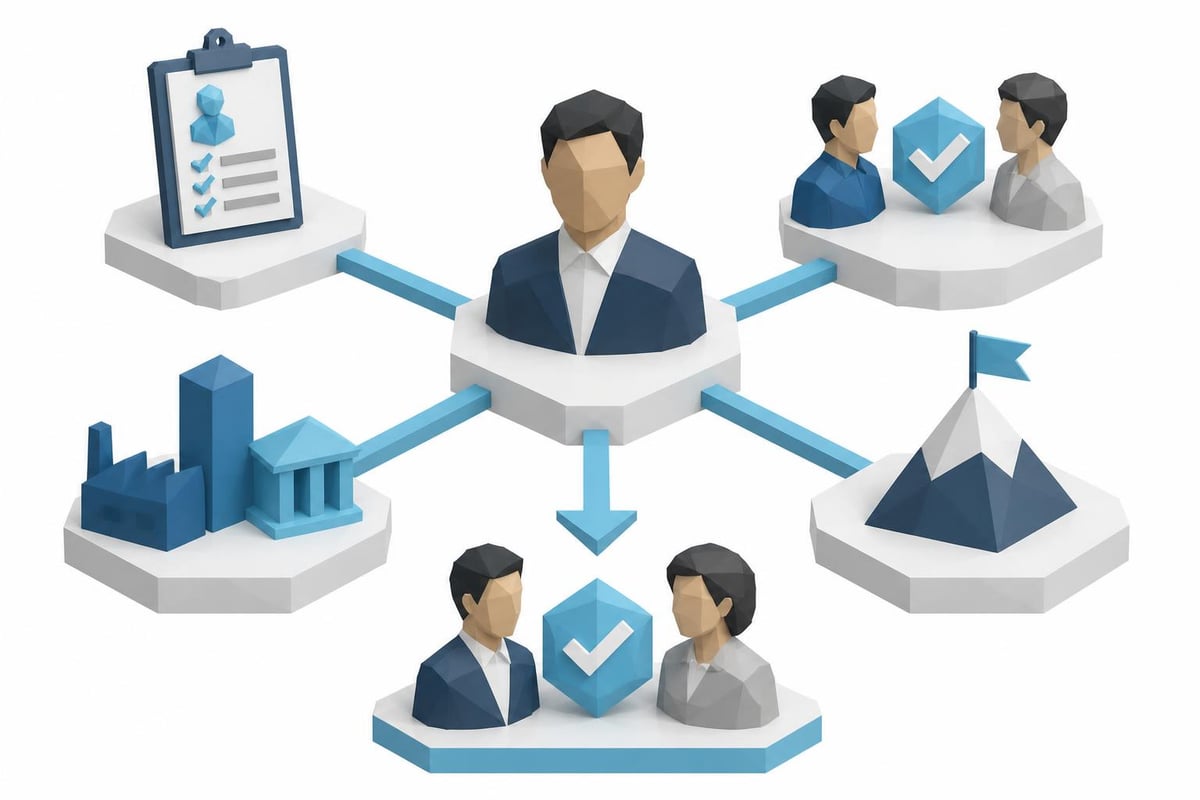
Advanced coach matching services employ proprietary algorithms and assessment tools to pair leaders with coaches based on compatibility, expertise, and development needs. This approach eliminates guesswork and accelerates the process of finding qualified professionals.
Organizations seeking top executive coaches in Germany or other specific markets benefit from platforms that maintain vetted networks of certified professionals with verified credentials and client outcomes. The matching process considers leadership style, communication preferences, industry background, and specific development objectives to optimize coach-client alignment.
Evaluating Digital Coaching Platforms
Technology has transformed coaching accessibility, with AI-enhanced platforms and digital coaching tools supplementing or replacing traditional one-on-one engagements. The integration of generative AI tools in professional coaching represents a significant evolution in coaching delivery methods.
Digital coaching platforms offer advantages including scalability, cost efficiency, and data analytics. However, they lack the nuanced relationship-building and contextual adaptation that characterizes effective executive coaching. Organizations must evaluate whether digital tools serve as primary coaching solutions or complementary resources supporting human coach relationships.
When evaluating the best AI for business coaching, consider the technology's ability to integrate with organizational learning systems, maintain data privacy, and adapt to complex leadership challenges that require human judgment and emotional intelligence.
Conducting Effective Coach Discovery Conversations
The discovery call or initial consultation serves as a critical evaluation opportunity when finding a life coach. This conversation reveals coaching philosophy, interpersonal chemistry, and practical approach to leadership development challenges.
Questions That Reveal Coaching Effectiveness
Structured discovery conversations should assess both technical competence and relational fit. The goal is determining whether a coach possesses the expertise, methodology, and interpersonal style that will produce results within your organizational context.
Essential discovery conversation topics:
- Coaching methodology and theoretical framework (cognitive-behavioral, psychodynamic, systems-based)
- Typical engagement structure (session frequency, duration, supplemental resources)
- Assessment tools and diagnostic instruments employed
- Approach to measuring progress and demonstrating ROI
- Experience with challenges similar to yours
- Communication style and feedback approach
- Conflict resolution and difficult conversation strategies
Effective coaches provide specific examples and case studies demonstrating their approach to common leadership challenges. Vague or overly general responses suggest limited experience or poorly developed methodologies.
Evaluating Cultural and Communication Fit
Beyond credentials and methodology, coaching effectiveness depends heavily on interpersonal compatibility and communication alignment. A technically competent coach who lacks cultural awareness or whose communication style conflicts with yours will produce suboptimal results.
Understanding psychological safety in the workplace becomes particularly relevant when evaluating coach-client fit. Leaders must feel secure enough to acknowledge vulnerabilities, explore failures, and challenge assumptions. Coaches who create judgmental environments or lack emotional intelligence undermine the psychological safety required for transformational development.
Cultural competence matters especially for global organizations or leaders working across diverse teams. Coaches must demonstrate awareness of cultural differences in leadership styles, communication norms, and organizational hierarchies to provide relevant guidance.
Understanding Coaching Investment and ROI
The financial investment in professional coaching varies dramatically based on coach experience, engagement scope, and service delivery model. Understanding how much life coaching costs helps organizations budget appropriately and evaluate value relative to expected outcomes.
Coaching Fee Structures and Market Rates
| Coach Level | Typical Hourly Rate | Session Package Range | Organizational Program Range |
|---|---|---|---|
| Entry-level certified | $75-150 | $900-1,800 (12 sessions) | $15,000-30,000 |
| Mid-level experienced | $150-300 | $1,800-3,600 (12 sessions) | $30,000-75,000 |
| Senior executive coach | $300-600 | $3,600-7,200 (12 sessions) | $75,000-150,000 |
| Elite/C-suite specialist | $600-1,500+ | $7,200-18,000+ (12 sessions) | $150,000-500,000+ |
These ranges reflect individual coaching engagements. Organizational programs serving multiple leaders or comprehensive cultural transformation initiatives require different investment levels and typically include assessment tools, program design, stakeholder coordination, and progress reporting.
Calculating Leadership Coaching ROI
Smart organizations measure coaching ROI through multiple metrics beyond simple cost-benefit analysis. While calculating the financial return on preventing executive turnover or improving team performance provides compelling data, comprehensive evaluation includes both quantitative and qualitative indicators.
ROI measurement frameworks should include:
- Leadership competency improvements (360-degree feedback comparisons, assessment score changes)
- Team performance metrics (engagement scores, productivity measures, retention rates)
- Organizational culture indicators (psychological safety assessments, collaboration effectiveness)
- Strategic execution improvements (decision-making quality, initiative completion rates)
- Executive retention and succession readiness
Organizations that implement managing and coaching as integrated leadership development strategies see compounding returns as coaching culture spreads throughout the organization, creating sustainable performance improvements beyond individual engagements.

Recognizing Red Flags and Avoiding Poor Matches
Finding a life coach requires careful evaluation to avoid practitioners who lack qualifications, employ questionable methods, or promise unrealistic results. Several warning signs indicate potentially problematic coaching relationships.
Credential and Ethics Red Flags
Coaches who resist credential verification, claim proprietary certifications from unknown organizations, or make grandiose claims about guaranteed outcomes warrant skepticism. Legitimate coaches provide transparent information about training, certifications, and realistic outcome expectations.
Warning signs include:
- Refusal to discuss specific training or certifications
- Claims of unique or secret methodologies unavailable to other professionals
- Guarantees of specific outcomes or transformational results
- Pressure to commit to long-term contracts without trial periods
- Lack of clear confidentiality policies or ethical guidelines
- No professional liability insurance or professional organization membership
The coaching industry's minimal regulation makes due diligence essential. Resources for finding qualified coaches emphasize the importance of verification and thorough vetting before committing to coaching relationships.
Methodology and Approach Concerns
Beyond credentials, coaching methodology reveals professional competence and alignment with evidence-based practices. Coaches who rely exclusively on anecdotal wisdom, avoid assessment tools, or reject accountability measures often lack the rigor required for corporate leadership development.
Effective coaches employ validated assessment instruments, maintain current knowledge of leadership research, and demonstrate familiarity with organizational behavior principles. They should articulate clear theories of change explaining how their coaching methodology produces desired outcomes.
Coaches who focus exclusively on positive thinking, avoid addressing difficult behavioral patterns, or dismiss the importance of organizational context lack the depth required for executive development. Leadership coaching must balance supportive encouragement with honest feedback and challenging developmental experiences.
Aligning Coaching with Organizational Strategy
When organizations invest in finding a life coach for leadership development, the engagement must align with broader strategic priorities and organizational development frameworks. Isolated coaching that occurs independently of organizational context produces limited value.
Integrating Coaching with Talent Development
Strategic organizations integrate executive coaching within comprehensive talent development systems rather than treating it as a standalone intervention. This integration ensures coaching reinforces organizational values, supports strategic initiatives, and builds capabilities aligned with future needs.
Effective integration requires coordination between coaches, HR leaders, and line managers to ensure consistent messaging and aligned expectations. Coaches must understand organizational culture, strategic priorities, and performance management systems to provide contextually relevant guidance.
For government agencies, this alignment includes mission objectives and public service values. For Fortune 500 companies, coaching must support competitive strategy and shareholder expectations. The organizational context fundamentally shapes coaching focus and success criteria.
Supporting Cultural Transformation Initiatives
Leadership coaching serves as a powerful lever for cultural transformation when deployed strategically across multiple organizational levels. Individual leader development cascades throughout teams as coached executives model new behaviors, implement learned strategies, and create environments supporting continuous development.
Organizations addressing toxic leadership patterns benefit from comprehensive coaching approaches that combine individual leader development with team interventions and systemic organizational changes. Single-coach engagements rarely transform deeply embedded cultural problems without broader organizational commitment and structural support.
Cultural transformation requires sustained effort, consistent messaging, and visible leadership commitment. Coaching accelerates transformation by equipping leaders with skills, mindsets, and practices needed to champion and sustain cultural change.
Maximizing Coaching Engagement Effectiveness
Finding a life coach represents just the beginning of the development journey. Maximizing coaching value requires active engagement, honest self-assessment, and consistent application of insights gained through the coaching process.
Preparing for Coaching Sessions
Leaders who approach coaching sessions prepared and engaged extract significantly more value than those who treat coaching as passive advice-receiving. Effective preparation includes reflecting on recent challenges, identifying specific discussion topics, and completing any assigned assessments or exercises.
Pre-session preparation practices:
- Review previous session notes and commitments
- Identify specific challenges or decisions requiring exploration
- Complete assessment tools or reflection exercises
- Gather relevant feedback or data points
- Clarify desired outcomes for the upcoming session
This preparation transforms coaching from casual conversation into strategic development work. Coaches can provide more targeted guidance and deeper insights when clients arrive prepared with specific topics and thoughtful reflection.
Implementing Coaching Insights
The value of coaching emerges through consistent application of insights and strategies between sessions. Leaders who treat coaching as intellectual exercise without behavioral change waste organizational resources and personal development opportunities.
Implementation requires deliberate practice, environmental support, and accountability mechanisms. Effective coaches help clients design specific action plans with clear behavioral targets, environmental triggers, and progress measures. Regular accountability check-ins ensure commitments translate into sustained behavioral changes.
Organizations maximize coaching ROI by creating environments that support coached leaders' development efforts. This includes providing resources, removing barriers, and celebrating visible progress toward development goals.
Specialized Coaching for Complex Leadership Challenges
Certain leadership challenges require coaches with specialized expertise beyond general executive coaching credentials. Finding a life coach with deep experience in specific problem domains significantly increases intervention effectiveness.
Addressing Toxic Leadership Behaviors
Toxic leadership creates widespread organizational damage through damaged morale, increased turnover, diminished productivity, and legal risks. Coaching interventions for toxic leaders require specialized approaches that balance direct confrontation of problematic behaviors with developmental support.
Coaches working with toxic leaders must navigate complex dynamics including denial, defensiveness, and deeply ingrained behavioral patterns. This work demands emotional intelligence, conflict resolution expertise, and sophisticated understanding of personality dynamics and organizational psychology.
Organizations benefit from coaches who employ structured assessment tools identifying specific toxic behaviors, develop targeted intervention plans addressing root causes, and coordinate with HR to ensure accountability while maintaining coaching confidentiality. The resources available through platforms like Noomii connect organizations with coaches specializing in these complex interventions.
Executive Presence and Strategic Communication
Senior leaders increasingly require coaching focused on executive presence, strategic communication, and stakeholder management. These sophisticated leadership competencies demand coaches with executive-level experience who understand boardroom dynamics, investor relations, and media engagement.
Executive presence coaching addresses multiple dimensions including physical presence, communication impact, strategic thinking demonstration, and confidence projection. Coaches must provide honest feedback about appearance, communication patterns, and interpersonal impact while maintaining developmental rapport.
Strategic communication coaching helps leaders craft messages for diverse audiences, navigate complex stakeholder environments, and represent organizations effectively in high-stakes situations. This specialization requires coaches who understand corporate communications, crisis management, and reputation management.
Navigating International and Cross-Cultural Coaching
Global organizations require coaches who understand cultural differences in leadership styles, communication norms, and organizational expectations. Finding a life coach with international experience and cultural competence ensures relevant guidance for leaders working across borders.
Cultural Intelligence in Coaching
Effective international coaching requires cultural intelligence beyond surface-level awareness of customs and traditions. Coaches must understand how cultural values shape leadership expectations, decision-making processes, and interpersonal dynamics.
Leadership behaviors considered assertive and decisive in one culture may be perceived as aggressive and disrespectful in another. Coaches working across cultures help leaders develop adaptive leadership styles that maintain authenticity while respecting cultural norms and expectations.
Organizations with global operations benefit from coaching networks providing local expertise while maintaining consistent quality standards. Platforms offering executive coaches across different regions enable culturally appropriate coaching while ensuring credential verification and methodology alignment.
Virtual Coaching Across Time Zones
Remote work has normalized virtual coaching, enabling organizations to access global coaching talent regardless of geographic location. However, virtual coaching across significant time zones requires additional consideration regarding scheduling, communication technology, and relationship building.
Effective virtual coaches employ technology to maintain engagement, create psychological safety remotely, and facilitate deep reflection despite physical distance. Video conferencing, digital collaboration tools, and asynchronous communication platforms extend coaching beyond scheduled sessions, supporting continuous development.
Organizations must ensure virtual coaching arrangements include appropriate technology infrastructure, data security protocols, and communication agreements protecting confidentiality while enabling effective coach-client interaction.
Finding a life coach for corporate leadership development demands strategic evaluation of credentials, specialization, and organizational alignment to ensure measurable results. The investment in professional coaching delivers compounding returns when organizations select coaches with proven expertise, implement structured engagement frameworks, and integrate coaching within broader talent development strategies. The Noomii Leadership Coaching platform combines evidence-based leadership diagnostics, precision coach matching, and scalable solutions that address complex leadership challenges from toxic workplace behaviors to executive decision-making excellence, delivering the accountability and expertise organizations need to transform leadership at every level, similar to the comprehensive frameworks provided by accountability-focused programs.



Leave a Reply
Want to join the discussion?Feel free to contribute!