
PGMP Training: Building Accountable Program Leaders
Organizations investing in PGMP training often discover that certifications alone fail to deliver the leadership transformation they need. Mid-market companies and Fortune 500 divisions require program managers who translate strategic vision into measurable outcomes, align cross-functional teams around clear priorities, and drive execution with accountability. The gap between theoretical knowledge and practical application separates professionals who hold credentials from leaders who deliver tangible business results. Effective PGMP training combines rigorous competency development with hands-on application, creating managers who coach teams, accelerate decisions, and execute cleanly across complex initiatives.
Understanding PGMP Certification and Its Business Value
The Program Management Professional (PGMP) credential demonstrates advanced competency in managing multiple related projects toward strategic objectives. Unlike project management, which focuses on tactical delivery, program management orchestrates interdependent initiatives, balances competing priorities, and aligns resources across organizational boundaries.
Core competencies developed through PGMP training include:
- Strategic alignment and benefits realization
- Stakeholder engagement and influence management
- Program governance and decision frameworks
- Risk management across multiple initiatives
- Resource optimization and capacity planning

Organizations benefit most when pgmp training extends beyond exam preparation into practical application. The credential validates knowledge, but business impact emerges when leaders apply governance frameworks to accelerate decisions, implement KPI scorecards that track progress, and build team accountability through transparent execution rhythms.
Selecting PGMP Training That Drives Real Results
Traditional certification programs emphasize memorization and test-taking strategies. High-performing organizations need pgmp training that builds capabilities directly applicable to current business challenges. The selection criteria should prioritize practical outcomes over credential acquisition.
| Training Approach | Focus Area | Business Impact |
|---|---|---|
| Exam-Only Prep | PMI framework memorization | Credential acquired, minimal skill transfer |
| Theory-Based | Textbook case studies | Academic understanding without application |
| Applied Practice | Live organizational challenges | Immediate implementation and measurable ROI |
Key Selection Criteria
Curriculum relevance determines whether training translates into workplace performance. Effective programs integrate organizational strategy, current initiatives, and specific challenges into learning activities. Participants work on real programs, not simulated exercises, ensuring immediate application.
Instructor experience matters significantly. Look for facilitators who have led major programs, managed cross-functional teams, and delivered measurable business outcomes. Theory instructors teach frameworks; practitioners share battle-tested approaches for navigating organizational complexity and driving execution.
Measurement and accountability separate developmental experiences from credentialing exercises. Quality PGMP training establishes clear performance indicators, tracks progress against business metrics, and connects capability development to organizational outcomes. This mirrors how executive coaching drives leadership development through measurable behavioral change.
Organizations should evaluate training providers based on their willingness to share risk through performance guarantees, month-to-month engagement terms, and alignment of fees with demonstrated results.
Building Program Management Capabilities Through Practical Application
The most effective pgmp training occurs when professionals apply concepts immediately within their organizational context. This approach transforms passive learning into active capability building, embedding new skills through repeated practice and feedback cycles.
Implementation Framework
-
Diagnostic assessment identifies current program management maturity, capability gaps, and strategic priorities requiring immediate attention.
-
Customized curriculum design aligns training content with organizational challenges, ensuring relevance and immediate applicability.
-
Live coaching sessions embed learning by working directly on current programs, making real decisions, and navigating actual stakeholder dynamics.
-
Performance tracking through KPI scorecards measures progress, ensures accountability, and demonstrates ROI through tangible business metrics.
-
Iteration and refinement based on results creates continuous improvement cycles that strengthen capabilities over time.

This methodology parallels how managing and coaching develops leaders who drive team performance through hands-on engagement rather than theoretical instruction.
Integrating PGMP Skills Into Leadership Development
Program management excellence requires more than technical competency. Leaders must influence without authority, navigate political complexity, build coalitions across organizational silos, and maintain momentum through inevitable challenges. Comprehensive pgmp training develops these leadership capabilities alongside technical skills.
Leadership competencies critical for program success:
- Executive presence and strategic communication that builds credibility with senior stakeholders and secures necessary resources
- Coaching mindset that develops team capabilities and creates self-sufficient execution
- Conflict navigation that resolves competing priorities and maintains productive relationships
- Change management that drives adoption and sustains transformation beyond initial implementation
Organizations benefit from integrating PGMP preparation with broader leadership development initiatives. This creates program managers who combine technical excellence with the influence skills necessary to drive complex initiatives through organizational resistance. The integration creates what https://accountabilitynow.net/ describes as accountable leadership: professionals who own outcomes, measure progress transparently, and adapt based on results.
Measuring Training Impact and Business Outcomes
Investment in pgmp training demands clear return expectations. Organizations should establish specific metrics before training begins, track progress throughout development, and measure sustained impact on business performance.
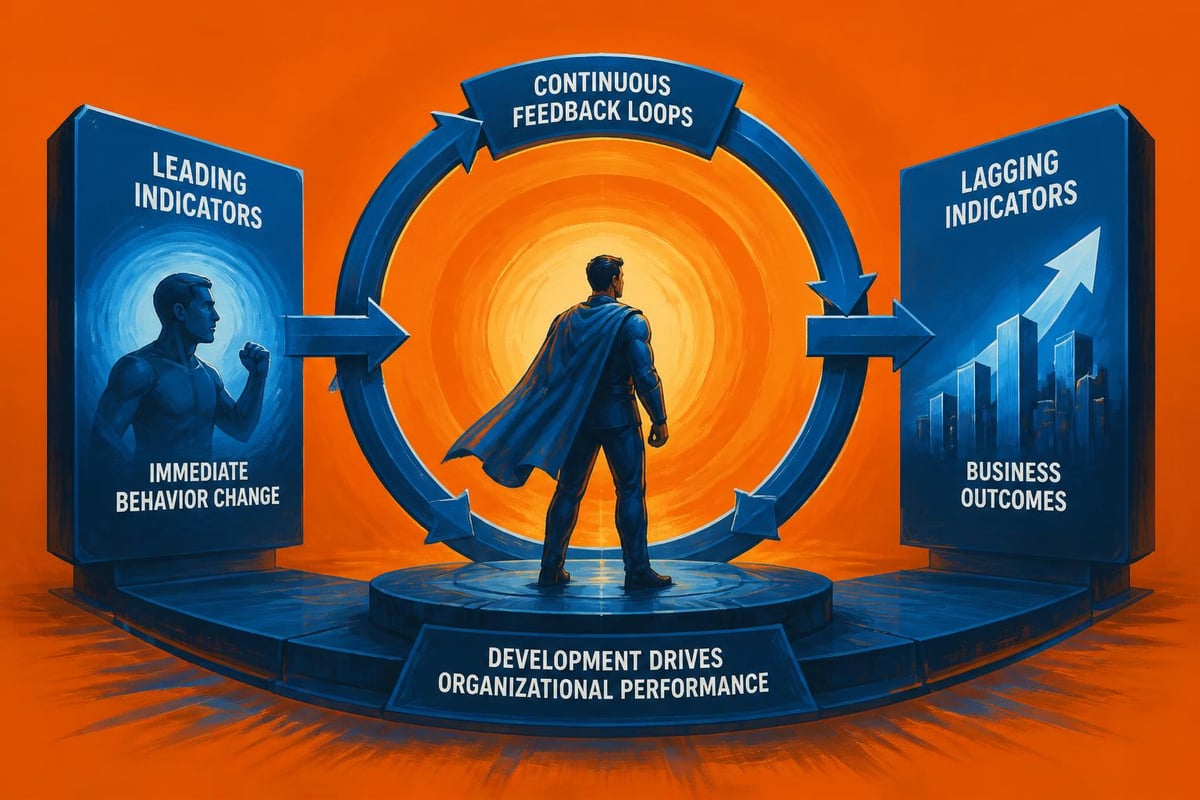
| Metric Category | Leading Indicators | Lagging Indicators |
|---|---|---|
| Execution Quality | Decision velocity, stakeholder alignment scores | On-time delivery, budget adherence |
| Team Performance | Engagement levels, capability assessments | Retention rates, promotion velocity |
| Business Results | Pipeline health, milestone achievement | Revenue impact, cost savings, strategic goal attainment |
Short-term impact appears in faster decision cycles, clearer communication, and improved stakeholder alignment. Program managers apply governance frameworks immediately, implement operating cadences that create execution rhythm, and establish KPI scorecards that make progress visible.
Long-term transformation emerges as managers who coach develop their teams, execution discipline becomes embedded in organizational culture, and program success rates improve measurably. The compound effect creates self-sustaining capability that extends beyond individual leaders.
Quality training providers tie their engagement to these outcomes, offering month-to-month terms that allow organizations to evaluate results continuously. This approach mirrors how Noomii structures corporate coaching engagements: aligned incentives, visible progress, and the flexibility to continue based on demonstrated value.
Sustaining Capability Beyond Initial Training
One-time training events create temporary knowledge transfer. Sustainable capability requires ongoing reinforcement, coaching during actual program execution, and iterative skill refinement based on real challenges. Organizations should structure PGMP development as a continuous journey rather than a discrete event.
Effective approaches include embedding coaches in program leadership meetings, conducting regular skill assessments tied to current challenges, and creating peer learning communities where program managers share insights and troubleshoot obstacles collaboratively. This ongoing support transforms theoretical knowledge into practical wisdom, building the judgment and adaptability that separate competent program managers from exceptional leaders who consistently deliver strategic outcomes.
PGMP training delivers maximum value when it combines rigorous competency development with practical application, creating program managers who drive measurable business results through disciplined execution and accountable leadership. If your organization needs program leaders who accelerate decisions, strengthen team performance, and deliver on strategic priorities with visible ROI, Noomii provides month-to-month corporate coaching with clear KPIs and aligned incentives that keep you engaged because results speak for themselves.



Leave a Reply
Want to join the discussion?Feel free to contribute!