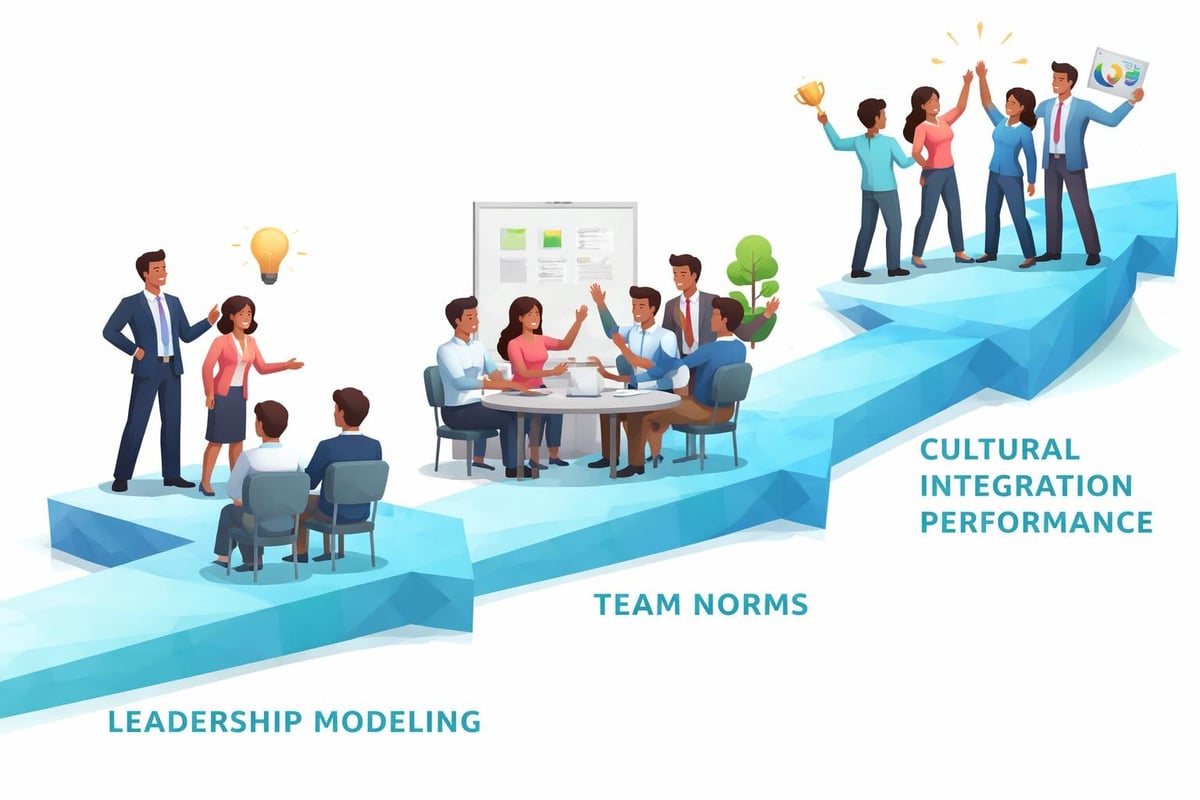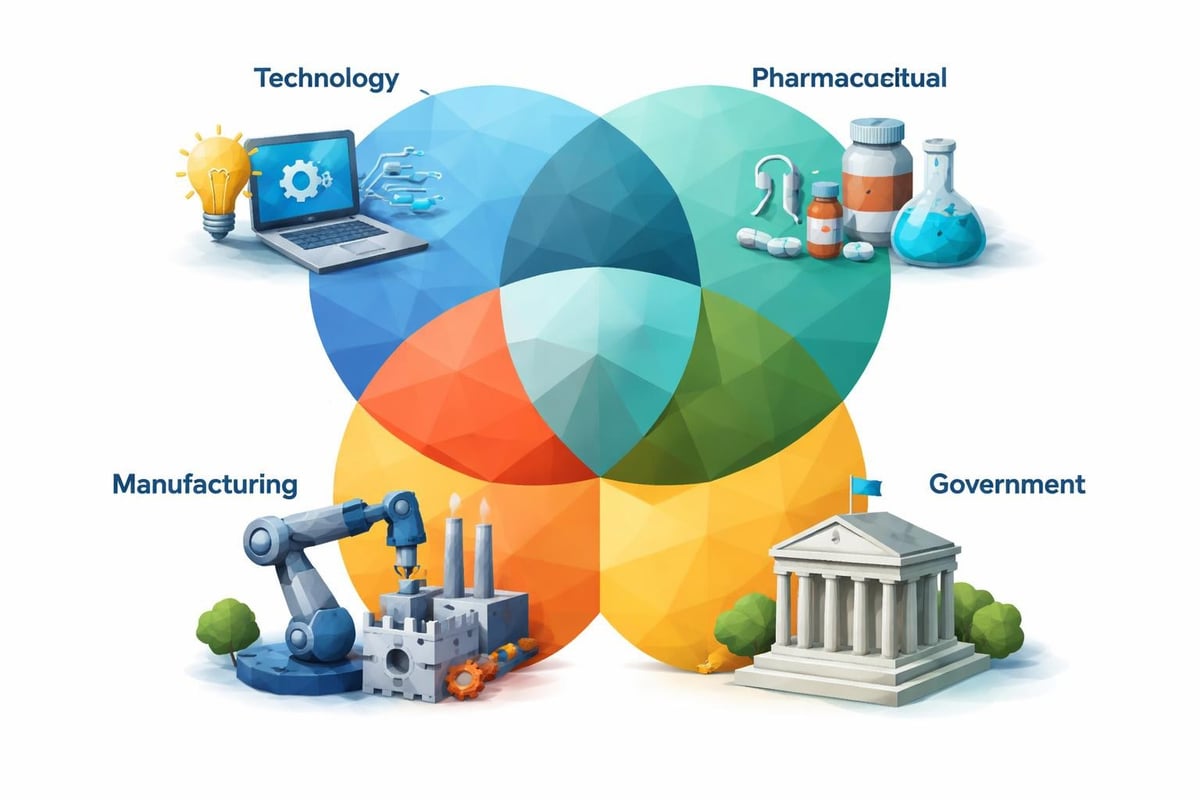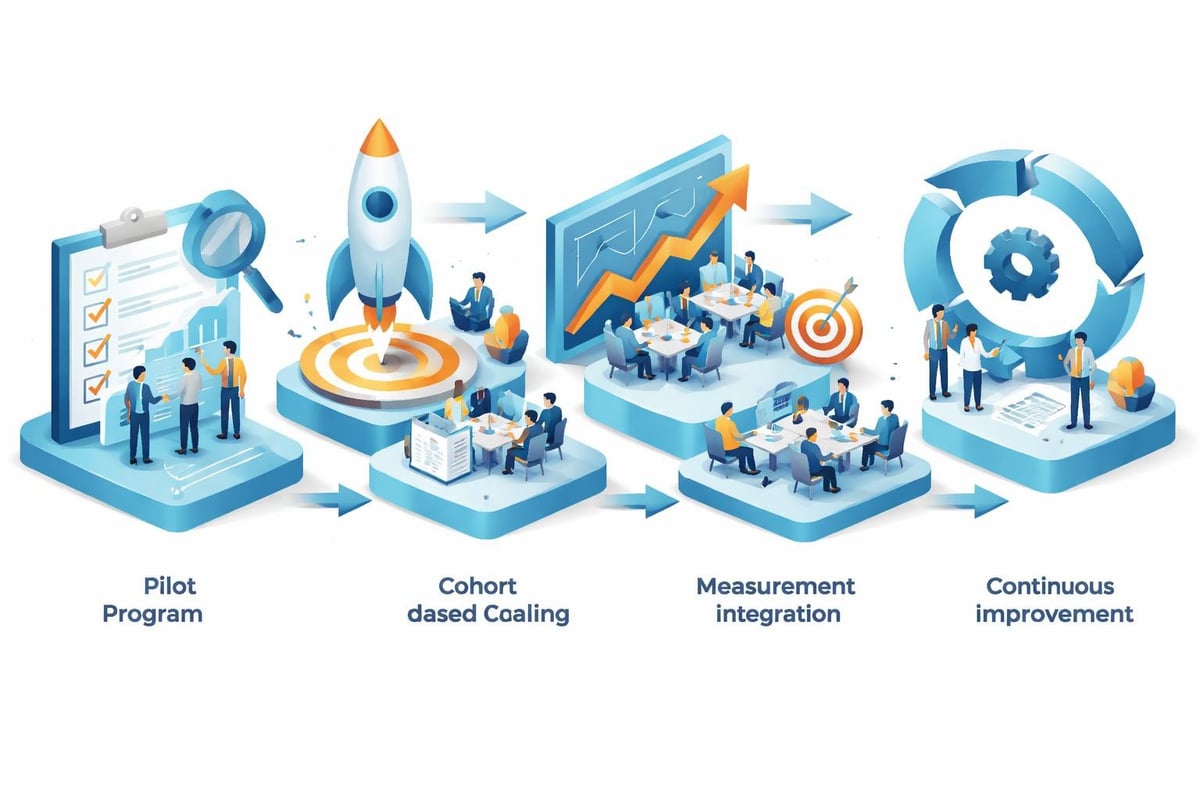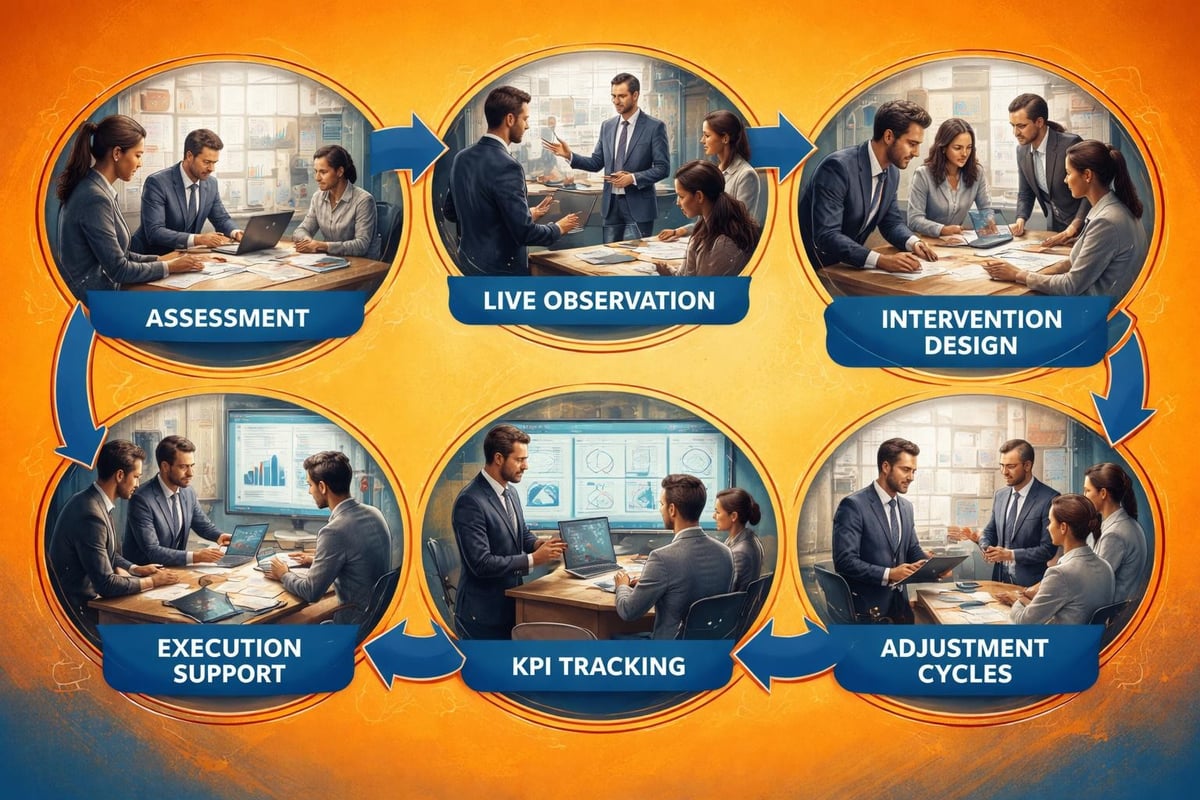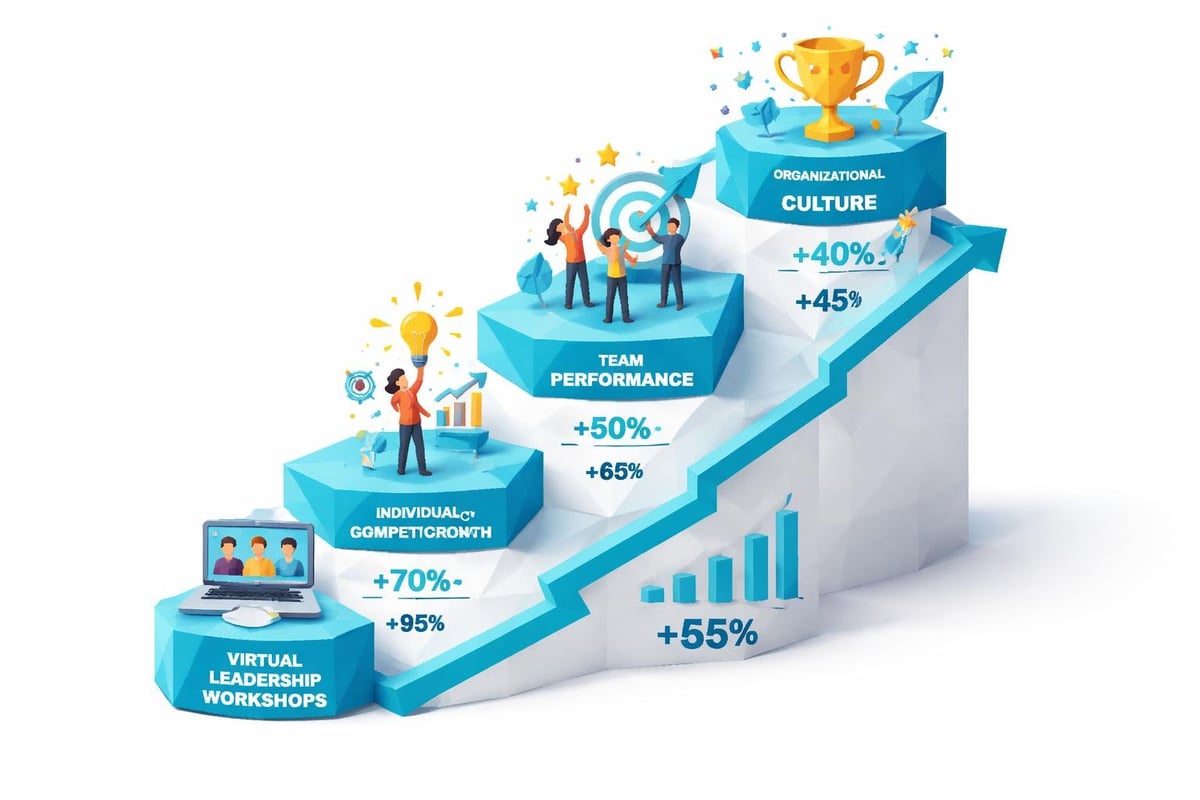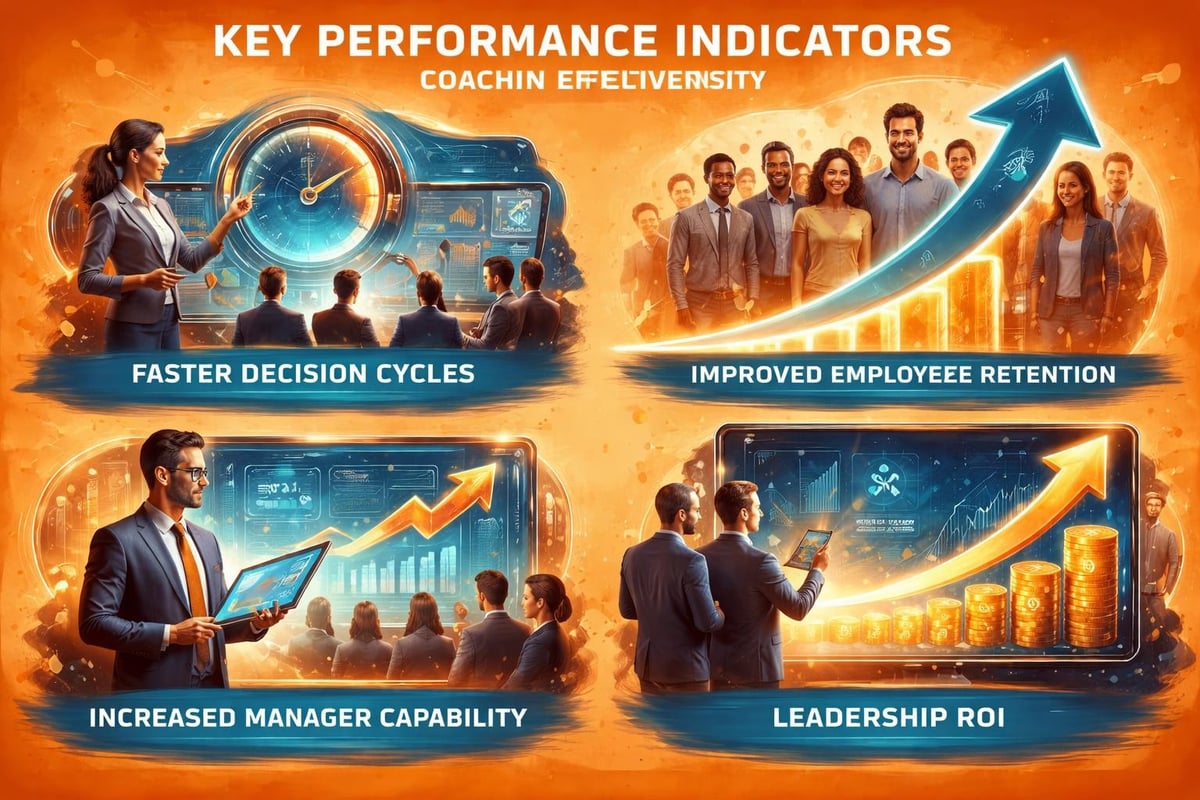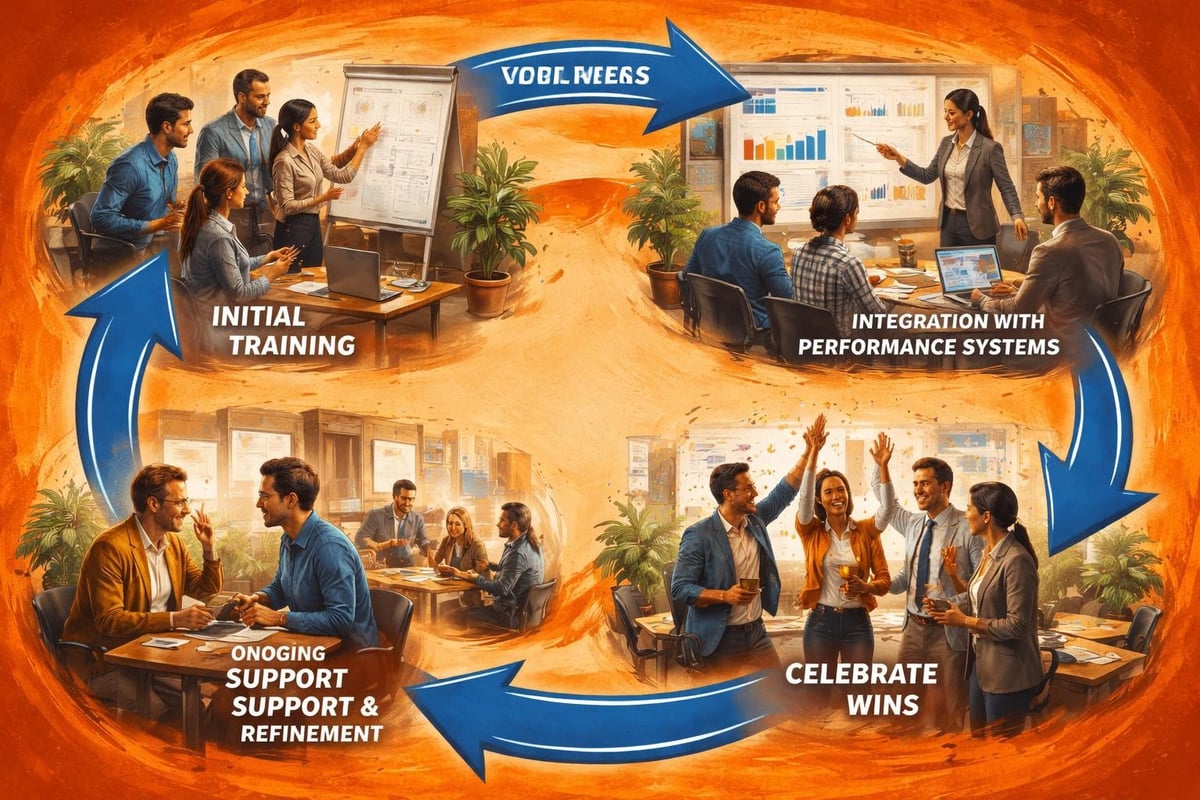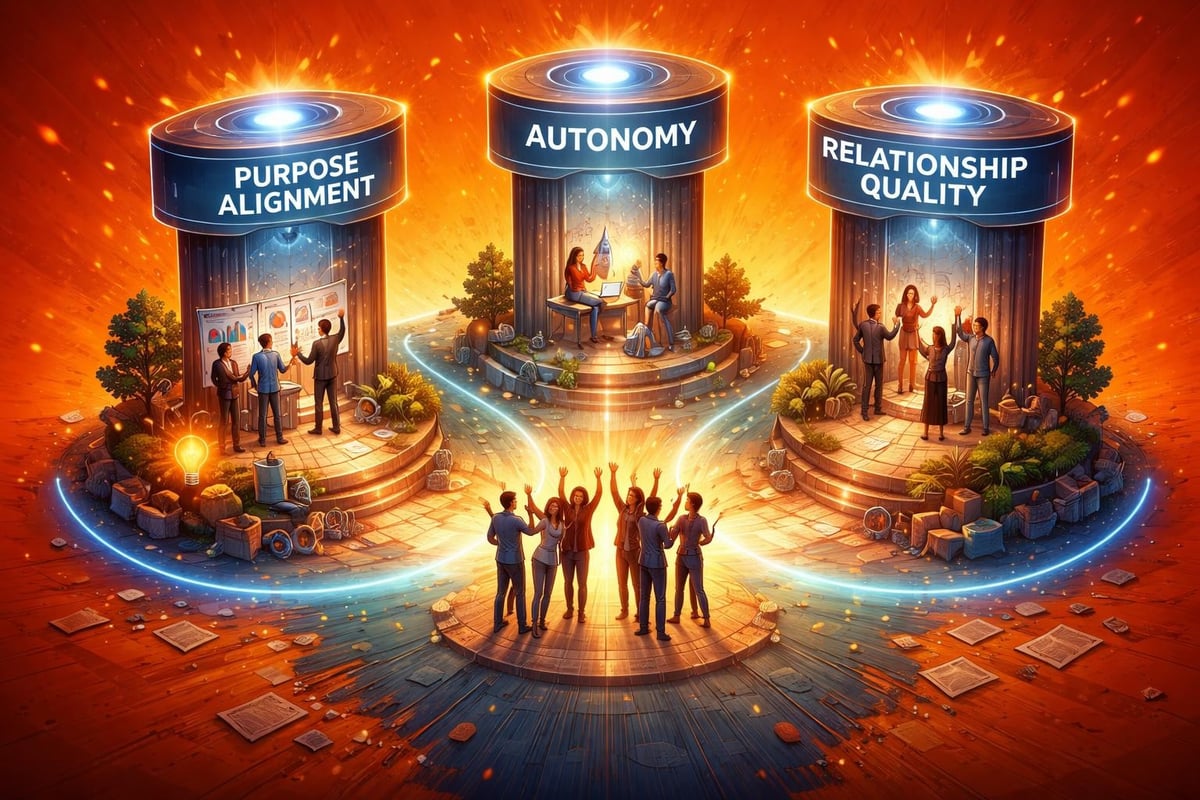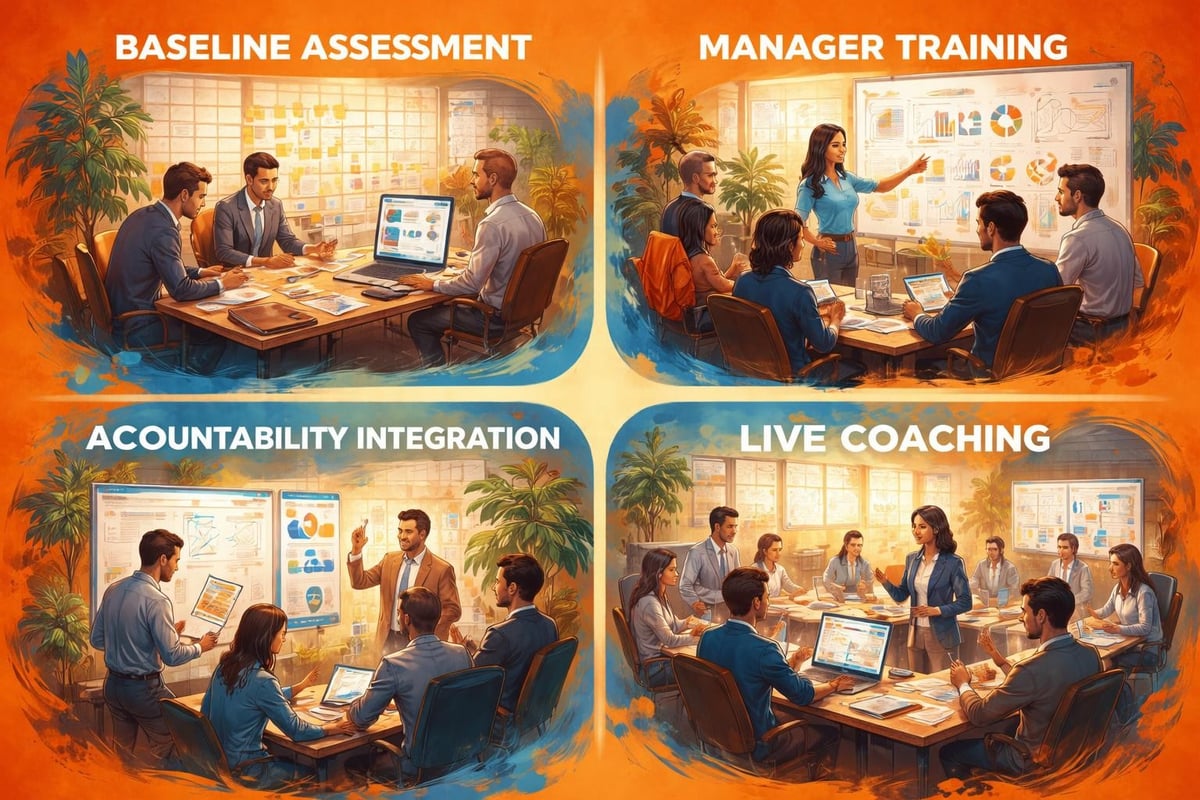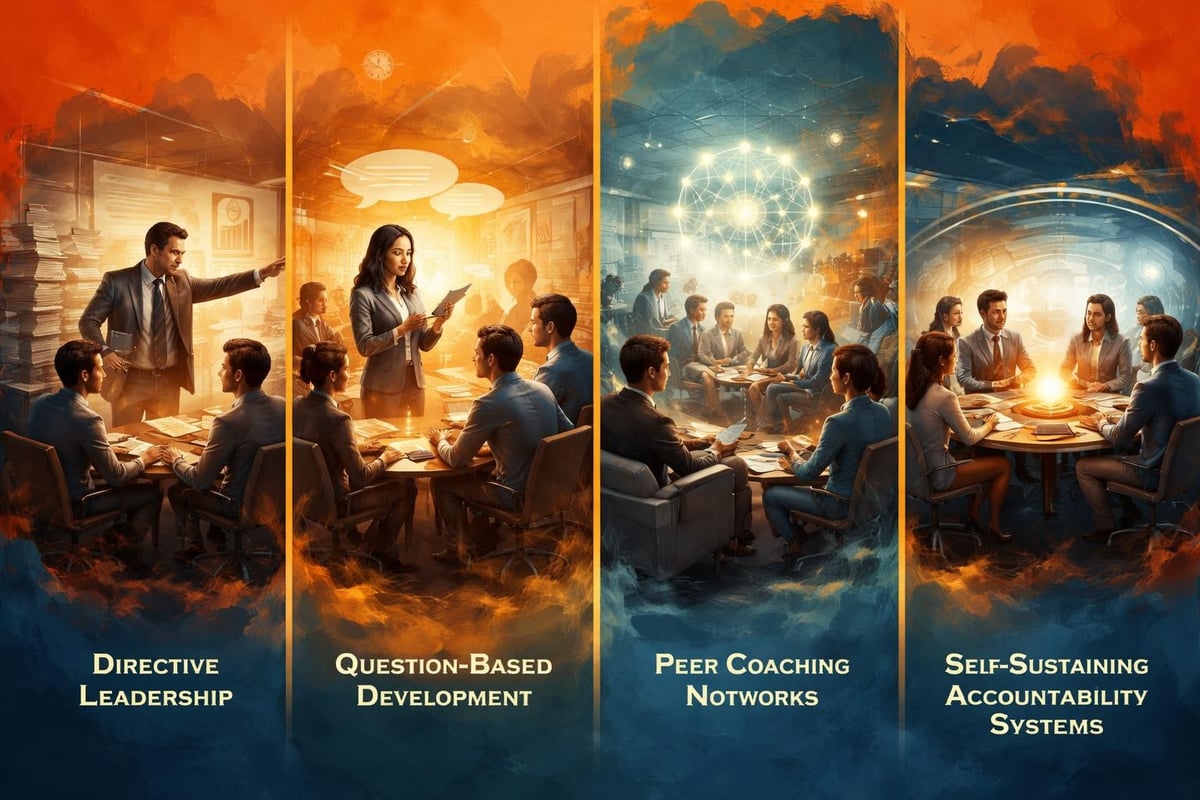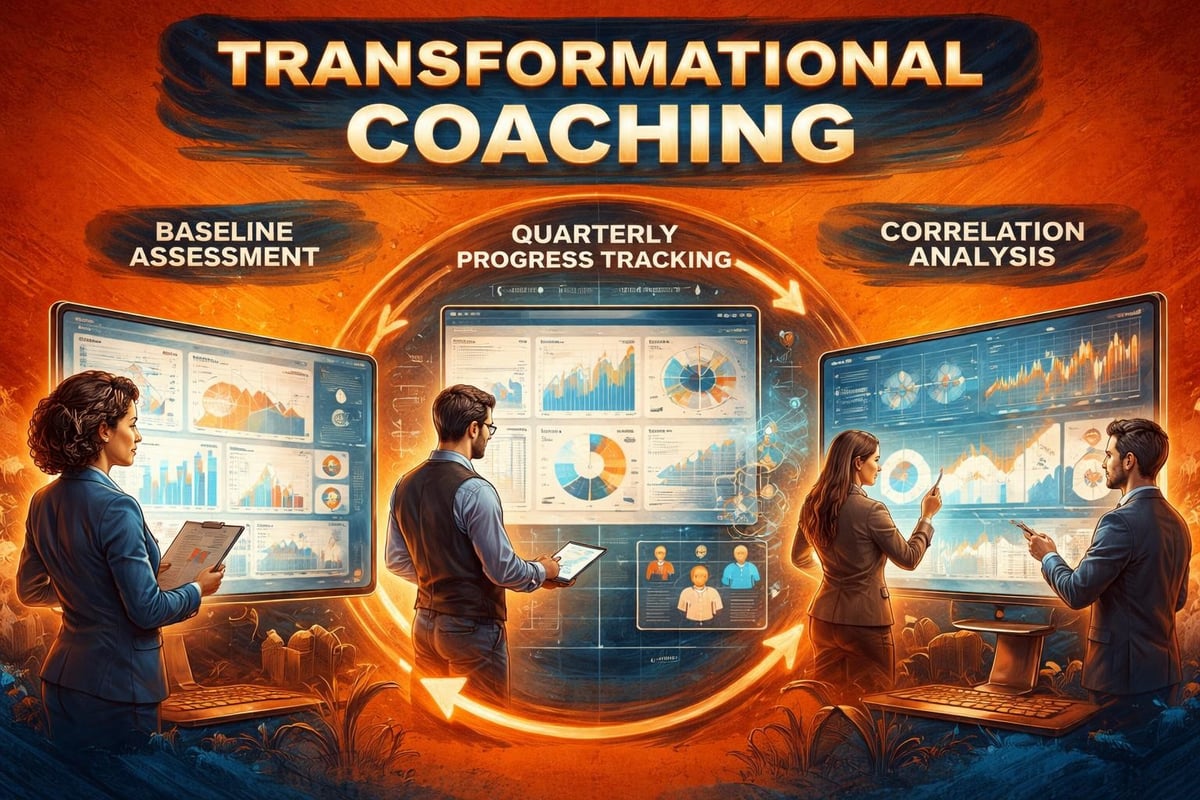

Business Strategy and Systems Coaching in Bangalore

Bangalore’s thriving corporate ecosystem demands leadership that goes beyond conventional management practices. Organizations across the city face mounting pressure to align strategic vision with operational excellence while navigating rapid market changes and digital transformation. Business strategy and systems coaching in Bangalore has emerged as a critical solution for companies seeking to build resilient leadership frameworks that deliver measurable outcomes. This specialized coaching approach combines strategic planning, operational systems thinking, and leadership development to create sustainable competitive advantages for organizations ranging from multinational corporations to high-growth startups.

The Strategic Imperative for Systems-Based Coaching

Organizations implementing business strategy and systems coaching in Bangalore recognize that isolated leadership development initiatives produce limited results. The most successful companies integrate coaching into their broader operational frameworks, treating leadership transformation as a systems challenge rather than an individual development exercise.

Strategic coaching addresses the interconnected nature of modern business challenges. Leaders must simultaneously manage stakeholder expectations, drive innovation, maintain compliance standards, and build high-performing teams. This multifaceted reality requires coaching methodologies that consider organizational systems, cultural dynamics, and strategic imperatives as integrated components of leadership effectiveness.

Evidence-Based Diagnostic Approaches

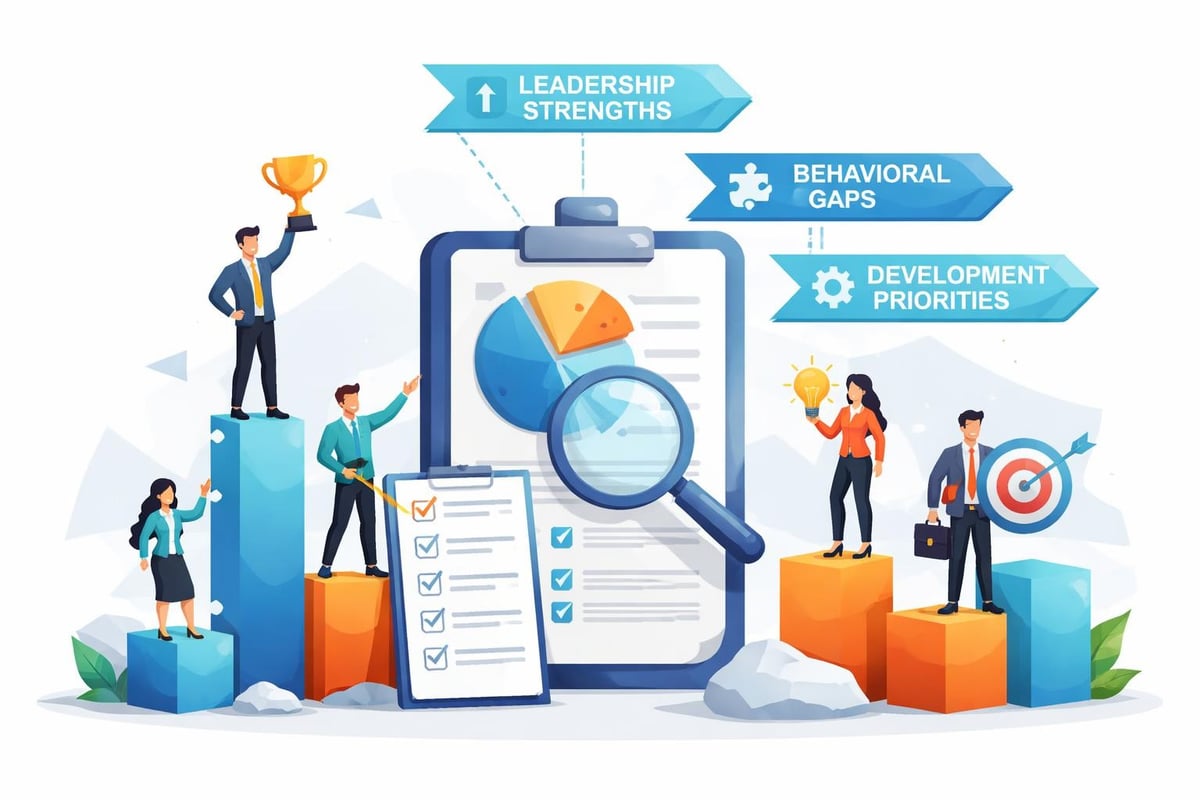
Effective business strategy and systems coaching begins with comprehensive diagnostics that identify specific organizational challenges and leadership gaps. Welingkar Bangalore’s Business Strategy Program emphasizes the importance of data-driven analysis in developing strategic frameworks, a principle equally applicable to coaching interventions.

Key diagnostic elements include:

  • Behavioral pattern analysis across leadership teams
  • Cultural health assessments identifying systemic barriers
  • Strategic alignment evaluations measuring goal coherence
  • Performance metrics tracking operational effectiveness
  • Stakeholder feedback integration revealing perception gaps

These diagnostic tools provide the foundation for targeted interventions that address root causes rather than symptoms. Organizations that invest in thorough assessment processes achieve significantly higher ROI from their coaching initiatives.

Systems diagnostic framework

Bangalore’s Unique Business Landscape

The city’s position as India’s technology and innovation hub creates distinctive challenges for business leaders. Rapid scaling, intense competition for talent, and constant technological disruption characterize Bangalore’s business environment. Organizations pursuing business strategy and systems coaching in Bangalore must address these context-specific factors to achieve meaningful results.

Challenge Strategic Impact Coaching Response
Talent retention High turnover disrupts team cohesion Leadership development focused on engagement and culture
Rapid scaling Systems strain under growth pressure Operational frameworks and delegation strategies
Innovation pressure Risk aversion conflicts with exploration Psychological safety and adaptive leadership skills
Cross-cultural teams Communication breakdowns reduce effectiveness Cultural intelligence and inclusive leadership practices

Understanding these local dynamics enables coaches to design interventions that resonate with Bangalore’s specific business context. Generic leadership programs fail to address the nuanced challenges that organizations in the city face daily.

Building Scalable Leadership Systems

Organizations implementing coaching solutions that integrate with internal frameworks create sustainable leadership development ecosystems. This systems approach ensures that coaching outcomes extend beyond individual transformation to drive organizational change.

Scalable coaching systems incorporate several critical elements. First, they establish clear success metrics aligned with organizational objectives. Second, they create feedback loops that enable continuous improvement. Third, they build internal coaching capabilities that sustain development beyond external engagements.

The Bangalore Business Coaching Meetup community provides valuable insights into emerging best practices and local coaching methodologies. Networking with peers facing similar challenges helps organizations refine their approach to leadership development.

Precision Matching for Maximum Impact

The effectiveness of business strategy and systems coaching in Bangalore depends heavily on matching leaders with coaches who possess relevant industry expertise and specialized skills. Generic coaching relationships produce marginal results compared to precision-matched partnerships that address specific organizational challenges.

Critical matching criteria include:

  1. Industry experience and sector knowledge
  2. Specialized expertise in strategic areas (financial leadership, operational excellence, innovation management)
  3. Cultural competency and communication style alignment
  4. Track record addressing similar organizational challenges
  5. Methodological approach compatible with organizational culture

Organizations using advanced matching algorithms and comprehensive coach networks achieve significantly better outcomes than those relying on limited referral networks. The difference between adequate coaching and transformational coaching often lies in the precision of the initial match.

Addressing Toxic Leadership Patterns

One of the most critical applications of business strategy and systems coaching involves transforming toxic leadership behaviors that undermine organizational performance. These patterns manifest in various forms, including micromanagement, lack of accountability, poor communication, and resistance to feedback.

Toxic leader transformation requires specialized coaching approaches that balance accountability with psychological safety. Coaches must create conditions where leaders can acknowledge problematic behaviors while maintaining the confidence to implement changes.

The transformation process typically follows structured phases:

  • Initial assessment identifying specific behavioral patterns and their organizational impact
  • Development of self-awareness through feedback integration and reflection exercises
  • Skill-building focused on alternative leadership approaches
  • Accountability structures ensuring sustained behavioral change
  • Follow-up evaluation measuring impact on team performance and engagement

Leadership transformation pathway

Integrating Strategy with Operational Systems

Business strategy and systems coaching in Bangalore excels when it bridges the gap between strategic vision and operational execution. Many organizations struggle with this integration, resulting in ambitious strategies that fail to translate into concrete operational improvements.

Effective coaching helps leaders develop systems thinking capabilities that connect strategic decisions to operational consequences. This includes understanding how organizational structures, processes, and cultural norms either enable or constrain strategic initiatives.

Building Cross-Functional Alignment

Leaders implementing strategic initiatives face the challenge of aligning diverse functional areas around common objectives. Rainkraft’s approach to leadership coaching emphasizes communication and collaboration as foundational skills for achieving cross-functional alignment.

Alignment coaching addresses:

  • Breaking down functional silos that impede information flow
  • Creating shared language and common understanding across departments
  • Establishing collaborative decision-making processes
  • Building trust between historically competing functions
  • Developing conflict resolution capabilities for managing competing priorities

Organizations that invest in alignment-focused coaching reduce implementation friction and accelerate strategic execution. The return on this investment manifests in faster time-to-market, reduced duplication of effort, and improved resource utilization.

Measuring Coaching Impact and ROI

Demonstrating tangible value from business strategy and systems coaching in Bangalore requires robust measurement frameworks that capture both quantitative and qualitative outcomes. Organizations increasingly demand evidence of coaching effectiveness beyond anecdotal success stories.

Metric Category Specific Indicators Measurement Approach
Leadership Behavior Decision quality, delegation effectiveness, communication clarity 360-degree feedback, behavioral observation
Team Performance Engagement scores, retention rates, productivity metrics Employee surveys, HR analytics
Strategic Execution Initiative completion rates, goal achievement, time-to-implementation Project tracking, strategic dashboard
Cultural Health Psychological safety, innovation climate, collaboration index Cultural assessments, team surveys
Financial Impact Revenue growth, cost reduction, efficiency gains Financial analysis, operational metrics

Understanding how much business coaching costs relative to these measurable outcomes helps organizations make informed investment decisions. The most sophisticated buyers evaluate coaching ROI using the same rigor applied to other strategic investments.

Compliance and Governance Considerations

Organizations operating in regulated industries or government sectors face additional requirements when implementing coaching programs. Business strategy and systems coaching in Bangalore must align with compliance standards, ethical guidelines, and governance frameworks specific to each organization’s context.

Coaching programs designed for government agencies require particular attention to public accountability, mission alignment, and transparent evaluation processes. These programs must demonstrate how leadership development contributes to public service excellence and organizational mission achievement.

For Fortune 500 companies, coaching initiatives must integrate with existing talent management systems, succession planning processes, and executive development frameworks. This integration ensures coaching supports broader organizational objectives rather than operating as a disconnected intervention.

Governance alignment framework

Leveraging Technology and Innovation

The evolution of business strategy and systems coaching in Bangalore increasingly incorporates technological innovations that enhance coaching effectiveness and scalability. Digital platforms enable more frequent touchpoints between coaching sessions, data-driven insights inform coaching strategies, and virtual delivery models expand access to specialized expertise.

The role of AI in business coaching represents a significant frontier in the field. While AI cannot replace human coaches, it augments coaching relationships through automated feedback, pattern recognition, and personalized content delivery.

Technology applications in coaching include:

  • Assessment platforms providing real-time behavioral insights
  • Video analysis tools identifying communication patterns
  • Learning management systems delivering supplemental content
  • Progress tracking dashboards visualizing development trajectories
  • Virtual reality simulations creating safe practice environments

Organizations embracing these technological enhancements achieve better outcomes while managing coaching costs more effectively. The key lies in using technology to amplify human coaching relationships rather than attempting to automate the fundamentally relational nature of effective coaching.

Developing Internal Coaching Capabilities

Sustainable leadership development requires building internal coaching capabilities that extend beyond external engagements. Organizations implementing business strategy and systems coaching in Bangalore increasingly invest in developing their managers’ coaching skills.

This approach, detailed in resources on managing and coaching, transforms organizational culture by embedding coaching behaviors into daily management practices. Leaders who coach effectively create environments where continuous learning, feedback exchange, and performance improvement become normalized rather than exceptional.

Internal coaching capability development involves structured training programs, ongoing practice opportunities, and accountability mechanisms that ensure skill application. Organizations that successfully build these capabilities reduce their dependence on external coaching resources while sustaining higher levels of leadership effectiveness.

Strategic Coaching for High-Growth Organizations

Bangalore’s startup ecosystem and high-growth companies face distinctive challenges that demand specialized coaching approaches. These organizations must balance rapid scaling with culture preservation, operational discipline with entrepreneurial agility, and short-term execution with long-term vision.

Business strategy and systems coaching for high-growth organizations focuses on building adaptive leadership capabilities that flex with changing organizational needs. Leaders must develop comfort with ambiguity, skill in rapid decision-making, and capacity to inspire teams through uncertainty.

The NLP Coaching Academy’s business coaching programs incorporate psychological frameworks that help leaders manage the emotional demands of high-growth environments. These methodologies address stress management, resilience building, and maintaining personal effectiveness amid chaos.

Navigating Organizational Transitions

Major organizational transitions including mergers, acquisitions, restructurings, and strategic pivots create exceptional demands on leadership teams. Coaching during these periods addresses both strategic challenges and the human dimensions of change management.

Effective transition coaching helps leaders maintain team stability while driving necessary changes. This requires balancing transparency with discretion, empathy with accountability, and urgency with thoughtfulness. Leaders who successfully navigate transitions emerge with stronger teams and enhanced organizational capabilities.

TSC Strategy’s consulting approach demonstrates how strategic advisory and coaching integrate during organizational transitions. The combination of strategic frameworks and leadership support produces superior outcomes compared to either intervention in isolation.

Building Psychological Safety and Innovation Culture

Organizations pursuing sustainable competitive advantage recognize that psychological safety serves as the foundation for innovation, learning, and adaptive performance. Business strategy and systems coaching in Bangalore increasingly emphasizes creating environments where team members feel safe taking interpersonal risks.

Research by Amy Edmondson on psychological safety provides the theoretical foundation for coaching interventions focused on culture transformation. Leaders learn specific behaviors that either enhance or undermine psychological safety within their teams.

Key coaching focus areas include:

  • Modeling vulnerability and acknowledging uncertainty
  • Responding constructively to mistakes and failures
  • Inviting dissenting opinions and alternative perspectives
  • Establishing inclusive decision-making processes
  • Recognizing and celebrating learning behaviors

Organizations that successfully build psychologically safe cultures outperform competitors in innovation, employee engagement, and adaptability. The coaching investment required to develop these capabilities delivers compounding returns as the culture reinforces continuous improvement behaviors.

Practical Applications and Success Patterns

Real-world applications of business strategy and systems coaching in Bangalore reveal common success patterns across diverse organizations. Companies achieving exceptional results share several characteristics that differentiate them from organizations experiencing marginal coaching impact.

Successful organizations treat coaching as a strategic intervention rather than a tactical response to isolated problems. They invest time in thorough diagnostic work, engage leadership teams comprehensively rather than focusing solely on executives, and maintain long-term commitment to development processes.

Resources like SME Business Guide’s overview of Bangalore coaching services provide context for the local coaching landscape. Understanding available resources helps organizations make informed decisions about coaching partnerships and program design.

These organizations also establish clear accountability for applying coaching insights. Leaders who participate in coaching without accountability structures rarely achieve sustained behavioral change. The integration of coaching outcomes with performance management, succession planning, and talent development systems ensures coaching translates into organizational impact.

Insights from business and life coaching practitioners like Ankoor Naik highlight the importance of work-life integration in sustainable leadership effectiveness. Coaching that addresses both professional and personal dimensions creates more resilient leaders capable of sustained high performance. Organizations implementing these approaches position themselves for long-term success while building leadership capabilities that drive innovation, engagement, and measurable results, supported by accountability frameworks such as those provided by AccountabilityNow.


Business strategy and systems coaching in Bangalore delivers transformational results for organizations committed to evidence-based leadership development and measurable outcomes. By integrating strategic planning, operational systems thinking, and precision coaching methodologies, companies build resilient leadership capabilities that drive sustainable competitive advantage. Noomii Leadership Coaching provides organizations with the diagnostic tools, coach matching precision, and scalable solutions needed to transform leadership challenges into strategic opportunities for growth and innovation.

Gemini Prompts to Help Coaches Raise Prices

Raising your coaching prices can feel like standing at the edge of a cliff. You know the jump is necessary for business growth, but fear of losing clients keeps you frozen. The good news is artificial intelligence, specifically Google's Gemini, can become your strategic partner in this crucial transition. Using gemini prompts to help coaches raise prices offers a data-driven approach to pricing decisions that removes emotion and replaces it with confidence. This guide reveals how corporate coaches can leverage AI to justify higher rates, communicate value effectively, and transition existing clients without resistance.

Why Coaches Struggle With Price Increases

Most coaches undervalue their services for years before recognizing the pattern. The hesitation stems from imposter syndrome, fear of market comparison, and lack of concrete data about their impact.

Common pricing obstacles include:

  • No clear methodology for calculating ROI delivered to clients
  • Uncertainty about competitive positioning in the market
  • Difficulty articulating transformation versus hours spent
  • Fear that raising prices signals greed rather than growth

Leadership development professionals often price based on what they think clients will pay rather than the measurable business outcomes they create. When you're coaching managers who are improving team retention by 30% or executives who are accelerating decision-making cycles, your pricing should reflect those tangible results. The challenge is building the business case that makes the new number feel inevitable rather than arbitrary.

Value ladder progression

Strategic Gemini Prompts for Pricing Research

Gemini prompts to help coaches raise prices begin with market intelligence gathering. The AI can analyze competitive positioning, industry standards, and value delivery in ways that would take weeks of manual research.

Competitive Analysis Prompts

Start by asking Gemini to research pricing ranges for your specific coaching niche:

"Analyze current market rates for executive coaching services targeting mid-market companies with 25-500 employees. Include monthly retainer ranges, hourly consultation rates, and package pricing for leadership development programs in 2026."

This prompt generates baseline data you can compare against your current rates. Follow up with: "What premium pricing factors justify rates in the top 25% for corporate coaching services focused on KPI-driven results and manager training?"

Value Quantification Prompts

The most powerful gemini prompts to help coaches raise prices focus on outcome measurement. Ask Gemini: "Create a framework for calculating ROI on executive coaching that includes employee retention improvements, decision velocity increases, and team productivity gains. Show how to convert these metrics into dollar values for client reporting."

This gives you the structure to track and communicate your actual impact. When you can show a client that your 360 leadership assessments led to manager improvements that reduced turnover costs by $150,000, a $15,000 engagement fee becomes an obvious investment.

Crafting Your Price Increase Communication

Once you've established your new pricing structure, communicating the change requires finesse. Gemini can help you craft messages that emphasize value expansion rather than simple cost increases.

Client Communication Framework

Communication Element What to Include Gemini Prompt Example
Value Summary Outcomes achieved "Draft a client value summary highlighting specific KPIs improved through our coaching engagement"
Market Context Industry pricing evolution "Explain how coaching service pricing has evolved to reflect outcome-based models"
Transition Options Grandfather clauses or phased increases "Create three options for transitioning existing clients to new pricing tiers"

Use this prompt to generate personalized messages: "Write an email to a current corporate coaching client explaining a 30% price increase effective in 90 days. Emphasize the measurable improvements in team communication and retention they've experienced, reference market positioning for premium coaching services, and offer a loyalty discount for annual commitments."

The AI will generate professional language that positions the increase as natural business evolution rather than a financial squeeze.

Building Premium Coaching Packages

Packaging your coaching services strategically makes price increases feel like upgrades rather than penalties. Gemini prompts to help coaches raise prices work particularly well for package restructuring.

Ask Gemini: "Design three tiered coaching packages for corporate leadership development. Include different service combinations from this list: executive coaching, manager training, team facilitation, 360 assessments, KPI scorecards, and sales coaching. Show how each tier delivers increasing business value."

Package Differentiation Strategy

Consider this approach to premium positioning:

  1. Foundation Tier: Monthly executive coaching sessions plus quarterly assessments
  2. Growth Tier: Everything in Foundation plus manager training workshops and team facilitation
  3. Transformation Tier: Full-service leadership development including live meeting coaching, operating cadence design, and ongoing KPI tracking

Each tier should cost 2-3x the previous level while delivering 3-5x more comprehensive support. This structure makes the middle tier feel like the obvious choice while establishing your premium option as the gold standard. When structuring these packages, avoid overcomplicating your pricing model to ensure clarity for decision-makers.

Coaching package architecture

Handling Price Objections With AI Support

Even with perfect positioning, some clients will push back on price increases. Gemini can help you prepare responses that reframe objections as opportunities to clarify value.

Prompt for objection handling: "Generate responses to these common price objection scenarios for corporate coaching: 'That's more than our budget allows,' 'We can find cheaper coaches elsewhere,' 'We're not sure the ROI justifies this investment,' and 'Can you match our current rate?' Include data points about coaching outcomes and alternative framing that emphasizes business impact."

The AI will provide professional scripts that acknowledge concerns while redirecting focus to measurable results. For instance, when a client says they can find cheaper options, your Gemini-crafted response might emphasize your month-to-month terms with no long contracts, allowing them to validate results before committing long-term.

Using AI to Track and Prove Your Value

Justifying higher prices requires evidence. Use Gemini to create reporting frameworks that make your impact undeniable.

"Create a quarterly coaching impact report template that tracks: percentage improvement in employee engagement scores, reduction in manager turnover, increase in goal completion rates, and improvements in team communication effectiveness. Include benchmarks for mid-market companies and methods to calculate dollar value of improvements."

This prompt generates a professional reporting structure you can use with every client. When renewal time arrives, you're not asking them to pay more based on time spent together. You're showing them exactly how much revenue they've gained, costs they've avoided, and competitive advantages they've built through your partnership, similar to what results-focused coaching delivers.

Metrics That Matter for Premium Pricing

Focus your value tracking on outcomes executives care about:

  • Decision velocity: Days reduced in approval cycles
  • Management capability: Percentage of managers who can effectively coach their teams
  • Retention improvements: Year-over-year turnover reduction in coached teams
  • Execution clarity: Projects completed on time with clear accountability

These metrics directly connect to business performance, making price increases feel like investments in competitive advantage rather than increased costs. Resources like pricing strategies for premium coaching packages can provide additional frameworks for value-based pricing.

ROI dashboard components

Positioning Yourself as a Premium Provider

Gemini prompts to help coaches raise prices extend beyond immediate pricing decisions to long-term brand positioning. Ask the AI: "Develop a thought leadership content strategy for a corporate coach who wants to position as a premium provider. Include article topics, LinkedIn post themes, and speaking presentation concepts that emphasize measurable business results over coaching theory."

This generates content ideas that reinforce your premium positioning. When prospects see you consistently discussing KPIs, business outcomes, and accountability frameworks rather than abstract coaching concepts, they expect to pay premium rates. Your content becomes justification for your pricing before a sales conversation even begins.

Professional platforms like Noomii’s corporate coaching directory help position you among serious practitioners who deliver business results, further reinforcing your premium positioning. Additionally, exploring how to raise prices without losing customers can provide practical tactics for implementation.

Implementing Your New Pricing Strategy

Moving from preparation to execution requires a clear timeline and communication plan. Use this Gemini prompt: "Create a 90-day implementation plan for rolling out new coaching prices. Include: announcement timing for existing versus new clients, grandfather period options, early commitment incentives, and scripts for discussing the changes in discovery calls with prospects."

The AI will generate a structured rollout plan that minimizes client loss while establishing your new rate as the standard. Most coaches find that existing clients who are seeing real results rarely leave over reasonable price increases, especially when you've been tracking and reporting their ROI consistently.

For additional insights on effective pricing strategies, review comprehensive guides on pricing strategies for coaching businesses and how to price coaching programs confidently.


Using gemini prompts to help coaches raise prices transforms a fear-based guessing game into a strategic business decision backed by data and clear value communication. Whether you're coaching executives, developing leadership teams, or facilitating high-performance meetings, AI can help you price services that reflect the business outcomes you create. When you're ready to implement coaching that delivers measurable results with clear ROI tracking, Noomii connects you with corporate coaching experts who work month-to-month, share risk through aligned incentives, and tie every engagement to tangible business improvements. For additional resources on building accountability frameworks that justify premium pricing, explore guidance at AccountabilityNow.

Small Business Accountability and Mindset Coaching in Delhi

Delhi’s entrepreneurial ecosystem pulses with ambitious small business owners who face a common challenge: translating vision into sustainable execution. While the capital region offers immense market opportunities, many entrepreneurs struggle with consistency, strategic discipline, and the mental resilience required to scale operations. This is precisely where small business accountability and mindset coaching in Delhi creates transformative impact, bridging the gap between entrepreneurial ambition and measurable business outcomes.

Why Delhi’s Small Business Owners Need Specialized Coaching

The unique pressures facing small businesses in Delhi require more than generic advice or motivational speeches. Entrepreneurs navigate complex regulatory environments, fierce competition, and rapidly shifting consumer behaviors while simultaneously managing operations, finances, and team dynamics.

The accountability gap becomes particularly visible when business owners work in isolation. Without structured systems or external oversight, strategic priorities get buried under daily firefighting. Critical initiatives around business development, process optimization, and financial planning repeatedly slide off the agenda.

Research from FocusU’s corporate training programs in Delhi demonstrates that behavioral change requires consistent reinforcement and measurable checkpoints. Small business accountability and mindset coaching in Delhi addresses this need by providing entrepreneurs with regular touchpoints, progress tracking, and strategic guidance tailored to their specific industry context.

The Mindset Component: Beyond Skills to Psychology

Business coaching transcends tactical skill-building to address the psychological barriers that limit growth. Fear of delegation, perfectionism, imposter syndrome, and decision fatigue plague entrepreneurs at every stage. These mindset obstacles create operational bottlenecks that no amount of technical training can resolve.

When seeking guidance on finding a business coach in India, entrepreneurs should prioritize coaches who understand the intersection of mindset work and business strategy. The most effective coaches combine accountability frameworks with cognitive approaches that reshape limiting beliefs and build entrepreneurial resilience.

Accountability coaching framework

Core Elements of Effective Accountability Coaching

Professional accountability coaching operates on proven frameworks rather than ad-hoc check-ins. Understanding these components helps business owners evaluate potential coaching partnerships and set realistic expectations.

Element Purpose Business Impact
Goal Architecture Translate vision into measurable milestones Clarity on priorities and resource allocation
Progress Metrics Quantify advancement weekly/monthly Data-driven decision making
Behavioral Tracking Monitor execution patterns and consistency Identifies productivity obstacles
Strategic Pivots Adjust approach based on results Agility in changing market conditions
Mindset Calibration Address psychological barriers to growth Sustainable performance under pressure

These elements work synergistically. Goal architecture without behavioral tracking leads to aspirational planning that never materializes. Progress metrics without mindset work create performance anxiety rather than sustainable momentum.

Accountability Groups vs. Individual Coaching

Small business owners in Delhi can access accountability through different formats, each offering distinct advantages. Accountability coaching groups provide peer support, diverse perspectives, and cost-effective access to structured programs.

Individual coaching delivers personalized attention, confidential exploration of sensitive business challenges, and customized accountability frameworks that align with specific industry requirements. Many entrepreneurs benefit from combining both approaches throughout different growth stages.

The choice depends on several factors:

  • Business complexity: Multi-stakeholder operations benefit from individual strategic coaching
  • Learning preference: Some entrepreneurs thrive in collaborative environments, others prefer focused one-on-one work
  • Budget constraints: Group programs typically offer more accessible pricing structures
  • Confidentiality needs: Sensitive issues around finances or partnerships require private coaching relationships

Building Mental Resilience Through Coaching

The entrepreneurial journey tests mental fortitude constantly. Market setbacks, cash flow pressures, team conflicts, and competitive threats create sustained stress that erodes decision-making quality. Small business accountability and mindset coaching in Delhi specifically addresses these psychological dimensions.

Mindset coaching for professionals focuses on developing clarity under pressure, maintaining judgment during uncertainty, and sustaining performance through inevitable business cycles. These capabilities differentiate entrepreneurs who build lasting enterprises from those who burn out despite strong technical skills.

High-performance mindset development includes:

  • Cognitive reframing techniques for managing business anxiety
  • Decision-making protocols that reduce mental fatigue
  • Resilience practices for navigating setbacks and failures
  • Focus management strategies to maintain strategic priorities
  • Confidence-building frameworks based on evidence rather than emotion

The Compound Effect of Consistent Coaching

Unlike one-time training interventions, ongoing coaching relationships create compounding benefits over time. Initial sessions typically focus on immediate operational challenges and establishing baseline accountability systems. As the coaching relationship matures, conversations shift toward strategic positioning, leadership development, and organizational culture.

This evolution mirrors how corporate leadership programs develop executives over extended engagements. The same principles of sustained development apply to small business owners who aspire to lead growing organizations.

Business owners who commit to quarterly or annual coaching engagements report significantly higher goal achievement rates compared to those pursuing sporadic interventions. The consistency creates psychological momentum and reinforces productive behavioral patterns.

Business transformation stages

Selecting the Right Coach for Delhi’s Business Environment

The coaching industry remains largely unregulated, making coach selection a critical success factor. Delhi’s market includes practitioners ranging from certified professionals with extensive business experience to motivational speakers offering generic advice.

When evaluating small business accountability and mindset coaching in Delhi, entrepreneurs should apply rigorous selection criteria:

  1. Verify business experience: Coaches should demonstrate practical understanding of running operations, managing finances, and leading teams
  2. Assess methodology: Evidence-based frameworks outperform intuition-based approaches
  3. Request case studies: Concrete examples of client transformations reveal coaching effectiveness
  4. Evaluate sector expertise: Industry-specific knowledge accelerates relevant insights
  5. Test communication alignment: Coaching relationships require compatible communication styles

Organizations like SASHA Business Growth demonstrate how customized coaching programs address the specific operational realities facing Delhi entrepreneurs, from navigating local market dynamics to managing seasonal demand fluctuations.

Questions to Ask Prospective Coaches

The discovery conversation reveals whether a coach can deliver measurable value to your specific situation. Prepare questions that go beyond credentials to explore practical coaching approaches.

Strategic questioning approach:

  • “Describe your accountability framework and how you measure client progress”
  • “What percentage of your clients achieve their stated goals within agreed timeframes?”
  • “How do you address mindset obstacles that prevent business execution?”
  • “What happens when a client consistently misses commitments?”
  • “How do you customize your approach across different industries?”

Coaches who provide vague or overly broad responses may lack the structured methodologies necessary for driving business results. The most effective practitioners articulate clear processes while demonstrating flexibility to adapt frameworks to individual circumstances.

Integrating Coaching with Operational Systems

Accountability coaching achieves maximum impact when integrated with existing business systems rather than operating as a separate activity. This integration ensures coaching insights translate into operational improvements and sustainable behavioral changes.

Programs like those offered by JPCL Business Coaching emphasize building system-driven businesses where processes support accountability rather than relying solely on willpower. This systemic approach creates infrastructure that maintains momentum even during periods between coaching sessions.

Connecting Coaching to Business Metrics

Professional coaching relationships establish clear connections between coaching activities and business performance indicators. This connection transforms coaching from a developmental expense into a strategic investment with measurable ROI.

Business Area Coaching Focus Success Metrics
Revenue Growth Sales discipline, pricing strategy Monthly revenue, conversion rates
Operational Efficiency Process optimization, delegation Cost per unit, delivery timelines
Team Performance Leadership development, communication Employee retention, productivity scores
Strategic Positioning Market analysis, competitive advantage Market share, customer acquisition cost
Financial Health Cash flow management, profitability Operating margin, cash runway

This metrics-based approach aligns with how top executive coaching firms measure coaching effectiveness in corporate environments. The same rigor applies to small business contexts when coaches understand how to establish appropriate benchmarks for emerging organizations.

Coaching integration model

The Role of Community and Networking in Accountability

While individual coaching provides personalized guidance, entrepreneurial community connections amplify accountability through peer relationships and shared learning. Delhi’s business ecosystem offers numerous networking platforms that complement formal coaching engagements.

Organizations like SET Business Forum create structured networking environments where entrepreneurs hold each other accountable while accessing diverse expertise. These community connections provide ongoing support between formal coaching sessions and expand the resources available to business owners.

Community accountability benefits include:

  • Real-time problem-solving from peers facing similar challenges
  • Motivation through witnessing others’ progress and breakthroughs
  • Resource sharing around vendors, strategies, and market insights
  • Collaborative opportunities that expand business possibilities
  • Social reinforcement of productive entrepreneurial behaviors

The combination of professional coaching and peer accountability creates a comprehensive support system. Coaches provide expert guidance and structured frameworks, while community relationships offer practical encouragement and immediate accessibility.

Balancing Multiple Accountability Sources

Entrepreneurs who engage multiple accountability sources must manage these relationships strategically to avoid conflicting advice or accountability fatigue. Clear role definition ensures each relationship serves distinct purposes.

Your coach functions as the strategic architect and primary accountability partner who maintains comprehensive understanding of your business context. Peer groups provide tactical feedback and emotional support. Mentors offer wisdom from experience in specific domains. Keeping these roles distinct prevents confusion and maximizes the value from each relationship.

Measuring Coaching ROI and Program Effectiveness

Business investments require justification through measurable returns. Small business accountability and mindset coaching in Delhi should demonstrate clear impact on business performance, not just subjective feelings of progress.

Sophisticated coaching programs establish measurement frameworks before engagement begins. These frameworks identify baseline performance across key indicators and set specific targets for improvement within defined timeframes.

ROI measurement approaches:

  1. Financial metrics: Revenue growth, profit margin improvement, cost reduction
  2. Operational metrics: Productivity increases, cycle time reduction, quality improvements
  3. Leadership metrics: Employee satisfaction, retention rates, team performance
  4. Strategic metrics: Market position, customer acquisition, competitive advantage
  5. Personal metrics: Decision speed, work-life balance, stress management

Organizations like Upskill SMEs India connect business owners with coaches who understand industry-specific metrics and can benchmark progress against relevant standards. This specialization ensures measurement frameworks reflect actual business realities rather than generic indicators.

When to Continue, Pivot, or Conclude Coaching

Not all coaching relationships should continue indefinitely. Effective coaching creates self-sufficiency where entrepreneurs internalize accountability systems and develop independent strategic thinking capabilities.

Regular evaluation points (typically quarterly) assess whether the coaching relationship continues delivering value proportional to investment. Signs that coaching remains valuable include consistent progress on strategic initiatives, breakthrough insights that reshape business approach, and sustained behavioral improvements.

Conversely, indicators that coaching should conclude or pivot include plateaued progress despite consistent effort, misalignment between coaching focus and evolving business needs, or achievement of original goals that defined the engagement.

Addressing Common Coaching Skepticism

Many Delhi entrepreneurs express skepticism about coaching value, often based on previous disappointing experiences with motivational programs that delivered inspiration without practical frameworks. This skepticism serves entrepreneurs well when it drives rigorous coach evaluation.

Legitimate concerns deserve direct responses. Coaching is not mentoring (coaches ask questions rather than provide answers), not therapy (focuses on business performance rather than psychological healing), and not consulting (doesn’t deliver implementation services).

Distinguishing professional coaching from alternatives:

Service Type Primary Focus Deliverable Best For
Coaching Accountability and mindset Behavioral change Capable owners needing consistency
Consulting Strategy and solutions Recommendations and implementation Specific expertise gaps
Mentoring Experience sharing Advice from similar journey Industry-specific guidance
Training Skill development Knowledge transfer Technical capabilities

Programs from providers like ACLM Institute demonstrate how professional coaching combines practical business insights with psychological frameworks, addressing both the tactical and mental dimensions of entrepreneurship.

The Investment Question: Cost vs. Value

Coaching fees represent significant investments for small businesses operating on tight margins. This financial reality requires honest assessment of expected returns relative to cost.

Understanding how much business coaching costs helps entrepreneurs budget appropriately and evaluate proposals from different practitioners. Pricing typically reflects coach experience, engagement intensity, and support structure.

Rather than focusing solely on hourly rates or package prices, evaluate total cost against projected business impact. A coach charging premium rates who helps you increase revenue by 30% delivers far better ROI than an inexpensive coach whose advice creates no measurable improvement.

Scaling Through Leadership Development

As small businesses grow beyond solo operations, founders must transition from individual contributors to organizational leaders. This transformation requires fundamentally different skills and mindsets than those that launched the business initially.

Small business accountability and mindset coaching in Delhi increasingly addresses this leadership dimension, helping entrepreneurs develop the capabilities necessary to build and lead teams effectively. The shift from doing to leading represents one of the most challenging transitions entrepreneurs navigate.

Corporate leadership development programs typically focus on this exact transition, applying frameworks around delegation, team communication, performance management, and organizational culture. These same principles scale down effectively for small business contexts when coaches understand how to adapt approaches for resource-constrained environments.

Leadership competencies for growing businesses:

  • Strategic delegation that maintains quality while freeing founder capacity
  • Performance management systems that drive accountability without micromanagement
  • Communication frameworks that align teams around shared objectives
  • Culture design that attracts and retains talent in competitive markets
  • Decision-making protocols that balance speed with stakeholder input

Building Accountability into Organizational DNA

The ultimate goal extends beyond individual founder accountability to creating organizational cultures where accountability operates systemically. This transition ensures business sustainability regardless of founder involvement in daily operations.

Coaches who understand organizational development help entrepreneurs design accountability into team structures, communication rhythms, and performance evaluation systems. This institutional approach creates businesses that function as mature organizations rather than founder-dependent operations.

Platforms like Accountability Now provide structured coaching focused on building these systematic approaches, helping small business owners develop the infrastructure necessary for sustained growth beyond their personal capacity limits.

Technology Tools Supporting Coaching Relationships

Modern coaching engagements leverage technology platforms that enhance accountability between sessions and provide data visibility into behavioral patterns. These tools transform coaching from periodic conversations into continuous development systems.

Project management platforms track commitment completion. Time-tracking software reveals productivity patterns. Financial dashboards provide real-time visibility into business performance. When integrated with coaching relationships, these technologies create comprehensive accountability ecosystems.

Effective coaching technology stack includes:

  • Weekly goal-tracking systems with visible progress indicators
  • Communication platforms for quick questions between formal sessions
  • Document sharing for strategic plans and accountability frameworks
  • Analytics tools measuring key business performance metrics
  • Reflection journals capturing insights and behavioral observations

The integration of AI tools for business coaching represents an emerging frontier, though human coaches remain essential for nuanced understanding of psychological barriers and contextual business challenges. Technology amplifies coaching effectiveness without replacing the human relationship that drives transformation.

Virtual vs. In-Person Coaching Dynamics

Delhi’s traffic realities make virtual coaching increasingly attractive for time-constrained entrepreneurs. Video conferencing technology enables effective coaching relationships without geographic constraints or commute requirements.

Research on virtual coaching effectiveness shows minimal performance difference compared to in-person engagements when coaches adapt their approaches appropriately. The convenience factor often increases session consistency, which matters more for results than physical presence.

Some entrepreneurs prefer occasional in-person sessions combined with regular virtual check-ins, creating hybrid models that balance relationship depth with practical efficiency. The format matters less than coaching quality and accountability framework rigor.

Industry-Specific Coaching Considerations

While accountability and mindset principles apply universally, coaching approaches should acknowledge industry-specific realities. A restaurant owner faces different operational challenges than a software consultant, requiring coaches who understand relevant business models and market dynamics.

When evaluating small business accountability and mindset coaching in Delhi, assess whether coaches demonstrate familiarity with your industry’s unique characteristics. This doesn’t require coaches to have worked in your exact field, but they should quickly grasp industry economics, typical challenges, and competitive dynamics.

Industry customization areas:

  • Revenue models and cash flow patterns specific to the sector
  • Regulatory requirements affecting business operations
  • Competitive landscape and market positioning strategies
  • Customer acquisition approaches and sales cycle realities
  • Operational challenges unique to the industry

Coaching platforms like Noomii’s precision matching connect business owners with coaches who possess relevant sector expertise, ensuring advice reflects actual industry conditions rather than generic business theory.

Service vs. Product Business Distinctions

Service businesses require different accountability frameworks than product companies. Service providers often struggle with capacity constraints, pricing for expertise rather than costs, and managing client relationships. Product businesses face inventory management, supply chain optimization, and distribution challenges.

Coaches should adapt accountability systems to these distinctions. Service business owners need frameworks around utilization rates, project profitability, and service delivery quality. Product entrepreneurs require systems for inventory turnover, supplier relationships, and production efficiency.

Understanding these differences ensures coaching recommendations align with actual business operations rather than applying inappropriate frameworks from different business models.


Small business accountability and mindset coaching in Delhi transforms entrepreneurial potential into sustainable business performance through structured support, evidence-based frameworks, and psychological development. The combination of strategic accountability, mindset resilience, and industry-specific guidance creates measurable improvements across revenue, operations, and leadership effectiveness. Organizations ready to implement systematic coaching approaches that drive measurable results should explore how Noomii Leadership Coaching delivers precision-matched coaching solutions that align individual development with organizational objectives, creating leaders who drive engagement, innovation, and sustained business success.

Gemini Prompts to Get More Coaching Clients in 2026

Artificial intelligence has transformed how coaching professionals attract and convert clients, and Google’s Gemini stands out as a powerful tool for coaches seeking measurable growth. For corporate coaching firms serving mid-market companies, the right gemini prompts to get more coaching clients can streamline content creation, personalize outreach, and establish authority in competitive markets. This article explores strategic prompts that deliver tangible results for coaching businesses focused on executive development, leadership training, and team facilitation.

Strategic Client Attraction Prompts

The foundation of any successful coaching practice lies in understanding ideal client pain points and communicating value effectively. Gemini excels at crafting personalized messaging when given specific context about your target audience.

Personalized Outreach Sequences

Creating compelling outreach requires balancing professionalism with authenticity. Use this prompt structure to generate email sequences:

“Draft a three-email sequence for mid-market companies (25-500 employees) experiencing leadership gaps. Focus on measurable outcomes like faster decision-making, improved retention, and cleaner execution. Include KPI-focused language and emphasize month-to-month terms without long contracts. Tone: professional, results-driven.”

This approach produces messages that speak directly to decision-makers evaluating corporate coaching solutions for their organizations. The emphasis on specific employee counts and measurable outcomes increases relevance significantly.

AI-generated client outreach workflow

LinkedIn Authority Building

Professional networks demand consistent, valuable content that demonstrates expertise. Consider these gemini prompts to get more coaching clients through thought leadership:

  • “Generate five LinkedIn post ideas about transforming managers into coaches, each highlighting one specific behavior change and its business impact”
  • “Create a LinkedIn article outline on operating cadence implementation for Fortune 500 divisions, including case study structure and ROI metrics”
  • “Write engagement-focused questions for LinkedIn posts about leadership accountability in mid-market companies”

These prompts leverage proven strategies for writing powerful Gemini prompts by providing clear context and expected outcomes.

Content Creation for Client Acquisition

Consistent content establishes credibility and attracts qualified prospects. The right prompts transform Gemini into a content production partner.

Blog Post Development

Educational content positions your coaching practice as an industry resource. This structured approach generates comprehensive articles:

“Write a 1,200-word blog post on ‘360 Leadership Assessments: Driving Accountability in Growing Companies.’ Include sections on implementation timeline, common resistance points, and three case examples showing specific KPI improvements. Target audience: HR directors and CEOs of 100-300 employee companies.”

For coaches looking to expand their content library, exploring ChatGPT prompts designed for coaches provides complementary strategies that work alongside Gemini approaches.

Video Script Generation

Video content drives engagement across platforms. Generate scripts that convert viewers into consultation bookings:

Video Type Prompt Focus Expected Outcome
Problem-Solution Identify three leadership challenges, present framework Consultation requests
Client Success Detail transformation journey with metrics Credibility building
Quick Tips Five actionable strategies in 90 seconds Social shares, follows

Each video type serves specific stages in the client acquisition funnel. Coaches specializing in performance often use video to demonstrate methodology before formal engagement.

Advanced Prompt Techniques

Sophistication in prompt engineering separates adequate results from exceptional ones. These advanced techniques maximize Gemini’s capabilities.

Contextual Layering

Building context incrementally produces more refined outputs. Start broad, then add specificity:

  1. “List common objections to corporate coaching programs”
  2. “For each objection, create a data-driven response emphasizing ROI and accountability”
  3. “Transform these responses into FAQ format for a coaching services webpage”
  4. “Add specific examples from manufacturing and technology sectors”

This layered approach mirrors effective prompting strategies that emphasize providing complete information progressively.

Audience Segmentation Prompts

Different stakeholders require different messaging. Generate tailored content with segmentation:

“Create three versions of our team coaching value proposition: one for CEOs focused on retention metrics, one for HR directors emphasizing employee engagement scores, and one for operations leaders highlighting execution efficiency. Each version should be 150 words.”

Segmentation ensures your messaging resonates with specific decision-makers within target organizations.

Audience targeting matrix

Lead Magnet and Resource Creation

High-value resources capture contact information and demonstrate expertise. These gemini prompts to get more coaching clients focus on lead generation assets.

Assessment and Diagnostic Tools

Interactive tools provide immediate value while qualifying prospects:

  • “Design a 15-question leadership readiness assessment for mid-market companies, with scoring methodology and interpretation guide”
  • “Create a team effectiveness diagnostic that identifies coaching intervention priorities across communication, accountability, and execution”
  • “Generate a manager coaching capability self-assessment with development recommendations”

These resources work particularly well when paired with follow-up consultation offers, as outlined in AI-powered coaching client attraction strategies.

Implementation Guides

Practical guides establish your methodology while creating entry points for deeper engagement. Use prompts like:

“Write a step-by-step guide for establishing KPI scorecards in sales teams (10-25 people). Include template structure, rollout timeline, common pitfalls, and coaching integration points. Format as downloadable PDF content.”

Companies exploring backwards planning models appreciate structured implementation frameworks that reduce risk and accelerate results.

Social Media Optimization

Consistent social presence builds awareness and trust. Streamline content production with targeted prompts.

Platform-Specific Content

Each platform demands unique formatting and tone. Generate optimized content efficiently:

Platform Prompt Example Frequency
LinkedIn Professional insights with data Daily
Twitter/X Leadership tips in 280 characters 3x daily
Instagram Visual quotes with caption stories 5x weekly
YouTube Long-form methodology explanations Weekly

Exploring marketing-focused Gemini writing prompts can further enhance your social media strategy across multiple channels.

Engagement Conversation Starters

Active engagement builds community and surfaces prospects. Generate discussion prompts:

“Create ten conversation-starting questions about leadership development challenges for LinkedIn posts. Each should encourage mid-market CEOs and HR leaders to share experiences and tag colleagues.”

Engagement transforms passive followers into active prospects, particularly when you demonstrate expertise through thoughtful responses. Coaches like those featured on Noomii’s directory often use this approach to build regional authority.

Testimonial and Case Study Development

Success story framework

Social proof accelerates trust and shortens sales cycles. Strategic prompts help you showcase results effectively.

Client Success Narratives

Transform client outcomes into compelling stories:

“Convert these bullet points into a 400-word case study: Company size 150 employees, manufacturing sector, challenges with manager turnover and missed deadlines, implemented monthly coaching with KPI scorecards, results showed 35% reduction in turnover and 28% faster project completion over six months. Include direct quote placeholders and specific coaching interventions.”

Emphasizing results that matter positions your practice as outcome-focused rather than process-oriented, a crucial distinction for ROI-conscious buyers.

Video Testimonial Scripts

Prepare clients for authentic video testimonials with guided questions:

  • “Generate five questions for a client testimonial video focusing on: initial skepticism, specific coaching moments that created breakthroughs, measurable business impact, and advice for companies considering coaching”
  • “Create a testimonial outline for a CEO discussing team coaching results, emphasizing communication improvements and retention metrics”

Professional guidance helps clients articulate value clearly, making testimonials more persuasive for prospects evaluating your services.

Conversion-Focused Website Content

Your website must convert visitors into consultation bookings. These prompts optimize critical pages.

Services Page Descriptions

Clear service descriptions address prospect questions before they ask:

“Write compelling descriptions for these coaching services: executive coaching, leadership development, manager training, team facilitation, 360 assessments, and sales coaching. Each description should be 100 words, emphasize measurable outcomes, address ROI concerns, and include specific deliverables. Target mid-market companies seeking practical, results-driven coaching.”

Services pages should connect to broader professional coaching resources that demonstrate industry knowledge and methodology depth.


Leveraging gemini prompts to get more coaching clients requires strategic thinking about your ideal client journey and systematic content creation. By implementing these prompt strategies, you’ll generate consistent, high-quality content that attracts qualified prospects, demonstrates measurable expertise, and converts interest into client relationships. Noomii specializes in corporate coaching for mid-market companies seeking accountability-driven results. Our month-to-month approach, live meeting coaching, and KPI-focused methodology deliver faster decisions, stronger leadership, and measurable business outcomes without long-term contracts.

Business Performance & Leadership Coaching in Mumbai 2026

Mumbai’s position as India’s financial capital makes it a critical hub for corporate leadership development. Organizations operating in this dynamic market face unique challenges: navigating regulatory complexity, managing diverse talent pools, and maintaining competitive advantage in rapidly evolving sectors. Business performance and leadership coaching in Mumbai has evolved from a supplementary service to a strategic necessity for enterprises seeking measurable improvements in executive effectiveness, team cohesion, and organizational culture.

The Mumbai Leadership Development Landscape

Mumbai hosts headquarters for 38% of India’s Fortune 500 companies, creating concentrated demand for executive development services. The city’s corporate ecosystem spans financial services, technology, manufacturing, pharmaceuticals, and media conglomerates, each requiring specialized coaching approaches.

The India Leadership Conclave recognizes this diversity by bringing together executives annually to discuss evolving leadership trends specific to the Indian market. These conversations reveal consistent themes: the need for data-driven decision-making, cultural transformation initiatives, and succession planning frameworks that preserve institutional knowledge while encouraging innovation.

Key Drivers of Coaching Demand

Organizations pursue business performance and leadership coaching in Mumbai for several critical reasons:

  • Toxic leadership remediation addressing behaviors that damage retention and productivity
  • Cross-functional collaboration improvement across siloed departments
  • Strategic decision-making enhancement for C-suite executives
  • Regulatory compliance alignment with governance standards
  • Change management support during mergers, acquisitions, or digital transformations
  • High-potential talent acceleration programs

These needs require more than generic training modules. They demand precision diagnostics, customized intervention strategies, and measurable outcome tracking.

Evidence-Based Assessment Methodologies

Effective coaching begins with comprehensive leadership diagnostics. Organizations implementing business performance and leadership coaching in Mumbai increasingly demand validated assessment tools that identify behavioral patterns, cognitive biases, and interpersonal dynamics affecting performance.

Leadership assessment process

Assessment Category What It Measures Organizational Impact
360-Degree Feedback Perception gaps between self-view and stakeholder observations Reveals blind spots affecting team trust
Psychometric Profiling Personality traits, work style preferences, stress responses Optimizes role fit and team composition
Decision-Making Analysis Risk tolerance, analytical rigor, judgment under pressure Improves strategic choice quality
Cultural Alignment Values congruence with organizational mission Reduces friction and turnover
Emotional Intelligence Self-awareness, empathy, relationship management Enhances conflict resolution capabilities

The distinction between superficial assessments and rigorous diagnostics determines coaching effectiveness. Organizations working with top executive coaching firms gain access to proprietary tools validated through academic research and applied across thousands of engagements.

The Matching Algorithm Advantage

Generic coach assignments produce mediocre results. Leaders facing strategic challenges require coaches with relevant sector experience. Those addressing interpersonal conflicts need specialists in relationship dynamics and psychological safety.

Precision matching considers:

  1. Industry expertise (financial services, technology, manufacturing, government)
  2. Challenge specialization (turnaround leadership, innovation culture, team dysfunction)
  3. Leadership level (first-time manager, director, C-suite executive)
  4. Cultural context (multinational complexity, family business dynamics, startup environments)
  5. Communication preferences (direct feedback style, collaborative approach, data-driven methods)

This algorithmic approach to coach selection significantly outperforms manual matching in achieving targeted outcomes.

Targeted Intervention Strategies

Business performance and leadership coaching in Mumbai addresses specific organizational pain points through structured intervention plans. These customized programs combine individual executive coaching with team-level dynamics work and organizational culture initiatives.

Toxic Leadership Remediation

Leaders exhibiting destructive behaviors create ripple effects throughout organizations. Common toxic patterns include micromanagement, public criticism, favoritism, information hoarding, and credit appropriation.

Remediation programs typically span 6-12 months and include:

  • Behavioral baseline documentation through stakeholder interviews and observation
  • Root cause analysis identifying insecurity, skill gaps, or learned patterns
  • Alternative behavior modeling with practice scenarios and feedback loops
  • Accountability structures including peer support and progress milestones
  • Cultural repair initiatives rebuilding trust with affected teams

Organizations implementing these interventions report 67% improvement in team engagement scores and 43% reduction in voluntary turnover within affected departments.

Strategic Decision-Making Enhancement

Executives leading complex organizations make hundreds of consequential choices annually. Decision quality directly impacts financial performance, competitive positioning, and organizational resilience.

Coaching interventions target common decision-making weaknesses:

Analysis paralysis: Creating frameworks for optimal information gathering without excessive delay

Confirmation bias: Building red team processes that challenge assumptions

Recency bias: Implementing historical analysis protocols that contextualize current data

Groupthink: Establishing dissent mechanisms that surface alternative perspectives

Managing and coaching approaches differ significantly. While management provides direction, coaching develops the executive’s capacity to make independent, high-quality decisions aligned with strategic objectives.

Executive decision framework

Compliance and Governance Alignment

Government agencies and regulated industries require leadership development that aligns with strict compliance standards. Business performance and leadership coaching in Mumbai for these sectors must address unique constraints while still driving performance improvements.

Government Agency Considerations

Public sector organizations face distinct challenges:

  • Mission clarity versus political pressure and conflicting stakeholder demands
  • Resource constraints requiring innovation within budget limitations
  • Public accountability demanding transparency and ethical conduct
  • Talent retention competing with private sector compensation
  • Change resistance embedded in bureaucratic structures

Coaching programs for government leaders emphasize servant leadership principles, stakeholder management across political boundaries, and ethical decision-making frameworks that withstand scrutiny.

Corporate Governance Standards

Fortune 500 companies operating in Mumbai navigate complex regulatory environments spanning Companies Act compliance, SEBI regulations, data protection requirements, and industry-specific frameworks.

Leadership coaching supports governance objectives by:

  1. Strengthening ethical reasoning capabilities in ambiguous situations
  2. Building stakeholder communication skills for board presentations and investor relations
  3. Developing crisis management competencies for rapid response to compliance failures
  4. Enhancing cultural awareness to prevent misconduct at lower organizational levels

Organizations utilizing FocusU’s corporate training in Mumbai often combine compliance-focused workshops with one-on-one executive coaching for comprehensive coverage.

Measuring Coaching Impact and ROI

Investment in business performance and leadership coaching in Mumbai demands demonstrable returns. Sophisticated organizations establish clear metrics before program launch and track progress through multiple data sources.

Measurement Category Specific Metrics Data Collection Method
Individual Behavior Change 360-feedback score improvement, goal achievement percentage Pre/post assessments, stakeholder surveys
Team Performance Collaboration scores, project delivery timelines, innovation metrics Team assessments, project management data
Organizational Culture Engagement survey results, voluntary turnover rates, internal promotion rates HR analytics, pulse surveys
Business Outcomes Revenue growth, customer satisfaction, operational efficiency Financial reports, CRM data, process analytics
Leadership Pipeline Succession readiness, high-potential advancement rates Talent review outcomes, promotion tracking

The most effective measurement frameworks combine quantitative metrics with qualitative case studies documenting specific leadership challenges overcome through coaching interventions.

Return on Investment Calculation

Organizations calculate coaching ROI through multiple approaches:

Direct financial impact: Attributing revenue gains or cost reductions to improved leadership decisions. Example: A coached executive restructures operations, generating ₹2.4 crore in annual savings against ₹18 lakh coaching investment (13:1 ROI).

Retention value: Calculating replacement costs avoided through reduced turnover. Example: Retaining three senior managers (₹45 lakh average replacement cost each) yields ₹1.35 crore value.

Productivity gains: Measuring throughput improvements in coached leaders’ teams. Example: 23% productivity increase across 40-person team generates ₹96 lakh annual value.

Risk mitigation: Quantifying costs avoided through better decision-making or toxic behavior remediation. Example: Preventing litigation or regulatory penalties worth ₹3.2 crore.

Global Networks and Local Expertise

Effective business performance and leadership coaching in Mumbai requires both international best practices and deep local market understanding. Organizations benefit from coaches who combine global certifications with experience navigating India’s specific business culture.

Marshall Goldsmith’s Stakeholder Centered Coaching methodology has been successfully adapted for Indian corporate environments, demonstrating how globally recognized frameworks can be localized for regional effectiveness.

Cultural Competency Requirements

Coaches working in Mumbai’s diverse corporate landscape must navigate:

  • Hierarchical organizational structures requiring sensitivity to status dynamics
  • Family business considerations balancing professional standards with ownership relationships
  • Multinational complexity managing headquarters expectations with local realities
  • Generational diversity addressing different career expectations across age cohorts
  • Communication styles adapting to indirect feedback preferences versus Western directness

Cultural competency framework

Programs that ignore these cultural dimensions produce superficial change that evaporates once coaching concludes. Those that integrate cultural awareness create sustainable leadership transformation aligned with organizational context.

Scalable Solutions for Organizations of Any Size

Business performance and leadership coaching in Mumbai serves diverse organizational scales, from startups to government ministries to multinational corporations. Effective programs maintain quality while adapting delivery models to organizational size and budget constraints.

Enterprise-Scale Programs

Large organizations require structured approaches that serve hundreds of leaders while maintaining individual customization. Key components include:

Cohort-based learning: Groups of 8-12 leaders progressing through common frameworks while receiving individual coaching

Digital coaching platforms: Technology-enabled progress tracking, resource libraries, and virtual session capabilities

Internal coach development: Training high-potential employees as peer coaches to extend program reach

Cascade models: Coaching senior executives who then apply learned principles with their direct reports

These scalable approaches allow Fortune 500 companies to invest in leadership development across multiple organizational levels without proportional cost increases.

Mid-Market and Government Solutions

Organizations with 100-500 employees or government agencies with budget constraints benefit from hybrid models combining group workshops, peer coaching circles, and targeted one-on-one interventions for critical roles.

Finding the right coaching partner makes the difference between wasted investment and transformational results. Resources like WiseHead’s directory of leadership coaches across India help organizations identify qualified professionals with relevant expertise.

The Role of Technology in Modern Coaching

Digital transformation affects not just business operations but also leadership development methodologies. Business performance and leadership coaching in Mumbai increasingly incorporates technology platforms that enhance traditional coaching relationships.

Advanced programs leverage:

  • AI-powered practice environments for decision-making simulation and feedback
  • Behavioral analytics dashboards tracking communication patterns and time allocation
  • Virtual reality scenarios for conflict resolution and presentation skills practice
  • Natural language processing analyzing leadership communication for emotional tone and clarity
  • Mobile micro-learning modules reinforcing coaching concepts between sessions

Organizations exploring AI tools for business coaching discover that technology augments rather than replaces human coaches. The combination of algorithmic insights and expert interpretation produces superior outcomes compared to either approach alone.

Data Privacy and Security Considerations

Leadership coaching involves sensitive personal and organizational information. Technology platforms must comply with data protection regulations while providing coaches and clients with secure communication channels.

Critical security features include end-to-end encryption, role-based access controls, audit trails documenting data access, and compliance with Indian data localization requirements under applicable regulations.

Selecting the Right Coaching Partner

Organizations pursuing business performance and leadership coaching in Mumbai face numerous provider options. Differentiating between superficial offerings and substantive programs requires evaluating several critical factors.

Certification and Credentials

Legitimate coaches hold recognized credentials from organizations like the International Coaching Federation (ICF), European Mentoring and Coaching Council (EMCC), or specialized certifications in executive coaching, organizational psychology, or leadership development.

Beyond individual coach credentials, examine the provider’s organizational capabilities:

  1. Assessment methodology validation: Published research or case studies demonstrating diagnostic tool effectiveness
  2. Matching algorithm transparency: Clear explanation of how coaches are selected for specific leaders
  3. Outcome measurement frameworks: Established metrics and reporting protocols
  4. Coach supervision and quality assurance: Ongoing development and performance monitoring of coaching network
  5. Industry-specific experience: Documented work in relevant sectors with comparable challenges

Engagement Structure and Flexibility

Effective coaching programs balance structure with adaptability. Initial diagnostic phases should be standardized to ensure comprehensive baseline data, while intervention plans must flex to accommodate emerging priorities and unexpected challenges.

Typical engagement timelines range from 6-month focused interventions addressing specific challenges to 24-month comprehensive programs supporting major organizational transformations. Organizations should be wary of providers pushing rigid packages that ignore unique circumstances.

Integration with Broader Development Initiatives

Business performance and leadership coaching in Mumbai achieves maximum impact when integrated with complementary development programs rather than operating in isolation. Successful organizations create ecosystems combining coaching, training, mentoring, and experiential learning.

Complementary Development Approaches

Development Method Primary Purpose Optimal Integration with Coaching
Classroom Training Knowledge transfer, skill building Pre-coaching foundation or post-coaching reinforcement
Action Learning Projects Real-world problem solving Concurrent with coaching to process learnings
Mentoring Programs Career guidance, organizational navigation Parallel relationship providing different perspective
Peer Learning Circles Shared experience, mutual support Supplement individual coaching with collective wisdom
360-Degree Feedback Perception awareness Coaching input to interpret and act on feedback

This integrated approach prevents the common pitfall where coaching creates insights that aren’t reinforced through other organizational systems, leading to behavioral regression once formal coaching concludes.

Building Accountability Structures

The transition from coaching engagement to sustained behavioral change requires robust accountability mechanisms. Organizations that invest in business performance and leadership coaching in Mumbai without planning for post-coaching sustainability typically see 60-70% regression to baseline behaviors within six months.

Effective accountability structures include:

Stakeholder contracts: Coached leaders publicly commit to specific behavioral changes with key stakeholders who provide ongoing feedback

Peer accountability pods: Small groups of coached leaders meeting monthly to review progress and provide mutual support

Manager integration: Direct supervisors briefed on coaching goals and enlisted to reinforce desired behaviors

Measurement dashboards: Visible tracking of agreed-upon metrics with regular review cadences

Refresher sessions: Quarterly coaching touchpoints maintaining focus and addressing emerging challenges

Platforms like Accountability Now provide structured frameworks for maintaining leadership commitments beyond formal coaching engagements, ensuring that investments in development translate into lasting organizational capability.


Business performance and leadership coaching in Mumbai has matured from executive perquisite to strategic organizational investment, delivering measurable improvements in decision quality, team effectiveness, and cultural health. Organizations seeking sustainable competitive advantage recognize that leadership capability determines execution success across all strategic initiatives. Noomii Leadership Coaching provides the precision diagnostics, expert coach matching, and measurable accountability frameworks that transform leadership development from cost center to value driver, helping Mumbai’s most ambitious organizations build the executive capabilities required for sustained excellence.

Gemini Prompts to Help Coach Marketing Teams Effectively

Marketing leaders in mid-market companies face a unique challenge: coaching teams to deliver measurable results without the luxury of large enterprise budgets or endless time for theoretical training. Using gemini prompts to help coach marketing teams offers a practical solution that combines artificial intelligence capabilities with hands-on leadership development. These prompts transform abstract coaching concepts into actionable frameworks that drive faster decisions, clearer communication, and stronger execution across marketing priorities.

Strategic Framework Development with AI-Assisted Coaching

Marketing coaching requires more than motivational speeches. It demands structured frameworks that teams can apply immediately to campaigns, customer acquisition, and retention strategies. Gemini prompts create this structure by breaking complex marketing challenges into digestible coaching moments.

When coaching marketing managers, effective prompts focus on translating business objectives into specific team behaviors and deliverables. These versatile AI prompts work across various scenarios because they emphasize outcomes over process.

Building Accountability Through Prompt Engineering

Accountability separates theoretical coaching from results-driven development. The gemini prompts to help coach marketing teams should mirror this principle by creating clear connections between daily activities and KPIs.

Consider these coaching-focused prompt categories:

  • Performance diagnosis prompts that identify skill gaps in campaign execution
  • Strategic thinking prompts that develop manager decision-making capabilities
  • Communication coaching prompts that improve cross-functional collaboration
  • Execution prompts that translate strategy into measurable action

Each category addresses specific coaching needs while maintaining flexibility for different marketing contexts. Research on AI-powered marketing analytics demonstrates how structured frameworks enhance both coaching effectiveness and measurable outcomes.

AI coaching framework

Practical Gemini Prompts for Marketing Team Development

Marketing coaching becomes measurable when prompts generate specific, actionable outputs. Rather than asking Gemini broad questions, effective coaches structure prompts to surface insights tied to business results.

Campaign Strategy Coaching Prompts

Prompt Type Purpose Expected Outcome
Customer persona refinement Sharpen targeting precision Detailed ICP with behavioral triggers
Messaging hierarchy Clarify value proposition Prioritized benefits aligned to segments
Channel optimization Improve resource allocation Data-driven channel mix recommendations
Competitive positioning Strengthen differentiation Unique value statements with proof points

These prompts function as coaching tools rather than task completers. When a marketing manager uses Gemini to develop customer personas, the coaching happens in how they apply those insights to campaign decisions.

Marketing-specific Gemini prompts provide templates, but customization for your organization’s KPIs makes them coaching instruments. This approach mirrors how Noomii’s coaching philosophy emphasizes practical application over theoretical knowledge.

Coaching Managers to Coach Their Teams

The multiplier effect in marketing leadership comes when managers learn to coach their own teams. Gemini prompts to help coach marketing professionals should therefore include meta-coaching elements: prompts that teach managers how to develop their direct reports.

Sample manager coaching prompt structure:

  1. Identify the team member’s current performance level in a specific marketing skill
  2. Define the desired performance outcome with measurable criteria
  3. Generate three coaching questions that guide discovery rather than prescribe solutions
  4. Create accountability checkpoints tied to campaign milestones
  5. Establish feedback loops connecting individual development to team KPIs

This structured approach transforms AI interactions from information retrieval into leadership development. Personalized offer generation research shows similar principles: specificity and context drive better outcomes than generic queries.

Measuring Coaching Impact Through AI-Enhanced Feedback

Coaching without measurement is conversation. Marketing leaders need gemini prompts to help coach marketing teams that also generate assessment data.

360-Degree Feedback Prompt Framework

Effective marketing coaching incorporates multi-directional feedback. Gemini can structure this process through prompts that:

  • Analyze campaign retrospectives for skill development opportunities
  • Identify communication patterns that strengthen or weaken team execution
  • Surface blind spots in strategic thinking through questioning frameworks
  • Generate peer feedback templates focused on observable behaviors

This integration ensures coaching conversations focus on business impact rather than subjective opinions.

Feedback integration

Real-Time Coaching During Marketing Execution

Unlike traditional coaching that happens in scheduled sessions, effective marketing leadership requires in-the-moment guidance. Gemini prompts enable this by providing frameworks managers can apply during live campaign execution.

Game-changing prompt ideas demonstrate how AI assists real-time decision support. For marketing coaches, this means creating prompts that:

  • Diagnose campaign underperformance mid-flight
  • Generate rapid testing hypotheses when metrics miss targets
  • Structure emergency pivots with clear role assignments
  • Document lessons learned immediately for team knowledge building

This approach aligns with results-focused coaching that prioritizes visible progress over process perfection.

Advanced Applications: AI Co-Creation in Marketing Coaching

Marketing coaches increasingly use gemini prompts to help coach marketing teams through collaborative creation sessions rather than one-way instruction. This shifts coaching from directive to developmental.

Content Strategy Development Sessions

Teams learn faster when they build frameworks together. Structure Gemini sessions where marketing teams:

  1. Input current campaign performance data
  2. Collaboratively craft prompts that surface improvement opportunities
  3. Iterate on AI-generated recommendations through team discussion
  4. Assign ownership for testing specific hypotheses
  5. Set measurement criteria tied to broader business KPIs

AI-powered multimodal advertisement creation research illustrates how co-creation with AI tools enhances both output quality and team skill development simultaneously.

Building Operating Cadence with AI Support

Marketing teams struggle with consistent execution when priorities shift constantly. Coaching through Gemini prompts creates operating rhythms that balance agility with accountability.

Cadence Element Gemini Prompt Application Coaching Benefit
Weekly stand-ups Generate focus questions for team alignment Faster problem identification
Monthly reviews Structure performance analysis templates Objective skill assessment
Quarterly planning Build scenario planning frameworks Strategic thinking development
Annual strategy Create cross-functional alignment prompts Leadership capability growth

This cadence mirrors military planning models adapted for marketing execution: clear objectives, assigned responsibilities, and measurable outcomes.

Operating rhythm

Developing Marketing Leadership Through Structured AI Interaction

The highest leverage from gemini prompts to help coach marketing comes when they develop leadership capabilities, not just task completion. Marketing managers who learn prompt engineering simultaneously improve their strategic thinking.

Critical Thinking Development

Effective prompts force clearer thinking. When marketing leaders must articulate problems precisely for AI to provide useful responses, they naturally improve their analytical capabilities. This meta-skill transfers to how they coach their teams, conduct campaign reviews, and make resource allocation decisions.

Teaching managers to evaluate AI outputs critically also strengthens judgment. Not every Gemini-generated recommendation fits your specific business context. The coaching happens in the discernment process.

LinkedIn examples of effective Gemini prompts show how experimentation itself becomes a learning tool. Marketing coaches should encourage this exploratory mindset within structured guardrails tied to business objectives.

Sales and Retention Coaching Integration

Marketing coaching extends beyond campaign execution into revenue generation and customer retention. Gemini prompts bridge these domains by creating coaching frameworks that connect marketing activities to sales outcomes and customer lifetime value.

Prompt structures that integrate these functions:

  • Customer journey mapping that identifies handoff points requiring coaching
  • Objection handling frameworks for marketing-sourced leads
  • Retention trigger analysis that guides content strategy coaching
  • Cross-sell opportunity identification through campaign performance data

This integration reflects how Noomii’s corporate coaching connects individual development to measurable business results across functions, not isolated departments.


Gemini prompts to help coach marketing teams transform abstract leadership concepts into practical development tools that drive measurable outcomes. When structured around business KPIs, accountability frameworks, and real-time application, these AI-assisted coaching methods accelerate team capability building while delivering visible campaign improvements. If your mid-market company needs marketing leadership development that connects directly to ROI, month-to-month flexibility, and coaches who work live in your meetings rather than from the sidelines, explore how Noomii delivers practical corporate coaching with aligned incentives and clear execution metrics.

Business Growth Mentorship for Startups in Cologne 2026

Cologne has emerged as one of Germany’s most vibrant startup hubs, combining robust infrastructure with a thriving ecosystem of accelerators, investors, and mentorship networks. For founders navigating the complex journey from concept to scale, business growth mentorship for startups in Cologne represents a critical success factor that separates sustainable ventures from those that struggle to gain traction. The city’s unique blend of established industry connections, innovative support programs, and experienced advisors creates an environment where startups can access the strategic guidance necessary to overcome common growth challenges and build resilient organizations.

Why Startups in Cologne Need Specialized Growth Mentorship

Building a successful startup requires more than a great product or service. The transition from early-stage venture to scalable business demands specialized knowledge across multiple domains: financial planning, team leadership, market positioning, and operational efficiency. Business growth mentorship for startups in Cologne addresses these multifaceted challenges through experienced advisors who understand the local market dynamics while bringing global perspectives.

The Cologne startup ecosystem offers distinct advantages that make mentorship particularly valuable. The city hosts numerous industry clusters, from digital health and biotechnology to fintech and artificial intelligence. This specialization means founders can connect with mentors who possess deep domain expertise relevant to their specific sector. The Scaleup Program Cologne exemplifies this targeted approach, providing an 8-week intensive program specifically designed for startups preparing for international expansion.

Startup growth challenges

Critical Growth Stages Where Mentorship Matters Most

Startups experience predictable inflection points where strategic guidance becomes essential. Understanding these stages helps founders engage mentors at the right time with the right focus.

Early-Stage Foundation (Months 1-12)

  • Product-market fit validation
  • Initial customer acquisition strategies
  • Foundational team structure and culture
  • First funding round preparation

Expansion Phase (Year 2-3)

  • Scaling operations and processes
  • Building leadership capacity
  • Market diversification strategies
  • Series A and B fundraising navigation

Maturity and Internationalization (Year 3+)

  • Cross-border market entry
  • Advanced organizational design
  • Executive team development
  • Strategic partnerships and acquisitions

The value of business growth mentorship for startups in Cologne becomes most apparent during these transitions. Mentors who have successfully navigated similar journeys provide practical frameworks that reduce costly mistakes and accelerate decision-making. Organizations like STARTPLATZ’s Expert-in-Residence Program connect founders with seasoned professionals who offer hands-on guidance through these critical phases.

Cologne’s Mentorship Infrastructure and Resources

The city provides a comprehensive support architecture that makes accessing qualified mentorship straightforward and systematic. Unlike fragmented ecosystems where founders must navigate disconnected resources, Cologne offers integrated programs that combine workspace, capital access, and advisory networks.

Leading Accelerators and Incubator Programs

Organization Focus Area Program Duration Key Mentorship Features
STARTPLATZ AI Integration & Tech 4 months Weekly expert sessions, industry connections
BioCampus Cologne Life Sciences & Medtech Ongoing Business development, financing guidance
Health Navigator Digital Health Variable Specialized healthcare sector advisors
German Accelerator International Scaling 3-6 months Global mentor network, market entry expertise

Each program brings distinct advantages for business growth mentorship for startups in Cologne. The STARTPLATZ AI Accelerator NRW focuses specifically on helping ventures integrate artificial intelligence into their growth strategies, providing access to technical experts and business strategists who understand both technology implementation and commercial viability.

For life sciences startups, the Health Navigator offers specialized support that addresses the unique regulatory and scientific challenges in healthcare innovation. This sector-specific mentorship proves invaluable for founders navigating complex approval processes and clinical validation requirements.

The German Accelerator Mentor Network

One of the most powerful resources available to Cologne startups is the German Accelerator’s extensive mentor network, which spans over 1,000 experienced advisors across four continents. This global reach enables local startups to access international market expertise while remaining rooted in Cologne’s supportive ecosystem.

The mentor matching process emphasizes compatibility beyond surface-level criteria. Startups receive guidance from advisors who have successfully operated in their target markets, understand their specific business models, and can provide actionable insights based on direct experience. This precision matching approach mirrors best practices in executive coaching, where alignment between coach and client determines program effectiveness.

Building an Effective Mentorship Strategy

Accessing mentorship resources represents only the first step. Founders who extract maximum value from business growth mentorship for startups in Cologne approach these relationships with intentionality and structure. The difference between transformative guidance and superficial advice often lies in how founders prepare for and leverage mentor interactions.

Defining Clear Mentorship Objectives

Successful mentor relationships begin with specific, measurable goals. Rather than seeking general business advice, effective founders identify precise challenges where experienced guidance will create immediate impact.

High-Value Mentorship Focus Areas:

  • Revenue model optimization and pricing strategy
  • Investor pitch refinement and fundraising tactics
  • Leadership team recruitment and equity structuring
  • Customer acquisition cost reduction
  • Operational efficiency and process automation
  • International market entry timing and strategy

These concrete objectives enable mentors to provide targeted recommendations rather than generic encouragement. The framework aligns closely with how leadership coaching programs establish clear success metrics before engagement begins.

Selecting the Right Mentors for Your Growth Stage

Mentor selection criteria

Not all experienced business leaders make effective mentors for every startup. The most productive relationships pair founders with advisors whose expertise directly addresses current organizational challenges. A startup struggling with product-market fit benefits more from a mentor who has launched successful products than from an experienced CFO, regardless of the latter’s impressive credentials.

The broader startup ecosystem in Cologne facilitates these nuanced matches by hosting regular networking events, office hours, and structured introduction programs. Founders can evaluate potential mentors through low-stakes interactions before committing to formal advisory relationships.

Mentorship Models and Engagement Structures

Business growth mentorship for startups in Cologne operates through several distinct formats, each offering unique advantages depending on organizational needs and growth stage. Understanding these models helps founders select the most appropriate engagement structure.

Formal Accelerator Programs

Structured accelerator programs provide intensive, time-bound mentorship combined with educational workshops and peer learning. These programs typically run 12-16 weeks and culminate in demo days or investor presentations. The compressed timeline creates urgency that drives rapid progress, while cohort-based learning enables founders to learn from peer experiences.

The disciplined structure mirrors effective business coaching methodologies that combine accountability mechanisms with expert guidance. Founders receive regular check-ins, milestone tracking, and performance feedback that maintains momentum through challenging growth phases.

Advisory Board Relationships

More mature startups often establish formal advisory boards comprising 3-5 experienced professionals who provide ongoing strategic counsel. Unlike accelerator programs with fixed timelines, advisory relationships extend over years and evolve with organizational needs. Advisors typically receive equity compensation in exchange for quarterly meetings and ad-hoc availability.

This model works particularly well for startups preparing for significant fundraising rounds or market expansions, where sustained strategic input creates compounding value over time.

One-on-One Executive Coaching

Individual coaching relationships address leadership development needs that accelerator programs may not fully resolve. As startups scale, founders face increasingly complex people management, strategic decision-making, and personal resilience challenges. Dedicated executive coaches provide confidential space to work through these issues with personalized frameworks and accountability structures.

The Noomii Corporate Leadership Program demonstrates how precision matching between leaders and coaches creates measurable organizational impact. The same principles apply when founders seek individual mentors: compatibility, relevant experience, and structured engagement methodologies determine outcomes.

Common Growth Challenges Mentors Address

Mentorship proves most valuable when addressing specific, recurring obstacles that impede startup progress. Understanding these common challenges helps founders articulate needs and evaluate potential mentor expertise.

Challenge Category Specific Issues Mentorship Solutions
Leadership Development Team scaling, culture maintenance Organizational design frameworks, hiring strategies
Market Strategy Customer segmentation, positioning Market research methodologies, competitive analysis
Financial Management Cash flow optimization, unit economics Financial modeling, investor relationship guidance
Operational Efficiency Process bottlenecks, quality control Systems implementation, automation strategies

Navigating Funding and Investor Relations

Raising capital represents one of the most mentor-dependent aspects of startup growth. Experienced advisors provide insider perspectives on investor expectations, pitch deck effectiveness, and negotiation strategies that founders cannot easily acquire through other channels. The Founder Institute’s Cologne chapter specifically structures its mentorship around fundraising preparation, connecting early-stage founders with investors and successful entrepreneurs.

Mentors who have successfully raised multiple rounds share tactical guidance on valuation discussions, term sheet review, and investor communication cadence. This practical knowledge accelerates fundraising timelines and improves deal terms, creating immediate financial impact that justifies mentor engagement investments.

Building High-Performance Teams

As startups grow beyond founder-led execution, team building becomes the primary determinant of success or failure. Business growth mentorship for startups in Cologne frequently focuses on recruitment strategies, organizational structure, and leadership development. Mentors help founders transition from individual contributors to effective executives who multiply impact through others.

The managing and coaching skill set becomes essential during this phase, as founders must simultaneously drive business results while developing team capabilities. Mentors who have built and scaled teams provide frameworks for delegation, performance management, and cultural reinforcement.

Measuring Mentorship ROI and Program Effectiveness

Mentorship effectiveness metrics

Quantifying the value of advisory relationships ensures founders allocate time and equity appropriately. While some mentorship benefits remain qualitative, establishing clear metrics enables objective evaluation and course correction when relationships underperform.

Primary Mentorship Success Indicators:

  1. Revenue growth rate before and after mentor engagement
  2. Fundraising outcomes including amount raised and valuation achieved
  3. Product development velocity measured through feature releases or customer adoption
  4. Team stability reflected in retention rates and hiring success
  5. Strategic milestone achievement against predefined quarterly objectives
  6. Network expansion quantified through investor introductions and partnership opportunities

These metrics align with how top executive coaching firms demonstrate program value, using evidence-based assessments and KPI tracking to validate intervention effectiveness. The same rigorous approach applied to mentorship relationships ensures founders receive tangible returns on time invested.

Maintaining Accountability and Momentum

The most productive mentorship relationships incorporate structured accountability mechanisms. Monthly goal-setting sessions, weekly progress updates, and quarterly comprehensive reviews create rhythms that prevent relationships from becoming purely social rather than strategically productive. Founders should treat mentor relationships with the same discipline they apply to board meetings or investor updates.

Documentation proves essential for maximizing mentorship value. Recording key insights, action items, and decision frameworks enables founders to reference guidance months after conversations occur. This institutional knowledge becomes particularly valuable as teams grow and new leaders join who benefit from understanding the strategic reasoning behind important decisions.

Integrating Cologne’s Ecosystem Resources

The true power of business growth mentorship for startups in Cologne emerges when founders strategically combine multiple ecosystem resources. Rather than viewing accelerators, mentors, investors, and support organizations as isolated services, successful entrepreneurs build integrated support networks that address needs comprehensively.

The BioCampus Cologne business support services illustrate this integrated approach, offering not just office space but comprehensive assistance spanning business development, financing, marketing, and network access. This holistic model ensures startups receive coordinated support rather than fragmented guidance across disconnected advisors.

Leveraging Industry Associations and Networks

Beyond formal accelerator programs, Cologne startups benefit from engaging with industry associations that provide access to experienced professionals and peer learning opportunities. The German Startups Association represents startup interests nationally while facilitating connections between entrepreneurs, investors, and corporate partners.

These networks create informal mentorship opportunities through events, online communities, and collaborative projects. Founders who actively participate in ecosystem activities develop relationships organically, often discovering the most valuable advisors through serendipitous conversations rather than structured matching programs.

Long-Term Leadership Development Through Mentorship

While immediate business challenges drive initial mentor engagement, the most enduring value comes from leadership development that compounds over years. Business growth mentorship for startups in Cologne transforms founders into executives capable of building organizations that outlast their direct involvement.

This transformation requires sustained focus on skills that extend beyond startup tactics: strategic thinking, emotional intelligence, conflict resolution, and organizational culture stewardship. Mentors who prioritize leadership development alongside business metrics create founders equipped to navigate increasingly complex challenges as ventures mature.

The emphasis on leadership development ensures founders build capabilities transferable across ventures and contexts. Whether the current startup succeeds spectacularly or provides valuable learning through failure, the leadership competencies developed through quality mentorship remain permanently valuable.

Building a Personal Advisory Network

Rather than depending on single mentors, sophisticated founders cultivate diverse advisory networks where different individuals contribute specialized expertise. A former operator provides tactical business guidance, an industry veteran offers market insights, a successful entrepreneur shares fundraising wisdom, and an executive coach addresses personal leadership development.

This portfolio approach mirrors investment diversification principles, reducing dependency on any single advisor while accessing broader perspectives. Over time, these relationships evolve into professional networks that create opportunities across multiple ventures and career transitions. Effective implementation of accountability systems, similar to those used by platforms like Accountability Now, helps maintain momentum across these multiple mentor relationships and ensures consistent progress toward strategic objectives.


Business growth mentorship for startups in Cologne provides founders with strategic advantages that accelerate organizational development, reduce costly mistakes, and build leadership capabilities essential for long-term success. The city’s comprehensive ecosystem of accelerators, industry-specific programs, and global mentor networks creates unprecedented access to experienced guidance tailored to diverse startup needs. When you’re ready to transform your organization’s leadership capacity through evidence-based coaching solutions, precision mentor matching, and measurable development programs, explore how Noomii Leadership Coaching helps startups and established companies build resilient, high-performing leadership teams equipped to navigate complex growth challenges.

Gemini Prompts to Help Coaches Scale Their Practice

The coaching industry faces a persistent challenge: balancing personalized client experiences with operational efficiency. As your practice grows, manual processes create bottlenecks that limit revenue and impact. Google's Gemini AI offers sophisticated language capabilities that enable coaches to automate repetitive tasks, personalize communication at scale, and maintain quality across expanding client rosters. Strategic gemini prompts to help coaches scale their practice transform how professional coaches manage everything from client intake to performance tracking.

Automating Client Onboarding and Assessment

The initial client experience sets the tone for your entire coaching relationship. Gemini excels at creating personalized intake experiences that gather meaningful data while building rapport.

Prompt for intake questionnaire analysis: "Review this client intake questionnaire: [paste responses]. Identify three primary goals, two potential obstacles, and recommend specific coaching frameworks that align with their stated challenges. Format as a one-page brief for our first session."

This approach transforms raw questionnaire data into actionable coaching strategies. Rather than spending 45 minutes analyzing responses manually, you receive structured insights in seconds.

Creating Personalized Welcome Sequences

Client retention begins before your first session. Use Gemini to craft welcome emails that reference specific client details while maintaining your authentic voice.

  • Personalization at scale: Generate unique welcome messages for 20 clients in minutes
  • Consistency in brand voice: Train Gemini on your communication style samples
  • Follow-up automation: Create reminder sequences tied to client milestones

Similar to strategies outlined in ChatGPT prompts for scaling coaching practices, Gemini can maintain personalized touchpoints without manual effort for each client.

Client onboarding workflow automation

Session Planning and Preparation Efficiency

Preparation quality directly impacts coaching effectiveness. Gemini prompts to help coaches scale their practice include sophisticated session planning tools that maintain depth while reducing prep time.

Comprehensive session planning prompt: "Based on client progress notes [insert notes], our previous three sessions covered [topics], and their stated goal of [objective], design a 60-minute agenda including: opening question, two core exercises with instructions, reflection prompts, and homework assignment. Include timing for each segment."

Session Element Manual Time AI-Assisted Time Quality Impact
Agenda creation 20 minutes 3 minutes Higher consistency
Exercise selection 15 minutes 2 minutes Broader variety
Homework design 10 minutes 2 minutes Better personalization
Total prep time 45 minutes 7 minutes Maintained or improved

Developing Coaching Resources and Frameworks

Creating worksheets, reflection guides, and assessment tools consumes significant time. Gemini generates customized resources aligned with your methodology.

Resource creation prompt: "Create a self-assessment worksheet for mid-level managers struggling with delegation. Include 15 questions across three categories: control beliefs, trust patterns, and skill transfer. Provide a scoring rubric and interpretation guide."

Professional coaches on platforms like Noomii report that resource automation allows them to serve more clients while maintaining specialized approaches for each engagement.

Content Creation for Thought Leadership

Visibility drives client acquisition. However, content creation often falls to the bottom of priority lists when client work intensifies.

LinkedIn post generation prompt: "Write three LinkedIn posts based on this coaching insight: [your observation]. First post: share a client success story (anonymized). Second post: offer a practical framework. Third post: pose a reflection question. Each 150-200 words, professional but conversational tone."

Research on AI-driven prompt optimization demonstrates that strategic prompt engineering produces content that matches expert-level quality when properly structured.

Newsletter and Email Campaign Development

Consistent communication nurtures your community and generates referrals. Gemini accelerates newsletter production without sacrificing authenticity.

  • Generate topic ideas based on seasonal coaching trends
  • Expand brief notes into full newsletter articles
  • Create email sequences for different client segments
  • Repurpose session insights into shareable content

The AI Prompt Playbook for Coaches provides additional templates for content workflows that complement these Gemini strategies.

Content creation workflow for coaches

Client Progress Tracking and Reporting

Demonstrating measurable impact matters increasingly for corporate coaching engagements. Gemini synthesizes session notes into compelling progress reports.

Progress report prompt: "Review these six session summaries [paste summaries]. Create an executive progress report for the client's manager including: three measurable improvements with specific examples, two areas requiring continued focus, recommended next steps for the next quarter, and overall trajectory assessment. Professional corporate tone, one page maximum."

This capability proves especially valuable for executive coaching and leadership development engagements where stakeholder reporting justifies continued investment.

Performance Dashboard Creation

Tracking multiple clients across various metrics becomes complex. Ask Gemini to design tracking frameworks customized to your coaching focus.

Dashboard design prompt: "Design a quarterly tracking framework for 15 leadership coaching clients. Include categories for: goal achievement percentage, session attendance, homework completion, self-reported confidence scores, and manager feedback ratings. Suggest a simple scoring system and flag criteria for clients needing additional support."

Organizations like AccountabilityNow emphasize measurement-driven coaching, and these prompts enable individual practitioners to deliver similar rigor.

Administrative Task Management

Administrative burden prevents coaches from focusing on client-facing work. Gemini prompts to help coaches scale their practice extend to operational efficiency.

Meeting scheduling prompt: "Draft three email templates for different scheduling scenarios: 1) Initial discovery call invitation with three time options, 2) Regular session reminder 24 hours before appointment, 3) Rescheduling request when I need to move an appointment. Include calendar link placeholder and maintain warm, professional tone."

Administrative Task Weekly Time Saved Annual Hours Reclaimed
Email responses 2 hours 104 hours
Session prep 4 hours 208 hours
Progress notes 3 hours 156 hours
Content creation 3 hours 156 hours
Total 12 hours 624 hours

Contract and Proposal Development

Winning new corporate clients requires polished proposals. Gemini accelerates customization while maintaining professionalism.

Proposal generation prompt: "Create a coaching proposal for [company name] seeking team coaching for their 8-person marketing leadership team. Include: situation analysis based on [their challenges], proposed 6-month engagement structure, deliverables and milestones, measurement approach, investment options at three tiers. Professional corporate tone, 3-4 pages."

This mirrors approaches discussed in resources about Claude prompts for coaches, demonstrating cross-platform AI utility.

Administrative automation for coaching practices

Training Materials and Workshop Design

Group coaching and workshops generate revenue while serving multiple clients simultaneously. Gemini accelerates workshop development.

Workshop design prompt: "Design a 3-hour virtual workshop on 'Managing Through Change' for 25 mid-level managers. Include: learning objectives, opening activity, three core modules with exercises, breakout discussion prompts, closing reflection, and pre-work assignment. Specify timing and materials needed for each segment."

Research on AI-driven classroom coaching shows how AI systems can scale expert feedback, principles applicable to leadership development workshops.

Customizing Programs for Different Industries

Generic coaching falls short in specialized contexts. Train Gemini on industry-specific scenarios for relevant examples.

Industry customization prompt: "Adapt this conflict resolution framework [paste framework] for healthcare executives managing physician-administrator tensions. Replace generic examples with healthcare-specific scenarios, incorporate relevant compliance considerations, and adjust language for medical culture."

Platforms offering specialized coaching prompts provide starting templates that coaches can refine for their unique client base.

Building Feedback and Assessment Systems

Structured feedback accelerates client growth. Gemini creates assessment tools aligned with your coaching methodology.

360 feedback design prompt: "Create a 360-degree leadership assessment for emerging leaders. Design 40 questions across five dimensions: strategic thinking, communication effectiveness, team development, execution consistency, and stakeholder management. Include rating scale, open-ended sections, and compilation template for presenting results."

This capability complements services offered through platforms focusing on leadership assessment and development, enabling individual practitioners to deliver enterprise-grade tools.


Implementing gemini prompts to help coaches scale their practice transforms operational capacity without sacrificing the personal touch that defines effective coaching. These AI-powered workflows reclaim hundreds of hours annually while improving consistency across client experiences. Whether you're an independent practitioner or leading a coaching team, Noomii connects you with corporate clients seeking measurable leadership development outcomes tied to clear KPIs and business results, delivered through practical month-to-month engagements focused on accountability and visible progress.

Entrepreneur Coaching for Small Business Owners in Hamburg

Small business owners in Hamburg face unprecedented challenges in 2026, from navigating digital transformation to building resilient teams in an increasingly competitive marketplace. The path to sustainable growth demands more than operational excellence; it requires strategic leadership development that addresses both business fundamentals and the personal capabilities needed to scale effectively. Entrepreneur coaching for small business owners in Hamburg has emerged as a critical resource for those ready to transform their organizations through targeted guidance, evidence-based frameworks, and measurable accountability.

Why Hamburg Entrepreneurs Need Specialized Coaching Support

Hamburg's dynamic business environment presents unique opportunities and obstacles. The city's position as a major European logistics hub, combined with its thriving startup ecosystem, creates a landscape where small business owners must continuously adapt to remain competitive.

The challenges facing Hamburg's small business community include:

  • Managing growth without compromising organizational culture
  • Developing leadership capabilities while handling daily operations
  • Navigating regulatory requirements and compliance standards
  • Building effective teams in a competitive talent market
  • Establishing sustainable systems that scale beyond founder dependence

Entrepreneur coaching for small business owners in Hamburg addresses these specific pain points through structured interventions designed to accelerate growth while building foundational strength. Unlike generic business advice, professional coaching delivers personalized strategies aligned with both individual leadership styles and organizational objectives.

The German federal government recognizes the value of this support through initiatives like the Entrepreneur Coaching in Germany program, which provides grants to help entrepreneurs finance coaching measures that enhance growth potential and secure long-term business success.

The Measurable Impact of Professional Coaching

Organizations that invest in leadership development see concrete returns. Studies consistently demonstrate that coached leaders improve decision-making speed, strengthen team engagement, and drive revenue growth more effectively than their uncoached counterparts.

For small business owners specifically, coaching delivers transformation across multiple dimensions. Financial performance improves as entrepreneurs develop strategic thinking capabilities that move beyond reactive problem-solving. Team dynamics strengthen when leaders learn to delegate effectively and build accountability systems. Personal resilience increases as entrepreneurs develop frameworks for managing stress and maintaining clarity under pressure.

Leadership assessment framework

Core Components of Effective Entrepreneur Coaching

Professional coaching programs designed for small business owners follow structured frameworks that balance immediate needs with long-term strategic development. The most effective approaches combine assessment, planning, implementation, and measurement within a continuous improvement cycle.

Strategic Assessment and Goal Setting

Every successful coaching engagement begins with comprehensive diagnostics. Leaders undergo assessments that identify strengths, blind spots, behavioral patterns, and organizational impact. These evidence-based tools provide objective data that grounds the coaching relationship in measurable reality rather than subjective impressions.
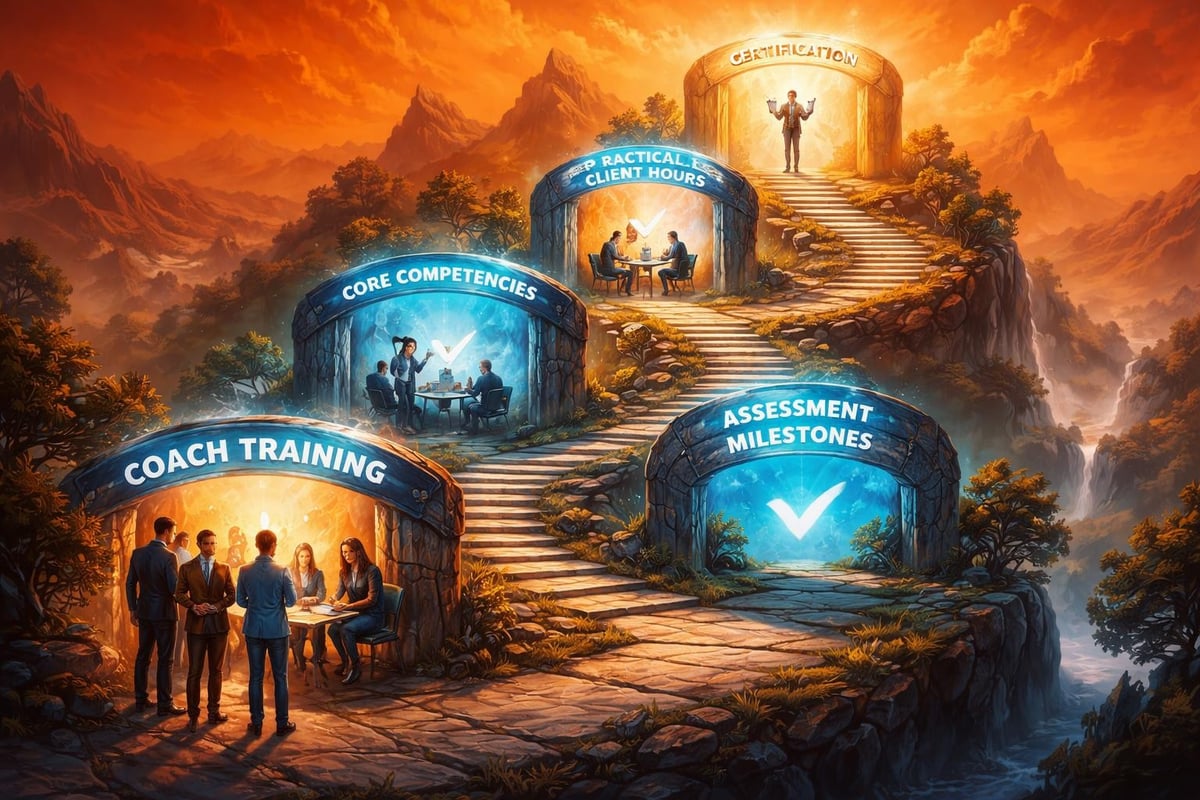
The assessment phase for entrepreneur coaching for small business owners in Hamburg should examine:

  1. Leadership competencies across strategic thinking, communication, and team development
  2. Operational effectiveness including systems, processes, and delegation capabilities
  3. Financial acumen and resource allocation decision-making
  4. Market positioning and competitive differentiation strategies
  5. Personal resilience and stress management approaches

Hamburg-based organizations like the BCA Business Coaching Akademie emphasize this diagnostic rigor in their IHK-certified training programs, preparing coaches to deliver assessments that drive meaningful transformation.

Precision Matching Between Coach and Entrepreneur

Not all coaching relationships deliver equal value. The alignment between coach expertise and entrepreneur needs determines whether the engagement produces incremental improvement or breakthrough transformation.

Matching Criteria Why It Matters Impact on Results
Industry Experience Context-specific insights accelerate progress 40% faster implementation
Leadership Style Compatibility Trust and openness enable deeper work 3x higher engagement scores
Specialized Skills Targeted expertise addresses unique challenges 65% better outcome achievement
Geographic Understanding Local market knowledge enhances relevance 2x more applicable strategies

Programs like Noomii’s precision coach matching utilize proprietary algorithms to pair entrepreneurs with coaches who possess the exact sector expertise and specialized skills required to address their unique challenges. This approach eliminates the trial-and-error process that wastes both time and resources.

Targeted Intervention and Action Planning

Assessment without action produces awareness but not transformation. Effective entrepreneur coaching for small business owners in Hamburg translates insights into specific, measurable interventions that address identified gaps while building on existing strengths.

Intervention plans should include:

  • Clear, time-bound objectives linked to business outcomes
  • Weekly or bi-weekly accountability checkpoints
  • Skill-building exercises that develop specific competencies
  • Real-world application assignments tied to current business challenges
  • Progress metrics that track both behavioral change and business impact

Hamburg-based MINDYARD demonstrates this approach through their Business Booster System®, which combines business and coaching tools to help companies define clear goals and align structures accordingly. Their methodology emphasizes the integration of strategic planning with personal leadership development.

Building Leadership Capabilities That Scale

Small business owners often excel at technical expertise but struggle with the leadership transition required as organizations grow. The shift from operator to leader demands fundamentally different capabilities, and entrepreneur coaching for small business owners in Hamburg specifically targets this transformation.

From Expert to Strategic Leader

The most challenging transition for entrepreneurs involves moving from doing the work to enabling others to do the work. This requires developing new mental models around delegation, trust, and systems thinking.

Coaches guide entrepreneurs through this evolution by:

  • Identifying tasks that only the owner can perform versus those that should be delegated
  • Building frameworks for effective delegation that maintain quality standards
  • Developing communication systems that align teams around shared objectives
  • Creating accountability structures that empower rather than micromanage
  • Establishing feedback loops that enable continuous improvement without founder bottlenecks

Organizations working with toxic leadership patterns benefit particularly from structured interventions that address behavioral issues before they undermine organizational culture and team morale.

Decision-Making Under Uncertainty

Hamburg's business environment demands rapid decision-making with incomplete information. Entrepreneurs must develop frameworks that balance analytical rigor with decisive action, particularly when facing the complexity inherent in scaling operations.

Professional coaching strengthens decision-making capabilities through:

  1. Mental model development that helps entrepreneurs recognize patterns and apply proven frameworks
  2. Scenario planning exercises that build comfort with ambiguity and multiple possible outcomes
  3. Risk assessment protocols that quantify potential impacts without paralyzing action
  4. Post-decision reviews that extract learning from both successes and failures
  5. Values clarification that establishes clear decision criteria aligned with organizational purpose

Strategic decision framework

Building High-Performance Teams

Small businesses win through team effectiveness. Entrepreneur coaching for small business owners in Hamburg emphasizes the people systems that enable consistent execution and sustainable growth.

Key team-building focus areas include:

  • Hiring processes that identify cultural fit and growth potential beyond technical skills
  • Onboarding systems that accelerate new team member contribution and engagement
  • Performance management approaches that drive accountability while maintaining motivation
  • Development pathways that retain top talent by providing clear growth opportunities
  • Communication rhythms that keep teams aligned and informed without meeting overload

The Entrepreneurs Community Hamburg provides networking opportunities where business owners share best practices around team development, creating peer learning that complements formal coaching engagements.

Sector-Specific Coaching Applications

Different industries present distinct challenges that require specialized coaching approaches. Hamburg's diverse economic base spans logistics, maritime trade, digital innovation, professional services, and manufacturing, each with unique leadership demands.

Technology and Digital Businesses

Hamburg's growing tech sector requires entrepreneurs who can scale rapidly while maintaining innovation velocity. Coaches working with technology entrepreneurs focus on product-market fit validation, go-to-market strategy refinement, and building engineering cultures that balance quality with speed.

These engagements often address funding readiness, investor relations, and the leadership transitions required as startups mature into established businesses. The coaching relationship provides a confidential space to process the emotional complexity of rapid growth and the identity shifts it demands.

Professional Services and Consulting

Service businesses built on expertise face particular challenges around productization, pricing strategy, and transitioning from time-based to value-based business models. Entrepreneur coaching for small business owners in Hamburg helps professional service providers develop scalable delivery models that reduce founder dependence.

Resources like Peartree International’s business coaching offer guidance specifically designed for solopreneurs and small professional service firms navigating growth challenges while maintaining service quality.

Traditional Industries and Family Businesses

Hamburg's established businesses, particularly those in logistics, maritime, and manufacturing sectors, require coaching that honors legacy while driving necessary modernization. These engagements balance respect for proven practices with the innovation required to remain competitive in digitally-transformed markets.

Coaches help traditional business owners navigate succession planning, implement new technologies, and develop next-generation leadership while preserving the organizational values that built long-term success.

Measuring Coaching Impact and ROI

Investment in entrepreneur coaching for small business owners in Hamburg demands measurable returns. Effective programs establish clear metrics that track both leadership development and business outcomes.

Leadership Development Indicators

Metric Category Specific Measurements Target Improvement
Self-Awareness 360-degree feedback scores 25% increase in 6 months
Strategic Thinking Decision quality ratings 40% improvement in 12 months
Communication Effectiveness Team alignment surveys 35% higher scores
Delegation Capability Tasks successfully transferred 50% reduction in founder task load
Emotional Regulation Stress management assessments 30% improvement in resilience scores

These individual-level metrics directly correlate with organizational outcomes. As leaders develop greater self-awareness and strategic capability, their teams execute more effectively and the business performs better across financial, operational, and cultural dimensions.

Business Performance Outcomes

The ultimate validation of coaching effectiveness appears in business results. Organizations tracking coaching ROI should monitor revenue growth rates, profit margin expansion, customer retention improvements, employee engagement scores, and operational efficiency gains.

Small businesses typically see measurable improvements within the first 90 days of structured coaching engagements, with compound effects accelerating as new capabilities become embedded in daily practice. Programs that integrate managing and coaching approaches deliver particularly strong results by building leadership capability throughout the organization rather than concentrating it solely at the top.

Coaching ROI measurement

Selecting the Right Coaching Partner

The coaching industry's growth has created both opportunity and confusion for entrepreneurs seeking support. Hamburg offers numerous coaching options, from independent practitioners to institutional programs, each with distinct approaches and value propositions.

Evaluating Coach Credentials and Experience

Professional certification provides baseline quality assurance. The IHK certification offered through BCA Hamburg represents a recognized standard in the German market, ensuring coaches have completed rigorous training in business coaching methodologies.

Beyond credentials, entrepreneurs should evaluate:

  • Relevant industry experience that provides contextual understanding of specific business challenges
  • Track record with similar-sized organizations facing comparable growth stages
  • Coaching methodology and whether it aligns with personal learning preferences
  • Chemistry and trust during initial consultations that indicate relationship potential
  • Accountability systems built into the coaching process to ensure consistent progress

Services like Andersberater’s founder coaching demonstrate the value of specialized expertise, offering programs specifically designed for entrepreneurs developing strategies, business models, and market development approaches.

Individual Coaches Versus Coaching Platforms

Entrepreneurs choosing coaching support face a fundamental decision between working with individual practitioners or engaging with coaching platforms that provide matching services and organizational infrastructure.

Individual coaches offer:

  • Direct, personal relationships built over extended engagements
  • Flexibility to customize approaches based on evolving needs
  • Often lower costs for experienced practitioners
  • Deep familiarity with local market conditions and networks

Coaching platforms provide:

  • Rigorous vetting and quality assurance across coach networks
  • Matching algorithms that optimize coach-client fit
  • Structured programs with proven methodologies and tools
  • Scalability when multiple team members need coaching support
  • Performance tracking and outcome measurement systems

Michael Simperl’s coaching for entrepreneurs exemplifies the individual practitioner model, offering transformation-focused engagements for executives and entrepreneurs committed to significant personal growth. Alternatively, platforms like Noomii’s corporate leadership program combine global coach networks with proprietary matching technology to deliver precision-paired coaching at scale.

Program Structure and Commitment Levels

Coaching engagements range from short-term interventions addressing specific challenges to long-term development relationships spanning multiple years. Entrepreneur coaching for small business owners in Hamburg should match program intensity to organizational needs and available resources.

Common program structures include:

  1. Intensive sprint programs (3-6 months) targeting specific breakthroughs or transitions
  2. Annual development programs providing ongoing support through growth cycles
  3. Project-based coaching addressing particular initiatives like market expansion or team restructuring
  4. Retainer relationships offering flexible access as challenges emerge
  5. Group coaching cohorts combining peer learning with professional facilitation

Fecke Coaching’s entrepreneur programs demonstrate diverse service options, from career coaching to business start-up support, allowing entrepreneurs to select engagement models matching their current priorities.

Integrating Coaching With Business Operations

The most successful coaching relationships extend beyond isolated development conversations to become integrated with daily business execution. Entrepreneur coaching for small business owners in Hamburg delivers maximum value when insights translate immediately into operational improvements.

Embedding Learning in Real Work

Effective coaches avoid theoretical discussions disconnected from business reality. Instead, they use actual business challenges as the curriculum, helping entrepreneurs develop capabilities while simultaneously advancing strategic initiatives.

This integration might involve:

  • Live strategic planning sessions where coaches facilitate decision-making processes
  • Team meeting observation followed by feedback on leadership effectiveness
  • Customer conversation preparation that strengthens communication and positioning
  • Financial review analysis building acumen around key performance indicators
  • Conflict resolution support providing real-time guidance through difficult conversations

The approach transforms coaching from separate "development time" into a continuous improvement process woven throughout business operations.

Building Internal Capability

While external coaching provides valuable perspective and expertise, sustainable organizational development requires building internal leadership capability. The best coaching relationships explicitly focus on reducing dependence on the coach over time.

Entrepreneurs should work with coaches who prioritize knowledge transfer, explicitly teaching frameworks and methodologies that become organizational assets rather than coach-dependent interventions. This approach aligns with programs like top executive coaching firms that emphasize building self-sufficient leadership teams.

Leveraging Technology and AI Tools

The coaching industry increasingly integrates technology to enhance effectiveness and accessibility. Digital platforms provide between-session support, progress tracking, and resource libraries that extend coaching impact beyond scheduled conversations.

Forward-thinking entrepreneurs explore how AI tools for business coaching can supplement human coaching relationships, providing on-demand guidance, pattern recognition, and data analysis that inform coaching conversations and accelerate development.

Hamburg's Unique Advantages for Entrepreneur Development

Hamburg offers distinct advantages for small business owners pursuing growth through professional coaching. The city's combination of established industries, emerging innovation sectors, and strong support infrastructure creates an environment conducive to entrepreneurial success.

Local Support Ecosystems and Networks

Hamburg's business community provides extensive networking and learning opportunities. Organizations like the Entrepreneurs Community Hamburg facilitate connections that complement formal coaching relationships, creating peer networks that share challenges, solutions, and opportunities.

These informal networks provide accountability partners who understand the entrepreneurial journey, market intelligence about local conditions, and potential collaboration opportunities that accelerate growth. When combined with professional coaching, this ecosystem approach delivers compounding benefits.

Cultural Context and Business Practices

German business culture emphasizes thoroughness, quality, and long-term relationship building. Entrepreneur coaching for small business owners in Hamburg should respect these cultural values while introducing innovation and agility where traditional approaches limit growth.

Coaches familiar with Hamburg's business environment understand the balance between respecting established practices and driving necessary change. This cultural competence prevents recommendations that might theoretically sound promising but practically conflict with local market expectations and relationship dynamics.

Access to Funding and Support Programs

Hamburg entrepreneurs benefit from various public and private funding mechanisms that support growth initiatives, including coaching investments. Understanding these resources and structuring coaching engagements to align with available support maximizes the financial accessibility of professional development.

Organizations like accountability coaching platforms recognize the importance of structured support systems that keep entrepreneurs focused on growth objectives while managing the complexity of running operations.


Entrepreneur coaching for small business owners in Hamburg represents a strategic investment in organizational capability, leadership development, and sustainable growth. The most successful programs combine rigorous assessment, precision coach matching, targeted interventions, and measurable accountability to deliver transformation across leadership competencies and business outcomes. The Noomii Corporate Leadership Program provides Hamburg entrepreneurs with access to a global network of certified executive coaches, evidence-based diagnostic tools, and customized development plans designed to address specific challenges while building scalable leadership capabilities that drive long-term success.

Gemini Prompts to Help Executive Coaches Scale in 2026

Executive coaches face a familiar scaling challenge: delivering personalized, high-impact coaching while serving more clients without sacrificing quality. Google's Gemini AI offers a powerful solution through strategic prompting that automates preparation, enhances delivery, and maintains consistency across engagements. Understanding how to craft gemini prompts to help executive coaches scale transforms AI from a novelty into a practical business multiplier that creates measurable ROI.

Why Executive Coaches Need AI-Powered Scaling Solutions

Traditional coaching models limit revenue growth because time constraints cap client capacity. A coach working forty hours weekly can serve perhaps eight to twelve active clients with quality engagement. This ceiling creates a frustrating paradox: success generates demand that becomes impossible to meet.

Gemini prompts to help executive coaches scale address this bottleneck by handling repeatable intellectual work. The AI processes intake assessments, generates customized frameworks, prepares session agendas, and synthesizes feedback, freeing coaches to focus on high-value human interactions. ChatGPT executive coach prompts demonstrate similar scaling benefits, though Gemini's multimodal capabilities and Google Workspace integration offer distinct advantages for corporate environments.

Strategic AI implementation doesn't replace coaching expertise. Instead, it amplifies a coach's ability to deliver consistent frameworks across multiple clients simultaneously. When building psychological safety becomes part of every engagement, standardized prompts ensure each client receives the same foundational quality while coaches customize applications to specific organizational contexts.

AI workflow for executive coaching

Essential Gemini Prompt Categories for Coaching Scale

Client Assessment and Intake Automation

Executive coaches spend substantial time gathering background information before meaningful work begins. Effective prompts transform raw client data into structured insights.

Sample Prompt Structure:
"Analyze this executive's background [paste resume/bio], current role responsibilities [paste job description], and stated goals [paste intake notes]. Generate a comprehensive coaching focus area matrix identifying: leadership competency gaps, stakeholder relationship priorities, strategic thinking development needs, and communication effectiveness opportunities. Rank by potential business impact."

This approach condenses hours of manual analysis into minutes. The output becomes a foundation for customized coaching plans that demonstrate immediate value to corporate stakeholders expecting measurable results.

Session Preparation and Framework Development

Consistency across coaching engagements builds credibility while reducing preparation time. Establishing authority through structured frameworks positions coaches as systematic practitioners rather than intuitive advisors.

Gemini prompts to help executive coaches scale should include template requests:

  • "Create a 90-day leadership development roadmap for a new VP of Operations struggling with delegation, including weekly focus areas, reflection questions, and accountability metrics tied to business KPIs."
  • "Generate five scenario-based coaching questions for an executive facing team conflict, structured around the situation-behavior-impact model."
  • "Design a pre-session preparation worksheet for executives to complete before our monthly strategic thinking sessions."

These prompts produce reusable assets that maintain quality across growing client portfolios.

Performance Data Synthesis and Progress Tracking

Corporate clients demand ROI demonstration. Gemini excels at processing quantitative and qualitative feedback into executive summaries.

Input Type Prompt Application Business Value
360 Assessments "Synthesize these fifteen 360 responses into three priority development areas with specific behavioral examples" Faster action planning
KPI Scorecards "Compare Q1 and Q2 scorecard data to identify leadership behaviors correlating with performance improvements" Clear ROI attribution
Team Feedback "Extract common themes from these ten team member interviews about their manager's coaching effectiveness" Targeted skill development

This data processing capability lets coaches serve more clients while maintaining analytical depth that justifies coaching investments.

Advanced Prompting Strategies for Maximum Leverage

Multimodal Integration for Live Coaching Support

Gemini's ability to process images, documents, and text simultaneously creates unique scaling opportunities. Coaches can upload org charts, strategic plans, or meeting notes alongside prompting instructions.

"Review this organizational chart and strategic plan. Identify potential leadership alignment gaps where executive coaching could accelerate goal achievement. Suggest three executives who would benefit most from coaching based on role complexity and strategic importance."

This capability supports entrepreneurship coaching and corporate applications equally, allowing coaches to quickly assess new opportunities and tailor proposals.

Customized Resource Creation at Scale

Executive coaches often create worksheets, reflection guides, and development plans. Quality templates scaled across clients multiply impact without proportional time investment.

  • Email sequences: "Write a five-email onboarding sequence for new executive coaching clients covering program expectations, preparation requirements, confidentiality agreements, success metrics, and first session logistics."
  • Reflection frameworks: "Design a weekly executive journal template with prompts addressing strategic priorities, leadership challenges, decision quality, and stakeholder relationships."
  • Assessment tools: "Create a self-evaluation rubric for delegation effectiveness with behavioral indicators across five proficiency levels."

These resources, when properly prompted, match the quality coaches would produce manually while requiring fraction of the time investment.

Coaching resource library

Implementation Framework for Coaching Practices

Building Your Prompt Library

Successful scaling requires systematic prompt development. Start with highest-frequency activities consuming the most preparation time.

Month One Focus:

  1. Client intake analysis prompts
  2. Session agenda generation prompts
  3. Follow-up summary prompts

Month Two Expansion:

  1. Assessment synthesis prompts
  2. Resource creation prompts
  3. Progress reporting prompts

Month Three Optimization:

  1. Industry-specific scenario prompts
  2. Leadership competency framework prompts
  3. ROI demonstration prompts

Writing effective AI prompts requires iterative refinement. Track which prompts produce usable first drafts versus those requiring extensive editing, then optimize accordingly.

Quality Control and Human Oversight

Gemini prompts to help executive coaches scale must include verification protocols. AI outputs require expert review, particularly when addressing sensitive leadership issues or organizational politics.

Establish these checkpoints:

  • Factual accuracy: Verify AI-generated recommendations align with current leadership research and best practices
  • Cultural appropriateness: Ensure suggestions fit the client's organizational culture and industry norms
  • Ethical alignment: Review outputs for potential bias or advice conflicting with professional coaching standards
  • Customization depth: Confirm AI hasn't produced generic advice lacking client-specific relevance

Platforms like AccountabilityNow emphasize the importance of measurable outcomes in coaching engagements, a principle that applies equally to AI-assisted coaching delivery.

Measuring Scaling Success and ROI

Key Performance Indicators for AI-Enhanced Coaching

Track these metrics to validate your implementation of gemini prompts to help executive coaches scale:

Metric Pre-AI Baseline Target Improvement Business Impact
Active client capacity 8-12 clients 15-20 clients 67% revenue increase
Session preparation time 45-60 minutes 15-20 minutes 70% efficiency gain
Custom resource creation 2-3 hours 30-45 minutes 75% time reduction
Client satisfaction scores Baseline score Maintain or improve Quality validation

These measurements demonstrate value to both coaching practices and corporate clients evaluating coaching investments.

Client Communication About AI Integration

Transparency builds trust. Executive coaching clients appreciate knowing how coaches leverage technology to enhance service delivery without replacing human expertise.

Address AI use proactively:

"I use advanced AI tools to prepare thoroughly for our sessions, analyze feedback patterns, and create customized development resources. This technology handles time-consuming data processing, allowing me to focus completely on you during our conversations and apply decades of leadership experience to your specific challenges."

This framing positions AI as a practice enhancement rather than replacement, alleviating concerns while demonstrating operational sophistication that corporate buyers value.

Coaching practice metrics dashboard

Ethical Considerations and Professional Standards

Maintaining Coaching Integrity with AI Assistance

Professional coaching associations emphasize human judgment, confidentiality, and client-centered practice. AI implementation must reinforce rather than compromise these standards.

Confidentiality protocols:

  • Remove identifying information before inputting client data into AI systems
  • Use generic role descriptions rather than names or companies
  • Verify AI platform privacy policies align with coaching confidentiality requirements
  • Obtain client consent when AI assistance involves their specific information

Professional judgment:

  • Treat AI outputs as first drafts requiring expert refinement
  • Never delegate critical coaching decisions to automated systems
  • Maintain accountability for all client-facing recommendations
  • Continue professional development to stay current with leadership research

Coaching professionals must view AI as a tool within their expertise framework, not a shortcut around professional knowledge requirements.

Industry-Specific Prompt Customization

Tailoring Prompts for Corporate Environments

Mid-market companies and Fortune 500 divisions have distinct coaching needs. Gemini prompts to help executive coaches scale should reflect these differences.

Mid-market focus (25-500 employees):

  • "Generate coaching scenarios for executives managing rapid growth while maintaining culture"
  • "Create frameworks addressing leadership gaps in companies transitioning from founder-led to professional management"
  • "Design accountability systems for executives wearing multiple functional hats"

Enterprise focus (Fortune 500 divisions):

  • "Develop coaching approaches for executives navigating complex matrix organizations"
  • "Create frameworks for leaders managing large teams across multiple geographies"
  • "Generate scenarios addressing political navigation in highly structured corporate environments"

Specialized coaches like Don Markland demonstrate how customization drives results in specific markets.


Implementing gemini prompts to help executive coaches scale transforms practice capacity while maintaining the personalized attention that drives leadership development outcomes. By systematically automating preparation, resource creation, and analysis, coaches serve more clients without quality dilution. Noomii Corporate Coaching combines practical AI implementation with hands-on leadership development that delivers faster decisions, stronger communication, and measurable business results through month-to-month engagements tied directly to your organizational KPIs and ROI.