Claude Prompts to Help Coaches Run Webinars in 2026

Webinars remain one of the most effective tools for coaches to demonstrate expertise, build trust, and convert prospects into clients. However, planning and executing a compelling webinar requires balancing content quality, audience engagement, and conversion optimization. Artificial intelligence, specifically Claude, has emerged as a powerful assistant for coaches who need to streamline webinar creation without sacrificing quality. Using strategic claude prompts to help coaches run webinars can transform how you approach every stage of the process, from initial concept to post-event follow-up.

Crafting Webinar Topics That Attract Your Ideal Clients

The foundation of any successful webinar starts with a topic that resonates with your target audience’s specific pain points and aspirations. Generic topics produce generic results, while focused, benefit-driven topics drive registrations and engagement.

Identifying High-Value Topics

A well-structured prompt helps Claude analyze your coaching niche and generate topics that align with business outcomes. For example:

Prompt: “I work with mid-market company managers who struggle with accountability and execution. Generate five webinar topics that address common leadership challenges and promise measurable improvements. Each topic should include a clear benefit statement and suggested webinar duration.”

This approach ensures your webinar addresses real problems your audience faces daily. Business coaches frequently use this method to create webinars that speak directly to organizational pain points rather than theoretical frameworks.

  • Benefit-focused titles that promise specific outcomes
  • Time-bound solutions addressing urgent challenges
  • Role-specific content tailored to manager, executive, or team leader needs
  • Measurable results that connect to KPIs and ROI

Testing Topic Variations

Claude can also help you A/B test different title formulations to determine which generates higher registration rates. This saves countless hours of manual brainstorming while providing data-driven options.

Webinar content structure

Building Registration Pages That Convert Browsers Into Attendees

Your registration page serves as the gateway to webinar success. Converting casual browsers into committed attendees requires compelling copy that builds anticipation and demonstrates value. Leveraging claude prompts to help coaches generate leads extends naturally to webinar registration optimization.

Prompt: “Write registration page copy for a 60-minute webinar titled ‘[Your Title].’ The page should include: a headline that creates urgency, three bullet points highlighting what attendees will learn, a brief bio establishing my credibility in corporate coaching, and a clear call-to-action. The audience consists of managers at mid-market companies seeking practical leadership solutions.”

Registration Element Purpose Claude Assistance
Headline Capture attention and promise value Generate 5-10 variations testing different angles
Bullet points Specific learning outcomes Create benefit-driven statements with measurable results
Speaker bio Establish credibility Craft concise authority positioning
CTA Drive registration Test urgency-driven vs. value-driven language

This structured approach ensures every element of your registration page works together to maximize conversions. For coaches focused on leadership development, positioning the webinar as a solution to specific organizational challenges significantly increases registration rates.

Designing Interactive Content That Maintains Engagement

Maintaining audience attention throughout your webinar requires strategic content structure and planned interaction points. Static presentations lose attention within fifteen minutes, while interactive webinars keep participants engaged and increase conversion rates.

Structuring Your Content Flow

Prompt: “Create a detailed 60-minute webinar outline on ‘[Topic]’ for managers struggling with team accountability. Include: opening hook (3 minutes), problem identification (7 minutes), three main teaching segments with real-world examples (35 minutes total), interactive polls at strategic points, Q&A integration (10 minutes), and closing call-to-action (5 minutes). Each segment should build toward the next logically.”

This framework ensures your content flows naturally while incorporating engagement mechanisms. Creating engaging webinars requires balancing education with interaction, and Claude excels at mapping this balance.

  • Opening hooks that establish relevance immediately
  • Interactive polls placed every 12-15 minutes
  • Case study integration showing real results with measurable outcomes
  • Q&A checkpoints that address concerns before they become barriers

Developing Supporting Materials

Claude can generate slide outlines, speaker notes, and handout templates that reinforce your key messages. This ensures consistency across all webinar materials while saving preparation time.

Creating Post-Webinar Follow-Up Sequences

The webinar itself represents just one touchpoint in your client acquisition process. Strategic follow-up transforms interested attendees into paying clients. Using claude prompts to help coaches run webinars extends to nurturing these warm leads effectively.

Prompt: “Develop a five-email follow-up sequence for webinar attendees. Email 1 (immediate): thank you and replay link. Email 2 (day 2): additional resource related to key teaching point. Email 3 (day 4): case study showing results. Email 4 (day 6): addressing common objections. Email 5 (day 9): clear offer with urgency. Each email should be conversational, provide value, and include a soft call-to-action until the final email.”

This systematic approach prevents leads from going cold while building trust through continued value delivery.

Follow-up email sequence

Optimizing Promotional Strategies Across Channels

Driving registrations requires multi-channel promotion with consistent messaging adapted to each platform’s unique characteristics. Claude can help develop platform-specific promotional content that maintains brand voice while optimizing for each channel’s best practices.

Social Media Promotion

Prompt: “Create promotional posts for LinkedIn, Facebook, and Twitter announcing my upcoming webinar on ‘[Topic].’ Each post should: highlight a specific pain point the webinar solves, include relevant statistics about the problem, mention one actionable takeaway attendees will learn, and include a registration call-to-action. Adapt tone and length for each platform’s audience.”

For coaches specializing in executive coaching, LinkedIn often delivers the highest-quality registrations when messaging emphasizes business outcomes and ROI.

Channel Optimal Post Length Key Focus Best Posting Time
LinkedIn 150-200 words Professional outcomes, data Tuesday-Thursday, 7-9 AM
Facebook 100-150 words Community building, stories Wednesday-Friday, 1-3 PM
Twitter 120-280 characters Quick insights, urgency Monday-Friday, 12-1 PM
Email 200-300 words Detailed benefits, exclusivity Tuesday, 10 AM or Thursday, 2 PM

Email Campaign Development

Your existing email list represents your warmest audience for webinar promotion. ChatGPT prompts to help coaches automate business processes can be adapted for Claude to generate email campaigns that segment audiences based on previous engagement.

Measuring Success and Iterating for Better Results

Effective webinar strategies require continuous improvement based on performance data. Claude can help analyze results and suggest specific improvements for future webinars.

Prompt: “Based on these webinar metrics (registration rate: 22%, attendance rate: 38%, engagement score: 6.7/10, conversion rate: 12%), identify three specific improvements I should implement for my next webinar. For each improvement, explain the likely impact and provide a concrete implementation strategy.”

This data-driven approach ensures each webinar performs better than the last. Companies working with accountability-focused coaching benefit significantly from tracking these metrics, as demonstrated by organizations like AccountabilityNow that emphasize measurable business results.

Webinar performance dashboard

Repurposing Webinar Content for Maximum Impact

A single webinar contains multiple content assets waiting to be extracted and repurposed. Using claude prompts to help coaches create content allows you to transform one webinar into weeks of valuable content.

Prompt: “I recorded a 60-minute webinar on ‘[Topic].’ Generate a content repurposing plan that includes: five blog post topics extracted from main teaching points, ten social media posts highlighting key insights, three short video scripts (under 2 minutes each), one comprehensive guide expanding on the webinar content, and five email newsletter topics. Each piece should stand alone while driving interest in the full webinar replay.”

This maximizes the return on your webinar preparation investment while maintaining consistent visibility across channels. The same principles that make chatgpt prompts to help coaches run webinars effective apply equally to content repurposing strategies.


Strategic use of claude prompts to help coaches run webinars transforms a time-intensive process into a streamlined system that delivers consistent results. By applying these prompts across topic selection, registration optimization, content development, follow-up sequences, and performance analysis, you create webinars that educate, engage, and convert. If you’re ready to implement coaching strategies that deliver measurable business results without long-term contracts, Noomii Corporate Coaching offers hands-on support that ties directly to your KPIs and drives visible outcomes for your leadership team.

Business Performance Coaching for SMEs in Perth 2026

Small and medium enterprises in Perth face unprecedented challenges in 2026. Between talent retention pressures, economic volatility, and the constant need to innovate, business owners must operate at peak efficiency while simultaneously developing their leadership capabilities. Business performance coaching for SMEs in Perth has emerged as a critical strategic investment, delivering measurable improvements in revenue, operational efficiency, and organizational culture. This specialized approach combines executive development with practical business strategy, creating sustainable competitive advantages for companies navigating Western Australia’s dynamic marketplace.

Why Perth SMEs Need Specialized Performance Coaching

The Perth business environment presents unique challenges that generic coaching programs cannot adequately address. Local SMEs compete for talent in a tight labor market while managing the complexities of resource sector volatility and geographic isolation from eastern markets.

Business performance coaching for SMEs in Perth addresses these specific regional factors while focusing on universal growth principles. Unlike traditional consulting, performance coaching develops internal capabilities rather than creating dependency on external advisors. This approach builds resilience and adaptive capacity within leadership teams.

Research demonstrates the tangible value of professional coaching interventions. Studies on the real ROI of business coaching for SMEs reveal productivity gains averaging 53% and revenue improvements of 48% among coached businesses compared to non-coached counterparts.

The Performance Gap in SME Leadership

Most SME founders excel at technical skills within their industry but lack formal training in strategic leadership, financial management, or organizational development. This competency gap becomes critical as businesses scale beyond 15-20 employees.

Common performance barriers include:

  • Decision-making paralysis when facing complex strategic choices
  • Operational firefighting that prevents strategic thinking
  • Talent development deficits leading to high turnover
  • Financial blind spots obscuring profitability levers
  • Communication breakdowns between leadership and teams

Performance coaching systematically addresses these gaps through structured interventions, accountability frameworks, and skill-building exercises tailored to each leader’s developmental stage.

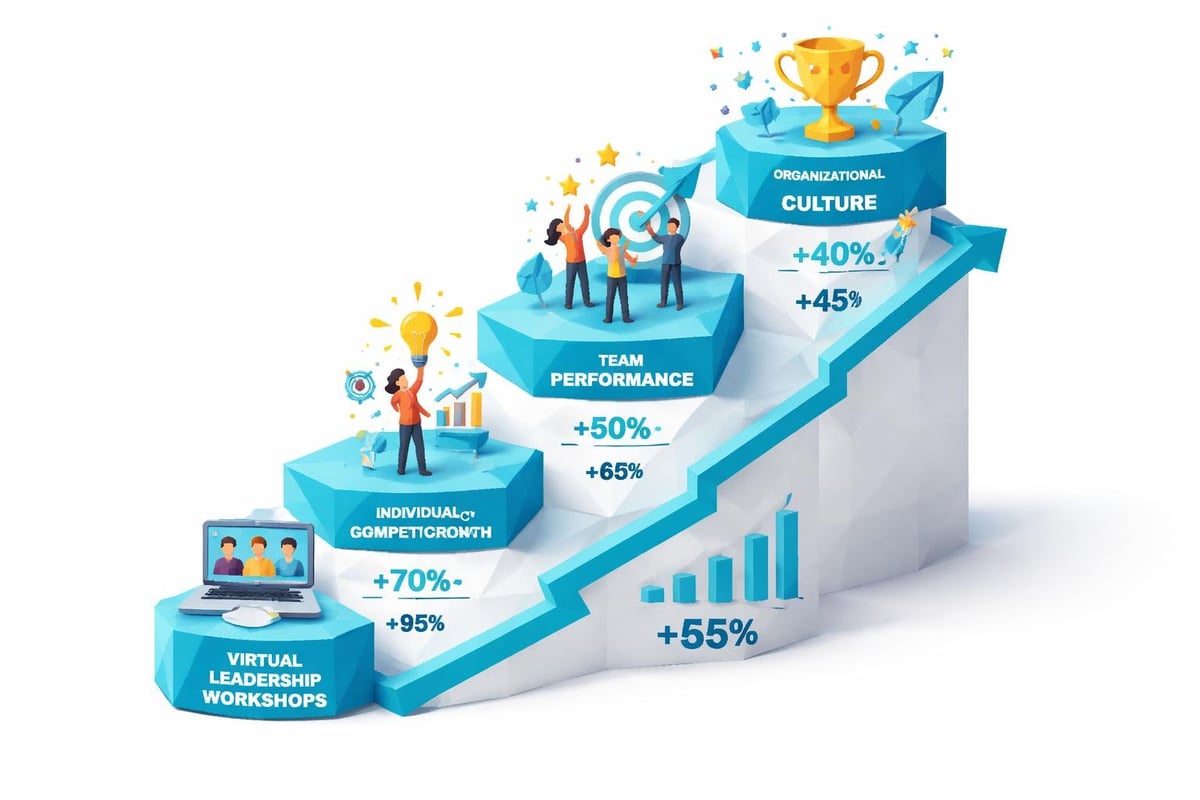
SME leadership capability progression

Core Components of Effective Business Performance Coaching

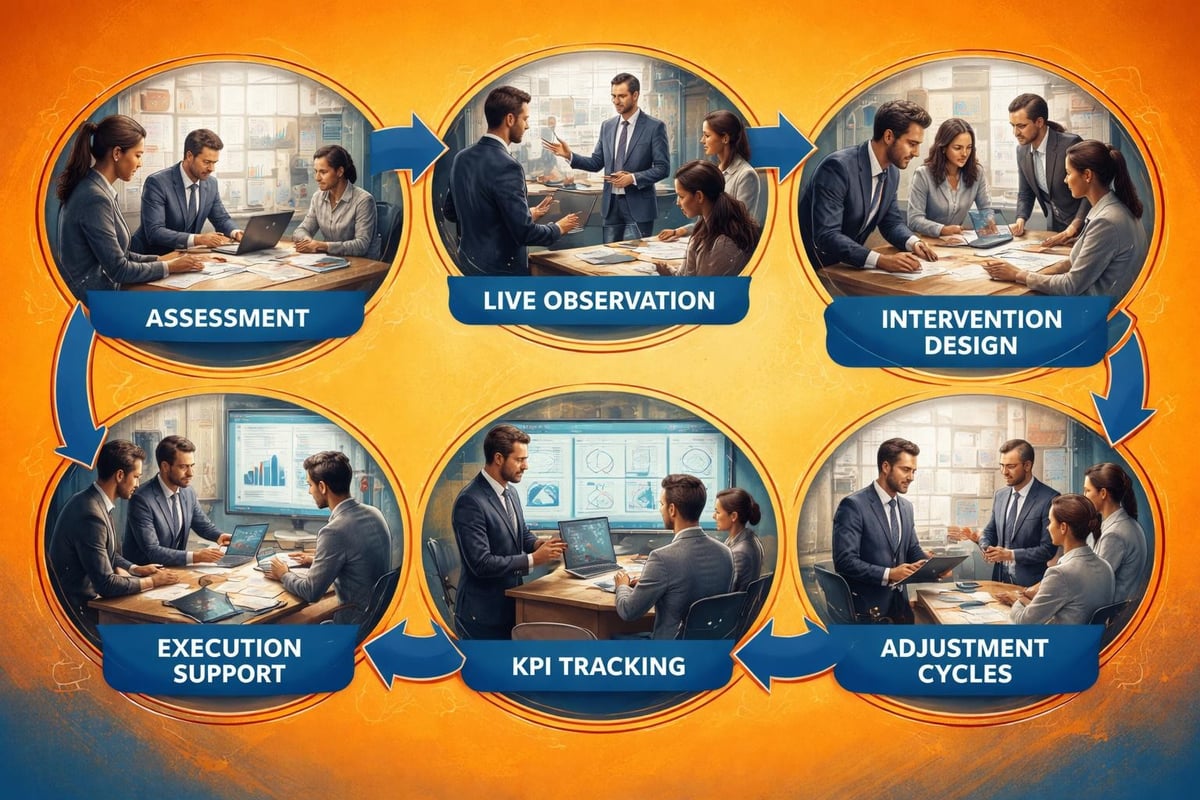
Business performance coaching for SMEs in Perth requires a multidimensional approach that integrates leadership development, strategic planning, and operational excellence. The most effective programs combine assessment, intervention, and measurement within a structured framework.

Evidence-Based Diagnostic Assessment

Professional coaching begins with comprehensive diagnostics that identify strengths, vulnerabilities, and growth opportunities across multiple dimensions. Tailored business coaching programs utilize validated assessment tools to establish baseline measurements and prioritize intervention areas.

Assessment domains typically include:

  • Leadership competencies and behavioral patterns
  • Organizational culture and employee engagement
  • Strategic clarity and goal alignment
  • Financial health and profitability drivers
  • Operational efficiency and process effectiveness
  • Market positioning and competitive dynamics

These diagnostics provide objective data that prevents coaching from becoming purely subjective or opinion-based. The assessment phase typically reveals blind spots that leaders hadn’t recognized, creating immediate value through enhanced awareness.

Precision Matching Between Coaches and Business Leaders

The relationship between coach and client determines coaching effectiveness more than any other variable. Generic matching processes that ignore industry expertise, leadership style compatibility, and specialized skill requirements consistently underdeliver results.

Matching Criteria Impact on Outcomes Why It Matters
Industry Experience High Context-specific insights accelerate problem-solving
Leadership Style Alignment Medium-High Reduces friction and builds trust faster
Specialized Skills High Addresses unique challenges (turnarounds, scaling, etc.)
Communication Preferences Medium Ensures productive dialogue and feedback exchange
Geographic Understanding Medium Perth-specific market knowledge adds relevance

Advanced matching algorithms now enable what was previously achievable only through extensive manual vetting. Noomii’s precision coach matching technology connects SME leaders with coaches possessing the exact expertise required to address their specific challenges, from conflict resolution to strategic transformation.

Targeted Intervention Plans With Accountability Structures

Effective business performance coaching for SMEs in Perth moves beyond conversations to create actionable intervention plans with defined milestones, metrics, and accountability checkpoints. Personalized business coaching approaches emphasize goal setting and decision-making frameworks that translate insights into measurable business improvements.

Intervention plans typically span 6-12 months and include:

  1. Strategic clarity sessions defining vision, mission, and 3-year objectives
  2. Leadership capability building through targeted skill development
  3. Team alignment workshops creating shared understanding and commitment
  4. Process optimization initiatives eliminating inefficiencies
  5. Financial performance reviews identifying profitability levers
  6. Progress assessments measuring advancement against KPIs

The accountability component distinguishes coaching from mentoring or advising. Regular check-ins, progress tracking, and consequence frameworks ensure implementation rather than just ideation.

Measuring ROI and Business Impact

Business performance coaching for SMEs in Perth must demonstrate tangible returns to justify the investment. Forward-thinking organizations establish measurement frameworks before coaching begins, enabling clear attribution of results.

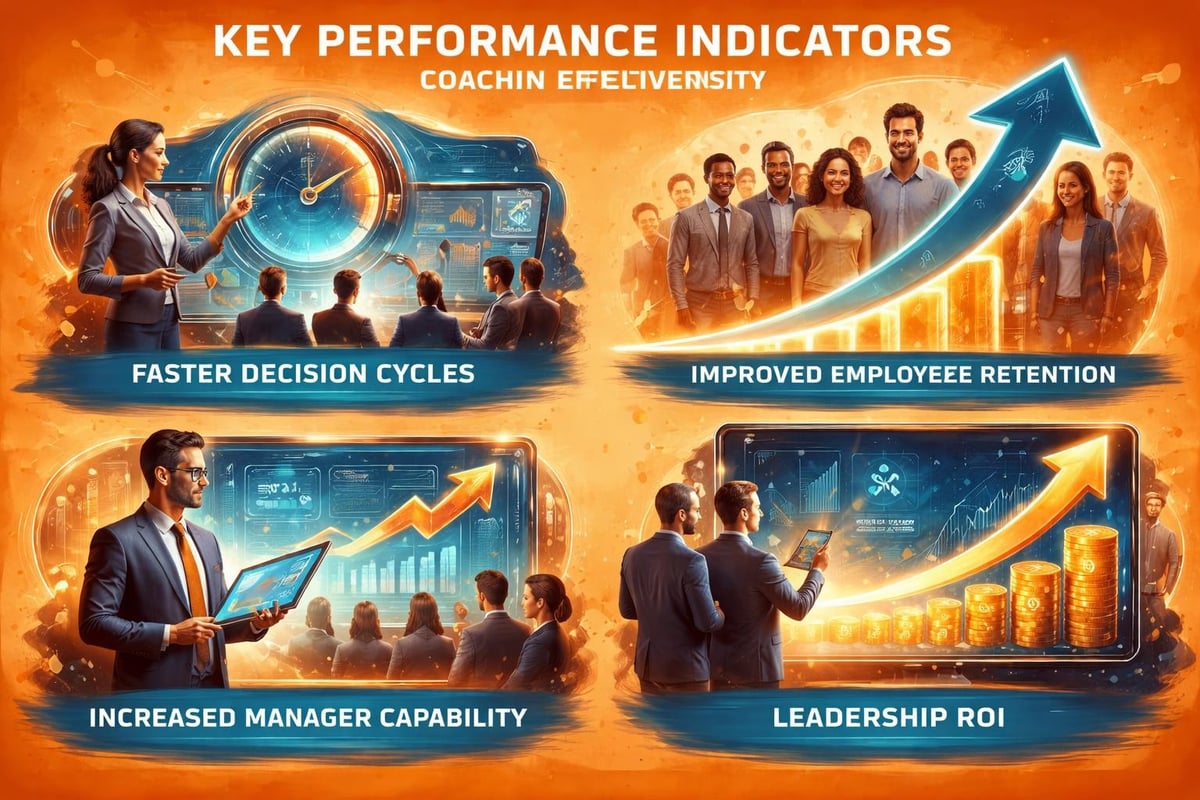
Key Performance Indicators for Coaching Programs

Different SMEs prioritize different outcomes based on their growth stage and strategic priorities. Mature organizations focus on profitability and efficiency, while rapid-growth companies emphasize scalability and talent development.

Financial Metrics:

  • Revenue growth rate
  • Gross and net profit margins
  • Cash flow stability
  • Revenue per employee
  • Customer acquisition cost vs. lifetime value

Operational Metrics:

  • Employee productivity indices
  • Process cycle time reductions
  • Quality defect rates
  • Customer satisfaction scores
  • Delivery timeline adherence

Leadership Metrics:

  • 360-degree feedback improvements
  • Employee engagement scores
  • Voluntary turnover rates
  • Succession readiness
  • Decision-making speed and quality

Organizations working with strategy coaching specialists implement data-driven decision-making frameworks that track these metrics systematically, revealing coaching impact with statistical confidence.

The Compounding Effect of Leadership Development

Business performance coaching creates value beyond immediate metrics through enhanced decision-making capabilities that compound over time. Leaders who develop strategic thinking skills, emotional intelligence, and systems perspectives make better choices across thousands of decisions annually.

This compounding effect explains why coached businesses often outperform peers by widening margins in years two and three post-intervention. The initial capability development creates momentum that accelerates as leaders apply new frameworks to increasingly complex challenges.

Coaching ROI timeline

Scaling Leadership Across Growing Organizations

As Perth SMEs expand from 20 to 50 to 100+ employees, leadership requirements fundamentally shift. What worked brilliantly at smaller scale becomes inadequate, creating performance plateaus and cultural strain.

From Individual Leadership to Leadership Systems

Business performance coaching for SMEs in Perth increasingly focuses on building leadership systems rather than developing only the CEO or managing director. Scalable organizations distribute leadership capabilities across multiple levels, creating bench strength and reducing key-person dependencies.

This transition requires:

  • Middle management development programs that build supervisory skills
  • Cross-functional team leadership capabilities for project management
  • Delegation frameworks that empower without losing accountability
  • Communication systems ensuring alignment across growing teams
  • Culture codification that maintains values during rapid expansion

Leadership executive coaching approaches address these systemic requirements through cohort-based programs that develop leadership teams collectively rather than individuals in isolation.

Addressing Toxic Leadership Patterns Before They Scale

Growing organizations sometimes promote technically excellent individuals into leadership roles without assessing their interpersonal capabilities. This creates toxic leadership patterns that undermine culture, drive talent away, and limit organizational potential.

Common toxic patterns include:

  • Micromanagement that stifles initiative and creativity
  • Inconsistent feedback creating confusion and anxiety
  • Credit-taking while deflecting blame
  • Favoritism that damages team cohesion
  • Communication avoidance during critical situations

Early intervention through specialized coaching prevents these patterns from becoming embedded in organizational culture. Programs focused on toxic leader transformation use assessment, feedback, and skill-building to redirect destructive behaviors before they cause irreparable damage.

Selecting the Right Coaching Partner for Your Perth SME

The Perth market offers numerous coaching options, from individual practitioners to comprehensive corporate programs. Selecting the appropriate partner requires evaluating credentials, methodology, track record, and cultural fit.

Evaluation Criteria for Coaching Providers

Not all coaching delivers equivalent value. SME leaders should assess potential partners across multiple dimensions before committing to long-term engagements.

Evaluation Factor Questions to Ask Red Flags
Credentials What certifications and training? Vague credentials, no verifiable background
Track Record What results with similar SMEs? No case studies, unwilling to provide references
Methodology What frameworks and processes? Purely intuitive, no structured approach
Measurement How is progress tracked? No metrics, resistance to accountability
Specialization What industries and challenges? Generalist claiming expertise in everything
Chemistry Does communication feel natural? Misaligned values, uncomfortable dynamic

Perth-based business coaching services offer local market knowledge and accessibility for face-to-face interactions, while national and international providers bring broader perspectives and specialized expertise.

The Advantage of Network-Based Coaching Platforms

Traditional coaching selection involved time-consuming research, trial sessions, and hoped-for chemistry. Modern platforms streamline this process through algorithmic matching based on objective criteria and validated compatibility factors.

Network-based platforms provide:

  1. Broader talent pools accessing coaches across specializations
  2. Transparent credentialing with verified qualifications and client results
  3. Matching algorithms identifying optimal coach-client pairings
  4. Quality assurance through platform standards and client feedback
  5. Scalability options for organizations needing multiple coach relationships

This approach particularly benefits SMEs lacking HR infrastructure to manage extensive coach vetting processes independently. Coaching programs designed for work-life balance and goal clarification integrate seamlessly with platform-based matching to deliver comprehensive support.

Coach selection framework

Advanced Coaching Methodologies for Competitive Advantage

Business performance coaching for SMEs in Perth has evolved beyond basic goal-setting and accountability conversations. Leading-edge methodologies incorporate behavioral science, data analytics, and evidence-based interventions that create measurable competitive advantages.

Psychological Safety as a Performance Foundation

Organizations with high psychological safety outperform competitors across innovation, quality, and employee retention metrics. This climate where team members feel safe taking interpersonal risks enables the candid communication, creative problem-solving, and rapid learning essential for competitive performance.

Building psychological safety requires deliberate leadership behaviors including:

  • Framing work as learning challenges rather than execution tasks
  • Acknowledging personal fallibility and modeling vulnerability
  • Actively inviting participation and dissenting viewpoints
  • Responding productively to failure and mistakes
  • Sanctioning behavior that undermines team safety

Coaches trained in psychological safety frameworks help SME leaders recognize patterns that inadvertently create fear-based cultures, then develop alternative approaches that unlock team potential.

Scaling Methodologies for High-Growth SMEs

Perth SMEs pursuing aggressive growth trajectories face distinct challenges requiring specialized coaching approaches. Scaling methodologies like those from Performance 7 provide structured frameworks for managing hypergrowth while maintaining operational excellence and cultural integrity.

These methodologies typically address:

  • Strategic rhythm establishing planning and review cadences
  • Execution disciplines ensuring consistent implementation
  • Cash management preventing growth-induced cash crises
  • Talent acquisition building recruitment systems for scale
  • Brand positioning evolving from local to regional/national presence

The structured nature of scaling methodologies complements coaching’s personalized development focus, creating comprehensive support for expansion-focused organizations.

Technology-Enhanced Coaching Delivery

Advanced coaching programs now incorporate technology platforms that extend impact between sessions, track progress automatically, and provide data-driven insights previously unavailable. Business coaching with proven systems leverages digital tools for assessments, goal tracking, and resource delivery.

Technology enhancements include:

  • Mobile apps for daily micro-commitments and habit formation
  • Dashboard analytics revealing trends across multiple metrics
  • Video coaching enabling flexible scheduling and geographic independence
  • AI-powered insights identifying patterns in behavior and results
  • Resource libraries providing just-in-time learning materials

These tools amplify coaching effectiveness without replacing the essential human relationship that drives transformation.

Industry-Specific Coaching Considerations

While core leadership principles apply universally, business performance coaching for SMEs in Perth must account for industry-specific dynamics, regulatory environments, and competitive pressures that shape optimal approaches.

Professional Services Firms

Accounting practices, legal firms, engineering consultancies, and similar professional services businesses face unique challenges around talent leverage models, partnership structures, and client relationship management.

Coaching for professional services emphasizes:

  • Transitioning from technical expert to business leader
  • Developing business development and client management skills
  • Building leveraged service delivery models
  • Creating sustainable partnership governance structures
  • Managing work-life integration in deadline-driven environments

The billable hour model creates particular tensions between business development time and revenue generation that coaching helps navigate strategically.

Retail and Hospitality Businesses

Perth’s retail and hospitality sectors contend with thin margins, high employee turnover, and intense competition. Performance coaching in these industries focuses on operational excellence, customer experience differentiation, and team motivation.

Key coaching themes include:

  • Creating systemized operations that reduce owner dependency
  • Building positive workplace cultures that retain talent
  • Developing customer loyalty programs and community connections
  • Managing cash flow volatility and seasonal fluctuations
  • Implementing technology for efficiency without losing personal touch

The customer-facing nature of these businesses requires leadership approaches that energize frontline teams and create consistent brand experiences.

Construction and Trades Businesses

Project-based businesses face distinct challenges around estimating accuracy, project management, subcontractor coordination, and safety compliance. Coaching for construction and trades SMEs addresses both technical project execution and business management capabilities.

Critical development areas include:

  • Accurate estimating and project pricing methodologies
  • Project management systems ensuring on-time, on-budget delivery
  • Safety culture development and regulatory compliance
  • Cash flow management across lumpy project timelines
  • Succession planning as founders transition from tools to management

The physical risk inherent in these industries makes leadership development around safety culture particularly critical for long-term viability.

The Future of Business Performance Coaching in Perth

Business performance coaching for SMEs in Perth continues evolving as technology, research, and market dynamics create new possibilities and requirements. Forward-thinking organizations consider emerging trends when designing coaching strategies.

Data-Driven Personalization

Advances in psychometrics, behavioral analytics, and machine learning enable increasingly precise personalization of coaching interventions. Rather than applying generic frameworks, future coaching will prescribe specific activities based on individual learning styles, personality profiles, and developmental readiness.

This precision reduces wasted effort on interventions mismatched to recipient characteristics while accelerating progress through optimally sequenced development activities.

Integrated Organizational Development

Leading organizations increasingly integrate coaching within comprehensive organizational development strategies rather than treating it as isolated intervention. This integration connects leadership development with culture initiatives, strategic planning, performance management, and succession planning.

The integrated approach ensures coaching advances organizational priorities systematically rather than creating disconnected individual development that may or may not align with business needs.

Hybrid Delivery Models

The future combines in-person intensive sessions with ongoing virtual support, creating flexibility without sacrificing relationship depth. Perth’s geographic position makes hybrid models particularly valuable, enabling access to specialized international expertise while maintaining local connections.

Technology platforms facilitate this hybrid approach through video conferencing, asynchronous communication tools, and digital resource repositories that maintain momentum between face-to-face engagements. To maximize accountability and sustainable habit formation, many organizations complement their coaching programs with proven accountability frameworks like those offered through AccountabilityNow.


Business performance coaching for SMEs in Perth delivers measurable competitive advantages when implemented strategically with qualified partners using evidence-based methodologies. The investment pays dividends through enhanced leadership capabilities, improved financial performance, and stronger organizational cultures that attract and retain talent in competitive markets. The Noomii Corporate Leadership Program provides Perth SMEs with precision-matched executive coaches, validated assessment tools, and scalable frameworks that address your unique challenges while delivering measurable ROI. Our evidence-based approach ensures your leadership development investment creates sustainable competitive advantages across every organizational level.

Claude Prompts to Help Coaches Create Offers

Crafting compelling coaching offers requires strategic thinking, market awareness, and the ability to articulate value in ways that resonate with potential clients. Many coaches struggle to package their expertise into structured offerings that balance deliverability with profitability. Claude AI provides a powerful solution by helping coaches think through every element of offer creation, from pricing psychology to outcome framing. Using claude prompts to help coaches create offers streamlines the entire process, transforming vague ideas into concrete service packages that drive client acquisition and revenue growth.

Understanding the Foundation of Strong Coaching Offers

Before diving into specific prompts, coaches must recognize what makes an offer genuinely compelling. The strongest coaching packages combine clear outcomes, defined timelines, specific deliverables, and transparent pricing. Corporate clients especially demand clarity around ROI and measurable business impact.

Traditional coaching offers often fail because they focus on process rather than results. Clients invest in transformation, not sessions. When building authority in the coaching space, your offers must communicate concrete value from the first impression.

Structuring Your Core Service Offerings

Claude excels at helping coaches structure multiple service tiers that serve different client segments. A well-designed prompt can generate package frameworks that address varying budget levels, commitment readiness, and organizational complexity.

Key components to include in offer structure prompts:

  • Target client profile and pain points
  • Specific business outcomes you deliver
  • Session frequency and duration
  • Additional deliverables (assessments, resources, scorecards)
  • Pricing models and payment terms
  • Success metrics and accountability mechanisms

Service tier framework

Essential Claude Prompts for Offer Development

The following prompts help coaches transform expertise into marketable packages. Each prompt addresses a specific aspect of offer creation, ensuring comprehensive coverage of all critical elements.

Prompt 1: Core Offer Definition

“I’m a [your coaching specialty] coach working with [target client type]. My clients typically struggle with [specific challenges]. Help me design a flagship coaching offer that delivers [desired outcome] within [timeframe]. Include recommended session structure, deliverables, pricing tiers, and success metrics.”

This foundational prompt generates a complete offer framework. Customize it by adding your unique methodology, constraints, or market positioning. The more context you provide, the more tailored the output.

Prompt 2: Package Differentiation Strategy

“Create three distinct coaching packages for [client type] at different price points: entry-level ($X-Y), mid-tier ($Y-Z), and premium ($Z+). For each tier, define what’s included, what’s excluded, ideal client profile, and the specific business outcomes each package delivers. Ensure clear differentiation that justifies price increases.”

This prompt helps coaches avoid the common trap of offering nearly identical packages at different price points. Clear differentiation drives clients toward higher-value options while providing accessible entry points. Companies exploring business coaching solutions benefit from transparent tier structures.

Prompt 3: Outcome-Focused Messaging

Prompt Element What to Include Why It Matters
Target audience Specific role, company size, industry Precision drives relevance
Current state Specific pain points and challenges Creates emotional connection
Desired state Measurable outcomes and improvements Establishes clear value
Timeframe Realistic transformation period Sets proper expectations
Proof points Data, testimonials, case studies Builds credibility

“Transform my coaching offer description from process-focused to outcome-focused. Current description: [paste your description]. Rewrite it emphasizing measurable business results, specific improvements in [key areas], and the tangible ROI clients can expect within [timeframe].”

Prompt 4: Pricing Psychology and Positioning

Pricing coaching services challenges even experienced practitioners. Claude prompts to help coaches create offers should address pricing strategy explicitly, considering market positioning, value perception, and client acquisition costs.

“Analyze my coaching offer priced at $[amount] for [duration/deliverables]. Considering my target market of [client description], competitors typically charge [range], and my unique differentiators are [list], recommend optimal pricing strategy. Include rationale for pricing level, payment plan options, and how to present pricing to maximize perceived value.”

This approach ensures pricing aligns with market realities while reflecting genuine value delivery. When scaling your coaching practice, sustainable pricing becomes critical to long-term business health.

Advanced Prompts for Specialized Offer Types

Beyond standard coaching packages, specialized offers address specific organizational needs and buying preferences. These prompts help coaches develop offerings that stand out in competitive markets.

Corporate Pilot Program Design

“Design a 90-day pilot coaching program for mid-market companies (25-500 employees) that demonstrates clear ROI and leads to longer-term engagement. Include kickoff process, weekly deliverables, key performance indicators we’ll track, success criteria for continuing beyond the pilot, and pricing structure that shares risk with the client.”

This prompt creates low-commitment entry points that address corporate buyers’ need to validate coaching effectiveness before major investment.

Pilot program structure

Workshop and Group Coaching Offers

Prompt structure for scalable group offerings:

  1. Define group size and participant profile
  2. Specify core topic and learning objectives
  3. Outline session format and duration
  4. Detail pre-work and post-session resources
  5. Establish pricing per participant versus flat fee
  6. Include follow-up and reinforcement strategy

“Create a half-day workshop offer on [topic] for [participant type] groups of 8-15 people. Include pre-workshop assessment, facilitation agenda with timing, interactive exercises, key takeaways, post-workshop action planning template, and 30-day follow-up accountability system. Recommend pricing for this package.”

Retainer and Ongoing Support Models

“Design a month-to-month retainer coaching offer for [client type] that provides ongoing support without long-term contracts. Include what’s covered in the monthly retainer, how many sessions/hours, additional services available, how we measure ongoing value, and exit terms that make clients feel secure choosing this flexible arrangement.”

This prompt addresses the growing preference for flexible, results-based engagements. Companies increasingly favor coaching arrangements that align incentives and minimize commitment risk.

Refining Offers Through Client Feedback Integration

The most effective claude prompts to help coaches create offers incorporate real market feedback. Use these prompts after initial client conversations to refine positioning and packaging.

Objection-Based Refinement

“I’ve received these common objections to my coaching offer: [list objections]. Help me restructure my offer, messaging, or pricing to address these concerns while maintaining profitability and value integrity. Suggest specific modifications to offer components that would eliminate these barriers to purchase.”

Common Objection Potential Offer Modification Implementation Strategy
“Too expensive” Add entry-tier option or payment plan Create 3-month versus 6-month packages
“Uncertain ROI” Include pilot program with clear metrics Offer first month with performance guarantee
“No time commitment” Design micro-engagements or asynchronous options Bundle short sessions with video resources
“Need budget approval” Provide ROI calculator and business case template Create executive summary with financial projections

Competitive Differentiation Analysis

“Compare my coaching offer [describe offer] with typical competitor offerings in [market/niche]. Identify gaps where competitors are stronger and unique advantages where I excel. Suggest specific modifications to my offer that capitalize on differentiation opportunities and address competitive weaknesses.”

When generating coaching leads, clearly differentiated offers convert at significantly higher rates than generic packages.

Testing and Validating New Offers

Before full launch, validate offer concepts through structured prompts that anticipate implementation challenges and client reception.

“I’m considering launching this new coaching offer: [describe offer]. What are the top 10 questions potential clients will ask? For each question, provide a compelling answer that reinforces value. Also identify potential delivery challenges I should address before launch.”

This validation step prevents costly mistakes and ensures operational readiness. Coaches who attract more clients consistently test offers before major marketing investments.

Offer validation process

Creating Offer Assets and Sales Enablement

“Generate a complete sales asset package for my [offer name] coaching program. Include: one-page overview for initial conversations, detailed proposal template, FAQ document addressing common objections, email sequence for nurturing interested prospects, and discovery call script that qualifies fit and presents the offer effectively.”

Comprehensive sales enablement ensures consistent messaging and professional presentation across all client touchpoints. Content creation strategies should align with offer positioning for maximum impact.


Strategic offer creation separates thriving coaching practices from those struggling to gain traction. Using claude prompts to help coaches create offers accelerates development while ensuring market relevance and profitability. When you’re ready to transform coaching expertise into structured, high-converting programs that deliver measurable business results, Noomii provides the corporate coaching infrastructure mid-market companies trust. With month-to-month terms, clear KPIs, and hands-on facilitation that drives accountability, Noomii helps organizations build leaders who execute on priorities and deliver visible ROI.

Strategic Business Planning for Solopreneurs in Melbourne

Running a solo business in Melbourne’s competitive landscape demands more than entrepreneurial passion and technical expertise. Strategic business planning for solopreneurs in Melbourne requires a deliberate approach that balances immediate revenue generation with long-term sustainability, leadership development, and measurable outcomes. The most successful solo operators treat their ventures as scalable enterprises, not just self-employment vehicles. They build systems, develop leadership capabilities, and create frameworks that allow them to compete effectively against larger organizations while maintaining the agility that defines solopreneurship.

Why Strategic Planning Matters More for Solo Operators

Solopreneurs face unique challenges that multi-person organizations rarely encounter. You serve as the CEO, marketing director, operations manager, and finance controller simultaneously. Without strategic planning, this juggling act becomes reactive firefighting rather than proactive growth management.

Strategic business planning for solopreneurs in Melbourne provides the structure needed to make decisions from a leadership perspective rather than an employee mindset. This distinction separates successful solo ventures from those that remain stagnant or fail within the first three years.

The Leadership Gap in Solo Ventures

Most solopreneurs possess deep expertise in their craft but lack formal leadership training. This creates blind spots in decision-making, resource allocation, and long-term vision. The comprehensive guide to strategic planning emphasizes that successful solo businesses require the same strategic rigor as corporations.

Consider these critical leadership competencies for solo operators:

  • Strategic decision-making under resource constraints
  • Self-accountability without external oversight structures
  • Vision articulation that guides daily priorities
  • Risk assessment balanced against growth opportunities
  • Emotional regulation during challenging business cycles

Leadership competencies for solo business owners

When leadership gaps exist, even technically brilliant solopreneurs struggle to scale beyond their personal capacity. Building psychological safety within your own decision-making processes creates the foundation for sustainable growth.

Building Your Strategic Foundation

Effective strategic business planning for solopreneurs in Melbourne begins with clarity about your business model, target market, and value proposition. Without these foundational elements, tactical planning becomes guesswork.

Market Positioning and Competitive Analysis

Melbourne’s diverse economy offers countless opportunities for specialized solo ventures. However, this abundance creates intense competition within virtually every niche. Your strategic plan must answer three fundamental questions:

  1. Who specifically benefits from your expertise?
  2. What problem do you solve better than alternatives?
  3. Why should clients choose you over established competitors?

The Melbourne-based strategy sessions provide focused guidance for answering these questions within your specific market context. Many solopreneurs waste resources pursuing broadly defined markets rather than dominating narrow niches where their expertise creates undeniable value.

Market Approach Resource Efficiency Competitive Advantage Revenue Predictability
Broad generalist Low Minimal Unstable
Niche specialist High Strong Consistent
Hybrid approach Medium Moderate Variable

Financial Architecture and Resource Allocation

Strategic planning requires honest assessment of your financial position and resource allocation decisions. Solopreneurs often underinvest in strategic assets while overspending on tactical tools that deliver minimal ROI.

Your financial architecture should include:

  • Operating reserves covering 6-12 months of expenses
  • Strategic investment budget for skill development and market positioning
  • Technology infrastructure that scales with revenue growth
  • Professional support network including accounting, legal, and coaching expertise

The 24-hour business planning approach demonstrates how focused financial planning accelerates decision-making and reduces strategic drift. Solopreneurs who delay financial clarity typically struggle with pricing, profitability, and sustainable growth.

Operational Systems That Scale

Strategic business planning for solopreneurs in Melbourne must address the operational reality of limited time and attention. The systems you build today determine whether you can double revenue without doubling working hours.

Time Leverage Through Process Design

Successful solo operators systematize repeatable activities and preserve cognitive energy for high-value decisions. This requires mapping your core business processes and identifying automation opportunities.

High-priority processes to document:

  • Client acquisition and onboarding workflows
  • Service delivery frameworks and quality standards
  • Financial management and invoicing procedures
  • Marketing content creation and distribution systems
  • Professional development and skill upgrading pathways

Many solopreneurs resist process documentation, viewing it as corporate bureaucracy. However, documented processes create the foundation for delegation, automation, and eventual scaling beyond solo operations.

Scalable business systems

Technology Stack Optimization

Your technology infrastructure should enable strategic priorities rather than create complexity. Evaluate each tool against three criteria: does it save time, increase revenue, or reduce risk? Tools that fail these tests consume resources without strategic benefit.

The strategic support services available to Melbourne solopreneurs emphasize technology choices aligned with business model requirements. A consulting solopreneur needs different tools than a product-based business or service provider.

Leadership Development as Competitive Advantage

While strategic business planning for solopreneurs in Melbourne often focuses on operations and finance, leadership capability separates exceptional solo ventures from mediocre ones. Investing in your leadership development creates compounding returns across every business function.

Decision-Making Frameworks Under Uncertainty

Solo operators make dozens of strategic decisions weekly without the benefit of executive teams or advisory boards. Developing robust decision-making frameworks reduces decision fatigue and improves outcome quality.

Effective solopreneurs implement structured decision processes:

  1. Define the decision clearly including success criteria and constraints
  2. Gather relevant data without succumbing to analysis paralysis
  3. Identify viable alternatives beyond the obvious first options
  4. Assess risks and opportunities for each alternative
  5. Make the decision with clear implementation timeline
  6. Review outcomes to improve future decision quality

Organizations addressing toxic leadership patterns within larger teams can apply similar frameworks to prevent self-sabotaging behaviors in solo operations. The absence of external accountability makes structured decision-making essential for solopreneurs.

Strategic Thinking Beyond Daily Operations

The most challenging aspect of strategic business planning for solopreneurs in Melbourne involves creating space for strategic thinking amid operational demands. Without dedicated time for reflection and planning, your business becomes reactive rather than intentional.

Block protected time for strategic activities:

  • Monthly business reviews assessing progress against quarterly goals
  • Quarterly strategic planning sessions adjusting tactics based on market feedback
  • Annual vision workshops redefining long-term direction and priorities
  • Weekly priority planning ensuring daily activities align with strategic objectives

The strategic planning workshops offered throughout Melbourne provide structured environments for this critical thinking work. Many solopreneurs report that external facilitation dramatically improves strategic clarity and commitment to planned actions.

Market Adaptation and Competitive Positioning

Melbourne’s business environment evolves constantly, requiring solopreneurs to build adaptation capacity into their strategic plans. Static plans fail when market conditions shift unexpectedly.

Scenario Planning for Solo Ventures

Strategic business planning for solopreneurs in Melbourne should include multiple scenarios rather than single-path projections. Scenario planning prepares you mentally and operationally for various market conditions.

Develop three scenarios for the next 24 months:

  1. Optimistic scenario where market demand exceeds expectations
  2. Realistic scenario based on current trends and conservative assumptions
  3. Challenging scenario where market conditions deteriorate or competition intensifies

For each scenario, identify the strategic responses you would implement. This preparation reduces decision time when market shifts occur and prevents panic-driven choices that damage long-term positioning.

Competitive Intelligence and Market Signals

Solo operators often neglect competitive intelligence, focusing exclusively on their own offerings. However, understanding competitor movements, market trends, and customer evolution informs strategic choices.

Intelligence Source Update Frequency Strategic Value
Competitor analysis Quarterly High
Customer feedback Ongoing Critical
Industry publications Monthly Moderate
Economic indicators Monthly Moderate
Technology trends Quarterly Variable

The business strategy resources available to Australian solopreneurs emphasize market awareness as fundamental to sustainable competitive advantage. Your strategic plan must incorporate mechanisms for gathering and analyzing market intelligence.

Measuring Strategic Progress

Strategic business planning for solopreneurs in Melbourne remains theoretical without measurement systems that track progress toward defined objectives. Effective metrics balance leading indicators (predictive) with lagging indicators (results-focused).

Key Performance Indicators for Solo Ventures

Choose 5-7 KPIs that directly reflect strategic priorities. Avoid vanity metrics that feel good but don’t indicate business health or progress.

Essential KPIs for most solopreneurs:

  • Monthly recurring revenue or revenue per client relationship
  • Client acquisition cost relative to customer lifetime value
  • Operating profit margin after all expenses including owner compensation
  • Strategic time allocation (percentage spent on high-value versus operational tasks)
  • Client satisfaction and referral rates
  • Pipeline value for next 90 days

These metrics provide early warning when strategic plans diverge from reality. The professional business plan services available throughout Australia emphasize measurement frameworks customized to specific business models and growth stages.

Review Cadences and Course Correction

Measurement without review accomplishes nothing. Establish regular review cadences that match your business cycle and complexity.

Weekly: Review financial position, client deliverables, and immediate priorities
Monthly: Analyze KPI trends, assess goal progress, adjust tactical approaches
Quarterly: Evaluate strategic assumptions, review competitive position, refine 12-month plans
Annually: Comprehensive business assessment, vision refinement, major strategic pivots

Strategic review framework

Course correction represents strategic strength, not planning failure. Markets change, personal priorities evolve, and new opportunities emerge. Your strategic plan should guide decisions while remaining flexible enough to capitalize on unexpected advantages.

Building Support Networks and Advisory Structures

Strategic business planning for solopreneurs in Melbourne benefits enormously from external perspectives and structured accountability. The isolation inherent in solo work creates blind spots that external advisors can illuminate.

Peer Networks and Collaborative Communities

Melbourne offers robust communities specifically designed for solo business operators. The Melbourne solopreneur community provides networking, knowledge sharing, and collaborative opportunities that reduce isolation while expanding strategic thinking.

Effective peer relationships offer multiple strategic benefits:

  • Alternative perspectives on challenges you’re facing
  • Accountability partnerships that maintain momentum on strategic initiatives
  • Resource sharing including vendor recommendations and process templates
  • Collaboration opportunities that expand service offerings or market access
  • Emotional support during difficult business cycles

Select peer relationships intentionally based on complementary expertise, similar business maturity, and aligned values. Casual networking provides social connection but rarely drives strategic advancement.

Professional Advisory Support

Strategic business planning for solopreneurs in Melbourne reaches new effectiveness when paired with professional coaching or advisory services. External experts bring frameworks, experience, and objectivity that self-directed planning cannot replicate.

The strategy accelerator sessions designed specifically for solopreneurs provide structured approaches to common strategic challenges. These focused interventions often deliver breakthrough clarity that months of independent planning couldn’t achieve.

Professional support proves particularly valuable during:

  • Business model transitions requiring fundamental strategic shifts
  • Scaling decisions about hiring, partnering, or productization
  • Crisis navigation when market disruption threatens viability
  • Leadership development addressing personal capability gaps
  • Exit planning for eventual sale, succession, or closure

Organizations working with top executive coaching firms demonstrate measurably better leadership outcomes than those relying solely on internal development. Solo operators deserve the same caliber of strategic support available to corporate executives.

Integration of Leadership and Business Strategy

The intersection of personal leadership development and business strategy creates multiplicative value for solopreneurs. Your business cannot outgrow your leadership capacity, making integrated development essential.

Personal Development as Business Investment

Strategic business planning for solopreneurs in Melbourne must allocate resources toward leadership capability building. This includes technical skills related to your service offering and the leadership competencies required to run a sustainable enterprise.

Critical development areas:

  • Strategic thinking and long-term vision articulation
  • Financial literacy beyond basic bookkeeping
  • Marketing strategy and positioning expertise
  • Sales methodology aligned with your personality and market
  • Operational excellence and process optimization
  • Self-management including energy, focus, and resilience

Many solopreneurs invest heavily in technical credentials while neglecting business leadership development. This creates expertise without the ability to monetize or scale that expertise effectively.

Accountability Systems That Drive Execution

Strategic plans fail without accountability mechanisms that ensure consistent execution. Solo operators lack the built-in accountability of organizational hierarchies, requiring deliberate systems to maintain commitment to strategic priorities.

Effective accountability approaches include:

  1. External coaching relationships with defined goals and review schedules
  2. Peer accountability partnerships with mutual commitment to strategic objectives
  3. Public commitments through content creation or community participation
  4. Financial stakes such as paying for programs in advance or performance-based bonuses
  5. Measurement dashboards with visible tracking of strategic metrics

Without accountability, even brilliant strategic plans remain aspirational documents rather than implemented roadmaps.

Adaptive Leadership for Market Evolution

Strategic business planning for solopreneurs in Melbourne requires adaptive leadership capability. The certainty of 2020 evaporated within weeks as global disruption reshaped entire industries. Similar disruptions will occur again, demanding leaders who can pivot quickly while maintaining strategic coherence.

Adaptive leadership competencies include:

  • Rapid assessment of changing market conditions and their implications
  • Stakeholder communication that maintains confidence during uncertainty
  • Resource reallocation away from obsolete tactics toward emerging opportunities
  • Emotional resilience that prevents reactive decisions driven by fear
  • Strategic patience balanced with tactical urgency

Organizations focusing on building psychological safety create environments where adaptation occurs more naturally and effectively. Solo operators must cultivate this same psychological flexibility within their own thinking and operations.


Strategic business planning for solopreneurs in Melbourne transforms solo ventures from reactive service businesses into intentional growth engines with measurable outcomes and sustainable competitive advantages. The integration of leadership development with operational planning creates multiplier effects that purely tactical approaches never achieve. When you’re ready to elevate your strategic planning with precision coaching matched to your specific challenges, the Noomii Leadership Coaching program delivers evidence-based frameworks, expert guidance, and accountability systems designed for measurable leadership growth and business transformation.

7 Essential Claude Prompts to Help Coaches Improve Results

AI is transforming the coaching landscape, and tools like Claude are at the forefront of this revolution. As more coaches aim for faster, more impactful client outcomes, the search for methods that drive efficiency and measurable progress intensifies.

The core challenge is clear: how can coaches consistently deliver better results without sacrificing the personal touch? This article answers that question by sharing 7 essential claude prompts to help coaches improve results in any setting.

Whether you specialize in leadership, executive, or team coaching, these prompts are designed to be easily tailored to your unique client needs. Ready to elevate your coaching impact? Read on for actionable prompts that will streamline your workflow and maximize your clients’ success.

Why Use Claude Prompts in Coaching?

Claude is an advanced AI assistant designed to generate insights, ask powerful questions, and support decision-making. Its natural language capabilities make it uniquely suited for coaching professionals who want to deepen client conversations and streamline their workflows.

AI is transforming how coaches accelerate insight, accountability, and measurable progress. According to the 2023 ICF survey, 68% of coaches using AI report improved session productivity. With claude prompts to help coaches improve results, sessions become more focused, actionable, and tailored to each client’s needs.

Claude prompts allow coaches to automate session prep, reflection exercises, and follow-up communications. This means less time on repetitive tasks and more energy devoted to high-value client interactions. For example, a leadership coach recently used Claude prompts to help clients clarify quarterly goals, leading to a 30% increase in client goal achievement rates.

Common concerns about confidentiality, customization, and maintaining a human touch are valid. Coaches can anonymize data, tailor prompts for each client, and always review AI-generated content before sharing. This balance ensures ethical, personalized coaching.

For coaches managing multiple clients, Claude scales support efficiently. By integrating Claude prompts to scale coaching practice, professionals can handle more sessions without sacrificing quality, ensuring each client receives actionable insights and follow-up.

Why Use Claude Prompts in Coaching?

7 Essential Claude Prompts to Help Coaches Improve Results

Coaches today are turning to AI-driven strategies to maximize the impact of their sessions. The following seven claude prompts to help coaches improve results are carefully crafted to support every stage of the coaching process. Each prompt is designed to be actionable, adaptable, and easy to implement, whether you specialize in executive, leadership, or team coaching.

7 Essential Claude Prompts to Help Coaches Improve Results

1. [Prompt for Setting Powerful Coaching Goals]

Start each engagement by using claude prompts to help coaches improve results through clear goal setting. Ask Claude: “Help me craft a SMART goal for my next quarter’s leadership development.” This approach sharpens focus, encourages measurable outcomes, and provides a solid foundation for accountability. You can adapt this prompt for executives, team leaders, or group coaching, ensuring every client’s goals are specific and motivating.

2. [Prompt for Uncovering Limiting Beliefs]

Bring hidden barriers to the surface by leveraging claude prompts to help coaches improve results. Request: “Ask me probing questions to reveal beliefs that might hinder my confidence as a leader.” Claude helps clients identify internal obstacles, fostering self-awareness and paving the way for breakthrough moments. This prompt is invaluable for leadership clients seeking personal growth and transformation.

3. [Prompt for Action Planning and Next Steps]

Maintain momentum between sessions by co-creating actionable plans. Use the prompt: “Help me outline three concrete actions to improve my team’s communication this month.” These claude prompts to help coaches improve results by providing clarity and direction, ensuring clients leave each session with a step-by-step roadmap. Adapt the actions for individual, team, or organizational objectives.

4. [Prompt for Reflective Session Summaries]

Enhance retention and follow-through by generating structured session summaries. Ask Claude: “Summarize my main takeaways and commitments from today’s coaching session.” These summaries distill key points, making it easier for clients to track commitments and revisit insights. This prompt is especially useful for busy executives who benefit from concise, actionable recaps.

5. [Prompt for Accountability Check-Ins]

Boost accountability by automating regular progress reviews. Employ the prompt: “Remind me of my commitments and ask what progress I’ve made since our last session.” These claude prompts to help coaches improve results by increasing follow-through and measurable achievement. For more on building accountability into your coaching, explore Accountability Now, a resource dedicated to driving client results through structured follow-up.

6. [Prompt for Feedback and Feedforward]

Create a growth-oriented culture using structured feedback. Direct Claude with: “Guide me in giving positive, actionable feedback to my direct reports.” These claude prompts to help coaches improve results by enhancing communication and reinforcing productive behaviors. Tailor the feedback approach to suit leaders, teams, or peer coaching scenarios.

7. [Prompt for Overcoming Obstacles and Reframing]

Help clients reframe setbacks and discover new solutions. Use the prompt: “Help me brainstorm ways to overcome resistance to change in my team.” Claude supports resilience by guiding clients to shift perspectives and generate creative strategies. This prompt is crucial for navigating challenging transitions or organizational shifts.

Each of these claude prompts to help coaches improve results can be adapted to your unique coaching style and client needs. By integrating them into your practice, you will foster deeper engagement, greater accountability, and measurable progress across diverse coaching contexts.

Integrating Claude Prompts Into Your Coaching Workflow

Integrating claude prompts to help coaches improve results starts with a clear workflow. Begin by using prompts during session preparation to clarify client goals and set intentions. This saves time and ensures each session is focused and productive.

During live coaching, bring prompts into conversations to guide reflection or unlock new insights. After sessions, use Claude to generate concise summaries and actionable follow-ups. This supports client accountability and measurable progress.

Tailor claude prompts to help coaches improve results for different coaching niches. For instance, executive coaches may focus on strategic planning prompts, while team coaches might prioritize collaboration and communication. Leveraging digital tools like Google Docs or Notion streamlines prompt management, making it easier to track growth over time. For more on adapting AI to your coaching style, visit Life coaches and AI integration.

Always prioritize client confidentiality. Use secure platforms, anonymize sensitive data, and obtain client consent before sharing information with AI. Remember, the most effective workflow blends AI-generated insights with your professional judgment, ensuring every client receives a personalized and human-centered experience.

Integrating Claude Prompts Into Your Coaching Workflow

Common Mistakes to Avoid with Claude Prompts

Even the best claude prompts to help coaches improve results can fall short if misapplied. To ensure your coaching practice thrives, avoid these frequent missteps:

  • Relying solely on AI for responses without considering client context can make sessions feel impersonal.
  • Failing to tailor prompts to each client’s needs diminishes effectiveness. For guidance on crafting prompts that build trust and authority, see Claude prompts for building authority.
  • Using generic or vague language reduces client engagement and buy-in.
  • Skipping a review of Claude’s output may lead to errors or a mismatch in tone.
  • Overlooking client consent and data privacy can damage trust and credibility.

For example, one coach who automated all follow-ups noticed clients disengaged as communication lost its human touch. Always balance automation with personal connection.

By staying mindful of these pitfalls, your claude prompts to help coaches improve results will remain impactful and trusted.

Common Mistakes to Avoid with Claude Prompts

Additional Resources for AI-Driven Coaching

Staying ahead with claude prompts to help coaches improve results means actively seeking out the best resources and communities. To expand your expertise, explore new articles, books, and online courses focused on AI-powered coaching strategies.

For practical examples to boost your productivity, review Claude AI productivity prompts. These real-world prompts demonstrate how to apply claude prompts to help coaches improve results in everyday practice.

Engage with leading platforms and peer groups to share prompt ideas and case studies. For deeper insight into accountability within coaching, visit Accountability Now. Stay updated on Claude’s evolving features by subscribing to trusted industry newsletters or joining professional coaching communities.

Building your network and knowledge base ensures you leverage claude prompts to help coaches improve results for every client.

Business Coaching for Consultants in Sydney: The 2026 Guide

Sydney’s consulting scene is evolving rapidly, making 2026 a crucial year for those determined to stand out and grow their business. Navigating fierce competition and ever-shifting client expectations requires more than expertise, it demands strategic clarity and support.

This guide is designed to demystify business coaching for consultants in sydney, showing how personalized coaching can unlock higher performance and profitability. You’ll discover what business coaching is, the core benefits, how to choose the right coach, a step-by-step process to maximize your results, emerging trends, and answers to the most pressing questions for Sydney consultants.

If you’re ready to accelerate your consulting business in 2026, this guide will give you the strategies and confidence to take action.

Understanding Business Coaching for Consultants in Sydney

Business coaching for consultants in Sydney is a specialized partnership designed to unlock the full potential of consulting professionals in one of Australia’s most dynamic business hubs. Unlike generic advice, this approach zeroes in on the unique pressures and opportunities Sydney consultants face, from fierce competition to evolving client demands. At its core, business coaching for consultants in Sydney offers personalized support and strategies that drive measurable growth.

Understanding Business Coaching for Consultants in Sydney

What Sets Business Coaching Apart?

It’s important to distinguish business coaching for consultants in Sydney from mentoring or traditional consulting. While mentors typically share their own experiences and consultants offer solutions to specific problems, business coaches focus on empowering you to set and achieve your own goals. Here’s a quick breakdown:

Approach Main Focus Role of the Expert
Business Coaching Develop skills, accountability Facilitator & motivator
Mentoring Share personal experience Advisor & role model
Consulting Solve defined business problems Expert & problem-solver

Business coaching for consultants in Sydney is collaborative. The coach asks probing questions, helps clarify your vision, and supports you as you tackle obstacles.

Navigating Sydney’s Consulting Sector

The consulting landscape in Sydney is highly competitive. Regulatory shifts, market saturation, and increasing client expectations require consultants to stay agile. Navigating these challenges calls for more than technical know-how. With business coaching for consultants in Sydney, professionals learn to adapt quickly and stand out in a crowded market.

Sydney’s consultants often juggle multiple roles, from business development to project delivery. Local regulations and compliance requirements can add layers of complexity. Business coaching for consultants in Sydney helps you anticipate these hurdles and develop strategies to thrive.

Top Goals and Industry Growth

Consultants in Sydney seek business coaching to achieve specific goals:

  • Scaling their practice
  • Acquiring and retaining high-value clients
  • Differentiating their services
  • Building leadership capacity

Recent data shows a significant rise in demand for business coaching for consultants in Sydney. According to the Growth of business coaching in Australia, the corporate training and coaching sector continues to expand, reflecting consultants’ drive for sustainable growth.

Case studies abound: A Sydney-based consultant specializing in digital transformation doubled her client base within six months of targeted coaching. Another redefined his niche and saw a 30% increase in profitability.

The Role of Local Culture and Networking

Sydney’s business culture is relationship-driven. Networking plays a crucial role in a consultant’s success. Business coaching for consultants in Sydney often includes guidance on leveraging local events, professional associations, and digital platforms. Coaches familiar with Sydney’s market can help you tap into these networks and build lasting partnerships.

Coaching also supports consultants in aligning their personal values with their business goals, which resonates strongly in the Sydney market.

Overcoming Misconceptions and Achieving Results

A common misconception is that business coaching for consultants in Sydney is only for those who are struggling. In reality, top-performing consultants use coaching as a proactive tool to stay ahead of the curve. Success stories highlight how coaching can help even established professionals break through growth plateaus, enhance leadership, and achieve ambitious targets.

If you’re curious about how to start, platforms like Accountability Now can connect you with experienced coaches who understand the Sydney consulting scene and can guide you toward greater success.

Key Benefits of Business Coaching for Sydney-Based Consultants

Sydney’s consulting scene is fiercely competitive, making it essential for professionals to seek every possible edge. Business coaching for consultants in sydney offers a structured path to growth, clarity, and sustainable success. Let’s explore the tangible benefits that set effective coaching apart for Sydney-based consultants.

Key Benefits of Business Coaching for Sydney-Based Consultants

Enhanced Business Strategy and Planning

A top benefit of business coaching for consultants in sydney is the ability to clarify vision, mission, and value proposition. Coaches guide consultants to define their niche, outpace competitors, and adapt strategies for Sydney’s fast-evolving market.

For instance, a Sydney consultant working in IT services redefined their target market after a coaching engagement. This shift resulted in a stronger brand and a 30 percent increase in high-value clients. According to IBISWorld, consultants with business coaching report higher revenue growth and improved long-term planning.

Coaches also introduce proven frameworks and accountability structures. These help consultants create actionable roadmaps and set priorities. For more on how Sydney professionals leverage coaching for growth, see Business coaching benefits for Sydney consultants.

Improved Client Acquisition and Retention

Business coaching for consultants in sydney delivers powerful tools for boosting lead generation and refining sales funnels. Coaches teach relationship-building strategies, essential in Sydney’s network-driven business culture.

One Sydney-based marketing consultant doubled their client base within six months of coaching. This was achieved by optimizing their value proposition and strengthening referral networks. Coaches often introduce local networking techniques, helping consultants connect with decision-makers at Sydney’s top firms.

Retention also improves as coaches encourage consultants to deliver consistent value, exceed expectations, and foster loyalty. This results in a more stable and predictable client pipeline.

Personal and Professional Development

Business coaching for consultants in sydney is about more than business tactics—it’s about growth as a leader. Coaches help identify blind spots, develop emotional intelligence, and build resilience in the face of setbacks.

A recent survey found that 70 percent of coached professionals reported better work performance and higher job satisfaction. Sydney consultants frequently cite increased confidence and improved decision-making after regular coaching sessions.

Coaches also offer leadership development strategies tailored to the consulting landscape, ensuring that consultants are equipped to lead teams and manage complex projects with authority.

Accountability and Measurable Results

Accountability is a cornerstone of business coaching for consultants in sydney. Coaches work with consultants to set clear KPIs and track progress toward quarterly and annual goals.

For example, a Sydney financial consultant used structured accountability sessions to consistently hit revenue targets each quarter. These sessions included regular check-ins, feedback, and adjustments to tactics as needed.

Measurable outcomes matter in Sydney’s results-focused market. Consultants gain clarity on what success looks like and receive ongoing support to stay on track. If you’re seeking local expertise, Accountability Now is a trusted resource for business coaching tailored to Sydney consultants.

Step-by-Step Guide: How Consultants in Sydney Can Leverage Business Coaching in 2026

Unlocking the full potential of business coaching for consultants in sydney requires a strategic, step-by-step approach. As the consulting industry evolves in 2026, Sydney-based professionals must embrace proven frameworks to ensure coaching delivers measurable growth and transformation. Here’s how to maximize your coaching investment from the very first step.

Step-by-Step Guide: How Consultants in Sydney Can Leverage Business Coaching in 2026

Step 1: Assess Your Business Needs and Goals

Start by conducting a thorough self-audit. Every successful journey with business coaching for consultants in sydney begins with clarity about your current position and desired destination. Evaluate your strengths, weaknesses, and unique market opportunities.

Use tools such as:

  • SWOT analysis to map internal and external factors
  • Client feedback surveys for unbiased insights
  • Revenue and growth trend reviews

Set clear objectives for coaching. Are you aiming to scale your consulting business, improve client acquisition, or enhance your leadership skills? Align these goals with your broader business vision. Remember, the more specific you are at this stage, the more tailored and effective your coaching experience will be.

Step 2: Research and Select the Right Business Coach

Choosing the right guide is crucial for business coaching for consultants in sydney to deliver results. Look for coaches with deep industry experience, recognized credentials, and a solid understanding of the Sydney consulting landscape.

Create a selection checklist:

  • Verify industry-specific expertise and coaching certifications
  • Request testimonials from other Sydney consultants
  • Schedule interviews to assess communication style and cultural fit
  • Ask about their familiarity with local market dynamics

Consider starting with a trial session. This is a low-risk way to determine if a coach’s approach matches your learning style and business needs. The right coach will challenge you, hold you accountable, and empower you to achieve your consulting goals.

Step 3: Set a Clear Coaching Agreement and Success Metrics

Once you’ve selected a coach, formalize your arrangement. A transparent coaching agreement is foundational for business coaching for consultants in sydney to remain focused and goal-oriented.

Key elements to define:

  • Scope of engagement (topics, challenges, and areas of focus)
  • Frequency and duration of sessions (weekly, fortnightly, or monthly)
  • Measurable goals and KPIs (revenue targets, client growth, process improvements)

Here’s a sample coaching agreement outline:

Section Details
Objectives What you want to achieve
Session Schedule Dates and times for meetings
Metrics for Success How progress will be measured
Confidentiality Data privacy and trust commitments

Establishing these parameters up front ensures both parties are aligned and committed to tangible outcomes.

Step 4: Engage in Regular Coaching Sessions and Action Planning

Consistency is vital. With business coaching for consultants in sydney, regular sessions keep momentum high and ensure accountability. Structure each session around a clear agenda, feedback loop, and actionable next steps.

A typical session may include:

  • Review of progress against KPIs
  • Discussion of obstacles and brainstorming solutions
  • Action plan creation for the next period

Leverage digital tools like accountability trackers, shared documents, or project management platforms. For busy Sydney consultants, setting a weekly or bi-weekly routine can integrate seamlessly with client work and market commitments. Over time, these rhythms drive sustained improvement and lasting change.

Step 5: Monitor Progress and Adjust Strategies

Continuous improvement is at the core of effective business coaching for consultants in sydney. Regularly review your KPIs and business outcomes, using data to guide decisions. If certain tactics are not yielding the desired results, collaborate with your coach to pivot quickly.

For example, you may discover that a client acquisition strategy needs refinement due to market changes or shifting client expectations. Be open to adapting your approach. The best coaching relationships are dynamic, leveraging feedback and insights to accelerate progress.

Keep a log of lessons learned and new strategies tested. This will help you identify patterns and replicate success across your consulting practice.

Step 6: Evaluate ROI and Plan for Continued Growth

Measuring the return on investment is essential in business coaching for consultants in sydney. Review both the financial and personal impact of your coaching journey. Analyze improvements in revenue, client retention, leadership skills, and overall business health.

Utilize frameworks and resources like Business coaching ROI statistics to benchmark your outcomes. Consider whether ongoing coaching or a shift in focus areas is needed as your business evolves.

Many Sydney consultants find that structured coaching unlocks new growth cycles and opportunities for expansion. To explore reputable business coaches who specialize in the Sydney consulting sector, visit Accountability Now for tailored solutions.

Choosing the Right Business Coach in Sydney: What to Look For

Selecting the right partner for business coaching for consultants in sydney is a critical step to unlocking meaningful growth. The right coach can transform your trajectory, while the wrong fit can stall progress. Here’s what every Sydney consultant should look for to make an informed decision.

Choosing the Right Business Coach in Sydney: What to Look For

1. Credentials and Proven Track Record

Start by verifying your coach’s credentials. Look for recognized certifications from reputable coaching bodies and ensure they have a strong background in business coaching for consultants in sydney. A proven track record, supported by case studies and quantifiable results, signals reliability. For deeper insight into the field, review Business coaching category insights to understand industry standards and best practices.

Industry experience matters just as much as formal training. Coaches who have worked with consultants in similar industries or business sizes can offer practical, actionable strategies that resonate with your unique challenges.

2. Local Knowledge and Specialization

Sydney’s market is distinct, shaped by local regulations, intense competition, and high client expectations. A coach who understands the nuances of business coaching for consultants in sydney will be better equipped to help you navigate these complexities. Seek out coaches with a solid grasp of Sydney’s business culture and a strong local network.

Specialization is equally important. General business coaches may not address the specific needs of consultants. Choose a professional who specializes in consulting or has a history of working with consulting firms. This ensures that their advice is tailored, not generic.

3. Compatibility and Transparent Communication

The relationship with your coach should feel like a partnership. Compatibility in personality, values, and communication style is essential for open dialogue and trust. During initial consultations, assess whether the coach listens actively and provides thoughtful, relevant feedback.

Transparency is another key factor. The best providers of business coaching for consultants in sydney will clearly outline their pricing structure, deliverables, and the expected outcomes of coaching engagements. This clarity helps set realistic expectations and avoids surprises down the track.

4. References, Red Flags, and Success Stories

Ask for references and client testimonials. Hearing directly from other consultants who have benefited from business coaching for consultants in sydney can provide reassurance about the coach’s effectiveness. Genuine case studies showcasing business transformations are valuable proof points.

Be wary of red flags such as overpromising rapid results, offering generic programs with little customization, or lacking a structured approach. A reputable coach will tailor their methods and set achievable, measurable goals.

5. Checklist: Evaluating a Business Coach in Sydney

Criteria What to Look For
Credentials Accredited certifications, industry experience
Track Record Case studies, quantifiable outcomes
Local Expertise Knowledge of Sydney’s business landscape
Specialization Focus on consulting sector
Compatibility Aligned values, communication style
Transparency Clear fees, deliverables, and process
References Positive testimonials, client success stories
Red Flags Vague promises, generic programs

Use this checklist to compare potential coaches and ensure you select the right partner for business coaching for consultants in sydney.

Choosing the right business coach is a strategic investment. Take your time to research, interview, and weigh your options. If you’re looking for reputable local providers, platforms like Accountability Now showcase experienced coaches who understand the Sydney consulting market and can help you reach your goals.

Trends and Innovations in Business Coaching for Sydney Consultants in 2026

Sydney’s consulting world is changing rapidly, and business coaching for consultants in sydney is evolving to keep pace. In 2026, new technologies and innovative approaches are transforming how Sydney consultants access, experience, and benefit from coaching. Let’s explore four key trends driving this evolution.

Digital Transformation and Remote Coaching

The rise of digital platforms has revolutionized business coaching for consultants in sydney. Virtual coaching and AI-powered tools allow consultants to connect with top coaches regardless of location. These platforms offer flexible scheduling, instant feedback, and seamless integration with daily workflows.

With remote work becoming mainstream, Sydney consultants can now access global expertise without leaving the city. Industry leaders are also tracking leadership development trends in Australia, which highlight the shift to coaching-style leadership and digital-first learning environments. This digital transformation is making business coaching for consultants in sydney more accessible and impactful than ever.

Data-Driven Coaching and Measurable Outcomes

Data is now at the heart of business coaching for consultants in sydney. Modern coaching programs leverage analytics dashboards and digital assessments to set clear goals, track progress, and measure success. Sydney firms are increasingly using evidence-based methods to ensure coaching delivers real, quantifiable results.

Coaches use tools to monitor KPIs like client acquisition rates, revenue growth, and productivity improvements. By embracing performance coaching techniques, consultants can optimize strategies in real time. This data-driven approach ensures that business coaching for consultants in sydney is both transparent and results-focused.

Niche and Specialized Coaching Services

In 2026, business coaching for consultants in sydney is moving beyond a one-size-fits-all approach. There is a growing demand for coaches with deep expertise in specific consulting niches—such as sustainability, technology, or diversity and inclusion.

Sydney consultants are seeking out specialists who understand their unique challenges and industry dynamics. For example, a tech consultant may partner with a coach skilled in digital transformation, while a sustainability advisor might choose a coach with a background in environmental consulting. This trend ensures business coaching for consultants in sydney delivers targeted, relevant guidance.

Group and Peer Coaching Models

Collaborative coaching is gaining popularity among Sydney consultants. Group coaching and mastermind peer sessions foster shared learning, accountability, and support. These models are ideal for consultants who thrive in community-driven environments.

By joining peer groups, consultants can gain fresh perspectives and build valuable networks. This approach to business coaching for consultants in sydney encourages open dialogue and collective problem-solving. For those interested in exploring peer coaching or finding a reputable coach, Accountability Now offers resources tailored to Sydney’s consulting market.

Frequently Asked Questions About Business Coaching for Consultants in Sydney

Navigating business coaching for consultants in Sydney can raise many questions. Here are the most common inquiries, answered with clarity and precision to help you make informed decisions.

What is the typical cost of business coaching for consultants in Sydney?

Business coaching for consultants in Sydney typically ranges from AUD $200 to $600 per session, depending on the coach’s experience and specialization. Some coaches offer package deals or monthly retainers for ongoing support. Always clarify pricing and what’s included before committing.

How long does it take to see results from business coaching for consultants in Sydney?

Results can appear as early as three months, though most consultants notice substantial improvements within six to twelve months. Progress depends on your goals, frequency of sessions, and how actively you implement coaching recommendations.

Can business coaching for consultants in Sydney help with client acquisition and retention?

Absolutely. Coaches equip you with proven strategies for lead generation, sales funnels, and relationship-building. Many Sydney consultants report doubling their client base after targeted coaching, especially when leveraging local networking and digital tactics.

Are there industry-specific coaches for consultants in Sydney?

Yes, many coaches specialize in fields like IT, finance, sustainability, and executive consulting. Choosing a coach with experience in your niche ensures tailored advice and a deeper understanding of market challenges. For those seeking leadership growth, explore leadership development strategies to find coaches with relevant expertise.

How do I measure the ROI of business coaching for consultants in Sydney?

Track KPIs such as revenue growth, client acquisition rates, retention figures, and personal development milestones. Regularly review these metrics with your coach to ensure you’re on track. Many Sydney consultants find that clear, measurable outcomes lead to a strong return on investment.

What qualifications should I look for in a business coach?

Seek coaches with recognized certifications, extensive experience in consulting, and a proven track record. Industry knowledge, strong communication skills, and positive client testimonials are essential. Consider coaches who also provide executive coaching for consultants if leadership is a focus area.

Is remote or in-person coaching better for Sydney consultants?

Both options offer benefits. Remote coaching provides flexibility and access to a broader pool of experts, while in-person sessions foster deeper local connections. Many Sydney consultants opt for a hybrid approach to balance convenience and networking.

Are there government or industry grants for business coaching in Australia?

Yes, various federal and state programs offer grants to support professional development, including business coaching. Check with local business chambers and industry associations for current opportunities and eligibility criteria.

Where can I find reputable business coaches in Sydney?

Look for coaches through professional associations, referrals, and reputable directories. For a vetted list of business coaches who specialize in business coaching for consultants in Sydney, visit Accountability Now to explore local options and client testimonials.

7 Essential Claude Prompts to Help Coaches Increase Retention

Retaining clients is one of the biggest challenges coaches face, directly influencing long-term business growth and stability. Losing clients too soon can stall momentum and make it harder to build a thriving practice.

The emergence of advanced AI tools has changed the landscape for coaches. With platforms like Claude, it is now possible to personalize client engagement at scale and foster deeper, more meaningful connections.

By leveraging claude prompts to help coaches increase retention, you can address common pitfalls, nurture stronger relationships, and demonstrate measurable impact in every session. These prompts empower you to keep clients motivated, accountable, and invested in their journey.

In this post, you will discover seven essential prompts, each designed to maximize retention and elevate your coaching effectiveness. Let us explore how these prompts can transform your client relationships and business outcomes.

Why Client Retention Matters for Coaches

Retaining clients is at the heart of every successful coaching business. Studies show that acquiring a new client can cost up to five times more than keeping an existing one. This means even a small increase in retention can have a big impact on your bottom line.

High retention not only ensures steady revenue but also fuels your reputation. Satisfied clients are more likely to refer others, creating a cycle of trust and new opportunities. According to Coaching Industry Statistics 2026, top-performing coaches achieve retention rates well above the industry average, strengthening both their stability and scalability.

Here’s a quick snapshot:

Retention Rate Typical Coaches Top Performers
Industry Avg 50–60% 80%+

Take the example of a solo coach who focused on building accountability and trust. By prioritizing regular check-ins and celebrating small wins, they saw client contracts lasting months longer — and business growth followed.

Trust and accountability are essential for long-term relationships. Today, personalization powered by AI helps coaches exceed client expectations. Using claude prompts to help coaches increase retention allows you to tap into real-time needs, keeping clients engaged and motivated.

Why Client Retention Matters for Coaches

How AI Prompts Like Claude Transform Coaching Engagement

AI is revolutionizing coaching by enabling more personalized, responsive interactions. Claude is an advanced AI assistant that uses natural language processing to generate context-aware prompts, going far beyond generic engagement tactics. Unlike standard check-ins, Claude prompts to help coaches increase retention are tailored to each client’s journey, fostering deeper conversations and meaningful reflection.

What sets Claude apart is its ability to understand nuance and adapt in real time. This means coaches can use AI to uncover hidden challenges, clarify motivations, and spot disengagement early. For example, if a client’s responses signal waning motivation, Claude can suggest targeted prompts or questions to re-engage them before they consider leaving.

Organizations that have implemented AI-driven retention strategies report measurable improvements in session attendance and client satisfaction. Integrating Claude into coaching workflows is straightforward—coaches can schedule prompts at key milestones, review client feedback, and refine their approach based on real-time insights. For a deeper dive into practical applications, explore Claude prompts for scaling coaching.

While AI tools like Claude offer tremendous value, ethical considerations remain paramount. Coaches should use AI to enhance, not replace, authentic relationships, always prioritizing trust and confidentiality.

How AI Prompts Like Claude Transform Coaching Engagement

7 Essential Claude Prompts to Help Coaches Increase Retention

Coaching retention thrives on consistent, meaningful engagement. By using claude prompts to help coaches increase retention, you can spark self-reflection, accountability, and open dialogue at every stage of the client journey. Below, you will find seven powerful prompts, each designed to address a unique retention challenge. For coaches interested in deepening authority and relationships, explore additional Claude prompts for building authority to complement these strategies.

7 Essential Claude Prompts to Help Coaches Increase Retention

1. [Prompt: "What’s the biggest change you’ve noticed in yourself since we started working together?"]

This prompt encourages clients to reflect on their journey so far. It highlights progress, making the benefits of coaching tangible. When clients see real change, their motivation to continue grows. This type of prompt helps coaches demonstrate value—an essential ingredient for retention. It also uncovers areas that may need further support.

2. [Prompt: "What obstacles have you faced recently, and how can I best support you to overcome them?"]

Addressing challenges early is crucial for client retention. This prompt surfaces obstacles before they become disengagement risks. It also reinforces the coach’s commitment to adapting and supporting clients. By inviting honest conversations, coaches foster trust and collaboration, both key drivers for lasting client relationships.

3. [Prompt: "How aligned do you feel with your current goals, and do any need to be adjusted?"]

Client goals can shift over time. This prompt ensures that coaching remains relevant and dynamic. It prevents stagnation and encourages clients to voice evolving priorities. By using claude prompts to help coaches increase retention, you create space for authentic dialogue and continuous growth, keeping clients invested in their journey.

4. [Prompt: "What’s one thing you’d like to celebrate from the past week, no matter how small?"]

Celebrating wins, big or small, builds positive momentum. This prompt creates a culture of recognition and appreciation. It boosts morale, especially during challenging times. Clients who feel seen and valued are more likely to stay engaged and commit to the coaching process.

5. [Prompt: "Is there anything in our sessions you’d like to change or improve to make them more valuable for you?"]

Inviting feedback is vital for retention. This prompt empowers clients to co-create their coaching experience. Addressing concerns before they escalate helps reduce churn. Using claude prompts to help coaches increase retention ensures you proactively adapt to client needs and preferences.

6. [Prompt: "What’s one action step you’re committed to before our next session, and how will you stay accountable?"]

Accountability drives progress. This prompt clarifies next steps and links actions to outcomes. When clients commit to action and see results, their satisfaction and retention increase. It also allows coaches to track momentum and offer support where needed.

7. [Prompt: "How do you feel about your progress overall, and what would make you feel even more supported?"]

This holistic prompt invites clients to share their overall experience. It opens opportunities for additional resources or tailored support. By consistently using claude prompts to help coaches increase retention, you deepen empathy, foster trust, and create a partnership that lasts.

Best Practices for Implementing Claude Prompts in Your Coaching Practice

To make the most of claude prompts to help coaches increase retention, start by scheduling prompts at key moments in your client journey. Consider using them after major milestones, during periods of slow progress, or when engagement begins to dip.

Personalize each prompt to reflect your client’s goals and preferences. Tailoring questions based on individual history makes your outreach more meaningful and effective. Use client responses to guide session agendas, adapt strategies, and address emerging challenges in real time.

Balance the use of AI-driven engagement with genuine human connection. While AI tools can streamline check-ins, maintaining a personal touch ensures clients feel valued. Track retention metrics before and after implementing prompts to measure the real impact on your coaching practice.

Reviewing Best AI tools for business coaching can help you select the right solutions for your needs. Always ensure privacy and transparency when working with client data. Sharing anonymized success stories can also encourage buy-in, especially among clients new to AI-powered coaching.

Best Practices for Implementing Claude Prompts in Your Coaching Practice

Measuring the Impact: Retention Metrics and Continuous Improvement

To maximize the benefits of claude prompts to help coaches increase retention, it is crucial to track the right metrics. Monitoring progress not only reveals what works but also uncovers areas for improvement.

Here are the key retention metrics every coach should monitor:

Metric Description Why It Matters
Session Attendance Percentage of scheduled sessions attended Indicates engagement
Contract Renewals Rate of clients renewing agreements Signals satisfaction
Client Satisfaction Survey scores and feedback Reflects perceived value
Goal Achievement Progress towards coaching objectives Measures effectiveness

Set up simple tracking systems, such as spreadsheets or CRM tools, to log these data points after each session. Analyzing responses to Claude prompts can help identify clients who may be at risk of disengagement.

Incorporate feedback loops by regularly reviewing prompt outcomes and adjusting your approach. Coaches who benchmark their retention rates against industry standards gain a clearer sense of performance. For more insights on leveraging AI for client engagement, see how life coaches and AI integration is shaping industry best practices.

Continuous improvement is key. Experiment with prompt timing, content, and delivery. Compare your results, share anonymized case studies, and keep refining your process to ensure lasting success.

FAQ

Curious about using claude prompts to help coaches increase retention? Here are answers to the most common questions.

How do I start using Claude prompts in my coaching practice?
Begin by identifying key moments in your client journey where engagement typically drops. Introduce prompts after milestones or during periods of low activity for the best results.

Can Claude prompts be customized for my coaching niche?
Absolutely. You can adapt prompt language and focus to fit executive, life, health, or business coaching. This ensures relevance and deeper engagement for every client.

How do I integrate Claude with my current coaching tools?
Claude can be embedded within popular coaching platforms or used alongside existing communication tools. Many coaches find it easy to streamline prompts into their regular workflow.

Are Claude prompts secure and private?
Yes, provided you use platforms with strong privacy policies and always inform your clients about AI use. Encryption and transparency are key.

Where can I learn more about accountability and retention strategies?
For trusted resources and expert guidance, visit Accountability Now.

Are AI prompts effective for long-term retention?
Studies and industry leaders highlight how AI-powered prompts are transforming coaching practices, especially in maintaining engagement and reducing client churn.

What if my clients are skeptical of AI?
Share anonymized success stories and ensure open communication about the benefits and boundaries of AI in your coaching process.

How do I measure the impact of prompts on retention?
Track metrics like session attendance and contract renewals before and after using Claude prompts to help coaches increase retention. Regularly review feedback for continuous improvement.

What are some best practices for prompt timing?
Schedule prompts at strategic points, such as after sessions, goal reviews, or when progress stalls, to maximize client engagement.

Entrepreneur Coaching for Business Expansion in Dundee: 2026 Guide

Dundee is quickly becoming a magnet for ambitious entrepreneurs and innovative businesses in 2026. With rapid economic growth and a thriving start-up scene, the city offers fertile ground for those ready to scale.

Entrepreneur coaching for business expansion in dundee is proving to be a game-changer for driven business owners. Expert coaching unlocks strategic insights, accelerates decision-making, and empowers leaders to navigate challenges with clarity.

This guide will show you how to leverage coaching, understand Dundee’s evolving landscape, and take actionable steps toward growth. For extra accountability frameworks, visit Accountability Now.

Dundee’s Business Expansion Landscape in 2026

Dundee’s Business Expansion Landscape in 2026

Dundee’s Economic Growth and Entrepreneurial Ecosystem

Dundee is experiencing a remarkable economic surge, making it a prime location for entrepreneur coaching for business expansion in dundee. The city’s tech, creative, and life sciences sectors are thriving, thanks to strategic investments and supportive government initiatives. Recent years have seen a sharp rise in start-ups and high-growth SMEs, with business formation rates and employment figures outpacing national averages.

Innovation hubs and partnerships with local universities play a vital role, fostering a pipeline of talent and new ideas. For example, a Dundee-based scale-up in the digital health sector recently expanded operations, leveraging university research and regional funding to access new markets.

Despite this momentum, local entrepreneurs still face challenges. Navigating complex regulations, attracting skilled talent, and securing funding remain common hurdles. Yet, with the city’s focus on innovation and collaboration, Dundee’s entrepreneurial ecosystem is more robust than ever. For a deeper look at the city’s strategic direction, the Dundee’s economic growth framework offers valuable insights.

Market Opportunities and Expansion Challenges

In 2026, Dundee’s top growth sectors include digital technology, green energy, and advanced manufacturing. These industries are fueled by market gaps and evolving consumer trends, creating fertile ground for entrepreneur coaching for business expansion in dundee. Businesses that spot unmet needs—such as sustainable logistics or data-driven healthcare—are particularly well-positioned.

However, expansion is not without obstacles. Competition is fierce, and retaining top talent is a constant concern. Many businesses struggle with access to finance, especially as post-Brexit regulations reshape the funding landscape. Those that succeed often tap into a range of support, from local grants and angel investors to government-backed programs.

Adaptability and resilience are crucial. Dundee companies have demonstrated this by pivoting quickly, whether shifting to digital services or embracing eco-friendly practices. The table below summarizes key opportunities and challenges:

Opportunity Challenge
Digital innovation Talent retention
Green energy demand Regulatory complexity
Manufacturing growth Access to capital

By embracing these trends and seeking guidance, businesses can navigate the complexities of the local market. Entrepreneur coaching for business expansion in dundee provides the structured support needed to turn these challenges into stepping stones for growth.

The Role of Entrepreneur Coaching in Local Business Success

Entrepreneur coaching for business expansion in dundee is closely aligned with the city’s growth trajectory. Coaching empowers business owners to sharpen their leadership, refine strategy, and execute with confidence. Local data shows that businesses working with a coach are significantly more likely to achieve scale compared to those going it alone.

Testimonials from Dundee entrepreneurs highlight the transformative impact of coaching. One founder credits their coach for helping them overcome self-doubt and build a scalable team. Another achieved a 30% increase in revenue after implementing actionable feedback.

Coaching acts as a bridge between ambition and sustainable progress, offering personalized support, accountability, and access to networks. For those seeking additional accountability frameworks, see Accountability Now, which offers practical tools to keep expansion efforts on track.

The Power and Impact of Entrepreneur Coaching

The Power and Impact of Entrepreneur Coaching

What is Entrepreneur Coaching?

Entrepreneur coaching for business expansion in dundee is a specialized service designed to help business owners unlock their full potential. Unlike mentoring, which focuses on sharing experience, or consulting, which provides direct solutions, coaching empowers entrepreneurs to find their own answers through guided questioning and accountability.

There are several types of coaching available, including one-on-one, group, peer, and virtual sessions. Each approach offers unique benefits, from personalized attention to collective brainstorming. The typical coaching process involves an initial assessment, clear goal-setting, and ongoing accountability to ensure progress.

Business owners who engage in entrepreneur coaching for business expansion in dundee often experience increased clarity, stronger decision-making skills, and a renewed sense of purpose. This foundation is critical for navigating the challenges of scaling a business in Dundee’s rapidly evolving market.

Proven Benefits for Business Expansion

The benefits of entrepreneur coaching for business expansion in dundee are both tangible and transformative. One of the most significant advantages is enhanced strategic decision-making. Coaches help entrepreneurs see the bigger picture, set priorities, and avoid common pitfalls.

Leadership development is another core benefit. With the support of a coach, business owners in Dundee build stronger teams and foster positive cultures. Coaching also boosts resilience and adaptability, which are essential when facing volatile market conditions.

Data consistently shows the impact of coaching. For example, businesses that invest in coaching are significantly more likely to reach their growth targets. A recent study found that entrepreneurs who received remote coaching saw a 27.6% increase in monthly sales (Impact of business coaching on sales growth). In Dundee, several scale-ups have doubled their revenue after structured coaching engagements.

Coaching also addresses the personal challenges of entrepreneurship, such as imposter syndrome and burnout. By providing objective feedback and emotional support, coaches help entrepreneurs maintain their drive and focus.

Key Benefits Table

Benefit Impact for Dundee Entrepreneurs
Strategic Clarity Better decision-making, clear priorities
Leadership Development Stronger teams, improved culture
Accountability Consistent progress, milestone tracking
Resilience Adaptability to change and setbacks
Personal Growth Overcoming self-doubt and fatigue

How Coaching Drives Measurable Results

Accountability is central to entrepreneur coaching for business expansion in dundee. Coaches help set specific KPIs and track business metrics aligned with expansion goals. Regular progress reviews ensure that plans stay on course and adjustments are made when needed.

Successful coaching engagements in Dundee often follow a structured process:

  • Establish baseline metrics and clear objectives.
  • Use proven tools and frameworks for planning and execution.
  • Foster a feedback culture that encourages continuous improvement.

Case studies from local businesses demonstrate impressive ROI. For example, Dundee-based companies have reported significant increases in revenue, employee engagement, and customer satisfaction after coaching. These results are not just anecdotal; they are supported by robust data and documented outcomes.

Top coaches in Dundee utilize a blend of traditional and digital tools to support business owners. Dashboards, accountability checklists, and peer-review sessions are common methods for tracking progress. For those seeking additional accountability structures, resources like Accountability Now offer valuable frameworks to maintain momentum and drive sustainable growth.

Entrepreneur coaching for business expansion in dundee is not a luxury—it is a strategic investment that delivers measurable, lasting impact.

Step-by-Step Guide: Leveraging Entrepreneur Coaching for Expansion

Unlocking growth requires more than ambition. With entrepreneur coaching for business expansion in dundee, you gain structured guidance and proven strategies. Here’s a step-by-step framework tailored for Dundee’s unique business environment.

Step-by-Step Guide: Leveraging Entrepreneur Coaching for Expansion

Step 1: Assessing Your Business Readiness for Expansion

Before diving into entrepreneur coaching for business expansion in dundee, assess your company’s true readiness. Start with a candid self-evaluation—look at your financial health, your team’s strengths, and your current market position.

A simple SWOT analysis helps you identify what’s working and where you have gaps. Not sure where to begin? Use a readiness checklist like the one below:

Readiness Factor Yes/No Notes
Profitable core
Scalable operations
Team capability
Defined market
Sufficient funding

Setting realistic goals is essential. Many Dundee SMEs rush into expansion only to struggle with cash flow or talent shortages. Avoid these pitfalls by confirming you have a solid foundation before using entrepreneur coaching for business expansion in dundee.

Step 2: Identifying the Right Entrepreneur Coach

Choosing the right coach can accelerate your journey. When seeking entrepreneur coaching for business expansion in dundee, focus on experience and cultural fit. Look for coaches with a track record in your sector and those who understand Dundee’s business landscape.

Key criteria to consider:

  • Industry expertise relevant to your goals
  • Accreditation and professional credentials
  • Coaching style (directive, collaborative, or facilitative)
  • Local vs. remote availability

Compare coaches using a table:

Coach Industry Focus Approach Credentials Local/Remote Testimonials
Coach A Tech, Creative Collaborative ICF, EMCC Dundee Yes
Coach B Life Sciences Directive ILM Cert. Remote Yes

Ask questions about their experience with entrepreneur coaching for business expansion in dundee, how they measure results, and request case studies. This due diligence ensures you select a coach who aligns with your ambitions.

Step 3: Setting Clear Expansion Goals with Your Coach

With the right coach, align your personal vision with business objectives. Entrepreneur coaching for business expansion in dundee thrives on clarity. Define SMART goals that are specific, measurable, achievable, relevant, and time-bound.

During collaborative planning, break big ambitions into smaller milestones. For example:

  • Increase Dundee market share by 15% within 12 months
  • Launch a new product line in Q2
  • Hire two specialist roles by year-end

Workshops with your coach help turn these goals into actionable steps. Flexibility is crucial—if market conditions shift, revisit your goals. This adaptive approach keeps entrepreneur coaching for business expansion in dundee effective and forward-looking.

Step 4: Co-Creating a Strategic Growth Plan

A robust plan is the backbone of successful entrepreneur coaching for business expansion in dundee. Start with market research to spot opportunities and analyze competitors. Allocate resources wisely—budget for hiring, marketing, and technology upgrades.

Next, focus on talent acquisition and team building. A scalable business needs the right people in the right roles. Work with your coach to map out operational changes that support growth.

Here’s what a 12-month Dundee expansion roadmap might include:

  • Q1: Conduct market analysis, secure funding
  • Q2: Recruit key hires, launch pilot projects
  • Q3: Scale operations, refine processes
  • Q4: Review KPIs, adjust strategy

Entrepreneur coaching for business expansion in dundee ensures each element of your plan is actionable and measurable. Regular check-ins help you pivot quickly when needed.

Step 5: Executing the Plan and Staying Accountable

Execution is where plans meet reality. With entrepreneur coaching for business expansion in dundee, your coach helps you implement each step. Set up accountability structures—weekly meetings, progress dashboards, and feedback sessions.

Overcoming setbacks is part of the process. Your coach provides support, helping you course-correct without losing momentum. Track KPIs like revenue growth, customer acquisition, and team performance.

Consider forming an accountability partnership. For more frameworks on staying on track, see Accountability Now. This ensures that entrepreneur coaching for business expansion in dundee leads to sustainable, measurable results.

Choosing the Right Entrepreneur Coach in Dundee

Selecting the right partner for entrepreneur coaching for business expansion in dundee can make all the difference in your growth journey. The right coach brings expertise, local insight, and the accountability you need to achieve your ambitious goals. Let’s examine what to look for, where to search, and the essential questions to ask to ensure the best fit for your business.

Choosing the Right Entrepreneur Coach in Dundee

Key Qualities of Effective Coaches

When evaluating entrepreneur coaching for business expansion in dundee, focus on the qualities that set exceptional coaches apart. Look for a strong track record of guiding businesses through expansion, excellent communication skills, and the ability to empathize with your unique challenges.

A top coach should possess:

  • Proven experience in business growth
  • In-depth local market knowledge
  • A robust professional network in Dundee
  • Balanced approach: challenging and supportive
  • Alignment with your values and vision

For deeper insight into what makes an effective leadership coach, review these leadership and executive coaching insights. The right coach will not only advise, but also inspire and empower you to overcome obstacles and drive sustainable results.

Where to Find Top Coaches in Dundee

Finding the best entrepreneur coaching for business expansion in dundee starts with knowing where to look. Dundee’s vibrant business ecosystem offers multiple avenues:

  • Local business networks: Tap into organizations like Dundee & Angus Chamber of Commerce.
  • Entrepreneur hubs and innovation centers: Spaces such as Elevator Dundee host experienced coaches.
  • University and accelerator programs: The University of Dundee and local accelerators connect founders with vetted experts.
  • Online coaching platforms: Search directories featuring Dundee-based coaches.
  • Recommendations and events: Ask established business leaders for referrals and attend local workshops to meet coaches face-to-face.

A quick table to compare your options:

Source Pros Cons
Local Networks Personal recommendations Limited to known contacts
Hubs/Accelerators Pre-vetted, experienced May have waitlists
Universities Academic expertise Less industry diversity
Online Platforms Broad selection, remote access Harder to verify fit

Leverage these resources to shortlist candidates who align with your industry and expansion ambitions.

Questions to Ask Before Hiring a Coach

Before committing to entrepreneur coaching for business expansion in dundee, ask targeted questions to confirm compatibility and expertise. This due diligence ensures you invest in a partnership that drives measurable business impact.

Key questions include:

  • What experience do you have with scaling businesses in Dundee?
  • How do you define and measure coaching success?
  • Can you provide client testimonials or case studies?
  • What is your coaching process and availability?
  • How do you ensure confidentiality?
  • What is your fee structure and expected ROI?

Use this mini-interview checklist to guide your conversations and compare candidates objectively. For enhanced accountability throughout your coaching journey, explore additional frameworks at Accountability Now.

Choosing wisely in entrepreneur coaching for business expansion in dundee sets the foundation for confident, strategic growth. Take your time, ask the right questions, and build a partnership that truly propels your business forward.

Local Resources and Support Networks for Expanding Businesses

Dundee’s rapid economic growth has created a vibrant landscape for entrepreneur coaching for business expansion in dundee. Ambitious business owners now have access to a wealth of local resources, support networks, and learning opportunities designed to help them scale efficiently.

Dundee’s Entrepreneur Support Ecosystem

Dundee’s entrepreneur support ecosystem is robust and continually evolving. Local incubators and accelerators, such as Elevator Dundee, provide critical guidance, mentorship, and workspace for startups and scale-ups. These centers are often the launchpad for entrepreneur coaching for business expansion in dundee, offering tailored programs to help founders refine their business models and access funding.

Government grants and funding programs, like those from Scottish Enterprise, play a pivotal role in lowering the barriers to expansion. Business development agencies offer hands-on support in areas such as exporting, compliance, and innovation. Dundee’s innovation centers, including those linked to the universities, foster strong industry-academic partnerships, especially in high-growth sectors like life sciences. For more on these opportunities, see the Dundee’s life sciences sector growth plan.

The impact of these resources is clear: Elevator Dundee, for example, has helped numerous companies transition from startup to scale-up, providing structured coaching and access to a network of investors and mentors. Such support is crucial for navigating the complexities of business expansion.

Networking and Peer Support Opportunities

Building a strong network is essential for entrepreneur coaching for business expansion in dundee. Dundee boasts a range of business associations and chambers of commerce that connect entrepreneurs with industry peers, investors, and advisors. These organizations offer regular events, seminars, and forums where business owners can exchange ideas and share best practices.

Mastermind groups and peer coaching circles are increasingly popular, providing a confidential space for leaders to discuss challenges and solutions. Industry-specific meetups, such as the Dundee Tech Meetup, are invaluable for those in digital, creative, or life sciences sectors. These gatherings foster collaboration and spark innovation, helping entrepreneurs stay agile and informed.

Engaging in these networks not only expands your circle of influence but also opens doors to partnerships, funding, and new markets. This peer-driven approach is a cornerstone of successful entrepreneur coaching for business expansion in dundee, ensuring founders are never isolated on their growth journey.

Training, Workshops, and Continuing Education

Ongoing learning is vital for sustainable entrepreneur coaching for business expansion in dundee. Local universities and colleges, such as the University of Dundee, offer business accelerator initiatives and executive education programs tailored for scaling companies. Specialized workshops focus on topics from operational scaling to leadership development, often featuring local and national experts.

Online learning platforms now offer Dundee-specific content, allowing business owners to gain new skills and insights at their own pace. For those seeking the latest strategies and expert perspectives, the Business coaching strategies and trends page provides a curated selection of articles and resources.

Committing to continuous education ensures entrepreneurs are equipped to meet evolving market demands. Access to training and professional development is not just an advantage, it is a necessity for long-term growth. For additional accountability frameworks and support in your expansion journey, see Accountability Now.

Expert Insights and Future Trends in Entrepreneur Coaching

Dundee’s business environment is evolving rapidly. Entrepreneur coaching for business expansion in dundee is at the heart of this transformation, offering tailored guidance to help leaders stay ahead. As we look to the future, several trends and expert insights are shaping the landscape for ambitious entrepreneurs.

Predictions for Dundee’s Entrepreneurial Scene in 2026

By 2026, Dundee is set to solidify its reputation as a thriving hub for innovation and entrepreneurship. Entrepreneur coaching for business expansion in dundee will be a driving force behind this momentum. The city is expected to see continued growth in digital technology, green energy, and advanced manufacturing, with new start-ups emerging alongside established scale-ups.

Several factors will influence the business landscape:

  • Increased collaboration between universities and local businesses
  • Greater access to funding through government initiatives and private investment
  • A surge in demand for skilled talent, especially in tech and life sciences

However, challenges remain. Navigating post-Brexit regulations, addressing talent shortages, and staying competitive globally will require adaptability. Entrepreneur coaching for business expansion in dundee equips leaders with the strategies and resilience needed to overcome these obstacles and seize new opportunities.

Data suggests Dundee’s business formation rates will rise by 15 percent, while employment in high-growth sectors could outpace the Scottish average. As a result, the city’s GDP is projected to climb steadily, reinforcing Dundee’s status as a top destination for business expansion.

Evolving Coaching Practices and Digital Tools

The landscape of entrepreneur coaching for business expansion in dundee is being transformed by technology. AI-driven coaching platforms are making personalised guidance more accessible and scalable. Virtual coaching sessions, hybrid engagement models, and data-powered diagnostics are quickly becoming the norm.

Key innovations shaping coaching practices:

  • AI-powered analytics for real-time performance feedback
  • Digital dashboards for tracking progress and KPIs
  • Group and peer coaching formats delivered via online platforms

These tools are not just trends—they are fundamentally changing how entrepreneurs receive support and make decisions. For example, Dundee-based businesses are adopting AI tools to identify growth opportunities and address leadership challenges. If you are interested in the latest technology shaping this field, check out the Best AI for business coaching for an in-depth look at digital coaching solutions.

This evolution ensures entrepreneur coaching for business expansion in dundee remains relevant, measurable, and results-driven. With digital tools, coaches can offer tailored support, track outcomes, and foster continuous improvement, making coaching more impactful than ever.

Case Studies: Dundee Entrepreneurs Who Expanded with Coaching

Real-world success stories highlight the impact of entrepreneur coaching for business expansion in dundee. Consider a local tech founder who, with coaching support, navigated funding rounds and doubled their workforce in a year. Another example is a creative agency that used coaching to refine their growth strategy, resulting in a 60 percent increase in client acquisition.

Key lessons from these journeys:

  • Coaching helps entrepreneurs clarify goals and maintain focus
  • Accountability partnerships accelerate decision-making and execution
  • Peer learning and community support are vital for sustained growth

A recurring theme is the importance of accountability. Entrepreneurs who leveraged frameworks such as those from Accountability Now reported greater confidence in their expansion plans and a stronger commitment to their objectives.

Ultimately, these case studies demonstrate that entrepreneur coaching for business expansion in dundee is not just a trend—it is a proven pathway to measurable, lasting growth.

7 Essential Claude Prompts To Help Coaches Build A Brand

Standing out as a coach in today’s crowded market is more challenging than ever. Every week, new voices and programs emerge, making it critical to define a personal brand that truly resonates.

AI-powered solutions are now transforming how coaches position themselves. Tools like Claude are equipping professionals with a smarter, faster approach to branding and outreach.

This article reveals seven essential claude prompts to help coaches build a brand that attracts ideal clients and leaves a lasting impression. Each prompt is tailored to help you clarify your message, showcase your strengths, and elevate your presence.

By the end, you will have actionable strategies to leverage AI for branding success in your coaching business.

Why AI Prompts Matter for Coaching Brands

The coaching industry is more competitive than ever, making it challenging for professionals to stand out. Today, claude prompts to help coaches build a brand are transforming the way coaches define and express their unique value.

AI tools like Claude streamline the process of clarifying core messages, saving hours previously spent on brainstorming and editing. Claude’s conversational approach helps coaches maintain a consistent voice across all platforms, from website copy to social media posts and client emails.

Consider these real-world uses:

  • Drafting irresistible website headlines
  • Generating engaging social media updates
  • Personalizing email responses for leads

According to the ICF 2023 survey, 60% of coaches who use AI-powered tools report increased productivity and improved content quality. Claude stands out for its ability to interpret nuanced prompts and provide tailored suggestions, unlike many generic AI assistants.

Most importantly, claude prompts to help coaches build a brand empower professionals to amplify their authentic voice rather than replace it. For practical ideas on using Claude for effective content, explore these Claude prompts for content creation.

Why AI Prompts Matter for Coaching Brands

7 Essential Claude Prompts To Help Coaches Build A Brand

Standing out as a coach today requires more than expertise; it demands a strategic, memorable brand. With the right claude prompts to help coaches build a brand, you can clarify your message, attract ideal clients, and accelerate your growth. Let us explore seven actionable prompts that will help you shape every aspect of your coaching identity and presence.

7 Essential Claude Prompts To Help Coaches Build A Brand

1. [Define Your Unique Coaching Proposition]

Start by using claude prompts to help coaches build a brand that clearly communicates what makes your coaching truly unique. Ask Claude, “Help me articulate what sets my coaching apart for mid-career professionals.” Break down your niche, audience, and top differentiators.

  • Clarify your elevator pitch.
  • Identify your core values and results.
  • Pinpoint the transformation you offer.

A clear proposition leads to stronger website copy and LinkedIn profiles, making your brand instantly recognizable. For more on authority-driven prompts, see Claude prompts to build authority.

2. [Craft a Compelling Coach Bio]

A well-written bio is a cornerstone of claude prompts to help coaches build a brand. Use a prompt like, “Claude, write a bio for a leadership coach focusing on tech startups.” Be sure to include:

  • Your expertise and credentials.
  • Tangible results you have achieved.
  • A personal touch or story.

A compelling bio fosters trust and credibility, making prospects feel confident in choosing you as their coach.

3. [Develop Signature Coaching Packages]

Signature packages are essential for clarity and professionalism. Try claude prompts to help coaches build a brand such as, “Suggest three coaching package names and descriptions for executive coaching.” Outline package names, pricing, duration, and deliverables.

This structure appeals to both corporate and individual clients. Well-defined offers make it easier for prospects to understand your value and say yes.

4. [Generate Content Ideas for Thought Leadership]

Consistent content cements your authority. Use claude prompts to help coaches build a brand by asking, “List 10 article ideas for a wellness coach targeting busy professionals.” This approach:

  • Fills your content pipeline.
  • Boosts SEO.
  • Engages your audience.

Coaches who publish regularly see three times more inbound leads. Brainstorming with Claude ensures your topics align with your brand and audience.

5. [Write Social Media Posts That Convert]

Social media is vital for visibility. With claude prompts to help coaches build a brand, you can generate engaging posts quickly. Try, “Write 5 LinkedIn posts promoting my new group coaching program.” Adapt tone and calls to action for each platform.

  • Drive website traffic.
  • Grow your email list.
  • Increase shares and engagement.

This keeps your social channels fresh and on-brand.

6. [Create Client Testimonials & Case Studies]

Showcasing results is critical. Use claude prompts to help coaches build a brand by transforming client feedback into compelling stories. For example, “Turn this client feedback into a case study highlighting measurable results.”

  • Build social proof.
  • Highlight real outcomes.
  • Reinforce your authority.

Always get client consent before sharing testimonials, and focus on ethical storytelling.

7. [Map Out a Brand Storytelling Strategy]

Finally, connect your personal journey to your coaching mission using claude prompts to help coaches build a brand. A prompt like, “Help me outline my brand story from burnout to executive coach,” helps you craft a narrative arc.

  • Foster emotional connection.
  • Build loyalty.
  • Integrate your story across website, social, and more.

A cohesive story turns your brand into a memorable experience, not just a service.

Integrating Claude Prompts Into Daily Coaching Workflows

Integrating claude prompts to help coaches build a brand into your daily processes can transform how you operate, create, and connect with clients. Begin by identifying the core areas where prompts add the most value—content creation, client communications, and business planning.

Batching prompt sessions is an effective way to maximize efficiency. Set aside blocks of time each week to brainstorm content ideas, draft social posts, or update your coaching packages. This approach prevents last-minute rushes and ensures steady progress.

Consider establishing a consistent calendar routine:

  • Weekly: Generate new content topics or social posts.
  • Monthly: Refresh your bio and update testimonials.
  • Quarterly: Review and refine coaching packages or your storytelling strategy.

To measure the impact of AI-generated content, track website traffic, engagement rates, and client inquiries. Compare these metrics before and after integrating Claude into your workflow. Reviewing outcomes will help you adjust your approach for even better results.

Always review and personalize Claude’s outputs to maintain your authentic voice. Remember, prompts are a tool to enhance—not replace—your unique expertise. For more ideas on optimizing your workflow, explore the best AI tools for business coaching to see how Claude compares and complements other solutions.

Integrating Claude Prompts Into Daily Coaching Workflows

Common Mistakes Coaches Make When Using AI Prompts

Even with the best claude prompts to help coaches build a brand, common mistakes can undermine your results.

Some pitfalls to avoid include:

  • Relying on generic outputs instead of tailoring prompts to your coaching specialty.
  • Overlooking the specific needs of your ideal audience when creating content.
  • Allowing inconsistencies in your brand voice across different platforms.
  • Skipping the crucial step of fact-checking and refining Claude’s suggestions before publishing.

To see how targeted prompts can drive real results, review these prompts to get more coaching clients for actionable inspiration. Remember, review, personalize, and always align AI support with your authentic message.

Common Mistakes Coaches Make When Using AI Prompts

Advanced Tips: Customizing Claude Prompts for Your Niche

Personalizing claude prompts to help coaches build a brand is essential for standing out in a crowded market. Start by specifying your coaching specialty—whether executive, wellness, or life coaching—and weave relevant industry language into your prompts. For example, executive coaches might focus on leadership frameworks, while wellness coaches can address stress management or holistic routines.

Consider the unique challenges and goals of your audience. Use client feedback to refine your prompts and make each response more targeted. Leverage Claude’s iterative capabilities by reviewing and adjusting outputs until they match your vision. For group coaching, request prompts that emphasize collaboration and group dynamics, while for 1:1 offers, highlight personalized transformation.

To see how AI supports niche branding, explore AI’s role in coaching and personal branding. For expert support in building a results-driven coaching brand, visit Accountability Now. Thoughtful customization ensures your brand message remains authentic and highly relevant.


The Definitive Guide to Business Systems and Scalability Coaching in Aberdeen 2026

Aberdeen’s business landscape is transforming faster than ever. Are your business systems and scalability coaching in aberdeen prepared to keep up with this rapid change? Leaders now face new challenges and opportunities as 2026 approaches.

This guide gives Aberdeen business leaders, founders, and HR professionals proven strategies to optimize systems and drive scalable growth. We will cover the local business climate, the foundations of effective systems, the power of scalability coaching, and step-by-step methods to futureproof your organization.

Discover local case studies, actionable tips, and emerging trends.

The Aberdeen Business Landscape in 2026: Challenges and Opportunities

Aberdeen’s business environment is set for a major transformation in 2026. Local leaders face a mix of challenges and opportunities that will demand a new level of resilience and adaptability. Understanding how these trends affect business systems and scalability coaching in aberdeen is essential for any organization aiming to stay ahead.

The Aberdeen Business Landscape in 2026: Challenges and Opportunities

Economic Growth and Industry Trends

Aberdeen’s economic outlook for 2026 is shaped by evolving industries and significant technological advancements. The city’s traditional reliance on oil and gas is giving way to a more diverse economy. According to Aberdeen’s economic outlook Q1 2026, energy transition, digital startups, and professional services are now leading the charge.

This shift brings both promise and disruption. The adoption of advanced digital technologies is accelerating, pushing local businesses to rethink their operations. Many Aberdeen firms are investing heavily in automation, cloud platforms, and data analytics to remain competitive. These changes place a spotlight on business systems and scalability coaching in aberdeen as a strategic priority.

However, not all is smooth sailing. Market volatility, ongoing talent shortages, and regulatory changes continue to challenge local organizations. Rapid technology adoption means companies must regularly review and adapt their internal systems. For example, the clean energy sector’s expansion is driving demand for robust business systems to manage complex supply chains and regulatory compliance.

Opportunities abound for those who act decisively. Aberdeen’s growing tech scene is attracting new investment, while established firms are pivoting to serve emerging markets. Professional services, such as consultancy and finance, are also seeing growth, benefiting from the city’s evolving business ecosystem. The right business systems and scalability coaching in aberdeen can help organizations seize these opportunities and navigate uncertainty.

The Competitive Edge: Why Systems and Scalability Matter

In Aberdeen’s fast-changing market, efficient systems are not just a nice-to-have—they are a critical differentiator. Businesses that invest in optimizing their processes, technology, and workflows gain a clear edge over the competition. For many, business systems and scalability coaching in aberdeen is the key to unlocking this advantage.

Companies that fail to evolve risk stagnation. Outdated systems can lead to bottlenecks, inefficiencies, and missed opportunities. In contrast, those who embrace scalable frameworks are better positioned to adapt, innovate, and grow. Recent data shows that a significant percentage of Aberdeen SMEs plan digital system upgrades by 2026, underlining the urgency of this shift.

Consider the example of a local tech firm that streamlined its operations through targeted system improvements. By focusing on business systems and scalability coaching in aberdeen, the company was able to scale rapidly and outperform competitors. Similar stories are emerging across sectors, from clean energy to professional services.

Leaders are recognizing that future success depends on building adaptable, resilient organizations. Investing in business systems and scalability coaching in aberdeen allows companies to respond swiftly to changing market conditions, manage risk, and drive sustainable growth.

Foundations of Modern Business Systems

Aberdeen’s organizations are under pressure to adapt quickly. For leaders seeking to thrive in 2026, establishing robust business systems is a non-negotiable foundation. Understanding what makes these systems effective is the first step toward unlocking the full value of business systems and scalability coaching in aberdeen.

Foundations of Modern Business Systems

What Are Business Systems?

Business systems are the structured processes, technologies, people, and workflows that enable an organization to function smoothly. These systems act as the backbone for daily operations, ensuring consistency, quality, and the ability to adapt as markets evolve.

There are four main types of business systems:

System Type Description Example Use Case
Operational Core processes for product/service delivery Inventory management
Financial Managing money, invoicing, and reporting Automated billing
HR Employee recruitment and development Onboarding workflows
Customer-Facing Interactions with clients or end-users CRM systems

Automation and integration are now central to efficient business systems and scalability coaching in aberdeen. For example, an Aberdeen-based SME recently automated its invoicing process, reducing administrative costs and minimizing errors. This shift freed up valuable resources for growth initiatives.

Assessing System Health and Maturity

To thrive, Aberdeen organizations must routinely assess the health and maturity of their business systems. Key indicators include process consistency, error rates, adaptability, and integration across departments.

Common bottlenecks that hinder progress in business systems and scalability coaching in aberdeen include:

  • Manual, repetitive tasks that could be automated
  • Siloed data and lack of integration
  • Inefficient communication channels
  • Outdated technology

Industry-leading frameworks like Lean and Six Sigma help identify inefficiencies and standardize improvement. When benchmarking Aberdeen companies against UK-wide system maturity, local businesses often trail in automation and integration but excel in adaptability.

Here’s a quick checklist for system health:

  • Are workflows documented and repeatable?
  • Is technology up to date and fit for purpose?
  • Can staff easily access the information they need?
  • Are KPIs tracked and acted upon?

Aligning Systems with Business Goals

Strategic alignment is the linchpin for sustainable growth. When systems are tuned to organizational goals, business systems and scalability coaching in aberdeen become powerful levers for expansion. Misaligned systems, by contrast, stifle innovation and slow response to market changes.

A recent example: An Aberdeen tech firm realigned its operational and customer-facing systems to support rapid expansion into new markets. This required mapping business objectives to system requirements, then executing targeted upgrades. Local business consultants emphasize starting with a clear vision, then selecting solutions that scale as needs evolve.

For organizations seeking a proven approach to system optimization and leadership development, Business coaching for organizations offers tailored support that addresses Aberdeen’s unique challenges.

Scalability Coaching: Unlocking Sustainable Growth

Scalability coaching is fast becoming a game changer for organizations seeking sustainable success. As the demand for business systems and scalability coaching in aberdeen rises, leaders are recognizing its role in preparing teams, systems, and technology for the future. Let us break down what sets this approach apart and why it is essential for your business growth strategy.

Scalability Coaching: Unlocking Sustainable Growth

What Is Scalability Coaching?

Scalability coaching focuses on enabling organizations to grow without chaos or loss of control. Unlike general business coaching, which addresses a wide array of challenges, this specialty zeroes in on the systems, processes, and leadership needed to scale smoothly.

Here is a quick comparison:

Aspect General Business Coaching Scalability Coaching
Scope Broad (varied issues) Focused on growth and scaling
Core Areas Mindset, strategy Systems, process, leadership
Typical Outcomes Improved performance Sustainable, controlled growth
Who Benefits Most All business types Ambitious, growing organizations

For business systems and scalability coaching in aberdeen, this targeted approach ensures that every aspect of your operation is ready for expansion.

The Coaching Process: Step-by-Step

Effective scalability coaching follows a structured path. Here is how it typically unfolds, with examples relevant to Aberdeen’s business environment:

  1. Initial Assessment and Goal Setting
    Coaches assess current systems, culture, and leadership. Aberdeen tech firms often start by identifying bottlenecks in project delivery.
  2. Diagnosing Scalability Barriers
    Common challenges include outdated processes, siloed teams, or legacy technology. Local manufacturers may face obstacles aligning production with demand spikes.
  3. Designing Tailored Interventions
    Solutions are customized. For example, a professional services firm in Aberdeen might overhaul client onboarding workflows.
  4. Implementing Changes and Monitoring Progress
    The coach supports rollout, tracks KPIs, and ensures accountability.
  5. Embedding a Culture of Continuous Improvement
    Leaders and teams are trained to review and refine systems regularly, ensuring business systems and scalability coaching in aberdeen delivers lasting value.

This process ensures that organizations do not just grow, but grow well.

Benefits of Scalability Coaching for Aberdeen Businesses

The right business systems and scalability coaching in aberdeen delivers measurable results:

  • Improved operational efficiency and resilience.
  • Enhanced leadership capabilities for driving change.
  • Faster response to market shifts and regulatory updates.

A recent case study highlights an Aberdeen manufacturer that doubled its output after engaging in structured coaching. The company streamlined workflows, automated reporting, and empowered managers to make data-driven decisions.

The ROI of coaching is significant. According to UK-wide studies, SMEs investing in executive coaching report up to 7x returns. For a deeper analysis, see Measuring ROI from executive coaching.

For Aberdeen businesses, these benefits are not just theoretical—they are proven in local success stories.

Selecting the Right Scalability Coach

Choosing the right partner for business systems and scalability coaching in aberdeen is crucial. Here is what to look for:

  • Credentials and Experience: Coaches with a track record in your sector.
  • Local Market Knowledge: Familiarity with Aberdeen’s unique business climate.
  • Industry Fit: Proven results with similar organizations.
  • Methodology: Clear, structured approach to process and leadership development.

Ask these questions:

  • What is your experience with businesses in my industry?
  • Can you share measurable outcomes from past coaching engagements?
  • How do you tailor your approach to Aberdeen’s market?

A testimonial from a local business leader illustrates the impact: “Our coach understood the Aberdeen landscape, helping us align systems for growth and compliance. The transformation was immediate and sustainable.”

Step-by-Step Guide to Optimizing Business Systems for Scalability

Is your organization prepared to scale in Aberdeen’s competitive landscape? Optimizing business systems and scalability coaching in aberdeen is crucial for leaders aiming to unlock sustainable growth. This guide walks you through a proven, actionable framework, ensuring your business is ready for the demands of 2026 and beyond.

Step-by-Step Guide to Optimizing Business Systems for Scalability

Step 1: Audit Existing Systems

Begin by mapping every core process in your organization. Effective business systems and scalability coaching in aberdeen starts with understanding what works and what creates bottlenecks.

Use workflow diagrams to visualize operations. Interview staff to spot recurring issues or duplicated tasks. For Aberdeen service providers, this step often reveals hidden inefficiencies, such as manual data entry or overlapping responsibilities.

Consider using tools like process mapping software or a simple spreadsheet to track findings. Documenting your current state provides the baseline for measurable improvement.

Step 2: Set Clear, Scalable Objectives

Next, align your system upgrades with your strategic vision. Business systems and scalability coaching in aberdeen is most effective when every improvement supports long-term goals.

Define SMART objectives: Specific, Measurable, Achievable, Relevant, and Time-bound. For example, an Aberdeen consultancy might set a target to reduce client onboarding time by 30% within six months.

Establish key performance indicators (KPIs) for each objective. These benchmarks help you measure progress and keep your team focused on what matters most.

Step 3: Prioritize and Redesign Core Processes

Not all processes are created equal. Identify those that most impact customer satisfaction, cost, or speed. Business systems and scalability coaching in aberdeen guides you to focus on high-leverage areas first.

Use Lean or Agile methodologies to streamline workflows. For instance, a local retailer may discover that simplifying their supply chain delivers faster order fulfillment and reduces errors.

As you redesign, consider how coaching can accelerate adoption. To maximize your investment, review How to increase ROI when hiring a business coach for actionable strategies that amplify results during this critical phase.

Step 4: Leverage Technology and Automation

Technology is a force multiplier. Select scalable solutions—like ERP, CRM, or cloud platforms—that integrate with your existing systems. Aberdeen SMEs embracing automation often see dramatic gains in efficiency.

Business systems and scalability coaching in aberdeen helps you evaluate which areas benefit most from automation. For example, automating invoicing or inventory can free up staff for higher-value tasks.

Ensure any new technology fits your objectives and is user-friendly for your team. Plan training and support to smooth the transition.

Step 5: Empower People and Leadership

Systems succeed or fail based on people. Invest in training to build digital skills and adaptability across your workforce. Business systems and scalability coaching in aberdeen emphasizes leadership development to drive cultural change.

Aberdeen engineering firms have seen success by upskilling managers, fostering accountability, and encouraging innovation. Engage employees early, communicate the “why” behind every change, and celebrate small wins to build momentum.

Strong leaders inspire trust and model the behaviors needed for scalable growth.

Step 6: Monitor, Measure, and Iterate

Sustainable optimization is never one-and-done. Set up dashboards to track KPIs and gather feedback from users. Business systems and scalability coaching in aberdeen recommends regular system reviews and iterative improvements.

Adopt a mindset of continuous improvement. Aberdeen businesses have achieved 30% efficiency gains by refining processes based on real-time data and staff input.

Real-World Case Studies: Aberdeen Success Stories

Aberdeen’s evolving economy has put a spotlight on the value of business systems and scalability coaching in aberdeen. Let’s explore how local organizations have leveraged these strategies to overcome obstacles, unlock growth, and set new benchmarks for operational excellence.

SME Transformation Through Systems and Coaching

One Aberdeen-based SME in the logistics sector faced mounting challenges as demand surged. Outdated workflows, manual data entry, and communication gaps were causing costly delays. Recognizing the urgency, leadership sought out business systems and scalability coaching in aberdeen to map processes, set priorities, and introduce automation.

Through a structured coaching program, the company identified its highest-impact bottlenecks. By implementing digital invoicing and automating key reporting tasks, the SME reduced turnaround times by 40 percent. Staff received targeted training, fostering a culture where continuous improvement became the norm.

Within a year, the SME not only improved customer satisfaction but also scaled operations without increasing overhead. This transformation proves that with the right systems and coaching, even smaller Aberdeen businesses can compete in a rapidly changing market.

Large Enterprise: Managing Growth in Energy Sector

A leading Aberdeen energy enterprise faced complexity during a major expansion. Rapid growth brought integration challenges, especially as the company diversified into renewables. The executive team recognized that only robust business systems and scalability coaching in aberdeen could support such ambitious plans.

Working with local and international coaches, the enterprise conducted a full systems audit. Legacy processes were mapped, and leadership development sessions equipped managers to guide teams through change. Technology upgrades, including a new ERP platform, allowed seamless data integration across business units.

According to Aberdeen’s projected economic growth, energy sector volatility makes resilience essential. By embedding scalable frameworks and investing in coaching, the company doubled project capacity and reduced compliance risks. Their journey illustrates how structured support can futureproof even the largest organizations.

Lessons Learned and Best Practices

From SMEs to large enterprises, several themes emerge in business systems and scalability coaching in aberdeen:

  • Leadership buy-in is critical for lasting change.
  • System audits reveal hidden inefficiencies that often go unnoticed.
  • Continuous coaching accelerates both cultural and technological adaptation.
  • Technology is an enabler, not a solution—people and processes must evolve together.
Best Practice Impact on Growth
Regular system reviews 10-30% efficiency gains
Leadership upskilling Stronger team alignment
Tech integration Faster, scalable output
Ongoing coaching Sustainable innovation

Aberdeen businesses that embrace these lessons consistently report improved agility and revenue growth. For more strategies, explore Business coaching strategies and tips.

Future Trends: Business Systems and Scalability Coaching in Aberdeen

As Aberdeen’s business landscape accelerates toward 2026, leaders must anticipate the trends shaping business systems and scalability coaching in aberdeen. Staying ahead of these shifts is critical for organizations aiming to remain competitive, resilient, and growth-focused.

The Evolving Role of AI and Automation

Artificial intelligence and automation are set to redefine business systems and scalability coaching in aberdeen. Recent years have seen a surge in predictive analytics, robotic process automation, and smart integrations across local industries. Logistics firms in Aberdeen, for example, now use AI-powered forecasting tools to optimize delivery routes and predict supply chain disruptions.

According to the Scottish Economic Bulletin October 2025, Aberdeen’s businesses that invest in digital transformation are expected to outperform those that lag behind in system modernization. By 2026, organizations embracing AI will streamline workflows and enhance decision-making, making business systems and scalability coaching in aberdeen even more essential for sustainable growth.

Hybrid Work and Digital Collaboration

The shift toward hybrid and remote work models is permanently altering how business systems and scalability coaching in aberdeen are approached. Teams now require seamless digital collaboration tools, secure cloud infrastructures, and flexible processes that support both in-office and remote productivity.

Recent data indicates that a significant percentage of Aberdeen businesses have adopted hybrid models, prompting a reevaluation of system design for scalability and resilience. Leaders are focusing on cloud-based project management, real-time communication platforms, and digital onboarding to ensure continuity. These shifts mean that business systems and scalability coaching in aberdeen must now prioritize adaptability and user experience at every level.

The Growing Demand for Specialized Coaching

The coaching landscape in Aberdeen is evolving rapidly, with a marked increase in demand for specialized services. As organizations face unique challenges related to compliance, digital transformation, and rapid scaling, business systems and scalability coaching in aberdeen is moving beyond generic advice.

Niche coaches now target specific needs, such as regulatory alignment or tech adoption strategies. Industry forecasts for Scotland predict ongoing growth in the business coaching sector, reflecting Aberdeen’s commitment to professional development and operational excellence. Leaders are recognizing that tailored interventions deliver faster, more measurable results.

Building a Resilient, Future-Ready Organization

Resilience and agility are now foundational pillars for business systems and scalability coaching in aberdeen. Companies must be prepared to pivot quickly in response to market shifts, regulatory changes, or disruptive competitors. This requires embedding continuous improvement cycles, regular system reviews, and ongoing leadership coaching into organizational culture.

For instance, one Aberdeen startup recently navigated a volatile market by rapidly iterating its core business model and leveraging real-time data insights. By fostering a mindset of adaptability, businesses in Aberdeen are positioning themselves for long-term success. Embedding resilience into every layer of business systems and scalability coaching in aberdeen is no longer optional—it is a strategic imperative.

Further Resources and Local Support

Aberdeen organizations have access to a robust ecosystem of business networks, government programs, and coaching associations dedicated to supporting growth and operational excellence. For leaders seeking additional guidance on accountability and system optimization, visit Accountability Now for practical resources and expert-led solutions.