
Best Life Coach: How to Find Results-Driven Support
Finding the best life coach for your organization means looking beyond certifications and testimonials to focus on measurable results and accountability. While personal development coaching has evolved significantly since pioneers like Chérie Carter-Scott helped establish the field, today's corporate environment demands coaches who deliver clear ROI and tie their work directly to business outcomes. The distinction between theoretical coaching and results-driven practice has never been more critical for mid-market companies seeking sustainable growth.
What Defines the Best Life Coach for Corporate Settings
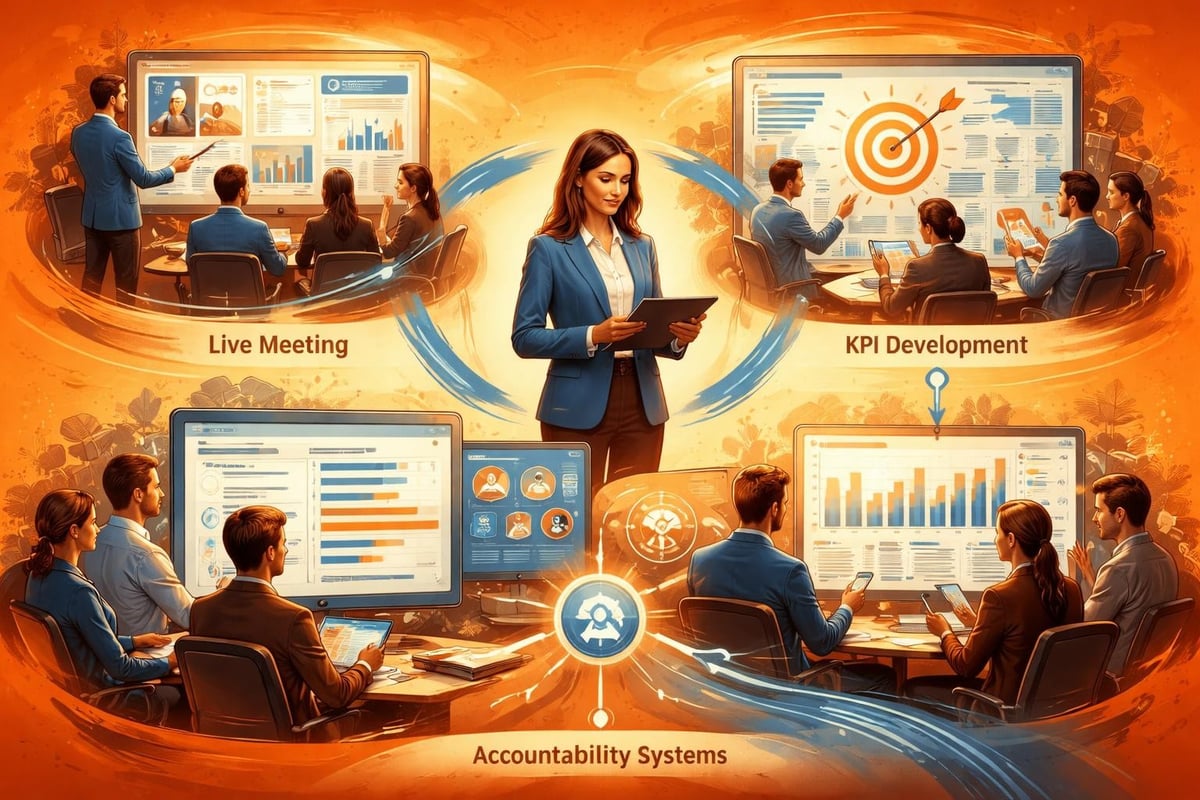
The best life coach in a corporate context operates fundamentally differently from traditional personal development practitioners. These professionals integrate directly into your business operations rather than working from the sidelines. They understand KPIs, operational cadence, and how individual transformation connects to team performance and company metrics.
Key characteristics include:
- Direct involvement in leadership meetings and decision-making processes
- Ability to measure progress through quantifiable business outcomes
- Focus on building accountability systems that outlast the coaching engagement
- Experience with mid-market company dynamics and scaling challenges
Unlike coaches who rely heavily on credentials alone, the most effective practitioners combine theoretical knowledge with hands-on business experience. They recognize that best life coach certification programs provide foundational skills, but real-world application in corporate settings requires additional competencies.
Moving Beyond Personal Development Rhetoric
Traditional life coaching often centers on self-discovery and personal fulfillment. While these elements matter, corporate coaching must translate individual growth into organizational value. The best life coach for business contexts balances personal transformation with clear business deliverables.
Consider the difference between a coach who helps an executive "find their authentic leadership voice" versus one who helps that same executive reduce decision-making time by 40 percent while improving team engagement scores by 25 percent. Both approaches may involve similar conversations, but only one creates measurable business impact.
Evaluating Coaching Approaches and Methodologies
Different coaching philosophies produce different outcomes. Renowned coaches each bring unique methodologies, from Rhonda Britten’s fear-based frameworks to Tony Gaskins’ relationship-focused approaches. In corporate settings, methodology matters less than adaptability and results orientation.
| Coaching Approach | Primary Focus | Best Application | Measurability |
|---|---|---|---|
| Executive Coaching | Leadership effectiveness | C-suite and senior leaders | High (KPIs, 360 assessments) |
| Team Facilitation | Group dynamics | Cross-functional teams | Medium (engagement, output) |
| Manager Training | People leadership | Frontline managers | High (retention, productivity) |
| Sales Coaching | Revenue performance | Sales organizations | Very high (quota attainment) |
The best life coach selections prioritize proven frameworks that align with your specific business challenges. Organizations exploring business coaching options should evaluate how each approach connects to their strategic priorities.
The ROI Question: Measuring Coaching Effectiveness
Accountability represents the dividing line between average coaching and exceptional results. The best life coach establishes clear success metrics before engagement begins and tracks progress relentlessly throughout the relationship.
Effective measurement systems include:
- Baseline assessment using 360-degree feedback and performance data
- Quarterly KPI reviews tied to specific business outcomes
- Regular stakeholder check-ins to validate perceived progress
- Post-engagement sustainability tracking to ensure lasting change
Organizations that implement structured performance coaching with defined metrics consistently see stronger returns than those relying on subjective improvement assessments. This data-driven approach also enables better coaching selection decisions over time.
Building Sustainable Leadership Capabilities
Short-term coaching engagements often create temporary improvements that fade once the coach departs. The best life coach builds internal capability that continues generating value long after formal coaching ends. This means developing managers who coach their teams, establishing regular operating rhythms, and creating accountability structures that function independently.
Valorie Burton’s work emphasizes sustainable positive psychology principles that organizations can internalize. Similarly, corporate coaches focused on building coaching cultures help companies develop self-sustaining improvement mechanisms.
Practical Selection Criteria for Corporate Coaching
Choosing the best life coach requires evaluating both technical competencies and cultural fit. Mid-market companies face unique challenges that differ from both small businesses and large enterprises, making specialized experience valuable.
Essential evaluation criteria:
- Business acumen: Does the coach understand P&L dynamics, resource constraints, and growth challenges?
- Flexibility: Can they adapt methodology to your industry and company culture?
- Transparency: Do they provide clear pricing, expectations, and success metrics upfront?
- Risk sharing: Are they willing to tie compensation to measurable outcomes?
Organizations committed to psychological safety at work should seek coaches who understand team dynamics and can work effectively with diverse leadership styles. The coaching relationship itself should model the accountability and transparency you want to build throughout the organization.
Contract Structure and Engagement Terms
Long-term contracts often misalign incentives between coaches and clients. The best life coach operates on terms that allow clients to evaluate results and adjust as needed. Month-to-month arrangements with clear performance milestones create natural accountability checkpoints.
This contrasts sharply with industry norms favoring extended commitments. While coaches benefit from longer guarantees, clients benefit from flexibility and the implicit quality commitment that comes when coaches must continually earn the relationship. Resources like accountability frameworks can help establish productive working agreements.
Integrating Coaching Into Operations
Effective coaching doesn't happen in conference rooms separate from real work. The best life coach participates in actual business activities where leadership challenges surface naturally. This includes joining strategic planning sessions, observing team interactions, and providing real-time guidance during critical moments.
| Integration Method | Description | Primary Benefit | Implementation Complexity |
|---|---|---|---|
| Meeting coaching | Coach participates in leadership meetings | Real-time feedback on decision-making | Medium |
| 360 assessments | Structured feedback from peers and reports | Data-driven development focus | Low |
| KPI scorecards | Regular metric reviews with coaching overlay | Clear progress tracking | Medium |
| Shadow coaching | Coach observes leaders in natural settings | Authentic behavioral insights | High |
Companies leveraging AI-enhanced coaching tools can supplement live coaching with continuous feedback mechanisms. However, technology should enhance rather than replace the human relationship central to effective coaching.

Addressing Common Implementation Challenges
Even with the best life coach, organizations encounter predictable obstacles during coaching implementation. Resistance from middle management, unclear success criteria, and competing priorities can undermine otherwise strong coaching relationships. Success requires executive sponsorship, transparent communication about coaching goals, and patience as new behaviors take root.
Resources exploring toxic leadership patterns help identify and address cultural barriers to effective coaching. Similarly, understanding various coaching specializations enables better matching between organizational needs and coach capabilities.
Building a Coaching Culture Beyond Individual Engagements
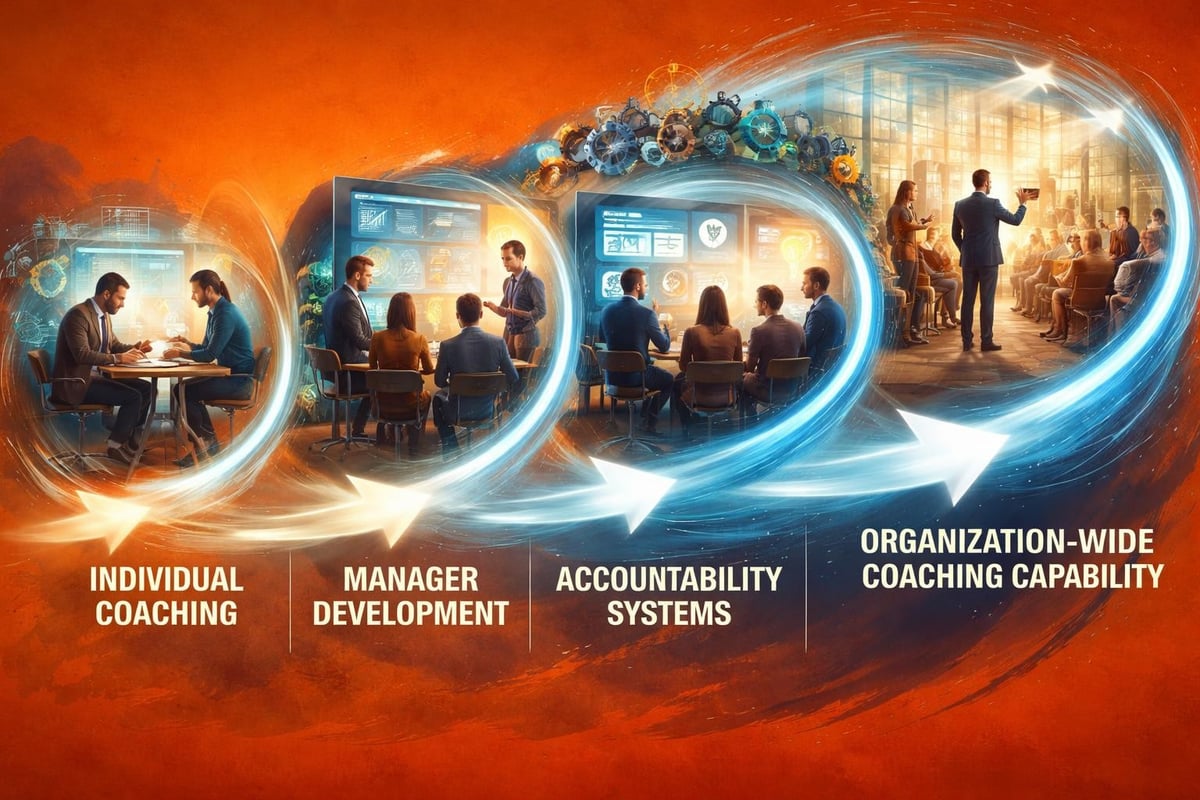
The ultimate goal extends beyond improving individual leaders to creating organizations where coaching becomes a natural leadership capability. The best life coach helps develop managers who regularly coach their direct reports, establishing cascading accountability throughout the organization.
This transformation requires systematic manager training, ongoing reinforcement, and visible executive modeling. When senior leaders demonstrate coaching behaviors consistently, middle managers follow suit, creating cultural change that persists regardless of external coaching support. Organizations investing in comprehensive leadership development programs build this capability intentionally rather than hoping it emerges organically.
Finding the best life coach means prioritizing measurable business outcomes, operational integration, and sustainable capability building over credentials alone. If you're ready to move beyond theoretical coaching toward practical interventions that deliver visible results, Noomii connects mid-market companies with coaches who work month-to-month, participate live in your operations, and tie their success directly to yours. We help build accountable leaders and teams through executive coaching, manager training, and facilitation that drives faster decisions, stronger communication, and cleaner execution across your priorities.


Leave a Reply
Want to join the discussion?Feel free to contribute!