
Coach of a Team: Leadership Development Strategies
The role of a coach of a team extends far beyond traditional management approaches. In today's complex organizational landscape, effective team coaching requires strategic insight, behavioral expertise, and the ability to navigate intricate group dynamics while driving measurable business outcomes. Organizations that invest in structured team coaching report higher engagement levels, improved decision-making capabilities, and stronger alignment between individual contributions and strategic objectives. The distinction between managing a team and coaching one lies in the fundamental approach: management focuses on task completion while coaching develops capability, resilience, and self-directed performance.
The Strategic Value of Team Coaching in Modern Organizations
Corporate leadership teams face unprecedented challenges in 2026. The coach of a team must address hybrid work dynamics, generational diversity, technological disruption, and increasing demands for transparency and ethical leadership. These pressures require more than administrative oversight; they demand transformative coaching that reshapes how teams think, collaborate, and execute.
Organizations implementing team coaching programs that drive sustainable results report significant improvements in key performance indicators. Research demonstrates that teams receiving structured coaching interventions show 32% higher productivity and 47% better retention rates compared to those relying solely on traditional management structures.
The business case for investing in a coach of a team becomes evident when examining Fortune 500 performance data. Companies with established team coaching frameworks consistently outperform competitors in innovation metrics, employee satisfaction scores, and market responsiveness.
Defining the Coach of a Team Role
A coach of a team operates at the intersection of psychology, business strategy, and organizational development. This role encompasses several critical functions:
- Diagnostic Assessment: Identifying behavioral patterns, communication gaps, and structural inefficiencies that impede team performance
- Capability Building: Developing individual and collective skills that enhance problem-solving, decision-making, and collaboration
- Accountability Systems: Creating frameworks that ensure follow-through on commitments and measurable progress toward objectives
- Cultural Alignment: Ensuring team behaviors reflect organizational values and strategic priorities
- Conflict Navigation: Facilitating productive resolution of interpersonal tensions and competing priorities
The coach of a team must maintain objectivity while building trust, challenge existing assumptions while preserving psychological safety, and drive results while supporting individual growth trajectories.
Evidence-Based Approaches to Team Coaching
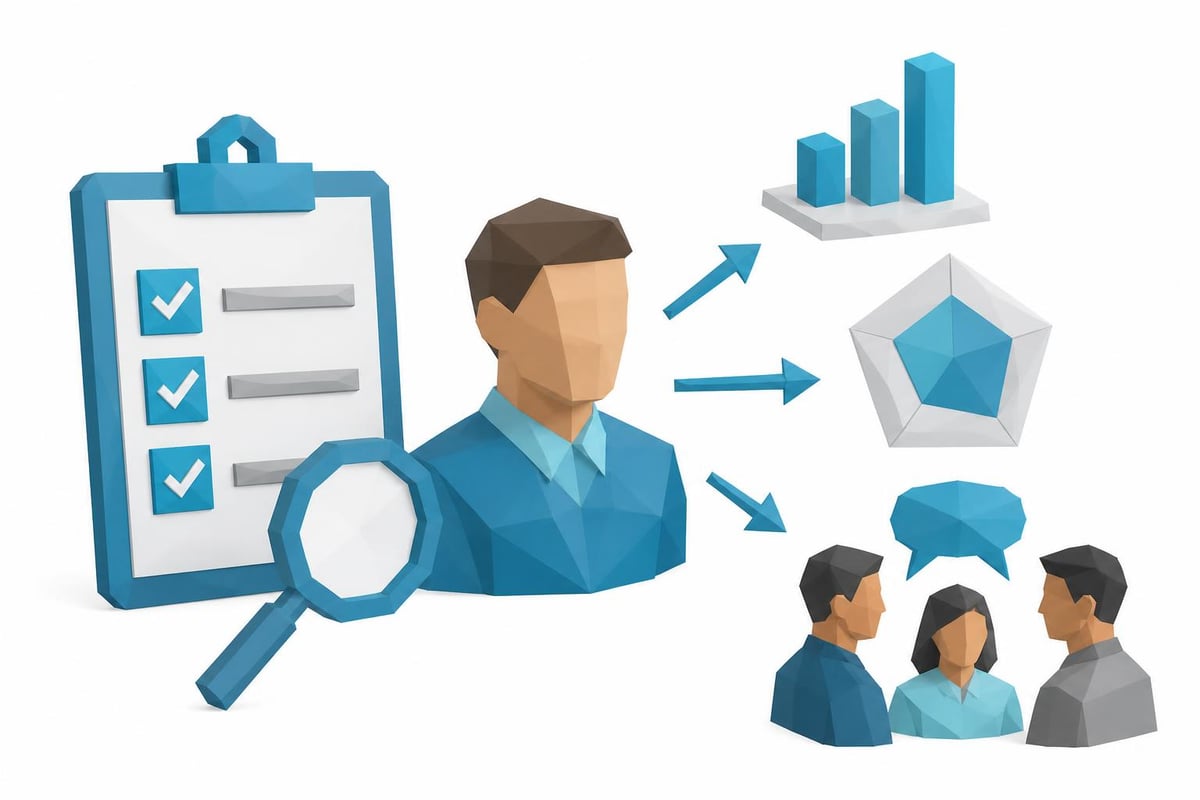
The most effective team coaching interventions rely on validated assessment methodologies and data-driven insights. A coach of a team should begin every engagement with comprehensive diagnostics that establish baseline metrics across multiple dimensions.
Assessment Categories for Team Effectiveness
| Assessment Area | Key Metrics | Business Impact |
|---|---|---|
| Communication Patterns | Response times, message clarity, feedback frequency | Reduces project delays by 28% |
| Decision-Making Quality | Decision speed, stakeholder alignment, outcome accuracy | Improves strategic execution by 35% |
| Psychological Safety | Speaking-up behaviors, risk-taking, innovation attempts | Increases creative solutions by 41% |
| Role Clarity | Responsibility understanding, boundary definition, handoff efficiency | Decreases redundancy by 23% |
| Accountability Adherence | Commitment follow-through, deadline compliance, ownership behaviors | Enhances delivery predictability by 38% |
Understanding the dynamics of team coaching requires recognizing that teams operate as complex adaptive systems. Every intervention creates ripple effects throughout the organizational network. The skilled coach of a team anticipates these consequences and designs interventions that strengthen rather than disrupt existing productive patterns.
Implementing Precision Coach Matching
Not every coach is suited for every team. The concept of precision matching recognizes that coaching effectiveness depends on alignment between the coach's expertise, the team's specific challenges, and the organizational context.
Critical matching criteria include:
- Industry Experience: Coaches with direct sector knowledge understand regulatory constraints, market dynamics, and competitive pressures
- Challenge Specialization: Specific expertise in areas such as conflict resolution, strategic planning, or performance optimization
- Cultural Competence: Ability to navigate organizational culture, leadership style preferences, and communication norms
- Methodology Alignment: Coaching approach compatibility with existing development frameworks and learning preferences
- Outcome Focus: Track record delivering measurable results in similar organizational contexts
When organizations match teams with appropriately specialized coaches, they see 67% faster progress toward development objectives and 53% higher satisfaction with coaching outcomes.
Building Targeted Intervention Plans
Generic coaching programs deliver generic results. The effective coach of a team develops customized intervention plans that address specific performance gaps while leveraging existing strengths. This requires thorough diagnosis, stakeholder input, and clear success criteria.
Structuring Effective Coaching Interventions
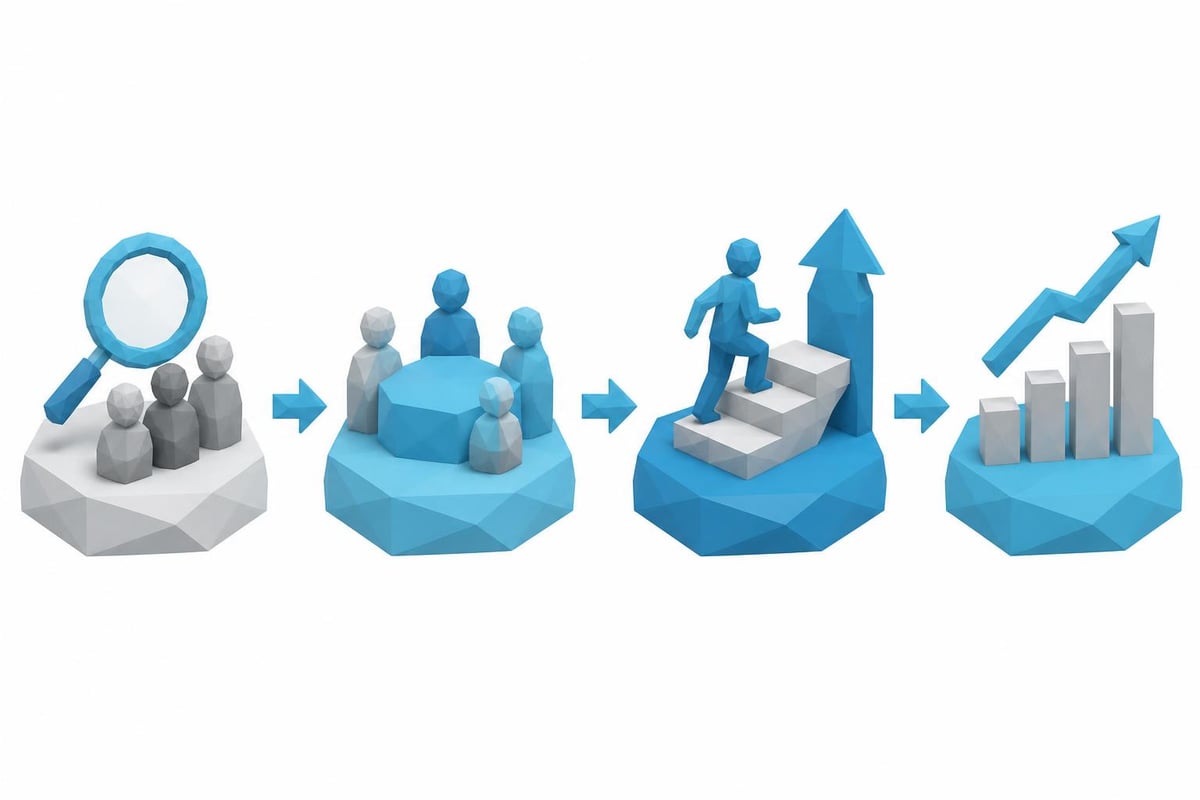
Phase 1: Discovery and Diagnosis (Weeks 1-3)
The coach of a team conducts individual interviews, observes team interactions, reviews performance data, and administers validated assessments. This phase identifies root causes rather than surface symptoms.
Phase 2: Design and Alignment (Weeks 4-5)
Based on diagnostic findings, the coach develops specific interventions addressing identified gaps. Stakeholders review and approve the coaching plan, ensuring alignment with organizational priorities and available resources.
Phase 3: Implementation and Practice (Weeks 6-20)
Teams engage in structured coaching sessions, skill-building exercises, and real-world application of new approaches. The coach of a team provides observation, feedback, and course corrections throughout this intensive development period.
Phase 4: Measurement and Sustainment (Weeks 21-26)
Final assessments measure progress against baseline metrics. The coach transitions from active intervention to periodic reinforcement, ensuring new behaviors become embedded practices.
Organizations seeking to establish psychological safety in workplace environments find that structured coaching interventions create the foundation for open communication and productive risk-taking.
Addressing Toxic Leadership and Dysfunction
The coach of a team often confronts difficult behavioral patterns that undermine organizational effectiveness. Toxic leadership manifests in multiple forms: micromanagement that stifles initiative, favoritism that breeds resentment, blame cultures that prevent learning, and inconsistent standards that create confusion.
Intervention Strategies for Toxic Patterns
Micromanagement Correction
- Establish clear decision rights and authority boundaries
- Implement structured delegation protocols with defined check-in points
- Develop leader self-awareness around control tendencies and underlying anxieties
- Create accountability systems that don't require constant oversight
Trust Rebuilding After Betrayal
When leaders violate trust through dishonesty, favoritism, or broken commitments, the coach of a team must facilitate a structured repair process. This includes acknowledgment of harm, demonstration of changed behavior, and gradual restoration of confidence through consistent actions.
The repair timeline extends significantly longer than the initial damage. Research indicates that rebuilding trust requires five positive interactions for every negative experience, and complete restoration may take 6-18 months depending on severity.
Conflict Resolution Frameworks
High-performing teams don't avoid conflict; they navigate it productively. The coach of a team teaches structured approaches to disagreement that preserve relationships while reaching sound decisions. Effective coaching practices emphasize curiosity over judgment, interest-based problem-solving over positional bargaining, and systemic thinking over blame assignment.
Measuring Coaching Impact and ROI
Executive leadership demands evidence of return on investment for all development initiatives. The coach of a team must establish clear metrics, track progress systematically, and demonstrate tangible organizational benefits.
Key Performance Indicators for Team Coaching
Individual Development Metrics
- Leadership competency scores across validated assessment dimensions
- 360-degree feedback improvements from direct reports, peers, and supervisors
- Behavioral change frequency measured through observation protocols
- Goal achievement rates for personal development objectives
Team Performance Metrics
- Project delivery timeline adherence and budget compliance
- Quality metrics including error rates, rework frequency, and client satisfaction
- Innovation indicators such as new ideas generated and implemented
- Collaboration efficiency measured through meeting effectiveness and decision speed
Organizational Impact Metrics
- Employee engagement scores within coached teams versus organizational baseline
- Retention rates for team members and the team as a cohesive unit
- Promotion rates indicating leadership pipeline development
- Revenue or cost impact attributable to improved team performance
Organizations implementing comprehensive measurement frameworks report 89% satisfaction with coaching investments compared to 43% satisfaction when relying on subjective assessments alone.
The effective coach of a team translates behavioral improvements into business language. Rather than reporting "better communication," they demonstrate "23% reduction in project delays caused by miscommunication." This translation makes the abstract concrete and the subjective measurable.
Scalable Solutions for Enterprise Organizations
Fortune 500 companies and government agencies require coaching solutions that maintain quality while serving hundreds or thousands of leaders simultaneously. The coach of a team working at enterprise scale must leverage technology, standardized methodologies, and networked expertise.
Building Coaching Infrastructure
Technology-Enabled Coaching Platforms
Modern team coaching relies on digital infrastructure that facilitates scheduling, progress tracking, resource distribution, and outcome measurement. These platforms enable:
- Automated assessment administration and scoring
- Secure communication channels for confidential coaching conversations
- Progress dashboards providing real-time visibility to stakeholders
- Resource libraries offering just-in-time learning materials
- Analytics engines identifying patterns across coaching engagements
Standardized Methodologies with Customization Flexibility
Enterprise coaching programs balance consistency and customization. The coach of a team applies core frameworks proven effective across contexts while adapting specific tactics to unique circumstances. This approach ensures quality control while respecting organizational diversity.
Network Effects Through Coach Communities
Organizations building internal coaching networks or partnering with external coaching providers benefit from knowledge sharing across the coach community. When coaches collaborate, they accelerate problem-solving, avoid reinventing solutions, and elevate collective expertise.
Harnessing the power of team coaching at scale requires intentional design of these supporting systems and structures.

Compliance and Governance Considerations
Government agencies and regulated industries face unique constraints when implementing team coaching. The coach of a team must navigate confidentiality requirements, documentation standards, procurement regulations, and ethical guidelines while delivering effective development interventions.
Regulatory Alignment Strategies
Confidentiality Protocols
Coaching conversations require psychological safety, which depends on appropriate confidentiality boundaries. However, organizational settings create competing obligations around transparency and accountability.
Best practice frameworks establish clear guidelines:
- Individual coaching content remains confidential except when required by law or safety concerns
- Team coaching observations may be shared with sponsors in aggregated, de-identified form
- Progress reports focus on behavioral changes and outcomes rather than conversation details
- Informed consent processes clarify confidentiality boundaries before coaching begins
Documentation and Record Retention
Organizations must balance thorough documentation with privacy protection. The coach of a team maintains records that demonstrate program integrity and effectiveness while protecting sensitive individual information.
Ethical Standards and Professional Boundaries
Professional coaching associations establish ethical codes governing coach behavior. These standards address conflicts of interest, scope of practice limitations, referral obligations, and professional development requirements. Organizations partnering with external coaches should verify adherence to recognized ethical frameworks.
The Future of Team Coaching in Corporate Settings
The profession continues evolving as organizational challenges grow more complex and research reveals new insights about team effectiveness. The coach of a team in 2026 operates differently than coaches did even five years ago, and the trajectory suggests continued transformation.
Emerging Trends Reshaping Team Coaching
Remote and hybrid team dynamics require new coaching approaches that account for reduced spontaneous interaction, technology-mediated communication challenges, and distributed decision-making. The coach of a team must develop expertise in virtual facilitation, asynchronous collaboration, and digital team culture.
Artificial intelligence tools are augmenting coaching by providing real-time feedback on communication patterns, predicting team dynamics risks, and personalizing development recommendations. While technology enhances capability, the human judgment and relational depth provided by skilled coaches remains irreplaceable.
Neuroscience research continues revealing how teams learn, make decisions, and respond to stress. The coach of a team increasingly incorporates brain-based insights into intervention design, helping teams work with rather than against their neurological patterns.
Diversity, equity, and inclusion imperatives demand that coaches address systemic barriers and unconscious biases that limit team effectiveness. The modern coach of a team recognizes how power dynamics, cultural assumptions, and historical patterns shape current interactions.
Developing Internal Coaching Capability
Forward-thinking organizations build internal coaching capability rather than relying exclusively on external resources. This approach offers several advantages:
- Lower long-term costs as internal coaches serve multiple teams over extended periods
- Greater organizational context knowledge enabling faster diagnosis and more relevant interventions
- Cultural reinforcement as coaching becomes embedded in leadership practice rather than episodic intervention
- Scalability allowing coaching to reach lower organizational levels economically
However, internal coaching programs face challenges including boundary management, credibility establishment, and resource allocation. The hybrid model combining internal coaching capability with external expertise for specialized situations often delivers optimal results.
Organizations can learn from structured team coaching programs when designing their internal capability development initiatives.
Integration with Leadership Development Ecosystems
Team coaching delivers maximum value when integrated with broader leadership development systems rather than implemented as standalone intervention. The coach of a team should connect coaching work to succession planning, performance management, strategic planning, and organizational design initiatives.
Creating Developmental Synergies
Performance Management Alignment
Team coaching reinforces performance management by translating organizational objectives into team-level goals and individual development priorities. When the coach of a team aligns coaching focus with performance priorities, leaders see direct connection between development activities and career advancement.
Succession Planning Integration
High-potential identification and development represents a critical organizational capability. Team coaching accelerates leadership readiness by providing intensive development experiences that compress learning timelines. Organizations can identify emerging leaders through team coaching engagements and provide targeted development addressing specific readiness gaps.
Strategic Execution Support
Strategy implementation fails more often from execution breakdowns than poor strategy formulation. The coach of a team bridges the gap between strategic intent and operational reality by helping teams translate vision into action, overcome implementation obstacles, and adapt to changing circumstances while maintaining strategic alignment.
Cultural Transformation Catalysts
When organizations pursue significant cultural change, team coaching serves as a primary implementation mechanism. The coach of a team models desired behaviors, challenges inconsistencies between stated values and actual practices, and reinforces new patterns until they become self-sustaining.
The comprehensive approach recognizes that team coaching doesn't exist in isolation but rather operates as one element within an integrated leadership development ecosystem designed to build organizational capability systematically.
Effective team coaching transforms organizational performance by developing leadership capability, strengthening team dynamics, and driving measurable business outcomes. Whether addressing toxic patterns, building collaboration, or accelerating strategic execution, the structured approach of a skilled coach of a team delivers returns that far exceed investment costs. Organizations ready to elevate their leadership development can explore how Noomii Leadership Coaching delivers precision-matched coaching solutions aligned with your strategic priorities. The program combines evidence-based diagnostics, specialized coach expertise, and scalable frameworks that integrate seamlessly with existing development initiatives while ensuring accountability throughout the transformation process.



Leave a Reply
Want to join the discussion?Feel free to contribute!