Wheel of Life: A Leadership Tool That Drives Results
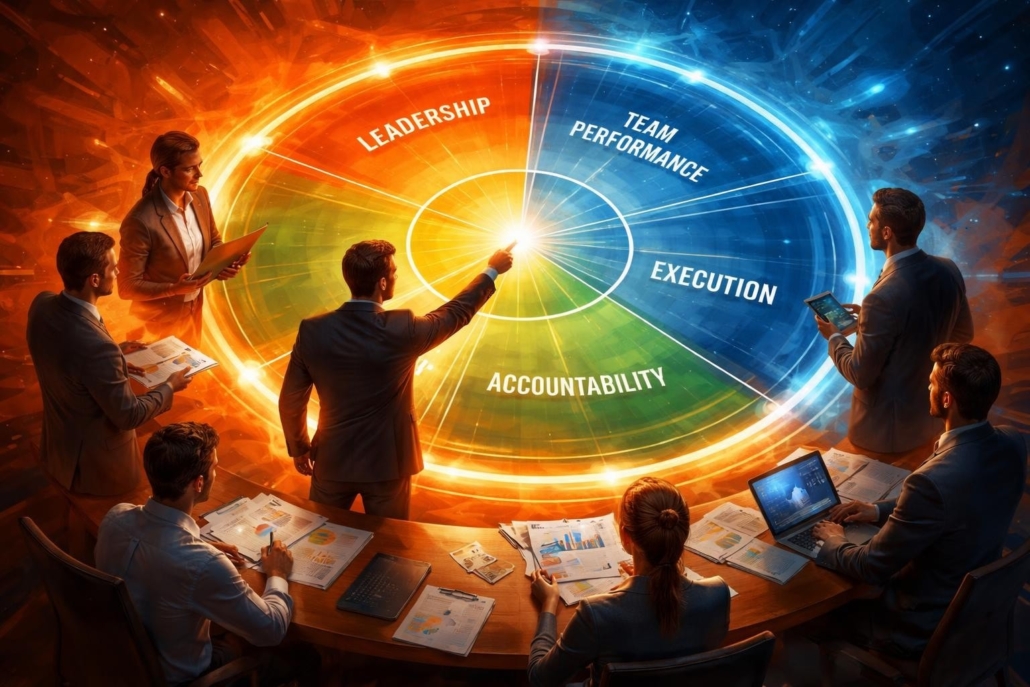
The wheel of life has become one of the most recognized assessment tools in professional coaching, yet many executives and managers underestimate its power as a strategic instrument. Originally designed for personal development, this diagnostic framework now serves as a critical starting point for leadership teams seeking clarity on priorities, identifying performance gaps, and aligning actions with measurable business outcomes. When deployed effectively within corporate coaching engagements, the wheel transforms from a simple self-assessment into a roadmap for accountability and execution.
Understanding the Wheel of Life Framework
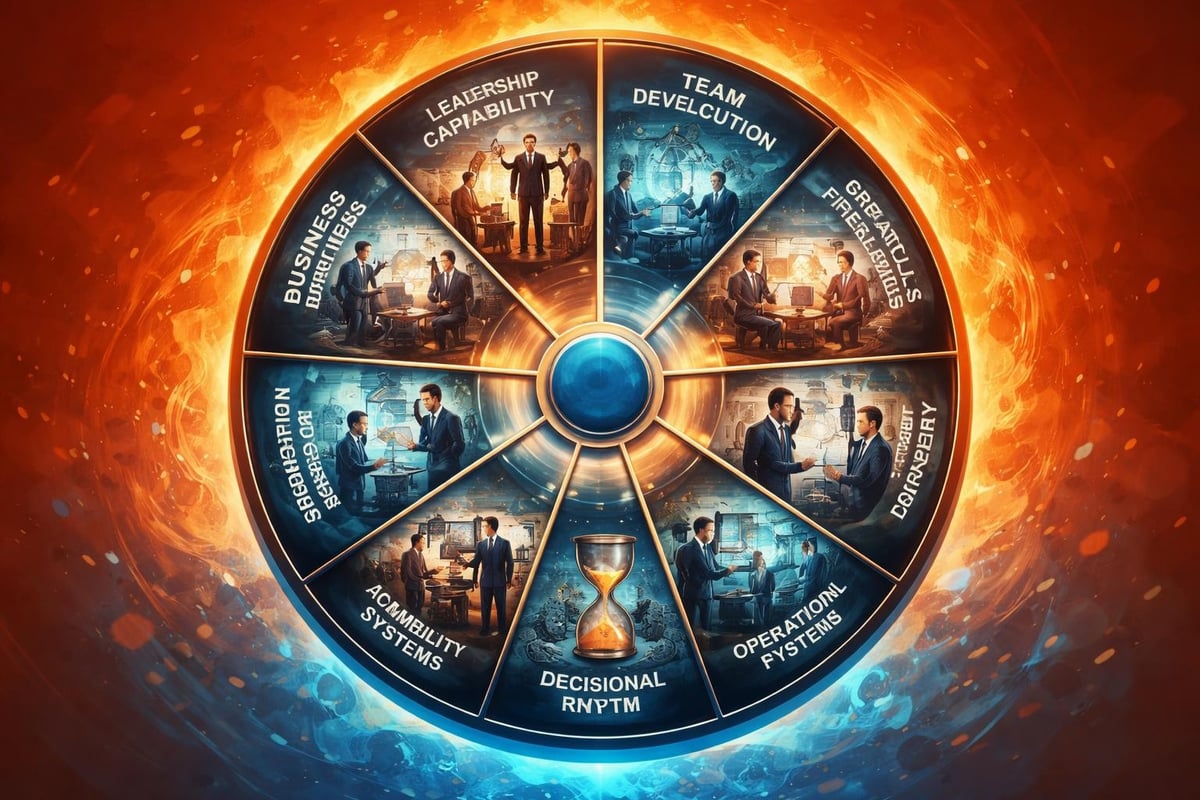
The wheel of life typically divides professional and personal domains into eight to twelve segments, each representing a critical area of focus. Common categories include career growth, financial performance, health and energy, relationships, leadership capability, time management, team dynamics, and strategic execution. Participants rate their current satisfaction or performance in each area on a scale from one to ten, creating a visual snapshot of balance and priority.
Simply Coach explains the origins and applications of this tool, highlighting how coaches use it to help clients identify imbalances and create action plans. The resulting diagram often reveals stark contrasts between areas of strength and neglect, making it immediately clear where focused attention will yield the highest returns.
For mid-market companies and Fortune 500 divisions, the value lies not in perfect balance but in strategic intentionality. A CFO might score high on financial acumen but low on team development, while a VP of Sales excels at relationship building yet struggles with execution discipline. These insights drive targeted coaching interventions rather than generic leadership programs.
Implementing the Wheel in Corporate Coaching Engagements
Successful deployment begins with customization. Generic wheels designed for life coaching fail to capture the nuances of organizational performance. Business coaches often adapt categories to reflect company-specific priorities such as customer retention, innovation pipeline, cross-functional collaboration, or market positioning.
The process follows a structured sequence:
- Initial Assessment: Leaders complete the wheel independently, rating each area based on current performance against desired outcomes
- Gap Analysis: Coaches facilitate discussion around the largest disparities between current state and goals
- Priority Selection: Teams identify two to three areas where improvement will create cascading benefits
- Action Planning: Specific, measurable initiatives are designed with clear ownership and timelines
- Progress Tracking: Regular check-ins measure movement in targeted areas, adjusting tactics as needed
UpCoach provides detailed guidance on implementing this assessment with clients, emphasizing the importance of linking scores to observable behaviors and results. This approach ensures the exercise generates actionable intelligence rather than abstract self-reflection.
Organizations leveraging accountability-focused coaching frameworks integrate wheel assessments into broader performance systems. When combined with KPI scorecards and operating cadences, the wheel becomes a diagnostic that feeds directly into weekly execution rhythms.
Connecting Wheel Insights to Business Outcomes
The true power emerges when wheel of life assessments drive measurable improvements in organizational performance. A manufacturing division leader scoring low on "decision speed" might implement weekly priority meetings, cutting approval cycles by forty percent. A regional sales director weak in "team coaching" could adopt structured one-on-one formats, increasing rep productivity and retention.
| Wheel Category | Common Gap | Coaching Intervention | Measurable Outcome |
|---|---|---|---|
| Leadership Capability | Delegation avoidance | Live meeting coaching, decision frameworks | 30% increase in direct report autonomy scores |
| Team Communication | Misaligned priorities | Weekly standup design, visual scorecards | 50% reduction in cross-functional conflicts |
| Strategic Execution | Initiative overload | Quarterly planning, focus discipline | 25% improvement in on-time project delivery |
| Accountability Systems | Vague ownership | Clear RACI matrices, review cadences | 40% faster issue resolution |
These connections transform the wheel from a snapshot into a strategic tool. Experienced executive coaches use baseline wheel scores as benchmarks, tracking progress over three, six, and twelve-month intervals to demonstrate ROI.

Avoiding Common Implementation Pitfalls
Many organizations attempt to use the wheel but fail to generate lasting impact. The most frequent mistakes include treating it as a one-time exercise, failing to connect scores to business metrics, allowing generic rather than customized categories, and neglecting follow-through on identified priorities.
Family Centered Coaching outlines best practices for using the tool effectively, emphasizing the need for ongoing reassessment and accountability. Without structured follow-up, initial insights fade and leaders revert to familiar patterns.
Another trap is perfectionism. The goal is not a perfectly balanced wheel but strategic focus on high-impact areas. A CEO might intentionally maintain a lower score in work-life integration during a critical growth phase while maximizing leadership development and market expansion. The wheel clarifies trade-offs rather than demanding universal excellence.
Successful implementations also require psychological safety. When leaders fear judgment for low scores, they inflate ratings and undermine diagnostic accuracy. Coaches must establish trust and frame the exercise as a tool for growth rather than evaluation.
Integrating the Wheel into Leadership Development Programs
Progressive companies embed wheel assessments into broader development architectures. New managers complete an initial wheel during onboarding, identifying skills gaps that shape their first ninety days. Mid-level leaders revisit the tool quarterly as part of 360 leadership assessments, comparing self-perception with peer and direct report feedback.
Executive teams use collective wheels to diagnose organizational health. When all C-suite members score low on "cross-functional collaboration," it signals a systemic issue requiring structural intervention rather than individual coaching. Resources like Coachology’s free application make it easy to deploy assessments at scale while maintaining consistency.
The wheel also serves as a coaching conversation starter. Rather than abstract discussions about leadership philosophy, coaches ground sessions in concrete data. A leader scoring themselves a three in "manager training capability" opens specific dialogue about delegation, feedback skills, and team development systems.
Advanced Applications for Team Performance
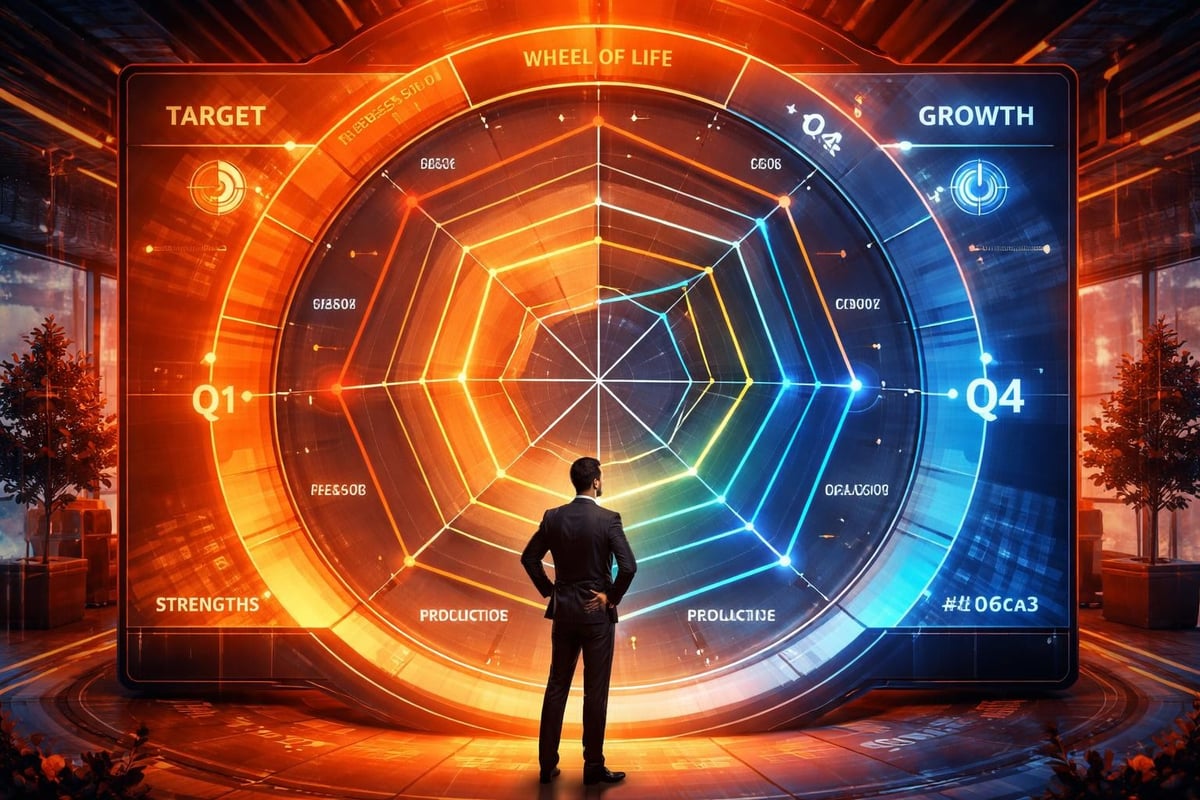
Beyond individual assessment, the wheel of life adapts for team-level diagnosis. Sales teams might evaluate categories like pipeline health, customer engagement, cross-selling effectiveness, forecast accuracy, and territory coverage. Operations groups focus on process efficiency, quality metrics, safety performance, innovation adoption, and supplier relationships.
Team wheels reveal collective blind spots and misaligned priorities. When marketing scores high on creative output but low on sales alignment, it highlights the need for tighter collaboration protocols. When finance excels at reporting but struggles with business partnership, coaching can address relationship building and communication styles.
Monthly team wheel check-ins create shared accountability. Teams publicly commit to moving specific scores, celebrating progress and troubleshooting obstacles together. This approach builds cohesion while driving results, transforming the wheel from an individual exercise into a team performance tool.
The wheel of life provides executives and teams with a clear, visual framework for identifying priorities and measuring progress on what matters most. When implemented with discipline and connected to measurable business outcomes, it moves beyond self-reflection to become a strategic advantage. Noomii Corporate Coaching integrates wheel assessments into comprehensive leadership development programs that deliver faster decisions, stronger accountability, and cleaner execution. With month-to-month terms and coaching tied directly to your KPIs, we help mid-market companies build leaders who drive results rather than just attend workshops.


Leave a Reply
Want to join the discussion?Feel free to contribute!