
Life Coaches Near Me: A Complete Guide for 2026
Finding the right support for personal or professional growth starts with a simple search: life coaches near me. That query represents millions of individuals and organizations seeking clarity, accountability, and measurable progress. The life coaching industry has evolved significantly, with over 109,000 life coaching businesses operating in the United States, reflecting growing recognition that structured guidance accelerates results. Whether you're an executive seeking sharper decision-making skills or a manager building stronger team dynamics, understanding how to navigate local coaching options ensures you invest wisely in your development.
Understanding the Life Coaching Landscape
The coaching industry has matured beyond simple motivational conversations. Recent industry statistics show that coaching now encompasses specialized niches including executive coaching, leadership development, and performance optimization. When searching for life coaches near me, you'll encounter practitioners with varying expertise levels, methodologies, and outcome frameworks.
Key distinctions in today's coaching market include:
- Certification levels and professional training backgrounds
- Specialization areas (leadership, career transitions, team dynamics)
- Methodology (action-oriented vs. exploratory)
- Measurement frameworks and KPI tracking
- Engagement models (hourly, project-based, retainer)
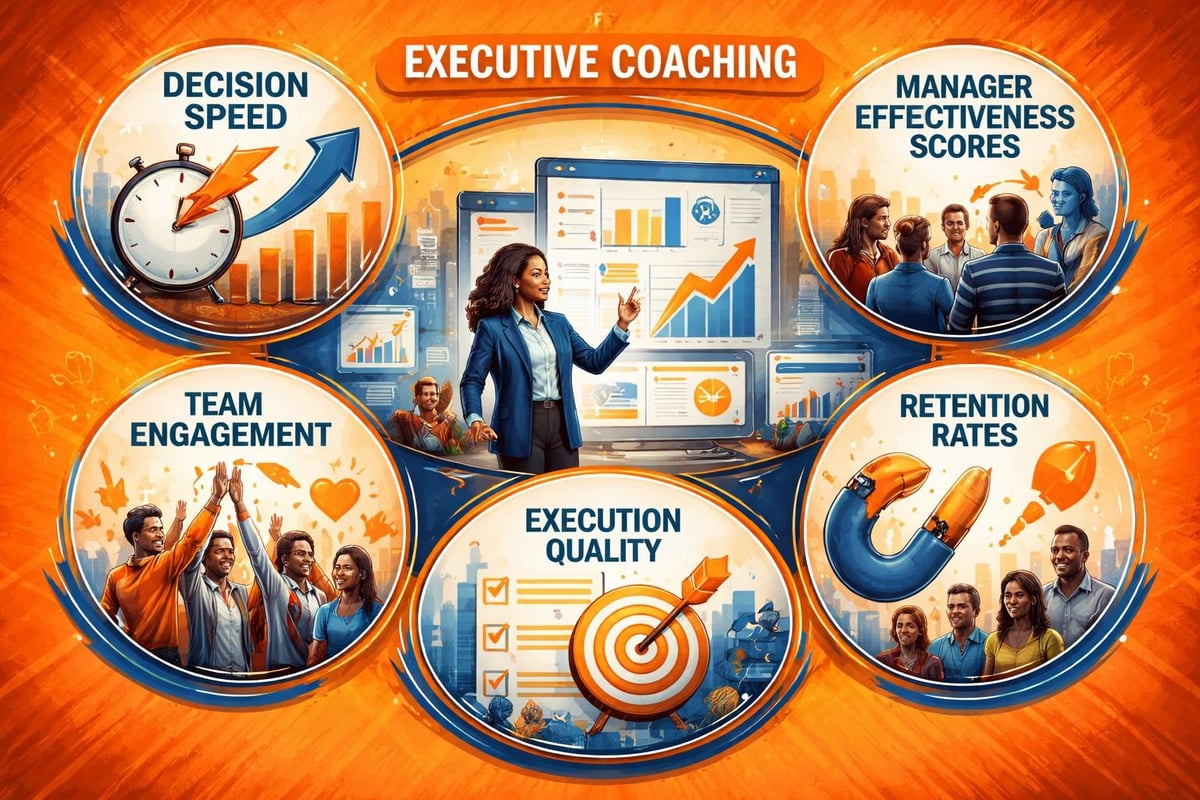
The best coaches focus less on credentials alone and more on delivering tangible business outcomes. Corporate coaching, specifically, demands practitioners who understand organizational dynamics, can coach live in meetings, and tie interventions directly to measurable improvements in decision velocity, retention, and execution quality.
What to Look for Beyond "Life Coaches Near Me"
Geographic proximity matters less in 2026 than it did five years ago. Technology enables effective remote coaching relationships while maintaining accountability and progress tracking. However, certain situations benefit from in-person engagement, particularly team coaching and leadership assessments conducted within your organizational environment.
Evaluating Coach Credentials and Experience
Choosing the right coach requires looking past surface-level qualifications. Examine their track record with clients similar to your situation. A coach specializing in individual career transitions differs significantly from one who facilitates executive teams through strategic pivots.
Request specific examples of how previous clients achieved measurable outcomes. Generic testimonials provide limited value compared to concrete data: retention improvements, revenue growth percentages, time-to-decision reductions, or engagement score increases.
| Evaluation Criteria | What to Ask | Red Flags |
|---|---|---|
| Outcome Tracking | "How do you measure progress?" | Vague references to "feeling better" |
| Business Acumen | "What KPIs have you improved?" | No mention of ROI or business metrics |
| Engagement Model | "What's your contract structure?" | Lengthy lock-in periods |
| Methodology | "How do you work live with teams?" | Only one-on-one theoretical sessions |
The Corporate Coaching Advantage
Organizations searching for life coaches near me often need something more robust than personal development coaching. Corporate environments require coaches who understand operating cadences, can implement accountability systems, and deliver results that show up in quarterly reviews.
Performance coaches working with mid-market companies tackle specific challenges:
- Managers who avoid difficult conversations
- Teams that miss execution deadlines consistently
- Leadership groups making slow, consensus-driven decisions
- Sales organizations struggling with conversion rates
- High-potential employees seeking growth but lacking clear development paths
The distinction between effective corporate coaching and theoretical approaches lies in implementation. Rolling up sleeves and coaching managers during actual team meetings produces faster behavior change than monthly reflection sessions. Building KPI scorecards that track leading indicators creates accountability that abstract goal-setting cannot match.
Modern Technology Integration
AI integration in coaching is reshaping how practitioners deliver value. Platforms now enable continuous feedback collection, progress dashboards, and automated accountability check-ins between sessions. This technology supports, rather than replaces, human coaching relationships by providing data that informs live coaching conversations.
Specialized Coaching for Specific Needs
While broad searches for life coaches near me return general practitioners, targeted searches yield better matches. Organizations benefit from coaches with expertise in their specific challenges. A business coach focused on scale-up challenges brings different value than an executive coach specializing in C-suite effectiveness.
Common specialization areas include:
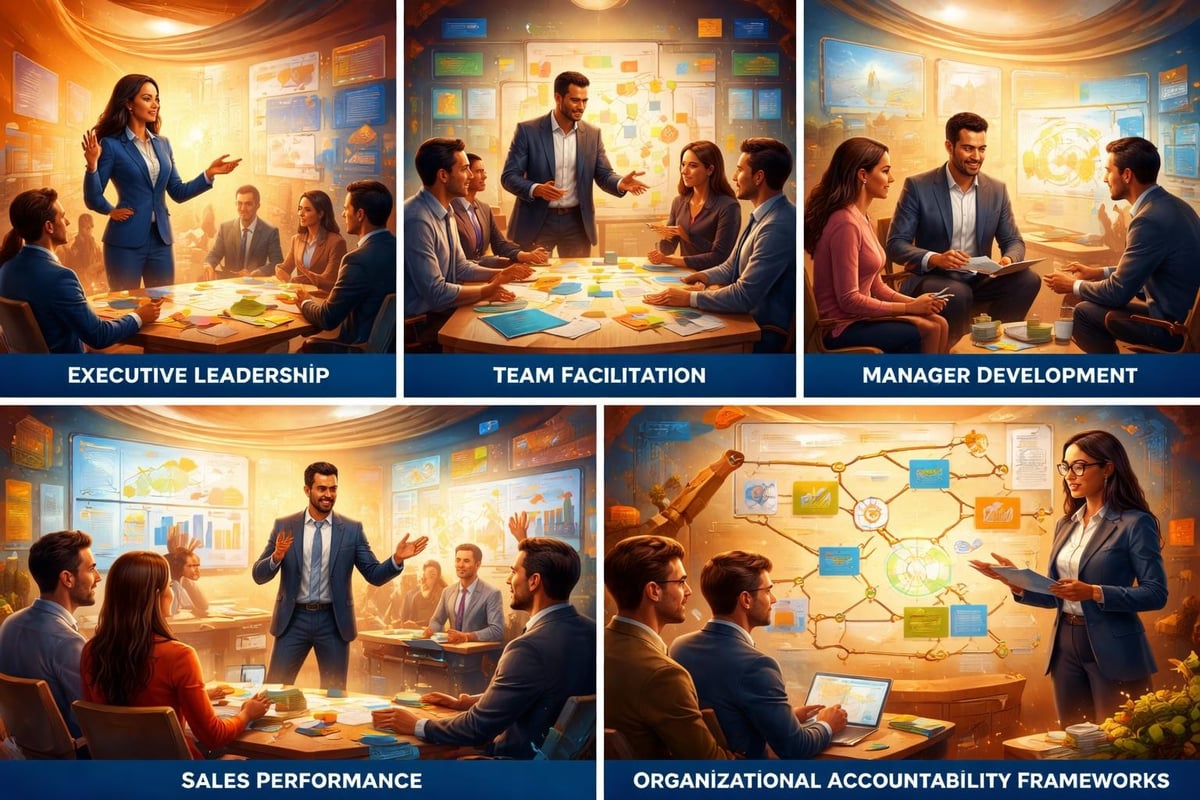
- Executive Coaching – C-suite and senior leadership development focusing on strategic thinking and organizational impact
- Manager Training – Building coaching capabilities in frontline and middle managers
- Team Facilitation – Structured interventions improving team dynamics and collective performance
- Sales Coaching – Pipeline management, conversion optimization, and retention strategies
- 360 Assessments – Comprehensive leadership evaluations with actionable development plans
Geographic-specific searches like those for coaches in Austin, Texas or Jacksonville, Florida help when in-person work matters, but focus first on specialization match rather than zip code proximity.
Engagement Models That Reduce Risk
Traditional coaching engagements lock clients into lengthy contracts regardless of results. This model misaligns incentives and leaves organizations paying for services that may not deliver promised outcomes. Month-to-month arrangements with clear KPI targets create healthy accountability for both coach and client.
Recent coaching trends show increasing client preference for flexible, results-oriented agreements. Shared risk models, where coaching fees tie partially to achievement of specific metrics, demonstrate coach confidence in their methodology.
| Engagement Type | Duration | Payment Structure | Best For |
|---|---|---|---|
| Project-Based | 3-6 months | Fixed fee | Specific initiatives (team launch, restructure) |
| Retainer | Month-to-month | Monthly fee with KPI milestones | Ongoing leadership development |
| Incentive-Aligned | 6-12 months | Base + performance bonus | Major transformation efforts |
| Hourly | As needed | Hourly rate | Occasional strategic support |
Making Your Search More Effective
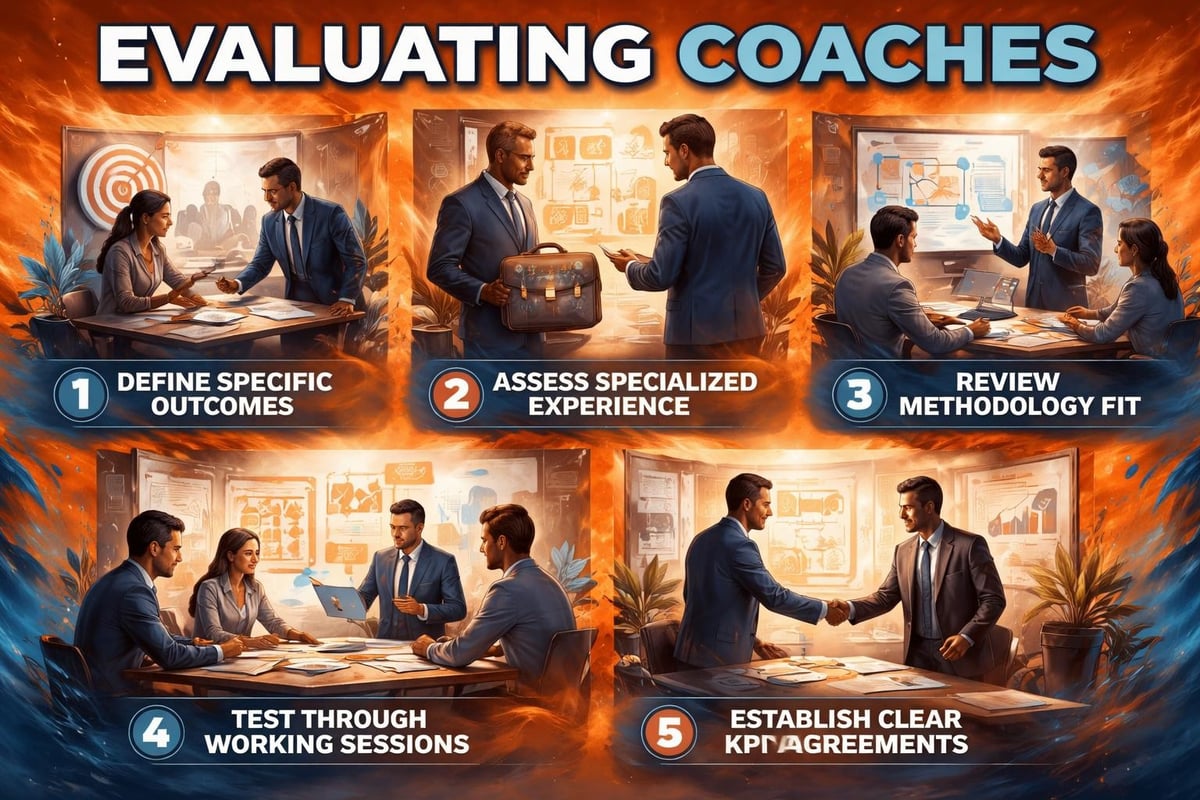
Searching for life coaches near me produces thousands of results. Refining your criteria accelerates the selection process. Start by defining the specific outcomes you need, then identify coaches who've delivered similar results in comparable contexts.
Draft a clear brief describing your situation, current challenges, and desired end state. Share this with potential coaches and evaluate their responses. Strong coaches will ask probing questions about your operating rhythm, team dynamics, and measurement frameworks rather than immediately proposing solutions.
Request a working session rather than a sales conversation. The best indicator of coaching quality is experiencing the coach's approach firsthand. A complimentary strategy session should leave you with at least one immediately actionable insight, demonstrating the coach's ability to diagnose issues and prescribe effective interventions.
The ROI of Professional Coaching
Investing in coaching requires justification like any business expense. Market analysis shows that organizations implementing structured coaching programs see measurable improvements in leadership effectiveness, employee engagement, and operational execution. The challenge lies in selecting coaches who commit to tracking these metrics rather than relying on subjective satisfaction surveys.
Calculate potential ROI before engaging a coach. If improving manager effectiveness reduces turnover by even 10 percent in a 100-person organization, the savings in recruitment and training costs typically exceed annual coaching investment. Similarly, accelerating decision-making by one week per quarter compounds significantly across annual strategic initiatives.
Noomii Corporate Coaching approaches engagements with this accountability mindset built in. Rather than abstract development conversations, sessions focus on real work: facilitating actual team meetings, building operational cadences that stick, and creating KPI dashboards that drive weekly execution. This practical approach, delivered on month-to-month terms, ensures you're paying for visible progress rather than theoretical concepts. For organizations seeking measurable coaching impact, exploring solutions through Accountabilitynow.net or similar platforms provides access to coaches committed to demonstrable business results.
Finding effective coaching support requires looking beyond simple proximity searches to evaluate specialization, methodology, and outcome commitment. Whether you need executive development, manager training, or team facilitation, the right coach delivers measurable improvements in decision speed, communication quality, and execution consistency. Noomii Corporate Coaching works month-to-month with mid-market companies, coaching live in your environment and tying all work to clear KPIs and ROI. If you want practical coaching that produces visible business results without lengthy contracts, explore how Noomii can accelerate your leadership and team effectiveness starting today.


Leave a Reply
Want to join the discussion?Feel free to contribute!