
Life Coach Jobs: What You Need to Know in 2026
The coaching industry has transformed dramatically over the past decade, and life coach jobs have evolved from niche solo practices to structured corporate roles with measurable impact. In 2026, organizations recognize that developing people is no longer optional. Companies seeking competitive advantages invest in coaching professionals who can drive performance, enhance leadership capabilities, and create accountability frameworks that produce results. Whether you're exploring a career transition or expanding your coaching practice, understanding the landscape of life coach jobs will help you navigate opportunities that align with your skills and professional goals.
Understanding the Life Coach Jobs Market
The demand for professional coaches has expanded beyond traditional one-on-one client relationships. Today's life coach jobs span multiple sectors, including healthcare, technology, finance, and education. Corporate environments increasingly hire internal coaches or contract with experienced professionals who can integrate seamlessly with existing teams.
Market growth drivers include:
- Remote work creating new challenges around communication and engagement
- Leadership gaps as experienced managers retire
- Recognition that employee development directly impacts retention
- Demand for accountability systems that tie coaching to business outcomes
- Expansion of wellness programs beyond basic health benefits
Organizations now seek coaches who understand business metrics, not just personal development theory. This shift has created opportunities for coaches who can demonstrate ROI and work within corporate structures while maintaining coaching integrity.

Career Paths and Specializations
Life coach jobs encompass diverse specializations, each requiring distinct skills and expertise. Understanding these pathways helps you identify where your strengths align with market needs.
Corporate and Executive Coaching Roles
Corporate coaching positions represent the fastest-growing segment. These roles involve working with mid-level managers, executives, and leadership teams to improve decision-making, communication, and strategic execution. Many performance coaches work directly within organizations, attending meetings, facilitating team sessions, and providing real-time feedback.
Companies value coaches who can:
- Establish clear KPIs linked to coaching outcomes
- Navigate organizational politics professionally
- Deliver tough feedback with empathy
- Facilitate difficult conversations between team members
- Translate abstract goals into actionable behaviors
Independent Practice and Consulting
Some professionals prefer building independent coaching practices, offering flexibility and autonomy. This path requires strong marketing skills, business acumen, and the ability to generate consistent client flow. Platforms like Noomii connect independent coaches with clients seeking specific expertise, whether that's career coaching or business strategy.
Remote and Hybrid Opportunities
The rise of remote work has created new possibilities for coaches willing to work virtually. Remote coaching jobs allow professionals to serve clients globally while maintaining location independence. This model works particularly well for niche specializations where local demand may be limited.
| Specialization | Typical Setting | Key Skills Required | Salary Range |
|---|---|---|---|
| Executive Coaching | Corporate, In-person/Hybrid | Business acumen, facilitation, assessment | $90,000-$200,000+ |
| Team Coaching | Corporate, On-site | Group dynamics, conflict resolution, systems thinking | $75,000-$150,000 |
| Career Coaching | Independent/Platform | Resume review, interview prep, networking | $50,000-$100,000 |
| Wellness Coaching | Healthcare/Corporate | Behavior change, health literacy, motivation | $45,000-$85,000 |
Qualifications and Professional Development
While life coach jobs don't universally require specific degrees, credibility matters significantly in corporate environments. Organizations hiring coaches typically look for:
Educational background in psychology, business, organizational development, or related fields provides foundational knowledge. Many successful corporate coaches hold advanced degrees that complement their coaching certification.
Professional certification from recognized bodies demonstrates commitment to ethical standards and coaching competencies. Corporate clients often require credentials from established programs before engaging coaches for leadership development work.
Industry experience separates theoretical coaches from practical ones. Corporate settings value coaches who've managed teams, driven projects, or led organizations. This real-world perspective enables coaches to understand the pressures clients face and offer relevant guidance.
Continuous learning keeps coaches current with emerging research, methodologies, and tools. Attending workshops, pursuing advanced certifications, and engaging with professional communities maintains competitive advantages in a crowded market.
According to comprehensive salary data, compensation for life coach jobs varies significantly based on specialization, experience, and employment setting. Coaches working inside organizations typically earn structured salaries with benefits, while independent practitioners' income depends on client volume, pricing strategy, and market positioning.

Finding and Securing Coaching Positions
The job search process for coaching roles differs from traditional employment paths. Success requires strategic networking, personal branding, and demonstrated expertise.
Building Your Professional Presence
Establish credibility before actively seeking positions. This includes:
- Creating a clear niche that differentiates you from generalist coaches
- Developing case studies that demonstrate measurable client outcomes
- Publishing thought leadership through articles, videos, or speaking engagements
- Maintaining an updated profile on coaching directories
- Gathering testimonials from clients willing to speak about specific results
Networking Strategically
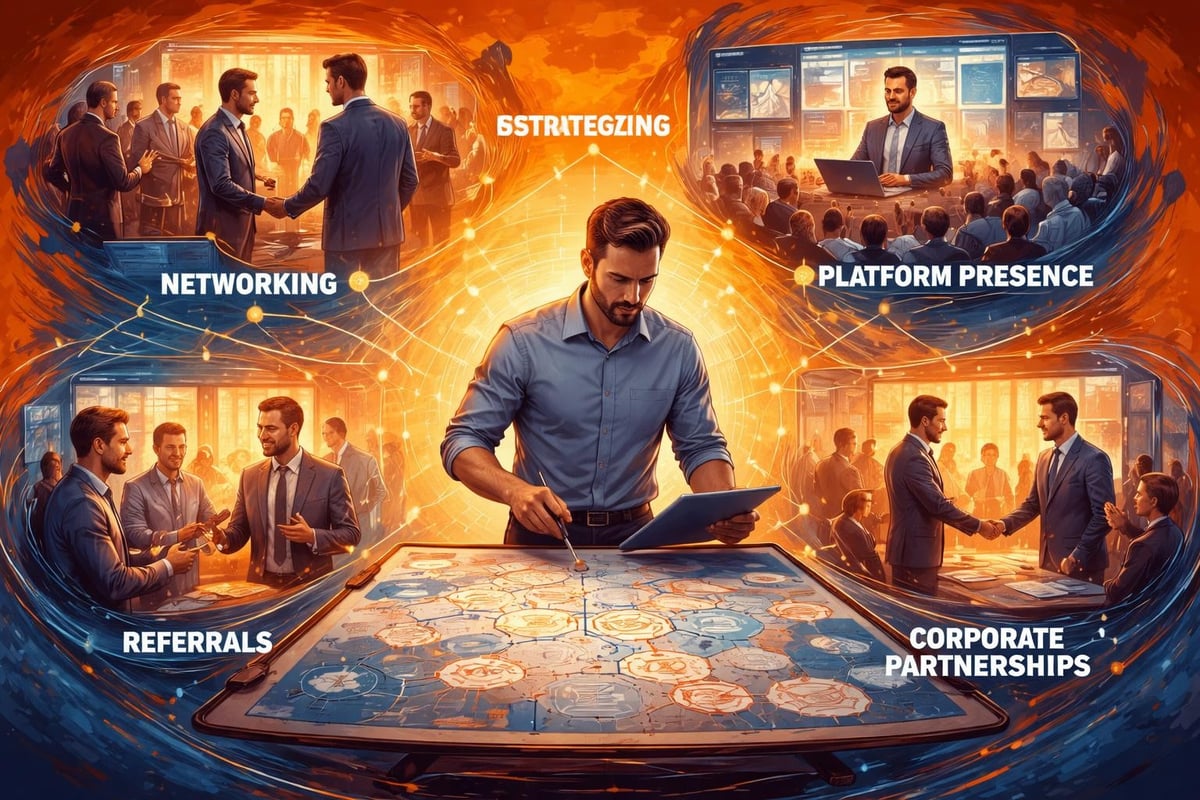
Many life coach jobs never reach public job boards. Opportunities emerge through professional relationships, referrals, and industry connections. Attending business events, joining professional associations, and engaging in online communities where potential clients gather increases visibility.
Leadership coach positions often come through relationships with HR professionals, learning and development directors, and organizational consultants. These gatekeepers need reliable coaches they can recommend with confidence.
Demonstrating Value Proposition
When pursuing corporate opportunities, frame your services around business outcomes rather than coaching methodologies. Instead of discussing your certification or approach, focus on:
- How you've helped previous clients achieve specific goals
- Metrics that improved under your guidance
- Systems you've implemented that created lasting change
- Ways you align coaching with organizational priorities
Companies need coaches who understand that they're investing in results, not just professional development hours. Organizations that work with resources like accountability frameworks expect coaches to integrate measurement and progress tracking into their work.
Current Industry Trends and Opportunities
Several emerging trends are reshaping life coach jobs in 2026. Staying informed about these shifts helps position your career for future growth.
AI and technology integration has changed how coaches deliver services, track progress, and manage client relationships. Coaches who embrace AI tools for business coaching gain efficiency advantages while maintaining the human connection that makes coaching effective.
Hybrid coaching models combine group programs, one-on-one sessions, and self-directed learning. This approach allows coaches to serve more clients while maintaining personalized attention for high-impact moments.
Psychological safety focus has become central to team coaching work. Organizations recognize that psychological safety drives innovation, honest communication, and risk-taking necessary for growth.
Outcome-based contracts are replacing time-based arrangements. Forward-thinking coaches structure agreements around achieving specific milestones, sharing risk with clients and demonstrating confidence in their methods.
Recent job opening analyses show increased demand for coaches who can work with entrepreneurs, startup teams, and mid-market companies navigating rapid growth. These organizations need practical guidance, not theoretical frameworks.
Building Sustainable Income
Financial sustainability represents one of the biggest challenges in life coach jobs. Creating stable income requires strategic planning and diversification.
Multiple Revenue Streams
Successful coaches rarely rely on single income sources. Common revenue streams include:
- Individual coaching clients on retainer agreements
- Group coaching programs serving multiple clients simultaneously
- Corporate contracts for team facilitation and leadership development
- Assessment tools and 360 feedback services
- Workshop facilitation and speaking engagements
- Digital products like courses or templates
Pricing Strategy
Pricing coaching services appropriately balances market rates, experience level, and target client ability to pay. Understanding coaching job requirements and compensation helps establish competitive yet profitable pricing.
Corporate coaching typically commands higher rates than individual practice due to organizational budgets and expected ROI. Coaches working with business owners and entrepreneurs need to structure packages that align with client cash flow while ensuring their own financial goals.
| Income Strategy | Stability Level | Scalability | Time Investment |
|---|---|---|---|
| Corporate Contracts | High | Medium | High (initially) |
| Individual Clients | Medium | Low | High (ongoing) |
| Group Programs | Medium | High | Medium |
| Digital Products | Low (initially) | Very High | High (creation) |
| Speaking/Workshops | Low | Medium | Medium |
Professional Resources and Support
No coach succeeds in isolation. Leveraging professional resources accelerates career development and prevents common pitfalls.
Coaching directories provide visibility to potential clients actively seeking help. Platforms like Noomii offer searchable profiles where clients can find coaches based on specialization, location, and methodology.
Professional associations offer continuing education, ethical guidelines, and community support. These organizations help coaches stay current with industry standards and connect with peers facing similar challenges.
Practice management tools streamline administrative tasks, allowing coaches to focus on client work rather than scheduling, billing, and documentation. Efficiency in operations directly impacts profitability and client experience.
Mentorship relationships with experienced coaches provide guidance through career transitions, client challenges, and business decisions. Learning from others' experiences shortens the learning curve significantly.
Finding strategies for securing coaching positions often involves combining multiple approaches rather than relying on any single tactic.
Life coach jobs in 2026 offer meaningful career opportunities for professionals willing to align their expertise with client needs and market demands. The most successful coaches combine genuine care for client development with business acumen, accountability frameworks, and measurable outcomes. If you're looking to build accountable leaders and teams with coaching that delivers visible results, Noomii Corporate Coaching offers practical, KPI-driven approaches tied directly to business outcomes, with month-to-month terms and no long-term contracts required.


Leave a Reply
Want to join the discussion?Feel free to contribute!