

Leadership and Emotional Intelligence Coaching in Munich
Munich has established itself as a thriving hub for executive development, where leadership and emotional intelligence coaching in Munich delivers transformative results for organizations across industries. The city's unique combination of global business presence, academic excellence, and cultural sophistication creates the perfect environment for developing leaders who combine strategic acumen with emotional awareness. As organizations face increasingly complex challenges in 2026, the demand for coaching that integrates both leadership competencies and emotional intelligence has never been more critical.
The Strategic Importance of Emotional Intelligence in Modern Leadership
Leadership effectiveness in 2026 extends far beyond technical expertise and strategic planning. The ability to navigate complex interpersonal dynamics, build resilient teams, and foster cultures of trust requires a sophisticated understanding of emotional intelligence. Research demonstrates that enhanced emotional intelligence directly correlates with leadership self-efficacy and task-oriented behavior, making it an essential component of executive development.
Organizations investing in leadership and emotional intelligence coaching in Munich gain measurable advantages in team performance, employee retention, and cultural health. Leaders who develop these competencies demonstrate stronger decision-making capabilities, particularly in high-pressure situations where emotional regulation and stakeholder management determine outcomes.
Core Emotional Intelligence Competencies for Leaders
Successful leadership requires mastery across multiple emotional intelligence domains:
- Self-awareness: Understanding personal triggers, biases, and emotional patterns that influence decision-making
- Self-regulation: Managing impulses and maintaining composure during organizational turbulence
- Empathy: Reading and responding appropriately to the emotional states of team members
- Social skills: Building coalitions, managing conflict, and inspiring collective action
- Motivation: Maintaining optimism and resilience while driving teams toward ambitious goals
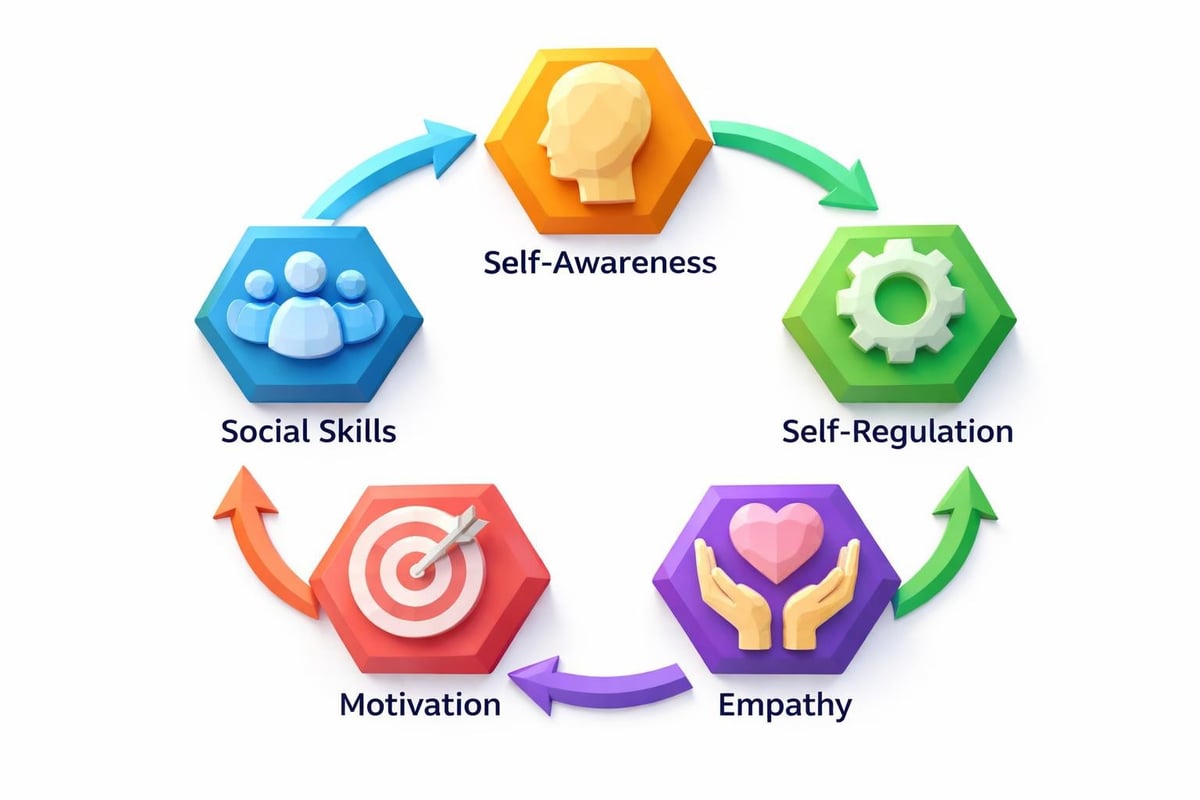
These competencies form the foundation of effective leadership coaching programs. When systematically developed, they transform how executives engage with their teams, navigate organizational politics, and drive strategic initiatives.
Munich's Unique Position in Leadership Development
Munich's status as a global business center positions it ideally for sophisticated leadership coaching. The city hosts headquarters and major operations for multinational corporations across automotive, technology, finance, and manufacturing sectors. This concentration of executive talent creates demand for coaching services that address complex, high-stakes leadership challenges.
The presence of world-class research institutions, including the Technical University of Munich, contributes to the evidence-based approach that characterizes leadership and emotional intelligence coaching in Munich. Research on emotional intelligence in high-performance coaching conducted at these institutions informs coaching methodologies and ensures programs remain grounded in validated frameworks.
Industry-Specific Leadership Challenges
Different sectors require tailored approaches to emotional intelligence development:
| Industry | Leadership Challenge | Emotional Intelligence Focus |
|---|---|---|
| Automotive | Navigating industry transformation | Resilience, adaptability, strategic vision |
| Technology | Managing rapid scaling | Communication, team building, delegation |
| Finance | Regulatory compliance pressure | Ethical decision-making, stakeholder management |
| Manufacturing | Operational efficiency demands | Conflict resolution, motivation, accountability |
Organizations selecting executive leadership coaching programs must ensure their chosen approach addresses sector-specific demands while building universal emotional intelligence capabilities.
Evidence-Based Approaches to Leadership Coaching
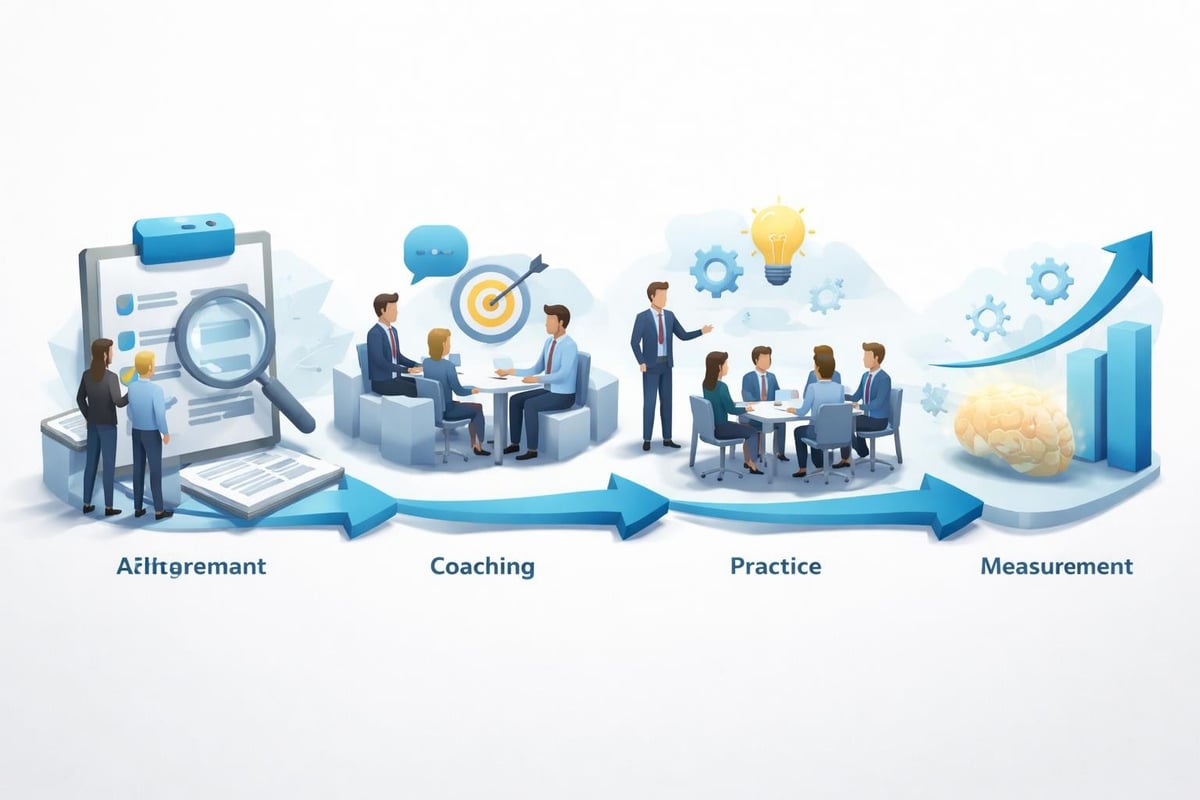
The most effective leadership and emotional intelligence coaching in Munich programs integrate validated assessment tools with personalized development plans. This evidence-based approach ensures coaching interventions target actual behavioral patterns rather than assumed development needs.
Initial diagnostics typically include:
- 360-degree feedback assessments that capture perspectives from direct reports, peers, and supervisors
- Personality and behavioral inventories that identify natural tendencies and potential blind spots
- Leadership competency frameworks aligned with organizational requirements
- Emotional intelligence assessments measuring current capabilities across key domains
- Cultural health indicators evaluating team dynamics and organizational climate
These assessments provide the foundation for precision coach matching, ensuring leaders work with coaches who possess relevant sector expertise and specialized skills in addressing identified development areas.
The Role of Coaching in Behavioral Change
Sustainable leadership transformation requires more than awareness. Effective coaching programs create structured accountability systems that support new behavioral patterns until they become habitual. This process involves regular check-ins, real-world application exercises, and iterative refinement based on feedback.
Organizations experiencing challenges with toxic leadership patterns benefit particularly from structured coaching interventions. These programs address underlying emotional intelligence deficits that manifest as destructive behaviors while building healthier leadership approaches.
Measuring Impact and Return on Investment
Forward-thinking organizations demand measurable outcomes from their leadership development investments. Leadership and emotional intelligence coaching in Munich programs deliver quantifiable results through carefully selected key performance indicators:
Individual Level Metrics:
- Improvement in 360-degree feedback scores across emotional intelligence competencies
- Increased employee engagement scores within leader's direct team
- Enhanced decision-making speed and quality as assessed by stakeholders
- Reduction in conflict escalation and improved resolution outcomes
Organizational Level Metrics:
- Decreased executive turnover rates
- Improved succession planning readiness
- Enhanced cultural health indicators
- Measurable progress toward strategic objectives
Programs that integrate psychological safety frameworks demonstrate particularly strong results in team performance and innovation metrics. Leaders who develop emotional intelligence capabilities create environments where team members feel secure taking interpersonal risks, leading to higher engagement and creativity.
Selecting the Right Coaching Partner in Munich
Organizations seeking leadership and emotional intelligence coaching in Munich face numerous options. The selection process should evaluate several critical factors to ensure alignment with organizational objectives and cultural context.
Essential Selection Criteria
Coach Qualifications and Experience:
- Recognized certifications from reputable coaching organizations
- Demonstrated expertise in emotional intelligence development
- Proven track record with similar organizational contexts
- Sector-specific knowledge relevant to your industry
Coaching Methodology:
- Evidence-based approaches grounded in validated research
- Clear frameworks for measuring progress and outcomes
- Flexibility to adapt to individual leader needs
- Integration with existing leadership development initiatives
Organizational Fit:
- Understanding of your company's culture and values
- Ability to work within compliance and governance requirements
- Scalability to support multiple leaders or cohorts
- Technology platforms that enable tracking and reporting
Many organizations find value in leadership coaching services that combine global expertise with local market knowledge, ensuring coaches understand both universal leadership principles and Munich-specific business contexts.
Advanced Coaching Techniques for Executive Development
The most sophisticated leadership and emotional intelligence coaching in Munich programs employ multiple methodologies to accelerate development and ensure lasting behavioral change.
Experiential Learning Approaches
Real-world application separates effective coaching from purely theoretical development. Techniques include:
- Shadow coaching: Coaches observe leaders in actual work situations, providing immediate feedback on emotional intelligence application
- Role-play simulations: Structured exercises that recreate challenging scenarios in controlled environments
- Peer learning cohorts: Small groups of executives who share experiences and provide mutual accountability
- Reflective practice journaling: Systematic documentation of emotional responses and leadership decisions
These experiential methods complement traditional coaching conversations, creating multiple pathways for insight and growth.
Neuroscience-Informed Coaching
Current understanding of brain plasticity and behavioral change informs cutting-edge coaching approaches. Leaders learn how stress impacts decision-making, how to leverage neurological patterns for habit formation, and how to create conditions that support sustained behavioral shifts.
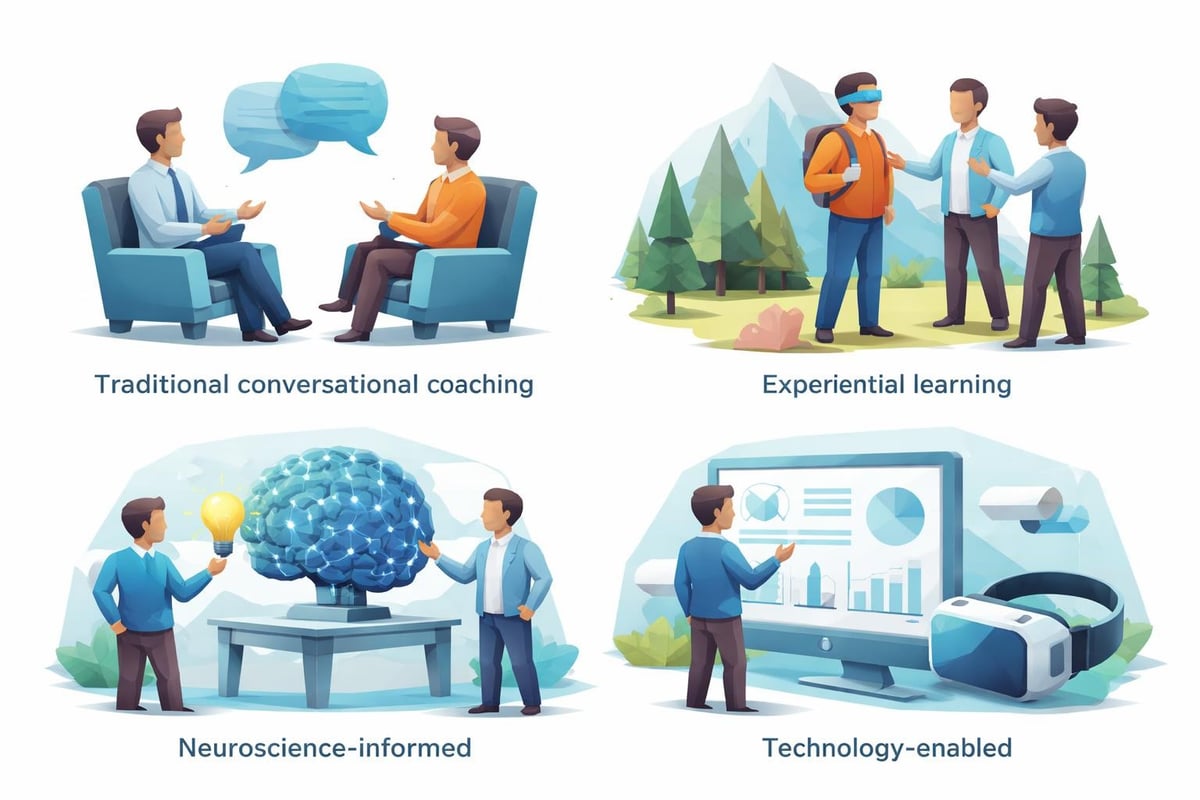
Organizations interested in how executive coaching programs develop emotional intelligence find that integrated approaches combining multiple methodologies deliver superior results compared to single-method programs.
Addressing Cultural Dynamics in German Business Context
Leadership and emotional intelligence coaching in Munich must account for specific cultural factors that influence how leaders are perceived and how they can most effectively operate. German business culture values direct communication, thorough preparation, and consensus-building, all of which interact with emotional intelligence competencies in distinctive ways.
Cultural Considerations for Effective Leadership
Communication Styles:
German business contexts reward clarity and precision in communication. Leaders developing emotional intelligence must balance empathetic listening with the cultural expectation for directness. This requires sophisticated calibration that considers both relationship-building and efficiency.
Decision-Making Processes:
The German preference for thorough analysis and stakeholder consultation requires leaders who can navigate extended decision-making timelines while maintaining team motivation and alignment.
Hierarchy and Authority:
While German organizations traditionally exhibit more hierarchical structures than some cultures, modern leadership increasingly requires collaborative approaches. Emotional intelligence helps leaders navigate this evolution, building influence through expertise and relationship quality rather than position alone.
The Leadership Munich Institute offers programs specifically designed to help managers lead effectively within these cultural parameters while developing broader emotional intelligence capabilities.
Integration with Organizational Development Initiatives
Leadership and emotional intelligence coaching in Munich delivers maximum value when integrated with broader organizational development strategies. Isolated coaching interventions provide individual benefit but may not translate to systemic change without organizational support.
Creating Supportive Organizational Systems
Successful integration requires:
- Alignment with talent management processes: Connecting coaching outcomes to succession planning, promotion criteria, and performance management
- Leadership from the top: Senior executives modeling emotional intelligence behaviors and publicly supporting development initiatives
- Cultural reinforcement: Organizational practices and policies that reward emotionally intelligent leadership
- Team-level interventions: Extending emotional intelligence development beyond individual leaders to entire teams
- Measurement and accountability: Regular assessment of leadership culture and individual progress against established baselines
Organizations implementing comprehensive approaches often reference frameworks like Google’s Project Aristotle on psychological safety, which demonstrates how team-level emotional intelligence drives performance.
Future Trends in Leadership and Emotional Intelligence Development
The landscape of leadership and emotional intelligence coaching in Munich continues to evolve in response to technological advancement, changing workforce expectations, and increasingly complex business environments.
Emerging Developments
Artificial Intelligence Integration:
AI-powered assessment tools provide real-time feedback on communication patterns, meeting dynamics, and decision-making approaches. While technology enhances measurement and tracking, the human coaching relationship remains essential for processing insights and supporting behavioral change.
Hybrid Coaching Models:
Blending virtual and in-person coaching sessions expands access while maintaining relationship depth. This flexibility proves particularly valuable for organizations with distributed leadership teams or frequent international travel requirements.
Specialized Focus Areas:
Coaching increasingly addresses specific leadership challenges such as:
- Leading through organizational transformation
- Managing distributed and hybrid teams
- Building inclusive leadership cultures
- Navigating geopolitical complexity
- Balancing stakeholder demands in ESG contexts
Organizations exploring the best AI for business coaching should view technology as complementary to human expertise rather than a replacement for personalized coaching relationships.
Building Long-Term Leadership Capability
Sustainable organizational success requires continuous leadership development rather than one-time interventions. The most effective approach to leadership and emotional intelligence coaching in Munich creates multi-year development pathways that evolve with leaders' changing responsibilities and organizational needs.
Progressive Development Framework
| Career Stage | Coaching Focus | Emotional Intelligence Emphasis |
|---|---|---|
| Emerging Leaders | Self-awareness, communication basics | Understanding personal impact, active listening |
| Middle Management | Team building, conflict resolution | Empathy development, stakeholder management |
| Senior Leadership | Strategic influence, organizational culture | Systems thinking, cultural awareness, resilience |
| Executive Level | Board relations, legacy building | Wisdom, ethical leadership, mentorship |
This progression ensures leaders receive appropriate support as challenges grow in complexity and scope. Organizations can leverage platforms like Noomii Leadership Coaching to access coaches with expertise across all developmental stages and specialized focus areas.
Implementation Success Factors
Organizations launching leadership and emotional intelligence coaching in Munich initiatives should attend to several critical success factors that differentiate transformative programs from disappointing investments.
Clear Objectives and Expectations:
Define specific outcomes the coaching should achieve, whether addressing particular behavioral concerns, preparing leaders for expanded responsibilities, or building organizational bench strength.
Executive Sponsorship:
Visible commitment from senior leadership signals the organization's investment in development and creates psychological safety for participants to engage authentically in the coaching process.
Adequate Time and Resources:
Effective coaching requires protected time for sessions, reflection, and application. Organizations that treat coaching as an additional task rather than a strategic priority see diminished results.
Confidentiality with Accountability:
Coaching conversations remain confidential, but progress toward agreed-upon behavioral goals should be visible to relevant stakeholders. This balance protects psychological safety while ensuring accountability.
Integration with Performance Systems:
Connecting coaching outcomes to talent management processes ensures development translates to career progression and organizational impact, as demonstrated by tools like accountability frameworks that track leadership commitments.
Leadership and emotional intelligence coaching in Munich represents a strategic investment in organizational capability, delivering measurable improvements in executive performance, team engagement, and cultural health. By selecting evidence-based programs that combine validated assessment tools with precision coach matching and targeted development interventions, organizations position themselves to navigate complex challenges with confident, adaptive leadership. The Noomii Leadership Coaching platform connects organizations with certified executive coaches who possess the sector expertise and specialized skills necessary to transform leadership at every level, creating sustainable competitive advantage through human capital development.


Leave a Reply
Want to join the discussion?Feel free to contribute!