

Executive Presence Leadership Coaching in Dundee
Leadership effectiveness in Dundee's evolving business landscape demands more than technical expertise. Executives, managers, and emerging leaders face mounting pressure to project confidence, inspire teams, and navigate complex organizational challenges with authority. An executive presence and leadership confidence coach in Dundee provides the targeted interventions necessary to transform capable professionals into commanding leaders who drive measurable organizational success. This specialized coaching addresses the invisible barriers holding talented individuals back from their full leadership potential.
The Critical Components of Executive Presence
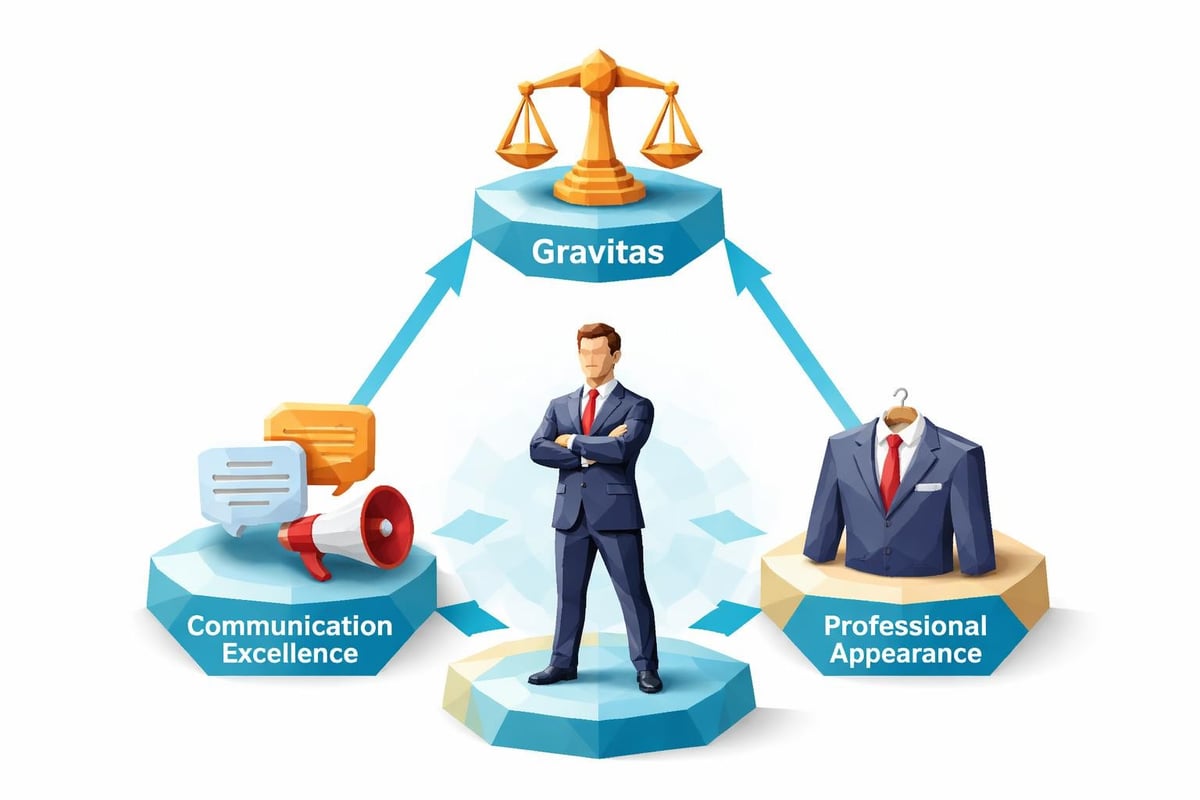
Executive presence comprises three interconnected dimensions that distinguish effective leaders from those who struggle to command respect and influence outcomes. Gravitas forms the foundation, encompassing confidence, decisiveness, and emotional intelligence. Communication skills represent the second pillar, including both verbal and non-verbal messaging that reinforces authority. Appearance and demeanor complete the triad, ensuring leaders project professionalism consistent with their organizational position.
Gravitas: The Foundation of Leadership Authority
Leaders with gravitas demonstrate unwavering confidence under pressure, make decisions efficiently, and maintain composure during organizational turbulence. Research from IMD Business School identifies seven coaching techniques that systematically build this essential quality. These approaches help leaders develop the internal certainty that radiates outward, influencing stakeholder perception and team performance.
An executive presence and leadership confidence coach in Dundee applies evidence-based diagnostics to identify specific gravitas gaps. These assessments reveal patterns in decision-making hesitation, stress responses, and emotional regulation that undermine leadership effectiveness.
Key gravitas indicators include:
- Consistent decision velocity across high-stakes situations
- Emotional stability during organizational crises
- Ability to maintain strategic focus amid competing priorities
- Confidence in defending positions while remaining open to feedback
- Demonstration of subject matter expertise without arrogance
Communication Mastery for Leadership Impact
Communication failures account for significant leadership derailment. Executives who cannot articulate vision, provide clear direction, or adapt messaging to diverse audiences struggle to generate buy-in and execute strategy. Stewart Leadership’s Executive Presence Model emphasizes the relationship between communication clarity and organizational alignment.
Verbal and Non-Verbal Alignment
Messages gain power when words, tone, and body language reinforce identical themes. Discordance between verbal content and physical presentation creates confusion and erodes trust. An executive presence and leadership confidence coach in Dundee works with leaders to eliminate these contradictions through deliberate practice and feedback.
| Communication Element | Strong Presence | Weak Presence |
|---|---|---|
| Voice Projection | Clear, confident tone | Hesitant, quiet delivery |
| Eye Contact | Direct, engaged | Avoidant, distracted |
| Gestures | Purposeful, reinforcing | Nervous, distracting |
| Pacing | Measured, emphatic | Rushed, meandering |
| Language Choice | Precise, declarative | Vague, tentative |
Organizations implementing structured communication development report measurable improvements in team clarity, stakeholder engagement, and execution velocity. The International Coaching Federation’s certified program provides systematic frameworks for these transformations.
Messaging Architecture for Strategic Influence
Strategic leaders construct messages that cascade effectively through organizational hierarchies. This requires understanding audience needs, timing interventions appropriately, and framing concepts to align with existing mental models. Coaching interventions strengthen these capabilities through simulated scenarios and real-world application.
Leaders learn to:
- Diagnose audience readiness and resistance points
- Structure messages using proven persuasion frameworks
- Anticipate questions and prepare evidence-based responses
- Calibrate complexity based on stakeholder expertise
- Follow through with consistent messaging across channels
Building Leadership Confidence Through Evidence-Based Interventions
Confidence develops through systematic capability building, not motivational speeches. An executive presence and leadership confidence coach in Dundee employs validated assessment tools to identify specific skill gaps, then designs targeted interventions that produce measurable improvements. This approach contrasts sharply with generic leadership development that fails to address individual barriers.
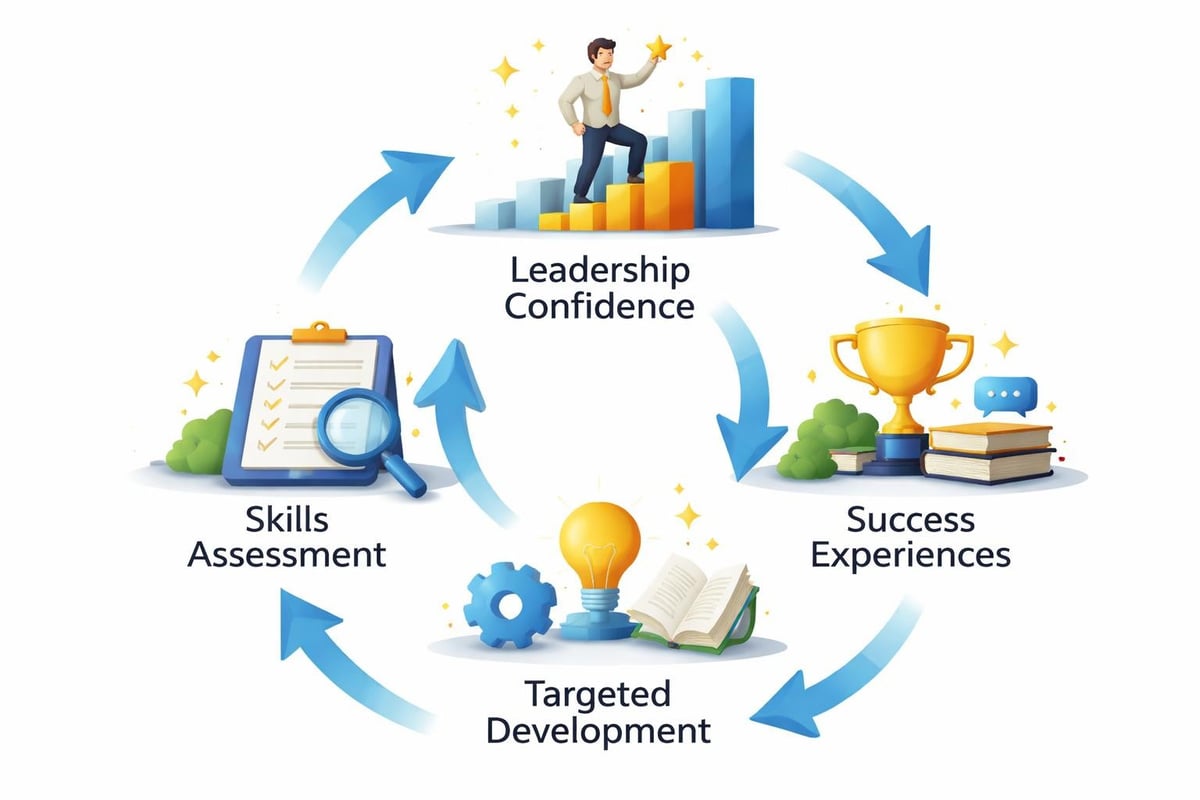
The Confidence-Competence Feedback Loop
Genuine confidence emerges from demonstrated competence. Leaders who lack specific skills experience appropriate uncertainty that no amount of positive thinking eliminates. The solution requires identifying precise capability deficits, developing those skills through deliberate practice, and accumulating success experiences that validate growing competence.
Noomii's precision coach matching process pairs executives with specialists who understand their sector challenges and can address their unique development needs. This targeted approach accelerates growth compared to generalized leadership programs. Leaders working with top leadership coaches in Europe benefit from proven methodologies adapted to regional business contexts.
Evidence-based confidence building follows a structured path:
- Comprehensive assessment identifying specific capability gaps
- Skill development through targeted practice and feedback
- Progressive challenge exposure building competence incrementally
- Success documentation reinforcing self-efficacy
- Continuous refinement based on performance metrics
Addressing Imposter Syndrome in Executive Roles
High-achieving leaders frequently experience imposter syndrome, questioning whether they deserve their positions despite objective evidence of capability. This psychological pattern undermines executive presence and leadership confidence, creating hesitation during critical moments. Specialized coaching programs help leaders recognize these patterns and develop cognitive strategies to counter them.
An executive presence and leadership confidence coach in Dundee applies cognitive-behavioral frameworks to help leaders:
- Distinguish between healthy self-assessment and destructive self-doubt
- Collect objective evidence of accomplishments and capabilities
- Reframe failures as data points rather than character indictments
- Develop self-compassion while maintaining performance standards
- Build support networks that provide realistic feedback
Dundee's Leadership Development Landscape
Scotland's leadership development ecosystem provides multiple pathways for professional growth. In-person workshops in Dundee offer community-based learning opportunities where executives connect with peers facing similar challenges. These group experiences complement individual coaching by providing networking and shared learning.
Regional Business Context and Leadership Requirements
Dundee's economy spans life sciences, digital technology, creative industries, and traditional sectors undergoing transformation. Leaders in these diverse fields require executive presence adapted to their specific stakeholder expectations while maintaining authentic personal style. Generic leadership development fails to account for these contextual nuances.
Organizations partnering with an executive presence and leadership confidence coach in Dundee benefit from localized expertise that understands regional business culture, stakeholder expectations, and sector-specific challenges. This contextual knowledge accelerates development by eliminating unnecessary trial and error.
Measuring Executive Presence Development
Effective leadership development requires quantifiable metrics that demonstrate progress and justify investment. Organizations implementing structured coaching programs track multiple indicators across individual and team performance dimensions. These measurements provide accountability while identifying areas requiring additional focus.
Individual Performance Indicators
| Metric Category | Assessment Method | Frequency |
|---|---|---|
| 360-Degree Feedback | Structured surveys from direct reports, peers, supervisors | Quarterly |
| Decision Velocity | Time from issue identification to resolution | Monthly |
| Stakeholder Confidence | Net Promoter Score from key relationships | Bi-annually |
| Communication Effectiveness | Message comprehension and retention rates | Per major communication |
| Stress Management | Biometric and self-assessment data | Weekly |
Organizational Impact Measures
Beyond individual development, organizations measure how enhanced executive presence influences broader business outcomes. Teams led by executives with strong presence demonstrate higher engagement scores, reduced turnover, faster execution, and improved innovation metrics. These organizational indicators provide ROI justification for coaching investments.
Companies addressing toxic leadership patterns through targeted interventions document measurable cultural improvements within 90-180 days. The combination of leadership assessment, precision coaching, and systematic tracking creates accountability that drives sustained change.

Customizing Development Plans for Individual Leaders
No two executives face identical challenges or bring identical strengths to their roles. An executive presence and leadership confidence coach in Dundee designs interventions based on comprehensive diagnostics that reveal specific development opportunities. This personalization ensures leaders invest time on high-impact areas rather than generic curriculum.
Assessment-Driven Development Planning
Validated assessment tools identify precise gaps in executive capability that undermine presence and confidence. These instruments measure emotional intelligence, decision-making patterns, communication effectiveness, stress tolerance, and interpersonal influence. Results inform customized development plans addressing each leader's unique profile.
The process includes:
- Multi-dimensional assessment using validated instruments
- Stakeholder interviews revealing perception gaps
- Behavioral observation during authentic work situations
- Skills testing under realistic pressure conditions
- Self-reflection exercises identifying internal barriers
Organizations utilizing leadership coach expertise benefit from systematic diagnosis that eliminates guesswork and accelerates development timelines.
Adaptive Coaching Methodologies
Different leaders respond to different coaching approaches. Some require direct challenge and confrontation, while others need supportive encouragement. Effective coaches adapt methodology to individual learning styles, personality characteristics, and readiness for change. This flexibility maximizes engagement and accelerates progress.
Coaches employ multiple frameworks including:
- Cognitive-behavioral approaches for thought pattern modification
- Somatic techniques addressing physical manifestations of confidence
- Narrative coaching reframing personal leadership stories
- Strengths-based development building on existing capabilities
- Challenge-based learning through progressively difficult scenarios
Integrating Executive Presence Into Organizational Culture
Individual development produces limited impact when organizational systems undermine executive presence. Companies achieving sustainable leadership transformation align coaching interventions with cultural norms, promotion criteria, performance management, and succession planning. This systemic integration reinforces individual development while raising collective leadership standards.
Cultural Alignment Strategies
Organizations committed to leadership excellence embed executive presence criteria throughout talent management systems. Job descriptions specify presence requirements, interview processes assess these qualities, performance reviews include presence metrics, and promotion decisions weigh these factors significantly. This consistency sends clear signals about organizational expectations.
System integration points include:
- Leadership competency models defining presence expectations
- Selection criteria prioritizing executive presence potential
- Onboarding programs establishing presence standards early
- Development pathways building presence progressively
- Recognition systems celebrating presence demonstrations
- Succession planning prioritizing proven executive presence
Companies partnering with top executive coaching firms implement these systemic approaches more effectively than organizations attempting ad-hoc interventions.
Creating Psychological Safety for Growth
Leaders develop presence most effectively in environments where experimentation feels safe and feedback flows freely. Psychological safety examples demonstrate how organizations create conditions supporting genuine development rather than defensive posturing. An executive presence and leadership confidence coach in Dundee helps leaders build these conditions within their teams.
When leaders model vulnerability, acknowledge mistakes, and request feedback openly, they create permission for others to do likewise. This cultural foundation accelerates collective leadership development while strengthening organizational resilience.
Selecting the Right Executive Presence Coach
The coaching relationship fundamentally determines development outcomes. Leaders seeking an executive presence and leadership confidence coach in Dundee should evaluate multiple factors beyond convenient location. Coach expertise, methodology alignment, chemistry, and proven results with similar clients all influence effectiveness.
Essential Coach Selection Criteria
Sector expertise ensures coaches understand industry-specific challenges and stakeholder expectations. A coach with deep technology sector experience brings different insights than one specializing in healthcare or professional services. This specialized knowledge accelerates development by eliminating context-building time.
| Selection Factor | Why It Matters | How to Assess |
|---|---|---|
| Relevant Experience | Shortens learning curve, provides credible examples | Review client testimonials, case studies |
| Methodology Alignment | Ensures approaches match learning preferences | Discuss frameworks, request sample exercises |
| Chemistry and Trust | Enables vulnerable conversations, honest feedback | Chemistry session, intuitive connection |
| Proven Results | Demonstrates capability to drive change | Measurable outcomes, client references |
| Professional Credentials | Validates training, ethical standards | Certifications, professional memberships |
Programs like Communispond’s executive presence training demonstrate the systematic approaches effective coaches employ. Similarly, Rich Bracken’s coaching methodology shows how specialized expertise produces targeted results.
The Noomii Matching Advantage
Organizations struggling to identify appropriate coaching resources benefit from Noomii's proprietary matching algorithms. These systems analyze leader development needs, organizational context, industry requirements, and coaching specializations to recommend optimal pairings. This data-driven approach eliminates guesswork while accelerating time to impact.
The matching process considers factors including:
- Leadership level and specific role requirements
- Development priorities and capability gaps
- Industry sector and regulatory environment
- Learning style preferences and personality factors
- Geographic considerations and scheduling constraints
- Cultural fit with organizational values
- Budget parameters and program duration
Advanced Presence Strategies for Senior Executives
C-suite leaders face unique challenges requiring sophisticated presence capabilities beyond mid-level management requirements. Board interactions, investor relations, media engagement, and crisis leadership demand nuanced skills that develop through targeted practice and expert guidance. An executive presence and leadership confidence coach in Dundee specializing in senior executive development brings focused expertise to these advanced requirements.
Board-Level Communication and Influence
Board environments demand precise communication that balances confidence with humility, provides sufficient detail without overwhelming, and demonstrates strategic thinking while acknowledging uncertainties. Executives transitioning to board-facing roles often struggle with this calibration, defaulting to operational detail or excessive abstraction.
Coaching interventions prepare executives to:
- Synthesize complex information into strategic narratives
- Anticipate board member questions and concerns
- Navigate governance dynamics and political considerations
- Present recommendations with appropriate conviction levels
- Handle challenging questions without defensiveness
Crisis Leadership and Presence Under Pressure
Organizational crises reveal leadership character and capability with stark clarity. Executives who maintain composure, communicate transparently, and make sound decisions under extreme pressure earn lasting credibility. Those who panic, obfuscate, or freeze damage reputations and organizational trust. Executive Presence workshops specifically address these high-stakes scenarios.
An executive presence and leadership confidence coach in Dundee simulates crisis conditions, helping leaders develop automatic responses that serve them during actual emergencies. This preparation includes stress inoculation, decision-making under time pressure, and communication during uncertainty.
Building Communication Confidence for Introverted Leaders
Leadership stereotypes favor extroverted personalities, creating unnecessary barriers for introverted executives who bring valuable strengths to organizational leadership. An executive presence and leadership confidence coach in Dundee helps introverted leaders develop authentic presence aligned with their natural temperament rather than forcing uncomfortable personality changes.
Leveraging Introverted Strengths
Introverted leaders excel at deep listening, thoughtful analysis, and meaningful one-on-one relationships. These capabilities strengthen executive presence when deployed strategically rather than hidden apologetically. Communication skills workshops designed for introverts demonstrate how to build on these natural advantages.
Introverted leaders develop presence by:
- Preparing thoroughly for important interactions, leveraging analytical strengths
- Scheduling recovery time after demanding social engagements
- Using written communication to complement verbal interactions
- Creating intimate settings for relationship building
- Leading through questions rather than declarations
- Demonstrating depth of thought through considered responses
Organizations benefit from diverse leadership styles. Coaching helps introverted executives project confidence authentically rather than mimicking extroverted behaviors that feel false and drain energy.
The ROI of Executive Presence Investment
Leadership development requires significant resource allocation. Organizations evaluating an executive presence and leadership confidence coach in Dundee rightfully demand evidence that investments produce measurable returns. Comprehensive ROI analysis examines multiple benefit categories across different time horizons.
Direct Financial Impact
Enhanced executive presence drives revenue through improved sales effectiveness, stronger client relationships, and increased pricing power. It reduces costs by accelerating decision-making, minimizing rework from unclear direction, and decreasing turnover among high-performers frustrated by ineffective leadership. These financial impacts become measurable within quarters, not years.
Quantifiable financial benefits include:
- Revenue increases from improved executive sales engagement
- Cost reductions from faster, higher-quality decision-making
- Retention savings by reducing regrettable departures
- Productivity gains from clearer communication and direction
- Innovation value from enhanced psychological safety
- Risk mitigation through better crisis leadership
Organizational Capability Building
Beyond immediate financial returns, executive presence development strengthens organizational capability that compounds over time. Leaders who project confidence and command respect develop stronger teams, attract better talent, and create cultures of excellence that persist beyond their tenure. These strategic benefits justify investment even absent immediate financial returns.
Organizations committed to systematic leadership development recognize that building bench strength provides competitive advantage during succession transitions, market disruptions, and growth phases. The integration of accountability frameworks, as seen in resources like AccountabilityNow, further amplifies these organizational capabilities by embedding discipline and follow-through into leadership practices.
Executive presence and leadership confidence represent learnable capabilities, not innate gifts reserved for select individuals. Through evidence-based assessment, targeted skill development, and systematic practice, any leader can strengthen their ability to inspire confidence, influence stakeholders, and drive organizational results. The Noomii Leadership Coaching platform connects organizations with specialized coaches who deliver measurable leadership transformation aligned with strategic priorities, whether addressing specific executive development needs or implementing comprehensive leadership programs across entire organizations.


Leave a Reply
Want to join the discussion?Feel free to contribute!