
Certified Life Coach: Certification, Impact & ROI Guide
The demand for professional coaching continues to surge across corporate environments, yet confusion persists about what qualifications actually matter. A certified life coach carries credentials that signal structured training, ethical standards, and demonstrated competency. For organizations investing in leadership development and team performance, understanding the distinction between certified and non-certified coaches directly impacts return on investment. This guide explores certification pathways, credential value, and how to select coaches who deliver measurable business results rather than theory alone.
What Defines a Certified Life Coach
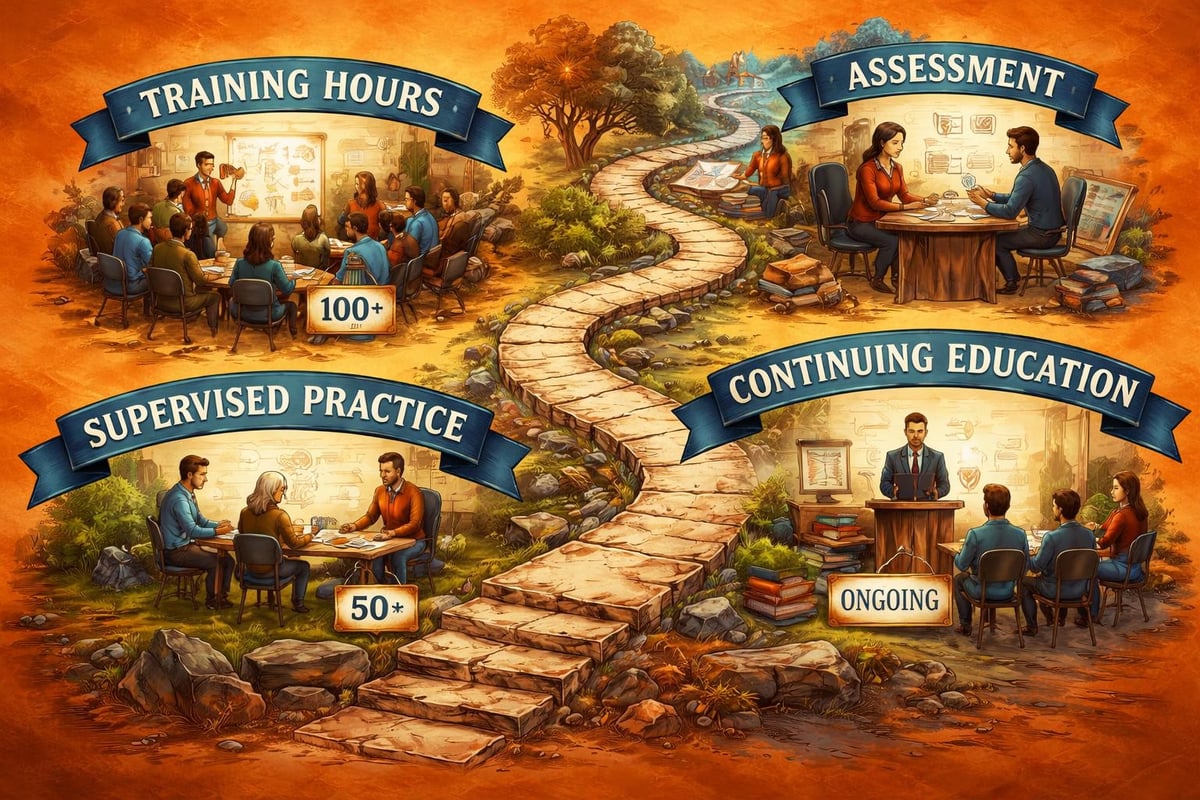
A certified life coach has completed accredited training through recognized bodies and demonstrated competency through assessment. The International Association of Coaching emphasizes mastery through practical demonstration, setting standards that go beyond classroom hours. Certification typically requires 60 to 200 hours of training, supervised practice sessions, mentorship, and examination of core competencies.
Key certification components include:
- Structured curriculum covering coaching methodologies, psychology fundamentals, and ethics
- Live coaching hours with feedback from certified assessors
- Written and oral examinations testing knowledge application
- Continuing education requirements to maintain active credentials
- Adherence to professional codes of conduct and confidentiality standards
The credential signals investment in professional development. Certified Coaches Alliance provides ongoing support and accreditation oversight, ensuring coaches stay current with best practices. However, certification alone does not guarantee effectiveness in corporate environments where business acumen and results orientation matter as much as coaching technique.
Certification Bodies and Credential Levels
Multiple organizations offer certification, each with different philosophies and requirements. The Life Coach School directory showcases coaches specializing in various niches, demonstrating how certification opens doors to specialized practice areas. Understanding these distinctions helps organizations match coach credentials to their specific needs.
| Credential Level | Training Hours | Experience Required | Focus Area |
|---|---|---|---|
| Associate Coach | 60-100 hours | 25 client hours | Foundational skills |
| Professional Coach | 125-200 hours | 100 client hours | Advanced competencies |
| Master Coach | 200+ hours | 500+ client hours | Expert-level practice |
Organizations should look beyond certification labels to examine actual track records. While online certification programs offer accessibility and flexibility, the real test lies in applied results. Does the coach drive behavioral change? Can they connect coaching conversations to business KPIs? Do they understand organizational dynamics beyond individual psychology?
Certification Value in Corporate Coaching Contexts
For mid-market companies and Fortune 500 divisions, a certified life coach brings structure and accountability frameworks that self-taught practitioners often lack. The certification process instills competency in active listening, powerful questioning, goal-setting frameworks, and ethical boundaries. These skills translate directly to leadership development when applied with business literacy.
Corporate coaching requires additional capabilities beyond basic certification:
- Understanding organizational systems and political dynamics
- Connecting individual development to team performance metrics
- Speaking the language of business outcomes and ROI
- Navigating confidentiality within corporate reporting structures
- Delivering feedback that drives execution, not just awareness
Performance coaches working with business teams must blend certification credentials with operational experience. A certified life coach who has never run a team or hit revenue targets may excel at personal transformation conversations but struggle to coach managers facing quarterly pressures and competing priorities.
The coaching industry has evolved significantly since pioneers like Chérie Carter-Scott established foundational practices. Today's corporate environments demand coaches who roll up their sleeves and participate in real business challenges rather than offering purely reflective dialogue.
Measuring Certified Coach Effectiveness
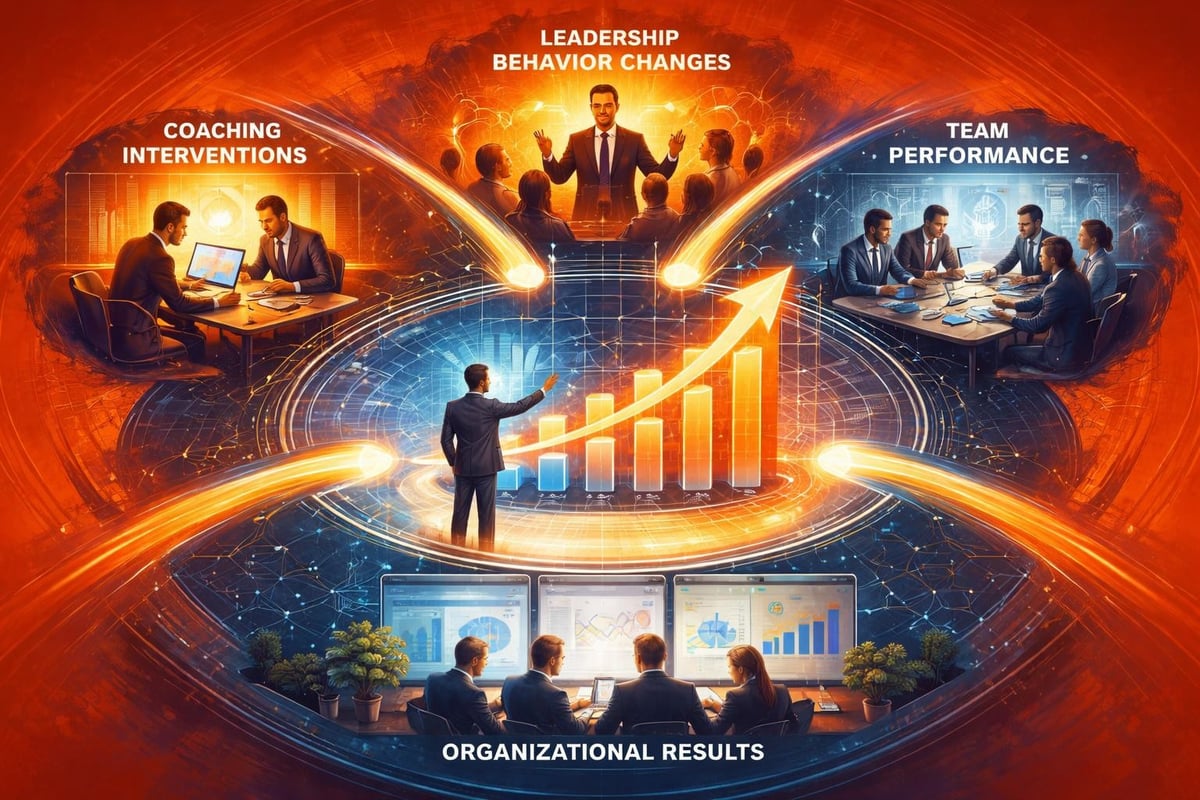
Certification establishes baseline competency, but effectiveness measurement determines continued value. Organizations should establish clear metrics before engaging any coach, certified or otherwise. Effective measurement frameworks include:
- 360 assessments showing behavioral shifts pre and post-coaching
- Manager promotion rates and retention statistics
- Team engagement scores and voluntary turnover reduction
- Meeting effectiveness ratings and decision velocity improvements
- Revenue per employee and operational KPI movement
Resources like Professional Life Coaching 101 provide foundational frameworks, yet corporate applications require adaptation to business contexts. A certified life coach working with executives must understand P&L accountability, not just personal values alignment.
Selecting the Right Certified Coach for Business Outcomes
Certification credentials offer a starting point, but selection criteria must extend to business relevance and proven results. Business coaches who combine certification with operational experience bring dual competencies that accelerate leadership development and team performance.
Organizations should evaluate several factors beyond certification status. Does the coach have a track record in similar industries or company sizes? Can they provide case examples with measurable outcomes? Do they understand your specific challenges, whether scaling teams, improving retention, or driving accountability across functions?
Selection criteria checklist:
- Certification from recognized bodies plus relevant business experience
- Demonstrated expertise in your industry or functional area
- Case studies showing measurable business improvements
- Assessment methodology aligned to your performance framework
- Clear engagement terms with outcome-based metrics
The platform at Noomii connects organizations with coaches across specializations, from leadership development to team facilitation. The key differentiator lies not just in credentials but in practical application. Theory-focused coaching may satisfy development checkboxes without moving business needles.
Avoiding Common Certification Misconceptions
Many organizations assume all certified life coaches possess equivalent skills and deliver comparable results. This assumption leads to disappointment when coaching engagements generate awareness without behavioral change or business impact. Certification guarantees training completion, not necessarily effectiveness in your specific context.
A detailed comparison of certification programs reveals significant variation in rigor, philosophy, and practical application requirements. Some programs emphasize personal transformation while others focus on performance coaching. Understanding these distinctions prevents mismatched expectations.
Common misconceptions include:
| Misconception | Reality |
|---|---|
| All certifications are equivalent | Programs vary widely in rigor and focus |
| Certification guarantees effectiveness | Track record and business acumen matter more |
| Higher credential levels mean better results | Experience context matters as much as training hours |
| Certified coaches work the same way | Methodology and approach vary significantly by training |
Organizations should also recognize that some highly effective coaches pursue alternative credentialing paths. ICF-accredited programs offer one pathway, while practitioners may demonstrate competency through business results and client testimonials without traditional certification. The goal remains measurable improvement, not credential collection.
Corporate Coaching Beyond Individual Certification
While individual coach credentials matter, corporate coaching effectiveness depends on integrated systems that connect coaching conversations to business execution. A certified life coach working in isolation may help individual leaders gain clarity, yet systemic challenges require team-level interventions and accountability mechanisms.

Effective corporate programs combine certified coaching expertise with accountability structures. This includes 360 leadership assessments that establish baselines, KPI scorecards that track progress, and operating cadences that maintain momentum. Coaching becomes embedded in how work gets done rather than isolated development conversations.
Organizations seeking transformation should look for coaches who understand this integration. The shift from theoretical coaching to practical business partnership separates credential collectors from results drivers. Month-to-month engagement terms with visible progress indicators ensure accountability runs both directions.
For additional insights on building accountability systems that complement coaching interventions, explore resources at Accountability Now, which emphasizes measurable commitments and follow-through mechanisms.
Faith-Based and Specialized Certification Paths
Some organizations prefer coaches with specialized training aligned to their values or industry focus. Programs like The Ultimate Source Life Coach Certification emphasize personal transformation through faith-based principles, appealing to companies with similar cultural foundations.
Specialized certifications in sales coaching, executive presence, or team dynamics offer focused competency development. The question remains whether specialized credentials translate to your specific business challenges. A certified life coach specializing in work-life balance may not effectively coach sales leaders facing pipeline gaps and quota pressure.
Alignment considerations include:
- Cultural fit between coach philosophy and company values
- Industry-specific knowledge relevant to your challenges
- Coaching methodology compatibility with existing systems
- Willingness to integrate with your KPI and accountability frameworks
- Track record with similar company sizes and growth stages
The coaching relationship must serve business outcomes first. Personal development naturally follows when leaders become more effective decision-makers, communicators, and team builders. Certification provides credibility, but practical application determines value.
Certification establishes important baseline competencies for life coaches, yet corporate effectiveness requires business acumen and results orientation beyond credentials alone. Organizations succeed when they select coaches who blend professional training with practical experience and tie development work to measurable KPIs. Noomii Corporate Coaching delivers this integration for mid-market companies and Fortune 500 divisions, coaching live in your meetings and connecting leadership development to clear business outcomes. If you want coaching that drives faster decisions, stronger communication, and cleaner execution across priorities, explore how Noomii's month-to-month approach shares risk while delivering visible results.

Leave a Reply
Want to join the discussion?Feel free to contribute!