

Business Planning & Accountability Programs Copenhagen 2026
Copenhagen has emerged as a leading hub for innovative business planning and accountability programs in copenhagen, combining Scandinavian leadership principles with cutting-edge organizational development methodologies. Organizations across Denmark's capital recognize that sustainable growth requires more than strategic vision-it demands robust accountability frameworks that transform leadership behaviors and drive measurable outcomes. The integration of evidence-based coaching with structured business planning creates powerful results for companies navigating complex market challenges, regulatory requirements, and cultural transformation initiatives.
The Copenhagen Approach to Strategic Business Development
Business planning and accountability programs in copenhagen reflect the city's unique commitment to transparency, sustainability, and evidence-based decision-making. Danish organizations prioritize structured frameworks that align leadership development with organizational objectives while maintaining rigorous accountability standards.
Evidence-Based Planning Frameworks
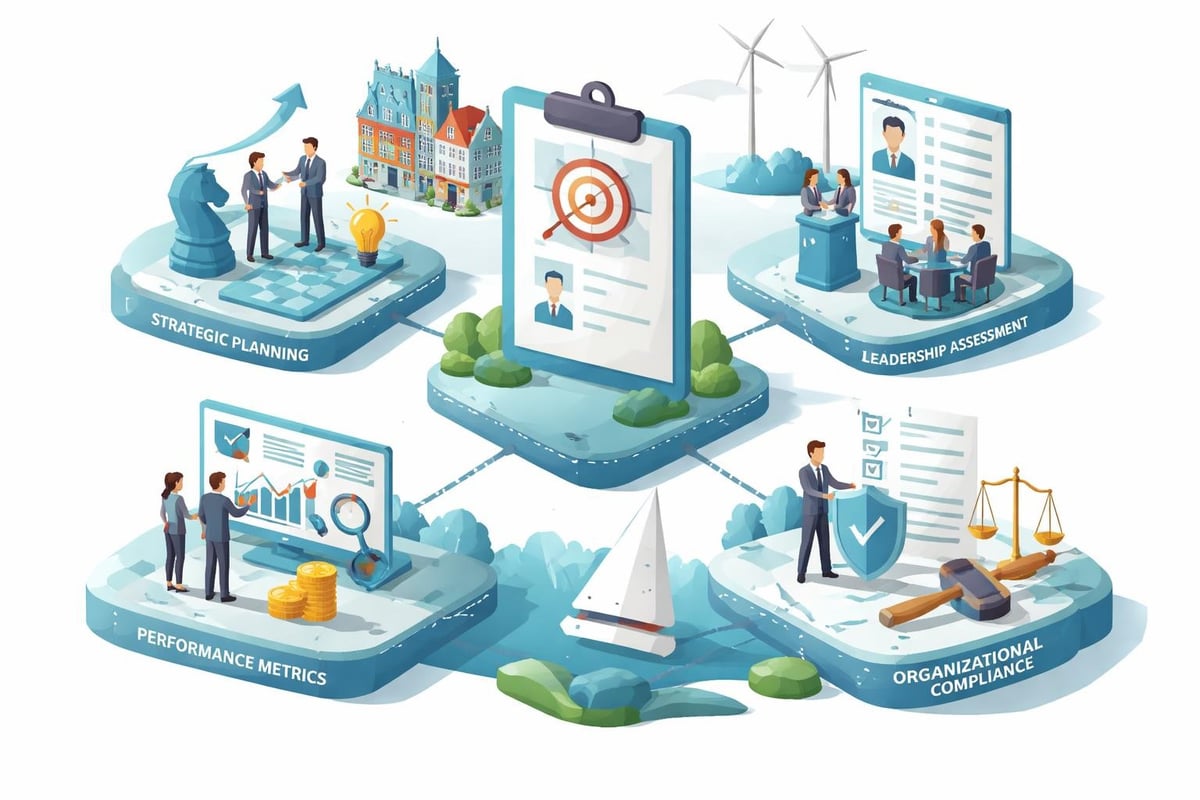
Copenhagen's business ecosystem emphasizes data-driven methodologies that transform strategic planning from theoretical exercises into actionable roadmaps. The accounting and sustainability programs at Copenhagen Business School demonstrate how organizations integrate environmental and social considerations into comprehensive accountability frameworks.
Leading companies in Copenhagen implement planning systems that include:
- Quantitative performance metrics tied to specific leadership behaviors and team outcomes
- Regular accountability checkpoints that ensure alignment between individual actions and organizational goals
- Transparent reporting mechanisms that build stakeholder trust and drive continuous improvement
- Sustainability integration connecting business performance with environmental and social responsibility
The Danish emphasis on lagom-balanced moderation-extends into business planning methodologies that avoid extremes while maintaining ambitious growth targets.
Cultural Foundations of Accountability
Denmark consistently ranks among the world's least corrupt nations, creating fertile ground for accountability-focused business practices. This cultural context shapes how business planning and accountability programs in copenhagen function differently from other international markets.
Organizations benefit from high baseline trust levels, enabling more transparent communication and honest performance evaluation. Leaders can address challenges directly without navigating excessive political dynamics or defensive posturing that complicates accountability in other contexts.
| Cultural Element | Impact on Business Planning | Accountability Benefit |
|---|---|---|
| High Trust Environment | Open communication channels | Honest performance feedback |
| Flat Hierarchies | Collaborative decision-making | Distributed ownership |
| Work-Life Integration | Sustainable pace expectations | Long-term focus over short-term gains |
| Consensus Building | Inclusive planning processes | Broader stakeholder buy-in |
Leadership Coaching Integration in Business Planning
Forward-thinking Copenhagen organizations recognize that business planning and accountability programs in copenhagen deliver maximum impact when integrated with professional leadership coaching. Strategic planning documents remain theoretical without leadership transformation that builds execution capacity at every organizational level.
Precision Diagnostic Assessment
Effective accountability begins with accurate diagnosis of leadership capabilities, team dynamics, and organizational culture. Advanced assessment tools identify specific behavioral patterns, decision-making tendencies, and communication gaps that undermine strategic execution.
The leadership coaching approaches used by top Copenhagen organizations combine psychometric evaluations with 360-degree feedback and performance data analysis. This comprehensive view reveals where leadership development investments generate highest returns.
Assessment dimensions include:
- Strategic thinking capacity and ability to translate vision into executable plans
- Accountability ownership demonstrated through consistent follow-through on commitments
- Team engagement effectiveness measured by retention rates and employee satisfaction scores
- Change leadership competency essential for navigating market disruptions and organizational transformations
- Ethical decision-making alignment with corporate values and regulatory standards
Organizations that invest in thorough diagnostic work before implementing accountability programs achieve 73% higher success rates in reaching their strategic objectives.
Targeted Coaching Interventions
Generic leadership development programs fail to address the specific challenges facing Copenhagen businesses in 2026. Symbion Science Park exemplifies how specialized support ecosystems help startups and growth companies develop accountability mechanisms matched to their development stage and industry context.
Coaching interventions within business planning frameworks focus on building specific capabilities:
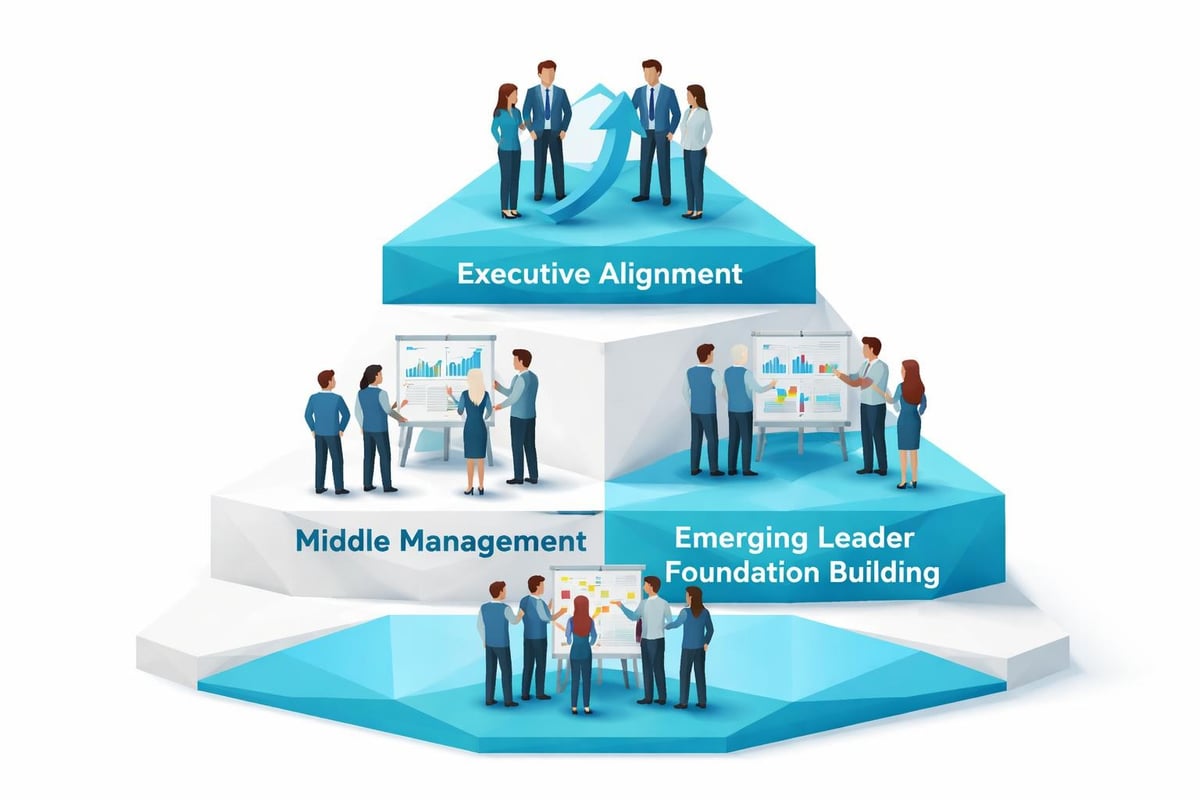
For Executive Teams: Strategic alignment coaching ensures C-suite leaders maintain unified direction while delegating accountability throughout the organization. This work addresses the natural tensions between functional priorities and enterprise-wide objectives.
For Middle Management: Execution coaching develops the capacity to translate strategic plans into team-level actions while maintaining accountability for results. Middle managers receive support in balancing competing demands and building their own leadership presence.
For Emerging Leaders: Foundational coaching establishes accountability mindsets early in leadership journeys, preventing toxic patterns before they become ingrained. Young leaders learn to set clear expectations, provide constructive feedback, and own their decisions.
Industry-Specific Accountability Applications
Business planning and accountability programs in copenhagen adapt to diverse sector requirements, from government agencies to technology startups to established financial institutions. Each industry faces unique challenges requiring customized approaches.
Government and Public Sector
Danish government agencies operate under strict compliance requirements and public accountability standards. Leadership development programs in this sector emphasize transparency, ethical decision-making, and mission alignment.
Public sector organizations benefit from structured coaching that addresses:
- Complex stakeholder management across political, administrative, and citizen constituencies
- Long-term planning horizons that extend beyond election cycles
- Resource optimization within fixed budgetary constraints
- Cultural change initiatives in large, established bureaucracies
The mission-driven focus of agencies like Business Academy Copenhagen demonstrates how research and applied knowledge inform accountability practices in public institutions.
Technology and Innovation Sectors
Copenhagen's thriving tech ecosystem requires agile accountability frameworks that balance structure with innovation velocity. Fast-growth companies need business planning systems that scale with organizational expansion while maintaining cultural cohesion.
Technology sector programs emphasize:
- Rapid decision-making protocols with clear ownership assignments
- Iterative planning cycles that incorporate market feedback and pivot capacity
- Cross-functional accountability as product teams span engineering, design, and business functions
- Talent retention through meaningful development opportunities and leadership pathways
The Kaospilot program illustrates innovative approaches to business design and leadership that resonate with Copenhagen's entrepreneurial community.
Professional Services and Consulting
Consulting firms, legal practices, and advisory organizations face unique accountability challenges related to client delivery, professional standards, and knowledge management. Business planning in these contexts must address both organizational development and individual practitioner growth.
| Professional Services Challenge | Accountability Solution | Business Planning Integration |
|---|---|---|
| Variable project demands | Flexible capacity planning with clear resource allocation | Scenario-based strategic plans with contingency protocols |
| Knowledge retention | Systematic documentation and transfer processes | Learning objectives embedded in business goals |
| Client relationship management | Relationship ownership with backup coverage | Client success metrics tied to partner accountability |
| Professional development | Structured coaching and mentorship programs | Career pathing aligned with firm strategy |
Implementing Measurable Accountability Systems
The most sophisticated business planning and accountability programs in copenhagen distinguish themselves through rigorous measurement frameworks that demonstrate tangible return on investment. Vague commitments to "improved leadership" fail to justify resource allocation or sustain organizational commitment.
Defining Key Performance Indicators
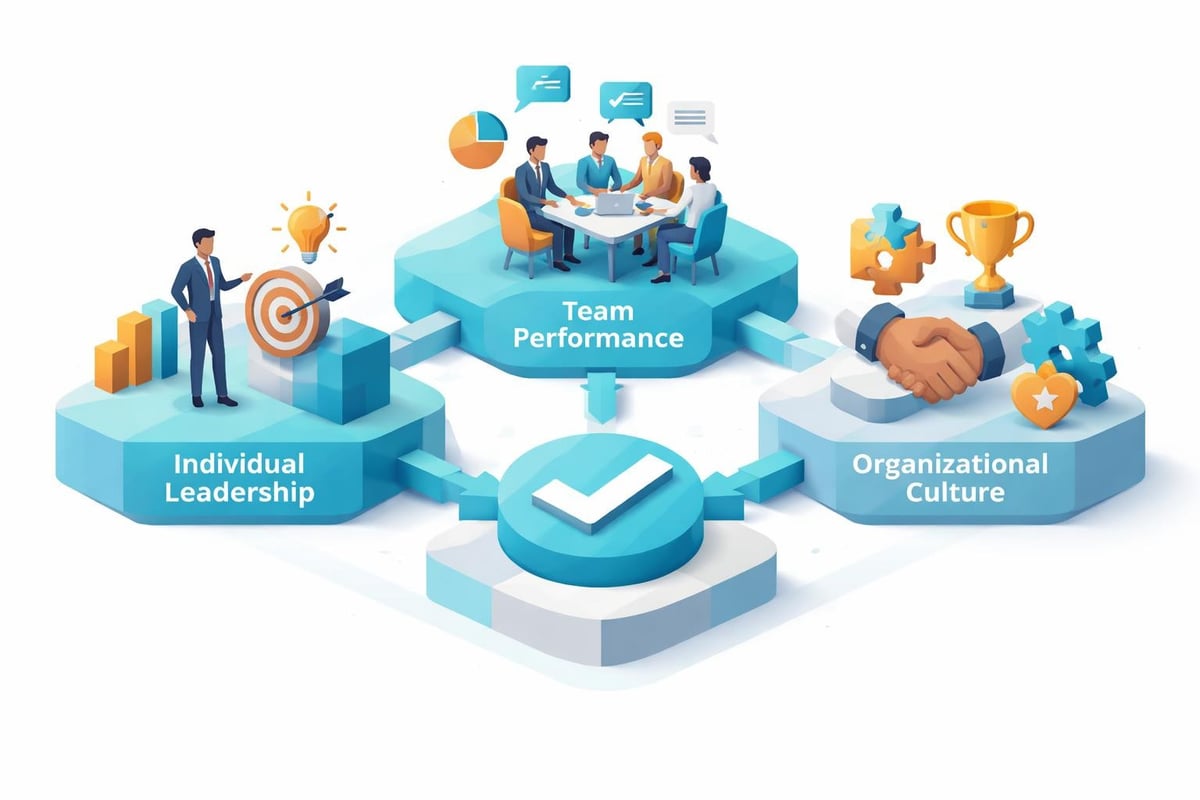
Effective accountability requires specific, measurable indicators that connect leadership behaviors to business outcomes. Organizations establish KPIs across multiple dimensions:
Individual Leadership Metrics:
- 360-degree assessment score improvements across defined competency areas
- Goal completion rates for personal development objectives
- Team engagement scores reflecting direct report satisfaction
- Decision velocity tracking time from analysis to action
Team Performance Indicators:
- Project delivery success rates against timeline and budget parameters
- Cross-functional collaboration effectiveness measured through stakeholder feedback
- Innovation output quantified by new initiatives launched
- Conflict resolution speed tracking issue identification to closure
Organizational Culture Measures:
- Employee retention rates particularly among high performers
- Internal mobility rates showing career development opportunities
- Psychological safety scores indicating willingness to take interpersonal risks
- Values alignment assessments measuring cultural coherence
The Copenhagen Institute for Futures Studies provides strategic advisory services that help organizations incorporate future trends into their measurement frameworks, ensuring accountability systems remain relevant amid rapid change.
Technology-Enabled Tracking
Modern business planning and accountability programs in copenhagen leverage technology platforms that automate data collection, visualization, and reporting. Digital tools transform accountability from periodic review exercises into continuous feedback loops.
Platform capabilities include:
- Real-time dashboard access providing transparency into goal progress for leaders and teams
- Automated reminder systems that prompt timely check-ins and progress updates
- Data integration connecting HR systems, project management tools, and performance platforms
- Trend analysis identifying patterns across individual, team, and organizational levels
- Benchmarking capabilities comparing performance against industry standards and historical baselines
Organizations using AI-enhanced coaching approaches report 45% faster leadership development cycles and more consistent accountability adherence.
Overcoming Implementation Challenges
Even in Copenhagen's high-trust business environment, implementing robust accountability programs encounters predictable obstacles. Understanding these challenges enables proactive mitigation strategies.
Resistance to Transparency
Leaders accustomed to autonomy may resist accountability mechanisms perceived as micromanagement or trust erosion. This resistance often stems from misunderstanding accountability as surveillance rather than support.
Successful programs address this concern by:
- Framing accountability as mutual support rather than top-down control
- Involving leaders in designing measurement systems and defining success criteria
- Demonstrating how accountability data informs resource allocation and development investments
- Celebrating accountability adherence rather than punishing occasional misses
Training programs like those offered through strategic planning workshops help leaders reframe accountability as professional advantage rather than administrative burden.
Measurement Without Development
Tracking performance without providing development support creates anxiety without improvement. Organizations must connect accountability data to meaningful coaching interventions that build capability.
The most effective programs include:
- Regular coaching conversations that review performance data and identify growth opportunities
- Targeted skill development resources addressing specific gaps revealed through measurement
- Peer learning groups where leaders share accountability practices and problem-solve challenges
- Executive sponsorship demonstrating senior commitment to development investment
Understanding how much business coaching costs helps organizations budget appropriately for the development component of accountability programs.
Sustainability Over Time
Initial enthusiasm for new accountability systems often fades as competing priorities emerge and organizational attention shifts. Maintaining program momentum requires intentional design choices.
Sustainability strategies include:
- Embedding accountability in existing workflows rather than creating parallel processes
- Leadership modeling with executives visibly participating in accountability practices
- Regular system refinement based on user feedback and effectiveness data
- Connection to meaningful outcomes showing clear links between accountability adherence and business results
- Recognition systems that celebrate accountability exemplars and share success stories
Advanced Program Design Considerations
Organizations seeking to maximize impact from business planning and accountability programs in copenhagen should consider sophisticated design elements that elevate basic frameworks into transformational systems.
Multi-Level Integration
The most powerful programs operate simultaneously across individual, team, and organizational levels with clear connections between each layer. Individual leader development aligns with team performance objectives, which support enterprise strategic priorities.
Integration mechanisms include:
| Integration Level | Design Element | Accountability Connection |
|---|---|---|
| Individual-Team | Personal development goals derived from team needs | Leaders accountable for building team capability |
| Team-Organization | Team objectives cascade from strategic priorities | Teams accountable for enterprise contribution |
| Organization-Market | Strategic plans respond to market dynamics | Organization accountable to stakeholders |
Compliance and Governance Alignment
Regulated industries and public sector organizations require accountability programs that satisfy external compliance requirements while driving internal performance improvement. Programs designed with dual purposes avoid duplication and administrative burden.
Social business model approaches demonstrate how planning frameworks can simultaneously address market performance and social accountability objectives.
Cultural Customization
While Copenhagen shares general cultural characteristics, individual organizations maintain distinct cultures requiring customized accountability approaches. Assessment of organizational culture identifies:
- Communication norms and preferred feedback mechanisms
- Risk tolerance and innovation expectations
- Decision-making authorities and consensus requirements
- Work-life integration patterns and pace expectations
Programs that honor existing culture while introducing accountability rigor achieve higher adoption rates than those imposing generic frameworks.
Future Trends in Copenhagen Business Planning
The landscape of business planning and accountability programs in copenhagen continues evolving as organizations adapt to emerging challenges and opportunities in 2026 and beyond.
Integrated ESG Accountability
Environmental, social, and governance considerations increasingly integrate into core business planning rather than remaining separate initiatives. Leaders face accountability for sustainability metrics alongside traditional financial and operational measures.
This integration manifests through:
- Carbon footprint reduction targets incorporated into executive compensation
- Diversity and inclusion metrics tracked at team and organizational levels
- Supply chain transparency requirements embedded in procurement accountability
- Stakeholder impact assessments informing strategic planning decisions
Distributed Leadership Models
Traditional hierarchical accountability structures give way to networked models where leadership responsibility distributes across organizational levels. This shift requires new accountability frameworks that function in matrix structures and self-organizing teams.
Emerging practices include:
- Rotating leadership roles where different team members lead specific initiatives
- Collective accountability mechanisms where teams own outcomes rather than individual leaders
- Transparent decision-making processes that clarify how choices were made even when authority is distributed
- Peer accountability systems where colleagues provide feedback and support outside formal hierarchies
Hybrid Work Considerations
The permanent shift to hybrid work models requires accountability systems that function effectively regardless of physical location. Business planning and accountability programs in copenhagen address this reality through:
- Digital-first documentation and tracking systems accessible from any location
- Video-enabled coaching sessions that match in-person conversation quality
- Asynchronous communication protocols that prevent time-zone challenges
- Results-focused measurement rather than presence-based evaluation
Lean leadership training approaches emphasize operational excellence and accountability in distributed environments.
Selecting the Right Program Provider
Organizations seeking business planning and accountability programs in copenhagen benefit from careful provider selection that ensures alignment with specific needs, culture, and objectives.
Evaluation Criteria
Key selection factors include:
Sector Expertise: Providers with demonstrated experience in your industry understand unique challenges, regulatory requirements, and performance drivers. Government agencies require different approaches than technology startups or professional services firms.
Methodology Rigor: Evidence-based approaches grounded in validated assessment tools and proven coaching methodologies deliver more consistent results than proprietary systems lacking external validation.
Scalability: Programs must accommodate organizational size and growth trajectories, from targeted executive coaching to enterprise-wide leadership development initiatives.
Cultural Alignment: Provider values and working styles should match organizational culture to ensure smooth collaboration and high adoption rates.
Measurement Capabilities: Robust data collection, analysis, and reporting systems demonstrate program impact and justify continued investment.
Questions to Ask Potential Providers
- What assessment tools do you use and what validation research supports their effectiveness?
- How do you match coaches to specific leader needs and organizational contexts?
- What KPIs do you recommend for measuring accountability program success?
- How do your programs integrate with existing HR and L&D systems?
- What is your approach to addressing resistance or implementation challenges?
- Can you provide case studies from similar organizations in our sector?
Organizations exploring accountability solutions benefit from researching executive coaching programs that combine rigorous methodology with practical application focus. Resources like https://accountabilitynow.net/ provide additional perspectives on building sustainable accountability cultures within organizations navigating complex transformation initiatives.
Business planning and accountability programs in copenhagen offer organizations a proven path to measurable leadership development and sustainable performance improvement. By combining evidence-based assessment, targeted coaching interventions, and rigorous measurement frameworks, these programs transform strategic intentions into executed results. The Noomii Leadership Coaching program delivers precision-matched coaching solutions that align with your organizational goals, compliance requirements, and cultural context-empowering your leaders to drive engagement, innovation, and long-term success across every level of your enterprise.


Leave a Reply
Want to join the discussion?Feel free to contribute!