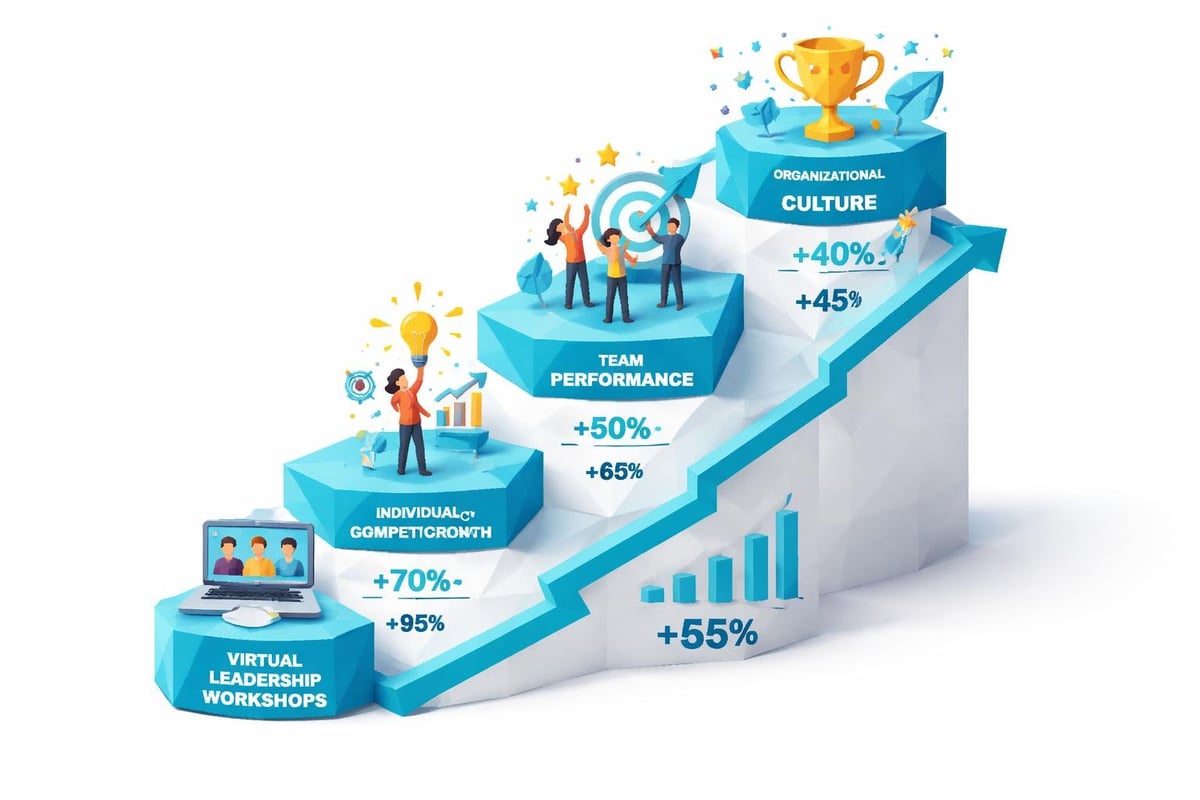
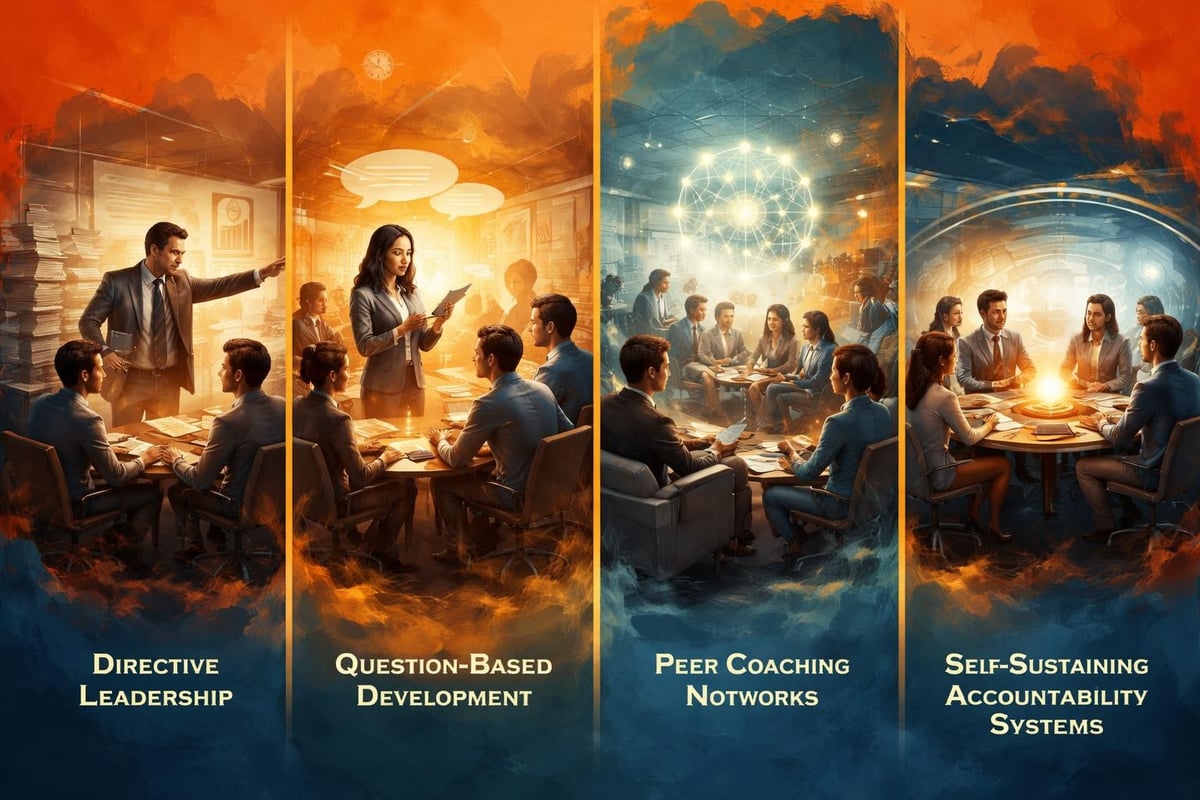
Chennai's rapidly evolving business landscape demands a new caliber of leadership excellence. As organizations navigate complex market dynamics, digital transformation, and multigenerational workforces, the need for strategic leadership development has never been more critical. Leadership development coaching for managers in Chennai offers a proven pathway to build capabilities that drive measurable organizational results while addressing the unique cultural and operational challenges facing Tamil Nadu's business community. The investment in targeted coaching interventions yields returns far beyond traditional training programs, creating lasting behavioral change that transforms team performance and organizational culture.
The Strategic Imperative for Leadership Coaching in Chennai's Business Environment
Chennai has emerged as a critical hub for manufacturing, IT services, financial technology, and automotive innovation. This concentration of high-growth industries creates intense competition for leadership talent.
Organizations face mounting pressure to develop managers who can navigate ambiguity, drive innovation, and build psychologically safe teams. Traditional leadership training often fails because it lacks personalization, accountability mechanisms, and sustained behavior change support.
Leadership development coaching for managers in Chennai addresses these gaps by providing:
- One-on-one guidance tailored to individual leadership challenges
- Evidence-based assessments that reveal behavioral patterns and growth opportunities
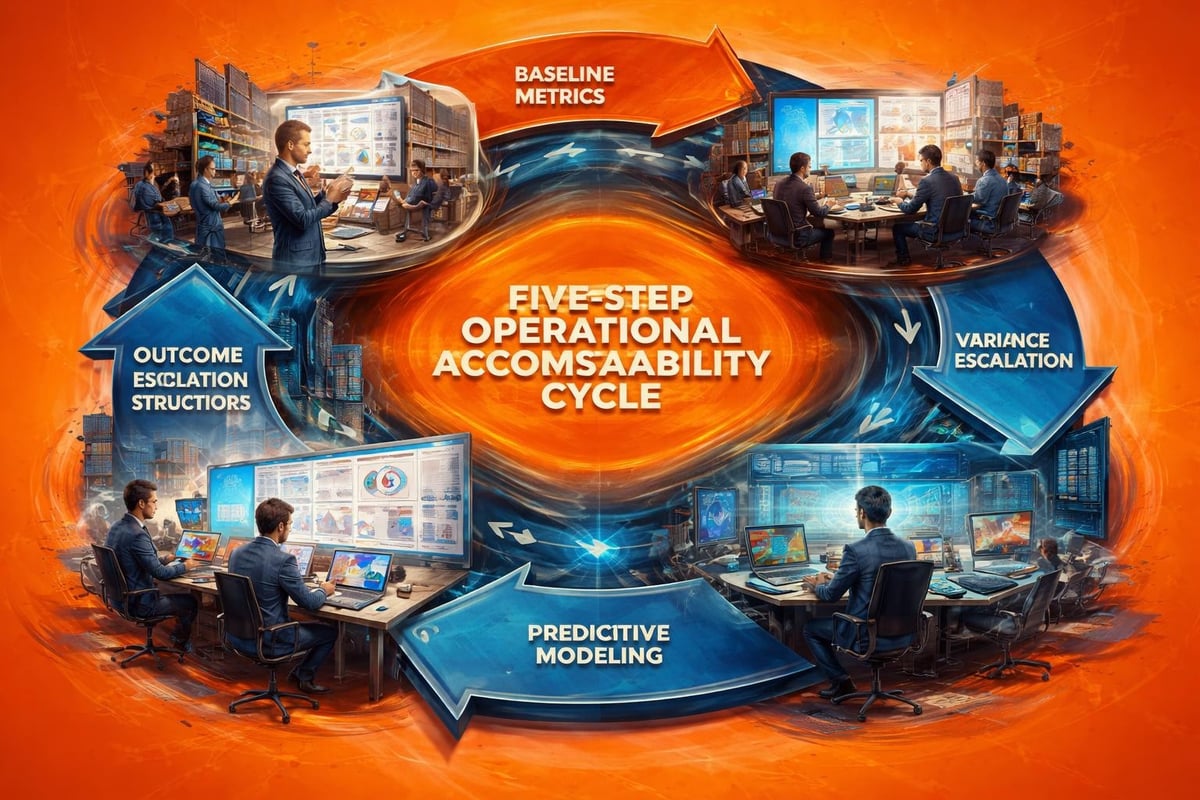
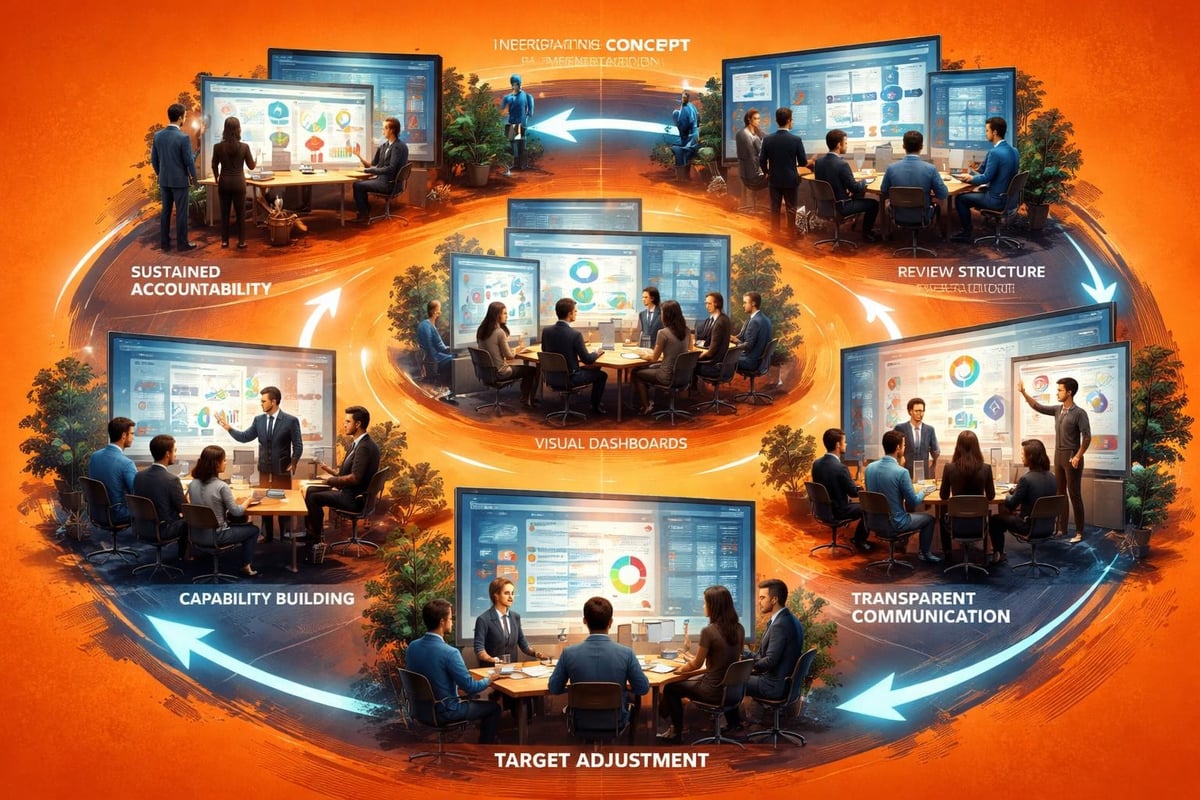
- Accountability structures that ensure concept application in real-world scenarios
- Sustained support throughout the transformation journey
The most effective coaching programs combine local market understanding with global best practices, creating frameworks that respect cultural nuances while driving measurable performance improvements.
Why Traditional Leadership Training Falls Short
Most organizations invest heavily in leadership workshops and seminars that generate temporary enthusiasm but minimal lasting change. Research consistently demonstrates that knowledge transfer alone does not produce behavior change.
Managers return to their roles facing the same challenges without the personalized support needed to apply new concepts effectively. The disconnect between classroom learning and workplace application creates frustration and wasted training budgets.
Leadership coaching services bridge this gap by providing ongoing support, accountability, and customized strategies aligned with each manager's unique context. This approach ensures that learning translates into measurable performance improvements.
Core Components of Effective Leadership Development Programs
Leadership development coaching for managers in Chennai must address both universal leadership principles and region-specific business realities. The most impactful programs integrate multiple evidence-based components.
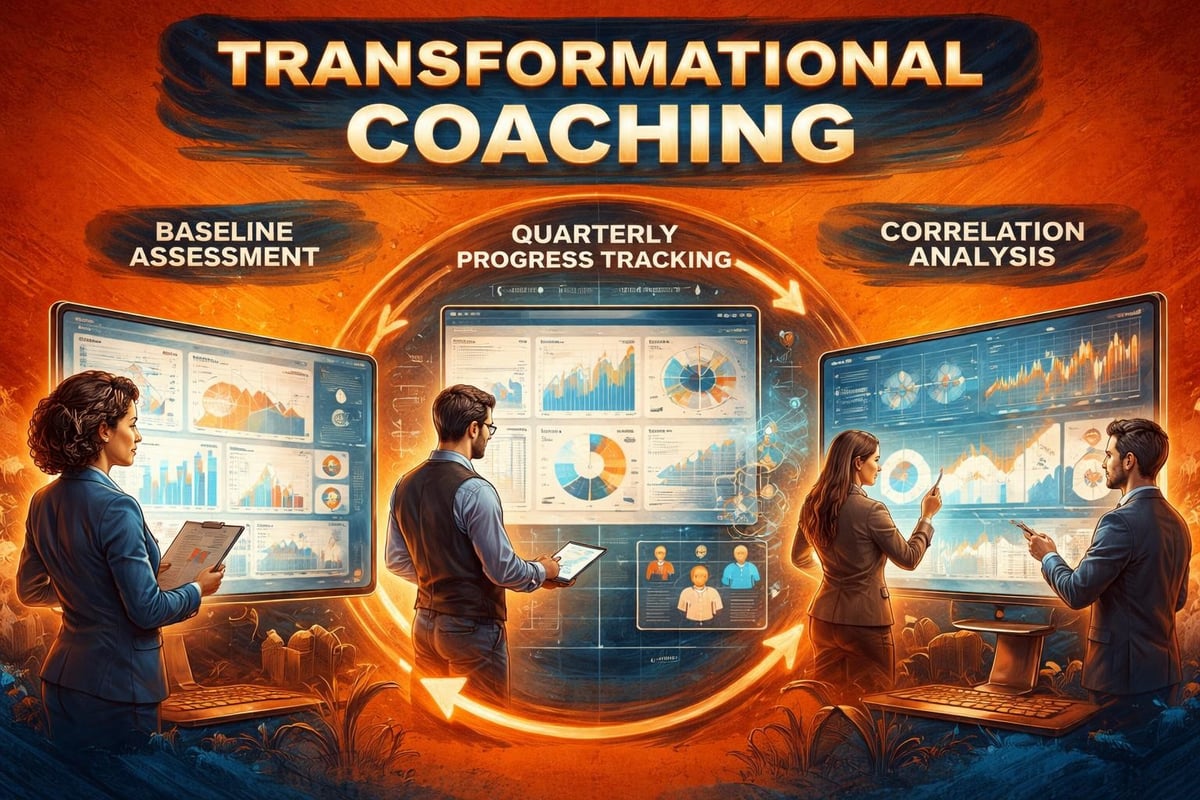
Comprehensive Leadership Assessment
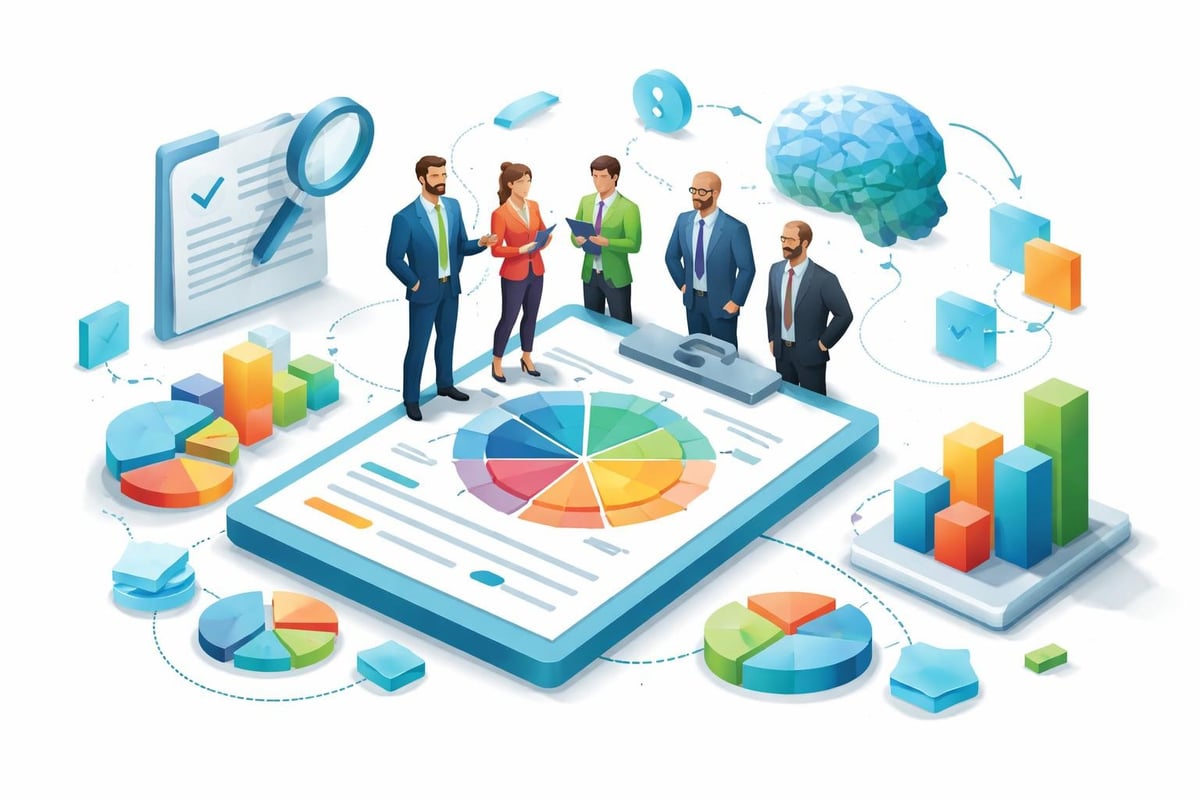
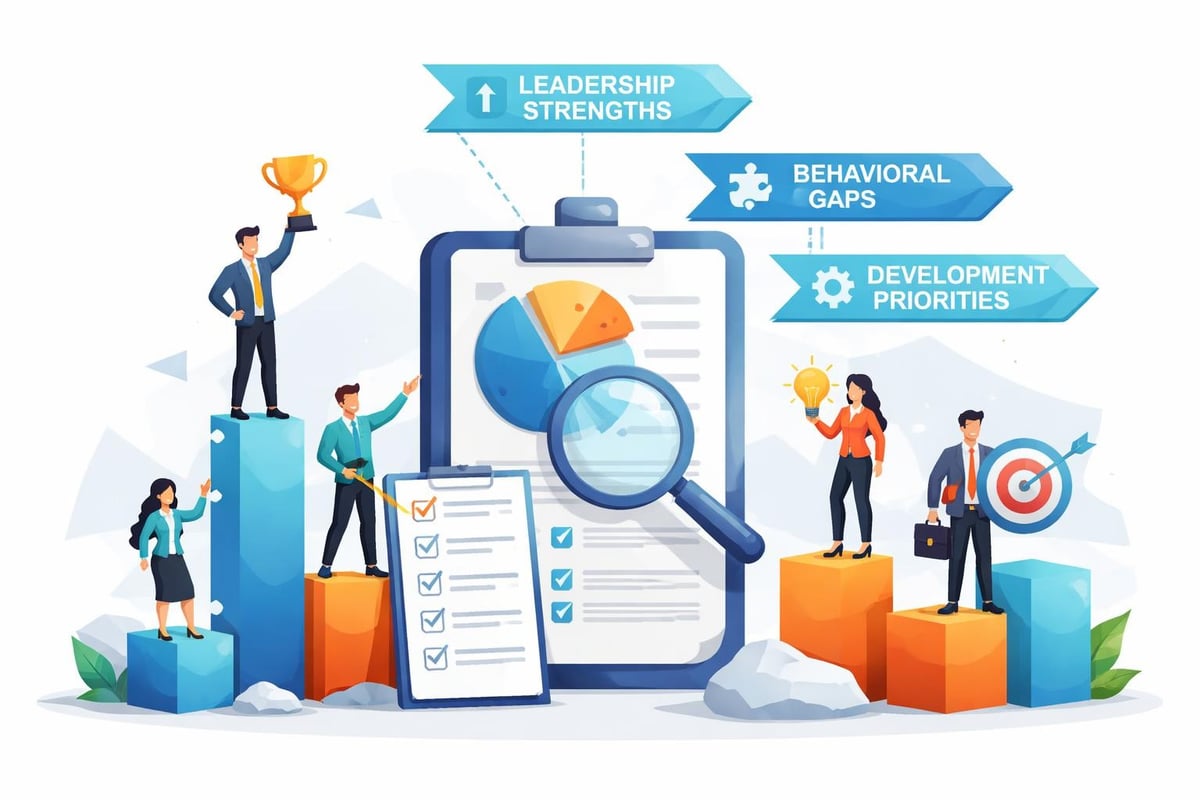
Every effective coaching engagement begins with rigorous diagnostics. These assessments measure leadership competencies, behavioral tendencies, emotional intelligence, and decision-making patterns.
| Assessment Type |
What It Measures |
Application |
| 360-Degree Feedback |
Perception gaps between self-view and others' views |
Identifies blind spots and development priorities |
| Behavioral Assessments |
Natural tendencies and stress responses |
Enhances self-awareness and team dynamics |
| Competency Evaluations |
Technical and strategic leadership skills |
Creates targeted development roadmaps |
The data generated through these assessments provides the foundation for personalized coaching interventions that address actual needs rather than assumed gaps.
Precision Coach Matching
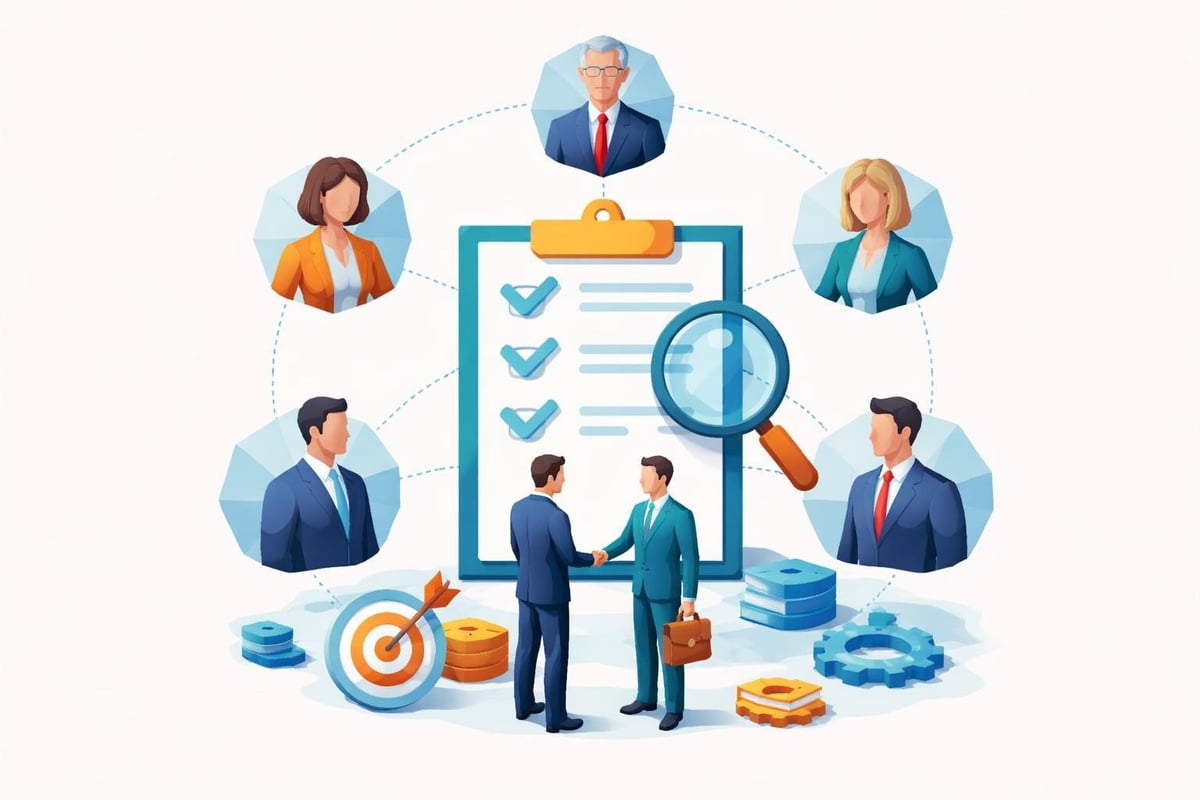
Not all coaches possess the expertise required to address specific leadership challenges. Organizations benefit dramatically when managers work with coaches who understand their industry, organizational context, and particular developmental needs.
The six principles of leadership coaching emphasize the importance of creating supportive relationships built on trust and mutual respect. This foundation enables candid conversations about leadership challenges ranging from conflict management to strategic thinking.
Advanced matching algorithms consider factors including:
- Industry-specific experience and sector knowledge
- Specialized expertise in areas like change management or team dynamics
- Cultural competency and communication style alignment
- Track record addressing similar leadership challenges
This precision approach ensures that leadership development coaching for managers in Chennai delivers targeted solutions rather than generic advice.
Addressing Critical Leadership Challenges Facing Chennai Managers
Chennai's diverse business environment presents unique leadership challenges that require specialized coaching interventions. Understanding these specific pain points enables more effective development strategies.
Managing Multigenerational Teams
Chennai organizations increasingly employ teams spanning Baby Boomers to Generation Z. Each cohort brings distinct expectations regarding communication, feedback, recognition, and work-life integration.
Effective managers must develop fluency in multiple leadership languages. Coaching helps leaders:
- Adapt communication styles to resonate with different generational preferences
- Create inclusive team cultures that leverage diverse perspectives
- Navigate conflicting expectations around autonomy and oversight
- Build engagement across varying motivational drivers
Driving Digital Transformation
As Chennai strengthens its position in technology sectors, managers face pressure to lead digital initiatives while maintaining operational excellence. This dual mandate creates significant stress.
Leadership development coaching for managers in Chennai equips leaders with frameworks to champion change initiatives, overcome resistance, and build digital capabilities within their teams. The focus extends beyond technical knowledge to encompass change leadership and emotional resilience.
Building Psychologically Safe Environments
Research from Google’s Project Aristotle demonstrates that psychological safety is the foundation of high-performing teams. Yet many Chennai managers struggle to create environments where team members feel safe taking interpersonal risks.
Coaching interventions address this by developing skills in:
- Active listening and inclusive facilitation
- Constructive feedback delivery
- Conflict resolution and difficult conversations
- Vulnerability modeling and trust building
These capabilities transform team dynamics and unlock discretionary effort that drives innovation and performance improvements.
Navigating Matrix Organizations and Complex Stakeholder Relationships
Chennai hosts numerous multinational subsidiaries and matrix organizations where managers must influence without direct authority. Success requires sophisticated stakeholder management capabilities.
Targeted coaching develops political acumen, negotiation skills, and the ability to build coalitions across functional and geographic boundaries. These competencies prove essential for driving cross-functional initiatives and advancing organizational priorities.
Measuring ROI and Demonstrating Coaching Impact
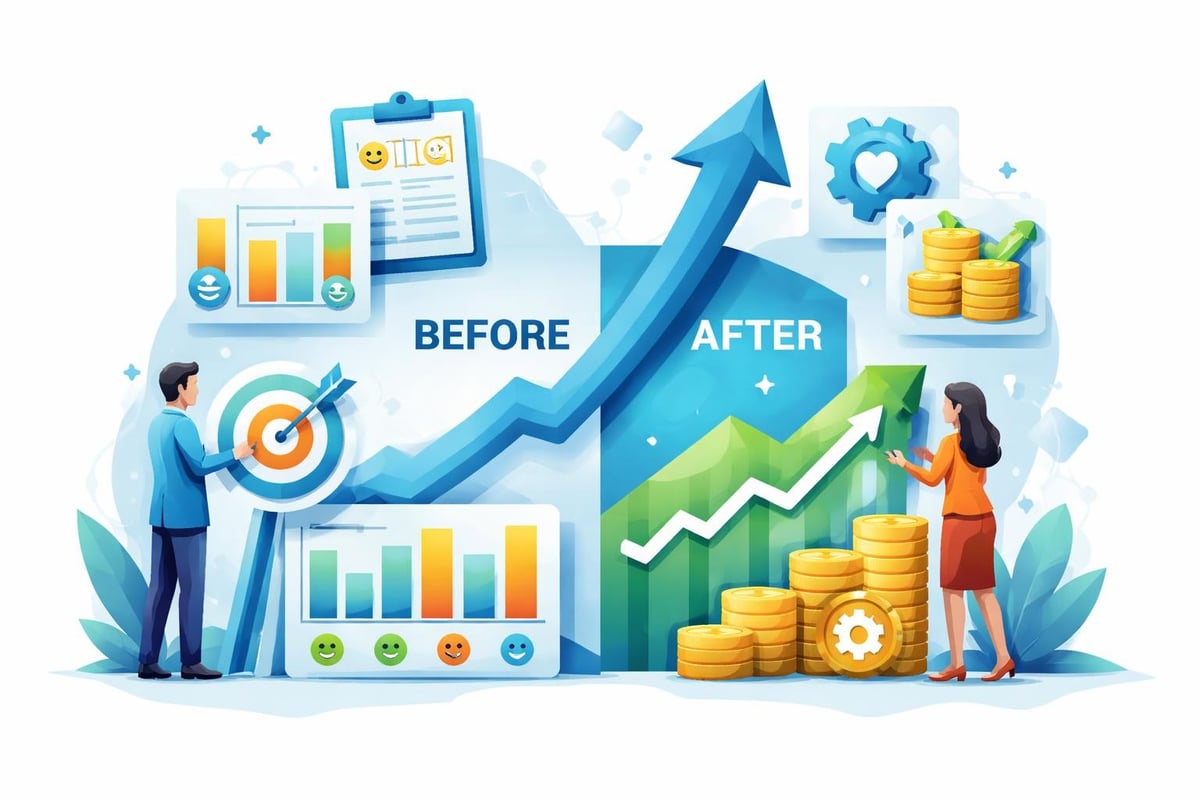
Organizations demand evidence that leadership investments generate tangible returns. The most effective coaching programs incorporate rigorous measurement frameworks from inception.
Establishing Clear Success Metrics
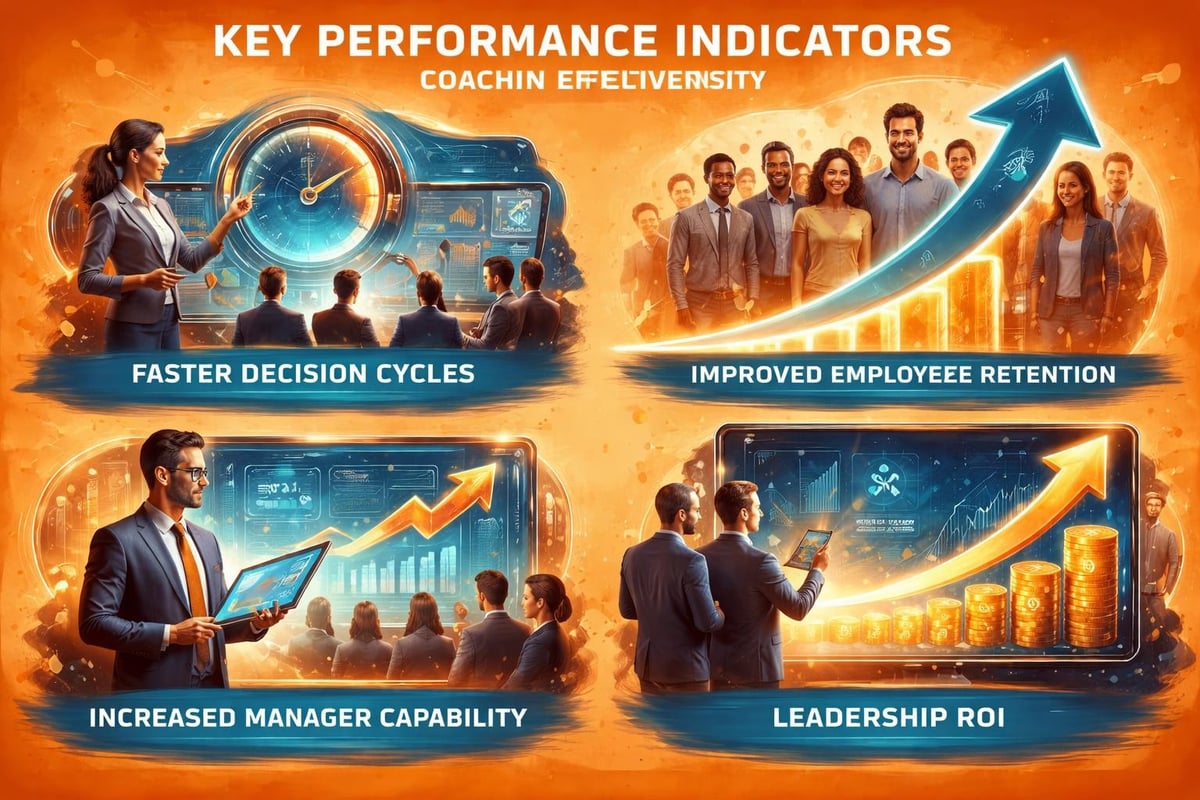
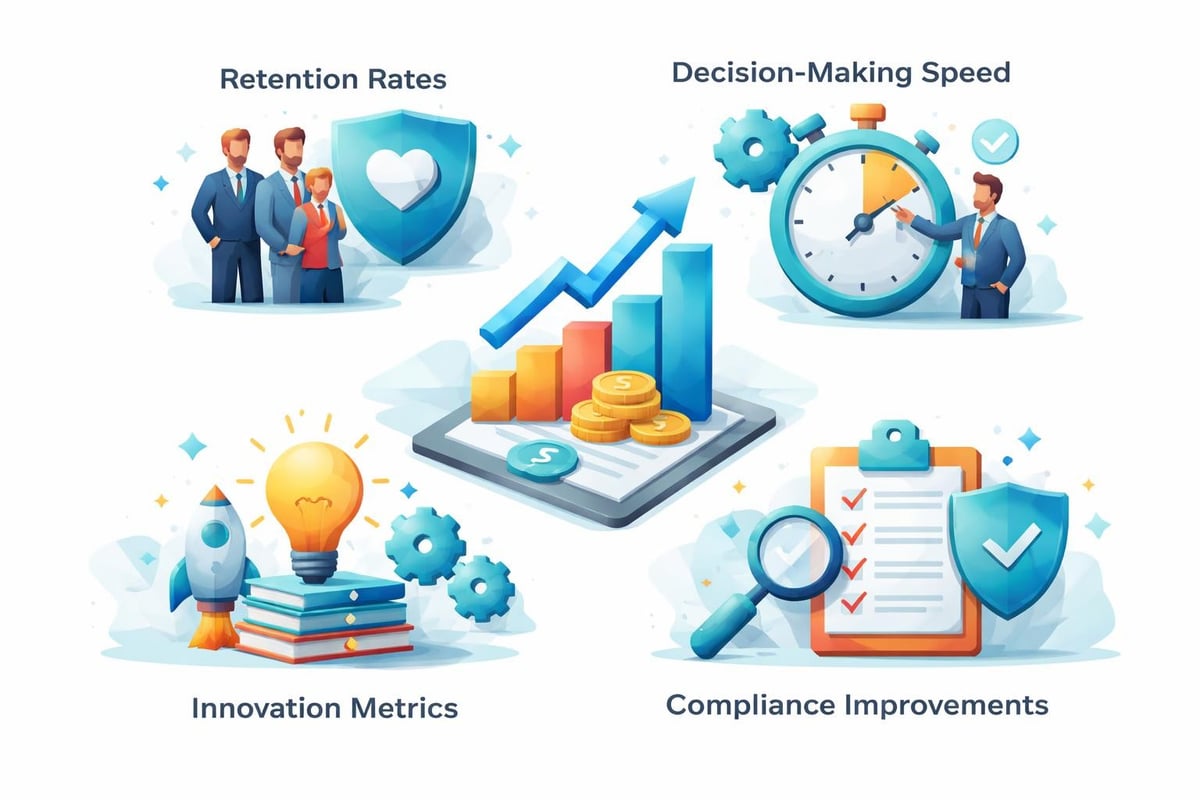
Before coaching begins, stakeholders must align on specific, measurable outcomes. These might include improved employee engagement scores, reduced turnover in critical roles, faster decision-making cycles, or enhanced innovation metrics.
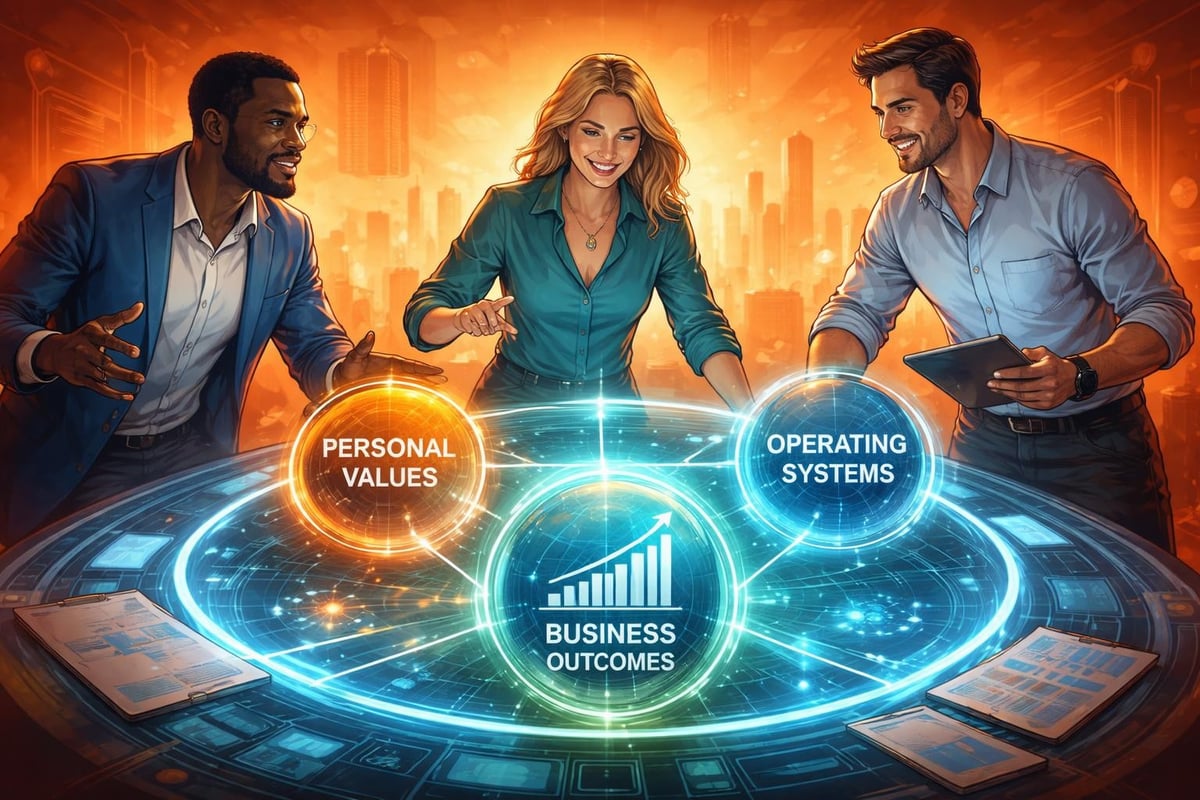
Best practices in leadership development emphasize the importance of connecting individual development to organizational strategy. This alignment ensures coaching addresses priorities that matter to business performance.
| Metric Category |
Example Measures |
Data Source |
| Behavioral Change |
360-degree feedback improvements, peer observations |
Assessment tools, stakeholder interviews |
| Team Performance |
Engagement scores, productivity metrics, quality indicators |
HR systems, operational dashboards |
| Business Impact |
Revenue growth, customer satisfaction, time-to-market |
Financial systems, CRM platforms |
| Retention and Development |
Promotion rates, succession readiness, voluntary turnover |
HRIS, talent reviews |
Tracking Progress Through the Coaching Journey
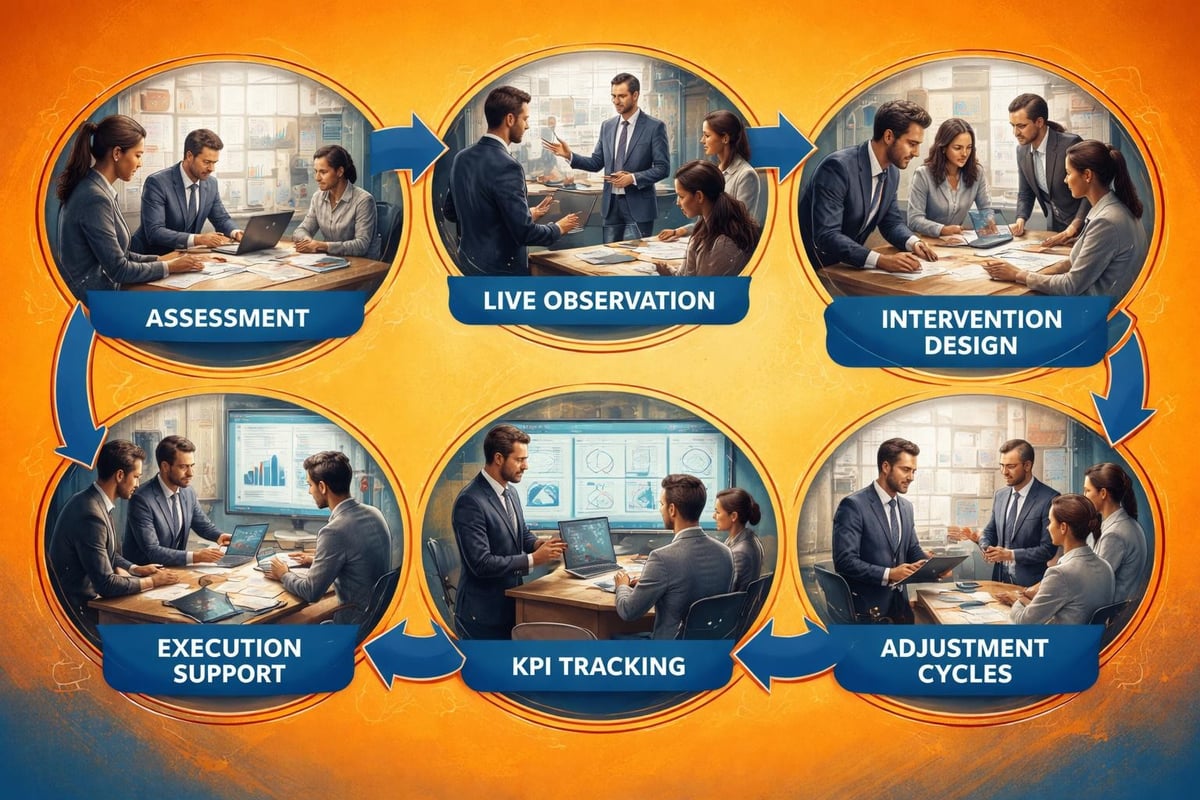
Effective coaching programs incorporate regular check-ins that assess progress against established baselines. These touchpoints enable course corrections and maintain accountability.
Leadership development coaching for managers in Chennai delivers maximum value when organizations implement structured progress reviews at 30, 60, and 90-day intervals. These reviews examine behavior change adoption, obstacle identification, and recalibration of development priorities.
Demonstrating Long-Term Organizational Impact
The full value of coaching investments becomes apparent over 12-18 month periods as behavior changes compound into cultural shifts. Organizations that track longitudinal metrics gain insight into systemic improvements.
Forward-thinking companies examine metrics including:
- Leadership bench strength and succession pipeline quality
- Organizational culture health indicators
- Cross-functional collaboration effectiveness
- Innovation pipeline velocity and quality
These measurements validate the strategic value of sustained leadership development investments and justify program expansion.
Implementation Strategies for Chennai Organizations
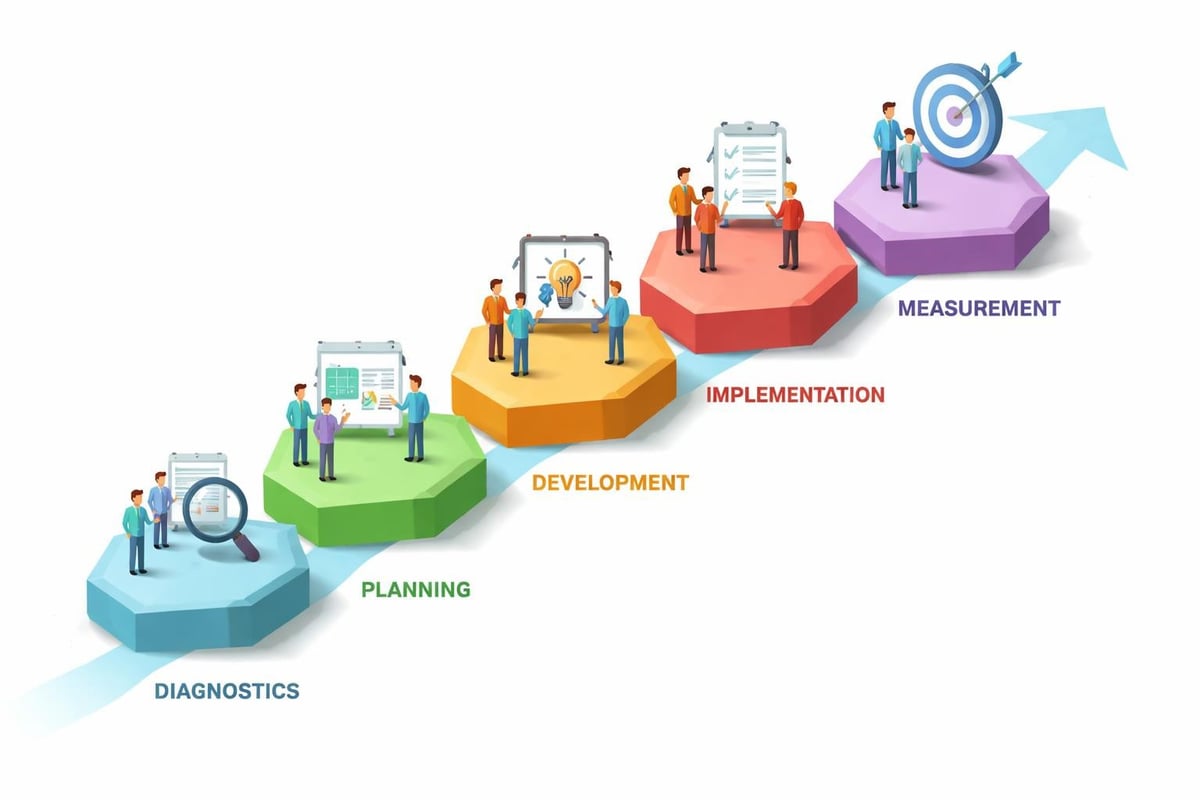
Successfully deploying leadership development coaching for managers in Chennai requires thoughtful implementation planning that addresses organizational readiness, program design, and change management.
Conducting Organizational Readiness Assessments
Before launching coaching initiatives, organizations must evaluate their preparedness. This assessment examines executive sponsorship, resource allocation, cultural receptivity, and integration with existing development frameworks.
Critical readiness factors include:
- Visible executive commitment to leadership development
- HR infrastructure to support program administration
- Budget allocation for sustained multi-month engagements
- Organizational culture that values growth and feedback
Organizations lacking these prerequisites should invest in foundational work before deploying comprehensive coaching programs.
Designing Scalable Coaching Architectures
Different organizational contexts require distinct coaching models. Some organizations benefit from concentrated executive coaching for senior leaders, while others need broader middle management development.
Leadership development coaching programs must balance depth with scale. Hybrid models combining one-on-one coaching with group learning cohorts often deliver optimal cost-effectiveness.
Chennai organizations should consider:
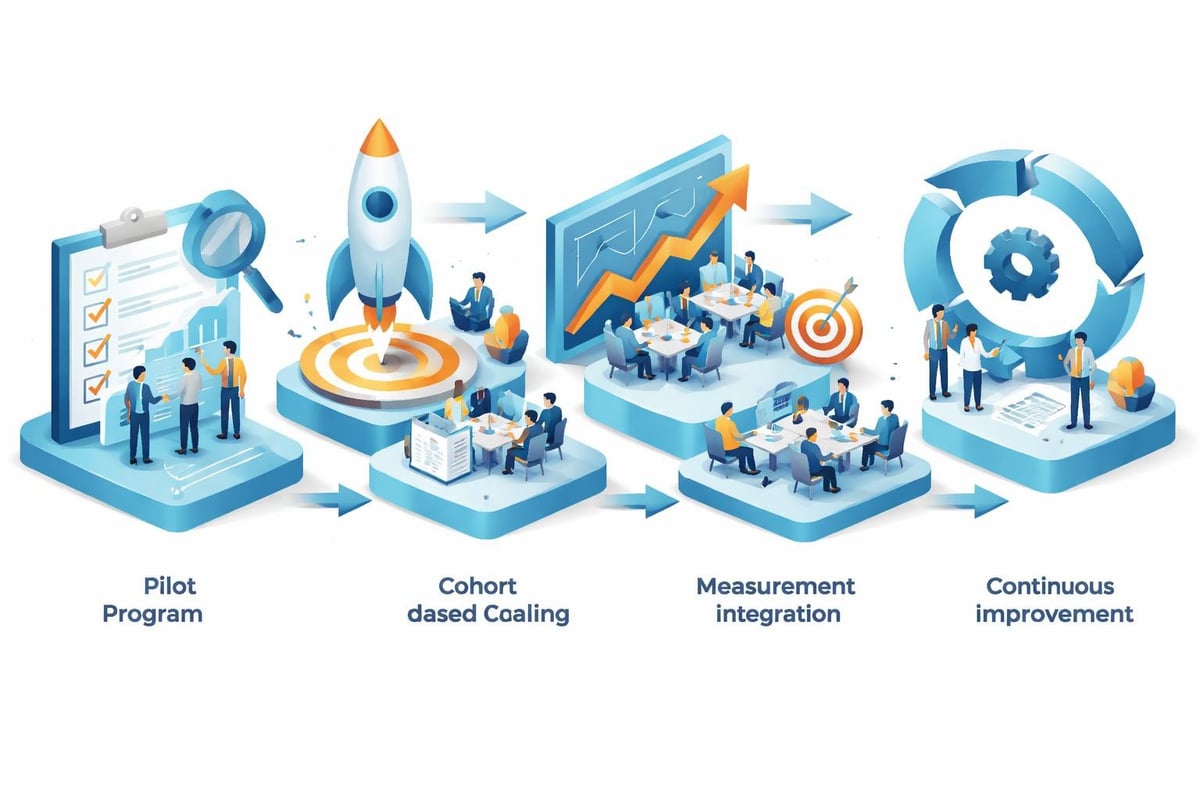
- Pilot Programs: Launch with high-potential managers to demonstrate value and refine processes
- Cohort-Based Rollouts: Deploy coaching to successive management layers over 12-24 months
- Blended Learning: Combine individual coaching with peer learning circles and digital resources
- Train-the-Trainer: Develop internal coaching capabilities to extend program reach
Integrating Coaching with Broader Talent Strategies
Leadership coaching generates maximum impact when integrated with performance management, succession planning, and career development systems. This integration ensures coaching insights inform talent decisions and development priorities.
Organizations should connect coaching outcomes to individual development plans, promotion readiness assessments, and high-potential identification processes. This systematic approach creates coherent talent ecosystems rather than disconnected initiatives.
Selecting the Right Coaching Partner for Your Organization
The coaching provider selection decision significantly impacts program effectiveness. Chennai organizations must evaluate potential partners against rigorous criteria that extend beyond cost considerations.
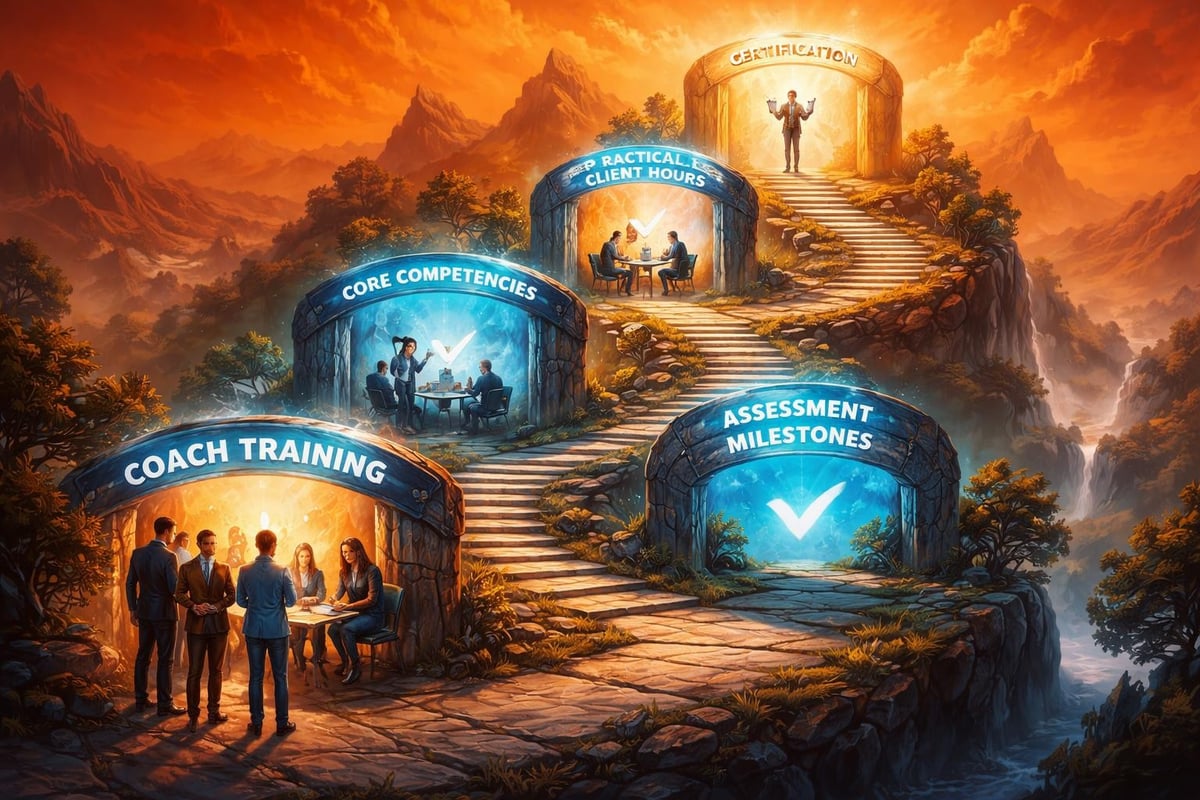
Evaluating Coach Quality and Certification Standards
Not all executive coaches possess equivalent training, experience, or effectiveness. Organizations should prioritize partners who maintain high certification standards and ongoing professional development requirements.
Three key strategies to make leadership development work include selecting qualified coaches, aligning development with business strategy, and ensuring learning retention through structured follow-up.
Essential coach qualifications include:
- Professional certification from recognized coaching bodies (ICF, EMCC, CCE)
- Demonstrated expertise in relevant industry sectors
- Track record of measurable client outcomes
- Ongoing supervision and continuing education
- Evidence-based coaching methodologies
Assessing Organizational Coaching Experience
Individual coaching expertise differs significantly from organizational program delivery capability. Chennai organizations should evaluate partners' experience designing and implementing enterprise-scale coaching initiatives.
Critical capabilities include program management infrastructure, measurement frameworks, quality assurance processes, and integration with HR systems. Providers lacking these organizational competencies struggle to deliver consistent results across large manager populations.
Understanding Technology and Platform Capabilities
Modern coaching programs leverage technology for scheduling, progress tracking, resource delivery, and outcome measurement. Sophisticated platforms enhance program efficiency and provide data visibility.
The Noomii coaching platform exemplifies how technology can streamline coach matching, facilitate progress monitoring, and generate insights that inform talent decisions. Organizations should evaluate platform capabilities as part of partner selection.
Examining Cultural Competency and Local Market Understanding
Leadership development coaching for managers in Chennai requires providers who understand regional business dynamics, cultural nuances, and specific market challenges. This local knowledge ensures coaching conversations address relevant contexts.
However, organizations should avoid purely local providers lacking exposure to global best practices. The ideal partner combines international expertise with regional understanding, delivering world-class methodologies adapted to Chennai's business environment.
Specialized Coaching Interventions for Common Management Challenges
Certain leadership challenges appear consistently across Chennai organizations. Targeted coaching interventions address these recurring pain points with proven methodologies.
Transforming Toxic Leadership Patterns
Organizations suffer immense damage when managers exhibit toxic behaviors including micromanagement, favoritism, blame culture, or communication breakdowns. These patterns destroy team morale, increase turnover, and undermine performance.
Addressing toxic leader behaviors requires specialized interventions that combine behavior modification, accountability structures, and sometimes difficult conversations about role fit. Expert coaches help managers recognize destructive patterns and develop healthier leadership approaches.
Enhancing Strategic Thinking Capabilities
Many technically brilliant managers struggle when promoted into roles requiring strategic perspective. The transition from tactical execution to strategic leadership demands fundamentally different thinking patterns.
Coaching develops strategic capabilities by:
- Teaching frameworks for analyzing complex business environments
- Building skills in scenario planning and future visioning
- Enhancing ability to identify patterns across disparate data
- Developing comfort with ambiguity and incomplete information
These interventions prepare managers for senior leadership responsibilities and improve current decision-making quality.
Strengthening Emotional Intelligence
Emotional intelligence separates adequate managers from exceptional leaders. Self-awareness, self-regulation, social awareness, and relationship management capabilities determine leadership effectiveness across diverse contexts.
Leadership development coaching for managers in Chennai systematically builds emotional intelligence through targeted exercises, feedback mechanisms, and real-world application. Managers develop capacity to read team dynamics, regulate their emotional responses, and navigate interpersonal complexity with greater skill.
Developing High-Performing Team Cultures
Individual brilliance cannot compensate for dysfunctional team dynamics. Effective managers intentionally cultivate team cultures characterized by trust, accountability, collaboration, and shared purpose.
Coaching helps managers diagnose team health, address dysfunction, establish productive norms, and create conditions for peak performance. This work often involves facilitating difficult team conversations and restructuring how teams operate.
Building Sustainable Leadership Development Ecosystems
Organizations that treat coaching as an isolated intervention miss opportunities for systemic leadership capability building. The most successful Chennai companies embed coaching within comprehensive leadership ecosystems.
Creating Coaching Cultures Throughout Organizations
When coaching becomes normalized rather than remedial, organizations unlock its full potential. Leaders at all levels should view coaching as a standard development tool rather than a signal of performance problems.
This cultural shift requires:
- Executive leaders openly discussing their coaching experiences
- Incorporating coaching language into performance conversations
- Celebrating development progress and behavior change
- Providing coaching access across organizational levels
Organizations with strong coaching cultures report higher engagement, faster leadership pipeline development, and stronger retention of high-potential talent.
Developing Internal Coaching Capabilities
While external executive coaches provide specialized expertise, organizations benefit from developing internal coaching capabilities among HR professionals and senior leaders. This hybrid approach extends coaching reach while managing costs.
Internal coach development programs teach coaching methodologies, conversation frameworks, and ethical boundaries. These capabilities enhance everyday leadership conversations even when formal coaching relationships are not in place.
Connecting Individual Development to Organizational Learning
Leadership development coaching for managers in Chennai generates insights that extend beyond individual participants. Organizations should capture and synthesize coaching themes to inform broader organizational development priorities.
When multiple managers struggle with similar challenges, this pattern signals systemic issues requiring organizational intervention. Progressive companies use aggregated coaching data to identify culture problems, process gaps, and structural obstacles that impede leadership effectiveness.
Establishing Continuous Improvement Mechanisms
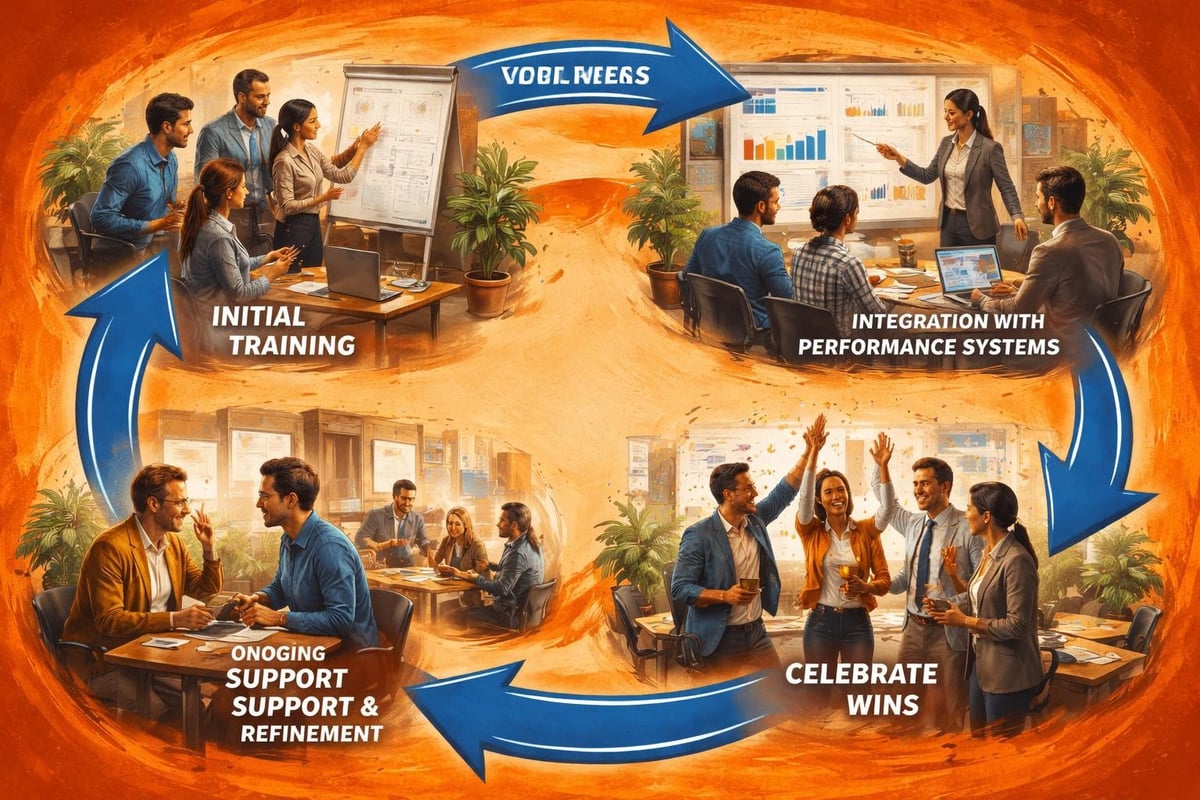
The most effective coaching programs incorporate regular evaluation and refinement cycles. Organizations should systematically assess program effectiveness, gather participant feedback, and evolve approaches based on outcome data.
This continuous improvement mindset ensures coaching programs remain relevant as organizational needs evolve and leadership challenges shift. Annual program reviews should examine measurement data, participant experiences, coach performance, and alignment with strategic priorities.
Future Trends Shaping Leadership Development in Chennai
Forward-thinking organizations monitor emerging trends that will shape leadership development over the coming years. Staying ahead of these shifts creates competitive advantage in talent development.
Artificial Intelligence and Personalized Learning Pathways
AI technologies increasingly enable hyper-personalized development experiences. Algorithms analyze leadership behavior patterns, learning preferences, and development progress to recommend customized resources and interventions.
While AI cannot replace human coaching relationships, it enhances program efficiency by automating administrative tasks, suggesting relevant content, and identifying development opportunities. Chennai organizations should explore how AI augments rather than replaces coaching effectiveness.
Neuroscience-Informed Coaching Methodologies
Advances in neuroscience research illuminate how leaders can rewire habitual behavior patterns and develop new capabilities. Brain-based coaching applies these insights to accelerate leadership development.
Techniques grounded in neuroplasticity, habit formation, and cognitive restructuring help managers make sustainable behavior changes more quickly. Organizations seeking cutting-edge approaches should evaluate coaches trained in neuroscience-informed methodologies.
Virtual and Hybrid Coaching Delivery Models
The pandemic accelerated adoption of virtual coaching delivery, proving that remote engagements can achieve outcomes comparable to in-person sessions. This flexibility expands access to specialized coaches regardless of geographic location.
Leadership development coaching for managers in Chennai now routinely combines virtual sessions with occasional in-person intensives, optimizing convenience while preserving relationship depth. Organizations should embrace hybrid models that balance accessibility with connection quality.
Integration with Broader Well-Being Initiatives
Progressive organizations recognize the interconnection between leadership effectiveness, mental health, and overall well-being. Coaching programs increasingly address work-life integration, stress management, and resilience alongside traditional leadership competencies.
This holistic approach acknowledges that managers struggling with burnout, anxiety, or personal challenges cannot lead effectively. Comprehensive programs support whole-person development rather than narrow skill building.
Navigating Common Implementation Obstacles
Even well-designed coaching programs encounter predictable challenges during deployment. Anticipating these obstacles enables proactive mitigation strategies.
Overcoming Manager Skepticism and Resistance
Some managers view coaching assignments as criticism rather than development opportunities. This perception creates resistance that undermines program effectiveness.
Organizations should address skepticism by:
- Framing coaching as an investment in high-potential leaders
- Sharing success stories from previous coaching participants
- Ensuring executive leaders model coaching participation
- Clearly communicating selection criteria and program objectives
Transparent communication and visible executive sponsorship overcome most resistance when sustained throughout program deployment.
Managing Confidentiality and Trust Boundaries
Coaching effectiveness depends on psychological safety within the coaching relationship. Managers must trust that conversations remain confidential within appropriate boundaries.
Organizations should establish clear confidentiality protocols that protect coaching conversations while enabling progress monitoring. These agreements specify what information coaches may share with organizational stakeholders and under what circumstances.
Balancing Short-Term Business Demands with Development Time
Managers often struggle to prioritize coaching participation amid urgent business demands. Without protected development time, coaching engagements become sporadic and ineffective.
Successful programs require explicit organizational commitment to protect coaching time. This might involve calendar blocking, workload adjustments during intensive coaching periods, or explicit expectations that coaching participation takes precedence over routine meetings.
Sustaining Momentum Beyond the Coaching Engagement
The conclusion of formal coaching relationships poses risks of regression to previous behavior patterns. Organizations must implement sustainability mechanisms that support continued growth.
Post-coaching support strategies include peer accountability partnerships, follow-up check-ins with coaches at 90-day intervals, integration of coaching goals into performance reviews, and ongoing access to resources and learning communities. For teams exploring accountability structures beyond coaching, AccountabilityNow offers complementary frameworks that can reinforce behavioral change and maintain development momentum.
Leadership development coaching for managers in Chennai represents a strategic investment that transforms individual capabilities and organizational performance. By combining evidence-based assessments, precision coach matching, and targeted interventions, organizations build leadership bench strength that drives competitive advantage. The Noomii Leadership Coaching platform delivers these capabilities through a proven methodology that aligns individual growth with institutional priorities, creating confident, adaptive leaders who drive engagement, innovation, and sustained organizational success.