
What Is a Life Coach? Guide for Understanding in 2026
Life coaching is capturing global attention in 2026, transforming how people pursue personal and professional growth. Yet, despite its popularity, many still wonder exactly what is a life coach and how this role differs from other helping professions.
This guide aims to bring clarity, offering a comprehensive and current look at life coaching in 2026. You will discover what defines a life coach, their roles, core benefits, and the various specializations available.
We will also explore how life coaching compares to therapy and consulting, the steps to becoming a coach, and the most important factors when choosing the right coach for your needs. Ready to find answers and unlock new possibilities? Read on for the ultimate guide to understanding life coaching today.
What Is a Life Coach?
If you have ever wondered, what is a life coach, you are not alone. In 2026, a life coach is a trained professional who partners with clients to help them set, pursue, and achieve meaningful personal or professional goals. Rather than focusing on past traumas or diagnosing mental health issues, life coaches guide clients toward clarity and action in the present and future.
The industry is unregulated as of 2026, meaning there are no universal licensing requirements. This allows for a wide range of coaching backgrounds, from generalists who address broad life concerns to specialists in wellness, career, or financial growth. According to ICF 2023 data, the average annual earnings for North American life coaches is $67,800.
Clients often turn to life coaches when they feel stuck, lack direction, or are navigating major transitions. For example, someone unsure about their next career move might seek coaching to identify strengths and set clear steps forward. Successful coaches rely on empathy, strong communication, and organizational skills to foster growth.
To learn more about the foundations of life coaching and how it works, visit the Noomii Home: About Life Coaching page.
By understanding what is a life coach, you can better recognize the value they bring to personal and professional development.

What Do Life Coaches Do? Key Roles and Responsibilities
A central part of understanding what is a life coach involves exploring their practical roles. Life coaches guide clients through a structured process starting with an initial assessment to clarify the client’s present situation and desired outcomes.
They help clients set specific, achievable goals and develop tailored action plans. Through regular sessions, coaches provide accountability, ensuring clients stay committed to making progress. This ongoing support is crucial in helping clients overcome obstacles and maintain focus.
Life coaches use powerful questioning, active listening, and constructive feedback to deepen client self-awareness. They may assign exercises or activities for clients to complete between sessions, reinforcing new habits and insights. Reflection and honest dialogue are cornerstones of the coaching relationship.
Coaching sessions can take place one-on-one, in groups, in person, or virtually. This flexibility allows clients to choose the format that best suits their needs and schedules.
Clients typically seek coaching to address challenges like overcoming procrastination, navigating career changes, or improving relationships. For example, a coach might support someone in building confidence to pursue a new professional path or help a client set boundaries in personal relationships.
Many life coaches are entrepreneurs who manage their own businesses, continually investing in professional development and adopting new coaching methodologies such as NLP or mindfulness. Staying current ensures that what is a life coach remains relevant and effective in a rapidly evolving field.

Types of Life Coaches and Specializations
Life coaching in 2026 has expanded into a wide range of specialties, reflecting the diverse needs of clients. When people ask what is a life coach, they often discover options such as business, executive, financial, wellness, career, relationship, confidence, and spiritual coaches.
Many life coaches start as generalists and gradually find their niche based on experience or advanced training. Today, niche coaching is more common than ever. You might find coaches who focus on body-image, divorce recovery, or leadership development.
Some coaches work with organizations, teams, or specific groups like teens and executives. For example, a wellness coach helps clients adopt healthier habits by combining motivational strategies, nutrition, and stress management.
Coaching approaches are highly diverse. Many professionals integrate modalities such as positive psychology or breathwork to tailor support. This flexibility ensures clients find a coach who aligns with their goals and values.
Specialization benefits both coaches and clients. Coaches gain expertise and credibility, while clients receive targeted, effective guidance. With so many choices, understanding what is a life coach often comes down to finding the right fit for your unique journey.
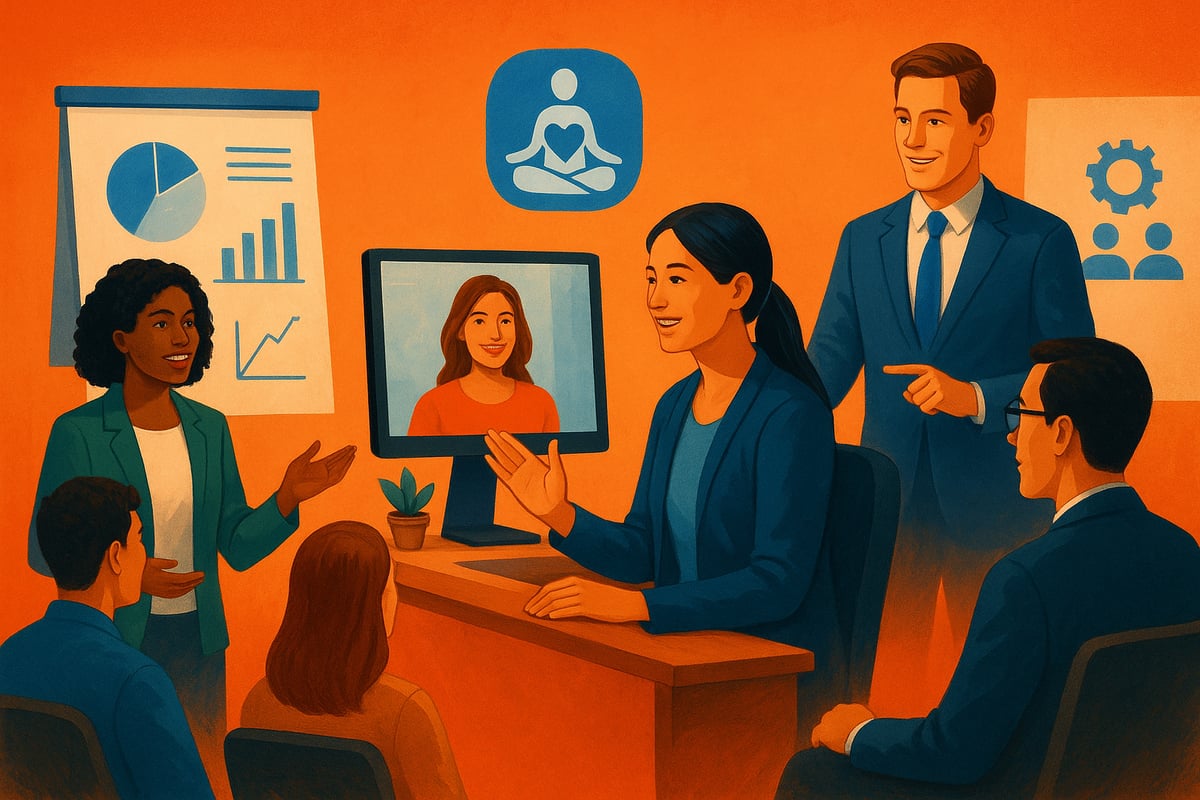
Life Coaching vs. Therapy, Counseling, and Consulting
Understanding what is a life coach requires a clear look at how coaching differs from therapy, counseling, and consulting. These professions share similarities, but their roles and approaches are distinct.

Coaching vs. Therapy
Life coaches focus on helping clients set and achieve future goals, using present-moment strategies and accountability. Therapy, on the other hand, addresses emotional healing, mental health, and past trauma. Therapists, such as psychologists or psychiatrists, are licensed professionals who diagnose and treat mental health conditions.
Here's a quick comparison:
| Profession | Focus | Regulation | Approach |
|---|---|---|---|
| Life Coach | Present & Future | Unregulated | Goal-oriented, action |
| Therapist | Past & Present | Licensed | Healing, diagnosis |
| Counselor | Short-term Problems | Licensed | Emotional support |
| Consultant | Specific Expertise | Varies | Provides solutions |
Counseling and Consulting
Counselors often work with clients on short-term, problem-focused issues and provide emotional support. Consulting is different from what is a life coach because consultants act as subject-matter experts, offering direct solutions and advice, rather than facilitating client-driven discovery.
Practical Examples and Boundaries
If someone feels stuck in their career but does not have a mental health diagnosis, a life coach can help define goals and build a plan. For depression or anxiety, a therapist is more appropriate. Coaches must not diagnose or treat mental health conditions. Many clients benefit from both coaching and therapy at different points. For a deeper dive into the distinctions, see Life Coach vs. Therapist: Key Differences. Most coaches hold certifications like ICF or EMCC, but are not required to be licensed.
How to Become a Life Coach: Steps for 2026
Pursuing a career in life coaching starts with understanding what is a life coach and how to build a successful path in 2026. The process includes several practical steps, each designed to set a strong foundation for your future as a coach.
Step 1: Self-Assessment
Evaluate your strengths in communication, empathy, and goal-setting. Reflect on your motivation for entering the field and identify areas for growth.
Step 2: Choose a Niche
Decide which type of coaching aligns with your interests and background. Specializing increases your ability to attract the right clients.
Step 3: Training and Certification
Enroll in reputable programs such as those offered by the International Coaching Federation (ICF) or EMCC. These courses provide essential frameworks and credibility.
Step 4: Gain Practical Experience
Practice coaching through mentorship, peer sessions, or volunteering. Real-world experience sharpens your skills and builds confidence.
Step 5: Establish Your Business
Set up your legal structure, define coaching services, and plan your marketing strategy. A clear business model is key to long-term success.
Step 6: Build an Online Presence
Create a professional website and leverage coaching platforms to attract clients. Social media and directories expand your reach.
Step 7: Commit to Ongoing Development
Stay updated with new coaching methodologies and uphold ethical standards. Lifelong learning is vital in this evolving industry.
| Education Level | Percentage of Coaches |
|---|---|
| Bachelor’s Degree | 30% |
| Graduate Degree | 65% |
Many coaches transition from related fields like counseling or social work, seeking greater flexibility and personal fulfillment. If you are considering this rewarding journey, remember that clarity and accountability are essential. For more tips on accountability and coaching, visit Accountability Now.
Benefits of Working with a Life Coach
Understanding what is a life coach can unlock a world of positive change for individuals seeking growth. Partnering with a skilled coach provides tailored support to help clients clarify goals, stay motivated, and achieve measurable progress in both personal and professional arenas.
Clients benefit from:
- Increased clarity and direction during transitions
- Personalized strategies for long-term success
- Consistent accountability and encouragement
- Improved confidence, resilience, and well-being
Life coaching is especially valuable during major life events, such as career pivots, relationship shifts, or stepping into leadership roles. For executives and entrepreneurs, coaching drives higher performance and fosters a sense of purpose. According to Payscale 2024, hourly rates range from $25.39 for entry-level to $71.25 for experienced coaches, reflecting the value of expertise.
Virtual coaching now makes these benefits accessible to clients worldwide, regardless of location. Choosing a coach with relevant experience and a compatible approach is key to maximizing these outcomes. For more tips on accountability and coaching, visit Accountability Now.
How to Choose the Right Life Coach in 2026
Selecting the best fit when exploring what is a life coach can make all the difference in your coaching journey. Start by clarifying your goals and researching coaches with relevant credentials and specialization.
Key criteria to consider:
- Credentials and certifications (such as ICF or EMCC)
- Area of specialization aligned with your needs
- Coaching style and approach
- Positive client testimonials and reviews
Schedule a free introductory session to gauge compatibility and communication style. Open dialogue about expectations, boundaries, and ethical standards is essential for a successful relationship.
Leverage reputable platforms to compare coaches, review profiles, and schedule discovery calls. For example, Find a Life Coach Directory offers a comprehensive resource to connect with vetted professionals worldwide.
Remember, many coaches offer virtual sessions, making expert support accessible no matter where you are. For more tips on accountability and coaching, visit Accountability Now.
Always verify ongoing education and a clear code of ethics. The right coach should inspire trust, transparency, and measurable progress.
Frequently Asked Questions (FAQ)
What is a life coach and what do they do?
A life coach guides clients toward personal and professional growth through goal-focused support.
How do I know if I need a life coach or a therapist?
If you want future-focused guidance rather than mental health treatment, a life coach is ideal. For a detailed comparison, see Coaching vs. Therapy: Understanding the Difference.
What qualifications should a life coach have?
Look for recognized certifications, relevant experience, and positive client testimonials.
How long does it take to become a certified life coach?
Training programs vary but often take several months to a year.
What does it cost to hire a life coach?
Costs range widely, from $25 to $150+ per hour depending on experience.
What results can I expect from life coaching?
You can expect greater clarity, motivation, accountability, and measurable progress.
How can organizations benefit from hiring coaches for teams?
Organizations see improved leadership, engagement, and team performance.
Where can I find a vetted coach for accountability and growth?
Visit Accountability Now for resources on finding the right coach.
Who is Don Markland in the coaching industry?
Don Markland is a recognized executive coach and leadership expert known for results-driven coaching.


Leave a Reply
Want to join the discussion?Feel free to contribute!