
9 Essential ChatGPT Prompts to Help Coaches Improve Results
AI tools like ChatGPT are transforming the coaching landscape, giving professionals new ways to drive client breakthroughs. As the demand for innovative strategies grows, coaches now seek methods that deliver real, measurable improvements. This article is designed to empower you with practical chatgpt prompts to help coaches improve results, ensuring each session is more productive and impactful.
You will discover proven prompt examples to spark deeper client insights, boost session efficiency, and strengthen accountability. Ready to unlock better outcomes for your clients? Explore the 9 essential prompts and elevate your coaching practice today.
Why ChatGPT Prompts Are Game-Changers for Coaches
Chatgpt prompts to help coaches improve results are transforming the way coaching sessions are delivered. By leveraging AI-powered prompts, coaches can streamline their workflows, making session preparation faster and more efficient. This automation allows coaches to focus on building meaningful client connections instead of repetitive administrative tasks.
One key advantage is the ability to generate fresh perspectives on client challenges. With chatgpt prompts to help coaches improve results, coaches can quickly access new angles for goal setting, feedback, and accountability. These prompts support continuous learning for both clients and coaches, keeping sessions dynamic and engaging.
According to the International Coach Federation, 77% of coaches are actively seeking new tools to boost client engagement. The growing adoption of digital tools, as highlighted in AI adoption in business coaching, reflects this trend in the industry. Whether it is executive, leadership, or team coaching, prompts can be tailored for unique contexts and personalities.
It is important to remember that AI is best used as a supplement, not a replacement, for human intuition and empathy. Coaches who integrate these tools into their practice are better equipped to deliver measurable improvement, staying ahead in a rapidly evolving field.
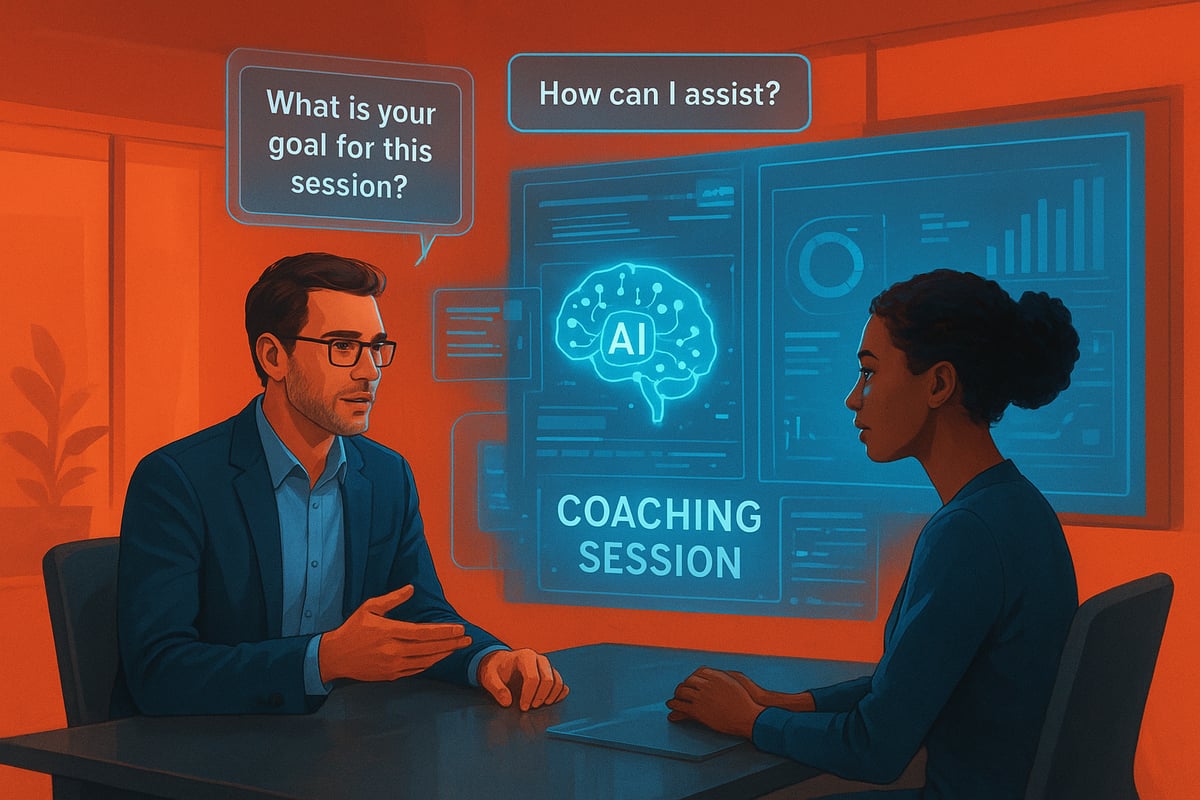
9 Essential ChatGPT Prompts to Help Coaches Improve Results
Unlocking measurable outcomes starts with the right questions. The following 9 essential chatgpt prompts to help coaches improve results are designed to bring clarity, foster breakthroughs, and boost accountability in every session. By weaving these prompts into your practice, you can elevate conversations and move clients toward sustainable change.
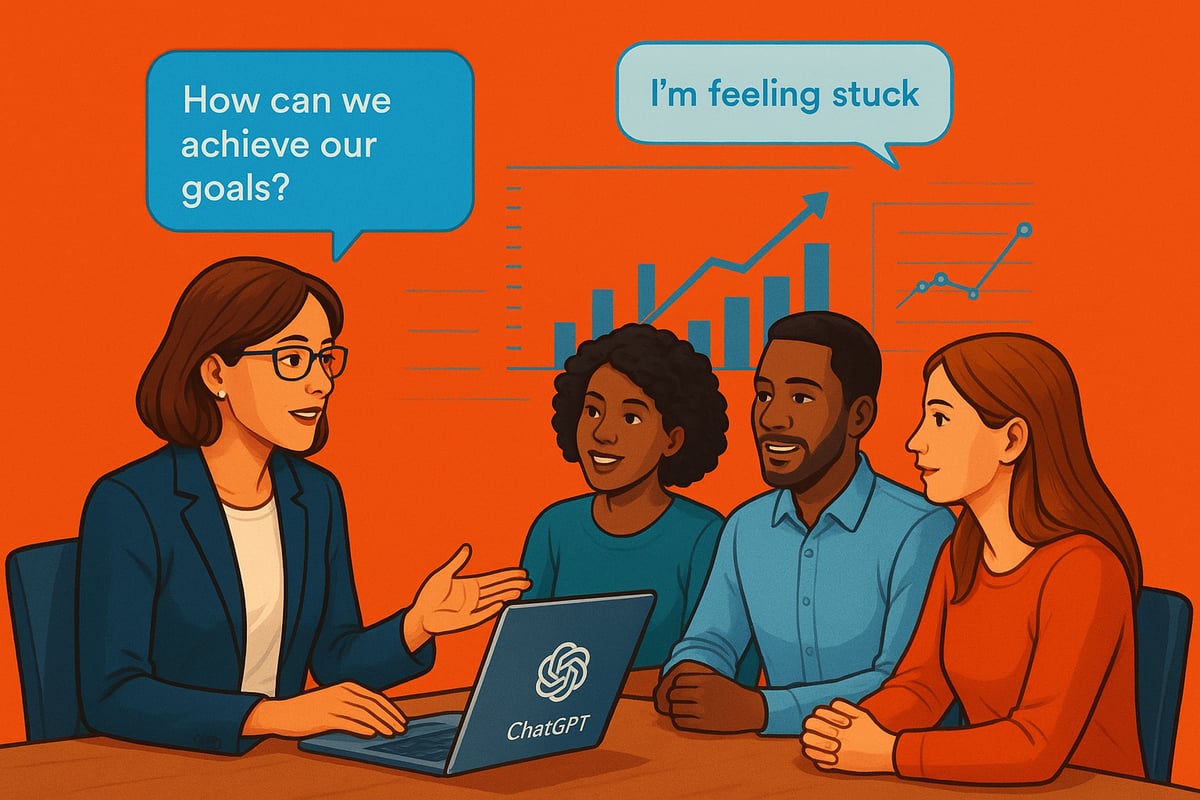
1. [Clarify Client Goals and Vision]
Clarity is foundational in coaching. Use this prompt to help clients define their aspirations: “What does success look like for you in the next 12 months?” This question brings focus to sessions and creates a roadmap for growth, especially in leadership development. When clients articulate their vision, it sets a clear direction and measurable targets.
2. [Uncover Limiting Beliefs]
Identifying what holds clients back is crucial. Ask, “What beliefs might be holding you back from achieving your goals?” This prompt gently uncovers hidden barriers and sparks mindset shifts. Coaches find it invaluable in executive and personal coaching, often leading to powerful client breakthroughs.
3. [Generate Powerful Questions for Reflection]
Great coaching is about asking, not telling. Use this prompt: “What question could help your client see their challenge differently?” Incorporating chatgpt prompts to help coaches improve results encourages deeper self-awareness and critical thinking. This approach enhances team coaching by fostering open dialogue and new perspectives.
4. [Design Actionable Accountability Plans]
Drive progress with: “What are three actions you can commit to before our next session?” This prompt helps structure step-by-step plans and accountability checkpoints. For performance or sales coaching, it ensures follow-through and measurable improvement. For further strategies, explore ChatGPT prompts to grow revenue.
5. [Offer Constructive Feedback]
Feedback shapes growth. Try, “How can I provide feedback that motivates rather than discourages?” This prompt reframes feedback into a positive, growth-oriented exchange. It is particularly effective in manager or leadership coaching, improving communication and client engagement.
6. [Facilitate Difficult Conversations]
Prepare clients for challenges with, “How can I help my client approach a difficult conversation with confidence?” Using chatgpt prompts to help coaches improve results in this context builds resilience and refines communication skills. It is especially useful for team and conflict resolution coaching.
7. [Identify Strengths and Blind Spots]
Encourage self-discovery: “What are your top three strengths, and how do they support your goals?” This prompt helps clients recognize their unique assets and areas for growth. It is highly effective in 360 leadership assessments, fostering self-confidence and targeted development.
8. [Track Progress and Celebrate Wins]
Keep motivation high by asking, “What recent accomplishments can we celebrate today?” Recognizing achievements reinforces positive behaviors and strengthens the coaching relationship. This prompt fits seamlessly into ongoing sessions, promoting continuous engagement.
9. [Personalize Learning and Development Resources]
Support ongoing growth with, “What resource could accelerate your learning right now?” Leveraging chatgpt prompts to help coaches improve results enables tailored recommendations for books, articles, or exercises. This approach is ideal for leadership and manager training, enhancing lifelong learning and client satisfaction.
Best Practices for Integrating ChatGPT Prompts into Coaching
Personalizing chatgpt prompts to help coaches improve results begins with understanding your client’s unique goals, personality, and communication style. Adjust each prompt’s tone and focus to resonate with the individual.
Active listening is key. Treat AI-generated responses as conversation starters, not scripts. Adapt prompts in real time to suit the flow of each session.
Ethical coaching means prioritizing privacy, confidentiality, and transparency when using chatgpt prompts to help coaches improve results. Always inform clients about the use of AI tools and safeguard their information.
Blend AI with your human intuition for the best impact. Use your expertise to interpret responses and guide deeper conversations. Start with one or two prompts per session to maintain clarity and avoid overwhelming clients.
Experiment with prompt types and collect feedback to refine your approach. For more strategies on prompt integration and client satisfaction, see Enhancing coaching with ChatGPT.
A recent case study showed that integrating prompts into leadership coaching sessions increased client engagement and measurable progress. Embrace ongoing learning for continuous improvement.

Common Mistakes Coaches Make with AI Prompts (and How to Avoid Them)
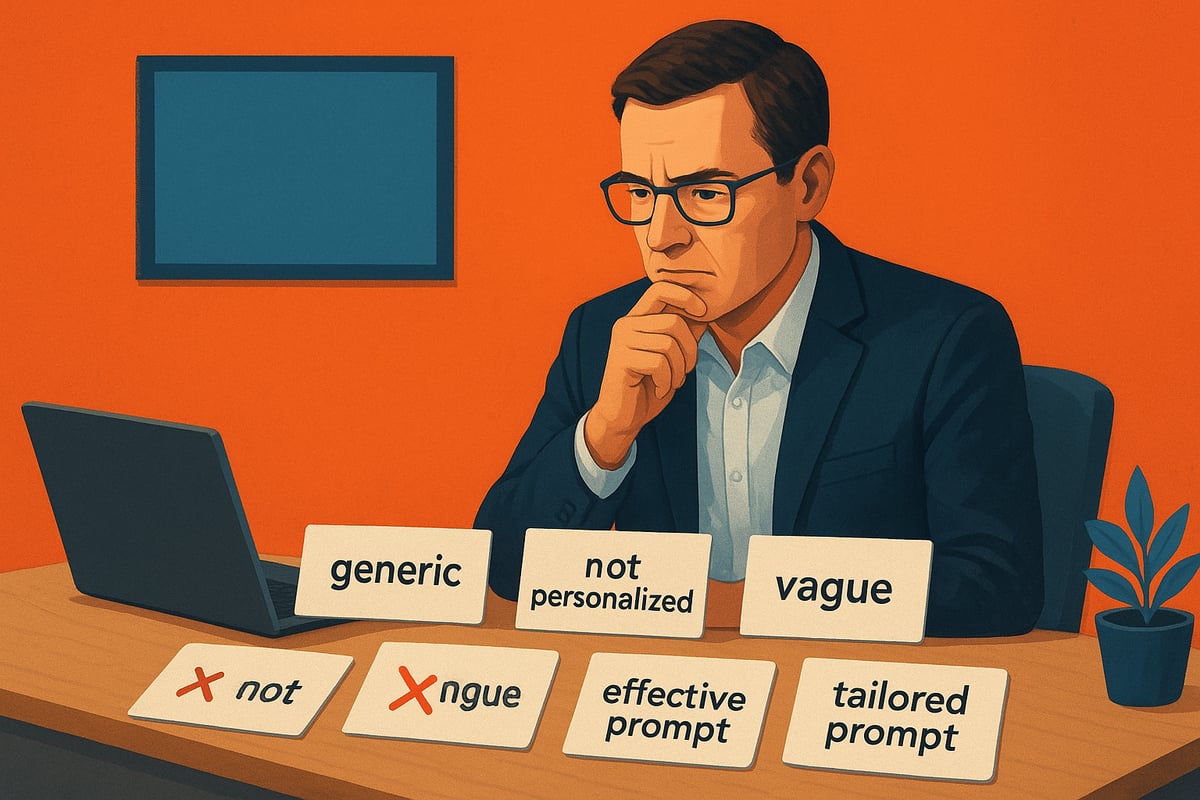
Even with the best chatgpt prompts to help coaches improve results, common pitfalls can limit their impact. To maximize value, be mindful of these frequent mistakes:
- Using generic prompts instead of tailoring your approach.
- Not aligning prompts with each client’s unique goals.
- Overlooking emotional cues or the context behind client responses.
- Relying on AI outputs without reviewing or refining them.
- Skipping essential follow-up after sessions.
To avoid these issues, always personalize your prompts, listen actively, and adapt based on client feedback. Regularly review AI-generated suggestions and refine them for greater relevance. For more prompt ideas that foster client retention, explore these ChatGPT prompts to increase retention. Continuous learning and improvement will keep your coaching practice effective and client-centered.



Leave a Reply
Want to join the discussion?Feel free to contribute!