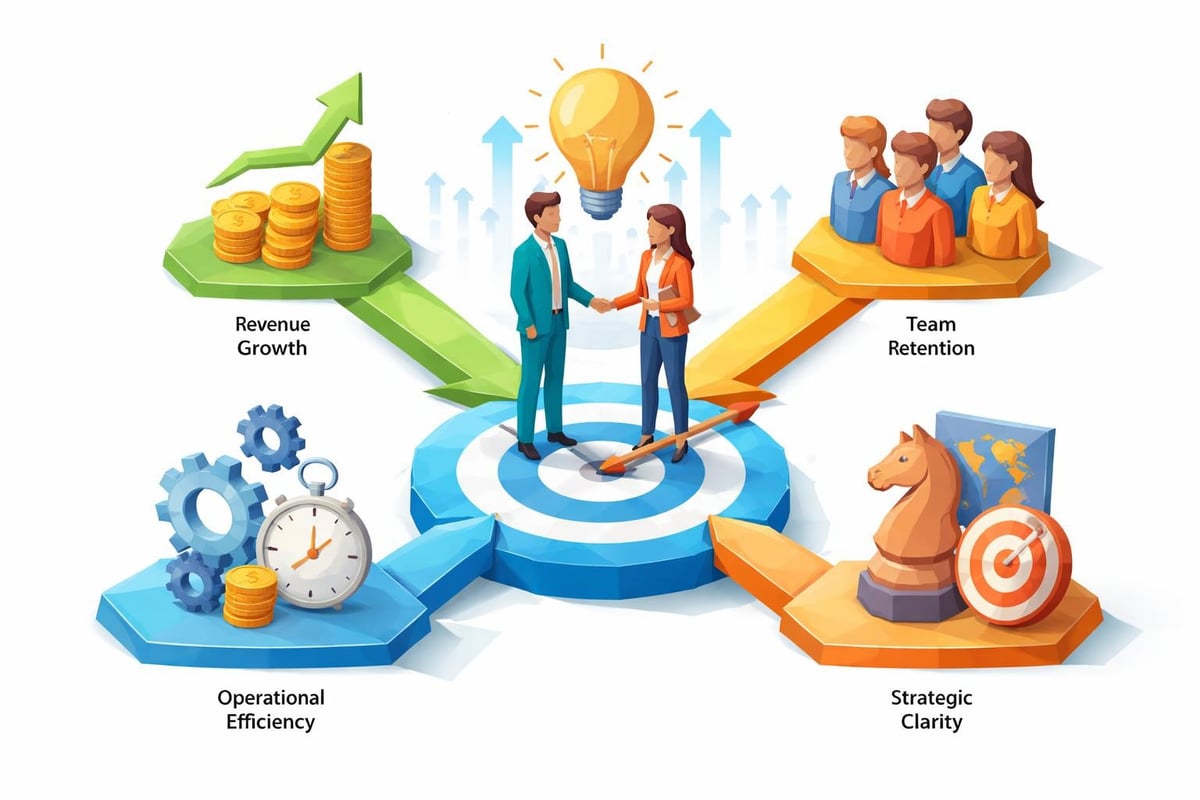
"رسم توضيحي لمدرب تنفيذي يستخدم أدوات الذكاء الاصطناعي على الحاسوب لإدارة خطط القيادة، وجداول ورش العمل، وتحليل ملاحظات الفريق بكفاءة لزيادة الإنتاجية."

٧ أوامر Perplexity ذكية لمساعدة المدربين التنفيذيين على توسيع أعمالهم


دليل شامل: ٧ أوامر Perplexity ذكية لتمكين المدربين التنفيذيين من مضاعفة نجاحهم

يواجه المدربون التنفيذيون غالباً تحدياً كبيراً يتمثل في الموازنة بين توسيع نطاق أعمالهم والحفاظ على جودة جلسات الكوتشينج الشخصية دون استنزاف وقتهم وطاقتهم. ومع تزايد توقعات العملاء والحاجة الملحة لتقديم حلول مخصصة، يبحث الكثيرون عن طرق مبتكرة لتبسيط عملياتهم اليومية.

في هذا السياق، تُحدث أدوات الذكاء الاصطناعي ثورة حقيقية في عالم الكوتشينج. منصات مثل Perplexity تقدم حلولاً مبتكرة لتسهيل البحث المعمق، وأتمتة المهام الروتينية، وتعزيز مشاركة العملاء. السر يكمن في إتقان استخدام “أوامر Perplexity” (Prompts) الصحيحة التي تساعد المدربين التنفيذيين على تنمية أعمالهم بكفاءة.

من خلال صياغة أوامر ذكية ومدروسة، يمكن للمدربين استخلاص رؤى أعمق، وتوفير ساعات من العمل، ودفع عجلة نمو عملائهم. في هذا المقال، نستعرض سبعة أوامر أساسية في Perplexity مصممة خصيصاً لتزويد المدربين التنفيذيين باستراتيجيات عملية وقابلة للتطبيق لتوسيع ممارساتهم المهنية.

قوة الذكاء الاصطناعي في الكوتشينج التنفيذي

يعيد الذكاء الاصطناعي تشكيل صناعة التدريب بسرعة مذهلة، وتأتي أوامر Perplexity في قلب هذا التحول لمساعدة المدربين على التوسع. ومع سعي المزيد من المحترفين لإيجاد طرق فعالة لتقديم تدريب عالي القيمة، أصبحت الأدوات المدعومة بالذكاء الاصطناعي لا غنى عنها.

تشير البيانات الحديثة إلى أن أكثر من 40% من المدربين التنفيذيين يدمجون الذكاء الاصطناعي في تطوير الأعمال وتقديم الخدمات، وذلك وفقاً لإحصائيات اعتماد الذكاء الاصطناعي في التدريب التنفيذي. تعكس هذه الزيادة المزايا الواضحة لاستغلال التكنولوجيا في أتمتة البحث، وتخصيص تجربة العميل، والكفاءة التشغيلية.

باستخدام الأوامر الصحيحة، يمكن للمدربين أتمتة إنشاء المحتوى، وتبسيط عملية تهيئة العملاء الجدد، وتتبع التقدم بدقة أكبر، وإجراء تقييمات قيادية قوية. على سبيل المثال، يستخدم العديد من المدربين الذكاء الاصطناعي لإنشاء خطط قيادة مخصصة، مما يوفر ساعات كل أسبوع ويحسن رضا العملاء.

على الرغم من المخاوف بشأن فقدان اللمسة الشخصية أو خصوصية البيانات، فإن الأوامر المصاغة بعناية تضمن أن الذكاء الاصطناعي يعزز الاتصال البشري بدلاً من استبداله. يكتسب المتبنون الأوائل لهذه التقنيات ميزة حيوية، حيث يوسعون ممارساتهم مع تقديم نتائج أكثر تأثيراً.

قوة أوامر الذكاء الاصطناعي في التدريب التنفيذي

٧ أوامر Perplexity ضرورية لتوسيع نطاق عملك كمدرب تنفيذي

أصبح تحقيق النمو والكفاءة الآن في متناول المدربين التنفيذيين الذين يستخدمون الذكاء الاصطناعي. تم تصميم الأوامر السبعة التالية في Perplexity لتبسيط سير العمل الحاسم، والارتقاء بتجارب العملاء، وتحقيق نتائج قابلة للقياس.

7 أوامر أساسية في Perplexity لمساعدة المدربين التنفيذيين على التوسع

1. أمر لإنشاء خطط تطوير قيادة مخصصة

قد يستغرق إعداد خطط قيادة مخصصة وقتاً طويلاً. باستخدام أوامر Perplexity، يمكنك إدخال أهداف العميل ونقاط قوته وتحدياته المحددة لإنشاء استراتيجيات تطوير مخصصة في ثوانٍ.

على سبيل المثال، جرب استخدام أمر مثل هذا (يمكنك استخدامه باللغة العربية للحصول على نتائج عربية):

قم بإنشاء خطة تطوير قيادة مخصصة لمدة 90 يوماً لمدير أول يركز على تحسين مهارات التفويض والتواصل. قم بتضمين معالم رئيسية (Milestones)، وموارد مقترحة، ومؤشرات أداء رئيسية (KPIs) قابلة للقياس.

يقلل هذا الأمر من التحضير اليدوي بنسبة 60%، ويعزز رضا العميل، ويضمن أن كل خطة تعتمد على البيانات وقابلة للتنفيذ.

2. أمر لأتمتة تتبع التقدم وإعداد التقارير

قم بأتمتة تتبع التقدم عن طريق طلب ملخصات مرئية ولوحات معلومات لمؤشرات الأداء الرئيسية من ملاحظات جلسات العميل الخاصة بك.

جرب هذا الأمر:

لخص ملاحظات جلسة التدريب لهذا الأسبوع وأنشئ لوحة معلومات (Dashboard) نصية توضح التقدم المحرز في مؤشرات الأداء الرئيسية المتفق عليها، مع تسليط الضوء على الإنجازات والمجالات التي تحتاج إلى اهتمام.

يوفر هذا النهج ساعات من العمل الإداري، ويزيد من الشفافية، ويحافظ على مشاركة العملاء من خلال ملاحظات واضحة ومتسقة.

3. أمر لصياغة أسئلة كوتشينج قوية

عزز جودة الجلسة باستخدام أوامر Perplexity لتحسين تقنيات طرح الأسئلة لديك. اطلب من Perplexity إنشاء أسئلة مفتوحة مصممة خصيصاً لموضوع العميل الحالي.

النموذج المقترح:

قم بتوليد خمسة أسئلة كوتشينج مفتوحة ومحفزة للتفكير لاستكشاف "الحضور القيادي" (Executive Presence) لمدير تنفيذي في قطاع التكنولوجيا.

يُبلغ المدربون عن محادثات أعمق ولحظات إلهام أكثر عند استخدام الذكاء الاصطناعي لتنويع أساليب طرح الأسئلة.

4. أمر لتحديد نقاط الألم المؤسسية

يصبح تحليل ملاحظات الفريق وبيانات الأداء أسهل بكثير باستخدام الذكاء الاصطناعي. استخدم الأوامر التي تربط نقاط الألم باستراتيجيات تدخل فعالة.

على سبيل المثال:

راجع ملاحظات الفريق هذه وحدد نقاط الألم التنظيمية المتكررة. اقترح استراتيجيات كوتشينج وتدخلات عملية لمعالجتها.

تزيد هذه الطريقة من عرض القيمة الذي تقدمه لعملائك من الشركات. لمزيد من الأفكار، راجع مقال السلامة النفسية في العمل.

5. أمر لإنشاء محتوى ورش عمل قابل للتوسع

قم بتطوير ورش عمل تفاعلية بكفاءة. أدخل ملف تعريف جمهورك وأهدافك لإنشاء جداول أعمال وتمارين ومخرجات تعليمية.

مثال للأمر:

صمم جدول أعمال لورشة عمل مدتها ساعتان حول "المرونة النفسية" للمديرين من المستوى المتوسط، بحيث يتضمن تمارين تفاعلية وأهدافاً تعليمية واضحة.

يضمن هذا الاتساق في الجودة ويوفر الوقت عبر ارتباطات العملاء المتعددة.

6. أمر لتوليد ملخصات ثاقبة لتقييم 360 درجة

لخص الملاحظات المعقدة باستخدام Perplexity. اطلب استخراج الموضوعات الرئيسية والتوصيات القابلة للتنفيذ من المدخلات النوعية والكمية.

هيكل الأمر:

حلل تقرير تقييم 360 درجة هذا ولخص أهم ثلاث نقاط قوة، وأهم ثلاثة مجالات للنمو، وقدم خطوات تالية قابلة للتنفيذ للتطوير.

يؤدي هذا إلى دورات تطوير أسرع وتحسين قبول المسؤولين التنفيذيين لنتائج التقييم.

7. أمر لتحليل اتجاهات السوق والصناعة

ابقَ متقدماً على تحولات الصناعة لتعزيز ريادتك الفكرية. اطلب بحثاً مُجمعاً وأفضل الممارسات ذات الصلة بقطاعات عملائك.

جرب:

لخص أحدث الاتجاهات في "القيادة عن بُعد" وقدم توصيات عملية لتطوير المديرين التنفيذيين في هذا السياق.

يضعك هذا في مكانة المستشار الموثوق ويبقي ممارستك التدريبية في طليعة المعرفة الصناعية.

أفضل الممارسات لصياغة أوامر فعالة

يتطلب إنشاء أوامر Perplexity فعالة نهجاً مدروساً واستراتيجياً. يمكن للأمر الصحيح أن يحول سير عملك ويرفع نتائج العملاء، ولكن فقط إذا تمت صياغته بدقة.

أفضل الممارسات لصياغة أوامر Perplexity فعالة

المبادئ الأساسية للأوامر الفعالة:

  • الوضوح: استخدم لغة واضحة ومباشرة حتى يفهم الذكاء الاصطناعي بالضبط ما تريده.
  • التحديد: وفر سياقاً مفصلاً والنتائج المرجوة، مع الإشارة إلى أهداف العميل أو موضوعات الجلسة.
  • تحديد الأدوار: عيّن دوراً للذكاء الاصطناعي، مثل “مستشار تطوير القيادة”، للحصول على ردود أكثر ملاءمة.
  • التحسين التكراري: اختبر وعدّل الأوامر مع سيناريوهات تدريب حقيقية لتحسين النتائج بمرور الوقت.
  • المواءمة: تأكد من أن الأوامر تعكس منهجيتك في الكوتشينج واحتياجات العميل.

على سبيل المثال، بدلاً من طلب “ساعدني في القيادة”، حدد: “أنشئ خطة تطوير قيادة مخصصة لمدة 90 يوماً لمدير متوسط المستوى يركز على مهارات التفويض والتواصل”. هذا التحول يجلب التركيز والرؤى القابلة للتنفيذ.

ابقَ على اطلاع بأفضل الممارسات والاعتبارات الأخلاقية من خلال استشارة موارد مثل الذكاء الاصطناعي التوليدي في سير عمل التدريب، والتي تستكشف كلاً من الفوائد والقيود المحتملة للكوتشينج المدفوع بالذكاء الاصطناعي.

باتباع هذه الممارسات، ستطلق العنان للإمكانات الكاملة لأوامر Perplexity لمساعدة المدربين التنفيذيين على التوسع، مع الحفاظ على الجودة والثقة في ممارستك.

دمج أوامر Perplexity في سير عملك اليومي

إن دمج أوامر Perplexity في عملك هو عملية مباشرة عند التعامل معها بشكل منهجي. ابدأ بتحديد المهام اليومية والأسبوعية التي يمكن أن تستفيد من الأتمتة، مثل التحضير للجلسات، ومتابعات العملاء، وتقييمات القيادة.

استفد من منصات مثل Perplexity و Notion و Zapier لتضمين الأوامر مباشرة في سير عملك. تتيح هذه الأدوات مشاركة المعلومات وأتمتة المهام بسلاسة، مما يقلل من الجهد اليدوي ويضمن الاتساق. فكر في إنشاء قوالب للأوامر لسيناريوهات التدريب المتكررة لزيادة الكفاءة.

قم بتدريب أعضاء فريقك وعملائك (إذا لزم الأمر) على كيفية الاستفادة من هذه التقنيات. هذا يعزز نهجاً موحداً ويحافظ على جودة الخدمة مع توسع ممارستك. يقلل التدريب المستمر أيضاً من الأخطاء ويسرع من تأقلم الموظفين الجدد.

مثال عملي يتضمن مدرباً تنفيذياً قام بتوسيع قاعدة عملائه من 10 إلى 30 من خلال دمج أوامر Perplexity بشكل منهجي. من خلال أتمتة تتبع التقدم وإنشاء المحتوى، وفر المدرب وقتاً ثميناً، مما سمح بمزيد من مشاركة العملاء ونمو الأعمال.

أخيراً، راقب العائد على الاستثمار من خلال تتبع الوقت الذي تم توفيره، وتحسين رضا العملاء، وزيادة الإيرادات. يضمن هذا النهج القائم على البيانات أن استخدامك للأوامر يحقق نتائج مستدامة وقابلة للقياس.

دمج أوامر Perplexity في سير عمل الكوتشينج

تحديات شائعة وكيفية التغلب عليها

عند استخدام الذكاء الاصطناعي للتوسع، من السهل الاعتماد بشكل كبير على الأتمتة والمخاطرة بفقدان الاتصال الشخصي الضروري للكوتشينج. لمنع ذلك، قم دائماً بتكملة الرؤى المستندة إلى الذكاء الاصطناعي بتفاعلات إنسانية أصيلة.

خصوصية البيانات هي مصدر قلق بالغ آخر. يجب على المدربين التأكد من التعامل مع معلومات العميل بشكل آمن وبما يتماشى مع جميع اللوائح المعمول بها. للحصول على إرشادات حول التبني الآمن للذكاء الاصطناعي، يقدم ملخص تكامل الذكاء الاصطناعي في ممارسات التدريب توصيات قابلة للتنفيذ.

يمكن أن تقوض المخرجات العامة قيمتك الفريدة كمدرب. قم بتحسين وتخصيص الأوامر بانتظام لكل عميل وابقَ على اطلاع باتجاهات الذكاء الاصطناعي للحفاظ على الصلة. سيضمن تحقيق التوازن بين التكنولوجيا والتعاطف أن يظل تدريبك مؤثراً وموثوقاً.


Professionelles Bewerbungscoaching in einem Büro in Calgary mit Blick auf den Calgary Tower; ein Karriereberater bespricht Strategien und analysiert einen Lebenslauf (Resume) mit Klienten.

Réorientation de carrière pour cadres à Montréal : Stratégies 2026


Guide de la Réorientation de Carrière pour les Gestionnaires à Montréal (2026)

Le paysage professionnel de la métropole québécoise est en pleine mutation. À l’aube de 2026, de nombreux gestionnaires intermédiaires remettent en question leur trajectoire professionnelle, stimulés par l’émergence de nouvelles industries et l’évolution des modèles de travail traditionnels.

Ce dossier propose une feuille de route pour les cadres montréalais envisageant une réorientation de carrière. Nous y abordons des stratégies concrètes adaptées aux réalités du marché local : analyse des compétences, définition d’objectifs, planification stratégique, réseautage et formation continue. Vous découvrirez également comment tirer parti de l’écosystème dynamique de Montréal pour propulser votre transition.

Prêt à explorer de nouveaux horizons ?

Analyse du Marché de l’Emploi à Montréal en 2026

Le marché du travail montréalais de 2026 présente un visage double : il offre des perspectives inédites tout en posant des défis spécifiques. Pour les gestionnaires en transition, la clé réside dans une compréhension fine des forces économiques locales et des compétences qui y sont valorisées.

Secteurs Clés et Opportunités de Croissance

L’économie montréalaise maintient sa vigueur, portée par des piliers solides. Selon les perspectives du marché du travail, des domaines tels que les technologies de l’information, la santé, les énergies renouvelables, la finance et les industries créatives (jeux vidéo, effets visuels) sont en forte demande de leadership intermédiaire. Les entreprises de ces secteurs recherchent des gestionnaires capables de piloter des projets complexes et de fédérer des équipes multidisciplinaires.

Le secteur technologique, véritable moteur économique de la ville, continue son expansion. L’essor de l’intelligence artificielle (IA), de la cybersécurité et du développement logiciel crée un besoin urgent de cadres structurés. Parallèlement, le réseau de la santé cherche à optimiser ses opérations, tandis que la transition énergétique ouvre des portes aux gestionnaires passionnés par le développement durable.

L’automatisation et l’IA transforment la nature même du travail. La littératie numérique n’est plus une option, mais une nécessité. Les compétences les plus recherchées incluent la gestion agile, l’analyse de données et, inévitablement à Montréal, une excellente maîtrise du français et de l’anglais. Les certifications spécialisées sont souvent le sésame pour accéder à ces nouveaux rôles.

Il est fréquent de voir des gestionnaires issus des opérations ou de la finance réussir leur pivot vers la gestion de projets technologiques, à condition d’investir dans une mise à niveau de leurs compétences techniques.

Défis et Réalités de la Transition

Malgré l’abondance d’opportunités, la réorientation n’est pas sans obstacles. Les préjugés liés à l’âge peuvent freiner les cadres de plus de 40 ans, tout comme l’absence de diplômes récents dans le domaine visé. Le bilinguisme demeure également un critère de sélection strict pour de nombreux employeurs montréalais.

Cependant, la mobilité intersectorielle est de plus en plus acceptée. Les recruteurs valorisent désormais l’adaptabilité et le savoir-être (soft skills) autant que l’expertise technique pure. Les statistiques révèlent une tendance croissante : les entreprises privilégient le leadership éprouvé et la capacité à livrer des résultats.

Montréal offre un vaste réseau de soutien, incluant les universités, les chambres de commerce et les services gouvernementaux d’aide à l’emploi.

Bilan de Compétences et Définition de Projet

Toute transition réussie débute par une introspection honnête. Avant de se lancer, il est crucial d’identifier ses atouts et de clarifier ses aspirations. Cette étape de bilan permet d’aligner votre profil avec les besoins réels des employeurs montréalais.

Inventaire des Compétences Transférables

Commencez par lister vos acquis. Les compétences transférables sont votre capital le plus précieux :

  • Leadership et gestion d’équipe
  • Planification stratégique et financière
  • Gestion de projet et optimisation des processus
  • Communication interpersonnelle et négociation
  • Maîtrise des deux langues officielles

N’hésitez pas à solliciter des avis extérieurs. Les évaluations de performance passées et le feedback de collègues de confiance peuvent révéler des forces insoupçonnées. Comparez ensuite votre profil aux descriptions de postes dans vos secteurs cibles (par exemple, comparez vos compétences opérationnelles avec les exigences d’un poste de Scrum Master). Identifiez les écarts techniques pour cibler vos efforts de formation.

Fixer des Objectifs Réalistes

Définissez ce qui compte vraiment pour vous : est-ce l’impact social, l’équilibre vie-travail, ou le défi intellectuel ? Distinguez vos objectifs à court terme (ex: obtenir une certification PMP) de ceux à long terme (ex: devenir directeur des opérations dans une PME technologique). L’utilisation de la méthode SMART (Spécifique, Mesurable, Atteignable, Réaliste, Temporel) est recommandée pour structurer votre démarche.

Planification Stratégique de la Transition

L’ambition seule ne suffit pas; elle doit être soutenue par un plan d’action rigoureux. Une transition de carrière se gère comme un projet d’affaires.

Recherche et Veille Stratégique

Utilisez LinkedIn, Glassdoor et les portails d’emploi locaux (comme Jobboom ou Isarta) pour cartographier le marché. Soyez à l’affût des rapports économiques de la Chambre de commerce du Montréal métropolitain pour anticiper les tendances.

Participez aux événements de l’industrie, qu’ils soient virtuels ou en présentiel au Palais des congrès ou dans les hubs créatifs du Mile End. Ces rencontres sont cruciales pour comprendre la culture de votre nouveau secteur et valider votre intérêt.

Feuille de Route et Budget

Établissez un échéancier réaliste. Intégrez-y le temps nécessaire pour la formation, le réseautage et la recherche d’emploi, tout en maintenant vos responsabilités actuelles. N’oubliez pas l’aspect financier : prévoyez un budget pour vos formations et une réserve en cas de baisse temporaire de revenus. Renseignez-vous sur les subventions ou crédits d’impôt pour la formation continue au Québec.

Accélérer le Processus grâce au Coaching Exécutif

Le recours à un coach professionnel peut transformer une période d’incertitude en une progression structurée.

Les programmes de coaching de leadership, tels que ceux offerts par Noomii, jumellent les cadres avec des mentors qui connaissent les spécificités du marché local. Ce partenariat permet de travailler sur votre marque personnelle, de préparer vos entrevues et de surmonter le syndrome de l’imposteur. Les études démontrent que les cadres accompagnés réussissent leur transition plus rapidement et accèdent à des postes mieux rémunérés.

Réseautage et Marque Personnelle à Montréal

Dans un marché relationnel comme celui du Québec, “qui vous connaissez” est souvent aussi important que “ce que vous savez”.

Tisser sa Toile Professionnelle

Le réseautage ne se limite pas à distribuer des cartes de visite. Il s’agit de bâtir des relations authentiques. Impliquez-vous auprès d’organismes comme TechnoMontréal, le Réseau des femmes d’affaires du Québec ou les chambres de commerce locales. Les réseaux d’anciens (Alumni) des universités montréalaises (McGill, Concordia, UQAM, HEC, UdeM) sont des mines d’or pour obtenir des entrevues informatives.

Le bénévolat au sein de conseils d’administration d’OBNL est également une excellente façon de démontrer vos compétences de gestion dans un nouveau contexte tout en élargissant votre cercle.

Rayonner grâce à sa Marque Personnelle

Votre présence en ligne doit raconter votre nouvelle histoire. Mettez à jour votre profil LinkedIn pour refléter vos aspirations futures, et non seulement votre passé. Utilisez un titre évocateur et un résumé qui met en valeur votre proposition de valeur unique.

Si vous êtes bilingue, assurez-vous que votre profil le reflète clairement. Interagissez avec du contenu pertinent, partagez des articles sur votre nouveau secteur et positionnez-vous comme un leader d’opinion en devenir.

Stratégies de Recherche d’Emploi

Ciblez les employeurs qui partagent vos valeurs. Adaptez chaque candidature pour faire ressortir les liens entre votre expérience passée et les besoins du poste. Les recruteurs cherchent à être rassurés sur votre capacité à transférer vos acquis.

Pour ceux qui souhaitent un appui dédié, les services de gestion de carrière comme Filion offrent une expertise pointue pour les cadres.

Formation Continue et Mise à Niveau

L’acquisition de nouvelles compétences est souvent le pivot de la réorientation. Montréal, ville universitaire par excellence, offre un écosystème d’apprentissage exceptionnel.

Identifier les Besoins en Formation

Comparez votre profil actuel aux exigences du marché. Avez-vous besoin d’une certification PMP ? D’une maîtrise des outils d’analyse de données (Tableau, Power BI) ? D’une amélioration de votre anglais des affaires ?

Explorez les offres de la formation continue des grandes universités ou les programmes intensifs (bootcamps) comme Le Wagon ou les cours spécialisés sur Coursera et LinkedIn Learning. Pour des conseils stratégiques sur le développement professionnel, consultez les ressources disponibles sur les stratégies de développement professionnel.

L’Expérience Pratique

Rien ne vaut la pratique. Participez à des hackathons, engagez-vous dans des projets pro bono ou cherchez des mandats de consultation à court terme. Ces expériences enrichissent votre portfolio et prouvent votre motivation aux employeurs potentiels.

Témoignages et Leçons Apprises

S’inspirer de ceux qui ont réussi est une puissante source de motivation.

Parcours de Réussite

Prenons l’exemple de Marc, ancien directeur logistique, qui a su se repositionner comme gestionnaire de projet dans le secteur des technologies propres après avoir suivi une formation en développement durable à l’ÉTS. Ou encore Isabelle, gestionnaire marketing, qui a pivoté vers les ressources humaines en valorisant son expérience en gestion du changement et en obtenant sa certification CRHA.

Ces professionnels ont un point commun : ils ont su investir en eux-mêmes et n’ont pas hésité à demander de l’aide. Comme le souligne une étude récente sur la rémunération des compétences spécialisées, l’acquisition de savoirs pointus est un levier salarial important.

Conseils pour la Route

  • Soyez patient : Une transition prend du temps, souvent entre 6 et 12 mois.
  • Soyez visible : Ne restez pas isolé. Le réseautage est votre meilleur allié.
  • Utilisez les ressources locales : Des organismes comme La Passerelle aident spécifiquement les professionnels expérimentés à réintégrer le marché.

La réorientation est un voyage exigeant mais gratifiant. En combinant préparation, formation et réseautage, vous pouvez transformer votre carrière.


Prochaine étape pour vous : Souhaitez-vous que je développe un plan d’action détaillé sur 30 jours pour commencer votre réseautage à Montréal ?


Professionelles Bewerbungscoaching in einem Büro in Calgary mit Blick auf den Calgary Tower; ein Karriereberater bespricht Strategien und analysiert einen Lebenslauf (Resume) mit Klienten.

Bewerbungscoaching in Calgary: Ihr Karriere-Guide für 2026

Erfolg im Job: Der ultimative Guide für Bewerbungscoaching in Calgary (2026)

Der Arbeitsmarkt in Calgary entwickelt sich rasant weiter. Wer 2026 hier Fuß fassen oder aufsteigen möchte, sieht sich mit gestiegenen Anforderungen und einer starken Konkurrenz konfrontiert. In diesem Umfeld wird professionelles Bewerbungscoaching in Calgary zum entscheidenden Faktor für den nächsten Karriereschritt.

Dieser Leitfaden dient als Ihre Navigationshilfe durch die sich wandelnde Beschäftigungslandschaft der Stadt. Wir beleuchten aktuelle Trends, analysieren den konkreten Nutzen von Karriere-Coachings und zeigen Ihnen, wie Sie den passenden Partner für Ihre beruflichen Ziele finden.

Erfahren Sie, welche Strategien wirklich funktionieren, wer die führenden Anbieter vor Ort sind und wie Sie sich entscheidende Wettbewerbsvorteile sichern.

Der Arbeitsmarkt in Calgary 2026: Trends und Perspektiven

Calgarys Wirtschaft ist im Jahr 2026 geprägt von Transformation. Technologische Innovationen und veränderte Anforderungen der Arbeitgeber formen eine neue Realität. Für Bewerber bedeutet dies: Anpassungsfähigkeit ist Pflicht. Um in diesem dynamischen Umfeld zu bestehen, nutzen immer mehr Fachkräfte spezialisiertes Bewerbungscoaching in Calgary, um ihre Profile zu schärfen.

Calgarys Arbeitsmarkt 2026: Trends und Möglichkeiten

Die wirtschaftlichen Aussichten der Stadt bleiben robust, da sich Calgary zunehmend von der reinen Abhängigkeit vom Energiesektor löst. Aktuelle Daten aus dem Calgary Labour Market Outlook prognostizieren ein stetiges Beschäftigungswachstum. Treiber sind vor allem der Technologiesektor, professionelle Dienstleistungen und innovative Industriezweige. Diese Entwicklung zieht Talente aus ganz Kanada und dem Ausland an.

Hier ein Überblick über die Sektoren mit dem größten Potenzial:

Branche Wachstumsprognose Schlüsselfelder
Technologie Hoch Softwareentwicklung, KI, Data Science
Energiewende Moderat Erneuerbare Energien, Ingenieurwesen
Gesundheitswesen Hoch Pflege, Medizintechnik, Verwaltung
Dienstleistungen Stabil Finanzen, Consulting, Recht

Angesichts dieses Booms hilft Bewerbungscoaching in Calgary dabei, die eigenen Unterlagen exakt auf die Bedürfnisse dieser Wachstumsbranchen zuzuschneiden.

Die Messlatte liegt hoch. „Digital First“ ist bei vielen Einstellungsprozessen die Norm. Lebensläufe müssen für sogenannte Applicant Tracking Systems (ATS) optimiert sein, und das virtuelle Vorstellungsgespräch ist Standard. Gefragt sind nicht nur Fachwissen, sondern auch digitale Kompetenz und Agilität. Ein gezieltes Coaching bereitet Sie darauf vor, diese Erwartungen souverän zu erfüllen.

Auch Automatisierung und Künstliche Intelligenz verändern Berufsbilder. Kreativität, analytisches Denken und emotionale Intelligenz gewinnen an Wert. Während Unternehmen neue Technologien integrieren, unterstützt Sie ein Coach dabei, genau diese menschlichen Stärken in den Vordergrund zu rücken.

Prognosen deuten darauf hin, dass die Arbeitslosenquote in Calgary auch 2026 unter dem nationalen Durchschnitt liegen wird. Besonders im Tech- und Gesundheitsbereich übersteigt die Nachfrage oft das Angebot, was zu attraktiven Gehältern führt. Zudem sind hybride Arbeitsmodelle weit verbreitet, was die Optionen für flexible Arbeitssuchende erweitert.

Personalverantwortliche achten heute besonders auf proaktive Weiterbildung und eine professionelle Online-Präsenz. Oft wird Bewerbern empfohlen, externe Beratung in Anspruch zu nehmen, um Wissenslücken zu schließen. Bewerbungscoaching in Calgary liefert hierfür die nötigen Werkzeuge.

Ein Beispiel aus der Praxis: Ein Ingenieur aus dem Ölsektor wollte in die Tech-Branche wechseln. Durch individuelles Coaching identifizierte er übertragbare Kompetenzen, strukturierte seinen Lebenslauf für digitale Rollen um und trainierte virtuelle Interviews. Das Ergebnis war eine erfolgreiche Anstellung innerhalb weniger Monate.

Warum sich Bewerbungscoaching in Calgary lohnt

Der Arbeitsmarkt 2026 kann unübersichtlich wirken. Sich wandelnde Jobprofile und hohe Konkurrenz erzeugen Druck. Genau hier setzt professionelles Bewerbungscoaching in Calgary an. Es geht um die Zusammenarbeit mit Experten, die Ihre Unterlagen prüfen, Interview-Situationen simulieren und eine Strategie entwickeln, die zu Ihren Ambitionen passt.

Typische Leistungen umfassen detaillierte Resume-Kritiken, LinkedIn-Optimierung und konkrete Fahrpläne für die Jobsuche. Ziel ist es, Ihre individuellen Stärken so zu präsentieren, dass Sie schneller zu Vorstellungsgesprächen eingeladen werden.

Was genau ist Bewerbungscoaching?

Es ist weit mehr als nur Korrekturlesen. Coaches bieten Einblicke in lokale Markttrends und stellen sicher, dass Ihre Bewerbung den kanadischen Gepflogenheiten entspricht. Dazu gehört die Optimierung für computergestützte Auswahlsysteme ebenso wie das Training für Video-Interviews.

Gute Coaches helfen Ihnen, Ihren Marktwert klar zu kommunizieren und Chancen in Sektoren wie Energie oder Technologie zu erkennen, die Sie vielleicht noch gar nicht auf dem Radar hatten.

Die Lücke schließen: Vorteile des Coachings

Der größte Vorteil liegt in der objektiven, konstruktiven Kritik, die bei der eigenständigen Jobsuche oft fehlt. Diese persönliche Betreuung stärkt das Selbstvertrauen und schärft Ihr berufliches Profil.

Wesentliche Vorteile sind:

  • Maßgeschneidertes Feedback zu Resumes und Anschreiben (Cover Letters)
  • Praxisnahes Interviewtraining mit Sofort-Feedback
  • Branchenspezifisches Insiderwissen für den Markt in Calgary

Do-It-Yourself vs. Profi-Coaching: Ein Datenvergleich

Viele versuchen es zunächst allein. Statistiken zeigen jedoch, dass Investitionen in Bewerbungscoaching in Calgary oft zu besseren Ergebnissen führen. Kandidaten mit Coaching-Support erhalten häufiger und schneller Einladungen.

Methode Zeit bis zum Interview (Ø) Erfolgsquote Gehaltsplus (typisch)
Eigenregie 2-4 Monate 30% 5%
Mit Coach 1-2 Monate 55% 12%

“Nach der Zusammenarbeit mit einem Coach fand ich innerhalb weniger Wochen eine Stelle im Tech-Sektor von Calgary. Die gewonnene Klarheit war unbezahlbar.”

Mythen über Karriereberatung

Ein weit verbreiteter Irrtum ist, dass Coaching nur für Führungskräfte oder Langzeitarbeitslose gedacht sei. Tatsächlich profitieren Berufseinsteiger ebenso wie erfahrene Manager. Auch die Sorge vor zu hohen Kosten oder generischen Ratschlägen ist meist unbegründet: Seriöse Anbieter arbeiten hochgradig individuell.

Ein weiterer Mythos besagt, Coaches könnten mit dem schnellen Wandel in Calgary nicht Schritt halten. Top-Anbieter aktualisieren ihre Methoden jedoch ständig, um die neuesten Hiring-Trends abzubilden.

Der Return on Investment (ROI) geht über das nächste Jobangebot hinaus. Sie erwerben Fähigkeiten für Ihre gesamte Laufbahn, von Verhandlungstechniken bis hin zu effektivem Selbstmarketing.

Der Wert von professionellem Bewerbungscoaching in Calgary

Schritt-für-Schritt: Den richtigen Coach finden

Eine strategische Herangehensweise ist essenziell. Dieser Leitfaden hilft Ihnen, den passenden Anbieter für Bewerbungscoaching in Calgary zu identifizieren, damit Sie sich von der Masse abheben.

Anleitung: Den richtigen Karriere-Coach in Calgary finden

Schritt 1: Ziele definieren

Klären Sie Ihre Absichten, bevor Sie buchen. Zielen Sie auf Tech, Gesundheit oder Energie? Benötigen Sie Hilfe beim Schreiben des Lebenslaufs oder eher beim Interviewtraining? Nutzen Sie Selbsttests, um Ihre Stärken und Defizite zu erkennen. Klare Ziele ermöglichen eine effiziente Zusammenarbeit.

Schritt 2: Recherche der Anbieter

Calgary bietet eine Vielzahl an Optionen, von Freelancern bis zu Agenturen. Nutzen Sie Verzeichnisse wie LinkedIn oder lokale Branchenbücher. Achten Sie bei der Recherche auf Warnsignale wie vage Beschreibungen oder Garantieversprechen für Jobzusagen. Ein guter Startpunkt ist das Verzeichnis Finde einen Coach in Calgary.

Schritt 3: Qualifikationen prüfen

Seriöse Anbieter für Bewerbungscoaching in Calgary sollten Zertifizierungen (z. B. CPRW) vorweisen können. Prüfen Sie Referenzen und fragen Sie im Erstgespräch gezielt nach Erfolgsgeschichten aus Ihrer Branche.

Schritt 4: Preise und Pakete vergleichen

Die Preismodelle variieren. Hier eine Orientierung für den Markt in Calgary:

Modell Beschreibung Preisrahmen (CAD)
Stundenbasis Zahlung pro Sitzung $100–$300 / Std.
Paket Bündel mehrerer Leistungen $500–$1.200 / Paket
Abo Laufende Betreuung $200–$600 / Monat

Schritt 5: Das Erstgespräch

Nutzen Sie die Konsultation, um Erwartungen abzugleichen. Klären Sie Kommunikationswege und Zeitpläne. Eine offene Absprache verhindert Missverständnisse und schafft Verbindlichkeit.

Schritt 6: Den Nutzen maximieren

Bereiten Sie sich auf jede Sitzung vor. Setzen Sie Feedback zeitnah um und tracken Sie Ihre Fortschritte, etwa durch die Anzahl der erhaltenen Rückmeldungen auf Bewerbungen.

Top-Anbieter für Bewerbungscoaching in Calgary

Die Wahl des richtigen Partners kann entscheidend sein. Hier finden Sie eine Auswahl etablierter Anbieter für Bewerbungscoaching in Calgary, die für Qualität und Expertise stehen.

Führende Anbieter für Karriere-Coaching in Calgary

Empfehlenswerte Dienstleister

  • Calgary Career Coaching: Fokus auf Führungskräfte und Karrierewechsel in der Mitte der Laufbahn.
  • Noomii Calgary Coaches: Ein umfassendes Netzwerk zertifizierter Coaches für alle Karrierestufen.
  • Haskayne School of Business Career Centre: Ideal für Studenten und Alumni der University of Calgary, spezialisiert auf Networking und Case-Interviews.
  • Resume Target Calgary: Bekannt für schnelle Bearbeitungszeiten und branchenspezifische Lebensläufe.
  • The Interview Edge: Spezialisten für Mock-Interviews und Video-Training.
  • Calgary Career Hub: Bietet Workshops und Einzelcoaching, oft mit Fokus auf Tech und Gesundheit.

Vergleichsübersicht

Anbieter Fokus Preisniveau Bewertung
Calgary Career Coaching Executive, Mid-Career Mittel – Hoch 4.9/5
Noomii Calgary Alle Level Variabel 4.8/5
Haskayne Career Centre Studenten/Alumni Kostenlos (für Uni-Angehörige) 4.7/5
Resume Target Resume-Erstellung Mittel 4.6/5
The Interview Edge Verhaltenstraining Mittel 4.8/5
Calgary Career Hub Tech/Gesundheit Niedrig – Mittel 4.7/5

Hinweis: Preise und Bewertungen basieren auf Daten von 2024 und können variieren.

Erfolgsgeschichten

Ein Beispiel: Ein IT-Spezialist, der von Entlassung betroffen war, nutzte Noomii, um sein Profil zu schärfen. Innerhalb von zwei Monaten sicherte er sich eine Senior-Position. Solche Geschichten unterstreichen den Wert externer Unterstützung.

Auswahlkriterien

Entscheiden Sie basierend auf Ihrer Branche und Lernpräferenz. Brauchen Sie intensives 1-zu-1-Coaching oder reicht ein Resume-Update? Prüfen Sie Branchenkenntnisse und Kundenstimmen sorgfältig.

Praxistipps für Ihre Bewerbung 2026

Um in Calgarys Arbeitsmarkt zu bestehen, müssen Ihre Unterlagen erstklassig sein. Hier sind erprobte Strategien für Ihren Erfolg.

Resume-Optimierung

Ein “Resume” in Kanada unterscheidet sich vom deutschen Lebenslauf. Es muss ATS-konform sein. Nutzen Sie klare Formatierungen und integrieren Sie Schlüsselbegriffe aus der Stellenanzeige. Quantifizieren Sie Ihre Erfolge (Zahlen, Daten, Fakten).

KI-Tools können helfen, Formatierungsfehler zu finden. Schauen Sie sich die besten KI-Tools für Coaching an, um Ihre Vorbereitung zu unterstützen.

Anschreiben & LinkedIn

Das Anschreiben (Cover Letter) ist Ihre Chance zur Persönlichkeit. Vermeiden Sie Floskeln. Gehen Sie auf die Mission des Unternehmens ein. Optimieren Sie parallel Ihr LinkedIn-Profil mit relevanten Keywords und einer professionellen Headline.

Interview-Vorbereitung: Die STAR-Methode

Strukturieren Sie Ihre Antworten in verhaltensbasierten Interviews nach der STAR-Methode:

[Image of STAR method diagram: Situation, Task, Action, Result]

  • Situation (Ausgangslage)
  • Task (Aufgabe)
  • Action (Handlung)
  • Result (Ergebnis)

Nutzen Sie für Case-Interviews Ressourcen wie CaseCoach.

Fehler vermeiden

Senden Sie niemals Massenbewerbungen. Passen Sie jede Bewerbung individuell an. Ein Dankesschreiben nach dem Interview ist in Kanada ein Muss und zeugt von Professionalität. Achten Sie zudem auf Ihre digitale Reputation.

Für langfristigen Erfolg und Verantwortlichkeit im Prozess empfiehlt sich ein Blick auf Accountability Now, um Ihre Karriereziele konsequent zu verfolgen.


Ilustración de un mando intermedio en una oficina revisando un plan estratégico con iconos flotantes de crecimiento, gestión y productividad, representando la autoevaluación profesional.

Reinventar tu Carrera en Montreal: Guía 2026 para Mandos Intermedios

Estrategias de Transición Laboral para Mandos Intermedios en Montreal ante el Horizonte 2026

El mercado de trabajo en Montreal para 2026 presenta un panorama vibrante, lleno de posibilidades pero también de desafíos singulares. A medida que las corporaciones integran nuevas tecnologías y se ajustan a las tendencias globales, los mandos intermedios que contemplan un cambio deben mantenerse muy atentos a dónde fluye la demanda. La orientación profesional en este contexto es vital, ya que las dinámicas locales dictan qué habilidades y sectores están en alza.

Panorama del mercado laboral de Montreal en 2026 para mandos intermedios

Sectores Clave y Motores de Crecimiento

Las previsiones económicas para Montreal en 2026 apuntan a una solidez continuada, con segmentos específicos liderando la contratación de perfiles gerenciales. Según el informe sobre las Perspectivas del Mercado Laboral de Montreal 2026, áreas como la tecnología, el sector sanitario, las energías renovables, las finanzas y las industrias creativas experimentarán un auge notable. Estos campos buscan activamente profesionales capaces de dirigir proyectos complejos, gestionar equipos multidisciplinares y fomentar la innovación.

El sector tecnológico, en particular, vive una expansión sin precedentes. Empresas dedicadas a la inteligencia artificial, el desarrollo de software y la ciberseguridad están escalando sus operaciones, lo que genera una demanda urgente de talento directivo. Por su parte, la sanidad sigue enfocándose en la eficiencia operativa y la atención al paciente, requiriendo líderes cualificados. La energía verde también gana terreno, con proyectos de sostenibilidad que atraen a gestores experimentados de diversos orígenes.

La irrupción de la IA y la automatización está redefiniendo los roles tradicionales, convirtiendo la alfabetización digital y la adaptabilidad en requisitos indispensables. Para los mandos intermedios que buscan reorientar su carrera en Montreal, las competencias más solicitadas incluyen la gestión de proyectos, el análisis de datos y el dominio bilingüe (inglés y francés). Los empleadores valoran enormemente las certificaciones especializadas y la experiencia práctica, otorgando una ventaja competitiva a quienes mantienen sus credenciales actualizadas.

La reciente expansión tecnológica ha demostrado cómo directivos provenientes de áreas como operaciones o finanzas pueden pivotar con éxito hacia nuevos roles. Un ejemplo claro es el de un gerente experto en mejora de procesos que, tras invertir en la formación adecuada, logra posicionarse como gestor de proyectos tecnológicos.

Retos y Oportunidades en el Cambio de Rumbo

A pesar del optimismo, el cambio de carrera para un mando intermedio en Montreal no está exento de obstáculos. El edadismo puede suponer una barrera, especialmente para mayores de 40 años, al igual que la falta de credenciales específicas o los requisitos lingüísticos. Superar estos escollos exige una estrategia inteligente, centrada en el reciclaje profesional (upskilling) y la puesta en valor de las habilidades de liderazgo transferibles.

No obstante, la consolidación del teletrabajo y la movilidad entre industrias abren nuevas vías. Muchas organizaciones valoran hoy la diversidad en la trayectoria de gestión, y las ofertas de empleo resaltan cada vez más la importancia de la capacidad de adaptación. Las estadísticas indican un interés creciente por habilidades probadas de liderazgo y ejecución de proyectos, a veces incluso por encima de la experiencia sectorial específica.

Montreal dispone de un amplio abanico de recursos para el desarrollo profesional y programas gubernamentales de apoyo. Universidades locales, asociaciones gremiales y centros de empleo ofrecen formación, networking y asistencia en la colocación laboral a medida para mandos intermedios.

Una guía efectiva para el cambio de carrera en Montreal debe basarse en la realidad local, enfocarse en las competencias demandadas y apoyarse en recursos accesibles. Entendiendo las tendencias sectoriales y abordando los desafíos con proactividad, los gestores pueden navegar con confianza este entorno laboral en evolución.

Autoevaluación: Identificando Habilidades Transferibles y Metas

Emprender un nuevo camino profesional exige una introspección honesta. Para los mandos intermedios en Montreal, el primer paso crucial es auditar sus capacidades actuales y clarificar el rumbo. Este proceso de autoevaluación sienta las bases para una transición exitosa, permitiendo apuntar a roles que resuenen tanto con tus fortalezas como con tus aspiraciones.

Autoevaluación de habilidades transferibles y objetivos profesionales

Inventario de Competencias y Experiencia

Comienza realizando un inventario detallado de tus aptitudes. Una guía efectiva para el cambio de carrera en Montreal debe partir del reconocimiento de tus habilidades transferibles, tales como:

  • Liderazgo y gestión de equipos.
  • Planificación estratégica y toma de decisiones.
  • Gestión de proyectos y mejora de procesos.
  • Comunicación (el bilingüismo es un gran activo).
  • Conocimientos técnicos específicos de la industria.

Utiliza herramientas de autoevaluación para obtener una perspectiva completa. Los test online pueden revelar fortalezas ocultas, mientras que el feedback de compañeros y las revisiones de desempeño recientes ofrecen una visión objetiva. Estos métodos ayudan a clarificar qué competencias son las más cotizadas en tus sectores objetivo.

Para alinear tus habilidades con nuevos sectores, compara tu experiencia actual con las descripciones de puestos en áreas como tecnología o energía verde. Por ejemplo, un gerente con experiencia en operaciones puede descubrir que su capacidad para optimizar procesos es muy demandada en el sector tecnológico de Montreal.

Identifica cualquier brecha que pueda frenar tu transición. Si necesitas mejorar tu alfabetización digital u obtener certificaciones específicas, elabora una lista de áreas de mejora. Este enfoque proactivo asegura que tu plan de cambio de carrera se base en pasos prácticos y realizables.

Establecimiento de Objetivos Realistas

La siguiente fase consiste en alinear tus valores personales con las nuevas posibilidades laborales. Pregúntate qué te motiva realmente: ¿Es la innovación, el equilibrio vida-trabajo o el impacto tangible? Definir objetivos claros te mantendrá enfocado durante el proceso.

Distingue entre metas a corto y largo plazo. A corto plazo, podrías plantearte completar una certificación en gestión de proyectos; a largo plazo, el objetivo podría ser asegurar un puesto de liderazgo en el ecosistema tecnológico de Montreal. Aplicar el marco SMART (Específico, Medible, Alcanzable, Relevante y Temporal) aportará estructura a tus ambiciones.

Imagina este escenario: eres gerente de operaciones y deseas pivotar hacia el liderazgo de proyectos tecnológicos. Divide tu viaje en hitos, como formarte en herramientas digitales, hacer networking en eventos tecnológicos locales y actualizar tu currículum para reflejar logros pertinentes.

En última instancia, la autorreflexión constante y el seguimiento de objetivos son esenciales.

Planificación Estratégica para una Transición Exitosa

Explorar una nueva dirección requiere algo más que ambición. Para los mandos intermedios en Montreal, un plan estratégico es fundamental. Trazar un curso con investigación, una hoja de ruta clara y apoyo profesional puede suavizar la transición y garantizar el éxito.

Investigación de Roles y Sectores Objetivo

Una orientación eficaz comienza con una investigación exhaustiva. Empieza mapeando roles y sectores objetivo utilizando plataformas como LinkedIn y Glassdoor. El panorama laboral de Montreal para 2026 está evolucionando, así que mantente al día con informes de la industria y previsiones económicas locales.

Revisa las descripciones de trabajo meticulosamente. Identifica las habilidades y cualificaciones que los empleadores priorizan para roles de nivel medio en tecnología, salud, energía verde y finanzas. Asiste a eventos de networking y ferias de empleo, como las organizadas por las asociaciones profesionales de Montreal, para obtener información de primera mano sobre las expectativas de los empleadores.

Explora portales de empleo específicos de Montreal, que a menudo destacan roles adaptados a candidatos bilingües. Por ejemplo, un gerente que se traslada de las finanzas al sector fintech puede aprovechar los conocimientos obtenidos en encuentros de la industria y entrevistas informativas. Estos pasos aseguran que tu estrategia esté informada por las necesidades reales del mercado.

Construyendo tu Hoja de Ruta

Una vez tengas una imagen clara de tu objetivo, crea un plan de transición detallado. Comienza estableciendo una línea de tiempo realista. Equilibra tu rol actual con actividades como formación, networking y solicitudes de empleo. Usa un calendario para programar objetivos semanales.

Desarrolla un plan de acción para el desarrollo de habilidades. Identifica lagunas y selecciona cursos o certificaciones que se alineen con tus roles objetivo. Busca mentoría a través de redes profesionales o servicios de coaching de carrera. Muchos gerentes en Montreal se benefician de estas conexiones, que proporcionan tanto orientación como responsabilidad.

El presupuesto es crucial. Estima los costos de educación, certificaciones y cualquier brecha potencial de ingresos durante la transición. Montreal ofrece programas de apoyo financiero y subvenciones para quienes cambian de carrera. Siguiendo una guía estructurada, aumentas tus posibilidades de una transición fluida.

Cómo el Coaching Ejecutivo Acelera el Cambio

El coaching profesional es una herramienta poderosa para los mandos intermedios en Montreal. El coaching de liderazgo corporativo ayuda a clarificar tu dirección, superar obstáculos y mantener la motivación a lo largo de la transición.

Coaching de liderazgo corporativo para acelerar el cambio de carrera en Montreal

Programas como el Coaching de Liderazgo Corporativo de Noomii conectan a los gerentes con coaches expertos que entienden el mercado local. Estos profesionales brindan asesoramiento a medida, te ayudan a refinar tu marca personal y te apoyan en la construcción de confianza. Las investigaciones muestran que el coaching conduce a transiciones más rápidas, mayor satisfacción laboral y mejor colocación en roles objetivo.

Considera la historia de un gerente de Montreal que utilizó el coaching para pasar de operaciones a liderazgo de proyectos tecnológicos. A través de sesiones regulares, planificación estratégica y responsabilidad, logró asegurar un puesto en un nuevo sector.

Networking, Marca Personal y Estrategias de Búsqueda de Empleo

El dinamismo del mercado laboral de Montreal en 2026 implica que la orientación para mandos intermedios debe ser práctica, local y con visión de futuro. El éxito no depende solo de lo que sabes, sino de quién te conoce y cómo te presentas. Desglosemos los tres pilares que impulsarán tu transición: construir tu red, refinar tu marca personal y dominar la búsqueda de empleo moderna.

Networking y Marca Personal en Montreal

Expandiendo tu Red Profesional

Una guía efectiva comienza con un networking estratégico. En una ciudad conocida por sus vibrantes comunidades profesionales, expandir tu red es esencial para descubrir oportunidades ocultas y obtener información del sector.

Empieza asistiendo a eventos específicos de la industria en Montreal. Organizaciones como la Cámara de Comercio, TechnoMontréal y grupos locales de Meetup organizan encuentros frecuentes. Únete a asociaciones profesionales relevantes para tu sector objetivo, ya sea tecnología, finanzas o salud. Las redes de antiguos alumnos de universidades montrealenses son otro recurso valioso.

Las entrevistas informativas son una herramienta poderosa. Contacta con gerentes en tu campo deseado y solicita conversaciones breves para aprender sobre sus roles. La mayoría de los profesionales aprecian compartir sus experiencias, y estas charlas a menudo conducen a referencias.

Considera el voluntariado o la participación en proyectos comunitarios. Estas actividades construyen relaciones y demuestran compromiso. En el entorno diverso y bilingüe de Montreal, cultivar conexiones tanto en círculos anglófonos como francófonos puede ampliar significativamente tu alcance.

Potenciando tu Marca Personal

La marca personal es la piedra angular del cambio de carrera. Tu presencia online y tu narrativa profesional deben reflejar tus objetivos en evolución y mostrar tus habilidades transferibles.

Comienza actualizando tu perfil de LinkedIn. Destaca la experiencia en liderazgo y resolución de problemas, y adapta tu extracto para alinearlo con tu nueva dirección. Usa una foto profesional y un titular que comunique tu propuesta de valor.

Renueva tu CV para enfocarte en resultados y adaptabilidad. Incluye métricas y logros relevantes para tu sector objetivo. Elabora un discurso de ascensor (elevator pitch) convincente que explique sucintamente tu experiencia y ambiciones; practícalo hasta que fluya natural.

Lleva tu marca personal más allá estableciendo una huella digital profesional. Un sitio web personal sencillo o un blog con análisis del sector pueden diferenciarte. Participa reflexivamente en redes sociales, compartiendo artículos y comentando tendencias.

En Montreal, la comunicación bilingüe marca la diferencia. Incorpora inglés y francés donde sea posible y referencia desarrollos locales. Si no eres totalmente bilingüe, considera clases de idiomas para aumentar tu empleabilidad.

Enfoques Efectivos de Búsqueda de Empleo

Buscar trabajo en 2026 exige un enfoque dirigido. Identifica empleadores y roles que coincidan estrechamente con tus habilidades y valores. Utiliza bolsas de trabajo centradas en Montreal como Jobboom, Emploi Québec y plataformas especializadas.

Adapta cada solicitud a la descripción del trabajo, enfatizando tus habilidades transferibles. Los reclutadores valoran cada vez más el liderazgo y la adaptabilidad. Considera trabajar con agencias especializadas en transiciones gerenciales; a menudo tienen acceso a oportunidades exclusivas.

Rastrea tus solicitudes y haz seguimiento con mensajes personalizados. La persistencia y la organización te diferenciarán. Para apoyo adicional, explora Servicios de Gestión y Transición de Carrera que atienden a ejecutivos y profesionales en Montreal.

Finalmente, busca historias de éxito reales para motivarte. Muchos gerentes de Montreal han aprovechado el networking y la marca personal para aterrizar en nuevos sectores.

Formación Continua y Desarrollo Profesional

Adaptarse al mercado laboral de Montreal requiere un enfoque proactivo hacia el crecimiento profesional. Para los mandos intermedios, la formación continua (upskilling) es la llave para desbloquear nuevas oportunidades. La economía diversa de la ciudad hace que el aprendizaje dirigido y la experiencia práctica sean esenciales para un pivote de carrera exitoso.

Identificando Brechas y Oportunidades de Aprendizaje

El primer paso es evaluar tu conjunto de habilidades actual frente a los requisitos de los roles objetivo. Montreal ofrece una riqueza de recursos, desde programas universitarios en McGill y la Université de Montréal hasta bootcamps especializados como Le Wagon y la Educación Continua de Concordia.

Plataformas online como Coursera, Udemy y LinkedIn Learning permiten obtener certificaciones en gestión de proyectos, competencias digitales o idiomas. Muchos empleadores de Montreal también ofrecen formación interna o patrocinan cursos externos.

Para asegurar que tu aprendizaje se alinea con tus metas, considera qué habilidades son más valoradas en tu sector deseado. Por ejemplo, los roles de gestión tecnológica a menudo requieren analítica de datos o certificaciones ágiles. Revisar descripciones de trabajo y hablar con pares puede clarificar qué cursos merecen la inversión.

Para un apoyo integral, explora Estrategias de Desarrollo Profesional. Esta colección de artículos te ayuda a mantenerte a la vanguardia en el cambiante mercado de Montreal.

Mapear tu viaje de aprendizaje es crucial. Usa una tabla simple para rastrear cursos completados y brechas de habilidades. Este enfoque estructurado mantiene tu guía de cambio de carrera medible y en camino.

Ganando Experiencia Práctica

Construir experiencia real es vital. El voluntariado con organizaciones sin fines de lucro locales, unirse a proyectos por contrato o solicitar pasantías a corto plazo puede ayudar a cerrar la brecha entre tu experiencia actual y tu nuevo sector.

Participar en hackatones, competiciones de casos de negocio o laboratorios de innovación comunitaria en Montreal puede darte experiencia práctica y expandir tu red. Organizaciones como PME MTL y Montréal International ofrecen programas diseñados para ayudar a profesionales a transicionar mediante aprendizaje basado en proyectos.

Crear un portafolio de proyectos relevantes demuestra tu compromiso y capacidades. Si es posible, documenta tus logros con resultados cuantificables o testimonios.

Historias de Éxito y Lecciones Aprendidas

Los ejemplos del mundo real ofrecen una guía inestimable. Veamos cómo profesionales radicados en Montreal convirtieron su ambición en acción, superaron reveses y descubrieron nuevas oportunidades en un mercado cambiante.

Casos de Estudio de Cambios Exitosos en Montreal

Considera a Sophie, quien pasó una década en gestión sanitaria antes de pivotar al liderazgo de proyectos tecnológicos. Su viaje comenzó mapeando sus habilidades y formándose en un bootcamp local. Utilizó la orientación profesional para identificar cualidades de liderazgo transferibles, lo que le ayudó a conseguir un puesto en una startup de IA en crecimiento.

Conoce a Karim, un gerente financiero que transicionó al sector de energía verde de Montreal. Al aprovechar sus habilidades analíticas y obtener una certificación especializada, demostró valor a los empleadores que buscaban experiencia en sostenibilidad. Atribuye su éxito a seguir consejos dirigidos y entender que las habilidades especializadas pueden impulsar una mayor compensación, como se destaca en Habilidades Especializadas que Impulsan la Compensación.

Por último, Lucie, gerente de industrias creativas, enfrentó el sesgo por edad. Se unió a una asociación profesional bilingüe y participó en programas de mentoría, lo que le dio acceso a oportunidades ocultas. La historia de Lucie es un testimonio de la resiliencia y el networking estratégico.

Consejos para Quienes Consideran un Camino Similar

¿Qué nos enseñan estas historias? Primero, la autoevaluación y la formación proactiva son cruciales. Los gerentes descubrieron que invertir en certificaciones y abrazar la transformación digital les hizo destacar. Segundo, construir una red de apoyo sólida acelera el éxito.

Las estrategias clave incluyen:

Los contratiempos son parte del viaje. Quienes tuvieron éxito los vieron como momentos de aprendizaje. Persiguieron constantemente el feedback, refinaron su marca personal y se mantuvieron abiertos a roles temporales para ganar nueva experiencia.

Coaching concept sheet showing goals, skills, and motivation connected to mentoring and training, representing how Noomii helps people find the right coach in 2025.

What Is Noomii: The Smarter Way to Find the Right Coach in 2025

Finding the right coach used to feel like guesswork. You’d scroll through endless websites, skim bios, and hope someone matched your goals. Coaching is now a serious investment, and people want real outcomes, not hype. In 2025, the way we find help looks different. Clarity matters.

Noomii makes that possible. It’s a coaching directory built to help people connect with verified professionals who fit their goals, personality, and pace. The idea is simple: better matches create better results. Whether you want to grow your business, strengthen your mindset, or change careers, Noomii helps you start right.

If you’ve wondered what is Noomii or why it’s gaining attention, this guide explains how it works, who it helps, and how it’s changing how people find the right coach in 2025.


1. What Is Noomii and How Does It Work?

Noomii is a global online platform that connects clients with qualified coaches across dozens of categories. You can find life coaches, executive mentors, relationship specialists, and more. It’s designed to save time while improving the quality of the match between client and coach.

How Noomii Connects Clients with Verified Coaches

Every coach listed on Noomii passes a background and credential check. Clients fill out a short form about goals and challenges, and the system recommends matches based on those details. This simple process removes the awkward guesswork that comes from random Google searches or word-of-mouth lists.

Coaches benefit too. They connect with clients who are already looking for their exact expertise. That balance helps both sides start faster and build trust sooner.

Key Features That Make Noomii Different from Other Coaching Platforms

Most coaching sites just post profiles. Noomii adds structure and support. You’ll find verified reviews, pricing info, and scheduling tools. You can message coaches directly, request a discovery call, or ask specific questions before you commit. This transparency builds confidence and helps clients feel safe choosing a coach they haven’t met yet.

Why “What Is Noomii” Is One of the Most Searched Coaching Questions in 2025

Coaching is more common than ever, but it’s also more crowded. People want guidance but don’t know where to start. That’s why searches for what is Noomii are rising—it’s the name that comes up when people ask, “Where can I find a trusted coach online?”

AI-driven coach matching explained

Noomii uses a mix of data and human review to suggest the right matches. The system looks at background, communication style, and client feedback patterns. That creates more accurate connections.

Client reviews and accountability tools

After sessions, clients can leave feedback. Those reviews stay visible, helping others make better decisions and holding coaches accountable.

The growth of digital coaching networks in 2025

Online coaching has moved from niche to normal. Noomii gives that trend structure by connecting serious clients with serious professionals.

If you’re ready to find a coach who fits your goals, Noomii gives you a clear starting point without the sales pressure.


2. Inside the Noomii Life Coach Directory

The Noomii Life Coach Directory is where everything begins. It organizes thousands of verified professionals in one place so clients can compare coaching styles, areas of focus, and credentials quickly.

How the Noomii Life Coach Directory Helps You Narrow Your Choices

Instead of random browsing, you can filter by location, language, specialty, or experience level. Want a leadership coach who works remotely? Or a wellness coach who focuses on accountability? You can sort for that. Each filter removes guesswork, saving time and mental energy.

Many users start by reading reviews or browsing by life stage—like mid-career changes, entrepreneurship, or confidence building. This practical approach helps people who’ve never worked with a coach before take the first step with clarity.

The Benefits of Using a Centralized Coaching Directory

Everything happens inside one system. You can message, schedule, and compare coaches without juggling multiple tabs or websites. For busy people, that simplicity matters. Coaches can also update their profiles with fresh content or client insights, so listings stay relevant.

Tips for Filtering by Specialties, Reviews, and Results

Start by asking what you need most: clarity, direction, or accountability. Then look for coaches who specialize in that area. Reviews help confirm results, not promises. Many clients filter by measurable outcomes—like improved confidence, business revenue, or better communication skills.

Filters and matching criteria

Filters make it easy to narrow options fast. You can see who’s nearby, who offers virtual sessions, and who fits your price range.

Directory safety and quality assurance

Profiles are reviewed for accuracy. If a coach gets repeated negative feedback, the listing may be paused or removed.

Verified profiles and client testimonials

Testimonials give insight into a coach’s personality and methods. Honest stories matter more than flashy claims.

If you’re new to coaching, browsing the directory can give you a feel for what’s possible before you book a call.


3. Coaching Directory vs. Noomii: What Makes Noomii Different?

A typical coaching directory just lists profiles. Noomii goes further. It helps clients actually find the right person instead of getting lost in a crowd.

Common Problems with Traditional Coaching Directories

Traditional directories are cluttered. They lack reviews, offer little guidance, and don’t verify credentials. That creates frustration for clients and lost opportunities for good coaches.

How Noomii Brings a Human Element to an Online Platform

Every coach profile on Noomii tells a story. You see personal statements, focus areas, and clear descriptions of how they work. You can reach out directly, which keeps things human even in an online space.

The Advantage of Data-Backed Coach Matching

Noomii uses data patterns to improve over time. It learns what types of clients work best with which coaches. That feedback loop makes each new match more accurate than the last.

Industry comparisons (Coach.me, BetterUp, etc.)

Other platforms often focus on enterprise or corporate programs. Noomii balances both—serving individuals, small business owners, and teams.

Building trust in the coaching marketplace

People trust transparency. That’s why every profile includes contact info, education, and clear pricing.

How Noomii maintains transparency for users

Clients always know who they’re talking to and what they’re paying for. There are no hidden steps.

When people understand their choices, they make better ones. That’s the quiet advantage Noomii brings to coaching.


4. Finding the Right Coach in 2025: What to Look For

Choosing a coach can feel like sorting through noise. Everyone sounds confident, but fit matters most.

How to Identify the Right Coach for Your Goals

Start with your problem, not the coach’s promise. What outcome do you want? A promotion? Less stress? Better leadership habits? When you’re clear, you can find someone who specializes in that outcome. Noomii’s filters help you focus on results instead of titles.

Red Flags When Choosing a Coach

Watch for exaggerated claims, unclear pricing, or pressure tactics. Real coaches talk about process and consistency, not instant transformation.

The Role of Noomii in Simplifying the Search

Noomii organizes everything in a simple way—credentials, experience, reviews, and availability—so you don’t waste time chasing information. It helps clients make calm, informed decisions.

Matching by outcomes, not buzzwords

Effective coaching is about results, not slogans. Noomii encourages real examples and measurable progress.

Understanding coaching certifications

Every verified coach lists credentials openly. That helps you avoid unqualified or uncertified practitioners.

Balancing price, experience, and specialization

Price doesn’t always equal quality. Some new coaches deliver great results because they’re motivated and engaged. Comparing options on Noomii makes those tradeoffs clear.

A coach isn’t a one-size-fits-all solution. Noomii gives you the data and structure to find someone who actually fits you.


5. Why Executive Coaching on Noomii Is Gaining Momentum

Professionals are rethinking success. It’s not just about titles or numbers—it’s about focus, communication, and resilience. Executive coaching helps build those habits.

What Makes Executive Coaching Different from Life Coaching

Life coaching often centers on motivation, personal habits, and confidence. Executive coaching looks at leadership, influence, and growth strategy. It helps leaders improve how they think, decide, and connect.

How Professionals Use Noomii to Accelerate Leadership Growth

Executives use Noomii to find coaches who specialize in communication, delegation, and leadership balance. Many mid-level managers use coaching to transition into senior roles.

The 2025 Trend: Coaching as a Performance Strategy

More companies now fund coaching for managers and teams. It’s viewed as a tool for performance, not a perk. Noomii has become a resource for both individuals and HR departments looking for proven professionals.

Remote executive coaching sessions

Virtual sessions make coaching more flexible. Leaders can meet before work or after hours without travel.

Coaching ROI for business leaders

Leaders track results—better meetings, improved morale, higher retention. Coaching success is measurable.

Industry-specific executive coaching niches

Tech founders, healthcare directors, and finance executives now seek targeted guidance. Noomii’s filters help them find experts in their exact industry.

For leaders, a coach isn’t about fixing problems—it’s about improving what already works. Noomii makes that easier to find and start.


6. The Future of Coaching: Why Noomii Leads in 2025 and Beyond

The coaching space keeps expanding, but connection still matters most. Noomii continues to focus on matching people, not algorithms.

How Noomii Is Shaping the Future of Coaching Discovery

People want more than listings—they want direction. Noomii’s data-driven tools guide users toward coaches who fit their behavior and goals. This approach keeps things efficient without losing the personal side.

Why Beginners and Professionals Trust the Noomii Platform

The transparency builds confidence. Clients know what to expect before the first session. Coaches appreciate that serious clients come through the platform, not random inquiries.

The Next Step: Start Your Coaching Journey with Confidence

Coaching works best when it’s simple to start. Noomii offers that simplicity. You can browse, filter, and message coaches without pressure. It’s not about selling—it’s about helping you take the next step toward better performance and clarity.

Predictions for AI and personalized coaching

AI will keep improving matching systems, but the human element will stay the center of coaching. Noomii balances both.

Expansion of niche coaching areas

Expect to see new coaching specialties—from stress recovery to creative coaching—added to the directory.

Noomii’s focus on results and accountability

At every level, Noomii’s goal is consistent: connect people with coaches who deliver progress they can see and measure.

If you’re ready to find a coach who fits how you think and what you want, Noomii gives you a clear, honest way to start.

Coaching London Guide: Unlock Your Potential in 2025

Are you ready to unlock your full potential and thrive in London’s vibrant scene in 2025? The demand for coaching london is rising fast as professionals and organizations seek meaningful change.

Expert coaching brings clarity, helps you overcome challenges, and guides you toward your goals. Whether you want to boost your career, improve wellbeing, or sharpen your leadership, the right coach can be transformative.

This guide explores the entire coaching london landscape. You’ll learn about the latest trends, how to pick the best coach for your needs, and practical steps to maximize your growth this year.

From understanding coaching types to reading real client success stories, we cover it all. Empower yourself to achieve more in 2025

The London Coaching Landscape in 2025

London stands as a global hub for coaching london, offering a vibrant mix of services for individuals and organizations in 2025. The city’s diverse landscape includes everything from life and executive coaching to specialized support for confidence, ADHD, and relationships.

Following the pandemic, demand for coaching london has surged. Hybrid work environments and a renewed focus on wellbeing have driven both professionals and companies to seek expert guidance. As a result, the coaching sector continues to expand, with more practitioners and innovative programs launching each year.

A wide variety of coaching options are available in London. Common types include:

Coaching Type Focus Area Example Providers
Life Coaching Personal growth KlearMinds
Executive Coaching Leadership, business London Business School
Career Coaching Career transitions Independent coaches
Wellbeing Coaching Stress, resilience KlearMinds
Specialized ADHD, relationships Boutique practices

Key providers such as KlearMinds and London Business School set high standards, regularly earning industry awards for their executive coaching programs. Many reputable independent practitioners contribute to the city’s strong reputation, too. Professional standards and certifications play a critical role, ensuring clients receive quality guidance from accredited coaches.

London’s multicultural environment further enriches the coaching london market. Clients benefit from a broad spectrum of coaching styles and cultural perspectives. This diversity fosters innovation and allows for unique, tailored approaches to personal and professional growth.

If you’re looking to explore the many coaching options available, consider using resources like Find a life coach in London to connect with experienced professionals.

By embracing the breadth of coaching london in 2025, you can access world-class support to achieve your goals in a dynamic, ever-evolving city.

The London Coaching Landscape in 2025

Why Coaching is Essential for Unlocking Potential

Coaching london stands at the forefront of personal and professional transformation in 2025. The process goes beyond advice or motivation, focusing on unlocking hidden strengths and guiding clients to lasting results. Through structured sessions, individuals gain the clarity and support needed to set meaningful goals and overcome barriers that once seemed insurmountable.

The benefits of coaching london are both immediate and long-lasting. Clients often experience a boost in confidence, improved decision-making, and the ability to navigate critical life transitions. Reviews from top London practices reveal powerful stories, such as executives achieving leadership breakthroughs and new mothers regaining balance and purpose. In many cases, coaching leads to measurable improvements in wellbeing, relationships, and workplace performance.

Research highlights the positive impact of coaching on leadership development, especially among teams in dynamic London organizations. According to data from institutions like London Business School, coaching increases engagement and accelerates effective decision-making. The rise in coaching engagement post-pandemic further demonstrates its value, with more individuals and companies reporting higher satisfaction and faster progress toward their objectives.

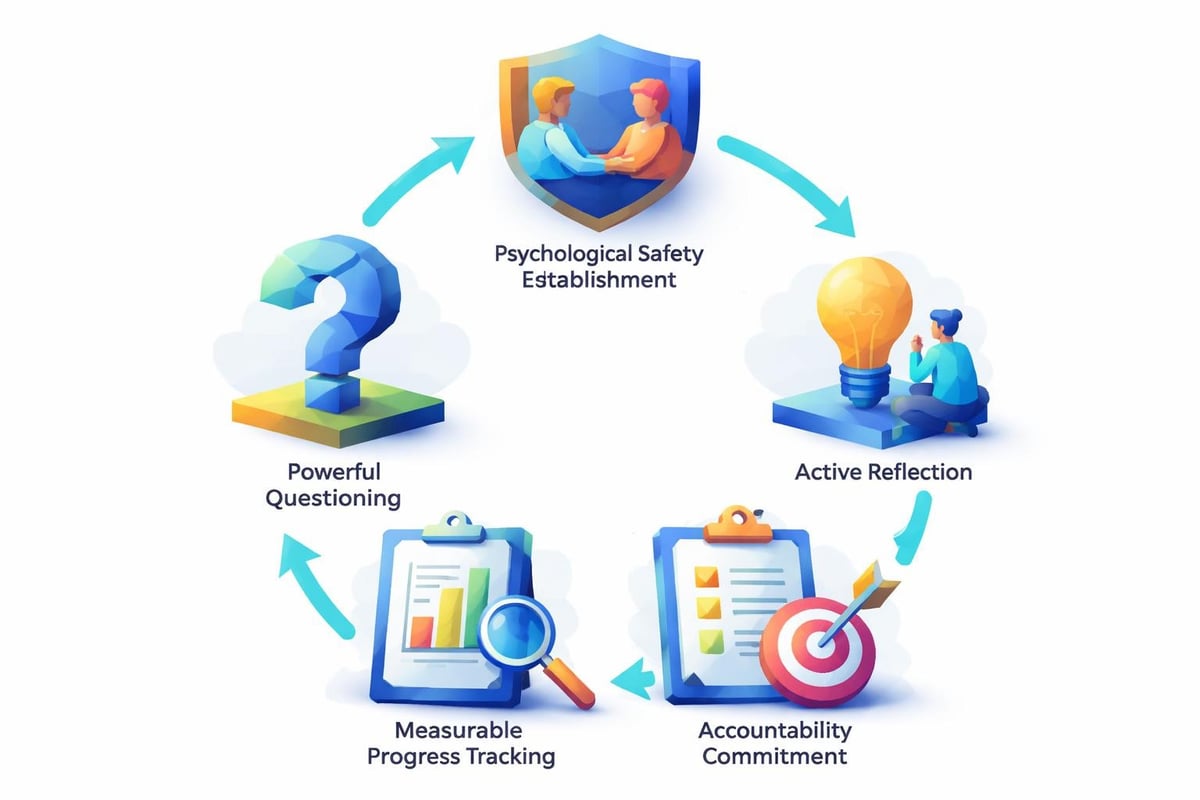
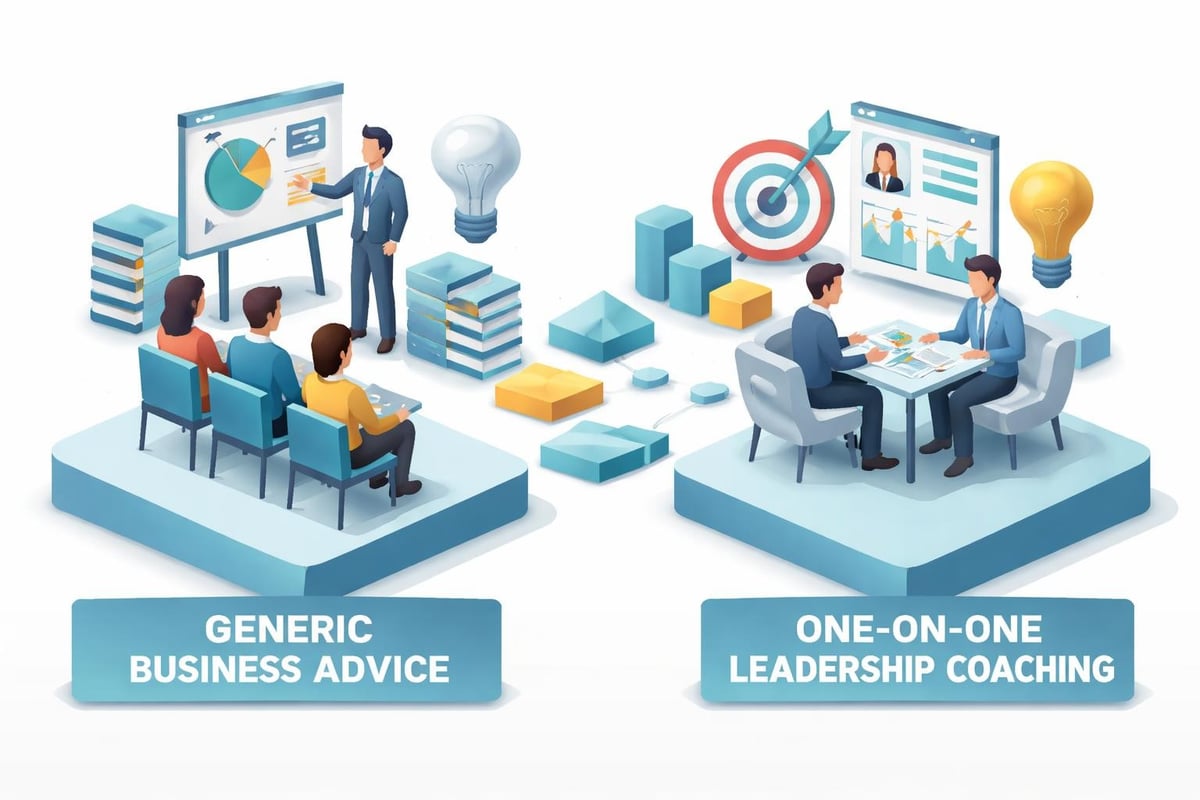
Unlike generic self-help resources, coaching delivers tailored strategies and consistent accountability. A strong coaching relationship fosters psychological safety, allowing clients to explore new perspectives and challenge limiting beliefs.

Both individuals and organizations in London see measurable returns on their coaching investments, from improved KPIs to lasting behavioral change. Whether you are navigating a career transition, developing leadership skills, or striving for personal growth, choosing the right coach is a critical step toward unlocking your fullest potential.

Why Coaching is Essential for Unlocking Potential

Types of Coaching in London: Which is Right for You?

London’s vibrant coaching scene offers specialized support for every goal. From personal transformation to executive growth, coaching london provides tailored approaches designed to help you thrive. Below, we outline the main types of coaching available, so you can identify which path aligns with your needs.

Types of Coaching in London: Which is Right for You?

Life Coaching

Life coaching focuses on helping individuals gain clarity, boost confidence, and navigate major life transitions. Clients often seek support to overcome depression, rebuild self-esteem, or achieve a healthier work-life balance. Practices like KlearMinds have empowered many londoners to develop greater happiness and resilience through personalized coaching programs. Life coaching offers a confidential space to reflect, set goals, and build lasting change.

Executive & Leadership Coaching

Executive and leadership coaching is designed for professionals, managers, and leaders aiming to elevate their impact. These programs emphasize behavioral change, strategic thinking, and organizational influence. London Business School’s group coaching, for example, delivers lasting transformation for executives seeking to strengthen their leadership presence. This type of coaching london service can help unlock new levels of performance, communication, and team effectiveness. For additional leadership resources, consider exploring expert insights from Leadership coaching resources.

Career and Performance Coaching

Career and performance coaching supports individuals during career transitions, promotions, or workplace challenges. Coaches help clients clarify ambitions, set actionable goals, and overcome barriers like imposter syndrome. Many find renewed motivation and satisfaction by partnering with a skilled coach. If you are interested in exploring tailored support, you can explore career coaching options for more details.

How to Choose the Right Coach in London

Finding the right coach can make all the difference in your coaching london experience. With so many options available, it is important to approach your search methodically to ensure the best fit for your personal or professional growth.

Begin by clearly identifying your goals and challenges—are you seeking personal development, career advancement, leadership growth, or improved wellbeing? Next, research coach specializations and check for relevant credentials, certifications, and positive client reviews. Evaluate different coaching london formats such as one-to-one versus group sessions, as well as in-person or online delivery.

Many reputable providers, like KlearMinds and Accountability Now, offer free initial consultations. Take advantage of these sessions to assess compatibility and coaching style. Compare pricing structures, packages, and commitment terms to find flexible options, such as month-to-month plans without long contracts.

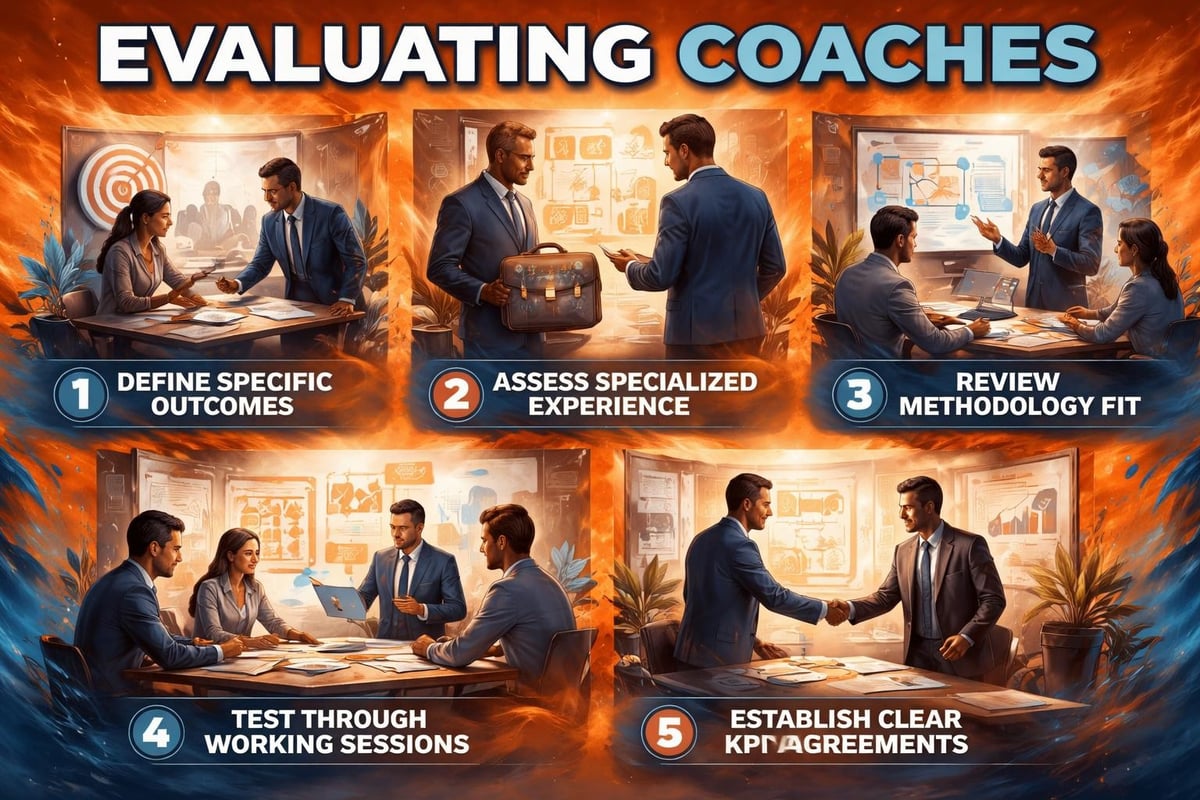
Prioritize measurable outcomes by looking for coaches who track progress with KPIs, ROI, or client testimonials. Most importantly, ensure you feel psychological safety and trust, as these are foundational to a successful coaching relationship. For a deeper understanding, explore Understanding psychological safety in coaching, which highlights why this factor is crucial in the coaching process.

The right coach should align with your values, objectives, and preferred learning style. By following these steps, you will be well-equipped to select a coach who empowers you to achieve your goals in the dynamic coaching london environment.

How to Choose the Right Coach in London

Coaching Success Stories: Real Results from London Clients

Across London, coaching london is unlocking genuine transformation for people from all walks of life. Executives report newfound confidence and sharper decision-making after tailored programs. One KlearMinds client overcame depression, built resilience, and discovered lasting happiness through personalized support.

Parents and professionals are thriving too. New mothers share stories of balancing family and career, while business owners describe overcoming burnout and finding clarity. Career-focused clients, including lawyers and sales directors, cite coaching for enabling successful transitions and improved relationships.

Leadership breakthroughs are another hallmark of coaching london. Group sessions inspired by London Business School have helped teams grow, communicate, and achieve ambitious goals. Programs focused on emotional intelligence in leadership coaching have empowered managers to lead with empathy and drive positive change.

The impact is measurable. High satisfaction rates, lasting empowerment, and sustainable change are consistently reported by clients.

2025 Trends: The Future of Coaching in London

The future of coaching london is defined by innovation, accessibility, and measurable impact. In 2025, clients will see a significant shift toward hybrid and online coaching formats, making expert support more accessible than ever before.

Group coaching and peer learning are gaining momentum, with organizations like London Business School leading the way. These collaborative models foster shared growth and networking, while maintaining the depth of individual development.

A strong focus on measurable outcomes is shaping the industry. Today’s clients expect coaching programs to deliver clear KPIs and ROI, leveraging data-driven methods to track progress and success.

Wellbeing, mental health, and resilience coaching are now mainstream, reflecting London’s commitment to holistic growth. New niches in diversity, inclusion, and neurodiversity, such as ADHD coaching, are expanding rapidly.

Technological innovation is driving these changes. The integration of AI and digital platforms is enhancing personalization and accessibility, as highlighted in this recent review of AI and coaching tech in 2025.

With continued recognition and industry awards, coaching london is poised to become a core tool for both personal and organizational success in the city’s fast-evolving landscape. For those seeking accountability and growth, resources like Accountability Now offer valuable support to help you stay on track.

Two business professionals arguing in a meeting while a colleague looks on, highlighting toxic leadership in the workplace.

Toxic Leadership: The Ultimate Leader’s Self-Repair Hack to Rebuild Team Trust

Toxic leadership can break a team fast. Trust erodes. Motivation drops. Productivity takes a hit. But trust can be rebuilt. This blog will show how to repair that damage and rebuild a stronger team, even after a serious leadership misstep.


Leaders in growth mode feel this strain most. Pressure rises, choices get rushed, and small signals get missed. Teams then carry the weight: missed handoffs, low energy, and stalled projects. The fix starts with a clear reset. Say what went wrong, show what will change, and make the next right move. Keep it simple and visible. A short weekly plan, one clear owner per task, and honest check-ins can turn the mood. Your team does not need a hero, it needs steady actions that match your words.

How Toxic Leadership Erodes Trust and Team Performance

When a leader crosses a line, the impact is immediate. Teams question every decision. Gossip grows. People start to disengage.


The recent debate over toxic leadership in the military is a good example. It shows how one person at the top can create an environment where people feel unsafe, unheard, and unsupported. That kind of environment doesn’t just hurt morale, it cripples performance.
Toxic behavior isn’t always loud. It can show up as passive-aggressive emails, gaslighting during meetings, or constantly shifting expectations. Each action chips away at trust. Over time, teams stop giving honest feedback. They stop taking risks. And the organization suffers.
Leaders in small and mid-size companies face a second hit: wasted resources. Time moves to damage control, not customer work. Hiring stalls, cross-team projects slow, and key people check out mentally. Revenue then follows the culture. To stop the bleed, name the behaviors that caused harm, remove frictions that keep them alive, and invite your team to help shape guardrails. Clear conduct rules, simple feedback loops, and quick corrections create daylight again.

Qualities of a Great Leader: What Your Team Needs After a Misstep

The first step to repair is to reset the tone of leadership. Teams need to see clear, consistent actions that signal change.

Humility as a foundation

Leaders who own their mistakes show strength, not weakness. Saying “I was wrong, and here’s how I’m fixing it” rebuilds confidence faster than any speech.
Humility looks like listening without defending. It looks like taking the tough meeting with the person you frustrated. It looks like giving credit in public and feedback in private. Trust grows when people see that you care more about outcomes than ego. Share one real change you are making this week, then report back next week on how it went. That rhythm teaches the team that your apology has legs.

Open communication

Talk with your team, not at them. Share the reasons behind decisions. Be honest when you don’t have answers yet.
Teams do not expect perfection. They want clarity. Use simple formats: a one-page decision log, a weekly three-point update, and office hours for questions. Invite pushback. When someone raises a risk, thank them, write it down, and circle back with what you did. That loop proves their voice matters.

Consistency matters

A single good week won’t rebuild trust. Teams need to see steady, reliable actions. It’s the day-to-day follow-through that restores belief in leadership.
Set a few visible promises and keep them. Start meetings on time, publish notes the same day, and close the loop on action items. Miss one, then own it fast. People will forgive a slip when they see a pattern of honest effort and repair.

Adversity as a Turning Point: Using Setbacks to Rebuild Stronger

Setbacks are painful. But they can be turning points if handled the right way.

Treat failure as data

Every mistake has lessons hidden in it. Break the event down with your team. Ask what went wrong and how you can prevent it in the future.
Run a short, blameless review. What did we plan, what happened, what will we try now. Keep names out of it, focus on the system. When your team sees learning, not punishment, they will share signal sooner next time.

Create small wins

Repairing trust isn’t one big moment. It’s a series of small wins. Start with a single improvement, like better meeting structures or clearer reporting, and build from there.
Pick wins that matter to the people doing the work. Trim a recurring meeting by 15 minutes. Kill one report that no one reads. Cut approval steps on low-risk items. These easy gains free energy and show you are serious about better flow.

Stay present

Leaders who vanish during hard times signal that the team is on its own. Showing up consistently tells your team they aren’t abandoned.
Walk the floor, jump into support queues for an hour, or sit in on a customer call. Presence builds trust fast, and it gives you unfiltered input that dashboards miss.

Can Leaders Overcome Imposter Syndrome After Breaking Trust?

Imposter syndrome often creeps in after a major failure. Leaders wonder if they deserve their position or if they’re capable of turning things around.

Acknowledge the feeling

Don’t ignore the doubt. Talk about it with a coach or mentor. Owning those thoughts keeps them from controlling you.
Name the script in your head, then test it against facts. List three actions you took that helped the team this month. List three that hurt. Now write the next one action that would help the most. Action beats rumination.

Focus on actions, not titles

You don’t have to feel like a perfect leader to act like one. Show up for your team, make thoughtful decisions, and let results rebuild your confidence.
Shift your scorecard to behaviors you control. Did you listen fully. Did you make a clear call. Did you follow through. Confidence comes from repetitions that match your values.

Get coaching support

Professional coaching provides perspective and strategy. It helps you see the situation clearly and take steps that align with your values and the team’s needs.
A coach can hold the mirror and the calendar. That means honest feedback and steady cadence. Many leaders find that a 30-minute weekly session keeps the rebuild on track when the week gets noisy.

Tactics vs Strategy: A Smarter Way to Rebuild Team Alignment

When trust is broken, quick fixes are tempting. A team lunch, a new incentive program, or a motivational speech might buy temporary goodwill. But those tactics won’t repair the root problem.

Build a strategic plan

Start by setting a clear vision of what trust looks like in your team. Define what success means six months from now.
Write it down in plain words. What will people feel, see, and do when trust is healthy. Tie each goal to a simple measure. If you cannot measure it, it will fade.

Align words and actions

If you say transparency is the goal, share information. If you want collaboration, ask for input and use it. Strategy without follow-through is just another broken promise.
Map the top five trust behaviors to weekly rituals. For example, publish decision logs on Fridays, rotate meeting leads, and invite a customer into roadmap reviews once a month. Rituals make values visible.

Measure progress

Create simple markers to track progress: engagement in meetings, reduced turnover, or feedback surveys. Small data points show whether you’re moving in the right direction.
Keep the dashboard light: three signals is plenty. Share wins and misses in the same breath. That balance builds credibility and keeps the plan real.

Lessons from the Military: When Misallocated Resources Hurt Small Teams

Military spending debates highlight another lesson. When leadership focuses resources in the wrong places, small teams suffer.


In business, the same pattern shows up. Leaders may pour time and money into big, flashy projects while ignoring the small but vital parts of their organization. The result is frustration, burnout, and missed opportunities.

Keep focus where it counts

Strong leadership means directing resources where they have the biggest impact. That usually means empowering teams, improving systems, and building trust.
Big budgets can hide weak choices. Small teams feel it first. If your spend grows on overhead while frontline tools sit outdated, trust and speed drop. Rebalance funds toward customer touchpoints, training, and clean processes. That shift pays back fast.

Apply small-business agility

Think like a small business. Small teams need clarity, communication, and steady support. A few targeted changes in those areas often produce bigger gains than major overhauls.
Ask one question each quarter: what would a lean shop cut, keep, or double. Then act. Many leaders find that a modest investment in coaching, paired with clearer roles and lighter meetings, lifts output more than a new platform ever could.

Action Steps for Leaders Repairing Trust

Start with a public reset

Make it clear you know what went wrong and how you plan to fix it.
Share a short statement with three parts: what happened, what will change, and how the team can hold you accountable. Post it where everyone can see it. Revisit it in two weeks with an update.

Create space for feedback

Invite honest, anonymous feedback and share what you’re doing with that input.
Use one simple form and a weekly review. Publish themes and actions, not raw comments. Close the loop so people see their voice turning into change.

Build routines that show consistency

Simple habits, like regular check-ins, prove you’re committed to change.
Pick a day and stick with it. Keep the agenda tight: wins, blockers, next steps. End with one thing you will do differently before the next meeting.

Track the rebuild

Monitor engagement, turnover, or morale. Share progress updates with the team.
A tiny scoreboard helps. Green, yellow, red on three signals is enough. When a metric turns yellow, pick one action and time box it. Then report back.

Why This Matters for Businesses

Trust drives performance. When leaders repair broken trust, teams innovate faster, collaborate better, and stay longer. For companies like Noomii that coach leaders and teams, rebuilding trust isn’t just recovery, it’s a path to stronger performance than before.
Small businesses and mid-market teams feel resource shifts quickly. Spend pointed at the wrong goals pulls energy from customer work. A clear trust rebuild plan realigns money, time, and attention to the places that move results. That is how teams ship, retain talent, and grow steady.

If you want a quiet partner while you set that plan, Noomii can sit with your leaders and map the next few steps. No long pitch, just a working session, simple tools, and a cadence that fits your team. When you are ready, we are here.

What Topics Are Appropriate in Leadership Coaching & How Do I Choose a Coach?

This article provides examples of topics commonly addressed in leadership coaching and also makes suggestions for how to go about selecting a coach.

Leadership Coaching

Leadership coaching aims at improving the impact and effectiveness of anyone in a leadership position.