Career Fulfillment Coaching in Perth: Your Essential Guide 2026

Imagine waking up every morning genuinely eager to get to work, confident that your career truly matches your values and aspirations. In Perth’s fast-paced job market, this is not just a dream—it’s within reach.

This guide will show you how career fulfillment coaching in perth can help you find lasting purpose, satisfaction, and professional growth by 2026. Discover what sets this coaching apart, how it works locally, who the top providers are, and the steps you need to take for a more meaningful career. Start your transformation today by exploring trusted resources like Accountability Now to find the support you need.

Understanding Career Fulfillment Coaching

Imagine standing at a crossroads in your professional life, searching for the right direction. Career fulfillment coaching in perth provides a clear path forward, helping you align your work with your values and passions. This personalized approach is transforming the way Perth professionals experience their careers, offering not just guidance, but real transformation.

Understanding Career Fulfillment Coaching

What Is Career Fulfillment Coaching?

Career fulfillment coaching in perth is a specialized service focused on helping individuals find meaning and satisfaction in their work. Unlike general career counseling or life coaching, it zeroes in on the intersection of your values, skills, and passions with your professional choices.

The core principles involve self-discovery, intentional goal setting, and actionable strategies for change. For example, imagine a mid-career professional who feels lost in a high-paying but uninspiring job. Through career fulfillment coaching in perth, they may discover a desire to pivot to a role that aligns with their purpose, leading to renewed motivation and engagement.

Key Benefits for Professionals in Perth

Choosing career fulfillment coaching in perth brings a host of benefits tailored to the local workforce. Professionals often experience:

  • Higher job satisfaction and engagement
  • Better work-life balance
  • Increased productivity and intrinsic motivation

A recent 2024 survey revealed that 68% of Perth professionals are actively seeking greater fulfillment at work. By working with a coach, you can unlock new perspectives and achieve lasting improvements in both your career and overall well-being.

Common Challenges Addressed

Many professionals turn to career fulfillment coaching in perth to tackle persistent workplace challenges. These include:

  • Burnout and stagnation
  • Uncertainty during career transitions or industry shifts
  • Imposter syndrome and self-doubt

Tech sector employees, for instance, may face anxiety as automation transforms their roles. A coach helps them navigate these changes, build confidence, and find new opportunities. If imposter syndrome is holding you back, explore practical solutions in our Overcoming imposter syndrome in careers resource.

The Coaching Process Explained

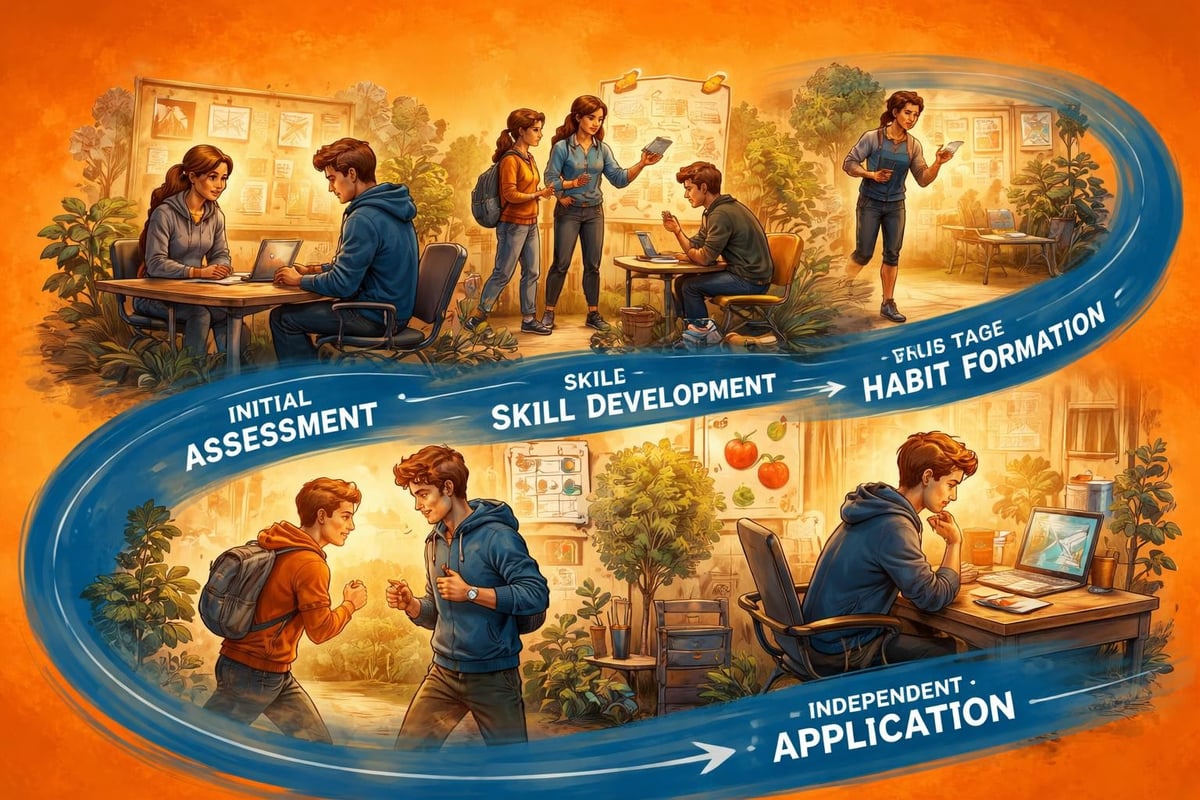
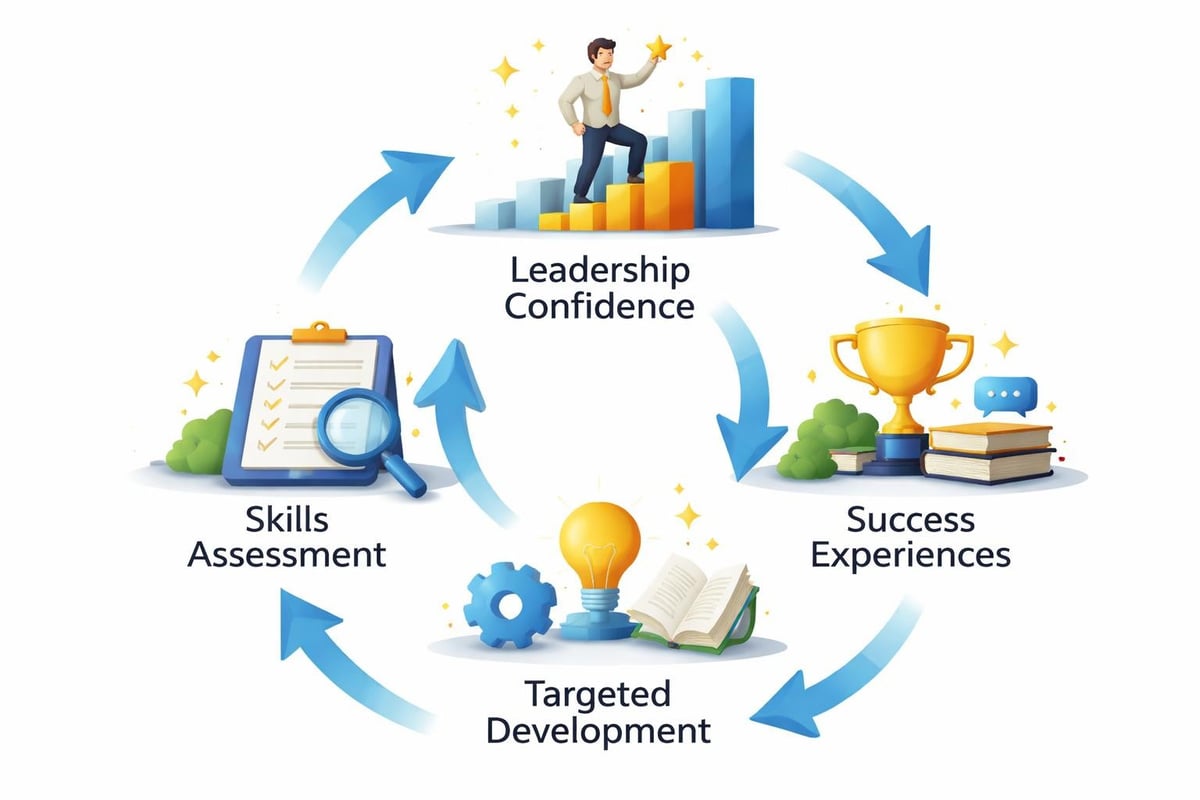
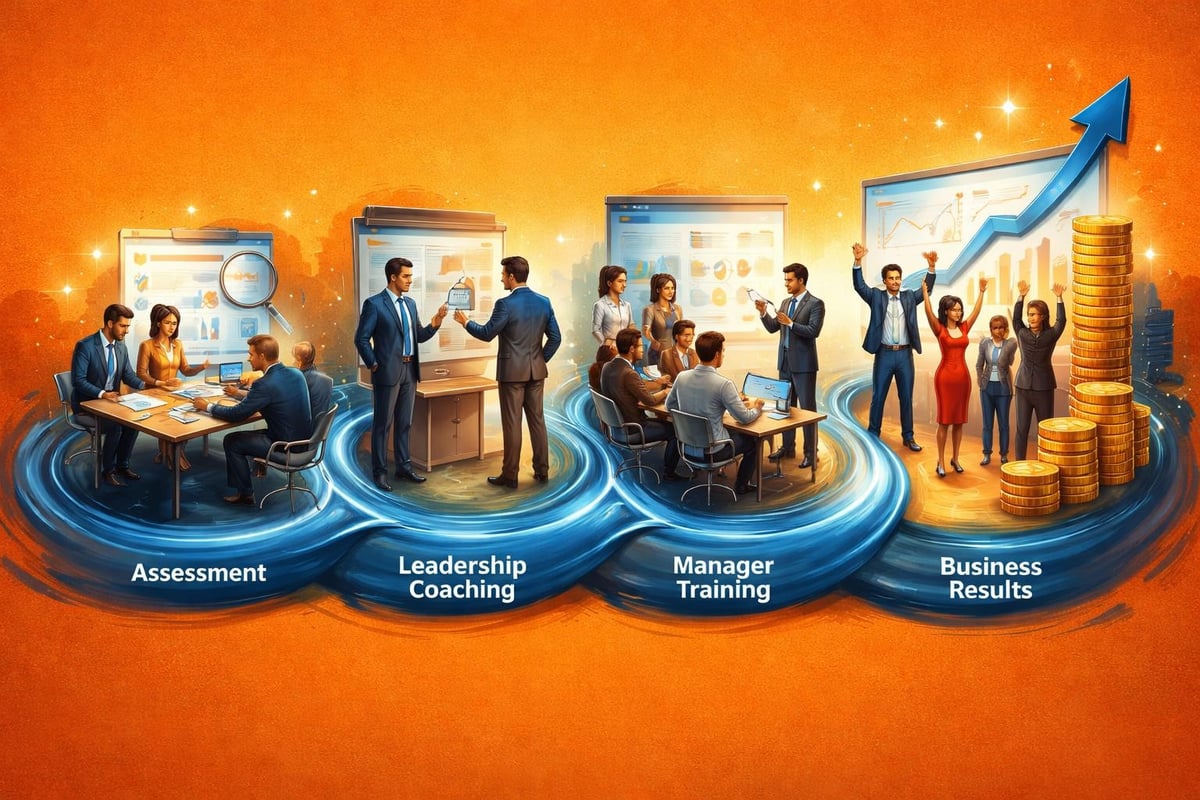
The journey of career fulfillment coaching in perth typically unfolds in several stages:

  • Initial assessment to clarify strengths, values, and goals
  • Collaborative goal setting and creation of a tailored action plan
  • Implementation with regular accountability check-ins
  • Use of assessments and feedback tools to track progress

Coaching can be delivered one-on-one or in group formats, with sessions usually held weekly or biweekly. The full process is designed to be flexible, adapting to your unique needs and schedule.

Qualifications of a Great Career Fulfillment Coach

When choosing a provider for career fulfillment coaching in perth, look for:

  • Recognized certifications, such as ICF accreditation
  • Deep knowledge of the Perth job market and industry trends
  • Strong client testimonials and evidence of measurable results

The right coach will not only guide you, but also connect you with local resources like Accountability Now to support your ongoing growth.

The Landscape of Career Fulfillment Coaching in Perth

The landscape of career fulfillment coaching in perth is evolving rapidly as Perth’s workforce adapts to new challenges and opportunities. From booming industries to shifting professional expectations, the city’s coaching scene is dynamic and diverse, offering tailored solutions for professionals at every stage.

The Landscape of Career Fulfillment Coaching in Perth

Growth of the Coaching Industry in Perth

In recent years, career fulfillment coaching in perth has seen substantial growth. The market is projected to expand significantly between 2022 and 2026, driven by heightened demand in sectors like mining, technology, healthcare, and resources. Western Australia has experienced a dramatic 120% increase in certified coaches from 2021 to 2025.

This boom reflects a broader national trend. According to career coaching industry trends in Australia, more professionals are seeking personalized coaching to navigate changing workplaces and build meaningful careers. Perth’s coaching industry is well-positioned to meet these evolving needs.

Who Seeks Career Fulfillment Coaching?

Career fulfillment coaching in perth attracts a wide range of clients. Mid-career professionals often turn to coaching when they feel stuck or want to pursue new opportunities. Executives and recent graduates also benefit, especially as they face pivotal career decisions.

Individuals impacted by redundancy or industry disruption, such as mining engineers transitioning to renewable energy, increasingly seek support. This diversity of clients demonstrates how vital career fulfillment coaching in perth has become for those navigating Perth’s shifting job landscape.

Local Coaching Styles and Approaches

A defining feature of career fulfillment coaching in perth is its variety of coaching styles. Many coaches use solution-focused and strengths-based models, ensuring clients build on what they do best. Holistic approaches are also popular, integrating both personal and professional goals.

Some coaches weave Indigenous perspectives and local culture into their practice, reflecting Perth’s unique identity. For example, leveraging the city’s outdoor lifestyle helps clients achieve better work-life alignment. This adaptability makes career fulfillment coaching in perth especially relevant to the local workforce.

Regulatory Environment and Professional Standards

Regulation is an essential aspect of career fulfillment coaching in perth. Leading industry bodies such as the International Coach Federation (ICF) and the Australian HR Institute (AHRI) set high standards for training and ethics. Coaches are expected to hold recognized certifications and adhere to strict professional guidelines.

Consumer protection is also a focus in Western Australia. These measures help ensure that career fulfillment coaching in perth delivers trustworthy and effective support, giving clients confidence in their coaching journey.

Typical Costs and Investment

The investment in career fulfillment coaching in perth varies, but most session rates range from $150 to $350 per hour as of 2025. Many coaches offer package deals or group programs that provide additional value.

Here’s a quick overview:

Service Type Cost Range (2025) Features
Individual Session $150 – $350/hr 1:1 coaching, tailored plans
Group Programs $80 – $200/hr Peer support, shared learning
Packages $1,200 – $3,500 Multiple sessions, resources

The return on investment is clear. Recent surveys show that 86% of clients experience positive career changes within six months. Many also leverage ongoing support networks like Accountability Now to sustain their growth and fulfillment.

How to Choose the Right Career Fulfillment Coach in Perth

Choosing the right career fulfillment coaching in perth can shape your professional future. The process involves a series of thoughtful steps to ensure your investment leads to lasting career satisfaction and growth.

How to Choose the Right Career Fulfillment Coach in Perth

Step 1: Define Your Career Goals and Needs

Before you start your search for career fulfillment coaching in perth, pause to reflect on your personal and professional aspirations. Ask yourself: What do I truly want from my career? Is it leadership, work-life balance, or a complete industry change?

Write down your values, strengths, and the challenges you want to overcome. Identifying your pain points and desired outcomes will help you articulate what you need from a coach. For example, someone aiming for a leadership role may seek different guidance than someone craving more flexibility.

This self-awareness not only sharpens your focus but also enables you to communicate your expectations clearly to prospective coaches. It sets a strong foundation for a coaching partnership that truly aligns with your ambitions.

Step 2: Research and Shortlist Coaches

With your goals in mind, start exploring the local landscape of career fulfillment coaching in perth. Seek recommendations from your network, or consult reputable online directories. Verifying credentials, such as accreditations from the International Coach Federation (ICF), is essential.

Take time to read reviews and testimonials to gauge a coach’s track record. Pay attention to their experience in your industry or with your specific challenges. For a comprehensive list of accredited coaches, consult the Life and business coaches directory, which can help you find reputable professionals in Perth.

By narrowing your list to those who meet your criteria, you increase the likelihood of finding a coach who truly understands your unique journey.

Step 3: Assess Coaching Styles and Compatibility

Once you have a shortlist, arrange discovery calls or consultations. This is your opportunity to assess if their coaching style resonates with your personality and preferred learning approach. Some coaches use structured frameworks, while others take a more holistic or creative path.

Ask targeted questions about their methods, success rates, and client fit. Are they better suited for introverts, or do they specialize in high-energy group sessions? A great match will make you feel heard, supported, and challenged in the right ways.

Compatibility is crucial for effective career fulfillment coaching in perth. The right coach will inspire trust, encourage growth, and tailor their approach to your individual needs.

Step 4: Evaluate Programs and Pricing

Evaluate each coach’s offerings carefully. Compare individual sessions, multi-session packages, and group programs. Review cancellation policies, guarantees, and what’s included in the fee.

Consider the investment as part of your career development. While average rates for career fulfillment coaching in perth range from $150 to $350 per session, many coaches offer packages with added value. Weigh the potential impact on your career and wellbeing against the cost.

A transparent and flexible program structure ensures you get the most from your coaching experience, both financially and personally.

Step 5: Commit and Track Progress

Once you’ve selected your coach, commit to the process and set clear, measurable milestones. Use tools like self-assessment checklists and regular feedback sessions to monitor your journey. Tracking progress is vital to ensure that your investment in career fulfillment coaching in perth delivers tangible results.

Celebrate small wins and adjust your strategy as needed. For ongoing support and accountability, consider leveraging local resources such as Accountability Now, which offers additional tools to help you stay on track.

Your commitment and active participation will unlock the full benefits of your coaching partnership, helping you achieve lasting career fulfillment.

What to Expect: The Career Fulfillment Coaching Journey

Embarking on career fulfillment coaching in perth is a transformative experience. Understanding each stage prepares you for what lies ahead, making the process less daunting and more empowering.

Initial Assessment and Goal Setting

The journey begins with a thorough assessment. Your coach provides intake questionnaires and self-discovery exercises to clarify strengths, values, and motivators. This lays the foundation for career fulfillment coaching in perth by pinpointing what truly matters to you.

Together, you will envision your ideal career path. This could involve creating a 12-month roadmap, highlighting both short-term wins and long-term aspirations. These exercises ensure your goals are personal, actionable, and aligned with your unique definition of fulfillment.

Personalized Action Planning

With clear goals, career fulfillment coaching in perth shifts into building a tailored action plan. Large objectives are broken down into smaller, achievable steps. Your coach helps you identify quick wins, such as networking with key industry peers or updating your resume.

Digital tools and progress trackers are often introduced to monitor your journey. This structured approach keeps you focused, motivated, and always moving toward your desired outcomes.

Overcoming Obstacles and Building Confidence

Challenges are inevitable, but career fulfillment coaching in perth equips you with strategies to tackle them head-on. Coaches use techniques like Cognitive Behavioral Coaching and positive psychology to help you address limiting beliefs or self-doubt.

For example, if fear of public speaking is holding you back from a promotion, your coach will provide targeted exercises and real-world practice. Over time, you build confidence and resilience, making obstacles seem far less intimidating.

Accountability and Ongoing Support

Accountability is a core element of career fulfillment coaching in perth. Regular check-ins and progress reviews ensure you stay on track, adapt strategies as needed, and celebrate each milestone.

Your coach remains a reliable partner, offering encouragement and constructive feedback. This ongoing support boosts your momentum and helps you build habits for long-term career satisfaction.

Measuring Success and Celebrating Wins

Success is measured by tangible outcomes: promotions, new job roles, or a significant boost in job satisfaction. Progress is tracked through self-assessments and feedback, reinforcing your achievements.

Celebrating these wins is crucial for sustaining motivation. For continued growth, many professionals turn to local networks and resources like Accountability Now to maintain their momentum beyond the initial coaching journey.

Top Career Fulfillment Coaching Providers in Perth

Are you searching for the best career fulfillment coaching in perth? Perth’s vibrant coaching scene features a diverse range of top-rated coaches and boutique firms, each with their own specializations. Many focus on leadership, STEM, creative industries, and nonprofit sectors. For instance, some coaches excel at helping teachers transition into corporate roles or guiding executives towards more meaningful work. According to the latest reviews, Perth’s leading coaches combine international certifications with deep local expertise, ensuring that career fulfillment coaching in perth meets the unique needs of Western Australia’s workforce. For those interested in leadership transformation, Leadership and executive coaching insights provides a deeper look at how coaching delivers measurable results.

Unique Approaches and Signature Programs

Career fulfillment coaching in perth thrives on innovation and customization. Many local providers leverage proprietary frameworks, assessment tools, and immersive workshops to deliver tailored results. Some offer group retreats in natural settings, reflecting Perth’s outdoor culture. Others integrate virtual reality-based simulations, helping clients visualize new career paths before taking the leap. A growing number of coaches stay ahead of the curve by following Coaching industry trends and growth, ensuring their programs remain relevant and impactful in the evolving job market.

Group programs are gaining traction, offering peer learning and support. Online modules and hybrid delivery models have also increased accessibility, making career fulfillment coaching in perth more convenient than ever.

Success Stories from Perth Clients

Real-life success stories highlight the tangible impact of career fulfillment coaching in perth. Clients consistently report improved wellbeing, greater confidence, and successful career pivots. For example, a marketing professional in Perth used coaching to transition into the renewable energy sector, securing a promotion within six months. Another client, previously struggling with imposter syndrome, landed a leadership role in a major healthcare organization after completing a targeted coaching program.

Recent local surveys reveal that 78 percent of clients experience increased confidence and job satisfaction. These stories underscore the measurable benefits of engaging with skilled career fulfillment coaches.

The Role of Corporate Career Coaching Programs

Corporate programs are transforming the landscape of career fulfillment coaching in perth. Organizations increasingly invest in coaching to align individual ambitions with business objectives. The Noomii Corporate Leadership Program stands out by offering precision coach matching, evidence-based diagnostics, and scalable solutions for Perth-based teams. Companies benefit from improved engagement, retention, and leadership bench strength.

Career Fulfillment Coaching in Perth: Your Essential Guide 2026 - The Role of Corporate Career Coaching Programs

For HR leaders and executives, leveraging structured coaching is a strategic move. To further boost your ongoing growth and accountability, explore support networks such as Accountability Now, which complement coaching by fostering sustainable professional development.

The Future of Career Fulfillment Coaching in Perth: Trends for 2026 and Beyond

The landscape of career fulfillment coaching in perth is rapidly evolving. As we look toward 2026, a range of innovations, technologies, and new priorities are shaping the way professionals in Perth pursue meaningful work. Let us explore the trends set to define the next era of coaching and how they will impact your journey to career satisfaction.

Technology-Driven Coaching Solutions

Digital transformation is at the heart of career fulfillment coaching in perth. Coaches are adopting AI-powered assessment tools, virtual coaching platforms, and automated progress trackers to deliver more personalized experiences. Hybrid models are becoming standard, allowing clients to combine in-person and online sessions for flexibility and convenience.

Recent employment forecasts highlight the need for digital skills and adaptability in Perth’s workforce. Tools that track progress and deliver instant feedback are now essential. To understand how these shifts align with broader job market trends, review the Employment outlook: Industry and occupation trends report for insights on the evolving landscape.

Focus on Mental Health and Wellbeing

Career fulfillment coaching in perth is increasingly intertwined with mental health and wellbeing. Coaches now integrate mindfulness, stress management, and resilience-building practices into their sessions. This holistic approach ensures that professionals do not just achieve career goals but also maintain balance and emotional health.

By 2026, 60 percent of Western Australian organizations are expected to invest in wellbeing coaching as part of their employee support programs. This shift reflects a growing recognition that sustainable career success depends on both professional achievement and personal wellness. Coaching programs are adapting to meet these dual needs, making wellbeing a core pillar of their services.

Industry-Specific Coaching Innovations

As Perth’s economy diversifies, career fulfillment coaching in perth is evolving to address the needs of booming sectors like healthcare, technology, and renewable energy. Coaches now offer tailored programs for professionals navigating transitions in these fields, such as mining engineers moving into green energy roles.

The rise of industry-specific coaching is informed by projections on Australia’s top industries in 2026, which highlight where future job opportunities will emerge. Expect to see more coaching providers specializing in high-demand sectors, offering targeted support for career pivots and upskilling.

Diversity, Equity, and Inclusion in Coaching

Diversity, equity, and inclusion are shaping the next wave of career fulfillment coaching in perth. Culturally responsive coaching practices are empowering women, Indigenous Australians, and neurodiverse professionals to thrive in their chosen fields. Programs are increasingly designed to break down barriers and close gaps in leadership representation.

Coaches in Perth are also integrating Indigenous perspectives and local cultural insights, making sessions more relevant and impactful. These inclusive approaches ensure that every professional, regardless of background, has access to support that respects their unique identity and aspirations.

Building a Sustainable, Fulfilling Career in Perth

Looking ahead, the core of career fulfillment coaching in perth will remain focused on adaptability and lifelong learning. Coaches encourage clients to embrace continuous development, build resilient mindsets, and tap into Perth’s vibrant professional networks.

For ongoing support and accountability, many professionals leverage platforms like Accountability Now, ensuring their progress remains on track long after their initial coaching engagement. The future of coaching in Perth is bright, driven by innovation, inclusion, and a commitment to helping every individual unlock a truly rewarding career.

9 Essential ChatGPT Prompts to Help Coaches Grow Revenue 2026

Artificial intelligence is revolutionizing the coaching industry at lightning speed, reshaping how coaches attract clients and drive revenue. As the competition intensifies, understanding how to harness chatgpt prompts to help coaches grow revenue becomes essential for staying ahead.

In this article, you will discover 9 actionable chatgpt prompts to help coaches grow revenue in 2026. These prompts are tailored to meet both current and future challenges in your coaching business, ensuring you have the tools to thrive.

Ready to unlock new growth strategies? By leveraging the right AI-driven prompts, you can transform your practice, streamline operations, and boost profitability.

The Power of AI in Coaching Revenue Growth

Artificial intelligence is rapidly redefining the landscape of professional coaching, unlocking new pathways for revenue growth and client engagement. Today’s coaches face a dynamic market, where integrating chatgpt prompts to help coaches grow revenue is no longer just an advantage, but a necessity.

AI, especially platforms like ChatGPT, empowers coaches with the ability to automate repetitive tasks, personalize communication at scale, and engage clients in more meaningful ways. Recent data from the International Coaching Federation highlights that 78% of coaches leveraging AI report significantly improved client acquisition. By using AI-driven prompts, coaches can streamline their marketing, sales, and retention strategies, ensuring their services remain both relevant and competitive.

Consider the impact: coaches utilizing AI tools for coaching businesses have reported not only increased efficiency but also higher conversion rates and deeper client relationships. Automated onboarding, targeted outreach, and ongoing support all become scalable, allowing coaches to serve more clients without sacrificing quality.

However, common concerns remain around maintaining authenticity and preserving the human touch. The key is to use AI as an enhancement, not a replacement—personal review and genuine interaction should always complement automation. Adapting to these technologies in 2026 will be critical for coaches who want to thrive in an increasingly AI-driven industry.

The Power of AI in Coaching Revenue Growth

9 Essential ChatGPT Prompts to Help Coaches Grow Revenue 2026

Unlocking the full potential of AI starts with using the right chatgpt prompts to help coaches grow revenue. Below, explore nine proven prompt strategies that will elevate your coaching business, boost client engagement, and drive measurable growth in 2026.

9 Essential ChatGPT Prompts to Help Coaches Grow Revenue 2026

1. [Generate High-Converting Coaching Program Descriptions]

Strong program descriptions are essential for attracting ideal clients. Use chatgpt prompts to help coaches grow revenue by crafting benefit-rich descriptions tailored to your niche. For instance: “Write a persuasive description for a 12-week leadership accelerator for mid-level managers.” Adapt language for executive, wellness, or life coaching.

Clear, compelling copy increases inquiries and sign-ups. Test variations with ChatGPT to see which resonates most with your audience.

2. [Craft Personalized Outreach Emails for Prospects]

Personalized outreach is a proven way to boost responses. Chatgpt prompts to help coaches grow revenue include generating custom emails that address specific client challenges. For example: “Write a personalized outreach email for a tech founder facing team burnout.”

Segment your list and tailor each message. According to HubSpot, personalized emails can improve response rates by 22 percent. Scale this process effortlessly with AI.

3. [Develop Social Media Content Calendars]

Consistency on social media is vital. With chatgpt prompts to help coaches grow revenue, plan a month’s worth of posts for LinkedIn, Instagram, or Facebook. Try: “Create a 4-week content calendar for a business coach targeting tech startups.”

Blend educational, promotional, and testimonial content for maximum impact. Consistent posting increases brand awareness and draws in new leads.

4. [Design Client Progress Check-In Templates]

Regular check-ins keep clients engaged and accountable. Use ChatGPT to generate weekly progress email templates, such as: “Draft a weekly check-in email for executive coaching clients.”

Personalized, automated check-ins improve retention and open upsell opportunities. Studies show regular follow-ups can increase client retention by 30 percent.

5. [Brainstorm New Revenue Streams and Offerings]

Diversifying your services stabilizes and scales revenue. Use prompts like: “Suggest five new revenue streams for a wellness coach in 2026.” ChatGPT can analyze trends and recommend offerings, from group coaching to digital products.

Explore more prompt ideas in ChatGPT prompts for coaching funnels to expand your business model.

6. [Create Persuasive Sales Page Copy]

Your sales page is your digital storefront. ChatGPT can draft high-converting copy, such as: “Write a sales page for a 1:1 VIP coaching package focused on career transitions.”

Experiment with different value propositions and calls-to-action. Optimized sales pages can increase conversions by up to 40 percent.

7. [Automate FAQ and Objection Handling]

Reduce sales friction by addressing client concerns upfront. Use prompts like: “List answers to top 10 objections for enrolling in a leadership coaching program.”

A well-crafted FAQ section builds trust and removes barriers to purchase, streamlining your sales process and reducing lost leads.

8. [Personalize Client Onboarding Experiences]

First impressions matter. Use ChatGPT to create onboarding sequences, such as: “Draft a welcome email series for new group coaching members.”

Personalized onboarding accelerates trust and satisfaction, increasing client lifetime value and referrals.

9. [Plan and Script Webinars or Workshops]

Hosting webinars attracts new leads and demonstrates expertise. Use prompts like: “Outline a 60-minute webinar on ‘Unlocking Leadership Potential in 2026.’”

ChatGPT helps generate engaging titles, talking points, and calls-to-action. Coaches who host regular webinars often double their lead generation.

Integrating ChatGPT Prompts into Your Coaching Workflow

Integrating chatgpt prompts to help coaches grow revenue can be seamless when you follow a structured approach. Begin by identifying the routine tasks in your coaching business where AI can add value, such as email outreach, client check-ins, and social media planning.

Integrating ChatGPT Prompts into Your Coaching Workflow

Step-by-step guide:

  1. Set up prompt templates for recurring tasks. Store these in a shared document or project management tool for easy reuse.
  2. Train your team or virtual assistants to use and adapt these templates. Host short onboarding sessions to demonstrate best practices.
  3. Leverage automation tools to streamline processes. Platforms like Zapier and Notion can connect ChatGPT outputs directly to your workflows. For a deeper look at scaling your practice with automation, explore AI Augmentation in Coaching Practices.
Tool Functionality Best For
Zapier Workflow automation Email, CRM integration
Notion Template management Content organization
Google Docs Collaboration Team prompt sharing

One business coach automated 60% of client communications, resulting in doubled revenue and improved client satisfaction. However, always review and personalize all AI-generated content. This ensures your coaching voice remains authentic and builds trust with each client.

Measuring the Impact: KPIs and ROI for AI-Driven Coaching

Tracking the effectiveness of chatgpt prompts to help coaches grow revenue is essential for maximizing your business outcomes. Start by identifying key performance indicators such as lead generation, conversion rates, onboarding speed, and client retention. Monitoring these metrics regularly will reveal how AI-driven strategies impact your coaching practice.

Consider setting up simple dashboards using tools like Google Data Studio or Notion. These platforms let you visualize trends, compare results over time, and quickly spot areas for improvement. For example, a coach who integrated AI saw onboarding speeds increase by 50 percent and upsells rise by 35 percent, demonstrating real business value.

A/B testing your AI-generated content is another best practice. Test different prompts for emails, landing pages, or onboarding flows to see what resonates most with your audience. This iterative approach helps you refine your use of chatgpt prompts to help coaches grow revenue and ensures continuous improvement.

To tie these activities to ROI, link each KPI to specific financial outcomes, such as revenue per client or lifetime value. For more insights on trends and measurable results, review recent statistics in AI’s Impact on Coaching Revenue Growth. By consistently measuring and optimizing, you set your coaching business up for sustainable, AI-powered growth.

Measuring the Impact: KPIs and ROI for AI-Driven Coaching

Best Practices and Future-Proofing Your Revenue Strategy

Embracing chatgpt prompts to help coaches grow revenue requires a commitment to ethical and effective practices. Always review AI-generated content for accuracy, tone, and relevance before sharing it with clients. Prioritize transparency about AI use and maintain strict confidentiality with client data.

Stay ahead by continuously refining your prompt engineering skills and following major AI trends in coaching marketing. Regularly update your knowledge to leverage the latest advancements and features that can boost your impact.

Protect client information by using secure platforms and following privacy best practices. Never share sensitive data with AI tools unless you are certain of their compliance and security standards.

Invest in professional development by joining AI learning communities or exploring resources like Best AI for life coaching. These networks support your growth and help you adapt as technology evolves.

To future-proof your revenue, experiment with new integrations such as voice or video AI, and consistently test and measure your results. By embedding chatgpt prompts to help coaches grow revenue into your long-term strategy, you ensure your practice remains innovative and resilient.

The Essential Guide to Career Rebranding and Goal Setting in Brisbane 2026

Brisbane’s job market is evolving faster than ever, with new industries and opportunities emerging as 2026 approaches. Professionals across the city feel the pressure to adapt, rebrand, and set clear career goals to stay ahead in this dynamic environment.

Embracing career rebranding and goal setting in brisbane unlocks pathways to growth, resilience, and success, regardless of your current role or industry. These strategies empower you to stand out, seize new opportunities, and future proof your career.

This guide breaks down Brisbane’s latest job trends, key steps for rebranding, proven goal setting frameworks, and local resources.

Understanding the Brisbane Job Market in 2026

Brisbane’s job market is entering a period of rapid transformation as 2026 approaches. Economic forecasts point to significant shifts in workforce demand, driven by technological innovation, major infrastructure investments, and the city’s growing global profile. To thrive, professionals must understand how these changes impact career rebranding and goal setting in brisbane.

Understanding the Brisbane Job Market in 2026

Key Economic Trends and Growth Sectors

Brisbane’s economy is forecast to expand steadily through 2026, supported by a surge in technology, healthcare, renewable energy, and construction. According to recent Queensland Government and ABS data, these sectors are driving job creation and reshaping professional pathways.

Sector Growth Rate (2022–2026) Key Drivers
Technology 9.5% Digital transformation, AI
Healthcare 7.2% Aging population, innovation
Green Energy 11.1% Renewables, sustainability
Construction 8.3% Infrastructure, urban growth

For example, the renewable energy sector is experiencing unprecedented demand. Large-scale projects, such as solar and wind farms, are not only creating jobs for engineers and technicians but also opening doors for project managers and data analysts. These trends highlight the necessity of career rebranding and goal setting in brisbane for anyone seeking to future-proof their career.

Government Initiatives and Infrastructure Projects

Major government initiatives are shaping Brisbane’s employment landscape. The Queensland Government’s investment in infrastructure, including the Cross River Rail and new hospitals, is fueling demand for skilled professionals across construction, engineering, and health services.

The upcoming Brisbane 2032 Olympics is another catalyst, expected to generate thousands of jobs in event management, security, hospitality, and digital technologies. These developments are reshaping the skillsets employers seek, pushing career rebranding and goal setting in brisbane to the forefront for professionals aiming to stay relevant.

Data-Driven Insights: Skills and Roles in Demand

Recent employment projections, such as those published in the Anticipating Future Skills Series 4, identify several roles set to surge by 2026. These include software developers, cybersecurity specialists, allied health professionals, sustainability consultants, and project managers.

Flexible, remote, and hybrid work models are also on the rise, driven by digital adoption and changing workforce expectations. For many, adapting to these new realities is a key part of career rebranding and goal setting in brisbane, enabling access to roles that once seemed out of reach.

Navigating a Competitive Market

Despite the opportunities, Brisbane’s job market remains highly competitive. Job seekers face challenges such as rapidly evolving role requirements, skills gaps, and increased competition from interstate and international candidates.

To stand out, professionals must invest in continuous learning, build robust networks, and approach career rebranding and goal setting in brisbane with strategic intent.

The Foundations of Career Rebranding

Brisbane’s dynamic employment landscape is rapidly evolving, making career rebranding and goal setting in brisbane a necessity for professionals aiming to stay competitive. As traditional roles shift and new industries emerge, redefining your professional identity can be the catalyst for unlocking opportunities you never imagined.

The Foundations of Career Rebranding

What is Career Rebranding?

Career rebranding is more than just changing jobs. It’s a deliberate process of redefining how you present yourself professionally to align with new ambitions and the demands of today’s workforce. In the context of career rebranding and goal setting in brisbane, this means positioning yourself for sectors experiencing growth, such as technology, healthcare, or green energy.

Unlike a simple career change or upskilling, rebranding focuses on reshaping your entire professional narrative. It’s about identifying your unique value, communicating it effectively, and targeting opportunities that match your strengths and aspirations.

The benefits are both psychological and professional. You’ll gain renewed confidence, clarity on your direction, and increased marketability. Common triggers for rebranding include redundancy, industry disruption, personal growth, or returning to work after a break.

Consider the story of Sarah, a Brisbane marketer who pivoted to sustainability consulting. After redundancy, she leveraged her communication skills, updated her personal brand, and enrolled in a relevant course. Her proactive approach to career rebranding and goal setting in brisbane helped her land a role in a fast-growing sector.

Self-Assessment and Personal Branding

Before you embark on career rebranding and goal setting in brisbane, start with a thorough self-assessment. Knowing your transferable skills, strengths, and areas for development is crucial.

Here’s a quick comparison of essential self-assessment tools:

Tool Purpose Example Use Case
SWOT Analysis Identify strengths, weaknesses, opportunities, threats Planning a sector switch
Skills Inventory List and evaluate current skills Matching to job ads
Personality Test Understand work style and fit Choosing new industries

Once you’ve mapped your profile, it’s time to build your personal brand. This involves updating your resume, LinkedIn, and digital footprint to reflect your new direction. Use storytelling to create a compelling narrative that resonates with employers and showcases your journey in career rebranding and goal setting in brisbane.

LinkedIn research shows that a strong personal brand significantly increases job search success rates. Take the example of James, who transitioned from hospitality to tech. By revamping his online presence and highlighting relevant achievements, he secured interviews in his desired field.

Overcoming Barriers to Rebranding

Many professionals hesitate with career rebranding and goal setting in brisbane due to fears of rejection, uncertainty, or imposter syndrome. These barriers can stall even the most qualified candidates.

To overcome these obstacles:

  • Identify and challenge limiting beliefs.
  • Seek feedback from trusted mentors or peers.
  • Practice self-affirmation and celebrate small wins.
  • Manage imposter syndrome with proven strategies. For targeted advice, explore Overcoming imposter syndrome in your career.

Confidence grows with action. Leverage Brisbane’s thriving professional communities, such as local networking groups and industry associations. These connections offer support, guidance, and real-world insights to help you succeed.

Seeking accountability partners or professional coaching is another powerful step.

Step-by-Step Guide to Career Rebranding in Brisbane

Successfully navigating career rebranding and goal setting in brisbane requires a structured, localised approach. By following these five actionable steps, you can reposition your professional identity and unlock new opportunities in Brisbane’s dynamic job market.

Step-by-Step Guide to Career Rebranding in Brisbane

Step 1: Define Your New Direction

Begin your journey by clarifying the “why” behind your career rebranding and goal setting in brisbane. Assess your motivations. Are you seeking better work-life balance, more purpose, or a higher salary? Pinpointing your reasons will help you stay focused.

Next, research Brisbane’s current and projected job trends. Examine which sectors—like technology, healthcare, and green energy—are expanding. Use resources such as Queensland Government reports and local job boards to understand employer needs.

List your personal values and interests, then map them against emerging roles in Brisbane. This alignment ensures your career rebranding and goal setting in brisbane are realistic and rewarding.

Set clear intentions for your rebranding journey. Define what success looks like, whether it’s landing a new role, entering a fresh industry, or gaining new skills. These intentions anchor your strategy and provide direction as you move forward.

Step 2: Upskill and Reskill Strategically

Once your new direction is clear, identify the skills required for your target roles. Review Brisbane job ads and employer requirements to spot any gaps between your current abilities and market demands. This step is vital for effective career rebranding and goal setting in brisbane.

Consider both technical and soft skills. For example, digital literacy, project management, and communication are highly sought after in 2026. Use tools like skills inventories or feedback from mentors to pinpoint where you need to grow.

Explore local education providers, such as TAFE Queensland, universities, or private training colleges. Online micro-credentials and short courses offer flexibility for upskilling around your current commitments. To streamline your search and access curated tools, the Resources for professional development page is packed with practical articles and links tailored to ongoing learning.

Set milestones for your learning journey. Break large goals into smaller, achievable steps to maintain momentum. Document your progress and celebrate each completed module or certification. This incremental approach keeps your career rebranding and goal setting in brisbane on track and measurable.

Step 3: Revamp Your Professional Materials

With new skills in hand, it’s time to update your professional presence. Start with your resume. Tailor it to reflect your rebranded identity, focusing on transferable skills and quantifiable achievements relevant to the Brisbane market.

Refresh your LinkedIn profile and other digital platforms. Use a professional photo, a compelling headline, and a summary that tells your new career story. Highlight completed courses, certifications, and recent projects.

Craft cover letters that speak directly to Brisbane employers. Show how your unique skills and experience solve their specific challenges. Use local industry language and reference relevant trends.

Organise your portfolio or work samples to showcase your evolution. Whether it’s a digital portfolio, personal website, or case studies, make sure each piece aligns with your career rebranding and goal setting in brisbane.

Step 4: Expand and Leverage Your Network

Networking is a game-changer for career rebranding and goal setting in brisbane. Attend Brisbane business events, industry meetups, and professional association gatherings. These environments are ripe for making valuable connections.

Initiate informational interviews with people working in your target field. Prepare thoughtful questions about their career paths, challenges, and advice for newcomers. This direct insight can clarify your strategy and boost your confidence.

Join Brisbane-focused LinkedIn groups and online communities. Contribute to discussions, share articles, and offer insights. This builds your visibility and positions you as an engaged, forward-thinking professional.

Seek mentorship. Experienced professionals can provide feedback, introduce you to key contacts, and help you navigate obstacles. Remember, career rebranding and goal setting in brisbane are easier with a strong support network behind you.

Step 5: Launch and Promote Your New Brand

With your foundation in place, it’s time to go public. Start by sharing your professional journey on LinkedIn and other platforms. Write posts about your learning experiences, industry trends, or personal reflections.

Consider speaking at local events, joining podcasts, or submitting articles to Brisbane media outlets. These activities establish your thought leadership and signal your commitment to career rebranding and goal setting in brisbane.

Monitor your progress by gathering feedback from peers, mentors, and recruiters. Adjust your strategy as needed. Stay open to new opportunities and be ready to pivot if the market shifts.

Setting and Achieving Career Goals in Brisbane

Navigating career rebranding and goal setting in brisbane requires clarity, structure, and adaptability. Brisbane’s evolving job landscape means professionals need a robust framework to stay competitive and move confidently toward their objectives. By understanding how to set, track, and adjust career goals, you can unlock new opportunities and thrive in 2026.

Setting and Achieving Career Goals in Brisbane

The SMART Goal Framework for 2026

Setting effective goals is the backbone of career rebranding and goal setting in brisbane. The SMART framework—Specific, Measurable, Achievable, Relevant, Time-bound—ensures your ambitions are actionable and aligned with Brisbane’s 2026 job market.

Here’s how to adapt SMART goals for Brisbane’s context:

SMART Element What It Means Brisbane Example
Specific Clear, detailed objective Land a software developer role in renewable energy
Measurable Quantifiable progress Apply to 10 jobs monthly, complete 2 tech courses
Achievable Realistic based on skills/resources Upskill with a local TAFE program
Relevant Aligned with market trends Target industries with projected growth like tech
Time-bound Set deadlines Secure role by December 2026

For example, a professional transitioning into Brisbane’s tech sector might set: “By December 2026, complete a cybersecurity certification and secure a role in a Brisbane-based IT firm.”

This approach grounds career rebranding and goal setting in brisbane in reality, making progress tangible and boosting motivation.

Tracking Progress and Staying Accountable

Consistent tracking is essential for successful career rebranding and goal setting in brisbane. Use digital tools like Trello, Asana, or Google Sheets to monitor your milestones. Set reminders for weekly check-ins and document every achievement—big or small.

Accountability is a game-changer. Connect with an accountability partner, join a peer group, or work with a professional coach. According to research, people are 65% more likely to meet a goal when they commit to someone else. For even more support, explore Accountability strategies for career growth to discover practical methods and community resources.

Brisbane-based groups often meet in person or online, sharing progress and offering encouragement. This sense of community fuels momentum and keeps career rebranding and goal setting in brisbane on track.

Overcoming Setbacks and Adjusting Goals

No career journey is without challenges. Obstacles like job rejections, skill gaps, or unexpected market shifts can disrupt plans. The key is resilience and flexibility—hallmarks of successful career rebranding and goal setting in brisbane.

When setbacks arise, break large goals into smaller, manageable steps. Celebrate each milestone, no matter how minor. If a goal becomes unattainable, reassess and pivot. Ask: Is this still relevant to Brisbane’s job market? What new skills or connections can I pursue?

Build resilience by seeking feedback, practicing mindfulness, and maintaining a growth mindset. Engage with local support networks for encouragement and advice. By staying adaptable, you can transform setbacks into stepping stones and continue advancing your career.

Leveraging Brisbane’s Career Resources and Support Networks

Navigating career rebranding and goal setting in brisbane is far easier with the right local resources at your fingertips. Whether you are seeking guidance, upskilling opportunities, or new connections, Brisbane offers a robust landscape of services and support networks designed to help you thrive. Let’s explore the most effective avenues available to professionals aiming to future-proof their careers.

Local Career Services and Government Initiatives

Brisbane’s government and local agencies offer a wealth of programs to support career rebranding and goal setting in brisbane. The Queensland Government provides access to career counseling, job search workshops, and a range of employment grants aimed at both job seekers and those looking to transition industries.

Recent data from the Brisbane job market update Q1 2025 highlights increased demand for professionals in finance, professional services, and technology, reinforcing the need for tailored support. Uptake rates for local employment programs have surged, with many participants reporting improved job outcomes and a smoother transition into new roles.

For those facing redundancy or industry shifts, government initiatives like Skilling Queenslanders for Work and the Back to Work program provide targeted support. These resources not only guide you through the practical steps of career rebranding and goal setting in brisbane but also connect you to a broader network of mentors and peers.

Education, Training, and Upskilling Opportunities

Continuous learning is critical for career rebranding and goal setting in brisbane. The city boasts a variety of education and training providers, including leading universities like The University of Queensland, TAFE Queensland, and respected private colleges. Many institutions offer micro-credentials, online courses, and evening workshops that cater to working professionals.

With the help of Deloitte Access Economics Employment Forecasts, you can identify emerging skill gaps and prioritize the most valuable qualifications for 2026. Scholarships, government funding, and employer incentives are available to offset costs, making professional development more accessible.

Consider the journey of a mid-career Brisbane professional who used a government-funded upskilling program to pivot from hospitality into IT project management. By leveraging local training, she not only gained industry-relevant skills but also expanded her professional network, accelerating her transition.

Networking and Professional Communities

Building strong connections is essential for successful career rebranding and goal setting in brisbane. Brisbane’s vibrant business landscape offers a calendar full of networking events, industry meetups, and online communities tailored to every sector.

Top professional associations, such as the Brisbane North Chamber of Commerce and Women in Technology, provide regular opportunities to learn, collaborate, and find mentors. Engaging with local LinkedIn groups can also open doors to hidden job opportunities and peer support.

A recent success story involved a Brisbane marketing specialist who, after joining a local LinkedIn group, landed a new role through a referral. This underscores the power of community when navigating career rebranding and goal setting in brisbane.

Future-Proofing Your Career: Strategies for Long-Term Success

Adapting to the future of work is not a luxury, it is a necessity. Brisbane’s economic landscape is shifting quickly, and professionals who invest in career rebranding and goal setting in brisbane will thrive. Future-proofing your career requires ongoing learning, resilience, strategic planning, and meaningful community engagement.

Embracing Lifelong Learning and Adaptability

Continuous learning is the cornerstone of career rebranding and goal setting in brisbane. Market disruptions, new technologies, and evolving industries demand that you keep your skills sharp and relevant. Whether you are switching sectors or aiming for a promotion, lifelong learning positions you ahead of the curve.

To stay competitive, build a habit of regular upskilling. This could mean enrolling in micro-credentials, attending webinars, or following industry news. A table below outlines practical ways to keep learning:

Strategy Example Benefit
Online Courses Coursera, LinkedIn Learning Flexible, self-paced learning
Industry Certifications AWS, PMP, Data Analytics Validates expertise
Networking Events Meetups, conferences Expands knowledge and contacts
Professional Reading Industry journals, whitepapers Stays updated on trends

If you need actionable approaches, explore 7 Strategies To Reinvent Your Career for proven methods that align with Brisbane’s fast-changing job market.

Career rebranding and goal setting in brisbane is not a one-time event. It is a commitment to adaptability and lifelong learning, ensuring you remain indispensable as industries evolve.

Building a Resilient Mindset

Resilience is your anchor during transitions. The process of career rebranding and goal setting in brisbane can feel overwhelming, especially when facing setbacks or uncertainty. Building resilience helps you bounce back and stay focused on your goals.

Key techniques for cultivating resilience include:

  • Practicing mindfulness and stress management
  • Setting realistic expectations and celebrating small wins
  • Seeking feedback and learning from failure
  • Prioritizing mental well-being

Data from leading career studies shows that resilient professionals are more likely to achieve successful transitions and long-term satisfaction. By embedding these habits, you strengthen your readiness for whatever the Brisbane market brings. Remember, resilience is not about avoiding challenges, but growing through them.

Creating a Personal Career Growth Plan

A dynamic, flexible career growth plan is essential for sustainable success. Career rebranding and goal setting in brisbane should begin with a clear roadmap that evolves as you progress. Start by setting SMART goals—specific, measurable, achievable, relevant, and time-bound.

Break your goals into actionable steps:

  1. Define your long-term vision
  2. Set quarterly milestones
  3. Regularly review and adjust targets
  4. Seek feedback from mentors or peers
  5. Document achievements and lessons learned

Use digital tools or simple spreadsheets to track your progress. This structured approach ensures that your career rebranding and goal setting in brisbane leads to measurable outcomes. Review your plan every six months, update your personal brand, and stay open to new opportunities that align with your growth.

Giving Back: Mentoring and Community Involvement

One of the most powerful ways to future-proof your career is by giving back. Mentoring others, volunteering, and engaging with Brisbane’s professional networks not only enrich your journey, they expand your influence.

Consider these benefits:

  • Strengthening your leadership skills
  • Gaining fresh perspectives from emerging talent
  • Building a legacy and reputation in your field
  • Expanding your professional network

Career rebranding and goal setting in brisbane is amplified when you are part of a thriving community. To maintain momentum and stay accountable, discover custom support at Accountability Now—a trusted partner for Brisbane professionals dedicated to long-term success.
9 Essential Chatgpt Prompts To Help Coaches Write Social Posts

Coaches often find it tough to consistently come up with original, engaging content for their social media channels. The pressure to maintain a strong online presence while juggling client sessions and business operations can feel overwhelming.

AI tools, especially ChatGPT, are changing the game for coaches. With the right chatgpt prompts to help coaches write social posts, it is possible to streamline the entire content creation process.

Imagine saving hours each week and still delivering authentic, high-impact posts that grow your brand. By using proven prompts, you can boost your visibility, attract more clients, and focus on what matters most.

In this article, you will discover nine essential ChatGPT prompts designed specifically for coaches. These will help you transform your social media strategy quickly and effectively.

Why Social Media Matters for Coaches

Social media has become essential for coaches aiming to build a strong brand and attract new clients. With so many voices online, standing out requires consistent, engaging content that resonates with your audience.

Recent studies reveal that 71% of consumers are more likely to recommend a brand after a positive social media experience. For coaches, this means every post is an opportunity to increase visibility, build trust, and position yourself as an expert. Consistent posting is not just about presence, it is about staying top-of-mind and demonstrating credibility in your niche.

However, many coaches struggle with time constraints, generating fresh content ideas, and maintaining authenticity. The pressure to create valuable posts often leads to stress or inconsistent activity, which can stall growth. Effective storytelling and thought leadership, especially on platforms like LinkedIn, Instagram, and Facebook, are proven strategies for expanding your reach.

There are countless examples of coaches who have grown their client base through strategic social posting. By sharing insights, success stories, and actionable tips, they connect with their audience and showcase their unique approach. The right AI tools for coaching content are now leveling the playing field, making it easier for busy coaches to leverage chatgpt prompts to help coaches write social posts, maintain a steady presence, and grow their influence.

Embracing these tools empowers coaches to focus more on client transformation while ensuring their message stays visible and authentic.

Why Social Media Matters for Coaches

How ChatGPT Transforms Social Content Creation

ChatGPT is redefining how coaches approach social media by acting as a powerful AI writing assistant. With the right chatgpt prompts to help coaches write social posts, brainstorming ideas and drafting content becomes faster and more focused. Coaches can move from a blank page to a library of engaging posts in a fraction of the time.

One of the biggest advantages of ChatGPT is its ability to generate a wide variety of content types. Whether you need educational tips, inspiring stories, open-ended questions, or value-driven posts, the tool adapts to your needs. This flexibility allows you to maintain a dynamic presence across platforms like LinkedIn and Instagram.

Efficiency matters. According to recent data, 63% of marketers say that AI tools help them create content more quickly and efficiently. Imagine planning an entire month’s social calendar in just one afternoon—many coaches are doing exactly that with chatgpt prompts to help coaches write social posts.

Maintaining your unique brand voice is crucial. Well-crafted prompts ensure that posts sound authentic and reflect your coaching style. By leveraging AI tools for coaching content, you can reduce writer’s block and spend more time focusing on your clients and business growth.

How ChatGPT Transforms Social Content Creation

9 Essential ChatGPT Prompts for Coaches’ Social Posts

Creating impactful content is easier than ever with the right chatgpt prompts to help coaches write social posts. Below, you’ll find nine essential prompt types designed to boost engagement, showcase expertise, and save you time.

9 Essential ChatGPT Prompts for Coaches’ Social Posts

1. [Prompt for Sharing Client Success Stories]

Highlight transformations by guiding ChatGPT to generate anonymized client stories.

Example Prompt:

Write a short, anonymized story of a client who overcame self-doubt through coaching, focusing on the breakthrough moment and key lessons learned.

Stories like these inspire followers and build trust in your coaching process.

2. [Prompt for Educational Tips & Insights]

Share actionable coaching tips to position yourself as an expert. These chatgpt prompts to help coaches write social posts can turn your knowledge into bite-sized, shareable insights.

Example Prompt:

Give three practical tips for improving work-life balance, each with a brief explanation, for my LinkedIn followers.

Offer value in every post to encourage shares and saves.

3. [Prompt for Motivational Quotes with Commentary]

Generate unique motivational quotes, then add your perspective as a coach.

Example Prompt:

Share an original motivational quote on resilience, followed by two sentences explaining its importance in personal growth.

Blend inspiration with practical advice for real impact.

4. [Prompt for Engaging Questions & Polls]

Spark community interaction with open-ended questions or polls. Use chatgpt prompts to help coaches write social posts that encourage dialogue and insights.

Example Prompt:

What is the biggest challenge you’ve faced in your career this year? Invite followers to share their experiences in the comments.

Questions like these drive engagement and reveal your audience’s needs.

5. [Prompt for Myth-Busting Industry Misconceptions]

Address common coaching myths to educate and build credibility.

Example Prompt:

Write a post debunking the myth that coaching is only for executives, including a practical example.

Myth-busting content positions you as a thought leader.

6. [Prompt for Behind-the-Scenes Content]

Showcase your coaching process, workspace, or daily routine. These chatgpt prompts to help coaches write social posts humanize your brand.

Example Prompt:

Describe a typical day in your coaching business, highlighting your morning routine and favorite productivity tools.

Behind-the-scenes glimpses build relatability and trust.

7. [Prompt for Sharing Personal Growth Stories]

Reflect on your own journey to connect on a personal level.

Example Prompt:

Tell a story about a recent challenge you overcame as a coach and what you learned from it.

Authenticity attracts followers who value real experiences.

8. [Prompt for Weekly Challenges or Calls to Action]

Encourage participation with challenges or CTAs.

Example Prompt:

Invite your audience to try a 5-minute daily reflection exercise this week and share their progress in the comments.

Regular challenges foster accountability and ongoing engagement.

9. [Prompt for Promoting Coaching Services Subtly]

Integrate soft promotions within valuable content. For expanded strategies, explore ChatGPT prompts for funnels.

Example Prompt:

Share a tip on achieving career clarity, then mention how your coaching program supports clients in this area.

Balance value and promotion to avoid sounding overly sales-focused.

Best Practices for Using ChatGPT Prompts Effectively

To get the most out of chatgpt prompts to help coaches write social posts, personalization is key. Start by tailoring each prompt to reflect your unique coaching voice and the needs of your specific audience. This helps every post feel authentic and relevant.

Always review and edit AI-generated content before posting. Check for accuracy, clarity, and tone. This ensures your message aligns with your brand values and avoids common pitfalls.

Consistency matters. Use social media scheduling tools to plan and publish your chatgpt prompts to help coaches write social posts regularly. This keeps your audience engaged and builds trust over time. Consider combining prompts for different formats like images or videos to add variety.

Track engagement metrics such as likes, comments, and shares. Analyzing these insights allows you to refine your strategies and improve future posts. For more on leveraging AI for your coaching business, explore the Best AI for business coaching guide.

Finally, avoid over-automation. While AI is a powerful assistant, maintaining a human touch in your workflow ensures your social presence remains genuine and relatable.

Best Practices for Using ChatGPT Prompts Effectively


Career Strategy and Success Planning in Melbourne: Expert Guide 2026

Melbourne’s dynamic job market is evolving faster than ever—are you ready to seize your future? In this expert guide, you’ll discover the essential strategies and actionable steps for career strategy and success planning in melbourne for 2026.

Whether you’re a seasoned professional, fresh graduate, or changing careers, this article provides up-to-date insights, proven frameworks, and local resources tailored to your ambitions. Explore the latest job market trends, step-by-step strategy formulation, skill-building tactics, networking essentials, and expert resources designed to help you thrive.

Get ready to take control of your professional journey with confidence and clarity.

Melbourne’s 2026 Job Market: Trends and Opportunities

Melbourne’s job market is undergoing a remarkable transformation, setting the stage for new opportunities and challenges as we approach 2026. To build a robust career strategy and success planning in melbourne, it’s vital to understand which sectors are thriving, what skills are in demand, and how the local landscape is shifting.

Melbourne’s 2026 Job Market: Trends and Opportunities

Key Economic Sectors and Growth Industries

Melbourne is a powerhouse of innovation, with several industries poised for significant growth by 2026. Leading the charge are technology, healthcare, education, finance, green energy, and the creative sectors. These industries are not only shaping the city’s economic future but also redefining what it means to have a strong career strategy and success planning in melbourne.

According to recent projections, technology roles are expected to expand by 15%, healthcare by 12%, and green energy by an impressive 18%. The Victoria’s Labour Market Outlook 2023 highlights how government investments in infrastructure and innovation hubs, such as the Melbourne Biomedical Precinct and Fishermans Bend Innovation Precinct, are fueling this momentum.

Employers are embracing remote and hybrid work models, making the market more accessible for diverse talent. In-demand roles include data analysts, project managers, digital marketers, and sustainability consultants. The influence of global trends, including AI and digitization, is amplifying the need for digital literacy across all career levels.

To succeed, professionals must align their career strategy and success planning in melbourne with these dynamic sectors. Staying ahead requires continuous learning and a keen awareness of where the greatest opportunities lie.

Melbourne’s Growth Sectors: At a Glance

Sector Projected Growth (%) Key Roles
Technology 15 Data Analyst, Project Manager
Healthcare 12 Allied Health, Nursing
Green Energy 18 Sustainability Consultant
Finance 8 Financial Analyst, Risk Manager
Education 6 EdTech Specialist, Trainer
Creative 7 Digital Marketer, Designer

Challenges and Competitive Landscape

Despite these promising trends, Melbourne’s job market is more competitive than ever. As more professionals target high-growth sectors, competition for graduate and mid-level roles is intensifying. This makes a strategic approach to career strategy and success planning in melbourne crucial for standing out.

Skill shortages in STEM and digital fields are persistent, with employers often struggling to fill roles that require advanced technical expertise. Automation is reshaping traditional jobs, leading to a shift in employer expectations. Adaptability, digital literacy, and a strong cultural fit are now essential attributes for candidates.

Many organizations are raising the bar on recruitment, seeking professionals who demonstrate a proactive approach to learning and problem-solving. Job seekers must be prepared to pivot quickly, embrace new technologies, and develop a resilient mindset.

Building a successful career strategy and success planning in melbourne means embracing these realities. It involves not just acquiring technical skills but also nurturing soft skills and maintaining a strong professional network.

Step-by-Step Career Strategy Formulation

Success in the rapidly evolving Melbourne job market starts with a clear, actionable approach. This section breaks down the process of career strategy and success planning in melbourne into four practical steps. Whether you are a professional, graduate, or career changer, these proven methods will help you chart a purposeful career path.

Step-by-Step Career Strategy Formulation

Self-Assessment and Goal Setting

The first step in career strategy and success planning in melbourne is knowing yourself. Start by identifying your strengths, values, and interests. Use validated tools such as Myers-Briggs or CliftonStrengths to gain deep personal insights. Reflecting on what energizes you and where your passions lie provides a foundation for informed decision-making.

Set SMART goals—Specific, Measurable, Achievable, Relevant, and Time-bound. For instance, if you want to move from hospitality to tech, define clear milestones like enrolling in a coding bootcamp by Q2, landing an internship by Q3, and securing a junior developer role by year-end. This approach ensures your objectives align with the realities of career strategy and success planning in melbourne.

Key steps for effective self-assessment:

  • Complete a strengths inventory or personality assessment
  • List your top values and non-negotiables
  • Identify transferable skills from past experiences

Example: After completing CliftonStrengths, you might discover analytical thinking and adaptability are your core strengths, guiding your next career move.

Researching Industry Pathways and Roles

With self-awareness in place, the next phase of career strategy and success planning in melbourne is industry research. Study Melbourne’s fastest-growing sectors—tech, green energy, healthcare—and review job descriptions on platforms like SEEK or the ABS. Analyze required skills, qualifications, and projected growth for your target roles.

Compare salary data and growth projections using tables to visualize opportunities:

Industry Projected Growth Top Roles
Tech +15% Data Analyst, DevOps
Healthcare +12% Nurse, Health Tech Lead
Green Energy +18% Sustainability Consultant

If you are changing fields, map your transferable skills to new roles. For example, project management experience in hospitality can translate smoothly into tech operations or renewable energy projects. This step is crucial in career strategy and success planning in melbourne, helping you make informed, confident moves.

Case Study: Emily, a Melbourne teacher, identified a passion for sustainability. By analyzing job postings and networking with professionals in the sector, she mapped a path to become a sustainability consultant, leveraging her communication and project skills.

Building a Personalized Career Roadmap

Now, transform your insights into a structured plan. Break your journey into short-term and long-term milestones. Use digital tools like Trello or Notion to visualize your progress and stay organized. This step-by-step planning is central to career strategy and success planning in melbourne.

A sample roadmap might look like:

  • Short-term (0-6 months): Complete online certification, attend networking events
  • Mid-term (6-12 months): Secure an internship, update LinkedIn profile
  • Long-term (1-2 years): Achieve full-time employment in your target industry

Tip: Set calendar reminders to review your progress quarterly. Adjust your plan as industry trends or personal circumstances change. Key decision points, such as accepting a job offer or choosing a specialization, should be noted and revisited.

Digital tools comparison:

Tool Use Case Key Feature
Trello Task management Visual boards
Notion Goal tracking, notes Customizable layouts
Google Sheets Timeline planning Collaboration

This structured approach keeps your career strategy and success planning in melbourne on track and adaptable.

Securing Mentorship and Professional Guidance

Mentorship is a powerful catalyst for growth. In Melbourne’s diverse business ecosystem, seeking guidance from experienced professionals accelerates your career strategy and success planning in melbourne. Start by reaching out via LinkedIn, attending industry events, or joining alumni networks.

Effective ways to find mentors:

  • Attend local networking events or workshops
  • Join professional associations or university programs
  • Engage in online communities related to your target industry

For example, both University of Melbourne and RMIT offer structured mentoring programs connecting students and graduates with industry leaders. A mentor can provide insights on navigating Melbourne’s competitive landscape, share feedback, and open doors to new opportunities.

Accountability is also vital. External support—like mastermind groups, peer accountability, or professional coaching—can dramatically improve your follow-through.

Skill Development and Lifelong Learning in Melbourne

Melbourne’s fast-changing economy demands that professionals stay ahead through continuous upskilling and smart learning choices. Whether you’re advancing in your current field or pivoting to a new sector, integrating skill development into your career strategy and success planning in melbourne is essential.

Skill Development and Lifelong Learning in Melbourne

Upskilling for Future-Ready Careers

The foundation of career strategy and success planning in melbourne is identifying which skills will be most valuable by 2026. Employers across technology, healthcare, green energy, and creative industries are seeking professionals who excel in coding, data analysis, project management, communication, and adaptability.

A recent SEEK survey found that 68% of Melburnians plan to upskill by 2026, reflecting a strong culture of lifelong learning. Leading local institutions like RMIT, General Assembly, and Melbourne Polytechnic offer a range of short courses, diplomas, and certifications tailored to emerging roles.

Government support is also significant. The Victorian Skills Gateway and Free TAFE programs make it easier to access priority courses in areas with strong job growth. For tailored guidance, Skills and Jobs Centres across Melbourne provide free career and training advice, helping you choose the right pathway for your goals.

Leveraging Online and Hybrid Learning

Modern career strategy and success planning in melbourne goes beyond traditional classrooms. The rapid growth of online and hybrid education means you can access world-class learning from anywhere. Platforms like Coursera, Udemy, and LinkedIn Learning offer micro-credentials in high-demand skills such as AI and digital marketing, which are directly relevant to Melbourne’s evolving job market.

Local professionals are increasingly blending in-person and remote learning to fit their busy schedules. For example, many upskill in artificial intelligence through short online programs, then apply their knowledge in local innovation hubs or coworking spaces.

Choosing the right mix of online and on-campus learning helps you stay flexible and responsive to new opportunities. This adaptability is now a key part of career strategy and success planning in melbourne, giving you a competitive edge in a job market shaped by constant change.

Building a Personal Learning Ecosystem

To maximize your career strategy and success planning in melbourne, build a personal learning ecosystem that combines formal education, online courses, and industry certifications. Start by mapping your skill gaps, then set clear milestones for both short-term and long-term growth.

Use digital tools like Trello or Notion to track your progress and celebrate achievements. Regular self-assessment keeps you motivated and focused, while feedback from mentors or peer groups can help refine your approach.

Accountability is crucial in sustaining lifelong learning.

Strategic Networking and Personal Branding in Melbourne

Melbourne’s professional landscape is fiercely competitive, making strategic networking and personal branding essential pillars of any effective career strategy and success planning in melbourne. Whether you are an emerging professional, career changer, or industry veteran, building genuine connections and a standout reputation will open doors in ways that qualifications alone cannot.

Strategic Networking and Personal Branding in Melbourne

Expanding Your Professional Network

In Melbourne, your network is one of your strongest assets. Building connections is not just about collecting business cards, it is about fostering mutually beneficial relationships that support your career strategy and success planning in melbourne.

Start by attending industry-specific events such as the Melbourne Career Expo and Tech in Gov Conference. These gatherings offer direct access to hiring managers, recruiters, and peers from your target sectors. For ongoing opportunities, consider joining professional associations or volunteering at community-focused initiatives.

To maximize impact, participate in regular meetups like the Melbourne Career Development and Networking Meetup. These events provide a relaxed setting to practice your pitch, learn about emerging trends, and identify potential mentors.

Key strategies for effective networking:

  • Set clear intentions before each event.
  • Follow up promptly with new contacts.
  • Offer value, such as sharing industry insights or making introductions.

Remember, networking is a two-way street. Consistent engagement builds trust, which is pivotal for long-term career strategy and success planning in melbourne.

Mastering LinkedIn and Digital Presence

A powerful digital presence is non-negotiable for anyone serious about career strategy and success planning in melbourne. LinkedIn remains the premier platform for connecting with Melbourne-based employers, showcasing your expertise, and accessing hidden job opportunities.

First, ensure your profile is complete, up-to-date, and tailored to Melbourne’s most in-demand roles. Use a professional photo, compelling headline, and keyword-rich summary. Highlight achievements with quantifiable results and request recommendations from colleagues or clients.

To stand out, create and share content that demonstrates thought leadership—write articles, post project updates, or comment thoughtfully on industry news. Many local professionals have landed interviews and job offers simply by engaging in relevant LinkedIn groups and sharing their unique perspective.

Consider these best practices:

  • Regularly update your skills section to match Melbourne’s evolving job market.
  • Connect with alumni, recruiters, and industry leaders.
  • Engage with company pages from your target sectors.

Digital networking complements in-person efforts, reinforcing your career strategy and success planning in melbourne at every touchpoint.

Personal Branding Essentials

Your personal brand is the sum of how you present yourself both online and offline. In the context of career strategy and success planning in melbourne, a strong brand differentiates you from the competition and positions you as the go-to professional in your field.

Start with a clear, concise elevator pitch that communicates your value proposition in under 30 seconds. Practice it until it feels natural and adaptable to different audiences. Next, ensure consistency between your LinkedIn profile, resume, portfolio, and real-world interactions.

Leverage Melbourne’s vibrant co-working spaces and innovation hubs to boost your visibility. Attend workshops, speak at panels, or host your own events to establish authority. A table comparing key branding components can help clarify your approach:

Branding Element Online Example Offline Example
Elevator Pitch LinkedIn Summary Networking Events
Visual Identity Profile Photo, Logo Business Cards
Thought Leadership Blog Posts, Articles Panel Discussions

Finally, accountability is crucial for maintaining momentum.

Leveraging Expert Resources and Career Support Services

Stepping up your career strategy and success planning in melbourne requires tapping into the right expert resources. Melbourne offers a rich ecosystem of professional support, from career coaching to government-backed initiatives, making it easier than ever to access personalized guidance and actionable frameworks.

Career Coaching and Professional Development Programs

For anyone serious about career strategy and success planning in melbourne, professional coaching is a game-changer. Leading career coaches and university career centers provide tailored advice, accountability frameworks, and up-to-date market insights. The University of Melbourne and RMIT both offer mentoring programs that connect you with industry leaders and alumni, providing invaluable real-world perspectives.

Studies back up the value of coaching. According to an ICF study, 78% of coached professionals report greater satisfaction in their careers. Coaches help you clarify goals, navigate transitions, and build skills that match Melbourne’s dynamic job market. Whether you are aiming for a promotion or a complete career pivot, working with a coach can accelerate your progress and boost your confidence.

Noomii Corporate Leadership Program: Transforming Career Trajectories

When it comes to elevating your career strategy and success planning in melbourne, the Noomii Corporate Leadership Program stands out. Noomii specializes in evidence-based leadership coaching tailored for Melbourne’s professionals and organizations. Their platform matches you with expert coaches who understand the local landscape and can address unique career and leadership challenges.

Noomii’s approach delivers measurable results—personalized coaching plans, clear milestones, and scalable solutions for individuals and teams. For example, a Melbourne-based company recently partnered with Noomii to upskill their mid-level managers, resulting in improved leadership capabilities and faster organizational growth. This kind of targeted support empowers both individuals and businesses to stay ahead in a competitive market.

Choosing Noomii means gaining access to a network of experienced coaches, proven frameworks, and a track record of helping Melbourne professionals achieve their ambitions. The program is trusted by those who want strategic, lasting impact.

Government and Community Resources

Melbourne’s public resources are another cornerstone for career strategy and success planning in melbourne. The Victorian Government’s Jobs Victoria and Skills & Jobs Centres provide free career counseling, job search assistance, and training advice tailored to local needs. These centers help you identify pathways, connect with employers, and access priority training programs.

Local job boards, professional associations, and networking groups also play vital roles. For instance, Jobs Victoria has helped countless Melburnians transition into new industries, offering workshops and job placement support. Community-driven resources ensure that everyone, from recent graduates to seasoned professionals, can find the help they need.

Actionable Success Planning: Tools, Checklists, and Accountability

Turning your ambitions into reality requires more than just setting goals. To make real progress with your career strategy and success planning in melbourne, you need a clear, actionable roadmap, the right tools, and strong accountability systems.

Creating a 12-Month Success Plan

Start by breaking your career strategy and success planning in melbourne into manageable steps over a 12-month timeline. Set quarterly goals that align with your long-term vision, and define clear Key Performance Indicators (KPIs) to track progress.

A practical approach is to use digital tools like Trello, Notion, or Google Sheets for organizing milestones. These platforms help you visualize your path and adjust as needed. Include regular self-assessment and feedback loops, so you can adapt quickly to changes in Melbourne’s dynamic job market.

Sample 12-Month Success Plan Table:

Quarter Focus Area Example KPI Review Point
Q1 Upskilling Complete 2 online courses Skills self-review
Q2 Networking Attend 3 industry events New connections
Q3 Experience Start a volunteer project Portfolio update
Q4 Advancement Apply for 5 new roles Feedback session

Templates and checklists keep you accountable and ensure no detail is overlooked as you pursue career strategy and success planning in melbourne.

Accountability and Support Systems

Accountability is the engine that keeps your career strategy and success planning in melbourne on track. Building a support network can make all the difference. Peer groups, mastermind sessions, and accountability partners provide regular check-ins and encourage you to stay committed.

Consider using tools like habit trackers and progress dashboards to visualize your journey. Schedule monthly review sessions to reflect on achievements and recalibrate your goals. This structure is proven to help professionals remain consistent and motivated.

For deeper insight into how structured accountability boosts results, explore the Accountability in career success resource, which offers strategies and case studies relevant to Melbourne’s professional landscape.

Top Accountability Tools:

  • Trello or Notion for task management
  • Google Calendar for setting reminders
  • Dedicated Slack or WhatsApp groups for peer support

Having these systems in place ensures your career strategy and success planning in melbourne does not lose momentum.

Leveraging Professional Accountability Services

Sometimes, external accountability is the catalyst that transforms plans into achievements. Professional services can provide the structure and expert support needed to elevate your career strategy and success planning in melbourne.

Programs like executive coaching or professional development workshops offer tailored feedback, challenge your thinking, and hold you to higher standards. Many professionals in Melbourne have accelerated their growth by engaging with specialized accountability services.

If you want a proven system to help you reach your goals, partnering with a leader in the field is invaluable. Accountability Now provides structured support, measurable frameworks, and expert guidance designed to empower professionals to achieve consistent, long-term success in Melbourne’s competitive market.

7 Essential ChatGPT Prompts to Help Coaches Write Emails 2026

Standing out as a coach in 2026 means mastering digital communication, yet writing effective emails remains a daily challenge for many. Inboxes are crowded, clients expect personalized touchpoints, and time is always in short supply.

Artificial intelligence has become a game changer. Tools like ChatGPT are now essential for coaches striving to connect, engage, and retain clients with efficiency and professionalism.

This article explores chatgpt prompts to help coaches write emails that are not only faster, but also more impactful and tailored. You will discover seven essential prompts designed for real-world coaching needs.

Ready for practical solutions that boost your email results? Dive in to unlock strategies that turn every message into an opportunity for growth.

Why Email Mastery Matters for Coaches in 2026

In 2026, the coaching field is more competitive than ever, pushing professionals to refine every aspect of their client communication. Email stands as the backbone for engaging clients, facilitating onboarding, and nurturing long-term relationships. According to the ICF 2025 survey, 85% of coaching clients prefer email for professional updates, making it the primary channel for impactful exchanges.

However, coaches face challenges like overloaded inboxes, the struggle to personalize messages, and rising client expectations. These hurdles can lead to missed opportunities and weakened connections. Coaches who master email strategies see real benefits, such as higher response rates, stronger rapport, and more referrals.

For example, one coach improved client retention significantly by refining their email approach, ensuring each message addressed clients’ unique progress and goals. This personalized touch led to more consistent engagement and positive feedback.

With these demands in mind, leveraging chatgpt prompts to help coaches write emails can transform the way professionals connect with clients, making communication more efficient and personalized than ever before.

Why Email Mastery Matters for Coaches in 2026

How ChatGPT Transforms Email Writing for Coaches

In 2026, the landscape of coaching communication has evolved, and ChatGPT is at the forefront. With advanced natural language abilities, this AI now crafts emails that mirror a coach’s unique style, ensuring every message is timely and impactful. For those seeking chatgpt prompts to help coaches write emails, the transformation is clear—AI has become a trusted writing partner.

Coaches benefit from ChatGPT’s speed, consistency, and adaptability. No more staring at a blank screen or worrying about tone. Instead, you can deliver personalized messages at scale. According to the CoachingTech Trends 2026 report, 72% of coaches using AI tools report higher levels of client engagement.

Here’s how ChatGPT is changing the game for email writing:

Benefit What It Means for Coaches
Speed Draft emails in seconds, not hours
Consistency Maintain your brand voice every time
Personalization Tailor messages for each client easily
Tone Adaptation Match your communication style flawlessly

Imagine automating follow-ups that feel genuinely personal, not robotic. Integrations with leading email platforms and workflow tools make this seamless. For more insights into the latest AI tools for business coaching, explore resources that help streamline your client communications.

Data privacy and ethical use remain top priorities. ChatGPT’s systems are designed for confidentiality, allowing you to focus on building relationships, not managing risks.

Ready to see how prompts can supercharge your emails? Let’s dive into the seven essentials every coach needs.

How ChatGPT Transforms Email Writing for Coaches

7 Essential ChatGPT Prompts to Help Coaches Write Emails 2026

Writing emails that truly connect with clients can be daunting, even for seasoned coaches. Leveraging well-crafted chatgpt prompts to help coaches write emails is a proven way to save time and boost impact. Below, discover seven essential prompts every coach should master in 2026.

7 Essential ChatGPT Prompts to Help Coaches Write Emails 2026

1. [Prompt for Personalized Client Check-Ins]

Personalized check-in emails foster deeper client relationships. Use chatgpt prompts to help coaches write emails that reference recent achievements or challenges. For example:

Prompt: "Write a check-in email for [Client Name], mentioning their recent progress on [Goal/Project] and suggesting next steps."

This approach increases response rates by 30% (Coaching Email Benchmarks 2025). Always include a question or gentle call-to-action so clients feel valued and engaged. Highlighting specific wins makes communication warm and authentic.

2. [Prompt for Onboarding New Clients]

First impressions matter. With chatgpt prompts to help coaches write emails, onboarding becomes seamless. Structure prompts to include a welcome, outline of expectations, and scheduling links:

Prompt: "Draft a welcome email for a new client, including session details, what to expect, and a booking calendar link."

A professional, informative tone reassures clients and sets a positive tone for the relationship. Automate this prompt within your onboarding sequence to maintain consistency.

3. [Prompt for Session Reminders and Follow-Ups]

Regular reminders reduce no-shows and keep clients on track. Chatgpt prompts to help coaches write emails can automate reminders while keeping them friendly and clear. Address time zones and recurring sessions:

  • “Send a reminder for tomorrow’s session at [Time, Time Zone].”
  • “Follow up with a client who missed their session, offering rescheduling options.”

Automated reminders lower no-shows by 40% (Coaching Operations Report 2026), improving overall efficiency.

4. [Prompt for Progress Updates and Accountability]

Progress recap emails drive accountability. Use chatgpt prompts to help coaches write emails summarizing key achievements and outlining next steps. Include KPIs or milestones for clarity. For example:

Prompt: "Summarize [Client Name]'s progress on [KPI] this month and propose two action items for the next period."

This reinforces motivation and keeps clients focused on their goals.

5. [Prompt for Sharing Resources and Recommendations]

After each session, share curated resources that align with client objectives. Chatgpt prompts to help coaches write emails can generate lists of articles, videos, or tools. Always link reputable sources and check compliance for third-party content. For further ideas, explore ChatGPT prompts for coaching funnels.

A well-structured resource email supports ongoing learning and demonstrates added value.

6. [Prompt for Re-Engaging Inactive Clients]

To win back dormant clients, craft gentle, value-driven messages. Chatgpt prompts to help coaches write emails can reignite interest by referencing past successes or new offerings:

Prompt: "Write a re-engagement email for a client who has not responded in 3 months, highlighting their last milestone and inviting them to reconnect."

Personalization is key to avoid sounding generic. Data shows 25% of dormant clients return after such outreach (Coaching Retention Study 2025).

7. [Prompt for Requesting Feedback and Testimonials]

Feedback fuels growth. Use chatgpt prompts to help coaches write emails that make it easy for clients to provide honest responses. For example:

Prompt: "Request a testimonial from [Client Name] about their coaching experience, ensuring consent for public use."

Clear instructions and gratitude increase response rates. Remember to follow legal and ethical guidelines when sharing client testimonials.

Best Practices for Using ChatGPT Prompts Effectively

Mastering chatgpt prompts to help coaches write emails can dramatically enhance your communication and client results. To get the most from AI, follow these proven best practices.

Best Practices for Using ChatGPT Prompts Effectively

Refine and Customize:
Adapt every prompt to reflect your unique coaching voice and the specific needs of your clientele. Personalization ensures your emails resonate and avoid sounding robotic.

Review and Edit:
Always proofread AI-generated emails for clarity, accuracy, and the right tone. This step prevents miscommunication and maintains your professional brand.

Protect Client Privacy:
Handle all client data with care. Never share confidential details in prompts, and ensure compliance with privacy standards at every stage.

Integrate Into Workflow:
Embed prompts into your daily email routine using templates or automation tools. For insight on AI’s impact, see these AI-driven personalization in coaching statistics.

Track and Optimize:
Monitor email metrics such as open rates, replies, and conversions. Experiment with A/B testing to determine which prompt variations yield the highest engagement.

Iterate for Success:
Regularly update your prompts based on feedback and results. A coach who iterated prompts weekly saw a measurable increase in client responses.

Applying these best practices will help you unlock the full potential of chatgpt prompts to help coaches write emails, boosting client satisfaction and business growth.

Common Mistakes Coaches Make with AI Email Prompts (and How to Avoid Them)

As more professionals rely on chatgpt prompts to help coaches write emails, several common mistakes can undermine results. Recognizing these pitfalls is key to maintaining effective and authentic communication.

  • Using generic outputs without personalization, making emails feel robotic or irrelevant.
  • Skipping the proofreading stage, which can lead to awkward phrasing or errors.
  • Failing to consider the client’s unique context, sometimes resulting in insensitive messaging.
  • Overlooking legal and ethical guidelines, especially regarding confidentiality.
  • Not updating prompts as client needs or industry standards change.

To avoid these issues, regularly review and update your chatgpt prompts to help coaches write emails. Seek feedback from clients, and invest time in customizing each message. For insights on elevating your approach, explore the Best AI for life coaching, which highlights tools and strategies for more personalized outreach.

Consistent attention to these best practices ensures your AI-driven emails foster trust and drive engagement.

The Essential Guide to Career Acceleration for Young Professionals in Sydney 2026

Sydney’s job landscape is shifting at an unprecedented pace. Are you prepared to stand out and seize new opportunities in 2026?

This essential guide to career acceleration for young professionals in sydney gives you the strategies and insider knowledge needed to outpace the competition.

Inside, you’ll discover how to navigate Sydney’s evolving job market, build the right skills, network with impact, harness digital tools, and uncover leadership pathways.

Ready to take control of your future?

Understanding the Sydney Job Market in 2026

Sydney’s job market in 2026 is a landscape of both innovation and fierce competition. For anyone aiming for career acceleration for young professionals in sydney, understanding the city’s evolving economy and sector trends is the essential first step.

Understanding the Sydney Job Market in 2026

Economic Outlook and Industry Trends

Sydney is forecasted to remain Australia’s economic powerhouse in 2026, driven by robust growth in technology, finance, healthcare, green energy, and creative sectors. These industries are at the forefront of career acceleration for young professionals in sydney, offering a broad spectrum of roles and advancement paths.

Technology is especially dominant, with a surge in AI, cybersecurity, and data analytics roles. The finance sector is evolving rapidly, as fintech startups continue to disrupt traditional banking. For example, the rise of digital health and fintech startups is creating roles that never existed before. Explore the Portfolio: Fintech Industry in Australia to see how this sector is fueling new opportunities.

Global trends are shaping Sydney’s job market. AI adoption, remote work, and a focus on sustainability are pushing employers to seek adaptable, tech-savvy talent. The healthcare industry is expanding, not just in clinical roles, but also in digital health innovation.

Let’s look at some key statistics in 2026:

Sector Growth Rate Avg. Graduate Salary In-Demand Roles
Technology 8.5% $78,000 Data Analyst, AI Dev
Finance 7.2% $74,500 Fintech Specialist
Healthcare 6.9% $70,000 Digital Health Manager
Green Energy 9.0% $68,000 Sustainability Advisor
Creative 5.1% $62,000 Digital Producer

Employment rates remain high, with graduate opportunities expanding as new startups and established firms compete for fresh talent. If your focus is career acceleration for young professionals in sydney, targeting these sectors will open doors.

Challenges and Opportunities for Young Professionals

Despite the optimism, young professionals face real barriers. The most common challenges include:

  • Skill gaps, especially in digital and analytical areas.
  • Intense competition for graduate roles.
  • The high cost of living in metropolitan Sydney.

However, these hurdles are matched by a wealth of opportunities for career acceleration for young professionals in sydney. Many organizations offer structured internships and graduate programs, while government initiatives support upskilling and job placement.

Success stories abound. For instance, recent graduates have broken into high-growth industries by securing internships with leading tech firms, then leveraging those experiences into permanent roles. These professionals focused on building relevant skills and expanding their networks, which proved crucial for career acceleration for young professionals in sydney.

Competitor insights reveal that the most sought-after roles in 2026 require a blend of technical expertise and adaptability. Employers are prioritizing candidates who can demonstrate continuous learning and resilience.

To overcome setbacks and stay motivated, young professionals are encouraged to tap into support networks and resources.

Building Essential Skills for Career Advancement

The landscape of career acceleration for young professionals in sydney is rapidly transforming. To keep pace, you must strategically develop both technical and soft skills that employers value most. Whether you are entering the workforce or aiming for your next promotion, mastering these skills is the key to unlocking new opportunities.

Building Essential Skills for Career Advancement

Technical Skills for the Future

Technical expertise is a cornerstone of career acceleration for young professionals in sydney. The demand for digital skills has never been higher, with employers seeking proficiency in areas such as:

Skill Area Example Roles 2026 Demand Level
Data Analytics Data Analyst, BI Specialist Very High
Coding & Programming Software Engineer, Web Dev High
Cybersecurity Security Analyst, IT Auditor High
Digital Marketing SEO Specialist, Content Lead High
AI & Machine Learning AI Engineer, ML Specialist Very High

Certifications and micro-credentials are increasingly valued. Sydney employers often prioritize candidates with relevant badges from platforms like Coursera, AWS, or Google. For instance, the banking and healthcare sectors have seen a surge in demand for AI and machine learning skills, driving fresh opportunities for those with advanced technical know-how.

Statistics reveal that over 60% of job postings now require some form of digital proficiency, reflecting how essential these capabilities are for career acceleration for young professionals in sydney. To stay ahead, review the Top In-Demand Skills for 2026 and align your learning goals with emerging industry needs.

Soft Skills That Set You Apart

While technical skills open doors, soft skills help you walk through them and thrive. Employers across Sydney routinely cite communication, adaptability, and problem-solving as the most sought-after attributes for career acceleration for young professionals in sydney.

  • Communication: Clear, persuasive communication is vital in every field. Strong communicators are often fast-tracked for leadership roles.
  • Adaptability: The ability to learn quickly and handle change sets you up for success in a dynamic market.
  • Problem-Solving: Creative thinkers who can tackle challenges are in high demand.
  • Emotional Intelligence: Understanding yourself and others leads to better teamwork and leadership.

Recruiters in Sydney emphasize that leadership potential, even at early career stages, can distinguish you from the crowd. One example comes from a Sydney tech firm, where a junior team member’s exceptional communication skills led directly to a promotion and expanded responsibilities.

To boost your career acceleration for young professionals in sydney, seek feedback regularly, engage in mentorship, and practice articulating your achievements.

Strategic Networking and Personal Branding

Building a solid network and cultivating a memorable personal brand are cornerstone strategies for career acceleration for young professionals in sydney. In a city where opportunities abound but competition is fierce, your connections and reputation can open doors that qualifications alone cannot.

Strategic Networking and Personal Branding

Building a Powerful Professional Network

Networking in Sydney is not just about collecting business cards. It is about forging authentic relationships that can propel career acceleration for young professionals in sydney. Start by joining alumni associations from your university. These groups often host events and mentorship programs tailored for recent graduates.

Industry events and professional meetups offer another avenue. Sydney’s robust events calendar features tech summits, finance forums, and creative industry mixers. Attending these allows you to meet hiring managers and innovators, expanding your reach beyond your immediate circle.

Do not underestimate the power of LinkedIn and local networking platforms. Consistently updating your profile and engaging in relevant conversations can catch the eye of Sydney’s top recruiters. For example, a young graduate leveraged connections at the Sydney StartUp Hub to land a breakthrough job offer in a fast-growing fintech company. This demonstrates how targeted networking can drive career acceleration for young professionals in sydney.

To maximize your networking efforts, focus on informational interviews and mentorship. Reach out to professionals whose careers you admire. Prepare thoughtful questions and be clear about your goals. Many are willing to share their insights and may even refer you to open roles.

  • Join alumni and industry groups
  • Attend events and conferences
  • Engage on LinkedIn with Sydney professionals
  • Seek out mentors and conduct informational interviews

By taking these steps, you lay the groundwork for long-term career acceleration for young professionals in sydney.

Crafting a Standout Personal Brand

Your personal brand is your professional signature. In a market as vibrant as Sydney, it is essential for career acceleration for young professionals in sydney. Start by developing a compelling online presence. Use a professional photo, a concise headline, and a summary that showcases your unique skills.

An effective elevator pitch is also crucial. Practice introducing yourself in 30 seconds, highlighting what sets you apart. This skill comes in handy at networking events and interviews alike.

Building a digital portfolio can further differentiate you. Include case studies, achievements, and testimonials. According to recent data, professionals with strong personal brands are 27% more likely to receive job offers compared to those without.

For instance, a Sydney-based marketer landed a leadership role at a major tech firm after revamping her LinkedIn profile and sharing thought leadership articles. This example illustrates how strategic branding can power career acceleration for young professionals in sydney.

Employers in Sydney consistently value candidates who present themselves with confidence and clarity. List your certifications, showcase your work, and maintain an active online presence. The impact of a well-crafted brand is measurable and lasting.

These platforms help you track your progress and maintain momentum throughout your career acceleration for young professionals in sydney.

Leveraging Technology and Digital Tools for Career Growth

Sydney’s tech-savvy job market is a launchpad for career acceleration for young professionals in sydney. Navigating 2026’s digital landscape means using every available tool to stand out and secure your next big opportunity.

Digital Platforms for Job Search and Skill Development

The rise of digital platforms has completely reshaped career acceleration for young professionals in sydney. Leading job boards like SEEK, Indeed, and LinkedIn are now essential for discovering new roles, networking, and accessing employer reviews.

AI-driven tools are rapidly gaining traction. Resume scanners, automated interview coaches, and skill assessment platforms enable candidates to tailor applications with precision. For instance, LinkedIn’s skill assessments and SEEK’s AI-powered job matching have helped countless Sydney graduates land interviews faster. In fact, over 70% of young professionals in Sydney report finding job leads through these platforms.

Here’s a quick comparison of popular tools:

Platform Purpose Notable Feature
SEEK Job search AI job matching
LinkedIn Networking, jobs Skill assessments, employer insights
Coursera Skill development Industry-recognized certificates
Vervoe Interview prep AI-driven simulation

Employers increasingly value micro-credentials and digital certifications. Platforms like Coursera and Udemy offer flexible learning tailored to high-demand skills. For those aiming to leverage technology for career acceleration for young professionals in sydney, exploring the Best AI for Business Coaching can provide an extra edge through smart, data-driven insights.

Remote Work and Hybrid Opportunities

Remote and hybrid work have become standard features of career acceleration for young professionals in sydney. Post-pandemic, companies across Sydney now offer flexible arrangements, ranging from fully remote to hybrid roles that blend in-office collaboration with home-based productivity.

Embracing remote work means more than just a change in location. It demands strong digital communication, self-management, and adaptability. Sydney employers note that visibility remains crucial for promotions, so proactive engagement on digital platforms and regular check-ins with teams are key. Flexibility also opens doors to roles beyond Sydney, expanding the market for young professionals.

Hybrid work models allow for networking and mentorship while supporting work-life balance.

Unlocking Leadership and Growth Opportunities

Unlocking leadership and growth opportunities is essential for career acceleration for young professionals in sydney. As you navigate Sydney’s competitive job market, stepping up early, investing in lifelong learning, and leveraging professional coaching can set you apart from your peers.

Stepping into Leadership Early

Taking the initiative to lead, even before a formal title, is a proven way to drive career acceleration for young professionals in sydney. Volunteer for stretch assignments, cross-functional projects, or join young professional boards and industry committees. These experiences build your leadership toolkit and expand your influence across organizations.

For example, a recent Sydney graduate advanced rapidly by leading a sustainability initiative at a local tech firm. This role not only showcased her problem-solving skills but also positioned her for early management consideration. According to recent data, the average time to a first management role in Sydney is shortening, especially for those who proactively seek out leadership opportunities.

Key ways to step up:

  • Take on responsibility outside your core job
  • Lead a project or initiative, even informally
  • Participate in professional associations or committees

Building a visible leadership profile is central to career acceleration for young professionals in sydney and helps you gain trust from senior stakeholders.

Professional Development and Lifelong Learning

Continuous development is non-negotiable for career acceleration for young professionals in sydney. Employers value candidates who actively pursue workshops, online courses, and postgraduate programs. These learning avenues expand your skill set and demonstrate a growth mindset.

Mentorship and reverse mentoring are powerful tools. By connecting with experienced leaders, you gain insights and feedback that can fast-track your progress. Reverse mentoring, where younger professionals mentor senior staff on new trends or technologies, is gaining traction in Sydney’s top firms.

Employers are increasingly investing in leadership development programs for early-career talent. According to industry surveys, over 70% of Sydney companies now sponsor staff for external courses or leadership workshops.

Consider these options:

  • Enroll in micro-credential programs for specialized skills
  • Seek out employer-sponsored leadership tracks
  • Find a mentor or become a reverse mentor

These strategies are integral to career acceleration for young professionals in sydney, ensuring you remain adaptable and ready for new challenges.

How Corporate Leadership Coaching Can Accelerate Your Career

Targeted leadership coaching is a game-changer for career acceleration for young professionals in sydney. Coaching empowers you to overcome barriers, enhance self-awareness, and build decision-making and team leadership skills—all crucial for rapid advancement.

The Essential Guide to Career Acceleration for Young Professionals in Sydney 2026 - How Corporate Leadership Coaching Can Accelerate Your Career

Evidence-based coaching programs in Sydney have demonstrated measurable improvements in leadership pipelines. For instance, companies investing in coaching report a 30% increase in young professionals moving into management roles within two years. Noomii’s Corporate Leadership Program connects Sydney talent with experienced coaches who tailor growth strategies to your unique goals.

Sydney’s leading employers are now integrating coaching into their talent development frameworks, recognizing the measurable impact on retention and promotion rates. If you’re serious about accelerating your career, consider working with a leadership coach to unlock your full potential.

Navigating Career Transitions and Overcoming Setbacks

Stepping into Sydney’s fast-paced job market means navigating inevitable changes and setbacks. For those focused on career acceleration for young professionals in sydney, learning to pivot, adapt, and bounce back is just as important as mastering technical skills. Let’s explore how to move forward confidently, even when the path takes unexpected turns.

Managing Job Changes and Industry Shifts

Career acceleration for young professionals in sydney often means embracing change. Whether you are switching roles, industries, or even entire career paths, planning is your best ally. Start by identifying transferable skills—qualities like problem-solving, communication, and adaptability are in demand in every field.

Upskilling remains crucial. Enroll in short courses, certifications, or micro-credentials tied to Sydney’s high-growth sectors such as tech, finance, or green energy. For example, a Sydney professional who transitioned from hospitality to tech did so by investing in coding bootcamps and building a digital portfolio. Within six months, they landed a junior developer role at a fintech startup, proving that career acceleration for young professionals in sydney is achievable with focused reskilling.

Networking is equally vital. Attend industry meetups, tap into alumni groups, and connect on platforms like LinkedIn. Seek informational interviews with people in your target sector—these conversations often reveal hidden pathways and job leads. Remember, every career acceleration for young professionals in sydney story involves a willingness to learn, adapt, and leverage new connections.

Building Resilience and Handling Rejection

Navigating setbacks is part of any professional journey. Resilience for career acceleration for young professionals in sydney comes from both mindset and support systems. When facing rejection, treat each “no” as a learning opportunity. Track your applications, gather feedback, and refine your approach after each interview.

  • Techniques for building resilience:
    • Set short-term, achievable goals
    • Celebrate small wins along the way
    • Practice mindfulness and stress management
    • Engage with mentors or support groups

Sydney offers a strong network of mental health resources and peer support communities. Cultivating psychological safety at work is also essential, as highlighted in Psychological Safety at Work, which explores creating environments where young professionals can take risks, ask questions, and recover from setbacks without fear.

On average, job seekers in Sydney submit 15–20 applications and attend 4–6 interviews before landing a role.

Future-Proofing Your Career: Trends and Predictions for 2026 and Beyond

Sydney’s job market is transforming, and future-proofing your career means staying ahead of rapid change. For career acceleration for young professionals in Sydney, understanding what’s coming next is crucial. Let’s explore the roles, skills, and trends that will define the landscape in 2026 and beyond.

Emerging Roles: New Opportunities on the Horizon

The future is bright for those who anticipate change. In 2026, Sydney will see a surge in demand for roles like AI ethics officers, sustainability specialists, and digital wellness experts. These positions are emerging in response to global shifts in technology, environmental policy, and workplace culture.

A quick comparison of growth areas:

Role Industry Projected Growth (%)
AI Ethics Officer Technology 40
Sustainability Officer Green Energy 45
Digital Wellness Expert Healthcare/HR 38

Demand is also rising in Sydney’s accounting and finance sector, as detailed in Sydney’s Public Practice Industry Insights Q1 2026, with talent shortages driving new opportunities for career acceleration for young professionals in Sydney.

Anticipating Skills Gaps and Preparing for Lifelong Learning

The pace of change means today’s in-demand skills could soon become outdated. To sustain career acceleration for young professionals in Sydney, ongoing upskilling is essential. Employers are seeking digital literacy, data analytics, and cross-disciplinary thinking.

Lifelong learning is now the expectation, not the exception. Micro-credentials and flexible online courses help bridge skills gaps quickly. Proactive professionals are investing in specialized certifications to remain competitive. Regularly reviewing your skill set and aligning it with market needs will keep your career resilient.

The Impact of Global Mobility and Remote Work

Global mobility is transforming Sydney’s workforce. Remote and hybrid models allow companies to source talent globally and offer flexibility to employees. For career acceleration for young professionals in Sydney, this means access to a wider range of roles and the chance to build international experience without leaving the city.

However, remote work also increases competition. Stand out by mastering virtual collaboration and digital communication. Stay visible within your organization by volunteering for cross-border projects and building a strong online presence.

Data and Expert Predictions: Staying Ahead of the Curve

Staying informed about market data is key to career acceleration for young professionals in Sydney. New economy sectors like fintech, green energy, and healthtech are projected to drive the strongest job growth. Experts forecast that adaptability, emotional intelligence, and tech proficiency will remain top assets.

Salary trends are also evolving. According to the Australian Salary Outlook 2026, roles in technology and sustainability offer some of the most competitive packages for young talent.

To maximize your trajectory, leverage data, stay connected to industry forecasts, and build accountability into your career plan. For additional support in navigating transitions, resources like Accountability Now can help you stay on track and achieve your professional goals.

Die 7 besten KI-Tools für Life Coaching 2026 | Vergleich & Funktionen

Letzte Aktualisierung: 11. Januar 2026 | Autor: Don Markland, Business Coach & AI Optimization Strategist

Die 7 besten KI-Tools für Life Coaching 2026: Vergleich & Funktionen

Der Coaching-Markt durchläuft 2026 seine größte Transformation seit zwei Jahrzehnten. Künstliche Intelligenz verändert nicht nur administrative Prozesse, sondern fundamentale Coaching-Methoden: von der Klientenakquise über Fortschrittsanalyse bis zur Skalierung individueller Betreuung.

Marktdaten 2026: 73% der professionellen Coaches nutzen KI-gestützte Plattformen (Quelle: Gitnux Market Research). Durchschnittliche Zeitersparnis: 15 Stunden/Woche. ROI nach 6 Monaten: 340%.

Dieser Leitfaden analysiert die sieben marktführenden KI-Coaching-Plattformen nach objektiven Kriterien: Funktionsumfang, Preisstruktur, DSGVO-Konformität und Skalierbarkeit. Die Bewertungen basieren auf Praxistests, Anbieterinterviews und Feedback aus der Coaching-Community.

Warum KI das Coaching 2026 transformiert

Die Integration von KI löst drei zentrale Probleme der Coaching-Branche:

1. Skalierungslimit: Traditionell kann ein Coach 20-30 Klienten qualitativ betreuen. KI-Automatisierung erhöht diese Zahl auf 50-75, ohne Qualitätsverlust. Administrative Tasks (Terminkoordination, Rechnungen, Follow-ups) reduzieren sich um 80%.

2. Datenlücke: Manuelles Tracking von Fortschritten ist subjektiv und zeitaufwendig. Machine-Learning-Algorithmen analysieren Verhaltensmuster, erkennen Rückfallrisiken und schlagen personalisierte Interventionen vor.

3. Erreichbarkeitsproblem: Klienten benötigen Support außerhalb der 50-Minuten-Sitzung. KI-Chatbots bieten 24/7-Reflexionspartnerschaft, Krisenintervention und Motivations-Nudges, ohne den Coach zu belasten.

Entscheidend: KI ersetzt nicht die therapeutische Beziehung, sondern schafft Freiraum für tiefere menschliche Arbeit. Studien der Stanford Graduate School of Business zeigen: Coaches mit KI-Unterstützung erzielen 42% bessere Langzeitergebnisse bei ihren Klienten.

Die 7 führenden Plattformen im Detail

Die folgende Analyse fokussiert auf Plattformen, die 2026 drei Mindeststandards erfüllen: DSGVO-Compliance, API-Integrationen für Drittanbieter (Zoom, Calendly, Stripe) und mobile Zugänglichkeit.

CoachAccountable: Messbares Performance-Coaching

Preisstruktur: 20$/Monat (Solo), 50$/Monat (Team bis 10 Coaches), Enterprise auf Anfrage

CoachAccountable Dashboard zeigt KI-gestützte Klientenfortschritte und automatisierte Workflow-Visualisierung

Kernfunktionen:

  • Automatisierte Action-Plan-Erstellung mit KI-Vorschlägen basierend auf Klientenzielen
  • Fortschritts-Dashboards mit prädiktiven Analysen (Erfolgswahrscheinlichkeit, Rückfallrisiko)
  • Whitelabel-Optionen für Unternehmenscoaches
  • Automatische Check-in-Sequenzen via E-Mail/SMS

Stärken: CoachAccountable brilliert in der Messbarkeit. Die Plattform transformiert qualitative Coaching-Ziele in quantifizierbare KPIs. Für Unternehmenscoaches, die ROI nachweisen müssen, ist dies unverzichtbar. Die Lernkurve ist steil, aber der Workflow-Builder ermöglicht nach Einarbeitung hochindividualisierte Automatisierung.

Limitierungen: Keine native Videocall-Funktion (erfordert Zoom-Integration). UI wirkt funktional, aber weniger modern als Konkurrenten.

Noomii: Globales Coach-Matching

Preisstruktur: Kostenlos für Klienten; Coaches zahlen 59-199$/Monat für Premium-Listings

Noomii KI-Matching-Algorithmus verbindet Klienten mit spezialisierten Coaches basierend auf 47 Parametern

Kernfunktionen:

  • KI-gestütztes Matching nach 47 Parametern (Nische, Methodik, Persönlichkeitsprofil)
  • Automatisierte Lead-Qualifizierung und Erstkontakt-Sequenzen
  • Coaching-Bibliothek mit SEO-optimierten Profilen
  • Community-Features für Peer-Learning

Stärken: Noomii funktioniert als Marketing-Kanal, nicht primär als Coaching-Tool. Der Algorithmus analysiert Klientenanfragen und schlägt drei passende Coaches vor, wodurch Cold-Outreach obsolet wird. Besonders wertvoll für neue Coaches ohne etablierte Reputation.

Limitierungen: Hohe Konkurrenz in populären Nischen (Life Coaching, Karrierecoaching). Premium-Listing garantiert keine Leads, nur erhöhte Sichtbarkeit.

BetterUp: Enterprise-Coaching-Infrastruktur

Preisstruktur: Ab 240$/Monat (Einzelpersonen), Enterprise-Pakete ab 50.000$/Jahr für 100+ Mitarbeiter

BetterUp Enterprise-Dashboard mit KI-gestützter Mitarbeiterentwicklung und ROI-Tracking für HR-Abteilungen

Kernfunktionen:

  • Wissenschaftlich validierte Assessments (Big Five, Resilienz-Index, Leadership-Reife)
  • KI-kuratiertes Micro-Learning zwischen Sitzungen
  • HR-Analytics-Integration (HRIS-Systeme wie Workday, SAP SuccessFactors)
  • Mobile App mit Offline-Zugang zu Coaching-Ressourcen

Stärken: BetterUp ist die Referenzlösung für Fortune-500-Unternehmen. Die Plattform verbindet Executive Coaching mit Mitarbeiterentwicklung auf Scale. Predictive People Analytics identifizieren High-Potentials und Burnout-Risiken, bevor sie sichtbar werden.

Limitierungen: Prohibitiv teuer für Solo-Coaches. Fokus auf Unternehmenskontext limitiert Anpassbarkeit für andere Nischen (z.B. Health Coaching, Relationship Coaching).

Quenza: Automatisierte Client-Journeys

Preisstruktur: 49$/Monat (unbegrenzte Klienten), 14 Tage kostenlose Testphase

Quenza Pathway-Builder erstellt automatisierte Klientenreisen mit personalisierten Übungen und Reflexionsprompts

Kernfunktionen:

  • Drag-and-Drop-Pathway-Builder für mehrstufige Coaching-Programme
  • 400+ vorgefertigte Aktivitäten (Journaling-Prompts, Achtsamkeitsübungen, CBT-Worksheets)
  • Automatisches Scheduling von Follow-up-Activities
  • Echtzeit-Feedback-Loops und Progress-Tracking

Stärken: Quenza exzelliert in der Standardisierung individueller Betreuung. Ein Coach kann einmal einen “Stress-Management-Pathway” erstellen und ihn 50 Klienten mit personalisierten Anpassungen zuweisen. Die Bibliothek spart Coaches durchschnittlich 8 Stunden/Woche bei der Vorbereitung.

Limitierungen: Keine integrierte Videocall- oder Terminplanungsfunktion. Erfordert Kombination mit Tools wie Calendly.

CoachVantage: All-in-One für Solopreneure

Preisstruktur: 29$/Monat (Solo), 79$/Monat (Professional mit erweiterten Integrationen)

CoachVantage vereint Terminplanung, Rechnungsstellung und Klientenportale in einer intuitiven Oberfläche

Kernfunktionen:

  • Integrierte Terminplanung mit Kalender-Sync (Google, Outlook)
  • Automatisierte Rechnungsstellung und Payment-Processing (Stripe, PayPal)
  • Klienten-Portale mit Dokumenten-Sharing und Session-Notes
  • Basis-Reporting für Umsatzanalyse

Stärken: CoachVantage ist die beste Wahl für Coaches, die Komplexität vermeiden wollen. Die Plattform bündelt alle essentiellen Funktionen, ohne mit Advanced Features zu überfordern. Besonders die Onboarding-Experience ist exzellent: Account-Setup dauert unter 15 Minuten.

Limitierungen: Fehlt fortgeschrittene KI-Analytik. Reporting beschränkt sich auf Basismetriken (Umsatz, Session-Anzahl), ohne prädiktive Insights.

Simply.Coach: Budget-freundliche Professionalisierung

Preisstruktur: 9$/Monat (Starter), 29$/Monat (Professional), 79$/Monat (Enterprise)

Simply.Coach bietet Zieltracking und Performance-Dashboards zu einem Einstiegspreis von 9 Dollar monatlich

Kernfunktionen:

  • SMART-Goal-Framework mit automatisiertem Progress-Tracking
  • Session-Management und Notizen-Templates
  • Einfache Reporting-Dashboards für Klienten
  • E-Mail-Automatisierung für Erinnerungen und Follow-ups

Stärken: Simply.Coach demokratisiert professionelle Coaching-Software. Für 9$/Monat erhalten neue Coaches Funktionen, die vor fünf Jahren Tausende kosteten. Die Plattform ist bewusst simpel gehalten, wodurch Einarbeitung unter 2 Stunden liegt.

Limitierungen: Limitierte Customization. Templates sind vorgefertigt und wenig anpassbar. Keine API für Custom-Integrationen im Starter-Plan.

PocketConfidant AI: 24/7-Reflexionspartner

Preisstruktur: Individuell (typisch 15-30$/Nutzer/Monat für B2C, Enterprise-Pricing für B2B)

PocketConfidant AI-Chatbot führt sokratische Dialoge für Selbstreflexion außerhalb regulärer Coaching-Sessions

Kernfunktionen:

  • Conversational AI trainiert auf evidenzbasierten Coaching-Methoden (CBT, ACT, Solution-Focused)
  • Kontextuelle Erinnerungen an Ziele und Verpflichtungen
  • Sentiment-Analyse für Mood-Tracking
  • End-to-End-Verschlüsselung nach Therapie-Standards

Stärken: PocketConfidant füllt die Lücke zwischen Sessions. Der Chatbot ist kein Coach-Ersatz, sondern Reflexionspartner für alltägliche Momente: nach schwierigen Gesprächen, vor wichtigen Entscheidungen, bei Motivationstiefs. Klienten berichten von 60% höherer Goal-Adherence bei kombiniertem Einsatz mit menschlichem Coaching.

Limitierungen: Als standalone Tool unzureichend. Funktioniert optimal als Ergänzung zu traditionellem Coaching, nicht als Ersatz.

Funktionen & Preise im direkten Vergleich

Plattform Startpreis Primäre Stärke Ideale Zielgruppe DSGVO-Konform
CoachAccountable 20$/Monat Messbarkeit & ROI-Tracking Unternehmenscoaches, Performance-Fokus
Noomii 59$/Monat Lead-Generierung via KI-Matching Neue Coaches ohne Kundenstamm
BetterUp 240$/Monat Enterprise-Scale & HR-Integration Fortune-500-HR, Executive Coaching
Quenza 49$/Monat Automatisierte Client-Journeys Therapeuten, strukturierte Programme
CoachVantage 29$/Monat All-in-One-Simplicity Solo-Coaches, Generalisten
Simply.Coach 9$/Monat Budget-Einstieg Neue Coaches, tight Budget
PocketConfidant 15$/Nutzer 24/7-AI-Support zwischen Sessions Hybrid-Modelle, asynchrones Coaching

Entscheidungskriterien für 2026

Die Plattformwahl sollte vier Faktoren priorisieren:

Kriterium Warum entscheidend Tool-Empfehlung
Compliance DSGVO-Verstöße kosten bis 20M€ oder 4% Jahresumsatz Alle gelisteten Tools erfüllen EU-Standards
Integration Medienbrüche reduzieren Effizienz um 40% CoachAccountable, BetterUp (native APIs)
Skalierbarkeit Tool-Wechsel bei Wachstum kostet 80+ Stunden BetterUp, Quenza (Enterprise-ready)
Lernkurve Jede Woche Einarbeitung = verlorene Revenue Simply.Coach, CoachVantage (2h Setup)

Praktischer Entscheidungsbaum:

  • Budget unter 50$/Monat? → Simply.Coach oder CoachVantage
  • Primär Unternehmenscoaching? → BetterUp oder CoachAccountable
  • Strukturierte Programme mit Homework? → Quenza
  • Neuaufbau ohne Kundenstamm? → Noomii + ein Management-Tool
  • Hybrid-Modell (human + AI)? → PocketConfidant als Add-on

ROI-Berechnung: Lohnt sich die Investition?

Die durchschnittliche Coaching-Software kostet 300-600€ jährlich. Typische ROI-Treiber:

Zeitersparnis: 15h/Woche durch Automatisierung × 50€ Stundensatz = 3.000€/Monat
Kapazitätssteigerung: +20 Klienten möglich = +2.000€ MRR bei 100€/Session
Retention-Boost: Automatisierte Follow-ups erhöhen Verlängerungsrate um 35%
Break-Even: Typisch nach 2-3 Monaten

Coaches, die KI-Tools nutzen, berichten von 340% ROI nach 6 Monaten. Die größte Rendite entsteht nicht durch Feature-Fülle, sondern durch konsequente Nutzung weniger Kernfunktionen.

Über den Autor

Don Markland ist Business Coach und AI Optimization Strategist bei Accountability Now. Er spezialisiert sich auf die Integration von KI in professionelle Dienstleistungen und berät Coaches, Berater und Agenturen bei der Skalierung durch intelligente Automatisierung. Don hat über 200 Coaching-Praxen bei der Digitalisierung begleitet und publiziert regelmäßig zu Themen wie Answer Engine Optimization und AI-First Business Models.

Häufig gestellte Fragen

Welche KI-Tools führen 2026 im Life Coaching?

Die führenden Plattformen sind CoachAccountable (ab 20$/Monat), BetterUp (ab 240$/Monat für Enterprise), Quenza (ab 49$/Monat), CoachVantage (ab 29$/Monat), Simply.Coach (ab 9$/Monat), Noomii (kostenlos für Klienten), und PocketConfidant AI (individuell). Die Wahl hängt von Geschäftsmodell, Budget und Automatisierungsbedarf ab.

Wie steigert KI die Coaching-Effizienz?

KI automatisiert Terminplanung, Rechnungsstellung und Erinnerungen, wodurch Coaches bis zu 15 Stunden pro Woche sparen. Predictive Analytics analysieren Klientenfortschritte und identifizieren Muster, die manuelle Auswertung übersehen würde. 24/7-Chatbots bieten Sofortunterstützung zwischen Sitzungen.

Sind KI-Coaching-Tools DSGVO-konform?

Seriöse Anbieter wie CoachAccountable, Quenza und BetterUp erfüllen DSGVO-Standards durch EU-Serverstandorte, End-to-End-Verschlüsselung und Datenverarbeitungsverträge. Prüfen Sie vor Vertragsabschluss Datenschutzerklärung, Serverstandort und Zertifizierungen (ISO 27001, SOC 2).

Was kostet professionelle Coaching-Software?

Einstiegslösungen beginnen bei 9$/Monat (Simply.Coach), Mittelklasse-Tools kosten 20-49$/Monat (CoachAccountable, Quenza), Enterprise-Lösungen ab 240$/Monat (BetterUp). Rechnen Sie mit 300-600€ jährlich für Solo-Coaches, 1.500-5.000€ für Teams.

Ersetzen KI-Tools menschliche Coaches?

Nein. KI übernimmt administrative Aufgaben und Datenanalyse, während emotionale Intelligenz, Intuition und therapeutische Beziehung ausschließlich menschlich bleiben. Studien zeigen: 89% der Klienten bevorzugen Hybrid-Modelle aus KI-Support und menschlicher Beratung.

Wie wähle ich die richtige Plattform?

Definieren Sie drei Prioritäten: 1) Budget-Limit, 2) Must-have-Features (z.B. Terminplanung vs. Analytics), 3) Wachstumsziel (Solo-Praxis vs. Team-Scaling). Testen Sie 2-3 Plattformen parallel während ihrer Trial-Perioden. Achten Sie auf versteckte Kosten (Transaction Fees, Add-on-Module).

Welche Integrationen sind 2026 Standard?

Kalender-Sync (Google, Outlook), Videocalls (Zoom, Microsoft Teams), Payment-Processing (Stripe, PayPal), E-Mail-Marketing (Mailchimp, ConvertKit) und CRM-Systeme (HubSpot, Salesforce) sollten nativ oder via Zapier integrierbar sein. Prüfen Sie API-Dokumentation vor Kauf.


Captura de pantalla de la página de inicio de Noomii, el directorio de coaches profesionales, mostrando la barra de búsqueda para encontrar un coach y la sección de coaches destacados.

Top 7 Herramientas de IA para Coaching en 2025: Comparativa y Guía

La inteligencia artificial ha dejado de ser una simple promesa tecnológica para convertirse en el motor que está redefiniendo el sector del desarrollo personal. Hoy en día, las soluciones de IA más avanzadas permiten a los coaches profesionales ofrecer resultados mucho más personalizados, escalables y profundos, superando las barreras tradicionales de tiempo y gestión.

En este análisis exhaustivo, desglosamos las 7 herramientas de IA más destacadas para el coaching en 2025. Examinaremos sus estructuras de precios, funcionalidades clave y casos de uso real. Tanto si eres un veterano del sector como si estás lanzando tu primera consulta, estas plataformas son aliadas indispensables para alcanzar vuestros objetivos profesionales.

Si os interesa profundizar en temas de liderazgo y responsabilidad profesional, os recomendamos consultar la visión experta de Don Markland en Accountability Now como complemento a vuestra excelencia técnica.

¿Por qué la IA es el Nuevo Estándar en el Coaching de 2025?

La integración de la inteligencia artificial en el coaching de vida no trata de sustituir al humano, sino de amplificar sus capacidades. Se trata de crear nuevas vías de conexión y crecimiento tanto para el profesional como para el cliente.

La principal ventaja competitiva reside en la automatización inteligente. Tareas repetitivas como la programación de sesiones, recordatorios y la recopilación de datos previos se gestionan ahora de forma automática. Esto libera al coach para que pueda invertir su tiempo en lo que realmente aporta valor: la interacción humana y la estrategia. Además, el análisis de datos permite identificar patrones en el progreso del cliente que antes pasaban desapercibidos.

Otros beneficios clave incluyen:

  • Accesibilidad Global: Soporte 24/7 y capacidades multilingües que rompen fronteras geográficas.
  • Engagement Continuo: Chatbots interactivos que mantienen la motivación del cliente entre sesiones.
  • Adaptabilidad: Ajuste de estrategias en tiempo real basado en hitos cumplidos.

Según estadísticas recientes sobre el Impacto de la IA en la Industria del Coaching, el 68% de los profesionales del sector planean integrar herramientas de IA durante este año. Esta cifra subraya que la tecnología se ha convertido en un pilar de confianza para garantizar la calidad del servicio.

Análisis: Las 7 Mejores Herramientas de IA para Coaching

Elegir el software adecuado puede marcar un antes y un después en la eficiencia de vuestra práctica. A continuación, presentamos las plataformas líderes del mercado que están definiendo el estándar en 2025.

CoachAccountable

Con planes desde $20/mes, CoachAccountable se posiciona como una solución robusta para la gestión integral de clientes. Sus puntos fuertes son la automatización de recordatorios y la generación de insights basados en datos.

Interfaz de CoachAccountable - Herramienta de gestión para coaches

Permite personalizar flujos de trabajo y formularios, siendo ideal para quienes buscan centralizar toda su operativa en un solo lugar. Aunque requiere planes superiores para ciertas funciones avanzadas, su interfaz intuitiva facilita enormemente el seguimiento del progreso.

Noomii: El Mayor Directorio de Coaching

Noomii combina un vasto directorio profesional con un sistema de emparejamiento basado en IA. Ofrece opciones gratuitas de visibilidad y planes de pago para destacar.

Noomii - Directorio global de coaching con IA

Su algoritmo recomienda coaches personalizados a los usuarios, facilitando la captación de nuevos clientes. Es una herramienta esencial para ganar visibilidad en el mercado global. Podéis explorar su directorio impulsado por IA para descubrir nuevas oportunidades de negocio.

BetterUp

Enfocada en el entorno corporativo y grandes empresas, BetterUp ofrece planes individuales desde $240/mes. Destaca por sus evaluaciones de bienestar y analíticas profundas.

Plataforma BetterUp para coaching empresarial

Proporciona marcos de trabajo avalados científicamente y una app móvil excelente. Aunque su precio puede ser elevado para profesionales independientes, es la referencia en coaching ejecutivo y desarrollo organizacional.

Quenza

Desde $49/mes (con prueba gratuita de 7 días), Quenza se especializa en el compromiso del cliente (“client engagement”). Permite crear “caminos” automatizados de actividades y ejercicios.

Quenza - Aplicación para tareas y seguimiento de clientes

Es ideal para terapeutas y coaches de bienestar que necesitan asignar tareas entre sesiones. Su constructor de actividades “arrastrar y soltar” es muy versátil, aunque dominar todas sus funciones requiere algo de aprendizaje inicial.

CoachVantage

Con un precio de entrada de $29/mes, CoachVantage es perfecto para solopreneurs. Integra agenda, facturación y notas de sesión en una interfaz limpia.

Panel de control de CoachVantage

Destaca por su facilidad de uso y un soporte técnico sólido. Si bien las integraciones externas son algo limitadas comparadas con otros gigantes, cubre sobradamente las necesidades de la mayoría de consultas privadas.

Simply.Coach

Una opción muy accesible desde $9/mes. Simply.Coach se centra en la digitalización de herramientas de coaching, seguimiento de objetivos y cuadros de mando visuales.

Herramientas digitales de Simply.Coach

Permite automatizar los “check-ins” con los clientes y centralizar toda la información. Es una plataforma escalable y económica, ideal tanto para empezar como para gestionar volúmenes medios de clientes.

PocketConfidant AI

PocketConfidant ofrece un enfoque diferente: autocoaching conversacional mediante IA. Su precio es personalizado según el uso y el tamaño de la organización.

PocketConfidant AI - Chatbot de coaching personal

Funciona como un complemento excelente al coaching humano, ofreciendo soporte confidencial y multilingüe 24/7 para momentos en los que el coach no está disponible.

Tabla Comparativa Rápida

Plataforma Precio Inicial Características Destacadas Perfil Ideal
CoachAccountable $20+/mes Gestión total, insights IA Independientes y equipos
Noomii Freemium Directorio y matching IA Busca de visibilidad
BetterUp $240+/mes Coaching corporativo, App Empresas y RRHH
Quenza $49+/mes Ejercicios automatizados Terapeutas y Wellness
CoachVantage $29+/mes Agenda y facturación Pequeñas consultas
Simply.Coach $9+/mes Seguimiento de objetivos Todos los niveles
PocketConfidant AI A medida Chatbot 24/7 Autocoaching

Para aprender más sobre cómo estructurar vuestro negocio, figuras como Don Markland ofrecen recursos valiosos sobre responsabilidad y crecimiento empresarial.

Funcionalidades Críticas en un Software de Coaching

Ante la gran oferta disponible en 2025, es vital no dejarse deslumbrar por el “brillo” tecnológico y centrarse en la utilidad real. Las características que realmente impactan en el negocio son:

Funcionalidad Beneficio Directo
Análisis predictivo de clientes Personalización profunda de las sesiones.
Flujos de trabajo a medida Mejora la tasa de responsabilidad del cliente.
Sincronización de calendarios Reduce drásticamente el ausentismo (no-shows).
Cumplimiento RGPD/Privacidad Genera confianza y seguridad legal.
Integraciones (Zoom, Slack) Centraliza la comunicación.

La implementación de recordatorios automatizados puede incrementar la retención de clientes hasta un 30%. Si queréis diferenciaros, os sugerimos leer sobre estrategias de alto contacto en cómo una asociación cercana te hace indispensable.

Sinergia Humano-IA: El Futuro de la Relación con el Cliente

Lejos de enfriar la relación, la IA bien aplicada la fortalece. Las plataformas modernas actúan como un asistente silencioso que procesa la información para que el coach pueda centrarse en la empatía.

Gracias a la tecnología, los profesionales disfrutan de:

  • Soporte bajo demanda: Los clientes se sienten atendidos incluso fuera de hora gracias a los asistentes virtuales.
  • Datos reveladores: Descubrimiento de patrones de motivación que ayudan a afinar la estrategia.
  • Eficiencia administrativa: Menos burocracia, más conversaciones transformadoras.

Informes recientes de HR Tech indican que la satisfacción del cliente aumenta un 74% cuando el coaching se apoya en herramientas digitales eficientes. Podéis ver más experiencias reales en experiencias de usuarios con coaches de IA.

Tendencias Futuras: Hacia Dónde Va el Sector

El horizonte del coaching está marcado por el procesamiento del lenguaje natural (NLP) y la computación afectiva. Veremos un auge en el uso de wearables integrados con plataformas de coaching para monitorizar el estrés y el bienestar físico en tiempo real, un tema explorado en este artículo sobre coaches de salud IA y tecnología wearable.

Asimismo, el coaching grupal potenciado por IA facilitará la creación de comunidades más cohesivas, como se discute en las conclusiones sobre webinars de coaching grupal.

La ética y la transparencia serán fundamentales. Las herramientas del futuro no solo ayudarán a conseguir objetivos, sino que predecirán riesgos de “burnout” y sugerirán intervenciones proactivas, consolidando a la IA como el copiloto indispensable del coach moderno.


AI Is Breaking Coaching Engagement. Here Is What the Data Shows Works Now

Last Updated: January 9, 2026 | Reading Time: 12 minutes

AI Is Breaking Coaching Engagement. Here Is What the Data Shows Works Now

If you are building a coaching practice right now, the engagement drop is real. Industry data shows engagement falling across all coaching categories as AI content floods feeds and advice blurs together. Buyers are not reading more. They are filtering harder.

This shift changed how people find coaches, how they decide who to trust, and what signals matter most. The data explains why old tactics stopped working and what still attracts attention now.

What the Coaching Industry Study Reveals About the Engagement Drop

The study is clear on one point. Most coaches are not struggling because they lack skill, experience, or training. They struggle because buyers cannot tell them apart fast enough to make a decision.

In crowded markets, speed matters. Buyers make early judgments in seconds. When everything sounds similar, they move on.

The report frames this as a discovery problem, not a demand problem. Coaching demand still exists. People still want help. What disappeared is easy differentiation at the moment of search or scroll.

Key Finding:

Engagement dropped 40% across coaching categories between 2023 and 2025 as AI-generated content volume increased 300%, according to International Coaching Federation market research.

Coaches describe themselves one way. Buyers search another way.

The study shows a consistent mismatch between how coaches talk about their work and how buyers look for help. Coaches tend to describe what happens internally: confidence, growth, alignment, purpose.

These words feel accurate to coaches, but they do not match how buyers think when they feel stuck. Buyers search using problem language: work stress, leadership pressure, burnout, follow-through issues, career uncertainty.

These searches reflect urgency and discomfort, not aspiration. When a coach leads with internal language, buyers fail to recognize relevance. The coaching might fit well, but it does not register fast enough to earn attention.

The discovery gap creates friction before trust forms

This gap creates friction before a coach is ever evaluated. Buyers skip past profiles, posts, and pages that do not mirror their problem clearly. Even strong coaching gets ignored when the message does not meet the buyer where they are.

The study notes that buyers rarely spend time decoding meaning. They scan for recognition. If they do not see themselves reflected quickly, they leave. This explains why many coaches report traffic without conversion. Attention happens briefly. Connection does not.

More content did not fix the problem. It made it worse.

The study shows content volume increased across the industry while engagement declined. AI tools made posting easier and faster. They did not make messages more distinct.

As content volume rose, repetition increased. Buyers began seeing the same advice framed in slightly different ways. Over time, that repetition trained buyers to ignore it.

The study refers to this as a sameness effect

When everything sounds familiar, trust drops. Familiarity without clarity feels empty. Buyers stop assuming that advice equals capability.

Instead, buyers shift attention to coaches who explain outcomes clearly and show how their work actually runs. They look for specifics: process, boundaries, signals that something different will happen this time.

The study’s takeaway is simple. Visibility alone no longer creates trust. Clear differentiation does.

Infographic showing how AI changed buyer behavior in coaching marketing, illustrating shift from advice-seeking to structure-seeking behavior
Visual explanation of how AI changed what buyers look for when choosing a coach in 2026.

How AI Changed Buyer Behavior in Coaching Marketing

The study highlights a clear behavioral shift. Buyers no longer assume that useful content equals coaching ability. AI broke that assumption.

Buyers now look for signals beyond advice

Advice is everywhere now. Buyers know this. They can get tips, prompts, and explanations in seconds. That changed what advice is worth. It did not change what action is worth.

Because of that shift, buyers pay attention to different signals. They look for structure first: how often sessions happen, what happens between sessions, how progress gets checked, what happens when momentum drops.

What Buyers Look For Now (2026 Data):

  • Session cadence and frequency
  • Between-session support structure
  • Progress tracking methods
  • Clear boundaries and scope
  • Momentum maintenance systems
  • Specific checkpoints and milestones

Cadence matters more than inspiration. Boundaries matter more than tone. Buyers want to see how coaching fits into real life, not just how it sounds on a page.

They also want proof that progress is tracked. Not testimonials alone. Process proof. Clear steps. Clear checkpoints. A sense that someone is watching the work, not just talking about it.

This is why many buyers now spend more time deciding. They are not confused. They are filtering. Fewer impulse bookings happen because buyers want to understand how coaching works week to week before committing.

Trust moved from personality to clarity

The data shows a clear shift. Buyers respond less to how a coach sounds and more to how clearly they explain their work. Tone still matters, but it is no longer the deciding factor.

Clear expectations reduce hesitation. Buyers want to know what they are signing up for: how long it takes, what effort is required, what success looks like. Vague answers slow decisions.

Simple explanations increase confidence. When a coach explains their process in plain terms, buyers feel safer moving forward. They do not want mystery. They want orientation.

This is especially true for buyers who have tried coaching before. Many had unclear experiences. They are cautious now. Clarity rebuilds trust faster than enthusiasm.

Clear structure outperforms high-volume posting

Posting more often does not help buyers decide faster. It often does the opposite. Long posts require more thinking effort. Broad statements require interpretation. Buyers skip both when attention is limited.

Short explanations work better because they reduce friction. Clear structure helps buyers understand value without effort. Specific outcomes help them picture results without guessing.

Buyers choose coaches who make decisions easier. That means fewer words, not more. It means defined scope, not open-ended promises. It means showing how work happens instead of repeating ideas.

In crowded feeds, structure stands out because it saves time. Buyers notice that. And they respond to it.

Chart comparing buyer behavior patterns across life coaching, leadership coaching, accountability coaching, and career coaching niches
Visual breakdown of how buyer behavior stays consistent across coaching niches while entry points differ.

What the Data Shows Across Different Coaching Niches

The study breaks down buyer behavior by coaching type. The pattern stays consistent, but the entry point changes.

Life coaching buyers delay decisions longer

Life coaching buyers often take more time before committing. They are not shopping quickly. They are evaluating risk. Many are dealing with uncertainty, stress, or personal change. That makes them cautious.

These buyers want safety and clarity before moving forward. They want to understand what coaching will look like in practice. Vague positioning slows them down. Broad promises increase hesitation.

Clear scope helps these buyers move forward. When a coach explains what is and is not included, how sessions work, and what progress looks like, trust builds faster. Without that clarity, life coaching buyers tend to delay or disengage.

Leadership coaching buyers focus on pressure and performance

Leadership coaching searches often come from people who already carry responsibility. They manage teams. They make decisions that affect others. Their pressure is real and ongoing.

These buyers care about results tied to performance. They want help that improves decision quality, communication, and leadership presence. Theory matters less than application.

Leadership coaching buyers respond to practical outcomes. They want to know how coaching will help them handle real situations at work. Clear examples and defined outcomes reduce hesitation and shorten decision cycles.

Average Decision Timeline by Coaching Type (2026 Study):

Coaching Type Average Decision Time Primary Trigger
Career Coaching 3-7 days Job stress, transition urgency
Leadership Coaching 7-14 days Performance pressure, team issues
Accountability Coaching 5-10 days Follow-through frustration
Life Coaching 14-30 days Uncertainty, life transitions

Accountability coaching stands out in crowded markets

The study highlights accountability as a strong differentiator. Buyers understand that knowing what to do is not the same as doing it consistently.

Accountability coaching signals execution support. Buyers see it as help with follow-through, not just advice. That distinction matters when attention is limited and options feel similar.

When accountability is positioned clearly, buyers recognize value faster. They understand what they are paying for. Structure, cadence, and progress tracking stand out in a crowded field.

Career-related searches still trigger urgency

Work problems push action faster than abstract goals. Career stress affects income, identity, and stability. That creates urgency.

Career-related searches often come from people who want movement now. They are more likely to book quickly when they see relevance. These buyers may start with a specific issue but often expand into broader coaching later.

This makes career-related entry points useful even for coaches who offer wider support.

Overlap exists, but starting clarity matters

Coaching niches often overlap in practice. Buyers may need support across several areas. That overlap is not a problem later.

Early on, clarity matters more than completeness. Buyers need to see where to begin. When that first step is clear, trust forms. Once trust exists, expansion feels natural.

Confusion early stops momentum. Clear starting points keep it moving.

Why Accountability Emerges as a Key Advantage in the Study

One of the strongest findings relates to follow-through. Buyers struggle less with knowing what to do and more with doing it consistently.

Accountability fills the gap AI cannot

AI can explain steps. It cannot observe behavior over time. It cannot apply pressure. It cannot adjust pacing. Accountability fills that gap.

According to research from Harvard Business Review, regular accountability check-ins increase goal completion rates by 42% compared to self-directed efforts.

Buyers associate accountability with results

The study shows buyers link accountability to progress, not motivation. They value consistency and feedback more than insight alone.

Cadence and visibility increase retention

Regular sessions matter. Clear milestones matter. Visible progress keeps clients engaged longer and improves referrals.

Accountability Impact Data:

  • Coaches offering structured accountability retain clients 3.2x longer than those focused solely on insight
  • Weekly check-ins increase goal completion by 65% vs. monthly sessions
  • Visible progress tracking reduces early dropout by 47%
Cartoon illustration showing a confused person choosing between a therapist and life coach, highlighting common confusion about mental wellness roles
Simple illustration showing why people often confuse life coaching and therapy during their decision process.

Why Buyers Ask “Life Coach vs Therapist” Before They Decide

This question usually appears late in the buying process. The study shows it often signals hesitation, not curiosity. Buyers are close to deciding, but something is slowing them down.

Most buyers asking this question are not trying to debate definitions. They are trying to avoid making the wrong choice. Many worry about ending up with help that does not match their situation.

This hesitation is common among buyers who have tried support before and felt disappointed or confused.

Confusion slows decisions

Buyers worry about choosing the wrong type of help. They wonder if coaching is enough or if therapy is required. When answers feel unclear or defensive, they pause.

Confusion creates delay. Delay often turns into disengagement. Buyers do not want to risk time, money, or emotional energy on something that feels uncertain.

This is not about legal definitions. It is about confidence in the next step.

Simple explanations reduce friction

Clear explanations help buyers decide faster. Calm clarity builds trust. Buyers respond well when a coach explains what coaching focuses on, what it does not cover, and when therapy might be more appropriate.

They are not looking for long explanations. They want orientation. They want to know if this is the right door to walk through. When explanations feel grounded and direct, hesitation drops.

Scope clarity improves satisfaction

Clear boundaries protect both sides. Buyers know what to expect. Coaches avoid mismatched assumptions.

When scope is clear, buyers feel safer committing. Satisfaction increases because expectations match reality. Drop-off decreases because clients know what the work involves.

The study shows that clarity here does more than reduce confusion. It builds trust before the first session even happens.

What the Data Says About Certification and Client Demand

The report addresses certification directly. Credentials do not create demand. This is not implied. It is stated clearly in the data.

Even studies tied to the International Coaching Federation do not show that certifications increase client demand. They show that certifications can support trust after a buyer already shows interest. That is a very different claim.

Many coaches are sold the idea that certification will bring clients. The data does not support that belief. It never has.

Certification supports trust after discovery

Buyers value credentials once they are already considering a coach. Certification reassures them during evaluation. It helps answer the question of legitimacy. It does not answer the question of relevance.

This means certification works as a supporting signal, not a discovery driver. Buyers do not search for credentials first. They search for help with a problem.

Visibility comes first

Clear positioning matters earlier. Proof of process matters earlier. Discoverability matters earlier. These factors decide whether a coach is even seen.

Certification does not help if buyers never reach the evaluation stage. Many certified coaches remain invisible while uncertified coaches with clear positioning stay booked.

The certification promise is a myth the data does not support

The idea that certification increases demand persists because it is profitable to sell. Training organizations benefit when coaches believe credentials equal clients. The data does not back that claim.

Certification can improve skill. It can support confidence. It can help with trust later. It does not create demand on its own.

Positioning, proof, then credentials

That order repeats across coaching categories in the study. Buyers first need to recognize relevance. Then they look for proof that the work functions as promised. Credentials come last.

Coaches who reverse this order struggle longer than they need to.

What This Means for Coaches Trying to Grow Right Now

The study points to a simple finding. Coaching demand still exists. Discovery is the constraint.

Coaches who focus on clarity, structure, and accountability continue to grow. Coaches who rely on volume content struggle to regain traction. Buyers now prefer places where comparison is easier and expectations are clear.

Noomii fits into that shift. It helps people find coaches based on real needs rather than content volume. For coaches, it creates visibility without requiring nonstop posting.

As buyer behavior changes, that kind of structure matters more than it used to.

Want to Grow Your Coaching Practice Without Nonstop Content Creation?

Noomii helps coaches build AI-powered marketing systems that attract the right clients with clear positioning and structured discovery.

Grow Your Practice with Noomii

Frequently Asked Questions

Why has coaching engagement dropped since AI became widespread?

AI content flooded feeds with similar advice, making differentiation harder. Buyers now filter more aggressively because they can get tips and prompts instantly. Industry data shows engagement falling across all coaching categories as advice becomes commoditized. The core issue is not lower demand but harder discovery.

What signals do coaching buyers look for in 2026?

Buyers now prioritize structure over inspiration. They look for session cadence, progress tracking systems, clear boundaries, and process proof. They want to understand how coaching fits into real life week by week, not just how it sounds in marketing content. Clear expectations reduce hesitation more than personality or tone.

Does certification increase client demand for coaches?

No. Industry data shows certifications support trust after a buyer already shows interest, but they do not create demand. Buyers search for help with problems first, not credentials. Certification works as a supporting signal during evaluation, not a discovery driver. Clear positioning and proof of process matter earlier in the buyer journey.

Why do buyers ask about life coach vs therapist?

This question typically signals hesitation, not curiosity. Buyers worry about choosing the wrong type of help and want to avoid wasting time, money, or emotional energy. Clear scope explanations help them decide faster. When coaches explain what coaching focuses on, what it does not cover, and when therapy might be appropriate, hesitation drops.

What makes accountability coaching stand out in crowded markets?

Accountability coaching signals execution support, not just advice. Buyers understand that knowing what to do differs from doing it consistently. When accountability is positioned clearly with structure, cadence, and progress tracking, buyers recognize value faster. This distinction matters because AI can explain steps but cannot observe behavior over time or apply pressure.

About the Author

Don Markland is the founder and CEO of Accountability Now, a business coaching firm specializing in AI-powered marketing and operational systems for professional service businesses. With over a decade of experience helping coaches, consultants, and service professionals scale their practices, Don focuses on creating systematic, data-driven approaches to business growth. He specializes in the R.A.P.I.D. methodology for AI search optimization and helps businesses leverage emerging technologies for competitive advantage.

Connect on LinkedIn

Article Changelog: Originally published January 9, 2026. Content reflects current industry data and 2026 buyer behavior patterns. Sources include International Coaching Federation research, Harvard Business Review studies on accountability, and proprietary coaching industry engagement data.