
Business Strategy and Systems Coaching in Bangalore
Bangalore’s thriving corporate ecosystem demands leadership that goes beyond conventional management practices. Organizations across the city face mounting pressure to align strategic vision with operational excellence while navigating rapid market changes and digital transformation. Business strategy and systems coaching in Bangalore has emerged as a critical solution for companies seeking to build resilient leadership frameworks that deliver measurable outcomes. This specialized coaching approach combines strategic planning, operational systems thinking, and leadership development to create sustainable competitive advantages for organizations ranging from multinational corporations to high-growth startups.
The Strategic Imperative for Systems-Based Coaching
Organizations implementing business strategy and systems coaching in Bangalore recognize that isolated leadership development initiatives produce limited results. The most successful companies integrate coaching into their broader operational frameworks, treating leadership transformation as a systems challenge rather than an individual development exercise.
Strategic coaching addresses the interconnected nature of modern business challenges. Leaders must simultaneously manage stakeholder expectations, drive innovation, maintain compliance standards, and build high-performing teams. This multifaceted reality requires coaching methodologies that consider organizational systems, cultural dynamics, and strategic imperatives as integrated components of leadership effectiveness.
Evidence-Based Diagnostic Approaches
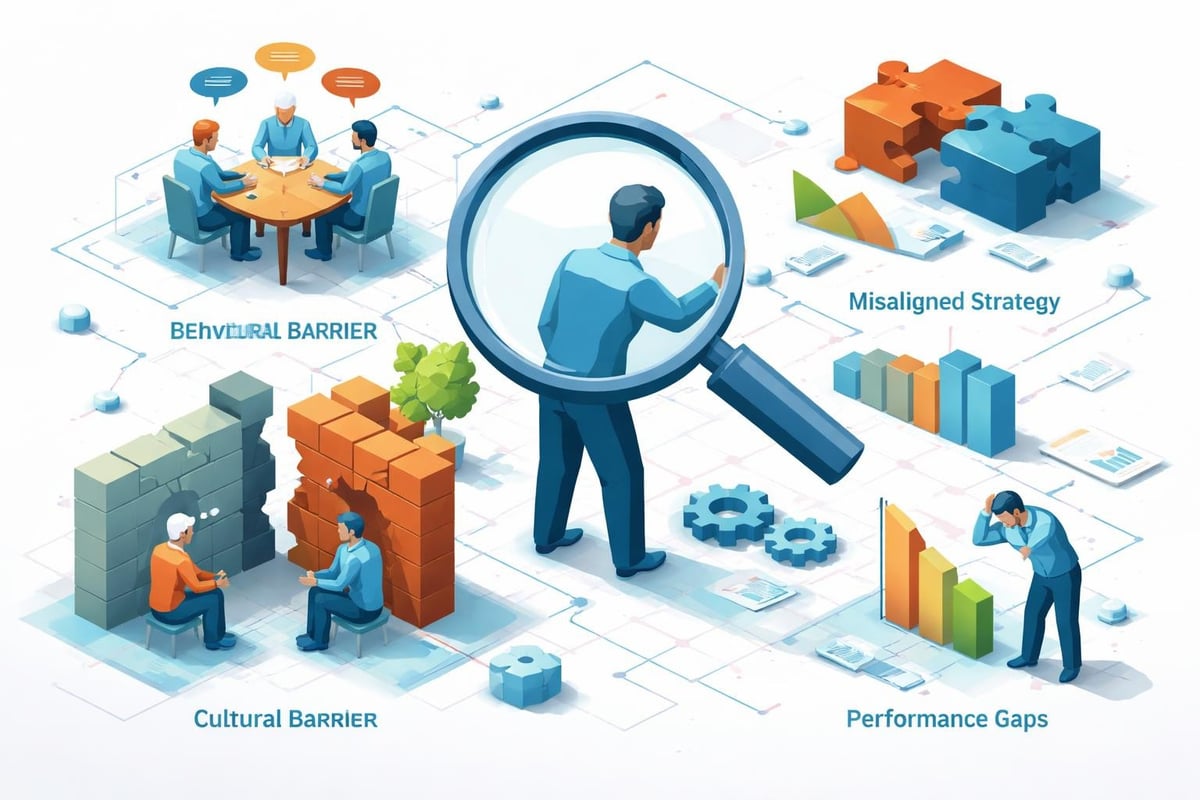
Effective business strategy and systems coaching begins with comprehensive diagnostics that identify specific organizational challenges and leadership gaps. Welingkar Bangalore’s Business Strategy Program emphasizes the importance of data-driven analysis in developing strategic frameworks, a principle equally applicable to coaching interventions.
Key diagnostic elements include:
- Behavioral pattern analysis across leadership teams
- Cultural health assessments identifying systemic barriers
- Strategic alignment evaluations measuring goal coherence
- Performance metrics tracking operational effectiveness
- Stakeholder feedback integration revealing perception gaps
These diagnostic tools provide the foundation for targeted interventions that address root causes rather than symptoms. Organizations that invest in thorough assessment processes achieve significantly higher ROI from their coaching initiatives.
Bangalore’s Unique Business Landscape
The city’s position as India’s technology and innovation hub creates distinctive challenges for business leaders. Rapid scaling, intense competition for talent, and constant technological disruption characterize Bangalore’s business environment. Organizations pursuing business strategy and systems coaching in Bangalore must address these context-specific factors to achieve meaningful results.
| Challenge | Strategic Impact | Coaching Response |
|---|---|---|
| Talent retention | High turnover disrupts team cohesion | Leadership development focused on engagement and culture |
| Rapid scaling | Systems strain under growth pressure | Operational frameworks and delegation strategies |
| Innovation pressure | Risk aversion conflicts with exploration | Psychological safety and adaptive leadership skills |
| Cross-cultural teams | Communication breakdowns reduce effectiveness | Cultural intelligence and inclusive leadership practices |
Understanding these local dynamics enables coaches to design interventions that resonate with Bangalore’s specific business context. Generic leadership programs fail to address the nuanced challenges that organizations in the city face daily.
Building Scalable Leadership Systems
Organizations implementing coaching solutions that integrate with internal frameworks create sustainable leadership development ecosystems. This systems approach ensures that coaching outcomes extend beyond individual transformation to drive organizational change.
Scalable coaching systems incorporate several critical elements. First, they establish clear success metrics aligned with organizational objectives. Second, they create feedback loops that enable continuous improvement. Third, they build internal coaching capabilities that sustain development beyond external engagements.
The Bangalore Business Coaching Meetup community provides valuable insights into emerging best practices and local coaching methodologies. Networking with peers facing similar challenges helps organizations refine their approach to leadership development.
Precision Matching for Maximum Impact
The effectiveness of business strategy and systems coaching in Bangalore depends heavily on matching leaders with coaches who possess relevant industry expertise and specialized skills. Generic coaching relationships produce marginal results compared to precision-matched partnerships that address specific organizational challenges.
Critical matching criteria include:
- Industry experience and sector knowledge
- Specialized expertise in strategic areas (financial leadership, operational excellence, innovation management)
- Cultural competency and communication style alignment
- Track record addressing similar organizational challenges
- Methodological approach compatible with organizational culture
Organizations using advanced matching algorithms and comprehensive coach networks achieve significantly better outcomes than those relying on limited referral networks. The difference between adequate coaching and transformational coaching often lies in the precision of the initial match.
Addressing Toxic Leadership Patterns
One of the most critical applications of business strategy and systems coaching involves transforming toxic leadership behaviors that undermine organizational performance. These patterns manifest in various forms, including micromanagement, lack of accountability, poor communication, and resistance to feedback.
Toxic leader transformation requires specialized coaching approaches that balance accountability with psychological safety. Coaches must create conditions where leaders can acknowledge problematic behaviors while maintaining the confidence to implement changes.
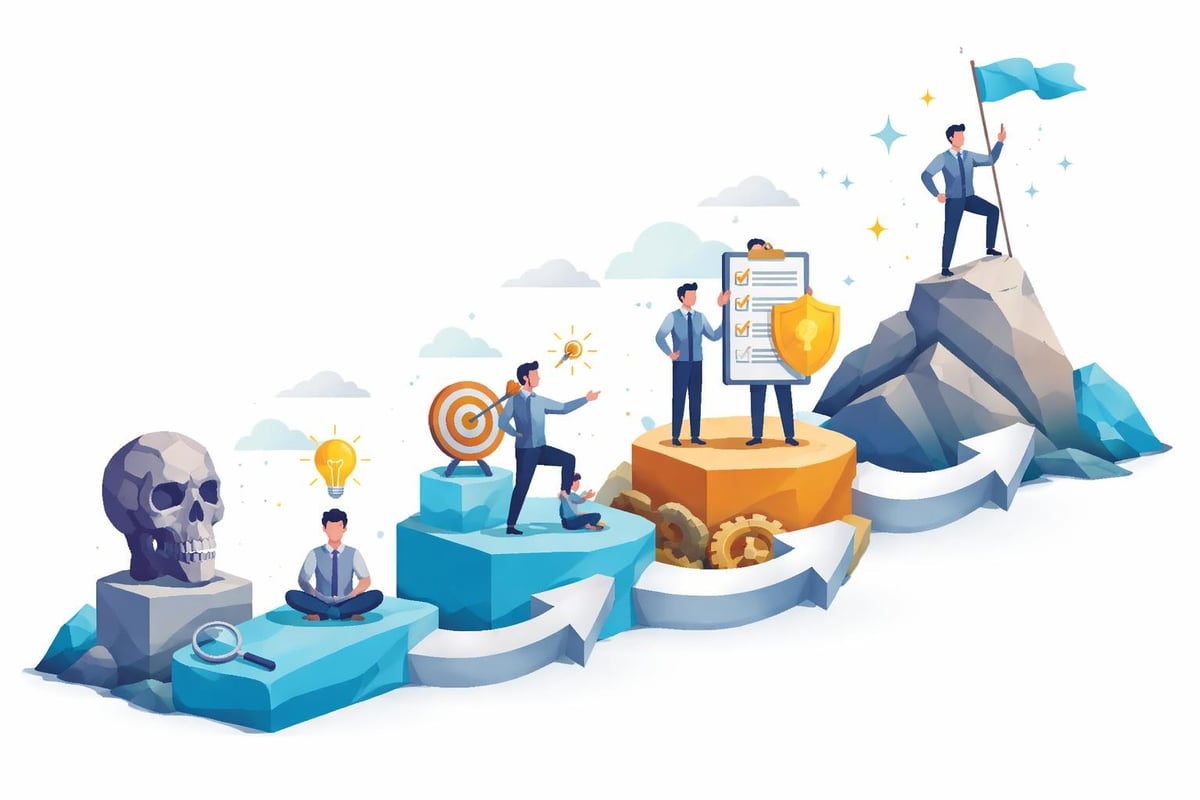
The transformation process typically follows structured phases:
- Initial assessment identifying specific behavioral patterns and their organizational impact
- Development of self-awareness through feedback integration and reflection exercises
- Skill-building focused on alternative leadership approaches
- Accountability structures ensuring sustained behavioral change
- Follow-up evaluation measuring impact on team performance and engagement
Integrating Strategy with Operational Systems
Business strategy and systems coaching in Bangalore excels when it bridges the gap between strategic vision and operational execution. Many organizations struggle with this integration, resulting in ambitious strategies that fail to translate into concrete operational improvements.
Effective coaching helps leaders develop systems thinking capabilities that connect strategic decisions to operational consequences. This includes understanding how organizational structures, processes, and cultural norms either enable or constrain strategic initiatives.
Building Cross-Functional Alignment
Leaders implementing strategic initiatives face the challenge of aligning diverse functional areas around common objectives. Rainkraft’s approach to leadership coaching emphasizes communication and collaboration as foundational skills for achieving cross-functional alignment.
Alignment coaching addresses:
- Breaking down functional silos that impede information flow
- Creating shared language and common understanding across departments
- Establishing collaborative decision-making processes
- Building trust between historically competing functions
- Developing conflict resolution capabilities for managing competing priorities
Organizations that invest in alignment-focused coaching reduce implementation friction and accelerate strategic execution. The return on this investment manifests in faster time-to-market, reduced duplication of effort, and improved resource utilization.
Measuring Coaching Impact and ROI
Demonstrating tangible value from business strategy and systems coaching in Bangalore requires robust measurement frameworks that capture both quantitative and qualitative outcomes. Organizations increasingly demand evidence of coaching effectiveness beyond anecdotal success stories.
| Metric Category | Specific Indicators | Measurement Approach |
|---|---|---|
| Leadership Behavior | Decision quality, delegation effectiveness, communication clarity | 360-degree feedback, behavioral observation |
| Team Performance | Engagement scores, retention rates, productivity metrics | Employee surveys, HR analytics |
| Strategic Execution | Initiative completion rates, goal achievement, time-to-implementation | Project tracking, strategic dashboard |
| Cultural Health | Psychological safety, innovation climate, collaboration index | Cultural assessments, team surveys |
| Financial Impact | Revenue growth, cost reduction, efficiency gains | Financial analysis, operational metrics |
Understanding how much business coaching costs relative to these measurable outcomes helps organizations make informed investment decisions. The most sophisticated buyers evaluate coaching ROI using the same rigor applied to other strategic investments.
Compliance and Governance Considerations
Organizations operating in regulated industries or government sectors face additional requirements when implementing coaching programs. Business strategy and systems coaching in Bangalore must align with compliance standards, ethical guidelines, and governance frameworks specific to each organization’s context.
Coaching programs designed for government agencies require particular attention to public accountability, mission alignment, and transparent evaluation processes. These programs must demonstrate how leadership development contributes to public service excellence and organizational mission achievement.
For Fortune 500 companies, coaching initiatives must integrate with existing talent management systems, succession planning processes, and executive development frameworks. This integration ensures coaching supports broader organizational objectives rather than operating as a disconnected intervention.
Leveraging Technology and Innovation
The evolution of business strategy and systems coaching in Bangalore increasingly incorporates technological innovations that enhance coaching effectiveness and scalability. Digital platforms enable more frequent touchpoints between coaching sessions, data-driven insights inform coaching strategies, and virtual delivery models expand access to specialized expertise.
The role of AI in business coaching represents a significant frontier in the field. While AI cannot replace human coaches, it augments coaching relationships through automated feedback, pattern recognition, and personalized content delivery.
Technology applications in coaching include:
- Assessment platforms providing real-time behavioral insights
- Video analysis tools identifying communication patterns
- Learning management systems delivering supplemental content
- Progress tracking dashboards visualizing development trajectories
- Virtual reality simulations creating safe practice environments
Organizations embracing these technological enhancements achieve better outcomes while managing coaching costs more effectively. The key lies in using technology to amplify human coaching relationships rather than attempting to automate the fundamentally relational nature of effective coaching.
Developing Internal Coaching Capabilities
Sustainable leadership development requires building internal coaching capabilities that extend beyond external engagements. Organizations implementing business strategy and systems coaching in Bangalore increasingly invest in developing their managers’ coaching skills.
This approach, detailed in resources on managing and coaching, transforms organizational culture by embedding coaching behaviors into daily management practices. Leaders who coach effectively create environments where continuous learning, feedback exchange, and performance improvement become normalized rather than exceptional.
Internal coaching capability development involves structured training programs, ongoing practice opportunities, and accountability mechanisms that ensure skill application. Organizations that successfully build these capabilities reduce their dependence on external coaching resources while sustaining higher levels of leadership effectiveness.
Strategic Coaching for High-Growth Organizations
Bangalore’s startup ecosystem and high-growth companies face distinctive challenges that demand specialized coaching approaches. These organizations must balance rapid scaling with culture preservation, operational discipline with entrepreneurial agility, and short-term execution with long-term vision.
Business strategy and systems coaching for high-growth organizations focuses on building adaptive leadership capabilities that flex with changing organizational needs. Leaders must develop comfort with ambiguity, skill in rapid decision-making, and capacity to inspire teams through uncertainty.
The NLP Coaching Academy’s business coaching programs incorporate psychological frameworks that help leaders manage the emotional demands of high-growth environments. These methodologies address stress management, resilience building, and maintaining personal effectiveness amid chaos.
Navigating Organizational Transitions
Major organizational transitions including mergers, acquisitions, restructurings, and strategic pivots create exceptional demands on leadership teams. Coaching during these periods addresses both strategic challenges and the human dimensions of change management.
Effective transition coaching helps leaders maintain team stability while driving necessary changes. This requires balancing transparency with discretion, empathy with accountability, and urgency with thoughtfulness. Leaders who successfully navigate transitions emerge with stronger teams and enhanced organizational capabilities.
TSC Strategy’s consulting approach demonstrates how strategic advisory and coaching integrate during organizational transitions. The combination of strategic frameworks and leadership support produces superior outcomes compared to either intervention in isolation.
Building Psychological Safety and Innovation Culture
Organizations pursuing sustainable competitive advantage recognize that psychological safety serves as the foundation for innovation, learning, and adaptive performance. Business strategy and systems coaching in Bangalore increasingly emphasizes creating environments where team members feel safe taking interpersonal risks.
Research by Amy Edmondson on psychological safety provides the theoretical foundation for coaching interventions focused on culture transformation. Leaders learn specific behaviors that either enhance or undermine psychological safety within their teams.
Key coaching focus areas include:
- Modeling vulnerability and acknowledging uncertainty
- Responding constructively to mistakes and failures
- Inviting dissenting opinions and alternative perspectives
- Establishing inclusive decision-making processes
- Recognizing and celebrating learning behaviors
Organizations that successfully build psychologically safe cultures outperform competitors in innovation, employee engagement, and adaptability. The coaching investment required to develop these capabilities delivers compounding returns as the culture reinforces continuous improvement behaviors.
Practical Applications and Success Patterns
Real-world applications of business strategy and systems coaching in Bangalore reveal common success patterns across diverse organizations. Companies achieving exceptional results share several characteristics that differentiate them from organizations experiencing marginal coaching impact.
Successful organizations treat coaching as a strategic intervention rather than a tactical response to isolated problems. They invest time in thorough diagnostic work, engage leadership teams comprehensively rather than focusing solely on executives, and maintain long-term commitment to development processes.
Resources like SME Business Guide’s overview of Bangalore coaching services provide context for the local coaching landscape. Understanding available resources helps organizations make informed decisions about coaching partnerships and program design.
These organizations also establish clear accountability for applying coaching insights. Leaders who participate in coaching without accountability structures rarely achieve sustained behavioral change. The integration of coaching outcomes with performance management, succession planning, and talent development systems ensures coaching translates into organizational impact.
Insights from business and life coaching practitioners like Ankoor Naik highlight the importance of work-life integration in sustainable leadership effectiveness. Coaching that addresses both professional and personal dimensions creates more resilient leaders capable of sustained high performance. Organizations implementing these approaches position themselves for long-term success while building leadership capabilities that drive innovation, engagement, and measurable results, supported by accountability frameworks such as those provided by AccountabilityNow.
Business strategy and systems coaching in Bangalore delivers transformational results for organizations committed to evidence-based leadership development and measurable outcomes. By integrating strategic planning, operational systems thinking, and precision coaching methodologies, companies build resilient leadership capabilities that drive sustainable competitive advantage. Noomii Leadership Coaching provides organizations with the diagnostic tools, coach matching precision, and scalable solutions needed to transform leadership challenges into strategic opportunities for growth and innovation.


Leave a Reply
Want to join the discussion?Feel free to contribute!