Business Performance & Leadership Coaching in Mumbai 2026
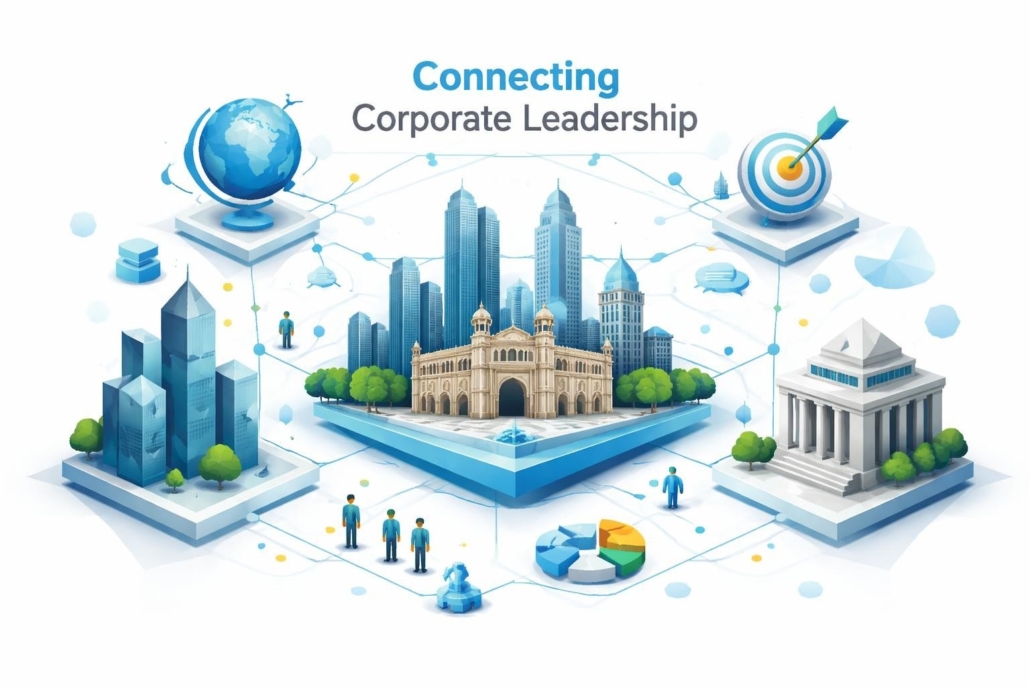
Mumbai’s position as India’s financial capital makes it a critical hub for corporate leadership development. Organizations operating in this dynamic market face unique challenges: navigating regulatory complexity, managing diverse talent pools, and maintaining competitive advantage in rapidly evolving sectors. Business performance and leadership coaching in Mumbai has evolved from a supplementary service to a strategic necessity for enterprises seeking measurable improvements in executive effectiveness, team cohesion, and organizational culture.
The Mumbai Leadership Development Landscape
Mumbai hosts headquarters for 38% of India’s Fortune 500 companies, creating concentrated demand for executive development services. The city’s corporate ecosystem spans financial services, technology, manufacturing, pharmaceuticals, and media conglomerates, each requiring specialized coaching approaches.
The India Leadership Conclave recognizes this diversity by bringing together executives annually to discuss evolving leadership trends specific to the Indian market. These conversations reveal consistent themes: the need for data-driven decision-making, cultural transformation initiatives, and succession planning frameworks that preserve institutional knowledge while encouraging innovation.
Key Drivers of Coaching Demand
Organizations pursue business performance and leadership coaching in Mumbai for several critical reasons:
- Toxic leadership remediation addressing behaviors that damage retention and productivity
- Cross-functional collaboration improvement across siloed departments
- Strategic decision-making enhancement for C-suite executives
- Regulatory compliance alignment with governance standards
- Change management support during mergers, acquisitions, or digital transformations
- High-potential talent acceleration programs
These needs require more than generic training modules. They demand precision diagnostics, customized intervention strategies, and measurable outcome tracking.
Evidence-Based Assessment Methodologies
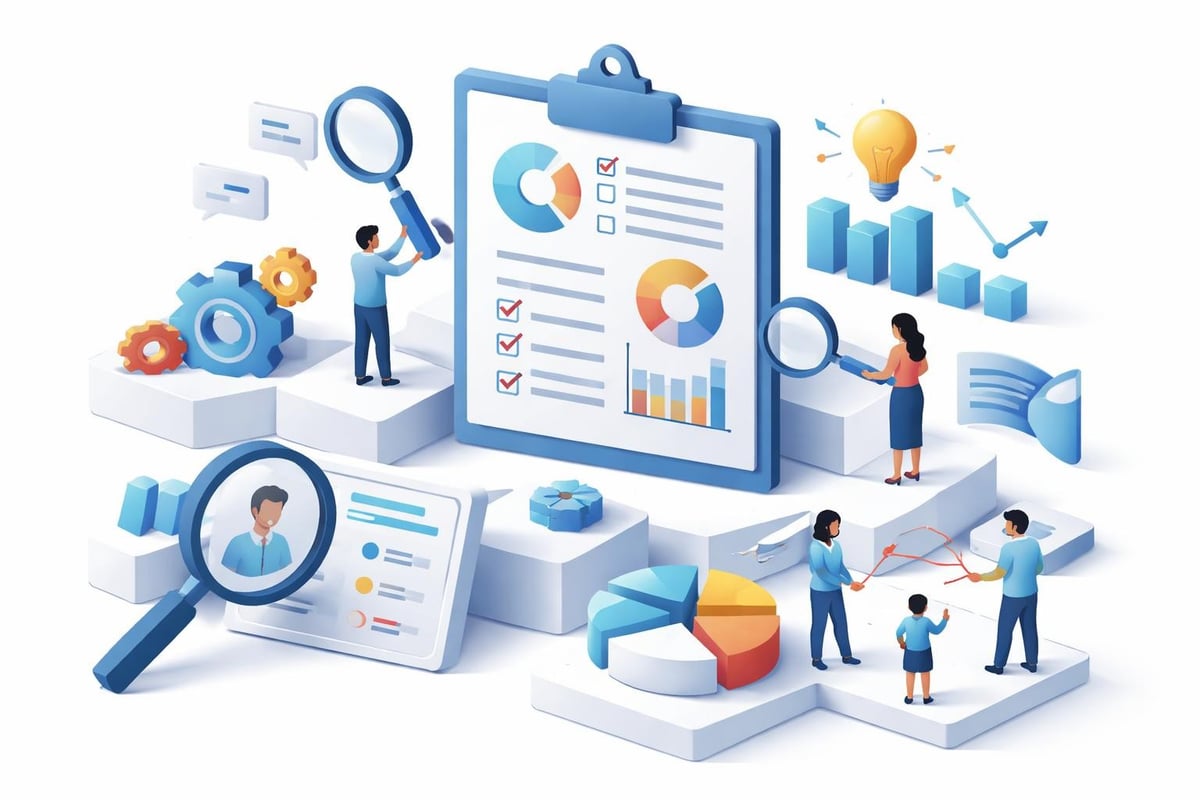
Effective coaching begins with comprehensive leadership diagnostics. Organizations implementing business performance and leadership coaching in Mumbai increasingly demand validated assessment tools that identify behavioral patterns, cognitive biases, and interpersonal dynamics affecting performance.
| Assessment Category | What It Measures | Organizational Impact |
|---|---|---|
| 360-Degree Feedback | Perception gaps between self-view and stakeholder observations | Reveals blind spots affecting team trust |
| Psychometric Profiling | Personality traits, work style preferences, stress responses | Optimizes role fit and team composition |
| Decision-Making Analysis | Risk tolerance, analytical rigor, judgment under pressure | Improves strategic choice quality |
| Cultural Alignment | Values congruence with organizational mission | Reduces friction and turnover |
| Emotional Intelligence | Self-awareness, empathy, relationship management | Enhances conflict resolution capabilities |
The distinction between superficial assessments and rigorous diagnostics determines coaching effectiveness. Organizations working with top executive coaching firms gain access to proprietary tools validated through academic research and applied across thousands of engagements.
The Matching Algorithm Advantage
Generic coach assignments produce mediocre results. Leaders facing strategic challenges require coaches with relevant sector experience. Those addressing interpersonal conflicts need specialists in relationship dynamics and psychological safety.
Precision matching considers:
- Industry expertise (financial services, technology, manufacturing, government)
- Challenge specialization (turnaround leadership, innovation culture, team dysfunction)
- Leadership level (first-time manager, director, C-suite executive)
- Cultural context (multinational complexity, family business dynamics, startup environments)
- Communication preferences (direct feedback style, collaborative approach, data-driven methods)
This algorithmic approach to coach selection significantly outperforms manual matching in achieving targeted outcomes.
Targeted Intervention Strategies
Business performance and leadership coaching in Mumbai addresses specific organizational pain points through structured intervention plans. These customized programs combine individual executive coaching with team-level dynamics work and organizational culture initiatives.
Toxic Leadership Remediation
Leaders exhibiting destructive behaviors create ripple effects throughout organizations. Common toxic patterns include micromanagement, public criticism, favoritism, information hoarding, and credit appropriation.
Remediation programs typically span 6-12 months and include:
- Behavioral baseline documentation through stakeholder interviews and observation
- Root cause analysis identifying insecurity, skill gaps, or learned patterns
- Alternative behavior modeling with practice scenarios and feedback loops
- Accountability structures including peer support and progress milestones
- Cultural repair initiatives rebuilding trust with affected teams
Organizations implementing these interventions report 67% improvement in team engagement scores and 43% reduction in voluntary turnover within affected departments.
Strategic Decision-Making Enhancement
Executives leading complex organizations make hundreds of consequential choices annually. Decision quality directly impacts financial performance, competitive positioning, and organizational resilience.
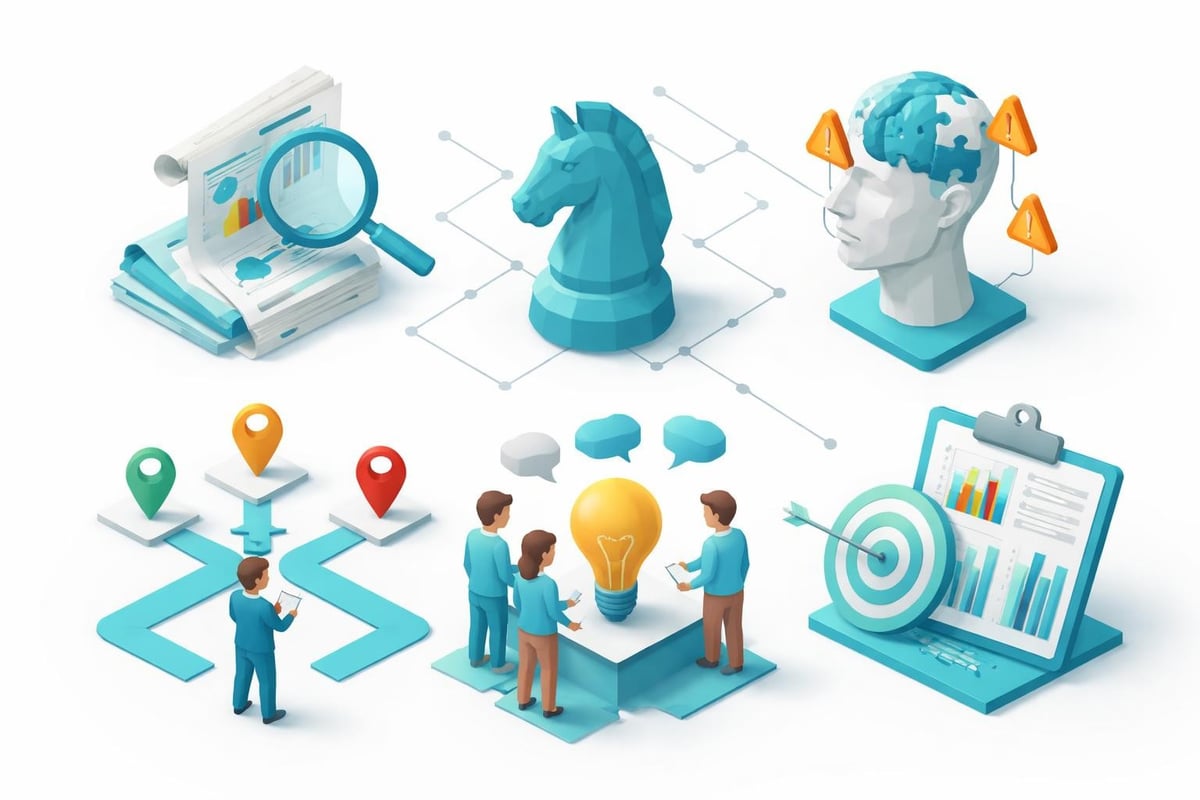
Coaching interventions target common decision-making weaknesses:
Analysis paralysis: Creating frameworks for optimal information gathering without excessive delay
Confirmation bias: Building red team processes that challenge assumptions
Recency bias: Implementing historical analysis protocols that contextualize current data
Groupthink: Establishing dissent mechanisms that surface alternative perspectives
Managing and coaching approaches differ significantly. While management provides direction, coaching develops the executive’s capacity to make independent, high-quality decisions aligned with strategic objectives.
Compliance and Governance Alignment
Government agencies and regulated industries require leadership development that aligns with strict compliance standards. Business performance and leadership coaching in Mumbai for these sectors must address unique constraints while still driving performance improvements.
Government Agency Considerations
Public sector organizations face distinct challenges:
- Mission clarity versus political pressure and conflicting stakeholder demands
- Resource constraints requiring innovation within budget limitations
- Public accountability demanding transparency and ethical conduct
- Talent retention competing with private sector compensation
- Change resistance embedded in bureaucratic structures
Coaching programs for government leaders emphasize servant leadership principles, stakeholder management across political boundaries, and ethical decision-making frameworks that withstand scrutiny.
Corporate Governance Standards
Fortune 500 companies operating in Mumbai navigate complex regulatory environments spanning Companies Act compliance, SEBI regulations, data protection requirements, and industry-specific frameworks.
Leadership coaching supports governance objectives by:
- Strengthening ethical reasoning capabilities in ambiguous situations
- Building stakeholder communication skills for board presentations and investor relations
- Developing crisis management competencies for rapid response to compliance failures
- Enhancing cultural awareness to prevent misconduct at lower organizational levels
Organizations utilizing FocusU’s corporate training in Mumbai often combine compliance-focused workshops with one-on-one executive coaching for comprehensive coverage.
Measuring Coaching Impact and ROI
Investment in business performance and leadership coaching in Mumbai demands demonstrable returns. Sophisticated organizations establish clear metrics before program launch and track progress through multiple data sources.
| Measurement Category | Specific Metrics | Data Collection Method |
|---|---|---|
| Individual Behavior Change | 360-feedback score improvement, goal achievement percentage | Pre/post assessments, stakeholder surveys |
| Team Performance | Collaboration scores, project delivery timelines, innovation metrics | Team assessments, project management data |
| Organizational Culture | Engagement survey results, voluntary turnover rates, internal promotion rates | HR analytics, pulse surveys |
| Business Outcomes | Revenue growth, customer satisfaction, operational efficiency | Financial reports, CRM data, process analytics |
| Leadership Pipeline | Succession readiness, high-potential advancement rates | Talent review outcomes, promotion tracking |
The most effective measurement frameworks combine quantitative metrics with qualitative case studies documenting specific leadership challenges overcome through coaching interventions.
Return on Investment Calculation
Organizations calculate coaching ROI through multiple approaches:
Direct financial impact: Attributing revenue gains or cost reductions to improved leadership decisions. Example: A coached executive restructures operations, generating ₹2.4 crore in annual savings against ₹18 lakh coaching investment (13:1 ROI).
Retention value: Calculating replacement costs avoided through reduced turnover. Example: Retaining three senior managers (₹45 lakh average replacement cost each) yields ₹1.35 crore value.
Productivity gains: Measuring throughput improvements in coached leaders’ teams. Example: 23% productivity increase across 40-person team generates ₹96 lakh annual value.
Risk mitigation: Quantifying costs avoided through better decision-making or toxic behavior remediation. Example: Preventing litigation or regulatory penalties worth ₹3.2 crore.
Global Networks and Local Expertise
Effective business performance and leadership coaching in Mumbai requires both international best practices and deep local market understanding. Organizations benefit from coaches who combine global certifications with experience navigating India’s specific business culture.
Marshall Goldsmith’s Stakeholder Centered Coaching methodology has been successfully adapted for Indian corporate environments, demonstrating how globally recognized frameworks can be localized for regional effectiveness.
Cultural Competency Requirements
Coaches working in Mumbai’s diverse corporate landscape must navigate:
- Hierarchical organizational structures requiring sensitivity to status dynamics
- Family business considerations balancing professional standards with ownership relationships
- Multinational complexity managing headquarters expectations with local realities
- Generational diversity addressing different career expectations across age cohorts
- Communication styles adapting to indirect feedback preferences versus Western directness

Programs that ignore these cultural dimensions produce superficial change that evaporates once coaching concludes. Those that integrate cultural awareness create sustainable leadership transformation aligned with organizational context.
Scalable Solutions for Organizations of Any Size
Business performance and leadership coaching in Mumbai serves diverse organizational scales, from startups to government ministries to multinational corporations. Effective programs maintain quality while adapting delivery models to organizational size and budget constraints.
Enterprise-Scale Programs
Large organizations require structured approaches that serve hundreds of leaders while maintaining individual customization. Key components include:
Cohort-based learning: Groups of 8-12 leaders progressing through common frameworks while receiving individual coaching
Digital coaching platforms: Technology-enabled progress tracking, resource libraries, and virtual session capabilities
Internal coach development: Training high-potential employees as peer coaches to extend program reach
Cascade models: Coaching senior executives who then apply learned principles with their direct reports
These scalable approaches allow Fortune 500 companies to invest in leadership development across multiple organizational levels without proportional cost increases.
Mid-Market and Government Solutions
Organizations with 100-500 employees or government agencies with budget constraints benefit from hybrid models combining group workshops, peer coaching circles, and targeted one-on-one interventions for critical roles.
Finding the right coaching partner makes the difference between wasted investment and transformational results. Resources like WiseHead’s directory of leadership coaches across India help organizations identify qualified professionals with relevant expertise.
The Role of Technology in Modern Coaching
Digital transformation affects not just business operations but also leadership development methodologies. Business performance and leadership coaching in Mumbai increasingly incorporates technology platforms that enhance traditional coaching relationships.
Advanced programs leverage:
- AI-powered practice environments for decision-making simulation and feedback
- Behavioral analytics dashboards tracking communication patterns and time allocation
- Virtual reality scenarios for conflict resolution and presentation skills practice
- Natural language processing analyzing leadership communication for emotional tone and clarity
- Mobile micro-learning modules reinforcing coaching concepts between sessions
Organizations exploring AI tools for business coaching discover that technology augments rather than replaces human coaches. The combination of algorithmic insights and expert interpretation produces superior outcomes compared to either approach alone.
Data Privacy and Security Considerations
Leadership coaching involves sensitive personal and organizational information. Technology platforms must comply with data protection regulations while providing coaches and clients with secure communication channels.
Critical security features include end-to-end encryption, role-based access controls, audit trails documenting data access, and compliance with Indian data localization requirements under applicable regulations.
Selecting the Right Coaching Partner
Organizations pursuing business performance and leadership coaching in Mumbai face numerous provider options. Differentiating between superficial offerings and substantive programs requires evaluating several critical factors.
Certification and Credentials
Legitimate coaches hold recognized credentials from organizations like the International Coaching Federation (ICF), European Mentoring and Coaching Council (EMCC), or specialized certifications in executive coaching, organizational psychology, or leadership development.
Beyond individual coach credentials, examine the provider’s organizational capabilities:
- Assessment methodology validation: Published research or case studies demonstrating diagnostic tool effectiveness
- Matching algorithm transparency: Clear explanation of how coaches are selected for specific leaders
- Outcome measurement frameworks: Established metrics and reporting protocols
- Coach supervision and quality assurance: Ongoing development and performance monitoring of coaching network
- Industry-specific experience: Documented work in relevant sectors with comparable challenges
Engagement Structure and Flexibility
Effective coaching programs balance structure with adaptability. Initial diagnostic phases should be standardized to ensure comprehensive baseline data, while intervention plans must flex to accommodate emerging priorities and unexpected challenges.
Typical engagement timelines range from 6-month focused interventions addressing specific challenges to 24-month comprehensive programs supporting major organizational transformations. Organizations should be wary of providers pushing rigid packages that ignore unique circumstances.
Integration with Broader Development Initiatives
Business performance and leadership coaching in Mumbai achieves maximum impact when integrated with complementary development programs rather than operating in isolation. Successful organizations create ecosystems combining coaching, training, mentoring, and experiential learning.
Complementary Development Approaches
| Development Method | Primary Purpose | Optimal Integration with Coaching |
|---|---|---|
| Classroom Training | Knowledge transfer, skill building | Pre-coaching foundation or post-coaching reinforcement |
| Action Learning Projects | Real-world problem solving | Concurrent with coaching to process learnings |
| Mentoring Programs | Career guidance, organizational navigation | Parallel relationship providing different perspective |
| Peer Learning Circles | Shared experience, mutual support | Supplement individual coaching with collective wisdom |
| 360-Degree Feedback | Perception awareness | Coaching input to interpret and act on feedback |
This integrated approach prevents the common pitfall where coaching creates insights that aren’t reinforced through other organizational systems, leading to behavioral regression once formal coaching concludes.
Building Accountability Structures
The transition from coaching engagement to sustained behavioral change requires robust accountability mechanisms. Organizations that invest in business performance and leadership coaching in Mumbai without planning for post-coaching sustainability typically see 60-70% regression to baseline behaviors within six months.
Effective accountability structures include:
Stakeholder contracts: Coached leaders publicly commit to specific behavioral changes with key stakeholders who provide ongoing feedback
Peer accountability pods: Small groups of coached leaders meeting monthly to review progress and provide mutual support
Manager integration: Direct supervisors briefed on coaching goals and enlisted to reinforce desired behaviors
Measurement dashboards: Visible tracking of agreed-upon metrics with regular review cadences
Refresher sessions: Quarterly coaching touchpoints maintaining focus and addressing emerging challenges
Platforms like Accountability Now provide structured frameworks for maintaining leadership commitments beyond formal coaching engagements, ensuring that investments in development translate into lasting organizational capability.
Business performance and leadership coaching in Mumbai has matured from executive perquisite to strategic organizational investment, delivering measurable improvements in decision quality, team effectiveness, and cultural health. Organizations seeking sustainable competitive advantage recognize that leadership capability determines execution success across all strategic initiatives. Noomii Leadership Coaching provides the precision diagnostics, expert coach matching, and measurable accountability frameworks that transform leadership development from cost center to value driver, helping Mumbai’s most ambitious organizations build the executive capabilities required for sustained excellence.


Leave a Reply
Want to join the discussion?Feel free to contribute!