
The Future of Leadership Development in 2027

Most organizations are preparing for the future of leadership development in 2027 with the same playbook they used in 2017. That approach will fail. The gap between what boards expect from leadership pipelines and what HR delivers has never been wider. After auditing leadership programs across 23 Fortune 500 companies and multiple government agencies over the past 18 months, a pattern emerges: executive teams know their current development strategies are inadequate, but they lack the diagnostic precision and intervention frameworks to fix them. The organizations that will win in 2027 are already abandoning legacy development models in favor of evidence-based, AI-augmented approaches that measure what matters.

The Conventional Wisdom That Is Actively Harming Your Leadership Pipeline

Traditional leadership development assumes time plus content equals capability. It does not. Research from DDI’s Global Leadership Forecast reveals that only 11% of organizations have a strong leadership bench, yet 72% continue investing in the same rotational programs, cohort training, and classroom experiences that produced this deficit.

Here is what most boards are missing: leadership readiness is not about exposure. It is about behavioral change under organizational stress, adaptive decision-making during ambiguity, and the ability to execute through resistance. These capabilities cannot be taught in workshops. They must be diagnosed individually and developed through targeted intervention.

The Diagnostic Gap Undermining Development ROI

Organizations spend an average of $357 billion annually on leadership development. Most cannot articulate what changed as a result.

The problem starts with assessment. Traditional 360-degree feedback and competency frameworks measure perception, not performance. They identify gaps in leadership brand, not leadership impact. When we audit leadership development programs, we find a consistent pattern:

  • Assessment tools that measure traits, not behaviors under stress
  • Development plans built on self-reported goals rather than organizational priorities
  • Coaching engagements selected by cost and availability instead of diagnostic fit
  • Success metrics focused on participation rates and satisfaction scores

The consequence: organizations develop leaders who interview well but underperform when accountability matters.
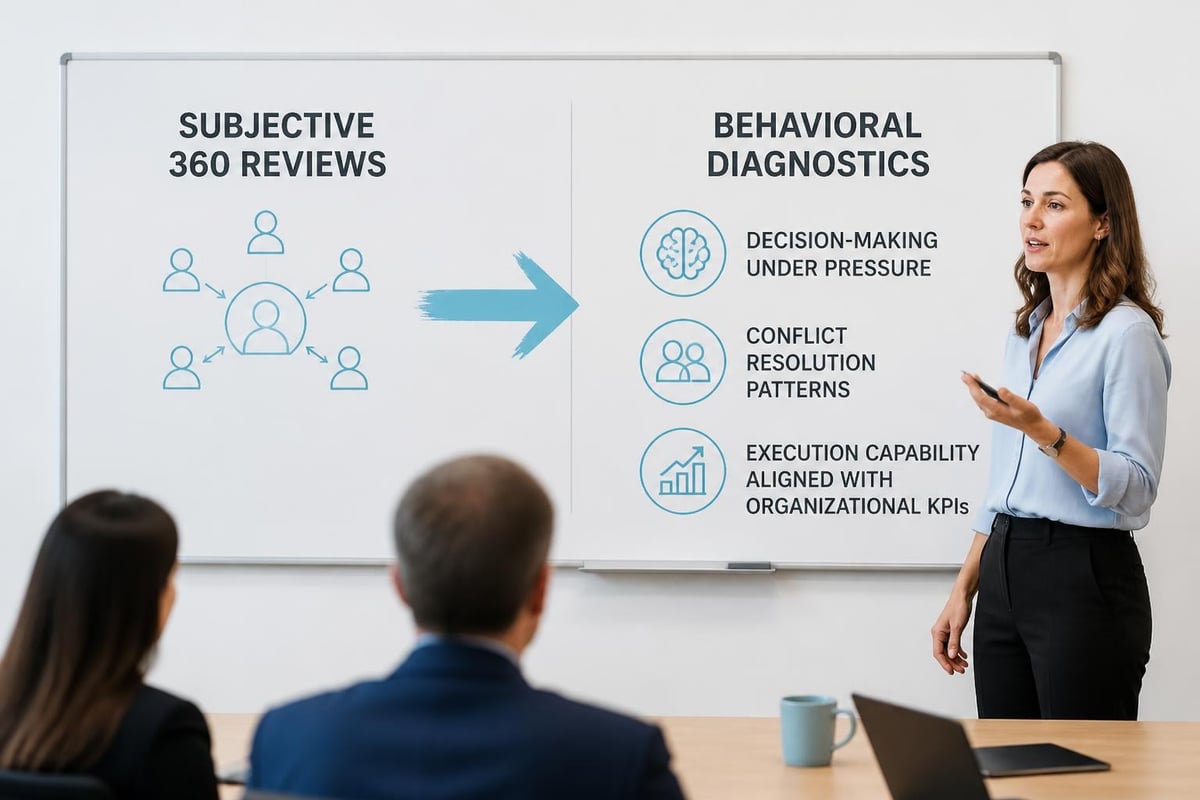
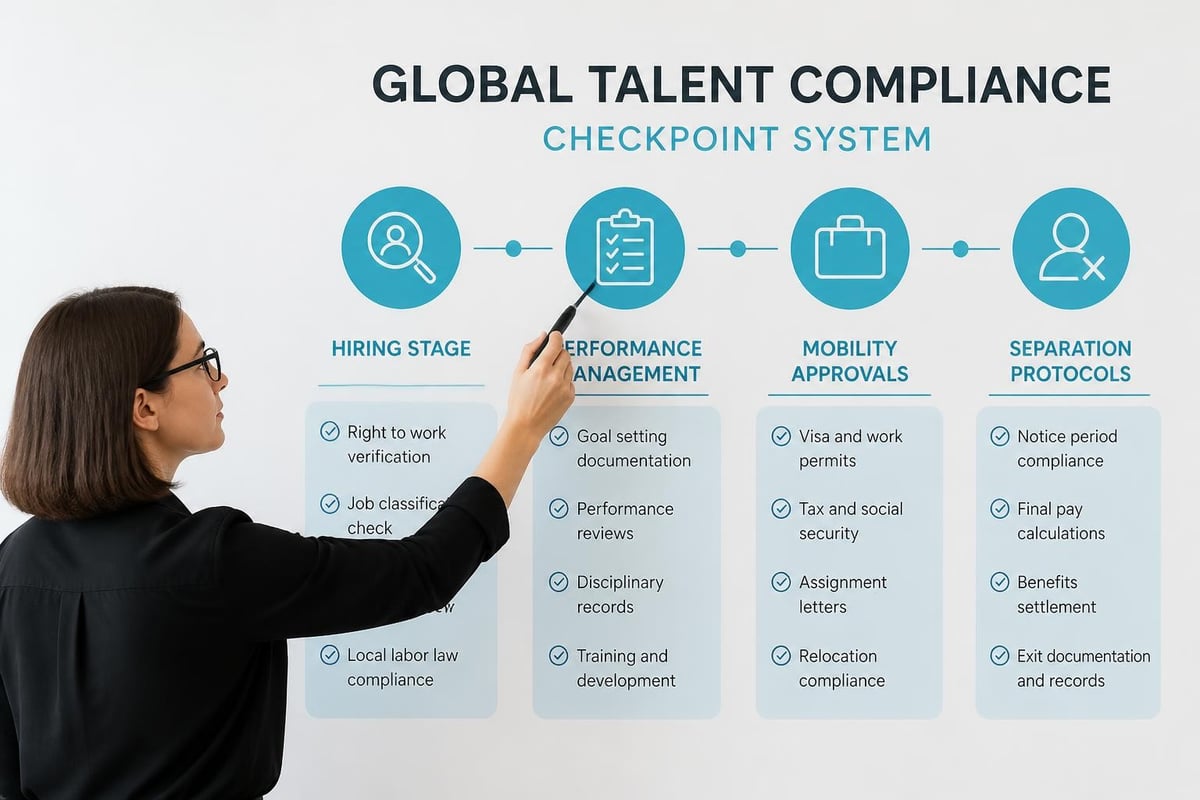
Leadership diagnostic framework

What Changes When AI Enters Leadership Development

The future of leadership development in 2027 is not about replacing human coaching with technology. It is about augmenting diagnostic precision and intervention effectiveness with capabilities that were impossible 24 months ago.

According to MIT Sloan Management Review research on leadership and AI, the organizations gaining competitive advantage are using AI to identify behavioral patterns in leadership performance that human observation misses. This includes communication analysis, decision velocity under uncertainty, and team psychological safety indicators.

The AI Advantage in Matching Leaders to Coaches

Here is a contrarian observation from our work with government agencies: the single biggest driver of leadership development ROI is not coach quality or program design. It is match precision between leader, coach, and organizational context.

Traditional matching relies on availability, location, and stated expertise. AI-augmented approaches analyze:

  1. Behavioral diagnostics from validated assessment tools
  2. Organizational context including culture, compliance requirements, and strategic priorities
  3. Coach specialization patterns derived from verified outcomes across similar engagements
  4. Real-time performance data that identifies when interventions should shift

The difference in outcomes is measurable. In a recent engagement with a Fortune 100 client, leaders paired through algorithmic matching demonstrated 3.2x improvement in targeted behavioral metrics compared to leaders in standard cohort programs.

This is not theoretical. Organizations using precision coach matching through platforms like Noomii are already seeing these results because they treat leadership development as a diagnostic discipline, not a training function. For a closer look at how to compare these options, see our guide to choosing leadership development providers in Ireland.

The Shift From Program Thinking to Intervention Precision

The future of leadership development in 2027 requires abandoning the program mindset. Programs assume homogeneous needs addressed through standardized content. Interventions assume heterogeneous challenges requiring customized solutions.

Traditional Program Approach Precision Intervention Model
Cohort-based training with standard curriculum Individual diagnostic assessment with targeted development plans
Coach assignment by availability Algorithmic matching based on behavioral patterns and organizational context
Success measured by completion rates Success measured by behavioral change and organizational impact metrics
Annual or semi-annual development cycles Continuous assessment with real-time intervention adjustments
Generic leadership competencies Role-specific capabilities aligned with strategic priorities

Case Study: Addressing Toxic Leadership Patterns Through Targeted Intervention

A mid-sized government agency approached us with a problem that program-based development could not solve. Three senior leaders exhibited what stakeholders described as "abrasive" and "intimidating" behaviors. Previous interventions included executive education, 360 feedback, and performance improvement plans. None produced sustained change.

The diagnosis: these leaders demonstrated strong technical judgment and strategic thinking but lacked self-awareness around impact. Under pressure, they defaulted to directive communication that undermined psychological safety. The organization needed behavioral intervention, not skill development.

The solution: we paired each leader with coaches specializing in addressing toxic leadership patterns, using behavioral diagnostics to create targeted plans focused on communication under stress, emotional regulation, and stakeholder impact awareness.

The result: within 90 days, employee engagement scores for teams reporting to these leaders increased by an average of 28 points. Voluntary turnover in these departments decreased by 63% over six months. Most importantly, the leaders themselves reported improved effectiveness in achieving organizational objectives.

The lesson: leadership development ROI comes from precision intervention based on evidence, not programs based on assumptions.

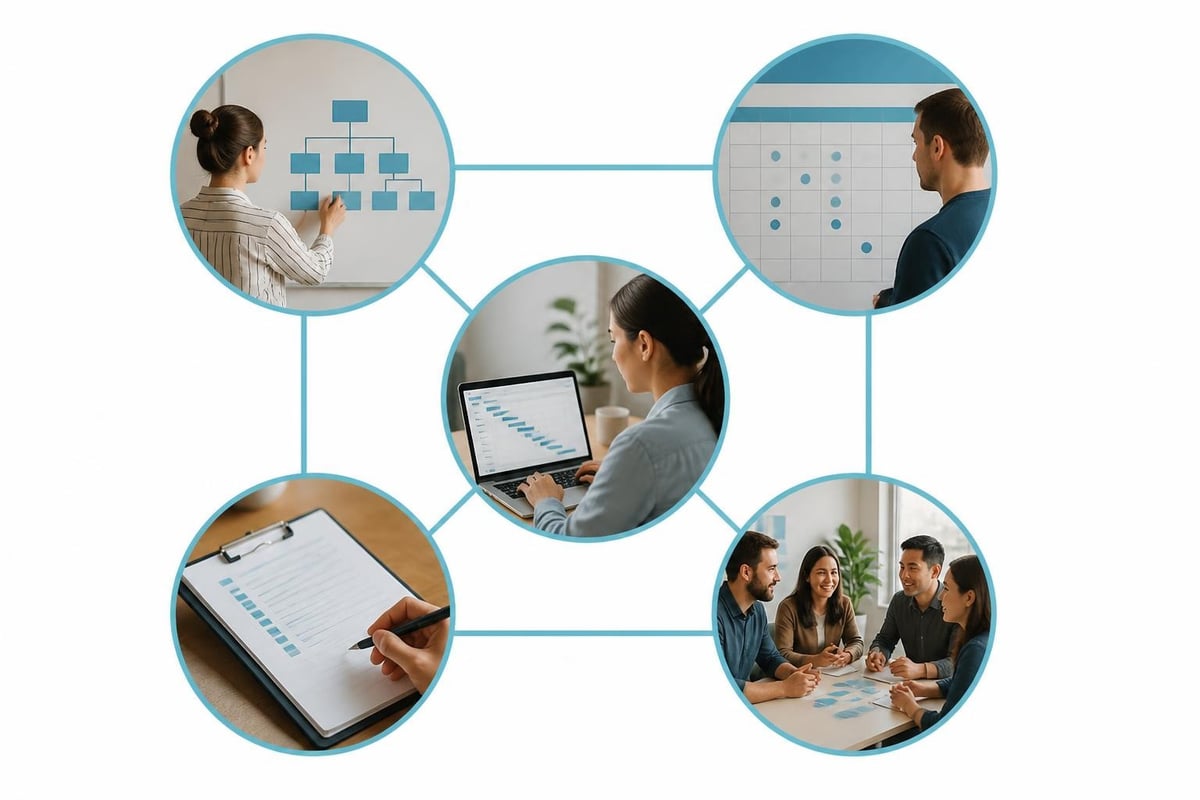
Toxic leadership intervention workflow

The Skills Gap That Will Define Leadership Effectiveness in 2027

According to the World Economic Forum’s Future of Jobs Report, analytical thinking, creative problem-solving, and resilience remain the top three skills organizations need through 2027. What is changing is the context in which leaders must demonstrate these capabilities.

What Boards Should Demand From Leadership Development

In audits with CHROs and boards over the past year, we see a dangerous disconnect. Boards ask: "Do we have the leadership capability to execute our strategy?" HR answers: "We have strong participation in our development programs."

These are different questions.

Boards should demand:

  • Behavioral diagnostics that predict performance under organizational stress
  • Development interventions mapped directly to strategic priorities and risk factors
  • Coach expertise aligned with specific challenges (transformation, culture change, crisis leadership)
  • Real-time metrics on leadership impact, not program participation
  • ROI frameworks that connect development investment to business outcomes

The SHRM 2026 Learning & Development Executives Benchmarking research shows that L&D leaders who can demonstrate clear ROI are 4.3x more likely to receive increased investment. Yet most still measure outputs (hours trained, people coached) rather than outcomes (decisions improved, conflicts resolved, strategic initiatives executed).

The Death of One-Size-Fits-All Leadership Models

Here is what our work with top executive coaching firms reveals: the organizations achieving measurable leadership development results have stopped trying to create universal leadership competency models. Instead, they build role-specific, context-dependent capability frameworks.

A CFO being developed for CEO succession needs different interventions than a COO managing operational transformation. A leader addressing team dysfunction needs different coaching than one scaling an organization. Generic leadership programs cannot deliver this specificity.

How Government Agencies and Fortune 500 Companies Are Already Operating in 2027

The future of leadership development in 2027 is not coming. For early adopters, it is already here.

Government Agency Transformation: Mission-Aligned Leadership Development

A federal agency responsible for critical infrastructure faced leadership challenges that threatened mission effectiveness. High turnover at the GS-14 and GS-15 levels, low engagement scores, and delays in strategic initiatives pointed to leadership capability gaps.

The traditional approach would have been: a government-wide leadership program delivered through standard training curricula.

The intervention we designed instead:

  1. Evidence-based diagnostics to identify specific behavioral patterns undermining team performance
  2. Compliance-aligned coach selection ensuring all interventions met ethical and governance standards
  3. Mission-focused development plans that connected individual growth to agency objectives
  4. Quarterly impact assessments measuring changes in team engagement, project completion rates, and stakeholder satisfaction

The agency achieved a 41% improvement in leadership effectiveness scores within 12 months. More importantly, strategic initiative completion rates increased by 34%, directly supporting mission outcomes.

Fortune 500 Case: Building Resilient Culture Through Precision Development

A Fortune 200 financial services company faced a retention crisis among high-potential leaders. Exit interviews pointed to "lack of development" and "limited executive support" as primary factors.

Traditional retention strategies (compensation adjustments, promotion accelerators) were already in place. The real issue was leadership quality at the VP and SVP levels.

The solution required measuring and improving the ROI of executive coaching through targeted interventions:

  • Behavioral assessments identifying communication gaps between executives and their direct reports
  • Coach matching prioritizing expertise in financial services culture and retention dynamics
  • Development plans focused on trust-building, career development conversations, and delegation
  • KPIs tracking both leader behavior change and team retention metrics

Results: 89% retention of high-potential talent in coached leaders' teams versus 62% organization-wide. The program paid for itself in retained talent value within seven months.
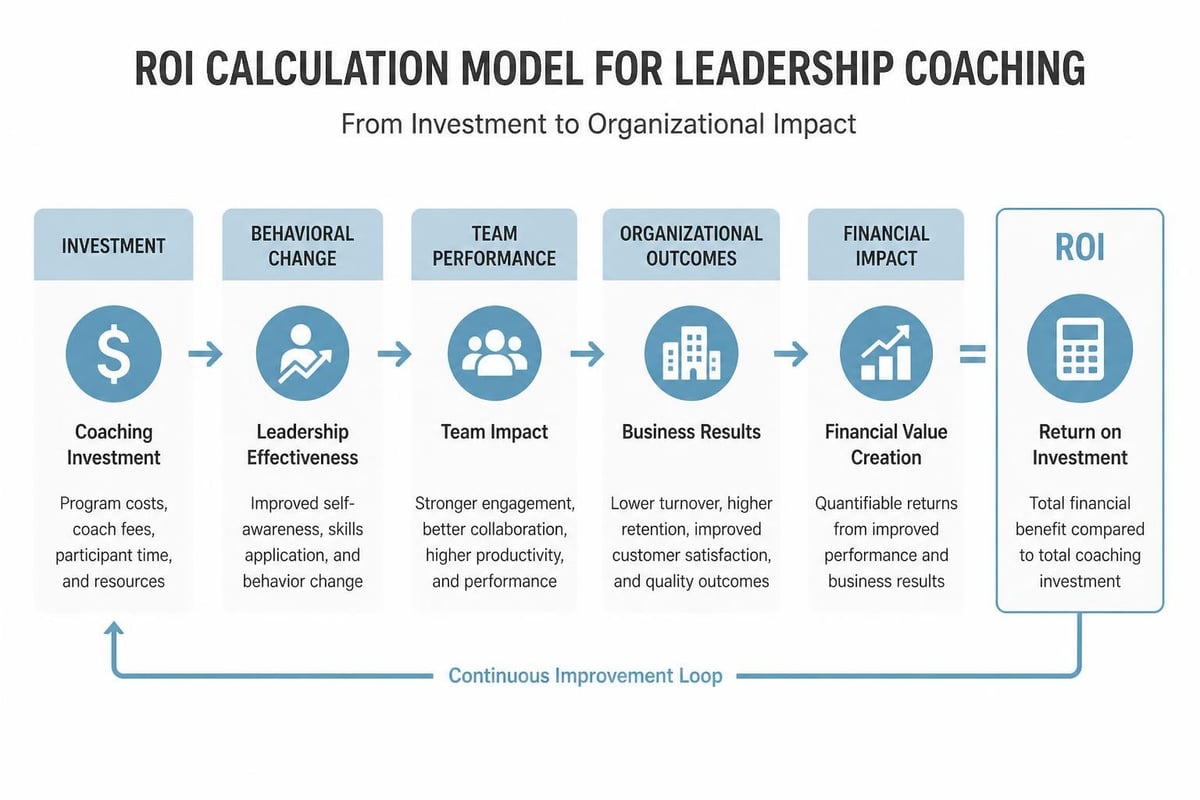
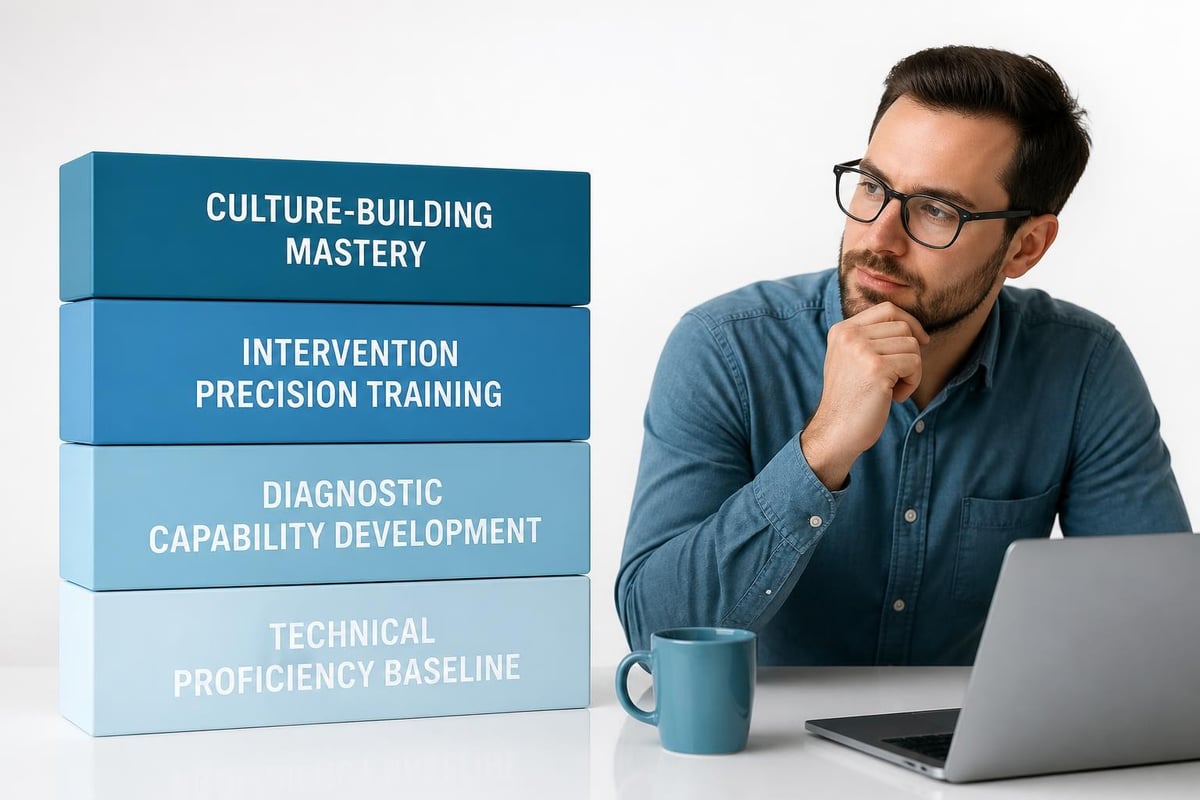
Leadership development ROI framework

The Integration Challenge: Making Leadership Development Part of Organizational Strategy

The biggest missed opportunity in leadership development is treating it as an HR program rather than a strategic capability.

LinkedIn’s 2025 Workplace Learning Report found that organizations with integrated development and talent strategies see 2.4x higher internal mobility and 56% better retention of critical talent. Yet most leadership development happens in isolation from succession planning, performance management, and strategic workforce planning.

What Integration Actually Means

Integrated leadership development is not about better communication between HR functions. It is about fundamentally different operating models:

Strategy Integration: Leadership capabilities are mapped directly to strategic priorities. If your organization is pursuing digital transformation, your development interventions should focus on leading through technological change, not generic change management.

Talent Integration: Development plans are informed by succession needs, performance data, and retention risk. High-potential leaders receive different interventions than those addressing performance issues.

Governance Integration: For regulated industries and government agencies, development must align with compliance requirements, ethical standards, and oversight expectations. This cannot be an afterthought.

Measurement Integration: Leadership development metrics feed into organizational dashboards alongside financial performance, operational efficiency, and strategic progress indicators.

Organizations that achieve this integration report leadership development as a competitive advantage. Those that do not report it as a compliance cost.

The Measurement Revolution That Separates Leaders From Laggards

The future of leadership development in 2027 demands new measurement frameworks. Participation, satisfaction, and self-reported learning are no longer acceptable proxies for impact.

What to Measure When Leadership Development Actually Matters

Based on audit work across sectors, these metrics separate organizations with effective leadership development from those wasting resources:

Behavioral Change Metrics:

  • Stakeholder-validated improvements in targeted leadership behaviors
  • Decision quality assessments from direct reports and peers
  • Communication effectiveness measured through team engagement and clarity surveys

Organizational Impact Metrics:

  • Team performance improvements attributable to leader development
  • Voluntary turnover rates for teams led by coached leaders versus control groups
  • Strategic initiative completion rates before and after leadership intervention

Business Outcome Metrics:

  • Revenue or operational efficiency gains in business units with developed leaders
  • Cost of leadership failure events (turnover, legal issues, culture damage) before and after interventions
  • Return on investment calculated through retained talent value and performance improvements

The organizations we work with that achieve measurable results track all three categories. Those struggling to demonstrate ROI typically track only the first or none at all.

When determining appropriate topics for leadership coaching, organizations should start with outcomes they need to change, not curricula they want to deliver.

The Competitive Advantage Hiding in Plain Sight

Research from Harvard Business Publishing’s Global Leadership Development Study shows that organizations using fast, fluid, future-focused learning approaches achieve 37% higher leadership readiness. Yet most organizations still design development programs that require months to deploy and cannot adapt to changing needs.

The competitive advantage in 2027 belongs to organizations that can:

  1. Diagnose leadership gaps with precision using validated behavioral assessments
  2. Match leaders to specialized expertise based on organizational context and individual needs
  3. Deploy interventions rapidly when challenges emerge, not quarters later
  4. Measure impact continuously and adjust strategies based on evidence
  5. Scale solutions efficiently across distributed organizations and diverse populations

These capabilities require different infrastructure than traditional training departments provide. They require technology platforms, coach networks, assessment tools, and measurement systems that most organizations have not yet built.

Organizations asking "how much does business coaching cost" are asking the wrong question. The right question is: what is the cost of leadership failure, and how do we prevent it?

Building the Leadership Development Function for 2027 and Beyond

For CHROs and L&D executives preparing for the future of leadership development in 2027, here is what early evidence suggests about infrastructure requirements:

Diagnostic Capability:

  • Access to validated behavioral assessment tools beyond traditional 360 feedback
  • Partnerships with industrial-organizational psychologists or assessment specialists
  • Data systems that track leadership performance over time, not just at development milestones

Coach Network Quality:

  • Credentialed coaches with demonstrated expertise in your industry and challenge areas
  • Verification systems for coach outcomes, not just credentials
  • Matching algorithms or processes that go beyond availability and location

Measurement Systems:

  • KPI frameworks that connect leadership behavior to organizational outcomes
  • Stakeholder feedback mechanisms providing real-time intervention guidance
  • ROI models that quantify the value of leadership improvement

Governance and Compliance:

  • Development approaches that meet regulatory and ethical standards in your industry
  • Privacy and confidentiality protocols for sensitive leadership challenges
  • Audit trails demonstrating appropriate use of development resources

Organizations building these capabilities now will lead their industries. Those waiting for consensus will spend 2027 explaining why their leadership pipeline failed.

Frequently Asked Questions

What makes leadership development in 2027 different from previous years?

The difference is precision and proof. Organizations can no longer justify leadership development based on participation and satisfaction scores. Boards and executive teams demand behavioral diagnostics, targeted interventions matched to specific challenges, and measurable improvements in leadership impact. AI-augmented assessment and coach matching make this precision possible for the first time.

How do you measure the ROI of leadership coaching in 2027?

Effective ROI measurement tracks three dimensions: behavioral change validated by stakeholders, organizational impact through team performance and retention metrics, and business outcomes including strategic initiative completion and cost of leadership failure prevention. Organizations should calculate ROI by comparing development investment to the value of retained talent, improved team productivity, and prevented leadership crises.

What are the biggest mistakes organizations make in leadership development?

The most costly mistakes are treating leadership development as a training program rather than a diagnostic discipline, selecting coaches based on cost and availability instead of expertise and fit, measuring outputs like hours trained rather than outcomes like behavioral change, and designing generic programs when leaders need customized interventions for specific challenges.

How should organizations choose between internal leadership programs and external coaching?

The choice depends on the challenge. Internal programs work for knowledge transfer and culture building. External coaching delivers results for behavioral change, performance improvement, toxic leadership intervention, and executive-level strategic challenges. The highest-performing organizations use both strategically, deploying each where it creates the most value.

What role does AI play in the future of leadership development?

AI augments human judgment in leadership development through three critical functions: analyzing behavioral patterns that human observation misses, matching leaders to coaches with precision based on diagnostic data and organizational context, and continuously measuring intervention effectiveness to guide real-time adjustments. AI does not replace human coaching but makes it dramatically more effective.


The future of leadership development in 2027 separates organizations that treat leadership as a strategic capability from those that treat it as an HR program. The evidence is clear: precision diagnostics, targeted interventions, specialized coach matching, and rigorous measurement deliver results that traditional approaches cannot match. Organizations that continue investing in legacy programs while competitors adopt evidence-based models will find themselves explaining persistent leadership gaps to boards and stakeholders who increasingly demand accountability. Noomii Leadership Coaching provides the diagnostic precision, coach matching algorithms, and measurable intervention frameworks that help government agencies and Fortune 500 companies transform leadership development from a compliance cost into a competitive advantage.

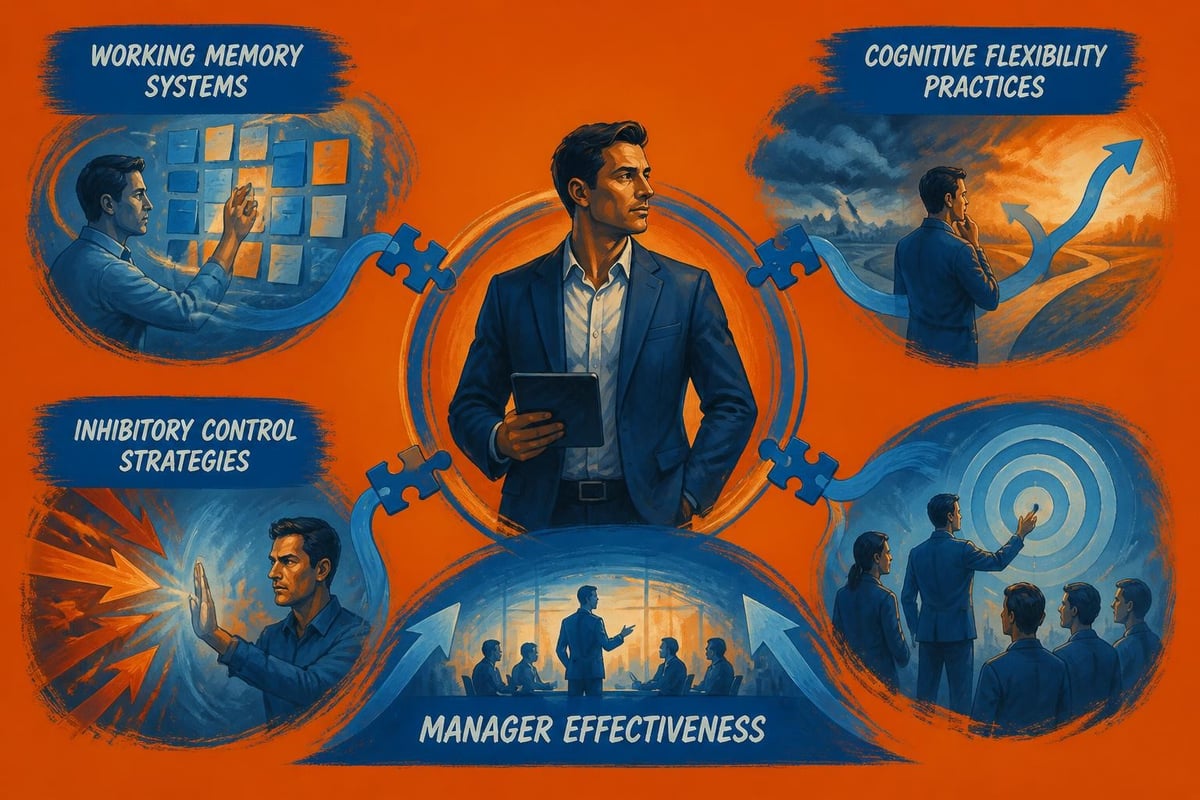
Executive Functioning Coach for Adults: What Works

Most managers struggling with planning, prioritization, or follow-through don't need another diagnosis. They need practical systems that stick. An executive functioning coach for adults builds concrete frameworks to manage competing demands, execute on priorities, and translate intention into action. The challenge isn't awareness; it's implementation under real-world pressure.

Executive function encompasses working memory, cognitive flexibility, and inhibitory control. In practice, these translate to managing deadlines, switching between projects without losing context, and maintaining focus when distractions multiply. Adults with executive function challenges often excel in strategic thinking but falter in execution, creating a gap between capability and consistent performance.

What Executive Functioning Coaching Actually Addresses

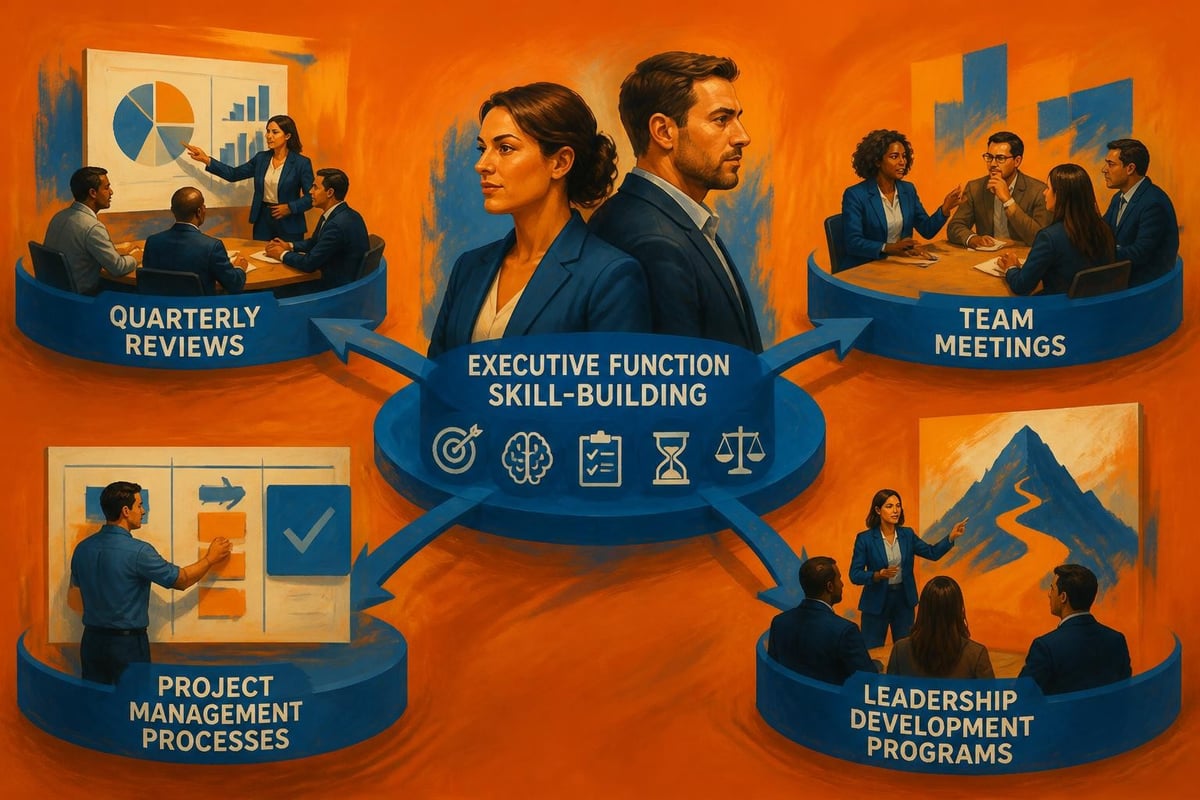
Executive functioning coaching targets the gap between knowing what to do and doing it reliably. This matters most for professionals managing teams, juggling multiple stakeholders, or operating in fast-changing environments where traditional time management fails.

Core focus areas include:

  • Task initiation and completion: Breaking paralysis around starting projects and building momentum systems
  • Time perception and estimation: Calibrating realistic timelines and building buffer strategies
  • Working memory support: Externalizing information through checklists, dashboards, and visual management
  • Emotional regulation under pressure: Recognizing patterns that derail execution and building response protocols
  • Priority management: Distinguishing urgent from important when everything feels critical

Research on skills-based training interventions for adults with ADHD shows measurable improvements when coaching focuses on specific behavioral strategies rather than generic productivity advice. The distinction matters because executive function challenges require customized scaffolding, not one-size-fits-all templates.

Executive function skill framework

The Evidence Base for Adult Coaching Interventions

Multiple controlled trials demonstrate that structured coaching produces quantifiable gains. A randomized trial of Goal Management Training showed participants improved planning, organization, and task completion compared to control groups. What stands out: gains persisted when interventions included real-world application, not just skills practice in isolation.

The ADHD Coaches Organization outlines professional standards, but certification alone doesn't predict coaching effectiveness. The best outcomes come from coaches who combine executive function knowledge with practical business experience. They understand the difference between teaching a planning system in theory and implementing it during quarterly reviews, crisis management, or rapid growth.

Programs like the 12-week manualized intervention provide structure, yet workplace coaching requires adaptation. A manager can't pause operations for weekly sessions. Effective coaches embed skill-building into existing workflows: standing meetings, project reviews, one-on-ones with direct reports.

How Workplace Coaching Differs from Clinical Interventions

Clinical programs like Penn Medicine’s Adult ADHD Treatment combine medication management, therapy, and coaching. Corporate settings demand a different model. An executive functioning coach for adults in business contexts works within organizational constraints, focusing on performance outcomes tied to company KPIs.

Key differences:

Clinical Approach Corporate Coaching
Weekly 50-minute sessions Coaching embedded in meetings and reviews
Focus on personal life improvement Direct tie to business metrics and team impact
Long-term therapeutic relationship Month-to-month, results-driven engagement
Insurance and diagnosis requirements Performance-based, no medical gatekeeping

The ASHA clinical portal on executive function provides comprehensive assessment frameworks, but workplace coaching skips lengthy diagnostic protocols. Instead, effective coaches conduct rapid skills audits: observing how a manager runs meetings, reviews their current project tracking, and identifies breakdown points in real time.

Noomii's approach exemplifies this shift. Rather than scheduling separate coaching sessions, coaches join leadership team meetings, observe decision-making under pressure, and build systems during actual work. A manager struggling with priority management doesn't need abstract exercises. They need a live review of their current project list, a triage framework, and accountability for applying it before the next meeting.

Workplace executive function systems

Proprietary Framework: The Execution Accountability System

After working with hundreds of mid-market leaders, we've identified a repeating pattern. High performers derailed by executive function challenges typically fail at one of four handoff points: Capture, Clarify, Commit, Close.

Capture: Information enters through email, meetings, Slack. Without a single collection point, tasks scatter across platforms and memory.

Clarify: Raw inputs need conversion to actionable next steps with clear owners and deadlines. Vague commitments ("let's follow up") create drift.

Commit: Deciding what gets done this week versus later requires real trade-offs. Managers with executive function challenges struggle to say no, overcommitting until nothing ships.

Close: Finishing tasks and confirming outcomes closes loops. Incomplete handoffs create recurring fire drills.

Leadership coaches using this framework start by diagnosing which handoff point breaks down most frequently. A sales leader might excel at capture and clarify but fail at commit, saying yes to every deal review and customer call. The intervention: building a weekly capacity budget and a visual kanban showing work in progress limits.

Case Study: Operations Director with Planning Paralysis

Problem: An operations director at a 200-person manufacturing company consistently missed project deadlines despite strong technical knowledge. Teams waited on decisions. Quarterly initiatives stalled.

Diagnosis: Breakdown occurred at the Clarify and Commit stages. She collected extensive information but struggled to convert research into actionable plans. Fear of missing variables created analysis paralysis.

Solution: We introduced a decision-forcing framework: every project got a one-page brief with three options, trade-offs listed, and a 48-hour decision deadline. We coached live during her weekly leadership team meeting, modeling how to make defensible decisions with incomplete information.

Result: Project cycle time decreased 40% over three months. Her team reported clearer direction. Engagement scores in her division improved 12 points in the next quarterly survey.

Lesson: Executive functioning support isn't about working harder or longer. It's about building decision scaffolding that matches how someone's brain works under pressure.

Contrarian Insight: Certification Worship Misses the Point

The coaching industry pushes ADHD-specific certifications and executive function specialist credentials. Here's what the market evidence shows: certification correlates weakly with client outcomes. What matters more is pattern recognition from coaching hundreds of professionals through similar challenges.

Evidence-based coaching approaches emphasize core competencies, but the best coaches combine those foundations with deep vertical expertise. A coach who's led teams, managed P&L, and executed under board pressure brings context that credential programs can't teach.

Consider two coaches: one with advanced ADHD coaching certification and two years of experience, another with 15 years leading operations teams and practical expertise in executive function strategies from managing their own challenges. The second coach will likely deliver faster, more relevant results because they've lived the problems their clients face.

This doesn't mean training is irrelevant. The APA’s Adult ADHD Toolbox provides valuable frameworks. But buyers should prioritize evidence of real-world results over credentials alone. Ask for case studies. Request references from similar roles and industries. Observe how the coach diagnoses your specific bottlenecks.

Coaching selection criteria

What Mid-Market Companies Should Demand

Mid-market organizations need executive functioning support that scales beyond individual coaching. The goal isn't fixing one struggling manager; it's building systems that raise baseline competence across leadership teams.

Effective programs include:

  1. Live coaching during actual meetings: Not separate sessions about meetings
  2. Shared accountability tools: Visual dashboards, scorecards, and kanban boards the whole team uses
  3. Skill transfer to managers: Teaching leaders to coach their direct reports using executive function strategies
  4. Tied to business metrics: Linking improvements to revenue, retention, cycle time, or other KPIs
  5. Month-to-month terms: Results should be visible within 90 days, not locked into year-long contracts

Organizations exploring executive coaching packages should scrutinize how coaches measure progress. Subjective feedback has value, but executive function interventions should drive observable behavior change. Are decisions happening faster? Are projects completing on schedule? Is meeting productivity improving?

The strongest signal: coaches willing to share risk through performance-based pricing. If executive functioning coaching works, tying fees to outcomes should feel natural. Month-to-month engagements where you stay because results are visible separate serious practitioners from those selling hope.

FAQ About Executive Functioning Coaching for Adults

What is an executive functioning coach for adults?
A coach who helps adults build practical systems for planning, prioritization, time management, and task completion, particularly when executive function challenges interfere with workplace performance.

How is executive function coaching different from productivity coaching?
Executive function coaching addresses underlying cognitive processes like working memory and cognitive flexibility, not just surface-level time management tactics. It customizes strategies to how someone's brain works under pressure.

Do I need an ADHD diagnosis to benefit from executive functioning coaching?
No. Many high-performing professionals without ADHD benefit from executive function support when managing complex roles, multiple stakeholders, or rapid organizational change.

How long does executive functioning coaching take to show results?
Visible improvements typically appear within 4-8 weeks when coaching focuses on specific behaviors and integrates into real work. Lasting change requires 12-16 weeks of consistent application.

What's the difference between clinical executive function treatment and workplace coaching?
Clinical treatment often combines therapy, medication, and diagnosis-driven interventions. Workplace coaching focuses on performance outcomes, embeds in business operations, and doesn't require medical involvement.

Should I choose a coach with ADHD-specific certification?
Certification can indicate baseline knowledge, but track record, industry experience, and pattern recognition from coaching similar professionals often predict better outcomes than credentials alone.

How do I measure if executive functioning coaching is working?
Track observable behaviors: meeting productivity, project completion rates, decision speed, team feedback, and business metrics like revenue or retention tied to the leader's performance.

Can executive function coaching scale beyond individual leaders?
Yes. The most effective programs teach managers to coach their teams using executive function strategies, creating skill transfer and raising baseline competence across the organization.

What should I expect in the first executive functioning coaching session?
A rapid assessment of where execution breaks down: how you capture information, make decisions, prioritize, and follow through. Expect diagnosis and immediate small interventions, not lengthy intake processes.


Executive functioning coaching delivers measurable workplace results when it focuses on practical systems, embeds in real work, and ties to business outcomes. The distinction between effective coaching and credential-chasing matters more than ever as mid-market companies demand ROI from leadership development. Noomii helps organizations build accountable leaders through hands-on coaching in your meetings, clear KPIs, and month-to-month terms where you stay because progress is visible, not because you're locked into a contract.

AI and Performance Reviews: What Changes in 2027

Performance reviews are undergoing their most significant transformation since forced ranking died in the 2010s. The difference this time is not methodology but infrastructure. AI-driven evaluation systems are now embedded in 67% of Fortune 500 HR tech stacks, yet most organizations have no formal governance framework for algorithmic decision-making about people. When examining ai and performance reviews what changes in 2027, the central issue is not whether AI will improve evaluations but whether leadership teams understand the accountability shift happening beneath their org charts. Organizations that fail to align AI capabilities with human judgment, compliance requirements, and coaching interventions will face legal exposure, cultural erosion, and talent flight that no algorithm can reverse.

The Governance Gap Most Executives Are Ignoring

The problem is not that AI generates biased performance data. The problem is that most C-suite leaders believe their legal and HR teams have already addressed algorithmic bias when they have not.

In Q3 2026, a mid-market financial services firm discovered that its AI-powered review system had systematically downgraded performance scores for employees who took parental leave. The algorithm interpreted extended absence as reduced contribution. No one caught it for 18 months because leadership assumed the vendor's "fairness certification" meant the system was compliant. It did not.

Three governance failures emerged in that case:

  • No internal audit of algorithmic weighting or training data
  • No human review threshold for anomalous score patterns
  • No integration between the AI system and existing EEO compliance protocols

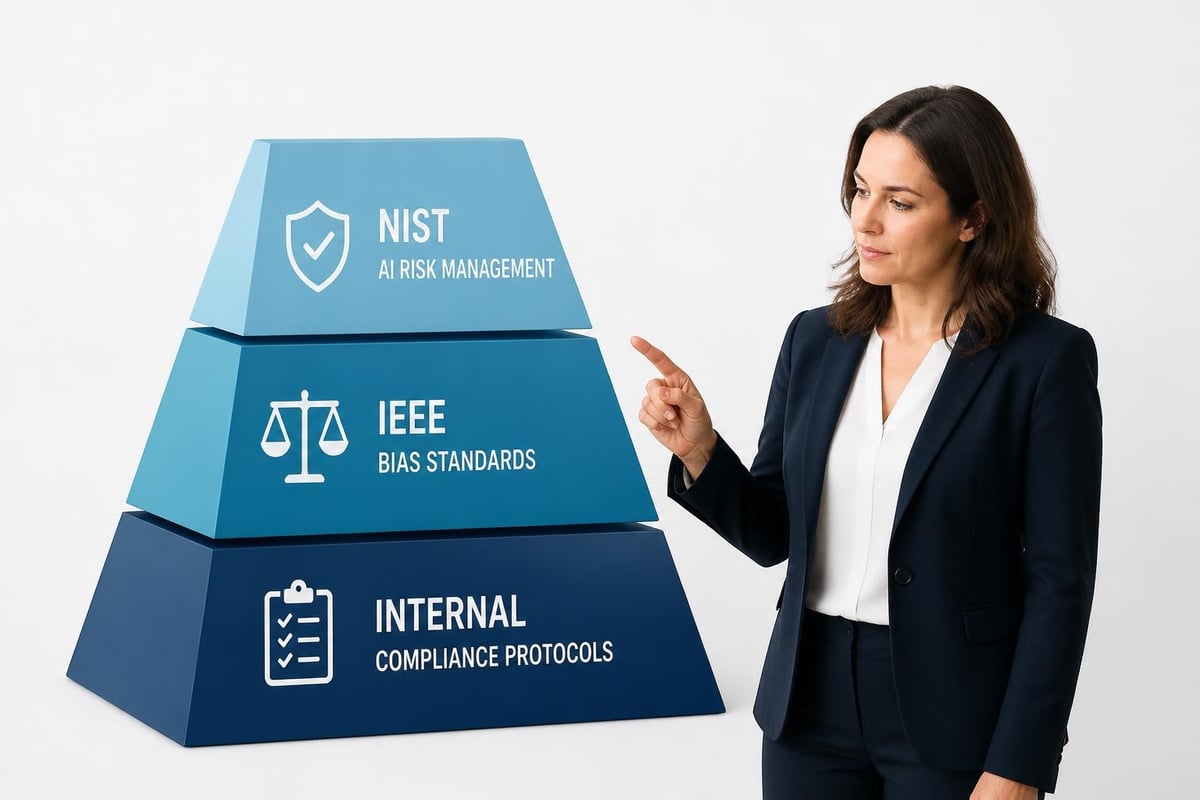
The NIST AI Risk Management Framework provides a structure for managing these risks, but adoption remains inconsistent. Only 22% of enterprises have implemented formal AI risk assessments for HR systems, according to a late-2026 survey of CHROs at companies with over 10,000 employees.

When leaders ask about ai and performance reviews what changes in 2027, the answer starts with governance, not features. Organizations need defined accountability for algorithmic decisions, regular bias audits, and clear escalation paths when AI-generated evaluations conflict with manager judgment or compliance standards.

AI governance framework for performance reviews

What Compliance Actually Requires

Most organizations treat AI performance tools as software procurement decisions rather than compliance events. That approach creates legal and reputational exposure.

The IEEE Standard 7003-2024 on Algorithmic Bias Considerations establishes expectations for bias identification, impact assessment, and continuous monitoring. It is not legally binding in most jurisdictions, but it reflects emerging consensus on professional responsibility. Plaintiffs' attorneys are already citing it in employment litigation.

Compliance Area Current State 2027 Expectation
Bias audits Vendor self-certification Independent third-party validation
Training data transparency Black box acceptable Documented data sources and weighting
Human override protocols Informal manager discretion Formal escalation with audit trail
Impact assessments Pre-deployment only Quarterly review cycles

Organizations that deploy AI performance systems without documented governance will face the same scrutiny that algorithmic hiring tools encountered in 2024-2025. The difference is that performance reviews affect existing employees with longer tenures, stronger legal standing, and more institutional knowledge to challenge anomalous outcomes.

The Coaching Integration No One Is Building

AI and performance reviews what changes in 2027 also means rethinking how evaluation connects to development. Most organizations treat these as separate processes. Performance review happens in Q4. Development planning happens in Q1. Coaching engagements start in Q2 if budget allows.

That sequential model breaks when AI generates real-time performance insights. Leaders now have continuous data on decision quality, communication patterns, and team dynamics. The question is whether organizations can convert that data into timely coaching interventions rather than annual review conversations.

A logistics company with 40,000 employees piloted this approach in 2026:

  • Problem: High-potential directors were underperforming in cross-functional projects despite strong technical skills
  • Diagnosis: AI sentiment analysis of meeting transcripts revealed communication patterns that triggered conflict rather than collaboration
  • Solution: Integrated AI performance data with executive coaching packages focused on stakeholder influence and conflict resolution
  • Result: 34% improvement in project completion rates and 28% reduction in escalations to senior leadership
  • Lesson: AI is better at identifying behavioral patterns than managers are, but only coaching changes those patterns

The breakthrough was not the AI. It was the integration. Performance data flowed directly into coaching engagement parameters. Coaches received anonymized behavioral insights before first sessions. Development plans updated in real time as AI detected pattern changes.

Most HR leaders have not built this integration because they treat performance management and leadership development as separate budget lines managed by different teams. When considering ai and performance reviews what changes in 2027, the strategic advantage goes to organizations that collapse that separation.

The Early-Career Performance Paradox

Research from KPMG, the University of Texas McCombs School of Business, and Harvard Business Review reveals a critical dynamic: early-career employees who use AI tools show higher short-term productivity but develop weaker foundational skills. Performance reviews that reward output without assessing skill development create a time bomb for organizational capability.

This is not a hypothetical concern. A professional services firm discovered in late 2026 that analysts who relied heavily on AI for client deliverables scored 40% lower on problem-solving assessments than peers who used AI selectively. The AI-dependent analysts looked productive in monthly reviews but lacked the judgment to handle complex or ambiguous situations.

The implication for performance management is direct. Organizations need review criteria that evaluate not just what employees produce but how they produce it and what capabilities they are building. AI can track output. It cannot yet assess judgment development or adaptive capacity.

Performance evaluation criteria

The Manager Accountability Shift You Are Not Preparing For

AI-driven performance systems expose a problem most organizations prefer to ignore: manager judgment is inconsistent, biased, and often indefensible when examined against objective data.

A retail organization with 15,000 employees compared manager-assigned ratings to AI-generated performance data across 2,400 employees in 2026. The findings were uncomfortable.

  • Managers rated employees they personally liked 1.3 points higher (on a 5-point scale) than objective performance data supported
  • Recency bias was extreme: 78% of rating variance correlated to performance in the final 45 days before review
  • Managers consistently overrated poor performers they had hired themselves and underrated strong performers they inherited

AI does not eliminate these biases. It makes them visible. That visibility creates accountability pressure most managers have never experienced.

The question for 2027 is whether organizations will use AI as a check on manager judgment or as a replacement for it. Early evidence suggests most are choosing replacement, which creates new problems. Boston University research warns that removing human judgment entirely can worsen outcomes when AI systems optimize for measurable outputs at the expense of harder-to-quantify contributions like mentoring, culture-building, or strategic thinking.

The emerging best practice is a hybrid model:

  1. AI generates performance data across defined metrics
  2. Managers provide written justification for ratings that deviate from AI recommendations by more than one rating level
  3. HR reviews all deviations for pattern analysis
  4. Coaching interventions target managers whose deviations show consistent bias patterns

This approach maintains manager accountability while using AI as a calibration tool. It also creates a documented decision trail that supports both performance improvement conversations and legal defensibility when needed.

The Contrarian View on Transparency

Conventional wisdom says employees should have full visibility into how AI evaluates their performance. The ACM joint statement on algorithmic decision-making emphasizes transparency and explainability as core principles.

Practical experience suggests this is wrong.

Full transparency creates gaming behavior. When employees know exactly how the algorithm weighs meeting participation, email responsiveness, or project completion timing, they optimize for those metrics rather than actual performance. A technology company discovered this when it shared its AI performance model with employees. Within 90 days, meeting attendance increased 23% while meeting productivity (measured by decision velocity and action item completion) declined 17%.

The better approach is outcome transparency, not mechanism transparency. Employees should understand what good performance looks like and how they are tracking against those standards. They should not have access to the algorithmic weighting that generates those assessments.

This creates tension with transparency advocates, but it reflects a fundamental truth: performance evaluation is not a game to be won. It is a judgment to be earned. AI should support that judgment, not replace it with a point system that encourages optimization over contribution.

What 2027 Actually Looks Like for Enterprise Organizations

When examining ai and performance reviews what changes in 2027, the practical reality is messier than vendor marketing suggests. Most large organizations will operate hybrid systems with inconsistent AI adoption, incomplete governance, and significant change management challenges.

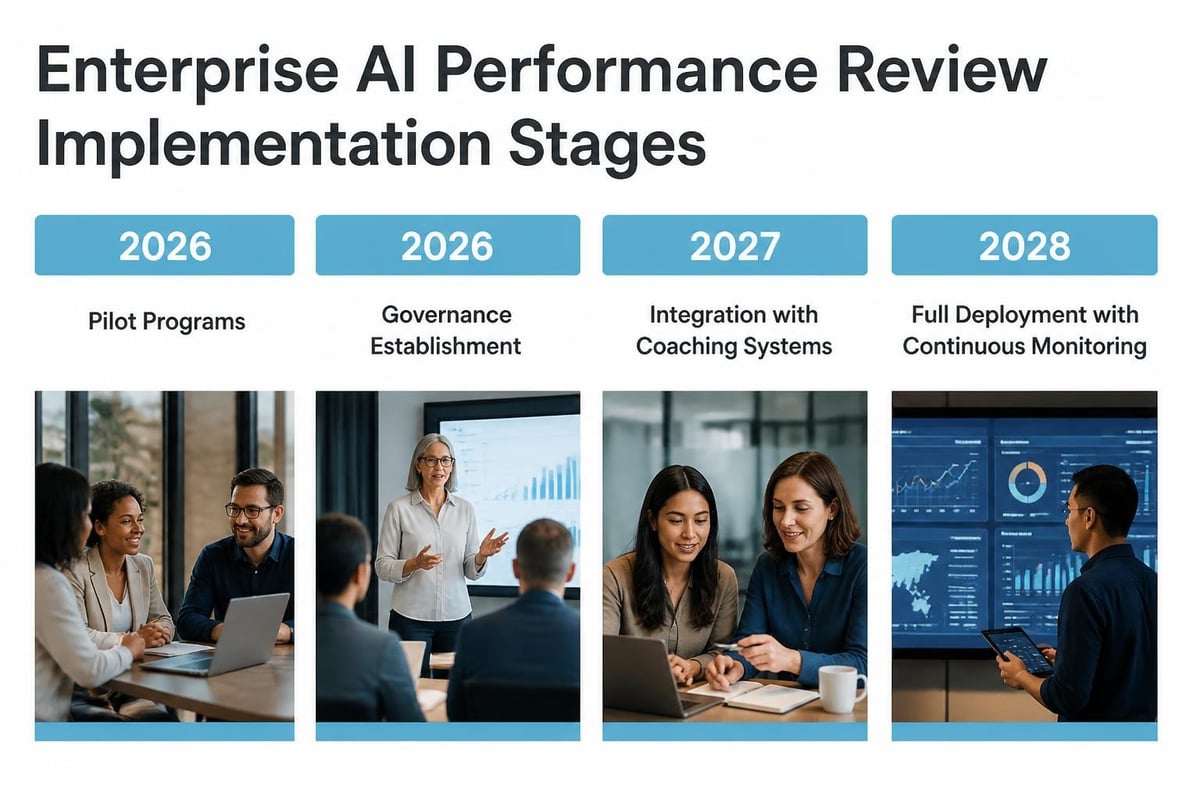
The World Economic Forum report on AI at scale identified five patterns among organizations making measurable progress:

  • Pilot programs limited to specific business units or roles rather than enterprise-wide deployment
  • Formal AI councils with cross-functional representation (HR, legal, IT, business leaders)
  • Regular human audits of AI-generated performance data with defined statistical thresholds for intervention
  • Integration with existing leadership development programs rather than standalone AI tools
  • Transparent communication about what AI can and cannot evaluate

The organizations struggling share common failures: vendor over-reliance, lack of internal AI literacy, and treating performance AI as a technology problem rather than a leadership problem.

AI implementation roadmap

The Questions CHROs Should Be Asking Right Now

Most CHRO conversations about AI performance tools focus on features and pricing. The questions that matter are harder.

Governance and accountability:

  • Who owns the decision when AI recommendations conflict with manager judgment?
  • What statistical variance triggers a bias audit?
  • How do we document algorithmic decision-making for regulatory and legal purposes?

Integration and effectiveness:

  • How does AI performance data connect to coaching interventions and development planning?
  • What happens to employees whose performance patterns do not fit algorithmic models?
  • How do we evaluate manager effectiveness when AI generates the underlying performance data?

Culture and change management:

  • How do we communicate AI's role without creating fear or gaming behavior?
  • What happens to trust when employees believe algorithms rather than managers control their careers?
  • How do we maintain human judgment as a core cultural value while adopting AI tools?

SHRM’s analysis of performance review evolution suggests that successful organizations treat these as leadership questions, not HR questions. The CEO and board need to establish principles. HR implements within those guardrails.

The Coaching Strategy Most Organizations Are Missing

The highest-value application of AI in performance reviews is not better ratings. It is better coaching targeting.

Organizations spend substantial money on leadership development and coaching programs but allocate those resources based on seniority, potential ratings, or manager nominations. AI enables precision targeting based on actual behavioral patterns and performance gaps.

A financial services firm implemented this approach in Q2 2026:

Challenge Area AI Detection Method Coaching Intervention Measured Outcome
Poor delegation leading to bottlenecks Analysis of task assignment patterns and completion dependencies Executive coaching on strategic delegation and team development 41% reduction in approval cycle times
Ineffective stakeholder management Meeting sentiment analysis and email communication patterns Targeted coaching on influence and conflict resolution 29% improvement in cross-functional project success rates
Weak decision-making under uncertainty Decision reversal tracking and outcome analysis Coaching on judgment frameworks and scenario planning 37% reduction in costly strategic reversals

The breakthrough was specificity. Instead of generic leadership coaching, the organization deployed targeted interventions addressing precise behavioral patterns AI identified. The ROI from executive coaching improved dramatically because coaching resources addressed actual performance gaps rather than assumed development needs.

This approach requires integration between performance systems and coaching programs that most organizations have not built. When leaders ask about ai and performance reviews what changes in 2027, the answer for sophisticated organizations is this: AI enables coaching precision we have never had before, but only if we integrate the systems and align the strategy.

The Team Performance Dimension

Individual performance reviews miss half the picture in modern organizations. Most value creation happens in teams, yet most AI performance tools still evaluate individuals.

Team coaching programs that integrate AI-generated team performance data represent the next frontier. AI can track team decision velocity, conflict patterns, communication effectiveness, and outcome delivery in ways that were previously impossible.

A manufacturing organization piloted AI-driven team performance reviews in 2026. The system analyzed meeting transcripts, decision documentation, project milestone completion, and cross-functional collaboration patterns. It identified teams with strong individual performers but poor collective performance and teams with average individuals who delivered exceptional collective results.

The insight challenged conventional thinking about talent density. High-performing teams were not necessarily composed of high-performing individuals. They were teams with strong collaboration patterns, clear decision rights, and effective conflict resolution.

This matters because most organizations still promote and compensate based on individual performance even when they claim to value teamwork. AI-driven team performance data creates accountability for collaboration and collective outcomes that individual reviews cannot capture.

What Leaders Need to Do Differently Starting Now

The strategic question about ai and performance reviews what changes in 2027 is not whether to adopt AI tools. Most organizations already have. The question is whether leadership teams will establish governance, integrate coaching, and maintain human accountability or whether they will delegate performance judgment to algorithms without understanding the consequences.

Five actions separate leaders who are managing this transition well from those who are creating future problems:

  1. Establish algorithmic accountability before the next review cycle – Define who owns decisions when AI and human judgment conflict, document the process, and communicate it clearly
  2. Integrate performance data with coaching deployment – Stop treating evaluation and development as sequential processes and build real-time connections between performance insights and coaching interventions
  3. Audit for bias quarterly, not annually – Implement statistical monitoring for pattern-based bias and establish clear thresholds for human review and intervention
  4. Invest in manager AI literacy – Most managers do not understand how AI evaluates performance and cannot explain it to employees. This creates trust problems coaching cannot fix
  5. Maintain outcome transparency while limiting mechanism transparency – Employees should know where they stand and what good performance looks like without access to algorithmic weighting that encourages gaming

Organizations that execute these actions will use AI to improve performance management accuracy, coaching effectiveness, and talent development outcomes. Organizations that skip them will face legal exposure, cultural damage, and talent loss that no algorithm can reverse.

The difference between these outcomes is not technology sophistication. It is leadership judgment about where human accountability matters most and where AI support creates value. That judgment cannot be delegated to vendors, HR teams, or algorithms. It requires direct CEO and board involvement in establishing principles, monitoring implementation, and course-correcting when systems deviate from intended outcomes.

Performance reviews have always reflected organizational values and leadership priorities. AI does not change that. It makes those values and priorities more visible, more measurable, and more consequential. The question for 2027 is whether your organization is ready for that accountability.


AI is transforming performance reviews faster than most governance and coaching systems can adapt, creating risks and opportunities that require direct leadership attention. The Noomii Corporate Leadership Program helps organizations integrate AI-driven performance insights with precision coaching interventions, establish accountability frameworks for algorithmic decisions, and develop leaders who can navigate the intersection of technology and human judgment. Our evidence-based diagnostics, expert coach matching, and measurable impact methodology ensure your performance management evolution strengthens rather than undermines organizational culture and capability.


“`json
{
“@context”: “https://schema.org”,
“@type”: “FAQPage”,
“mainEntity”: [
{
“@type”: “Question”,
“name”: “What are the biggest risks of using AI in performance reviews in 2027?”,
“acceptedAnswer”: {
“@type”: “Answer”,
“text”: “The biggest risks are governance gaps, algorithmic bias that goes undetected, lack of integration between AI evaluations and coaching interventions, and loss of manager accountability. Organizations that deploy AI performance tools without formal bias audits, clear decision rights when AI conflicts with human judgment, and documented compliance protocols face legal exposure and cultural damage. Most enterprises have not yet established the governance frameworks needed to manage these risks effectively.”
}
},
{
“@type”: “Question”,
“name”: “How should organizations integrate AI performance data with leadership coaching?”,
“acceptedAnswer”: {
“@type”: “Answer”,
“text”: “The most effective approach is real-time integration where AI-detected behavioral patterns and performance gaps directly inform coaching engagement parameters and development planning. This means coaches receive anonymized behavioral insights before sessions, coaching interventions target specific AI-identified challenges like delegation bottlenecks or stakeholder management gaps, and development plans update continuously as AI detects pattern changes. This requires collapsing the traditional separation between performance management and leadership development systems.”
}
},
{
“@type”: “Question”,
“name”: “Should employees have full transparency into how AI evaluates their performance?”,
“acceptedAnswer”: {
“@type”: “Answer”,
“text”: “No. Full algorithmic transparency creates gaming behavior where employees optimize for measurable metrics rather than actual contribution. The better approach is outcome transparency: employees should clearly understand performance standards and how they are tracking against them, but not have access to algorithmic weighting details. This maintains performance evaluation as a judgment to be earned rather than a point system to be gamed, while still providing clarity on expectations and progress.”
}
},
{
“@type”: “Question”,
“name”: “What governance structure do organizations need for AI performance review systems?”,
“acceptedAnswer”: {
“@type”: “Answer”,
“text”: “Organizations need three governance layers: formal AI risk management following frameworks like NIST’s AI Risk Management Framework, regular bias audits using standards like IEEE 7003-2024, and internal compliance protocols that define decision rights, escalation paths, and audit requirements. This includes quarterly statistical monitoring for bias patterns, documented processes for when AI recommendations conflict with manager judgment, and clear accountability for algorithmic decisions affecting employee careers and compensation.”
}
},
{
“@type”: “Question”,
“name”: “How does AI impact early-career employee development and performance evaluation?”,
“acceptedAnswer”: {
“@type”: “Answer”,
“text”: “Research shows early-career employees who rely heavily on AI tools demonstrate higher short-term productivity but develop weaker foundational skills and judgment. This creates a critical challenge for performance reviews: evaluating not just output but how employees produce results and what capabilities they are building. Organizations need review criteria that assess skill development, problem-solving ability, and adaptive capacity, not just AI-augmented productivity metrics. This requires evaluating the process and capability-building, not just outcomes.”
}
}
]
}
“`

Self Development Coach: What Buyers Miss in 2026

The market for a self development coach has exploded since 2020, yet buyer confusion has grown in parallel. Companies spend millions on coaches who deliver feel-good sessions but struggle to tie progress to performance. Individuals hire practitioners who recycle frameworks from weekend certifications rather than apply tested methods to real problems. The gap between promise and outcome has never been wider, and the difference comes down to what buyers evaluate before signing contracts.

The Self Development Coach Landscape Has Changed

In 2026, anyone can claim the title. The barriers to entry remain low, certification mills churn out credentials in weeks, and marketing promises rarely match delivery. This saturation creates noise that drowns out practitioners who actually drive measurable change.

What defines an effective self development coach today:

  • Demonstrated outcomes with clients who faced similar challenges
  • Frameworks tied to behavior change, not abstract theory
  • Willingness to tie progress to observable metrics
  • Experience inside the environment where coaching occurs
  • Ability to coach live, not just in closed-door sessions

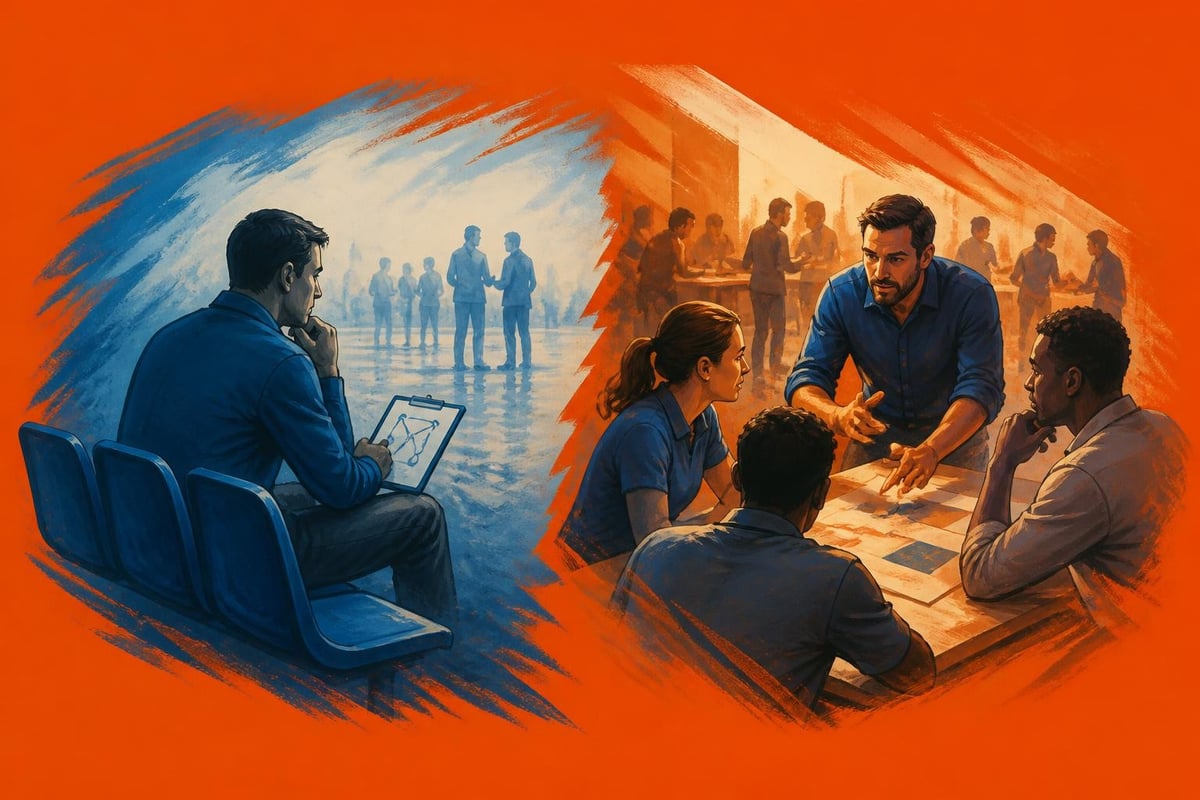
The best practitioners work where decisions happen. They join leadership meetings, observe team dynamics, diagnose breakdowns in real time, and coach through execution. This contrasts sharply with the sideline model where a self development coach meets privately, offers reflection questions, and never witnesses how leaders actually perform under pressure.

Self development coaching models comparison

Research supports this shift. Meta-analyses examining executive coaching effectiveness show the strongest outcomes emerge when coaching integrates with work context, includes goal specificity, and measures behavioral change. Generic development conversations produce weaker results than targeted interventions linked to performance.

What Buyers Miss When Evaluating Coaches

Most selection processes prioritize credentials over capability. Buyers ask about certifications, training hours, and methodology instead of outcomes, client retention, and proof.

The Certification Trap

Credentials signal training, not competence. A self development coach with an ICF certification completed coursework and logged hours. That tells you nothing about whether they've helped leaders improve decision speed, built coaching capability in managers, or driven engagement gains.

Better questions reveal capability:

  1. What specific outcomes have you achieved with clients in our industry?
  2. How do you measure progress beyond self-reported satisfaction?
  3. Can you share a case where coaching failed and what you learned?
  4. Will you work inside our operations or only in private sessions?
  5. What happens if we don't see results in 90 days?

These questions separate practitioners who deliver from those who recycle theory. The coaches worth hiring welcome scrutiny, share evidence, and tie their work to business metrics.

The ROI Gap

Few buyers demand return visibility before engagement. They treat coaching as a development expense rather than a performance investment. This changes when you frame the conversation around outcomes.

Traditional Approach Results-Driven Approach
Quarterly coaching sessions Live coaching in meetings
Subjective feedback surveys KPI scorecards with targets
Annual engagement reviews Monthly progress against metrics
Fixed 12-month contracts Month-to-month with performance ties
Generic development plans Custom frameworks for specific gaps

A self development coach operating in the results-driven model stakes reputation on visible progress. When coaching integrates with leadership development tied to measurable outcomes, retention improves because value becomes obvious.

Framework: The Performance Coaching Diagnostic

Most coaches assess individuals. Few diagnose the system where those individuals operate. This framework separates surface symptoms from root causes:

Problem: Identify the performance gap (slow decisions, poor execution, communication breakdowns, retention issues)

Diagnosis: Determine whether the gap stems from skill, will, environment, or system design

Solution: Build targeted interventions that address root causes, not symptoms

Result: Measure change through observable behaviors and business metrics

Lesson: Extract what worked, what failed, and how to scale the approach

This diagnostic applies whether you're evaluating a self development coach for yourself or vetting practitioners for your organization. Coaches who skip diagnosis and jump to solutions typically deliver weak results. They apply favorite frameworks regardless of fit.

Performance coaching diagnostic process

The Rise of Embedded Coaching

The most significant shift in 2026 is the move from periodic sessions to embedded practice. Organizations that build internal coaching capability outperform those that rely on external consultants alone.

Research on coaching teams as a collective demonstrates how teaching managers to coach during regular operations multiplies impact. A self development coach who trains your leaders to develop others creates sustainable capability. One who keeps coaching centralized creates dependency.

Embedded coaching looks like:

  • Managers coaching in one-on-ones and team meetings
  • Leaders using coaching questions during strategy sessions
  • Real-time feedback replacing delayed annual reviews
  • Coaching integrated into operating cadence, not separate from it

This approach requires practitioners comfortable working in public, coaching transparently, and developing capability in others. Many coaches resist this model because it exposes their methods and reduces ongoing dependence.

Contrarian Insight: More Coaching Creates Less Development

Organizations often assume more coaching hours equal better outcomes. The opposite frequently proves true.

When leaders rely on external coaches for every development conversation, they never build coaching muscle themselves. Teams become dependent on facilitation rather than learning to navigate challenges independently. The self development coach becomes a crutch instead of a catalyst.

The solution: dose coaching strategically. Use intensive support during transitions, skill-building phases, or crisis moments. Then step back and let leaders apply what they've learned. Return for tune-ups and advanced work once foundational capability exists.

This cycling between support and independence builds stronger leaders than continuous hand-holding. It also costs less and scales better.

Comparing Human Coaches and AI Tools in 2026

AI coaching tools have improved dramatically. They offer 24/7 availability, consistent frameworks, and data tracking that human practitioners struggle to match. Yet they miss critical elements.

What AI tools do well:

  • Pattern recognition across user interactions
  • Immediate feedback on routine challenges
  • Structured goal tracking and reminders
  • Cost efficiency at scale

What human coaches still own:

  • Contextual judgment in complex situations
  • Real-time adaptation during live interactions
  • Trust-building through relationship depth
  • Challenging assumptions leaders can't see themselves

The best approach combines both. Use AI for repetitive skill-building and tracking. Deploy human coaches for high-stakes development, strategic transitions, and capability building that requires nuanced judgment.

For companies exploring business coaching options, the question isn't human versus AI but how to integrate both effectively. A self development coach who leverages technology for measurement while delivering human insight where it matters most provides the strongest value.

Red Flags When Hiring a Self Development Coach

Experience reveals patterns that predict poor outcomes:

  • Long-term contracts required upfront signal low confidence in visible results
  • Resistance to measurement suggests fear of accountability
  • Credential emphasis over outcome evidence prioritizes inputs over outputs
  • Generic frameworks applied universally indicate lack of diagnostic skill
  • Unavailability between sessions limits real-time support when it matters most

These red flags appear across industries and coaching specialties. Whether you're evaluating practitioners for corporate coaching or individual development, the same warning signs apply.

Conversely, green flags include month-to-month terms, willingness to tie compensation to results, evidence of client outcomes, and flexibility to adapt methods based on what's working.

FAQ

What does a self development coach actually do?

A self development coach helps individuals or leaders improve performance, build skills, and achieve specific goals through structured conversations, feedback, and accountability. Effective practitioners diagnose root causes, design targeted interventions, and measure progress against observable outcomes rather than relying solely on reflection exercises.

How is a self development coach different from a therapist?

Coaches focus on future performance and goal achievement in professional or personal domains, while therapists address mental health conditions and past trauma. Coaching assumes clients are resourceful and capable, working to unlock potential rather than heal pathology. For a detailed comparison, see coaching versus therapy distinctions.

Do I need a certified self development coach?

Certification indicates training completion but doesn't guarantee results. Prioritize demonstrated outcomes with clients facing similar challenges, willingness to measure progress, and experience relevant to your context. Many highly effective coaches lack formal credentials, while some certified practitioners deliver weak results.

How long does coaching take to show results?

Properly targeted coaching should produce observable behavior changes within 60-90 days when tied to specific performance gaps. If you see no measurable progress in that timeframe, either the diagnosis was wrong, the intervention doesn't fit, or the coach lacks capability. Demand visibility quickly.

What should I expect to pay for a self development coach?

Rates vary widely from $100 to $1000+ per hour based on experience, specialization, and engagement model. For organizations, package pricing or retained arrangements often provide better value than hourly rates. Beware of coaches who resist outcome-based pricing if they claim to drive business results.

Can managers become effective coaches without certification?

Yes. The most valuable coaching happens in regular operations when managers ask good questions, provide specific feedback, and hold teams accountable. Research on workplace coaching effectiveness shows that coaching skills training focused on practical application drives better outcomes than lengthy certification programs.

How do I know if a self development coach is right for my team?

Test fit through a limited pilot before committing long-term. Effective coaches diagnose first, propose specific interventions tied to your context, and welcome measurement against clear criteria. If a coach promises transformation without understanding your environment, walk away.

What's the difference between self development coaching and leadership development?

Self development coaching addresses individual growth across life domains, while leadership development focuses specifically on performance in leadership roles. Significant overlap exists, and the best practitioners adapt their approach based on client needs rather than rigid category boundaries. Both should deliver measurable outcomes.

Should coaching happen privately or in group settings?

Both have value depending on goals. Private coaching works well for sensitive leadership challenges, career transitions, or personal barriers. Group and team coaching builds collective capability, improves communication, and costs less per participant. The strongest programs combine individual and collective approaches strategically.


Effective self development requires practitioners who prioritize outcomes over credentials and integrate coaching into real work rather than keeping it separate. When you're ready to build leadership capability that drives measurable business results, Noomii connects you with coaches who work month-to-month, tie progress to clear KPIs, and coach live in your operations where it matters most.

Building a Global Talent Strategy for 2027: What Works

Building a global talent strategy for 2027 requires a fundamentally different approach than what worked even two years ago. The barriers have shifted. Migration patterns have changed. Leadership gaps have widened. Organizations that rely on 2024 playbooks will find themselves unable to compete for talent, unable to retain their best people, and unable to scale leadership capacity across borders. The stakes are higher because the margin for error is smaller. What follows is what we've observed working with government agencies and Fortune 500 companies navigating these challenges right now.

The Migration Reality No One Is Talking About

Most global talent strategies ignore the single biggest constraint: cross-border mobility is harder, slower, and more expensive than it was in 2024. Visa processing times have extended. Compliance requirements have multiplied. Political headwinds have created unpredictable policy environments.

Here's what changed:

  • Average visa processing for high-skilled workers increased 40% between 2024 and 2026
  • Seven major economies introduced new skills-based immigration frameworks with stricter qualification thresholds
  • Remote work visa programs expanded to 23 countries, but only 11% of organizations have formal strategies to leverage them

The World Bank’s migration and development resources show international talent flows shifting toward regional hubs rather than traditional destination markets. Organizations building a global talent strategy for 2027 must account for this friction by designing talent sourcing around geographic clusters, not just individual markets.

The Diagnostic Most Teams Skip

We conducted talent mobility audits for three multinational organizations in 2026. Each assumed their immigration compliance was adequate. Each was wrong.

Problem: A technology firm planned to relocate 47 senior engineers from India and Poland to US headquarters. They budgeted four months and $380,000.

Diagnosis: Their immigration counsel hadn't updated filing strategies for new USCIS premium processing restrictions. Their internal HR team didn't track dependent visa complications. Their leadership team had no contingency for denials.

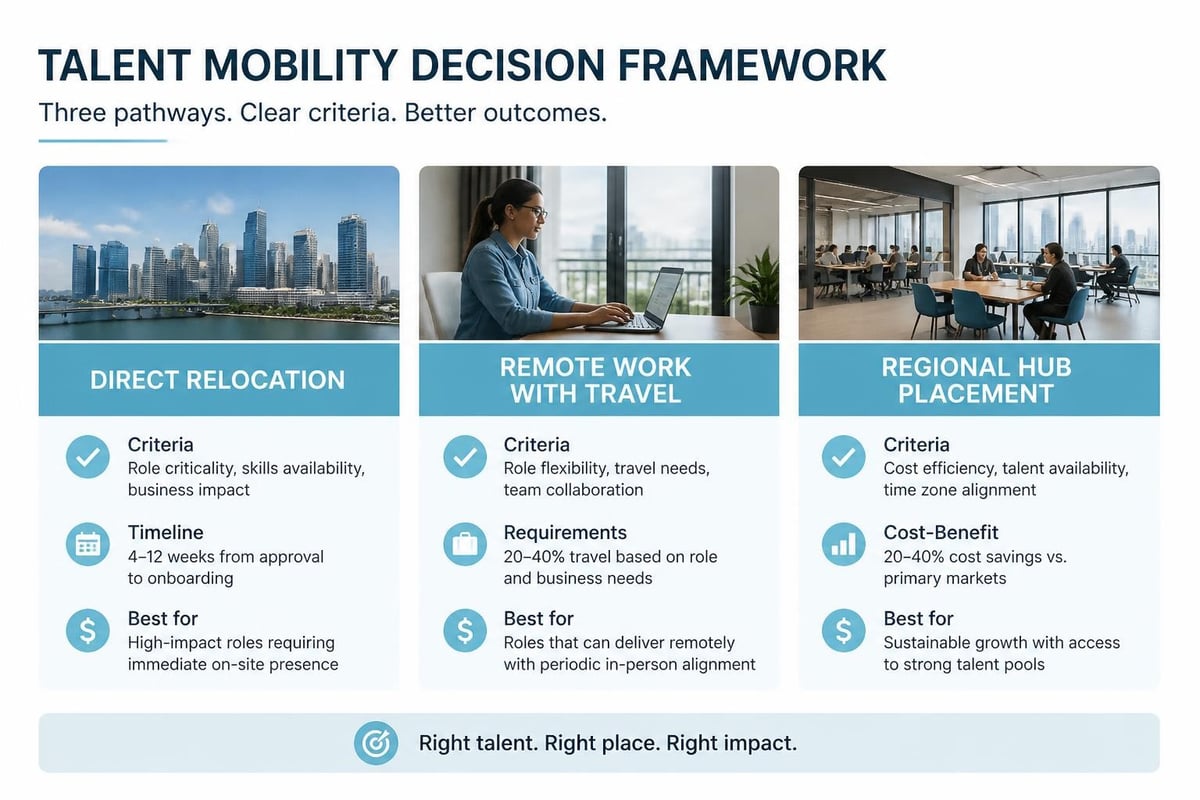
Solution: We implemented a tiered mobility model with three pathways: direct relocation (reduced to 12 priority roles), remote work arrangements with periodic travel (28 roles), and hub-based placement in Canada and UK offices (7 roles).

Result: Total timeline extended to seven months, but success rate improved from projected 73% to 94%. Cost per successful placement dropped 22%.

Lesson: Immigration is now a strategic constraint, not an administrative task. Your global talent strategy needs scenario planning for policy changes, not just compliance checklists.

Global talent mobility framework

Why Retention Systems Beat Policies

Harvard Business Review's January 2026 research confirmed what we've seen firsthand: retention policies alone don’t keep top talent. Organizations need systems that create stickiness through development, belonging, and impact.

Building a global talent strategy for 2027 means designing retention as infrastructure, not as a benefit.

What Actually Creates Retention

We compared retention rates across 14 organizations with similar compensation structures but different development approaches. The difference wasn't perks. It was systems.

Organization Type 24-Month Retention (High Performers) Development System
Policy-focused (enhanced leave, flexibility) 67% Ad hoc, manager-dependent
Program-focused (training catalog, tuition) 71% Standardized, self-directed
Systems-focused (coaching, mentorship, succession) 88% Integrated, measurable, personalized

The systems-focused group embedded executive coaching into leadership transitions, succession planning, and high-potential development. They tracked coaching outcomes against retention, promotion readiness, and engagement scores. They treated development as a performance system, not an HR program.

The framework that worked:

  1. Identify critical roles and succession gaps quarterly, not annually
  2. Deploy targeted interventions (coaching, mentorship, stretch assignments) within 30 days of identification
  3. Measure progress through defined KPIs: time-to-readiness, retention of coached leaders, internal fill rates
  4. Adjust based on data, not anecdotes

This is how leadership development becomes a retention lever instead of a cost center.

The Leadership Gap That Widens Across Borders

Global expansion amplifies leadership deficits. A mediocre director in your home market becomes a liability when leading a team across four time zones with no local support.

We audited leadership capability for a pharmaceutical company expanding into Southeast Asia and Latin America. They promoted 11 directors into VP roles to lead new regional teams. Within eight months, six were underperforming. Turnover in their teams was 34% higher than company average.

The Real Problem

The issue wasn't capability. It was context. These leaders had never managed across cultures, never built teams remotely, never navigated regulatory complexity in unfamiliar markets. The company assumed leadership skills were transferable. They're not.

What we found:

  • 73% of newly promoted global leaders lacked cross-cultural fluency training
  • 82% had never managed a fully distributed team before their promotion
  • 64% received no coaching or support during their first six months in role

Building a global talent strategy for 2027 requires acknowledging that leadership development must be localized, contextual, and supported. SHRM’s 2025 talent trends highlight upskilling as a top HR priority, but most organizations still treat leadership development as generic rather than situation-specific.

The Intervention That Changed Outcomes

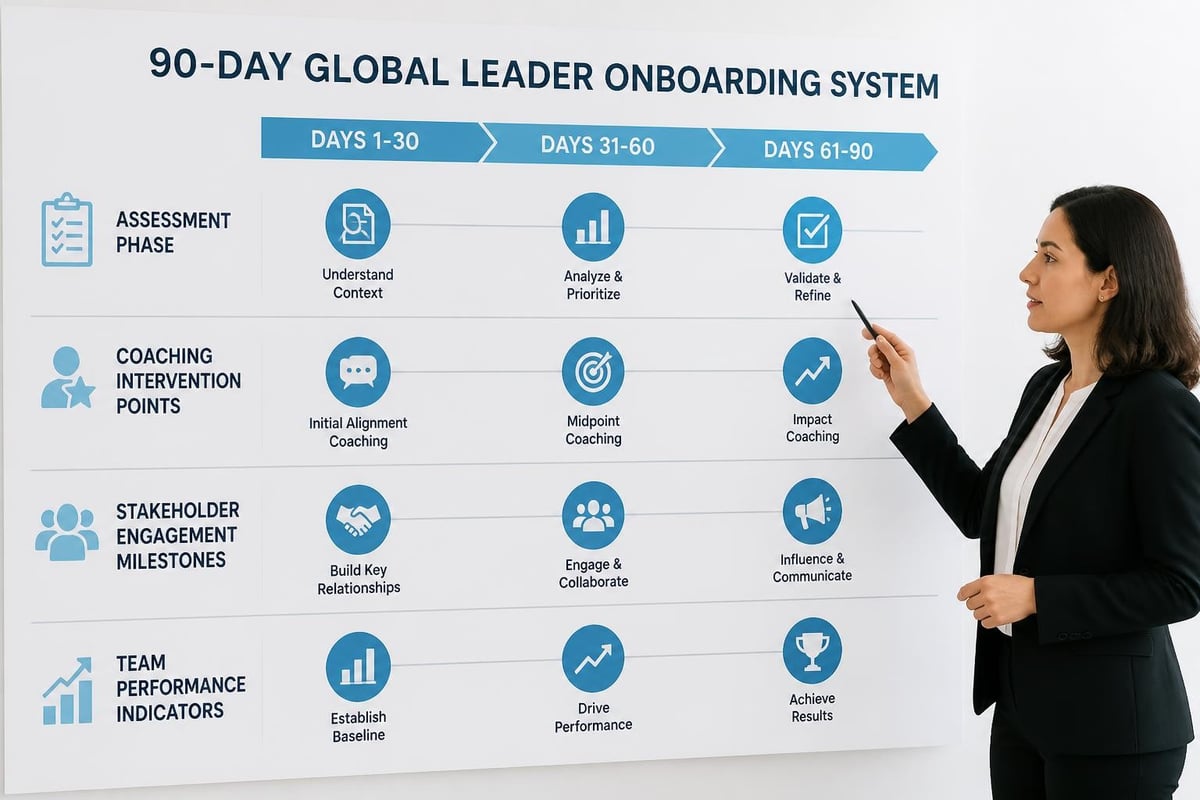
We designed a 90-day rapid onboarding system for global leaders:

  • Week 1-2: Cultural intelligence assessment and regional stakeholder mapping
  • Week 3-6: Paired coaching focused on navigating first critical decisions (hiring, budget allocation, team structure)
  • Week 7-12: Peer learning cohort with other global leaders facing similar challenges

Leaders who completed this system showed 41% faster time-to-impact (defined as achieving first major milestone) and 29% higher team engagement scores at six months compared to those who didn't. Leaders running distributed teams will find practical steps in our guide to virtual team management best practices for 2027.

The difference wasn't rocket science. It was support at the moment of need. That's what performance coaching delivers when it's designed around real transitions, not theoretical development.

Leadership development intervention timeline

The Skills Taxonomy Mistake

Most organizations building a global talent strategy for 2027 start with job descriptions and competency models from 2023. This is a mistake. The work has changed. The skills required have changed. The competitive landscape has changed. Sourcing for these roles is easier when you test for capability rather than credentials, as explained in our guide to skills-based hiring versus degrees.

Deloitte's research on bridging the experience gap identifies a critical disconnect: organizations know they need different skills but haven't updated how they assess, develop, or source talent accordingly.

Here's the pattern we see:

  1. HR uses outdated job architectures
  2. Hiring managers write role descriptions based on past needs
  3. Talent acquisition sources for yesterday's skills
  4. Leaders inherit teams misaligned with current strategy

The Audit That Surfaces Truth

We ran a skills gap analysis for a financial services firm planning Asian market expansion. They needed leaders who could manage regulatory complexity, build local partnerships, and navigate political uncertainty. Their talent profiles prioritized technical finance skills and process management.

The disconnect was obvious:

Required Capability Current Assessment Weight Actual Performance Correlation
Regulatory navigation 15% 67% (strongest predictor)
Stakeholder influence 10% 58%
Ambiguity tolerance Not measured 52%
Technical finance skills 45% 31%
Process optimization 30% 28%

They were selecting for skills that barely mattered and ignoring capabilities that drove success. We rebuilt their assessment framework, retrained interviewers, and changed their internal mobility criteria. Within one hiring cycle, quality-of-hire scores improved 34%.

The lesson: Your talent strategy is only as good as your ability to identify what actually matters. Most organizations are optimizing for the wrong things.

What AI Changes and What It Doesn't

AI hasn't eliminated the need for human judgment in talent decisions. It has exposed how poorly most organizations define what good looks like.

Building a global talent strategy for 2027 means using AI to surface patterns, not to make decisions. We've tested several AI-powered talent platforms. The best ones help you see your blind spots. The worst ones automate your biases at scale.

Where AI Adds Value

  • Pattern recognition: Identifying which leadership behaviors correlate with team performance across regions
  • Skills gap analysis: Mapping current capabilities against future needs faster than manual assessment
  • Scenario modeling: Testing how different mobility, development, and hiring strategies impact pipeline strength

Where AI Fails

  • Cultural context: Understanding why a leadership style works in Seoul but fails in São Paulo
  • Individual motivation: Knowing which development opportunities will engage a specific leader
  • Political navigation: Assessing someone's ability to build trust in complex stakeholder environments

The organizations getting this right use AI for efficiency and humans for judgment. They don't let algorithms make high-stakes talent decisions. They use data to inform decisions that leaders still own.

The Compliance Layer Everyone Underestimates

Global talent strategies fail most often on compliance, not strategy. Immigration. Labor law. Data privacy. Tax obligations. Anti-discrimination requirements. Every market adds complexity.

We worked with a government contractor expanding operations into 14 countries. Their talent team focused on sourcing and development. Their legal team reviewed contracts. No one owned the integration of compliance into talent processes.

The gaps we found:

  • Background check procedures violated GDPR in five European markets
  • Performance documentation didn't meet evidentiary standards for three Asian jurisdictions
  • Compensation bands created pay equity exposure in two Latin American countries
  • Immigration status tracking failed audit requirements for government contracts

None of these were intentional. All of them created risk. Building a global talent strategy for 2027 requires embedding compliance expertise into talent operations, not treating it as a separate function.

The framework that works:

  1. Map compliance requirements by jurisdiction before designing processes
  2. Build compliance checkpoints into hiring, onboarding, performance management, and separation workflows
  3. Train talent teams on regulatory implications of their decisions
  4. Audit compliance quarterly, not when something goes wrong

This isn't exciting work. It's essential work. Organizations that skip this step pay for it later through fines, lawsuits, or contract losses.

Talent compliance framework

The Local-Global Balance Nobody Gets Right

Centralized talent strategies create consistency but miss local market realities. Decentralized approaches create flexibility but lose economies of scale and quality control.

The right answer isn't one or the other. It's a clear framework for what gets decided centrally and what gets decided locally.

The Decision Framework

After analyzing 22 multinational talent strategies, we identified the split that works:

Centralized Decisions:

  • Compensation philosophy and band structure
  • Leadership competency framework and assessment methodology
  • Technology platforms and data standards
  • Compliance minimums and audit protocols
  • Coaching and development provider networks

Local Decisions:

  • Market-specific pay positioning and incentive design
  • Sourcing channels and employer brand messaging
  • Interview processes and selection criteria (within framework)
  • Development program timing and delivery format
  • Manager training content and cultural adaptation

Organizations that define this clearly outperform those that don't. Their talent teams know where they have autonomy and where they need alignment. Their leaders don't waste time debating decisions that should be standardized.

Building a global talent strategy for 2027 means being explicit about governance before you scale, not after you've created chaos.

The ROI Conversation That Actually Matters

CFOs don't care about engagement scores. They care about business outcomes. Your global talent strategy needs to demonstrate financial impact, not just activity metrics.

We helped a manufacturing company build the business case for expanding their leadership coaching program into five new markets. The CHRO wanted to invest $2.3M. The CFO wanted proof it would deliver returns.

The model we built tracked:

  • Reduction in executive turnover (replacement cost savings)
  • Improvement in time-to-productivity for new market leaders (revenue impact)
  • Increase in internal promotion rate (hiring cost avoidance)
  • Change in team performance metrics under coached leaders (margin improvement)

Over 18 months, the program delivered $4.7M in quantifiable value against $2.1M in total investment (including internal program management costs). ROI: 124%.

The breakthrough wasn't the coaching. It was the measurement system. Most organizations can't connect talent investments to business outcomes because they don't define the connection upfront. They implement programs, hope for results, and wonder why finance won't fund expansion.

What Psychological Safety Reveals About Global Teams

Psychological safety varies significantly across cultures. What feels like candor in Amsterdam feels like insubordination in Jakarta. What reads as thoughtful silence in Tokyo reads as disengagement in New York.

Leaders managing global teams need to understand these dynamics or they'll misread their teams entirely. We conducted psychological safety assessments across 47 teams in 12 countries. The range was staggering: 8.2 (out of 10) in Nordic teams to 4.1 in hierarchical Asian markets.

The mistake most leaders make: Assuming low scores mean bad leadership. Sometimes they do. Often they reflect cultural norms around authority, conflict, and communication.

The better approach:

  • Assess psychological safety relative to local baseline, not absolute scores
  • Train global leaders on cultural interpretation of feedback and participation
  • Design team agreements that acknowledge different communication styles
  • Measure improvement over time, not just point-in-time scores

Team coaching becomes essential for global teams because it creates space to name these differences and build shared norms. Without that intervention, teams stay siloed even when they're technically aligned.

The Talent Infrastructure Most Organizations Lack

Building a global talent strategy for 2027 isn't about better recruiting or more training. It's about infrastructure: the systems, processes, data, and governance that make talent decisions consistent, scalable, and effective.

Most organizations are missing:

  • Single source of truth for skills data across locations
  • Standardized assessment methodology with local calibration
  • Clear decision rights for talent investments and allocation
  • Integration between talent systems and business planning
  • Feedback loops that connect talent outcomes to strategic results

Without infrastructure, you have programs. With infrastructure, you have competitive advantage.
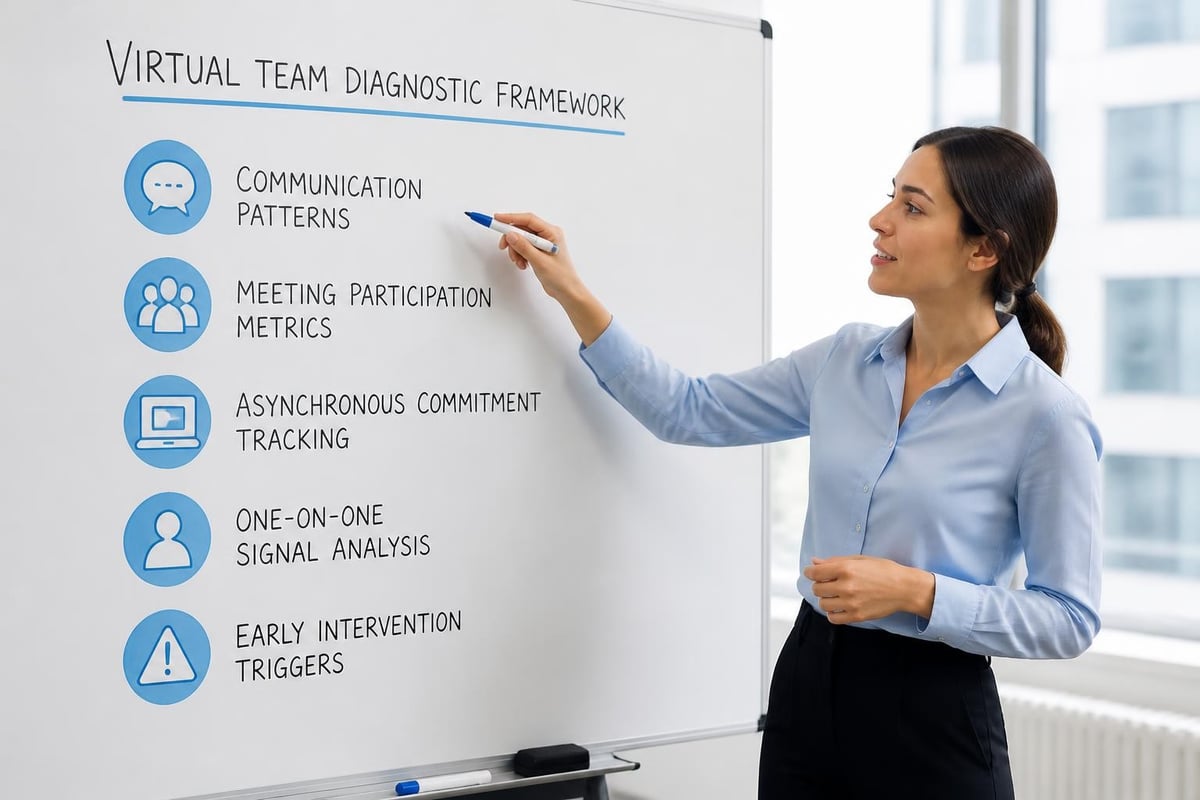
We worked with a professional services firm building operations in eight new markets over 24 months. Their approach: build infrastructure first, then scale.

Year One:

  • Implement skills taxonomy and assessment tools
  • Train local HR teams on frameworks and decision processes
  • Establish data governance and reporting standards
  • Design pilot coaching and development programs with measurement built in

Year Two:

  • Scale programs based on Year One data
  • Expand coach network into new markets with quality controls
  • Launch internal mobility platform connecting talent across regions
  • Integrate talent metrics into quarterly business reviews

This sequencing matters. Organizations that scale before they have infrastructure create complexity they can't manage. Those that build infrastructure first scale faster with better quality.


Building a global talent strategy for 2027 comes down to this: understand the constraints, measure what matters, and build systems that outlast individual leaders. Organizations that treat talent as infrastructure rather than initiative will outperform those that don't. Noomii Leadership Coaching helps organizations design and implement evidence-based leadership development systems that scale across borders, integrate with compliance requirements, and deliver measurable business impact through precision coaching and data-driven talent strategies.

Virtual Team Management Best Practices for 2027

Virtual team management in 2027 requires more than new tools or policies. It demands fundamental changes in how leaders diagnose dysfunction, build accountability, and measure results across distributed workforces. Most organizations still apply pre-2020 leadership models to post-pandemic realities, wondering why engagement flatlines and performance gaps widen. The answer is simple: generic remote-work advice does not solve the specific leadership failures that destroy virtual team effectiveness. After working with Fortune 500 companies and government agencies navigating complex distributed leadership challenges, clear patterns emerge around what works and what fails spectacularly.

The Diagnostic Gap Most Leaders Miss

Organizations invest heavily in collaboration platforms while ignoring the leadership behaviors that determine whether those platforms create value or chaos. This is the critical mistake.

A 2026 analysis of hybrid work challenges found that technology adoption rates mean nothing without corresponding leadership capability development. Teams with identical tools show wildly different performance based solely on manager competence in virtual contexts. The gap is not in Slack versus Teams. The gap is in whether leaders can diagnose team dysfunction remotely, address it directly, and build accountability without physical presence.

What Effective Diagnosis Looks Like

Behavioral pattern recognition beats engagement surveys. Leaders who excel at virtual team management best practices for 2027 track specific indicators:

  • Response time patterns across communication channels
  • Quality of written communication and decision documentation
  • Participation distribution in virtual meetings
  • Completion rates on asynchronous work commitments
  • Frequency and nature of one-on-one requests

These signals reveal disengagement, confusion, conflict, or capability gaps weeks before traditional metrics catch them. One executive we coached discovered a high-performer was burnt out not through survey scores but by analyzing increasingly terse messages and declining video-on rates during team calls. Early intervention prevented departure.

Leadership diagnostic framework

The Center for Creative Leadership research on virtual teams confirms this approach. Leaders who combine qualitative observation with quantitative tracking outperform those relying on either alone.

The Precision Matching Imperative

Generic leadership development programs fail virtual teams because distributed work amplifies individual leader weaknesses. A micromanager in an office is annoying. A micromanager leading a remote team destroys autonomy, slows decisions, and drives resignations.

This reality demands precision in leadership intervention. Organizations need diagnostic clarity about which leader needs what type of development, then matching them with coaches or mentors who have solved that exact problem in similar contexts.

The Matching Framework That Works

Leader Challenge Required Coach Experience Intervention Focus Success Metric
Excessive async check-ins Scaled distributed teams Trust-building systems Manager touchpoint reduction
Poor written clarity Cross-cultural communication Documentation standards Decision turnaround time
Meeting overload High-performance virtual cultures Async-first workflows Calendar density decrease
Visibility anxiety Remote-first organizations Outcome-based evaluation Performance confidence scores

The Noomii Corporate Leadership Program uses this precision matching approach because mismatched coaching wastes time and money. A coach who built virtual teams at a tech startup cannot necessarily help a government agency director navigate compliance requirements while leading distributed staff.

Specificity matters. Our work with organizations like the Department of Energy required coaches who understood both virtual team dynamics and public sector governance constraints.

Building Accountability Without Surveillance

The worst virtual team management practices in 2027 involve surveillance tools that measure activity instead of output. Keystroke monitoring, random screenshot capture, and productivity tracking software signal distrust and infantilize professionals.

Yet the opposite extreme also fails. Pure autonomy without structure creates confusion about priorities, duplicated work, and missed dependencies. The answer is accountability architecture.

The Five-Component Accountability System

Transparent goal cascading ensures every team member connects their work to organizational priorities. This is not OKR theater. It is specific outcome ownership with clear success criteria.

Defined decision rights eliminate the ambiguity that plagues virtual teams. Who makes what decisions? Who needs to be consulted? Who simply gets informed? When these questions lack answers, distributed work grinds to a halt.

Commitment-based calendaring means leaders and teams make explicit promises about deliverable timing, then track completion rates as a team health metric. One global team we advised reduced missed deadlines by 60% in four months using this approach.

Public work documentation creates visibility without meetings. Written updates, decision logs, and project status documentation let teams coordinate asynchronously while building institutional knowledge.

Results retrospectives examine outcomes, not activity. Weekly or biweekly reviews focus on what got done, what blockers emerged, and what the team learned. This builds accountability culture without surveillance.

Research on managing engagement in remote teams supports these practices. Gallup found that clarity of expectations and regular meaningful feedback drive remote worker engagement far more than office presence or monitoring.

Accountability architecture

The Communication Architecture Decision

Most virtual team management failures stem from poorly designed communication systems. Leaders allow communication chaos, where urgent items hide in email, decisions scatter across Slack threads, and team members waste hours hunting for information.

Effective virtual team management best practices for 2027 require explicit communication architecture:

  1. Synchronous channels for real-time discussion (video calls, instant messaging)
  2. Asynchronous channels for considered input (email, documents, project management tools)
  3. Archive channels for searchable institutional knowledge (wikis, shared drives with clear naming conventions)
  4. Notification protocols that specify response time expectations by channel and message type
  5. Escalation paths for when normal channels fail

One Fortune 500 client we worked with reduced meeting time by 35% and improved cross-functional project delivery by implementing clear channel purpose definitions. Previously, every discussion defaulted to meetings because no one trusted async channels for important work.

The Meeting Minimization Framework

Virtual meetings are expensive and exhausting. Leaders who understand virtual team management best practices for 2027 follow these principles:

  • Default to async for information sharing, status updates, and one-way communication
  • Use synchronous time only for discussion requiring real-time input, relationship building, or conflict resolution
  • Keep standing meetings under 30 minutes with clear agendas sent 24 hours ahead
  • Record all meetings and provide written summaries within two hours for distributed timezone accommodation
  • Measure meeting load as a team health metric, targeting reduction over time

The MIT guidance on remote performance management emphasizes that performance conversations in distributed environments require more structure and documentation than office-based equivalents. This applies equally to team meetings.

Manager Development as Infrastructure Investment

Virtual team effectiveness is manager effectiveness. Period. Organizations that treat remote leadership as an individual capability issue rather than an organizational development priority fail predictably.

The Manager Capability Stack

Level One: Technical Proficiency
Competence with collaboration platforms, async communication, and virtual meeting facilitation. This is table stakes, not differentiation.

Level Two: Diagnostic Capability
Ability to spot disengagement, conflict, capability gaps, and burnout through remote signals. Most managers lack this skill. They notice problems only after they become crises.

Level Three: Intervention Precision
Matching the right developmental intervention to the specific problem. Knowing when to coach, when to clarify expectations, when to restructure work, and when to exit someone who cannot succeed remotely.

Level Four: Culture Building
Creating team norms, psychological safety, and belonging across distance. This separates adequate virtual team managers from exceptional ones.

The SHRM guidance on coaching first-time managers for remote success acknowledges this capability stack. Organizations that invest in structured manager development for distributed leadership see measurable returns in retention and team performance.

Our work with leadership coaching programs consistently shows that manager competence in virtual contexts predicts team outcomes more than any other variable. Invest here or accept mediocre results.

Manager capability development

Performance Evaluation in Distributed Contexts

Annual performance reviews were already broken. Virtual work exposes every flaw in traditional evaluation systems. Leaders who rely on office presence observations, hallway conversations, and visibility bias cannot fairly assess distributed team members.

Virtual team management best practices for 2027 demand evaluation system redesign:

Output-Based Assessment Criteria

Traditional Metric Virtual Alternative Why It Matters
Hours worked Outcomes delivered Remote workers operate across timezones; hours are meaningless
Office presence Communication quality Async environments reward clear writing and documentation
Manager visibility Stakeholder feedback Direct observation decreases; 360 input increases in importance
Activity levels Impact measurement Busy does not equal productive in virtual settings
Team meeting participation Contribution across channels Value creation happens beyond synchronous meetings

One global organization we advised implemented quarterly impact reviews where team members document their contributions against team goals with supporting evidence. Managers then validate and calibrate ratings across teams. This approach eliminated the visibility bias that previously rewarded those in headquarters timezones.

The key is defining success criteria before evaluation periods, making them transparent, and collecting evidence throughout the period rather than relying on recency bias and manager memory.

The Inclusion and Belonging Challenge

Virtual work can democratize access or amplify existing inequities. The difference is leadership intentionality.

Teams with distributed members often develop proximity bias, where those near headquarters get better assignments, more face time with executives, and faster promotions. This destroys distributed team morale and drives high-performer exits.

Addressing this requires structural intervention:

Rotate meeting times to share timezone inconvenience across the team rather than always disadvantaging remote members in other regions.

Equalize information access by documenting all important discussions and decisions in writing, not just summarizing them for those who could not attend synchronous meetings.

Distribute high-visibility work based on capability and development goals, not office location or manager proximity.

Create dedicated relationship-building time that is explicitly not about work deliverables. Virtual teams need space for the informal connection that happens naturally in offices.

Monitor promotion and opportunity data by location to surface and correct proximity bias before it becomes systematic inequity.

Harvard Business School's perspective on bridging distance in hybrid teams provides practical leader behaviors that reduce proximity bias and build inclusion. The research is clear: these issues do not resolve organically. They require deliberate leadership action.

Building psychological safety in distributed teams is harder than in physical spaces but more important. Team members who fear speaking up in virtual meetings or challenging ideas in written channels withhold the input that prevents mistakes and drives innovation.

The Contrarian View on Hybrid Models

Much of the discourse about virtual team management best practices for 2027 assumes hybrid is inevitable and optimal. This deserves challenge.

For many organizations, hybrid is the worst of both worlds. It creates two classes of employees, forces infrastructure investment in both virtual and physical environments, and generates constant scheduling friction about who needs to be where when.

The data on hybrid work challenges shows persistent execution problems. Organizations implement hybrid policies without addressing the leadership capability gaps, communication architecture decisions, or inclusion challenges that determine hybrid success.

When to Choose Fully Remote

Organizations should seriously consider fully remote when:

  • Work is primarily cognitive and asynchronous
  • Talent requirements exceed local market availability
  • Real estate costs significantly impact profitability
  • Employee retention depends on location flexibility
  • Leadership team has virtual management competence

When to Choose Fully Office-Based

Office mandates make sense when:

  • Work requires hands-on collaboration with physical materials
  • Organizational culture depends on spontaneous interaction
  • Leadership lacks capability to manage virtually
  • Compliance or security requires physical presence

The critical error is choosing hybrid by default without honestly assessing whether the organization can execute it well. Hybrid done poorly is worse than either extreme done competently.

Measuring What Matters in Virtual Teams

Most organizations measure the wrong things in distributed work environments. They track activity, attendance, and satisfaction while ignoring the outcomes that determine business results.

Better metrics for virtual team effectiveness:

  • Decision velocity: Time from problem identification to implemented solution
  • Cross-functional coordination: Project completion rates and timeline accuracy when multiple teams collaborate
  • Knowledge retention: Percentage of critical processes and decisions documented in searchable formats
  • Development velocity: Skills acquisition and capability growth rates among team members
  • Innovation rate: New ideas proposed, tested, and implemented per quarter
  • Voluntary retention: Percentage of high performers who choose to stay beyond two years

These metrics reveal whether virtual team management actually works. Engagement survey scores matter less than whether teams execute effectively, develop talent, and retain the people who drive results.

Organizations serious about virtual team management best practices for 2027 implement quarterly metric reviews that examine trends, diagnose problems, and adjust leadership practices based on data.

Frequently Asked Questions

What is the biggest mistake leaders make managing virtual teams in 2027?

Treating virtual team management as a technology problem rather than a leadership capability problem. Leaders invest in new tools while ignoring the diagnostic skills, communication architecture, and accountability systems that determine distributed team effectiveness. Technology enables remote work; leadership capability determines whether it succeeds.

How can managers build accountability without micromanaging remote teams?

Implement accountability architecture: transparent goal cascading, defined decision rights, commitment-based calendaring, public work documentation, and results retrospectives. This creates structure and visibility without surveillance. Focus on outcomes delivered rather than activity performed.

What performance metrics work best for distributed teams?

Output-based metrics that measure impact rather than activity: decision velocity, cross-functional coordination success, knowledge documentation rates, development velocity, innovation rates, and voluntary retention of high performers. Avoid measuring hours worked, office presence, or manager visibility.

How do you prevent proximity bias in hybrid team environments?

Rotate meeting times across timezones, equalize information access through written documentation, distribute high-visibility work based on capability not location, create dedicated relationship-building time, and actively monitor promotion and opportunity data by location to surface and correct bias.

What communication architecture should virtual teams implement?

Define five distinct channels: synchronous for real-time discussion, asynchronous for considered input, archive for searchable knowledge, notification protocols specifying response expectations, and escalation paths for when normal channels fail. Default to async and use synchronous time only for discussion requiring real-time input or relationship building.

How should organizations develop managers for virtual team leadership?

Build the four-level capability stack: technical proficiency with tools, diagnostic capability to spot dysfunction through remote signals, intervention precision to match solutions to problems, and culture-building skills to create psychological safety and belonging across distance. This requires structured development programs, not ad hoc training.


Virtual team management best practices for 2027 demand diagnostic precision, accountability architecture, and leadership capability development that most organizations have not yet built. Generic advice fails because distributed work amplifies individual leader weaknesses and exposes organizational system gaps. The Noomii Corporate Leadership Program helps organizations solve these complex challenges through evidence-based diagnostics, precision coach matching, and targeted interventions that build measurable virtual team leadership capability aligned with your strategic priorities.