

When Coaching Is Not Worth It: Real Warning Signs
Coaching has become the default solution for performance gaps, leadership development, and team dysfunction. But throwing a coach at every problem is expensive, distracting, and often ineffective. Organizations waste millions annually on coaching that produces no measurable results because they deploy it at the wrong time, for the wrong reasons, or without fixing the conditions that guarantee failure. Understanding when coaching is not worth it saves time, budget, and credibility while directing resources toward interventions that actually work.
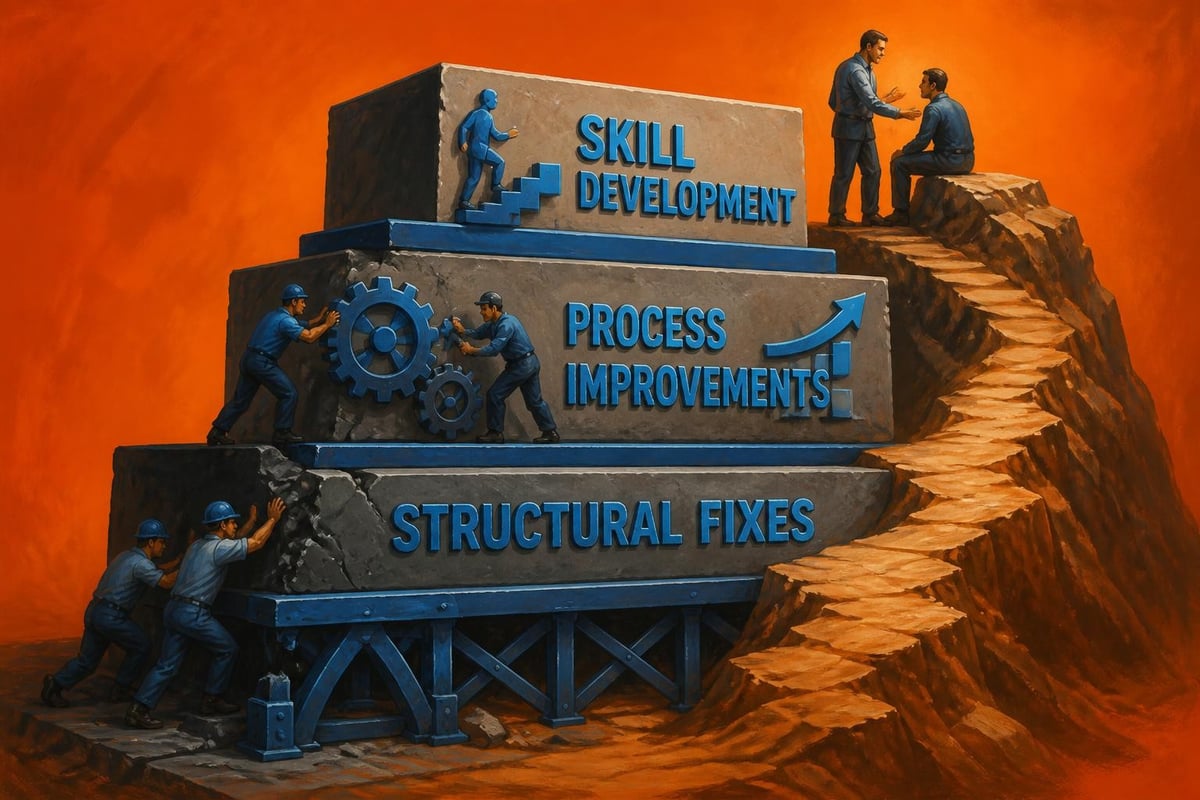
When the Organization Has Deeper Structural Problems
Coaching cannot fix broken systems, toxic cultures, or misaligned incentives. If your turnover stems from poor compensation, unfair workloads, or leadership favoritism, more training won’t solve your company’s problems. A coach can help a manager communicate better, but they cannot compensate for budget cuts that eliminated career paths or executive decisions that contradict stated values.
Root Cause Diagnosis First
Before engaging a coach, diagnose the actual problem:
- Lack of clarity: Missing KPIs, unclear priorities, ambiguous roles
- Poor systems: Broken processes, inadequate tools, no feedback loops
- Cultural dysfunction: Fear, blame, political maneuvering, mistrust
- Structural misalignment: Conflicting goals, siloed departments, resource scarcity
When coaching is not worth it becomes obvious when the coachee has clarity and skill but operates in a system designed to fail. Fix the system first, then coach the people within it.
When There Is No Clear ROI or Accountability
Vague goals produce vague outcomes. If you cannot define what success looks like or how you will measure it, coaching will drift into pleasant conversations with no business impact. Measuring ROI for leadership development requires tracking specific behaviors, team metrics, and business outcomes tied to coaching objectives.
Organizations that do not establish accountability before coaching begins see predictable failure patterns:
| Warning Sign | What It Looks Like | Why It Fails |
|---|---|---|
| No baseline metrics | "We want better leaders" | Cannot prove change occurred |
| No stakeholder buy-in | HR mandates, executives ignore | Coachee sees no consequence for ignoring coaching |
| No check-ins or milestones | Coach meets monthly, no one reviews progress | Drift, avoidance, comfortable conversations |
| No consequences | Coaching continues regardless of effort or results | Zero motivation to apply learning |
Effective coaching at Noomii ties progress to KPIs, operating cadences, and visible business results. When organizations resist measurement or accountability, when coaching is not worth it is immediate and obvious.
When the Coachee Lacks Readiness or Willingness
Coaching requires active participation, honest self-reflection, and willingness to change. A coachee who was forced into coaching, who believes they do not need it, or who is going through significant personal crises will not engage meaningfully.
Red Flags in Coachee Readiness
- Mandate without buy-in: "HR said I have to do this"
- Defensive posture: Blames others, rejects feedback, intellectualizes instead of applying
- Clinical issues: Depression, trauma, substance abuse, or other conditions requiring therapy, not coaching
- No skin in the game: Zero consequences for ignoring coaching, continuing poor performance
Workplace coaching research shows coaching outcomes depend heavily on coachee motivation, psychological safety, and organizational support. When these are absent, coaching becomes performative theater that satisfies compliance requirements while delivering no real change.
It is also critical to distinguish coaching from clinical intervention. NHS England guidance on health coaching clarifies when structured therapy, medical care, or employee assistance programs are more appropriate than coaching. Coaches are not therapists, and expecting coaching to address mental health crises sets up both coach and coachee for failure.

When Coaching Is Mismatched to the Problem
Not every performance gap requires coaching. Some need training. Some need consequences. Some need reassignment or termination.
When training is better: The person lacks specific technical skills, product knowledge, or procedural fluency. A two-day workshop or certification course is faster and cheaper than months of coaching.
When consequences are better: The person knows what to do but chooses not to do it. Coaching will not fix willful noncompliance or behavior that violates policies. Performance management, not coaching, is the right tool.
When reassignment is better: The person is in the wrong role, lacks aptitude for core responsibilities, or is deeply mismatched to team culture. Coaching cannot create abilities or interests that do not exist.
A meta-analysis of coaching studies shows coaching reliably improves self-awareness, goal-directed behavior, and resilience but has weaker effects on hard skills and technical performance. Knowing where coaching evidence is strong versus weak helps match intervention to need.
When the Buying Process Prioritizes Credentials Over Fit
Organizations that select coaches based solely on certifications, academic degrees, or name-brand training programs often get expensive, ineffective engagements. Credentials signal training, not competence, experience, or results.
When coaching is not worth it becomes clear when the coach:
- Relies on models and frameworks with no adaptation to your industry, challenges, or culture
- Focuses on reflection and insight without translating them into behavioral change or business outcomes
- Has no track record in your sector, company size, or leadership level
- Uses jargon, theory, and abstract concepts instead of practical application
Practical leadership coaches engage directly in your meetings, workflows, and decisions. They tie coaching to scorecards, retention metrics, and execution velocity, not vague developmental milestones.
When HR and Leadership Are Not Aligned
Coaching fails spectacularly when HR buys it but executives ignore it, or when leaders endorse coaching publicly but undermine it privately. CIPD analysis of how organizations misuse coaching highlights poor sponsorship, lack of integration with strategy, and performative compliance as top reasons coaching delivers no value.
Alignment Checklist Before Engaging Coaching
- Executive sponsorship: Leaders actively participate, model openness, reference coaching in decisions
- Integration with systems: Coaching outcomes feed into performance reviews, promotions, team KPIs
- Consistent messaging: What leadership says publicly matches what they reward privately
- Resource commitment: Time, access, budget, and follow-through are protected
- Shared accountability: Coach, coachee, manager, and HR all own specific outcomes
Without these, coaching becomes another initiative that people tolerate until it fades.

When You Need Immediate Crisis Management
Coaching is developmental, not remedial crisis management. If your team is hemorrhaging top performers, a product launch is failing, or a regulatory deadline is imminent, coaching will not stabilize the situation in time.
Use crisis management, not coaching, when:
- Timelines are measured in days or weeks, not months
- You need directive problem-solving, not developmental exploration
- The situation requires expertise you do not have internally
- Immediate behavioral compliance is non-negotiable
Coaching works best when there is space to experiment, reflect, and iterate. High-pressure, high-stakes situations require different interventions.
FAQ
What are the clearest signs that coaching will fail before it starts?
Lack of measurable goals, no executive buy-in, coachee was mandated into coaching without consent, or the organization has deeper structural or cultural problems that coaching cannot address.
Can coaching fix a toxic culture or broken team?
No. Coaching develops individuals within systems. If the system rewards bad behavior, punishes collaboration, or lacks clarity, coaching will not overcome those forces. Fix the system first.
When should I choose training instead of coaching?
When the gap is technical skill, procedural knowledge, or compliance with a standard process. Training is faster and cheaper for transferring specific content.
How do I know if my coach is effective or just expensive?
Effective coaches tie progress to business metrics, engage directly in your workflows, and produce visible behavior change within 60 to 90 days. If outcomes are vague or progress is self-reported only, question the value.
Is coaching appropriate for mental health or personal crises?
No. Coaching addresses performance, goals, and development. Mental health crises, trauma, substance abuse, and clinical conditions require therapy or medical intervention, not coaching.
What is the minimum organizational readiness required for coaching to succeed?
Clear goals, baseline metrics, stakeholder buy-in, protected time for application, and accountability for outcomes. Without these, coaching drifts into pleasant but unproductive conversations.
How long should I wait before seeing results from coaching?
Behavioral changes should be visible within 60 days. Business impact should be measurable within 90 to 120 days. If nothing changes in that window, reassess the engagement.
Can coaching replace performance management for underperformers?
No. Coaching supports willing, capable people who want to grow. Performance management addresses non-compliance, policy violations, or consistent failure to meet standards.
What is the biggest mistake organizations make when buying coaching?
Selecting coaches based solely on credentials instead of industry experience, proven results, and fit with organizational culture and challenges.
When coaching is not worth it is clearer than most organizations admit: mismatched problems, missing accountability, broken systems, or unwilling participants guarantee failure. Practical corporate coaching that delivers measurable business results requires organizational readiness, clear KPIs, and coaches who engage directly in your work, not just theory. Noomii ties executive coaching, leadership development, and team facilitation to visible outcomes like faster decisions, stronger communication, and cleaner execution across priorities with month-to-month terms and shared-risk incentive options. If you want coaching that proves its value, start with a clear diagnosis and choose partners who share accountability for results.


Leave a Reply
Want to join the discussion?Feel free to contribute!