Training and Development in HRM: A Strategic Guide
Training and development in hrm has evolved from checkbox exercises and generic workshops to strategic interventions that directly impact business performance. Mid-market companies no longer have the luxury of treating employee development as a separate HR function disconnected from revenue, retention, and operational efficiency. Instead, organizations that win in 2026 integrate learning initiatives with clear business outcomes, measurable progress indicators, and accountability mechanisms that prove ROI. This shift requires HR leaders to think beyond traditional training models and embrace approaches that tie skill-building directly to the metrics that matter most.
The Business Case for Strategic Training and Development
Organizations investing in training and development programs report measurable improvements in employee engagement, productivity, and retention rates. Yet many companies still struggle to connect these investments to bottom-line results.
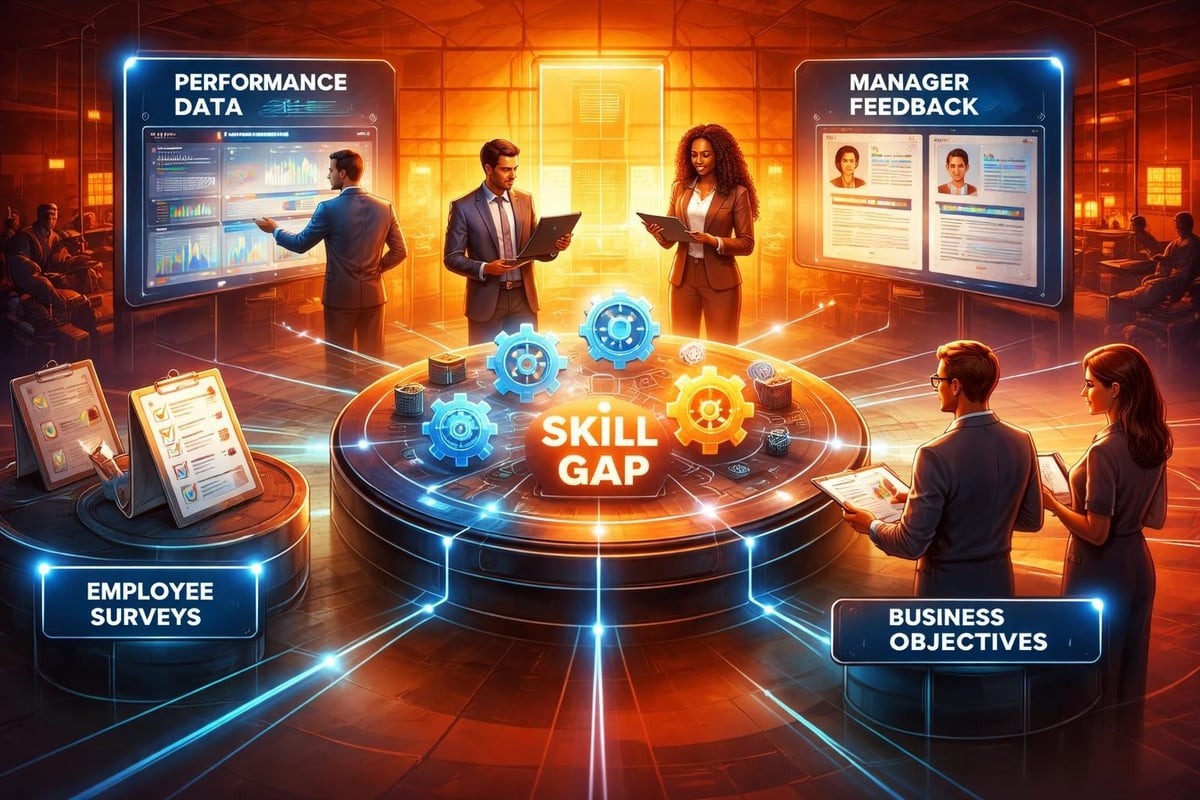
The problem lies not in the concept but in execution. Generic leadership seminars, one-size-fits-all courses, and certification-obsessed programs fail because they ignore the specific challenges each business faces. Training and development in hrm must start with diagnosis: what specific gaps in leadership capability, communication effectiveness, or execution discipline are preventing your organization from hitting its targets?
Linking Learning Initiatives to Performance Metrics
Effective training programs establish clear connections between development activities and business outcomes. This means defining success metrics before launching any initiative.
Consider these performance indicators:
- Decision velocity: Time required for cross-functional decisions to move from discussion to action
- Manager coaching frequency: Number of documented coaching conversations per direct report per month
- Execution consistency: Percentage of quarterly priorities completed on time and on budget
- Retention of high performers: Turnover rate among top 20% of contributors year over year
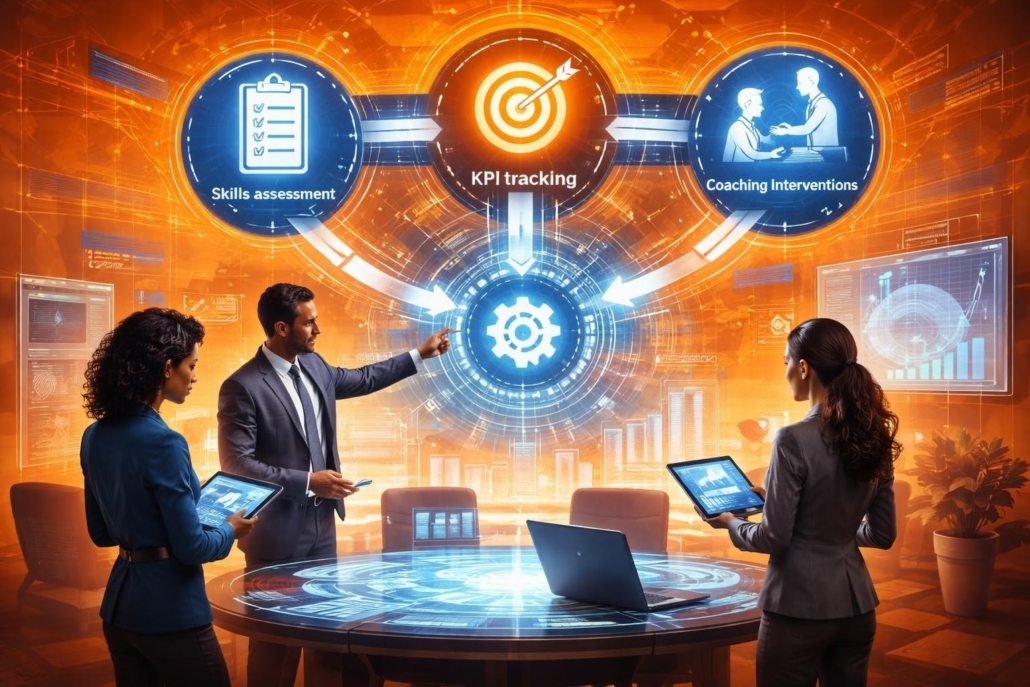
When you design training interventions around these specific metrics, you create accountability that generic programs cannot match. Leadership coaches who understand this principle work backward from your KPIs to build development plans that move those numbers.
Modern Approaches That Replace Traditional Methods
Traditional training relied heavily on classroom sessions, lengthy presentations, and theoretical frameworks disconnected from daily work. Modern training and development integrates learning into workflow through live coaching, real-time feedback, and immediate application.
| Traditional Approach | Modern Methodology | Business Impact |
|---|---|---|
| Annual leadership retreat | Monthly live coaching in actual meetings | Immediate behavior change in real situations |
| Generic management course | Customized manager training tied to specific team challenges | Faster skill application and measurable improvement |
| Personality assessment with report | 360 leadership assessment with action planning and follow-up | Accountability for closing identified gaps |
The difference becomes clear when you observe results. Companies using live coaching interventions see behavioral shifts within weeks rather than months because learning happens in context, not in isolation.
Building Manager Capability Through Embedded Coaching
The most critical development opportunity in most organizations involves teaching managers how to coach their own teams. Research from Lumen Learning’s HRM course materials demonstrates that manager quality directly predicts employee engagement and retention.
Training and development in hrm should prioritize manager skill-building in these areas:
- Conducting effective one-on-one conversations that drive accountability
- Delivering feedback that changes behavior rather than damaging relationships
- Setting clear expectations with measurable outcomes
- Coaching for problem-solving instead of providing all the answers
- Creating psychological safety while maintaining high standards
Organizations working with team coaches who model these skills in actual management meetings accelerate development exponentially. Managers learn by watching skilled coaches facilitate their own meetings, then practice with support before operating independently.
Measuring ROI and Establishing Accountability
The persistent challenge with training and development in HRM involves proving value. Companies spend millions on learning initiatives without establishing baseline metrics or tracking improvement over time.
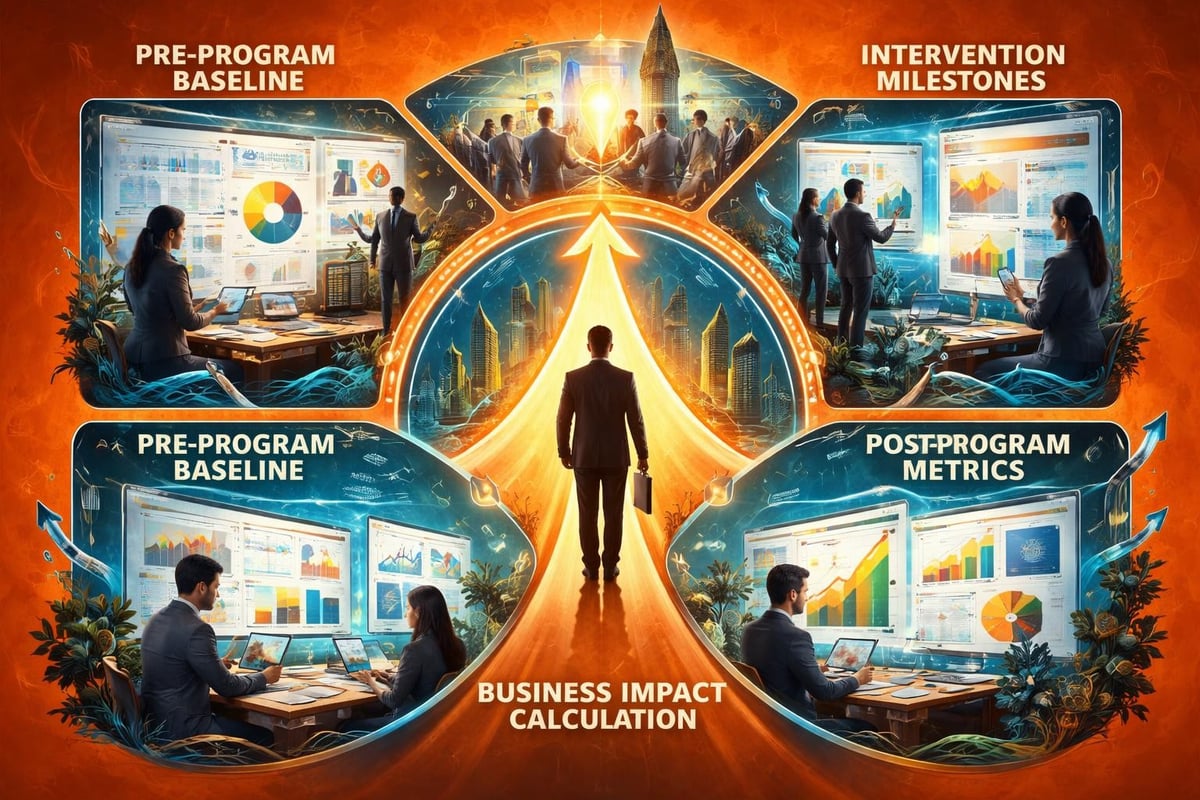
Start by establishing clear baselines before any intervention. Document current performance across your chosen metrics, whether that involves decision-making speed, manager coaching frequency, or employee engagement scores. Then track monthly progress throughout the development program.
Creating Sustainable Development Systems
One-time training events produce temporary enthusiasm but rarely create lasting change. Sustainable development requires embedded systems that reinforce learning over time through structured platforms like those found in comprehensive HR training programs.
Effective systems include:
- Operating cadence: Regular meeting rhythms where teams practice new skills and review progress against KPIs
- Accountability mechanisms: Clear ownership for specific outcomes with visible tracking
- Feedback loops: Structured processes for gathering input, adjusting approaches, and measuring improvement
- Leadership modeling: Senior leaders demonstrating desired behaviors consistently
Organizations that build these systems into their culture see training and development efforts compound over time rather than fading after initial implementation. For businesses looking to establish accountability frameworks that stick, resources like AccountabilityNow.net provide additional frameworks for maintaining focus on results.
Customization Versus Cookie-Cutter Programs
The training industry generates billions in revenue by selling standardized programs designed to fit every organization. This approach fails because it ignores the specific context, challenges, and culture of each business.
Training and development in hrm delivers results when customized to address your unique situation. A manufacturing company struggling with cross-functional collaboration needs different interventions than a software company dealing with rapid growth and role clarity issues.
Customization requirements include:
- Industry-specific examples that resonate with your team's daily reality
- Company-specific metrics that align with your strategic priorities
- Cultural context that acknowledges your organization's history and communication norms
- Realistic timelines that respect your business cycles and operational constraints
Working with practitioners who invest time understanding your business before prescribing solutions ensures relevance and increases adoption rates dramatically.
Flexible Engagement Models for Mid-Market Companies
Mid-market organizations need development support but cannot commit to rigid long-term contracts that lock them into relationships regardless of results. According to analysis of modern training approaches, flexible month-to-month arrangements with clear performance metrics create alignment between providers and clients.
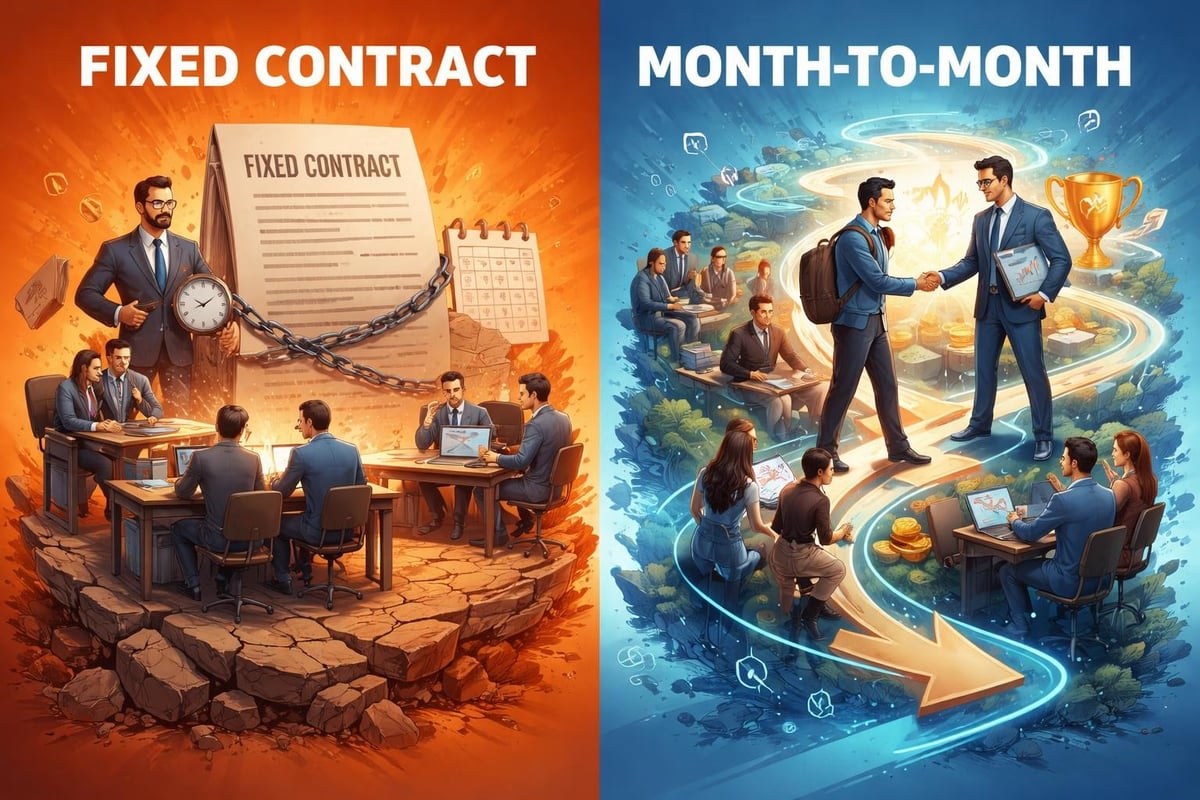
This model benefits organizations by:
- Eliminating financial risk from unproven relationships
- Creating mutual accountability for measurable progress
- Allowing scaling up or down based on business needs
- Focusing both parties on rapid results rather than contract fulfillment
Companies can test approaches, validate results, and expand investment only after seeing clear evidence of impact.
Effective training and development in HRM transforms from cost center to competitive advantage when tied to measurable business outcomes and delivered through practical, embedded coaching rather than theoretical programs. If your mid-market company needs leadership development, manager training, or team coaching that delivers visible results without long-term contracts, Noomii connects you with coaches who work inside your business, track progress against your KPIs, and share accountability for outcomes. Month-to-month terms mean you stay because results are clear, not because contracts force it.



Leave a Reply
Want to join the discussion?Feel free to contribute!