

Executive Productivity Coaching Aberdeen | Time Management
Aberdeen's business landscape demands exceptional leadership, particularly in the energy, maritime, and professional services sectors that define the city's economic identity. Senior executives face mounting pressure to deliver results while navigating complex organizational dynamics, regulatory requirements, and competitive market forces. This environment makes executive productivity and time management coaching in Aberdeen not just beneficial but essential for leaders seeking sustainable performance improvements.
Understanding the Executive Time Crisis
The modern executive's calendar has become a battlefield where strategic priorities clash with operational demands. Research demonstrates that senior leaders spend an average of 23 hours per week in meetings, leaving minimal time for deep strategic thinking. Aberdeen executives face additional pressures from global operations, time-zone coordination, and sector-specific compliance requirements that fragment attention and erode productivity.
Key time drains for Aberdeen executives include:
- Excessive meeting commitments with minimal return on investment
- Reactive email management consuming 28% of the average workday
- Context-switching penalties reducing cognitive performance by up to 40%
- Strategic planning deferred in favor of urgent operational issues
- Poor delegation practices creating bottlenecks and team dependencies
The financial impact of these inefficiencies extends beyond individual performance. When C-suite leaders operate in reactive mode, organizational agility suffers, innovation stalls, and employee engagement declines. Executive coaching for C-suite professionals addresses these systemic challenges through structured interventions that align daily activities with strategic objectives.

The Science Behind Productivity Coaching
Executive productivity and time management coaching in Aberdeen relies on evidence-based methodologies validated through organizational psychology and behavioral science. Unlike generic time management training, professional coaching creates personalized frameworks that account for individual leadership styles, organizational contexts, and sector-specific demands.
Cognitive Load Management
Effective coaching addresses the mental burden executives carry. The average senior leader makes approximately 35,000 decisions daily, each depleting cognitive resources. Research on evidence-based time management strategies confirms that structured decision-making frameworks reduce mental fatigue and improve judgment quality.
Coaches implement several cognitive optimization techniques:
- Decision batching to minimize context-switching costs
- Energy mapping to align high-stakes activities with peak performance windows
- Cognitive offloading through systematic documentation and delegation protocols
- Strategic buffering to protect deep work periods from interruptions
- Recovery planning that prevents burnout and sustains long-term performance
Behavioral Architecture
The most effective coaching programs don't just provide techniques; they redesign the environmental and systemic factors that shape executive behavior. This includes calendar architecture, communication protocols, and team interaction patterns that either enable or undermine productivity.
| Productivity Dimension | Traditional Approach | Coaching-Led Transformation |
|---|---|---|
| Meeting Management | Attend all scheduled meetings | Selective participation based on value creation |
| Email Processing | Continuous monitoring throughout day | Scheduled batching with clear response protocols |
| Strategic Thinking | Squeezed between operational tasks | Protected time blocks with accountability measures |
| Delegation | Ad hoc assignment of tasks | Systematic capability building and ownership transfer |
| Energy Management | Work until exhaustion | Intentional recovery and performance cycling |
Aberdeen's Unique Leadership Context
The city's economic foundation in energy, maritime operations, and professional services creates distinct challenges for executive productivity. Aberdeen leaders frequently manage geographically distributed teams, coordinate across multiple time zones, and navigate regulatory frameworks that demand precision and documentation.
These factors make executive productivity and time management coaching in Aberdeen particularly valuable. Executive coaches in Aberdeen understand local business culture, sector-specific pressures, and the relationship dynamics that characterize successful organizations in the region.
Sector-specific productivity challenges include:
- Energy executives managing operational complexity during industry transition
- Maritime leaders coordinating safety protocols across international operations
- Professional services partners balancing client delivery with business development
- Technology leaders scaling operations while maintaining innovation velocity
- Public sector administrators navigating bureaucratic requirements with limited resources
The economic shifts affecting Aberdeen since 2026 have intensified these pressures. Organizations that previously relied on abundant resources now demand exceptional efficiency from leadership teams.
The Coaching Engagement Framework
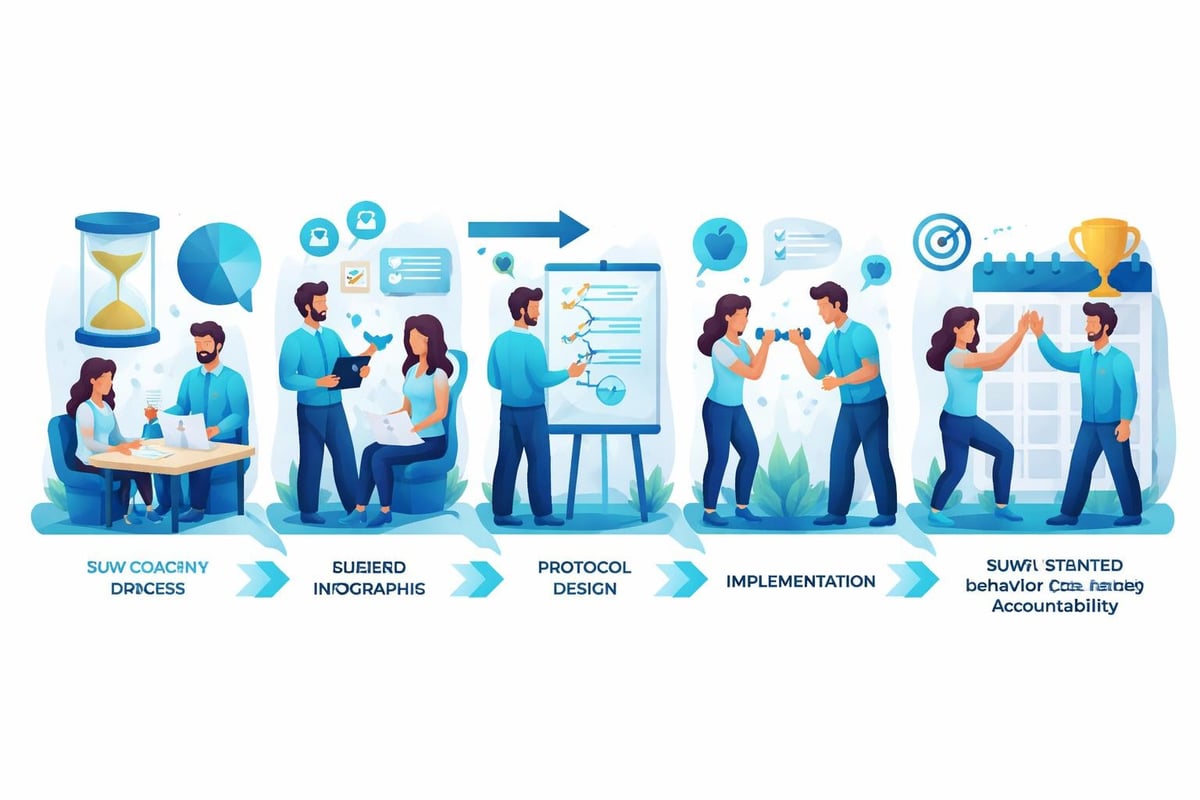
Professional executive productivity and time management coaching in Aberdeen follows a structured methodology that delivers measurable outcomes. This framework begins with comprehensive assessment and progresses through intervention design, implementation support, and sustained accountability.
Diagnostic Phase
Effective coaching starts with evidence, not assumptions. Initial diagnostics examine how executives currently allocate time, where productivity leaks occur, and which behavioral patterns undermine effectiveness. Assessment tools include:
- Time-use audits capturing actual activity patterns over 2-4 weeks
- Energy mapping identifying peak performance windows and depletion triggers
- Stakeholder feedback revealing how leadership behaviors impact team productivity
- Priority alignment analysis comparing stated objectives with time allocation
- Decision-making reviews assessing quality, speed, and delegation patterns
These diagnostics often reveal significant gaps between executive intentions and actual behaviors. The CEO energy audit framework provides a systematic approach to identifying misalignments between calendar commitments and strategic value creation.
Intervention Design
Following assessment, coaches collaborate with executives to design targeted interventions. These aren't generic productivity hacks but customized systems aligned with leadership responsibilities, organizational culture, and personal working styles.
Core intervention categories include:
- Calendar architecture redesign: Restructuring time allocation to protect strategic priorities
- Communication protocol optimization: Establishing clear boundaries and response expectations
- Decision-making frameworks: Implementing systematic approaches that reduce cognitive load
- Delegation systems: Building team capabilities while freeing executive capacity
- Meeting governance: Creating standards that maximize value and minimize waste
Evidence-Based Time Management Strategies
The most effective executive productivity and time management coaching in Aberdeen draws on validated strategies rather than trendy productivity fads. Research consistently demonstrates that certain approaches deliver superior results for senior leaders.
Priority Management Over Time Management
Executives don't suffer from insufficient time; they struggle with unclear priorities and weak boundaries. Time management strategies for executives emphasize ruthless prioritization over attempting to do everything faster.
The Eisenhower Matrix provides a foundational framework, categorizing activities across urgency and importance dimensions. However, executive coaching extends this concept by examining:
- Strategic impact: Which activities create disproportionate value?
- Unique contribution: What can only this executive accomplish?
- Opportunity cost: What strategic work gets displaced by lower-value activities?
- Team development: Which tasks build capabilities when delegated?
- Energy alignment: Do high-stakes activities occur during peak performance windows?
The Myth of Multitasking
Productivity research definitively demonstrates that multitasking reduces executive effectiveness. Research on executive time management confirms that context-switching between tasks creates cognitive penalties that reduce both speed and quality.
Effective coaching establishes single-tasking protocols that protect attention and enable deep work. This includes:
- Time blocking for focused work on complex challenges
- Communication boundaries that prevent constant interruption
- Meeting consolidation to create uninterrupted work periods
- Technology management reducing notification-driven distraction
- Transition rituals that enable mental context shifting between activities
Energy Management as Productivity Foundation
Traditional time management treats all hours equally. Executive coaching recognizes that cognitive performance varies significantly throughout the day. Aligning high-stakes activities with peak energy periods dramatically improves outcomes.
The principles of time and energy management for C-suite leaders emphasize understanding individual energy patterns and designing work accordingly. This includes identifying ultradian rhythms, recognizing cognitive depletion signals, and implementing strategic recovery practices.
Measuring Coaching Impact
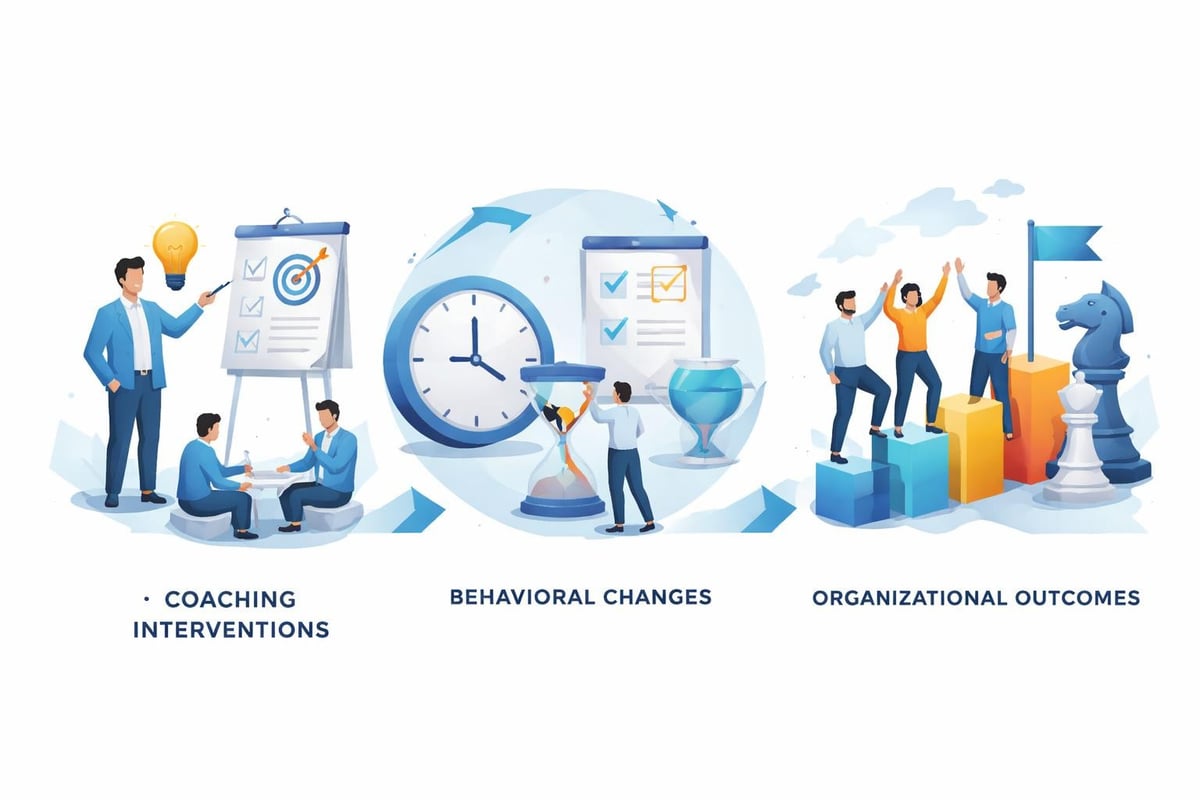
Organizations investing in executive productivity and time management coaching in Aberdeen demand demonstrable returns. Effective programs establish clear metrics that track both behavioral changes and business outcomes.
Leading Indicators
These metrics measure the behavioral shifts that drive productivity improvements:
| Metric Category | Measurement Approach | Target Improvement |
|---|---|---|
| Calendar Quality | Percentage of time in strategic vs. operational activities | 40%+ shift to strategic focus |
| Meeting Efficiency | Average participants, duration, and documented outcomes | 30% reduction in meeting time |
| Response Latency | Time to decision on critical issues | 50% faster decision cycles |
| Delegation Rate | Percentage of tasks appropriately assigned to team members | 25% increase in effective delegation |
| Protected Time | Weekly hours in uninterrupted deep work blocks | 10+ hours of protected strategic time |
Lagging Indicators
These outcomes demonstrate the business impact of improved executive productivity:
- Strategic initiative completion rates and timeline adherence
- Team engagement scores reflecting improved leadership presence
- Revenue per executive hour in client-facing roles
- Innovation pipeline velocity and quality
- Executive stress indicators and sustainable performance patterns
The case study on executive coaching for time management illustrates how systematic coaching interventions produce measurable improvements across both productivity metrics and leadership effectiveness.
Implementation Best Practices
Successful executive productivity and time management coaching in Aberdeen requires more than excellent coaching; it demands organizational support and sustained commitment. Implementation failures typically result from environmental obstacles rather than individual motivation deficits.
Creating Organizational Alignment
Executive behavior change occurs within organizational systems that either support or undermine new practices. Effective implementation addresses:
Cultural factors: Does the organization value strategic thinking or reward constant availability? Leadership modeling from the C-suite establishes norms that either enable or prevent productivity improvements.
Structural barriers: Do meeting practices, communication expectations, and reporting requirements support or sabotage time management? Organizational redesign often accompanies individual coaching.
Team dynamics: How do colleagues and direct reports respond to changed executive availability? Managing expectations and building new interaction patterns prevents resistance.
Technology as Enabler, Not Solution
Productivity tools proliferate, yet executive effectiveness often declines. Coaching helps leaders implement technology strategically rather than adopting every new platform.
Effective technology practices include:
- Calendar blocking tools that protect strategic time and enforce boundaries
- Task management systems aligned with delegation and follow-up protocols
- Communication platforms with clear usage guidelines and response expectations
- Analytics dashboards tracking time allocation and meeting efficiency
- Automated workflows reducing administrative burden on executive attention
The key principle: technology should reduce cognitive load, not increase it. Each new tool must demonstrate clear value that exceeds implementation and maintenance costs.
The Role of Accountability
Executive productivity and time management coaching in Aberdeen succeeds when accountability mechanisms sustain behavioral changes beyond the coaching engagement. Without structured accountability, executives revert to reactive patterns under pressure.
Peer Accountability Networks
Many organizations establish executive peer groups where leaders share productivity commitments and progress. This approach leverages social accountability while creating forums for sharing effective practices.
Coach-Led Accountability
Regular coaching sessions create structured checkpoints for reviewing time-use data, assessing progress against productivity goals, and addressing obstacles. The accountability relationship helps executives maintain focus on long-term effectiveness rather than short-term urgency.
System-Embedded Accountability
The most sustainable accountability comes from redesigned organizational systems. When meeting protocols, communication standards, and decision-making frameworks align with productivity principles, the environment reinforces desired behaviors.
Organizations seeking comprehensive support find that team coaching approaches extend individual executive development into collective leadership effectiveness, creating accountability through shared commitment to productivity standards.
Addressing Common Obstacles
Even committed executives encounter obstacles when implementing productivity improvements. Professional coaching anticipates and addresses these challenges systematically.
The Availability Expectation
Many executives believe constant availability demonstrates commitment and leadership. This misconception creates accessibility patterns that prevent deep work and strategic thinking. Coaching helps leaders distinguish between productive availability and performative presence.
Strategies include:
- Establishing clear communication protocols with defined response timeframes
- Creating alternative escalation paths for genuine emergencies
- Demonstrating through results that focused work produces better outcomes
- Building team capability to handle issues independently
- Setting organizational expectations through leadership modeling
Delegation Resistance
Executives often struggle to delegate effectively, either micromanaging or avoiding delegation entirely. This bottleneck prevents both executive productivity and team development.
Coaching addresses delegation through:
- Capability assessment identifying team members ready for expanded responsibility
- Delegation frameworks ensuring clear ownership, expectations, and support
- Follow-up protocols that provide accountability without micromanagement
- Confidence building through progressive delegation of increasing complexity
- Recovery planning when delegated tasks don't meet expectations
Decision Fatigue
The volume of decisions facing executives creates cognitive depletion that undermines judgment quality. Time management best practices emphasize reducing decision load through systematic approaches.
Effective techniques include:
- Decision frameworks that provide clear criteria and processes
- Threshold policies that delegate routine decisions to established standards
- Batch processing of similar decisions to leverage cognitive efficiency
- Strategic deferral of non-urgent decisions to prevent premature commitment
- Energy-aligned scheduling placing critical decisions during peak performance windows
Selecting the Right Coach
The quality of coaching directly determines outcomes. Executive productivity and time management coaching in Aberdeen varies significantly in methodology, expertise, and effectiveness. Selecting the right coach requires examining specific criteria beyond credentials and testimonials.
Relevant Expertise
Effective coaches understand both productivity science and the specific context where executives operate. For Aberdeen leaders, this includes familiarity with sector dynamics, organizational cultures, and the unique pressures facing regional businesses.
Questions to evaluate expertise:
- What experience does the coach have with executives in similar industries?
- How does their methodology incorporate evidence-based productivity research?
- Can they provide case studies demonstrating measurable outcomes?
- Do they understand the organizational systems that enable or prevent behavior change?
- What assessment tools and accountability mechanisms do they employ?
Coaching Philosophy and Approach
Coaching philosophies range from directive advice-giving to purely facilitative exploration. Executive productivity coaching typically requires a balanced approach combining expert frameworks with personalized adaptation.
The most effective coaches bring structured methodologies while remaining flexible enough to customize based on individual needs. They challenge executives to examine assumptions while respecting the complex realities leaders navigate.
Organizational Integration
Coaching shouldn't exist in isolation from organizational development. The best coaches collaborate with HR teams, align with leadership development initiatives, and address systemic factors affecting executive productivity.
Programs like those offered through Noomii Leadership Coaching integrate individual executive coaching with broader organizational development, ensuring that productivity improvements align with strategic objectives and cultural evolution.
Beyond Individual Productivity
While executive productivity and time management coaching in Aberdeen focuses on individual leaders, the ultimate goal extends to organizational effectiveness. When senior leaders optimize time allocation, the benefits cascade throughout the organization.
Organizational impacts include:
- Improved decision quality and speed as leaders engage strategic issues with adequate focus
- Enhanced team performance as executives delegate effectively and remove bottlenecks
- Stronger organizational culture as leadership modeling establishes productivity norms
- Increased innovation capacity as protected strategic thinking time generates new approaches
- Better talent retention as employees experience engaged, present leadership
This systemic perspective distinguishes professional coaching from productivity training. The objective isn't cramming more activities into executive calendars but fundamentally transforming how leaders create value for their organizations.
Organizations addressing broader leadership challenges find that productivity coaching often reveals deeper issues around toxic leadership patterns, team dynamics, or strategic clarity that require comprehensive intervention.
Sustaining Long-Term Performance
The true test of executive productivity and time management coaching in Aberdeen comes months after the formal engagement concludes. Sustainable performance requires building habits, systems, and organizational conditions that maintain effectiveness under pressure.
Habit Formation
Behavioral science demonstrates that habit formation requires consistent practice over extended periods. Coaches support executives through the challenging transition from conscious effort to automatic behavior.
This involves:
- Starting with keystone habits that create cascading improvements
- Building implementation intentions that link behaviors to specific contexts
- Creating environmental cues that trigger desired actions
- Establishing accountability mechanisms that sustain commitment
- Celebrating progress milestones that reinforce motivation
Continuous Improvement
Productivity optimization isn't a one-time project but an ongoing discipline. Effective executives establish regular review practices examining time allocation, assessing effectiveness, and adjusting approaches based on changing priorities.
Quarterly productivity audits help leaders identify drift back toward reactive patterns and recommit to strategic focus. Annual comprehensive reviews assess whether productivity systems still align with evolving organizational demands and personal responsibilities.
Organizational Evolution
As organizations grow and markets shift, executive productivity requirements change. Coaching relationships often evolve into ongoing partnerships where periodic engagements address new challenges and optimize approaches for changing contexts.
This sustained partnership model recognizes that leadership development continues throughout executive careers. The frameworks and disciplines established through initial coaching provide foundation for ongoing refinement and adaptation.
Executive productivity and time management coaching delivers transformative results for Aberdeen leaders willing to examine how they allocate their most valuable resource. The combination of evidence-based frameworks, personalized intervention design, and sustained accountability creates lasting improvements that benefit both individual executives and their organizations. Whether you're navigating sector transitions, scaling operations, or seeking to maximize leadership impact, professional coaching provides the structure and support necessary for meaningful change. The Noomii Leadership Coaching program connects executives with certified coaches who bring sector expertise, validated methodologies, and proven track records of improving leadership effectiveness. For leaders committed to excellence and seeking expert guidance, exploring coaching options through resources like https://accountabilitynow.net/ can provide the accountability systems that sustain long-term performance improvements.



Leave a Reply
Want to join the discussion?Feel free to contribute!