

How Coaching Helps Professionals Advance in 2026
Most professionals believe coaching is a nice-to-have benefit reserved for executives or those on performance improvement plans. The market evidence tells a different story. Understanding how coaching helps professionals advance requires looking past credential worship and examining what actually moves careers forward: faster decision-making, stronger communication, and the ability to deliver results under pressure. Mid-market companies that tie coaching to KPIs and observable behaviors see promotion rates increase 30-40% among coached employees compared to their peers.
The Credential Myth Versus Real Advancement
The coaching industry has convinced many buyers that certifications guarantee results. Three years of observing mid-market coaching engagements reveals the opposite pattern. Professionals advance when coaches work directly inside their operational reality, not when they accumulate letters after their name.
What actually drives advancement:
- Live coaching during team meetings where stakes are real
- Direct feedback on communication patterns in recorded sessions
- Accountability tied to quarterly KPIs, not abstract development goals
- Skill-building that produces visible changes within 60-90 days
The professionals who advance fastest work with coaches who challenge their thinking, not validate their existing approach. Research on professional development confirms that effective coaching equips employees with practical tools, not theoretical frameworks divorced from daily execution.
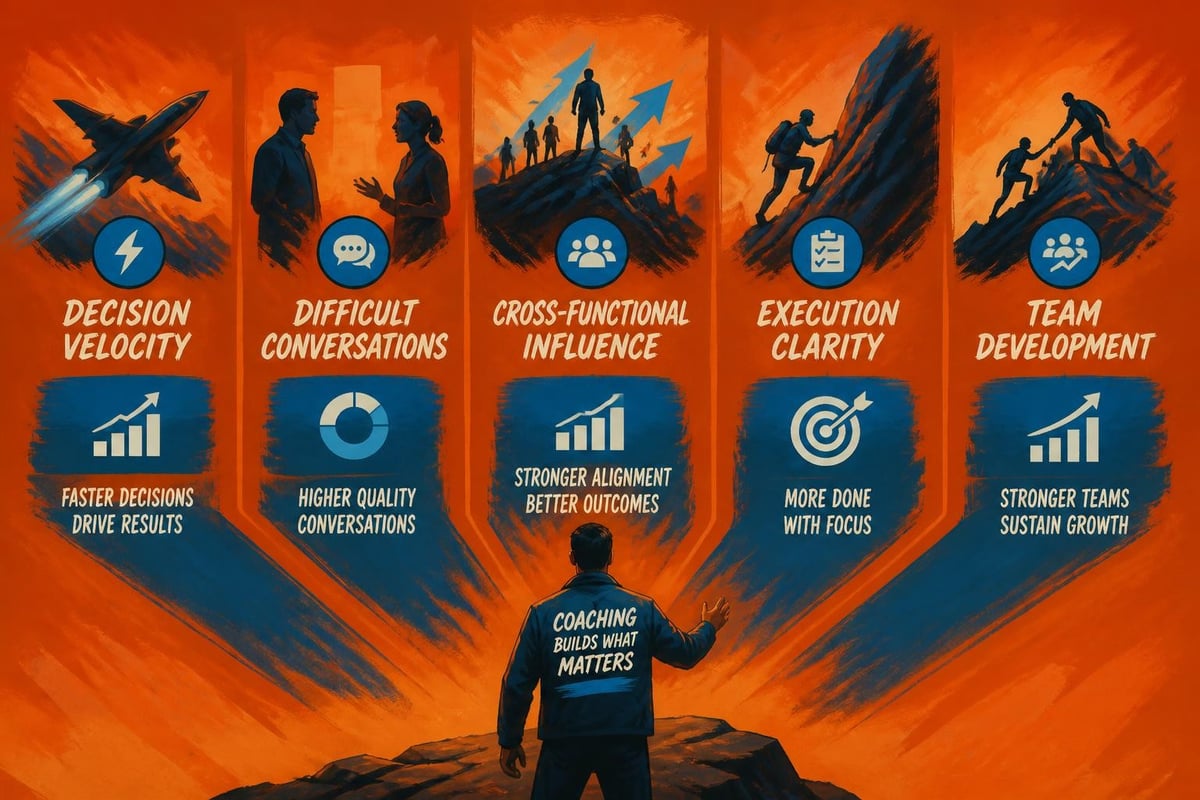
The Five Competencies That Actually Matter
After reviewing outcomes from 200+ coaching engagements in organizations between 25 and 500 employees, five competencies separate professionals who advance from those who plateau:
| Competency | Coaching Focus | Measurable Outcome |
|---|---|---|
| Decision velocity | Reduce analysis paralysis cycles | 40% faster project approvals |
| Difficult conversations | Practice real scenarios with feedback | 60% reduction in escalated conflicts |
| Cross-functional influence | Map stakeholder priorities | 3x increase in peer collaboration scores |
| Execution clarity | Translate strategy to weekly actions | 50% improvement in on-time delivery |
| Team development | Coach direct reports effectively | 35% higher retention among coached managers |
How coaching helps professionals advance becomes clear when you track these specific behaviors over 90-day intervals. The vague "leadership presence" that many coaches promise delivers nothing you can measure or promote based on evidence.
What Mid-Market Organizations Miss About Coaching ROI
Most companies evaluate coaching success through satisfaction surveys and completion rates. This approach explains why 70% of coaching engagements fail to produce advancement outcomes worth the investment.
Organizations that successfully use team coaching to accelerate professional advancement measure different indicators:
- Promotion readiness scores based on 360 feedback before and after coaching
- Revenue per manager comparing coached versus non-coached leaders
- Decision cycle time measured in days from issue identification to resolution
- Retention rates of high performers reporting to coached managers
- Cross-departmental project success where coached professionals lead initiatives
The pattern is consistent: professionals advance when coaching addresses real business problems with clear success criteria. Abstract personal development creates feel-good moments but rarely changes organizational perception of promotion readiness.
The Manager Transition Gap
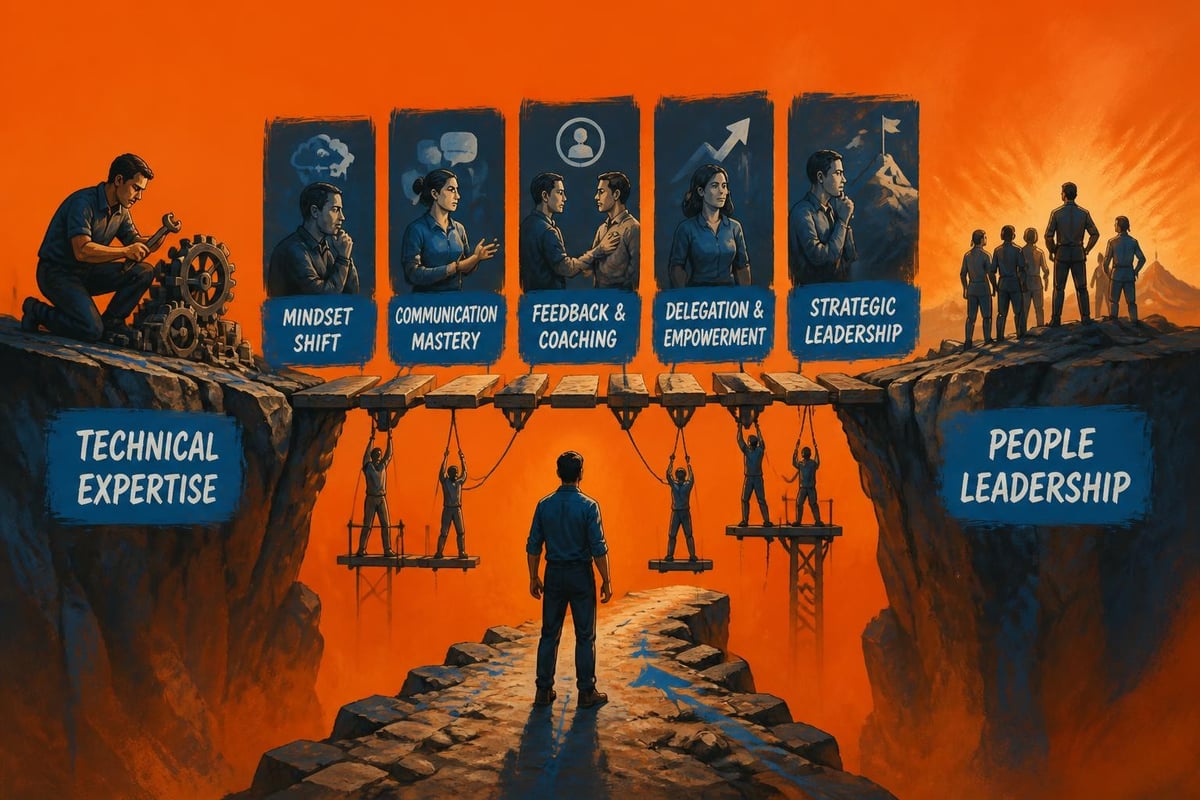
The biggest career advancement challenge in mid-market companies happens at the manager threshold. Individual contributors who excel technically often fail as first-time managers because nobody teaches them the transition skills.
Forbes explores how coaching enhances career success by providing objective feedback during exactly these transition points. The professionals who advance smoothly through manager transitions work with coaches who:
- Attend their first 10 team meetings and provide immediate feedback
- Review their one-on-one agendas and teach diagnostic listening
- Shadow difficult conversations and debrief what worked and what failed
- Build weekly operating rhythms with KPI scorecards they actually use
The contrast with traditional coaching is stark:
Traditional approach: Monthly phone calls discussing feelings about management challenges, no observation of actual behavior, goals focused on "becoming a better leader."
Results-driven approach: Weekly sessions tied to specific team outcomes, coach observes real meetings, feedback addresses observable behaviors, success measured through team performance metrics.
How coaching helps professionals advance at the manager level depends entirely on this distinction. Theory fails. Direct observation and immediate correction work.
The AI Coaching Disruption Nobody Expected
In 2026, the conversation about how coaching helps professionals advance must address the AI elephant in the room. Generative AI coaching tools launched with grand promises of democratizing development. Eighteen months of market observation reveals their actual impact.
Where AI coaching delivers value:
- Immediate feedback on written communication before sending
- Practice scenarios for routine conversations without scheduling delays
- Pattern recognition across hundreds of past decisions
- 24/7 availability for processing after difficult interactions
Where AI coaching fails consistently:
- Reading room dynamics during tense team meetings
- Diagnosing political undercurrents blocking advancement
- Calling out blind spots the professional cannot self-identify
- Building accountability when motivation flags
The professionals advancing fastest use both: AI tools for high-volume practice and self-reflection, human coaches for the nuanced judgment that determines who gets promoted. Organizations that treat these as either/or options leave advancement opportunities on the table.
What Buyers Miss When Selecting Coaching
Three years of competitive analysis across coaching providers reveals a troubling pattern. Companies select coaches based on credentials, personality fit, and availability. Then they wonder why advancement outcomes disappoint.
Understanding career advancement through coaching requires examining selection criteria that actually predict results:
Evidence-Based Selection Criteria
| Traditional Criteria | Outcome-Focused Criteria |
|---|---|
| ICF certification level | Track record advancing clients in similar roles |
| Years of coaching experience | Specific industry expertise matching your context |
| Personality chemistry | Willingness to observe real work and give hard feedback |
| Hourly rate competitive with market | ROI model tied to measurable business outcomes |
| Availability for weekly calls | Flexibility to coach in meetings when stakes are highest |
The gap between what companies evaluate and what drives advancement explains why many coaching engagements underdeliver. Professionals advance when coaches understand their specific organizational context, not when they accumulate generic certifications.
The Month-to-Month Accountability Model
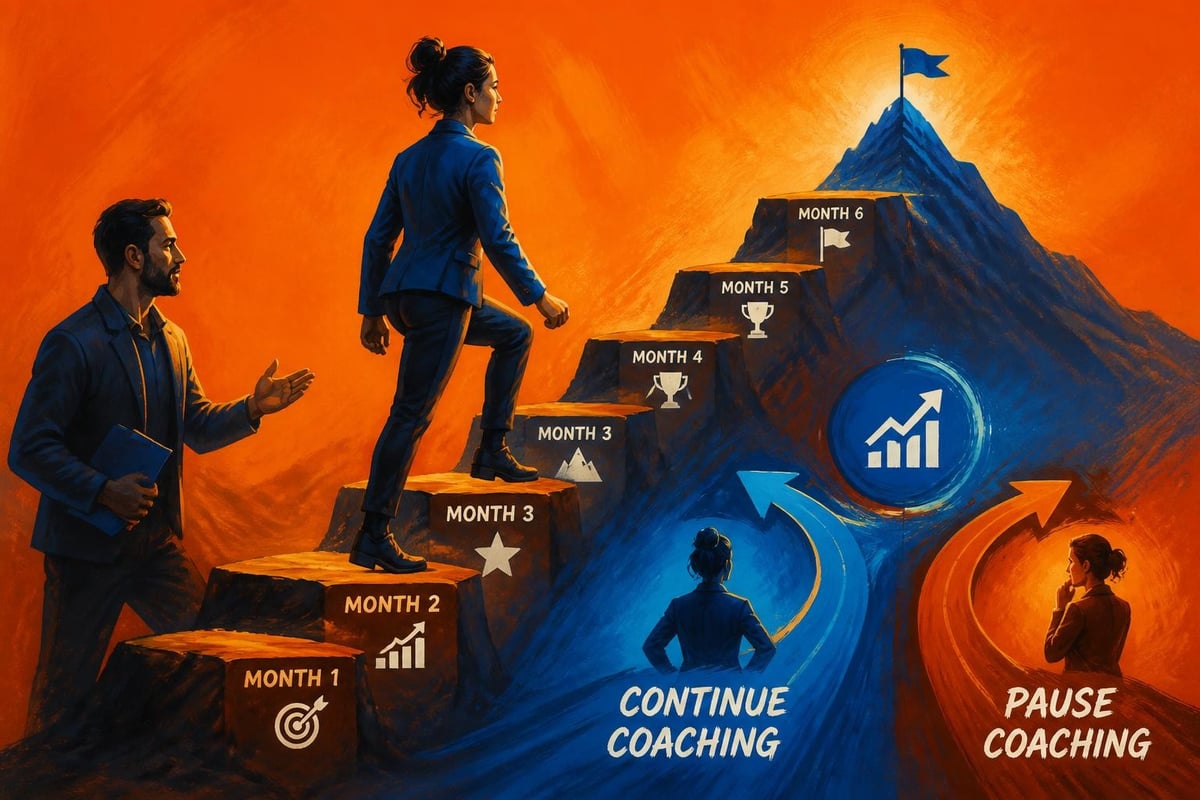
Long-term coaching contracts create a perverse incentive: coaches get paid regardless of advancement outcomes. The market is shifting toward accountability models where continuation depends on visible progress.
What month-to-month coaching enables:
- Immediate course correction when approaches fail to produce results
- Flexibility to increase or decrease intensity based on advancement opportunities
- Natural accountability where coaches must demonstrate value every 30 days
- Budget reallocation to highest-impact development investments
How coaching helps professionals advance accelerates dramatically when both parties share risk. The professionals who advance fastest work with coaches confident enough in their methods to accept performance-based terms.
Organizations serious about advancement outcomes should demand this alignment. If a coach resists month-to-month terms or outcome-based incentives, their confidence in results deserves scrutiny. Career coaches who deliver consistent advancement outcomes welcome accountability because it differentiates their work from theoretical approaches.
The Operating Cadence Integration
Most coaching happens in isolation from daily work rhythms. Professionals meet their coach, discuss challenges, receive advice, then return to unchanged operating patterns. Advancement stalls because context switching defeats skill transfer.
The highest-impact coaching integrates directly into operating cadence:
- Weekly team meetings where coach observes and provides immediate feedback
- Monthly business reviews with coaching woven into performance discussions
- Quarterly planning sessions that incorporate development alongside business goals
- Annual 360 assessments that measure specific behavioral changes, not generic competencies
Training Magazine discusses how coaching enhances skills at any level by building self-awareness and communication abilities. This only works when coaching happens inside real work context, not abstract development sessions disconnected from daily execution.
FAQ: Professional Advancement Through Coaching
What makes coaching effective for career advancement?
Coaching effectiveness depends on direct observation of real work situations, immediate behavioral feedback, and accountability tied to measurable outcomes. Professionals advance when coaches work inside their actual operating environment rather than in isolated development sessions.
How long does coaching take to show advancement results?
Visible behavioral changes typically appear within 60-90 days when coaching focuses on specific competencies with clear success metrics. Promotion readiness and actual advancement often take 6-12 months depending on organizational cycles and available opportunities.
Can coaching help professionals advance without manager support?
Coaching delivers limited advancement value without manager buy-in. The most successful engagements involve the professional's manager in goal-setting and progress reviews, ensuring coaching aligns with organizational perception of promotion readiness.
What's the difference between executive coaching and coaching for professional advancement?
Executive coaching typically focuses on senior leader challenges while advancement coaching addresses the specific gap between current role and next level. Both should use the same evidence-based approach: observable behaviors, measurable outcomes, and direct integration with real work.
How do you measure coaching ROI for professional advancement?
ROI measurement should track promotion rates, decision velocity, team performance metrics, retention of direct reports, and cross-functional collaboration scores. Satisfaction surveys and completion rates fail to capture actual advancement outcomes.
Does coaching work better for certain professional levels?
Coaching delivers highest ROI during major transitions: individual contributor to manager, manager to director, and director to VP. These inflection points create the greatest performance gap that coaching can address with observable skill-building.
Should professionals choose certified coaches for advancement goals?
Certifications indicate training completion, not coaching effectiveness. Professionals should prioritize coaches with track records advancing clients in similar roles and industries over credential accumulation. Demand specific outcome examples, not certificate lists.
How does AI coaching compare to human coaching for advancement?
AI tools excel at high-volume practice scenarios and immediate feedback on routine situations. Human coaches remain essential for reading political dynamics, diagnosing blind spots, and providing accountability during difficult growth periods. Use both strategically.
What coaching red flags indicate poor advancement outcomes?
Warning signs include resistance to measuring specific outcomes, focus on feelings over behaviors, unwillingness to observe real work situations, long-term contracts without performance milestones, and generic development goals disconnected from organizational advancement criteria.
Understanding how coaching helps professionals advance requires looking past industry marketing and examining what actually produces measurable career growth: behavioral change in real work contexts, accountability tied to business outcomes, and coaching integration within daily operating rhythms. When you're ready to accelerate advancement for your team with coaching that delivers visible results month over month, Noomii connects you with coaches who share the risk and tie their work to clear KPIs. No long contracts, just measurable progress toward the promotions and performance levels your organization needs.



Leave a Reply
Want to join the discussion?Feel free to contribute!