
Why Coaching Demand Is Growing in 2026 (7 Drivers)
The coaching industry reached $5.34 billion globally in 2025, and mid-market companies are fueling much of that expansion. Understanding why coaching demand is growing reveals critical shifts in how organizations develop leaders, close performance gaps, and adapt to disruption. This isn't about feel-good sessions or credential worship. Companies are buying coaching because traditional training fails to change behavior, managers lack real-time support, and the gap between strategy and execution keeps widening.
The Leadership Development Gap Widens
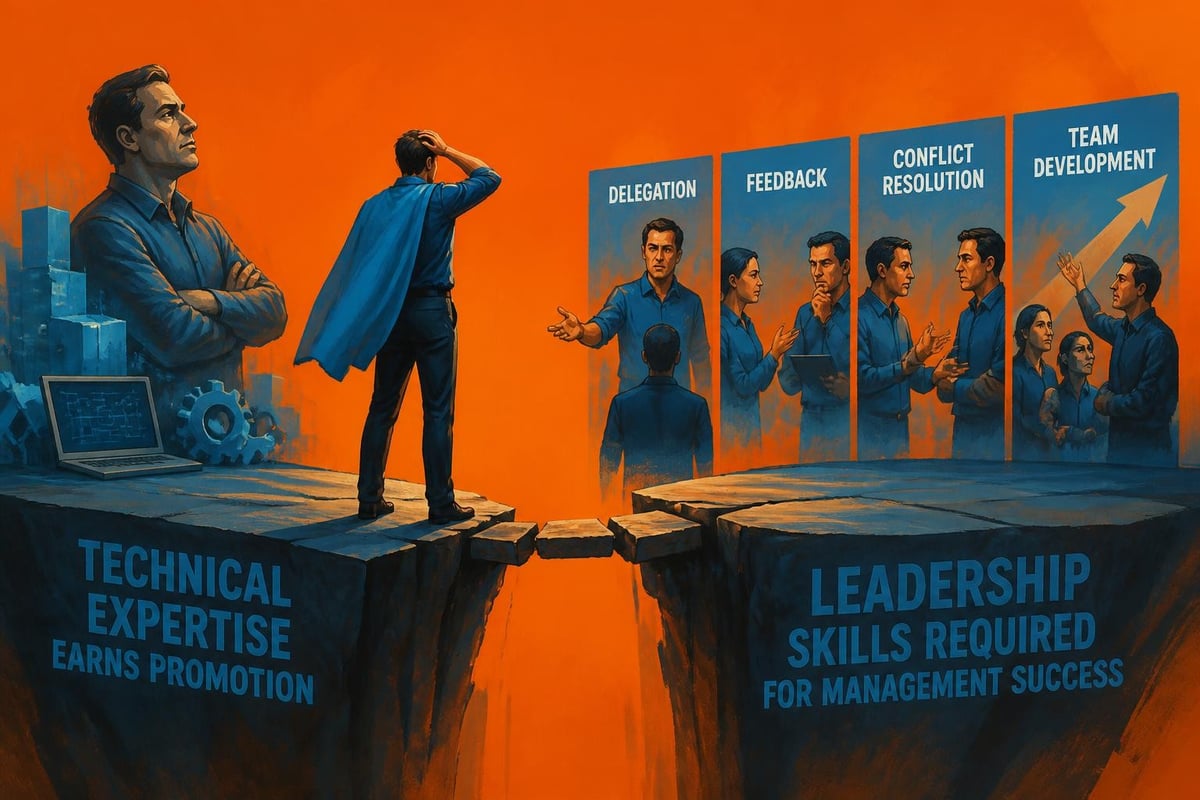
Most organizations promote technical experts into management roles without teaching them how to lead. The result? Managers who avoid difficult conversations, struggle with delegation, and fail to develop their teams.
Why coaching demand is growing in this space:
- Traditional training delivers information but doesn't change behavior
- Managers need real-time support during actual leadership moments
- The cost of poor management (turnover, disengagement, missed targets) finally exceeds the cost of coaching
- Leadership development programs now emphasize behavioral change over knowledge transfer
Companies that roll out generic leadership workshops see minimal impact. The training-to-behavior gap remains enormous. Coaching closes that gap by working with managers in their actual context, addressing their specific challenges, and holding them accountable for applying new approaches.
The Data Behind Industry Growth
According to the International Coaching Federation’s 2025 Global Coaching Study, the industry has demonstrated consistent expansion. The U.S. market alone has grown to approximately $16 billion, as detailed in Market Data Enterprises’ professional coaching analysis.
But raw revenue numbers miss the real story. Recent industry data shows an 87% increase in global revenue over just two years, with a 15% jump in active practitioners since 2023. This acceleration signals something deeper than gradual adoption.
Remote Work Exposed Management Weaknesses
The shift to distributed teams revealed which managers could actually lead and which just supervised presence. When teams scattered geographically, proximity management died and leadership quality became painfully visible.
Organizations discovered that:
- Communication clarity matters more than volume
- Accountability requires systems, not physical oversight
- Trust-building needs intentional effort in remote contexts
- Performance management must focus on outcomes, not activity
Team coaching demand surged as companies realized their managers lacked the skills to lead effectively across time zones and digital channels. The old playbook of walking the floor and reading body language no longer worked.
| Challenge | Old Approach | Why It Failed | Coaching Solution |
|---|---|---|---|
| Accountability | Daily check-ins | Micromanagement, distrust | Clear KPIs, outcome focus |
| Communication | Office presence | Scattered, reactive | Structured cadence, clarity |
| Development | Annual reviews | Too infrequent | Regular feedback loops |
| Engagement | Proximity | Invisible remotely | Intentional connection |
The Certification Myth Meets Reality
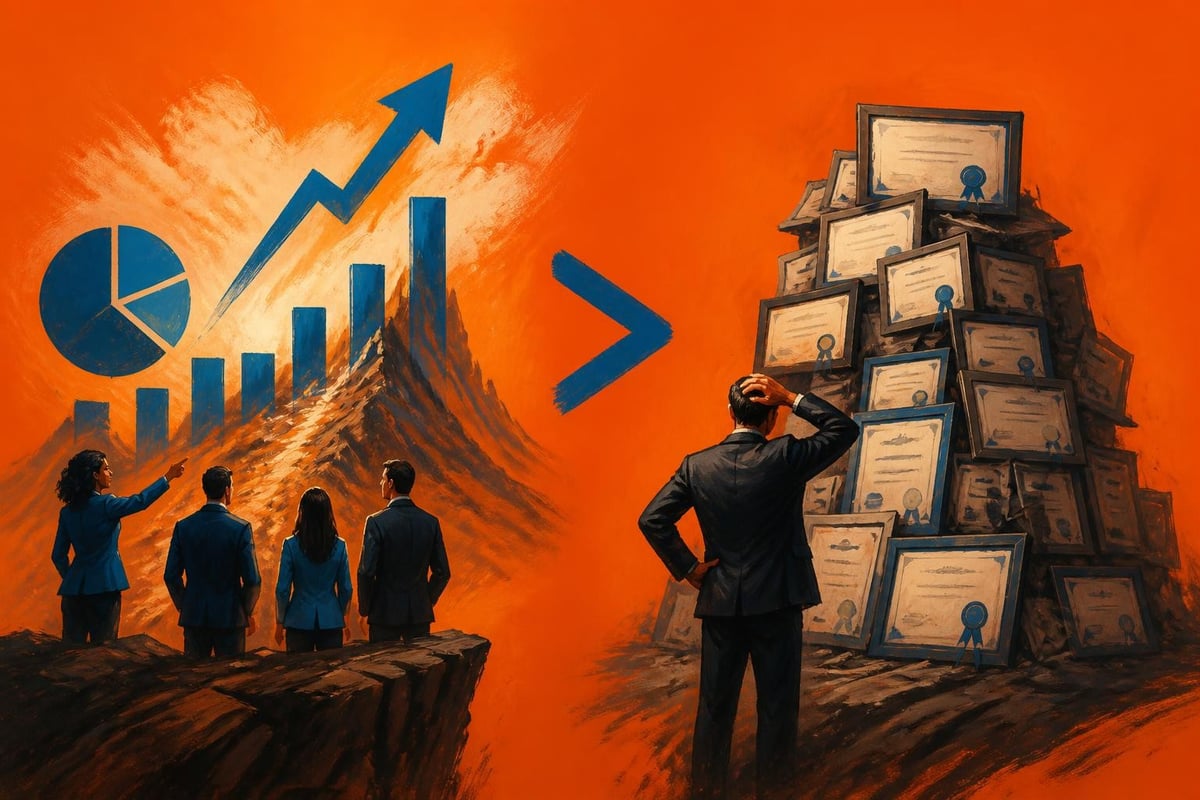
Here's what the coaching industry doesn't advertise: most buyers don't care about credentials until results disappoint them. Companies initially hire based on certifications, then switch to coaches who deliver measurable outcomes regardless of alphabet soup after their names.
Why coaching demand is growing among experienced practitioners who prioritize results:
- Buyers learned expensive lessons from credential-heavy coaches who couldn't move business metrics
- The market corrected toward coaches who understand business operations, not just coaching theory
- ROI measurement became standard, exposing the gap between certified and effective
- Practical experience in leading teams, running P&Ls, or transforming operations now matters more than certification hours
The shift favors coaches who combine real business experience with coaching methodology. Pure coaching theory trained on case studies doesn't prepare you to coach a VP through a restructure, mediate executive conflict, or build accountability into a sales organization.
AI Integration Transforms Coaching Economics
The integration of AI tools is reshaping why coaching demand is growing and who can afford it. Research on generative AI in professional coaching workflows shows coaches using AI for session preparation, pattern analysis, and progress tracking.
This doesn't replace human coaches. It makes them more effective and accessible.
How AI changes the coaching equation:
- Coaches prepare faster by analyzing client data, meeting notes, and performance trends
- Session time focuses on high-value dialogue instead of administrative review
- Follow-up becomes more consistent through AI-assisted accountability tracking
- Cost per engagement drops while quality improves
- Mid-market companies can now afford what previously required Fortune 500 budgets
Organizations exploring AI coaching tools discover they augment rather than replace skilled coaches. The human element, contextual judgment, emotional intelligence, and relationship trust still drive behavior change. AI handles pattern recognition and administrative load.
Emerging Markets Drive Global Expansion
Global coaching growth increasingly comes from emerging markets, where leadership development infrastructure is sparse but demand is acute. Companies expanding into new regions need local managers who can lead effectively within cultural contexts.
The playbook differs from developed markets:
- Less credential dependence because certification bodies have limited presence
- More focus on practical outcomes in resource-constrained environments
- Higher value placed on business experience over pure coaching methodology
- Greater openness to blended approaches combining coaching, training, and consulting
The Performance Measurement Imperative
CFOs now ask the same question about coaching that they ask about every investment: what's the return? This shift from "feel-good" perception to measurable impact explains much of why coaching demand is growing among results-oriented organizations.
Smart buyers now require:
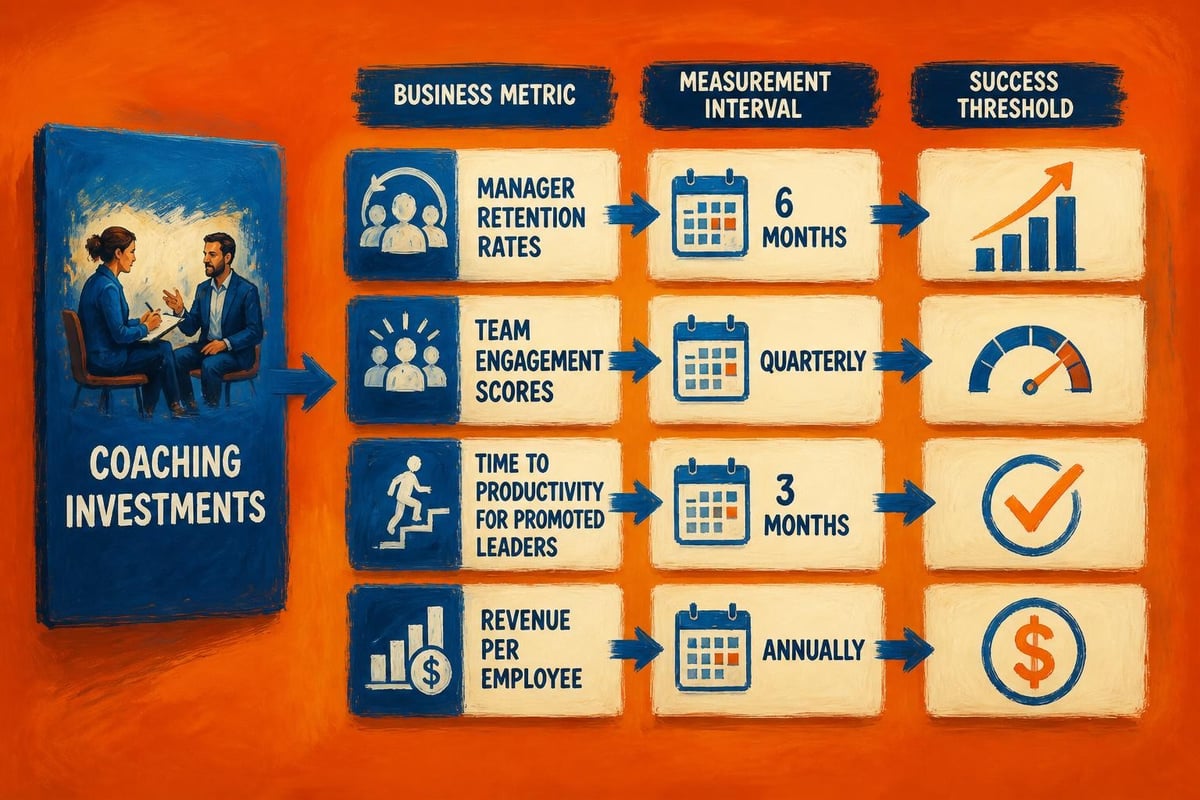
- Clear KPIs tied to business outcomes (retention rates, time-to-promotion, engagement scores, revenue per manager)
- Regular progress reviews against those metrics
- Alignment between coaching focus and strategic priorities
- Transparent reporting on engagement quality and behavior change
- Flexible terms that allow exit if results don't materialize
The typical executive coaching cost justifies itself when tied to retention of a key leader, faster onboarding of promoted managers, or measurable team performance improvements. When it's just professional development theater, the investment fails scrutiny.
The Manager-as-Coach Movement
Organizations realized that external coaching alone can't scale to meet development needs across the company. The solution? Train managers to coach their direct reports on operational challenges while reserving external coaches for strategic leadership development.
This creates dual demand:
- External coaches work with senior leaders on strategic challenges, executive presence, organizational influence
- Manager training in coaching skills to handle day-to-day performance and development conversations
Companies adopting this model see faster problem-solving, better retention, and stronger internal talent pipelines. Managers who coach effectively create environments where people grow instead of stagnate.
FAQ
What's driving the increase in corporate coaching demand?
Leadership gaps exposed by remote work, measurable ROI requirements, AI tools making coaching more accessible, and the failure of traditional training to change behavior are primary drivers. Organizations need practical support that delivers visible business results.
Is the coaching industry actually growing or just getting more visible?
Both. Global revenue reached $5.34 billion with an 87% increase over two years and 15% growth in practitioners since 2023. This represents real expansion, not just awareness.
Why do mid-market companies increasingly invest in coaching?
Mid-market firms (25-500 employees) face leadership challenges without enterprise budgets for full L&D teams. Coaching provides targeted support for promoted managers, executive development, and team performance without building permanent overhead.
Do coaching certifications predict better business outcomes?
No clear correlation exists between credential count and measurable business impact. Experience leading teams, understanding business operations, and proven ability to move KPIs matter more than certification hours completed.
How does AI affect coaching demand?
AI tools make coaching more efficient and affordable by handling preparation, pattern analysis, and follow-up. This expands access to mid-market buyers while improving coach effectiveness, increasing overall demand.
What ROI should companies expect from coaching investments?
Measurable outcomes include improved retention of key leaders (reducing replacement costs of 150-200% of salary), faster productivity for promoted managers, higher engagement scores, and clearer execution on strategic priorities tied to specific KPIs.
Why is team coaching growing faster than individual coaching?
Organizations need entire leadership teams aligned on strategy, communication, and accountability. Team coaching addresses systemic issues, improves collaboration, and creates shared language around performance more efficiently than individual sessions.
How do emerging markets influence global coaching growth?
Emerging markets prioritize practical business outcomes over credentials, adopt blended approaches combining coaching with training, and represent significant untapped demand as companies build local leadership capability.
What's the difference between business coaching and leadership development?
Business coaching typically focuses on specific performance challenges, strategic decisions, or operational improvements. Leadership development addresses behavioral change, executive presence, team dynamics, and long-term capability building. Many engagements blend both.
The expansion in why coaching demand is growing reflects fundamental shifts in how organizations develop leaders and drive performance. Companies that treat coaching as measured investment rather than professional development theater see the strongest returns. If your mid-market company needs practical leadership development tied to clear KPIs and visible ROI, Noomii delivers coaching that works in your actual meetings, tracks against business metrics, and operates on flexible month-to-month terms where results determine continuation.



Leave a Reply
Want to join the discussion?Feel free to contribute!