
The Promotion Advantage Nobody Discusses
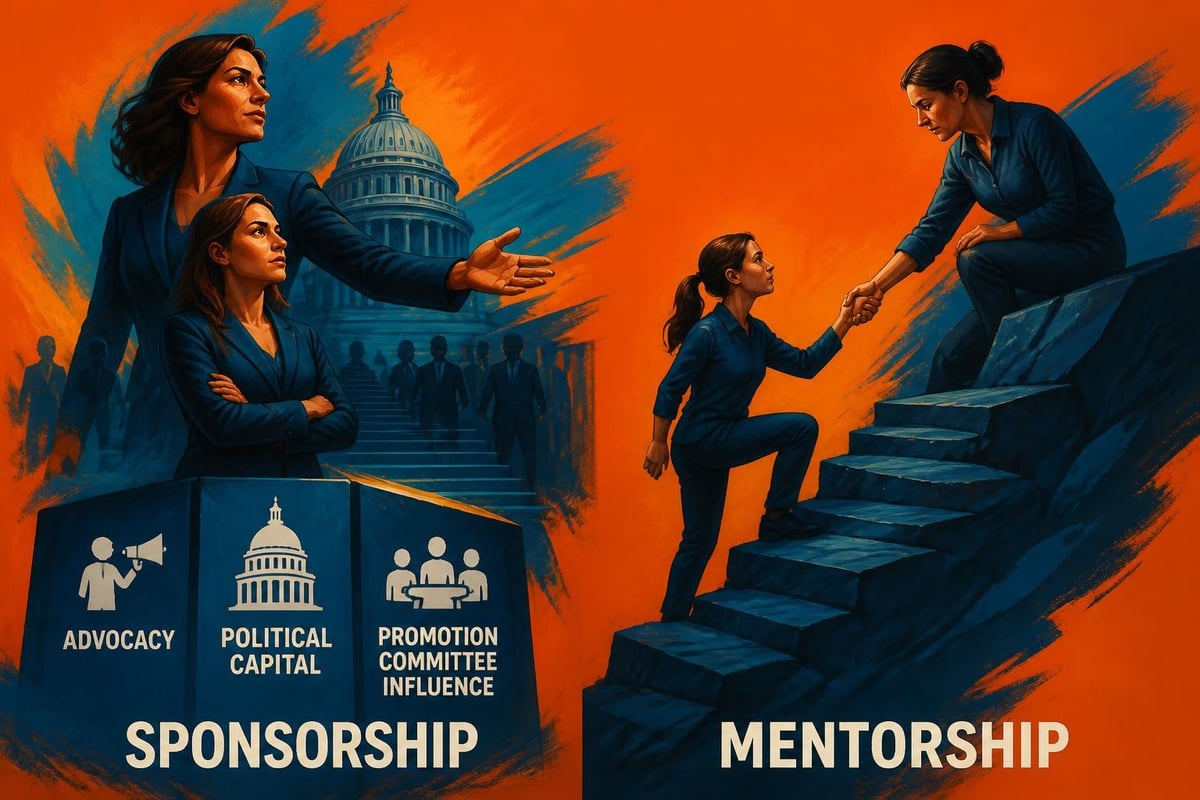
Most managers believe performance metrics and visibility determine promotions. They work late, volunteer for high-profile projects, and broadcast wins on Slack. Yet they watch colleagues with similar performance records advance faster. The gap between effort and outcome reveals the promotion advantage nobody discusses: institutional sponsorship. Not mentorship, not networking, but active advocacy from decision makers who spend political capital on your behalf. This distinction matters because organizations rarely formalize it, most managers don't recognize it, and coaching programs often ignore it entirely.
Why Performance Alone Fails at the Promotion Gate
High performers plateau because they confuse recognition with advocacy. Your manager may praise your work in skip-level meetings, but praise doesn't equal sponsorship. Sponsorship requires someone with power to argue for your promotion when you're not in the room, defend your readiness against skeptics, and link your advancement to organizational priorities.
The promotion advantage nobody discusses operates through three invisible mechanisms:
- Pre-decisional lobbying where sponsors campaign for candidates before promotion committees meet
- Risk absorption where sponsors vouch for readiness and stake their credibility on your success
- Opportunity engineering where sponsors create stretch assignments that position you for the next level
Research confirms this pattern. Studies on what great sponsors do differently show sponsors actively promote talent in private conversations, not just offer career advice. They connect protégés to senior leaders, nominate them for visible projects, and defend their promotion cases against political resistance.
The Hidden Tax on Self-Promotion
Organizations tell employees to "raise their hand" and "self-advocate," but this advice carries uneven costs. Research shows impression management strategies create racialized penalties for Black professionals who engage in the same self-promotion behaviors as white colleagues. Women face similar double binds where assertiveness triggers backlash.
This creates a credibility arbitrage where some employees can self-promote freely while others need third-party validation. Sponsorship provides that validation. When a respected executive nominates you for a strategic project, you bypass the self-promotion tax entirely.
The Performance Appraisal Politics Nobody Maps
Promotion committees don't just evaluate performance data. They navigate politics, relationships, and organizational capital. Research on performance appraisal fairness and politics demonstrates that perceptions of fairness significantly affect promotion outcomes, often independent of actual performance metrics.
The promotion advantage nobody discusses becomes visible in these committee dynamics:
- Pre-meeting consensus building where sponsors secure informal commitments
- Objection handling where sponsors address concerns about readiness or culture fit
- Comparative positioning where sponsors frame candidates against weaker alternatives
- Post-decision reinforcement where sponsors ensure new roles include resources and support
Without a sponsor navigating these dynamics, high performers depend on committees to spontaneously recognize their value. That rarely happens.
Building Sponsorship as an Organizational System
Smart companies don't leave sponsorship to chance. They design structured programs that measurably improve promotion outcomes, particularly for underrepresented groups. These programs formalize sponsor-protégé relationships, set explicit advocacy expectations, and track promotion rates.
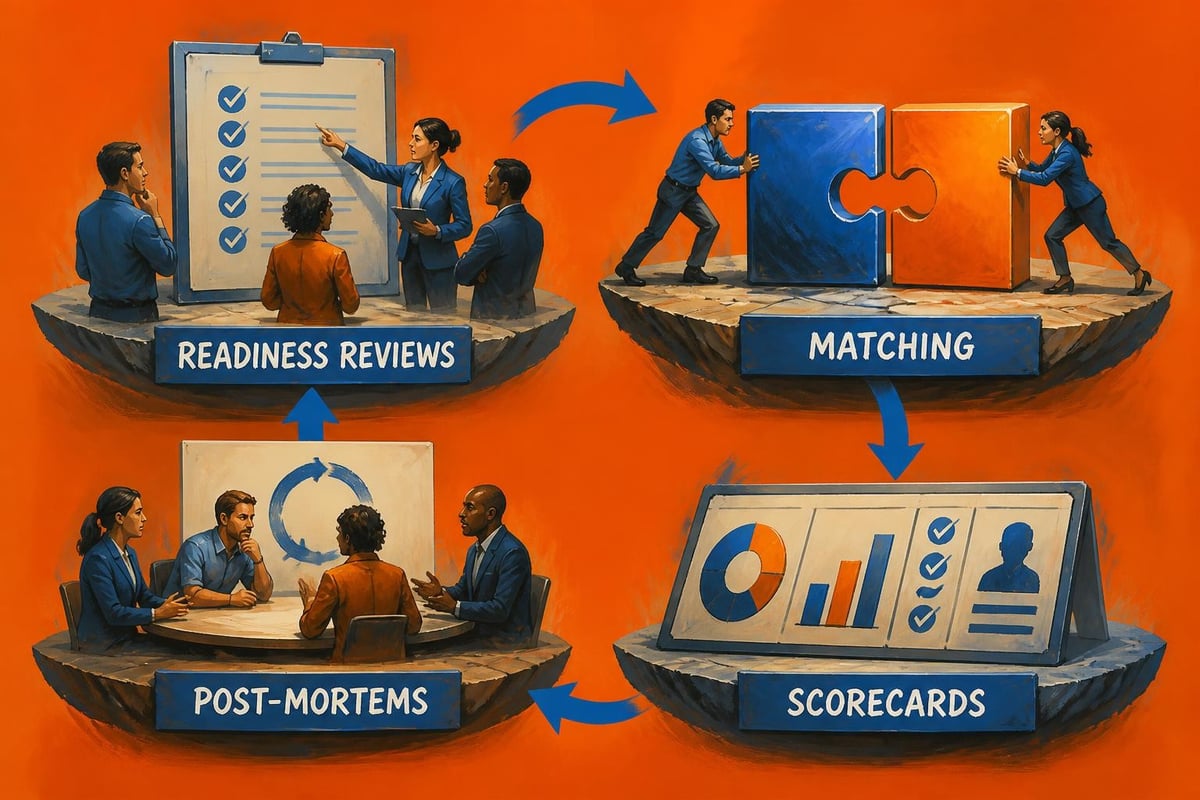
Mid-market companies between 25 and 500 employees can implement lightweight sponsorship systems without enterprise bureaucracy. The framework we use with clients includes:
| Component | Purpose | Frequency |
|---|---|---|
| Promotion readiness reviews | Identify high-potential managers 6-12 months before promotion eligibility | Quarterly |
| Sponsor matching | Pair candidates with executives two levels up who have promotion committee influence | Annual or as-needed |
| Advocacy scorecards | Track sponsor actions: introductions made, projects secured, committee arguments delivered | Monthly check-ins |
| Promotion post-mortems | Review successful and unsuccessful cases to surface hidden dynamics | After each cycle |
This system makes the promotion advantage nobody discusses visible and transferable. Instead of informal relationships benefiting insiders, you create repeatable pathways that work for managers regardless of background or network.
What Managers Miss About Readiness Signals
Managers seeking promotion often misread readiness signals. They assume longevity, technical depth, or team size demonstrate readiness. Executives evaluate different criteria:
- Strategic judgment demonstrated through decisions that balance competing priorities
- Political navigation shown by building coalitions and managing stakeholder resistance
- Scalable leadership evidenced by developing other managers, not just individual contributors
- Organizational value creation measured by impact beyond your immediate team
Your sponsor's job is translating your work into these executive criteria. Without that translation, promotion committees see strong execution but question strategic readiness. This gap explains why many high performers receive feedback like "not ready yet" without specific development paths.
Working with business coaches who understand organizational dynamics can help managers identify their sponsorship gaps and build relationships strategically. But coaching alone doesn't substitute for institutional advocacy.
The Coaching Blind Spot on Promotion Dynamics
Most leadership coaching focuses on individual capability development: communication skills, emotional intelligence, executive presence. These matter, but they don't address the promotion advantage nobody discusses. Coaches rarely ask:
- Who currently sponsors you at the executive level?
- Which leaders have spent political capital on your behalf in the past year?
- What visibility do you have with promotion decision makers outside your direct chain?
- How does your manager describe your readiness in executive conversations you're not part of?
Without addressing these questions, coaching improves performance without improving promotion probability. The capability gap closes while the advocacy gap widens.
The Mid-Market Sponsorship Opportunity

Mid-market companies have structural advantages for building sponsorship systems. Smaller executive teams mean fewer political layers between sponsors and promotion committees. Faster decision cycles allow sponsors to secure opportunities quickly. Less bureaucracy enables informal advocacy alongside formal processes.
Yet mid-market companies often copy enterprise practices designed for different contexts. They implement competency frameworks and nine-box grids without addressing the relationship dynamics that actually drive promotions.
The practical approach involves three steps:
- Map current informal sponsorship to identify who already advocates for whom, revealing gaps and patterns
- Formalize expectations by defining what active sponsorship looks like and training executives on advocacy behaviors
- Track outcomes by monitoring promotion rates across demographics and sponsor relationships
This approach makes the promotion advantage nobody discusses visible in your organization. You see which managers advance despite average performance because they have strong sponsors. You identify high performers who plateau because they lack executive advocacy.
The ROI of Formal Sponsorship
Organizations worry about the time cost of formal sponsorship programs. Executives already face calendar pressure, and adding structured advocacy seems like overhead. The calculation changes when you measure retention cost of losing high performers who leave because they don't see promotion pathways.
Consider the typical mid-market scenario:
- Manager with three years tenure, strong performance, limited executive visibility
- Receives external offer with title bump and 20% salary increase
- Manager's fully loaded cost including replacement and productivity loss: $250,000 to $400,000
- Time executive sponsor would spend over 12 months: 6-8 hours total
The promotion advantage nobody discusses becomes a retention advantage when formalized. Managers with active sponsors stay longer, perform better, and require less reactive retention negotiation.
Promotions depend on invisible advocacy, not just visible performance. The managers who advance fastest understand the difference between mentorship and sponsorship, build executive relationships strategically, and work in organizations that formalize advocacy instead of leaving it to chance. If your mid-market company wants to retain high-potential managers and build promotable leadership bench strength, Noomii delivers practical corporate coaching tied to clear business outcomes. We work month-to-month, coach live in your meetings, and help you build systems that drive faster decisions, stronger managers, and measurable results.



Leave a Reply
Want to join the discussion?Feel free to contribute!