

Executive Coaching Cost: 2026 Pricing Guide & ROI
Understanding the financial investment required for executive coaching is essential for organizations looking to develop their leadership talent in 2026. The executive coaching cost varies widely based on multiple factors, including coach experience, engagement structure, and the scope of services provided. For mid-market companies and growing organizations, aligning coaching investments with measurable business outcomes ensures that every dollar spent translates into tangible leadership improvement and organizational performance.
Understanding Executive Coaching Pricing Models
Executive coaching fees follow several distinct structures, each designed to accommodate different organizational needs and budgets. The most common approach involves hourly rates, which typically range from $200 to $3,000 per hour, with average coaching rates hovering around $350 per hour.
Monthly retainers offer predictable budgeting and consistent engagement. These arrangements usually include:
- Regular coaching sessions (two to four per month)
- Unlimited email or messaging support
- Access to assessment tools and resources
- Progress tracking and reporting
Per-session pricing provides flexibility for organizations testing coaching services or addressing specific leadership challenges. Various executive coaching pricing models show that sessions typically cost between $300 and $1,500, depending on session length and coach expertise.
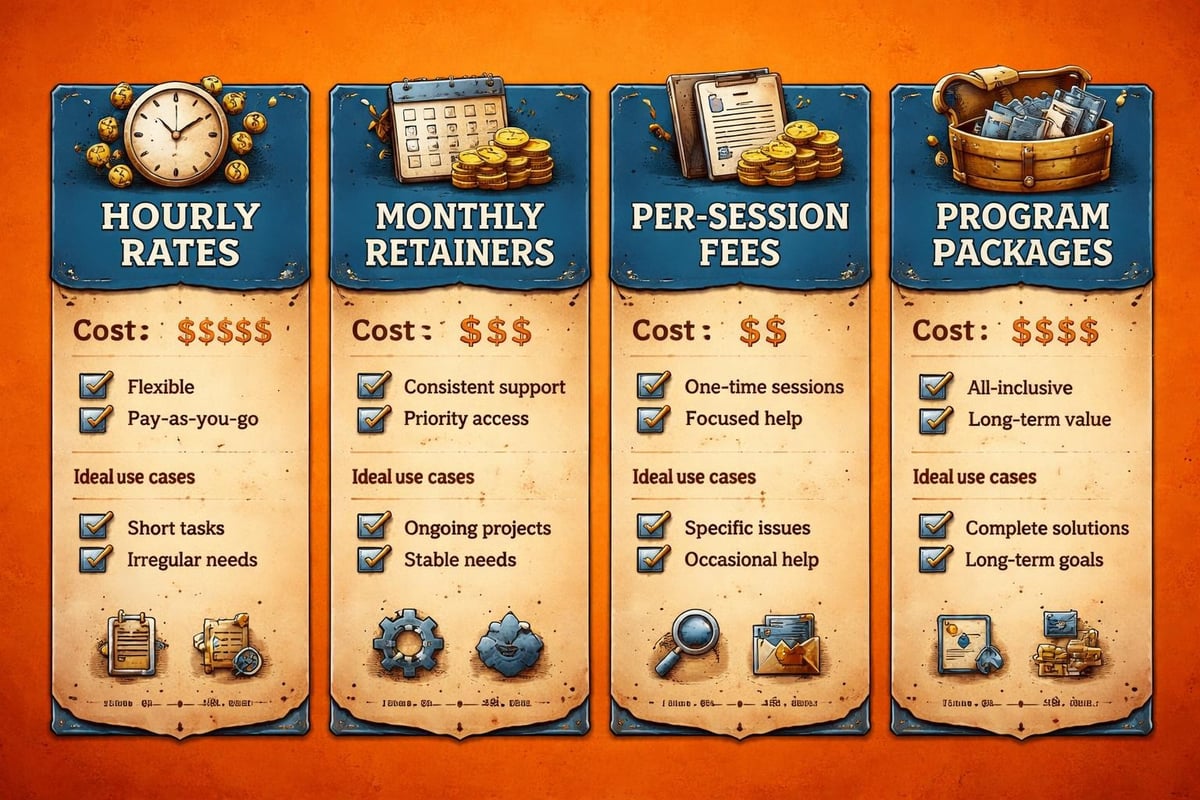
Program-based fees bundle multiple sessions, assessments, and deliverables into comprehensive packages. Six-month programs commonly range from $10,000 to $50,000, while year-long engagements for C-suite executives can exceed $100,000.
Factors Influencing Executive Coaching Cost
Coach experience stands as the primary driver of pricing variation. Newly certified coaches may charge $150 to $300 per hour, while seasoned practitioners with 20-plus years of experience command $500 to $3,000 per session.
Engagement customization significantly impacts total investment. Standard coaching conversations cost less than engagements that include live facilitation, team coaching, or operational integration. Organizations seeking leadership coaches who actively participate in strategic meetings and tie coaching to business KPIs should expect premium pricing that reflects this hands-on approach.
Geographic location plays a role, though remote coaching has equalized pricing somewhat. Executive coaches in major metropolitan areas traditionally charged higher rates, but virtual delivery has expanded access to top talent regardless of physical location.
| Pricing Factor | Lower End | Higher End | Key Differentiator |
|---|---|---|---|
| Coach Experience | $150-300/hr | $500-3,000/hr | Years of practice, credentials, track record |
| Engagement Type | $300/session | $100,000+ program | Scope, duration, integration depth |
| Format | $200-400/hr virtual | $400-3,000/hr in-person | Travel, on-site work, meeting participation |
The complexity of deliverables affects pricing as well. Basic coaching conversations differ from engagements that include 360 assessments, team facilitation, and KPI scorecard development.
ROI Considerations for Executive Coaching Investments
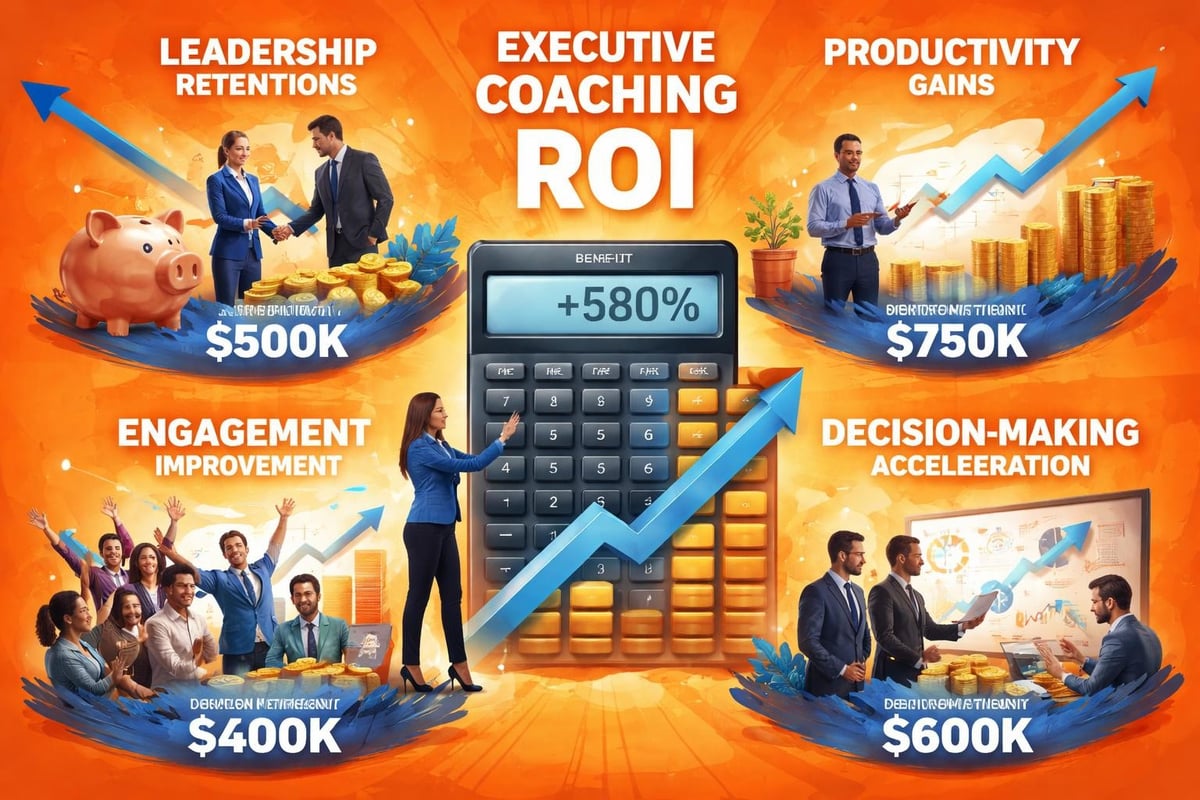
Smart organizations evaluate executive coaching cost against measurable returns. Detailed analyses of coaching fees and ROI demonstrate that effective coaching generates returns through reduced turnover, faster decision-making, and improved team performance.
Quantifiable outcomes include:
- Leadership retention: Replacing a senior leader costs 150-300% of their salary
- Team productivity: Improved communication increases output by 15-25%
- Decision speed: Faster strategic decisions accelerate revenue growth
- Employee engagement: Better managers reduce voluntary turnover by 20-40%
Organizations should establish clear success metrics before engaging coaches. Tracking improvements in specific KPIs-whether revenue growth, customer retention, or employee satisfaction-demonstrates coaching value beyond anecdotal feedback.
The nonprofit coaching cost structure illustrates how mission-driven organizations balance budget constraints with development needs, often finding creative funding approaches that prioritize results over credentials alone.
Alternative Engagement Structures That Reduce Risk
Month-to-month arrangements eliminate long-term financial commitments while maintaining coaching continuity. This structure benefits organizations uncertain about coaching fit or working with budget constraints.
Performance-based incentives align coach compensation with business results. When coaches share organizational risk, they focus intensely on delivering measurable outcomes rather than simply logging hours.
Hybrid models combine baseline fees with success bonuses. For example, a reduced monthly retainer paired with performance incentives based on retention improvements or revenue growth creates mutual accountability.
Team coaching services often deliver better per-person value than individual executive coaching, as multiple leaders benefit simultaneously while building shared accountability frameworks.
Making Executive Coaching Cost-Effective for Your Organization
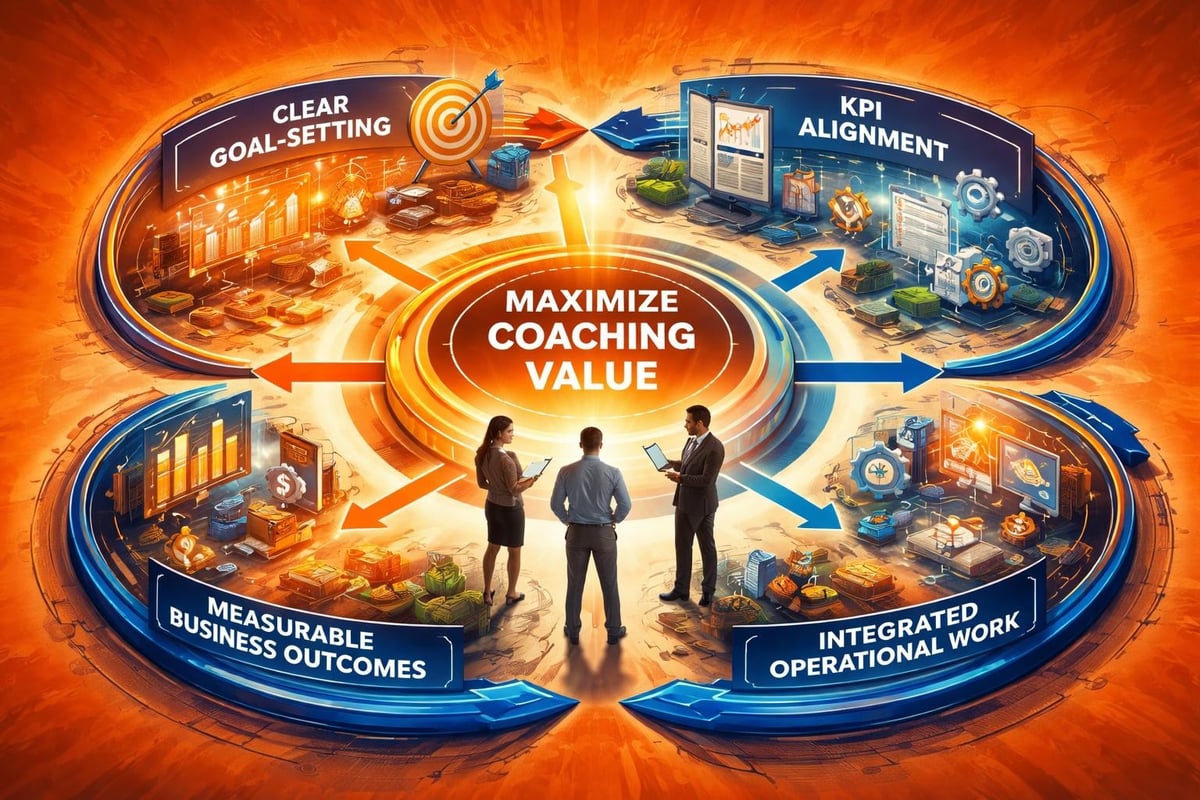
Start with clarity around specific leadership challenges and desired outcomes. Vague goals like "better communication" yield vague results. Precise objectives such as "reduce decision cycles from three weeks to five days" create accountability for both coach and executive.
Request proposals from multiple coaches, comparing not just pricing but methodology, deliverables, and measurement approaches. The detailed breakdown of coaching program costs shows that premium pricing sometimes reflects superior structure rather than mere experience.
Evaluate coaches based on business acumen, not just certifications. Leaders need coaches who understand P&L statements, operational challenges, and competitive dynamics, not just psychological frameworks.
Consider these value-maximizing strategies:
- Start with a three-month pilot focused on one critical business challenge
- Require coaches to participate in actual business meetings, not just private conversations
- Establish clear KPIs that tie coaching to business metrics
- Structure payment terms that reward measurable progress
Organizations should also explore comprehensive business coaching resources that provide market benchmarks and help identify appropriate investment levels based on company size and objectives.
The most effective coaching engagements integrate into existing operational rhythms rather than existing as separate development activities. When coaches help build sustainable systems like effective meeting cadences, clear KPI scorecards, and manager coaching capabilities, the initial investment compounds over time.
Selecting the Right Investment Level
Executive coaching cost should reflect organizational priorities and leadership impact. C-suite coaching addressing enterprise-wide strategic challenges justifies higher investment than manager-level skill development.
Executive coaching fee structures demonstrate that matching engagement scope to leadership level optimizes both cost and impact. Senior executives making million-dollar decisions benefit from intensive coaching that costs $30,000 to $50,000 annually, while emerging leaders might receive excellent value from $10,000 to $15,000 programs.
Budget 1.5-3% of total compensation for executive development, including coaching. This benchmark ensures adequate investment without overcommitting resources that could support team-wide initiatives.
Remember that the lowest executive coaching cost rarely delivers the best value. Ineffective coaching wastes both money and the executive's limited time. Focus on results-oriented practitioners who demonstrate clear methodologies for measuring progress and tying development to business outcomes rather than shopping purely on price.
Executive coaching represents a significant investment that pays dividends when structured correctly and measured rigorously. The key lies in matching coaching approach to business objectives, establishing clear success metrics, and ensuring coaches actively contribute to operational improvement rather than merely offering conversation. If you want practical corporate coaching that delivers measurable business results, Noomii offers month-to-month engagements with no long contracts, rolling up our sleeves to coach live in your meetings while tying progress to clear KPIs and ROI. Discover how we help mid-market companies build accountable leaders and teams that execute faster and more effectively.



Leave a Reply
Want to join the discussion?Feel free to contribute!