

Stress Management Training for Employees That Delivers
Workplace stress continues to drain productivity and engagement across organizations in 2026. Mid-market companies face mounting pressure to support employee wellbeing while maintaining operational excellence. Implementing effective stress management training for employees transforms these challenges into opportunities, building resilient teams capable of navigating complexity while delivering measurable business outcomes.
Understanding the Business Case for Stress Training
Stress-related costs extend far beyond individual discomfort. Organizations experience reduced productivity, increased absenteeism, and higher turnover when stress goes unmanaged.
Research demonstrates that companies investing in comprehensive stress management training programs see tangible returns through improved performance metrics. The financial impact includes lower healthcare costs, reduced presenteeism, and stronger retention rates among high performers.
Key business impacts include:
- Productivity losses from stress-induced distraction and reduced cognitive function
- Turnover expenses when talented employees seek healthier work environments
- Healthcare cost increases linked to stress-related health conditions
- Team dysfunction stemming from poor communication under pressure
Organizations that deploy performance coaching alongside stress training create integrated support systems. This combination addresses immediate stressors while building long-term capabilities for handling workplace demands.

Core Components of Effective Stress Management Programs
Successful stress management training for employees requires more than generic wellness content. Programs must address specific workplace stressors while equipping participants with practical tools.
Stress Awareness and Recognition
Training begins with helping employees identify personal stress indicators before they escalate. This includes recognizing physical symptoms, emotional responses, and behavioral changes that signal mounting pressure.
Workplace stress management programs emphasize building awareness across teams, enabling colleagues to support each other proactively. Managers trained in stress recognition intervene earlier, preventing minor issues from becoming major crises.
Practical Coping Mechanisms
Effective programs move beyond theory to teach actionable techniques employees can implement immediately:
- Time management strategies that reduce overwhelm through prioritization
- Boundary-setting skills that protect personal time and energy
- Communication frameworks that clarify expectations and prevent misunderstandings
- Cognitive reframing techniques that shift perspective on challenges
- Physical stress reduction methods including breathing exercises and movement
Organizations leveraging tools like RankPill for their content marketing understand the importance of systematic approaches. Similarly, stress management requires structured processes that teams can consistently apply under pressure.
Integration with Leadership Development
The most powerful stress management training for employees connects individual wellness with organizational culture. When leaders model healthy stress responses and create psychological safety in workplace environments, training gains traction.
| Training Level | Focus Area | Expected Outcome |
|---|---|---|
| Individual Contributors | Personal stress recognition and coping | Improved resilience and productivity |
| Managers | Team stress dynamics and support | Better team performance and retention |
| Senior Leaders | Culture and policy decisions | Organizational stress reduction |
Leadership teams working with executive coaching professionals integrate stress management into broader strategic initiatives. This ensures wellness efforts align with business priorities rather than existing as separate programs.
Implementation Strategies That Drive Results
Rolling out stress management training for employees requires careful planning and execution. Organizations that treat this as a strategic initiative rather than a check-box exercise see substantially better outcomes.
Customization for Organizational Context
Generic stress training fails because it ignores specific workplace realities. Effective programs begin with assessment:
- Stress audit surveys that identify primary stressors across departments
- Focus groups exploring how stress manifests in daily operations
- Performance data review revealing stress-related productivity patterns
- Exit interview analysis uncovering stress-driven turnover factors
Companies can reference stress awareness and management training approaches while adapting content to their unique environment. The goal is creating relevant scenarios that resonate with participants' actual experiences.

Ongoing Reinforcement and Support
Single training sessions rarely create lasting behavior change. Sustainable stress management requires continuous reinforcement through multiple channels:
Reinforcement mechanisms:
- Monthly skill-building workshops addressing specific stress scenarios
- Manager coaching sessions to support team members individually
- Peer support groups where employees share strategies
- Digital resources providing just-in-time stress management tools
- Integration into performance conversations and development planning
Organizations partnering with Noomii access coaches who work directly within team meetings, reinforcing stress management principles in real business situations. This live coaching approach accelerates behavior change compared to classroom-only training.
Measuring Program Effectiveness
Accountability drives results. Effective stress management programs establish clear metrics tied to business outcomes rather than relying solely on participant satisfaction scores.
| Metric Category | Specific Indicators | Measurement Frequency |
|---|---|---|
| Engagement | Pulse survey scores, participation rates | Monthly |
| Productivity | Task completion, quality metrics | Weekly |
| Wellbeing | Stress levels, energy ratings | Quarterly |
| Business Impact | Turnover, absenteeism, healthcare costs | Quarterly |
Establishing KPI scorecards allows leadership teams to track ROI and adjust programs based on data. This measurement discipline separates programs that deliver real value from those providing only superficial benefits.
Advanced Approaches to Workplace Stress Reduction
Beyond foundational training, innovative organizations explore emerging methods that complement traditional stress management techniques.
Technology-Enabled Stress Management
Digital tools extend training reach and provide personalized support. These include mobile apps delivering guided stress reduction exercises, wearable devices tracking stress indicators, and virtual reality experiences building resilience skills.
Research on virtual reality-based attention training demonstrates promising results for stress reduction. While cutting-edge, such approaches work best when integrated with human coaching support rather than as standalone solutions.
Addressing Systemic Stressors
The most effective stress management training for employees acknowledges that individual coping skills have limits. Organizations must simultaneously address structural issues creating unnecessary stress.
This includes evaluating workload distribution, clarifying role expectations, improving decision-making processes, and addressing toxic leader behaviors that create chronic stress. Research examining workplace stress through employee interviews reveals that systemic factors often outweigh individual stress tolerance.
Comprehensive approaches combine individual skill-building with organizational improvements. For example, teams might receive communication training while leadership redesigns meeting cadences to reduce scheduling conflicts.
Building Resilience Through Accountability
Stress management gains power when embedded in accountability frameworks. Platforms like Accountability Now help organizations track commitments and follow through on stress reduction initiatives, ensuring programs don't fade after initial enthusiasm.
Accountability strategies include:
- Public commitments to stress management practices
- Peer accountability partnerships between team members
- Regular check-ins on stress management goal progress
- Leadership visibility around personal stress management practices
When leaders demonstrate vulnerability around stress and model healthy responses, it creates permission for others to prioritize their wellbeing without fear of career consequences.
Selecting the Right Training Partner
Organizations seeking maximum impact from stress management training for employees should evaluate potential partners carefully. The right provider brings expertise, practical experience, and commitment to measurable results.
Consider partners who offer customized content addressing your specific industry challenges, proven track records with companies of similar size and complexity, integration capabilities connecting stress training with broader leadership development, and flexible engagement models allowing you to scale based on results.
Providers offering comprehensive stress management programs combined with coaching support deliver superior outcomes compared to vendors providing only content delivery. Look for organizations willing to tie their success to your business metrics rather than simply completing contracted training hours.
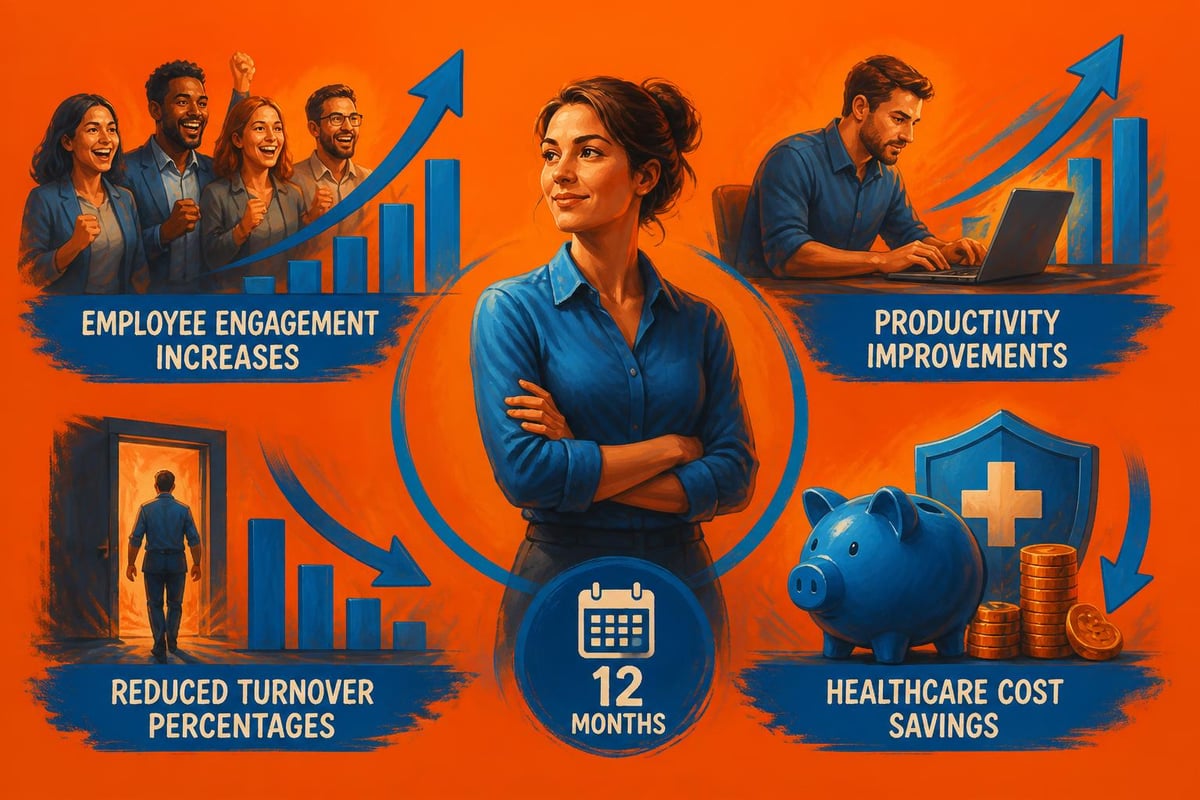
The investment in quality stress management training for employees pays dividends across organizational performance. Companies that approach this strategically build competitive advantages through healthier, more resilient workforces capable of sustaining high performance over time.
Effective stress management training transforms workplace culture while delivering measurable business results through improved productivity, engagement, and retention. Organizations ready to move beyond generic wellness programs and implement strategic stress reduction initiatives can partner with experienced coaches who work directly in your operations. Noomii Corporate Coaching delivers practical stress management solutions integrated with leadership development, providing month-to-month flexibility and tying progress to clear KPIs that matter to your business.



Leave a Reply
Want to join the discussion?Feel free to contribute!