Leadership Solution: Transform Your Organization in 2026
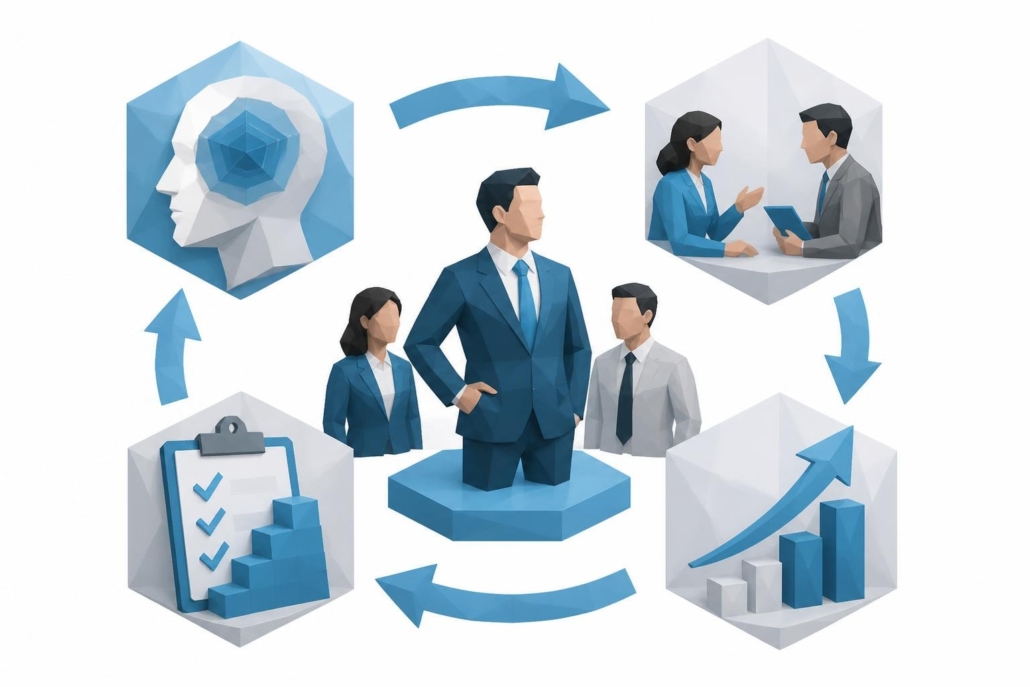
Organizations face unprecedented leadership challenges in 2026, from navigating hybrid work environments to managing increasingly diverse teams across global operations. Finding the right leadership solution requires more than generic training programs or one-size-fits-all approaches. It demands precision diagnostics, expert coaching partnerships, and measurable frameworks that align individual growth with institutional priorities. Companies that invest in evidence-based leadership development consistently outperform competitors, retain top talent, and build cultures of sustained innovation.
The Critical Need for Targeted Leadership Solutions
Modern organizations cannot afford leadership gaps. When executives lack the skills to navigate complex decisions, entire departments suffer from confusion, misalignment, and declining morale. The cost of poor leadership extends far beyond productivity metrics, impacting employee retention, customer satisfaction, and ultimately, bottom-line performance.
Traditional leadership development programs often fail because they lack specificity. Generic workshops and broad-based seminars rarely address the unique challenges facing individual leaders within specific organizational contexts. A truly effective leadership solution must diagnose precise behavioral patterns, match leaders with specialized expertise, and track measurable outcomes against defined objectives.
Identifying Leadership Challenges Before They Escalate
Organizations frequently recognize leadership problems only after significant damage has occurred. Declining engagement scores, increased turnover among high performers, or deteriorating team dynamics signal deeper leadership issues that require immediate intervention.
Evidence-based diagnostic tools reveal leadership gaps before they become critical:
- Behavioral assessments that measure decision-making patterns
- 360-degree feedback identifying blind spots in communication
- Team health indicators showing trust and psychological safety levels
- Cultural alignment metrics comparing espoused versus actual values
- Competency frameworks benchmarking leaders against role requirements
These diagnostic approaches provide the foundation for any comprehensive leadership solution. Without accurate assessment, development initiatives lack direction and accountability.
Building a Leadership Solution That Delivers Results
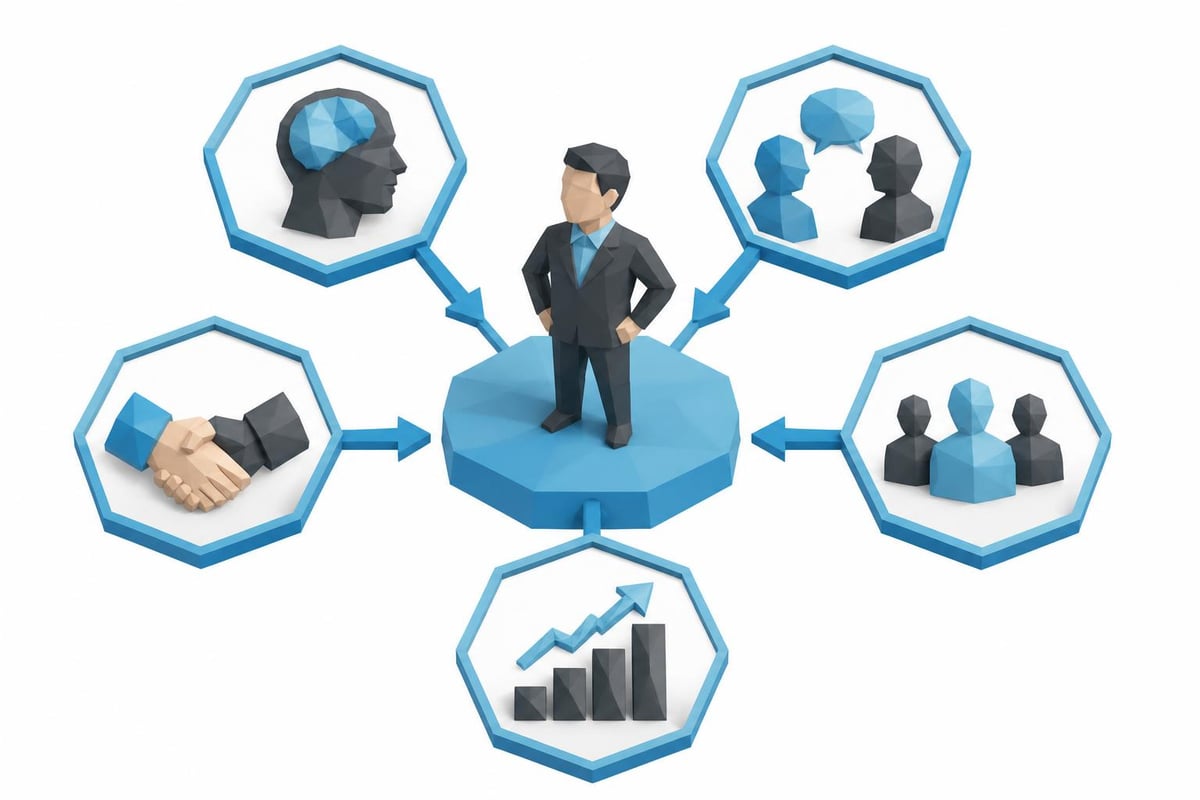
Effective leadership development requires structure, expertise, and accountability. Organizations that approach leadership growth as a strategic initiative rather than an HR checkbox achieve dramatically better outcomes. Creating a successful leadership development program requires alignment between business priorities and individual development needs.
The Role of Precision Coach Matching
Not every executive coach can address every leadership challenge. A CFO struggling with strategic communication needs different expertise than a department head navigating team conflict. The matching process between leader and coach determines program success more than any other factor.
Key considerations in coach selection include:
- Industry experience relevant to organizational context
- Specialized skills addressing specific behavioral challenges
- Cultural competence for diverse team environments
- Track record with similar leadership scenarios
- Assessment compatibility with diagnostic frameworks
Organizations working with toxic leader situations require coaches with deep expertise in behavioral intervention and organizational psychology, not general leadership consultants.
| Challenge Type | Required Coach Expertise | Expected Outcomes |
|---|---|---|
| Toxic Leadership | Behavioral intervention, conflict resolution | Improved team morale, reduced turnover |
| Strategic Vision | Executive strategy, change management | Clear organizational direction, alignment |
| Team Performance | Group dynamics, communication | Enhanced collaboration, productivity |
| Decision-Making | Critical thinking, risk assessment | Faster, more effective decisions |
Implementing Targeted Intervention Strategies
Once diagnostic data reveals specific leadership gaps and the right coach partnership is established, customized intervention plans become the vehicle for transformation. These plans must address immediate behavioral challenges while building long-term leadership capacity.
Successful intervention strategies balance corrective action with skill development. A leader who micromanages team members needs both feedback on current behaviors and training in delegation, trust-building, and outcome-based management approaches.
Addressing Toxic Workplace Behaviors
Toxic leadership patterns destroy organizational culture faster than any external market challenge. Leaders who create hostile environments, play favorites, or undermine psychological safety generate ripple effects throughout entire departments. Understanding psychological safety in workplace environments provides crucial context for intervention design.
Intervention plans for toxic behaviors include:
- Immediate behavioral contracts with clear expectations
- Regular accountability check-ins with coach and supervisor
- Skills training in emotional intelligence and communication
- Team feedback mechanisms creating transparency
- Escalation protocols for repeated violations
These structured approaches transform toxic patterns into opportunities for growth when leaders demonstrate genuine commitment to change.
Scaling Leadership Solutions Across Organizations
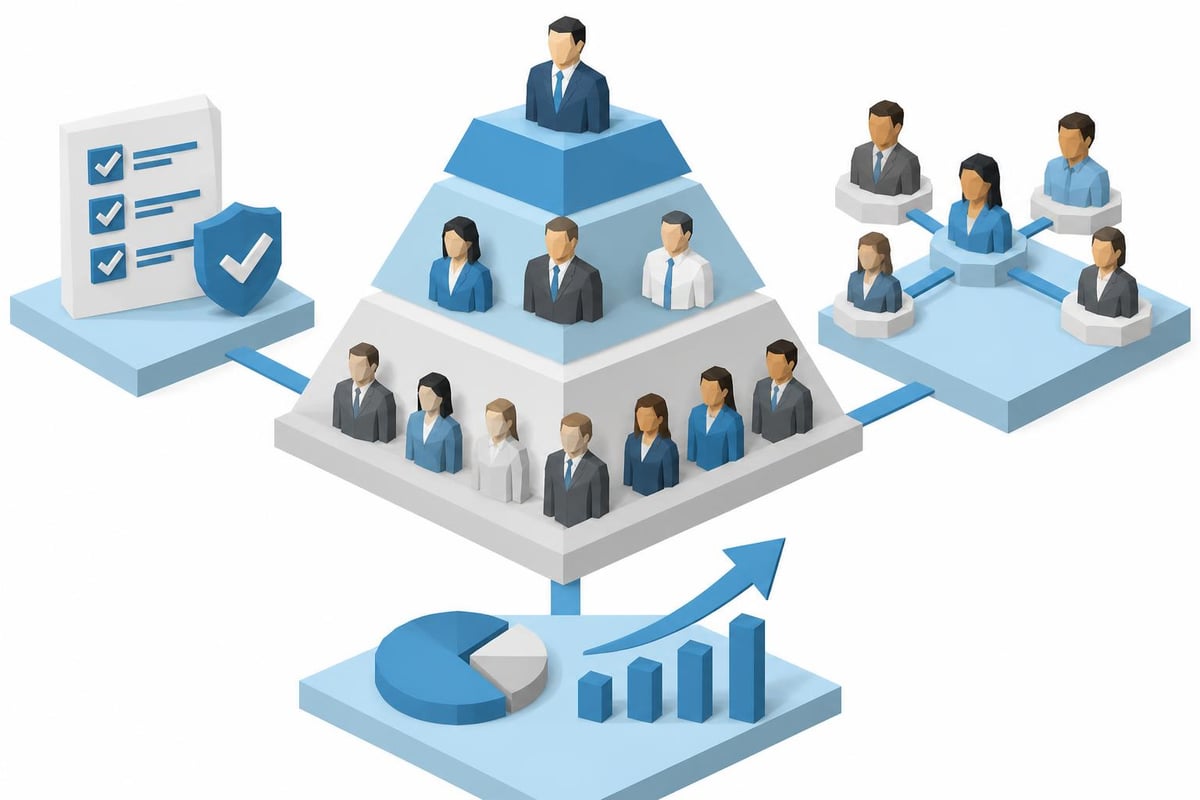
Fortune 500 companies and government agencies face unique challenges when implementing leadership development at scale. Programs must maintain consistency while allowing customization, ensure compliance with regulatory requirements, and demonstrate measurable ROI across hundreds or thousands of participants.
Compliance and Governance Considerations
Government agencies operate under strict ethical and regulatory frameworks that commercial leadership programs often overlook. A compliant leadership solution must align with mission objectives, support public service values, and withstand audit scrutiny.
Critical compliance elements include:
- Vendor management protocols meeting procurement standards
- Coach credentialing aligned with professional requirements
- Data privacy protections for assessment and feedback information
- Equal opportunity considerations ensuring program accessibility
- Performance metrics documented for accountability reporting
Organizations that integrate compliance from program inception avoid costly redesigns and maintain stakeholder confidence throughout implementation.
Measuring Leadership Development Impact
Executive stakeholders demand evidence that leadership investments generate returns. Vague promises of "improved leadership" no longer satisfy boards and oversight committees. Five characteristics of a successful leadership development strategy include rigorous measurement and accountability frameworks.
Measurable indicators of leadership solution effectiveness:
- Engagement scores trending upward in coached leaders' teams
- Retention rates improving among high-potential employees
- Performance metrics meeting or exceeding targets
- 360-degree feedback showing behavioral improvements
- Succession readiness increasing at critical levels
- Cultural health indicators strengthening organization-wide
Advanced analytics platforms now track these metrics in real-time, providing continuous feedback on program effectiveness and enabling rapid adjustments when interventions underperform.
Differentiating Leadership Solutions for Specific Sectors
Government agencies require different approaches than technology startups. Manufacturing organizations face distinct challenges compared to professional services firms. The most effective leadership solution recognizes sector-specific realities and tailors interventions accordingly.
Government and Public Sector Leadership
Public sector leaders balance mission delivery with political realities, budget constraints, and public accountability. Leadership development in these environments must strengthen decision-making under scrutiny while maintaining ethical standards and regulatory compliance.
Government-focused leadership solutions emphasize stakeholder management, transparent communication, and values-driven decision-making. Coaches working with public sector leaders understand organizational hierarchies, civil service cultures, and the unique pressures of serving diverse constituencies.
Fortune 500 and Enterprise Organizations
Large corporations demand leadership development that scales across geographies, functions, and organizational levels while maintaining quality and consistency. Developing leadership across multiple levels requires sophisticated coordination and technology platforms.
Enterprise leadership solutions leverage technology for assessment delivery, coach coordination, and progress tracking. They incorporate succession planning, high-potential identification, and executive bench strength development as integrated components rather than standalone initiatives.
Integrating Leadership Solutions With Existing Frameworks
Organizations already invest in various development initiatives, from onboarding programs to management training to executive education partnerships. An effective leadership solution complements rather than competes with these existing investments.
Integration strategies include:
- Aligning coaching objectives with internal competency models
- Coordinating coach interventions with formal training calendars
- Sharing progress data with learning management systems
- Incorporating organizational values into coaching conversations
- Supporting leaders through major transition points
This integration creates seamless development experiences where coaching reinforces classroom learning and vice versa.
Technology Platforms Supporting Leadership Development
Modern leadership solutions leverage technology for efficiency, consistency, and data-driven insights. Assessment platforms administer validated instruments and generate instant reports. Matching algorithms connect leaders with coaches based on multiple compatibility factors. Progress dashboards provide real-time visibility into program performance.
However, technology serves the coaching relationship rather than replacing it. The human connection between leader and coach remains the primary vehicle for transformation, with technology removing administrative friction and enabling better decision-making.
Developing Future Leaders Through Succession Planning
Organizations cannot afford leadership gaps when executives retire, depart, or move into new roles. Strategies for developing future leaders emphasize early identification and deliberate development of high-potential talent.
High-Potential Leadership Development
High-potential employees require different development approaches than remedial interventions for struggling leaders. These emerging leaders need exposure to strategic thinking, cross-functional challenges, and executive decision-making scenarios that current roles may not provide.
Components of high-potential leadership solutions:
- Stretch assignments expanding capability boundaries
- Executive mentorship providing senior-level perspective
- Strategic project involvement building business acumen
- Cross-functional rotations broadening organizational understanding
- Accelerated coaching focused on rapid capability development
Organizations that invest in high-potential development create leadership pipelines ensuring business continuity and competitive advantage.
Executive Leadership and C-Suite Development
C-suite executives face unique pressures requiring specialized coaching expertise. These leaders navigate board relationships, manage investor expectations, represent organizations publicly, and make decisions affecting thousands of stakeholders. Executive coaching packages designed for C-suite leaders must reflect this complexity.
Board-Level Leadership Challenges
Executives working directly with boards encounter governance dynamics, fiduciary responsibilities, and strategic oversight relationships that mid-level leaders never experience. Coaches supporting these executives must understand corporate governance, board psychology, and executive-director relationships.
The leadership solution for board-level executives includes specialized assessment of strategic thinking, stakeholder management capabilities, and crisis leadership readiness. Interventions focus on executive presence, communication under pressure, and decision-making with incomplete information.
Building Leadership Solutions That Last
Sustainable leadership development extends beyond individual coaching engagements. Organizations must build internal capacity for ongoing leader development, creating cultures where growth becomes embedded in daily operations rather than periodic interventions.
Elements of sustainable leadership cultures:
- Leaders coaching other leaders through formal mentorship
- Regular feedback mechanisms normalizing developmental conversations
- Learning opportunities integrated into workflow
- Recognition systems rewarding leadership growth
- Accountability structures maintaining development momentum
Three keys to making leadership development work emphasize viewing development as continuous rather than episodic.
Organizations achieving sustainable leadership transformation move beyond dependence on external coaches, though they maintain coaching relationships for specialized challenges and executive-level development.
Return on Investment in Leadership Solutions
CFOs and financial leaders rightfully demand evidence that leadership investments generate returns exceeding costs. Calculating ROI on leadership development requires tracking both direct and indirect benefits across time horizons extending beyond quarterly reporting cycles.
| Investment Category | Typical Costs | Measurable Returns | ROI Timeline |
|---|---|---|---|
| Assessment & Diagnostics | $500-2,000 per leader | Targeted development, reduced wasted training | 3-6 months |
| Executive Coaching | $10,000-50,000 per engagement | Improved performance, retention of key talent | 6-12 months |
| Program Infrastructure | $25,000-100,000 annually | Scalability, consistency, data insights | 12-24 months |
| Culture Transformation | $100,000-500,000+ enterprise-wide | Engagement, innovation, competitive advantage | 18-36 months |
Hard ROI metrics include reduced turnover costs, improved productivity measurements, and faster time-to-competency for promoted leaders. Soft benefits like enhanced culture and employer brand value prove harder to quantify but deliver substantial long-term value.
Selecting the Right Leadership Solution Partner
Organizations evaluating leadership development providers must look beyond marketing materials to assess true capability, track record, and cultural fit. The wrong partner wastes resources and damages leadership credibility through failed initiatives.
Evaluation criteria for leadership solution providers:
- Proven methodology grounded in research and evidence
- Global coach network with verified credentials and experience
- Technology platforms supporting scalability and measurement
- Industry expertise relevant to organizational context
- Compliance capabilities meeting regulatory requirements
- References from similar organizations demonstrating results
- Transparent pricing and contractual terms
Organizations benefit from requesting case studies, speaking with current clients, and piloting programs with small cohorts before enterprise-wide rollout. This due diligence prevents costly mistakes and builds internal stakeholder confidence.
The right leadership solution transforms organizational performance by addressing specific challenges with precision, expertise, and accountability. From diagnosing toxic patterns to developing future C-suite executives, effective programs align individual growth with institutional priorities while delivering measurable results that satisfy board-level scrutiny. Organizations seeking comprehensive leadership development backed by evidence-based diagnostics, precision coach matching, and scalable implementation frameworks should explore how Noomii Leadership Coaching delivers tailored solutions meeting the demands of Fortune 500 companies, government agencies, and forward-thinking enterprises. For additional accountability frameworks supporting leadership transformation, visit AccountabilityNow to complement your development initiatives.



Leave a Reply
Want to join the discussion?Feel free to contribute!