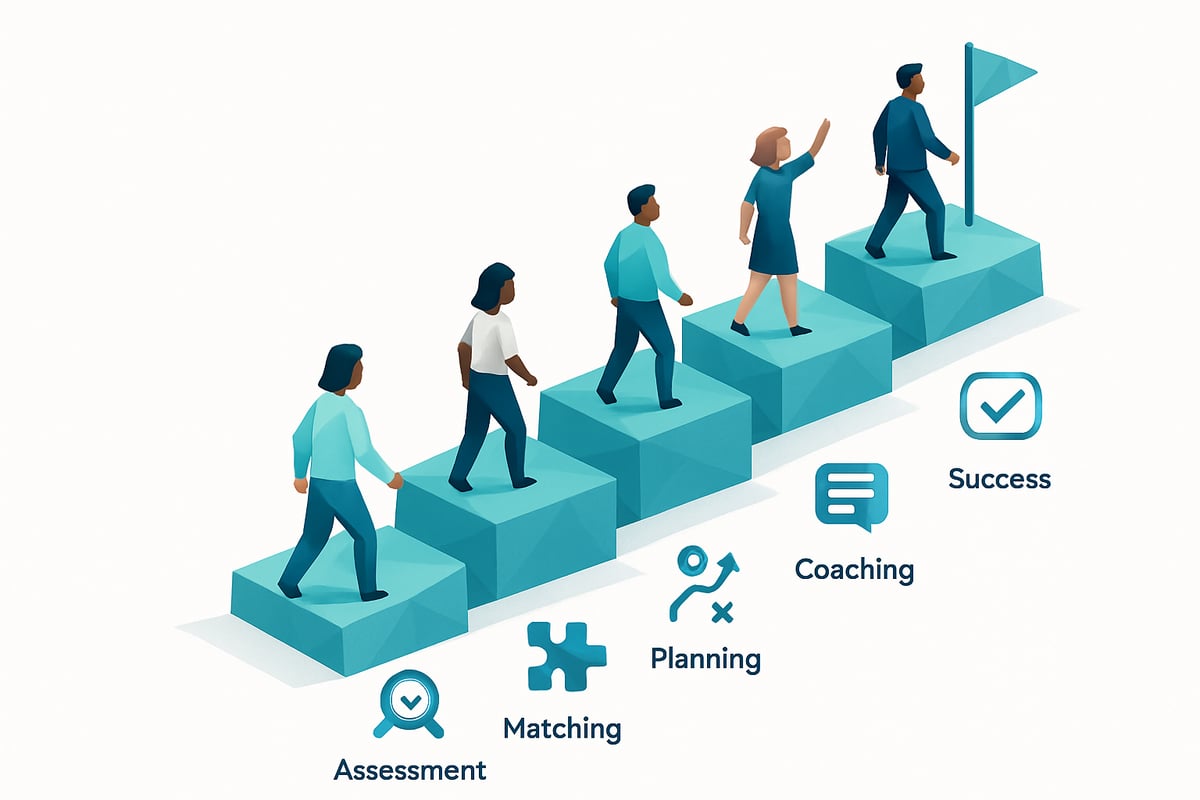
Vancouver’s digital economy is booming, offering entrepreneurs and business owners more opportunities than ever before. If you want to accelerate your growth, maximize ROI, and stay ahead of the competition, working with an online business coach vancouver can be the game changer you need. This guide will walk you through a proven, step-by-step approach to finding and collaborating with the right coach—so you can unlock your business’s full potential and thrive in 2025.
Why Choose an Online Business Coach in Vancouver?
Vancouver’s business scene is booming, with the city consistently ranked among Canada’s top tech hubs. In recent years, the digital economy has accelerated, prompting 72% of businesses to plan digital expansion by 2025. This environment makes it essential to find the right support, and an online business coach vancouver offers flexibility and expertise that matches the city’s pace.
One of the main advantages of working with an online business coach vancouver is the ability to access guidance regardless of location or busy schedules. Virtual sessions save time and reduce costs, making expert coaching more accessible to startups and established companies alike. The confidentiality and comfort of online meetings also encourage open discussion of sensitive business challenges.
Vancouver entrepreneurs face unique challenges, from intense competition to a multicultural workforce and high cost of living. Online coaches understand these dynamics and provide tailored strategies to help businesses thrive locally. Many local startups have scaled rapidly with remote coaching support. If you are ready to explore your options, you can browse business coaches in Vancouver to find a coach with the right experience and approach for your needs.
Choosing online coaching means you can access specialized knowledge, save valuable time, and get strategies designed for Vancouver’s evolving market. The right online coach can be a catalyst for growth, helping you navigate change and stay competitive.
Step 1: Assess Your Business Needs and Goals
Before connecting with an online business coach vancouver, take time to thoroughly assess your business needs and future vision. This critical first step ensures coaching delivers measurable value aligned with your unique challenges and opportunities.
Start by identifying key pain points in your organization. Are you struggling with leadership development, lagging sales, operational inefficiencies, or inconsistent team performance? Listing these challenges helps clarify where support is needed most.
Next, set clear, measurable goals. For example, do you want to boost revenue, streamline processes, or enhance your team’s productivity? Well-defined objectives create a strong foundation for a successful coaching engagement.
Utilize proven self-assessment frameworks such as SWOT analysis or gap analysis. Many Vancouver companies use these tools to pinpoint coaching priorities and track progress. For entrepreneurs seeking additional guidance, explore Entrepreneurship coaching resources to access specialized tools and expert insights.
Involve key stakeholders in the assessment process. Gather input from leadership, managers, and team members to ensure a comprehensive understanding of organizational needs. Align coaching objectives with your 2025 business vision to maximize relevance and impact.
Effective self-assessment also means recognizing when professional guidance is essential. If you notice persistent obstacles or missed targets, it may be time to seek the expertise of an online business coach vancouver. Taking these steps positions your business for accelerated growth and long-term success.
Step 2: Research and Select the Right Online Business Coach
Selecting the right online business coach vancouver is essential for lasting business success. Start with credentials and proven experience. Look for certifications such as ICF, EMCC, or membership in local business associations. Reviewing portfolios and testimonials offers insight into a coach’s expertise. For a deeper dive into leadership-focused coaching, explore Leadership coaching strategies to understand the impact of certified coaches.
Credentials and Experience Matter
An effective online business coach vancouver brings both formal training and hands-on experience. Certifications ensure adherence to ethical standards. Examine their track record in Vancouver’s competitive business sector. Seek client testimonials that highlight measurable improvements. Validating credentials reduces risk and increases your confidence in the coaching partnership.
Matching Coaching Style to Your Needs
Coaching styles vary, so align your choice with your business culture and goals. Some coaches use a directive approach, while others favor facilitative or hybrid styles. Assess how the online business coach vancouver communicates and adapts to multicultural teams. For example, a Vancouver tech startup thrived by selecting a collaborative coach who encouraged open dialogue and innovation.
Evaluating Track Record and Results
Reviewing a coach’s track record involves more than reading reviews. Examine metrics such as client success rates, ROI, and tangible business outcomes. Data-driven coaching delivers results. Ask for case studies or performance reports to verify the coach’s impact on previous clients. This step ensures you invest in a partnership focused on measurable growth.
Interviewing and Trial Sessions
Before making a final decision, arrange discovery calls or trial sessions. Prepare questions about methodology, accountability systems, and availability. Compare multiple coaches to find the best fit for your needs. This approach helps you build rapport and set clear expectations. By interviewing carefully, you secure a coach who aligns with your business vision and values.
Step 3: Establish a Productive Coaching Relationship
A successful journey with an online business coach vancouver starts by setting clear expectations. Define roles, boundaries, and preferred communication channels from the outset. This foundation ensures that both you and your coach are aligned, which is essential for a productive partnership.
Next, establish key performance indicators (KPIs) and accountability systems to track progress. Use digital collaboration tools like Zoom for meetings, Slack for communication, and Asana for task management. These platforms make it easier to stay organized and maintain momentum. For ongoing insights and strategies, explore resources such as Business coaching blog insights.
Building trust is critical. Foster an environment where honest feedback is welcomed and confidentiality is respected. Regular check-ins, whether weekly or biweekly, help monitor progress and address any concerns quickly. For example, a Vancouver retail chain partnered with an online business coach vancouver and saw significant results by holding structured virtual check-ins every week.
As your business evolves, be open to adjusting your coaching plan. Address resistance to change by involving your team in discussions and celebrating small wins. To further enhance accountability and leadership growth, consider exploring services like Accountability Now, which supports lasting business transformation.
Step 4: Implement Action Plans and Measure Results
Turning insights from your online business coach vancouver into real, measurable progress is where transformation happens. Start by converting coaching recommendations into clear, step-by-step action plans that align with your business goals.
Assign specific responsibilities to team members and set realistic timelines for each milestone. Use collaboration tools to track progress, such as digital dashboards or KPI scorecards, ensuring everyone stays accountable and on course.
For businesses embracing digital growth, staying updated with industry trends is crucial. The Digital Transformation in Canada Report offers valuable context for measuring results and adapting strategies quickly.
Celebrate quick wins to build momentum and motivate your team. For example, a Vancouver e-commerce brand doubled its sales after implementing a focused plan from an online business coach vancouver.
Regularly collect feedback from your team and coach to refine your approach. As your business evolves, adjust action steps to support ongoing growth and scalability, ensuring long-term success.
Step 5: Maximize Long-Term Value from Online Business Coaching
Long-term success with an online business coach vancouver requires more than just reaching short-term goals. Sustaining growth means embedding new skills and accountability into your company’s culture.
Start by setting up regular review sessions to track progress and adjust strategies as needed. Encourage your team to join peer groups or alumni networks, which can be found in Vancouver’s thriving startup community. According to Vancouver’s Startup Ecosystem Ranking, local businesses that invest in continuous learning see higher innovation rates.
Revisit your coaching relationship every quarter. Schedule periodic check-ins with your coach or explore refresher sessions to address new challenges. Consider allocating a portion of your budget for ongoing leadership training and professional development.
For example, a Vancouver SaaS company integrated coaching principles into their leadership onboarding, resulting in sustained team performance gains.
By making these practices routine, you will ensure the long-term value of your investment in an online business coach vancouver and keep your business ahead of the curve.
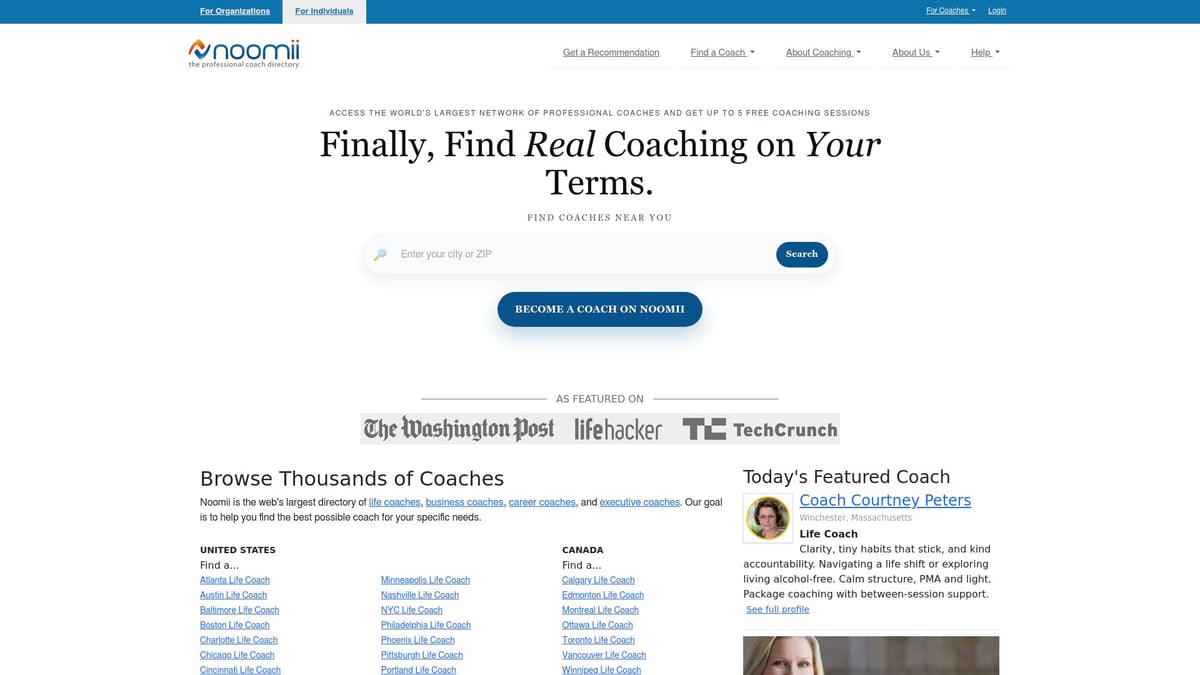
For entrepreneurs searching for an online business coach Vancouver, Noomii streamlines the process by connecting you with thousands of thoroughly vetted coaches worldwide. Their platform offers personalized coach matching, risk-free trial sessions, and a user-friendly experience, making it easier than ever to find the right fit for your unique business challenges.
Noomii’s extensive network includes experts who understand the opportunities and complexities of Vancouver’s expanding digital economy. As the city continues to attract investment in tech and innovation, leveraging a coach through Noomii can help you capitalize on these trends and drive measurable growth. For those seeking ongoing accountability and leadership development, consider exploring Accountability Now for additional professional support.
https://orgs.noomii.com/wp-content/uploads/2025/10/online-business-coach-vancouver-your-step-by-step-guide-2025.jpg10241536Don Marklandhttps://orgs.noomii.com/wp-content/uploads/2020/08/corp-noomii-logo-blue4-300x138.pngDon Markland2025-10-10 10:01:362025-10-10 14:41:18Online Business Coach Vancouver: Your Step-by-Step Guide 2025
Small business owners face unprecedented complexity and opportunity as 2025 approaches. Navigating this landscape requires more than determination—it demands expert guidance. That is where a small business coach becomes indispensable, offering the strategic insight and accountability needed for sustainable success.
This guide delivers a clear, step-by-step roadmap for leveraging coaching to drive growth, resilience, and profitability in the year ahead. Inside, you will discover what coaching involves, its core benefits, how to select the right coach, the coaching process, actionable strategies for 2025, and real-world case studies.
Are you ready to overcome challenges and unlock your business’s full potential? Explore the actionable strategies and expert advice in this guide, and discover how a partnership with a coach can transform your journey.
Understanding the Role of a Small Business Coach
The modern small business coach is more than just a sounding board—they are a driving force behind business transformation. As entrepreneurship grows more complex in 2025, the need for expert guidance has never been greater. Understanding what a small business coach does and how they operate is the first step toward leveraging their expertise for your business success.
What Is a Small Business Coach?
A small business coach is a professional who partners with entrepreneurs to unlock growth and solve challenges. Over the past decade, their role has evolved from simple advice-giving to hands-on strategy and holistic support.
It’s important to distinguish coaching from consulting and mentoring. While consultants provide solutions and mentors share experience, a small business coach empowers you to find your own answers through structured guidance and accountability.
Key roles of a small business coach:
Strategist for business planning and operational decisions
Accountability partner, keeping you focused on goals
Motivator during setbacks or uncertainty
For example, a small business coach might help you map out a new product launch while also supporting you through the stress of scaling up. Beyond practical advice, they provide emotional encouragement to keep you moving forward.
Common Challenges Faced by Small Businesses in 2025
Small business owners in 2025 face a landscape that is both promising and unpredictable. Market uncertainty, rapid digital transformation, fierce competition, and ongoing talent retention issues are at the forefront.
Recent research shows that 60% of small businesses struggle with overwhelm and lack of clear direction. A small business coach serves as a guide through these storms, helping owners prioritize and adapt.
Take the example of navigating post-pandemic economic shifts. Many business owners found themselves lost amid changing regulations and consumer behaviors. A small business coach can help you maintain focus and craft strategies to thrive, even when the ground keeps shifting.
How Small Business Coaches Drive Success
So, how does a small business coach create tangible results? They clarify your vision, help you set measurable goals, and break them down into actionable steps. Regular progress checks ensure you stay on track and adjust as needed.
For instance, a small business coach could help you develop systems for sales, marketing, or operations, all tailored to your unique business stage. This structured approach not only fosters growth but also builds resilience and innovation.
If you want to dive deeper into practical strategies and proven benefits, explore Business Coaching Strategies and Benefits to see how coaching delivers measurable outcomes.
The Coaching Relationship: What to Expect
A coaching relationship is built on trust, communication, and ongoing support. Most small business coaches offer several formats:
One-on-one sessions for personalized attention
Group coaching for shared learning
Virtual or in-person meetings for flexibility
Engagements typically run as six-session packages or longer-term arrangements, with regular check-ins and support between meetings. For example, many coaches provide ongoing email access to answer questions as they arise.
The best results come from a personalized, ongoing relationship where your small business coach tailors their approach to your evolving needs. This structure ensures you’re never alone in your journey.
Key Qualities of an Effective Small Business Coach
What makes a great small business coach? Look for these top attributes:
Experience in your industry or business stage
Empathy and strong communication skills
Adaptability to changing business environments
Deep industry knowledge
The most effective coaches customize their approach, ensuring your goals drive every step.
The Benefits of Small Business Coaching in 2025
Small business owners in 2025 face a rapidly evolving landscape. A small business coach is more essential than ever for sustained growth, resilience, and profitability. Let’s explore the concrete benefits you can expect when you invest in small business coaching.
Tangible Outcomes for Small Business Owners
Partnering with a small business coach delivers measurable business improvements. Owners consistently report increased profitability, smoother operations, and greater scalability.
For example, client testimonials frequently highlight higher confidence and substantial business growth after working with a small business coach. According to recent industry data, coaching clients experience notable improvements in revenue and team performance. These outcomes demonstrate why a small business coach is a valuable investment for entrepreneurs aiming to thrive in 2025.
Enhanced Accountability and Focus
A small business coach transforms how owners prioritize their work. By helping you set clear deadlines and break down overwhelming tasks, a coach ensures you remain on track and focused on strategic objectives.
Accountability is a key differentiator. Businesses with a small business coach are far more likely to set actionable goals and follow through. Imagine reducing overwhelm simply by having an expert guide you to focus on what matters most each week.
Navigating Growth and Change
Growth brings complexity, and market trends shift quickly. A small business coach is your guide through scaling challenges, hiring decisions, and digital transformation.
Whether you are pivoting your business model or expanding your team, a small business coach supports you every step. Their guidance is especially valuable during periods of rapid change, positioning your business to adapt and thrive in uncertain times.
Emotional and Mental Support for Entrepreneurs
Entrepreneurship can be isolating and stressful. A small business coach offers more than strategic advice—they provide vital emotional support.
Countless client stories illustrate how a small business coach validates your struggles and boosts your confidence. This support helps you make better decisions and weather difficult periods, reinforcing that emotional guidance is as crucial as business strategy.
Building Repeatable Systems and Processes
A small business coach helps you develop efficient systems for marketing, sales, and operations. Standard operating procedures streamline your workflow and create a foundation for scaling.
Data shows businesses with established systems are 30 percent more likely to scale successfully. With a small business coach, you can build processes that free up your time and enable sustainable growth.
Long-term Vision and Exit Planning
Planning for the future is essential. A small business coach assists with succession strategies and exit planning, using proven frameworks to maximize your business’s value.
Early preparation leads to smoother transitions and higher valuations.
Step-by-Step: How to Choose the Right Small Business Coach
Choosing the right small business coach is one of the most important decisions you can make for your business in 2025. The right partnership can unlock growth, clarity, and resilience, but only if you follow a thoughtful process. Here is a proven, step-by-step roadmap to help you select the coach who will drive your business forward.
Assessing Your Needs and Readiness
Begin by taking an honest inventory of your business goals, challenges, and current mindset. Ask yourself: What do I want to achieve with a small business coach? Are you seeking help with launching, scaling, or preparing for a transition?
Write down the specific areas where you need support. This could include financial planning, marketing, leadership, or operational efficiency. Consider your readiness—are you open to feedback, willing to be held accountable, and committed to change?
A clear understanding of your needs ensures you connect with a small business coach whose expertise aligns with your business stage. Self-awareness at this stage lays the foundation for a productive coaching relationship.
Researching and Shortlisting Coaches
Once you know what you need, start researching potential coaches. Look for reputable sources such as business coach directories, industry associations, and trusted referrals from your network. In fact, 70 percent of successful coaching partnerships begin with a referral from a peer or business contact.
Create a shortlist by reviewing credentials, certifications, and client testimonials. Evaluate their areas of specialty and experience with businesses similar to yours. Use a simple comparison table to keep track:
Coach Name
Credentials
Specialty
Testimonials
Referral Source
Coach A
ICF, MBA
Startups
5 stars
Yes
Coach B
CPC
Growth/Scale
4.8 stars
No
This methodical approach ensures your small business coach search is intentional and focused on quality.
Interviewing and Evaluating Fit
Interview your top candidates to assess compatibility. Schedule discovery calls and ask about their coaching style, methods, and client success stories. Pay attention to how they communicate, listen, and respond to your concerns.
Chemistry is just as important as expertise. During these conversations, explore the coach’s approach to accountability, problem-solving, and support. For more on what makes a coach effective, explore the Qualities of a Great Leader.
Opt for a small business coach who demonstrates empathy, adaptability, and a track record of helping clients achieve results. Many coaches offer free consultations to help you gauge fit before making a commitment.
Understanding Coaching Packages and Pricing
Coaching comes in various formats, including one-on-one sessions, group programs, and ongoing support packages. Common structures include hourly rates, monthly retainers, or fixed-session bundles such as six-session packages with follow-up support.
When evaluating pricing, remember that the value of a small business coach should be measured by the impact on your business, not just the upfront cost. Here’s a quick comparison:
Package Type
Typical Duration
Price Range (2025)
Best For
One-on-One
3–12 months
$1,500–$10,000+
Personalized support
Group Coaching
6–12 weeks
$500–$2,500
Peer learning
Ongoing Support
Continuous
$200–$1,000/month
Long-term growth
A small business coach is an investment in your company’s future, so weigh the potential ROI and fit with your budget.
Setting Clear Expectations and Goals
Before you begin, define what success looks like for your coaching engagement. Set specific, measurable goals such as increasing revenue, improving team performance, or streamlining operations. Agree on key performance indicators (KPIs) and how progress will be tracked.
A great small business coach will help you clarify these outcomes and hold you accountable throughout the process. Document your expectations in writing to avoid misunderstandings and ensure both parties are aligned.
For ongoing accountability and sustainable results, consider programs that emphasize regular check-ins and structured feedback.
The Small Business Coaching Process: What to Expect
Understanding what to expect from the small business coach process empowers owners to make the most of their investment. Every business journey is unique, but the coaching path follows a structured framework. Let’s break down each stage, so you know exactly how a small business coach supports growth at every step.
Initial Assessment and Goal Setting
The journey with a small business coach begins with a thorough assessment. Your coach will dive into your business history, current performance, and future aspirations. This is not just a surface-level review—it’s a deep diagnostic. Expect to answer guided questions and use proven assessment tools that clarify your vision and pinpoint strengths or gaps.
Together, you’ll define realistic, motivating goals. The small business coach ensures these goals are specific, measurable, and aligned with your long-term vision. This stage sets a solid foundation. Owners often report feeling more focused and optimistic after this initial phase.
Developing a Customized Action Plan
After setting clear goals, your small business coach crafts a personalized action plan. This plan is never generic—it’s tailored to your business stage, industry, and unique challenges. You’ll break big objectives into manageable steps, each with clear timelines and responsibilities.
A good small business coach incorporates your team, resources, and market realities into the strategy. This might involve launching new products, refining operations, or addressing cash flow. With a step-by-step roadmap, you can move forward confidently, knowing you’re following a proven path designed for your specific needs.
Regular Coaching Sessions and Progress Tracking
Consistency is key to lasting growth. Your small business coach will schedule regular sessions, which might be biweekly or monthly, either virtually or in-person. These meetings are more than check-ins—they’re opportunities to review achievements, tackle obstacles, and adjust tactics.
Between sessions, many coaches offer email support or brief calls to keep you on track. Progress tracking is built in, using key performance indicators (KPIs) to measure movement toward your goals. This regular cadence keeps momentum high and ensures every action is purposeful.
Accountability and Course Correction
One of the most powerful benefits of a small business coach is accountability. You’ll have someone in your corner, ensuring deadlines are met and priorities stay clear. When unexpected challenges arise, your coach helps you adapt quickly.
A small business coach doesn’t just hold you to your commitments—they help you analyze what’s working and what isn’t. Course corrections are normal. Whether market conditions shift or a strategy falls short, your coach helps you pivot without losing sight of your overall vision.
Measuring Results and ROI
Throughout the process, your small business coach will help you measure results. This means tracking financial metrics, team performance, and qualitative feedback. By focusing on tangible outcomes, you can see the real impact of coaching on profitability, growth, and resilience.
Recent business coaching industry growth statistics show that companies working with coaches report higher revenue and improved operational efficiency. Investing in a coach is about more than advice—it’s about measurable returns.
Actionable Steps for Small Business Success in 2025
Achieving sustainable success in 2025 requires small business owners to be more strategic than ever. By following a proven roadmap, you can clarify your purpose, build a resilient foundation, and drive measurable results. A small business coach will guide you through each critical step, keeping you accountable and focused in a rapidly changing landscape. Here is a step-by-step guide to help you thrive.
Step 1: Define Your Vision and “Why”
Every successful journey starts with a clear vision. A small business coach will help you articulate the deeper reasons behind your business goals. This process goes beyond financial targets. It explores your personal motivations and the impact you want to create.
By defining your “why,” you gain a powerful sense of direction. Vision-driven businesses outperform their competitors because their leaders make decisions with purpose. A small business coach uses proven frameworks to help you clarify your core values and long-term aspirations.
Start by reflecting on what success means for you. Write down your mission statement and revisit it regularly. Your vision will become the North Star that guides every strategy and decision.
Step 2: Assess Readiness and Build a Strong Foundation
Before scaling up, you need to evaluate your mindset, skills, and resources. A small business coach provides readiness assessments to identify gaps in your preparation. This step is critical, as 50 percent of startups fail due to lack of planning and insufficient groundwork.
Assess your financial health, business model, and leadership capabilities. Are you prepared to handle growth, or do you need to strengthen your foundation? A small business coach can offer honest feedback and targeted support.
Create a checklist of essential skills, financial milestones, and operational systems. Address any weaknesses before moving forward. A strong foundation sets you up for lasting success in 2025.
Step 3: Develop a Strategic Business Plan
A robust business plan is your roadmap to success. With a small business coach, you will craft a plan that includes clear objectives, financial projections, and marketing strategies. This process ensures you are prepared for both opportunities and challenges.
Your coach will help you validate your business model and identify funding sources. Together, you will outline revenue targets, customer segments, and key performance indicators. A well-structured plan increases your chances of securing investment and achieving growth.
Regularly review and update your plan with your small business coach. Adjust your strategies as conditions change. Strategic planning gives you a competitive edge in a dynamic market.
Step 4: Implement Repeatable Systems and Processes
Scalability depends on efficient systems. A small business coach will guide you in creating standard operating procedures for marketing, sales, and operations. These systems help you delegate tasks, maintain quality, and reduce errors.
Businesses with documented processes scale twice as fast as those without. Your coach will help you map workflows, automate repetitive tasks, and create checklists for consistency. This frees up your time to focus on growth and innovation.
Consider using simple tables or flowcharts to document your core processes. Regularly review and improve these systems with your coach to ensure efficiency and adaptability.
Step 5: Focus on Growth, Profitability, and Team Development
Growth is not just about revenue. It involves building a strong team and maximizing profitability. A small business coach helps you identify opportunities for expansion, streamline costs, and develop leadership skills.
Work with your coach to create hiring plans, set performance goals, and foster a positive culture. Delegating effectively allows you to focus on strategic activities. Investing in team development leads to higher retention and better business outcomes.
Track your progress with measurable goals. Celebrate milestones with your coach and team. This collaborative approach drives sustained growth and keeps everyone motivated.
Step 6: Stay Accountable and Adapt to Change
Adaptability is essential in 2025. A small business coach provides ongoing accountability, ensuring you stay on track as markets evolve. Regular progress reviews make it easier to spot challenges early and pivot when necessary.
Your coach will help you break large goals into manageable tasks, set deadlines, and monitor outcomes. Businesses with accountability partners are 65 percent more likely to reach their objectives.
Stay proactive by seeking feedback, embracing new technologies, and refining your strategies. Accountability and agility give you a significant advantage in a fast-paced environment.
Step 7: Plan for Exit or Succession
Planning for your business exit or succession is crucial, even if it feels distant. A small business coach uses frameworks like SuRGE to guide you through the transition process. Early planning increases your business valuation and ensures a smoother handover.
Discuss your exit goals and timeline with your coach. Identify successors, outline transition steps, and create documentation for critical processes. This preparation protects your legacy and financial future.
If you want to stay on track and experience sustainable growth, consider accountability-focused coaching programs that provide regular check-ins, goal tracking, and actionable feedback. This approach helps small business owners overcome overwhelm and achieve real results.
Real-World Success Stories and Case Studies
Small business coach partnerships drive change not just in theory, but through real stories of transformation. The following case studies and testimonials reveal how the small business coach relationship creates lasting impact for entrepreneurs in 2025.
Transformational Coaching Experiences
Many entrepreneurs describe working with a small business coach as a turning point. Clients consistently report increased confidence, sharper focus, and measurable business growth after engaging in coaching relationships.
One bakery owner shared how her small business coach provided “above-and-beyond” support, helping her develop a strategic plan and overcome self-doubt. Another testimonial highlighted customized guidance that led to a 30 percent revenue increase within six months.
5-star reviews often emphasize the personalized attention and actionable feedback a small business coach delivers. These real-world stories demonstrate that coaching is not just about advice, but about unlocking potential and driving true change.
Overcoming Overwhelm and Complexity
Launching or scaling a business in 2025 brings complexity and moments of overwhelm. Many founders face decision fatigue, unclear priorities, and shifting market conditions. A small business coach acts as a steady guide, helping owners break down chaos into clear, manageable steps.
For example, a tech startup founder felt paralyzed by competing demands and rapid growth. With a small business coach, she learned to prioritize tasks and regain confidence. This type of support is echoed in similar stories, where owners credit their coach with helping them navigate uncertainty.
To see more examples of how coaching helps entrepreneurs overcome adversity, visit Overcoming Adversity in Business for additional insights and case studies.
Building Profitable, Scalable Businesses
One of the most tangible outcomes of partnering with a small business coach is building a business that is both profitable and scalable. Owners frequently share how their coach guided them through systematizing operations, improving team performance, and increasing revenue.
A marketing agency owner, for instance, worked with a small business coach to implement repeatable sales processes and develop a clear hiring framework. Within a year, the business doubled its client base and expanded its team.
Strategic coaching also supports the transition from solopreneur to team leader, fostering leadership and operational excellence. For those interested in deepening their understanding of leadership’s impact on business growth, Leadership and Executive Coaching Insights provides valuable information.
The Value of Long-Term Coaching Relationships
Long-term relationships with a small business coach offer compounded value. Many clients continue coaching for years, citing ongoing support, fresh perspectives, and adaptability as key reasons for staying engaged.
Monthly coaching calls, goal reviews, and regular accountability check-ins help business owners maintain momentum and adapt to new challenges. As one client noted, “My small business coach is my go-to partner for every major decision, keeping me focused and resilient through every phase.”
https://orgs.noomii.com/wp-content/uploads/2025/10/small-business-coach-guide-your-path-to-success-in-2025.jpg10241536Don Marklandhttps://orgs.noomii.com/wp-content/uploads/2020/08/corp-noomii-logo-blue4-300x138.pngDon Markland2025-10-09 10:21:252025-10-09 18:18:31Small Business Coach Guide: Your Path to Success in 2025
Are you feeling stuck or craving a major change in your life, but unsure where to begin? Wondering, how do i get a life coach who can guide you toward real transformation? This step-by-step guide for 2025 is designed to help you uncover the answers and take decisive action.
You will discover what a life coach really does, why you might need one, and how to choose the right person for your goals. We will walk through each stage of the process, from self-assessment to finding and working with your ideal coach. Along the way, you will learn practical strategies to maximize your results and make lasting progress in both personal and professional areas.
If you are ready for growth, clarity, and support, this guide will give you the tools and steps to start your coaching journey with confidence.
What Is a Life Coach and Why Consider One?
If you have ever wondered, “how do I get a life coach,” it is important to first understand what a life coach actually does. A life coach serves as a facilitator, motivator, accountability partner, and guide, supporting you through personal and professional challenges.
Unlike therapy, which focuses on healing past wounds, or consulting, which offers expert solutions, life coaching centers on helping you identify goals and create actionable steps forward. Mentoring typically relies on sharing personal experience, while a coach provides objective support tailored to your unique needs.
People seek life coaching for many reasons. Common motivations include navigating career transitions, enhancing personal development, achieving specific goals, or improving work-life balance. According to the International Coaching Federation, 80% of those who receive coaching report increased self-confidence. Additionally, life coaching client satisfaction and ROI studies show high rates of satisfaction and measurable progress.
Some examples of who benefits from coaching include career changers, entrepreneurs, or individuals who want to build better habits. There is a misconception that coaching is only for executives or those in crisis. In reality, anyone can benefit from a coach’s guidance.
In 2025, the relevance of life coaching is stronger than ever. Rapid changes in technology, remote work, and shifting personal goals make having a skilled coach a valuable asset for adapting and thriving.
Step 1: Assess Your Readiness and Goals
Before asking, how do i get a life coach, it is essential to evaluate your readiness for this transformative experience. Self-reflection lays the foundation for a successful coaching partnership. Take time to pinpoint which areas of your life you want to improve and consider why change matters to you right now.
Start with these self-assessment questions:
What specific outcomes am I seeking?
Am I open to honest feedback and new perspectives?
How committed am I to making changes?
What obstacles might hold me back?
Leverage tools such as self-assessment quizzes and goal-setting frameworks to clarify your direction. The SMART goals method—Specific, Measurable, Achievable, Relevant, and Time-bound—offers a proven approach for setting clear objectives. Defining what you want to achieve allows both you and your coach to measure progress effectively.
Recognize common barriers: fear of change, uncertainty about the process, or concerns about cost. Addressing these early helps set realistic expectations. According to the ICF Global Coaching Study, clients who define specific goals report up to 70% higher satisfaction rates.
Ultimately, the answer to how do i get a life coach starts with your willingness to reflect, set measurable goals, and commit to growth. The more prepared you are, the greater your chances for lasting results.
Step 2: Research and Identify Potential Life Coaches
Finding the right coach is a critical step in answering how do i get a life coach. To make an informed decision, start by understanding the different coaching specialties and the importance of credentials. Then, explore reputable directories and resources to identify coaches who align with your goals.
Understanding Coaching Specialties and Credentials
Life coaches offer a range of specialties such as career, executive, wellness, and relationship coaching. When asking how do i get a life coach, consider which niche best fits your needs.
Look for recognized certifications like ICF or EMCC, which signal professional training and ethical standards. Experienced coaches often have a proven track record in their area. For example, if your goal is a job transition, a coach with expertise in career changes can provide targeted guidance.
Where to Find Life Coaches Online and Offline
Begin your search by exploring reputable directories, professional networks, and personal referrals. Platforms like the International Coaching Federation, LinkedIn, and local networks offer valuable options when considering how do i get a life coach.
Evaluate coach profiles by reading reviews, testimonials, and case studies. Chemistry and communication style matter—schedule introductory calls to gauge fit. Watch for red flags such as a lack of credentials or vague promises. For a focused search, Find a life coach near you using filters for specialty, location, and coaching style.
Noomii is the world’s largest online coach directory, making it easier to answer how do i get a life coach. You can search by specialty, location, and coaching style, and access up to five free introductory sessions. Verified reviews and detailed profiles help you make informed choices. Noomii’s global reach supports individuals and organizations in finding qualified coaches.
Step 3: Interview and Evaluate Coaches
Finding the right fit is crucial when asking, how do i get a life coach who truly supports your goals. Begin by preparing thoughtful questions for your potential coaches. Consider asking about their coaching approach, how sessions are structured, their experience with success stories, pricing, and availability.
A strong coaching relationship hinges on trust, open communication, and shared values. Schedule introductory or trial sessions, as many coaches offer these at no cost. This gives you a chance to experience their style firsthand before making a commitment.
Use the table below to compare coaching styles:
Style
Description
Best For
Directive
Coach provides clear guidance
Beginners, those wanting structure
Non-Directive
Client-driven, reflective
Self-motivated individuals
Structured
Set agendas and milestones
Goal-oriented clients
Flexible
Adaptable, tailored sessions
Those with changing priorities
Review coaching packages, fees, and contract terms carefully. Starting with a short-term or trial engagement can help reduce risk as you decide how do i get a life coach who aligns with your needs.
Testimonials and client outcomes provide valuable insights into a coach’s effectiveness. Explore life coaching success stories and tips to see real-world examples and gather inspiration. According to the ICF, 92% of coaching clients report satisfaction, underscoring the value of a thorough evaluation process.
Step 4: Commit and Start Your Coaching Journey
Taking the next step in your coaching journey begins with a clear commitment. Decide on the frequency, format, and length of your sessions with your chosen coach. If you are still wondering how do i get a life coach who fits your needs, clarify expectations early on to ensure the process aligns with your goals.
Open communication and trust are essential for a productive partnership. Be honest about your objectives, and stay open to feedback from your coach. Use tools like journals, digital apps, or accountability check-ins to track your progress and keep yourself motivated.
Review your progress regularly by assessing specific milestones. Many clients benefit from KPI scorecards to measure growth and celebrate achievements. Feedback sessions help you and your coach adjust strategies for even better results.
You might encounter challenges such as dips in motivation, scheduling conflicts, or resistance to new habits. Address these by setting reminders, maintaining flexibility, and seeking support when needed. Remember, sustained progress is the result of consistent effort and partnership.
Maximizing Results: Tips for Ongoing Success
To truly answer how do i get a life coach and see lasting transformation, you need more than just a great start. Maximizing your results is about staying engaged, making adjustments, and using the right strategies for ongoing success.
Staying Accountable and Motivated
Staying motivated is essential after you figure out how do i get a life coach. Set clear milestones and celebrate every small win to keep energy high. Use accountability partners or join groups for extra support. Digital tools and reminders help you stay on track, especially as your goals shift over time.
When and How to Re-Evaluate Your Coaching Relationship
Knowing when to revisit your goals or coaching relationship is a vital part of how do i get a life coach and make it work long-term. Watch for signs like stalled progress or shifting priorities. Open feedback with your coach ensures sessions stay valuable.
Regularly assess your return on investment and personal development. If your needs change, consider transitioning from one coaching niche to another. For more proven strategies and recent success insights, review the life coaching industry statistics and trends. Thoughtful evaluation helps you maximize results and adapt as you grow.
https://orgs.noomii.com/wp-content/uploads/2025/10/how-do-i-get-a-life-coach-step-by-step-guide-2025.jpg10241536Don Marklandhttps://orgs.noomii.com/wp-content/uploads/2020/08/corp-noomii-logo-blue4-300x138.pngDon Markland2025-10-09 10:21:102025-10-09 18:14:13How Do I Get a Life Coach: Step-by-Step Guide 2025
Are you a life coach finding it difficult to grow your business in 2025? The coaching industry is expanding rapidly, yet standing out as a life coach has become more challenging than ever. Many coaches excel at guiding others but struggle with the business side of their practice.
That is where a business coach for life coaches becomes essential. While you help clients achieve breakthroughs, a business coach can help you develop the skills, systems, and strategies needed to scale your own success. With expert guidance, you can boost your income, reach more clients, and create lasting impact in your field.
This essential guide explores why working with a business coach for life coaches is the key to unlocking sustainable growth. You will learn what to look for, how to choose the right coach, and practical steps to elevate your business this year. Ready to transform your coaching practice?
Why Life Coaches Need a Business Coach in 2025
The coaching industry is rapidly evolving, and life coaches today face more competition and higher client expectations than ever before. As the market expands, standing out requires more than just strong coaching skills. Many coaches discover that growing a practice is a different challenge altogether.
A frequent struggle for life coaches is maintaining a steady flow of clients, crafting effective marketing, and putting robust business systems in place. Without these elements, even the most passionate coaches can find their income and impact limited.
Let us compare some common challenges and how a business coach for life coaches addresses them:
Challenge
Solution with a Business Coach
Inconsistent client flow
Proven marketing and sales strategies
Unclear business direction
Strategic goal setting and planning
Lack of systems and automation
Streamlined operations and tools
Undercharging for services
Pricing guidance and confidence
According to the ICF Global Coaching Study 2025, over 70% of life coaches cite business development as their biggest hurdle. This underscores the difference between coaching skills and business skills. While coaching empowers clients, running a profitable practice requires expertise in marketing, operations, and financial management.
A business coach for life coaches delivers accountability, strategic direction, and tested frameworks. With their support, coaches gain clarity, strengthen their brand, and adopt systems that drive sustainable growth. Many life coaches who have partnered with a business coach report faster progress, greater confidence, and more consistent results.
Investing in a business coach for life coaches is now a necessity, not a luxury, for those who want to thrive in 2025.
Core Benefits of Working with a Business Coach
A business coach for life coaches provides the personalized support needed to thrive in today’s competitive market. Unlike generic advice, a business coach for life coaches tailors strategies to your unique strengths and goals, helping you stand out and grow with confidence.
Key Benefits
Personalized Growth Plans: Receive business strategies crafted specifically for your coaching niche, ensuring your offerings resonate with your ideal clients.
Effective Marketing and Client Acquisition: Learn what works for attracting clients in 2025, from social media to content marketing, so you never have to rely on guesswork.
Financial Structure: Set sustainable rates, manage cash flow, and build recurring revenue streams for lasting financial health.
Operational Efficiency: Streamline scheduling, billing, and client management using automation and proven systems, freeing up time for impactful coaching.
Measurable Results and Real-World Impact
Coaches who invest in a business coach for life coaches often see up to three times revenue growth within a year, according to Coach Foundation. For example, one coach increased client retention by 40 percent after applying business coaching insights.
If you want a direct path to tailored support, business coaching for life coaches connects you with vetted professionals who specialize in helping coaches scale.
From Overwhelm to Clarity
With expert guidance, you gain the confidence to sell your services, communicate your value, and make informed decisions. A business coach for life coaches turns overwhelm into clarity, so you can achieve consistent results and sustainable growth.
How to Choose the Right Business Coach for Life Coaches
Selecting the right business coach for life coaches is a pivotal decision that shapes your future growth and impact. The process requires self-reflection, research, and a clear sense of your business journey. Break down the search into three essential steps: clarifying your needs, evaluating credentials, and ensuring compatibility.
Understanding Your Needs and Goals
Begin by mapping out your vision. Are you looking to attract more clients, generate passive income, or build a scalable business model? Assess where you excel and what areas need improvement. For example, a coach aiming to launch group programs will require a different approach than someone focused on expanding one-on-one sessions.
Explore current trends and challenges in the life coaching field. Resources like life coaching industry insights offer valuable perspectives on what is working for others. This reflection ensures that when searching for a business coach for life coaches, your criteria are specific and aligned with your ambitions.
Evaluating Credentials and Experience
Once your goals are clear, examine the qualifications of potential coaches. Look for a proven track record working with life coaches, client testimonials, and expertise in business growth. It is crucial to distinguish between general business coaches and those who specialize in supporting coaches.
Be cautious of anyone guaranteeing instant success or being vague about their methods. Genuine professionals provide transparency and a history of helping life coaches achieve measurable results. A business coach for life coaches with the right background can help you avoid common pitfalls and accelerate your progress.
Compatibility and Coaching Style
Finally, consider how well you connect with your prospective business coach. Values alignment and communication style play a significant role in success. Prepare thoughtful questions for discovery calls, such as asking about their coaching philosophy and support structure.
Many coaches offer trial sessions to gauge fit before making a commitment. Trust and rapport are essential, so do not hesitate to explore options.
The Step-by-Step Process: How Business Coaching Transforms Your Life Coaching Practice
Transforming your coaching business requires more than just expertise in helping others. A business coach for life coaches leads you through a proven, stepwise process that builds a foundation for lasting growth. Here is how this journey typically unfolds:
Step 1: Assessment and Goal Setting
Your journey begins with a comprehensive assessment. A business coach for life coaches will review your current business model, client roster, and financial health. Together, you set clear, measurable goals that align with your vision—whether it’s increasing client retention, boosting revenue, or expanding into new markets.
SMART goal setting is key. With a structured approach, you can track progress and adjust strategies as needed. This step lays the groundwork for the transformation ahead.
Step 2: Strategy Development
Once goals are set, the business coach helps you craft a unique value proposition. You’ll define what sets your coaching apart and pinpoint your ideal clients. This is where market positioning becomes essential.
A tailored strategy may include refining your offers or identifying new revenue streams. For life coaches looking to scale, exploring entrepreneurship coaching for coaches can provide insights into building robust business models and group programs.
Step 3: Marketing and Sales Optimization
With your strategy in place, the focus shifts to marketing and sales. Your business coach for life coaches will guide you in creating a multi-channel marketing plan, using social media, content, and networking to attract new clients.
You’ll learn how to lead effective sales conversations and convert leads into paying clients. Implementing proven frameworks ensures you communicate your value and build trust with prospects.
Step 4: Systems and Operations
Efficient operations are vital for sustainable growth. Your coach will introduce automation tools for scheduling, billing, and client follow-ups. Using CRM systems helps you track client progress and improve retention rates.
Streamlined systems free up your time, so you can focus on coaching and expanding your impact. This operational clarity reduces overwhelm and supports consistent business performance.
Step 5: Accountability and Ongoing Support
Regular check-ins and performance tracking keep you accountable. Your business coach monitors key metrics, provides feedback, and helps adapt strategies as your business evolves.
Ongoing support boosts your confidence, ensuring you stay on track.
Real-World Success Stories: Life Coaches Who Elevated Their Business
Success stories demonstrate how the right business coach for life coaches can unlock new levels of growth and fulfillment. Many life coaches have turned their careers around by investing in expert business guidance.
Consider the case of a coach who transitioned from part-time work to a thriving full-time practice. With a business coach for life coaches, she clarified her niche, established clear systems, and implemented marketing strategies that consistently attracted her ideal clients.
Another example involves a coach who leveraged group programs to diversify her income and expand her impact. By introducing scalable offerings, she not only boosted her revenue but also fostered a supportive community among her clients. For more strategies on scaling your practice, see how others thrive as a life coach.
Industry data from Coach Federation 2024 reveals that life coaches who invest in business coaching report higher satisfaction and significantly lower burnout rates compared to their peers. Common threads among these successful coaches include gaining clarity, building consistency, and seeking expert guidance.
Ultimately, these examples prove that business coaching supports both personal and professional expansion. If you are looking to elevate your practice, partnering with a business coach can be the catalyst for lasting transformation.
Common Mistakes Life Coaches Make (and How Business Coaches Help Avoid Them)
Many life coaches unknowingly fall into traps that limit their growth. The most common mistakes include:
Undercharging for services and undervaluing expertise
Neglecting marketing and relying only on referrals
Failing to define a clear niche or target market
Lacking structured business systems and processes
For example, one coach struggled with client retention until she implemented follow-ups, a strategy recommended by her business coach for life coaches.
A business coach for life coaches identifies these blind spots and offers proven solutions. With expert support, coaches avoid costly pitfalls and build sustainable practices. According to the Predicted Trends for Coaching in 2024 and Beyond, adapting to industry shifts is crucial. Data shows 60% of new life coaches quit within two years due to business challenges.
For tailored support, explore how Accountability Now empowers coaches to overcome obstacles and achieve consistent success.
https://orgs.noomii.com/wp-content/uploads/2025/10/business-coach-for-life-coaches-the-essential-guide-2025.jpg10241536Don Marklandhttps://orgs.noomii.com/wp-content/uploads/2020/08/corp-noomii-logo-blue4-300x138.pngDon Markland2025-10-08 10:20:592025-10-08 14:32:16Business Coach for Life Coaches: The Essential Guide 2025
Imagine you could unlock your full potential and reach your biggest goals in 2025 with expert support. The journey to find life coach guidance can be transformative, but knowing where to start is crucial. This essential guide will give you the knowledge, strategies, and confidence to find life coach options tailored to your needs in 2025. We will demystify the process, reveal what truly matters, and offer actionable steps for success. Ready to take control and thrive?
Understanding Life Coaching in 2025
Unlocking your potential in 2025 starts with understanding what life coaching truly is. If you want to find life coach services that actually deliver, you need clarity on their core role and the impact they can have on your journey.
The Role and Impact of Life Coaches
A life coach is a professional who helps clients set meaningful goals, shift their mindset, and stay accountable. When you try to find life coach support, remember that coaching is not therapy, mentoring, or consulting. While therapy addresses past trauma and mentoring offers advice based on experience, coaching is future-focused and action-oriented.
Industry demand for life coaching is surging. According to recent Life Coaching Industry Statistics 2025, satisfaction rates remain high, with over 80 percent of clients reporting positive changes. Success stories range from career breakthroughs to improved relationships.
Common misconceptions include thinking coaching is only for those in crisis or that results are instant. In reality, a coach’s support is invaluable during complex transitions, providing structure, encouragement, and a roadmap for change.
Key Trends Shaping Life Coaching in 2025
The landscape for those who want to find life coach professionals is evolving rapidly. Virtual and AI-powered coaching platforms now make it possible to connect with the right expert from anywhere in the world. Specialization is on the rise, with coaches focusing on areas like health, relationships, executive leadership, or life transitions.
Coaching in 2025 is more data-driven than ever. Advanced assessments and digital tools, such as the Wheel of Life, help clients self-assess and track progress. Global accessibility means multicultural and multilingual coaching options are standard.
Online sessions have grown by 60 percent, making coaching more accessible. These trends ensure you can find life coach services tailored to your exact needs, no matter your location or background.
The Benefits of Working with a Life Coach
Choosing to find life coach guidance offers tangible benefits. Clients report greater clarity in their goals, stronger accountability, and higher follow-through rates. Coaches design personalized strategies that help you overcome obstacles and achieve measurable, lasting progress.
Testimonial data shows that 85 percent of coaching clients experience increased life satisfaction. Many cite a high return on investment, both personally and professionally. When you invest in a coach, you’re investing in sustainable change and a proven path to growth.
A coach doesn’t just help you set goals—they make sure you reach them, supporting you every step of the way.
Who Can Benefit from Life Coaching?
If you’re considering whether to find life coach support, know that coaching is for everyone. It benefits people facing major life transitions—career changes, relocations, or relationship shifts. Professionals seeking advancement or work-life balance also see great results.
Coaching is effective for those struggling with motivation, confidence, or direction. Real-life scenarios include a young professional navigating a new role, or someone rebuilding after a setback.
Life coaching is inclusive, serving all ages and backgrounds. Whether you want to proactively grow or respond to a challenge, you’ll find value in working with a coach.
Types of Life Coaches and Their Specialties
Navigating the journey to find life coach support starts with understanding the wide array of coaching specialties available today. In 2025, life coaching is more diverse and specialized than ever, offering tailored solutions for every personal and professional need.
Overview of Popular Coaching Specialties
To find life coach expertise that matches your goals, it’s helpful to explore the most in-demand coaching specialties:
Relationship coaching: Improves communication and builds healthy connections. For example, a couple struggling with conflict may work with a coach to rebuild trust.
Financial coaching: Focuses on budgeting, mindset, and long-term planning. A young professional might partner with a coach to eliminate debt and set up investments.
Business and executive coaching: Enhances leadership, entrepreneurship, and team dynamics. Many executives rely on executive and leadership coach profiles to develop vision and manage organizational change.
Health and wellness coaching: Addresses physical, mental, and emotional well-being. A client recovering from burnout could use wellness coaching for sustainable routines.
Recovery coaching: Supports those facing addiction, trauma, or major life setbacks.
Career coaching: Guides job transitions, interview skills, and professional growth.
Transitional coaching: Helps navigate significant life changes, such as relocation or retirement.
Each specialty offers unique strategies, making it easier to find life coach services specifically tailored to your circumstances.
How to Match Coaching Specialties to Your Needs
The smartest way to find life coach guidance is through honest self-assessment. Identify your primary area of growth—whether it’s advancing your career, healing relationships, or boosting wellness. Tools like the “Wheel of Life” can help you visualize where you need the most support.
Specialized coaches deliver targeted results by focusing their expertise on your unique challenges. For instance, if you seek a career change, a career coach will have proven frameworks for job search and interview prep. Some coaches offer multidisciplinary approaches, blending skills from several specialties to address complex needs.
In 2025, the most requested specialties are career, executive, and wellness coaching. To find life coach solutions that truly fit, align your choice with your specific goals for maximum impact.
Certifications, Training, and Standards in 2025
When you find life coach candidates, verifying their credentials is essential. Leading certifications like ICF (International Coach Federation) and NLP (Neuro-Linguistic Programming) are highly respected. Many top coaches pursue ongoing education to stay ahead of trends.
Certification
Recognized By
Focus Area
ICF
Global
General coaching
NLP
Global
Communication
EMCC
Europe
Executive coaching
Certified coaches consistently report higher client satisfaction and better outcomes. In fact, a growing percentage of clients prefer certified professionals for their trustworthiness and expertise. Comparing certified versus non-certified coaches, studies show that certification often leads to improved accountability and ethical standards. Always check credentials before you find life coach partners.
Niche and Emerging Coaching Fields
The landscape to find life coach services is rapidly evolving. Niche fields like mindfulness, digital wellness, and diversity and inclusion coaching are on the rise. AI-powered and hybrid coaching models are also gaining traction, providing clients with new ways to access support.
For example, some coaches now specialize in post-pandemic resilience or adapting to remote work, addressing unique challenges of 2025. These emerging fields offer innovative solutions for individuals facing modern stressors.
As you find life coach options, consider how these new specialties might address your needs.
How to Identify Your Coaching Needs and Goals
Before you set out to find life coach who matches your dreams, take time to clarify what you truly want to achieve. A thoughtful approach will help you make the most of your coaching journey, ensuring every session is focused and productive.
Self-Reflection and Assessment Tools
Self-reflection is the first crucial step when you want to find life coach who can truly help you grow. Start by listing your top priorities, values, and areas where you feel stuck or unfulfilled. Digital self-assessment tools, such as the Wheel of Life or values inventories, can offer a holistic view of your current satisfaction across various aspects of life.
Try this process: jot down your roles (parent, leader, friend, etc.), rate your satisfaction in each, and highlight where you want to see change. Honest self-appraisal brings clarity to your motivations and reveals where a coach’s expertise could be most impactful. Remember, the clearer your self-understanding, the better your partnership will be.
Setting Clear, Measurable Objectives
Defining what success looks like is foundational before you find life coach who fits your needs. Use the SMART goal framework: make your objectives Specific, Measurable, Achievable, Relevant, and Time-bound.
For example, instead of saying “I want to be happier at work,” state “I will secure a promotion by Q3 2025 by leading two new projects.” Coaches help refine and prioritize these ambitions, so come prepared with ideas. According to Coaching strategies for 2025, clients who set clear goals see significantly higher success rates than those with vague intentions. Precise objectives enable your coach to design targeted strategies for real progress.
Recognizing Barriers and Growth Opportunities
To successfully find life coach who can unlock your potential, you must identify what holds you back. This means looking at both internal factors, such as limiting beliefs or self-doubt, and external barriers like lack of resources or support.
Common obstacles include fear of failure, procrastination, or unclear boundaries in work or relationships. On the other hand, these challenges often point to your greatest growth opportunities. A skilled coach will help you reframe setbacks as stepping stones, guiding you to actionable solutions and breakthrough moments. Every barrier you identify is a chance to move closer to your goals.
When to Seek a Life Coach vs. Other Support
It’s important to know when the time is right to find life coach and when another type of support may serve you better. Coaching focuses on forward movement, goal achievement, and personal accountability, while therapy addresses mental health and past trauma.
If you’re seeking clarity, motivation, or strategies for change, coaching is ideal. For example, professionals feeling stuck in their career or individuals navigating major transitions often benefit most from coaching. Trends show that more people now choose coaches for proactive growth, not just reactive problem-solving.
Step-by-Step Guide: How to Find the Right Life Coach in 2025
Ready to take the first step? This comprehensive guide will walk you through exactly how to find life coach support that matches your unique goals and preferences in 2025. Follow these eight proven steps to ensure you make a confident, informed decision.
Step 1: Define Your Criteria and Preferences
Before you begin to find life coach options, clarify your expectations. Decide if you prefer virtual or in-person sessions, group or one-on-one formats. List non-negotiables, such as preferred communication style, specific experience, or cultural understanding.
For example, some clients value a coach’s ability to challenge their thinking, while others prioritize empathy or shared lived experience. Create a checklist of your ideal coach’s qualities. Remember, personal fit matters as much as credentials when you find life coach candidates. Consider language needs and time zones to ensure smooth communication.
Step 2: Research and Shortlist Potential Coaches
To efficiently find life coach professionals, explore reputable directories, social media, and professional associations. Platforms like CoachCompare and LinkedIn make it easy to filter by specialty, location, and credentials.
Ask friends or colleagues for referrals, and read bios and testimonials to get a sense of each coach’s style. The number of online coaching platforms has grown substantially by 2025, giving you more options than ever. A diverse search approach helps you find life coach matches that truly align with your vision.
Step 3: Evaluate Credentials, Experience, and Approach
Next, scrutinize each coach’s qualifications as you find life coach candidates. Verify certifications, such as ICF or NLP credentials, and look for evidence of ongoing professional development.
Review case studies and client success stories to see their real-world impact. Ask questions during initial contact: What is their coaching philosophy? Have they helped clients with similar goals? Experience in your specific area is crucial when you find life coach support tailored to your needs.
Step 4: Schedule Discovery Sessions or Consultations
Book discovery calls with your top choices to find life coach compatibility. These sessions let you assess chemistry, clarify goals, and ask questions in real time.
Expect open dialogue about your needs, the coaching process, and mutual expectations. Watch for red flags like poor listening or vague answers. Research shows that clients who have initial consultations are more likely to find life coach relationships that lead to lasting success.
Step 5: Compare Coaching Styles and Systems
Coaches use various frameworks, so compare their approaches as you find life coach options. Some follow structured systems like Tony Robbins’ Results Coaching, while others offer a more flexible, client-led style.
Ask about their preferred methodologies and how they measure progress. Proven systems can offer predictability, but flexibility is valuable if your needs evolve. Pick a coach whose methods resonate and support the way you want to grow as you find life coach guidance.
Step 6: Review Testimonials, Case Studies, and Success Rates
Authentic feedback is vital when you find life coach candidates. Read testimonials on coaches’ websites, social profiles, and directories. Look for specific results and long-term changes, not just generic praise.
Review case studies that detail obstacles overcome and measurable progress achieved. According to recent Life Coaching Industry Statistics 2025, client satisfaction rates remain high when clients conduct thorough research. Social proof builds confidence as you find life coach support.
Step 7: Make Your Selection and Set Up a Trial Period
After narrowing your options, select your preferred coach and agree on a trial period. This low-risk approach lets you find life coach fit through 1 to 3 initial sessions.
Discuss expectations, logistics, and investment upfront. Be open to honest feedback and ready to switch if the match does not feel right. A trial run helps you find life coach support that truly accelerates your progress, while also protecting your investment.
Step 8: Establish a Coaching Agreement and Begin Your Journey
Finalize your choice by signing a clear coaching agreement. This document should outline goals, confidentiality, schedule, and fees. Sample agreements are often available to review.
A formal agreement fosters accountability and professionalism, increasing the likelihood of long-term success. Clients with a written contract report higher retention and satisfaction rates.
Evaluating Life Coaching Platforms, Tools, and Resources
Evaluating the right resources and platforms is crucial when you want to find life coach options that match your needs in 2025. Today’s landscape offers more tools than ever, making your search both easier and more effective.
Digital Platforms and Directories for Finding Coaches
The first step for many as they find life coach candidates is exploring online directories and matching platforms. Sites like CoachCompare and Paperbell have streamlined the process, allowing users to filter coaches by specialty, location, and coaching style. According to the Life Coaching Services Market Report 2025, global usage of these platforms soared in recent years, with more clients reporting successful matches and higher satisfaction rates.
To use a directory effectively, start by setting your filters for key preferences, then review coach profiles, testimonials, and credentials. These platforms simplify vetting, save time, and increase your chances of finding a coach who truly fits your goals.
Social Media and Community Recommendations
Social media has become a powerful tool to find life coach options that resonate with your values and communication style. Platforms like LinkedIn, Instagram, and Facebook groups allow you to interact directly with coaches, consume their content, and see real-time engagement from their communities.
By following coaches’ posts, joining coaching-related groups, and reading peer reviews, you gain authentic insights into a coach’s approach and reputation. Community feedback offers transparency and confidence, helping you make informed decisions before initiating direct contact.
Assessments, Tools, and Resources for Self-Discovery
Before you find life coach services that suit your needs, digital self-assessment tools can clarify your goals and priorities. Tools like the Wheel of Life, values inventories, and personality assessments are widely accessible online, often for free or as part of coaching platforms.
Using these resources helps you enter the coaching process with clearer intentions. In 2025, over 70% of new coaching clients reportedly used at least one self-discovery tool before their first session, leading to more focused and productive outcomes. For those seeking personal transformation, personal growth coaching London offers a range of resources to kickstart your journey.
Investment, Pricing, and ROI Considerations
Understanding the investment when you find life coach services is essential for long-term satisfaction. The average cost of life coaching in 2025 varies by coach experience, specialty, and session length, with most clients considering it a high-value investment due to measurable progress and personal growth.
To calculate ROI, compare your progress toward goals, increased satisfaction, and the skills acquired during coaching. Industry reports show that clients who set clear objectives and commit to a structured coaching relationship see the highest returns.
Red Flags and Best Practices When Choosing a Life Coach
Choosing to find life coach support can be transformative, but it is essential to approach the process with a discerning eye. Not every coach is equally qualified or the right fit for your journey. Recognizing warning signs and following best practices ensures your investment leads to real growth and positive outcomes.
Warning Signs to Avoid
When you find life coach candidates, watch out for specific red flags that may indicate an unqualified or mismatched coach. These include:
Lack of recognized credentials or vague qualification claims
Promising fast transformations or guaranteed results
Poor communication skills, such as interrupting or failing to listen
Avoiding your questions or providing unclear answers
Reviewing competitor testimonials and industry reports, such as the U.S. Life Coaching Market Report, reveals that thorough vetting is essential. Always check references and reviews to protect your investment and ensure a positive coaching experience.
Questions to Ask Before Committing
Before you commit to a coach, it is critical to ask targeted questions during discovery calls. This step is a cornerstone when you find life coach professionals who align with your needs. Essential questions include:
What certifications and training do you hold?
Can you share client success stories relevant to my goals?
What is your coaching process and preferred methodology?
How do you measure progress?
What are your expectations of me as a client?
How do you handle confidentiality?
What is your availability and communication policy?
What is your experience with clients in situations similar to mine?
You have every right to interview multiple coaches before making a decision. Direct communication helps clarify expectations and ensures you feel confident moving forward.
Ensuring Accountability and Progress
Accountability is a defining factor when you find life coach partners who drive results. Set up regular check-ins and review sessions to track your progress. Many coaches use clear KPIs, such as:
Accountability Metric
Description
Review Frequency
Goal Attainment
% of milestones achieved
Monthly
Session Feedback
Client satisfaction rating
After each
Action Steps
Tasks completed
Weekly
Research shows that clients with structured progress reviews experience higher satisfaction and outcomes. Continually evaluating your journey maximizes the value of your coaching relationship.
Building a Sustainable Coaching Relationship
True success when you find life coach support comes from a healthy, long-term partnership based on trust, respect, and openness. Give and receive feedback regularly to strengthen your connection with your coach. Look for signs of a productive relationship, such as mutual accountability, honest communication, and clear boundaries.
Remember, coaching is a continual investment in your growth. If you ever feel the fit is not right, be open to exploring new options. For more guidance on maximizing accountability in coaching, visit Accountability Now.
https://orgs.noomii.com/wp-content/uploads/2025/10/the-essential-guide-to-find-life-coach-in-2025.jpg10241536Don Marklandhttps://orgs.noomii.com/wp-content/uploads/2020/08/corp-noomii-logo-blue4-300x138.pngDon Markland2025-10-08 10:20:462025-10-08 15:00:36The Essential Guide To Find Life Coach In 2025
Are you ready to make 2025 your breakthrough year? Noomii coaching can be the catalyst for real, lasting personal growth. Imagine transforming your ambitions into achievements, just as so many others have done with expert guidance.
This guide will show how noomii coaching empowers you to unlock your potential, overcome obstacles, and reach personal and professional goals. You’ll discover Noomii’s proven approach, the benefits, step-by-step coaching process, personalized coach matching, inspiring real-life stories, and the future of coaching.
Understanding Noomii Coaching: Foundations and Philosophy
What is Noomii Coaching?
Noomii coaching stands out as an evidence-based, client-centered approach designed to unlock personal and professional potential. At its core, noomii coaching is about empowering individuals to set meaningful goals, overcome obstacles, and achieve lasting change.
The philosophy is rooted in the belief that every client has unique strengths and untapped capabilities. Coaches are trained to facilitate growth through structured conversations, active listening, and accountability. Noomii coaching covers several key modalities:
Executive Coaching: Focuses on leadership, strategic thinking, and organizational performance.
Leadership Coaching: Develops influence, communication, and team-building skills.
Career Coaching: Supports career transitions, promotions, and job satisfaction.
Personal Development Coaching: Encourages self-awareness, confidence, and life balance.
Unlike mentoring, which often involves advice-giving from someone with direct experience, noomii coaching enables clients to find their own solutions. Therapy, on the other hand, addresses mental health and past trauma, while coaching is future-focused and action-oriented.
Approach
Focus
Method
Coaching
Goal achievement
Facilitation
Mentoring
Advice, guidance
Sharing wisdom
Therapy
Healing, support
Clinical methods
The Science Behind Coaching for Growth
Noomii coaching is grounded in robust scientific research, delivering measurable benefits for clients. Studies show that 70% of coaching clients report improved work performance, stronger relationships, and higher self-confidence. According to the 2025 ICF Global Coaching Study Executive Summary, coaching is linked to increased goal attainment and personal resilience.
Several psychological theories support the effectiveness of noomii coaching. The growth mindset theory highlights the power of believing in the ability to improve through effort. Self-determination theory emphasizes autonomy, competence, and relatedness as drivers of motivation. Positive psychology underscores the importance of focusing on strengths and well-being.
Clients experience real change by applying these principles. Research-backed coaching helps individuals develop self-efficacy, manage stress, and build sustainable habits. The combination of empirical evidence and practical application makes noomii coaching a powerful tool for transformation.
Noomii’s Unique Approach
What sets noomii coaching apart is its proprietary coach matching algorithm, which ensures each client is paired with a coach who aligns with their goals, industry, and personality. This personalized process increases the likelihood of success and satisfaction.
Noomii maintains a global network of certified coaches, each bringing diverse expertise and experience. Every client begins with a comprehensive assessment, allowing for the creation of a tailored coaching plan. Progress is mapped through clear milestones and regular check-ins, keeping clients accountable and engaged.
Confidentiality and trust are foundational to the noomii coaching relationship. Coaches adhere to strict ethical guidelines, ensuring a safe space for honest dialogue. Accountability frameworks encourage clients to take consistent action, while ongoing feedback loops support continuous improvement.
Clients can expect flexibility, support, and a commitment to measurable results. The entire process is designed to maximize personal growth while respecting each individual’s unique journey.
Who Can Benefit from Noomii Coaching?
Noomii coaching is suitable for anyone seeking to advance in their career, navigate life transitions, or enhance overall well-being. It is effective for professionals at all levels, from recent graduates to seasoned executives.
Career Advancement: Individuals aiming for promotions or leadership roles.
Life Transitions: Those facing changes such as relocation, entrepreneurship, or retirement.
Well-Being: Clients wanting to improve self-confidence, resilience, or work-life balance.
For example, a young professional leveraged noomii coaching to transition from a junior analyst position to a leadership role in under a year. With tailored support and actionable strategies, they developed leadership skills, improved communication, and achieved measurable results.
Noomii coaching adapts to each client’s unique context, making it a valuable resource for personal and professional growth.
The Noomii Coaching Process: Step-by-Step Guide to Personal Growth
Starting your journey with noomii coaching means following a proven, structured process designed for real transformation. Each stage helps you clarify your goals, connect with the right expert, and achieve measurable growth in your personal and professional life.
Step 1: Self-Assessment and Goal Setting
The noomii coaching journey begins with self-assessment. This foundational step empowers you to reflect deeply on your strengths, values, and aspirations. Through guided questionnaires and self-reflection exercises, you identify areas for growth and clarify what truly matters to you.
Clients use these tools to uncover hidden opportunities and articulate their desired outcomes. The noomii coaching approach emphasizes setting SMART goals: Specific, Measurable, Achievable, Relevant, and Time-bound. These criteria ensure your objectives are clear and attainable.
For example, a client might aim to transition into a management role within the next twelve months. By breaking down this ambition into smaller, actionable steps, you lay the groundwork for progress. The clarity gained in this phase sets the stage for the rest of your noomii coaching experience.
Step 2: Coach Matching and Selection
Finding the right coach is critical. Noomii coaching leverages a proprietary matching algorithm that considers your industry, personality, experience level, and specialization needs. This system increases the likelihood of a strong coach-client connection, which is essential for effective growth.
During this stage, clients review detailed coach profiles, often focusing on credentials and coaching style. The platform’s emphasis on compatibility ensures you work with someone who truly understands your challenges and aspirations. Many professionals have found that being paired with a Noomii executive or leadership coach accelerates their development and leads to more profound results.
Testimonials consistently highlight how the right match boosts motivation and confidence. This stage removes guesswork, so you can focus on building a supportive partnership with your coach.
Step 3: Designing a Personalized Coaching Plan
Once matched, you and your coach collaborate to design a tailored plan. Noomii coaching stands out for its individualized approach—your plan is built around your unique goals, learning style, and timeline.
The process begins with mapping key milestones and determining how progress will be tracked. For someone aiming to build leadership skills, the plan might include targeted skill exercises and periodic feedback sessions. If work-life balance is the priority, your coach may introduce strategies for time management and stress reduction.
Throughout the plan, measurable checkpoints keep you accountable. Adjustments are made as your needs evolve, ensuring the coaching remains relevant. This personalized blueprint transforms broad ambitions into achievable steps, making sustained growth possible with noomii coaching.
Step 4: Engaging in Transformative Coaching Sessions
Now, you participate in regular, results-driven sessions. Each noomii coaching session follows a structured format: setting the agenda, exploring challenges, and defining next actions. Sessions are typically held weekly or biweekly, with research showing that consistent cadence leads to better outcomes.
Your coach uses techniques like active listening and powerful questioning to unlock new perspectives. Accountability frameworks help you stay committed to your goals. Whether you are navigating a career pivot or seeking greater self-confidence, these sessions provide the support and structure you need.
Clients often report breakthroughs during these conversations. The safe, confidential space allows for honest reflection and experimentation. Over time, this process builds resilience and accelerates growth, demonstrating the impact of noomii coaching.
Step 5: Measuring Progress and Celebrating Success
Tracking progress is integral to the noomii coaching process. Your coach uses feedback tools and quantitative metrics to assess how you are moving toward your goals. Adjustments are made as challenges arise or priorities shift, ensuring continued relevance.
Celebrating milestones is a key motivator. Whether you land a new job, complete a project, or achieve a personal breakthrough, your coach helps you recognize and honor these successes. This positive reinforcement sustains momentum and encourages long-term growth.
Clients also receive ongoing resources and recommendations for future development. By the end of your noomii coaching program, you will have a toolkit for continued progress and a clear record of your achievements.
The step-by-step approach of noomii coaching is designed for lasting transformation.
Key Benefits of Noomii Coaching for Personal Growth
Unlocking your best self starts with understanding the key benefits of noomii coaching. Whether you aim to advance your career, build resilience, or create a lasting sense of well-being, noomii coaching provides evidence-based strategies and expert support to help you thrive. Let’s explore how these core benefits can transform your personal growth journey.
Accelerated Goal Achievement
Noomii coaching is renowned for helping clients reach their goals faster and more effectively. According to Harvard Business Review, individuals who work with a coach achieve their objectives 50 percent faster compared to those who go it alone. This acceleration is not just about speed — it’s about clarity, accountability, and sustained motivation.
For example, a client seeking a career pivot leveraged noomii coaching to transition into a new field within six months. Their coach provided structure, helped break down milestones, and kept progress on track. This approach turns aspirations into actionable plans, ensuring that your ambitions become realities.
Enhanced Self-Awareness and Confidence
Self-awareness is a cornerstone of personal and professional success. Noomii coaching integrates regular self-reflection and constructive feedback, which empowers clients to understand their strengths, blind spots, and growth areas. This deeper insight fuels better decision-making and more effective communication.
As clients gain clarity about their values and goals, they naturally build confidence. Noomii coaching encourages open dialogue, helping individuals challenge limiting beliefs. The result is a lasting boost in self-esteem and the courage to pursue new opportunities with conviction.
Resilience and Adaptability
Life is unpredictable, but noomii coaching equips you to navigate change with resilience. Coaches guide clients through setbacks, teaching evidence-based coping strategies and fostering a mindset of adaptability. Whether you’re facing job loss, a major life transition, or unexpected challenges, the skills gained from noomii coaching make recovery and growth possible.
A compelling case involves a client who rebounded from redundancy by developing new skills and reframing setbacks as learning opportunities. This approach transforms obstacles into stepping stones, supporting long-term growth and emotional well-being.
Improved Work-Life Balance
Noomii coaching recognizes the importance of well-being alongside achievement. Coaches help clients establish boundaries, prioritize self-care, and adopt effective time management techniques. This holistic approach not only reduces stress but also enhances overall satisfaction.
Clients learn practical strategies to balance competing demands, making it possible to excel at work without sacrificing personal fulfillment. For more stories and practical tips on how coaching supports real-life balance and growth, explore Personal Growth Coaching in London.
Sustainable Long-Term Growth
The true power of noomii coaching lies in its ability to foster sustainable, long-term change. Clients are guided to develop habits that endure beyond the coaching relationship. With ongoing access to resources, peer networks, and accountability partners, growth becomes a continuous journey rather than a one-time event.
Building these lasting habits ensures that personal and professional progress is not just achieved but maintained.
Personalized Coach Matching: Ensuring the Right Fit
Finding the right coach is the cornerstone of a successful noomii coaching experience. Compatibility between coach and client is not just a preference, but a proven driver of coaching results. Research shows that when compatibility is prioritized, coaching effectiveness can increase by as much as 60 percent. This is why noomii coaching places a strong emphasis on factors like communication style, shared values, and industry expertise.
A compatible relationship creates an environment where trust can flourish. When clients feel understood and supported, they are more likely to engage deeply, set ambitious goals, and sustain motivation. The noomii coaching platform integrates these principles to ensure every client starts their journey on solid ground.
The Importance of Coach-Client Compatibility
Noomii coaching uses a proprietary matching algorithm designed to maximize the potential for a strong coach-client fit. This process begins with a detailed intake assessment, collecting information on the client’s goals, work background, personality preferences, and coaching objectives. The system then analyzes the data, considering coach expertise, industry experience, and even communication preferences.
Key factors in the matching process include:
Alignment of personal and professional values
Relevant industry or functional expertise
Preferred coaching style and communication methods
Clients are introduced to a shortlist of coaches, each selected for their ability to address the unique needs identified in the assessment. This tailored approach ensures that every noomii coaching relationship starts with the highest chance of success.
Noomii’s Proprietary Matching Process
After the initial match, clients are encouraged to schedule introductory sessions with potential coaches. This gives both parties a chance to assess rapport and clarify expectations. Feedback from these early meetings is incorporated into the matching process, allowing for further refinement if needed.
Noomii coaching supports ongoing alignment by providing regular progress check-ins and client satisfaction surveys. This feedback loop ensures that adjustments are made promptly, maximizing the effectiveness of the coaching journey. Success stories abound, with many clients crediting their matched coach for pivotal career transitions and personal breakthroughs.
Client Experience: From Onboarding to Success
The onboarding process with noomii coaching is seamless and client-focused. From the first assessment to the initial coach meeting, every step is guided by transparency and accountability. Clients receive clear guidance on what to expect, how sessions will unfold, and how progress will be measured.
Continuous improvement is built into the process. Clients and coaches collaboratively set milestones, track achievements, and refine goals as needed. This dynamic partnership fosters sustained growth, empowering clients to reach their fullest potential.
Real-Life Success Stories: Noomii Coaching in Action
Real-life stories bring the power of noomii coaching into sharp focus. Clients from all backgrounds have experienced transformative results, both professionally and personally. These examples highlight how targeted coaching can accelerate growth, boost confidence, and build high-performing teams.
Career Advancement
Noomii coaching has propelled many professionals toward remarkable career milestones. Take the story of a mid-career manager who, after months of feeling stagnant, engaged in noomii coaching to clarify his leadership vision. Through guided reflection and targeted feedback, he built executive presence and improved communication skills.
Within six months, he secured a promotion to an executive role, increased his salary by 20 percent, and became a mentor to new team members. Data from noomii coaching consistently shows that structured guidance leads to faster and more sustainable career growth.
Personal Transformation
Personal breakthroughs are at the heart of noomii coaching. Clients often arrive feeling uncertain or held back by limiting beliefs. One client, struggling with self-doubt and work-life balance, began her journey with noomii coaching by setting small, achievable goals.
With ongoing support, she built confidence, learned to set boundaries, and redefined her personal success. Feedback from clients highlights increased self-awareness and resilience, with many noting that noomii coaching provided the tools to create lasting change in both mindset and daily habits.
Organizational Impact
The ripple effect of noomii coaching extends beyond individuals to entire organizations. In one case, a tech company partnered with noomii coaching to launch a company-wide leadership initiative. Teams learned to collaborate more effectively, resolve conflicts, and set clear objectives.
Within a year, employee engagement scores rose by 30 percent and productivity improved across departments. As highlighted in Leadership Coaching Strategies 2025, organizations leveraging coaching strategies see measurable gains in culture and performance, proving the value of dedicated coaching at scale.
Lessons Learned and Key Takeaways
Successful clients share key themes: commitment, openness to feedback, and consistent action. Maximizing results from noomii coaching means setting clear goals, tracking progress, and celebrating milestones. Many also credit ongoing accountability as the secret to sustained growth.
The Future of Personal Growth: Trends in Coaching for 2025
The landscape of personal growth is rapidly evolving, and noomii coaching stands at the forefront of these changes. As we look ahead to 2025, several key trends are shaping the way individuals and organizations approach coaching. Understanding these trends can help you make the most of your noomii coaching experience and prepare for a future of continuous development.
Digital Transformation in Coaching
Noomii coaching has embraced the digital shift, making virtual coaching more accessible than ever. In recent years, the rise of AI-driven tools and online platforms has transformed how coaches and clients connect. According to Forbes, 80% of coaching is now conducted remotely, reflecting a broader movement toward flexible, technology-enabled growth solutions.
These digital advancements allow noomii coaching clients to schedule sessions, access resources, and communicate with coaches from any location. The convenience of virtual meetings removes traditional barriers, empowering more people to pursue personal and professional development on their own terms.
Integration of Data and Analytics
A major trend in noomii coaching is the increased use of data analytics to personalize and optimize the coaching journey. Progress tracking apps and interactive dashboards provide real-time insights, helping clients and coaches measure growth and adjust strategies as needed.
This data-driven approach also demonstrates the growing value of coaching services. The Coaching Industry Revenue Growth Report highlights how the industry continues to expand, fueled by measurable results and client demand. With noomii coaching, clients can leverage analytics to stay motivated and ensure tangible outcomes.
Expanding Access and Inclusivity
Noomii coaching is committed to making personal growth accessible to everyone, regardless of background or location. Innovations like group coaching, micro-coaching, and peer support are lowering barriers to entry and reaching underserved populations.
By offering diverse coaching modalities and flexible formats, noomii coaching addresses the unique needs of individuals in remote regions and underrepresented communities. This focus on inclusivity is shaping the future of coaching, ensuring that more people can experience meaningful transformation.
Evolving Coaching Specializations
The demand for specialized coaching is rising as industries and individuals face new challenges. Noomii coaching is responding by expanding its network to include experts in wellness, DEI (Diversity, Equity, Inclusion), digital leadership, and other emerging fields.
Clients now seek coaches who understand niche areas and can offer targeted guidance. As a result, noomii coaching matches individuals with professionals who have the right expertise, ensuring effective support for every unique journey.
Preparing for Lifelong Personal Growth
Looking ahead, lifelong learning and adaptability are essential for sustained success. Noomii coaching equips clients with the skills and mindset needed to navigate an ever-changing world. Continuous access to resources, accountability frameworks, and support networks keeps growth on track even after formal coaching ends.
For those seeking to deepen their commitment, platforms like Accountability Now provide additional tools to maintain momentum and achieve lasting results. Noomii coaching remains a trusted partner in this journey, ready to support evolving needs in 2025 and beyond.
https://orgs.noomii.com/wp-content/uploads/2025/10/noomii-coaching-guide-your-path-to-personal-growth-2025.jpg10241536Don Marklandhttps://orgs.noomii.com/wp-content/uploads/2020/08/corp-noomii-logo-blue4-300x138.pngDon Markland2025-10-07 11:00:582025-10-07 16:21:36Noomii Coaching Guide: Your Path to Personal Growth 2025
The demand for skilled life coaches continues to surge across the USA, making it more important than ever to find trusted professionals who can deliver measurable results. Yet, with the explosion of options, pinpointing the right life coach directory usa resource can feel overwhelming.
Today’s seekers need credible, up-to-date directories to connect with reputable coaches who align with their goals. This article cuts through the noise by spotlighting the 9 essential life coach directory usa resources for 2025, ensuring you have access to vetted experts and platforms tailored to your unique needs.
You will discover an overview of each top directory, their unique features, pricing structures, and how they serve different coaching journeys. Ready to accelerate your growth? Explore our curated list and unlock the potential of a well-matched coaching partnership.
Why Use a Life Coach Directory in 2025?
The landscape of coaching in the USA is rapidly evolving as demand for professional guidance continues to rise. With the surge in remote and hybrid work, more people are seeking personal and professional growth through coaching. Navigating thousands of providers can be overwhelming, making a trusted life coach directory usa a vital resource.
Digital directories have become essential tools for connecting clients with qualified coaches. They offer streamlined discovery, allowing users to search by specialty, location, and credentials. Verified profiles and user reviews help ensure transparency and informed decision-making. According to recent Life Coaching Industry Growth Statistics, the U.S. life coaching industry is projected to grow by 4.4% in 2025, reflecting the increasing reliance on these platforms.
Niche directories are now catering to specific coaching needs, from executive and career coaching to wellness and retirement. This trend enables clients to find experts tailored to their unique goals. For example, a mid-career professional used a life coach directory usa to locate a leadership coach, resulting in measurable career advancement and enhanced confidence.
While directories offer many advantages, potential drawbacks include information overload or outdated listings. However, reputable platforms regularly update their databases and implement strict vetting processes, reducing these risks and supporting a smoother client experience.
9 Essential Life Coach Directory USA Resources for 2025
With the growing number of options, selecting the right life coach directory USA platform can be overwhelming. To help you navigate this landscape, we have curated a list of nine standout directories that serve a range of coaching needs, from career growth to wellness and executive leadership. Each resource is evaluated for credibility, user experience, coach vetting, and unique features, ensuring you find the best fit for your goals.
Noomii stands out as the largest life coach directory USA resource, offering thousands of vetted coaches across specialties. Clients can access personalized matching, robust profiles, and up to five free intro sessions. The platform is free for clients, while coaches pay for listings or leads. Noomii’s educational content and media trust make it a top choice for individuals, organizations, and professionals.
Pros: Comprehensive database, easy interface, strong support. Cons: Coaches may experience high competition. Unique Feature: Try-before-you-commit with free intro sessions.
For those seeking a trusted and expansive coach selection, explore the Life coaches directory USA for a seamless experience.
Life Coach Spotter simplifies the search for a qualified coach with its user-friendly platform. Clients benefit from fast, personalized matches and detailed coach profiles featuring testimonials. The life coach directory USA here is free for seekers, with premium exposure available for coaches.
Pros: Quick connections, diverse specialties, transparent information. Cons: Smaller database than some competitors. Target Audience: Individuals seeking personal, career, or executive coaching.
The ICF Coach Federation Directory is ideal for clients prioritizing certified expertise in a life coach directory USA. Only ICF-certified coaches are listed, ensuring high standards and credential verification. The search tool allows filtering by specialty and location.
Pros: International reach, rigorous standards, credibility. Cons: May lack newer or niche coaches not yet certified. Best For: Clients who value professionalism and accountability.
Thumbtack’s localized approach enables users to find coaches in their area, making it a practical life coach directory USA option for those preferring in-person sessions. The platform features user ratings, instant quotes, and direct messaging.
Pros: Local focus, transparent reviews, wide service range. Cons: Quality and vetting can vary. Features: Quick response times, verified user feedback.
BetterUp offers a modern, app-based life coach directory USA experience, focusing on holistic development and measurable outcomes. Subscription-based, it provides professional coaching, personalized plans, and progress tracking, with enterprise solutions for organizations.
Pros: Advanced tech integration, high-quality coaches, actionable insights. Cons: Not a traditional open directory, limited browsing options. Audience: Companies and professionals seeking scalable growth.
FindLifeCoach.com provides a searchable life coach directory USA with specialty filters, ratings, and reviews. Its simple interface and broad coaching categories make it accessible for individuals exploring different coaching types.
Pros: Easy navigation, transparent reviews. Cons: Smaller selection, less robust vetting. Pricing: Free for clients, paid listings for coaches.
The Muse’s coaching directory is curated for professionals and job seekers, offering high-quality, Muse-approved coaches. Detailed bios, client reviews, and a seamless booking platform set this life coach directory USA apart.
Life Coach Hub combines a comprehensive directory with online courses and client management tools. This life coach directory USA appeals to clients interested in both coaching and self-paced learning.
Pros: Integrated tools, educational resources. Cons: Less modern interface, smaller coach pool. Features: Coach reviews, client management, online learning.
Coach.me is a habit-focused life coach directory USA, offering affordable subscription options starting at $25 per week. Its app-based model emphasizes daily accountability, goal tracking, and community support.
Pros: Low entry barrier, mobile-friendly, active community. Cons: Limited to habit and goal coaching, less personalized for complex needs. Audience: Individuals seeking micro-coaching and daily progress.
When selecting a life coach directory USA, consider your goals, preferred coaching style, and the platform’s vetting process.
How to Choose the Right Life Coach Directory for Your Needs
Selecting the best life coach directory USA can significantly impact your coaching journey. With so many options, it is crucial to focus on factors that align with your unique goals and preferences.
Start by considering these essential criteria:
Specialization: Does the directory cater to your specific needs, such as executive, career, or wellness coaching?
Coach qualifications: Are coaches vetted or certified, and can you verify their backgrounds?
User reviews and testimonials: Are client experiences transparent and recent?
Platform usability: Is the interface easy to navigate, with helpful search filters?
Support and resources: Does the directory offer guidance or free introductory sessions?
For example, corporate teams may benefit from platforms with vetted executive coaches, while individuals seeking local support might explore a find a life coach in NYC resource. Those interested in niche coaching can look for specialized directories tailored to retirement or wellness.
Remember, matching coaching style and goals is vital. Take advantage of free consultations to assess fit and ask questions. Do not choose a life coach directory USA based solely on price or popularity. Instead, read reviews, check credentials, and prioritize directories with robust vetting processes.
According to a recent survey, 82% of clients report higher satisfaction when using directories that emphasize quality and thorough coach screening.
Maximizing Your Experience with Life Coach Directories
Getting the most from your life coach directory usa search requires more than just browsing profiles. Start by clearly defining your personal or professional goals, which will guide your entire journey.
Create a shortlist of coaches who align with your needs. Use filters to narrow your options by specialty, credentials, or location. Reach out to several coaches, and prepare a set of thoughtful questions about their approach, experience, and how they measure progress.
Take advantage of introductory sessions to assess compatibility. Be honest about your expectations and challenges, as open communication builds a foundation for success. Leverage platform tools such as progress tracking and client reviews for ongoing evaluation.
Regularly update your preferences as your needs evolve. For those focused on accountability, consider resources like Accountability Now to complement your coaching experience.
Remember, your investment in a life coach directory usa is most valuable when you engage proactively and remain open to feedback and growth.
https://orgs.noomii.com/wp-content/uploads/2025/10/9-essential-life-coach-directory-usa-resources-for-2025.jpg10241536Don Marklandhttps://orgs.noomii.com/wp-content/uploads/2020/08/corp-noomii-logo-blue4-300x138.pngDon Markland2025-10-07 11:00:472026-05-29 17:50:159 Essential Life Coach Directory USA Resources for 2025
Imagine stepping into a workplace where every idea matters, mistakes spark growth, and trust is the engine for innovation. This is the promise at the heart of edmondson psychological safety—a concept that’s transforming how organizations function in 2025.
In this guide, we’ll explore Amy Edmondson’s Psychological Safety framework, showing how it enables leaders and teams to build high-performing, resilient workplaces. You’ll discover practical steps rooted in research to foster trust, accountability, and open communication.
Get ready to unlock the keys to workplace trust. We’ll define psychological safety, examine its impact, break down Edmondson’s proven approach, tackle common challenges, and share actionable strategies you can use now.
What is Psychological Safety? Edmondson’s Definition and Evolution
Psychological safety is transforming how teams work and lead. The concept, known widely as edmondson psychological safety, is now a cornerstone for organizations seeking innovation, trust, and resilience. To understand its power, we must explore its origins, key elements, and clear up common misconceptions.
The Origins of Psychological Safety
The journey of edmondson psychological safety began in the 1990s with Amy Edmondson’s research at Harvard Business School. Her studies revealed a surprising pattern: high-performing teams did not hide their mistakes but reported more errors. This counterintuitive finding showed that these teams were not less competent, but more open and willing to admit mistakes.
Edmondson defined psychological safety as a shared belief that a team is safe for interpersonal risk-taking. The focus shifted from comfort to the freedom from fear of ridicule or retaliation. As Edmondson’s work gained traction, psychological safety moved beyond healthcare and became vital in technology, finance, and manufacturing.
Edmondson psychological safety is built upon several core elements that foster learning and innovation:
Open communication: Team members are encouraged to ask questions, raise concerns, and voice dissenting opinions.
Admitting mistakes: Errors are reframed as opportunities for growth and learning.
Inclusion: Every voice, regardless of rank or background, is valued.
Accountability: High standards are maintained alongside psychological safety.
As Amy Edmondson famously said, “Speaking up is heroic. It’s the right thing to do … it saves lives.” The tragic NASA Challenger disaster and the Wells Fargo scandal both highlighted what can happen when psychological safety is absent. In both cases, the cost of silence was catastrophic.
Misconceptions and Clarifications
Despite its growing popularity, edmondson psychological safety is often misunderstood. It is not about being nice or creating a comfort zone. Teams can disagree passionately and still be psychologically safe. In fact, healthy debate is a sign of safety, not conflict.
Importantly, psychological safety does not excuse poor performance or a lack of accountability. It creates the space for honest feedback and continuous improvement. Studies show that teams with high psychological safety significantly outperform their peers in innovation and error reduction.
To successfully foster edmondson psychological safety, organizations must clarify these distinctions and build cultures where trust and accountability thrive.
The Business Case: Why Psychological Safety Matters in 2025
Imagine a team where everyone feels safe to share bold ideas, admit mistakes, and challenge the status quo. This is not just a workplace ideal—it is the foundation for high performance in the modern era. The edmondson psychological safety framework is more than a feel-good concept; it is a business-critical driver for organizations aiming to thrive in 2025 and beyond.
Impact on Team Performance and Innovation
At the core of edmondson psychological safety is the understanding that learning and innovation flourish where people feel safe to take risks. In healthcare, teams that reported more errors actually achieved better patient outcomes, because they were open about mistakes and learned from them. Tech giants like Google found psychological safety was the top predictor of team success in Project Aristotle.
When employees are not afraid to question, experiment, or share concerns, organizations unlock a wellspring of creative solutions and adaptability.
Error Reduction and Risk Management
High-stakes industries such as aviation, nuclear power, and healthcare have long embraced the edmondson psychological safety model to minimize risk. In these sectors, team members are encouraged to report near-misses and errors without fear of punishment. This transparency allows for swift interventions and prevents minor issues from escalating into disasters.
Organizations that prioritize psychological safety build a culture where error reporting is routine, not rare. This proactive approach saves resources, protects reputations, and supports long-term resilience. Leaders who foster psychological safety turn potential failures into opportunities for continuous improvement.
Employee Engagement, Retention, and Well-being
The link between edmondson psychological safety and employee engagement is powerful. When people feel safe at work, they are more likely to speak up, contribute ideas, and feel a sense of belonging. This translates directly to higher engagement and lower turnover.
Surveys reveal that 76% of employees who feel psychologically safe are more likely to stay with their employer. Well-being also improves, with reduced stress and burnout. Organizations that invest in psychological safety see lower absenteeism and greater loyalty, ultimately impacting the bottom line.
Diversity, Equity, and Inclusion (DEI) Alignment
Edmondson psychological safety is a key enabler for diversity, equity, and inclusion. In psychologically safe environments, all voices are welcomed, regardless of background or rank. This inclusion fosters diverse perspectives and robust debate, which are essential for innovation.
Studies show that companies excelling in DEI and psychological safety outperform peers in profitability and creativity. By embedding safety into their culture, organizations empower marginalized groups and drive equitable outcomes. DEI is not just a program—it thrives on a foundation of psychological safety.
The Cost of Ignoring Psychological Safety
Organizations that neglect edmondson psychological safety face steep consequences. Scandals, whistleblower cases, and high turnover rates are often rooted in cultures where people fear speaking up. The Wells Fargo sales scandal, for example, resulted in billions in fines and irreparable trust loss.
Financially, the costs are staggering: increased legal expenses, lost productivity, and damaged reputation. The absence of psychological safety can turn small issues into major crises, threatening organizational survival. Leaders must recognize that ignoring workplace trust is a high-risk gamble.
Trends for 2025 and Beyond
Looking ahead, edmondson psychological safety is only becoming more vital. Hybrid and remote work models introduce new challenges in building trust, as digital barriers can stifle open communication. Teams must adapt to rising complexity and uncertainty, requiring even greater resilience.
Regulatory expectations are also shifting, with psychological safety increasingly tied to ESG standards and workplace compliance. Organizations that prioritize psychological safety will attract top talent, stay ahead of risk, and maintain a competitive edge in a rapidly changing world.
Edmondson’s Framework: Steps to Building Psychological Safety
Unlocking the full potential of edmondson psychological safety requires intentional action at every level of an organization. Amy Edmondson’s framework offers a practical, step-by-step approach leaders can follow to weave psychological safety into the fabric of daily work. Let’s break down these essential steps for building a culture where trust, learning, and high performance thrive.
Step 1: Frame the Work and Set the Stage
The first step in edmondson psychological safety is setting a clear direction. Leaders must clarify shared goals and acknowledge the complexity and uncertainty of the work ahead. This open framing signals that mistakes are part of the process, not a source of blame.
For example, in healthcare, teams state the shared aim of patient safety upfront, inviting everyone to contribute. By framing the work this way, leaders create an environment where risk-taking and speaking up are expected. For a deeper dive into the stages of psychological safety, see The 4 Stages of Psychological Safety.
Step 2: Invite Participation and Input
Next, leaders need to actively invite input to build edmondson psychological safety. This means modeling vulnerability—admitting personal fallibility and asking for help or feedback. Leaders who say, “I might miss something, I need your input,” set a powerful example.
Practical techniques include:
Regular check-ins where all voices are encouraged.
Anonymous feedback tools for honest input.
Open-door policies that lower barriers to communication.
When participation is truly invited, team members feel empowered to share insights and concerns.
Step 3: Respond Productively and Reward Speaking Up
A core principle of edmondson psychological safety is how leaders respond when someone takes the risk to speak up. Appreciation, not punishment, should be the default response. Leaders must act on feedback and close the loop, showing team members their voices matter.
Celebrating acts of courage—like raising a difficult issue—reinforces positive behavior. Recognition can be public, such as sharing success stories, or private, such as a simple thank you. Over time, this creates a culture where speaking up is not just accepted, but expected.
Step 4: Balance Accountability with Safety
Some believe edmondson psychological safety and high standards cannot coexist, but research proves otherwise. The healthiest teams hold each other accountable while maintaining trust and openness. Leaders avoid punitive measures that create fear, instead motivating through inspiration and clear expectations.
Consider using:
Transparent performance metrics everyone can see.
Constructive feedback focused on growth, not blame.
Shared ownership of outcomes, reducing finger-pointing.
Balancing safety with accountability ensures top performance does not come at the cost of trust.
Step 5: Normalize and Learn from Failure
Teams embracing edmondson psychological safety treat failure as a learning opportunity. The goal is to replace blame with curiosity. High-performing teams conduct blameless post-mortems and error reviews, seeking to understand what happened and how to improve.
Key practices include:
Regular debriefs after projects or incidents.
Open discussions about what went wrong and why.
Documenting lessons learned and sharing them widely.
This mindset shift turns setbacks into fuel for innovation and resilience.
Step 6: Foster Inclusion and Equity
True edmondson psychological safety cannot exist without inclusion. Leaders must actively address hierarchy and power dynamics, ensuring all voices—especially those of junior or marginalized team members—are heard.
Effective strategies:
Rotate meeting facilitators to give everyone a chance to lead.
Structured turn-taking so each person can contribute.
Formal mentoring programs for underrepresented groups.
An equitable environment amplifies diverse perspectives and supports breakthrough thinking.
Step 7: Sustain and Scale Psychological Safety
Building edmondson psychological safety is not a one-time event; it requires ongoing commitment. Leaders should invest in continuous development, coaching, and measurement to keep safety alive as the organization grows.
Sustainability strategies:
Use regular surveys and diagnostics to monitor team climate.
Provide leadership coaching to reinforce desired behaviors.
Set clear KPIs for safety, engagement, and retention.
Celebrating wins and sharing progress stories help maintain momentum.
Overcoming Barriers: Challenges and Solutions for Leaders
Creating a culture grounded in edmondson psychological safety is not without obstacles. Leaders often encounter deeply rooted barriers that can undermine trust and stifle open communication. To move from good intentions to real impact, organizations must first understand these challenges, then deploy targeted solutions for sustainable change.
Common Obstacles to Psychological Safety
One of the most persistent barriers to edmondson psychological safety is hierarchical culture. In many organizations, power dynamics silence voices, especially those of junior staff or marginalized groups. Employees may hold back feedback or concerns because they fear retaliation or negative consequences.
Another obstacle is resistance to change. When old habits and entrenched behaviors dominate, new approaches to psychological safety struggle to take root. Misunderstandings about what psychological safety means can also derail progress, as some mistake it for comfort or a lack of accountability.
Leadership Blind Spots and Cultural Myths
Many leaders believe they are approachable and that their teams feel safe to speak up. However, research on edmondson psychological safety shows a stark contrast between leaders’ self-perception and team reality. Leadership blind spots can mask underlying issues, leaving problems unaddressed.
Cultural myths compound the challenge. The outdated idea that “strong leaders never admit mistakes” discourages vulnerability. In high-pressure environments like healthcare, junior staff often hesitate to question superiors, even when safety is at stake. These myths erode trust and hinder the open dialogue that edmondson psychological safety demands.
Practical Solutions and Interventions
To overcome these barriers, organizations need actionable interventions. Leadership training is essential for developing vulnerability and listening skills. Leaders who model transparency and humility help foster edmondson psychological safety within their teams.
Establishing clear, safe channels for reporting concerns is another critical step. Storytelling can be powerful, too. Sharing real examples of positive outcomes from speaking up illustrates the value of psychological safety. For organizations facing toxic cultures, Toxic Leader Transformation Strategies offer structured approaches to address harmful behaviors and rebuild trust.
Role of Middle Managers and Team Leads
Middle managers play a pivotal role in advancing edmondson psychological safety. They often serve as the daily gatekeepers of culture, bridging the gap between frontline employees and senior leadership. When empowered with the right tools and support, middle managers can model desired behaviors and reinforce safety at every interaction.
Supporting team leads with ongoing coaching and resources helps maintain consistency. Organizations that prioritize middle management development see greater adoption of psychological safety practices across departments, leading to stronger, more resilient teams.
Measurement and Accountability
Measuring progress is vital for sustaining edmondson psychological safety. Validated assessments, such as Edmondson’s Team Diagnostic Survey, offer insights into team dynamics and highlight areas for improvement. Regular feedback loops, including anonymous surveys and transparent reporting, ensure issues are addressed promptly.
Setting clear accountability standards allows organizations to track progress over time. By sharing results openly, leaders can celebrate wins, identify gaps, and continually reinforce the behaviors that underpin psychological safety.
Case Studies and Industry Examples
Industries with high reliability requirements, such as nuclear power, aviation, and healthcare, have successfully adapted edmondson psychological safety principles. These organizations conduct regular debriefs, encourage reporting of near-misses, and reward transparency. Lessons from failures, like the NASA Challenger disaster, underscore the high cost of ignoring psychological safety.
By learning from both success stories and setbacks, leaders can chart a path toward a safer, more innovative workplace.
Psychological Safety in Practice: Strategies for Implementation in 2025
Modern workplaces demand actionable strategies to bring edmondson psychological safety from theory into daily practice. Let’s explore proven approaches for fostering high trust, performance, and innovation, whether your team is hybrid, remote, or on-site.
Building Psychological Safety in Hybrid and Remote Teams
Hybrid and remote work environments introduce unique hurdles for edmondson psychological safety. The lack of face-to-face cues can hinder trust and open dialogue. Leaders must create virtual “safe spaces” for honest conversations by scheduling regular video meetings that prioritize check-ins and feedback.
Anonymous digital tools, such as online polls or suggestion boxes, can give every team member a voice without fear of negative consequences. Frequent pulse surveys help monitor team sentiment and flag issues early. Set clear expectations for communication so everyone knows how and when to speak up.
Embedding Psychological Safety into Organizational Culture
To make edmondson psychological safety a living part of your organization, it must be woven into daily routines and values. Integrate safety principles into onboarding, training, and performance reviews. Reinforce these behaviors by recognizing employees who model openness and learning.
Align psychological safety with DEI initiatives to foster inclusion. Encourage structured debate and reward constructive dissent. For an in-depth look at industry-specific examples, see Leadership in Manufacturing and Safety.
Tools, Frameworks, and Assessment Methods
Reliable measurement is essential for edmondson psychological safety. Use Edmondson’s Team Diagnostic Survey to assess team safety levels. Supplement with tools like the SCARF assessment or anonymous reporting platforms to track progress and uncover blind spots.
Create simple dashboards to visualize trends in engagement, error reporting, and innovation. Regularly share these insights with teams to drive ownership and improvement.
Leadership Development and Coaching
Sustaining edmondson psychological safety requires leaders who model vulnerability and openness. Structured leadership coaching programs build capabilities in active listening, feedback, and trust-building. Ongoing development ensures managers consistently reinforce safe behaviors.
Executive coaching for senior leaders helps embed these values from the top down. Peer coaching and mentoring also foster mutual support and learning across the organization.
Noomii’s evidence-based leadership coaching solutions help organizations address toxic behaviors and build trust at scale. Precision coach matching ensures leaders receive targeted support for edmondson psychological safety, accountability, and open communication.
Organizations can track improvements in culture, engagement, and leadership effectiveness. Noomii’s approach aligns with Edmondson’s principles by combining diagnostics, tailored interventions, and ongoing measurement. Trusted by government agencies and Fortune 500 companies, Noomii delivers sustainable workplace transformation.
Measuring Progress and Sustaining Momentum
Set clear KPIs for edmondson psychological safety, such as engagement scores, error rates, and retention. Use regular feedback loops and transparent reporting to share progress. Celebrate wins, no matter how small, to maintain motivation.
Share stories of employees who made a difference by speaking up or supporting a peer. Recognize that psychological safety is a journey, not a one-time fix.
Real-World Success Stories
Organizations that invest in edmondson psychological safety report fewer errors, higher innovation, and greater employee satisfaction. Manufacturing, healthcare, and tech companies have transformed cultures by embedding safety into every process.
The Future of Workplace Trust: Trends and Predictions for 2025
Imagine a future workplace where trust is not just encouraged but embedded in every process. As we look toward 2025, organizations that prioritize edmondson psychological safety will be best positioned to thrive in a rapidly changing world.
Evolving Leadership Models
The command-and-control approach is fading. Modern leaders embrace inclusivity, collaboration, and vulnerability. Empathy and openness are now seen as core strengths, not weaknesses. This evolution supports the principles of edmondson psychological safety, enabling teams to learn, adapt, and innovate faster than ever. Continuous learning and feedback loops are becoming the new standard for leadership excellence.
The Role of Technology and AI
Technology is transforming how organizations assess and build trust. Digital tools like real-time pulse surveys and anonymous feedback apps give employees a voice, regardless of location. AI-powered analytics can detect emerging issues in team dynamics, allowing leaders to intervene early. By integrating these advances, companies reinforce edmondson psychological safety and create transparent, responsive workplaces.
Psychological Safety as a Competitive Advantage
Organizations that champion psychological safety gain a distinct edge. They attract high-performing talent, foster creative problem-solving, and build resilience during disruption. As highlighted in Psychological Safety: The History, Renaissance, and Future of an Interpersonal Construct, this focus is now a top driver of innovation and sustained business success.
Regulatory and Compliance Implications
Workplace standards are evolving. Regulators increasingly recognize the value of edmondson psychological safety in reducing legal risks, such as harassment claims and whistleblower incidents. ESG reporting now often includes metrics on trust and inclusion. Organizations that ignore these shifts risk reputational damage and costly compliance failures in the years ahead.
Preparing for the Next Generation Workforce
Gen Z and Millennials expect transparency, fairness, and inclusion from their employers. They value workplaces where trust is the norm and psychological safety is built into the culture. To attract and retain this talent, leaders must embed these values into every layer of the organization, from onboarding to performance reviews.
Globalization and Cross-Cultural Challenges
As teams become more global, edmondson psychological safety frameworks must adapt to diverse cultural norms, languages, and communication styles. Leaders face the challenge of fostering trust across remote and multicultural teams. Addressing these barriers requires cultural sensitivity and a commitment to inclusive practices that resonate worldwide.
Call to Action for Leaders
The future of workplace trust depends on leaders who prioritize psychological safety. Invest in ongoing self-assessment, leverage resources like Rebuilding Team Trust in Workplaces, and commit to building trust at every level. For leaders ready to take the next step, explore the expert guidance at Accountability Now to drive measurable, lasting change.
In 2025, organizations face a business environment that is more complex and unpredictable than ever. The demands on managers are rising, with new challenges in remote work, digital transformation, and team dynamics.
How can your leaders keep pace and drive success? Management training is now a strategic priority, shaping the performance and culture of top-performing companies. This essential guide will show you how to build future-ready skills, leverage the latest trends, and create programs that deliver real impact.
Discover proven strategies, innovative delivery methods, and actionable steps to ensure your management training program delivers results.
Why Management Training Matters in 2025
In 2025, organizations are facing unprecedented challenges that demand agile, effective leadership. Management training plays a pivotal role in shaping how companies respond to rapid technological changes, shifting workforce expectations, and increasingly complex business environments.
Data shows that companies investing in robust management training see remarkable results. According to Retorio, organizations with strong training programs report a 218% increase in income per employee and a 24% boost in profit margins. These gains are not just financial; they reflect higher employee engagement, stronger team productivity, and enhanced innovation across all levels.
Modern workplaces are more diverse and often operate in remote or hybrid models. Management training equips leaders to navigate these dynamics, fostering adaptability and resilience. Effective programs support change management initiatives and help teams thrive through transitions.
One of the most significant impacts of management training is its influence on workplace culture. Teams led by well-trained managers experience higher morale, improved job satisfaction, and stronger retention rates. For example, organizations that prioritize continuous leadership development routinely outperform competitors in both growth and talent retention.
The link between effective management and psychological safety is also critical. Leaders trained in creating inclusive, supportive environments help teams feel secure in sharing ideas and taking risks. For more on this topic, explore psychological safety in management.
Ultimately, management training is no longer a discretionary benefit. In 2025, it is a strategic necessity that drives business success, supports innovation, and sustains a positive organizational culture.
Core Competencies for Modern Managers
Preparing managers for 2025 means focusing on a robust mix of technical, interpersonal, and strategic skills. As organizations adapt to rapid change, management training builds a foundation for resilience and growth.
Essential Management Skills for 2025
Modern managers need a balance of technical, human, and conceptual skills. Communication and interpersonal abilities are foundational for effective team alignment. Management training emphasizes interpreting business metrics, KPIs, and data-driven decision-making.
Delegation, performance management, and conflict resolution are essential daily functions. Adaptability and digital literacy are now required as technology drives business evolution. Managers who excel in empathy and inclusivity foster higher engagement and spark innovation.
Continuous upskilling is vital for managers to keep pace with change. Intrapersonal competencies, such as self-awareness and self-regulation, are increasingly recognized as core, as highlighted in the Leader Development and Intrapersonal Competencies resource. By building these skills, management training ensures leaders are equipped for the future.
Leadership vs. Management: Key Differences
Management training also clarifies the distinction between leadership and operational management. Visionary leadership focuses on long-term strategy, while management executes daily operations. Effective leaders balance innovation, risk-taking, and process control.
Managers must inspire, motivate, and provide direction. A blended approach—combining leadership insight with management discipline—creates stability and fosters innovation. For example, a manager who acts as both coach and facilitator builds trust and drives team performance.
Today, the shift toward managers as coaches means organizations prioritize both results and people. This dual focus is essential for navigating complexity and achieving sustained success.
Emerging Trends in Management Training
The landscape of management training is rapidly shifting. Organizations are embracing new technologies and approaches to keep leaders agile and effective.
Technology and Digital Delivery
Technology is reshaping management training, making it more accessible and tailored than ever. Companies are moving toward online, hybrid, and on-demand training formats to reach dispersed teams.
Key digital trends include:
AI-driven coaching platforms for personalized learning
Virtual training and live online sessions, which are among the fastest-growing methods
Microlearning modules that deliver content in short, focused bursts
Gamification and mobile-friendly tools to boost engagement
For example, some organizations now use AI simulations, offering managers real-time feedback and practice scenarios. These digital innovations ensure management training stays relevant and impactful for evolving business needs.
Focus on Soft Skills and Inclusion
Alongside technical skills, management training now prioritizes soft skills and inclusive leadership. Programs increasingly address emotional intelligence, empathy, and diversity, equity, and inclusion (DEI).
Key focus areas:
Training to uncover unconscious bias and build cross-cultural competence
Developing inclusive leadership styles that foster engagement and innovation
Peer coaching, mentorship, and collaborative learning environments
For instance, inclusive managers consistently create more productive and innovative teams. Many organizations are integrating AI-driven virtual assistants to enhance soft skills, ensuring leaders are equipped to thrive in diverse workplaces. By embracing these trends, management training supports a resilient, future-ready workforce.
Designing an Effective Management Training Program
A successful management training program starts with clarity and purpose. Begin by conducting a thorough needs assessment to identify organizational challenges and pinpoint leadership gaps. Engage stakeholders from across the business to align training objectives with strategic goals and KPIs. This ensures management training delivers relevant outcomes and measurable impact.
Step 1: Needs Assessment and Goal Setting
Start by gathering data on current leadership strengths and weaknesses. Use surveys, interviews, and performance reviews to uncover where management training can have the greatest effect. Set clear objectives that support business strategy, ensuring every training initiative is purposeful and aligned with organizational needs.
Step 2: Selecting the Right Training Formats
Compare delivery options such as in-person workshops, virtual classrooms, blended learning, and on-demand modules. Consider the preferences of your workforce and the logistical needs of your organization. Hybrid programs are especially effective for teams spread across different locations, offering both flexibility and engagement.
Step 3: Curriculum Development and Customization
Develop a curriculum focused on core competencies and skills relevant for 2025. Incorporate real-world scenarios, interactive case studies, and practical exercises. To ensure the program stays aligned with your business objectives, consider referencing a Competency Architecture Framework when designing your management training content.
Step 4: Measuring Impact and Continuous Improvement
Establish clear metrics to track engagement, knowledge retention, and performance improvements. Use feedback loops, assessments, and follow-up coaching to maintain momentum. Organizations committed to ongoing evaluation of their management training often see improved team performance and higher retention, especially when accountability is built into the process, such as through leadership development partners.
Management Training for Different Levels and Roles
Modern organizations recognize that management training is not one-size-fits-all. Tailoring programs to each leadership level ensures relevant skill development and maximizes impact.
New managers benefit from foundational management training focused on transitioning from peer to leader. These programs cover essential topics like communication, delegation, and conflict resolution, helping first-time managers build confidence and credibility within their teams.
For mid-level leaders and high-potential employees, management training often emphasizes cross-functional collaboration, advanced decision-making, and strategic thinking. Aspiring leaders can also explore building a personal brand for managers to strengthen their leadership identity and influence across the organization.
Senior executives require advanced development, including executive coaching and scenario-based training to refine their strategic vision and change leadership skills. Industry-specific programs, such as leadership in manufacturing insights, address unique sector challenges and evolving workforce needs.
Ongoing mentorship and continuous learning at every stage are vital for long-term success. By investing in customized management training, organizations foster growth, retention, and adaptability.
The Future of Management Training: What to Expect Beyond 2025
The future of management training is set to be shaped by rapid technological advancements and evolving workplace demands. As organizations look ahead, management training will increasingly incorporate artificial intelligence, virtual reality, and advanced data analytics to deliver more impactful and relevant learning experiences.
Looking beyond 2025, highly personalized and adaptive learning paths will become standard. Programs will prioritize well-being, resilience, and purpose-driven leadership, reflecting a holistic approach to developing effective managers. These changes are driven by the need to address complex, global challenges and support leaders in building agile, future-ready teams.
Emerging technologies such as generative AI will enable organizations to tailor management training to individual learning needs, track progress in real time, and optimize outcomes for both employees and the business. Companies leveraging these innovations are already seeing stronger ROI and improved talent retention.
Organizations that invest in agile, forward-thinking management training will not only keep pace with industry shifts but also gain a competitive edge. For expert guidance on building future-proof leadership development strategies, visit Accountability Now.
https://orgs.noomii.com/wp-content/uploads/2025/10/the-essential-guide-to-management-training-in-2025.jpg10241536Don Marklandhttps://orgs.noomii.com/wp-content/uploads/2020/08/corp-noomii-logo-blue4-300x138.pngDon Markland2025-10-06 08:21:022025-10-06 15:43:00The Essential Guide to Management Training in 2025
In today’s unpredictable business environment, organizations face growing challenges that require strong risk management strategies. Navigating uncertainty has never been more crucial for safeguarding your company’s future and advancing your professional journey.
This article reveals the 7 best risk management courses for 2025, offering you the tools to identify, assess, and mitigate risks across any industry. Whether you are new to the field or seeking to specialize, these programs will empower you to make informed decisions and boost your credentials.
We will guide you through top-rated online programs, outlining key features, pricing, and ideal audiences. Ready to accelerate your career and become a leader in risk management?
Why Risk Management Skills Matter in 2025
In 2025, organizations face a world of accelerating change. Global markets are more interconnected than ever, and new regulations, evolving technologies, and persistent cybersecurity threats create a landscape of constant uncertainty.
Businesses that master risk management stand out for their resilience. By identifying, assessing, and minimizing potential hazards, they protect critical assets and make informed strategic decisions. This is why over 1.7 million professionals have enrolled in risk management courses in recent years, reflecting a surge in demand for these essential skills.
Credentials gained from risk management courses are now vital for career advancement, especially in fields like finance, information technology, project management, and operations. Industries such as banking, healthcare, and technology are actively seeking individuals who can anticipate and mitigate complex risks.
The shift toward proactive, enterprise-wide risk management frameworks is clear. Standards like ISO 31000 are setting the benchmark for effective processes. For a deeper understanding of how these frameworks operate in practice, explore A Comprehensive Guide to Risk Management and ISO 31000.
Upskilling through risk management courses not only supports business continuity but also opens doors to leadership and specialized roles. As organizations seek to navigate volatility, professionals equipped with these credentials will be well-positioned to drive growth and safeguard their company’s future.
How to Choose the Right Risk Management Course
Selecting from the wide array of risk management courses is crucial for aligning your learning with your professional goals. Start by considering essential criteria: look for accredited programs, comprehensive curriculum depth, experienced instructors, and courses that emphasize practical application. These factors ensure that what you learn is both credible and actionable in real-world settings.
Compare course formats to match your learning style. Self-paced risk management courses offer flexibility, while instructor-led options provide structure and interaction. See the table below for a quick comparison:
Format
Flexibility
Peer Interaction
Best For
Self-paced
High
Low
Career changers, busy professionals
Instructor-led
Moderate
High
Managers, team leaders
Industry-recognized certifications, such as those based on ISO 31000:2018 – Risk management — A practical guide, enhance employability and credibility across sectors. Pricing varies: some risk management courses are free with optional paid certificates, while others use subscription or one-time payment models.
Prioritize courses with real-world case studies, interactive assignments, and opportunities for peer networking. Professionals seeking a career change may benefit from certificate-focused risk management courses, while managers often require advanced enterprise risk training. Always check recent reviews, ratings, and completion rates to gauge a course’s effectiveness and fit for your needs.
7 Best Risk Management Courses to Boost Your Career in 2025
Choosing the right risk management courses can be a game-changer for your professional growth. Whether you are new to the field or seeking advanced knowledge, the following list covers the most relevant, top-rated programs available in 2025.
Course Name
Platform
Price
Audience
Key Feature
Certified Risk Management FMEA ISO 31000 Expert
Udemy
$54.99
All levels
ISO 31000, FMEA
Hazard Recognition and Risk Assessment
Alison
Free
Beginners
Workplace hazards
Risk Management for Cybersecurity and IT Managers
Udemy
$119.99
IT, Cybersecurity
Cyber risk focus
ISO 31000:2018 – Enterprise Risk Management Framework for Risk Leaders
Alison
Free
Advanced
ISO 31000 deep dive
Certification in Risk Management Assurance (CRMA)
Udemy
$79.99
Auditors, Finance
CRMA prep
Introduction to Risk Management in Financial Services
Udemy
$19.99
Finance, Students
Finance sector
Fundamentals of Health and Safety in the Workplace
This comprehensive course covers ISO 31000:2018, FMEA, and risk matrices, positioning itself as a cornerstone among risk management courses. Priced at $54.99, it’s accessible for all levels and offers practical tools plus real-world examples.
Learners benefit from a globally recognized curriculum ideal for aspiring risk managers, business analysts, and compliance officers. The self-paced format is flexible, though it lacks formal accreditation.
Designed for safety officers, HR professionals, and team leads, this free course teaches hazard identification and risk level determination. Its bite-sized structure makes it one of the most approachable risk management courses, especially for beginners.
The program is accredited and flexible, but may be too basic for advanced learners. A certificate is available for purchase upon completion.
This course stands out among risk management courses for its focus on the cyber landscape. Covering cyber risk frameworks, IT decision-making, and regulatory compliance, it’s tailored for IT managers and cybersecurity professionals.
At $119.99, it is more expensive, but offers up-to-date content and practical insights. The instructor’s expertise and niche application support strong student reviews.
For senior managers and consultants, this accredited, free course delivers an advanced exploration of ISO 31000:2018 terminology and implementation. It’s recognized industry-wide and equips learners to implement robust frameworks.
Aimed at internal auditors and finance professionals, this $79.99 course prepares students for the IIA CRMA credential. It features a detailed curriculum and exam-focused content, making it a leading choice for those seeking specialized risk management courses.
The time-intensive format is best suited for those pursuing certification. The reputable instructor enhances its value for career advancement.
This short, affordable course provides a clear overview of sector-specific risks in banking, insurance, and financial services. At just $19.99, it’s an accessible entry point for finance professionals and students new to risk management courses.
While it is focused and user-friendly, advanced learners may need a more comprehensive program.
Targeted at operations managers, safety coordinators, and HR staff, this free course addresses health and safety legislation and compliance. Accredited and practical, it is essential for those responsible for workplace safety.
Its focus is on health and safety rather than broader enterprise or financial risk, but it remains a valuable component of effective risk management courses.
Choosing one of these risk management courses sets you on a path to becoming a strategic asset in any industry.
Career Outcomes and Industry Demand for Risk Management Professionals
The demand for professionals with expertise gained from risk management courses is climbing as organizations focus on resilience and proactive strategies. Recent trends show that risk management roles are expanding in response to evolving regulations, cyber threats, and global market volatility.
Over 258,000 certificates and diplomas have been earned through Alison alone, reflecting a robust market for risk management credentials. Earning recognized qualifications signals to employers that you have the analytical and leadership skills needed to navigate uncertainty and protect organizational value.
Common career paths for graduates of risk management courses include:
Risk Analyst
Compliance Officer
Risk Consultant
Internal Auditor
Risk Manager
These roles are in high demand across industries such as finance, IT, healthcare, and manufacturing. For those interested in the manufacturing sector, understanding leadership strategies for managing risk can be especially valuable.
Sector
Salary Range (USD)
Finance
$65,000 – $130,000
IT/Cybersecurity
$75,000 – $140,000
Healthcare
$60,000 – $110,000
Manufacturing
$55,000 – $120,000
Certifications from risk management courses not only improve employability but can also open doors to leadership positions. Companies such as banks, insurance firms, and tech giants are actively seeking candidates with up-to-date risk management expertise.
Continuous learning is crucial. As regulations and technologies shift, staying current through advanced training or career coaching in Brazil can position you for ongoing success.
https://orgs.noomii.com/wp-content/uploads/2025/10/7-best-risk-management-courses-to-boost-your-career-in-2025.jpg10241536Don Marklandhttps://orgs.noomii.com/wp-content/uploads/2020/08/corp-noomii-logo-blue4-300x138.pngDon Markland2025-10-05 08:20:132025-10-05 19:21:127 Best Risk Management Courses to Boost Your Career in 2025
Psychological safety is now a top priority for organizations aiming to thrive in 2025. With workplaces evolving rapidly, teams need environments where every member feels safe to speak up, share ideas, and take risks.
Understanding the four stages of psychological safety is key to unlocking innovation, boosting engagement, and achieving sustainable success. This framework gives leaders and teams a roadmap for building trust, encouraging collaboration, and driving high performance.
In this article, you will find an overview of psychological safety, a detailed look at each of the four stages, real-world examples, and practical strategies to help your organization stay ahead in the coming year.
What Is Psychological Safety?
Psychological safety is the shared belief that a team is safe for interpersonal risk taking. This concept, first defined by Harvard professor Amy Edmondson, has become a cornerstone of effective teams in the modern workplace. At its core, psychological safety encourages open dialogue, honesty, and the freedom to express ideas without fear of humiliation or retaliation. As organizations strive for agility and resilience, understanding the four stages of psychological safety has never been more crucial.
The importance of psychological safety is backed by rigorous research. Google’s Project Aristotle identified it as the top factor in high-performing teams. In today’s hybrid and remote environments, the four stages of psychological safety help teams navigate uncertainty and rapid change. Teams with higher psychological safety report stronger engagement, creativity, and collaboration, leading to better business outcomes and lower turnover rates.
Many assume psychological safety simply means comfort or consensus. In truth, it is about fostering candor, constructive challenge, and risk taking. True psychological safety empowers individuals to question, disagree, and innovate, knowing their input is valued. Recent studies show that companies prioritizing the four stages of psychological safety outperform peers in innovation, adaptability, and employee satisfaction.
Timothy R. Clark’s The 4 Stages of Psychological Safety model provides a practical framework for building trust and inclusion, moving from feeling accepted to confidently challenging the status quo. Organizations like Google, Microsoft, and leading startups have embraced the four stages of psychological safety to unlock team potential.
Understanding the Four Stages of Psychological Safety
Timothy R. Clark’s four stages of psychological safety model has become a cornerstone for teams aiming to unlock high performance in 2025. This framework helps leaders and organizations address the real challenges of building trust, openness, and resilience in today’s fast-evolving workplaces. As we look ahead, understanding the four stages of psychological safety is essential for anyone seeking to foster environments where innovation and engagement thrive.
Clark’s model is more than a checklist. It recognizes that psychological safety is not static or strictly linear. Teams may move forward or backward among stages based on changes in leadership, culture, or external pressures. The metaphor of “stages” is powerful, but in reality, the journey through the four stages of psychological safety is dynamic and ongoing. This flexibility is what makes the model so relevant for organizations navigating remote work, hybrid teams, and rapid transformations in 2025.
Progressing through all four stages of psychological safety is critical. When teams stall at an early stage—such as only achieving inclusion without fostering challenge—trust and innovation can suffer. For example, a team comfortable sharing ideas but afraid to question authority may miss out on breakthrough solutions or fail to catch costly mistakes. The four stages of psychological safety provide a roadmap for leaders to identify gaps, anticipate friction, and encourage growth at every level.
It’s important to note that psychological safety is deeply influenced by factors like organizational hierarchy, cultural norms, and individual backgrounds. No two teams will experience the four stages of psychological safety in exactly the same way. Differences in seniority, communication styles, or geographic locations can create uneven progress, leading to misunderstandings or disengagement if not addressed. Leaders must actively tune into these dynamics and tailor their approach accordingly.
For a concise overview of Clark’s model and its practical applications, explore The 4 Stages of Psychological Safety. This resource breaks down each stage and offers actionable steps for teams to build stronger, safer cultures.
As we move forward, this article will break down each of the four stages of psychological safety in detail. From fostering inclusion to empowering challengers, you’ll discover how each stage builds on the last—and how leaders can guide their teams to new heights of trust and performance.
The Four Stages of Psychological Safety in 2025
Psychological safety is not just a buzzword—it is a proven driver of innovation, engagement, and resilience in modern organizations. As we move into 2025, understanding and applying the four stages of psychological safety empowers teams to unlock their full potential, build lasting trust, and outperform the competition.
Let’s start with a quick overview of the four stages of psychological safety. This framework gives leaders and teams a roadmap for building cultures where everyone can thrive.
Stage
Core Need
Key Behaviors
2025 Focus Area
Inclusion Safety
Acceptance
Welcoming, Respect, Belonging
Hybrid/Remote Inclusion
Learner Safety
Growth and Experimentation
Curiosity, Feedback, Risk-taking
Upskilling, Continuous Learning
Contributor Safety
Empowerment to Contribute
Sharing Ideas, Engagement
Cross-functional Collaboration
Challenger Safety
Courage to Challenge the Status
Speaking Up, Innovation
Change Management, Risk Mitigation
Each stage is essential. Progressing through the four stages of psychological safety is not always linear, but mastering each one creates a foundation for high-performing, future-ready teams.
1. Inclusion Safety
Inclusion Safety forms the bedrock of the four stages of psychological safety. It is all about feeling accepted and valued for who you are, no matter your background, identity, or role. When teams achieve inclusion safety, every member feels a genuine sense of belonging and respect.
Organizations in 2025 face new challenges: hybrid work, global hiring, and diverse teams mean inclusion safety cannot be taken for granted. Leaders must be intentional about fostering inclusion. This starts with inclusive onboarding, where new hires are welcomed and their perspectives are sought early on. Open communication channels and zero tolerance for discrimination are non-negotiable.
To reinforce the four stages of psychological safety, companies are investing in diversity, equity, and belonging (DEB) initiatives. These programs go beyond compliance, focusing on daily behaviors that signal acceptance. For example, anonymous feedback tools give everyone a voice, while ongoing diversity training helps teams identify and address bias.
Consider this: According to a 2024 Deloitte report, companies with strong inclusion safety see 27% higher employee engagement and 39% lower turnover rates. The four stages of psychological safety start with belonging, and without this foundation, teams struggle with trust and retention.
Challenges remain, especially in remote settings. Cultural differences, time zones, and digital fatigue can erode inclusion safety. Leaders in 2025 should use regular check-ins, virtual coffee chats, and inclusive meeting practices to bridge the gap.
Practical Tools for Inclusion Safety:
Anonymous feedback platforms
DEB training modules
Virtual buddy systems for remote onboarding
By prioritizing inclusion safety, organizations lay the groundwork for psychological safety and ensure the four stages of psychological safety take root.
2. Learner Safety
Learner Safety is the second stage in the four stages of psychological safety. At this level, team members feel safe to ask questions, experiment, and even make mistakes without fear of embarrassment or punishment. This environment is critical for personal and organizational growth.
A culture of learner safety encourages a growth mindset. Leaders champion this by providing constructive feedback, promoting mentorship, and celebrating curiosity. Practices like “fail fast” retrospectives and learning budgets are becoming standard in 2025, allowing teams to innovate and adapt rapidly.
To reinforce the four stages of psychological safety, organizations must remove barriers to learning. Blame culture, limited resources, or fear of criticism are major obstacles. Instead, successful teams schedule psychological safety check-ins, where members can express concerns or share lessons learned openly.
Tech companies have long recognized the value of learner safety. For example, a leading healthcare startup implemented a “no-blame” learning review process, which reduced repeated errors by 45% and improved morale. Education and healthcare sectors are also seeing major gains, as upskilling and adaptability become essential for navigating rapid change.
Data shows that companies investing in learner safety see a 32% increase in innovation and a 25% boost in upskilling success. The four stages of psychological safety rely on this stage to transform mistakes into opportunities for growth.
Key Practices for Learner Safety:
Regular feedback loops and mentorship programs
Learning stipends and dedicated time for skill development
Team retrospectives focused on lessons learned, not blame
By nurturing learner safety, organizations create a climate where the four stages of psychological safety can drive continuous improvement and innovation.
3. Contributor Safety
Contributor Safety is the third stage in the four stages of psychological safety. Here, individuals feel empowered to share their ideas, opinions, and concerns without hesitation. This stage is crucial for unlocking creativity, engagement, and effective problem-solving.
When contributor safety is present, employees are more likely to participate in meetings, volunteer for projects, and offer unique solutions. Leaders play a pivotal role by implementing structured brainstorming sessions, open-door policies, and peer recognition programs. These actions ensure that every voice is heard and valued.
In 2025, cross-functional collaboration has become the norm, making contributor safety even more essential. Teams that excel in this stage of the four stages of psychological safety report higher engagement and outperform their peers in innovation metrics.
Obstacles do exist, such as fear of ridicule, hierarchical barriers, or lack of psychological contracts. Leaders can address these by setting clear expectations, modeling vulnerability, and actively soliciting input from all team members. Psychological contracts—unwritten expectations between leaders and employees—help reinforce trust and contributor safety.
A recent Gallup study found that organizations fostering contributor safety see a 29% increase in team performance and a 34% rise in creative output. The four stages of psychological safety hinge on this stage to sustain high engagement and drive results.
Actionable Steps for Contributor Safety:
Structured brainstorming with rotating facilitators
Recognition platforms highlighting diverse contributions
Transparency in decision-making and feedback
By strengthening contributor safety, organizations ensure the four stages of psychological safety translate into tangible business outcomes.
4. Challenger Safety
Challenger Safety represents the summit of the four stages of psychological safety. At this stage, employees feel secure enough to challenge the status quo, question authority, and propose bold, unconventional ideas. This is where true transformation happens.
Achieving challenger safety is essential for innovation and risk management in 2025. Techniques such as regular “devil’s advocate” sessions, leadership modeling vulnerability, and transparent decision-making help foster this environment. When leaders openly invite dissent and reward constructive challenge, teams become more resilient and adaptive.
The four stages of psychological safety reach their peak impact here. Real-world examples abound: In the tech sector, challenger safety has prevented costly product failures by catching issues early. In regulated industries, it has led to ethical breakthroughs and averted compliance crises.
Failing to reach challenger safety can have dire consequences, including groupthink, missed opportunities, and ethical lapses. As the pace of change accelerates, organizations must adapt the four stages of psychological safety to support rapid experimentation and robust debate.
In 2025, challenger safety is evolving. Teams are leveraging AI-driven feedback for real-time insights and attending specialized workshops, like The Four Stages of Psychological Safety Workshop, to build practical skills.
Data from a 2025 McKinsey survey shows organizations with strong challenger safety experience a 21% reduction in risk incidents and a 36% increase in breakthrough innovations. The four stages of psychological safety, when fully realized, create a culture where positive change is constant.
Techniques to Bolster Challenger Safety:
Scheduled “devil’s advocate” rotations
Leadership vulnerability in town halls
Transparent, data-driven decision logs
Organizations that reach this stage of the four stages of psychological safety are primed for continuous improvement and sustained success.
The journey through the four stages of psychological safety is ongoing. By focusing on each stage, leaders equip their teams to meet the challenges of 2025 and beyond.
Applying the Four Stages: Strategies for Leaders and Teams in 2025
Building psychological safety has become a top priority for organizations aiming to thrive in 2025. Applying the four stages of psychological safety requires intentional strategies, practical tools, and a commitment to continuous improvement from every leader and team member.
Step-by-Step Guide to Assess and Build Each Stage
Start by evaluating your team’s current position within the four stages of psychological safety. Use anonymous surveys or brief pulse checks to gauge how included, safe to learn, empowered to contribute, and free to challenge team members feel.
Once you know your baseline, take targeted actions for each stage:
Inclusion Safety: Launch inclusive onboarding, foster belonging, and address microaggressions.
Learner Safety: Encourage questions, celebrate learning moments, and destigmatize mistakes.
Contributor Safety: Invite input, facilitate structured brainstorming, and recognize idea sharing.
Challenger Safety: Hold regular “devil’s advocate” sessions and openly discuss tough topics.
Revisit these steps regularly to ensure ongoing progress through the four stages of psychological safety.
Leadership Commitment and Modeling
Leadership is the linchpin in advancing through the four stages of psychological safety. Leaders set the tone by modeling vulnerability, encouraging honest feedback, and responding constructively to mistakes.
Commitment means consistently demonstrating trust, listening actively, and holding yourself accountable. Leaders who invest in their own growth, such as through Team Coaching for Psychological Safety, can accelerate cultural transformation and help teams navigate each stage with confidence.
Tools for Measuring Psychological Safety
Effective measurement is essential to track progress. Use a mix of tools to gather data at each stage:
Tool
Purpose
Frequency
Anonymous Surveys
Baseline and trend analysis
Quarterly
Pulse Checks
Real-time team sentiment
Monthly
Feedback Loops
Ongoing qualitative insights
Weekly/Project
Regular measurement reveals shifts in the four stages of psychological safety and highlights areas needing attention.
Strategies for Remote and Hybrid Teams
Remote and hybrid work environments present unique challenges to building the four stages of psychological safety. Establish clear digital communication norms, such as video-on for key meetings and rotating facilitators to ensure all voices are heard.
Create inclusive virtual spaces, use breakout rooms for deeper discussion, and leverage digital tools for anonymous input. These practices help bridge gaps and build trust, even when teams are distributed.
HR and L&D’s Role in Embedding Psychological Safety
HR and Learning & Development teams are crucial for embedding the four stages of psychological safety into company culture. They can integrate psychological safety into onboarding, offer training on inclusive leadership, and provide resources for continuous learning.
L&D can also champion peer mentoring and facilitate workshops that align with each stage, ensuring psychological safety becomes part of your organization’s DNA.
Examples of Successful Interventions and Outcomes
Organizations that master the four stages of psychological safety report higher engagement, faster innovation, and lower turnover. For example, tech firms that implemented structured feedback and recognition programs saw a marked increase in idea sharing and risk-taking.
Healthcare teams using regular psychological safety check-ins improved patient outcomes and reduced errors. By focusing on each stage, companies unlock the full potential of their people.
Addressing 2025’s Unique Challenges
The year 2025 brings new complexities—AI integration, global teams, and rapid change. Leaders must stay proactive, adapting strategies for the four stages of psychological safety to address cross-cultural nuances and evolving digital tools.
Anticipate challenges by fostering curiosity about new technologies, celebrating diverse perspectives, and building resilience into team routines. These steps keep your organization agile and future-ready.
Applying the four stages of psychological safety requires ongoing effort, adaptive leadership, and a culture of trust.
Overcoming Common Challenges and Pitfalls
Building psychological safety is not a one-time task. Even the most committed teams face setbacks and barriers along the journey through the four stages of psychological safety. Recognizing and addressing these pitfalls is essential for leaders aiming to create a culture where everyone can thrive.
Common Obstacles to Psychological Safety
Teams frequently encounter obstacles that threaten the four stages of psychological safety. Some of the most prevalent challenges include:
Toxic leadership styles that discourage openness and trust
Power imbalances that silence junior or marginalized team members
Cultural resistance to change, especially in established organizations
Rapid organizational shifts, such as restructuring or digital transformation
These issues can undermine even the best intentions. For a deeper dive on overcoming toxic leadership, see Transforming Toxic Leadership.
The Danger of Treating Stages as Linear
A common misconception is viewing the four stages of psychological safety as a strict, step-by-step ladder. In reality, teams may progress, regress, or move through stages in a non-linear fashion. When leaders treat the framework as rigid, they risk missing signs of uneven progress or ignoring unique team dynamics.
According to The Four Levels of Psychological Safety, resilience comes from recognizing that setbacks are part of the process and adapting strategies accordingly.
Solutions for Setbacks and Uneven Progress
To build and sustain the four stages of psychological safety, leaders must be proactive and flexible. Here are strategies to overcome common pitfalls:
Regularly assess team climate through surveys and open discussions
Provide targeted support for underrepresented voices, such as mentorship or affinity groups
Celebrate learning from mistakes, not just successes
Train managers to recognize early warning signs of regression
Foster a culture of continual feedback and adaptation
Supporting Marginalized and Underrepresented Voices
Psychological safety must extend to every team member. Leaders should:
Ensure decision-making meetings are inclusive and accessible
Use anonymous feedback tools to surface hidden concerns
Offer sponsorship and advocacy for those at risk of being overlooked
Ongoing Education and Resilience
Continuous learning is key. Teams that invest in ongoing education, reflective practices, and resilience training rebound faster from setbacks. Organizations that have rebuilt trust after failure often cite transparent communication and a commitment to improvement as their foundations.
Pitfall
Solution
Toxic Leadership
Leadership coaching, transparent feedback
Power Imbalance
Empowerment, shared decision-making
Cultural Resistance
Change champions, training
Rapid Change
Clear vision, adaptable processes
Long-Term Benefits and Practical Advice
Research shows that resilient teams experience higher engagement and lower turnover. The four stages of psychological safety are not just theory—they are a proven path to sustainable performance.
To truly embed these practices, organizations should partner with experienced consultants and invest in leadership development programs.
The Future of Psychological Safety: Trends and Predictions for 2025
Psychological safety is rapidly evolving, and the four stages of psychological safety are now at the center of forward-thinking organizational strategies. As we look to 2025, several trends are transforming how teams and leaders nurture this vital workplace element.
One major trend is the normalization of remote and hybrid work. Teams are more global and digitally connected than ever, making trust and open communication critical. AI-driven feedback tools are emerging, offering real-time insights on team dynamics and employee sentiment. These technologies can help leaders spot gaps in the four stages of psychological safety, but they require thoughtful implementation to avoid undermining trust.
Regulatory changes and ESG (Environmental, Social, Governance) standards are also influencing company priorities. Organizations must now demonstrate their commitment to psychological safety, diversity, and transparency. Social movements continue to raise expectations around inclusion and voice, pushing the four stages of psychological safety into the spotlight for boards and executives. Companies are integrating psychological safety with DEI, well-being, and sustainability initiatives, creating a holistic approach to culture.
The four stages of psychological safety model is adapting to these new realities. As workplaces become more complex, the stages are being used as a flexible framework rather than a rigid ladder. Leaders are increasingly referencing resources like The 4 Stages of Psychological Safety Summary to quickly educate teams and set expectations. The model is also being updated to address AI collaboration, cross-cultural dynamics, and rapid change.
Leadership development is seeing a surge in demand for training focused on the four stages of psychological safety. Programs now emphasize skills such as inclusive communication, virtual facilitation, and ethical decision-making. Many organizations are turning to Leadership and Executive Coaching to equip leaders with the mindset and tools needed to foster psychological safety at scale.
To stay ahead in 2025, organizations should regularly assess psychological safety, invest in leadership development, and ensure alignment with global standards. Prioritizing the four stages of psychological safety is no longer optional—it is essential for innovation, retention, and long-term success. If your team is ready to elevate its culture and accountability, consider learning more at Accountability Now.
https://orgs.noomii.com/wp-content/uploads/2025/10/discover-the-four-stages-of-psychological-safety-in-2025.jpg10241536Don Marklandhttps://orgs.noomii.com/wp-content/uploads/2020/08/corp-noomii-logo-blue4-300x138.pngDon Markland2025-10-05 08:00:332025-10-05 19:19:42Discover the Four Stages of Psychological Safety in 2025
In 2025, organizations face a business environment defined by rapid change, digital disruption, and complex global challenges. The demand for adaptable, innovative, and resilient leaders has never been higher, as companies navigate new technologies, shifting markets, and evolving workforce expectations.
A well-designed leadership development program can be the catalyst that transforms potential into measurable business results. This guide will walk you through every step needed to create an effective leadership development program, from understanding emerging trends to aligning initiatives with your organization’s strategic priorities.
You will discover proven strategies for setting clear goals, assessing current capabilities, designing impactful learning experiences, and measuring true success.
The Evolving Landscape of Leadership Development in 2025
In 2025, organizations face a business landscape defined by digital transformation, shifting workforce expectations, and increased organizational complexity. Leaders are challenged to adapt to remote and hybrid work models while fostering innovation and resilience at every level.
Recent findings from the 2025 Global Leadership Development Study reveal that leaders must now navigate volatility, drive continuous learning, and champion organizational agility. Companies that invest in ongoing learning realize greater employee potential, while those that neglect it risk stagnation.
A generic approach to leadership development program design no longer suffices. Tailored experiences, aligned with core business priorities such as growth, innovation, and risk mitigation, are essential for engagement and measurable returns. Data from Harvard Business shows that firms prioritizing alignment see higher engagement and innovation metrics.
Consider Cinépolis, which reimagined its leadership development program to focus on innovation. This targeted approach resulted in measurable business gains and set a new standard for LDP impact. Today, organizations are expected to demonstrate clear outcomes from their LDPs, with executive leaders playing a key role in driving and sustaining these initiatives.
Step 1: Aligning Leadership Development with Business Priorities
Why Alignment Is Foundational
Every successful leadership development program begins with a deep understanding of what the organization values most. Alignment connects your program to real business challenges, whether that means driving growth, managing risk, or improving culture. Without this focus, even the best-designed initiatives can fall short of expectations.
Identifying a clear business priority ensures your leadership development program delivers more than generic improvements. It becomes a strategic tool, driving targeted results that matter to your company’s future.
How to Achieve Alignment
To align your leadership development program with business priorities, bring together key stakeholders from across the organization. Collaborate to clarify which performance outcomes are most important, such as innovation or operational efficiency. Use alignment questions and checklists like those recommended by Harvard to keep your objectives clear and actionable.
Alignment Checklist Example:
Alignment Question
Purpose
What is our top business challenge?
Focus program direction
Which leadership behaviors drive success?
Define development needs
How will we measure impact?
Set clear metrics
Focusing on a few critical outcomes prevents your leadership development program from becoming diluted or losing impact. For the latest thinking on essential leadership behaviors, see the Top 5 Leadership Trends of 2025.
Real-World Example and Data
Cinépolis illustrates how aligning a leadership development program to innovation can transform results. By targeting a specific business priority, their focused training improved both engagement and measurable business outcomes.
Harvard’s research shows organizations with aligned leadership development programs consistently report higher innovation and engagement. Focused, tailored programs not only outperform broad initiatives but also deliver stronger returns and positive cultural shifts.
Step 2: Setting Clear, Measurable Leadership Development Goals
Setting clear, measurable goals is the backbone of any successful leadership development program. Without defined targets, organizations struggle to track progress or demonstrate tangible outcomes. In 2025, measurement is not just a best practice—it is a necessity for driving real business value.
Defining Success Indicators and Metrics
A robust leadership development program sets goals across three dimensions: learner experience, on-the-job performance, and overall business impact. Begin by deciding which qualitative indicators—like engagement or confidence—and quantitative metrics—such as retention or project completion rates—will define success.
For example, use pre- and post-program surveys to measure leadership confidence, or track decision-making improvements through performance data. The Global Leadership Forecast 2025 highlights that organizations with precise measurement see stronger leadership pipelines and business results.
Sample Goal Frameworks and Examples
A structured framework keeps your leadership development program focused. Here’s a typical goal-setting table:
Business Priority
Performance Outcome
Indicator
Metric
Measurement Method
Increase Revenue
Cross-functional Projects
Collaboration Rate
# of New Initiatives
Project Tracking
Improve Retention
Employee Engagement
Survey Scores
% Change in Scores
Annual Engagement Survey
Suppose your goal is to boost revenue through collaboration. You could track new cross-team projects and engagement levels before and after the program.
Best Practices for Goal-Setting
Make each goal specific to your organization’s needs and measurement systems.
Step 3: Assessing Current Leadership Capabilities and Gaps
Organizational and Individual Assessment
A successful leadership development program begins by closely examining both organizational systems and individual leader capabilities. Assessing company culture, norms, and existing leadership behaviors provides a clear picture of readiness for transformation.
Honest self-assessment is essential. Leaders and teams must identify not only strengths but also potential obstacles to growth. According to Harvard research, 85 percent of employees acknowledge gaps in their own skills, highlighting the importance of targeted development.
Segmenting and Prioritizing Audiences
For maximum impact, segment leaders by level—senior, mid-level, and frontline—since each group has different needs. Tools like surveys, 360-degree assessments, and ongoing feedback help gather valuable data for each segment.
Prioritizing high-impact groups, such as mid-level managers, ensures the leadership development program drives meaningful results. Focusing resources on these leverage points accelerates organizational change and maximizes ROI.
Overcoming Cultural Barriers
Cultural resistance can stall even the best-designed leadership development program. Entrenched norms may make it difficult for new leadership behaviors to take root. Executive sponsorship is vital, as is celebrating early success stories to build momentum.
A foundation of psychological safety encourages leaders to adopt new behaviors and fosters open feedback. To learn more about building this environment, see the Stages of Psychological Safety resource. Lasting program success depends on aligning culture with leadership evolution.
Step 4: Designing and Delivering Effective Learning Experiences
Crafting a modern leadership development program requires more than traditional workshops. The right design ensures leaders not only learn but also apply new skills in the workplace. To achieve this, organizations must tailor experiences that resonate with every leadership tier.
Tailoring Content and Methods to Audience Needs
Effective learning starts with recognizing the unique needs of each leadership group. Frontline leaders benefit from peer connections and scenario-based practice. Mid-level managers thrive with micro-learning modules that fit their schedules. Executives require strategic, high-touch sessions that address complex business challenges.
Avoid overwhelming participants by focusing on curated, relevant content. Prioritize quality over quantity to ensure each topic supports the leadership development program’s goals. When content directly connects to daily challenges, engagement and retention rise.
Blending Learning Formats for Maximum Impact
A successful leadership development program blends multiple learning formats for deeper impact. In-person workshops foster networking and trust. Virtual sessions offer flexibility and scale. Self-guided modules allow leaders to learn at their own pace. For example, Capital Group uses a mix of curated content, facilitated discussions, and executive sponsorship.
Blended approaches align with Leadership Training Trends 2025, which emphasize adaptive learning and organizational resilience. Combining formats gives leaders more ways to practice and apply new skills.
Ensuring Engagement and Application
To maximize a leadership development program’s impact, experiential learning is essential. Real-world challenges, simulations, and action learning drive behavior change. Ongoing coaching, peer learning, and structured feedback loops reinforce new habits.
Integrate follow-up support so leaders continue to develop after formal sessions. Application in daily work should be the ultimate measure of program success. This approach leads to stronger business results and sustained leadership growth.
Quality Control and Content Vetting
Not all learning resources are created equal. Low-quality or generic content can dilute the effectiveness of any leadership development program. Relying on unverified or AI-generated materials risks misalignment with business goals.
Vet all materials for credibility, relevance, and alignment with desired competencies. Build a checklist to evaluate resources before including them in your program. This ensures every element contributes to meaningful leadership growth and measurable outcomes.
Step 5: Measuring Impact and Sustaining Leadership Growth
Measuring the effectiveness of a leadership development program requires a disciplined approach. Start by tracking progress at every stage, using both quantitative data like engagement scores and qualitative insights from participant feedback. Define clear metrics upfront, such as communication improvements or teamwork, and use post-program tools like Reflections® 360 to capture leadership growth.
To reinforce new behaviors, executive sponsorship is essential. Leaders must recognize and reward progress to embed learning into daily practice. Sharing success stories and early wins keeps momentum high and encourages organization-wide buy-in for the leadership development program.
Metric Type
Example Metrics
How to Measure
Quantitative
Engagement, retention, project launches
Surveys, HR data, performance dashboards
Qualitative
Feedback, observed behaviors
Interviews, 360 reviews
Sustaining gains demands ongoing support. Use follow-up coaching, alumni communities, and leadership toolkits to ensure continued progress. Accessing expert coaches through the Business Coaches Directory can provide critical guidance for leaders at every stage.
Common Pitfalls and How to Avoid Them
Even the best leadership development program can fail if common pitfalls are not avoided. Many organizations struggle with:
Lack of alignment with business priorities
Vague or shifting goals
Inadequate assessment of current and future needs
One-size-fits-all approaches
Overwhelming learners with too much or irrelevant content
Neglecting cultural readiness and executive sponsorship
Poor measurement of progress
To overcome these challenges, focus first on aligning your program with strategic goals. Set clear, measurable objectives and segment audiences for targeted learning. Regularly vet content for quality and relevance, drawing insights from Leadership in Manufacturing Trends to stay current.
Avoiding these mistakes requires ongoing executive support and a commitment to continuous improvement. Customization and focus are key, as showcased by organizations that adapt their programs for real business impact. For further insights on accountability and sustained growth, visit Accountability Now.
https://orgs.noomii.com/wp-content/uploads/2025/10/leadership-development-program-guide-unlock-success-in-2025.jpg10241536Don Marklandhttps://orgs.noomii.com/wp-content/uploads/2020/08/corp-noomii-logo-blue4-300x138.pngDon Markland2025-10-04 08:20:142025-10-04 10:45:15Leadership Development Program Guide: Unlock Success in 2025