
Life Transition Coach: Navigating Change in 2026
Navigating major life transitions requires more than willpower. Whether you're stepping into a new leadership role, switching careers, or managing organizational change, the complexity of these shifts can overwhelm even the most capable professionals. A life transition coach serves as your strategic partner during these critical junctures, helping you transform uncertainty into opportunity. In 2026, as workplace dynamics continue evolving and professional roles become increasingly fluid, the demand for specialized transition support has never been stronger. Understanding how this coaching relationship works and when to engage one can determine whether your next transition becomes a breakthrough or a breakdown.
Understanding the Role of a Life Transition Coach
A life transition coach specializes in guiding individuals through significant changes in their professional and personal lives. Unlike general coaching, this focused approach addresses the unique psychological, emotional, and practical challenges that emerge during periods of upheaval.
These professionals help clients process change systematically rather than reactively. According to Bruce Feiler’s research on life transitions, the average person experiences three to five major disruptions during their lifetime, with each requiring distinct navigation strategies.
What Sets Transition Coaching Apart
The distinction lies in timing and focus. While executive coaches or career coaches may touch on transitions incidentally, a life transition coach makes change itself the central work.
Key differentiators include:
- Temporal focus on the liminal space between endings and new beginnings
- Integration of identity work alongside skill development
- Emphasis on meaning-making during uncertainty
- Support for both personal and professional dimensions simultaneously

Organizations investing in transition support see measurable returns. Understanding business coaching ROI becomes critical when evaluating whether to provide this resource during leadership changes or restructuring initiatives.
Common Transitions That Require Specialized Support
Not every change demands a life transition coach, but certain scenarios benefit significantly from professional guidance. Mid-career professionals and emerging leaders face particularly complex transitions that impact both individual performance and organizational outcomes.
| Transition Type | Timeline | Primary Challenge |
|---|---|---|
| Executive promotion | 3-6 months | Identity shift from peer to leader |
| Career pivot | 6-12 months | Transferring expertise to new context |
| Organizational merger | 4-8 months | Cultural integration and role clarity |
| Geographic relocation | 2-4 months | Rebuilding professional networks |
Leadership transitions represent one of the most critical intervention points. When managers move into senior roles, they must simultaneously learn new responsibilities while shedding old behaviors. Research from the Center for Life Transitions demonstrates that structured support during this window significantly improves long-term success rates.
Corporate Context Matters
Within organizational settings, transition coaching takes on additional complexity. A life transition coach working with corporate clients must understand business metrics, team dynamics, and stakeholder management alongside personal development.
For companies with 25 to 500 employees, supporting leaders through role transitions prevents costly missteps. When a high-potential manager struggles with their first executive position, the ripple effects impact entire departments. Clear accountability frameworks combined with skilled coaching create sustainable change.
The most effective approaches integrate leadership development with practical application. Rather than theoretical exercises removed from daily work, coaches engage directly in your operational rhythms.
Selecting the Right Transition Coach for Your Needs
Choosing a life transition coach requires careful evaluation of expertise, methodology, and cultural fit. The wrong match wastes time and resources during a window when momentum matters most.
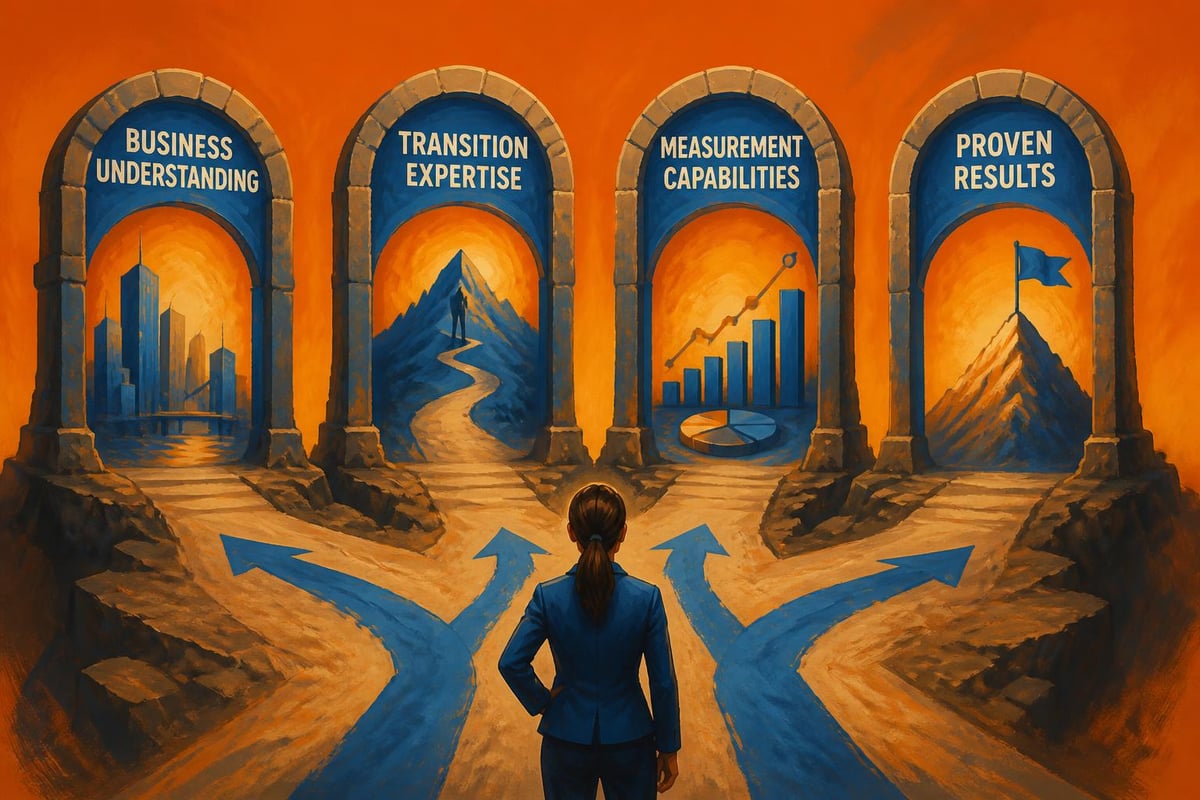
Essential selection criteria:
- Relevant experience in your specific transition type
- Business acumen that matches your organizational context
- Measurable approach tied to clear milestones
- Flexible engagement models without lengthy commitments
- Track record of documented outcomes
Many professionals benefit from exploring resources like transition-focused life coaching specialists to understand different methodological approaches before making a selection.
Red Flags to Avoid
Beware of coaches who prioritize credentials over results. In 2026, the coaching industry includes practitioners with impressive certifications but minimal real-world business experience. Understanding transition coaching approaches helps distinguish substance from marketing.
Warning signs include:
- Vague promises without specific success metrics
- Rigid programs that don't adapt to your situation
- Long-term contracts with no performance milestones
- Resistance to stakeholder involvement or feedback loops
- Theory-heavy approaches disconnected from your daily work
The best transition partnerships feel collaborative rather than prescriptive. Your coach should understand your business pressures, not just your personal aspirations.
Measuring Success in Transition Coaching
Accountability separates effective coaching from expensive conversations. When engaging a life transition coach, especially within corporate contexts, defining success metrics upfront ensures alignment and demonstrates value.
For individual contributors moving into management, success might include specific behavioral changes, team engagement scores, or project delivery improvements. Senior leaders might track decision velocity, cross-functional collaboration quality, or strategic initiative completion rates.
Business-Relevant Metrics
| Metric Category | Example Indicators | Measurement Frequency |
|---|---|---|
| Leadership effectiveness | 360 feedback scores, team retention | Quarterly |
| Decision quality | Implementation success rate, revision cycles | Monthly |
| Stakeholder confidence | Peer assessments, board feedback | Bi-annually |
| Personal resilience | Stress indicators, work-life integration | Monthly |
Organizations seeking practical corporate coaching should insist on these accountability structures from the start. Month-to-month engagements with clear KPIs allow you to evaluate progress continuously rather than committing to lengthy programs hoping for eventual results.
The intersection of transition support and business performance creates powerful leverage points. When managers learn to coach their own teams during transitions, the capability multiplies throughout the organization.
Integration with Broader Development Initiatives
A life transition coach works most effectively when integrated into comprehensive talent development strategies. Isolated coaching engagements provide limited value compared to coordinated approaches that connect individual transitions to organizational objectives.
Effective integration includes:
- Alignment between personal transition goals and business priorities
- Connection to leadership competency frameworks
- Coordination with team development initiatives
- Link to succession planning processes
- Integration with performance management cycles
For companies implementing new operating rhythms or accountability systems, transition coaching helps leaders adapt while maintaining performance. The coach becomes a bridge between old patterns and new requirements, accelerating adoption without productivity dips.

Business coaches for entrepreneurs often incorporate transition support as markets shift or companies scale. The principles apply across organizational sizes, though implementation details vary based on complexity and resources.
Working With Transition Specialists at Critical Moments
Timing matters enormously in transition work. Engaging a life transition coach three months into a struggling transition costs more and delivers less than proactive support at the inflection point.
Optimal engagement windows:
- Two weeks before a major role change begins
- Immediately after an unexpected organizational shift
- When early warning signs of struggle appear
- During strategic planning for anticipated changes
- At the first indication that current approaches aren't working
Proactive organizations build transition support into their standard operating procedures for promotions, relocations, and restructuring. This normalizes asking for help and prevents the stigma that can delay intervention until problems become crises.
Resources like those from transition coaching experts emphasize the importance of addressing emotional and psychological dimensions alongside tactical challenges. Ignoring the identity work inherent in major transitions leads to surface compliance without genuine adaptation.
The accountability component remains crucial. Even the most skilled life transition coach can't create results without client commitment and organizational support. Clear expectations, regular check-ins, and honest feedback loops separate transformative engagements from wasted investment. For more insights on accountability frameworks, visit https://accountabilitynow.net/.
Navigating life transitions successfully requires specialized support that combines psychological insight with business acumen. The right transition coach helps professionals and organizations transform challenging changes into growth opportunities. When you need practical coaching that delivers measurable results during critical transitions, Noomii connects you with experts who integrate directly into your operations, tie progress to clear metrics, and share accountability for outcomes.



Leave a Reply
Want to join the discussion?Feel free to contribute!